
Inca Education System: Training the Elite and Future Leaders

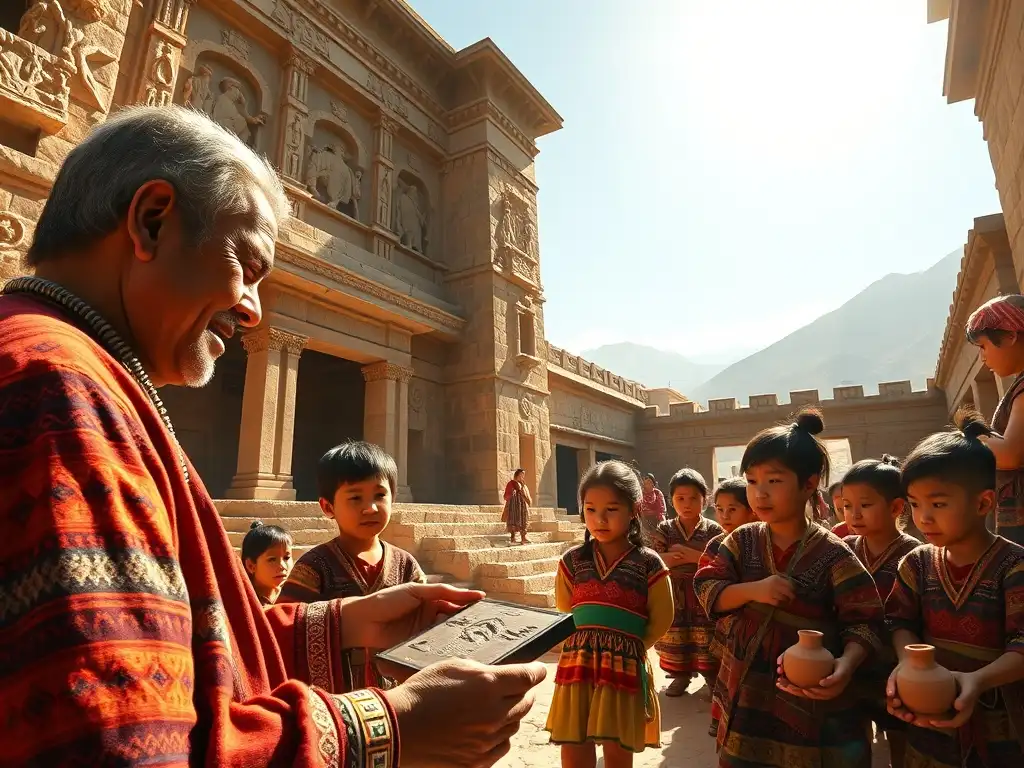
Step into a world lost to time, yet echoing with the whispers of a sophisticated empire. Imagine a civilization where education wasn't just about literacy, but about shaping future leaders. The Andean Civilizations website invites you on a journey to uncover the mysteries and marvels of the ancient Andes, starting with an exploration of the surprisingly advanced Inca education system for future leaders. Discover how this intricate system prepared the elite, and prepared the very foundations of their powerful empire. Dare to delve deeper? Let's unravel the secrets together.
The Inca Empire, a civilization that flourished in the Andes Mountains from the 15th to the 16th century, possessed a sophisticated and highly structured society. Central to their success was a carefully crafted education system, not designed for mass participation, but rather focused on training the elite and cultivating future leaders who would maintain the empire's power and stability.
Unlike many contemporary systems, the Inca approach prioritized practical skills, loyalty to the emperor, and a deep understanding of Inca traditions and values. This article delves into the intricacies of the Inca education system, exploring its purpose, the privileged few who had access to it, and the methods employed to mold the next generation of Inca nobility.
Understanding this system provides crucial insight into the inner workings of the Inca Empire and its remarkable ability to govern such a vast and diverse territory. We will examine how this system contributed directly to the empire's longevity and administrative efficiency, a key element in understanding the Inca's success in creating and maintaining a powerful and influential civilization.
The Purpose of Inca Education: Shaping the Nobility
Inca education wasn't about widespread literacy or theoretical knowledge. Its primary goal was to cultivate loyalty to the Sapa Inca (emperor) and prepare the elite for positions of power within the vast imperial bureaucracy. The curriculum emphasized practical skills deemed essential for effective governance. This included:
- Administration and Record-Keeping: Future officials learned the intricacies of quipus, complex knotted cords used for recording numerical and possibly textual information. This was crucial for managing resources, tracking taxes, and maintaining detailed records of the empire's activities. Mastering the quipus was a significant part of their training.
- Military Strategy and Tactics: Physical training and military drills were integral components of the education. The Inca Empire relied heavily on a strong military to maintain control and expand its territory. Future leaders needed to be proficient in warfare and strategic thinking.
- Religious Practices and Rituals: A deep understanding of Inca religion and its complex rituals was essential. The Inca religion played a significant role in legitimizing the emperor's authority and maintaining social order. Elite students received instruction from amautas, highly respected priests and scholars, ensuring a deep understanding of religious practices and their importance in Inca society.
- Traditional Arts and Crafts: While not universally applicable, some elite youth would receive training in specialized crafts like weaving, metalworking, or pottery. These skills weren’t just for personal enrichment, but also represented the prestige and sophistication of the Inca elite, further strengthening their social standing and reinforcing the empire's cultural identity.
The overall aim was to produce individuals who were not only competent administrators and military leaders but also deeply committed to the Inca ideology and the Sapa Inca's authority. This commitment was fostered through rigorous training, strict discipline, and a constant emphasis on the importance of upholding Inca traditions.
Access to Inca Education: Who Was Eligible?
Access to Inca education was highly restricted. It was primarily reserved for the panacas, the royal family and the nobility, and select individuals from among the curacas (local chiefs) who demonstrated loyalty and exceptional abilities. Commoners generally did not have access to formal education. Their training focused on practical skills related to their designated roles within the ayllu (community).
The selection process for elite education was likely rigorous and competitive, focusing on identifying individuals with the potential for leadership and administrative capabilities. Physical prowess, intelligence, and loyalty were probably key factors in determining eligibility. Those selected would undergo extensive training at specialized schools, often located in the capital city, Cusco, or other significant administrative centers.
The system ensured that only the most promising individuals were groomed for positions of authority within the Inca Empire, perpetuating a system of governance that prioritized competence, loyalty, and the preservation of Inca traditions. This exclusivity highlights the hierarchical nature of Inca society and the strategic importance placed on the education of its future leaders. The limited access ensured the emperor's continued power and the empire's stability.
The Yachayhuasi: Inca Schools for Noble Sons
The Yachayhuasi, meaning "house of knowledge" in Quechua, were the prestigious schools where the Inca elite received their education. These weren't just any schools; they were carefully selected locations, often situated in idyllic settings, away from the distractions of urban life. The aim was to cultivate future leaders, administrators, and priests who would uphold the Inca empire's power and prestige.
Only sons of the nobility, including members of the royal family and high-ranking officials, were admitted. The rigorous selection process ensured that only the most promising candidates, often identified from a young age based on their aptitude and potential, were accepted into this exclusive system. The environment was designed to foster intellectual growth and moral development, instilling in students a deep sense of responsibility and loyalty to the Inca state.
The location of these schools often reflected their importance – strategically placed to facilitate communication and control across the vast empire. Specific locations of these schools are still debated by historians, but the evidence points to a network across the empire, not just a singular location.
Curriculum at the Yachayhuasi: A Rigorous Education
The curriculum at the Yachayhuasi was incredibly demanding, focusing on developing both intellectual and physical capabilities. Students spent years immersed in a rigorous program that covered a wide range of subjects. This included advanced mathematics, specifically focusing on practical applications for land surveying, engineering, and astronomical calculations vital for agricultural planning. Religious instruction played a central role, instilling a deep understanding of Inca cosmology, mythology, and ritual practices.
Students learned the intricate details of Inca history and traditions, ensuring the continuity of their culture and heritage. Physical training was also a critical component, preparing them for the physical demands of leadership and military service. This included rigorous physical exercises, martial arts, and training in various weaponry.
The curriculum was designed to produce well-rounded individuals, capable of both intellectual leadership and military prowess. The emphasis on both mental and physical discipline reflected the Inca belief in the importance of a balanced and harmonious life. A key aspect of the education was the mastering of Quechua, the official language of the empire, allowing for effective communication across the diverse regions.
The Acllahuasi: Educating Chosen Women
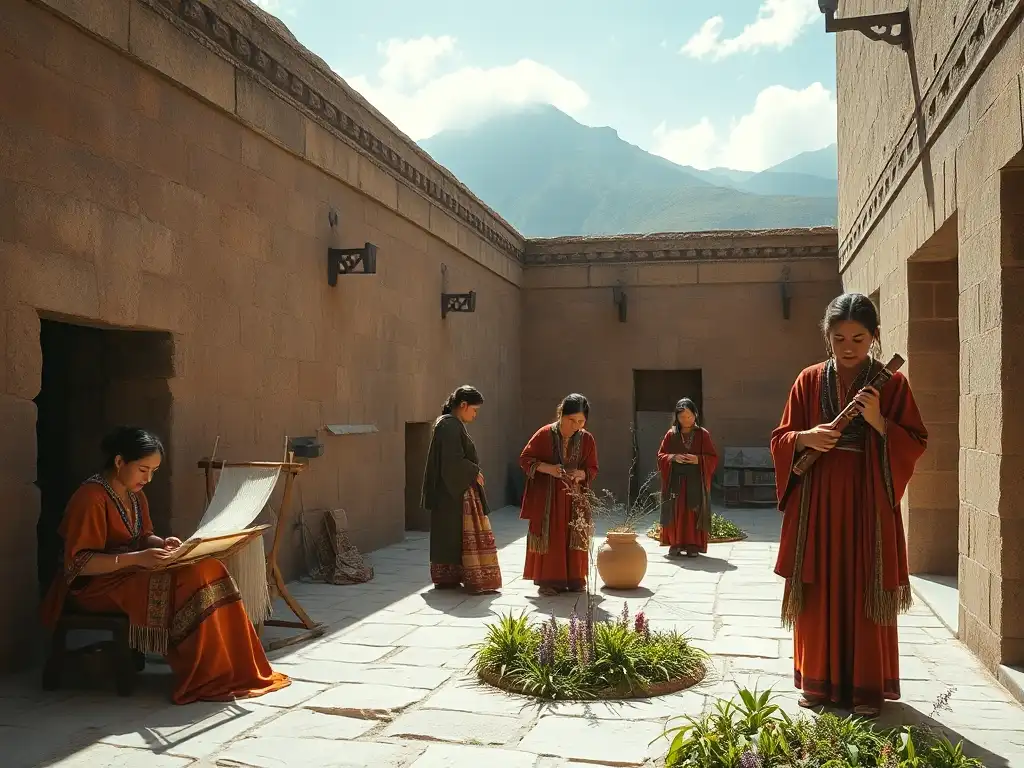
The Acllahuasi, or "house of chosen women," served a distinct but equally important role in Inca society. Unlike the Yachayhuasi, which focused on educating male elites, the Acllahuasi educated selected young women from across the empire. These women were not necessarily from noble families, but rather chosen for their beauty, talent, and potential. They were seen as sacred servants of the Inca religion and the state, fulfilling a variety of important roles within the empire.
The selection process involved meticulous observation and assessment of young girls, identifying those possessing desirable qualities and potential for service to the Inca state. This selective process aimed to identify individuals who could serve as priestesses, artisans, or even wives of high-ranking officials. The Acllahuasi was not simply a school; it was a center of religious devotion, artistic production, and social influence.
The Role of Acllas in Inca Society
The Acllas, the women educated at the Acllahuasi, played multifaceted roles within Inca society. Many served as priestesses, dedicated to the worship of Inca deities and the performance of religious rituals. Their expertise in religious practices helped maintain the spiritual fabric of the empire. Others were highly skilled artisans, producing textiles, ceramics, and other luxury goods. Their craftsmanship was renowned throughout the empire, contributing significantly to the Inca’s economic and cultural prosperity.
Some Acllas served as wives of high-ranking officials or even the Inca emperor himself. This ensured the perpetuation of royal lineage and the continuation of Inca political power. Their education equipped them with the skills and knowledge to navigate the complex social and political landscape of the Inca empire. Their influence extended beyond their immediate roles, shaping the cultural and religious life of the empire.
Training and Skills Taught at the Acllahuasi
The education at the Acllahuasi was designed to cultivate a variety of skills and knowledge. Religious instruction was paramount, teaching the Acllas the intricate details of Inca mythology, cosmology, and ritual practices. This ensured their ability to perform religious ceremonies and maintain the spiritual well-being of the empire.
Artisanal training was another key component. The Acllas received extensive training in weaving, pottery, and other crafts, producing high-quality textiles, ceramics, and other goods that were highly valued. Their expertise in these areas contributed significantly to the Inca economy and demonstrated their vital role in society.
In addition to these practical skills, the Acllas also received instruction in music, dance, and other forms of artistic expression, enriching the cultural life of the empire. Their training was multifaceted, producing women who were both spiritually devoted and highly skilled artisans, contributing significantly to the Inca civilization. The Acllahuasi thus served as a crucial institution for training women who played essential roles in Inca society, contributing to both its religious and economic success.
Methods of Inca Teaching: Oral Transmission and Practical Skills
The Inca education system, particularly for future leaders, relied heavily on oral transmission and practical skills. Unlike many other ancient civilizations that developed extensive written records, the Inca primarily used oral traditions to pass down knowledge, history, and cultural values. This method fostered strong memory skills and ensured the continuity of their rich cultural heritage across generations.
The emphasis on oral learning meant that memorization and recitation were crucial components of the educational process. Students would learn complex narratives, historical accounts, and religious beliefs through repeated listening and recitation, often aided by mnemonic devices and songs. This approach ensured that vital information was preserved and disseminated effectively within the Inca society.
The system also placed a strong emphasis on storytelling, which served not only as a form of entertainment but also as a powerful tool for moral instruction and the transmission of cultural values. These stories often conveyed important lessons about Inca history, societal norms, and the expected behaviors of future leaders.
The Importance of Oral Tradition in Inca Learning
Oral tradition was the cornerstone of Inca education. Knowledge was passed down through generations via meticulously crafted narratives, songs, and rituals. These weren't simply stories; they were carefully constructed vehicles for transmitting complex social structures, historical events, and intricate religious beliefs. The effectiveness of this system relied on the exceptional memory skills of the amautas (teachers) and the students themselves.
Consider the sheer volume of information – genealogies, agricultural practices, astronomical knowledge, and religious ceremonies – that had to be committed to memory. The accuracy and consistency of this oral transmission are a testament to the sophistication of the Inca educational methods. The absence of a written language also meant that the oral tradition was deeply intertwined with the social fabric of Inca society, reinforcing community bonds and shared cultural identity.
Practical Application and Hands-On Training
Alongside the oral transmission of knowledge, Inca education heavily emphasized practical application and hands-on training. Future leaders weren't just expected to memorize facts; they needed to demonstrate competence in various skills relevant to their future roles. This included agricultural techniques, construction methods, and military strategies. For example, young nobles would participate in agricultural activities, learning about irrigation systems, crop rotation, and animal husbandry.
They would also be involved in construction projects, gaining firsthand experience in building techniques and organization. This hands-on approach ensured that future leaders possessed not only theoretical knowledge but also the practical skills necessary to effectively govern and manage their communities. The emphasis on practical skills also extended to military training, where young men learned warfare tactics and combat skills, essential for maintaining the empire's stability and security.
The Role of Amautas and Teachers in Inca Education
The amautas, or teachers, played a pivotal role in the Inca education system. They were highly respected figures, often chosen for their wisdom, knowledge, and ability to effectively impart information. Their role extended beyond simply transmitting knowledge; they also served as mentors and role models, shaping the moral character and leadership qualities of their students. The amautas used a variety of teaching methods, including storytelling, memorization exercises, and practical demonstrations.
Their instruction wasn't confined to classrooms; it often took place in settings relevant to the skills being taught – agricultural fields, construction sites, or military training grounds. The amautas were responsible for selecting and preparing students for specific roles within the Inca society, ensuring that the empire had skilled individuals in all necessary areas. Their influence extended far beyond the classroom, shaping the values and beliefs of future generations of Inca leaders.
Inca Education for Future Leaders: Developing Competent Governors
The Inca education system was meticulously designed to cultivate competent and loyal governors capable of effectively managing the vast empire. This wasn't a haphazard process; it was a carefully structured system that identified promising individuals from a young age and provided them with the necessary training and skills. The curriculum wasn't standardized in the way we understand formal education today.
Instead, it was tailored to the specific needs and potential of each student, preparing them for various roles within the intricate administrative structure of the empire. This personalized approach maximized the potential of each individual, ensuring that the empire had skilled and capable leaders across all levels of government.
Preparing Inca Leaders for Political and Administrative Roles
The training of future Inca leaders focused on developing the essential skills for effective political and administrative roles. This included understanding the complex laws and regulations of the empire, managing resources, and resolving disputes. Students learned about Inca history and traditions, gaining a strong understanding of the cultural values and social structures that underpinned the empire.
They also received training in accounting, record-keeping, and resource management, crucial skills for overseeing the empire's vast resources and infrastructure. This wasn't simply theoretical knowledge; it was actively applied through participation in administrative tasks and practical exercises. This hands-on approach ensured that future leaders were well-prepared to handle the challenges of governing a large and diverse population.
The Emphasis on Loyalty and Service to the Inca State
Loyalty and service to the Inca state were paramount in the Inca education system. Future leaders were instilled with a deep sense of duty and responsibility towards the empire and its people. This was achieved through moral instruction, storytelling, and the constant reinforcement of Inca values.
Students were taught to prioritize the needs of the community over their own personal interests, understanding that their roles were fundamentally about serving the empire and its people. This emphasis on loyalty and service was crucial in maintaining the stability and cohesion of the vast Inca Empire. The system fostered a sense of collective responsibility and a strong commitment to the well-being of the Inca state.
Inca Elite Education: Shaping the Future of the Empire
The education of the Inca elite was crucial in shaping the future of the empire. These individuals, selected from the most promising young people across the empire, received specialized training to prepare them for leadership roles. This elite education wasn't simply about acquiring knowledge and skills; it was about cultivating the qualities of effective leadership, including wisdom, judgment, and integrity. The curriculum was designed to foster a sense of responsibility and a commitment to serving the empire.
These young individuals were groomed to become the future governors, administrators, and military leaders who would maintain the stability and prosperity of the Inca Empire. The rigorous training and emphasis on moral character ensured that the empire's future was in capable and responsible hands. The success of the Inca Empire for centuries is a testament to the effectiveness of its system for educating its future leaders.
The Legacy of Inca Education: Influence on Andean Society
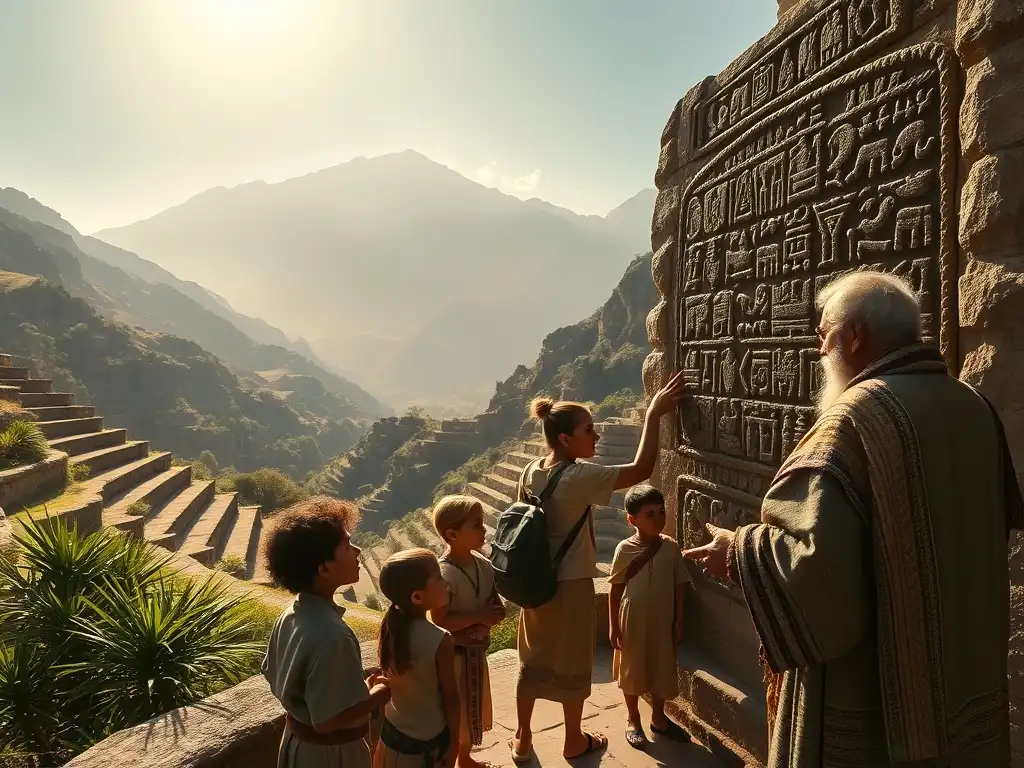
The Inca education system, while primarily focused on training the elite, had a profound and lasting impact on Andean society as a whole. Its emphasis on discipline, loyalty, and service to the empire fostered a strong sense of community and collective identity. The rigorous training imparted to future leaders instilled a hierarchical structure that, while arguably restrictive, provided a framework for social order and efficient administration across a vast and diverse empire.
This system contributed to the Inca's remarkable achievements in engineering, agriculture, and governance, shaping the cultural landscape of the Andes for centuries to come. Even after the Spanish conquest, remnants of the Inca educational philosophy, particularly the emphasis on practical skills and community engagement, persisted within Andean communities, influencing their adaptation and resilience in the face of colonial rule. The Inca's dedication to education, even in its elitist form, created a ripple effect that extended beyond the privileged few, impacting the everyday lives and societal structures of the entire population.
The legacy of this system is still visible in the enduring traditions and organizational patterns of many Andean communities today. Further research into specific post-conquest communities would reveal more nuanced impacts of this legacy.
Differences Between Inca Elite Education and Common Education
The Inca education system was far from uniform. A stark contrast existed between the education received by the elite—the kuraykák and future leaders—and that of commoners. Elite education was highly structured and focused on developing intellectual and leadership skills. It emphasized the mastery of quipu (knotted-string record-keeping), advanced mathematics, astronomy, and religious knowledge, preparing them for roles in administration, religion, and warfare.
This elite training took place in specialized schools, often located in the capital, Cusco, or in other important administrative centers. These schools provided a rigorous curriculum designed to cultivate loyalty to the Inca emperor and proficiency in managing the empire’s vast resources and diverse population. The training was highly selective, with only the most promising children from noble families gaining admittance. This selective system ensured that the most capable individuals were groomed to lead the empire, perpetuating the Inca's centralized and hierarchical power structure.
Inca Education for Commoners: Practical Skills and Labor
In contrast to the elite's formal education, commoners received a far less structured and more practical education. Their training focused primarily on the acquisition of skills essential for their assigned roles within the ayllu (community) and the broader Inca empire. Boys were typically trained in agriculture, animal husbandry, construction, and other essential manual skills. Girls were taught domestic skills such as weaving, cooking, and childcare.
This education was largely informal, passed down through generations within families and communities. It was less about theoretical knowledge and more about the practical application of skills that ensured the functioning of the Inca's highly organized and productive society. The emphasis on collective work and community responsibility was a key element of this practical training, reinforcing the social fabric of the ayllu. While lacking the formality and structured curriculum of elite education, this system was crucial for the empire's economic and social stability.
Variations in Educational Opportunities Based on Social Class
The social hierarchy within the Inca Empire profoundly influenced access to and the nature of education. The starkest difference lay between the elite and the commoners. The kuraykák, the Inca aristocracy, enjoyed exclusive access to formal education in specialized schools, receiving advanced training in areas such as administration, religion, and military strategy. Their education was designed to prepare them for positions of power and influence within the empire.
Lower social classes, including artisans and farmers, received significantly less formal education. Their training was largely practical and informal, centered around the skills necessary for their specific roles within the community. Even within the commoner class, variations existed.
Those belonging to strategically important ayllus or those exhibiting exceptional talent might receive more opportunities for advanced training or specialized skills development, although this was far less systematic than the elite educational system. This stratified educational system directly reflected and reinforced the rigid social hierarchy of the Inca Empire, ensuring the perpetuation of its power structure. The lack of widespread access to formal education for the majority of the population contrasts sharply with the highly developed and centralized system for training the elite.
The Impact of Inca Education on the Empire's Success
The Inca education system played a pivotal role in the empire's remarkable expansion and enduring stability. By carefully selecting and training individuals from a young age, the Inca leadership ensured a steady stream of competent administrators, skilled artisans, and loyal soldiers. This systematic approach to education fostered a highly organized and efficient state apparatus, capable of managing vast territories and diverse populations.
The Inca's success wasn't merely a result of military might; it was profoundly shaped by their ability to govern effectively, an ability honed through their rigorous educational program. This contrasts sharply with other contemporaneous empires that often struggled with internal dissent and administrative inefficiency. The Inca system, in its meticulous focus on cultivating loyalty and competence, was a key ingredient in their success.
The empire's vast infrastructure projects, from intricate road networks to sophisticated agricultural terraces, stand as testament to the skilled workforce produced by this system. This wasn't simply about technical skills; the education instilled a sense of collective purpose and civic responsibility, vital for the cohesion of such a large and diverse empire.
How Inca Education Contributed to State Control and Efficiency
Inca education wasn't simply about imparting knowledge; it was a powerful tool for maintaining state control and maximizing efficiency. The curriculum, tailored to different social strata, ensured that individuals were prepared for their specific roles within the hierarchical society. The yachahuac schools, designed for the elite, instilled not only academic knowledge but also unwavering loyalty to the Sapa Inca.
This loyalty translated into effective governance, with administrators dedicated to upholding the empire's policies and interests. The rigorous training in record-keeping and accounting, for example, allowed for precise control over resources and taxation, essential for the smooth functioning of a vast empire. Furthermore, the education system fostered a standardized approach to administration across different regions, minimizing conflicts and ensuring consistency in governance.
The systematic selection and training of officials ensured that only those deemed loyal and competent held positions of power, minimizing the risk of internal rebellion or corruption. The empire's efficient distribution of resources and its ability to respond effectively to crises, in part, stemmed from this carefully constructed educational framework. The system was designed to create a highly efficient, centralized bureaucracy, leaving little room for individual autonomy or dissent.
The Long-Term Effects of the Inca Educational Model
The Inca educational model, although abruptly interrupted by the Spanish conquest, left a lasting impact on Andean societies. Elements of the Inca system, particularly the emphasis on practical skills and communal responsibility, persisted even after the arrival of the Europeans. The Inca's focus on agriculture and resource management, instilled through their educational practices, continues to influence Andean agricultural techniques and community organization today.
While the formal structures of the Inca education system were dismantled, the values of cooperation, discipline, and respect for tradition, fostered by the system, remain deeply embedded in Andean cultures. The legacy of the Inca's educational emphasis on practical skills is visible in the continuing expertise of Andean artisans and craftspeople. Moreover, the Inca emphasis on collective well-being and community responsibility continues to shape social structures and ethical frameworks in the region.
While the Spanish conquest fundamentally altered the course of Andean history, the enduring influence of the Inca educational model demonstrates its remarkable resilience and lasting impact. This enduring legacy highlights the profound societal effects of a well-structured and purposeful educational system, even across centuries and significant historical upheaval. The enduring impact showcases the long-term effects of a centralized, effective educational system designed to cultivate not only skilled individuals but also loyal citizens dedicated to the well-being of the empire.
- The Purpose of Inca Education: Shaping the Nobility
- Access to Inca Education: Who Was Eligible?
- The Yachayhuasi: Inca Schools for Noble Sons
- The Acllahuasi: Educating Chosen Women
- Methods of Inca Teaching: Oral Transmission and Practical Skills
- Inca Education for Future Leaders: Developing Competent Governors
- The Legacy of Inca Education: Influence on Andean Society
- Differences Between Inca Elite Education and Common Education
- The Impact of Inca Education on the Empire's Success
Frequently Asked Questions
What was the primary goal of the Inca education system?
The Inca education system's main goal was to train future leaders and maintain social order. It focused on preparing the elite for roles in government, religion, and the military. This ensured the continuation of the empire's power structure.
Who received an Inca education?
Only members of the elite, including the children of nobles, priests, and high-ranking officials, received a formal Inca education. Commoners received practical training within their communities, but not the structured education of the elite.
What subjects were taught in the Inca education system?
The curriculum included military training, religious instruction, administration skills, and physical conditioning. Emphasis was placed on loyalty to the Inca emperor and the preservation of Inca traditions.
Where did Inca elite children receive their education?
Elite children were educated in special schools called yachayhuasis, often located near temples or palaces. These schools provided a structured environment for learning and development. The quality of education varied based on the child's social standing.
How did the Inca education system contribute to the empire's success?
The Inca education system played a crucial role in the empire's success by creating a skilled and loyal administrative class. This ensured effective governance, resource management, and the maintenance of social control across a vast and diverse empire.
Final Reflection: Echoes of the Inca: Shaping Future Leaders Today
The Inca education system, far from being a relic of the past, offers a powerful model for cultivating leadership in the modern world. Its emphasis on practical skills, community engagement, and rigorous training remains strikingly relevant in an era demanding adaptable, ethically-minded leaders capable of navigating complex global challenges. The principles embedded within this ancient system resonate deeply with the needs of today's society.
The Inca's focus on holistic development—integrating intellectual, physical, and spiritual growth—serves as a potent reminder of the limitations of a purely academic approach to leadership training. Their commitment to preparing individuals not just for positions of power, but for service to their communities, is a lesson often overlooked in contemporary models. The true measure of a leader is not how many followers they have, but how many they serve.
This sentiment, though not directly from Inca texts, captures the essence of their leadership philosophy and its enduring value.
Consider the implications of this ancient wisdom for your own life. How can you integrate the principles of holistic development and community service into your personal and professional goals? What aspects of the Inca educational model can you adapt to cultivate your own leadership potential and contribute meaningfully to the world around you? Embrace the challenge, and let the echoes of the Inca inspire you to build a future worthy of their legacy.
Unleash Your Inner Leader: Embrace the Inca Legacy!
Thank you for exploring the fascinating world of Inca education. By learning about how the Inca trained their elite and future leaders, you've gained valuable insights into leadership and educational practices that remain relevant today. Now, let's put that inspiration into action!
Here's how you can connect with the Inca legacy and inspire others:
- Embrace Lifelong Learning: Continuously seek new knowledge and skills to enhance your leadership capabilities. The Inca emphasis on continuous learning provides a powerful model for personal and professional growth.
- Share Your Insights: Discuss your newfound understanding of Inca leadership with colleagues, friends, or online communities. Inspire others to reflect on the enduring value of education and its impact on leadership.
- Expand Your Knowledge: Explore leadership development programs, workshops, or online courses to broaden your perspective on effective leadership and diverse educational approaches. Consider researching indigenous cultures and their unique educational philosophies.
Reflecting on the Inca's dedication to education and leadership development, what steps will you take today to cultivate your own leadership potential?