
The Inca Commoners: Daily Life and Contributions to the Empire

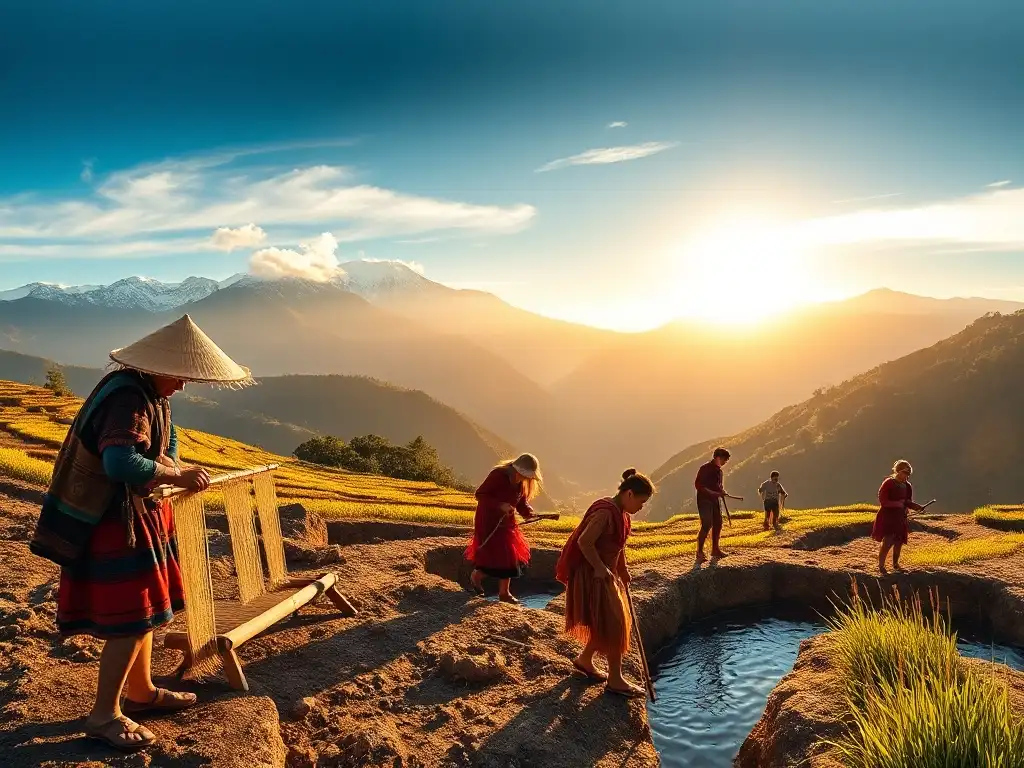
Step into a world lost to time, yet echoing with the vibrant spirit of the Andes. Imagine the daily rhythm of life for an Inca commoner – a life far more complex and fascinating than you might think. This website unveils the secrets of the Andean civilizations, from the towering achievements of the Inca Empire to the intricate artistry of the Nazca. But first, delve into the heart of the matter: uncover the surprising realities of Inca commoner daily life and discover their vital contributions to the empire's enduring legacy. Prepare to be amazed.
The Inca Empire, a marvel of ancient engineering and societal organization, is often remembered for its powerful emperors and impressive architectural feats. However, the true strength of the empire lay in the hands of its commoners – the ayllus – whose daily lives and tireless contributions formed the very foundation of Inca power and prosperity.
This article delves into the daily routines, social structures, and significant contributions of these often-overlooked individuals, providing a nuanced understanding of their vital role within the vast Inca societal machine. We will explore how their labor, dedication, and integration into the mita system directly impacted the empire's growth, infrastructure, and overall success.
Understanding the Inca commoner's daily life is crucial to grasping the full complexity and remarkable achievements of this pre-Columbian civilization. This exploration will illuminate the intricate web of social organization and economic productivity that defined the Inca Empire, moving beyond the grandeur of the palaces and focusing on the lives of the people who built them.
Understanding the Role of the Inca Commoner
The Inca commoner, far from being a nameless cog in a vast machine, held a vital and multifaceted role within Inca society. They were the backbone of the empire, responsible for the agricultural production, construction projects, and the overall maintenance of the intricate infrastructure that sustained millions. Their lives were deeply intertwined with the ayllu, a complex system of kinship and reciprocal obligations. Membership in the ayllu provided a sense of community and social security, offering support in times of need and ensuring a degree of collective responsibility.
The ayllu wasn't merely a social unit; it was also the basis of economic organization, with land distributed among its members and labor allocated according to the needs of the community and the empire. This system, while demanding, provided a level of social stability and security rarely seen in other pre-industrial societies. The commoners’ lives were structured around agricultural cycles, with their days filled with planting, harvesting, and tending to livestock.
They also participated in the construction of roads, temples, and irrigation systems, contributing their labor to the impressive infrastructure projects that defined the Inca Empire. This labor, while demanding, was not without reward: it ensured the survival and well-being of the entire community and cemented their integral role within the Inca societal structure. The concept of collective responsibility and mutual support within the ayllu fostered a strong sense of community and social cohesion, minimizing social inequality compared to many other contemporaneous societies.
Inca Society Structure and the Commoner Class
The Inca social hierarchy was relatively rigid, with the emperor at its apex, followed by the nobility, priests, and finally, the commoners. While the commoners occupied the lowest rung of the official social ladder, their position was far from insignificant. Their importance stemmed from their sheer numbers and their indispensable contribution to the empire's economic and social fabric. The Inca state implemented a complex system known as the mita, a form of mandatory labor service.
While often portrayed negatively, the mita was a crucial mechanism for managing resources and ensuring the completion of large-scale projects. Commoners were assigned mita duties based on their skills and the needs of the empire, which could range from agricultural work to construction and even military service. The mita system, although demanding, provided a degree of social mobility, and skilled individuals could gain recognition and even advancement within their ayllus based on their contributions. Furthermore, the Inca state provided essential services to the commoners, including healthcare, education (in the form of practical skills and knowledge), and a system of social welfare ensuring a basic standard of living.
This system, while not entirely equitable, mitigated the potential for widespread poverty and social unrest, contributing to the relative stability of the empire for an extended period. The integration of the mita system with the ayllu structure ensured a degree of community-based support, mitigating some of the harsh realities of compulsory labor. The commoners’ role, therefore, was not simply one of passive subservience but one of active participation in the maintenance and expansion of the Inca Empire, a testament to their integral role in this remarkable civilization.
Daily Life of the Inca Commoner: Work and Sustenance
The daily life of an Inca commoner revolved around agriculture and fulfilling their obligations to the empire. Their lives were structured, dictated by the demands of the ayllu, their community, and the Inca state. Survival depended on successful harvests and the collective effort of the community. While not burdened with the same level of administrative responsibilities as the elite, their contributions were vital to the empire's success.
Their days were long, filled with physical labor, but often punctuated by communal activities and celebrations. The rhythm of their lives followed the agricultural calendar, with distinct periods of planting, harvesting, and maintenance of crops and irrigation systems. Access to resources was largely dictated by the ayllu system, ensuring a degree of social safety net, even if it meant limited individual autonomy.
Agricultural Practices of Inca Commoners
Inca commoners were primarily farmers, relying on sophisticated agricultural techniques to cultivate the challenging Andean terrain. The ayllu system played a crucial role in organizing agricultural production. Land was distributed amongst families within the ayllu, with responsibilities for its cultivation and maintenance shared collectively. Common crops included potatoes, maize, quinoa, beans, and squash, carefully adapted to diverse altitudes and microclimates.
Irrigation systems, meticulously maintained by the community, were essential for successful crop yields, demonstrating a remarkable understanding of water management. Crop rotation and terracing techniques were employed to prevent soil erosion and maximize productivity in the steep Andean slopes. Agricultural surpluses were often stored in communal granaries, ensuring food security during lean times and providing resources for the mit'a system.
Textile Production and Weaving
Beyond agriculture, textile production was a significant aspect of Inca commoner life, particularly for women. Weaving was a highly skilled craft, with textiles serving both practical and ceremonial purposes. Alpaca and llama wool were the primary materials, and the quality of the textiles varied depending on the social standing of the wearer.
Commoners produced textiles for everyday use, like clothing, blankets, and bags. The intricate designs and techniques used in weaving showcased the creativity and skill of Inca women, who were highly valued for their contribution to the economy and cultural heritage. The vibrant colors and sophisticated patterns displayed on many textiles often reflected regional styles and traditions, contributing to the rich tapestry of Inca culture.
Family Life and Social Structures within the Commoner Class
Family life within the Inca commoner class was deeply intertwined with the ayllu. The ayllu acted as an extended family unit, providing social support and mutual assistance. Marriages were often arranged within the ayllu, strengthening social bonds and ensuring the continuity of the community. Children were integral to the family's labor force, contributing to agricultural work and other tasks from a young age.
While the ayllu offered a sense of community and security, it also meant a relatively limited degree of individual freedom. Social mobility was restricted, with individuals largely remaining within their assigned social class throughout their lives. However, the strong sense of community and mutual support provided by the ayllu mitigated some of the limitations of a rigid social hierarchy.
The Inca Commoner's Contributions to the Empire
Inca commoners were not merely farmers; they were the backbone of the empire, contributing significantly to its infrastructure, military strength, and overall prosperity. Their labor, organized through the mit'a system, was essential for the construction of monumental projects, the maintenance of vital infrastructure, and the defense of the empire. Their skills in agriculture, pottery, metalworking, and textile production contributed significantly to the Inca economy and cultural richness.
Mandatory Labor and Mit'a System
The mit'a system was a mandatory labor tax imposed on all able-bodied Inca commoners. It was not considered slavery but rather a civic duty that contributed to the well-being of the entire empire. Commoners were assigned tasks based on their skills and the needs of the empire, ranging from agricultural work to construction projects and military service.
The duration of mit'a service varied depending on the specific task, but it was a significant obligation that affected the lives of most commoners. The system ensured the construction of vast infrastructure projects and maintained the empire's military capacity. While demanding, the mit'a system also provided a degree of social security, offering food and shelter to those fulfilling their labor obligations.
Role in Road and Irrigation Construction
Inca commoners played a crucial role in the construction and maintenance of the extensive Inca road network and irrigation systems. These monumental projects required massive coordinated efforts, showcasing the organizational capabilities of the Inca empire and the dedication of its commoners. The roads facilitated communication, trade, and military movements across the vast empire.
Irrigation systems were essential for agricultural production, ensuring the prosperity of the empire's population. The construction of these systems required advanced engineering skills, reflecting the ingenuity of Inca commoners and their mastery of stonework and hydraulics. These projects stand as a testament to the commoners' skill and perseverance.
Terraced Farming and Agricultural Advancements
Inca commoners' expertise in terraced farming significantly contributed to the empire's agricultural success. Terracing allowed for the cultivation of steep slopes, maximizing arable land and preventing soil erosion. This ingenious technique, coupled with sophisticated irrigation systems, enabled the Inca to cultivate a wide variety of crops, ensuring food security for the vast population. The commoners' knowledge of soil management, crop rotation, and water conservation were crucial to the empire’s agricultural productivity. Their mastery of these techniques enabled the Inca to achieve remarkable agricultural yields in a challenging environment.
Pottery and Metalworking
Inca commoners were skilled artisans, contributing significantly to the empire’s pottery and metalworking traditions. Pottery was used for everyday purposes, from cooking and storage to ceremonial rituals. Commoners produced a wide variety of pottery, showcasing their artistic skills and technical expertise.
Metalworking was another significant craft, with commoners producing tools, weapons, and decorative objects from metals like gold, silver, and copper. These crafts not only contributed to the practical needs of the empire but also reflected its artistic and cultural achievements. The quality of the craftsmanship often varied depending on the social standing of the individual or ayllu, but overall, the commoners' contributions to these crafts were essential for the empire’s economy and cultural expression.
Military Service and Support
While primarily involved in agriculture and other essential tasks, Inca commoners also played a crucial role in supporting the Inca military. Although they were not always directly involved in combat, they provided essential logistical support, transporting supplies, building fortifications, and maintaining the empire’s infrastructure. Their contributions were vital to the empire's military campaigns and its ability to maintain control over its vast territory. In times of war, commoners could be called upon for military service, demonstrating their commitment to defending the empire. Their collective efforts ensured the military's operational effectiveness and contributed significantly to the Inca Empire's military success.
The Inca Commoner's Spiritual and Cultural Life
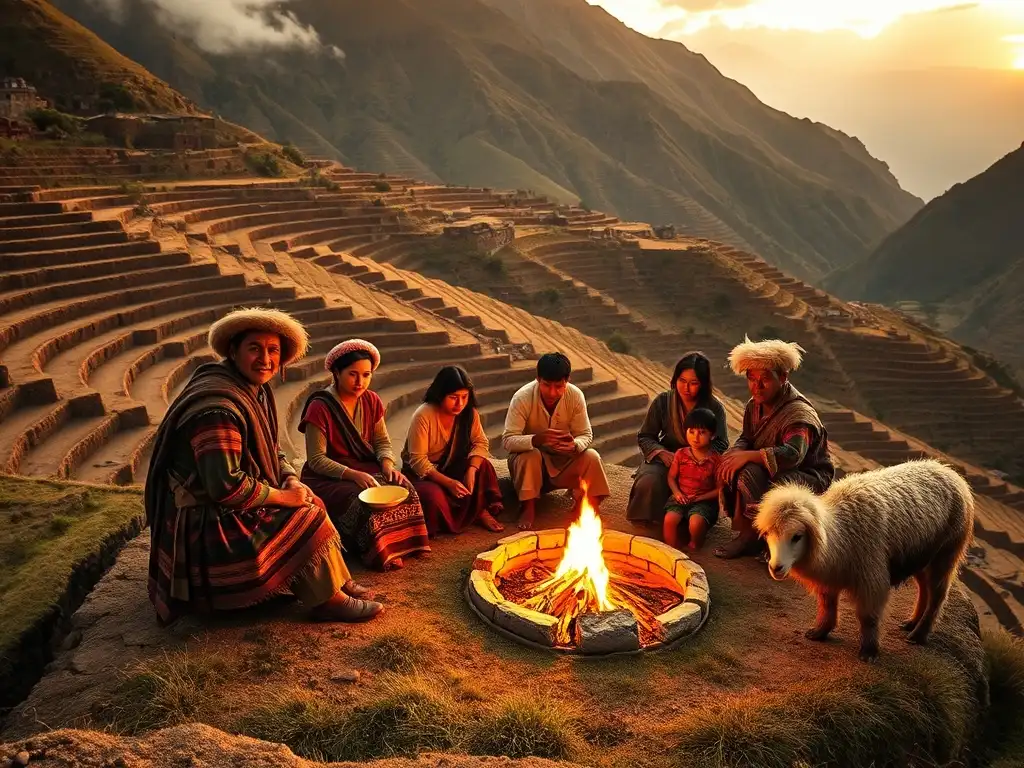
The spiritual life of an Inca commoner was deeply intertwined with the natural world and the veneration of ancestors. Their worldview was profoundly animistic, permeating every aspect of daily existence. The commoners participated in a complex system of rituals and ceremonies, often tied to the agricultural cycle and the worship of powerful deities. Religious practices were not confined to designated temples or priests; rather, they were integrated into the fabric of everyday life, reinforcing community bonds and social order.
Beliefs were passed down through generations, orally and through practical demonstrations during ceremonies and daily tasks. The commoners held a deep respect for the apus (mountain spirits) and other natural forces, believing they held significant power over their lives and livelihoods. This reverence extended to the land itself, treated with utmost care and respect in their agricultural practices.
Animistic Beliefs and Ancestor Veneration
Animism formed the cornerstone of Inca commoners' spiritual beliefs. They believed that spirits inhabited everything in the natural world – mountains, rivers, rocks, and even animals and plants. These spirits were believed to influence daily life, impacting harvests, weather patterns, and overall well-being. Ancestor veneration played a crucial role, with commoners believing that their ancestors continued to interact with the living world.
They performed rituals to honor their deceased relatives, seeking their guidance and protection. Family tombs often held significant importance, acting as focal points for these rituals and demonstrations of respect. Offerings of food, coca leaves, and other items were common practices aimed at appeasing spirits and ensuring continued support from the ancestral realm. The belief in the interconnectedness of the living and the dead reinforced family ties and social cohesion within communities.
Inti Raymi and other Ritual Celebrations
Inti Raymi, the festival of the sun, was a significant event for Inca commoners, a time of great celebration and communal bonding. While the grandest celebrations took place in Cusco, commoners throughout the empire participated in their own localized versions of the festival. These celebrations involved elaborate ceremonies, feasting, and communal dancing, reinforcing the importance of the sun god, Inti, and reaffirming their connection to the Inca state.
Beyond Inti Raymi, numerous other festivals and rituals marked the agricultural calendar, celebrating harvests, sowing, and other crucial agricultural milestones. These events provided opportunities for social interaction, strengthening community ties and reinforcing shared cultural values. Participation in these rituals was not simply a religious act but an essential part of social life, fostering a sense of belonging and collective identity.
Music and Dance in Community Life
Music and dance were integral to the everyday lives of Inca commoners. Music, often created using panpipes, drums, and other indigenous instruments, accompanied many activities, from agricultural work to religious ceremonies. Dance played a significant role in rituals, celebrations, and even everyday social interactions. Specific dances were associated with particular events or deities, reflecting the interconnectedness of religious beliefs and cultural practices. These musical and dance traditions served to transmit cultural knowledge, entertain, and reinforce social cohesion within communities. The music and dance were not merely forms of entertainment; they were tools for cultural preservation and social bonding.
Challenges and Hardships Faced by Inca Commoners
The life of an Inca commoner was not without its significant challenges and hardships. While the Inca Empire achieved remarkable feats of engineering and administration, the commoners often faced considerable economic and environmental pressures. The demands of the empire, coupled with natural disasters, could lead to periods of hardship and even famine. Social stratification, while less rigid than in other societies, still limited opportunities for social mobility.
Taxation and Tribute Demands
The Inca system of taxation, known as mita, required significant labor contributions from commoners. This system wasn't simply a tax on wealth, but rather a form of obligatory service to the state. Commoners were required to dedicate a portion of their time to working on state projects, such as building roads, temples, or irrigation systems.
While this labor provided essential infrastructure for the empire, it often diverted time and resources from their own agricultural pursuits, potentially leading to economic hardship. The intensity of mita demands varied depending on the region and the specific needs of the empire, with some periods placing greater strain on commoners than others. The system's effectiveness and fairness are still debated by historians, with evidence suggesting both benefits and burdens for the commoners.
Famines and Environmental Pressures
The Inca Empire’s vast geography exposed its population to various environmental challenges, impacting agricultural production and leading to periodic famines. Climate variability, droughts, floods, and infestations could significantly reduce harvests, resulting in food shortages and widespread suffering among the commoners. While the Inca government attempted to mitigate these effects through storage systems and redistribution of resources, these measures were not always sufficient to prevent widespread famine. The dependence on agriculture made the commoners particularly vulnerable to environmental fluctuations. Their lives were intimately tied to the rhythms of nature, making them susceptible to its unpredictable forces.
Social Stratification and Limited Mobility
While Inca society was less rigidly stratified than some other ancient civilizations, social mobility was limited for commoners. The vast majority of the population belonged to the ayllu, a communal group organized around kinship and land ownership. While social advancement was possible through exceptional service or skill, opportunities were relatively scarce. The curacas, local leaders, held significant power and influence within their communities, and the commoners' lives were largely governed by the decisions and directives of these local authorities. The system, while providing a degree of social security, also limited individual advancement, reinforcing a hierarchical structure within the empire.
Legacy of the Inca Commoner
The Inca commoners, despite their position within the rigid social hierarchy, left an indelible mark on Andean culture and continue to shape our understanding of the Inca Empire. Their daily lives, characterized by agricultural labor, communal living, and unwavering loyalty to the Sapa Inca, were integral to the empire's success. Their contributions extended far beyond the simple fulfillment of labor obligations; they represent the backbone of a complex and sophisticated civilization.
The ingenuity and resilience demonstrated by these individuals are crucial aspects of the Inca story, often overshadowed by narratives focused solely on the elite. Understanding their lives provides a more complete and nuanced perspective of the Inca Empire's achievements.
Their legacy is not just one of toil, but of perseverance, adaptation, and cultural preservation in the face of challenging environmental conditions and demanding social structures. The very fabric of Andean society, from its agricultural practices to its social organization, reflects the enduring legacy of the commoners' contributions.
Lasting Impact on Andean Culture
The Inca commoners' agricultural techniques, developed over centuries, continue to influence farming practices in the Andes today. Their sophisticated terracing systems, irrigation canals, and crop diversification strategies are testaments to their deep understanding of their environment. These methods, passed down through generations, ensured food security for the vast Inca population and contributed significantly to the empire's stability.
Furthermore, the communal spirit fostered within Inca society, where collective labor was the norm, continues to resonate in many Andean communities. The concept of ayni, reciprocal exchange of labor and goods, remains a powerful social force, demonstrating the lasting impact of Inca social structures on modern Andean culture.
Even the textiles and pottery produced by Inca commoners, often overlooked in favor of elite artifacts, reveal remarkable craftsmanship and artistic sensibilities that persist in contemporary Andean art forms. This legacy is not confined to material culture; it also includes social norms and values that are still relevant today.
Lessons in Collective Labor and Resource Management
The Inca commoners' experience offers invaluable lessons in collective labor and resource management. The mita system, while demanding, demonstrated the effectiveness of organized labor in large-scale infrastructure projects. The construction of roads, bridges, and irrigation systems, all crucial to the empire's functioning, stands as a testament to the power of collective effort. Furthermore, the Inca's system of resource allocation, albeit hierarchical, showcased a remarkable understanding of efficient distribution.
The warehouses ( qollqas) that stored agricultural surpluses ensured food security during times of scarcity, highlighting the importance of careful planning and resource management. These practices highlight the potential benefits of community-based initiatives and sustainable resource use, offering valuable insights for contemporary societies facing challenges in these areas. The Inca system, while not without its flaws, provides a compelling case study in the effective organization of labor and resources for the benefit of a large population.
Modern Archaeological Interpretations
Modern archaeological research is increasingly focused on shedding light on the lives of Inca commoners. Excavations of commoner dwellings, analysis of their tools and artifacts, and the study of their skeletal remains are providing a richer understanding of their daily lives, health, and social interactions. Isotopic analysis of bones, for example, is revealing details about their diets and the types of labor they performed.
Furthermore, the analysis of textiles and pottery allows researchers to gain insights into their artistic skills and social organization. These studies offer a counterpoint to traditional narratives that often focus primarily on elite aspects of Inca society. By focusing on the material culture and biological remains of commoners, archaeologists are constructing a more comprehensive and nuanced picture of the Inca Empire, acknowledging the crucial role played by the majority of its population.
The ongoing research continues to challenge pre-conceived notions and reveal the complexity of Inca commoner life. This work is vital for a complete understanding of the Inca civilization and its lasting impact.
- Understanding the Role of the Inca Commoner
- Inca Society Structure and the Commoner Class
- Daily Life of the Inca Commoner: Work and Sustenance
- The Inca Commoner's Contributions to the Empire
- The Inca Commoner's Spiritual and Cultural Life
- Challenges and Hardships Faced by Inca Commoners
- Legacy of the Inca Commoner
Frequently Asked Questions
What was the daily life of an average Inca commoner like?
The daily life of an Inca commoner revolved around agricultural labor, contributing to the empire's vast food production. Their days were long and physically demanding, focused on farming, herding, or specialized crafts assigned by the ayllu. They also participated in community projects and religious activities.
What kind of food did Inca commoners eat?
Inca commoners' diets consisted primarily of potatoes, maize, and quinoa, supplemented by beans, fruits, and occasionally meat. The availability of food varied depending on the region and the season, with storage techniques crucial for survival during lean times.
How did the Inca Empire organize its commoners?
The Inca Empire organized its commoners into ayllus, self-governing communities based on kinship and shared land. These ayllus were responsible for agricultural production and public works, with labor obligations determined by the needs of the empire. Reciprocity and community were central to this system.
What kind of housing did Inca commoners live in?
Inca commoners generally lived in simple houses made of stone, adobe, or wattle and daub, depending on the available materials and region. These structures were often small and basic, reflecting the communal nature of their society, with families living in close proximity.
What role did Inca commoners play in the empire's success?
Inca commoners were the backbone of the empire's economy and infrastructure, providing the labor force for agriculture, construction, and other essential tasks. Their contributions were vital to the empire's expansion and enduring legacy. Their loyalty and communal spirit were crucial.
Final Reflection: Echoes of the Andes: The Enduring Legacy of Inca Commoners
The daily lives of Inca commoners, far from being a footnote in history, represent a crucial pillar supporting the grandeur of the empire. Their tireless efforts, often overlooked, were the very foundation upon which the Inca civilization flourished, a testament to the power of collective contribution and resilience in the face of adversity. Understanding their lives offers a vital perspective on the complexities of a seemingly monolithic empire.
The ingenuity and adaptability of Inca commoners continue to resonate today, reminding us of the importance of community and sustainable living. Their intricate systems of agriculture, resource management, and social organization offer valuable lessons for contemporary societies grappling with issues of environmental sustainability and equitable distribution of resources. The strength of the empire lay not in the power of the Inca, but in the hands of its people.
This unspoken truth highlights the vital role played by the commoners, a role often obscured by narratives focused solely on imperial power.
Consider the intricate details of their daily lives – the meticulous cultivation of terraced fields, the construction of awe-inspiring infrastructure, the vibrant tapestry of their cultural traditions. These were not merely tasks; they were expressions of collective identity and a testament to human ingenuity. You, the reader, are now empowered to carry this understanding forward. Reflect on the interconnectedness of societies, past and present, and consider how we can learn from the resilience and contributions of those who came before us, building a future where the contributions of all are valued and celebrated.
**Explore the Rich Legacy of Inca Commoners! **
Thank you for exploring the fascinating world of Inca commoners! You've discovered the intricacies of their daily lives and the significant contributions they made to the mighty Inca Empire. Now, let's delve even deeper into this vibrant history.
Here are some **exciting ways** to continue your exploration:
- **Expand your knowledge:** Read more about the daily lives of various Andean communities to uncover the untold stories of their cultural and agricultural achievements.
- **Share your discoveries:** Discuss your insights on Inca commoners with friends and family, or join the online conversation using the hashtag #IncaLegacies to inspire further exploration.
- **Get creative:** Try recreating an Inca dish or craft based on the traditions you've learned about, and share your experience with others!
What aspect of daily life as an Inca commoner most captivates you, and how do you believe it shaped the structure of their society?