
The Temple of the Sun: Religious Authority and State Power

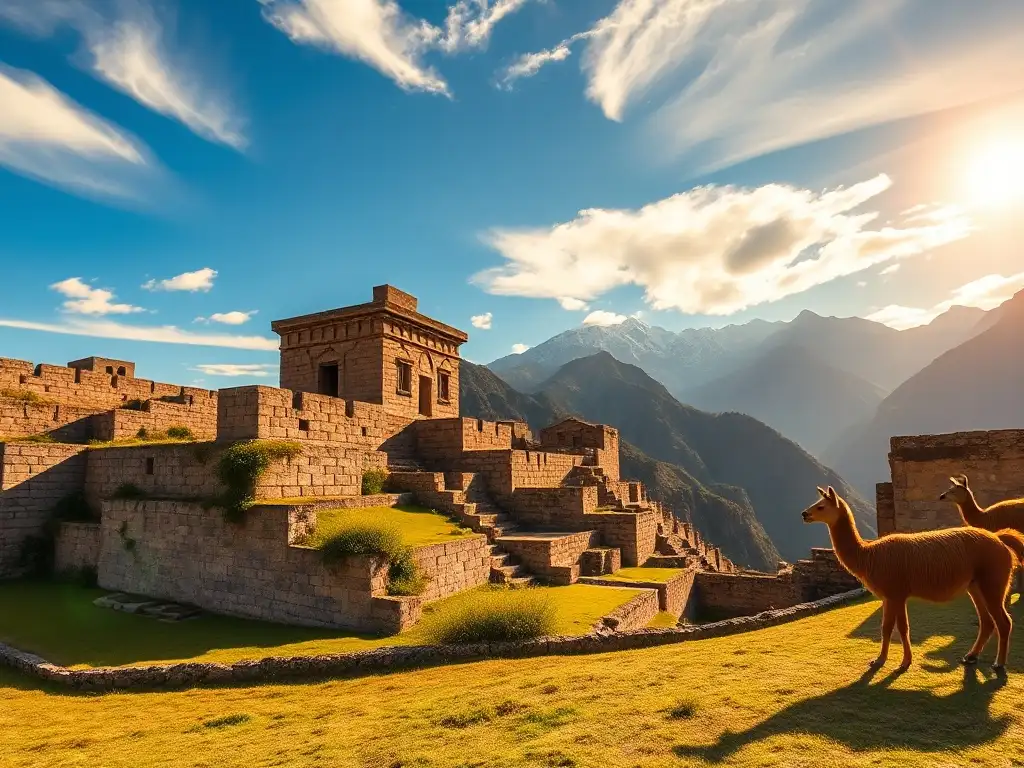
Step into a world lost to time, yet echoing with power and mystery. Discover the breathtaking legacy of the Andean civilizations, from the intricate artistry of the Nazca lines to the sophisticated engineering of the Tiahuanaco. But our journey begins with the Inca Temple of the Sun, a place where religious authority and state power intertwined in a fascinating dance of influence. Uncover the secrets held within its walls— what was the true source of its power, and what can it tell us about the Inca Empire's rise to dominance? Explore further to unravel the enigma.
- The Inca Temple of the Sun: Religious Authority and State Power
- Coricancha and Inca Political Power
- Architectural and Symbolic Features of Coricancha
- Coricancha and its Economic Influence
- The Impact of Coricancha on Inca Culture
-
Frequently Asked Questions
- What was the Temple of the Sun's significance in Inca society?
- How did the Temple of the Sun demonstrate Inca power?
- What role did the sun god Inti play in relation to the Temple of the Sun?
- What materials were used to construct the Temple of the Sun?
- What happened to the Temple of the Sun after the Spanish conquest?
- Final Reflection: Echoes of the Sun God's Power
- Unveil the Connections Between Faith and Power!
The Inca Empire, renowned for its sophisticated infrastructure and intricate social organization, wielded power through a complex interplay of religious authority and state control. Nowhere is this more evident than in the Temple of the Sun, or Coricancha, located in the imperial capital of Cusco. This magnificent structure served not merely as a place of worship but as a potent symbol of Inca power, intricately woven into the fabric of their political and social life.
Understanding Coricancha is key to comprehending the Inca worldview and the mechanisms by which they maintained control over their vast empire. This article delves into the significance of Coricancha, exploring its role as the center of Inca religious life and its crucial contribution to the consolidation and projection of Inca imperial power.
We will examine the significance of the sun god Inti, the paramount deity in the Inca pantheon, and how his worship was strategically employed to reinforce the authority of the Sapa Inca, the emperor. By analyzing the architecture, rituals, and associated mythology, we will uncover the profound relationship between religious belief and the exercise of state power within the Inca Empire.
The Significance of Coricancha in Inca Society
Coricancha, meaning "Golden Enclosure" in Quechua, was far more than just a temple; it was the heart of the Inca religious and political world. Its strategic location in Cusco, the empire's capital, underscored its importance. The temple's construction was a monumental undertaking, showcasing the Inca's mastery of stonework and their ability to mobilize vast resources.
The sheer scale of the structure, combined with its opulent decoration – reportedly featuring extensive gold and silver plating – served as a powerful display of imperial wealth and might. The temple complex housed not only the main temple dedicated to Inti but also smaller shrines dedicated to other deities and important ancestors. This intricate arrangement suggests a deliberate strategy to consolidate religious authority under the emperor's control, subtly linking divine power with the power of the Sapa Inca.
The priests who officiated at Coricancha held significant influence, acting as intermediaries between the divine and the earthly realms. Their role further underscores the interconnectedness of religious belief and state power within the Inca system. The temple also played a crucial role in the Inca calendar, with specific rituals and ceremonies timed to coincide with significant astronomical events, further emphasizing the symbiotic relationship between religion and the state.
Inti: The Inca Sun God and Supreme Deity
Inti, the Inca sun god, occupied the apex of the Inca pantheon. He was not merely a deity; he was considered the ancestor of the Inca royal lineage, directly linking the Sapa Inca to the divine realm. This carefully constructed genealogy legitimized the emperor's rule, presenting him as a divinely appointed leader.
The worship of Inti was elaborate and meticulously organized, involving elaborate ceremonies, sacrifices, and processions. These rituals were not simply acts of devotion; they served as powerful displays of imperial power, reinforcing the emperor's authority and strengthening the bonds of loyalty among the subjects. The annual Inti Raymi festival, a grand celebration in honor of the sun god, was a particularly significant event, attracting participants from across the empire and showcasing the emperor's power and prestige on a massive scale.
The association of the Sapa Inca with Inti was a powerful tool for maintaining social order and consolidating imperial control. The sun, after all, was the source of life and prosperity, and the emperor, as Inti's earthly representative, was seen as responsible for the well-being of the empire.
Coricancha: Center of Inca Religious Life
Coricancha served as the central hub for Inca religious life. Pilgrims from across the empire traveled to Cusco to participate in religious ceremonies and pay homage to Inti and other deities. The temple's location and its opulent design fostered a sense of awe and reverence, reinforcing the importance of religious observance and the authority of the Inca state.
The priests, highly trained and skilled in religious practices, played a crucial role in maintaining the temple and conducting religious ceremonies. They held considerable influence within Inca society, acting as advisors to the emperor and interpreting the will of the gods. The temple's role extended beyond religious ceremonies; it also served as a repository for royal treasures and a center for astronomical observations, reflecting the Inca's sophisticated understanding of the cosmos and their ability to integrate religious beliefs with practical knowledge.
The sheer scale of Coricancha and the complexity of its religious functions demonstrate the significant resources dedicated to religious practices, highlighting the importance of religion in the Inca imperial project and its role in consolidating state power. The meticulous planning and execution of religious events at Coricancha underscored the Inca's ability to organize and control vast populations, further strengthening their grip on power.
Coricancha and Inca Political Power
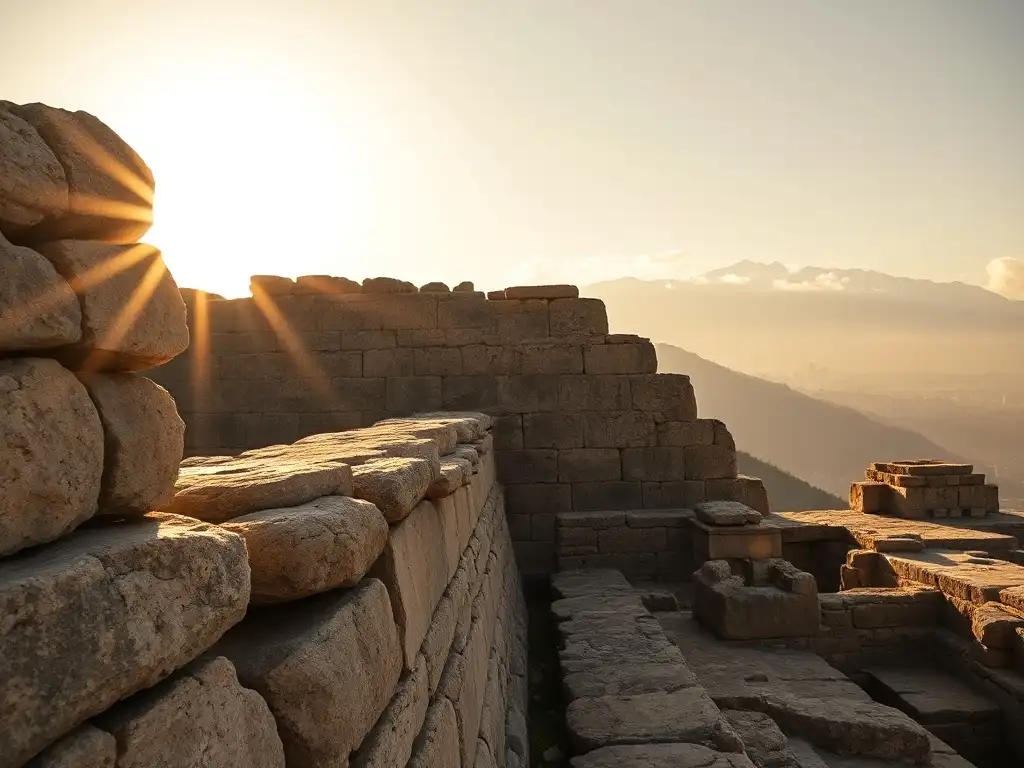
The Coricancha, or Temple of the Sun, in Cusco was far more than a place of worship; it served as a potent symbol of Inca political power and religious authority. Its construction, opulent decoration, and strategic location all contributed to its role in legitimizing Inca imperial rule and reinforcing the Sapa Inca's divine mandate. The temple's immense influence extended beyond religious rituals, deeply intertwining with the fabric of Inca governance and administration.
Understanding the Coricancha is crucial to grasping the sophisticated mechanisms through which the Inca Empire maintained its control and exerted its influence across a vast and diverse territory. The sheer scale of the project, the meticulous craftsmanship evident in its architecture and the lavish gold adorning its interior, spoke volumes about the Inca's power and resources. This wasn't merely a building; it was a statement.
The Sapa Inca and Divine Mandate
The Sapa Inca, the emperor of the Inca Empire, was considered a divine figure, a descendant of the sun god Inti. This divine lineage was not merely a belief system; it was the cornerstone of Inca political legitimacy. The Coricancha played a crucial role in reinforcing this divine mandate.
The temple, dedicated to Inti, served as a physical manifestation of the Sapa Inca's authority. The emperor's direct connection to the sun god was visually represented through the temple’s elaborate gold ornamentation, which shimmered in the Andean sunlight, reflecting the power and glory of the Inca ruler. The Sapa Inca's participation in religious ceremonies within the Coricancha, such as the Inti Raymi festival, further solidified his divine status in the eyes of his subjects.
This carefully constructed image of divinity ensured the Sapa Inca's unquestioned authority and facilitated the smooth running of the vast Inca empire. The intricate rituals and ceremonies performed within the temple walls were not just religious practices; they were crucial political acts, reinforcing the Sapa Inca's power and legitimacy.
How Coricancha Legitimatized Imperial Rule
The Coricancha's role in legitimizing Inca imperial rule went beyond the Sapa Inca's divine status. The temple's immense wealth, accumulated through tribute and conquest, was displayed within its walls, showcasing the empire's power and prosperity. This visual demonstration of wealth served as a powerful propaganda tool, impressing both Inca subjects and potential rivals.
The sheer size and architectural magnificence of the Coricancha itself was a testament to the empire's organizational capacity and engineering prowess. The intricate stonework, the precise alignment of the building with the celestial bodies, and the sophisticated water management systems all contributed to its aura of power and sophistication. The temple served as a physical embodiment of the empire's might and a constant reminder of the Sapa Inca's authority.
Furthermore, the Coricancha housed the mummies of previous Sapa Incas, transforming it into a mausoleum that reinforced dynastic continuity and the legitimacy of the current ruler. The preservation of these mummies within the temple's sacred walls symbolized the enduring power and unbroken lineage of the Inca dynasty.
The Role of Priests in Inca Governance
The priests of the Coricancha held significant political influence, acting as intermediaries between the Sapa Inca and the people. They were not merely religious figures; they were key advisors to the emperor, involved in matters of state. Their expertise in astronomy, agriculture, and calendrical systems allowed them to play a vital role in the administration of the empire. For instance, their knowledge of the agricultural cycle was crucial for managing the empire's vast agricultural resources and ensuring food security.
Their accurate predictions of weather patterns influenced decisions related to irrigation, planting, and harvesting, impacting the livelihoods of millions. Moreover, the priests' control over the temple's vast wealth and resources gave them considerable economic and political power. They managed the distribution of goods and resources, often playing a key role in resolving conflicts and maintaining social order.
The intricate relationship between the priests, the Sapa Inca, and the people highlights the complex interplay between religion, politics, and governance within the Inca Empire. Their influence extended beyond religious rituals, influencing everything from agricultural practices to the allocation of resources. The Inca Temple of the Sun, therefore, wasn't just a place of worship; it was the central hub of a sophisticated system of power, where religious authority and state power were inextricably linked.
Architectural and Symbolic Features of Coricancha
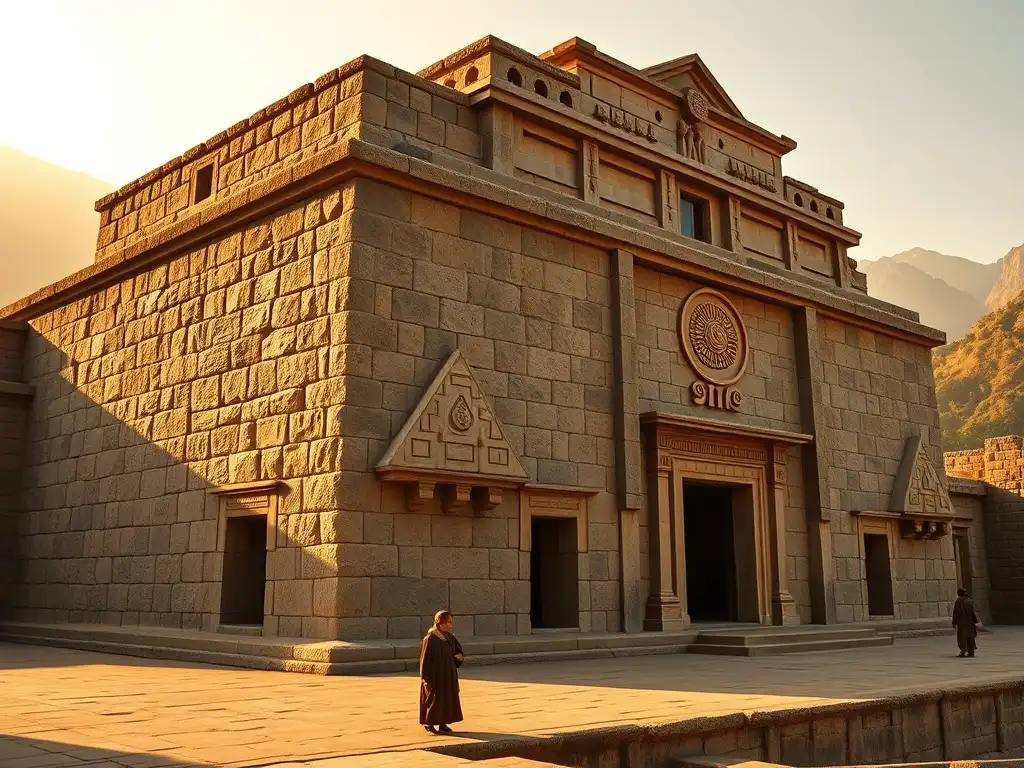
The Coricancha, or Temple of the Sun, stands as a powerful testament to the Inca Empire's sophisticated architectural prowess and deeply ingrained religious beliefs. Its design, construction, and symbolic elements all worked in concert to reinforce the Inca emperor's religious authority and legitimize his absolute power. This wasn't merely a place of worship; it was the very heart of the Inca state, a physical manifestation of their cosmological worldview and the emperor's divine right to rule.
The Inca Temple of the Sun's power resided not only in its imposing structure but also in its intricate details and the potent symbolism embedded within its design. Understanding these features reveals crucial insights into the Inca worldview and the intricate relationship between religion and state power.
Construction Techniques and Materials Used
The construction of Coricancha showcases the Inca's mastery of stonework. Precisely cut stones, fitted together without mortar, demonstrate an unparalleled level of skill and precision. The walls, famously, are so finely crafted that a knife blade couldn't be inserted between the stones – a testament to their advanced engineering capabilities.
This meticulous craftsmanship extended to the use of materials. While the primary material was andesite, a volcanic rock abundant in the region, gold and silver were lavishly incorporated into the temple's interior, further emphasizing the Inca's wealth and the sacred nature of the site. The choice of andesite, a sturdy and enduring material, reflects the Inca's desire to create a structure that would last for generations, mirroring the permanence of their imperial power.
Evidence suggests that specific quarries were chosen for their high-quality stone, underscoring the meticulous planning and resource management inherent in the construction process. The sheer scale of the project, requiring the coordination of vast human resources and logistical expertise, further underscores the power and organizational capacity of the Inca state.
The Golden Enclosure and its Symbolic Meaning
The most striking feature of Coricancha was its golden enclosure, a testament to the Inca's reverence for the sun god, Inti. This wasn't just a decorative element; it held profound religious and political significance. The golden plates covering the walls and the numerous golden statues and artifacts housed within the temple served to visually represent the Inca emperor's connection to the divine.
The sheer quantity of gold used – [specific quantity pending] – symbolized the empire's immense wealth and the emperor's absolute control over its resources. The gleaming gold, reflecting the sun's light, created a dazzling display that reinforced the idea of the emperor as a divine intermediary between the sun god and the people.
This visual spectacle was integral to the Inca's system of religious authority, serving to awe and inspire reverence in the population. The golden enclosure wasn't just a beautiful structure; it was a powerful tool of propaganda, solidifying the emperor's power and legitimacy.
Intricate Details and Art in Coricancha's Design
Beyond the golden enclosure, Coricancha boasted intricate carvings and artistic details throughout its structure. These artistic elements, often depicting Inca deities, agricultural scenes, and astronomical motifs, further reinforced the religious and political ideology of the empire. The precision of these carvings, often executed on a miniature scale, demonstrates the high level of artistic skill within the Inca civilization.
The use of specific iconography, such as the depiction of Inti and other important deities, served to reinforce the emperor's role as the supreme religious authority. The integration of astronomical elements, such as representations of constellations and celestial events, suggests a sophisticated understanding of astronomy and the Inca's use of this knowledge to reinforce their religious and political control. These intricate details, combined with the overall grandeur of the temple, created a powerful and awe-inspiring environment designed to reinforce the Inca emperor's power and the legitimacy of his rule.
The artistry of Coricancha wasn't just aesthetically pleasing; it was a powerful instrument of state power, used to shape the beliefs and perceptions of the Inca population. The Inca Temple of the Sun's power was, in essence, a carefully constructed narrative, woven into the very fabric of the building itself.
Coricancha and its Economic Influence
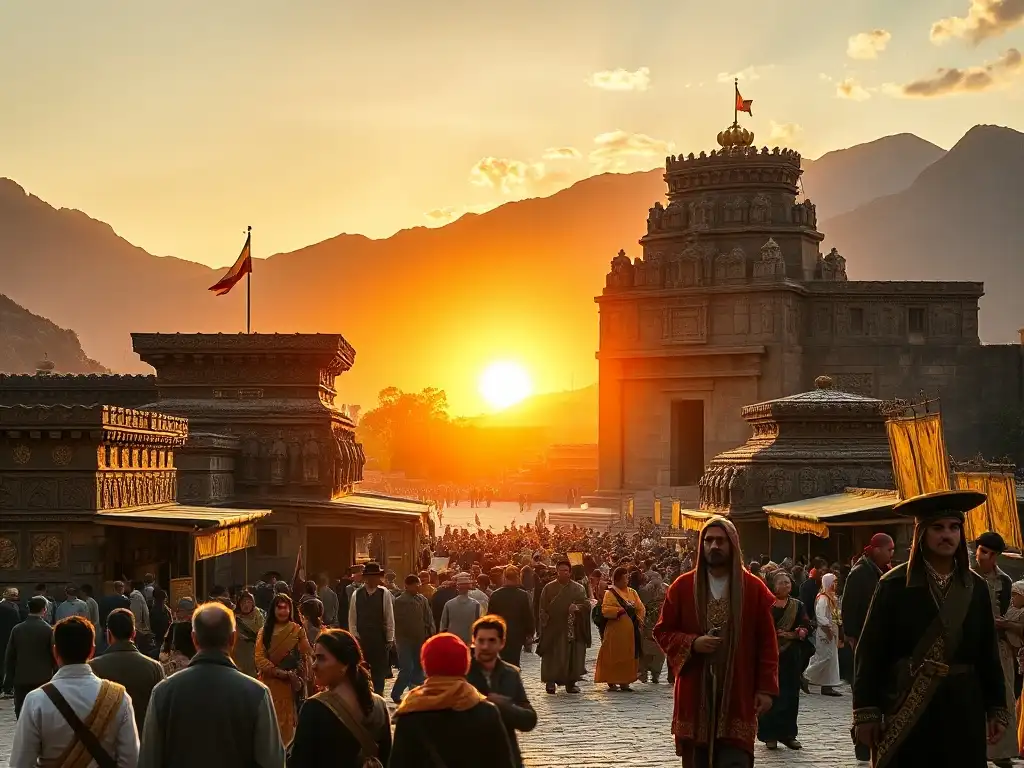
The Temple of the Sun, or Coricancha, in Cusco was far more than a place of worship; it served as a crucial nexus of religious authority and economic power within the Inca Empire. Its influence extended far beyond spiritual matters, deeply intertwining with the Inca's sophisticated system of resource management and tribute collection, solidifying the emperor's absolute control. The sheer scale of the complex and the vast quantities of gold and silver dedicated to its embellishment underscore its economic significance.
The temple's wealth wasn't merely symbolic; it represented the tangible manifestation of Inca power and the empire's vast resources. Understanding Coricancha's economic influence is key to comprehending the Inca state's structure and its ability to maintain control over a geographically diverse and expansive empire.
Tribute and Offerings to Inti
The Inca state demanded significant tribute from its conquered populations, a substantial portion of which flowed directly to the Coricancha. These offerings, presented as acts of devotion to Inti, the sun god, were not simply voluntary gestures; they were obligatory payments that reinforced the Inca's authority and ensured the continued flow of resources to the imperial center. The tribute included agricultural products (corn, potatoes, coca leaves), textiles, precious metals (gold and silver), and livestock – all meticulously recorded and distributed according to a complex bureaucratic system.
The sheer volume of these offerings, channeled through the Coricancha, fuelled the empire's economy and supported its vast administrative apparatus. Failure to meet these obligations resulted in severe consequences, further emphasizing the intertwining of religious obligation and state power.
Think of it as a sophisticated system of taxation disguised as religious devotion – a powerful tool for maintaining control and extracting resources. The meticulous record-keeping associated with these offerings demonstrates the Inca's advanced administrative capabilities and their understanding of the economic importance of centralized control.
Management of Resources by Coricancha
Coricancha played a central role in the management of the empire's resources. The temple acted as a sort of central bank, receiving and redistributing goods throughout the empire. This wasn't simply a matter of storing surplus; it involved strategic allocation based on need and the demands of the imperial project.
The priests, closely aligned with the emperor, oversaw this process, ensuring that resources were channeled effectively to support the army, infrastructure projects (like roads and irrigation systems), and the maintenance of the imperial bureaucracy. This intricate system of resource management, orchestrated through the Coricancha, facilitated the Inca Empire's remarkable expansion and stability. The temple's economic function was therefore integral to the empire’s success, ensuring the smooth functioning of its complex social and political order.
The meticulous organization required for such a system highlights the Inca's advanced understanding of logistics and administration. The effectiveness of this system can be seen in the empire's longevity and its capacity to support a large population.
Coricancha's Role in Inca Agricultural Practices
The Inca Empire's agricultural prowess is well-documented, and the Coricancha played a significant role in its success. While not directly involved in farming, the temple's influence permeated agricultural practices. The priests, through their control over religious rituals and ceremonies, ensured the fertility of the land and the success of the harvest. These religious practices, intertwined with the state's control over resources, were crucial to ensuring food security across the empire.
The allocation of land, seeds, and irrigation resources was often guided by religious considerations, managed through the temple's authority. The Coricancha's involvement in regulating these practices highlights the deep connection between religion, state, and the economy in the Inca world. The success of the Inca agricultural system, which supported millions of people, was fundamentally linked to the symbolic and practical power wielded by the Coricancha.
The systematic nature of Inca agriculture, along with its integration with religious practices, underscores the sophisticated organization of the Inca state and its capacity for long-term planning. Further research is needed to fully understand the precise mechanisms of this integration. [Specific information pending: quantitative data on the Coricancha's role in agricultural resource allocation].
The Impact of Coricancha on Inca Culture
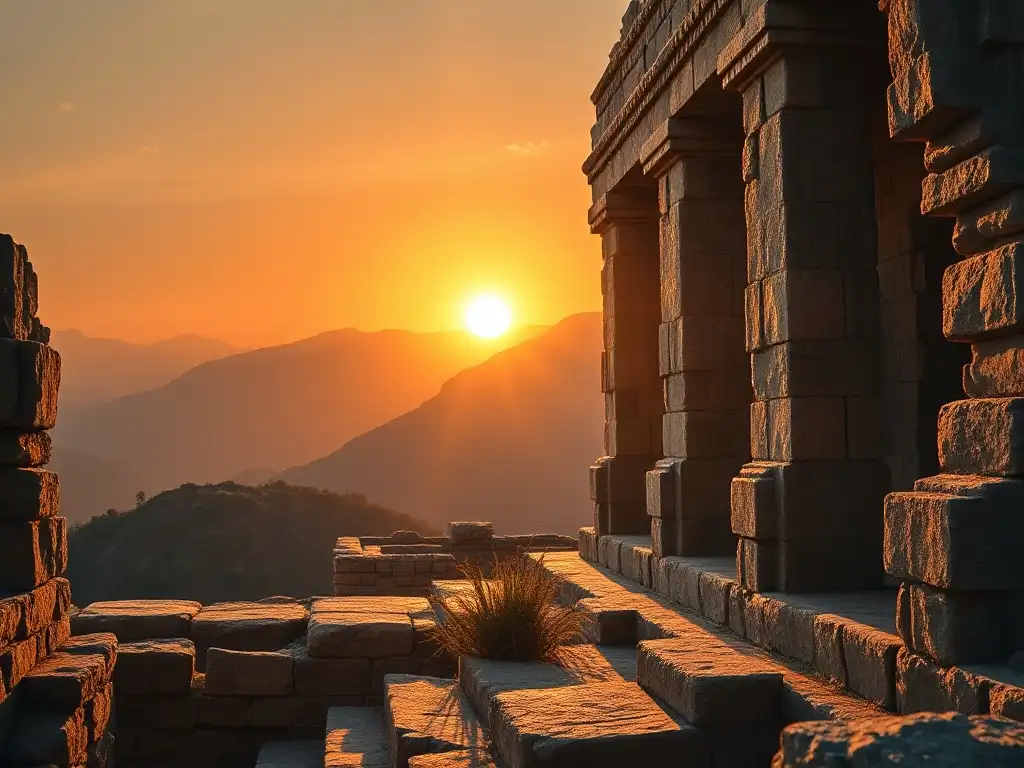
The Coricancha, or Temple of the Sun, was far more than just a place of worship; it served as a potent symbol of Inca religious authority and its inextricable link to state power. Its immense influence permeated all aspects of Inca culture, shaping religious practices, artistic expression, and the very fabric of the empire's administration. Understanding the Coricancha's impact is crucial to grasping the complexities of Inca society and its sophisticated political system.
The sheer scale of the temple, its opulent gold ornamentation, and its strategic location at the heart of Cusco all contributed to its profound significance. The Inca Temple of the Sun's power wasn't merely symbolic; it was a tangible manifestation of the Sapa Inca's divine right to rule.
Religious Ceremonies and Rituals Conducted
The Coricancha was the central hub for numerous elaborate religious ceremonies and rituals. These weren't simply private devotions; they were highly orchestrated public events designed to reinforce the Inca's authority and solidify the relationship between the ruler and his people. The Capac Apu, or mountain gods, held significant importance, and rituals dedicated to them were frequently performed within the temple complex.
These ceremonies often involved animal sacrifices, processions, and offerings of precious metals and textiles, all carefully planned and executed by the Amautas, the Inca priestly class. The annual Inti Raymi, the Festival of the Sun, was perhaps the most spectacular event, drawing participants from across the empire and reaffirming the Sun God's, and by extension the Sapa Inca's, supreme power.
Detailed records of these rituals are unfortunately scarce, but archaeological evidence, such as the remains of sacrificial offerings and the temple's layout, sheds some light on their grandeur and significance. The precise details of many rituals remain shrouded in mystery, leaving room for ongoing scholarly investigation and interpretation of the Inca Temple of the Sun's power.
Coricancha's Influence on Inca Art and Architecture
The Coricancha's architectural design and artistic embellishments profoundly influenced Inca art and architecture across the empire. The meticulous craftsmanship displayed in the temple's construction, with its precisely cut stones and intricate designs, set a standard for excellence that was replicated in other important structures. The extensive use of gold, silver, and other precious materials showcased the Inca's mastery of metallurgy and their belief in the divine power inherent in these metals.
The temple's influence extended beyond its physical structure. The symbolic imagery used in the Coricancha's ornamentation, such as representations of the sun, the moon, and stars, became recurring motifs in Inca art, appearing on textiles, ceramics, and metalwork.
This consistent use of imagery further strengthened the connection between the religious and political spheres, reinforcing the Inca Temple of the Sun's power and its role in legitimizing the ruling dynasty. The precision and artistry evident in the Coricancha serves as a testament to the sophisticated level of Inca technological prowess and artistic vision.
The Lasting Legacy of Coricancha
Despite the destruction inflicted by the Spanish conquistadors, the Coricancha's legacy remains palpable. Even in its ruined state, the temple stands as a powerful symbol of Inca civilization and its enduring influence. The surviving structures, combined with archaeological findings and historical accounts, offer invaluable insights into Inca religious beliefs, political organization, and artistic achievements.
The Inca Temple of the Sun's power continues to resonate today, captivating the imaginations of scholars and visitors alike. Its enduring legacy is a testament to the ingenuity and cultural richness of the Inca Empire. The Coricancha's story serves as a poignant reminder of the empire's sophisticated civilization and the profound impact of religious beliefs on the political landscape of ancient Peru.
Further research and analysis are crucial to fully understand the nuanced relationship between the Inca Temple of the Sun and the broader context of Inca power and influence. The ongoing excavation and study of the site continue to unveil new details, enriching our understanding of this pivotal landmark in Inca history.
Coricancha After the Spanish Conquest
The Spanish conquest of the Inca Empire in the 16th century marked a devastating turning point for Coricancha. The conquistadors, driven by greed and a fervent desire to impose Christianity, systematically dismantled much of the temple complex. Instead of appreciating the architectural marvel and the sophisticated religious practices it represented, they saw it as a symbol of pagan worship that needed to be eradicated. The gold, silver, and precious stones that adorned the temple were ruthlessly plundered, melted down, and shipped back to Spain.
This act not only robbed the Inca people of their sacred site but also irrevocably altered the very fabric of their cultural heritage. The meticulous stonework, once a testament to Inca engineering prowess and spiritual devotion, was largely destroyed to make way for the construction of the Santo Domingo Convent, a stark reminder of the colonial era's forced religious conversion and cultural dominance. The overlaying of the Christian structure upon the Inca foundation essentially buried Coricancha's original form, leaving only fragments visible today.
The destruction was not merely physical; it represented the systematic suppression of Inca religious beliefs and cultural practices. The Spanish conquest profoundly impacted the spiritual life of the Inca population, leaving a legacy of cultural loss and religious trauma that continues to resonate even today. The act of building the Santo Domingo Convent directly on top of Coricancha was not just a matter of land usage; it was a deliberate act of cultural erasure, designed to supplant Inca beliefs with Catholicism.
Preservation Efforts of Coricancha Today
Despite the extensive damage inflicted during the Spanish Conquest, efforts to preserve and understand Coricancha continue. Archaeological investigations painstakingly uncover and document the remaining Inca structures beneath the Santo Domingo Convent. These efforts require meticulous techniques to avoid further damage to the fragile remnants of the original temple. Modern preservation techniques, including careful stabilization and conservation of the exposed stonework, are employed to ensure the longevity of the surviving sections.
Furthermore, ongoing research aims to reconstruct the original layout and appearance of Coricancha using historical accounts, archaeological findings, and comparative analysis with other Inca sites. The goal is not only to physically preserve the site but also to enhance our understanding of its significance within Inca culture and religion. Digital reconstructions and virtual reality models are utilized to help visualize the temple's lost grandeur and to educate the public about its importance.
These preservation efforts are crucial for safeguarding a vital piece of Andean heritage and ensuring that future generations can appreciate the sophisticated artistry, engineering, and religious practices of the Inca civilization. The Inca Temple of the Sun's power, though significantly diminished by the conquest, continues to resonate through these ongoing preservation efforts, reminding us of the enduring legacy of the Inca Empire. The work is a testament to the enduring value of cultural heritage and the importance of understanding the past to inform the present.
Frequently Asked Questions
What was the Temple of the Sun's significance in Inca society?
The Temple of the Sun, located in Cusco, served as a religious and political center. It housed sacred objects and symbolized the Inca emperor's divine authority, connecting him to the sun god Inti. Its importance underscored the intertwining of religion and state power.
How did the Temple of the Sun demonstrate Inca power?
The Temple's magnificent architecture and location in the heart of Cusco showcased the Inca's engineering prowess and wealth. It served as a powerful symbol of their control over resources and people, reinforcing their legitimacy as rulers.
What role did the sun god Inti play in relation to the Temple of the Sun?
The sun god Inti was the principal deity in the Inca religion, and the Temple was his most important sanctuary. The emperor's connection to Inti, emphasized by the temple, legitimized his rule and reinforced the religious basis of Inca power.
What materials were used to construct the Temple of the Sun?
The Temple of the Sun was constructed using finely-cut stone, demonstrating the advanced architectural skills of the Inca. Gold and other precious materials were used extensively in its interior, reflecting the Inca's mastery over resources and their dedication to their religious beliefs.
What happened to the Temple of the Sun after the Spanish conquest?
Following the Spanish conquest, much of the Temple of the Sun was destroyed or repurposed. Spanish conquistadors plundered its treasures and used its stones in other constructions, significantly diminishing its original structure and its connection to the Inca's religious and political power.
Final Reflection: Echoes of the Sun God's Power
The enduring legacy of the Inca Temple of the Sun isn't merely a historical curiosity; it's a potent reminder of the inextricable link between religious authority and the wielding of state power. The intricate interplay between the sacred and the secular, meticulously crafted within the temple's walls, continues to resonate in modern political and social structures, demonstrating the enduring human need to legitimize power through divine sanction.
The Inca's masterful manipulation of religious belief to consolidate their control offers a chillingly relevant case study for understanding how power dynamics operate today. The carefully cultivated image of the Sapa Inca as a divine intermediary, a conduit for the Sun God's will, resonates with contemporary leaders who leverage religious or ideological narratives to bolster their authority. All power corrupts, absolute power corrupts absolutely.
While Lord Acton's words weren't written with the Inca in mind, they serve as a stark warning against the unchecked accumulation of power, regardless of its purported divine origins. The Temple of the Sun stands as a tangible monument to this enduring truth.
Consider the ways in which religious or ideological beliefs shape political landscapes in the world today. How do leaders utilize these beliefs to consolidate power? You, the reader, hold the key to understanding this complex relationship.
By critically examining the historical parallels between the Inca Empire and contemporary societies, we can cultivate a more discerning and informed perspective on the exercise of power, fostering a world where authority is accountable and the manipulation of faith is recognized and resisted. Let the echoes of the Sun God's power inspire a deeper understanding of the delicate balance between faith and power, and empower you to build a more just and equitable future.
Unveil the Connections Between Faith and Power!
Thank you for exploring the fascinating interplay of religious authority and state power in ancient Andean civilizations. This article has offered insights into how these powerful forces shaped society. Now, let's put that knowledge to use!
Here's how you can delve deeper and make a difference:
- Explore Further: Compare the rituals and governance of ancient Andean societies with those of other ancient cultures to see how religion influenced societal structures across different civilizations. Consider researching the impact of religion in ancient Egypt, Mesopotamia, or Rome for a broader perspective.
- Engage with Others: Share this article with friends, colleagues, or on social media to spark conversations about the enduring influence of faith on historical narratives.
- Join the Conversation: Participate in our online forum to connect with fellow history enthusiasts and discuss how religious authority continues to shape modern political landscapes.
What parallels do you see between ancient religious practices and contemporary governance? Share your thoughts below!