
Inca Exploration and Expansion: Reaching the Limits of the Realm

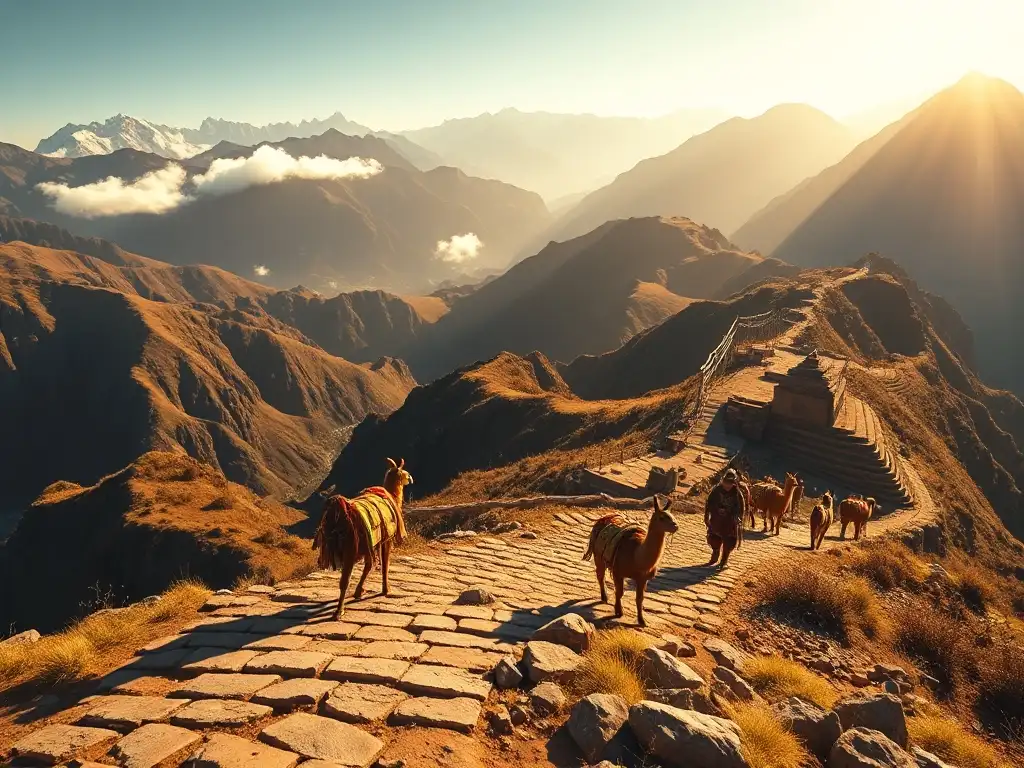
Step into a world lost to time, yet echoing with the grandeur of the Andes. Discover the ingenious strategies and breathtaking achievements of the ancient Andean civilizations, from the intricate artistry of the Nazca lines to the awe-inspiring engineering of the Inca. But what fueled the relentless expansion of the Inca empire? Unravel the mysteries behind their remarkable growth by delving into our exploration of Inca empire expansion strategies, a journey that will reveal the secrets behind the limits of their vast realm. Prepare to be amazed.
The Inca Empire, a civilization renowned for its sophisticated engineering, intricate social structures, and vast territorial reach, didn't achieve its impressive size overnight. This article delves into the strategic approaches and methods employed by the Inca in their relentless expansion, examining the meticulous planning, military prowess, and administrative brilliance that allowed them to conquer and integrate a diverse range of Andean societies.
We will explore the genesis of their expansion, tracing the steps from a small regional power centered around Cusco to the creation of one of the largest pre-Columbian empires in the Americas. Understanding the Inca empire expansion strategies is key to comprehending the empire's remarkable success and eventual limitations.
We will analyze the various factors contributing to their expansion, from military might and administrative efficiency to the strategic use of infrastructure and population resettlement. This exploration will reveal the complexities of Inca imperial control and highlight the remarkable ingenuity that allowed them to govern such a vast and diverse realm.
The Genesis of Inca Expansion: Early Territorial Control
The Initial Inca Domain: Cusco as the Center of Power
The Inca Empire's origins trace back to the small kingdom of Cusco, located in the fertile valley of the same name. Initially, Cusco's influence was limited to its immediate surroundings. However, the strategic location of Cusco, nestled amidst rich agricultural lands and possessing access to vital trade routes, provided a solid foundation for future expansion. The early Inca rulers, through a combination of diplomacy and military might, gradually consolidated their control over neighboring communities.
Early accounts suggest a relatively small population initially, with growth fueled by both natural increase and the incorporation of conquered peoples. The development of strong leadership and a centralized system of governance was crucial to their early success. The Inca's ability to effectively manage resources and mobilize manpower laid the groundwork for their future ambitious expansionist policies.
Early Military Campaigns and Consolidation of the Inca Core
The early Inca military campaigns focused on securing the surrounding territories, consolidating control over the immediate region of Cusco. These early conquests were characterized by smaller-scale conflicts and strategic alliances, designed to gradually expand their territory and secure vital resources. The Inca army, although initially smaller than those of some neighboring groups, was highly disciplined and effectively organized, employing effective tactics suited to the Andean terrain.
The success of these early campaigns not only expanded Inca territory but also provided valuable military experience and boosted their confidence, laying the foundation for larger-scale conquests in the coming centuries. [Specific details on early military victories and their impact pending]
Strategic Alliances and the Beginnings of Inca Influence
Alongside military campaigns, the early Inca rulers skillfully employed diplomacy and strategic alliances to expand their influence. By forging alliances with neighboring groups, the Inca could secure peaceful access to resources and avoid costly conflicts. These alliances were often cemented through marriages between Inca royalty and members of other communities' elite.
This strategy not only prevented conflict but also gradually integrated neighboring communities into the Inca sphere of influence, paving the way for eventual incorporation into the empire. The ability of the Inca to navigate complex political dynamics and forge strategic alliances was a crucial factor in their early expansion.
Inca Empire Expansion Strategies: Methods and Tactics
Military Prowess and Conquest: Key to Inca Expansion
The Inca military was a formidable force, known for its discipline, organization, and effective tactics. Their army was composed of highly trained soldiers, equipped with a range of weaponry including slings, spears, clubs, and bolas. The Inca also utilized advanced military strategies, including the use of surprise attacks and ambushes, which were particularly effective in the mountainous terrain of the Andes.
The Inca's military success was not solely dependent on brute force; it also involved sophisticated logistical planning, allowing them to maintain supply lines and effectively deploy their forces across vast distances. The effective use of the chasquis (runners) relaying messages across the extensive road network played a vital role in their military efficiency.
Inca Administrative Practices: Integrating Conquered Territories
Conquest was only the first step in the Inca expansion process. The Inca developed sophisticated administrative practices to effectively govern and integrate conquered territories. The empire was divided into provinces, each administered by a governor appointed by the emperor. A system of tribute and taxation ensured a steady flow of resources to the imperial center. Furthermore, the Inca implemented policies aimed at assimilating conquered populations, promoting cultural exchange, and minimizing resistance. These administrative practices played a crucial role in maintaining order and stability within the vast empire.
Road Network and Logistics: Facilitating Inca Expansion
The Inca's extensive road network, a marvel of engineering, was instrumental in their expansion and control of the empire. This network of roads, spanning thousands of kilometers, facilitated the rapid movement of troops, supplies, and messages. The roads not only connected distant parts of the empire but also facilitated trade and communication, strengthening the bonds between different regions. The efficient logistics made possible by this infrastructure was essential to the Inca's ability to govern such a vast territory and respond effectively to threats or rebellions.
Cultural Assimilation and the Imposition of Inca Values
The Inca implemented policies aimed at cultural assimilation, integrating conquered populations into the empire. While respecting local customs in some instances, the Inca actively promoted their own language (Quechua), religion, and social structures. This process aimed to create a unified empire with a shared cultural identity. However, it also involved the suppression of certain local traditions and the imposition of Inca values, contributing to both the strength and the tensions within the empire. The level of cultural assimilation varied across different regions, depending on factors such as the level of resistance encountered and the proximity to Cusco.
Use of Mitimaes: Colonization and Population Resettlement
The Inca employed a system of population resettlement known as mitimaes, which involved relocating groups of people from one region to another. This practice served several purposes: it helped to consolidate control over newly conquered territories, provided labor for public works projects, and promoted the spread of Inca culture and language. The mitimaes system was a powerful tool in the Inca's strategy for maintaining control and integrating diverse populations into the empire.
However, it also led to disruptions and tensions in some areas, as established communities were displaced or integrated with new groups. The mitimaes system represents a complex aspect of Inca expansion and control, illustrating both the strengths and potential drawbacks of their administrative policies.
Geographic Limits of the Inca Empire: Environmental Challenges
The Inca empire, at its zenith, stretched across a vast and diverse landscape, encompassing the Andes Mountains, the arid coastal deserts, and the lush Amazon Basin. This geographical diversity, while providing a wealth of resources, also presented significant environmental challenges that ultimately limited the empire's expansion. The Andes, with their towering peaks, deep valleys, and treacherous terrain, posed considerable obstacles to transportation, communication, and agriculture.
The harsh, arid conditions of the coastal regions demanded sophisticated irrigation systems and adaptation strategies for survival. The Amazon Basin, with its dense rainforest and unpredictable waterways, presented a completely different set of challenges, limiting the Inca's ability to establish permanent settlements and exert effective control.
These environmental hurdles, coupled with the logistical difficulties of supplying and defending such a sprawling empire, played a crucial role in defining the empire’s ultimate boundaries. The Inca’s remarkable achievements in engineering and adaptation were not always enough to overcome the sheer scale and diversity of the terrain.
Expansion into the Andes Mountains: Overcoming Topographical Barriers
The Andes Mountains presented a formidable obstacle to Inca expansion. The sheer altitude, steep slopes, and unpredictable weather patterns made travel and communication incredibly difficult. However, the Inca demonstrated remarkable ingenuity in overcoming these topographical barriers. They constructed a vast network of roads, bridges, and stairways, many of which still stand as testaments to their engineering prowess.
These impressive feats of infrastructure facilitated the movement of troops, supplies, and messages across the mountainous terrain. Furthermore, their understanding of Andean ecosystems allowed them to adapt agricultural practices to the varying altitudes and microclimates, ensuring food security in even the most challenging environments. Ingenious terracing techniques, for example, allowed for the cultivation of crops on steep slopes, maximizing arable land and supporting a growing population. Despite these innovations, the inherent difficulties of the Andean terrain ultimately limited the rate and extent of Inca expansion in certain regions.
Coastal Expansion and Adaptation: Managing Arid Environments
The coastal regions of the Inca empire presented a stark contrast to the mountainous interior, characterized by arid deserts and scarce water resources. Expanding into these areas required innovative solutions for water management and agriculture. The Inca developed sophisticated irrigation systems, channeling water from rivers and streams to irrigate crops in otherwise barren landscapes.
These systems, often involving complex networks of canals and aqueducts, allowed for the cultivation of crops such as cotton and maize, supporting coastal populations and providing valuable resources for the empire. Their understanding of coastal ecosystems also allowed them to adapt their building techniques to the harsh environment, using materials readily available in the region to construct durable structures capable of withstanding the strong winds and extreme temperatures. However, the limited arable land and the challenges of maintaining water supplies in arid environments ultimately constrained the extent of coastal expansion.
Challenges in the Amazon Basin: The Limits of Inca Reach
The Amazon Basin, with its dense rainforest, humid climate, and complex river systems, represented a significant challenge to Inca expansion. Unlike the Andes and the coast, where the Inca had established a relatively stable presence, their influence in the Amazon remained comparatively limited. The dense vegetation and unpredictable weather patterns hampered the construction of roads and other infrastructure, making communication and transportation extremely difficult.
The different diseases prevalent in the rainforest also posed serious health risks to Inca soldiers and settlers. While the Inca did establish some settlements and trade routes in the Amazon, the challenges of conquering and controlling such a vast and inhospitable region proved insurmountable, ultimately limiting their expansion into this area.
The Southern Frontier: Reaching the Limits of Expansion
The southern frontier of the Inca empire, extending into present-day Chile and Argentina, marked the limits of Inca expansion. Here, the combination of harsh environmental conditions, such as the cold, dry climate of the Patagonian steppe, and fierce resistance from indigenous groups such as the Mapuche, proved insurmountable. The Inca struggled to adapt their agricultural techniques and infrastructure to the unique environmental challenges of the south, and the Mapuche's strong resistance to Inca rule prevented further expansion into the region.
The vast distances and difficult terrain also presented logistical challenges, hindering the Inca's ability to effectively control and supply their southern territories. This southern limit thus illustrates the constraints imposed by both environmental factors and human resistance.
Northern Expansion and Conflicts: Striving for Control
Inca expansion to the north was characterized by both success and conflict. While they successfully incorporated many groups into their empire, they also faced significant resistance from powerful neighboring states. These conflicts, often fueled by competition for resources and control over strategic territories, resulted in protracted wars and periods of instability.
The northern expansion, unlike the more gradual expansion in other directions, was punctuated by periods of intense military conflict and political maneuvering, significantly impacting the empire’s resources and stability. The difficulties in subduing northern territories, combined with the presence of strong, independent states, ultimately shaped the northern boundaries of the Inca empire.
Factors Contributing to the Success of Inca Expansion
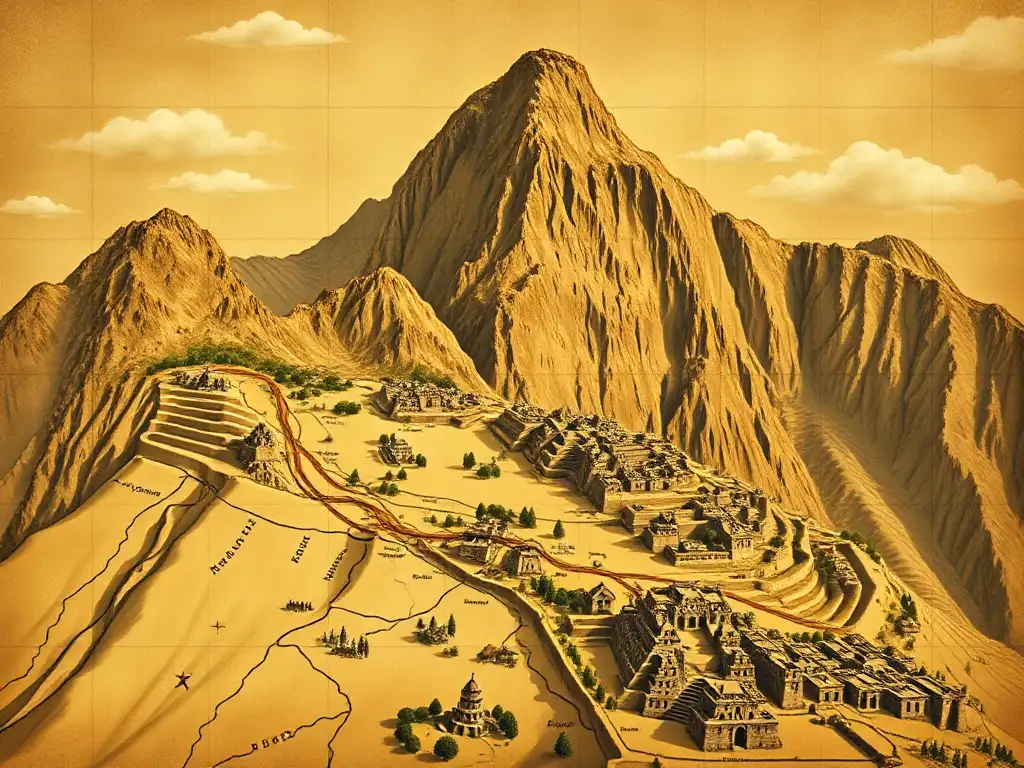
The Inca empire's remarkable expansion was not solely due to military might; it was a result of a complex interplay of factors. Their success can be attributed to a combination of strong leadership, advanced engineering and infrastructure, an efficient economic system, effective communication, and a capacity for adaptation and innovation.
Strong Inca Leadership: The Role of the Sapa Inca
The Sapa Inca, the emperor, played a crucial role in the Inca expansion. He was not merely a military leader; he was also a religious figure, holding immense power and authority. The Sapa Inca's ability to inspire loyalty and mobilize resources was essential to the empire's success. His decisions regarding military campaigns, alliances, and the allocation of resources significantly influenced the direction and pace of Inca expansion. The centralized nature of the Inca government, with the Sapa Inca at its apex, allowed for efficient decision-making and the coordinated deployment of resources.
Advanced Inca Engineering and Infrastructure
The Inca's impressive engineering skills were a key factor in their expansion. Their construction of extensive road networks, suspension bridges, and sophisticated irrigation systems facilitated the movement of troops, supplies, and communication across vast distances. This infrastructure enabled the rapid deployment of military forces and the efficient distribution of resources, crucial for maintaining control over a large and geographically diverse empire. The construction of these impressive projects also fostered a sense of unity and shared purpose among the diverse populations within the empire.
Inca Economic System: Resource Management and Distribution
The Inca's highly organized economic system played a vital role in their expansion. Their system of mita, a form of labor tax, allowed them to mobilize a large workforce for the construction of infrastructure, the cultivation of crops, and the production of goods. The ayllu, the communal system of land ownership and reciprocal labor, ensured food security and social stability. This efficient management of resources and labor enabled the Inca to sustain their expansion efforts over extended periods. The effective distribution of resources throughout the empire also helped to maintain social order and prevent widespread dissent.
Efficient Communication and Control Mechanisms
Efficient communication was essential for managing a vast empire. The Inca utilized a sophisticated system of runners, chasquis, who relayed messages along their extensive road network. This system allowed for rapid communication between the capital and distant provinces, enabling swift responses to emergencies and facilitating the coordination of military campaigns and administrative tasks. This rapid communication system was crucial for maintaining control over the far-flung regions of the empire, allowing for quick responses to uprisings or other challenges. The system's efficiency contributed significantly to the stability and longevity of the empire.
Adaptability and Innovation in Inca Conquest
The Inca's success was not simply a matter of military strength; it was also a product of their adaptability and innovative approaches to conquest. They did not simply rely on brute force; they often incorporated conquered populations into their empire, offering incentives for cooperation and assimilation.
Their ability to adapt their administrative and economic systems to the diverse regions they conquered, while simultaneously maintaining a strong central authority, allowed them to effectively govern a vast and diverse empire. The Inca's willingness to learn from and adapt to local customs and practices, along with their capacity for innovation in engineering and agriculture, proved essential to their success.
The Legacy of Inca Expansion: Lasting Impact
The Inca empire's relentless expansion, driven by sophisticated strategies, left an indelible mark on the Andean region. Its influence extended far beyond mere territorial control, shaping the cultural landscape, technological advancements, and even the very fabric of Andean society for centuries to come. The empire's reach, though ultimately finite, created a lasting legacy that continues to resonate in modern-day Peru, Bolivia, Ecuador, Colombia, Argentina, and Chile. The sheer scale of their achievements in infrastructure, administration, and cultural assimilation is a testament to their organizational prowess and ambitious vision. Understanding this legacy requires examining the diverse ways in which Inca expansion impacted the conquered territories and the enduring consequences that followed the empire's collapse. The integration of disparate groups under a unified administrative system, while often brutal, also fostered unprecedented levels of interconnectedness and cultural exchange across vast distances. This legacy continues to influence Andean identity and cultural practices even today.
Cultural and Linguistic Diffusion: The Spread of Quechua
One of the most significant legacies of Inca expansion was the widespread dissemination of the Quechua language. Before the Inca conquest, the Andean region was a mosaic of languages and dialects. However, the Inca's deliberate policy of promoting Quechua as the official language of the empire led to its adoption across a vast swathe of territory.
This linguistic unification facilitated communication and administration across the empire, solidifying the Inca's control and fostering a sense of shared identity among diverse populations. While many local languages persisted, Quechua's prominence as a lingua franca allowed for greater cultural exchange and integration. Today, Quechua remains one of the most widely spoken languages in the Andes, a direct testament to the enduring impact of Inca expansionist policies.
The language's survival and continued evolution are a compelling demonstration of the empire's lasting influence. Even in areas where Quechua is no longer the primary language, its presence in vocabulary and place names serves as a reminder of the Inca's historical reach.
Architectural Marvels and Inca Engineering Legacy
Inca expansion was not merely a military endeavor; it was also a monumental feat of engineering. The empire's architects and engineers built an extensive network of roads, bridges, and irrigation systems that connected disparate regions and facilitated trade, communication, and military movements. The iconic Inca road system, Qhapaq Ñan, is a breathtaking example of this engineering prowess, spanning thousands of miles across rugged and challenging terrain.
These roads were not merely pathways; they were strategically designed to allow for rapid troop deployment and efficient administration. The ingenuity of Inca engineering is evident in their sophisticated irrigation systems, which enabled the cultivation of diverse crops in varied climates, contributing significantly to the empire's agricultural productivity and supporting its growing population.
The intricate stonework found in Inca structures, such as Machu Picchu, showcases a mastery of construction techniques that continue to amaze and inspire. These architectural marvels stand as testaments to the ingenuity and organizational capacity of the Inca empire and remain important tourist destinations and sources of national pride today.
The Fall of the Inca Empire: Consequences of Expansion
The very expansion that fueled the Inca empire's growth ultimately contributed to its downfall. The vastness of the empire made it increasingly difficult to govern effectively. Rebellions and resistance from conquered populations, exacerbated by the strains of maintaining control over such a diverse and geographically challenging territory, gradually weakened the empire's foundations. The sheer logistical challenges of administering such a sprawling empire, coupled with the resentment of subjugated peoples, created vulnerabilities that were ultimately exploited by external forces like the Spanish conquistadors.
The Inca expansion strategy, while initially successful, ultimately proved unsustainable in the long term. Overextension, coupled with internal conflicts and a lack of effective communication across such a vast distance, created a critical weakness that proved fatal. The story of the Inca empire serves as a cautionary tale regarding the limits of unchecked expansion.
The Enduring Impact of Inca Expansion on Andean History
The Inca empire's expansion left an enduring legacy on the Andean region, shaping its cultural, linguistic, and physical landscapes for centuries to come. The integration of diverse populations, the spread of Quechua, and the construction of impressive infrastructure all contributed to a unique Andean identity that persists to this day.
Even after the empire's collapse, the impact of Inca administration and cultural practices continued to shape the social and political structures of the region. The legacy of Inca expansion is not solely defined by the empire's territorial reach but also by its profound influence on the cultural, linguistic, and technological development of the Andes.
This enduring legacy continues to inspire research, cultural pride, and tourism, highlighting the significant and lasting effects of one of the most remarkable empires in South American history. The Inca's impact is woven into the very fabric of Andean society, a testament to the empire's scale and ambition.
- The Genesis of Inca Expansion: Early Territorial Control
- Inca Empire Expansion Strategies: Methods and Tactics
- Geographic Limits of the Inca Empire: Environmental Challenges
- Factors Contributing to the Success of Inca Expansion
- The Legacy of Inca Expansion: Lasting Impact
- The Fall of the Inca Empire: Consequences of Expansion
- What were the primary strategies employed by the Inca Empire for expansion?
- How did the Inca integrate conquered populations into their empire?
- What role did infrastructure play in Inca expansion?
- What were some of the challenges the Inca Empire faced during its expansion?
- How did the Inca expansion ultimately end?
Frequently Asked Questions
What were the primary strategies employed by the Inca Empire for expansion?
The Inca primarily used a combination of military conquest, diplomatic alliances, and economic incentives to expand their empire. They strategically integrated conquered populations into their system.
How did the Inca integrate conquered populations into their empire?
The Inca implemented a system of mita labor, where conquered peoples provided labor for state projects. They also encouraged intermarriage and cultural assimilation, while strategically relocating populations to different regions.
What role did infrastructure play in Inca expansion?
Extensive road networks and efficient communication systems were crucial for facilitating military movements, trade, and the control of vast territories. These advancements allowed for rapid response and resource management.
What were some of the challenges the Inca Empire faced during its expansion?
The Inca faced geographical challenges, such as mountainous terrain and diverse climates. They also encountered resistance from other powerful groups, leading to prolonged conflicts and internal rebellions.
How did the Inca expansion ultimately end?
The Inca expansion ended with the Spanish conquest in the 16th century. The Spanish, leveraging superior weaponry and internal Inca weaknesses, successfully overcame the vast empire.
Final Reflection: Echoes of Empire: The Enduring Legacy of Inca Expansion
The Inca Empire's sophisticated strategies of expansion, meticulously detailed throughout this article, remain a potent case study in both the triumphs and limitations of imperial ambition. Their innovative road systems, administrative prowess, and carefully cultivated alliances, while ultimately unable to prevent the devastating impact of Spanish conquest, continue to fascinate and inform our understanding of state-building and the complexities of power.
The Inca's legacy extends far beyond the crumbling ruins of Machu Picchu; their influence on the cultural and social landscape of South America is undeniable. Their agricultural techniques, religious beliefs, and even their language continue to resonate in the region today. The Inca were not merely conquerors, but builders of a vast and intricate society, a testament to human ingenuity and organization.
This enduring impact underscores the importance of understanding their methods, not just as a historical curiosity, but as a lens through which to examine the enduring challenges and opportunities inherent in the pursuit of empire.
Consider the strategies employed by the Inca: their careful diplomacy, their efficient infrastructure, and their ability to integrate conquered populations. These are not merely historical footnotes; they are lessons that can be applied to our own understanding of globalization, resource management, and the delicate balance between power and cooperation. You, the reader, are now equipped with a deeper understanding of these strategies. Reflect on how these historical parallels might inform your own perspectives on leadership, societal development, and the enduring power of human ingenuity.
Unveil New Horizons: Your Journey Awaits!
Thank you for exploring the fascinating world of Inca exploration and expansion! Your insights into the Inca's remarkable achievements and the limits of their empire are a testament to the richness of their civilization. Now, let's delve even deeper into the captivating aspects of Andean culture.
Here are some ways to continue your journey:
- Explore further: Discover lesser-known facts and stories about the Inca Empire through our extensive collection of resources on Andean civilizations.
- Share your discoveries: Discuss your newfound knowledge with friends and family; you might spark their interest in this incredible history!
- Join the discussion: Share your thoughts on how exploration has shaped societies, both ancient and modern, by leaving a comment below.
What aspects of Inca exploration most captivate you, and how do you see their influence reflected in the world today?