
Inca Art and Architecture: A Lasting Cultural Legacy

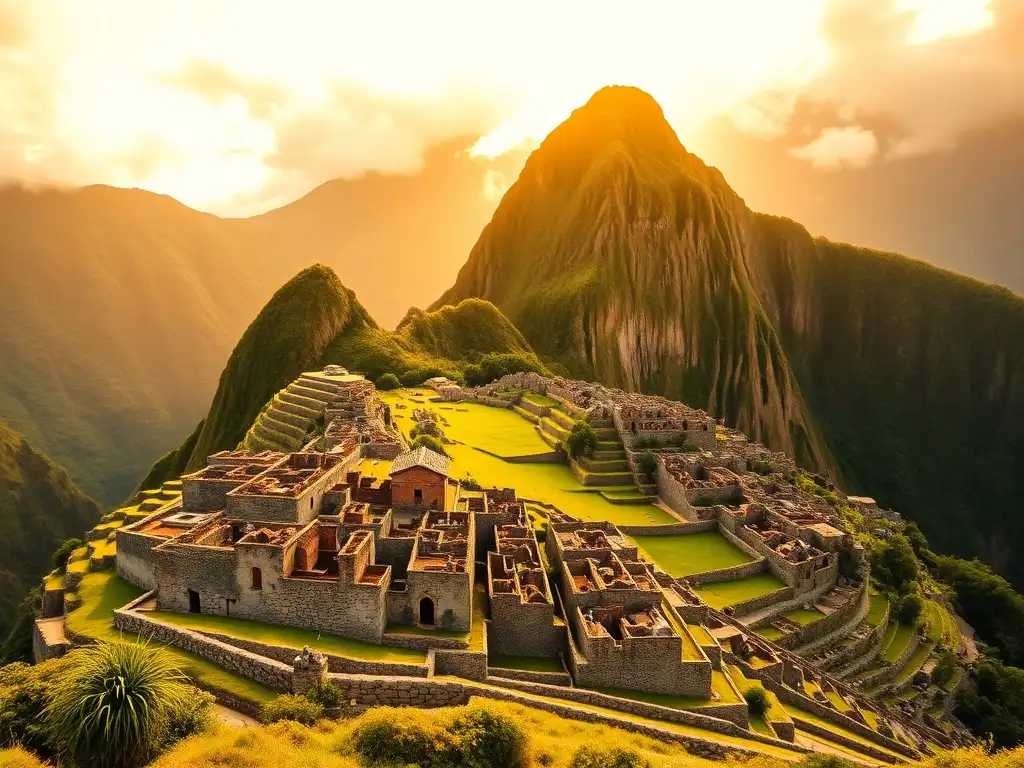
Uncover the secrets of a lost world! Journey through the breathtaking landscapes and captivating cultures of the Andes, where empires rose and fell, leaving behind a legacy of unparalleled artistry and ingenuity. Prepare to be amazed by the sheer scale and sophistication of Inca architecture techniques, a testament to the ingenuity of a civilization that continues to fascinate and inspire. Dive into the mysteries of their architectural marvels and discover how they shaped the very fabric of Andean history – a story waiting to be unfolded.
The Inca Empire, a civilization that flourished in the Andes Mountains from the 15th to the 16th century, left behind a remarkable legacy. This legacy isn't just defined by their sophisticated political and administrative systems, but also, and perhaps most strikingly, by their breathtaking art and architecture. This article delves into the ingenuity and artistry of Inca construction, exploring the techniques and philosophies that shaped their monumental structures and enduring aesthetic.
We will examine the specific methods employed in Inca architecture, focusing on their precision stonework, innovative construction methods, and remarkable ability to adapt their designs to the challenging Andean terrain. Understanding these architectural achievements provides crucial insights into the Inca worldview, their societal organization, and their lasting impact on the cultural landscape of South America. The keyword "Inca architecture techniques" will be explored in detail, revealing the secrets behind these impressive feats of engineering and artistry.
Introduction to Inca Art and Architectural Achievements
Inca art and architecture are inextricably linked, reflecting a deep understanding of both aesthetics and functionality. Their structures, ranging from imposing palaces and temples to intricate irrigation systems and meticulously crafted terraces, demonstrate a mastery of engineering and a profound connection to their environment. The Inca aesthetic favored symmetry, precision, and a harmonious integration with the natural landscape.
This is evident in their use of locally sourced materials, such as stone, wood, and adobe, skillfully shaped and assembled to create structures that were both beautiful and remarkably durable. The scale and complexity of some Inca projects, such as Machu Picchu, still amaze and inspire awe centuries later. The artistry extended beyond the purely architectural, encompassing intricate textiles, pottery, and metalwork, all showcasing a sophisticated level of craftsmanship and artistic expression.
The Inca's artistic achievements weren't merely decorative; they served important social, religious, and political functions, reinforcing their power and ideology. Understanding this holistic approach to art and architecture is key to appreciating the full scope of Inca cultural achievements.
The Ingenious Inca Architecture Techniques
The remarkable achievements of Inca architecture were not simply the result of artistic vision; they relied on a sophisticated understanding of engineering principles and highly specialized techniques. The Inca's ability to construct such impressive structures in a challenging mountainous environment is a testament to their ingenuity and organizational skills. Their mastery of stonework, in particular, allowed them to create structures that have withstood the test of time.
This section will explore the key techniques that underpinned Inca construction, revealing the secrets behind their enduring legacy. The use of specific tools and techniques was paramount in achieving the precision and strength of their buildings.
Precision Stonework in Inca Buildings
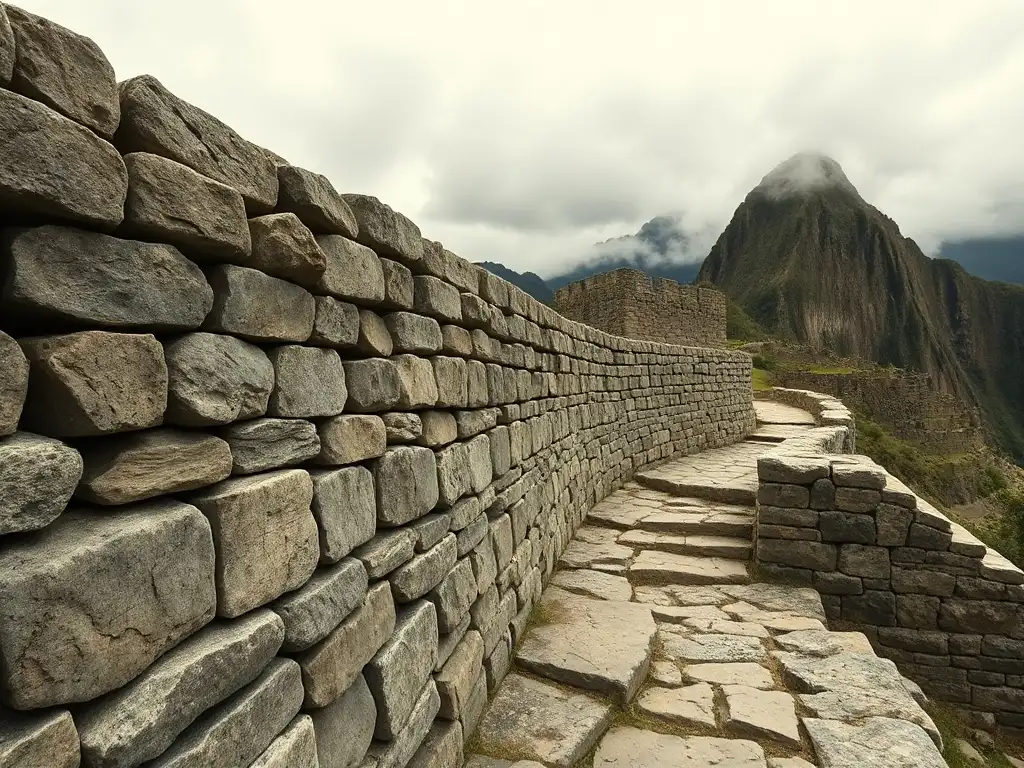
Inca stonework is renowned for its incredible precision. Stones were meticulously cut and fitted together without mortar, creating seamless joints that are often thinner than a human hair. This astonishing level of precision was achieved through a combination of advanced techniques, including the use of specialized tools and a deep understanding of stone properties. The fit was so precise that even after centuries of earthquakes and weathering, many Inca structures remain remarkably intact. This wasn't simply a matter of aesthetics; the precise fitting of stones contributed to the structural integrity and stability of the buildings, making them resistant to seismic activity common in the Andes. 1 Archaeological evidence suggests that Inca masons utilized a variety of techniques to achieve this remarkable level of accuracy, including careful selection of stones, precise cutting and shaping, and a thorough understanding of the geological properties of the rocks. The process was undoubtedly labor-intensive and required a high degree of skill and coordination.
1 Further research is needed to fully quantify the seismic resistance of Inca structures.
Key Inca Construction Methods
Beyond the precision stonework, several other key construction methods contributed to the success of Inca architecture. These included the use of sophisticated techniques for leveling ground, creating foundations, and erecting walls. For example, the Inca often employed sophisticated terracing techniques to create level agricultural land on steep slopes, a feat of engineering that allowed them to maximize agricultural production in a challenging environment.
This demonstrates their understanding of both engineering and environmental adaptation. They also employed a range of different stone types and construction techniques depending on the specific location and purpose of the structure. The choice of materials and construction methods was carefully considered, reflecting a deep understanding of the local environment and the needs of the building.
Careful planning and organization were essential for the successful completion of large-scale projects, highlighting the sophisticated organizational capabilities of the Inca state. The use of ramps and other temporary structures to facilitate the movement of massive stones also indicates their advanced understanding of logistics and construction management.
Adaptability of Inca Architectural Design to the Andes
The Inca Empire spanned a vast and diverse geographical area, encompassing a wide range of climates and terrains. Their remarkable architectural achievements are not only a testament to their technical skills but also to their ability to adapt their designs to the unique challenges posed by the Andes Mountains. Inca architects demonstrated an impressive understanding of engineering principles, adapting their building techniques to suit the specific geological conditions of different regions.
The use of different building materials, construction techniques, and architectural styles reflects this adaptability. For example, the use of dry-stone construction in mountainous regions ensured stability, while the use of adobe bricks was more common in lower-altitude areas. This flexibility in design and construction is evident in the diversity of Inca structures found throughout the empire, from the imposing stone structures of Machu Picchu to the more modest adobe buildings found in other regions.
This adaptation to the environment also highlights the close relationship between the Inca and their natural surroundings, a relationship that was deeply ingrained in their culture and worldview. The Inca's ability to seamlessly integrate their structures into the landscape is a testament to their understanding of both engineering and environmental harmony. This adaptability was crucial to the success of the Inca Empire and continues to inspire awe in their architectural achievements.
Notable Examples of Inca Architectural Marvels
Inca architecture, a testament to their advanced engineering and artistic skills, is characterized by its precise stonework, masterful integration with the landscape, and impressive scale. Understanding Inca architecture techniques requires examining specific examples that showcase their ingenuity. Their structures weren't merely functional; they were imbued with religious and symbolic significance, reflecting the sophisticated worldview of the Inca Empire.
The meticulous planning and execution evident in these structures are a testament to the highly organized and skilled workforce of the Inca civilization. The empire's vast network of roads, strategically placed settlements, and awe-inspiring ceremonial centers all speak to their sophisticated understanding of urban planning and construction. This advanced knowledge of engineering and architecture allowed them to create structures that have withstood the test of time, even in the face of natural disasters and centuries of weathering.
Machu Picchu: A Masterpiece of Inca Engineering
Machu Picchu, the iconic "Lost City of the Incas," exemplifies the pinnacle of Inca architectural prowess. Perched high in the Andes Mountains, its construction showcases a remarkable understanding of both engineering and the environment. The city's buildings, seamlessly integrated into the surrounding terrain, utilize precisely cut stones fitted together without mortar, a testament to the advanced Inca architecture techniques.
The intricate network of terraces, designed to maximize agricultural output in the mountainous region, demonstrates their mastery of land management. The precise placement of structures, taking into account solar alignments and astronomical observations, highlights the profound connection between Inca architecture and their cosmology.
The incredible precision in the stonework, with stones fitting together so tightly that a blade cannot be inserted between them, is truly remarkable and speaks to the high level of skill possessed by Inca masons. The complex water management system, including fountains and aqueducts, further demonstrates their advanced engineering capabilities.
Sacsayhuamán: The Imposing Fortress
Sacsayhuamán, located near Cusco, stands as a powerful symbol of Inca military might and architectural skill. This massive fortress complex, built with cyclopean stones of immense size, is a stunning example of Inca architecture techniques. The sheer scale of the structure, with its imposing walls and intricate fortifications, is breathtaking. The colossal stones, some weighing many tons, were transported and precisely fitted together with incredible accuracy, showcasing the remarkable engineering and logistical capabilities of the Inca civilization.
The strategic location of the fortress, overlooking Cusco, further highlights the Inca's understanding of defensive architecture. The impressive engineering feats involved in transporting and placing these massive stones remains a subject of ongoing fascination and research, highlighting the ingenuity of Inca architecture techniques. The complex design of the fortress, with its winding paths and multiple levels, served both defensive and ceremonial purposes, showcasing the multifaceted nature of Inca architecture.
Coricancha: The Temple of the Sun in Cusco
Coricancha, or the Temple of the Sun, located in Cusco, was the most important religious center in the Inca Empire. This temple, a testament to Inca artistry and religious devotion, was renowned for its exquisite craftsmanship and lavish ornamentation. The temple's walls were originally covered in gold plates, reflecting the Inca's reverence for the sun god and their mastery of metalworking.
The precise stonework and intricate designs showcased in the remaining structure demonstrate the advanced Inca architecture techniques used in creating this sacred space. Even in its ruined state, the grandeur and sophistication of Coricancha remain evident, serving as a reminder of the power and artistry of the Inca civilization.
The design and layout of the temple, reflecting the Inca's cosmological beliefs, further demonstrates the deep connection between religion and architecture in their society. The careful planning and execution evident in the construction of Coricancha are a testament to the highly organized and skilled workforce of the Inca empire, showcasing advanced Inca architecture techniques.
Inca Art Forms Beyond Architecture
While Inca architecture is justly renowned, their artistic expression extended far beyond buildings. Their skills in pottery, textiles, and metalwork reveal a rich and sophisticated artistic culture. The artistry and craftsmanship embedded within these mediums provide further insights into their social structure, religious beliefs, and daily life. These art forms are not merely decorative; they often carry symbolic meanings and tell stories of their culture and history.
Inca Pottery: Styles and Functionality
Inca pottery, diverse in style and functionality, reveals a sophisticated understanding of ceramic techniques. From simple utilitarian vessels to elaborately decorated ceremonial pieces, Inca pottery exhibits a remarkable range of forms and designs. Styles varied regionally, reflecting the diverse cultural landscape of the empire.
Many pieces feature intricate designs, often depicting animals, plants, and mythical figures, reflecting their worldview and religious beliefs. The functionality of the pottery ranged from everyday use, such as storing food and water, to ceremonial purposes, such as offering libations to the gods. The high quality of the pottery, the durability, and the variety of shapes and designs showcase the advanced skills and artistry of Inca potters.
Inca Textiles: Weaving Techniques and Symbolism
Inca textiles are renowned for their exceptional quality, intricate designs, and symbolic richness. The Inca developed sophisticated weaving techniques, using a variety of materials including alpaca, llama, and vicuña wool. Their textiles often featured intricate patterns and designs, representing animals, plants, and mythical beings.
The colors and designs of the textiles often held symbolic meanings, reflecting the wearer's social status and religious affiliations. The exceptional quality and durability of the textiles, along with the sophisticated weaving techniques employed, demonstrate the high level of skill and artistry of Inca weavers. The intricate designs and symbolism embedded within the textiles offer valuable insights into the complex social and religious structures of the Inca civilization.
Inca Metalwork: Gold, Silver, and Bronze Crafting
Inca metalwork, particularly their mastery of gold, silver, and bronze, stands as a testament to their advanced metallurgical skills and artistic sophistication. The Inca used these precious metals to create a wide variety of objects, including jewelry, religious artifacts, and ceremonial vessels. Their techniques involved sophisticated casting, hammering, and alloying processes.
The intricate designs and high level of craftsmanship evident in these objects reflect the Inca's artistic skill and their reverence for these precious metals. The use of gold, silver, and bronze in religious ceremonies and royal adornments highlights the importance of these materials in Inca society. The intricate designs, often depicting mythological figures or scenes of daily life, provide valuable insights into the worldview and cultural practices of the Inca civilization.
The Influence of Inca Art on Andean Culture
Inca art, with its distinctive styles and techniques, profoundly impacted Andean culture, leaving an enduring legacy that continues to resonate today. The intricate weaving techniques, the sophisticated metalwork, and the monumental stone structures all served not only aesthetic purposes but also played crucial roles in Inca society's religious beliefs, social structures, and political power. The use of specific colors and motifs in textiles, for instance, often indicated social status or clan affiliation.
Similarly, the monumental architecture, like the impressive structures at Machu Picchu, served as powerful symbols of Inca power and control, shaping the landscape and influencing the perception of the empire's authority. This influence extended beyond the Inca empire itself; many later Andean cultures adopted and adapted Inca artistic styles and techniques, integrating them into their own cultural expressions.
The impact is evident in the ceramics, textiles, and even architectural elements found in post-Inca Andean societies. The enduring appeal of Inca artistic motifs in contemporary Andean art further demonstrates the lasting power of this cultural inheritance.
Inca Artistic Styles in Modern Andean Art
The legacy of Inca art is clearly visible in modern Andean art. Contemporary artisans frequently draw inspiration from traditional Inca designs, incorporating elements such as geometric patterns, stylized animal figures, and the characteristic Inca color palette into their work. Textiles, in particular, continue to showcase the intricate weaving techniques developed by the Inca, often incorporating traditional motifs and symbols. The vibrant colors and complex designs found in modern Andean textiles are a direct reflection of the Inca artistic heritage.
Moreover, some contemporary artists actively research and reinterpret Inca art, creating new works that engage with the historical context and cultural significance of these ancient creations. This process of artistic dialogue between the past and present ensures that Inca artistic traditions are not merely preserved but also continue to evolve and inspire new creative expressions. The enduring appeal of Inca aesthetics demonstrates the power and resilience of Andean cultural heritage.
Legacy of Inca Building Methods in Contemporary Construction
Inca building methods, known for their precision and durability, continue to inspire contemporary construction techniques. The Inca's mastery of stonework, particularly their ability to create perfectly fitted stones without using mortar, remains a source of fascination and admiration. While the exact techniques used by the Inca are still debated, their ingenuity in shaping and fitting stones demonstrates a deep understanding of engineering principles and a remarkable level of craftsmanship.
Modern engineers and architects study Inca building methods to understand their structural integrity and durability, seeking to integrate these principles into contemporary designs. For example, the precise fitting of stones in Inca structures offers valuable lessons in seismic resilience, particularly relevant in earthquake-prone regions of the Andes. While not directly replicating Inca techniques, modern construction often incorporates principles of stability and durability learned from studying Inca architecture.
Conservation and Study of Inca Art and Architecture
The conservation and study of Inca art and architecture present both significant opportunities and considerable challenges. Preserving these fragile historical sites requires careful planning and the implementation of innovative conservation strategies. The harsh Andean climate, coupled with the effects of human activity and environmental factors, poses ongoing threats to the integrity of Inca structures and artifacts. Researchers employ a variety of scientific techniques, including archaeometry and digital imaging, to study Inca art and architecture.
These methods provide valuable insights into the materials used, the construction techniques employed, and the cultural significance of these sites. The interdisciplinary nature of the research, involving archaeologists, historians, conservators, and scientists, underscores the complexity of preserving and understanding this rich cultural heritage. The goal is not only to preserve the physical remains but also to enhance our understanding of Inca society and its artistic achievements.
Challenges in Preserving Inca Sites
Preserving Inca sites presents many challenges, including the impact of tourism, looting, and natural disasters. The sheer number of visitors to popular sites like Machu Picchu puts immense strain on the infrastructure and can accelerate the deterioration of the structures. Looting and illegal excavation pose a constant threat, leading to the loss of valuable artifacts and compromising the integrity of the sites.
Furthermore, natural disasters, such as earthquakes and landslides, present significant risks to the preservation of Inca sites, requiring ongoing monitoring and preventative measures. The delicate balance between allowing access for research and tourism while protecting the sites from damage is a central challenge in conservation efforts. Balancing economic development, environmental protection, and the preservation of cultural heritage requires careful planning and collaboration between governments, local communities, and international organizations.
Ongoing Research and Discoveries in Inca Art and Architecture
Ongoing research and discoveries continue to expand our understanding of Inca art and architecture. New excavations and technological advancements are constantly revealing new insights into Inca building techniques, artistic styles, and social practices. The application of advanced imaging techniques, such as ground-penetrating radar and LiDAR, allows researchers to identify previously unknown structures and artifacts, significantly expanding our knowledge of the Inca empire's extent and complexity.
The ongoing research emphasizes the dynamic and evolving nature of our understanding of Inca civilization. Each new discovery refines our understanding of Inca society, challenging existing theories and enriching our appreciation of their artistic and architectural achievements. The process of ongoing research and discovery underscores the importance of continued study and the ongoing need for the preservation of this remarkable cultural legacy.
Conclusion: The Enduring Impact of Inca Art and Architecture
The Inca Empire's mastery of Inca architecture techniques left an indelible mark on the Andes, a legacy visible even today. Their innovative approaches to construction, utilizing readily available materials like stone and adobe, resulted in structures that not only served their practical purposes but also served as powerful symbols of their societal structure and spiritual beliefs. The ingenuity displayed in their intricate stonework, precise fitting, and monumental scale continues to inspire awe and wonder.
The enduring strength of many Inca structures, despite the passage of centuries and the ravages of time and earthquakes, is a testament to the advanced understanding of engineering principles possessed by Inca builders. This understanding extended beyond simply erecting buildings; it encompassed a holistic approach to integrating architecture with the landscape, creating a harmonious blend of human creation and natural environment.
The impact of Inca art and architecture extends far beyond the physical structures themselves. These creations serve as invaluable sources for understanding Inca society, beliefs, and artistic sensibilities. The intricate carvings, detailed murals, and the overall design of their cities reveal insights into their social hierarchy, religious practices, and worldview.
Studying Inca architecture provides a window into the minds of the people who built them, allowing modern scholars and researchers to piece together a more comprehensive understanding of this remarkable civilization. Moreover, the preservation and study of Inca art and architecture contribute significantly to cultural tourism in the Andean region, generating economic benefits and promoting cultural pride.
The study and preservation of Inca art and architecture remain crucial for understanding the past, inspiring the present, and shaping the future. The sophisticated Inca architecture techniques are a testament to the ingenuity and cultural richness of this remarkable civilization.
- Introduction to Inca Art and Architectural Achievements
- The Ingenious Inca Architecture Techniques
- Notable Examples of Inca Architectural Marvels
- Inca Art Forms Beyond Architecture
- The Influence of Inca Art on Andean Culture
- Conservation and Study of Inca Art and Architecture
- Conclusion: The Enduring Impact of Inca Art and Architecture
- What innovative techniques did the Incas use in their architecture?
- How did the Inca's environment influence their architectural style?
- What are some examples of remarkable Inca architecture?
- How did the Incas transport massive stones for their constructions?
- What is the significance of Inca architecture in understanding their culture?
Frequently Asked Questions
What innovative techniques did the Incas use in their architecture?
The Incas were masters of stonework, employing techniques like precisely cut stones fitted together without mortar, creating incredibly strong and durable structures. They also utilized advanced engineering to adapt their buildings to the challenging Andean terrain.
How did the Inca's environment influence their architectural style?
The Andean geography, with its mountains and varied climates, heavily influenced Inca architecture. Buildings were adapted to the landscape, using terracing and stone construction to maximize space and stability. Local materials were also prioritized.
What are some examples of remarkable Inca architecture?
Machu Picchu, Sacsayhuamán, and Ollantaytambo are prime examples of impressive Inca architecture. These sites showcase the Inca's mastery of stonework, engineering, and adaptation to the environment.
How did the Incas transport massive stones for their constructions?
The Incas used a complex system of roads and ramps, along with human power and ingenuity, to transport massive stones. They likely employed rolling logs and levers, demonstrating remarkable organizational and engineering skills.
What is the significance of Inca architecture in understanding their culture?
Inca architecture reflects their advanced technology, social organization, and spiritual beliefs. The monumental structures and precise craftsmanship demonstrate their sophisticated culture and engineering prowess.
Final Reflection: Echoes of the Andes: A Legacy in Stone and Spirit
The ingenuity of Inca architecture continues to resonate today, a testament to a civilization that mastered its environment and left an indelible mark on the world. Their innovative techniques, from precise stonework to sophisticated water management systems, not only shaped their landscape but also offer valuable lessons in sustainable design and community building for the modern era. We can still learn from their mastery of resourcefulness and their deep connection to the land.
The enduring power of Inca art and architecture lies not just in its aesthetic beauty, but in its ability to connect us to a rich and complex past. It speaks to the human capacity for innovation and collaboration on a scale rarely seen. The precision and artistry displayed in Machu Picchu and other sites are a constant source of wonder and inspiration. The ruins are not dead stones, but living voices.
This sentiment perfectly encapsulates the enduring power of Inca heritage, a voice that continues to speak across centuries, reminding us of the importance of preserving our cultural heritage.
Consider the intricate details, the harmonious integration with the environment, the sheer scale of their achievements. These are not just historical artifacts; they are a powerful reminder of what human ingenuity and collective effort can accomplish. You, the reader, are now part of this ongoing conversation. Take a moment to reflect on the impact of Inca architecture and its relevance to your own life.
What can we learn from their sustainable practices? How can we apply their principles of community and collaboration to address the challenges of our time? Let the echoes of the Andes inspire you to build a more sustainable and connected future.
Unveil the Rich Legacy of Inca Art Today!
Thank you for exploring the fascinating world of Inca art and architecture with us! We hope you've gained a deeper understanding of this unique cultural legacy and its enduring inspiration. Now, let's explore ways to connect more meaningfully with this vibrant heritage.
Here are some suggestions:
- Visit local museums and exhibitions showcasing Inca artifacts to experience the artistry and craftsmanship firsthand. Marvel at the intricate details and the skill of the artisans.
- Share your newfound appreciation with friends and family, or online! Write a blog post, share photos on social media, or start a conversation about your favorite Inca artwork or architectural marvel.
- Plan a trip to Peru to witness the breathtaking sites of Machu Picchu and Cusco. Immerse yourself in the rich history and vibrant culture that still thrives in these incredible locations.
What aspect of Inca art resonates most with you, and how will you integrate it into your life or share your enthusiasm with others?