
Inca Storehouses: Strategic Distribution and Resource Management

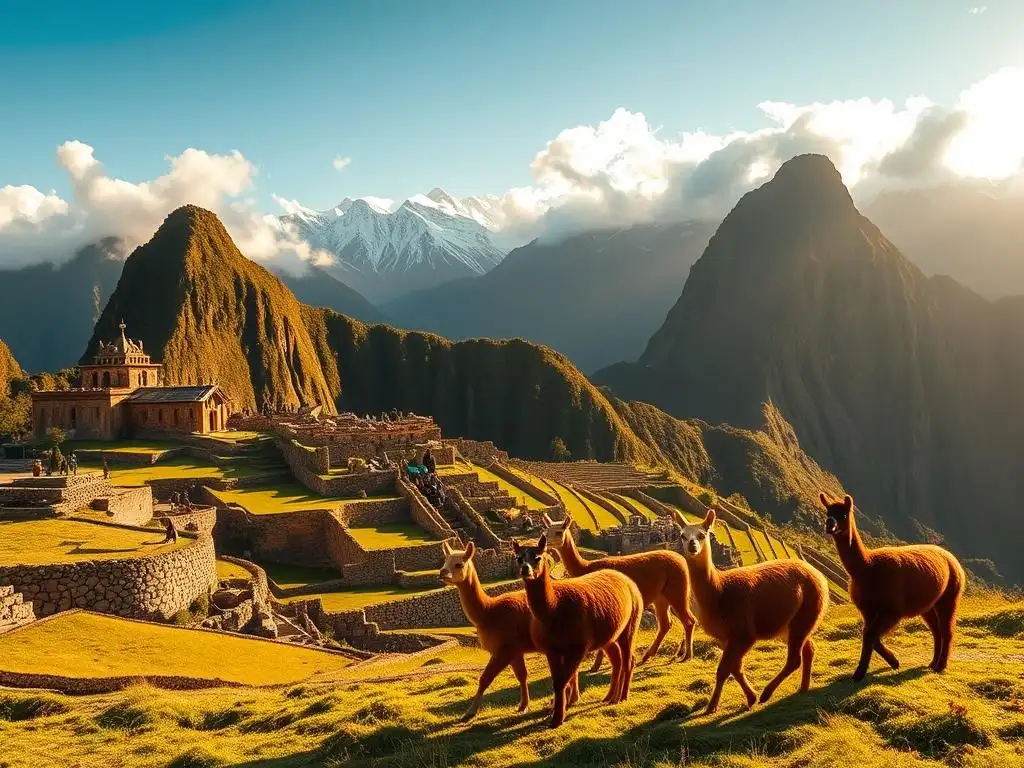
Step into a world lost to time, yet echoing with the ingenuity of a vanished empire. Imagine a civilization that mastered the Andes, not just by conquering its peaks, but by meticulously managing its resources. This is the story of the Andean civilizations, and we begin our journey with a fascinating look into the Inca storage systems that underpinned their remarkable success. Discover the secrets behind their strategic distribution networks and unravel the mysteries of their sophisticated resource management—a testament to the Inca Empire’s enduring legacy. Prepare to be amazed.
The Inca Empire, renowned for its sophisticated political organization and impressive infrastructure, relied heavily on an effective system of resource management to sustain its vast population and expansive territory. This system, far from being haphazard, was a carefully planned and meticulously executed logistical operation, the cornerstone of which was its network of strategically placed storehouses. Understanding the Inca's storage systems is key to comprehending the empire's remarkable ability to control and distribute resources, ensuring stability and prosperity across diverse ecological zones.
This article will delve into the intricacies of Inca storehouses, exploring their design, distribution, and their crucial role in the empire's overall administrative prowess, focusing specifically on how these "Inca storage systems" facilitated the efficient management of essential goods. We will examine how these systems contributed to the empire's resilience and ultimately, its longevity.
Introduction to Inca Storage and Logistics
The Inca Empire, spanning a vast and geographically diverse landscape encompassing the Andes Mountains, faced significant logistical challenges in managing the flow of resources. Unlike societies reliant on centralized market systems, the Inca implemented a highly organized state-controlled economy. This system relied heavily on a complex network of storehouses, known as qollqas, strategically located throughout the empire.
These weren't simply places to keep excess goods; they were integral components of a sophisticated system designed for the efficient collection, storage, and redistribution of agricultural surpluses, textiles, and other vital resources. The location of these qollqas was far from arbitrary; they were carefully sited to minimize transportation costs and maximize accessibility for both producers and consumers. This strategic placement was crucial for managing the empire's varied climates and ensuring the equitable distribution of resources, even in remote or challenging terrains.
The management of this vast network involved a highly trained bureaucracy, responsible for inventory, distribution, and overall efficiency. This intricate system ensured the survival of the empire during times of scarcity and contributed significantly to its overall stability. The efficiency of Inca storage systems was a testament to their advanced understanding of logistics and resource management.
The Significance of Inca Warehouses (Qullqas)
Inca warehouses, or qollqas, were impressive structures, often built from carefully cut and fitted stone, reflecting the Inca's mastery of stonemasonry. Their size and design varied depending on their location and the type of goods stored. Some were small, single-room structures, while others were large, multi-chamber complexes capable of holding substantial quantities of goods. Many qollqas were built into the landscape, cleverly integrated into hillsides or cliffs, providing natural protection from the elements and potential threats. The construction itself demonstrated a level of engineering skill and planning that was remarkable for its time.
The strategic distribution of qollqas across the empire was a key element of the Inca’s resource management strategy. They were located near agricultural centers, along major transportation routes, and in areas with high population densities. This ensured that resources could be efficiently collected from producers and quickly distributed to areas in need.
The system was particularly effective in dealing with variations in agricultural yields due to differing altitudes and microclimates across the empire. In times of drought or crop failure in one region, resources could be readily mobilized from other areas with surplus to prevent widespread famine.
This is a powerful example of the proactive and preventative measures the Inca employed in their governance, ensuring the well-being of their subjects and the stability of the empire. The precise quantities of goods stored in each qollqa and the details of the distribution networks are areas that continue to fascinate researchers, highlighting the enduring mystery and complexity of the Inca storage systems.
Types of Inca Storage Facilities
The Inca Empire, renowned for its sophisticated administrative system, relied heavily on a network of strategically placed storehouses, or qollqas, to manage the vast resources acquired through tribute and agricultural production. These weren't simply haphazard piles of goods; they were integral to the empire's economic and social stability. The qollqas themselves varied in size, location, and purpose, reflecting the complex logistical needs of a sprawling civilization. We can broadly categorize them into two main types: state-run qollqas and local community storage facilities.
The distinction lies not just in their scale but also in their management and the intended beneficiaries of their contents. The efficient management of these storage facilities was crucial for the empire's survival, providing a buffer against natural disasters and ensuring a consistent supply of goods for the population. The Inca storage systems were a testament to their advanced understanding of logistics and resource management.
State-Run Qullqas: Centralized Storage
State-run qollqas, often large and imposing structures, served as central repositories for the empire's surplus agricultural products, textiles, and other valuable goods. These facilities were typically located near administrative centers or along major transportation routes, facilitating easy access and distribution. Their construction often involved significant labor and expertise, reflecting their importance to the Inca state.
These centralized stores were overseen by appointed officials who maintained meticulous records of incoming and outgoing goods. The system ensured that resources could be quickly mobilized in times of need, such as during droughts or in support of military campaigns. The scale of these state-run qollqas varied considerably, with some being quite extensive complexes capable of storing enormous quantities of goods.
Archaeological evidence suggests a high degree of organization and efficiency in their operation, indicative of the Inca's advanced administrative capabilities. These central warehouses played a pivotal role in the empire's ability to redistribute resources throughout its vast territory.
Local Community Storage: Decentralized Management
In contrast to the large state-run qollqas, smaller storage facilities existed at the community level. These served the needs of local populations, storing goods produced locally for their own consumption. While under the ultimate authority of the Inca state, these decentralized storage facilities provided a degree of autonomy to individual communities. This allowed for a more efficient distribution of resources within smaller regions, reducing the need for extensive transportation of goods over long distances.
The system ensured communities had access to necessary resources for their daily needs, contributing to the overall stability of the empire. The design and construction of these local storage facilities were often simpler than their state-run counterparts, reflecting the smaller scale of their operations and the materials available locally. The management of these local stores involved community leaders, ensuring fair distribution of resources within the community.
Design and Construction of Inca Storehouses
The construction of Inca qollqas demonstrates a sophisticated understanding of engineering and architecture, reflecting the importance these structures held within the empire. The design and building techniques varied depending on the location and the intended purpose of the storehouse, but several common features can be identified. The Inca's mastery of stonework is evident in the precision and durability of these structures, many of which have survived for centuries.
The strategic placement of qollqas also reveals a deep understanding of geography and logistics, ensuring efficient resource management across the vast Andean landscape. The construction techniques used reflected both the available resources and the level of engineering expertise possessed by the Inca.
Architectural Features of Inca Storage Structures
Inca qollqas typically featured several key architectural elements. They were often built into hillsides or cliffs to take advantage of natural protection and stability. The structures themselves were typically rectangular or trapezoidal, with walls built from precisely cut and fitted stones. The walls were often thick and strong, providing insulation and protection against the elements.
Many qollqas also featured internal divisions or compartments, allowing for the organized storage of different types of goods. Ventilation systems were incorporated into the design to prevent spoilage of stored goods, showcasing a sophisticated understanding of preservation techniques. The integration of the structures into the landscape and their robust construction highlight the Inca's engineering prowess and their commitment to efficient and long-lasting storage solutions. The precise fitting of stones is a characteristic feature of Inca architecture, reflecting the quality of their craftsmanship and their dedication to detail.
Materials Used in Qullqa Construction
The materials used in the construction of Inca qollqas varied depending on local availability. Stone was the most common building material, with the type of stone used reflecting local geological conditions. In areas with abundant stone, large, precisely cut blocks were used, creating incredibly durable structures. In other areas, smaller stones, adobe bricks, or even packed earth were employed.
The ingenuity of Inca builders is evident in their ability to adapt their construction techniques to the available resources. The choice of materials also influenced the overall design and durability of the structures. For instance, stone qollqas were generally more durable and better able to withstand the harsh Andean climate than those constructed from less resilient materials. This adaptation to local conditions highlights the Inca's practical approach to construction and their understanding of the properties of different building materials.
The Role of Inca Storage in Resource Management
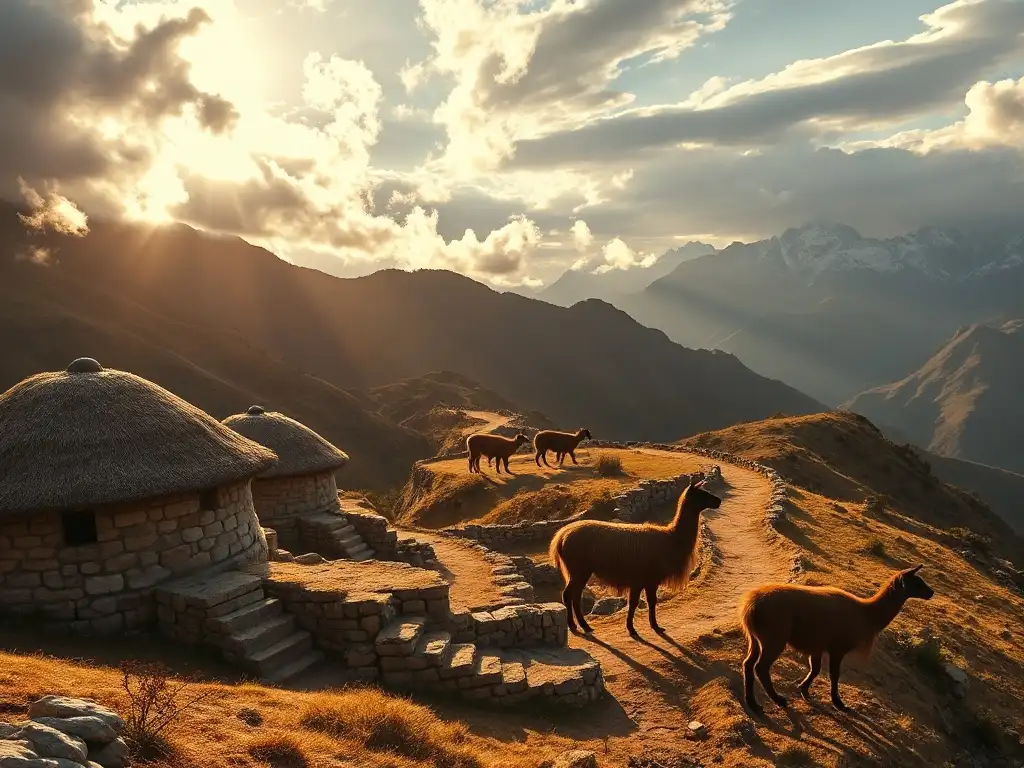
The Inca Empire's sophisticated system of storehouses, known as qollqas, was integral to its effective resource management. This wasn't simply a matter of accumulating surplus; the qollqas represented a complex strategy for ensuring the empire's stability and resilience in the face of fluctuating agricultural yields and potential emergencies. The centralized control over resources facilitated by these storage facilities allowed the Inca government to redistribute goods efficiently, preventing widespread famine and supporting the population during lean times.
This strategic approach to resource management was crucial for maintaining social order and preventing unrest within the vast empire. The meticulous record-keeping associated with the storage system – though the exact methods remain a subject of ongoing research – further highlights the Inca's advanced understanding of logistics and resource allocation. The system’s success rested on a combination of architectural ingenuity, efficient administrative practices, and a deep understanding of Andean geography and climate.
Storing Agricultural Products in the Inca Empire
The primary focus of Inca storage was undoubtedly agricultural products. The Andes' diverse geography presented challenges to consistent crop production; some areas were prone to drought, while others experienced excessive rainfall. The Inca cleverly utilized qollqas to mitigate these risks. Surplus crops from regions with abundant harvests were stored and later redistributed to areas facing shortages.
This included a wide variety of staples like potatoes, maize, quinoa, and beans. The careful selection of storage locations, often in dry, well-ventilated areas, ensured the preservation of these essential foods. Archaeological evidence shows that different types of crops were stored separately, indicating a sophisticated understanding of preservation techniques and the specific needs of different agricultural products. The scale of these operations was impressive, suggesting a highly organized agricultural system underpinned by a strong centralized government.
Storage of Textiles, Tools, and Other Goods
Beyond agricultural products, Inca storehouses also held a vast array of other goods crucial to the empire's functioning. Textiles, for example, were a significant component of Inca storage. These textiles served various purposes, from clothing and blankets to ceremonial items and even forms of currency. The storage of tools, including agricultural implements, metalwork, and building materials, ensured the continued functioning of the empire's infrastructure and productive capacity.
Additionally, qollqas likely held goods intended for religious ceremonies, tributes, and the needs of the Inca elite. The variety of items stored underscores the comprehensive nature of the Inca storage system, which extended far beyond simply food security to encompass the entire material culture of the empire. The careful organization and preservation of these diverse goods demonstrate a remarkable level of administrative control and foresight.
Inca Distribution System: Managing the Flow of Resources
The Inca system of resource management wasn't solely about storage; it was equally about efficient distribution. The qollqas were not isolated entities but rather nodes within a larger network designed to ensure the timely delivery of goods to the population. This network was remarkably efficient, considering the vast geographical expanse of the empire and the challenging terrain.
The success of this system was essential for maintaining social order and preventing discontent among the populace. The ability to rapidly respond to local shortages or emergencies was a crucial aspect of Inca governance, demonstrating its capacity for centralized control and proactive planning. Understanding the intricate workings of this distribution network offers valuable insights into the administrative prowess of the Inca state.
The Inca Road Network and Storage
The Inca road network played a vital role in the distribution of resources from qollqas. This extensive system of roads, spanning thousands of kilometers, connected even the most remote regions of the empire. The strategic placement of storehouses along these roads facilitated the efficient movement of goods.
The roads themselves were meticulously engineered to accommodate the transport of goods, often utilizing sophisticated techniques such as suspension bridges and carefully graded paths. This infrastructure not only enabled the flow of resources but also supported communication and the movement of people within the empire. The integration of the road network with the storage system exemplifies the Inca's mastery of logistics and their commitment to efficient resource management.
Mechanisms for Distributing Goods From Storage
The precise mechanisms for distributing goods from the qollqas are not entirely clear, but several aspects are known. The Inca bureaucracy played a central role in managing the distribution process. Specialized officials oversaw the inventory, allocation, and transportation of goods. Record-keeping, likely employing a system of quipu (knotted cords), was essential for tracking resources and ensuring accountability.
Distribution was not solely based on need; it also reflected the Inca's hierarchical social structure, with the elite receiving a greater share of resources. However, the system also ensured that the basic needs of the population were met, contributing to the empire's stability and longevity. Further research is needed to fully understand the complexities of this sophisticated distribution system, but the evidence suggests a highly organized and efficient approach to managing the flow of goods throughout the empire.
The sophisticated Inca storage systems profoundly impacted the social fabric of their empire. The ability to amass and redistribute surplus goods fostered a degree of stability previously unseen in the Andes. This wasn't simply about economic control; it was about social control, ensuring the loyalty and cooperation of diverse populations spread across varied terrains. The system facilitated the movement of goods and people, strengthening the bonds between different regions and solidifying the Inca's authority.
The centralized nature of storage meant that the Inca government could directly intervene in times of crisis, providing relief to communities facing hardship. This, in turn, reinforced the perception of the Inca as benevolent rulers, capable of managing resources effectively for the benefit of the entire empire. The distribution of goods was not arbitrary; it was carefully managed to maintain social equilibrium and prevent unrest.
Inca Storage and Economic Control
Inca storage was intrinsically linked to economic control. The state's monopoly over storage facilities allowed them to regulate the flow of goods, influencing production, trade, and distribution. By controlling the surplus, the Inca could levy taxes in kind, demanding a portion of agricultural output, textiles, and other vital resources. This system provided the resources necessary for the vast public works projects that characterized Inca rule, such as road construction, irrigation systems, and monumental architecture.
Furthermore, the storage system allowed for the strategic manipulation of prices and the creation of a stable economy, minimizing the fluctuations that could lead to social instability. The centralized control also facilitated the movement of resources to support military campaigns and ensure the loyalty of conquered populations through provision of supplies. This economic power was a cornerstone of Inca political dominance.
The Role of Storage in Maintaining Social Order
The Inca storage system played a crucial role in maintaining social order. The capacity to provide for the population during lean times, or in times of crisis, such as drought or natural disasters, prevented widespread famine and social unrest. This created a sense of security and dependence on the Inca government, consolidating their power and authority. The equitable (or at least perceived equitable) distribution of resources fostered a sense of community and cooperation, reducing the potential for internal conflict.
The system also acted as a powerful tool for social control, as the Inca could reward loyalty and punish dissent through the allocation or withholding of resources. This system of reward and punishment reinforced the hierarchical structure of Inca society and ensured the stability of the empire. Evidence suggests that the storage system was instrumental in preventing widespread revolts and maintaining a comparatively peaceful and organized empire.
Preservation Techniques in Inca Storage
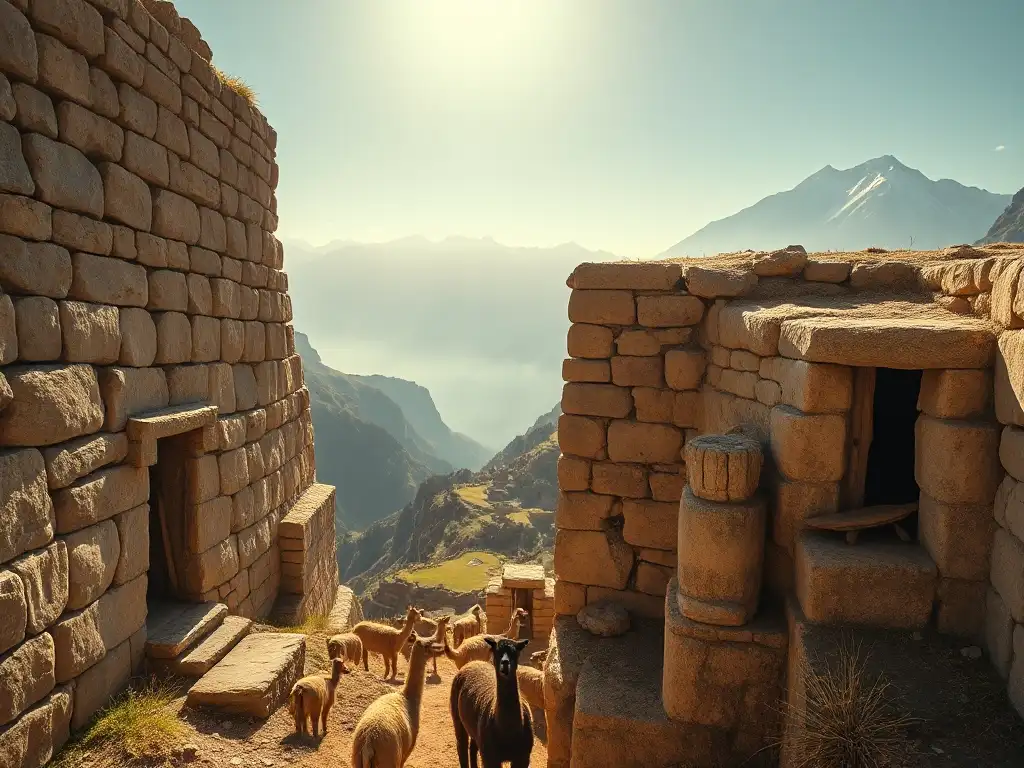
The Inca developed impressive techniques for preserving stored goods, crucial for maintaining their vast reserves. Their methods focused on preventing spoilage and maintaining the nutritional value of food. These techniques varied depending on the specific item being stored. For example, dried meats and grains were often stored in well-ventilated, dry areas, minimizing the risk of mold and insect infestation.
Potatoes, a staple crop, were stored in underground cellars, utilizing the naturally cool and stable temperature to slow down spoilage. Different types of storage facilities were designed to suit the needs of different products. The ingenuity of their preservation methods ensured that the empire could maintain a reliable food supply even during periods of scarcity, bolstering their ability to withstand environmental challenges and maintain social stability.
Methods for Protecting Stored Items
Protection from the elements and pests was a critical aspect of Inca storage. Structures were often built with materials that provided natural insulation, such as stone and adobe. The use of raised platforms and elevated storage areas helped to prevent moisture damage and rodent infestation.
Furthermore, the Inca employed various techniques to deter pests, including the use of natural repellents and the careful sealing of storage facilities. Storage areas were frequently cleaned and inspected to prevent spoilage and infestation, demonstrating a commitment to the long-term preservation of resources. The meticulous care taken in the protection of stored goods underscores the importance of these reserves to the Inca state and its population.
Environmental Factors in Inca Storage Design
The design of Inca storehouses was intimately linked to the environment. Factors such as altitude, climate, and precipitation significantly influenced the construction and location of these structures. In higher altitudes, where temperatures were consistently cooler, underground cellars and strategically placed ventilation systems were employed. In drier regions, emphasis was placed on protecting stored goods from moisture damage through careful construction and sealing.
The location of storehouses was also carefully chosen to minimize exposure to harsh weather conditions, often integrating them into the landscape to provide natural protection. This thoughtful integration of environmental factors into the design of Inca storage facilities demonstrates a sophisticated understanding of environmental conditions and their impact on the preservation of resources. The adaptability of their storage solutions across diverse Andean environments is a testament to their engineering skills and resourcefulness.
The Legacy of Inca Storage Systems
The Inca Empire's sophisticated system of storehouses, or qollqas, remains a testament to their advanced understanding of resource management and logistical prowess. These weren't simply places to keep surplus food; they were integral to the empire's social, economic, and political stability. The strategic placement of qollqas across the vast Andean terrain facilitated efficient distribution of goods, ensuring that even remote communities had access to essential supplies during times of need.
This meticulous organization allowed the Inca to weather droughts, famines, and other natural disasters, showcasing a remarkable capacity for long-term planning and risk mitigation. The sheer scale of the qollqa network, with thousands of structures scattered throughout the empire, is a striking demonstration of the Inca's engineering skills and organizational capabilities. The construction techniques, utilizing locally sourced materials and adapting to diverse terrains, highlight the Inca's deep understanding of their environment and their ability to integrate their infrastructure seamlessly into the landscape.
The enduring presence of these structures, many of which remain partially intact even today, speaks volumes about the quality of their workmanship and the lasting impact of Inca ingenuity. The qollqas weren't just buildings; they were symbols of the Inca's power, their ability to provide for their people, and their commitment to long-term societal well-being.
Lessons from Inca Resource Management
The Inca's success in managing resources offers valuable insights for modern societies grappling with issues of food security, disaster preparedness, and sustainable development. Their system of centralized planning, coupled with local adaptation, provides a compelling model for efficient resource allocation. The emphasis on community-based storage and distribution highlights the importance of social equity and cooperation in resource management.
The Inca's ability to predict and respond to fluctuations in agricultural yields through their sophisticated network of qollqas demonstrates the value of long-term planning and risk assessment. Their understanding of the importance of maintaining diverse crop varieties and resilient agricultural practices provides valuable lessons in sustainability. By studying the Inca's approach, contemporary societies can learn how to build more resilient and equitable systems for managing essential resources, particularly in the face of climate change and other global challenges.
The Inca's legacy in resource management extends beyond the realm of agriculture; their principles can be applied to the management of water, energy, and other vital resources. Their approach underscores the critical importance of considering the social, environmental, and economic dimensions of resource management in a holistic manner.
Modern Applications of Inca Storage Principles
The principles underlying Inca storage systems have found surprising relevance in contemporary contexts. For example, the concept of decentralized storage networks, mirroring the qollqa system's distribution across the empire, is being explored in modern logistics and supply chain management. This approach enhances resilience against disruptions and improves efficiency in delivering goods to remote areas.
Furthermore, the Inca’s focus on locally sourced materials and adaptable construction techniques resonates with contemporary sustainable building practices. The emphasis on community participation in resource management finds echoes in modern initiatives promoting community-based food security and disaster preparedness. The Inca's system of record-keeping, albeit rudimentary by modern standards, provides a valuable lesson in data management and the importance of accurate inventory control.
Finally, the integration of the qollqas into the landscape itself, minimizing environmental impact, offers valuable lessons in sustainable infrastructure development. These modern applications demonstrate the enduring value of studying ancient civilizations and adapting their wisdom to contemporary challenges.
Conclusion: The Ingenuity of Inca Storage Practices
The Inca qollqa system stands as a remarkable achievement in ancient engineering and resource management. Its sophistication, scale, and enduring legacy continue to fascinate and inspire. The strategic distribution of storehouses ensured the empire's resilience in the face of environmental challenges and facilitated equitable access to resources across diverse terrains.
The ingenuity of the Inca's design and construction techniques, coupled with their sophisticated understanding of resource management principles, provides valuable lessons for modern societies. The study of Inca storage systems offers a compelling case study in the intersection of technology, social organization, and environmental sustainability. Their innovative approach to resource management serves as a testament to the remarkable capabilities of the Inca civilization and offers valuable insights for addressing contemporary challenges related to food security, disaster preparedness, and sustainable development.
The legacy of the Inca qollqas is not just about stored goods; it is about the enduring power of well-planned and thoughtfully executed infrastructure to support a thriving and resilient society. The study of Inca storage systems continues to yield valuable lessons for researchers and practitioners alike, emphasizing the importance of understanding the past to build a more sustainable future.
- Introduction to Inca Storage and Logistics
- The Significance of Inca Warehouses (Qullqas)
- Types of Inca Storage Facilities
- Design and Construction of Inca Storehouses
- The Role of Inca Storage in Resource Management
- Inca Distribution System: Managing the Flow of Resources
- The Impact of Inca Storage on Social Organization
- Preservation Techniques in Inca Storage
- The Legacy of Inca Storage Systems
- Conclusion: The Ingenuity of Inca Storage Practices
Frequently Asked Questions
What were Inca storehouses used for?
Inca storehouses, or qollqas, were crucial for managing and distributing resources throughout the empire. They stored food, textiles, and other essential goods, ensuring the survival and stability of the population.
How did the Inca build their storehouses?
The Incas were master builders, constructing qollqas from stone, carefully fitted together without mortar. Their design often incorporated ventilation and drainage systems to protect stored goods.
Where were Inca storehouses typically located?
Qollqas were strategically positioned across the empire, often near agricultural areas and major roads. This ensured efficient transport and distribution of goods.
What role did Inca storage systems play in their societal structure?
Inca storage systems were integral to their social and political control. The centralized control of resources allowed the Inca to maintain power and support their vast population.
How did Inca storage systems contribute to their success?
The efficient and organized storage and distribution of resources enabled the Inca to withstand droughts and other challenges. This sophisticated system was a key factor in their empire's growth and longevity.
Final Reflection: The Enduring Legacy of Inca Storage Systems
The ingenious Inca storage systems, far from being relics of a bygone era, offer crucial lessons in sustainable resource management that remain strikingly relevant in our modern world grappling with climate change and food insecurity. Their sophisticated network of strategically placed storehouses, meticulously designed to withstand the harsh Andean environment, serves as a powerful testament to the importance of forward-thinking planning and community cooperation. This understanding of resource allocation and preservation is more critical now than ever before.
The impact of the Inca's approach to storage extends far beyond the practical; it speaks to a deep-seated cultural understanding of community responsibility and long-term sustainability. Their system wasn't just about storing food; it was a cornerstone of their social fabric, ensuring the well-being of the entire population. The Inca civilization was a marvel of engineering and social organization, and their storage systems were a key component of their success.
This quote highlights the interconnectedness of their storage systems with their overall societal structure, a model that deserves careful consideration in our increasingly interconnected world.
Consider the implications of the Inca's achievements. What innovative solutions can we develop, inspired by their ingenuity, to address our own challenges of food security and resource management? You, the reader, hold the power to translate this historical knowledge into action. Think about how you can contribute to more sustainable practices in your own community, whether it's through reducing food waste, supporting local farmers, or advocating for policies that prioritize long-term resource planning. Let the legacy of the Inca inspire you to build a more resilient and equitable future.
Unlock the Secrets of Ancient Resource Management!
Thank you for exploring the fascinating world of Inca storehouses with us! You've gained valuable insights into their strategic distribution and resource management systems, which were crucial to the success of this remarkable civilization. Now, let's put that knowledge to practical use!
Here are some exciting ways to continue your exploration of this incredible topic:
- Design a personal resource management plan: Consider how you could apply the principles of Inca storehouses to your own life – what would your ideal system look like?
- Share your newfound knowledge: Discuss the Inca's innovative resource management strategies with friends, family, or online communities. How can these ancient techniques help us address modern challenges?
- Deepen your understanding: Explore related resources on Andean civilizations to further investigate Inca innovations and sustainable practices.
How will you adapt the wisdom of the Inca to improve resource management in your own life or community?