
The Inca's Legacy: Lasting Influence on Andean Culture


Step into a world lost to time, yet echoing powerfully in the present. Dive into the fascinating tapestry of Andean civilizations, where ingenuity and artistry thrived for millennia. But the story doesn't end there... The Inca civilization's influence resonates profoundly throughout the region, shaping the very fabric of Andean culture as we know it. Uncover the secrets of their enduring legacy – prepare to be amazed.
The Inca Empire, a civilization that flourished in the Andes Mountains from the 15th to the 16th centuries, left an indelible mark on the cultural landscape of South America. Its influence extends far beyond its relatively short reign, shaping the social structures, agricultural practices, religious beliefs, and artistic expressions of numerous Andean communities for centuries to come. This article delves into the profound and lasting impact of the Inca civilization, exploring its enduring legacy in various aspects of Andean culture, addressing the keyword "Inca civilization influence" and its multifaceted nature.
We will examine how Inca administrative systems, agricultural innovations, religious practices, and architectural styles continue to resonate in modern Andean societies, highlighting the remarkable resilience and adaptability of this impactful civilization. Understanding the Inca's legacy is crucial to comprehending the complex tapestry of Andean culture today.
Introduction to Inca Civilization Influence
The Inca Empire's influence is not merely a historical footnote; it's a living presence woven into the fabric of Andean life. From the intricate road systems that facilitated trade and communication to the sophisticated agricultural techniques that allowed for thriving populations in challenging terrains, the Inca's impact is multifaceted and undeniable. Their centralized government, though ultimately conquered by the Spanish, instilled enduring principles of social organization and communal responsibility that continue to shape Andean communities. The legacy of Inca civilization influence is evident in the following key areas:
- Political and Administrative Structures: The Inca's highly organized empire, with its complex system of governance and bureaucracy, provided a model for subsequent Andean societies. While the specific structures may have evolved, the underlying principles of hierarchical organization and centralized authority persist in various forms.
- Agricultural Innovations: The Inca's mastery of terrace farming, irrigation systems, and crop diversification allowed them to cultivate vast swathes of land, particularly in the challenging Andean environment. These techniques, refined over centuries, continue to be utilized and adapted by Andean farmers today, ensuring food security in often-difficult conditions. This enduring legacy highlights the practical and sustainable nature of Inca agricultural practices.
- Religious Beliefs and Practices: Inca religious beliefs, centered around the worship of the sun god Inti and other deities, deeply influenced the spiritual lives of Andean people. While syncretism with Catholicism followed the Spanish conquest, many pre-Columbian beliefs and rituals persist, integrated into contemporary religious practices. The enduring presence of these ancient beliefs demonstrates the deeply rooted nature of Inca religious influence.
- Architectural and Artistic Styles: The impressive Inca stonework, characterized by its precision and seamless fit, is a testament to their advanced engineering skills. The architectural styles and building techniques of the Inca Empire continue to inspire awe and serve as a source of pride for Andean communities. Their artistic legacy, encompassing textiles, pottery, and metalwork, also significantly influenced subsequent artistic traditions.
Further Exploration of Inca Influence
The Inca's influence extended beyond the immediately observable aspects of Andean culture. It impacted linguistic development, social stratification, and even the very landscape of the Andes. Further research is needed to fully grasp the complete extent of this influence. Consider the following areas for future investigation:
- The role of Inca language(s) in the development of Quechua and other Andean languages.
- The long-term effects of Inca social stratification on contemporary Andean societies.
- The impact of Inca infrastructure projects (roads, bridges, etc.) on the modern Andean landscape.
The following sections will explore each of these areas in greater detail, providing specific examples and evidence of the Inca civilization's enduring influence on Andean culture. We will examine how the Inca legacy continues to shape the daily lives of Andean people, providing a compelling narrative of continuity and adaptation across centuries.
Inca Governance and its Enduring Impact
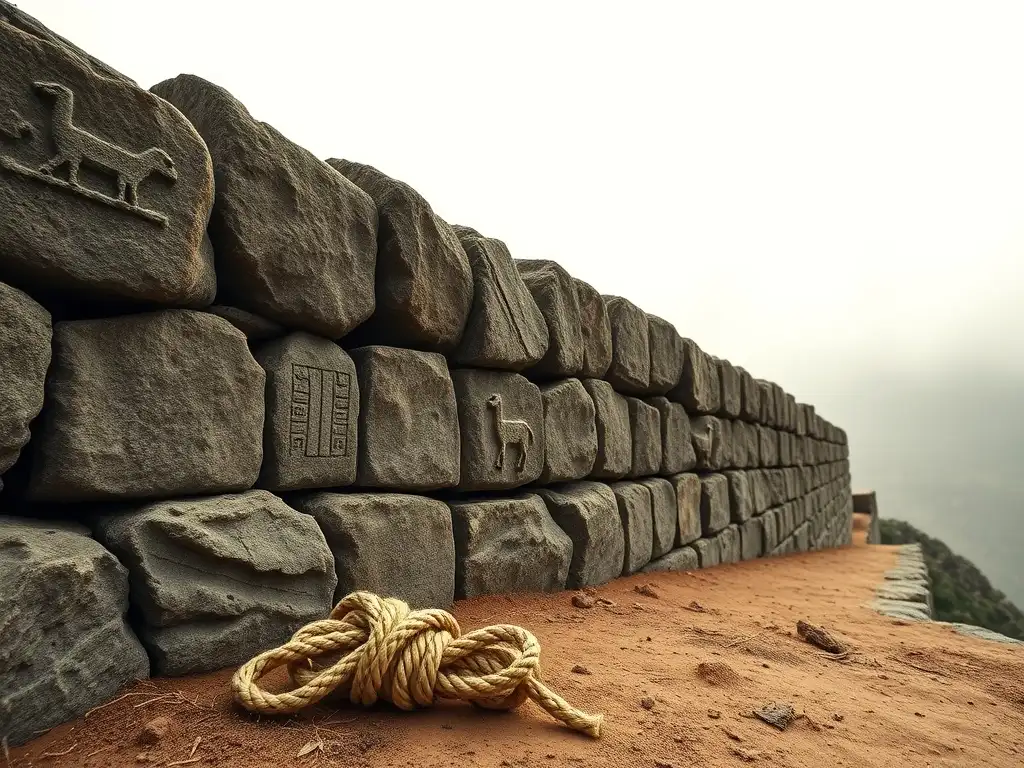
The Inca civilization's influence on Andean culture is profound and multifaceted, extending far beyond its relatively brief period of dominance. Understanding the Inca's legacy requires a deep dive into their sophisticated systems of governance, which shaped Andean societies for centuries to come. This section will explore the key aspects of Inca administration, political structure, and legal systems, highlighting their lasting impact on the region.
The enduring effects of Inca rule are visible in the organizational structures, leadership styles, and legal frameworks still present in many Andean communities today. Analyzing the Inca's governance provides crucial insight into the “Inca civilization influence” on the broader Andean world.
The Inca Administrative System: A Blueprint for Andean Organization
The Inca administrative system was remarkably efficient, utilizing a hierarchical structure that permeated all aspects of society. At its apex sat the Sapa Inca, the emperor, who held absolute power. Below him was a complex network of officials, including governors ( Apus ), regional administrators ( Curacas), and local leaders, all responsible for managing resources, collecting taxes (in the form of labor, goods, or produce), and maintaining order. This system relied heavily on a highly developed communication network, utilizing a system of runners ( chasquis) who relayed messages across vast distances with impressive speed.
The Inca's meticulous record-keeping, using quipus (a system of knotted cords), is a testament to their administrative prowess. These intricate knots encoded numerical and potentially even textual information, facilitating accurate census-taking, tax collection, and resource management. The precision of their administrative practices is evident in their ability to effectively manage a vast and diverse empire, encompassing vastly different terrains and populations. The echoes of this efficient administrative system are still felt in modern Andean organizational structures, reflecting the enduring influence of Inca governance on bureaucratic practices.
The Inca's focus on infrastructure further demonstrates their administrative skill. The extensive road network, meticulously planned and constructed, facilitated communication, trade, and the movement of troops. This infrastructure project, a monumental undertaking, served as a backbone for the empire's efficient governance and continues to influence transportation networks in the Andes today. Even the precise agricultural techniques employed, such as terracing and irrigation, were a testament to their centralized administrative control over resources and food production.
Inca Political Structure: Shaping Andean Leadership
The Inca political structure, characterized by its centralized authority, significantly impacted Andean leadership for generations. The Sapa Inca, considered a divine ruler, held absolute power, controlling all aspects of life within the empire. This centralized system fostered a hierarchical society where loyalty and obedience were paramount. While local leaders ( Curacas) retained some autonomy, they ultimately answered to the Sapa Inca. This structure, though seemingly autocratic, ensured stability and facilitated the efficient administration of the empire.
The Inca's emphasis on kinship and lineage in their political structure is also noteworthy. The imperial family played a crucial role, with succession often determined through hereditary lines. This emphasis on lineage created a sense of continuity and stability, solidifying the Inca's power and authority.
The impact of this political structure extended far beyond the Inca's reign, influencing the power dynamics and leadership styles in subsequent Andean societies. Many indigenous communities in the Andes still maintain a hierarchical social structure with inherited leadership positions, reflecting the lasting imprint of the Inca political model. The concept of a powerful, centralized leader remains a significant aspect of Andean political culture, directly attributable to the "Inca civilization influence".
Inca Legal System: Its Influence on Andean Justice Traditions
The Inca legal system, while not codified in written laws, was based on a complex set of customs and traditions enforced by a hierarchical judicial structure. Justice was largely administered by local leaders, who addressed disputes and maintained order within their communities. However, more serious crimes or inter-community conflicts were handled by higher-ranking officials, ultimately reaching the Sapa Inca in the most severe cases. The system prioritized restorative justice, aiming to reconcile parties involved in disputes rather than solely focusing on punishment.
The Inca's emphasis on community involvement in resolving conflicts is noteworthy. The concept of ayllu, the extended family group, played a significant role in the justice system. Disputes were often settled within the ayllu, with community members participating in the process. This community-based approach to justice stands in contrast to many Western legal systems, which emphasize individual rights and state-centric authority.
The influence of Inca-inspired community-based justice systems can still be observed in many Andean communities today, where traditional methods of conflict resolution, emphasizing reconciliation and community involvement, remain prevalent. This highlights the lasting effect of the Inca civilization’s influence on justice traditions in the Andean region. The Inca's legacy in this area is a testament to their sophisticated understanding of social harmony and the importance of community in upholding order.
The Inca civilization's influence extends far beyond its impressive architectural feats and sophisticated agricultural techniques. A deep understanding of the Inca's legacy requires examining the intricate social structures that shaped Andean society and continue to resonate in modern-day communities. The Inca's highly organized social system, characterized by a rigid hierarchy and a strong emphasis on community, left an indelible mark on Andean culture, influencing everything from family dynamics to land ownership practices. This section delves into the key aspects of Inca social organization and explores their lasting impact.
The Inca Empire boasted a meticulously structured social hierarchy, a system that profoundly impacted Andean class systems for centuries. At the apex sat the Sapa Inca, the emperor, considered a divine ruler with absolute authority. Below him were the nobility, including royal family members, high priests, and government officials. These elites enjoyed significant privileges, including access to resources and land.
Next came the kurakas, local chiefs who governed smaller communities and acted as intermediaries between the Inca administration and the common people. The vast majority of the population comprised yanakuna (commoners), who were responsible for agricultural production and other essential tasks. Finally, at the bottom of the hierarchy were the mita workers, who provided labor services to the state.
The rigid stratification of Inca society ensured social order and facilitated the efficient mobilization of resources for large-scale projects like road construction and irrigation systems. However, this hierarchical structure also contributed to inequalities that persisted even after the Spanish conquest. The concept of inherited social status, deeply ingrained in Inca society, influenced land ownership and access to opportunities, shaping Andean social dynamics for generations.
Even today, remnants of this hierarchical structure can be observed in certain Andean communities, highlighting the enduring impact of the Inca social order on the region's cultural identity. Further research is needed to [quantify the extent of this influence in specific modern-day communities].
The Inca's success stemmed not only from their centralized authority but also from their sophisticated system of community organization, a cornerstone of Andean social life. The ayllu, a kinship-based community group, formed the foundation of Inca society. Members of an ayllu shared land, resources, and responsibilities, fostering a strong sense of collective identity and mutual support. This communal structure was vital for agricultural production, with land allocated based on family size and needs. The ayllu system also played a crucial role in the mita labor system, with communities collectively fulfilling their obligations to the state.
The strength of the ayllu system lay in its ability to balance individual needs with the collective good. This system promoted social cohesion and ensured the equitable distribution of resources, minimizing conflicts and promoting stability. The enduring legacy of the ayllu is evident in many Andean communities today, where traditional forms of communal land ownership and cooperative labor persist.
The emphasis on community cooperation and mutual support, deeply rooted in Inca traditions, continues to shape social interactions and economic activities in many parts of the Andes. Understanding the ayllu is key to understanding the broader impact of Inca civilization influence on Andean social structures. [Further research is needed to identify specific examples of modern-day ayllu structures and their relationship to Inca traditions].
Inca Family Structures: Shaping Andean Kinship Ties
Inca family structures played a significant role in shaping Andean kinship ties and societal norms. The family unit was the fundamental building block of Inca society, emphasizing strong family bonds and patriarchal authority. Marriage was largely arranged, with emphasis placed on maintaining social order and strengthening alliances between families. The extended family, including grandparents, uncles, aunts, and cousins, lived together, sharing responsibilities and resources. This close-knit family structure fostered a strong sense of community and mutual support, which was essential for survival in the challenging Andean environment.
The Inca emphasis on lineage and ancestry influenced inheritance patterns and social status. Elders held significant authority within the family and played a crucial role in decision-making. This respect for elders and emphasis on lineage continues to be a prominent feature of Andean culture, reflecting the enduring legacy of Inca family values.
While modern Andean family structures have evolved, the importance of family ties, mutual support, and respect for elders remains a powerful cultural force, showcasing the lasting influence of Inca civilization on Andean kinship systems. The strong family structures of the Inca civilization contributed significantly to the stability and resilience of their society, a factor that played a vital role in their success and enduring influence on Andean culture. [Specific examples of how Inca family structures continue to influence contemporary Andean family dynamics need further investigation].
Inca Contributions to Andean Agriculture and Technology
The Inca civilization's influence on Andean agriculture and technology remains profoundly impactful even today. Their ingenuity in adapting to the challenging Andean environment resulted in sophisticated agricultural techniques and impressive feats of engineering, shaping the landscape and the lives of Andean peoples for centuries. Understanding their contributions provides crucial insight into the remarkable resilience and innovation of the Inca civilization. This section will delve into specific examples illustrating the lasting legacy of Inca ingenuity.
Inca Agricultural Innovations: Techniques Still Used Today
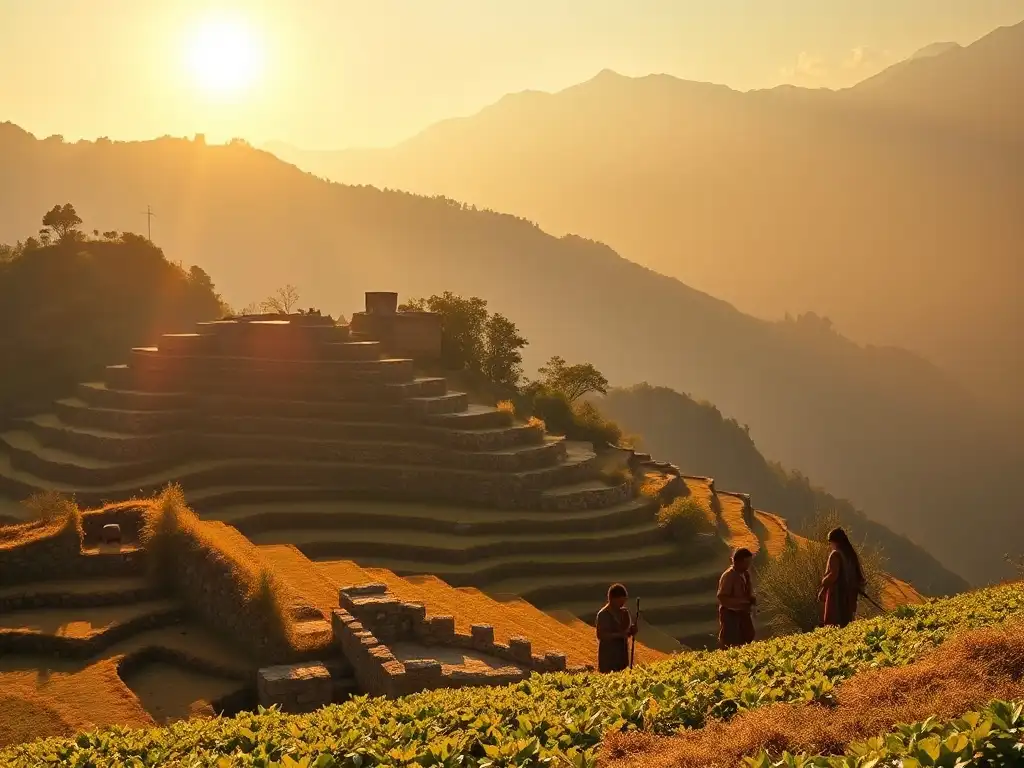
The Inca Empire's success was intrinsically linked to its mastery of agriculture. Facing steep slopes, diverse altitudes, and unpredictable weather patterns, the Incas developed ingenious farming techniques that maximized food production. One of their most significant innovations was the development of terracing. These meticulously constructed, step-like fields carved into hillsides not only increased arable land but also controlled erosion and water runoff.
This system, still visible in many Andean regions, showcases the Incas' deep understanding of hydrology and soil management. Furthermore, they employed sophisticated irrigation systems, channeling water from rivers and streams to irrigate their fields, even in arid areas. These channels, often built with stone and expertly engineered to navigate challenging terrain, demonstrate a remarkable level of hydraulic engineering.
The Incas also understood the importance of crop diversification. They cultivated a wide range of crops adapted to different altitudes, including potatoes (a staple crop to this day), maize, quinoa, beans, and various fruits. Their understanding of crop rotation and soil fertilization further enhanced agricultural productivity. The waru waru system, a type of raised-field agriculture, is another example of their innovative approach to farming.
This technique, involving the creation of interconnected raised beds separated by canals, improved drainage, soil fertility, and microclimate regulation. It’s a testament to their detailed understanding of the Andean ecosystem and its nuances. The impact of such advanced agricultural techniques is still felt in Andean communities, with many farmers continuing to use variations of these methods. The Inca legacy in this area provides a valuable lesson in sustainable agriculture and resource management, particularly relevant in the face of modern environmental challenges.
Inca Engineering Marvels: Inspiring Andean Construction
Inca engineering achievements are awe-inspiring, showcasing their mastery of stonework and construction techniques. Their roads, spanning vast distances across treacherous terrain, are a testament to their organizational skills and engineering prowess. These roads, often paved with stone and built to withstand earthquakes and landslides, facilitated communication, trade, and military movement across the empire.
The precision of Inca stonework, visible in structures like Machu Picchu, is remarkable. Stones were cut and fitted together with such accuracy that mortar wasn't usually needed, showcasing an advanced understanding of geometry and engineering. This meticulous craftsmanship represents not only a significant technological feat but also an artistic expression.
The Inca's understanding of structural engineering is evident in their impressive bridges, many of which were suspension bridges crafted from natural fibers and stone, showcasing adaptability and innovation in overcoming geographical obstacles. Their influence on Andean construction is undeniable, inspiring modern builders and demonstrating the durability and artistry of their techniques. The enduring presence of these structures highlights the long-lasting impact of Inca engineering on the Andean landscape and cultural identity.
Inca Technological Advancements: Adapting to the Andean Environment
The Inca civilization's technological advancements were deeply intertwined with their adaptation to the unique challenges of the Andean environment. Their mastery of metallurgy is a notable example. They produced high-quality tools and weapons from bronze, copper, and gold, demonstrating their sophisticated knowledge of metalworking. These tools were crucial for agriculture, construction, and warfare, illustrating the close relationship between technology and the Empire's overall success.
Furthermore, their textile production was remarkable, utilizing alpaca and llama wool to create intricate and durable textiles. The complex weaving techniques and vibrant dyes used demonstrate advanced technological skills and artistic flair. Their innovative use of knotted strings, known as quipus, for record-keeping and communication is another example of their technological ingenuity. These complex systems, though their exact meaning is still being deciphered, show a sophisticated approach to information management and communication in a largely pre-literate society.
The Inca civilization's adaptation to the Andean environment—through agriculture, construction, metallurgy, and textile production—demonstrates a remarkable ability to harness available resources and develop technologies suited to their specific needs. Their legacy continues to inspire and inform our understanding of technology's role in shaping societies and adapting to environmental challenges. The ingenuity of the Inca civilization serves as a powerful reminder of human adaptability and innovation.
Inca Art and Cultural Expressions: A Lasting Inspiration

The Inca civilization's influence extends far beyond its impressive infrastructure and sophisticated administrative system. Their artistic and cultural expressions continue to resonate throughout Andean culture, shaping contemporary traditions and providing invaluable insights into their worldview and societal structure. The Inca's artistic legacy is not merely a historical artifact; it's a vibrant thread woven into the fabric of modern Andean life, demonstrating the enduring power of their cultural impact.
Understanding this legacy allows us to appreciate the depth and complexity of Inca civilization and its profound effect on subsequent Andean societies. The meticulous craftsmanship and symbolic richness found in Inca art offer a window into their beliefs, social hierarchy, and daily life, making the study of their artistic output crucial for comprehending the full scope of their influence.
The persistence of these artistic traditions highlights the enduring power of Inca cultural heritage. Analyzing these expressions reveals the subtle and pervasive ways in which Inca influence continues to shape Andean identity.
Inca Textile Art: Its Significance in Andean Culture
Inca textile art stands as a testament to their advanced technological capabilities and profound artistic sensibilities. The intricate weaving techniques, vibrant colors derived from natural dyes, and symbolic designs embedded within the textiles reveal a sophisticated understanding of both material science and symbolic representation. From the finely woven cumbi (a type of woven cloth) used for clothing to the elaborate tapestries adorning temples and palaces, Inca textiles served both practical and ceremonial purposes.
The use of camelid fibers like alpaca and vicuña, along with cotton, showcases their mastery of animal husbandry and resource management. Furthermore, the complex iconography woven into these textiles offers valuable clues to their cosmology, religious beliefs, and social structures. Specific patterns and colors likely held significant meaning within Inca society, providing a visual language that continues to fascinate and inspire researchers today.
The survival of these techniques and motifs in contemporary Andean weaving demonstrates the enduring legacy of Inca textile traditions. The continued use of traditional Andean dyes and weaving styles is a powerful testament to the lasting influence of the Inca civilization.
Inca Ceramics and Pottery: Reflecting Andean Artistic Traditions
Inca pottery, characterized by its refined forms, intricate designs, and high-quality craftsmanship, reflects both continuity with pre-Inca traditions and the development of distinct Inca styles. The use of distinct colors, often in geometric patterns, and the incorporation of zoomorphic and anthropomorphic motifs, reflect a complex interplay between established artistic conventions and new imperial aesthetics. The aryballos, a type of globular vessel with a narrow neck, is a prime example of the Inca's refinement of existing forms.
The production of pottery was not simply a utilitarian practice; it was deeply intertwined with religious rituals and social status. The quality and decoration of pottery pieces often indicated the social standing of their owners. Elaborate ceramic vessels were used in religious ceremonies, while simpler forms served everyday purposes.
The stylistic variations observed across different regions of the empire also highlight the interaction between Inca imperial power and local artistic traditions. The impact of Inca ceramic styles on subsequent Andean pottery demonstrates the continuation and adaptation of Inca artistic conventions.
Inca Music and Dance: A Living Legacy in Andean Celebrations
Inca music and dance played a vital role in social life, religious ceremonies, and imperial celebrations. While much of the specific musical forms and instruments has been lost to time, archaeological evidence and accounts from Spanish chroniclers suggest a rich and diverse musical culture. Instruments like panpipes, drums, and horns were likely used in both secular and religious contexts.
Dance, often performed in groups, served as a means of expressing religious beliefs, celebrating harvests, and honoring the Inca emperor. The integration of music and dance into Inca festivals and rituals underscores their importance in the social and spiritual life of the empire. Elements of Inca musical traditions and dance styles persist in contemporary Andean communities, demonstrating the enduring legacy of their cultural expressions.
The vibrant continuation of traditional Andean music and dance forms, including the use of traditional instruments and costumes, showcases the ongoing influence of Inca cultural practices. Many contemporary Andean festivals still incorporate elements of Inca music and dance, demonstrating their continued relevance and enduring appeal.
Inca Language and Communication: Quechua's Enduring Presence

The Inca civilization's influence is profoundly felt even today, largely due to the enduring presence of Quechua, the language of the Inca Empire. While the Inca Empire itself fell centuries ago, Quechua continues to thrive as a vibrant and evolving language spoken by millions across the Andes. This linguistic legacy speaks volumes about the Inca's sophisticated communication systems and their impact on Andean cultural identity.
Understanding Quechua's role is crucial to grasping the full extent of the Inca civilization's influence on the region. The persistence of Quechua demonstrates not only the empire's administrative prowess but also its cultural impact, shaping social structures and identity for generations after its collapse. The survival of Quechua serves as a powerful testament to the Inca's lasting legacy.
The Inca Language: Quechua’s Role in Andean Identity
Quechua wasn't simply a tool for administration; it was integral to the Inca's construction of a unified Andean identity. The empire actively promoted Quechua, using it as a lingua franca across diverse ethnic groups. This standardization fostered communication and facilitated the integration of conquered peoples into the Inca state.
The impact on Andean identity is undeniable; Quechua became a unifying factor, transcending regional dialects and fostering a sense of shared cultural belonging. This deliberate linguistic policy represents a key aspect of the Inca civilization's influence, creating a lasting sense of cultural unity that persists even in the face of subsequent political and social changes. The continued use of Quechua in various Andean communities highlights its enduring power as a symbol of Andean identity and heritage, directly reflecting the Inca's successful imposition and subsequent adoption of their language.
Inca Communication Systems: Maintaining Unity across the Empire
The Inca Empire, renowned for its vast expanse, relied on a sophisticated network of communication systems to maintain unity and control across its territories. Beyond Quechua, the Inca utilized a system of chasquis, runners who relayed messages swiftly across the Qhapaq Ñan, the extensive Inca road network. These runners, strategically positioned along the roads, could transmit urgent news or official decrees across hundreds of miles in a remarkably short time.
This efficient communication system was essential for maintaining order, coordinating military movements, and ensuring the flow of goods and resources throughout the empire. The ingenuity of this system underscores the Inca's advanced administrative capabilities and their profound influence on Andean logistical practices. The speed and efficiency of the chasqui system are a testament to the Inca’s understanding of communication’s vital role in maintaining a stable and powerful empire.
The Transmission of Inca Knowledge: Preserving Cultural Heritage
The Inca civilization's influence extends beyond its political and administrative structures. The Inca also developed sophisticated methods for preserving and transmitting knowledge across generations. While they lacked a written alphabet in the same way as many other ancient civilizations, they utilized quipus, complex systems of knotted cords, to record numerical and potentially narrative data.
Although the exact methods of interpretation remain debated, the quipus represent a unique and sophisticated system of record-keeping, demonstrating the Inca's advanced cognitive abilities and their commitment to preserving cultural heritage. The quipus stand as a tangible example of the Inca's sophisticated information management and their lasting impact on Andean methods of knowledge transmission. The intricate system of knots and colors in the quipus showcases the Inca’s clever approach to information storage, a testament to their ingenuity and lasting influence on Andean cultural practices.
Further research is needed to fully understand the complexity of this system and its precise role in transmitting Inca knowledge. The ongoing study of quipus continues to reveal new insights into the Inca civilization and its lasting influence.
The Religious and Spiritual Legacy of the Incas
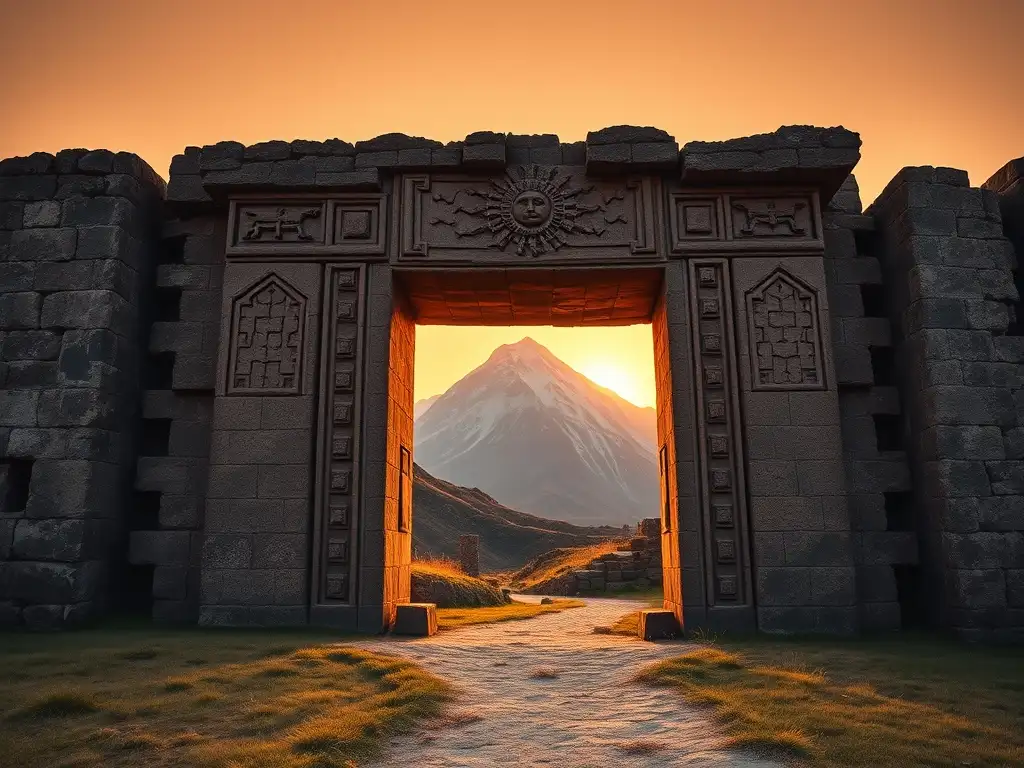
The Inca civilization's influence extends far beyond its impressive infrastructure and sophisticated administrative system. A profound and enduring legacy lies in its religious and spiritual beliefs, which continue to shape Andean spirituality and worldview today. Understanding this aspect is crucial to grasping the full impact of the Inca Empire on the region.
The Inca religion, a complex system of beliefs and practices, permeated every facet of life, from agriculture and governance to daily routines and monumental construction projects. This deeply ingrained spirituality wasn't simply erased with the Spanish conquest; rather, it adapted and evolved, blending with pre-existing Andean traditions and persisting in various forms to this day. The enduring presence of Inca religious concepts highlights the civilization's lasting impact on Andean culture and identity.
Inca Religious Beliefs: Their Influence on Andean Spirituality
Inca religious beliefs centered around a pantheon of gods and goddesses, with the sun god, Inti, holding paramount importance. Inti was considered the creator and sustainer of life, and his worship was integral to Inca society. The Inca's belief system incorporated ancestor veneration, emphasizing the importance of lineage and continuity.
This reverence for ancestors continues in many Andean communities, where rituals and offerings are made to honor deceased family members. Furthermore, the Inca's belief in the power of nature—the mountains ( apus), rivers, and the earth itself—strongly influenced their agricultural practices and societal structure. This deep connection to the natural world, a key element of Inca spirituality, is still evident in contemporary Andean communities’ relationship with their environment.
The integration of nature worship with ancestor veneration and the sun god's centrality created a complex spiritual tapestry that significantly influenced subsequent Andean spiritual practices. Evidence suggests that many pre-Inca religious beliefs and practices were absorbed and adapted into the Inca system, leading to a syncretic religious landscape. This process of adaptation and assimilation further solidified the Inca civilization's enduring influence on Andean spirituality.
Inca Ceremonies and Rituals: Continuing Traditions in Andean Communities
Inca religious practices involved elaborate ceremonies and rituals, many of which involved offerings, sacrifices, and processions. The Capac Raymi, the most important festival honoring the sun god Inti, involved large-scale celebrations and rituals that showcased the Inca's power and religious devotion. While the scale and specific practices of the Capac Raymi might have changed, its essence—the celebration of the sun and the harvest—continues to resonate in various contemporary Andean festivals.
Many communities still hold ceremonies honoring the sun and the earth, reflecting the enduring influence of Inca religious traditions. These ceremonies often involve traditional music, dance, and offerings, demonstrating the continuity of certain religious practices across centuries. For instance, the use of coca leaves in rituals, a practice deeply rooted in Inca traditions, persists in numerous Andean communities today.
The persistence of these traditions, despite the passage of time and the overlay of other religious influences, powerfully illustrates the lasting impact of Inca civilization on Andean culture. The blending of Inca rituals with pre-existing traditions created a unique and evolving religious landscape that continues to thrive.
Inca Cosmovision: Shaping the Andean Worldview
The Inca cosmovision, or worldview, significantly influenced how Andean people understood the world and their place within it. This worldview, rooted in their religious beliefs, was characterized by a holistic understanding of the cosmos, where the celestial and terrestrial realms were interconnected. The Inca saw themselves as part of a larger cosmic order, with the sun, mountains, and ancestors playing pivotal roles in their lives.
This holistic perspective, emphasizing the interconnectedness of all things, profoundly shaped their social structures, agricultural practices, and artistic expressions. The concept of ayni—reciprocity—a core principle of Inca society, reflects this worldview, emphasizing the need for balance and harmony within the community and between humans and the natural world. The Inca's understanding of the cosmos, their appreciation for the interconnectedness of life, and the principle of ayni continue to influence Andean communities' social organization and ethical frameworks.
The enduring presence of these concepts demonstrates the profound and lasting influence of Inca civilization on the Andean worldview. This enduring legacy continues to shape perspectives on community, environment, and spirituality in the Andes. The Inca's sophisticated understanding of the cosmos continues to inspire awe and admiration, reinforcing their lasting impact on Andean culture.
The Inca's Influence on Contemporary Andean Life
The Inca civilization's influence resonates deeply within contemporary Andean life, shaping cultural practices, social structures, and even the physical landscape. While the empire fell centuries ago, its legacy continues to inform the daily lives of millions across the Andes. Understanding this enduring impact requires examining the subtle yet pervasive ways Inca traditions persist and adapt in modern Andean communities.
The profound nature of this influence is often underestimated, extending far beyond mere historical curiosity. It's a living legacy, interwoven with the fabric of Andean society. The impact of the Inca civilization is a complex tapestry woven from threads of tradition, adaptation, and resilience.
Inca Traditions in Modern Andean Communities
Many Inca traditions, though modified over time, remain integral to the daily lives of Andean communities. Agricultural practices, for instance, still reflect Inca techniques of terracing and irrigation. The ayllu, a traditional community-based social structure, although altered by the introduction of modern governance structures, still holds significant social and economic importance in many rural areas. This communal system, emphasizing shared resources and responsibilities, echoes the Inca emphasis on collective labor and social harmony.
Furthermore, festivals and celebrations throughout the Andes often incorporate elements of Inca ritual and mythology, demonstrating a continuity of spiritual and cultural practices. The persistence of Quechua, the language of the Inca empire, in various dialects across the Andes, is another powerful testament to the enduring influence of the Inca civilization. The use of Quechua in daily life, in markets, in schools, and in religious ceremonies, ensures that a vital part of Inca heritage remains alive.
The impact of Inca civilization on the Andean way of life goes beyond mere tradition. The ingenuity of the Inca's agricultural techniques and their sustainable approach to resource management are still relevant, offering valuable insights for modern agricultural practices in the challenging Andean environment. This legacy of sustainable living represents a profound contribution to the present-day quest for environmental sustainability.
Inca Cultural Heritage: Its Importance for Andean Identity
The Inca legacy is not just a historical footnote; it's a cornerstone of Andean identity. The monumental architecture, intricate textiles, and sophisticated metalwork of the Inca civilization are celebrated as symbols of cultural pride and heritage. These tangible expressions of Inca ingenuity continue to inspire contemporary Andean artists and craftspeople.
The preservation and promotion of Inca heritage sites, such as Machu Picchu and Sacsayhuamán, are crucial aspects of national identity and tourism, generating economic benefits while fostering a sense of collective heritage among Andean populations. The ongoing archaeological research and the increasing public interest in Inca history contribute to a deeper understanding and appreciation of this crucial part of Andean culture. The revival and celebration of Inca traditions are not merely nostalgic exercises; they are essential components of a collective narrative that sustains and defines Andean identity in the contemporary world.
The importance of Inca cultural heritage extends beyond tangible artifacts. The oral traditions, songs, and stories passed down through generations preserve invaluable knowledge about Inca history, beliefs, and social structures, enriching the cultural landscape of the Andes. These intangible elements of Inca heritage are equally crucial in shaping contemporary Andean identity. This rich tapestry of tangible and intangible heritage forms a powerful foundation for modern Andean self-perception and cultural continuity.
Inca Legacy in the 21st Century: Cultural Revitalization and Tourism
In the 21st century, the Inca legacy is experiencing a resurgence, fueled by both cultural revitalization efforts and the burgeoning tourism industry. Many Andean communities are actively working to reclaim and revive traditional Inca practices, arts, and languages. This revitalization is not merely a nostalgic pursuit; it's a conscious effort to reclaim cultural autonomy and economic empowerment.
Furthermore, the Inca heritage is a major driver of tourism in the Andes, generating revenue that can be invested in community development and the preservation of cultural sites. However, it's crucial to manage this tourism responsibly, ensuring that the cultural heritage is protected from exploitation and that the benefits are shared equitably among local communities. The challenge lies in balancing the economic opportunities presented by tourism with the need to safeguard the authenticity and integrity of Inca culture.
Striking this balance is crucial for the sustainable development of the Andean region and the preservation of its unique heritage for future generations. The careful management of Inca sites and the promotion of responsible tourism are vital to ensure that this legacy continues to enrich the lives of Andean people and inspire the world. This careful approach ensures that the Inca civilization's influence continues to shape the Andean region in a positive and sustainable manner.
Frequently Asked Questions
What was the extent of the Inca Empire's influence?
The Inca Empire's influence stretched across a vast territory encompassing modern-day Peru, Bolivia, Ecuador, Colombia, Argentina, and Chile. Their impact extended far beyond mere geographical boundaries, leaving a profound mark on the culture and traditions of many Andean peoples.
How did Inca technology influence subsequent Andean cultures?
Inca innovations in agriculture (terracing), engineering (roads, stonework), and administration profoundly impacted later Andean societies. These advancements facilitated improved living standards and continued societal development.
What aspects of Inca culture remain influential today?
Many aspects of Inca culture persist in modern Andean societies, including language (Quechua), religious practices, artistic styles, and agricultural techniques. These elements form a vital part of contemporary Andean identity.
The Inca's highly organized social structure, with its emphasis on hierarchy and collective work, influenced subsequent Andean societies. Elements of this structure can be seen in communal practices and social organization found in modern Andean communities.
How did Inca religion continue to influence Andean belief systems?
Inca religious beliefs and practices, including the worship of the sun and other deities, significantly impacted later Andean belief systems. Many elements of Inca mythology and ritual practices remain integrated into modern Andean spiritual traditions.
Final Reflection: Echoes of the Empire: The Enduring Legacy of the Inca
The ingenuity and societal structures of the Inca civilization continue to resonate powerfully in modern-day Andean culture, a testament to the enduring impact of a sophisticated and remarkably organized empire. Their sophisticated agricultural techniques, intricate road systems, and deeply ingrained social values remain visible threads woven into the fabric of contemporary Andean life, shaping everything from community organization to artistic expression. This legacy is not merely historical; it is a living, breathing presence.
The Inca's influence extends far beyond the physical remnants of their empire; it permeates the very soul of Andean identity. Their emphasis on community, cooperation, and respect for the environment continues to shape social dynamics and inform modern environmental stewardship initiatives. The vibrant traditions of weaving, pottery, and music, all deeply rooted in Inca practices, thrive today, demonstrating the remarkable resilience of their cultural heritage. The past is never dead. It's not even past.
– William Faulkner. This quote perfectly encapsulates the enduring power of the Inca legacy, reminding us that the echoes of their civilization continue to shape the present.
Consider the profound impact of the Inca's achievements. Their mastery of engineering, their intricate understanding of agriculture in challenging terrain, and their sophisticated social organization offer valuable lessons for us today. You, the reader, are now part of this ongoing conversation. Reflect on the ways in which sustainable practices, community building, and a deep respect for the environment can enrich your own life and contribute to a more just and equitable future. Let the legacy of the Inca inspire you to build a world that values cooperation, innovation, and a harmonious relationship with the natural world.
Unveil the Richness of Inca Heritage!
Thank you for exploring the fascinating world of the Inca civilization and its profound influence on Andean culture. We hope you've discovered the incredible legacy that continues to shape the region's identity and traditions. Let's now delve deeper into this vibrant heritage.
Here are some ways you can further engage with Inca culture:
- Explore a vibrant Andean market: Immerse yourself in the sights, sounds, and smells of a local market showcasing traditional crafts and culinary delights inspired by Inca traditions. Sample local delicacies and admire the intricate artistry of handmade goods.
- Participate in a cultural celebration: Seek out festivals or workshops celebrating Andean heritage in your area. Experience the joy of Andean music, dance, and cuisine firsthand.
- Share your newfound knowledge: Connect with others by sharing what you've learned about the Inca's enduring legacy on social media or in online cultural forums. Spark conversations and inspire others to learn more.
Reflecting on the timeless heritage of the Inca, consider how you can integrate elements of Andean culture into your own life to honor their enduring legacy.