
The Inca Military: Organization, Tactics, and Conquest Strategies

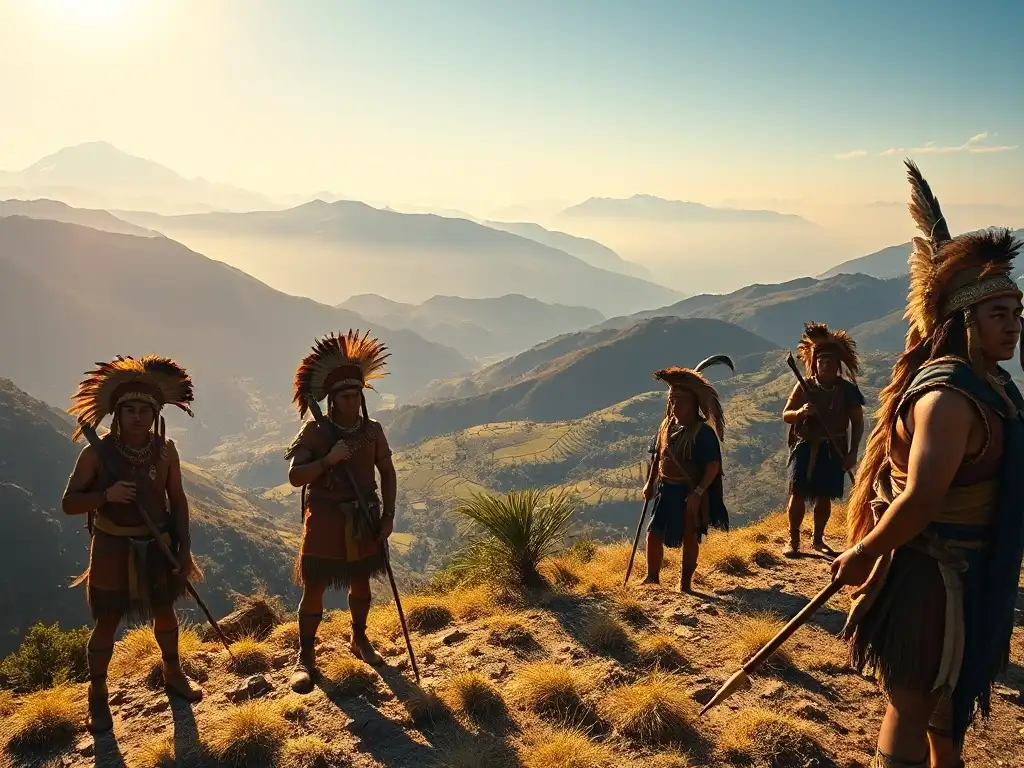
Unravel the mysteries of the Andes! Journey through time to discover a world of breathtaking artistry, sophisticated engineering, and unparalleled military prowess. For centuries, the Inca Empire dominated its landscape, and at the heart of their power lay their remarkable military. But what were the secrets behind the Inca's devastatingly effective Inca military organization tactics? Prepare to be amazed as we delve into the strategies that forged an empire...
The Inca Empire, a civilization that flourished in the Andes Mountains from the 15th to the 16th centuries, was not only renowned for its sophisticated infrastructure, intricate social structures, and impressive agricultural techniques but also for its formidable military capabilities. This article delves into the intricacies of the Inca military, examining its organizational structure, tactical prowess, and the strategies employed during its conquests.
Understanding the Inca military is key to comprehending the empire's rapid expansion and lasting impact on the Andean region. We will explore the hierarchical structure of the Inca army, the rigorous training methods employed, and the innovative tactics that allowed them to subdue vast territories and diverse populations.
The Inca military organization was not merely a fighting force; it was an integral component of the empire's administrative and social systems, reflecting the sophisticated planning and control characteristic of Inca governance. This analysis will illuminate the strategic brilliance behind the Inca military's success and provide insights into the dynamics of power and control within this remarkable civilization.
The Foundation of Inca Military Power: Structure and Hierarchy
The Inca military's effectiveness stemmed from its meticulously organized structure and hierarchical system. The army wasn't a separate entity but rather deeply integrated into the ayllu system, the fundamental socio-economic unit of Inca society. Each ayllu was responsible for providing soldiers to the empire's army, fostering a sense of collective responsibility and loyalty. This system ensured a consistent supply of manpower and minimized the risk of internal rebellion.
At the apex of the military hierarchy stood the Sapa Inca, the emperor, who held supreme command. His authority was absolute, and military decisions flowed directly from him. Below the Sapa Inca, a complex chain of command existed, with regional governors and military commanders responsible for overseeing specific units and campaigns.
The Inca army was divided into distinct units, often based on geographical origin or ayllu affiliation. This organization facilitated efficient deployment and logistical support. Communication and coordination between units were crucial, and the Inca utilized a sophisticated system of messengers and runners to relay information across vast distances.
The size of the Inca army varied depending on the specific campaign, but it's estimated that they could mobilize tens of thousands of soldiers when necessary. This ability to rapidly assemble and deploy large forces was a significant factor in their military successes. Moreover, the Inca military wasn't solely composed of infantry; they also employed specialized units, including scouts, engineers, and siege specialists, demonstrating the sophistication of their military planning and execution.
Military Ranks within the Inca Army: Roles and Responsibilities
The Inca army possessed a well-defined rank structure that reflected the hierarchical nature of Inca society. While precise details of every rank are scarce, evidence suggests a clear progression of authority and responsibility. High-ranking officers, often chosen for their experience and loyalty, commanded larger units and played a crucial role in strategic planning and tactical decision-making. These officers weren't simply battlefield commanders; they were also responsible for the welfare and discipline of their troops.
Lower-ranking soldiers, often drawn from the ayllu, performed various roles, including infantry combat, logistical support, and construction work. Specialized units, such as engineers who constructed siege weapons or scouts who provided crucial intelligence, held distinct roles within the army. The system ensured that every soldier had a specific function, contributing to the overall efficiency and effectiveness of the military machine. Furthermore, the Inca system rewarded loyalty and bravery with promotions, incentivizing soldiers to strive for excellence and enhancing troop morale. This structured system, interwoven with the societal fabric, ensured both discipline and a strong sense of collective purpose.
Inca Military Recruitment and Training: Preparing for War
Inca military recruitment was not a random process but an integral part of the empire's social and political system. All able-bodied men were expected to serve in the army, with conscription based on the ayllu system. This ensured a consistent supply of soldiers and fostered a sense of collective responsibility for the empire's defense. The age of recruitment varied, but young men were often incorporated into military training from a young age, preparing them for potential service.
Training was rigorous and focused on both physical fitness and military skills. Soldiers underwent extensive physical conditioning to endure the harsh Andean terrain and the rigors of warfare. They were trained in various combat techniques, including hand-to-hand combat, the use of weaponry such as clubs, slings, spears, and bolas, and siege warfare tactics.
The Inca also emphasized discipline and obedience, ensuring that their troops were well-organized and capable of executing complex maneuvers on the battlefield. This systematic training, combined with the strong sense of loyalty instilled by the ayllu system, contributed significantly to the Inca army's effectiveness and fighting prowess. The training wasn't limited to combat; logistics, engineering skills, and even rudimentary medicine were also part of the curriculum, highlighting the holistic approach to military preparation within the Inca Empire.
Essential Inca Military Equipment and Weaponry
The Inca military's effectiveness stemmed not only from its organization and tactics but also from its weaponry and equipment. While lacking the advanced weaponry of some other civilizations, the Inca utilized readily available resources to create effective tools of war. Their primary weapon was the macuahuitl, a fearsome club made from hardened wood with obsidian blades embedded along the edges. This weapon, capable of inflicting devastating wounds, was wielded with considerable skill by Inca warriors.
The macuahuitl's effectiveness lay in its ability to inflict deep, bleeding lacerations, quickly incapacitating opponents. Additionally, slingers played a vital role, using woven slings to hurl stones with surprising accuracy and range, often disrupting enemy formations before close-quarters combat. Defensive equipment included woven armor made from llama or alpaca fiber, offering some protection against projectiles and blows. Helmets, often made from wood or leather, protected the head.
The Inca also utilized spears and darts, often tipped with bone or metal, though these were less prominent than the macuahuitl in close-combat situations. The quality and availability of these materials varied across the empire, reflecting regional differences in resources and manufacturing techniques. This diversity in resource access impacted the weaponry available to different Inca regiments, highlighting the empire's logistical challenges in supplying its vast army. The effectiveness of Inca weaponry was ultimately amplified by their superior training and tactical prowess.
The Core of Inca Warfare: Military Tactics and Strategies
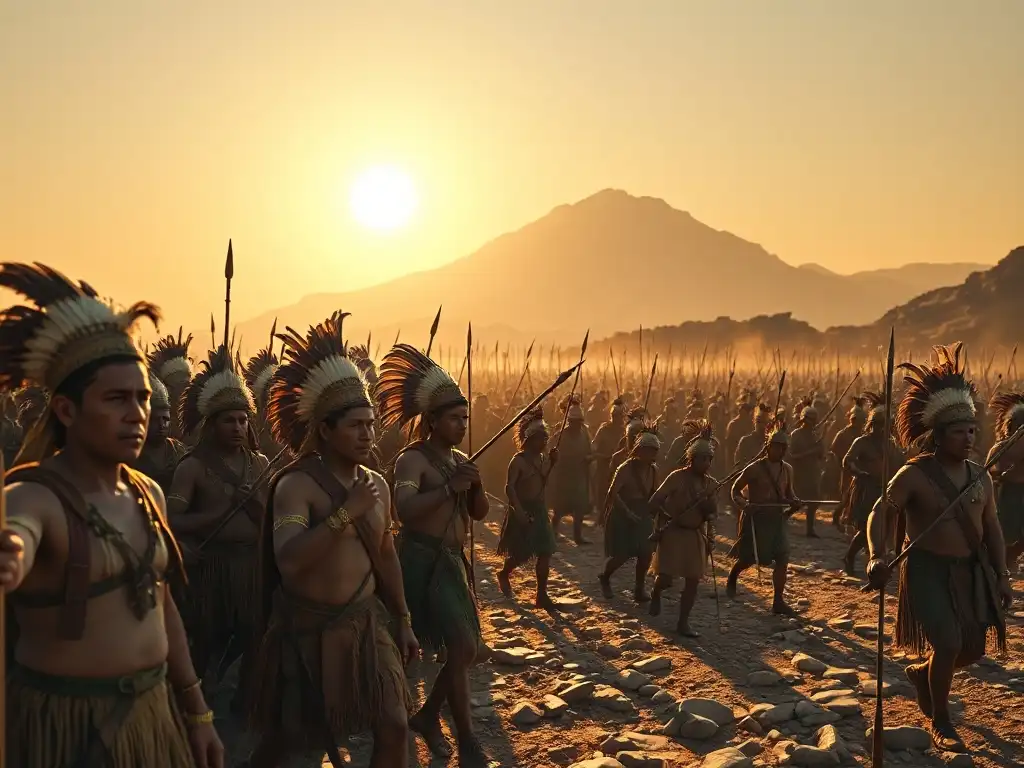
Inca military tactics were characterized by their adaptability and emphasis on overwhelming force. The Inca army was not a monolithic entity, but rather a highly organized and flexible force capable of adapting to various terrains and enemy strategies. Their strategies often involved a combination of surprise attacks, flanking maneuvers, and the strategic use of terrain to their advantage. The Inca army was divided into units of varying sizes, from smaller squads to massive armies numbering in the tens of thousands.
This hierarchical structure allowed for efficient command and control, even in the midst of chaotic battles. One key aspect of Inca tactics was the use of highly disciplined formations. Warriors were trained to maintain their positions and follow orders precisely, allowing them to effectively coordinate attacks and repel enemy assaults. The Inca also effectively utilized psychological warfare, employing propaganda and displays of power to demoralize their opponents before engaging in battle.
This strategy often resulted in enemy surrenders before significant fighting even commenced, minimizing casualties and facilitating rapid conquest. Furthermore, the Inca’s extensive road network allowed for swift troop mobilization, enabling them to quickly reinforce threatened areas or launch surprise attacks on unsuspecting enemies. This logistical advantage was crucial to their success in conquering and controlling such a vast territory. Detailed records of Inca military strategies, unfortunately, remain scarce, leaving room for further scholarly research and interpretation.
Inca Siege Warfare: Conquering Fortified Cities and Settlements
The Inca were adept at siege warfare, employing sophisticated techniques to conquer fortified cities and settlements. Their strategies weren't solely reliant on brute force, but also involved meticulous planning and the utilization of specialized siege weaponry and tactics. While lacking large-scale siege engines like catapults or battering rams common in other empires, the Inca relied on their superior numbers and organizational skills to overcome fortified defenses. They often employed prolonged sieges, gradually wearing down the enemy's defenses through attrition.
This involved cutting off the city's supply lines, creating a blockade to prevent reinforcements and resupply, and relentless attacks on the walls and fortifications. The Inca also expertly used sapping techniques, gradually undermining walls and foundations to create breaches. Their knowledge of engineering and construction allowed them to adapt to different fortifications, developing unique methods to overcome specific obstacles. Psychological warfare played a crucial role in Inca sieges as well.
They would often use propaganda and offers of surrender to demoralize the defenders and encourage them to give up before a prolonged and bloody siege. The successful siege of [Specific example of an Inca siege pending] demonstrates the Inca's mastery of siege warfare techniques, highlighting their ability to adapt to various defensive structures and employ effective strategies to achieve victory. The Inca’s success in siege warfare significantly contributed to the expansion and consolidation of their vast empire. Further research into specific siege campaigns could provide a more comprehensive understanding of their tactics and strategies.
Inca Logistics and Supply Lines: Maintaining a Vast Army
The Inca military's success hinged not only on its fighting prowess but also on its remarkably efficient logistical system. Maintaining a large army spread across a vast and challenging terrain required meticulous planning and execution. The Inca road system, a marvel of engineering, played a crucial role. These roads, stretching thousands of miles across mountains and valleys, facilitated the rapid movement of troops and supplies.
Tambo, strategically placed waystations along these routes, provided food, shelter, and rest for soldiers and messengers. These weren't simple rest stops; they were well-organized facilities with storage for provisions, including dried potatoes, maize, and llama meat – staples of the Inca diet. The mit'a system, a form of mandatory labor service, was instrumental in the construction and maintenance of the roads and tambos, as well as in supplying the army with provisions. This system ensured a continuous flow of resources to the front lines, even during prolonged campaigns.
Furthermore, the Inca's understanding of Andean geography allowed them to utilize existing trails and natural features to their advantage, optimizing troop movements and minimizing logistical challenges. The system’s effectiveness is evident in the Inca's ability to sustain large-scale military operations for extended periods, a feat that significantly contributed to their imperial expansion. The sheer scale and organization of this logistical network stand as a testament to the Inca's sophisticated administrative capabilities and their understanding of the importance of supply chain management in military success. The efficiency ensured that soldiers were always well-fed, rested, and equipped, maximizing their fighting capabilities and minimizing the risk of rebellion or desertion due to hardship.
The Inca Military's Role in Expansion and Control of the Empire
The Inca military wasn't merely a fighting force; it was an integral instrument of imperial expansion and control. Conquest wasn't the sole purpose; the Inca strategy focused on incorporating conquered territories into the empire. Military victories often paved the way for the integration of new populations and resources into the Inca system. After conquering a region, Inca administrators would establish new settlements, often strategically located near existing infrastructure like roads and tambos.
This allowed for the seamless integration of the newly conquered territories into the existing administrative and logistical networks. The Inca military played a key role in enforcing imperial authority and suppressing any resistance. Garrisons were strategically positioned throughout the empire to maintain order and deter rebellion. These garrisons were not merely static units; they participated in infrastructure projects, agricultural initiatives, and other activities that contributed to the overall stability and prosperity of the empire.
The Inca's approach to conquest differed from many other empires; instead of simply exploiting conquered populations, they integrated them into their system, fostering a degree of cultural exchange and economic integration. This strategy, combined with the effective use of military force, resulted in the creation of one of the largest and most enduring pre-Columbian empires in South America. The Inca military's role in this process was multifaceted, encompassing conquest, administration, and the maintenance of imperial order.
Key Inca Military Campaigns and Conquests
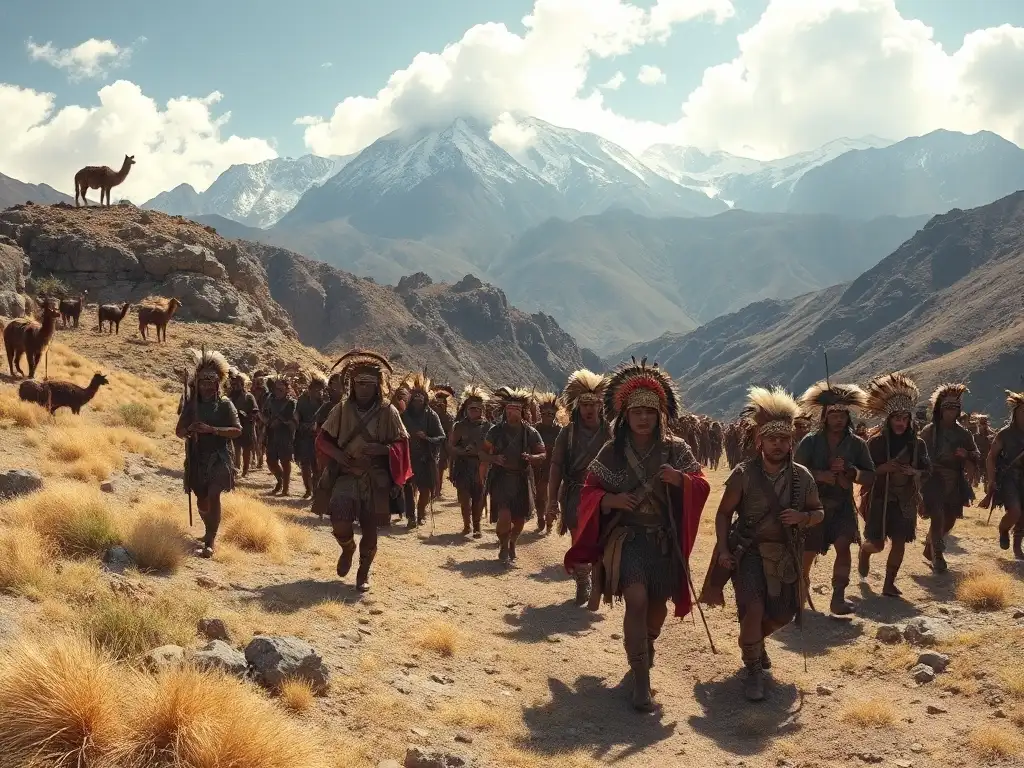
The Inca expansion was marked by several significant military campaigns and conquests. The reign of Pachacuti Inca Yupanqui (circa 1438-1471) witnessed a period of rapid expansion, fueled by strategic military campaigns. One notable conquest was the subjugation of the powerful Chimú kingdom on the northern coast of Peru. This victory expanded Inca control over vital coastal territories and resources.
The Inca army, known for its disciplined formations and effective use of weaponry such as slings, spears, and clubs, proved highly successful against diverse opponents. Subsequent campaigns extended Inca influence southward into present-day Chile and northward towards Ecuador. The conquest of each region was often followed by the implementation of Inca administrative structures, further solidifying imperial control. While precise details of many campaigns are scant due to limited primary sources, archaeological evidence and oral traditions provide insights into the scale and impact of Inca military operations.
These campaigns were not always characterized by large-scale battles; diplomacy and strategic alliances also played a crucial role. The Inca often employed a combination of military force and political maneuvering to achieve their expansionist goals. The success of these campaigns cemented the Inca Empire's position as a dominant force in the Andes, showcasing the effectiveness of their military organization and strategic thinking in the context of "Inca military organization tactics." Analyzing these campaigns reveals the Inca's adaptability and ability to overcome diverse challenges in their pursuit of imperial dominance.
The Impact of Inca Military Prowess on Andean Societies
The Inca military's impact on Andean societies was profound and multifaceted, extending far beyond mere conquest. Their military successes weren't solely about brute force; they were strategically employed to consolidate power, integrate diverse populations, and impose a unified administrative system. The sheer scale of the Inca Empire, stretching thousands of miles along the Andes, is a testament to their effective military strategies and their ability to subdue and incorporate conquered peoples. This integration wasn't always peaceful, of course, but the Inca's ability to leverage their military strength to establish control, coupled with their sophisticated administrative techniques, allowed them to create a surprisingly stable and unified empire, at least for a time.
The imposition of the mita system, a form of mandatory labor, was directly linked to military might. Those who resisted faced the full force of the Inca army, while those who complied contributed to the empire's infrastructure and agricultural output, further strengthening its power. The economic effects were significant, with resources flowing into Cusco, the capital, fueling further expansion and development. However, the impact wasn't solely positive.
The subjugation of numerous independent cultures led to the suppression of local traditions and belief systems, resulting in cultural homogenization and the loss of unique cultural practices. The constant threat of military action also undoubtedly impacted the daily lives and social structures of the conquered populations, fostering a climate of fear and submission, though the extent and nature of this varied across different regions and groups. The Inca's military prowess, therefore, shaped the social, economic, and cultural landscape of the Andes for centuries to come, leaving an enduring legacy both positive and negative.
Inca Military Innovations and Technological Adaptations
The Inca military wasn't simply a large, poorly equipped fighting force. Their success stemmed from a combination of effective organization, strategic thinking, and clever technological adaptations to the challenging Andean terrain. One key innovation was their sophisticated system of chasquis, a relay system of runners who could transmit messages across vast distances with incredible speed. This allowed for rapid communication and coordination of military movements, a crucial advantage in a region characterized by its mountainous geography. In terms of weaponry, the Inca army utilized a variety of tools and weapons adapted to their environment.
The machay, a club made from a wood chosen for its strength and weight, was a standard weapon, effective in close-quarters combat. Slings were also employed, providing a ranged attack capability. And while they didn't have horses or firearms, they cleverly adapted to the terrain, using their knowledge of the Andes to their advantage. Their understanding of mountain passes and trails allowed them to maneuver their troops effectively, often outflanking and surprising their enemies.
Defensive structures such as strategically placed fortifications and the utilization of natural barriers further enhanced their military capabilities. The construction of roads, not just for communication but also for rapid troop deployment, is another example of technological adaptation. These roads, often built at incredible heights and across challenging landscapes, demonstrate the Inca's engineering skills and their understanding of logistics in warfare. These innovations and adaptations, coupled with their organizational prowess, allowed the Inca army to conquer and control a vast and diverse empire, showcasing their remarkable ingenuity and adaptability.
The Legacy of the Inca Military: Lessons for Today
The Inca military's legacy extends beyond its historical impact. Studying their organizational structure, strategic thinking, and technological adaptations offers valuable lessons for modern military strategists and even for leadership in various sectors. Their effective communication networks, exemplified by the chasquis system, highlight the importance of clear and rapid communication in any large-scale operation, be it military or otherwise.
Their adaptability to challenging terrain, showcasing their ability to use the environment to their advantage, provides a valuable lesson in strategic planning and resourcefulness. The Inca's ability to integrate conquered populations, while imperfect and often brutal, demonstrates the importance of effective governance and administration following military conquest. Even their eventual downfall, due in part to internal weaknesses and external pressures, offers a cautionary tale about the risks of overextension and the importance of internal cohesion.
While their methods may not be directly applicable to modern warfare, the underlying principles of organization, strategic thinking, adaptability, and effective communication remain timeless lessons. Analyzing their successes and failures provides valuable insights into the complexities of military strategy, empire building, and the enduring challenges of maintaining power and control, offering insights relevant to leadership in numerous fields beyond the strictly military. The Inca military’s legacy serves as a rich case study for understanding the interplay of military power, political organization, and societal impact, even in the context of a dramatically different historical period.
- The Foundation of Inca Military Power: Structure and Hierarchy
- Military Ranks within the Inca Army: Roles and Responsibilities
- Inca Military Recruitment and Training: Preparing for War
- Essential Inca Military Equipment and Weaponry
- The Core of Inca Warfare: Military Tactics and Strategies
- Inca Siege Warfare: Conquering Fortified Cities and Settlements
- Inca Logistics and Supply Lines: Maintaining a Vast Army
- The Inca Military's Role in Expansion and Control of the Empire
- Key Inca Military Campaigns and Conquests
- The Impact of Inca Military Prowess on Andean Societies
- Inca Military Innovations and Technological Adaptations
- The Legacy of the Inca Military: Lessons for Today
Frequently Asked Questions
What made the Inca military so effective?
The Inca military's effectiveness stemmed from several factors: superior organization, well-defined logistical systems, and the psychological impact of their vast empire on conquered peoples. Their disciplined formations and effective communication were also key.
How was the Inca army organized?
The Inca army was organized into decimal system units, ranging from squads of ten to divisions of ten thousand. This hierarchical structure facilitated efficient command and control during battles and campaigns. Specialized units existed for different roles.
What were some key Inca military tactics?
Inca tactics included ambush strategies, siege warfare, and the use of terrain to their advantage. They also excelled at rapid mobilization of troops across their vast empire, using an extensive road network.
What role did technology play in Inca military success?
Inca military success was aided by advanced weaponry for the time, including clubs, slings, spears, and bolas. Their extensive road network was crucial for rapid troop movement and logistics, providing a significant advantage.
How did Inca military organization contribute to their empire's expansion?
The efficient organization and logistical capabilities of the Inca military were instrumental in their conquest and control of a vast territory. Their ability to quickly deploy and supply large armies allowed them to overwhelm resistance and consolidate their power.
Final Reflection: Echoes of the Inca Empire's Military Prowess
The Inca military's sophisticated organization and innovative tactics weren't just relics of a bygone era; they represent a powerful case study in effective strategy and resource management, still relevant in today's complex world. Understanding their logistical brilliance, their mastery of terrain, and their ability to integrate conquered populations into their fighting force offers valuable lessons for modern strategists and leaders across various fields. The Inca's success wasn't solely based on brute force, but on a deeply considered approach to warfare that prioritized efficiency and adaptability.
The Inca's legacy extends far beyond their impressive military achievements; their impact on the social and cultural landscape of South America is undeniable, shaping the very fabric of modern Andean societies. Their intricate road system, for example, continues to influence infrastructure development in the region. Their ability to unify diverse populations under a single banner, albeit through conquest, remains a fascinating and complex study in political organization. The Inca Empire was not merely a military machine; it was a sophisticated system of governance, built on a foundation of military strength but sustained by a complex web of social and economic structures.
Consider the Inca's ingenuity, their adaptability, and their remarkable ability to overcome seemingly insurmountable challenges. You too possess the capacity for strategic thinking, for resourcefulness, and for building strong, resilient systems in your own life. Reflect on how the principles of organization, planning, and effective resource allocation, as demonstrated by the Inca military, can be applied to your personal goals and ambitions. Embrace the challenge of building your own "empire," not through conquest, but through innovation, collaboration, and a commitment to excellence.
Unleash Your Inner Explorer: Dive Deeper into Inca Military History!
Thank you for exploring the fascinating world of Inca military history! Your interest helps preserve the legacy of these remarkable ancient warriors. Now that you've learned about their organization, tactics, and conquests, let's delve even deeper.
Here are some suggestions to further your exploration:
- Join an online forum dedicated to Andean civilizations to share your insights and connect with other history enthusiasts.
- Visit local archaeological sites or plan a trip to South America to experience Inca history firsthand. The experience of standing amidst these ancient ruins is truly unforgettable.
- Share this article with friends and family who might be captivated by the Inca Empire's impressive military achievements.
What aspect of Inca military strategy intrigues you the most, and how do you think it compares to modern military tactics?