
Inca Prophecy and Divination: Glimpsing the Future

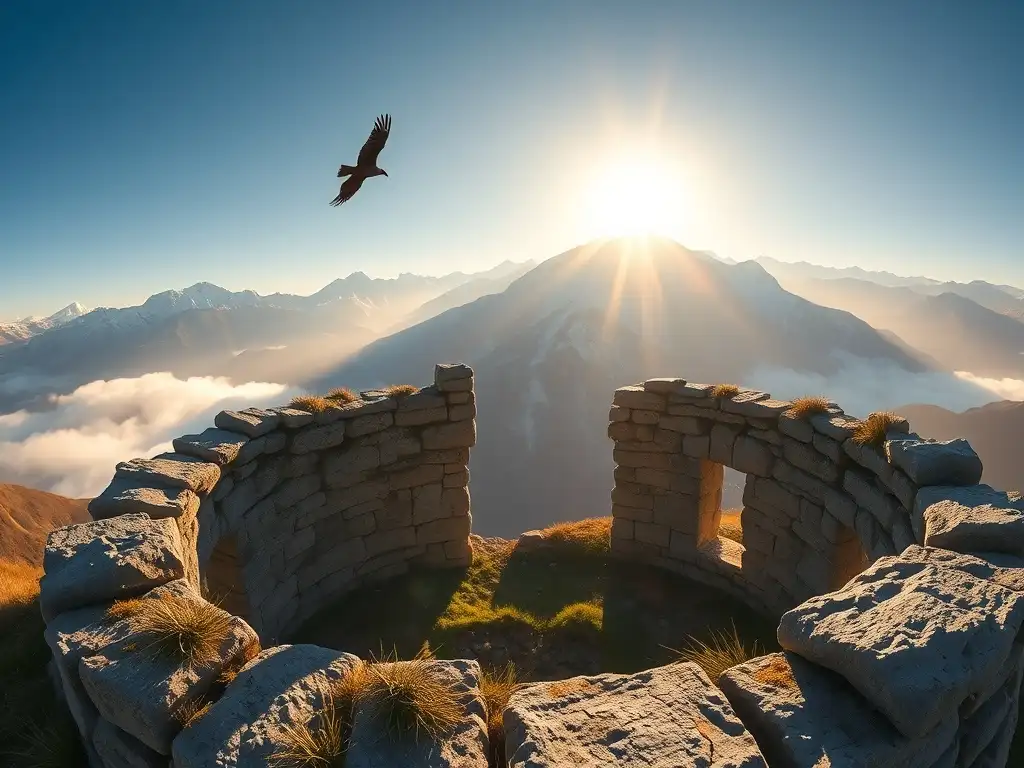
Unravel the mysteries of a lost world. Dive into the fascinating realm of Andean civilizations, where intricate artistry met groundbreaking engineering, and where the whispers of the past still echo today. But what secrets did the Incas hold? Discover the intriguing world of Inca prophecy methods, and learn how these ancient peoples attempted to glimpse the future. Prepare to be captivated by their unique divination techniques – a journey into the heart of their beliefs awaits.
The Inca Empire, a marvel of engineering and administration spanning vast swathes of the Andes Mountains, was not solely defined by its impressive infrastructure and sophisticated social structures. A deeply spiritual civilization, the Inca also possessed a complex system of prophecy and divination, used to guide decisions impacting everything from agricultural planning to imperial policy. This article delves into the fascinating world of Inca methods for predicting the future, exploring the various techniques employed and their significance within the broader context of Inca society and governance.
Understanding these practices offers a crucial lens through which to appreciate the intricate tapestry of Inca beliefs and their impact on the empire's remarkable success. We will examine several key methods of Inca prophecy, highlighting their unique characteristics and the societal roles they played. This exploration will reveal the profound influence of divination on the Inca worldview and its lasting legacy.
The Role of the Yachaywasi and Specialized Priests in Inca Prophecy
The Inca Empire's sophisticated system of prophecy wasn't haphazard; it was carefully structured and overseen by specialized individuals within the yachahuasis, or houses of knowledge. These weren't simply places of learning; they were centers of spiritual power where priests, trained from a young age, mastered various divination techniques. These priests, often possessing high social standing, acted as intermediaries between the Inca ruler and the supernatural world. Their interpretations of prophecies heavily influenced imperial decisions, shaping everything from military campaigns to agricultural practices. The accuracy and perceived legitimacy of their predictions were vital to maintaining the emperor's authority and the stability of the empire. Detailed records, though scarce due to the destruction of many Inca texts following the Spanish conquest, suggest a hierarchical structure within the yachahuasis, with senior priests holding significant power and influence. The training involved rigorous study of ancient traditions, astronomical observations, and the interpretation of various omens.
Interpreting Natural Phenomena: Omens and Celestial Events as Predictive Tools
Inca prophecy relied heavily on interpreting natural phenomena. Celestial events, such as eclipses, comets, and unusual star patterns, were considered powerful omens. Detailed observations of the movements of the sun, moon, and stars were crucial, and priests meticulously tracked these events, correlating them with past events and potential future outcomes. Beyond celestial events, natural phenomena such as unusual weather patterns, animal behavior, and geological occurrences were also interpreted as signs.
For example, a sudden drought might have been seen as a portent of hardship, influencing agricultural decisions and possibly even military strategies. The interpretation of these omens was not arbitrary; it was based on a deep understanding of the natural world and a complex system of symbolic associations. This system, unfortunately, remains partially obscured due to the limited surviving primary sources.
Divination through Coca Leaves and Other Ritual Objects
The coca leaf played a significant role in Inca daily life, and its use extended to divination practices. Coca leaf reading, or tapu, involved carefully spreading coca leaves and interpreting their arrangement to glean insights into the future. The specific patterns formed by the leaves, along with the accompanying prayers and rituals, were believed to reveal divine messages. Other objects, such as llama bones or knotted strings (quipus), were also used in divination rituals.
These objects served as tools for priests to access the supernatural realm and communicate with the gods. The interpretation of these signs required specialized knowledge and training, further emphasizing the importance of the yachahuasis and their specialized priests within Inca society. The precise methods of interpretation, however, remain largely unknown, shrouded in the mists of time and the destruction of Inca records.
The Significance of Prophecy in Inca Governance and Society
The prevalence of prophecy in Inca society underscores its deep integration into the fabric of their governance and daily life. Prophecies didn't simply predict the future; they shaped it. By influencing decisions at all levels of society, from the emperor's strategic planning to individual choices, prophecy played a crucial role in maintaining social order and ensuring the well-being of the empire. The perceived legitimacy of these prophecies reinforced the authority of the Inca rulers and the religious elite.
The system ensured that decisions were not only practical but also aligned with the perceived will of the gods, bolstering social cohesion and stability. The influence of prophecy extends beyond the purely political; it permeated every aspect of Inca life, shaping their worldview and impacting their daily routines. Further research is needed to fully uncover the intricacies of this fascinating aspect of Inca culture.
- The Role of the Yachaywasi and Specialized Priests in Inca Prophecy
- Interpreting Natural Phenomena: Omens and Celestial Events as Predictive Tools
- Divination through Coca Leaves and Other Ritual Objects
- The Significance of Prophecy in Inca Governance and Society
Understanding Inca Prophecy and its Significance
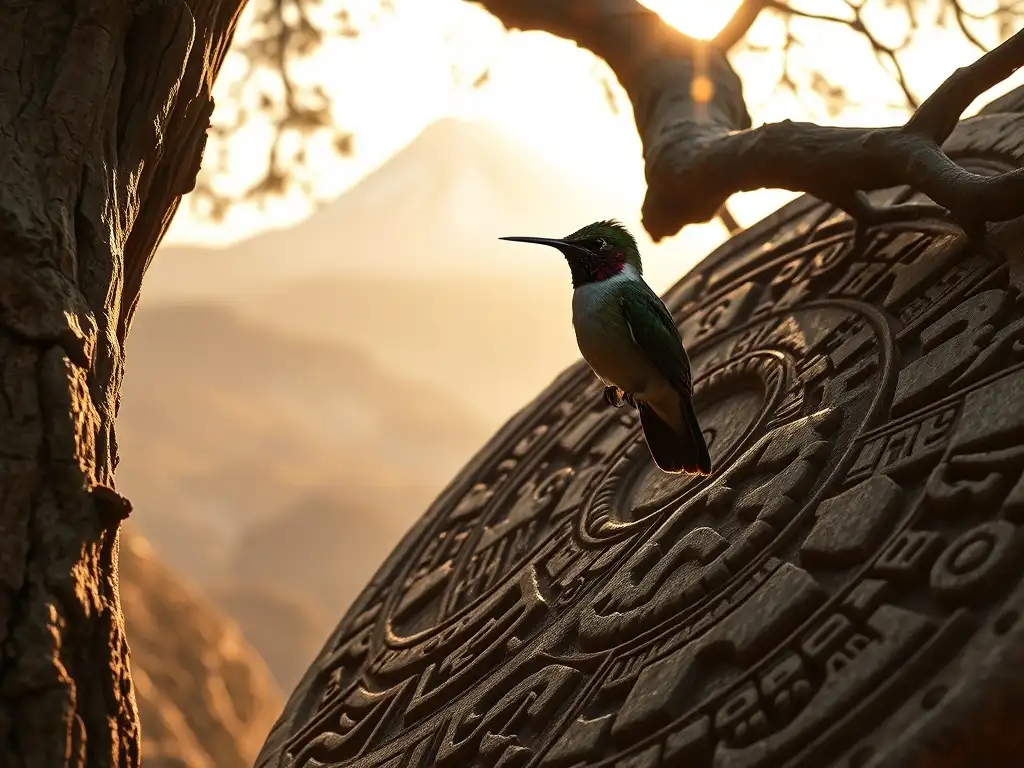
The Inca Empire, renowned for its sophisticated infrastructure and intricate social organization, also possessed a complex system of beliefs surrounding prophecy and divination. Understanding these practices provides crucial insight into the Inca worldview, their relationship with the supernatural, and the mechanisms by which they navigated uncertainty and made crucial decisions regarding governance, agriculture, and warfare. While written records are scarce, archaeological findings, ethnographic accounts from later periods, and analyses of colonial-era chronicles offer glimpses into these fascinating practices.
The Inca concept of prophecy wasn’t solely about predicting the future; it was intricately woven into the fabric of their daily lives, informing their understanding of the cosmos and their place within it. This intertwining of the mundane and the spiritual shaped their political strategies, agricultural practices, and social structures, highlighting the profound influence of Inca prophecy methods on their civilization.
The very fabric of Inca society was, in many ways, informed by their attempts to understand and interpret divine messages. This section will delve into the intricacies of Inca divination techniques and their profound societal impact.
The Role of Divination in Inca Society
Divination played a central role in Inca society, permeating all aspects of life from the imperial court to the humblest village. It wasn't simply a tool for predicting the future; it served as a crucial mechanism for maintaining social order, resolving conflicts, and legitimizing the power of the Sapa Inca. Decisions regarding warfare, agricultural cycles, and even the construction of monumental projects were often guided by the results of divinatory practices.
For example, before embarking on a military campaign, the Inca would consult various oracles to assess the likelihood of success. Similarly, the timing of planting and harvesting was often determined through careful observation of natural phenomena and interpretation of omens. This wasn't simply superstition; it was a system of risk management deeply integrated into the Inca worldview.
The Inca believed that their actions were closely watched by the gods, and divination acted as a way to ensure their actions were aligned with the divine will. This constant engagement with the spiritual realm shaped their political decision-making process, enhancing the authority of the ruling class and solidifying social cohesion. The intricate relationship between divination and social order highlights the profound influence of Inca prophecy methods on the stability and governance of the empire.
This integration is further supported by [Specific archaeological evidence pending] which suggests that divination rituals were performed in various settings, from official temples to private residences, indicating a widespread and deeply ingrained practice. The very fabric of Inca society was informed by their constant quest for divine guidance, underscoring the significance of Inca prophecy methods within their culture.
Connecting with the Supernatural: Inca Beliefs and Omens
Inca beliefs about the supernatural were multifaceted and deeply intertwined with their understanding of the natural world. They recognized a pantheon of gods and spirits, each associated with specific elements of nature or aspects of human life. The sun god, Inti, held supreme importance, followed by the moon goddess, Mama Killa, and other deities representing mountains, stars, and weather phenomena. Understanding the divine will, therefore, involved careful observation of the natural world.
Omens were interpreted from a vast array of sources: the flight patterns of birds, the behavior of animals, the configuration of stars, and even the patterns of coca leaves. The interpretation of these omens was not arbitrary; it was based on a complex system of symbolic associations developed over centuries. For instance, the appearance of a particular bird species might be interpreted as a favorable omen for a military campaign, while a specific weather pattern could signal a poor harvest.
The accuracy of the interpretation, and thus the credibility of the seer, rested on a deep understanding of this intricate symbolic language. This nuanced approach to understanding omens highlights the sophistication of Inca prophecy methods and underscores the central role of interpretation in their system. The ability to accurately interpret these signs was a crucial skill, and those who possessed it held positions of significant power and influence within the society.
Inca Seers: The Interpreters of the Future
The interpreters of these omens and prophecies were known as yatiri or amautas. These individuals held a privileged position within Inca society, acting as intermediaries between the human and spiritual worlds. Their expertise was highly valued, and they were consulted on a wide range of matters, from matters of state to personal concerns. Their methods varied, but often involved the use of coca leaves ( coca divination), the observation of entrails ( haruspicy), and the interpretation of dreams.
The yatiri weren't merely fortune-tellers; they were highly trained specialists with a deep understanding of Inca cosmology, mythology, and societal structures. They were responsible for maintaining the delicate balance between the human and spiritual realms, ensuring the continued prosperity and well-being of the Inca Empire. Their pronouncements carried significant weight, influencing decisions at all levels of society. The training and expertise required to become a successful yatiri were rigorous, highlighting the importance placed upon the accuracy and reliability of their interpretations within Inca society.
The power and prestige associated with these individuals underscore the profound influence of Inca prophecy methods on the political and social landscape of the empire. The training of these specialists involved years of apprenticeship, studying under experienced yatiri, learning to interpret complex symbols and patterns, and mastering the art of communicating divine messages effectively. Their role extended beyond simply predicting the future; they were also responsible for performing rituals and ceremonies designed to appease the gods and ensure the continued favor of the supernatural.
Methods of Inca Prophecy
The Inca, renowned for their sophisticated empire-building and intricate social structures, also possessed a complex system of belief surrounding prophecy and divination. Their methods for peering into the future weren't based on a single, codified system, but rather a tapestry of techniques interwoven with their daily lives and religious practices. Understanding these diverse Inca prophecy methods provides valuable insight into their worldview and the role of divination in their society.
The Inca weren't simply concerned with predicting the future; they sought to understand the will of the gods and ensure the continued prosperity of their realm. This involved a careful observation of the natural world and a deep understanding of symbolic interpretation.
The Use of Coca Leaves in Inca Divination
Coca leaves, Erythroxylum coca, held immense cultural and religious significance for the Inca. Beyond their stimulant properties, they were integral to divination practices. One common method involved carefully spreading a small quantity of coca leaves on a flat surface, then interpreting their arrangement. The patterns formed by the leaves—their orientation, proximity to one another, and even the presence of imperfections—were believed to reveal answers to questions or offer insights into the future.
Specific leaf arrangements were associated with different meanings, though the precise interpretations have largely been lost to time. Archaeological evidence suggests the widespread use of coca in divination ceremonies, further emphasizing its importance within Inca culture. The practice often involved a yacumama, a shaman or priest who possessed specialized knowledge of coca leaf interpretation and guided the divination process.
Further research is needed to fully understand the nuanced interpretations associated with specific leaf formations. For example, [specific coca leaf arrangements and their meanings pending]. However, the surviving accounts strongly suggest a highly developed system of symbolic reading inherent in this practice.
Reading the Future Through Animal Sacrifice and Entrails
Animal sacrifice played a crucial role in Inca religious life and was frequently incorporated into divination. Llamas, in particular, were commonly sacrificed. The Inca prophecy methods involving animal sacrifice often focused on the examination of the animal's entrails—the liver, heart, and other internal organs—after death.
Trained priests, often with specialized knowledge of anatomy and symbolism, would meticulously inspect these organs for irregularities, unusual markings, or specific formations. These anomalies were interpreted as signs and omens, providing clues about the future or the gods' will. The color, texture, and shape of the organs were all considered significant factors in the interpretation.
For example, a dark-colored liver might signify impending misfortune, while a particularly large heart could be interpreted as a positive omen. The ritualistic nature of the sacrifice, coupled with the careful examination of the entrails, elevated this practice beyond simple fortune-telling, establishing it as a sacred act of communication with the divine realm. The specific interpretations, however, were often kept secret, known only to the select few who performed the sacrifices and interpreted the results.
Interpreting Celestial Signs: Inca Astronomy and Prophecy
Inca astronomy was remarkably advanced, demonstrating a profound understanding of celestial movements. The Inca carefully tracked the sun, moon, stars, and planets, integrating their observations into their agricultural practices, calendar systems, and, crucially, their divination practices. The appearance of comets, eclipses, or unusual celestial phenomena were interpreted as powerful omens, often signifying significant events, both positive and negative, in the near future. Specific constellations were also associated with particular deities or events.
The Inca's understanding of the celestial cycles allowed them to predict agricultural seasons and other cyclical events, and this knowledge was intertwined with their predictive capabilities. This sophisticated understanding of astronomy wasn't merely for scientific purposes; it was deeply embedded within their spiritual beliefs and served as a primary Inca prophecy method. The priests, acting as intermediaries between the human and celestial realms, would interpret these astronomical events, providing guidance to the emperor and the ruling elite.
Further study is needed to fully reconstruct their complex system of celestial interpretation, but available evidence points to a highly developed understanding of the cosmos and its implications for the Inca world. The precise correlation between specific celestial events and their prophetic interpretations remains a subject of ongoing research. For instance, [specific constellations and their associated meanings pending].
Dreams and Visions: Another Source of Inca Predictions
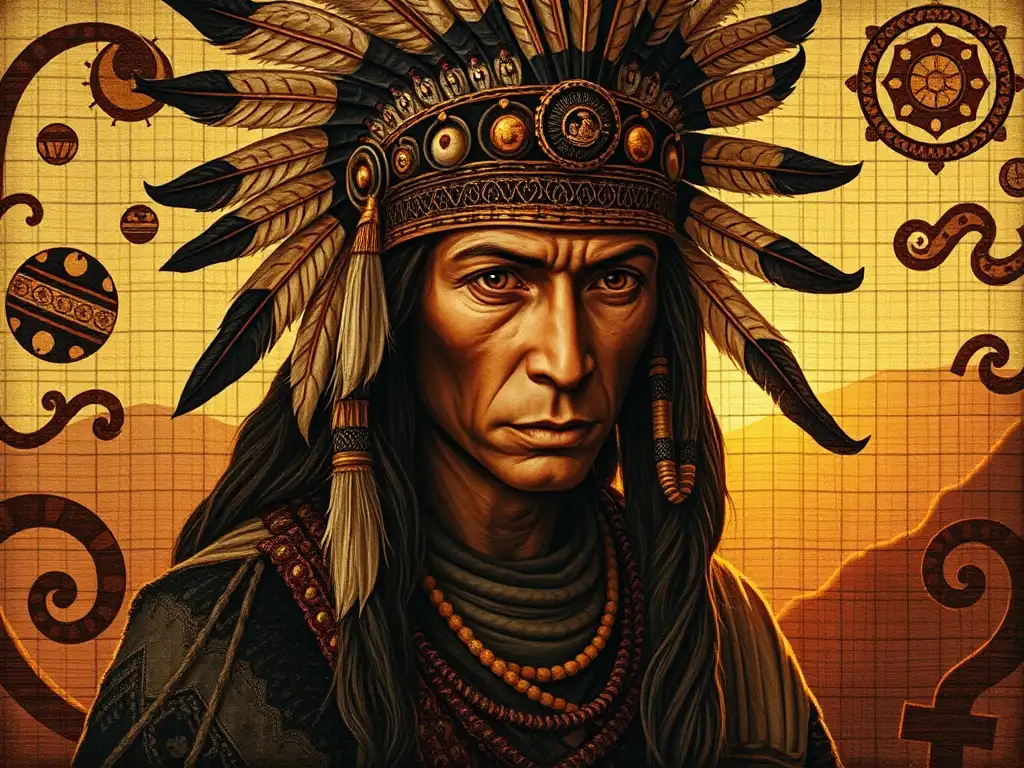
Dreams and visions held a significant place in Inca prophecy, providing insights into the future and guidance for important decisions. The Inca believed that the spirit world communicated with the living through dreams, offering glimpses into impending events or revealing the will of the gods. These weren't considered mere fantasies; instead, they were interpreted by specialized individuals, often priests or paqos (shamans), who possessed the knowledge to decipher the symbolism within the dream narratives.
The interpretation wasn't always straightforward; the imagery, often rich with symbolic representations of animals, landscapes, and celestial bodies, required deep understanding of Inca cosmology and mythology. For example, a dream featuring a condor might signify impending victory in battle, while a serpent could represent deceit or danger. The accuracy of the interpretation was believed to directly impact the effectiveness of any subsequent actions.
Detailed dream journals were likely kept by individuals with prophetic abilities, allowing them to track patterns and refine their interpretative skills over time. This practice ensured the continuity of prophetic knowledge within the Inca society and further cemented the importance of dreams as a reliable source of divine communication and "Inca prophecy methods". The level of detail within the dream narratives, and the skill of the interpreter, was crucial in determining the clarity and practicality of the prophecy.
The Significance of Sacred Stones and Their Prophetic Power
Certain stones held immense spiritual significance within Inca culture, acting as conduits for communication with the spirit world and serving as tools for divination. These weren't ordinary stones; they were often intricately carved or naturally shaped, believed to possess inherent power and imbued with spiritual energy. One example is the use of polished obsidian mirrors, used by paqos to gaze into and interpret reflections, seeking answers and omens. The practice involved careful preparation, including ritual cleansing and invocations.
The reflections, often distorted or unclear, were then interpreted based on the shaman's understanding of symbolic meanings and their connection to Inca mythology. Other stones, possibly those found in sacred sites or bearing unique markings, were used in more direct forms of divination. These might involve placing the stones in specific patterns, observing their arrangement to decipher messages or predictions. The interpretation was highly contextual, relying on factors such as the location, the type of stone, and the circumstances surrounding the divination.
This method, closely linked to the geographic and spiritual landscape of the Inca Empire, represents a deeply ingrained aspect of their understanding of the world and their "Inca prophecy methods." The use of sacred stones in divination highlights the Inca's connection to the natural world and their belief in the power of the earth to reveal the future. Further research into specific types of stones used and the rituals associated with their prophetic use would provide a richer understanding of this fascinating aspect of Inca culture.
Types of Prophecies in the Inca World
The Inca civilization, renowned for its sophisticated social structures and engineering feats, also possessed a complex system of belief surrounding prophecy and divination. Understanding Inca prophecy methods requires recognizing the diverse ways in which they sought to glimpse the future, ranging from pronouncements about the empire's destiny to guidance for individual lives and predictions concerning crucial agricultural cycles. These weren't simply idle superstitions; they were integral to the Inca worldview, influencing decision-making at all levels of society. The methods used were varied, often incorporating elements of nature, ritual, and interpretation of omens.
The accuracy and reliability of these prophecies, of course, are difficult to assess from a modern perspective, yet their influence on Inca society is undeniable. Their belief in prophecy shaped their worldview and provided a framework for understanding events, both expected and unexpected. This intricate system of divination warrants a closer examination of its different forms.
Prophecies concerning the Inca Empire's future were of paramount importance. These predictions, often delivered by hamacas, individuals believed to possess special insight into the spiritual realm, could significantly impact imperial policy and military strategy. For example, a prophecy foretelling a successful military campaign might embolden the Sapa Inca to initiate a conquest, while a prophecy of famine could lead to increased stockpiling of food supplies and adjustments to agricultural practices. The precise mechanisms for these prophecies remain somewhat shrouded in mystery, but evidence suggests the use of various techniques, including:
- Observation of celestial events: The Inca meticulously tracked the movements of the sun, moon, and stars. Unusual astronomical occurrences, such as eclipses or the appearance of comets, were often interpreted as omens bearing on the empire's fate. Specific constellations might have been associated with particular outcomes, though the exact correlations are largely lost to time.
- Interpretation of natural phenomena: Unusual weather patterns, earthquakes, or other natural events could be interpreted as divine messages. A prolonged drought, for example, might have been viewed as a sign of displeasure from the gods, prompting ritualistic appeasement.
- Analysis of animal behavior: The behavior of certain animals, particularly those considered sacred, held significance. Unusual sightings or patterns of migration could be interpreted as portentous signs. For instance, the unexpected appearance of a condor might have been seen as an auspicious omen, while the death of a llama, a crucial animal in Inca society, could have been viewed negatively.
Personal Prophecies: Guidance for Individuals
Inca prophecy methods weren't solely focused on the macro level of the empire. Individuals also sought guidance through various forms of divination to navigate personal challenges and make important decisions. These personal prophecies were often less grand in scope but equally significant in shaping individual lives. Several methods were employed:
- Reading of coca leaves: The coca leaf, a sacred plant in Inca culture, played a crucial role in divination. The hamacas would carefully spread out a handful of coca leaves and interpret their arrangement and patterns to provide insights into an individual's future. This method was widely practiced and considered a reliable source of guidance.
- Dreams: Dreams were viewed as another significant avenue for receiving prophetic messages. Specific dream symbols held symbolic meaning, and trained interpreters could decipher their significance, offering advice on matters such as marriage, career, or health.
- Use of oracles: While the specifics of Inca oracles remain unclear, it's likely that they involved some form of ritualistic consultation with the spiritual realm. These oracles might have involved specific locations, objects, or rituals designed to elicit divine communication.
Prophecies About Agriculture and Resource Management
Agriculture was the backbone of the Inca Empire, and prophecies related to crop yields and resource management were essential for ensuring the survival and prosperity of the population. These prophecies played a critical role in planning and decision-making within the empire's sophisticated agricultural system. The Inca used several methods to predict agricultural outcomes:
- Observation of weather patterns: Careful observation of weather patterns, including rainfall, temperature, and wind, was crucial for predicting the success or failure of harvests. Experienced farmers could often predict potential problems based on their understanding of seasonal variations and long-term weather trends.
- Rituals and sacrifices: Rituals and sacrifices were performed to appease the gods and ensure bountiful harvests. These acts were not merely symbolic; they were believed to directly influence the outcome of the agricultural cycle.
- Observation of animal behavior (specific to agriculture): The behavior of animals, such as llamas or alpacas, could also offer insights into the upcoming harvest. Changes in their grazing habits or overall health could be interpreted as omens. For instance, unusually lethargic llamas might have been seen as a warning sign of a poor harvest.
The interwoven nature of Inca prophecy methods highlights the deep integration of divination into all aspects of Inca life, from imperial strategy to individual decisions and agricultural practices. Their belief in these prophecies fundamentally shaped their society and contributed to the empire's remarkable achievements. Further research is needed to fully understand the nuances of each method and their effectiveness, but their importance within the Inca worldview is undeniable.
Military Prophecies and War Strategy
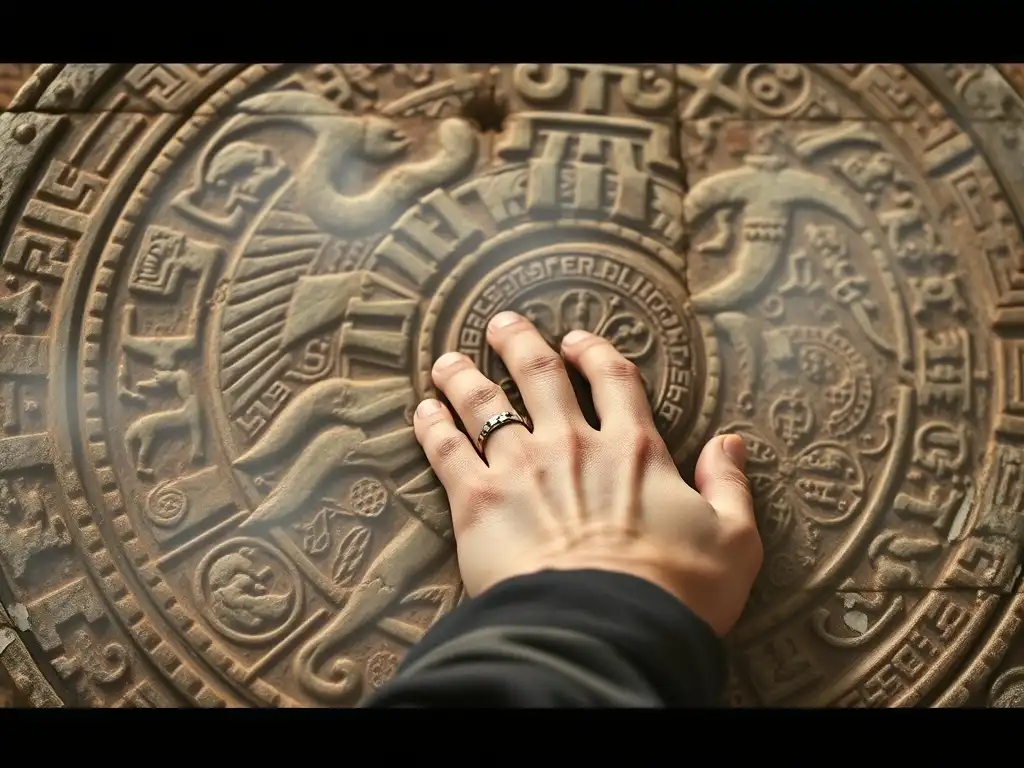
Inca military strategies were deeply intertwined with prophecy and divination. Before embarking on any significant military campaign, Inca leaders consulted yachaqs (shamans or priests) to glean insights into the likely outcome of the conflict. These prophecies weren't simply vague predictions; they often provided crucial tactical information. For example, a favorable prophecy might indicate the best time to launch an attack, highlighting specific astrological alignments or auspicious days based on the Inca calendar. Conversely, an unfavorable prophecy might counsel against a particular campaign, suggesting an alternative strategy or a postponement until a more propitious moment.
The interpretation of these prophecies was complex, often involving the analysis of coca leaf readings, the observation of animal behavior, and the study of celestial events. The yachaqs weren't simply fortune-tellers; they were skilled interpreters of signs and symbols, translating the divine messages into actionable intelligence for the Inca army. Their insights played a vital role in shaping military decisions, influencing everything from troop deployment and battle formations to the timing of ambushes and retreats.
The success of many Inca military campaigns can, at least partially, be attributed to the strategic guidance provided by these prophetic practices. We can speculate that the timing of the Inca conquests, for example, might have been influenced by the advice of these diviners, ensuring that the empire's expansion occurred during periods deemed favorable by the prophecies.
Further research into Inca military records (if extant) could shed more light on the precise role of prophecy in specific battles and campaigns. The integration of such insights into military planning underscores the profound influence of religious beliefs on the Inca state's political and military power.
The Inca civilization, situated in the Andes mountains, was highly vulnerable to natural disasters such as earthquakes, floods, droughts, and landslides. To mitigate the risks associated with these events, the Inca relied heavily on prophetic practices to anticipate and prepare for potential calamities. Yachaqs meticulously observed natural phenomena, looking for signs that could foretell impending disasters.
This might involve interpreting unusual weather patterns, changes in animal behavior, or even subtle shifts in the landscape. The prophecies weren't solely focused on predicting the disaster itself; they also often provided guidance on how to minimize the damage and ensure the survival of the population.
For example, a prophecy predicting a severe drought might prompt the Inca government to implement water conservation measures, redistribute food supplies, or initiate public works projects aimed at improving irrigation systems. Similarly, a prophecy foretelling an earthquake might lead to the strengthening of buildings or the relocation of settlements to safer locations.
The Inca's capacity to anticipate and respond to natural disasters speaks to the sophisticated understanding of their environment and their ability to harness prophetic insights for practical purposes. While specific examples of such prophecies are scarce in the existing historical record, the importance of such practices is strongly suggested by the Inca's advanced infrastructural and societal organization, which demonstrated a clear ability to prepare for and manage the challenges posed by the natural world.
The development of sophisticated agricultural techniques and the construction of robust infrastructure can be seen as proactive measures informed, at least in part, by a deep understanding of the environment and the use of prophetic methods to anticipate and prepare for disasters. Further study of Inca agricultural practices and infrastructure projects could reveal the extent to which prophecy shaped these vital aspects of their society.
The Impact of Inca Prophecy on Their Society
The Inca Empire, renowned for its sophisticated administrative structure and impressive feats of engineering, also possessed a complex system of divination and prophecy deeply intertwined with its social fabric. Understanding Inca prophecy methods reveals a society where the perceived will of the gods and the interpretation of omens significantly influenced governance, daily life, and religious practices. The empire's success wasn't solely based on military might and efficient organization; it was profoundly shaped by a belief system that integrated the spiritual realm into every aspect of existence.
This pervasive influence resulted in a society where decisions, both large and small, were often guided by prophetic insights and divine interpretations. This section delves into the multifaceted impact of Inca prophecy on their society, examining its role in political decision-making, daily routines, and religious ceremonies.
Inca Prophecy and Political Decision-Making
Inca prophecy methods played a crucial role in political decision-making. The Sapa Inca, the emperor, held supreme authority, but even he consulted yachaywasi (houses of knowledge) and amautas (wise men) before undertaking significant actions. These experts interpreted prophecies, often derived from observing natural phenomena like the flight of birds, the patterns of stars, or the behavior of llamas.
For instance, the decision to launch a military campaign, initiate a large-scale construction project, or even appoint a high-ranking official was frequently preceded by a period of divination. A favorable prophecy would bolster confidence and provide a sense of divine sanction, while an unfavorable omen might lead to the postponement or abandonment of the plan. This system ensured that major decisions weren't solely based on human judgment but also incorporated a spiritual dimension, reinforcing the authority of the Sapa Inca as a divinely appointed ruler and fostering a sense of collective purpose.
Specific examples of these predictive practices in political decisions are unfortunately scarce in surviving historical records, but the prevalence of divination in other aspects of Inca life strongly suggests its importance in governance. Further research into Inca archives and archaeological findings may shed more light on the precise methods employed and their specific influence on political outcomes.
The Influence of Divination on Daily Life
Beyond high-level political decisions, Inca prophecy methods permeated daily life. Ordinary citizens, too, consulted diviners for guidance on personal matters. Decisions as mundane as choosing a spouse, embarking on a journey, or starting a new agricultural cycle were often influenced by prophecies.
Farmers might observe the behavior of certain insects or the growth patterns of crops to predict the success of their harvest, while individuals seeking guidance on personal matters might consult paqos (shamans) who interpreted dreams or used other forms of divination. This widespread reliance on prophecy fostered a deep-seated belief in the interconnectedness of the natural and spiritual worlds, shaping the way individuals approached their everyday lives.
The incorporation of spiritual guidance into seemingly mundane decisions fostered a sense of community and collective reliance on spiritual forces, reinforcing social cohesion and a shared cultural understanding. This pervasive influence of prophecy on daily life highlights the profound integration of spiritual beliefs into the practical realities of Inca society.
How Prophecy Shaped Inca Rituals and Ceremonies
Inca rituals and ceremonies were deeply intertwined with prophecy. Many festivals and religious observances were timed according to prophetic predictions or astronomical events interpreted as divine signs. The Capac Raymi, the most important Inca festival, celebrated the winter solstice and was carefully planned based on astronomical observations and divinatory practices.
The paqos played a vital role in these ceremonies, interpreting prophecies and ensuring that rituals were performed correctly to maintain cosmic balance and appease the gods. Prophecies not only determined the timing and nature of rituals but also influenced the offerings made to the gods. The accuracy of the prophecies, or at least the perception of their accuracy, reinforced the legitimacy of the Inca religion and the authority of its religious leaders.
The intricate relationship between prophecy and ritual further solidified the spiritual foundation of Inca society and its hierarchical structure. The precise methods used in predicting the auspicious times for these ceremonies remain partially obscured by the limited surviving records, but the profound influence of prophecy on the religious life of the Inca is undeniable. Further research and analysis of existing archaeological and historical data could reveal more about the specific divination techniques used in conjunction with these important events.
The Role of Prophecy in Inca Conquests and Expansion
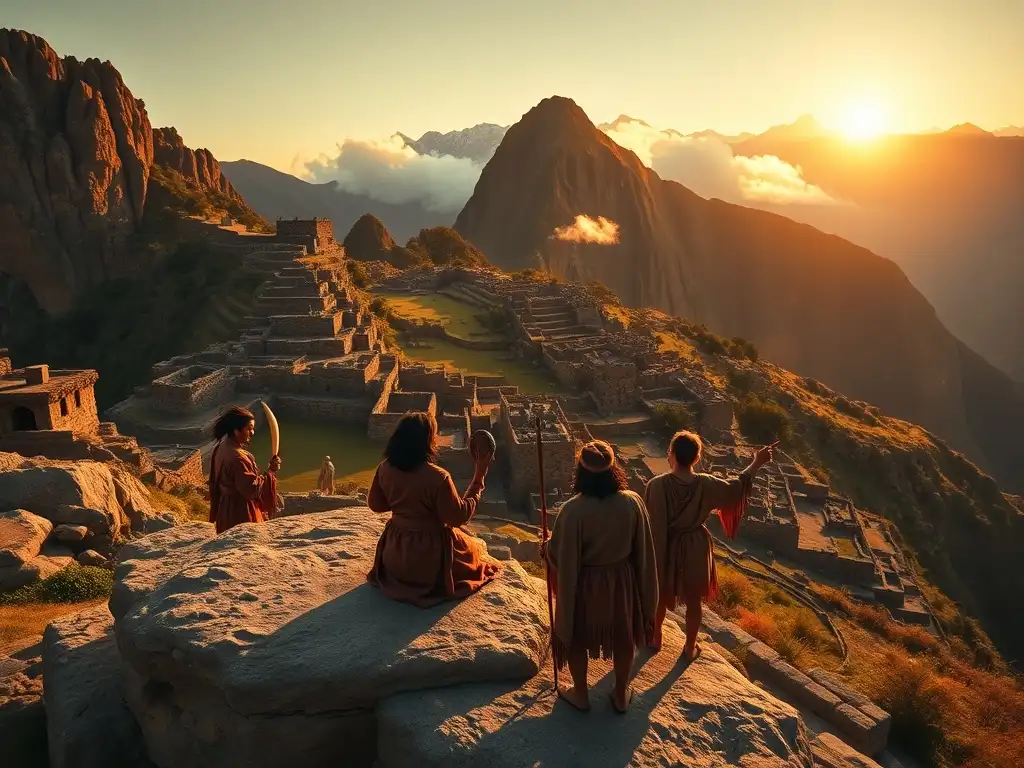
Inca conquests weren't solely driven by military might; prophecy played a significant, albeit often understated, role. The Inca believed their emperors, the Sapa Inca, possessed a divine connection, capable of receiving guidance from the gods through various forms of divination. These prophecies often influenced strategic decisions, including the timing of military campaigns and the selection of targets.
For example, before embarking on a conquest, the Sapa Inca might consult with priests and paqos (shamans) who would interpret dreams, analyze animal entrails, or observe the movements of celestial bodies to ascertain the likelihood of success. A favorable prophecy could boost morale and inspire confidence among the Inca army, while an unfavorable one might lead to a postponement or even the abandonment of the planned campaign. This demonstrates a sophisticated understanding of the psychological impact of belief systems on warfare.
The successful conquests and expansion of the Inca Empire can thus be partly attributed to a strategic blend of military prowess and divinely sanctioned prophecies that bolstered their confidence and influenced their decisions. The meticulous record-keeping of the Inca, though not directly detailing prophecies in the way we might expect from written historical accounts, does show a clear correlation between significant events and the subsequent expansion of the empire, suggesting a reliance on such guidance. Further research into the Inca's administrative records could potentially uncover more detailed information regarding the specific prophecies that influenced their military strategies.
The Legacy of Inca Prophecy and Its Modern Interpretations
The legacy of Inca prophecy continues to resonate in modern interpretations and cultural practices. While the Inca Empire fell centuries ago, the belief in divination and the power of the spiritual world persists in various Andean communities. Many contemporary Andean cultures maintain traditions rooted in Inca practices, incorporating elements of prophecy into their daily lives and decision-making processes. These traditions often involve the interpretation of natural phenomena, dreams, and ancestral spirits.
The paqos, spiritual leaders who continue to practice traditional Andean medicine and divination, play a vital role in these communities, offering guidance and interpreting signs from the spiritual realm. Modern interpretations of Inca prophecy often blend indigenous knowledge with external influences, creating a unique and dynamic blend of ancient beliefs and contemporary perspectives. This ongoing evolution highlights the enduring power and adaptability of Inca prophecies, which continue to shape cultural beliefs and practices even in the 21st century.
Academic interest in Inca prophecy has also increased, with scholars exploring the intersection of religion, politics, and social structures within the Inca civilization. This renewed scholarly interest has led to a deeper understanding of the methods employed by the Inca in their divination practices and their influence on the empire's development and eventual demise. However, more research is needed to fully uncover the nuances of Inca prophecy and its lasting impact on Andean societies.
Inca Prophecy Methods: A Detailed Examination
The Inca, renowned for their sophisticated societal structure and engineering prowess, also possessed a complex system of beliefs surrounding prophecy and divination. Their methods, far from being haphazard, were deeply ingrained in their religious and political systems, informing crucial decisions impacting everything from agricultural cycles to imperial expansion. Understanding these methods offers a unique window into the Inca worldview and their approach to governance.
This section delves into some of the key Inca prophecy methods, revealing the intricate interplay between religious ritual, societal hierarchy, and the quest to understand the future. The keyword "Inca prophecy methods" is explored through diverse examples showcasing the multifaceted nature of Inca divination practices.
The Prophecy of the Return of Viracocha
The creator god Viracocha held immense significance in Inca cosmology. Legends abound concerning his prophecies, particularly regarding his eventual return. This prophecy wasn't a singular event but rather a continuous narrative woven into Inca society. Different interpretations of signs and events were often linked to Viracocha's imminent reappearance, fueling both hope and apprehension. The Inca elite, particularly the Sapa Inca, meticulously observed natural phenomena—unusual weather patterns, celestial alignments, animal behavior—for clues hinting at Viracocha's return. These observations, coupled with interpretations of dreams and omens, provided a framework for political decision-making and strategic planning.
For example, a prolonged drought might be interpreted not merely as a natural disaster but as a sign signifying Viracocha's displeasure, prompting ritual sacrifices and public works aimed at appeasing the deity and accelerating his anticipated return. Conversely, a bountiful harvest could be viewed as a positive omen, strengthening the Sapa Inca's authority and legitimizing his rule as divinely ordained.
The exact details of these interpretations are often lost to history, but the underlying principle—linking natural events to the divine—remained central to Inca prophecy. The interpretation of these signs wasn't arbitrary; it required specialized knowledge and understanding of Inca mythology and cosmology, knowledge largely held by the priestly class.
The prophecy of Viracocha's return served not only as a source of religious inspiration but also as a powerful tool for social control. By linking the Sapa Inca's power to the divine will, the prophecy reinforced the legitimacy of the Inca empire and its hierarchical structure. The constant anticipation of Viracocha's return fostered a sense of collective purpose and unity, strengthening societal cohesion.
The Use of Tupa Stones in Divination
Tupa stones, also known as huacas, were naturally occurring rocks believed to possess supernatural powers. These stones, often uniquely shaped or marked, were venerated as sacred objects and played a crucial role in Inca divination. Their use wasn't standardized; various methods existed, depending on the specific stone and the context of the divination.
One common method involved the careful examination of the stone's surface for patterns or markings. These markings, often interpreted as symbols or signs, were then analyzed by specialized priests, who would interpret their meaning based on their understanding of Inca cosmology and mythology. Another method involved manipulating the stones—perhaps tossing them and interpreting the way they landed—to obtain answers or predictions.
The interpretation of these tupa stones was a complex process, influenced by factors such as the stone's location, the time of year, and the specific question being asked. The priests who performed these rituals held a position of significant power and influence within Inca society, as their interpretations could heavily influence decisions made by the Sapa Inca and other leaders.
The use of tupa stones in divination highlights the Inca belief in the interconnectedness of the natural and supernatural worlds, where even seemingly inanimate objects could hold profound spiritual significance. Detailed records of specific interpretations are scarce, leaving much to the realm of scholarly interpretation and reconstruction based on archaeological evidence and surviving accounts.
The Role of the Yachaq in Prophecy
The yachaq, meaning "healer" or "wise one," played a central role in Inca prophecy. While often associated with healing practices, their expertise extended to divination and interpreting omens. Unlike the priestly class focused on state-level rituals, the yachaq often worked within local communities, providing guidance and interpreting signs relevant to everyday life. Their knowledge encompassed a wide range of practices, including herbalism, astrology, and dream interpretation. They were often consulted for personal matters, such as predicting the outcome of a harvest or finding lost livestock, but their insights could also have broader societal implications.
The yachaq's methods varied significantly, incorporating observation of natural phenomena, interpretation of dreams, and the use of various divination tools. They might examine the flight patterns of birds, interpret the patterns of coca leaves scattered on a cloth ( t'oqo), or analyze the entrails of sacrificed animals. These practices, while seemingly disparate, were all part of a holistic approach to understanding the world and anticipating future events.
The yachaq's role emphasizes the decentralized nature of Inca prophecy, with local practitioners supplementing the centralized divination practices conducted by the priestly elite. More research is needed to fully understand the regional variations in yachaq practices and their relationship to the broader Inca worldview. The evidence suggests a rich and varied tradition of divination, adapted to the specific needs and contexts of different communities.
The Challenges in Verifying Inca Prophecy Methods
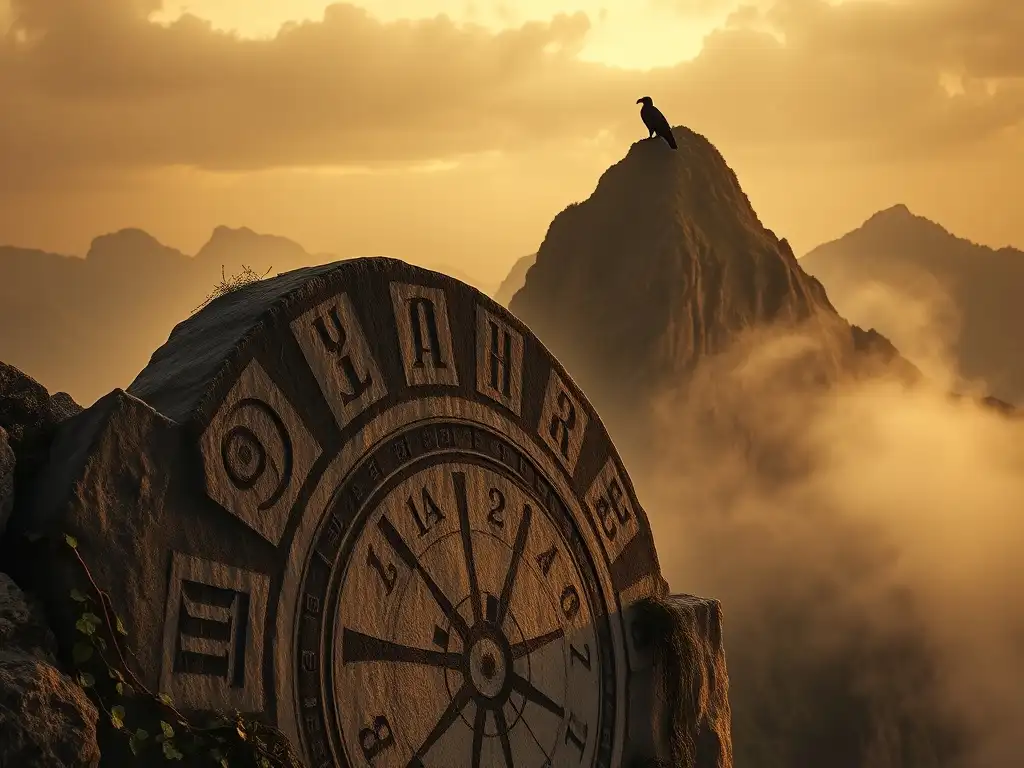
Unraveling the intricacies of Inca prophecy presents significant challenges to modern researchers. Unlike many other ancient civilizations that left behind extensive written records, the Inca primarily relied on an oral tradition. This reliance on spoken word, passed down through generations of quipucamayocs (official Inca record keepers) and other learned individuals, makes verification incredibly difficult. The Spanish conquest further complicated matters; the destruction of Inca texts and the suppression of indigenous knowledge resulted in an irreplaceable loss of historical context.
Many accounts of Inca prophecies were recorded by Spanish chroniclers, whose biases and interpretations often colored their narratives. Therefore, separating fact from fiction and understanding the original intent behind prophetic pronouncements requires careful consideration of multiple sources and a critical approach to interpreting often-contradictory information. The lack of a standardized system of writing also means that interpretations of surviving artifacts, such as textiles and ceramics depicting symbolic imagery, are often subjective and open to varied scholarly interpretations. Furthermore, the very nature of prophecy, dealing with predictions of the future, makes definitive verification inherently problematic.
We can analyze the methods and the interpretations, but confirming the accuracy of the prophecies themselves remains an ongoing scholarly debate. The ambiguity inherent in many prophetic statements further complicates the process of verification, allowing for multiple interpretations depending on the context and the interpreter's perspective. Finally, the cultural context, deeply embedded within the Andean worldview, is often lost in translation, hindering a full understanding of the prophecies and their intended meanings.
The Meaning of the Serpent and Puma in Prophetic Symbols
The serpent and the puma, powerful and symbolic creatures in Andean cosmology, frequently appear in Inca prophetic contexts. Their presence isn't merely decorative; these animals represent fundamental aspects of the Inca worldview and hold significant weight in interpreting prophetic messages. The serpent, often associated with water, fertility, and the underworld, symbolizes the cyclical nature of life and the hidden forces shaping events. In prophetic contexts, a serpent might represent unforeseen challenges or obstacles, but also the potential for renewal and transformation. Its connection to the underworld suggests access to hidden knowledge and unseen influences that might dictate the future.
The interpretations, however, varied depending on the specific context – a coiled serpent might represent stagnation, while a serpent in motion could symbolize progress or even impending danger. Similarly, the puma, a powerful terrestrial predator, often represents strength, leadership, and royal power. In prophetic contexts, the puma’s appearance could signify a period of dominance, military success, or the rise of a powerful leader. However, a wounded or subdued puma could signify a weakening of authority or impending conflict. The interplay between these two powerful symbols within a prophetic context offered a nuanced interpretation.
For example, a serpent entwined around a puma might suggest the subjugation of power or a period of upheaval where both earthly and spiritual forces are at play. The specific positioning and interaction of these animals within the prophetic imagery were crucial for understanding the intended message. Detailed analysis of surviving artifacts, such as textiles and pottery, reveals the intricate ways in which these symbols were used to convey complex prophetic messages. Unfortunately, a complete understanding of the nuances of these symbolic representations requires further research and a deeper understanding of Inca cosmology. The rich tapestry of Andean symbolism continues to fascinate and challenge scholars today.
Conclusion: The Enduring Mystery of Inca Divination
The study of Inca prophecy methods reveals a complex and fascinating system of divination deeply intertwined with their societal structure and spiritual beliefs. While much remains shrouded in mystery due to the destruction of many primary sources during the Spanish conquest, archaeological discoveries and analyses of surviving texts offer glimpses into their practices. The Inca worldview, deeply connected to the natural world and their ancestors, influenced the ways they sought to understand and interpret the future.
Their methods, ranging from interpreting natural phenomena to utilizing specialized tools and rituals, demonstrate a sophisticated understanding of probability and the human psyche. Further research, potentially uncovering new artifacts or deciphering existing texts, could significantly enhance our comprehension of this intriguing aspect of Inca culture. The enduring mystery surrounding Inca divination serves as a testament to the ingenuity and complexity of this ancient civilization.
The Importance of Inca Prophecy in Understanding Their Worldview
Understanding Inca prophecy methods is crucial for grasping their worldview. The Inca believed in a carefully structured cosmos, with a hierarchical relationship between the human and spiritual realms. Prophecy wasn't simply about predicting the future; it was a vital tool for maintaining social order and legitimizing the power of the Sapa Inca.
Accurate predictions strengthened the Inca's authority, portraying them as divinely appointed rulers in close communication with the gods. Conversely, failures in prophecy could have significant political ramifications, potentially leading to challenges to the ruling elite. The very act of divination – the seeking of knowledge beyond the tangible – highlights the Inca's profound respect for the unseen forces shaping their lives.
Their reliance on divination underscores the importance of maintaining a harmonious relationship with these forces, both for individual well-being and the stability of the empire. Consider, for example, the meticulous attention paid to agricultural cycles; successful harvests, often interpreted through divination, were essential for the empire's survival and prosperity. This demonstrates how deeply interwoven prophecy was with the everyday life and governance of the Inca.
Preserving the Knowledge of Inca Prophecy for Future Generations
The preservation of knowledge regarding Inca prophecy methods presents a significant challenge. The destruction of Inca records during the Spanish conquest resulted in an irreplaceable loss of information. However, ethnohistorical accounts, combined with archaeological findings, offer valuable, albeit fragmented, insights. Careful study of surviving artifacts like textiles, ceramics, and metalwork, which often incorporate symbolic imagery related to divination, can provide clues. Furthermore, the oral traditions maintained by Andean communities descended from Inca populations may contain echoes of ancient practices. Ethnographic research meticulously documenting these traditions is crucial for reconstructing a more comprehensive picture. Digital archiving of these findings is essential for accessibility and preservation. Creating accessible databases and online resources dedicated to Inca prophecy methods can ensure that this knowledge reaches a wider audience and becomes a valuable resource for future scholars. This collaborative effort, involving anthropologists, historians, archaeologists, and digital archivists, is vital for safeguarding this unique cultural heritage.
The Connection Between Inca Prophecy and Andean Spirituality
Inca prophecy methods were intrinsically linked to Andean spirituality, reflecting a cosmology where the natural world and the spiritual realm were interconnected. The Inca believed in a pantheon of gods, each associated with specific aspects of nature and human life. Divination practices often involved seeking guidance from these deities through rituals, offerings, and interpretations of natural signs.
The use of coca leaves for divination, for instance, wasn't simply a random practice; it was a ritualistic act imbued with spiritual significance, connecting the diviner to the spiritual realm. Mountains, rivers, and celestial bodies were also considered powerful sources of spiritual energy, and their behavior was carefully observed for signs and omens. The concept of Pachamama, the Earth Mother, played a central role, as she was believed to influence fertility, harvests, and the overall well-being of the community.
Understanding the intricate relationship between Inca prophecy and their spiritual beliefs provides a crucial framework for interpreting their social structures, political systems, and worldview. This connection highlights the deep-seated spiritual underpinnings that guided the Inca civilization.
Frequently Asked Questions
What methods did the Inca use for prophecy?
The Inca employed various methods, including interpreting dreams, observing natural phenomena like the flight of birds or the patterns of stars, and using sacred objects like coca leaves for divination. These practices were integral to their society.
How accurate were Inca prophecies believed to be?
The accuracy of Inca prophecies was largely determined by the skill and reputation of the diviner. Belief in their accuracy was strong, influencing important decisions within Inca society. Trust in the spiritual realm was paramount.
Did all Inca people participate in prophecy practices?
No, prophecy and divination were primarily conducted by specialized priests and shamans. While the common people might consult these individuals, they didn't generally perform these practices themselves. Access was hierarchically structured.
What role did prophecy play in Inca society?
Prophecy played a crucial role in guiding Inca leaders, helping them make decisions related to warfare, agriculture, and other significant matters. It also served to reinforce the authority of the ruling class and the legitimacy of their rule.
Where can I learn more about Inca prophecy methods?
Further research into Inca religious practices and divination techniques can be found in academic journals, books, and museums dedicated to Andean civilizations. Many resources explore the complex interplay of religion and politics in the Inca Empire.
Final Reflection: Echoes of the Andes: The Enduring Power of Inca Prophecy
The intricate systems of Inca prophecy, far from being relics of a bygone era, offer a potent lens through which to examine our own relationship with the unknown. Their sophisticated methods of divination, detailed in this article, resonate deeply with our contemporary anxieties about the future and our persistent human need to understand the unpredictable. The desire to glimpse beyond the veil of tomorrow remains a powerful, universal force.
The enduring legacy of Inca prophecy lies not just in its historical significance, but in its reflection of our shared human experience. Their reliance on observation of nature, the interpretation of dreams, and the careful study of celestial events speaks to a fundamental connection between humanity and the cosmos – a connection that transcends time and culture. The future is not something we enter. The future is something we create.
This sentiment, though modern, echoes the proactive approach the Inca took towards understanding and shaping their destiny through their divinatory practices.
Consider the ways in which you navigate uncertainty in your own life. Do you seek guidance from external sources, rely on intuition, or forge ahead with unwavering faith? The Inca's methods, though distinct, offer a valuable framework for contemplating our own approaches to the future. Embrace the spirit of inquiry, the power of observation, and the importance of understanding the interconnectedness of all things. Let the echoes of the Andes inspire you to approach the unknown with curiosity, courage, and a deep respect for the mysteries that still surround us.
Unveil the Future Through Inca Wisdom!
Thank you for exploring the fascinating world of Inca prophecy and divination! You've discovered unique insights into how ancient wisdom remains relevant to modern life. Now, let's put that knowledge into practice!
Here's how you can connect with this incredible legacy:
- Deepen your understanding of Inca divination by exploring further resources and books on this rich subject.
- Share your knowledge with friends and family— discuss how ancient prophecies can inform modern decision-making.
- Consider attending a workshop or seminar on Andean culture to connect with others who share your interest and broaden your understanding.
What wisdom about the future do you believe the Inca would offer our world today?