
Inca Diplomacy: Navigating Alliances and Conflicts with Neighboring Peoples

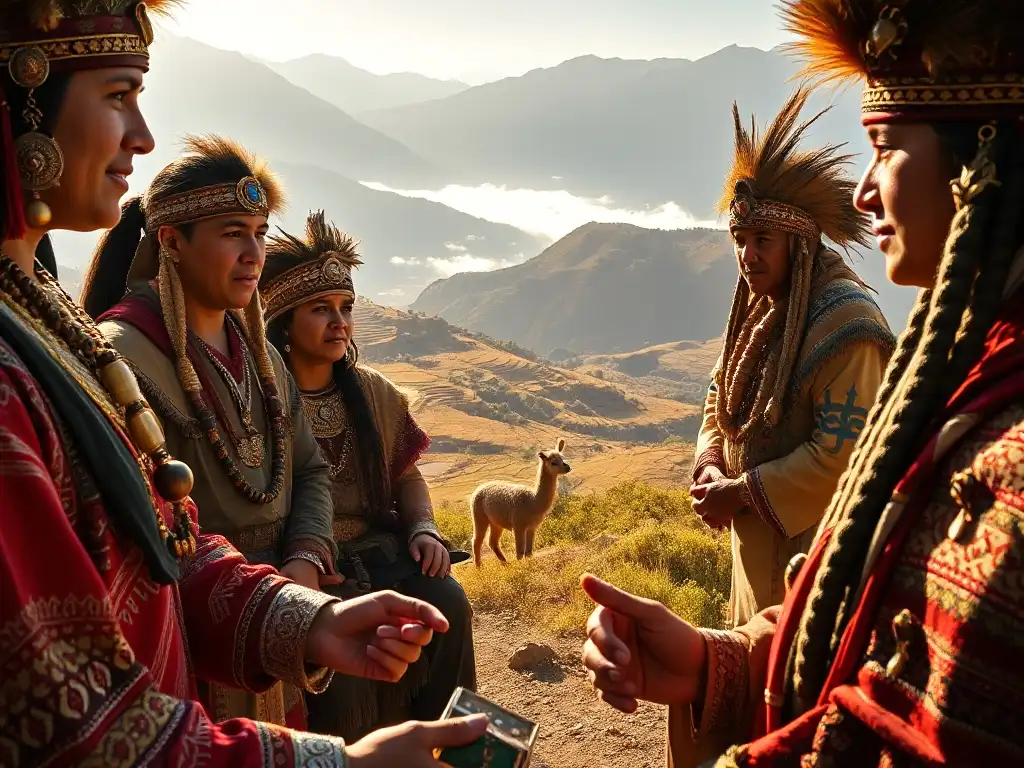
Unravel the mysteries of the Andes! Prepare to journey through millennia of fascinating cultures, from the intricate artistry of the Nazca to the awe-inspiring engineering of the Tiahuanaco. But first, delve into the intriguing world of Inca diplomacy strategies. How did this mighty empire, stretching across a vast and diverse landscape, maintain control and forge alliances? Discover the secrets behind their success—and their failures—in our exploration of Inca relations with neighboring peoples. The answers might surprise you… continue reading to find out more.
The Inca Empire, renowned for its impressive infrastructure and sophisticated social organization, achieved its vast territorial expansion through a complex interplay of military might and shrewd diplomatic strategies. While military conquest certainly played a role, a deeper examination reveals that Inca diplomacy, encompassing a nuanced understanding of alliances, tributary systems, and conflict resolution, was crucial to maintaining control over its expansive realm and ensuring the empire's stability. This article delves into the multifaceted nature of Inca diplomacy, exploring the strategies they employed to manage relationships with neighboring peoples, highlighting how these strategies contributed to both the growth and the ultimate fate of the empire.
We will examine how the Inca's understanding of political landscapes, their ability to forge alliances, and their methods of integrating conquered populations shaped their interactions with neighboring societies. Understanding Inca diplomacy offers valuable insights into the intricacies of power dynamics, political maneuvering, and the complexities of empire building in the Andes.
The successful implementation of these strategies, coupled with effective administrative systems, laid the foundation for the Inca's dominance and long-lasting impact on the region. This study will focus on the key elements of Inca diplomacy, providing a comprehensive analysis of their effective—and sometimes less effective—approaches to foreign relations.
Understanding Inca Political Strategies: Beyond Military Conquest
The Inca approach to expanding their empire transcended simple military conquest. While their armies were undoubtedly formidable, achieving and maintaining control over such a diverse and geographically challenging territory required a sophisticated understanding of political dynamics. The Inca leadership recognized that outright warfare, while effective in some cases, could be costly and destabilizing in the long run. Therefore, they developed a multifaceted approach that prioritized diplomacy and strategic alliances alongside military might.
This involved carefully assessing the political landscape, identifying potential allies and rivals, and employing various strategies to achieve their objectives. This nuanced approach allowed them to incorporate diverse populations into their empire, minimizing resistance and maximizing the benefits of their expanded territory. Key to this success was the Inca's ability to integrate conquered populations, offering incentives for cooperation and minimizing potential for rebellion. This integration involved not only economic measures, but also the strategic placement of Inca officials and the incorporation of local elites into the imperial administration.
The Inca understanding of the importance of integrating diverse populations into their empire is evidenced by the extensive road network that facilitated communication and trade throughout the vast empire. The effective use of this infrastructure greatly improved communication and trade between different regions and allowed for the swift response to any potential threat. The effective integration of diverse populations contributed significantly to the empire's stability and longevity.
The Role of Alliances and Tributary Systems in Inca Diplomacy
The Inca Empire skillfully utilized alliances and tributary systems to consolidate power and expand its influence. Alliances were formed with neighboring groups through strategic marriages, reciprocal gift-giving, and the promise of mutual protection. These alliances not only provided military support but also facilitated access to resources and trade routes. The establishment of tributary systems ensured a steady flow of goods and labor from conquered territories, further enriching the empire and strengthening its control.
The tributary system wasn't simply about extraction; it also functioned as a form of political integration, binding subject populations to the Inca through economic ties and obligations. The system was carefully calibrated to ensure a balance between extraction and the provision of necessary goods and services to maintain stability and minimize resistance. Evidence suggests that the Inca were quite adept at managing these systems, adjusting their demands based on the specific circumstances and resources of each tributary group.
This flexible approach helped to maintain a degree of cooperation, even amongst those who were technically under Inca rule. Detailed records of these exchanges, while unfortunately incomplete, suggest a sophisticated understanding of political economy and a pragmatic approach to managing diverse tributary relationships. [Specific information pending regarding the details of specific tributary agreements]
Managing Conflict and Maintaining Stability within the Inca Empire
Despite the efficacy of their diplomatic strategies, the Inca Empire faced numerous challenges in managing conflicts and maintaining stability. Internal rebellions, border skirmishes, and power struggles among local elites were recurring issues. The Inca addressed these challenges through a combination of military force, strategic relocation of populations, and the implementation of effective administrative systems. The swift deployment of troops to quell rebellions, coupled with the imposition of harsh penalties for disobedience, served as a deterrent to future uprisings.
However, the Inca also understood the importance of appeasement and reconciliation. Strategic marriages, the appointment of loyal officials, and the provision of economic incentives were all employed to restore order and integrate rebellious groups back into the empire. The implementation of a highly centralized administrative system, with a hierarchical structure of officials responsible for maintaining law and order, further contributed to the empire's stability.
This system ensured efficient communication and the swift response to conflicts, minimizing their impact on the broader empire. The Inca's ability to manage these conflicts, balancing force with diplomacy, was a key factor in their ability to maintain control over their vast territory for an extended period. [Specific examples of Inca conflict resolution strategies are needed here].
- Understanding Inca Political Strategies: Beyond Military Conquest
- The Role of Alliances and Tributary Systems in Inca Diplomacy
- Managing Conflict and Maintaining Stability within the Inca Empire
- What were the primary goals of Inca diplomacy?
- How did the Incas manage relationships with conquered populations?
- What role did marriage play in Inca diplomacy?
- What were some of the challenges the Incas faced in their diplomatic endeavors?
- How did Inca infrastructure support their diplomatic strategies?
The Foundations of Inca Diplomatic Practices
The Inca Empire's remarkable expansion across the Andes wasn't solely achieved through military might. Inca diplomacy strategies, a sophisticated system of negotiation, alliance-building, and conflict resolution, played a crucial role in securing and maintaining control over their vast territory. Understanding these strategies requires examining the core principles that underpinned Inca interactions with neighboring peoples. These principles, rooted in Inca worldview and social organization, shaped their approach to both peaceful relations and armed conflict.
The success of Inca diplomacy rested on a delicate balance between coercion and cooperation, carefully calibrated to achieve specific political and economic objectives. Effective diplomacy ensured the flow of resources, prevented costly wars, and fostered a degree of stability across the empire’s diverse regions. The empire's longevity, in part, was a testament to the effectiveness of these strategies.
The Role of Reciprocity in Inca Negotiations
Reciprocity, a cornerstone of Inca society, profoundly influenced their diplomatic interactions. The concept of ayni, the principle of mutual exchange and obligation, wasn't simply a social norm; it was a fundamental element of their political strategy. Negotiations with neighboring groups frequently involved reciprocal exchanges of goods, services, and even political concessions. An agreement wasn't merely a signed document; it was a continuing relationship based on mutual benefit and the expectation of ongoing exchange.
Failure to uphold one's end of the bargain could severely damage a relationship and potentially lead to conflict. For example, the Inca might offer agricultural assistance to a newly subjugated group in exchange for labor on Inca infrastructure projects, establishing a system of mutual dependence. This system fostered loyalty and minimized the risk of rebellion.
The intricate system of mita, the labor tax, itself served as a diplomatic tool, binding communities to the empire through a system of reciprocal obligations. The effectiveness of this system rested on a careful balance: sufficient benefits to encourage cooperation, yet enough control to prevent exploitation. Data on the specific goods exchanged during these negotiations is unfortunately scarce, but archaeological evidence suggests a wide range of items, including textiles, metals, food, and agricultural products, were used to solidify diplomatic agreements.
Gift-Giving and Trade as Tools of Inca Diplomacy
Gift-giving wasn't merely a social custom in Inca society; it was a powerful diplomatic instrument. Elaborate gifts, often including prestigious items like gold and silver ornaments, fine textiles, and exotic animals, were strategically deployed to cultivate relationships, consolidate alliances, and appease potential adversaries. These weren't simple acts of generosity; they were carefully calculated displays of power and influence, designed to impress and inspire loyalty. The value of a gift wasn't solely material; it also conveyed a symbolic message, asserting the Inca's authority and generosity.
The scale and nature of the gifts were often tailored to the specific context and the recipient's status. A small gift might be offered to a local leader to maintain amicable relations, while a more extravagant offering might accompany a formal alliance. Trade, too, played a vital role in Inca diplomacy. The empire's extensive road network facilitated the movement of goods, creating economic interdependence and strengthening alliances.
The control over trade routes provided the Inca with significant leverage in their diplomatic dealings. They could reward allies by granting access to valuable resources or penalize adversaries by restricting trade. This economic influence reinforced their political power, making Inca diplomacy a potent blend of political and economic strategies.
Establishing Alliances: The Importance of Marriage and Kinship
Marriage and kinship played a significant role in Inca diplomacy, functioning as powerful tools for alliance-building and consolidating power. The Inca elite strategically arranged marriages between Inca royalty and members of the ruling classes of conquered or allied groups. These unions forged powerful kinship ties, creating a network of loyalties that extended beyond geographical boundaries. This practice not only solidified alliances but also facilitated the integration of conquered populations into the empire.
By incorporating local elites into the Inca lineage through marriage, the Inca reduced the risk of rebellion and fostered a sense of shared identity. The children born from these unions often inherited positions of power within their own communities, ensuring the continued loyalty of their families to the Inca regime. Royal Inca women, in particular, played a crucial role in this diplomatic strategy, serving as key figures in maintaining alliances and fostering cooperation.
Unfortunately, precise details regarding the number and impact of these strategic marriages remain somewhat elusive due to limitations in surviving historical records. However, the available evidence strongly suggests the importance of kinship ties as a cornerstone of Inca diplomatic practices. Further research, particularly archaeological and anthropological studies, is needed to fully understand the extent and impact of these complex kinship networks.
Inca Conflict Resolution Methods
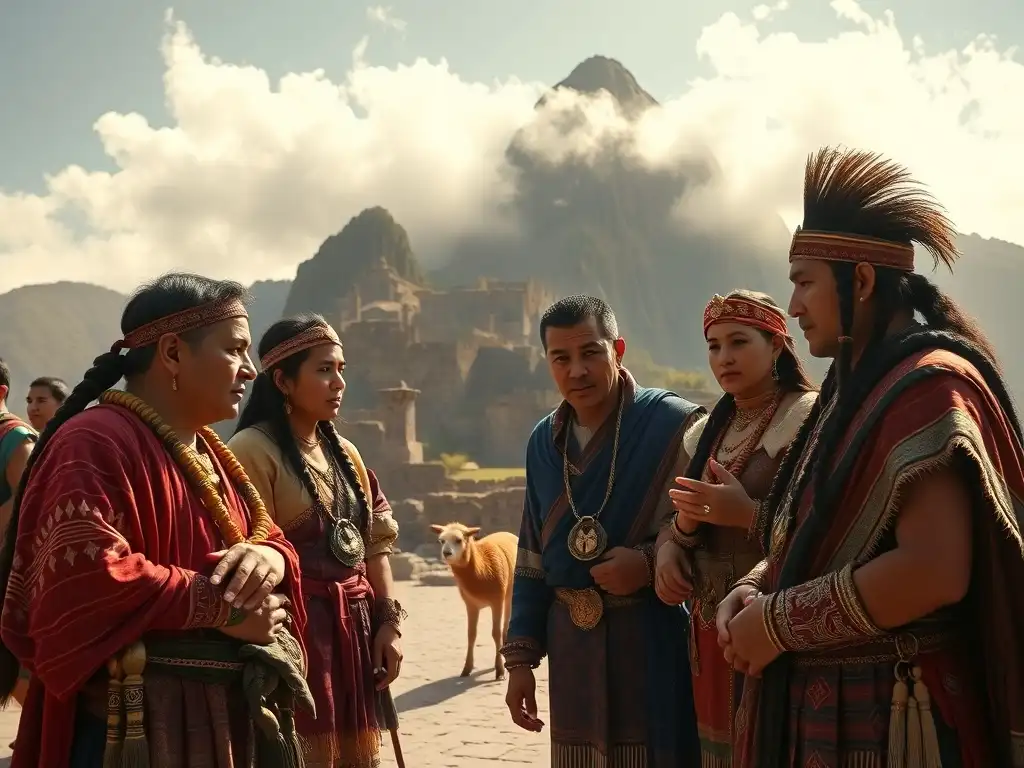
The Inca Empire, renowned for its vast territorial expanse and sophisticated administrative system, employed a nuanced approach to managing relations with neighboring groups. While military conquest certainly played a role in Inca expansion, a deeper examination reveals a sophisticated system of diplomacy and conflict resolution aimed at minimizing open warfare and maximizing long-term stability. Understanding Inca diplomacy strategies reveals a pragmatic approach that prioritized the incorporation of conquered peoples into the imperial structure.
This wasn't simply about brute force; it was a calculated strategy involving a complex interplay of negotiation, strategic alliances, and the judicious use of military might. The effectiveness of these "Inca diplomacy strategies" is evident in the empire's longevity and the relatively peaceful integration of diverse populations.
Negotiation and Mediation: Avoiding Open Warfare
Negotiation and mediation formed the cornerstone of Inca conflict resolution. Rather than immediately resorting to arms, Inca emissaries, often high-ranking officials or even members of the royal family, were dispatched to engage in diplomatic discussions with neighboring groups. These negotiations frequently involved elaborate rituals, gift-giving ceremonies, and the careful articulation of Inca demands and expectations. The emphasis was on establishing mutually beneficial relationships, often through trade agreements, intermarriage, and the sharing of resources.
Success in these negotiations frequently averted costly and disruptive warfare, allowing the Inca to expand their influence without resorting to large-scale military campaigns. For example, the Inca frequently offered advantageous trade deals, access to vital resources like llama wool or agricultural surpluses, in exchange for allegiance or tribute. This approach proved significantly more cost-effective than full-scale military conquest.
The Inca also played a crucial role in mediating disputes between other groups within their sphere of influence. By acting as a neutral arbiter, the Inca solidified their position as a powerful and respected force, further enhancing their prestige and authority. This strategy not only prevented conflicts from escalating but also fostered a sense of reliance on the Inca Empire, drawing neighboring groups into a web of political and economic dependence.
The effectiveness of this approach is evidenced by the relatively stable political landscape within the vast Inca Empire for a considerable period. Detailed records of these negotiations are unfortunately scarce, but archaeological evidence and accounts from Spanish chroniclers hint at the significance of this peaceful approach in Inca diplomacy strategies.
The Use of Force as a Last Resort: Inca Military Power
Despite the emphasis on negotiation and mediation, the Inca Empire possessed a formidable military capable of swift and decisive action. The Inca army was highly organized and well-equipped, with specialized units trained in different forms of warfare, including siege tactics and mountain combat. The use of force, however, was generally reserved for situations where diplomacy had failed or where immediate action was necessary to protect Inca interests.
The Inca military's effectiveness stemmed not only from its organization and training but also from its strategic deployment. Inca leaders understood the importance of psychological warfare, using displays of military might to intimidate potential adversaries and discourage rebellion. The sheer size and discipline of the Inca army often served as a powerful deterrent, minimizing the need for actual combat.
The Inca army's logistical capabilities were also noteworthy. Their mastery of the Andean terrain, coupled with sophisticated systems of road networks and supply lines, allowed them to rapidly deploy troops and supplies across vast distances. This logistical prowess was crucial in their ability to suppress rebellions or respond effectively to external threats.
While detailed casualty figures for specific Inca campaigns are largely unavailable, the sheer scale of the empire and its long-term stability suggest that Inca military power, while used judiciously, was highly effective in achieving their strategic objectives. The Inca's military victories were often followed by swift and efficient incorporation of the conquered populations into the imperial system.
Incorporating Conquered Peoples: Strategies for Integration
Following military conquest, the Inca implemented sophisticated strategies to integrate conquered peoples into the empire. These strategies went far beyond simple subjugation; they aimed at creating a cohesive and loyal population. Key to this process was the resettlement of conquered populations, often relocating groups to different parts of the empire to prevent rebellion and foster a sense of shared identity.
The Inca also implemented a system of tribute, requiring conquered groups to provide labor, goods, or resources to the empire. However, this tribute system was not arbitrary; it was carefully managed to avoid excessive burden and to ensure the continued economic prosperity of the conquered communities.
Furthermore, the Inca actively promoted the adoption of Inca culture and language, particularly Quechua, facilitating communication and integration throughout the empire. The construction of infrastructure, such as roads, temples, and irrigation systems, further strengthened the sense of unity and shared purpose. The Inca also strategically placed loyal officials and governors in conquered territories to oversee the integration process and prevent dissent.
This combination of resettlement, carefully managed tribute, cultural assimilation, and administrative oversight allowed the Inca to successfully integrate diverse populations into a remarkably unified empire. The success of these integration strategies is evidenced by the empire's impressive longevity and the relatively harmonious coexistence of numerous ethnic groups within its borders. Further research into the specific details of resettlement patterns and the administration of conquered territories would enrich our understanding of these sophisticated Inca diplomacy strategies.
Case Studies in Inca Diplomacy
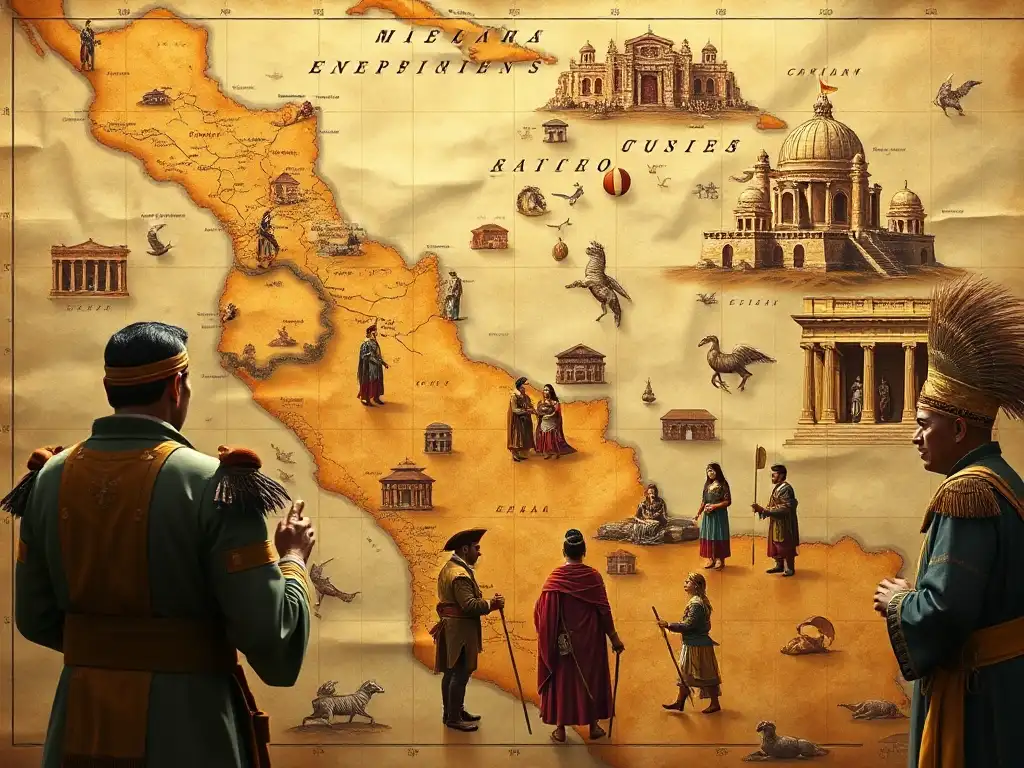
This section delves into specific examples of Inca diplomatic strategies, showcasing the nuanced approach the empire employed to manage its relationships with neighboring groups. The Inca weren't solely reliant on military might; their sophisticated diplomatic maneuvers were crucial in expanding and maintaining their vast empire. Examining these case studies reveals the multifaceted nature of Inca diplomacy and its effectiveness in achieving both short-term and long-term goals. Understanding these strategies provides crucial insights into the complexities of Inca governance and the factors that contributed to their remarkable success.
The Inca-Chimor Relations: A Blend of Conflict and Diplomacy
The relationship between the Inca and the Chimor, a powerful coastal civilization, exemplifies the complex interplay of conflict and diplomacy in Inca foreign policy. The Chimor, with their advanced irrigation systems and robust urban centers, presented a significant challenge to Inca expansion. Initial attempts at peaceful integration, a key element of Inca diplomacy strategies, likely involved diplomatic missions offering trade agreements and promises of mutual benefit. However, these overtures were met with resistance. Evidence suggests that the Chimor initially resisted Inca advances, leading to a period of armed conflict.
The Inca's military superiority eventually led to the Chimor's defeat. However, instead of complete annihilation, the Inca implemented a strategy of integration. This involved strategically placing Inca officials within Chimor administrative structures, a form of soft power diplomacy. The Inca also adopted certain aspects of Chimor culture and administration, demonstrating a flexible approach to integrating conquered peoples.
This assimilation process, while sometimes forceful, was often accompanied by efforts to maintain a semblance of local autonomy, minimizing resentment and fostering a degree of cooperation. The Inca understood that successful integration required more than just military dominance; it demanded a shrewd understanding of local customs and a willingness to compromise. This approach allowed for the smooth incorporation of Chimor territories and resources into the Inca empire, highlighting the effectiveness of their nuanced diplomatic strategies.
The Inca Expansion into the Amazon: Negotiating with Indigenous Groups
The Inca expansion into the Amazon rainforest reveals a different facet of their diplomatic strategies. Unlike the Chimor, the Amazonian populations were characterized by a greater diversity of ethnic groups, each with its unique social structures and political organizations. The Inca encountered formidable challenges in this region, including difficult terrain and diverse, often fiercely independent, indigenous groups. Military conquest alone proved impractical and unsustainable in such a challenging environment.
Inca diplomacy in the Amazon focused heavily on establishing alliances and fostering peaceful relations. This involved intricate negotiations, the exchange of gifts (often symbolic items with high cultural value), and the strategic placement of Inca officials to act as liaisons and mediators. The Inca likely utilized existing kinship networks and local power structures to their advantage, forging alliances with certain groups to gain access to resources and secure their position against others.
This approach, prioritizing negotiation and strategic alliances over outright conquest, reflects a pragmatic understanding of the limitations of military force in the Amazonian context. While limited evidence remains, archaeological findings suggest a network of strategically placed settlements and roadways, hinting at an ongoing effort to maintain contact and facilitate trade with diverse Amazonian communities. This highlights the adaptability of Inca diplomacy strategies tailored to the specific challenges of different regions.
Managing Border Disputes and Maintaining Regional Stability
Effective management of border disputes was crucial for maintaining the stability of the vast Inca empire. The empire's vastness meant that interactions with neighboring groups were inevitable, leading to occasional conflicts over resources, territory, or political influence. The Inca developed sophisticated mechanisms to address these disputes and minimize the risk of large-scale wars.
These mechanisms included a well-defined system of regional governors and officials responsible for managing relations with neighboring societies. These officials were often tasked with mediating disputes, negotiating treaties, and ensuring the smooth flow of trade. The Inca also utilized a system of tribute and alliances to maintain stability.
Neighboring groups were often incentivized to cooperate through the offer of protection or access to resources in exchange for loyalty and adherence to Inca authority. This system of carefully balanced incentives and carefully managed relationships was key to the empire's longevity. The Inca understood that regional stability was essential for internal economic prosperity and the prevention of costly conflicts.
Their sophisticated diplomatic strategies, focused on preventing escalations and promoting cooperation, contributed significantly to the empire's overall success and allowed for the long-term maintenance of a relatively peaceful and interconnected Andean region. The successful implementation of these strategies underscores the importance of diplomacy as a crucial component of Inca power and governance.
The Legacy of Inca Diplomacy
The Inca Empire's remarkable expansion and relatively long-lasting rule (1438-1533 CE) weren't solely due to military might. A sophisticated system of diplomacy, encompassing a range of strategies from strategic alliances to calculated coercion, played a crucial role in shaping the political landscape of the Andes. Understanding Inca diplomacy strategies reveals a nuanced approach to power, one that prioritized both conquest and integration. This section will delve into the lasting effects of Inca diplomatic practices, examining their influence on subsequent Andean societies and even offering insights relevant to modern diplomatic approaches.
Lessons from Inca Political Negotiation for Modern Diplomacy
Inca diplomacy, while operating within a vastly different context, offers valuable lessons for modern international relations. The Inca's emphasis on mit'a, the system of mandatory labor, was not only a tool for infrastructure development but also a form of political integration. By involving conquered populations in projects beneficial to the empire, the Inca fostered a sense of shared purpose and reduced the risk of rebellion. This mirrors modern strategies of development aid and capacity building, where investment in infrastructure and human capital can strengthen international ties.
Furthermore, the Inca's skillful use of huacas, sacred sites, in their diplomatic maneuvers demonstrates the enduring power of symbolic politics. Controlling or venerating important religious sites allowed the Inca to solidify their legitimacy and exert influence over conquered populations, manipulating religious beliefs to consolidate their rule. Modern diplomacy often employs similar tactics, leveraging shared cultural values or religious beliefs to build bridges and foster cooperation.
The Inca's use of marriage alliances, a classic diplomatic tool, also deserves examination. Strategic marriages between Inca royalty and members of elite families in conquered territories served to create bonds of kinship and loyalty, solidifying political control. This echoes modern diplomatic practices that utilize intermarriage to forge alliances and stabilize political relationships. However, unlike many modern examples, the Inca often used this as a tool to ensure control and loyalty rather than purely a symbolic gesture.
Influence on Andean Political Culture and Traditions
The impact of Inca diplomacy strategies extends far beyond the empire's lifespan. Many Andean societies that followed inherited aspects of the Inca system, adapting and modifying them to suit their own circumstances. The importance placed on reciprocal relationships and the strategic use of alliances remained common threads in Andean political culture. Even today, remnants of Inca diplomatic practices can be seen in the social structures and political dynamics of various Andean communities.
The Inca's emphasis on ayllu, the community-based social structure, continued to shape social organization in many Andean regions long after the empire's fall. The ayllu's emphasis on collective responsibility and mutual support subtly influenced diplomatic interactions, fostering a sense of community and shared interests even within competing groups. This legacy highlights the long-term impact of Inca governance and diplomacy on the social fabric of the region.
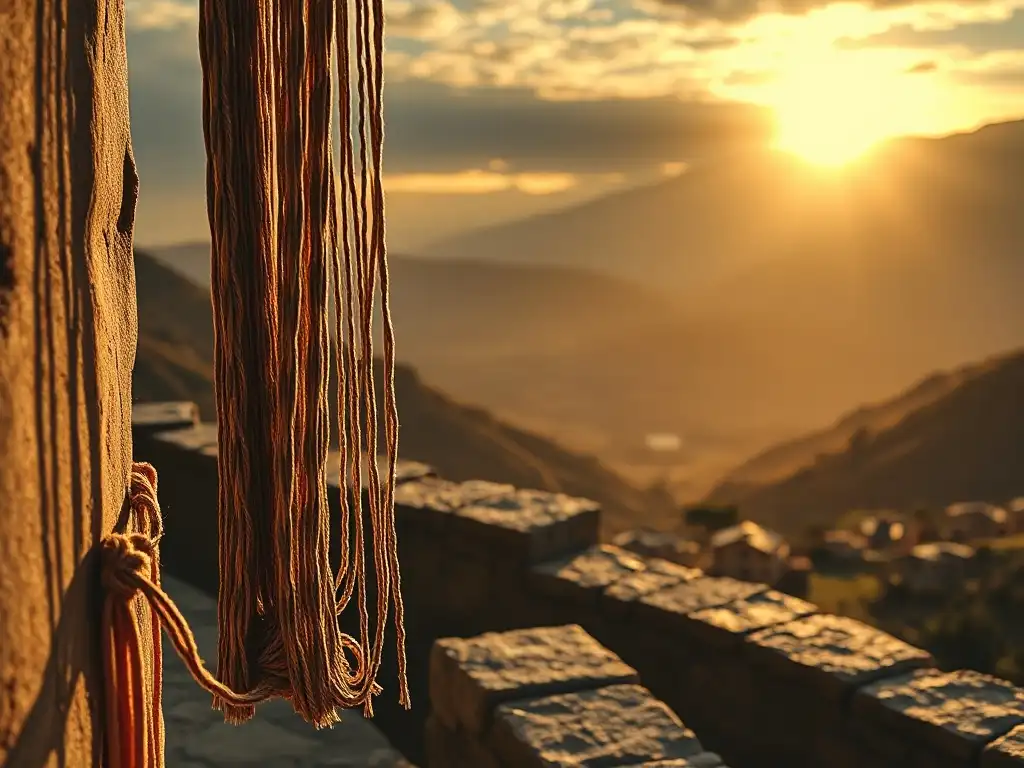
The intricate system of record-keeping and communication developed by the Inca, including the use of quipus (knotted cords), facilitated efficient administration and diplomatic communication. Although the exact nature of quipus information is still debated, their role in transmitting messages and coordinating activities across vast distances demonstrates the Inca’s understanding of the importance of effective communication in diplomacy. This sophisticated system contributed to the empire's successful management of its diverse territories and its enduring influence on later Andean civilizations.
The Enduring Impact of Inca Strategies on the Region
The legacy of Inca diplomacy strategies is evident in the enduring political structures and cultural practices of the Andes. The Inca's ability to integrate diverse populations and manage a vast empire through a combination of military power and skillful negotiation provides valuable insights into successful empire-building. Their strategies, while adapted and modified over time, continue to resonate in the region's political dynamics.
The emphasis on strategic alliances and the skillful use of symbolic power remain relevant in modern Andean politics. The enduring influence of Inca administrative practices, such as the mit'a system, though often transformed, can still be observed in various forms of community labor and collective action. Understanding Inca diplomacy strategies offers a unique lens through which to examine the long-term socio-political development of the Andean region and its enduring response to challenges of governance and integration.
The Inca's approach, a blend of coercion and cooperation, provides a complex case study in successful imperial administration which continues to fascinate and inform scholars today. Even the challenges the Inca faced, such as managing rebellion and maintaining control over vast distances, resonate with modern challenges faced by multinational organizations and governments. Their experiences highlight the ongoing relevance of understanding Inca diplomacy strategies in a contemporary context.
Frequently Asked Questions
What were the primary goals of Inca diplomacy?
Inca diplomacy primarily aimed to expand the empire's influence and territory through a combination of alliances, coercion, and incorporation of conquered peoples. This involved establishing political and economic control over vast regions.
How did the Incas manage relationships with conquered populations?
The Incas employed a strategy of integration and assimilation, offering privileges and opportunities to local elites who pledged loyalty. Resistance was met with force, but the goal was often to incorporate conquered peoples into the empire's structure.
What role did marriage play in Inca diplomacy?
Strategic marriages between Inca royalty and members of allied or conquered groups were crucial. These unions solidified alliances, fostered loyalty, and established dynastic ties that strengthened the empire's control.
What were some of the challenges the Incas faced in their diplomatic endeavors?
Maintaining control over a vast and diverse empire presented significant challenges. Rebellions and conflicts were common, and the Incas had to constantly adapt their strategies to deal with different cultural and political landscapes.
How did Inca infrastructure support their diplomatic strategies?
The extensive road network facilitated communication and the rapid movement of troops and officials, crucial for maintaining control and responding quickly to threats or rebellions across the empire. This infrastructure underpinned their diplomatic efforts.
Final Reflection: The Enduring Legacy of Inca Diplomacy
The sophisticated strategies employed by the Inca Empire to manage its vast and diverse network of alliances and conflicts remain remarkably relevant today. Understanding their approach offers crucial insights into effective conflict resolution, strategic partnership building, and the enduring power of cultural exchange, even in the face of significant power imbalances. The Inca's success wasn't solely based on military might; it was a testament to their shrewd diplomatic maneuvering.
The Inca's legacy continues to resonate in contemporary international relations, reminding us of the importance of cultural sensitivity and the long-term benefits of fostering mutually beneficial relationships. Their ability to integrate conquered peoples through a combination of coercion and accommodation offers a complex case study in power dynamics and social engineering. The Inca Empire was not built solely on conquest, but on a complex web of alliances, assimilation, and strategic manipulation.
This quote highlights the nuanced approach the Inca took, a lesson often overlooked in discussions of imperial expansion.
Consider the implications of Inca diplomacy for your own life. How can you apply the principles of strategic alliance-building, cultural understanding, and effective communication to navigate your own personal and professional relationships? Embrace the challenge of understanding diverse perspectives, and strive to build bridges rather than walls. The enduring legacy of the Inca Empire isn't just a historical curiosity; it's a powerful toolkit for navigating the complexities of the modern world.
**Unleash Your Inner Diplomat: Take Action Today! **
Thank you for exploring the fascinating world of Inca diplomacy with us! Your interest in how alliances and conflicts shaped Andean civilizations demonstrates a keen understanding of history's rich tapestry. Let's build on this momentum with some concrete steps.
- **Expand your knowledge:** Learn more about the diplomatic strategies employed by other ancient civilizations. Explore related articles to discover how they managed alliances and conflicts.
- **Share your discovery:** Spread the word! Share this article with friends and on social media. Encourage others to explore the captivating world of Inca diplomacy.
- **Join the discussion:** Participate in our upcoming webinar for a deeper dive into Inca diplomacy. This is your chance to ask questions and engage with experts.
What aspect of Inca diplomacy most captivates you, and how might these historical strategies inform our understanding of modern alliances?