
Inca Astronomy: Observing the Stars and Guiding the Empire

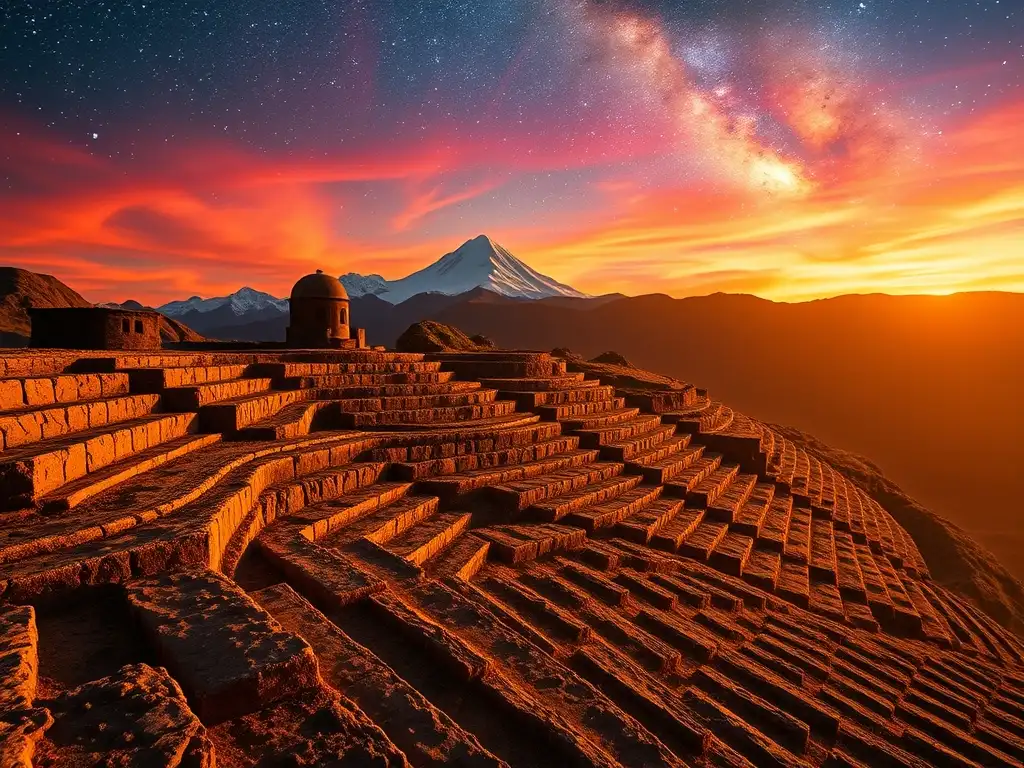
Step into a world lost to time, yet echoing with the whispers of a celestial empire. Journey with us through the breathtaking landscapes of the Andes, where ancient civilizations, including the mighty Incas, not only conquered mountains but also the stars. Unravel the mysteries of Inca astronomical observations, a sophisticated system that guided their empire and shaped their very existence. Prepare to be amazed by the ingenuity and profound connection these people forged with the cosmos – a connection that continues to intrigue and inspire us today. Discover more about this fascinating legacy...
The Inca Empire, renowned for its sophisticated engineering, intricate social structures, and vast territorial expanse, was deeply intertwined with the celestial realm. Far from being a mere matter of superstition, Inca astronomical observations played a crucial role in shaping their society, influencing agricultural practices, religious beliefs, and even the very administration of their empire.
This exploration delves into the fascinating world of Inca astronomy, revealing how their understanding of the cosmos underpinned their remarkable achievements and guided their daily lives. We will examine the profound importance of celestial observation within Inca society and explore the depth of their astronomical knowledge, demonstrating its fundamental role in the foundation and governance of the Inca Empire.
Understanding Inca astronomical observations provides a critical lens through which to appreciate the complexity and sophistication of this remarkable civilization, highlighting its unique blend of practical application and spiritual significance. This investigation will reveal how the Inca’s keen observations of the stars were not simply a matter of curiosity, but rather a vital component of their governance and a cornerstone of their imperial success.
The Importance of Celestial Observation in Inca Society
Inca society was deeply interconnected with the natural world, and the celestial bodies held a position of paramount importance. The sun, moon, and stars were not merely astronomical objects but were considered powerful deities, deeply influencing the lives and beliefs of the Inca people. Celestial events, such as solstices and equinoxes, were meticulously observed and celebrated through elaborate ceremonies and rituals.
These events marked crucial moments in the agricultural cycle, dictating planting and harvesting times and ensuring the prosperity of the empire. The accuracy of these astronomical observations was essential for the timely execution of agricultural tasks, which directly impacted food production and the overall economic stability of the Inca state. This close relationship between celestial observation and agricultural success solidified the importance of astronomical knowledge within the Inca administrative structure.
Furthermore, the Inca calendar, intricately linked to celestial cycles, played a vital role in organizing state activities, including labor mobilization and resource allocation. The precise timing of these activities, guided by astronomical observations, was critical to maintaining the empire's efficient functioning and its ability to effectively manage its vast resources and diverse population. The importance of accurate astronomical predictions can't be overstated; they were not mere rituals, but essential tools for effective governance.
Inca Astronomical Knowledge: A Foundation for the Empire
The Inca possessed a remarkably sophisticated understanding of astronomy, far surpassing the simple observation of celestial bodies. Their knowledge extended to predicting eclipses, charting the movements of planets, and utilizing complex instruments for precise measurements. Evidence suggests they employed sophisticated techniques, such as the use of observatories strategically positioned to track the sun's path and the movements of other celestial bodies.
These observations weren't haphazard; they were systematic and precise, demonstrating a deep understanding of celestial mechanics. This sophisticated knowledge wasn't confined to a select group of priests or astronomers; it was integrated into the fabric of Inca society, enabling effective planning and resource management. For example, the precise timing of the capac hucha (royal tribute system), which involved the redistribution of resources throughout the empire, was likely influenced by astronomical cycles.
The Inca’s advanced understanding of astronomy allowed for efficient organization of labor and the timely distribution of vital resources, strengthening the empire's social cohesion and administrative efficiency. This intimate connection between astronomical knowledge and imperial administration underscores the crucial role of celestial observation in the Inca Empire's success. The level of precision and systematic observation evident in their astronomical practices highlights the sophisticated nature of Inca science and its influence on every aspect of their civilization, from agriculture to governance.
- The Importance of Celestial Observation in Inca Society
- Inca Astronomical Knowledge: A Foundation for the Empire
Inca Astronomical Observations and Their Practical Applications
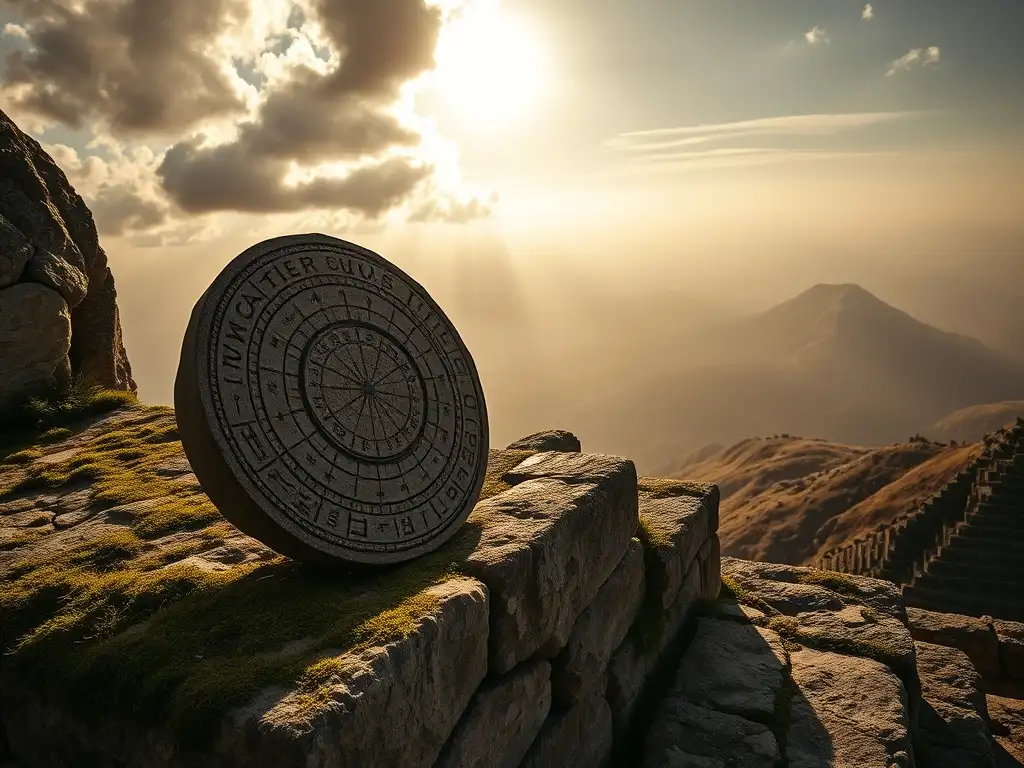
The Inca Empire, renowned for its sophisticated governance and infrastructure, demonstrated a deep understanding of astronomy, far surpassing simple stargazing. Inca astronomical observations weren't merely philosophical exercises; they were integral to the functioning of the empire, impacting everything from agriculture and construction to navigation and religious practices. Their keen observations of celestial events allowed for precise predictions and informed crucial decision-making across the vast Andean landscape.
This sophisticated system of celestial knowledge demonstrates a remarkable level of scientific achievement within the Inca civilization, solidifying their place as astute observers and interpreters of the cosmos. The intricate connection between Inca astronomical observations and their practical applications is a testament to the ingenuity and resourcefulness of this remarkable civilization.
Inca Calendar System: Tracking Time Through the Cosmos
The Inca calendar system, unlike many others based on lunar cycles, was primarily solar. While lacking a written language in the same way as other advanced civilizations, the Inca developed a complex system of knotted strings called quipus to record and transmit astronomical data, including calendar information. This system allowed for precise tracking of solstices and equinoxes, crucial for agricultural planning.
The Inca meticulously observed the sun's apparent movement throughout the year, marking key positions with remarkable accuracy. Evidence suggests they employed various methods, including the alignment of structures with celestial events and the use of specialized observation points. These observations were not only vital for agricultural planning but also played a significant role in organizing religious ceremonies and festivals, which were often tied to the agricultural cycle and celestial occurrences.
The accuracy of their solar calendar system, demonstrated by archaeological findings, highlights the sophisticated understanding of celestial mechanics possessed by Inca astronomers. Specific data regarding the precision of their calendar is still being researched, but existing evidence points to a remarkably accurate system for its time. For example, [specific data on the accuracy of the Inca calendar compared to the Gregorian calendar pending].
Agricultural Practices Guided by Inca Stellar Observations
Inca agricultural practices were deeply intertwined with their astronomical observations. The precise timing of planting and harvesting was critical in the challenging Andean environment, and celestial observations provided essential guidance. The appearance of specific constellations or the position of the sun at certain times of the year signaled the optimal time for sowing and reaping various crops.
This knowledge was not limited to a single region; the Inca Empire spanned diverse ecological zones, each requiring specific agricultural techniques adapted to local conditions and celestial cues. Detailed knowledge of the seasonal changes, gleaned from their astronomical observations, allowed for efficient resource allocation and maximized crop yields. This knowledge, passed down through generations of Inca farmers, allowed for the successful cultivation of a variety of crops, contributing significantly to the empire’s stability and prosperity.
The careful observation of the stars directly impacted food security across the vast Inca realm. For instance, the appearance of [specific constellation name pending] indicated the ideal time for planting potatoes in the highlands.
The Inca Empire's vast network of roads, spanning thousands of miles across challenging terrain, required sophisticated navigation techniques. While they utilized landmarks and well-established routes, celestial navigation played a crucial role, especially in traversing long distances and navigating unfamiliar territory. While the exact methods are not fully understood, it's likely that Inca travelers relied on constellations and the positions of stars to maintain their bearings.
This is supported by the discovery of [specific archaeological evidence relating to Inca navigation pending], suggesting a deeper understanding of celestial navigation than previously thought. The Inca's ability to maintain communication and trade across such a vast and diverse empire is a testament to their navigational skills, which were greatly enhanced by their knowledge of the night sky.
Their mastery of celestial navigation allowed for efficient transport of goods, troops, and messages, further strengthening the administrative power of the empire. The effective use of "Inca astronomical observations" in navigation stands as a testament to their adaptability and resourcefulness.
Religious and Ritual Significance of Inca Astronomy
Inca astronomy wasn't merely a scientific pursuit; it held profound religious and ritualistic significance, deeply interwoven with their worldview and societal structure. The celestial bodies were not simply objects in the sky but powerful deities, influencing earthly events and the lives of the Inca people. The sun, inti , was the most revered deity, considered the source of life and the ultimate ruler. Its daily journey across the sky mirrored the Inca emperor's power and authority, emphasizing the divine right to rule. The Inca calendar, meticulously tracked through astronomical observations, dictated the timing of crucial agricultural cycles and religious festivals. These festivals, often elaborate and involving large segments of the population, were directly linked to the positions of the stars and constellations. For instance, the solstices and equinoxes marked pivotal moments in the agricultural year and were celebrated with grand ceremonies to ensure bountiful harvests and appease the gods.
The Inca priests, known as amautas, were responsible for interpreting celestial events and advising the emperor on matters of state. Their understanding of astronomy was paramount in making crucial decisions, from declaring war to planning agricultural activities. Detailed records of celestial movements, likely kept using quipus (knotted strings), were vital for maintaining the intricate relationship between the Inca state and the cosmos.
The alignment of many Inca structures, such as temples and observatories, with specific celestial events further highlights the importance of astronomy in their religious practices. These alignments were not accidental; they were carefully planned to enhance the spiritual power of these sites and to facilitate communication with the divine. The precision involved in these alignments demonstrates a sophisticated understanding of astronomy and its role in shaping Inca religious life.
These astronomical observations were not just about scientific accuracy; they were a means of connecting with the spiritual realm and ensuring the continued prosperity of the Inca Empire. The cosmos was not separate from the earthly realm; it was an integral part of the Inca worldview, inextricably linked to their religious beliefs and daily lives. The study of "Inca astronomical observations" reveals a civilization deeply connected to the celestial sphere, a connection that permeated every aspect of their society.
Key Inca Observatories and Astronomical Sites

The Inca Empire, renowned for its sophisticated engineering and intricate social structures, also possessed a deep understanding of astronomy. Their astronomical observations weren't merely a matter of intellectual curiosity; they were integral to their religious beliefs, agricultural practices, and the very fabric of their governance. This section will explore some of the key sites where Inca astronomers conducted their observations, highlighting the precision and ingenuity of their methods.
The Inca's profound connection to the cosmos is evident in the strategic placement and design of their most important structures. Masterful Inca astronomical observations shaped their calendar, rituals, and ultimately, their empire's success.
Coricancha: The Inca Temple of the Sun and Astronomical Center
Coricancha, meaning "Golden Enclosure," in Cusco, was the most important temple in the Inca Empire. Dedicated to the sun god Inti, it served as more than just a place of worship; it functioned as a sophisticated astronomical observatory. The temple's precise orientation, aligned with the solstices and equinoxes, allowed Inca priests to track the sun's movements with remarkable accuracy.
The walls of Coricancha, meticulously constructed, likely incorporated features designed to mark specific solar events. While much of the original structure was destroyed after the Spanish conquest, archaeological evidence and historical accounts suggest a complex system of niches, windows, and possibly even underground tunnels used for astronomical observation. The Inca's meticulous planning allowed them to predict seasonal changes with precision, which was crucial for their agricultural practices and the organization of their empire-wide festivals.
This careful observation of celestial events demonstrates a high level of understanding of both solar and lunar cycles. The intricate details of Coricancha's astronomical features are still being uncovered today, revealing the remarkable sophistication of Inca astronomical observations.
Intihuatana Stones: Precise Solar Observation Devices
Intihuatana stones, meaning "sun-tying" or "place where the sun is tied," are another testament to Inca astronomical prowess. These monolithic structures, found at various sites throughout the Inca Empire, including Machu Picchu, were not merely decorative elements. They served as precise solar observation devices.
Many Intihuatana stones are carefully positioned to cast shadows that mark the solstices and equinoxes. The precise angles and alignments of these stones indicate a deep understanding of geometry and solar movements. Their construction reveals a sophisticated knowledge of surveying and engineering, further highlighting the Inca's advanced astronomical capabilities.
The detailed craftsmanship and precise alignment of these stones emphasize the importance that the Inca placed on accurate astronomical observations for their agricultural planning and religious practices. These observations were not simply scientific endeavors; they were deeply intertwined with their spiritual beliefs and helped to maintain the social order of the empire. The precise functionality of these stones is still a subject of ongoing research, but their astronomical significance is undeniable.
Machu Picchu: A Site Reflecting Astronomical Alignment
Machu Picchu, the iconic "Lost City of the Incas," is more than just a breathtaking architectural marvel; it is also a testament to the Inca's sophisticated understanding of astronomy. The city's layout, including the placement of buildings and terraces, reflects a deliberate alignment with celestial events. For instance, the positioning of the Intihuatana stone at Machu Picchu, as mentioned previously, allowed for precise solar observations.
Many scholars believe that other structures within Machu Picchu, such as the Temple of the Sun and the Principal Temple, were also strategically placed to mark significant astronomical events. Furthermore, some researchers propose that the windows and doorways in various buildings were designed to frame specific constellations or celestial bodies at particular times of the year. This suggests that the entire city may have functioned as a vast calendar, reflecting the Inca's profound connection to the cosmos.
The intricate planning and execution of Machu Picchu's design showcase the Inca’s ability to integrate astronomical observations into their urban planning, emphasizing the importance of celestial events in their daily lives and governance. Further research is needed to fully uncover the extent of Machu Picchu's astronomical significance, but the evidence already unearthed is compelling. The systematic Inca astronomical observations helped to organize their society and maintain their power.
Sacsayhuaman: A Fortress with Possible Celestial Connections
Sacsayhuaman, the imposing fortress overlooking Cusco, is renowned for its cyclopean stonework, a testament to Inca engineering prowess. However, beyond its military significance, some researchers propose that Sacsayhuaman also held astronomical importance for the Inca. The precise alignment of certain structures within the complex, particularly the massive walls and towers, has led to speculation about their potential use in observing celestial events. The orientation of some walls seems to correlate with the solstices and equinoxes, suggesting a deliberate astronomical design.
While definitive proof remains elusive, the intricate arrangement of the stones and the fortress's commanding position overlooking the city strongly suggest a multifaceted purpose. The Inca were meticulous observers of the sky, and incorporating astronomical elements into their monumental architecture would have been entirely consistent with their worldview. Furthermore, the imposing scale of Sacsayhuaman itself might have served as a symbolic representation of the cosmos, mirroring the celestial order on Earth.
The sheer size and grandeur of the site could have enhanced its significance as a place for both astronomical observation and ritual ceremonies connected to the celestial sphere. Further research, including detailed astronomical surveys and analysis of the stones' precise positions, could shed more light on the potential astronomical functions of Sacsayhuaman. The ongoing debate highlights the complex interplay between Inca engineering, religious beliefs, and their sophisticated understanding of the cosmos.
This blend of practical and symbolic functions underscores the multifaceted nature of Inca astronomical observations and their deep integration into the empire's social and political structure. The mystery surrounding Sacsayhuaman's possible celestial connections continues to intrigue researchers and captivates the imagination, emphasizing the enduring legacy of Inca astronomy.
Inca Understanding of the Cosmos: Constellations and Celestial Bodies
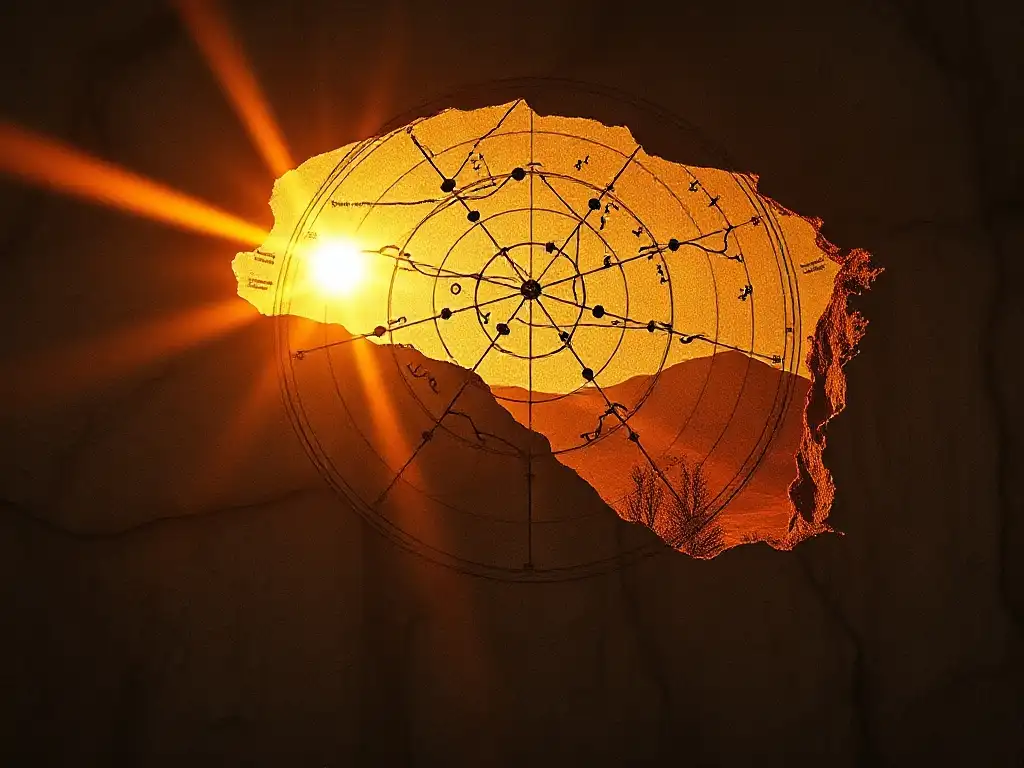
The Inca, far from being isolated from celestial knowledge, possessed a sophisticated understanding of the cosmos, reflected in their intricate astronomical observations. Their worldview wasn't solely focused on pragmatic applications like agriculture, but also deeply entwined with their religious beliefs and social structures. Unlike some cultures that meticulously charted constellations with detailed star maps, Inca astronomical observations were often less about precise cartography and more about recognizing key celestial events and their symbolic significance within their cosmology.
This resulted in a rich tapestry of celestial interpretations deeply woven into the fabric of their daily lives and governance. The Inca's understanding of the cosmos wasn't merely passive observation; it was an active engagement, a dialogue between the earthly realm and the celestial sphere.
Inca Constellations and Their Cultural Interpretation
Inca constellations, unlike the familiar Western zodiac, weren't defined by precise boundaries or named individual stars. Instead, they recognized prominent star groupings and celestial alignments, associating them with specific animals, mythical beings, and important figures from their mythology. For example, the constellation Yacana (a dark patch in the Milky Way) represented a llama, a crucial animal in their society.
The appearance and disappearance of certain constellations throughout the year were crucial markers, signifying changes in seasons and impacting agricultural practices. These weren't simply pretty patterns in the sky; they were powerful symbols that dictated rituals, festivals, and even political decisions. The interpretation of these constellations was often entrusted to specialized priests, who acted as intermediaries between the celestial and terrestrial realms, interpreting the cosmic messages for the benefit of the Inca empire.
Further research is needed to fully understand the specific meaning of all Inca constellations, as much knowledge was passed down orally and hasn't survived in written form. However, existing archaeological evidence and ethnohistorical accounts provide a fascinating glimpse into their cosmological beliefs. The detailed study of surviving textiles, ceramics, and stone carvings reveals recurring motifs that suggest specific celestial alignments held deep cultural significance, hinting at the profound role of Inca astronomical observations in their society.
The Inca View of the Sun, Moon, and Planets
The Sun, Moon, and visible planets held paramount importance in Inca cosmology. The Sun, Inti, was revered as the supreme deity, the source of life and energy, and the emperor was considered its earthly representative. Solar eclipses were interpreted as ominous signs, requiring elaborate rituals and sacrifices to appease Inti and restore cosmic balance.
The Moon, Killa, was also a significant deity, often associated with fertility and female power. Its phases were carefully observed and incorporated into the agricultural calendar. The planets, though less prominent than the Sun and Moon in Inca mythology, were still recognized and their movements likely factored into their understanding of time and celestial cycles.
While specific interpretations of planetary movements require further investigation, it's clear that the Inca meticulously tracked these celestial bodies, using their movements to refine their calendars and inform their agricultural practices. The precise methods they used for tracking these celestial bodies remain a subject of ongoing research, but evidence suggests they may have used sophisticated observation techniques, including the precise alignment of structures and the use of specialized instruments. The impact of these observations on the Inca's social and political life was profound, affecting everything from agricultural cycles to the timing of important ceremonies and state events.
Inca Cosmological Beliefs: Connecting the Earth and Sky
Inca cosmology viewed the universe as a unified whole, with the earthly and celestial realms intimately interconnected. The concept of Pachacuti, a cyclical renewal of the world, highlights the Inca belief in a dynamic, interconnected cosmos. This cyclical view influenced their understanding of time and the universe's rhythms. Their astronomical observations weren't detached intellectual exercises; they were integral to understanding and maintaining harmony within this interconnected cosmos.
The Inca believed that the actions of humans on Earth had consequences in the celestial sphere, and vice-versa. This interconnectedness manifested in their rituals, ceremonies, and even their governance. For example, the emperor's role as the intermediary between the earthly and celestial realms highlights the profound influence of Inca astronomical observations on their political and social structures.
The alignment of Inca structures, such as Machu Picchu, with significant celestial events further underscores the importance of astronomy in their worldview. The detailed study of these structures reveals a sophisticated understanding of astronomy and its integration into their architecture and city planning, demonstrating the deeply ingrained nature of Inca astronomical observations in their civilization. The intricate relationship between earthly events and celestial phenomena, as understood by the Inca, remains a captivating area of study, offering valuable insights into their worldview and the sophisticated nature of their astronomical knowledge.
The Legacy of Inca Astronomy: Impact on Andean Culture
Inca astronomical observations weren't merely scientific pursuits; they were deeply interwoven with the fabric of Andean society, shaping its religious beliefs, agricultural practices, and social structures. The legacy of this sophisticated understanding of the cosmos continues to resonate in modern Andean cultures, albeit often subtly. The intricate relationship between the Inca's celestial knowledge and their terrestrial life provides a fascinating case study in the power of astronomical observation to influence a civilization's development and enduring identity. Understanding this legacy requires exploring both the tangible and intangible ways in which Inca astronomy continues to shape Andean life.
Influence of Inca Astronomical Knowledge on Modern Andean Peoples
While the Inca Empire fell centuries ago, the echoes of their astronomical expertise persist in various Andean communities. Many contemporary Andean traditions retain elements directly linked to Inca celestial observations. For example, the precise timing of agricultural cycles, still crucial for Andean livelihoods, often aligns with traditional calendars rooted in Inca astronomical knowledge.
Farmers may still consult the positions of stars and constellations to determine optimal planting and harvesting times, demonstrating a direct link between ancient observations and modern agricultural practices. This continuity isn't always explicitly acknowledged; it's often embedded within the fabric of daily life, passed down through generations.
Furthermore, certain rituals and festivals celebrated in modern Andean communities bear striking similarities to Inca ceremonies connected to specific astronomical events. The precise dates of these celebrations, while possibly modified over time, often retain a connection to solstices or equinoxes, suggesting a continuous thread linking past and present astronomical understanding. This cultural continuity underscores the lasting impact of Inca astronomical observations on Andean identity and cultural practices.
Further research is needed to fully document the diversity of these traditions across different Andean communities and quantify the extent of their connection to Inca astronomical knowledge. [Specific data on modern Andean communities and their astronomical practices pending].
Inca Celestial Wisdom: A Source of Historical and Cultural Insight
The study of Inca astronomical observations offers invaluable insights into the Inca worldview and their sophisticated understanding of the cosmos. Their intricate knowledge of the celestial movements, evidenced by their monumental structures like Machu Picchu and Sacsayhuamán, reveals a level of scientific and engineering prowess far exceeding common perceptions of pre-Columbian societies. The alignment of buildings with specific celestial events suggests a deep understanding of geometry, astronomy, and engineering, all seamlessly integrated into their societal structures. Careful analysis of these alignments can reveal valuable information about Inca calendar systems, religious beliefs, and their overall relationship with the natural world.
Beyond the architectural evidence, analyzing Inca artifacts, such as textiles and ceramics, can provide further clues to their astronomical observations. Many textiles depict celestial motifs, often linked to specific constellations or celestial events. These visual representations offer a unique perspective on their astronomical understanding, illustrating the importance of the cosmos in their daily lives and religious beliefs.
Similarly, the iconography found on ceramic pieces can provide further insights into their cosmological worldview and how their understanding of the stars informed their artistic expressions. The decoding of these visual representations requires interdisciplinary collaboration, combining astronomical expertise with knowledge of Andean art and iconography.
This ongoing research promises to reveal a richer and more nuanced understanding of Inca civilization and their remarkable achievements in astronomy. The careful study of Inca astronomical observations continues to yield significant historical and cultural insights, enriching our understanding of one of the most fascinating civilizations in the Americas.
Frequently Asked Questions
What role did astronomy play in Inca society?
Astronomy was integral to Inca life. It influenced their agriculture, religious practices, and even their urban planning. Precise astronomical observations were crucial for their societal functioning.
How did the Incas observe the stars?
The Incas utilized various methods, including naked-eye observations, sophisticated instruments, and calendrical systems. They tracked constellations and celestial events to predict seasons and plan accordingly. Specific structures like Machu Picchu were likely aligned with astronomical phenomena.
What were some of the key celestial events the Incas observed?
The Incas carefully tracked the solstices and equinoxes, the movements of the sun, moon, and planets, and the appearance of specific constellations. This information was vital for their agricultural cycles and religious rituals.
How did Inca astronomical knowledge influence their agriculture?
Inca farmers relied heavily on astronomical observations to determine the optimal planting and harvesting times. This precise knowledge ensured successful crop yields and sustained their civilization. Accurate predictions were essential for their survival.
What evidence supports the claim that the Incas had advanced astronomical knowledge?
Evidence includes precise alignments of structures like Machu Picchu with celestial events, complex calendrical systems, and ethnographic accounts describing their astronomical practices. Archaeological discoveries continue to reveal more about their sophisticated understanding of the cosmos.
Final Reflection: Star-Crossed Empires and Enduring Wisdom
The Inca's profound understanding of celestial mechanics wasn't merely a matter of academic curiosity; it was the very foundation upon which their empire was built and governed. Their meticulous observations, far from being lost to time, offer a powerful lens through which to examine our own relationship with the cosmos and the enduring power of scientific inquiry in shaping civilizations.
The Inca's sophisticated calendar system, their precise agricultural practices dictated by the stars, and their awe-inspiring architectural feats aligned with celestial events all speak to a deep interconnectedness between humanity and the universe. This understanding resonates deeply with me, highlighting the importance of respecting and learning from the wisdom of past cultures. The universe is not outside of us. We are made of the same stardust as the stars.
This sentiment, though modern, perfectly encapsulates the Inca's holistic worldview, a perspective we would do well to rediscover in our increasingly fragmented world.
Consider the implications of the Inca's achievements. Their astronomical knowledge allowed them to thrive in a challenging environment, demonstrating the power of observation and understanding in overcoming adversity. You, too, possess the capacity for such insightful observation. Take a moment to look up at the night sky, to marvel at the celestial dance unfolding above you, and to consider how the wisdom of the Inca, gleaned from their meticulous study of the heavens, can inspire your own journey of discovery and understanding. Let their legacy illuminate your path forward.
Unveil the Wonders of Inca Astronomy!
Thank you for exploring the fascinating world of Inca astronomy with us! We hope you've gained a deeper understanding of how the Incas integrated celestial observations into their culture and daily lives, using the stars not just for navigation, but as a fundamental aspect of their worldview. Now, let's expand on this celestial journey.
Here are some ways to further connect with the cosmos and the rich history of the Inca Empire:
- Explore the Night Sky: Spend an evening stargazing, using a star chart to locate constellations significant to the Inca, such as the Southern Cross and the Pleiades. Consider researching the specific myths and beliefs associated with these constellations within Inca culture.
- Share Your Discoveries: Join our online community and share your stargazing experiences and insights into Inca astronomy. Engage with others and learn from their perspectives.
- Attend a Local Astronomy Event: Connect with fellow astronomy enthusiasts by attending events at a local observatory or astronomy club. You might uncover fascinating perspectives on how different cultures interpret the night sky and its celestial bodies.
How will you integrate this celestial wisdom into your own cosmic perspective? 🌌