
Inca Environmental Practices: Sustainable Resource Management

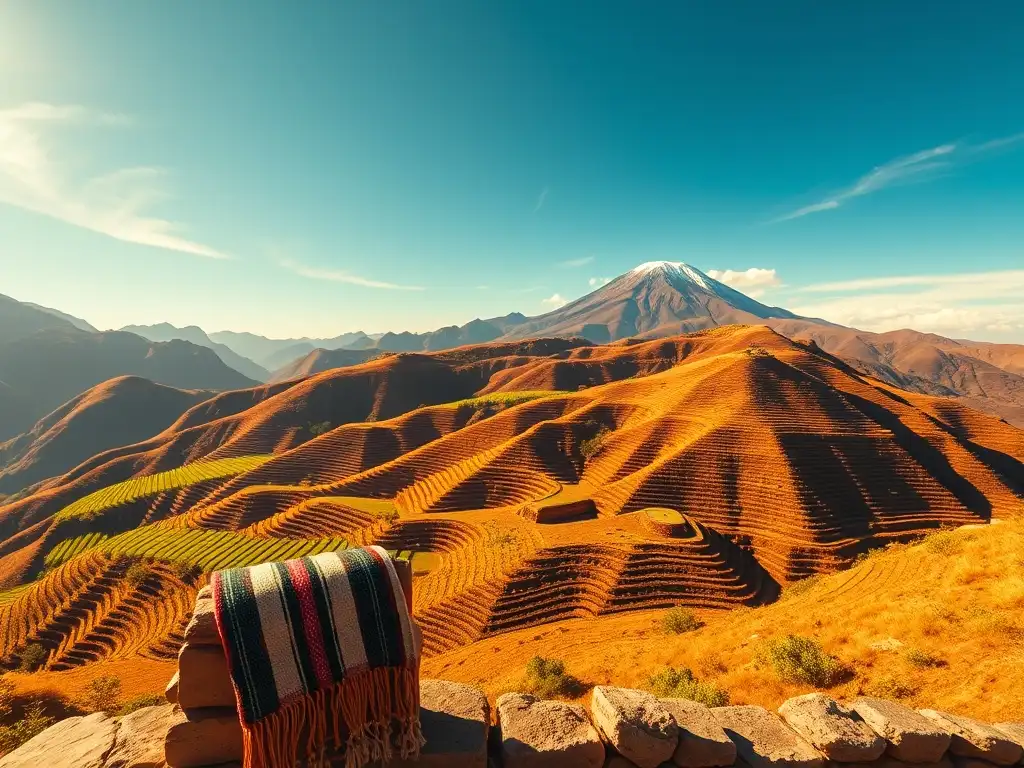
Dive into the enigmatic world of the Andean civilizations! Journey through millennia of ingenuity and resilience, uncovering the secrets of the Incas, Moche, Nazca, and Tiahuanaco. But first, consider this: how did the Incas cultivate thriving empires amidst the challenging Andean terrain? Unravel the mysteries behind their remarkable Inca sustainable agriculture practices and discover the innovative techniques that shaped their remarkable civilization. Prepare to be amazed by their mastery of resource management—a legacy that continues to inspire us today.
The Inca Empire, renowned for its sophisticated political organization and impressive architectural feats, also displayed a remarkable understanding and implementation of sustainable environmental practices. This wasn't merely a matter of coincidence; their agricultural and resource management strategies were intrinsically linked to their political and economic success.
The Inca's ability to thrive in diverse and challenging Andean environments stemmed from their innovative and environmentally conscious approaches to farming, water management, and overall resource utilization. This article delves into the specific techniques employed by the Inca, demonstrating how their sustainable agriculture practices contributed to the empire's longevity and prosperity, showcasing their understanding of ecological balance far ahead of its time.
We will explore how these practices, rooted in deep observation of their environment, continue to inspire contemporary sustainable agriculture initiatives. Understanding Inca sustainable agriculture practices provides a valuable lens through which to examine both their ingenuity and the importance of harmonious human-environment interactions.
Terracing and Irrigation: Engineering Harmony with Nature
The Inca's mastery of terracing transformed steep Andean slopes into productive agricultural land. These carefully constructed terraces, often supported by intricate stone walls, reduced soil erosion, conserved water, and created microclimates suitable for diverse crops. The precision and scale of these projects are breathtaking, showcasing a deep understanding of topography and hydrology. For instance, the terraces at Moray, near Cusco, are thought to have served as agricultural experimentation sites, with varying altitudes creating different temperature and humidity zones.
This allowed the Inca to cultivate a wide range of crops, maximizing yields and ensuring food security. Furthermore, the sophisticated irrigation systems, often channeled water from distant sources, ensured consistent water supply even in arid regions. These systems, meticulously designed and maintained, were critical to their agricultural success, demonstrating a keen awareness of water resource management.
Crop Rotation and Fertilization: Maintaining Soil Fertility
The Inca did not rely solely on terracing and irrigation. They also employed advanced techniques in crop rotation and fertilization to maintain soil fertility. Evidence suggests they rotated crops to prevent nutrient depletion and pest infestations. This practice, coupled with the use of organic fertilizers like guano (bird droppings) and compost, ensured long-term soil health.
The strategic use of guano, a rich source of nutrients, highlights their understanding of natural fertilizers and their commitment to sustainable farming methods. Careful observation of soil conditions and crop needs guided their decision-making, ensuring sustainable yields over extended periods. This knowledge, passed down through generations, allowed them to cultivate a diverse range of crops, including potatoes, maize, quinoa, and beans, forming the basis of their diet.
Resource Management Beyond Agriculture: A Holistic Approach
Inca sustainable practices extended far beyond agriculture. Their resource management strategies encompassed a holistic approach to environmental stewardship. They implemented systems for sustainable forestry, carefully managing timber resources to prevent deforestation. They also developed efficient methods for resource allocation and distribution, ensuring equitable access to essential goods throughout the empire.
This holistic approach underscored the interconnectedness of different aspects of their environment and the importance of sustainable practices for the long-term well-being of their society. The Inca’s success demonstrates that sustainable resource management isn’t just about agriculture; it’s about a comprehensive strategy for living in harmony with the natural world. Further research is needed to fully understand the complexities of their resource management systems beyond agriculture, but existing evidence strongly suggests a sophisticated and forward-thinking approach.
The Legacy of Inca Sustainability: Lessons for the Modern World
The Inca's sophisticated approach to sustainable agriculture and resource management offers valuable lessons for the modern world. Their methods, developed centuries ago, remain remarkably relevant in the face of contemporary environmental challenges. Their emphasis on soil conservation, water management, and biodiversity preservation highlights the importance of long-term thinking in environmental stewardship.
Understanding and adapting these techniques can contribute to the development of more sustainable agricultural practices in the Andes and beyond, promoting food security and environmental sustainability. The Inca's legacy serves as a powerful reminder of the crucial link between environmental sustainability and societal well-being. Their achievements inspire a renewed focus on environmentally conscious practices that benefit both present and future generations.
- Terracing and Irrigation: Engineering Harmony with Nature
- Crop Rotation and Fertilization: Maintaining Soil Fertility
- Resource Management Beyond Agriculture: A Holistic Approach
- The Legacy of Inca Sustainability: Lessons for the Modern World
- What innovative agricultural techniques did the Incas use?
- How did the Inca's understanding of their environment influence their agriculture?
- What role did water management play in Inca sustainable agriculture?
- What evidence exists to support the claim of Inca sustainable agriculture?
- How did the Inca's agricultural practices contribute to their societal success?
The Inca Approach to Resource Management
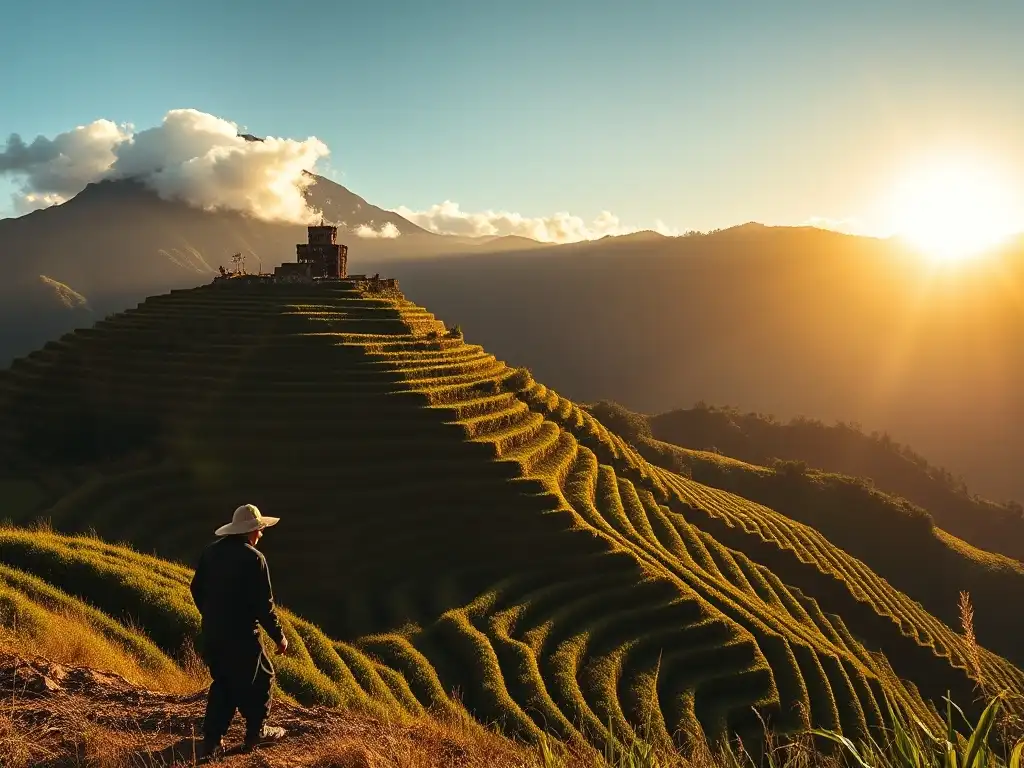
The Inca Empire, renowned for its sophisticated administrative structure and expansive territorial control, also demonstrated remarkable prowess in sustainable resource management. This wasn't merely a matter of practical necessity; it was deeply intertwined with their worldview and spiritual beliefs. Their approach to agriculture, water management, and overall resource utilization was characterized by a profound understanding of ecological interconnectedness and a respect for the environment, significantly contributing to the empire's longevity and prosperity.
This section will delve into the core principles underlying Inca resource management, highlighting the sophisticated techniques they employed to ensure the sustainability of their resources for future generations. Understanding these practices offers valuable insights into a remarkably effective system of sustainable agriculture and resource management.
Understanding Inca Environmental Philosophy
The Inca worldview was fundamentally shaped by their deep connection to the natural world. Unlike many societies that viewed nature as something to be conquered, the Inca viewed themselves as integral parts of a larger ecological system. This holistic perspective, coupled with a sophisticated understanding of their environment, underlay their approach to resource management.
Their understanding wasn't solely based on empirical observation; it was also deeply rooted in their spiritual beliefs, with the concept of Pachamama playing a central role. They recognized the intricate web of life and the interconnectedness of various ecosystems, leading them to develop practices that promoted balance and sustainability. This philosophy extended beyond mere survival; it formed the basis of their social and political organization, emphasizing communal responsibility and the long-term well-being of the empire.
Their actions reflected a belief that the sustainability of the environment was directly linked to the sustainability of their civilization. This is a key aspect of understanding their impressive achievements in Inca sustainable agriculture practices.
Inca Interconnectedness with Nature
Inca agricultural practices weren't isolated techniques; they were integrated into a broader system of resource management that considered the interconnectedness of various elements within the environment. For instance, their sophisticated terracing techniques weren't just about increasing arable land; they also involved carefully managing water flow, preventing soil erosion, and maintaining biodiversity. Similarly, their irrigation systems weren't simply canals; they were meticulously designed networks that channeled water to different agricultural zones, adapting to varying altitudes and microclimates.
This holistic perspective is crucial to understanding the success of their Inca sustainable agriculture practices. They understood that manipulating one aspect of the environment would inevitably have consequences for others, and their practices reflected a conscious effort to maintain ecological balance.
Examples include the carefully planned placement of crops to prevent nutrient depletion and the use of crop rotation to maintain soil fertility. This intricate interplay between different aspects of their environment showcases their deep understanding and respect for nature.
The Importance of Pachamama in Inca Culture
The concept of Pachamama, the Earth Mother, was central to Inca cosmology and profoundly influenced their resource management practices. Pachamama wasn't simply a deity; she was the embodiment of the life-giving earth, and her well-being was inextricably linked to the well-being of the Inca people. Respect for Pachamama dictated a sustainable approach to resource utilization, emphasizing reciprocity and avoiding practices that could deplete or damage the earth.
Rituals and ceremonies were performed to honor Pachamama, seeking her blessings for bountiful harvests and protection from natural disasters. This spiritual connection fostered a sense of responsibility towards the environment, ensuring that resource management wasn't solely driven by economic considerations but also by a deep-seated ethical commitment to preserving the balance of nature.
The Inca sustainable agriculture practices were not just about maximizing yields; they were about maintaining a harmonious relationship with the Earth Mother, ensuring the long-term health and prosperity of both the land and the people. This spiritual dimension played a crucial role in shaping their sustainable resource management strategies, emphasizing the interconnectedness of spiritual and ecological well-being.
Inca Sustainable Agriculture Practices
The Inca Empire, renowned for its sophisticated political and social structures, also exhibited remarkable prowess in sustainable agriculture. Their success in cultivating the challenging Andean terrain stemmed from a deep understanding of their environment and the implementation of ingenious techniques that ensured food security and minimized environmental impact. These practices, honed over centuries, represent a compelling example of sustainable resource management and offer valuable lessons for contemporary agriculture.
The Inca's mastery of sustainable agriculture practices is a testament to their ingenuity and adaptability. Their methods, built upon centuries of experience and observation, are a powerful example of human ingenuity working in harmony with nature. This section will delve into three key aspects of Inca agricultural sustainability: terracing, irrigation, and crop diversification.
Terracing Techniques for Soil Conservation
Inca agricultural success was significantly linked to their mastery of terracing. Facing steep, mountainous landscapes, they ingeniously carved terraces into the hillsides, creating level platforms for cultivation. These weren't simply cut into the slopes; the Incas carefully planned and constructed them, using sophisticated techniques to maximize their effectiveness. The terraces significantly reduced soil erosion caused by rainfall, a major challenge in the Andean environment.
The construction of these terraces involved meticulous planning and execution. They employed a system of retaining walls, typically built from stone, to hold the soil in place. The walls were not only structurally sound but also designed to channel water effectively, further minimizing erosion.
The size and spacing of the terraces varied depending on the slope and soil type. Smaller terraces were used on steeper slopes, while larger ones were constructed on gentler inclines. This careful adaptation to the terrain ensured optimal utilization of land and minimized soil loss. Furthermore, the Inca’s understood the importance of maintaining the fertility of the soil within the terraces.
They employed various organic matter such as compost and manure to enrich the soil and maintain its productivity over time. This demonstrates a holistic approach to soil management, prioritizing long-term sustainability over short-term gains. The effectiveness of Inca terracing is evident even today; many ancient terraces remain in use, a testament to their enduring design and the Inca's deep understanding of environmental engineering.
Efficient Irrigation Systems in the Andes
The arid and semi-arid climate of much of the Andes posed a significant challenge to agriculture. To overcome this, the Incas developed sophisticated irrigation systems that efficiently channeled water from rivers and streams to their cultivated fields. These systems were not merely simple canals; they included intricate networks of channels, aqueducts, and reservoirs, designed to distribute water effectively to even the most remote terraces.
The ingenuity of the Inca irrigation systems is remarkable. They utilized a combination of gravity and carefully engineered channels to transport water over long distances, often across challenging terrain. They understood the importance of water management, creating reservoirs to store water during periods of abundance and carefully regulating its flow to ensure consistent water supply to the crops throughout the growing season.
The construction of these systems required a high degree of engineering skill and coordination. The channels were often lined with stone or other materials to prevent water loss through seepage. They also incorporated features such as spillways and control structures to regulate the flow of water and prevent flooding. Records show that the Inca Empire had a complex system of water management that included specialized officials responsible for the maintenance and upkeep of irrigation canals.
This organization ensured the long-term sustainability of the system, supporting agricultural production across vast areas. The Inca irrigation systems were crucial to the success of their agricultural practices, enabling them to cultivate a wide variety of crops in challenging environmental conditions. The sophisticated design and management of these systems stand as a testament to their technological prowess and commitment to sustainable resource management.
Crop Rotation and Diversification Strategies
The Inca agricultural system was not solely reliant on sophisticated infrastructure; it also incorporated intelligent crop management strategies. Crop rotation, a practice involving the sequential planting of different crops in the same field, was a cornerstone of their approach. This prevented soil depletion and reduced the risk of pest and disease outbreaks. The Incas displayed a remarkable understanding of crop needs and soil health.
They carefully planned crop rotations to ensure the sustained fertility of their fields. Legumes, for example, were often incorporated into rotations to replenish nitrogen in the soil. This practice not only improved soil fertility but also increased yields and reduced the need for external inputs.
Furthermore, the Inca implemented crop diversification, cultivating a wide range of crops, including potatoes, maize, quinoa, beans, and various fruits and vegetables. This strategy reduced reliance on any single crop, acting as a buffer against crop failure due to pests, diseases, or unfavorable weather conditions. This diversification also provided a varied and nutritious diet for the Inca population. The Incas understood the benefits of biodiversity, both in terms of food security and environmental resilience.
The combination of crop rotation and diversification formed a robust system, ensuring both food security and environmental sustainability. These practices were not merely agricultural techniques; they were integral components of a larger socio-economic system that prioritized long-term sustainability and resilience. The Inca's commitment to these practices is a compelling example of sustainable agriculture that resonates even in modern times.
Inca Knowledge of Soil Fertility and Management
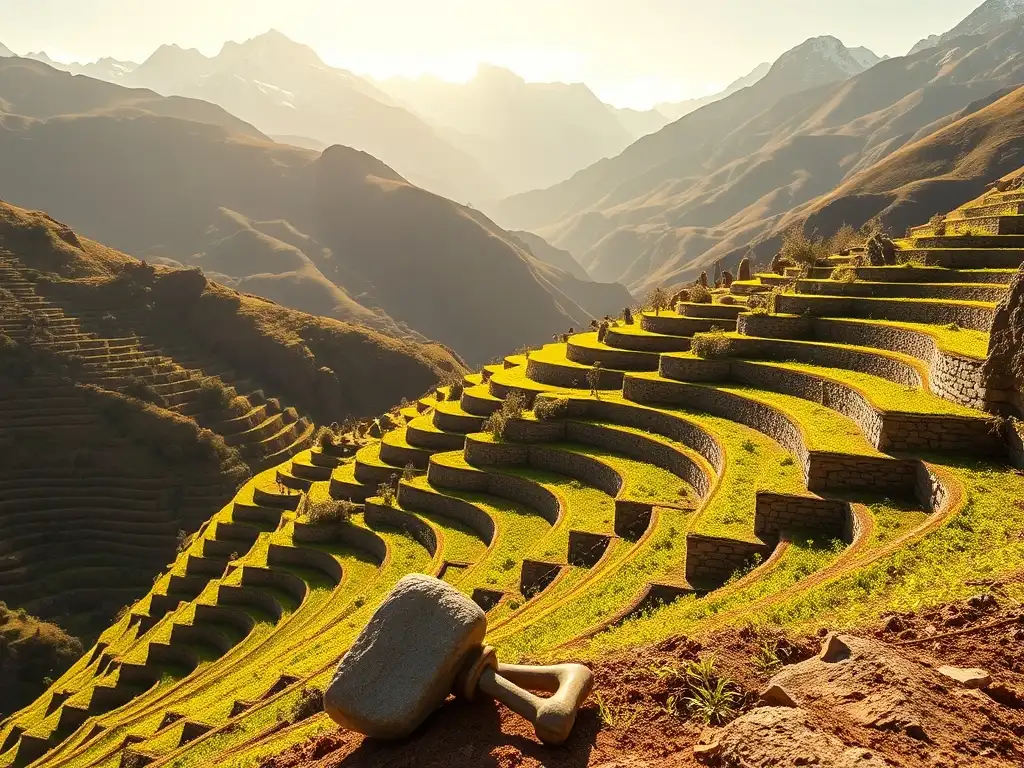
The Inca's mastery of sustainable agriculture practices was deeply rooted in their profound understanding of soil fertility and its management. They weren't simply farmers; they were skilled soil scientists, employing techniques passed down through generations. This knowledge wasn't merely theoretical; it was intimately connected to their survival and the prosperity of their vast empire. Their understanding encompassed various factors influencing soil health, including water retention, nutrient levels, and the impact of different crops on soil composition.
One key aspect of their approach was the careful observation of natural processes. They recognized the importance of diverse flora and fauna in maintaining soil health, a concept echoed in modern ecological agriculture. Inca farmers meticulously studied the effects of various plants and animals on the soil, developing sophisticated systems for crop rotation and intercropping.
This wasn't a random process; it was based on a detailed understanding of which plants thrived together and which depleted the soil of specific nutrients. For example, they might plant nitrogen-fixing crops like beans alongside maize to replenish the soil's nitrogen levels, a practice still recognized as highly beneficial today. Furthermore, their understanding extended to the importance of soil structure, leading to techniques like terracing to prevent erosion and improve water infiltration.
This intricate understanding of soil science allowed them to cultivate even the most challenging terrains, maximizing agricultural output while minimizing environmental damage. The Inca's approach highlighted a holistic view of the land, not just as a source of food, but as a living ecosystem requiring careful stewardship.
The Role of Guano as Natural Fertilizer
Guano, the excrement of seabirds, played a pivotal role in Inca sustainable agriculture practices. Recognizing its exceptional fertilizing properties, the Inca developed sophisticated systems for harvesting and distributing this valuable resource. The coastal regions of Peru, particularly islands like Chincha, became vital centers for guano collection, with highly organized operations ensuring efficient and sustainable harvesting. This wasn't simply a matter of gathering guano; the Inca understood the importance of managing guano resources to prevent depletion and maintain their long-term fertility.
The transportation of guano from the coastal areas to the highlands, sometimes over considerable distances, presented a significant logistical challenge. However, the Inca's extensive road network and their highly organized system of labor enabled them to overcome this hurdle. The guano was carefully transported and distributed throughout the agricultural regions, enhancing soil fertility and boosting crop yields.
The Inca's approach to guano management demonstrates their understanding of the interconnectedness of different ecosystems and their ability to harness natural resources in a sustainable manner. Their methods weren't haphazard; they were carefully planned and executed, ensuring the long-term availability of this invaluable fertilizer. This sophisticated system stands as a testament to their advanced understanding of resource management and their commitment to sustainable agricultural practices.
The Inca's effective use of guano significantly contributed to the high agricultural productivity that supported their large population and powerful empire. Their understanding of its value and their strategic management of it represent a remarkable achievement in sustainable resource utilization.
Adapting Agriculture to Diverse Andean Ecosystems
The Andes Mountains present a remarkably diverse range of ecosystems, from arid coastal deserts to high-altitude grasslands and lush cloud forests. The Inca's agricultural success stemmed from their ability to adapt their farming practices to these diverse conditions. Their techniques weren't uniform; they varied considerably depending on altitude, climate, and soil type. This adaptability is a cornerstone of their sustainable agricultural model. They recognized that a "one-size-fits-all" approach would be ineffective and unsustainable in such a varied environment.
In the high-altitude regions, the Inca developed sophisticated terracing techniques to create level plots for cultivation, maximizing arable land and preventing soil erosion. These terraces weren't just simple steps; they were carefully engineered structures that incorporated sophisticated irrigation systems to manage water resources effectively. In the lower altitudes, where water was more abundant, they employed different techniques, such as irrigation canals and raised fields, to optimize water usage and crop production.
Their understanding of microclimates and their capacity to tailor their agricultural practices to specific ecological niches allowed them to cultivate a wide variety of crops, ensuring food security throughout their empire. This adaptive approach demonstrates a remarkable understanding of environmental science and a commitment to sustainable resource management. The Inca's agricultural systems weren't static; they were constantly evolving and adapting to the specific challenges posed by the diverse Andean ecosystems, ensuring the long-term sustainability of their food production.
This flexibility and ingenuity contributed significantly to the Inca Empire's longevity and prosperity. Their agricultural practices serve as a powerful example of how to sustainably manage resources in complex and challenging environments.
Inca Water Management Systems
The Inca Empire, renowned for its sophisticated social and political organization, also demonstrated remarkable ingenuity in managing its natural resources. Nowhere is this more evident than in their mastery of water management, a critical component of their sustainable agriculture practices and overall societal well-being. Their success stemmed from a deep understanding of Andean hydrology and a practical application of innovative engineering solutions.
This section delves into the intricacies of their water management systems, highlighting their efficiency and long-term sustainability. The Inca's approach to water, a precious and often scarce resource in the high Andes, serves as a testament to their advanced civilization and their ability to adapt to challenging environmental conditions. Understanding their techniques offers valuable insights into sustainable resource management, relevant even in today's world grappling with climate change and water scarcity.
Aqueducts and Canals for Water Distribution
Inca ingenuity shines through in their extensive network of aqueducts and canals, meticulously designed to distribute water efficiently across diverse terrains. These weren't simply ditches; they were sophisticated engineering feats, often carved into rock faces or built using precisely fitted stones. Their construction involved a deep understanding of topography and water flow, enabling them to channel water from distant sources to agricultural fields, urban centers, and even religious sites.
The construction techniques employed were remarkable for their precision and durability. Stonework was flawlessly executed, creating channels that minimized water loss through seepage. The gradients were carefully calculated to ensure a consistent, controlled flow, preventing erosion and maximizing water distribution.
Many of these aqueducts and canals remain remarkably intact today, a testament to the quality of Inca craftsmanship and the enduring nature of their sustainable water management strategies. The precise methods of surveying and construction used by the Inca are still being studied today, revealing sophisticated geometrical knowledge and engineering skills far beyond what was once thought. For example, the aqueducts in Cusco are an excellent example of this technology's sophistication, still providing water to parts of the city centuries later.
Specific examples of Inca aqueduct and canal systems, along with detailed measurements and analysis of their construction techniques, are still under research and require further investigation [specific information pending]. However, the surviving remnants vividly demonstrate the scale and sophistication of their water management infrastructure.
Water Storage and Reservoirs
Beyond their impressive distribution systems, the Inca also developed sophisticated water storage solutions to mitigate the challenges posed by seasonal variations in rainfall and water availability. This involved the construction of reservoirs, often integrated into the landscape and designed to capture and store water during the rainy season for use during drier periods. These reservoirs weren't merely large pits; they were carefully engineered structures, sometimes incorporating intricate systems of dams and spillways to manage water levels and prevent overflow.
The size and capacity of these reservoirs varied depending on local needs and geographic conditions. Some were relatively small, serving the needs of individual communities, while others were larger, providing water for extensive agricultural areas. The construction materials also varied, ranging from earth and stone to more sophisticated structures utilizing carefully fitted stones and mortar.
The design and placement of reservoirs demonstrate a deep understanding of hydrology and an ability to optimize water storage in challenging mountainous environments. The functionality of these reservoirs highlights the Inca's commitment to sustainable agriculture practices, ensuring a reliable water supply throughout the year, minimizing the impact of droughts and maximizing crop yields. Further research is needed to completely quantify the number and capacity of these reservoirs across the Inca Empire [specific information pending].
The Importance of Water Management for Agriculture and Daily Life
The Inca's sophisticated water management systems were integral to their agricultural practices and overall societal well-being. Their ability to control and distribute water effectively enabled them to cultivate crops at high altitudes and in arid regions, ensuring food security for their vast population. This reliable access to water also supported the development of thriving urban centers and facilitated various aspects of daily life, including sanitation and domestic use.
The Inca's success in water management wasn't merely a technological achievement; it was a fundamental aspect of their social and economic organization. Their sustainable agriculture practices, inextricably linked to their water management systems, allowed them to sustain a large and complex empire for centuries. The Inca's approach serves as a powerful example of how effective resource management can contribute to societal stability and long-term prosperity.
The integration of water management into their broader societal structure highlights the holistic and sustainable nature of their approach to environmental stewardship, a lesson that remains highly relevant today. The legacy of their sustainable agriculture practices, deeply rooted in their water management systems, continues to inspire contemporary efforts towards sustainable resource management and environmental conservation.
Inca Forestry and Resource Use
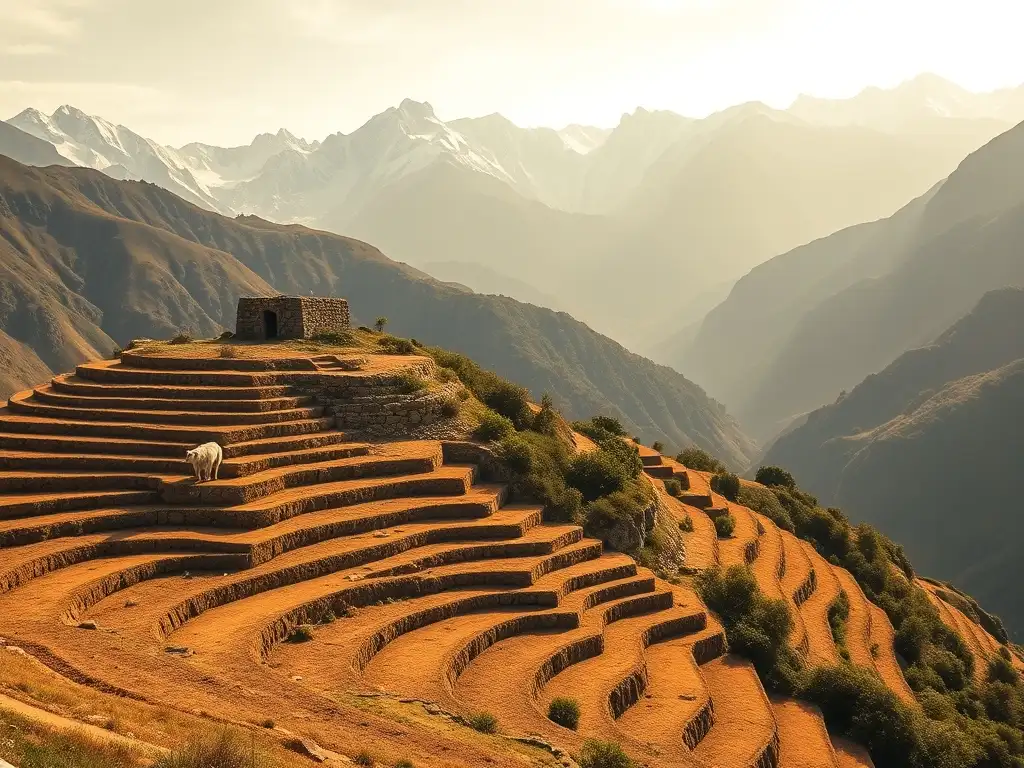
The Inca Empire, renowned for its sophisticated agricultural techniques, also demonstrated a remarkable understanding of sustainable forest management. Their approach wasn't simply about exploiting resources; it was deeply intertwined with their worldview, religious beliefs, and the practical necessities of maintaining a vast and complex empire. Evidence suggests a system of carefully controlled harvesting, replanting, and conservation that ensured the long-term availability of timber and other forest products.
This sophisticated approach to Inca sustainable agriculture practices extended beyond farming to encompass the entire ecosystem. The Inca's understanding of the interconnectedness of their environment contributed to their success and enduring legacy. Their resource management strategies offer valuable lessons for contemporary sustainable practices.
Sustainable Harvesting of Timber
Inca timber harvesting wasn't a haphazard process. Archaeological evidence indicates selective cutting, favoring mature trees and avoiding practices that could lead to deforestation. Instead of clear-cutting, which would have devastated the landscape and impacted water cycles, the Inca likely employed techniques that minimized environmental damage.
They prioritized specific tree species for different purposes, utilizing certain types for building, others for fuel, and still others for medicinal or ritual use. This selective approach ensured the continued growth and regeneration of the forest. Furthermore, the Inca likely implemented quotas or regulations to control the amount of timber harvested in any given area.
This approach, combined with their reverence for nature, likely prevented widespread deforestation and ensured the long-term availability of timber resources. Detailed records of such practices, however, remain elusive, leaving room for further research and a more complete picture of their methods. Further study of Inca settlements and associated forest remnants could potentially reveal more precise details on their timber management strategies.
The Use of Plants for Medicinal and Ritual Purposes
The Inca's knowledge of plants extended far beyond their agricultural practices. They possessed a deep understanding of the medicinal and ritual properties of various plants found in their diverse environments. This knowledge was passed down through generations of amautas (wise men) and yachachikuqkuna (healers). Many plants were cultivated specifically for their medicinal value, integrated into the broader agricultural system. Others were gathered from the wild, but with careful consideration for sustainability.
The use of plants for ritual purposes further reinforced the importance of forest conservation. Sacred groves and specific plants were often associated with religious ceremonies, adding a cultural dimension to the conservation efforts. This holistic approach, combining practical needs with spiritual beliefs, further strengthened the Inca’s commitment to sustainable resource management. The precise methods of cultivation and harvesting for medicinal and ritual plants remain an area requiring more in-depth archaeological and ethnobotanical investigation.
Inca Practices for Maintaining Forest Health
Beyond sustainable harvesting, the Inca likely employed various techniques to actively maintain the health and productivity of their forests. These practices may have included controlled burning to encourage the growth of specific plants, the prevention of wildfires through careful land management, and the protection of watersheds. The Inca's sophisticated water management systems, particularly their intricate qancha (terraced irrigation systems), demonstrate their understanding of the interconnectedness of water resources and forest health.
The maintenance of these systems required responsible forest management, ensuring the protection of watersheds and preventing soil erosion. Additionally, the Inca may have implemented practices to control pests and diseases that could threaten forest health, although specific details of these techniques are currently unknown.
Further research into Inca agricultural practices and their broader environmental impact is needed to fully understand the extent of their forest management techniques and their overall contribution to sustainable living. The legacy of their approach serves as a compelling example of how a civilization could thrive while respecting and preserving its natural resources.
Inca Urban Planning and Environmental Considerations
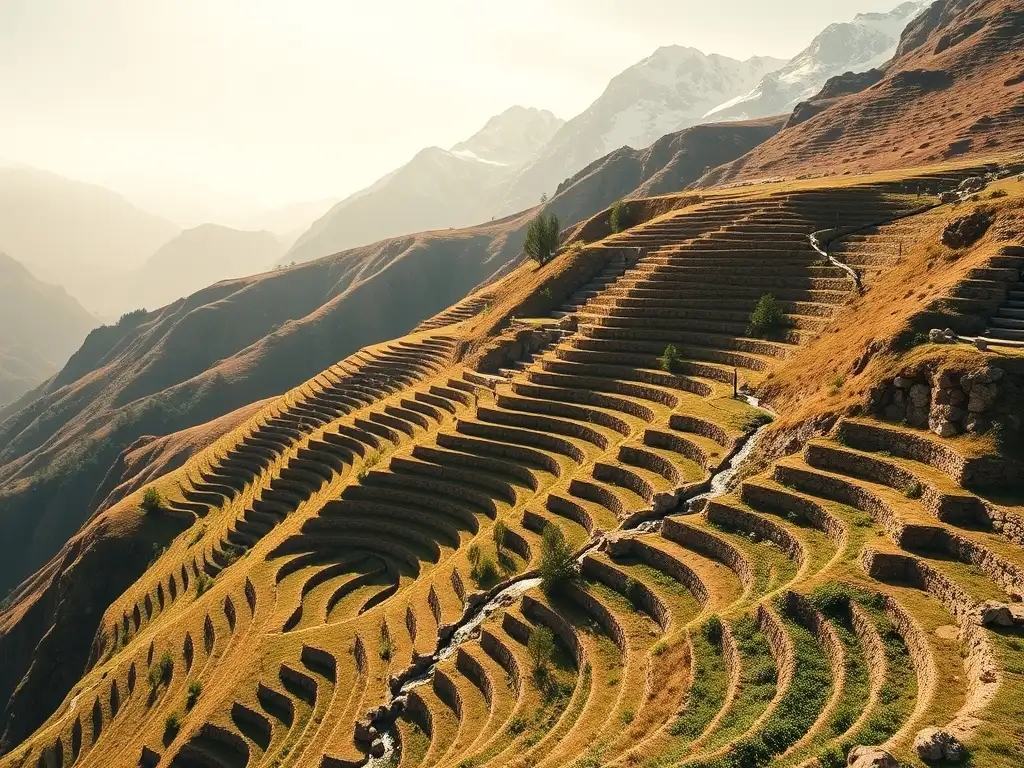
The Inca Empire, renowned for its sophisticated governance and impressive infrastructure, demonstrated a remarkable understanding of sustainable resource management, particularly evident in its urban planning. Inca cities weren't merely haphazard collections of buildings; they were carefully integrated into their surrounding environments, reflecting a deep respect for the natural world and a pragmatic approach to resource utilization. This integrated approach wasn't simply aesthetic; it was crucial for the empire's long-term sustainability, ensuring the availability of resources like water and fertile land for generations to come.
This section explores how Inca urban planning directly supported their impressive sustainable agriculture practices. The Inca's approach to urban planning showcases a holistic perspective on resource management, a far cry from the often unsustainable practices of many modern cities.
Integrating Architecture with the Landscape
Inca architects masterfully blended their structures with the natural topography. Cities weren't imposed upon the landscape; rather, they were organically woven into it. Terracing, a defining characteristic of Inca agriculture, extended into urban areas, creating level platforms for buildings and minimizing soil erosion.
This wasn't just a practical solution; it was also aesthetically pleasing, creating a harmonious blend of built and natural environments. For example, Machu Picchu, a prime example of Inca urban planning, showcases this integration perfectly. Buildings are seamlessly incorporated into the mountainside, utilizing existing rock formations and minimizing the need for extensive excavation or construction that could disrupt the natural landscape.
This integration reduced the environmental impact of construction and allowed for efficient use of existing resources. The careful placement of buildings also maximized sunlight exposure and ventilation, reducing the need for artificial heating and cooling, further enhancing the sustainability of Inca urban design. This thoughtful approach to architecture played a key role in the success of their sustainable agriculture practices, as it preserved the integrity of the surrounding ecosystem.
Waste Management and Sanitation in Inca Cities
Effective waste management was another critical aspect of Inca sustainable urban practices. While detailed records are scarce, archaeological evidence suggests a surprisingly advanced system. The use of sophisticated drainage systems channeled wastewater away from living areas, minimizing the risk of contamination and disease.
Evidence suggests the strategic use of composting techniques to manage organic waste, turning refuse into valuable fertilizer for their agricultural lands. This closed-loop system, converting waste into a resource, is a hallmark of sustainable practices. Furthermore, the organization of urban spaces likely contributed to efficient waste collection and disposal.
The layout of Inca cities, often organized around central plazas and with clearly defined residential zones, may have facilitated the systematic removal and processing of waste. More research is needed to fully understand the nuances of Inca waste management, but the available evidence points towards a system that was remarkably efficient and environmentally conscious, supporting the overall sustainability of their agricultural systems.
Minimizing Environmental Impact in Urban Development
The Inca's commitment to minimizing the environmental impact of their urban development is evident in their building materials and construction techniques. They predominantly used locally sourced materials, such as stone and adobe, reducing transportation needs and minimizing the carbon footprint associated with construction. The use of readily available materials also lessened the strain on natural resources.
This contrasts sharply with modern urban development, which often relies on extensive transportation of materials, leading to significant environmental consequences. Moreover, Inca construction techniques, characterized by meticulous stonework and precise fitting, ensured the longevity of their buildings, reducing the need for frequent rebuilding and associated resource consumption.
The durability of Inca structures speaks volumes about their sustainable approach to urban development, a testament to their deep understanding of both environmental stewardship and practical engineering, directly contributing to the long-term success of their Inca sustainable agriculture practices. The ingenuity of their methods serves as a valuable lesson for modern urban planners striving for sustainability.
Inca Conservation and Preservation Efforts
The Inca Empire, renowned for its sophisticated social and political organization, also demonstrated a remarkable understanding of environmental sustainability. Their success wasn't solely based on military might or administrative prowess; it was deeply intertwined with their approach to resource management and conservation. This wasn't a haphazard system, but a carefully planned and implemented strategy reflecting a profound respect for the Pachamama (Mother Earth).
Their practices, while rooted in traditional beliefs, resulted in a remarkably sustainable agricultural system capable of supporting a large and complex empire. Understanding their methods offers valuable insights into sustainable development, even in modern times. The Inca's commitment to conservation wasn't merely a matter of practicality; it was deeply embedded in their worldview and spiritual beliefs.
Protection of Sacred Sites and Natural Resources
Inca conservation wasn't limited to pragmatic agricultural techniques. Many natural features held significant spiritual importance, considered sacred and therefore protected. Mountains, rivers, and certain forests were designated as apu (sacred mountains) or mallki (sacred places), receiving veneration and protection. These areas were often off-limits to exploitation, ensuring the preservation of biodiversity and ecological balance.
This reverence extended to specific plants and animals, viewed as manifestations of divine power. For example, the condor, a symbol of power and strength, was protected, and its hunting was strictly prohibited. Similarly, certain trees and plants, used in rituals or possessing medicinal properties, received special consideration, ensuring their continued existence.
The preservation of these sacred sites played a crucial role in maintaining the ecological integrity of the empire, fostering a deep sense of respect for the environment amongst the population. Specific data regarding the exact number of protected sites or the penalties for violating these sacred spaces is unfortunately limited, requiring further research. However, the impact of this reverence is clearly evident in the survival of numerous ecosystems within the Inca empire.
Inca Laws and Regulations for Environmental Protection
Beyond the spiritual aspect, the Inca government implemented specific laws and regulations to ensure environmental protection and sustainable resource management. Evidence suggests the existence of a sophisticated system of environmental governance, albeit undocumented in the same way as their administrative records. These regulations likely included restrictions on deforestation, hunting, and overgrazing, aiming to prevent environmental degradation and ensure the long-term productivity of the land.
The ayllu system, the community-based social structure of the Inca Empire, played a vital role in enforcing these regulations. Community members were responsible for managing resources within their territories, fostering a sense of collective responsibility for environmental stewardship.
Detailed accounts of these laws are scarce; however, the success of Inca agriculture and the longevity of the empire strongly suggest the effectiveness of these regulations. Archaeological evidence, such as the terracing systems and irrigation canals, points to a planned and regulated approach to resource management, indicating a degree of centralized control over land use and resource allocation.
The Legacy of Inca Environmental Stewardship
The Inca legacy of environmental stewardship continues to resonate today. Their innovative agricultural techniques, such as terracing, irrigation, and crop diversification, remain relevant in contemporary sustainable agriculture practices. The integration of spiritual beliefs with practical resource management provides a compelling example of how a holistic approach can lead to environmental sustainability.
The Inca's careful consideration of the environmental impact of their actions offers valuable lessons for modern societies grappling with issues of climate change, deforestation, and resource depletion. Understanding and applying the principles of Inca environmental management can contribute significantly to achieving sustainable development goals in the 21st century. Further research into Inca archival materials, combined with ongoing archaeological investigations, promises to reveal even more details about the sophistication of their environmental practices and their enduring relevance to contemporary challenges.
The Inca's approach serves as a powerful reminder of the interconnectedness between human societies and the natural world, emphasizing the importance of respecting and conserving our planet's resources for future generations. The study of Inca sustainable agriculture practices provides an invaluable case study for modern sustainable development initiatives 🌎.
The Impact of Inca Practices on Modern Sustainability
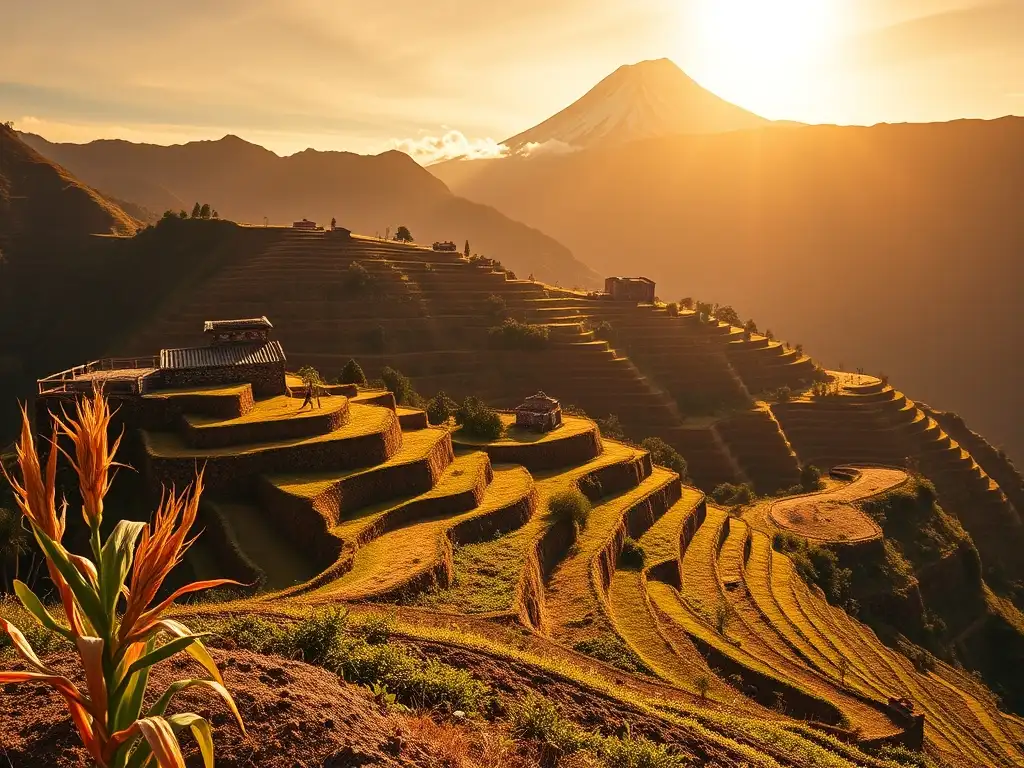
The Inca Empire, renowned for its sophisticated political and social organization, also displayed remarkable ingenuity in its environmental management, particularly in agriculture. Their sustainable practices, developed over centuries, offer valuable insights for addressing contemporary environmental challenges. The Inca's success stemmed from a deep understanding of their environment and a commitment to resource conservation, ensuring the long-term productivity of their lands. This wasn't merely a matter of survival; it was integral to their social and political structure, reinforcing the power and stability of the empire.
Their methods resonate powerfully today, providing a blueprint for sustainable agriculture in a changing world. Understanding their techniques is crucial for developing effective strategies for food security and environmental protection in the 21st century. The legacy of Inca sustainable agriculture practices continues to inspire researchers and policymakers alike, demonstrating the enduring relevance of ancient wisdom.
Lessons from the Incas for Contemporary Agriculture
Inca agricultural techniques were remarkably advanced for their time. They employed a variety of methods to maximize crop yields while minimizing environmental impact. Terracing, for example, was a crucial technique used to create level platforms on steep slopes, preventing soil erosion and optimizing water usage. This innovative approach allowed the Incas to cultivate even the most challenging terrains, significantly increasing arable land.
Furthermore, they developed sophisticated irrigation systems, channeling water from rivers and streams to irrigate their fields efficiently. These systems were meticulously designed and maintained, ensuring a reliable water supply even during dry periods. The Incas also practiced crop rotation and intercropping, diversifying their plantings to prevent soil depletion and pest infestations.
This approach not only enhanced soil fertility but also ensured a more resilient and productive agricultural system. The careful management of resources, combined with a deep understanding of ecological principles, allowed the Incas to achieve remarkable agricultural success, providing valuable lessons for modern sustainable agriculture practices. Their ingenuity in adapting to diverse environments and their commitment to resource conservation offer powerful examples for contemporary farmers seeking to improve their efficiency and reduce their environmental footprint.
Inca Wisdom for Climate Change Adaptation
The Inca Empire faced a variety of environmental challenges, including droughts, floods, and frost. Their adaptive strategies offer valuable insights for mitigating the impacts of climate change. The sophisticated irrigation systems, designed to manage water resources efficiently, are particularly relevant in the context of increasing water scarcity. Their understanding of microclimates and their ability to adapt their agricultural practices to specific environmental conditions are also crucial lessons for modern agriculture.
The use of terraces not only prevented soil erosion but also helped to regulate temperature and humidity, creating more favorable growing conditions. This approach is particularly pertinent in the face of climate change, which is leading to more extreme weather events and altered climatic conditions. Moreover, the Inca's emphasis on crop diversification and resilience helped them to withstand environmental shocks, a lesson that is increasingly important in a world facing unpredictable weather patterns.
By studying and adapting Inca methods, we can develop more resilient agricultural systems better equipped to cope with the challenges of climate change. Their sustainable agriculture practices, honed over centuries, provide a framework for building resilience and ensuring food security in a changing climate. This ancient knowledge offers a powerful tool for navigating the complexities of the 21st-century environment.
Applying Inca Principles to Sustainable Development
The Inca emphasis on sustainable resource management extends beyond agriculture. Their understanding of environmental interconnectedness and their commitment to long-term sustainability offer valuable lessons for broader development strategies. The Inca's approach to infrastructure development, for instance, often prioritized minimizing environmental disruption. Their meticulous planning and careful consideration of ecological factors ensured that their building projects had a minimal negative impact on the environment.
Furthermore, their social organization, which emphasized community participation and collective responsibility, fostered a sense of shared stewardship of resources. This collaborative approach is crucial for achieving sustainable development goals, as it promotes responsible resource management and environmental protection. The Inca's legacy underscores the importance of integrating environmental considerations into all aspects of development, from infrastructure projects to agricultural practices. By applying Inca principles to contemporary challenges, we can create more sustainable and equitable societies.
The Inca example highlights the critical link between environmental sustainability and social well-being, offering a powerful model for achieving long-term prosperity without compromising the health of the planet. Their sustainable agriculture practices, combined with their broader approach to resource management, demonstrate the enduring wisdom of a civilization that understood the importance of living in harmony with nature. Their legacy continues to inspire us to build a more sustainable future.
Modern Andean Communities Using Terracing
Many Andean communities continue to utilize terracing techniques, a testament to the Inca's enduring legacy. These methods, refined over centuries, demonstrate remarkable adaptability and resilience. The terraces, originally built for agricultural purposes, also serve as crucial elements in preventing soil erosion and landslides, particularly in mountainous regions.
Farmers today understand the intricate balance between water management, soil conservation, and crop production achieved through terracing, echoing the Inca understanding of environmental harmony. In areas like the Sacred Valley of the Urubamba River in Peru, we can witness the vibrant continuation of this ancient practice, with communities actively maintaining and expanding existing terraces. The knowledge is passed down through generations, ensuring the survival of these vital agricultural systems.
The success of these modern applications highlights the timeless efficiency and sustainability of Inca agricultural techniques. Moreover, the ongoing use of terracing provides valuable insights for modern sustainable agriculture practices worldwide, offering a model of land management that is both environmentally sound and economically viable. The adaptation of Inca methods to contemporary challenges shows the continuing relevance of this ancient wisdom in confronting modern environmental issues.
Challenges in Replicating Inca Practices Today
While the principles of Inca sustainable agriculture, particularly terracing, offer valuable lessons for modern agriculture, replicating them completely faces significant hurdles. One major challenge lies in the sheer scale of the original Inca infrastructure. The construction of extensive terrace systems required immense labor and resources, often mobilized through the mita system, a form of obligatory labor service. Replicating this on a comparable scale today, without the same centralized organization and labor force, is practically impossible.
Furthermore, modern land ownership patterns and agricultural practices often conflict with the integrated approach of Inca agriculture. Individual land holdings and the focus on monoculture farming contrast sharply with the Inca's emphasis on diverse cropping systems and collective land management. Modern agricultural technologies, while offering increased productivity, can also contribute to environmental degradation, undermining the sustainability goals of Inca practices. The use of chemical fertilizers and pesticides, for instance, contradicts the Inca's reliance on natural methods of soil enrichment and pest control.
Finally, climate change poses a significant threat, altering rainfall patterns and increasing the frequency of extreme weather events, impacting the effectiveness of even the most well-designed terracing systems. Overcoming these challenges requires innovative approaches that combine ancient wisdom with modern technology and a renewed commitment to sustainable and community-based land management. The successful integration of both traditional knowledge and modern advancements is vital for developing truly effective and sustainable agricultural practices for the future.
Frequently Asked Questions
What innovative agricultural techniques did the Incas use?
The Incas employed several innovative techniques, including terracing, irrigation systems, and crop rotation, to maximize food production in diverse environments. These methods ensured sustainable yields and minimized soil erosion.
How did the Inca's understanding of their environment influence their agriculture?
The Incas possessed a deep understanding of their environment, adapting their agricultural practices to the unique climatic and geographic conditions of different regions. This allowed for efficient and sustainable resource management.
What role did water management play in Inca sustainable agriculture?
Water management was crucial. The Incas built sophisticated irrigation canals and aqueducts to deliver water to fields, even in arid regions, ensuring consistent crop yields and food security.
What evidence exists to support the claim of Inca sustainable agriculture?
Archaeological evidence, including the remarkably well-preserved terraces and irrigation systems, demonstrates the Incas' commitment to long-term sustainability. Their agricultural practices maintained productivity for centuries.
How did the Inca's agricultural practices contribute to their societal success?
The Inca's sustainable agricultural practices were essential to their societal success. Reliable food production supported a large population and enabled the development of a complex empire.
Final Reflection: Echoes of the Andes: A Legacy of Sustainable Living
The ingenuity of Inca agricultural practices continues to resonate today, offering vital lessons in sustainable resource management at a time when our planet faces unprecedented environmental challenges. Their sophisticated understanding of water management, terracing, and crop diversification provides a powerful counterpoint to modern, often unsustainable, agricultural models. The urgency of climate change and the growing need for food security make understanding and implementing these ancient techniques more relevant than ever before.
The enduring impact of Inca environmental stewardship is evident not only in the archaeological remnants of their sophisticated systems but also in the continued use of some of their methods by Andean communities. Their deep connection to the land, a philosophy often overlooked in modern industrialized agriculture, fostered a profound respect for ecological balance. The Earth provides enough to satisfy every man's needs but not every man's greed,
a sentiment attributed to Mahatma Gandhi, perfectly encapsulates the Inca approach and its stark contrast to contemporary practices. Understanding this philosophy is crucial to building a more sustainable future.
Consider the ingenuity of the waru waru system, the intricate network of raised beds and irrigation channels. Imagine the meticulous planning and communal effort required to construct and maintain such a complex system. Now, consider how you can apply the principles of careful resource management, community collaboration, and respect for the environment in your own life, however small the scale. Let the legacy of the Inca inspire you to cultivate a more sustainable relationship with the Earth, one that values both productivity and preservation.
**Embrace Sustainability Today! **
Thank you for exploring the remarkable environmental practices and sustainable resource management strategies of the Inca. Your interest in these ancient techniques demonstrates the importance of combining traditional wisdom with modern sustainability initiatives. Now, let's put this knowledge into action!
Here are some ways you can apply what you've learned:
- **Incorporate sustainable practices into your daily life:** Begin with small changes, such as reducing your plastic consumption or starting a compost bin at home. Simple actions make a significant difference.
- **Engage your local community:** Organize a neighborhood cleanup or host a workshop to educate others about sustainable living, drawing inspiration from Inca ingenuity.
- **Share your newfound knowledge:** Post about sustainable Inca practices on social media or write a blog post to spark conversations and inspire others to adopt environmentally friendly habits.
How can you creatively integrate ancient wisdom into your daily life to promote sustainability within your community? Consider what practical steps you can take, inspired by the Inca's example, to make a real impact.