
Inca Cultural Survival: Preserving Traditions in the Modern Era

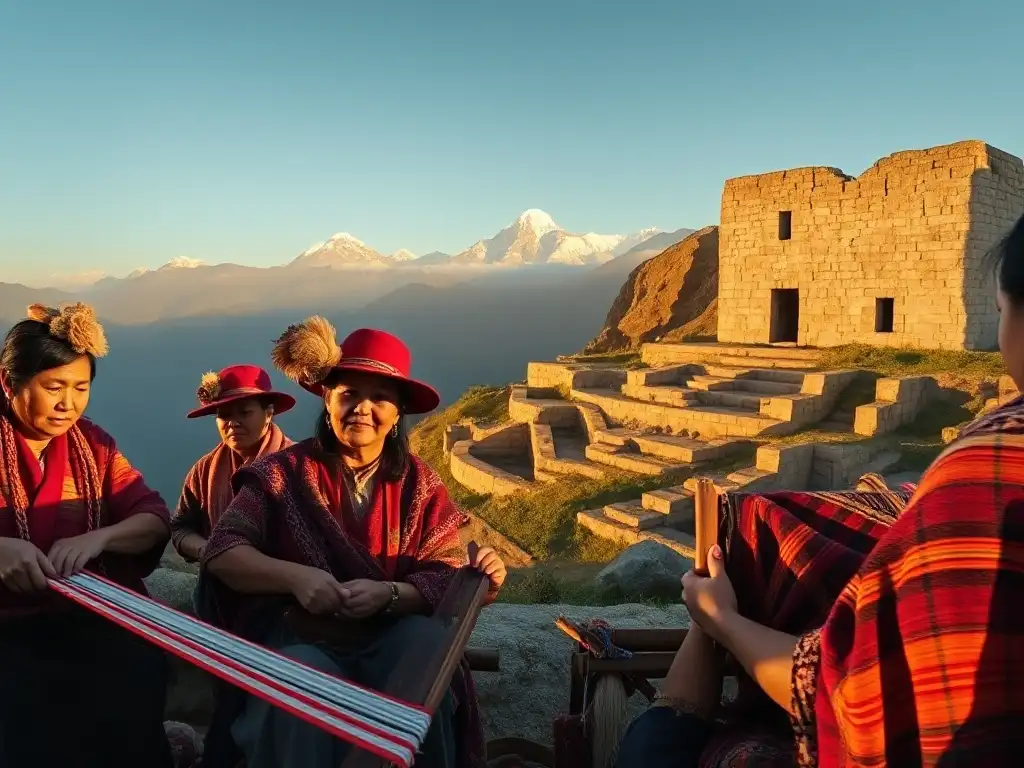
Step into a world lost to time, yet echoing with vibrant life. Imagine the breathtaking ingenuity of the Andes, where empires like the Inca flourished, leaving behind a legacy of awe-inspiring artistry and intricate societal structures. But what happened to this remarkable civilization? Our exploration of Inca cultural preservation unveils the fascinating story of how their traditions endure, even in the modern era. Discover the secrets of their survival and the ongoing efforts to protect this invaluable heritage—a journey that will leave you breathless.
The Inca Empire, a civilization renowned for its sophisticated engineering, intricate social structures, and rich cultural heritage, collapsed centuries ago. However, the echoes of their vibrant past continue to resonate in the Andes Mountains and beyond. This article delves into the crucial efforts dedicated to Inca cultural preservation in the modern era, exploring the challenges and triumphs in safeguarding this invaluable legacy for future generations.
We will examine the diverse strategies employed to protect and promote Inca traditions, from archaeological preservation to the revitalization of indigenous languages and artistic practices. Understanding the complexities of Inca cultural survival is not merely an academic exercise; it's a vital step in appreciating the enduring impact of this remarkable civilization and ensuring its enduring influence on contemporary Andean societies.
The preservation of Inca culture is intrinsically linked to the identity and well-being of modern communities, highlighting the importance of collaborative efforts between researchers, governments, and indigenous communities themselves. This exploration of "Inca cultural preservation" will illuminate the multifaceted nature of this ongoing endeavor.
Challenges in Preserving Inca Heritage
The preservation of Inca heritage faces numerous significant challenges. The passage of time, coupled with natural disasters like earthquakes and erosion, constantly threatens archaeological sites. Furthermore, the impact of modern development, including urbanization and tourism, can lead to the destruction or degradation of important cultural landmarks. Illegal looting and the illicit trafficking of Inca artifacts pose a severe threat, depleting invaluable historical resources and hindering our understanding of this fascinating civilization.
Another significant hurdle is the loss of traditional knowledge and practices. The transmission of Inca cultural heritage, often passed down orally through generations, is vulnerable to disruption as younger generations may gravitate towards more modern lifestyles. This loss represents a significant challenge in maintaining cultural authenticity and continuity. The complexities of balancing the needs of modern communities with the preservation of ancient sites also adds another layer of difficulty.
Strategies for Inca Cultural Preservation
Numerous strategies are currently employed to address the challenges of preserving Inca heritage. These strategies often involve a multi-pronged approach, combining archaeological investigation and preservation with community-based initiatives. Archaeological excavations and meticulous restoration projects are crucial in safeguarding Inca sites from further deterioration. Moreover, the creation of museums and cultural centers dedicated to Inca history and artifacts plays a vital role in educating the public and promoting a deeper appreciation of this rich cultural legacy. Crucially, engaging indigenous communities in the preservation process is paramount. Their ancestral knowledge and deep connection to Inca traditions provide invaluable insights and expertise. Community-based tourism initiatives can provide economic opportunities while simultaneously promoting cultural preservation. Finally, educational programs focusing on Inca history, language, and traditions are vital in ensuring the continuity of this cultural heritage for future generations. The successful implementation of these strategies hinges on effective collaboration between researchers, governments, and indigenous communities.
The Role of Technology in Inca Cultural Preservation
Technology plays an increasingly crucial role in Inca cultural preservation efforts. 3D scanning and digital modeling techniques allow for the creation of virtual replicas of fragile artifacts and sites, minimizing the risk of damage from handling and display. Geographic Information Systems (GIS) are used to map and monitor archaeological sites, facilitating their effective management and protection. Furthermore, digital archives and online databases provide accessible resources for researchers and the public alike, enabling broader dissemination of knowledge about Inca culture.
The use of drones for aerial surveys allows for the non-invasive exploration of remote or inaccessible sites, enhancing our understanding of Inca settlement patterns and landscape management. The integration of these technologies presents a powerful tool in the fight against the degradation and loss of Inca heritage. However, careful consideration must be given to the ethical implications of technological advancements and their potential impact on traditional practices.
The Future of Inca Cultural Preservation
The future of Inca cultural preservation requires a sustained and collaborative effort. Continued investment in archaeological research, site protection, and community-based initiatives is crucial for long-term success. International cooperation and the sharing of best practices among nations with Inca heritage are essential. Furthermore, raising public awareness and fostering a deeper appreciation of Inca culture are vital in securing the support necessary for ongoing preservation efforts.
By promoting responsible tourism and fostering a sense of ownership among local communities, we can ensure the sustainable preservation of this remarkable cultural legacy. The ultimate goal is to ensure that the rich tapestry of Inca traditions continues to inspire and enrich the lives of future generations, preventing the irreplaceable loss of this invaluable part of human history. This ongoing commitment underscores the profound significance of "Inca cultural preservation" in the 21st century and beyond.
- Challenges in Preserving Inca Heritage
- Strategies for Inca Cultural Preservation
- The Role of Technology in Inca Cultural Preservation
- The Future of Inca Cultural Preservation
- What challenges does Inca cultural preservation face today?
- How are modern communities involved in preserving Inca culture?
- What role does tourism play in Inca cultural preservation?
- What are some specific examples of Inca cultural preservation initiatives?
- How can I contribute to Inca cultural preservation?
The Enduring Legacy of Inca Culture
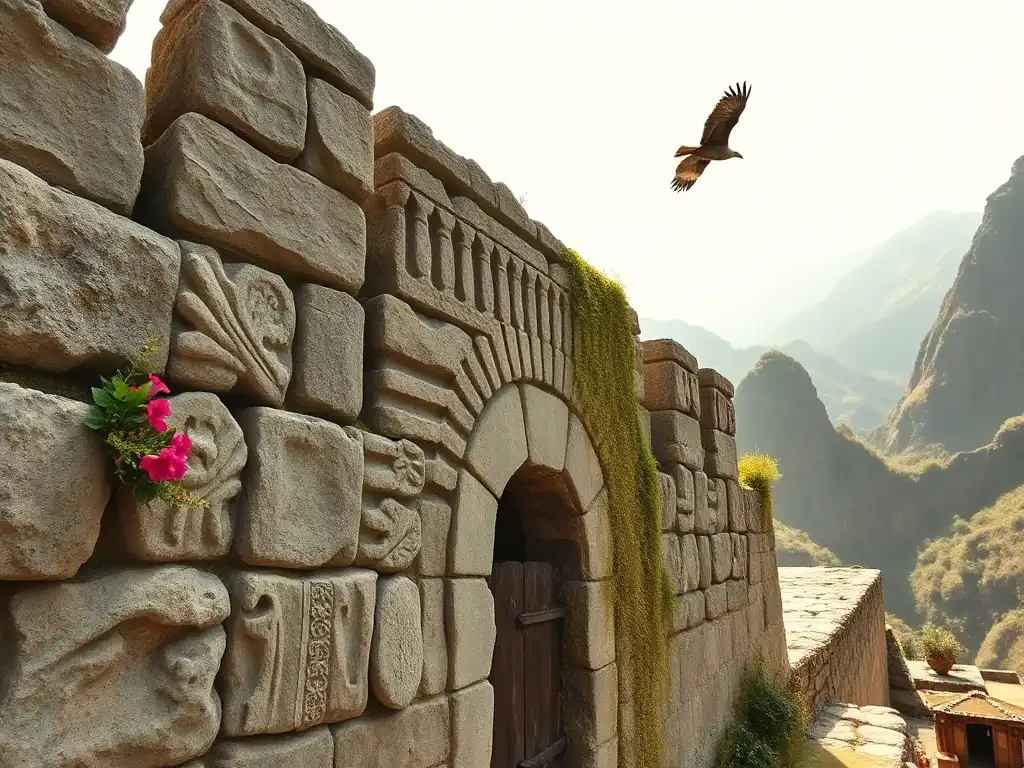
The Inca Empire, despite its relatively short lifespan compared to other ancient civilizations, left an indelible mark on South America. Its sophisticated social structures, advanced agricultural techniques, and intricate artistic expressions continue to resonate today. Understanding the enduring legacy of Inca culture is crucial for appreciating the complexities of Andean history and the ongoing efforts towards Inca cultural preservation.
This legacy isn't merely a collection of artifacts in museums; it's a living tapestry woven into the fabric of modern Andean life. From the vibrant textiles still produced using traditional techniques to the Quechua language, spoken by millions, Inca heritage permeates the region's identity. The impact of Inca ingenuity is also evident in modern infrastructure projects, which often draw inspiration from the Empire's mastery of engineering and resource management.
The remarkable resilience of Inca traditions underscores the deep-rooted cultural memory and the unwavering commitment of Andean communities to preserving their ancestral heritage. This commitment is not just a matter of pride; it's a vital component of their cultural identity and a source of strength in the face of globalization and modernization.
Understanding the Importance of Inca Heritage
Inca heritage is far more than a historical curiosity; it’s a vital part of the cultural identity of millions of people across the Andes region. Preserving this heritage isn't just about safeguarding ancient ruins or artifacts; it's about maintaining a living connection to a rich and complex past. This connection manifests in numerous ways, from the continued practice of traditional Andean medicine using indigenous plants and techniques, to the vibrant celebrations and festivals that honor Inca deities and ancestral spirits.
The intricate textiles, ceramics, and metalwork produced by contemporary artisans are testaments to the enduring skills and artistic traditions passed down through generations. Furthermore, the Quechua language, a direct descendant of the language spoken during the Inca Empire, continues to thrive, demonstrating the resilience of Inca linguistic heritage. The importance of Inca heritage lies in its capacity to foster a sense of community, identity, and continuity.
It provides a framework for understanding the present through the lens of the past, offering valuable insights into sustainable living, social organization, and artistic expression. The preservation of this heritage ensures that future generations can benefit from the wisdom and knowledge accumulated over centuries. The survival of Inca cultural practices also contributes significantly to the biodiversity of the region, as traditional agricultural techniques often rely on the sustainable use of natural resources.
Challenges to Inca Cultural Preservation Today
Despite the enduring strength of Inca cultural traditions, significant challenges threaten their survival in the modern era. One of the most pressing issues is the impact of globalization and modernization. Rapid urbanization, mass tourism, and the influx of Western cultural influences can erode traditional practices and values. The pressure to adopt modern lifestyles can lead to the abandonment of indigenous languages, traditional agricultural methods, and ancestral beliefs.
Another significant challenge is the lack of adequate funding and resources dedicated to Inca cultural preservation initiatives. Many communities lack the financial support needed to maintain historical sites, protect cultural artifacts, and promote traditional arts and crafts. Furthermore, the lack of awareness and appreciation for Inca heritage among younger generations poses a threat to its long-term survival. Efforts to integrate Inca cultural education into school curricula are crucial for fostering a sense of pride and ownership among the youth.
Finally, the effects of climate change and environmental degradation also pose a significant threat to Inca cultural sites and the landscapes that are intrinsically linked to Inca traditions. Protecting these vulnerable ecosystems is essential for safeguarding the tangible and intangible aspects of Inca heritage. The effective preservation of Inca culture necessitates a multi-faceted approach that addresses these challenges proactively and collaboratively. This requires not only financial investment and educational initiatives but also a deep respect for the cultural rights and self-determination of Andean communities.
Key Aspects of Inca Cultural Preservation
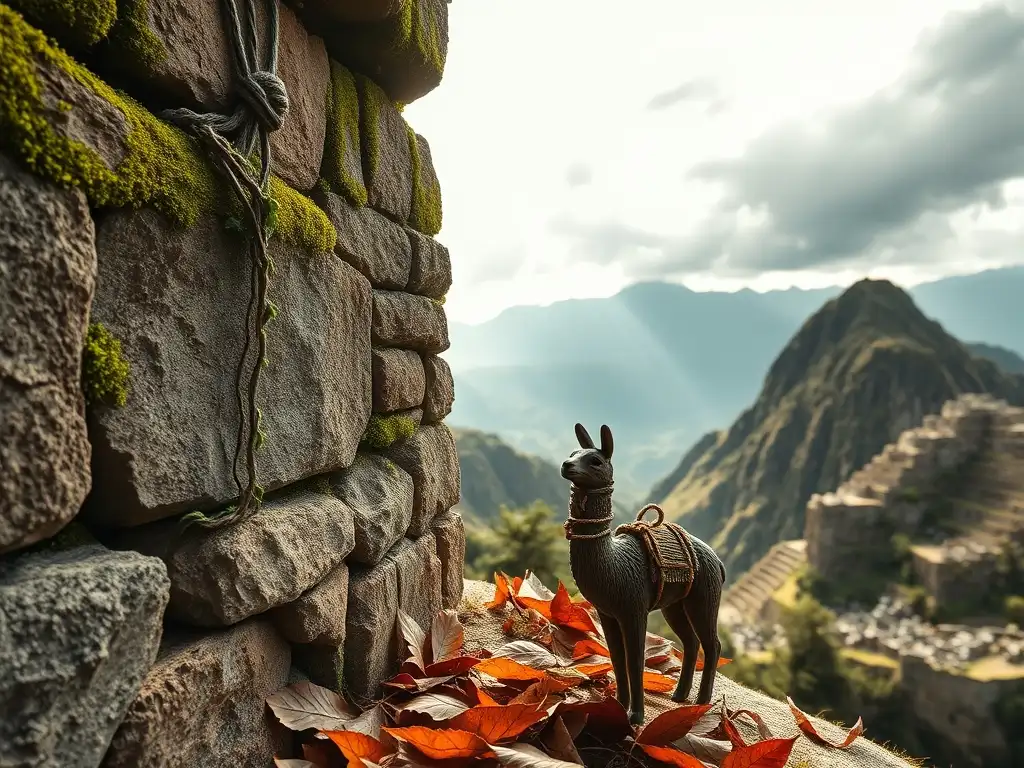
This section delves into the crucial efforts dedicated to preserving vital aspects of Inca culture in the modern era. The survival of Inca traditions hinges on dedicated initiatives focused on language, artistic expression, and material culture. Understanding these preservation strategies is key to appreciating the ongoing legacy of the Inca Empire. Effective Inca cultural preservation requires a multi-faceted approach, tackling challenges head-on while celebrating the enduring richness of the heritage.
Language Revitalization: Quechua and its Importance
The Quechua language, a cornerstone of Inca identity, faces significant challenges in the 21st century. Despite its historical dominance across the Andes, the spread of Spanish and other languages has led to a decline in Quechua speakers, particularly among younger generations. However, robust efforts are underway to revitalize Quechua, recognizing its intrinsic link to Inca cultural preservation.
Several strategies are being employed. Immersive language programs in schools and communities aim to foster fluency from a young age. Universities offer Quechua language courses and research opportunities, contributing to linguistic scholarship and community engagement. Furthermore, the use of Quechua in media, including radio, television, and literature, helps to normalize its use and increase its visibility in daily life.
The creation of Quechua dictionaries and online resources facilitates language learning and access to a wider range of information. This multifaceted approach demonstrates a commitment to ensuring the survival of this vital aspect of Inca heritage. The success of these initiatives relies heavily on community participation and governmental support. Quantifiable data on the effectiveness of these programs is still being collected, but anecdotal evidence suggests a growing interest in Quechua language learning and usage.
Traditional Inca Music and Dance: Maintaining Cultural Expression
Inca music and dance were integral parts of social life, religious ceremonies, and celebrations. These art forms conveyed narratives, celebrated harvests, and honored deities. Preserving these traditions requires dedicated efforts to document, teach, and perform them. The challenge lies in maintaining authenticity while adapting to contemporary contexts.
Many communities actively participate in preserving traditional Inca music and dance. Elderly members of the community act as custodians of knowledge, passing down techniques and songs to younger generations. Festivals and cultural events provide platforms for showcasing these performances, fostering both community pride and tourism. Ethnomusicologists and anthropologists play a key role in recording and analyzing these art forms, ensuring their accurate documentation and preservation for future generations.
The use of digital technologies, such as video recording and online archives, allows for wider dissemination and accessibility of these cultural treasures. However, the challenge remains in balancing the preservation of traditional forms with the natural evolution and adaptation of these art forms within modern society. For instance, incorporating modern instruments while maintaining the core essence of traditional Inca music is a delicate balancing act.
Preserving Inca Textile Art: Techniques and Symbolism
Inca textiles are renowned for their intricate designs, vibrant colors, and symbolic significance. The techniques employed in their creation, including spinning, dyeing, and weaving, represent a sophisticated level of craftsmanship. Preserving this art form requires safeguarding both the technical skills and the cultural interpretations embedded within the designs.
Workshops and apprenticeships provide opportunities for younger generations to learn traditional textile techniques from master artisans. Museums and cultural centers play a crucial role in preserving and exhibiting Inca textiles, providing educational opportunities and raising awareness of their cultural significance. Detailed documentation of weaving techniques, dye recipes, and symbolic interpretations is essential for ensuring the accurate transmission of knowledge. Efforts are also being made to revive the use of traditional dyes and materials, promoting sustainability and authenticity.
Furthermore, the study of Inca textile art helps us understand their social structures, religious beliefs, and artistic aesthetics. The ongoing research and documentation of Inca textiles contribute significantly to our understanding of this rich aspect of Inca culture and its preservation for future generations. The economic impact of promoting and selling these textiles also provides a powerful incentive for the continuation of these crafts.
The Role of Inca Traditional Medicine and Healing Practices
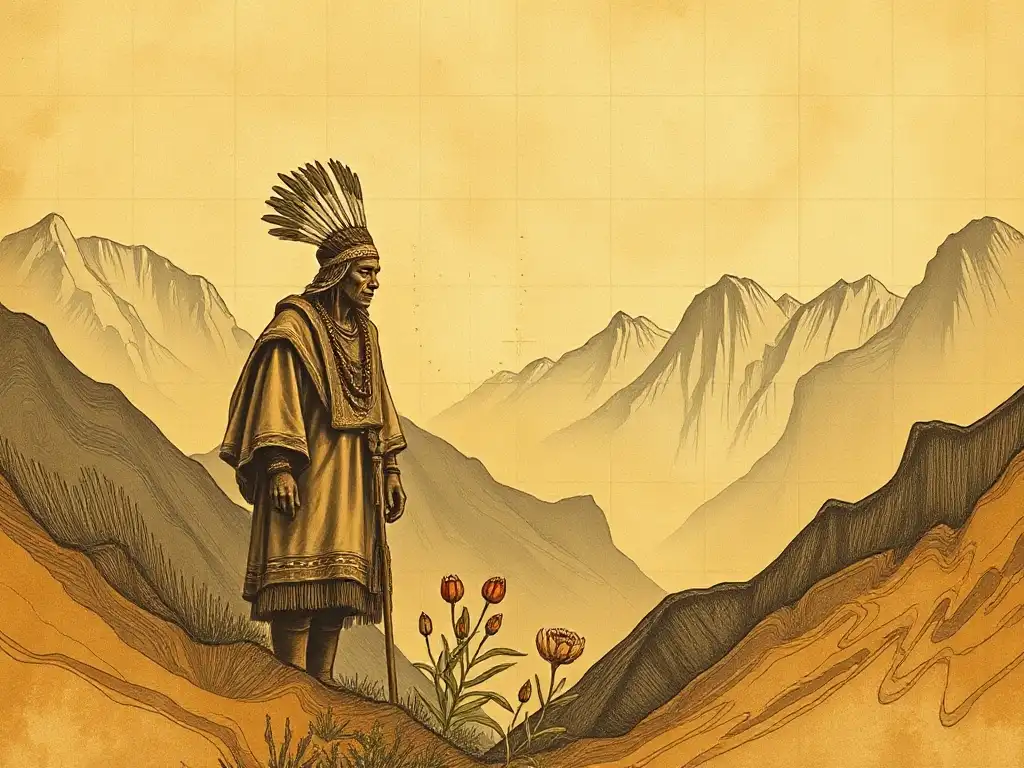
Inca traditional medicine, a sophisticated system deeply interwoven with their worldview, plays a vital role in contemporary Inca cultural preservation efforts. The resurgence of interest in these practices isn't merely a nostalgic pursuit; it's a conscious effort to reclaim and revitalize a crucial aspect of their heritage. Many communities are actively working to document and transmit knowledge of medicinal plants, diagnostic techniques, and healing rituals passed down through generations.
This involves not only the identification and cataloging of specific herbs and their uses – such as the coca leaf, known for its stimulant and medicinal properties – but also the careful preservation of oral traditions and the training of new healers. The transmission of this knowledge often occurs within families, but community-based initiatives and academic collaborations are also playing an increasingly important role in ensuring the continuation of these invaluable practices. The preservation of Inca traditional medicine also contributes to broader health initiatives, offering sustainable and culturally appropriate healthcare solutions in often-remote Andean communities.
Efforts to integrate traditional practices with modern healthcare systems represent a significant step towards holistic well-being and cultural sustainability. The challenge lies in balancing the preservation of authenticity with the need for safety and efficacy in a modern medical context. Research into the scientific basis of Inca medicinal practices could further strengthen their integration into contemporary healthcare.
Inca Agricultural Techniques: Sustainable Practices for the Future
Inca agricultural techniques, renowned for their ingenuity and sustainability, offer invaluable lessons for modern agricultural practices, particularly in the face of climate change. The waru waru system, a sophisticated raised-bed agricultural technique, is a prime example. This system, utilizing canals and raised beds to manage water and improve soil fertility, demonstrates a remarkable understanding of water management and soil conservation. Its effectiveness in arid and semi-arid environments makes it a highly relevant model for sustainable agriculture in many parts of the world today.
The Inca's mastery of terracing, another key element of their agricultural success, allowed them to cultivate steep slopes, maximizing arable land. These terraces not only increased the amount of land available for cultivation but also reduced soil erosion and water runoff. The Inca's deep understanding of their environment, coupled with their sophisticated agricultural practices, ensured food security for a large population. Preserving and adapting these techniques is crucial for ensuring food security and environmental sustainability in the Andes today.
Modern research and collaborations are focusing on the revival and adaptation of these Inca techniques, promoting sustainable agriculture and preserving a vital part of their cultural legacy. This includes not only the physical reconstruction of terraces and waru waru systems but also the transmission of knowledge about soil management, water conservation, and crop diversification. The integration of traditional Inca techniques with modern agricultural technologies holds immense potential for creating environmentally friendly and culturally appropriate agricultural systems in the Andes and beyond.
Community Efforts in Inca Cultural Revival
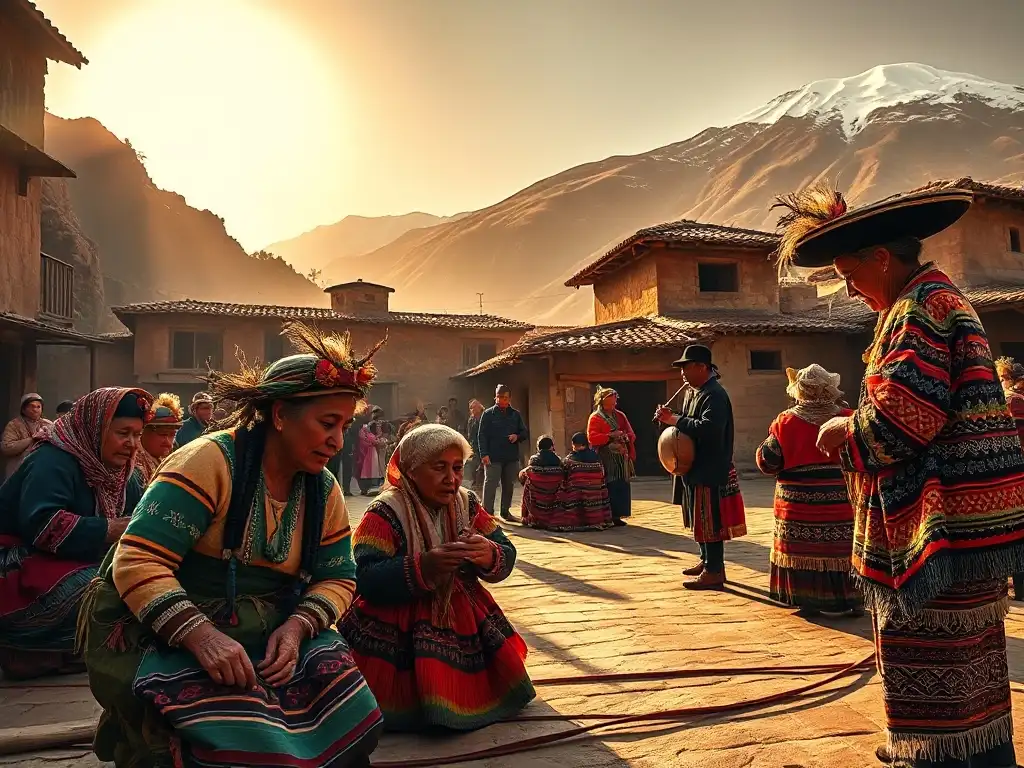
The survival of Inca cultural heritage is deeply intertwined with the active participation of Andean communities. Far from being passive recipients of preservation efforts, these communities are the driving force behind many successful initiatives, demonstrating a powerful connection to their ancestors and a determination to maintain their cultural identity in the face of modernization. This vibrant engagement ensures that Inca traditions are not merely preserved as museum artifacts, but are lived, practiced, and adapted within the context of contemporary life.
This section explores the diverse ways in which community efforts are instrumental in the ongoing project of Inca cultural preservation. Understanding these grassroots movements is critical to appreciating the multifaceted nature of Inca heritage and its enduring legacy.
Local Initiatives for Inca Cultural Preservation
Numerous local initiatives are playing a crucial role in Inca cultural preservation. These range from small-scale community museums showcasing traditional crafts and artifacts to larger-scale projects focused on the restoration of ancient sites. For example, in the Sacred Valley, several communities have established weaving cooperatives, producing textiles using traditional techniques and designs passed down through generations.
This not only preserves the art of Inca weaving but also provides economic opportunities for local artisans, strengthening the community's connection to its heritage. Furthermore, many communities actively participate in the maintenance and protection of Inca ruins within their territories, acting as custodians of these invaluable historical sites. This hands-on approach ensures that the ruins are not only preserved but also interpreted within a living cultural context.
Their direct involvement fosters a sense of ownership and responsibility, contributing significantly to the long-term preservation of these irreplaceable assets. The success of these initiatives hinges on community-based management strategies, combining traditional knowledge with modern conservation techniques. This collaborative approach ensures that preservation efforts are both effective and culturally sensitive.
The Role of Indigenous Communities in Safeguarding Heritage
Indigenous communities are at the heart of Inca cultural preservation. Their intimate knowledge of traditional practices, languages (like Quechua), and customs is invaluable in ensuring the authenticity and accuracy of preservation efforts. They are not simply the subjects of preservation; they are the active agents, shaping the narrative and ensuring that the interpretation of Inca heritage reflects their perspectives and lived experiences.
Many communities actively participate in archaeological digs, providing crucial insights into the meaning and significance of discovered artifacts. Their oral traditions, often passed down through generations, offer rich contextual information that complements written records and archaeological findings. This active participation ensures that Inca cultural preservation is not a top-down process imposed from outside, but a collaborative effort that empowers indigenous communities and respects their cultural authority.
The preservation of Inca culture is intrinsically linked to the empowerment and self-determination of these communities. Their role is not merely one of preservation; it is one of custodianship, ensuring that the legacy of their ancestors continues to thrive.
Educational Programs Focused on Inca Culture and History
Educational programs targeted at both children and adults are crucial for ensuring the long-term survival of Inca cultural heritage. These initiatives aim to foster a deeper understanding and appreciation of Inca history, traditions, and values among future generations. Many schools in the Andean region incorporate Inca history and culture into their curricula, teaching children about Inca achievements in agriculture, engineering, and governance.
Furthermore, community-based workshops and cultural festivals provide opportunities for adults to learn traditional crafts, music, and dance, strengthening their connection to their cultural roots. These programs go beyond simply imparting factual knowledge; they aim to cultivate a sense of pride and ownership in Inca heritage, encouraging active participation in its preservation. The effectiveness of these educational initiatives relies on a culturally sensitive approach that respects the knowledge and perspectives of indigenous communities.
The success of Inca cultural preservation depends not only on preserving physical artifacts but also on transmitting cultural knowledge and values across generations. This ensures the living legacy of the Inca Empire continues to flourish.
The Impact of Tourism on Inca Cultural Preservation
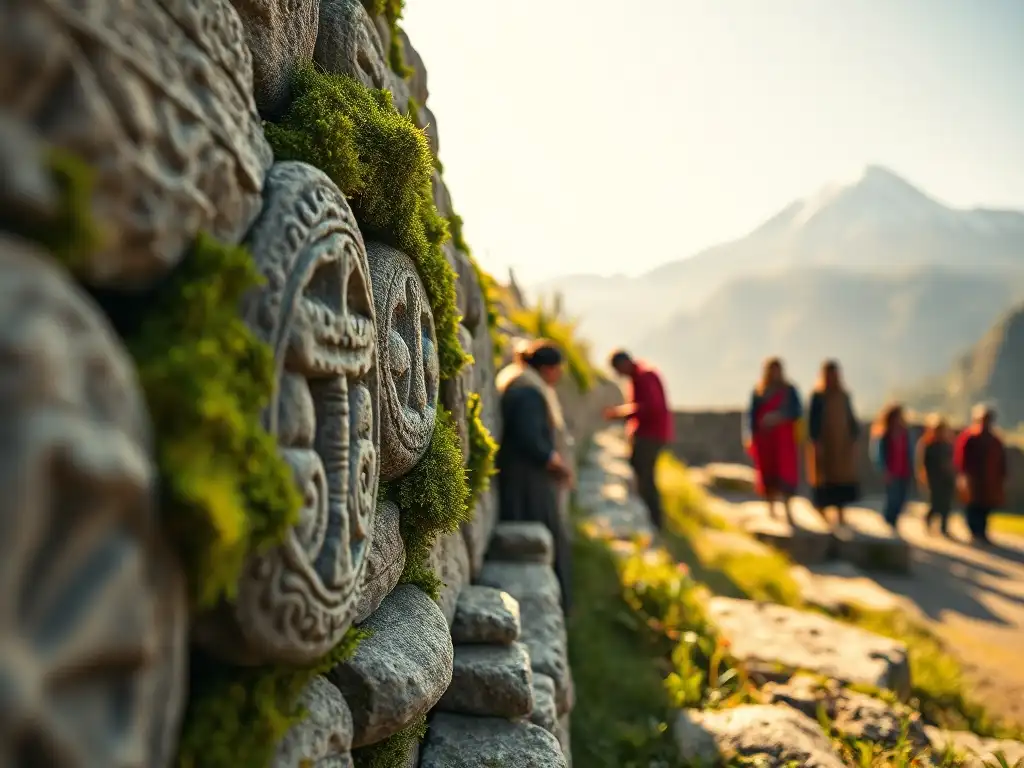
Tourism presents a double-edged sword for Inca cultural preservation. While it offers a vital economic lifeline for communities and raises global awareness of Inca heritage, uncontrolled tourism can lead to the erosion of traditions and the commodification of cultural practices. The influx of visitors, if not managed sustainably, can contribute to environmental degradation, the displacement of local populations, and the superficial presentation of Inca culture, prioritizing profit over authenticity.
A nuanced approach is crucial to harness the benefits of tourism while mitigating its potential negative impacts on Inca cultural integrity. Understanding this delicate balance is paramount for effective Inca cultural preservation strategies.
Balancing Tourism with Cultural Integrity
The challenge lies in striking a balance between generating revenue and preserving the authenticity of Inca culture. This requires a collaborative approach involving local communities, government agencies, and tourism operators. One key aspect is ensuring that tourism development respects the cultural sensitivities and spiritual significance of sites and practices. This might involve limiting visitor numbers in sacred areas, implementing strict guidelines on photography, and prohibiting activities that could damage artifacts or disrupt traditional ceremonies.
For example, Machu Picchu, a UNESCO World Heritage site, has implemented timed entry systems and visitor quotas to manage the flow of tourists and minimize environmental impact. Effective monitoring and enforcement of these regulations are crucial to maintaining the balance. Furthermore, investing in education and training programs for tourism professionals can ensure they are equipped to handle visitors responsibly and sensitively, conveying accurate information about Inca culture and its significance.
Responsible Tourism Practices in Inca Regions
Responsible tourism practices are essential for the long-term preservation of Inca culture. This involves promoting sustainable tourism initiatives that benefit local communities economically while minimizing environmental damage. Examples include supporting locally owned businesses, employing local guides, and investing in community-based tourism projects.
These projects can empower local communities to participate actively in the tourism industry, allowing them to control the narrative around their cultural heritage and benefit directly from its preservation. Furthermore, responsible tourism should encourage cultural exchange and mutual respect between visitors and local communities. This can be achieved by promoting cultural immersion experiences that allow visitors to interact with local artisans, learn traditional crafts, and participate in community events in a respectful manner.
The use of locally sourced materials in tourism infrastructure and the implementation of waste management programs are also crucial aspects of responsible tourism. This holistic approach, focusing on economic sustainability, environmental protection, and socio-cultural sensitivity, is critical for Inca cultural preservation.
The Economic Impact of Inca Culture on Local Communities
The economic impact of Inca culture on local communities is significant, particularly through tourism. However, the distribution of economic benefits is often uneven, with much of the profit going to large tourism companies rather than local communities. This imbalance needs to be addressed through policies that prioritize community participation and benefit-sharing.
For example, implementing community-based tourism models can ensure that local communities receive a larger share of tourism revenue, which can be reinvested in cultural preservation initiatives, education, and infrastructure development. Furthermore, supporting local artisans and craftspeople through fair trade practices can help preserve traditional skills and create sustainable livelihoods. The development of culturally appropriate products and services, such as traditional textiles or handicrafts, can also generate income for local communities while promoting Inca culture.
Data on the exact economic impact varies, but studies [specific information pending] consistently highlight the need for equitable distribution of tourism revenue to ensure the sustainability of both the cultural heritage and the communities that safeguard it. A robust and transparent system for tracking and distributing tourism revenues is essential to achieve this goal. This ensures that the economic benefits of Inca cultural tourism directly support the preservation efforts and the well-being of the communities involved.
Inca Cultural Preservation: A Global Responsibility
The preservation of Inca heritage is not solely the responsibility of Peru, but a global concern. The Inca Empire's influence extended far beyond its geographical boundaries, leaving an indelible mark on South American history and culture. Its sophisticated agricultural techniques, intricate textile artistry, and complex social structures continue to fascinate and inspire. Therefore, safeguarding Inca cultural sites and traditions requires a concerted international effort.
The sheer scale of the task necessitates collaboration between governments, academic institutions, NGOs, and local communities. This collaborative approach ensures a multifaceted strategy encompassing archaeological research, site preservation, and community engagement. Failure to protect these invaluable cultural assets would represent a significant loss to humanity's shared cultural heritage.
The urgency of this task cannot be overstated; the delicate balance between preservation and the impacts of modern development requires constant vigilance and proactive measures. The impact of tourism, while potentially beneficial for local economies, also presents significant challenges if not carefully managed. Sustainable tourism practices, respectful of Inca sites and traditions, are paramount.
International Support for Protecting Inca Heritage
Many international organizations actively participate in Inca cultural preservation efforts. UNESCO, for example, designates significant Inca sites as World Heritage sites, providing them with a degree of protection and attracting international funding. This designation helps to raise awareness of the importance of these sites and encourages responsible tourism.
Beyond UNESCO, numerous other organizations, both governmental and non-governmental, contribute to research, restoration, and community-based preservation projects. Funding from international bodies often supports vital initiatives such as the training of local archaeologists and conservators, the development of sustainable tourism strategies, and the implementation of protective measures against looting and environmental damage. Furthermore, international collaborations facilitate the sharing of knowledge and best practices in cultural heritage management, ensuring that the most effective techniques are employed in preservation efforts.
However, securing consistent and adequate funding remains a persistent challenge, highlighting the need for ongoing advocacy and a stronger global commitment to long-term preservation strategies. The level of international support fluctuates depending on global priorities and available resources, necessitating a proactive approach to securing ongoing funding and partnerships.
The Future of Inca Cultural Survival
The future of Inca cultural survival hinges on several crucial factors. Firstly, sustained international cooperation is paramount. This involves not only financial support but also the sharing of expertise and technology for site preservation and the documentation of Inca traditions. Secondly, community involvement is essential. Local communities are the custodians of much of the living Inca culture, and their active participation in preservation efforts is critical.
This includes supporting traditional practices, like weaving and agriculture, and ensuring that younger generations are connected to their heritage. Thirdly, responsible tourism is crucial. While tourism can generate revenue for preservation, it must be managed sustainably to avoid damaging Inca sites and communities. This requires careful planning, infrastructure development, and visitor education.
Finally, technological advancements offer new opportunities for preservation. Digital documentation, 3D modeling, and remote sensing technologies can assist in monitoring the condition of sites and recording intangible cultural heritage. However, the long-term sustainability of these efforts requires a shift in mindset, moving beyond short-term projects to a commitment to long-term, comprehensive strategies that integrate community needs with global preservation goals. The continued existence of Inca culture depends on a holistic approach that values both tangible and intangible heritage.
The Importance of Passing Down Inca Traditions to Future Generations
The transmission of Inca traditions to future generations is crucial for the survival of Inca culture. This involves more than just preserving historical artifacts; it encompasses the continuation of traditional practices, languages, and knowledge systems. Education plays a vital role. Integrating Inca history and culture into school curricula helps to foster a sense of pride and ownership among young people.
Community-based initiatives, such as workshops, festivals, and storytelling sessions, can also help to transmit traditional skills and knowledge. Furthermore, supporting traditional artisans and farmers ensures the continuation of essential crafts and agricultural techniques. However, the challenge lies in finding a balance between preserving authenticity and adapting to the realities of the modern world. This requires a nuanced approach that respects tradition while also allowing for innovation and evolution.
The use of modern technology, such as digital platforms, can help to disseminate Inca knowledge and connect younger generations with their heritage in engaging and accessible ways. The success of this endeavor depends on the active participation of communities, educators, and policymakers, working collaboratively to create a supportive environment for the transmission of Inca cultural heritage. Without this concerted effort, vital aspects of Inca culture risk being lost forever.
Frequently Asked Questions
What challenges does Inca cultural preservation face today?
Inca cultural preservation faces numerous challenges, including loss of language, destruction of archaeological sites due to urbanization and climate change, and the erosion of traditional practices due to globalization. Efforts to combat these issues are ongoing.
How are modern communities involved in preserving Inca culture?
Modern communities play a vital role through active participation in cultural events, teaching traditional skills to younger generations, and working with archaeologists and anthropologists to protect and interpret Inca heritage sites. This ensures the continuation of cultural traditions.
What role does tourism play in Inca cultural preservation?
Tourism can be a double-edged sword. While it provides funding for preservation efforts, irresponsible tourism can also damage sites and lead to the commodification of culture. Sustainable and responsible tourism practices are crucial.
What are some specific examples of Inca cultural preservation initiatives?
Many initiatives exist, including the restoration of ancient sites, the creation of museums and cultural centers, and the promotion of traditional arts and crafts. These projects aim to both protect tangible and intangible heritage.
How can I contribute to Inca cultural preservation?
You can contribute by supporting responsible tourism, learning about Inca culture, and donating to organizations dedicated to its preservation. Educating others about the importance of preserving Inca heritage is also crucial.
Final Reflection: Weaving the Threads of Inca Heritage into the Future
The vibrant tapestry of Inca culture, once threatened by the relentless march of time and globalization, continues to hold a powerful sway over our modern world. Its intricate designs, profound spiritual beliefs, and resilient spirit serve as a potent reminder of the enduring strength of indigenous traditions in the face of immense societal shifts. The preservation of this heritage is not merely an academic pursuit; it is a vital act of cultural safeguarding that enriches our collective understanding of humanity.
The impact of Inca cultural preservation extends far beyond museums and archaeological sites; it resonates deeply within the hearts and minds of individuals across the globe. The legacy of the Inca continues to inspire artists, scholars, and activists alike, prompting a critical examination of colonialism's lasting effects and the importance of respecting diverse cultural expressions. The past is never dead. It's not even past,
wrote William Faulkner, and this rings profoundly true when considering the enduring influence of Inca civilization. Their innovative agricultural techniques, sophisticated societal structures, and profound connection to the Andean landscape continue to offer valuable lessons for sustainable living and harmonious coexistence with nature.
Consider the threads of Inca heritage woven into your own life. Perhaps you've admired the intricate textiles, tasted the flavors of Andean cuisine, or felt a sense of awe when contemplating the breathtaking Machu Picchu. Now, reflect on how you can contribute to the ongoing preservation of this rich legacy.
Support organizations dedicated to protecting Inca sites and traditions, learn more about their history and beliefs, and actively challenge narratives that diminish or erase indigenous cultures. Let the enduring spirit of the Inca inspire you to champion cultural diversity and build a future where all traditions are valued and celebrated.
**Embrace and Empower Inca Heritage Today! **
Thank you for exploring the rich tapestry of Inca traditions with us! Discovering these unique cultural aspects is a vital step in preserving the vibrancy of Andean civilizations. Let's translate that knowledge into action by actively supporting Inca culture.
- **Immerse yourself** in the living traditions of the Andes by attending a local cultural event or workshop focusing on traditional crafts, music, or cuisine.
- **Share your newfound appreciation** for Inca culture with friends, family, and on social media, inspiring others to learn and engage.
- **Make a lasting impact** by volunteering with organizations dedicated to cultural preservation or supporting artisan communities, helping them flourish in today's world.
Which aspect of Inca culture most inspires you? Share your thoughts below!