
The Mit'a System: Obligatory Labor and Its Impact on Inca Society

Step into a world lost to time, yet echoing with the power of a vanished empire. Discover the intricate tapestry of Andean civilizations, from the awe-inspiring artistry of the Nazca lines to the sophisticated engineering feats of the Tiahuanaco. But prepare to be captivated by the enigmatic Inca Mit'a system, a cornerstone of Inca society that shaped its very destiny. Uncover the true impact of this obligatory labor system – its complexities, its consequences, and its lasting legacy. Dive in and unravel the mysteries of the Andes!
The Inca Empire, a vast and sophisticated civilization that thrived in the Andes Mountains, relied on a complex system of governance to manage its resources and population. Central to this system was the mit'a, a form of obligatory labor that profoundly shaped Inca society, its economy, and its infrastructure. This article delves into the intricacies of the mit'a system, exploring its origins, implementation, and far-reaching consequences on the lives of Inca citizens and the overall trajectory of the empire.
We will examine how this system, while instrumental in the Inca's remarkable achievements, also contributed to social tensions and ultimately played a role in the empire's vulnerability. Understanding the mit'a is crucial to grasping the full complexity and dynamism of Inca civilization and its enduring legacy.
We will analyze the impact of the Inca mit'a system, exploring its benefits and drawbacks, and considering its lasting influence on Andean societies. The keyword "Inca Mit'a system impact" will be thoroughly addressed throughout this analysis.
Introduction to the Inca Mit'a Labor System
The mit'a was not simply forced labor; it was a complex system integrated into the fabric of Inca society. It was a form of reciprocal obligation, where citizens were required to contribute a specific amount of labor to the empire in exchange for various benefits, including access to land, protection, and social services. This wasn't a system of unending servitude; the duration of mit'a service varied depending on the task and the individual's abilities.
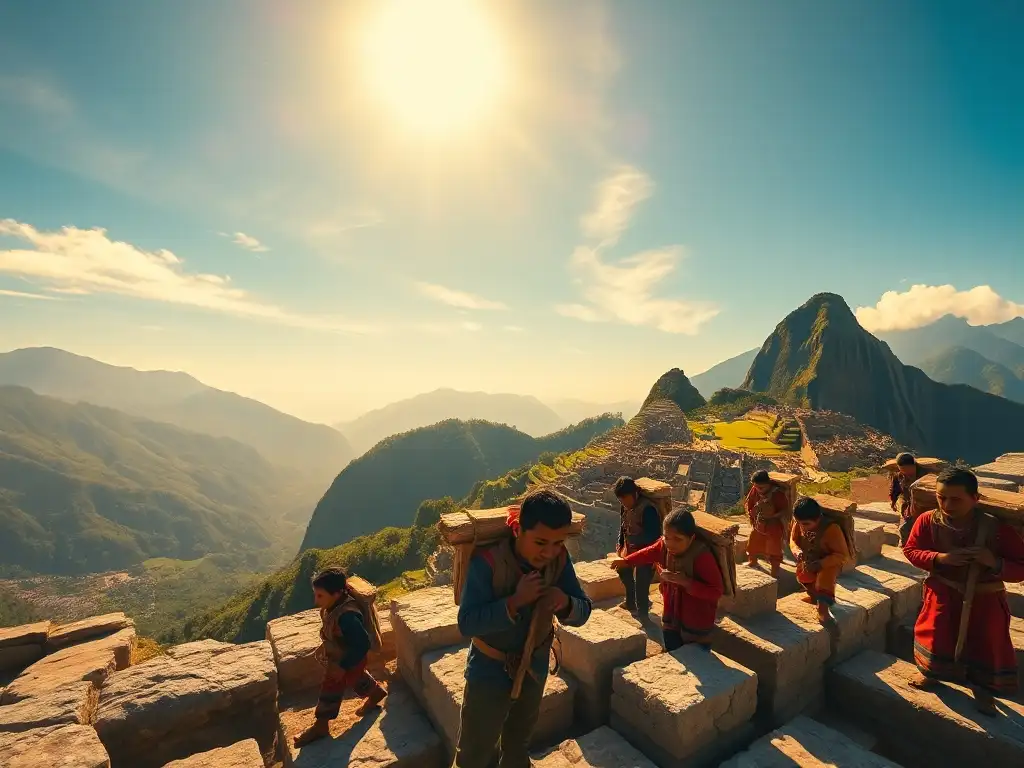
The Inca carefully managed the mit'a, ensuring that it did not unduly burden any single community. This involved meticulous record-keeping and a sophisticated administrative structure that oversaw the allocation of labor to different projects. The system was essential to the construction of vast infrastructure projects like roads, temples, and irrigation canals, which are still visible today, showcasing the scale and ambition of Inca engineering.
The mit'a also played a critical role in agriculture, mining, and military service, ensuring the continued functioning of the empire. The impact of this carefully calibrated system on Inca society was profound, influencing everything from social stratification to economic development.
Pre-Inca Origins of Rotational Labor in the Andes
The mit'a system, while refined and formalized under Inca rule, had roots that predate the empire. Evidence suggests that various forms of rotational labor existed in the Andes long before the Inca arrived. These earlier systems often involved communal work on agricultural projects or public works, reflecting a long-standing tradition of collective responsibility within Andean communities.
The Inca likely adapted and expanded upon these existing practices, integrating them into their centralized administrative framework. This suggests that the mit'a was not a sudden imposition but rather an evolution of pre-existing social and economic structures. Understanding these pre-Inca origins helps illuminate the mit'a's deep integration into Andean society and its enduring significance within the cultural landscape.
The continuity between pre-Inca labor practices and the Inca mit'a highlights the system's adaptability and its role in shaping Andean social dynamics over centuries. Further research is needed to fully understand the specific nuances of these pre-Inca labor systems and their precise relationship to the Inca mit'a.
The Inca Implementation of the Mit'a System
The Inca Mit'a system, a cornerstone of their vast empire, wasn't a sudden invention but rather a refined and expanded version of pre-existing labor obligations found in various Andean societies. The Incas inherited and adapted these existing systems, centralizing control and implementing a highly organized structure. This involved meticulous record-keeping, using quipus (complex knotted cords) to track individuals, their assigned tasks, and the duration of their service.
The system's efficiency was crucial to the empire's monumental construction projects, agricultural output, and overall economic stability. The Incas cleverly tailored the Mit'a to their specific needs, ensuring a steady flow of labor for both public works and the production of essential goods. The scale and organization of the Mit'a under Inca rule far surpassed anything seen before, representing a significant advancement in state-controlled labor mobilization.
This sophisticated approach allowed for the efficient allocation of manpower across the vast and diverse Inca territories, facilitating the impressive achievements of the empire. The system's effectiveness stemmed from its integration into the broader Inca social and political framework, solidifying the emperor's authority and promoting a sense of collective responsibility.
Organization of Mit'a Labor Groups
The Inca Mit'a system was characterized by its highly organized structure. Labor groups, often based on ayllus (kinship-based communities), were carefully selected and assigned to specific projects. This ensured a degree of social cohesion and accountability within the workforce.
The size of these groups varied depending on the scale of the project, ranging from small teams for local tasks to massive contingents for large-scale constructions like roads or irrigation systems. Supervisors, appointed by the Inca state, oversaw the work, ensuring productivity and adherence to schedules. These supervisors played a critical role in maintaining order and discipline within the workforce, while also ensuring the fair treatment of the laborers.
Their authority was derived from the Inca government, emphasizing the centralized nature of the system. Furthermore, the organization of the Mit'a also took into account the geographical location of the workers and the proximity of the projects, minimizing travel time and maximizing efficiency. This logistical aspect of the system demonstrates the Incas' impressive administrative capabilities.
Types of Tasks Assigned Under Mit'a
The Mit'a encompassed a broad spectrum of tasks vital to the Inca Empire's functioning. It wasn't solely focused on large-scale construction projects, although those were prominent. Agricultural labor played a crucial role, with Mit'a workers contributing to the cultivation of state-owned lands and the maintenance of irrigation systems.
Mining, another essential industry, relied heavily on Mit'a labor for extracting precious metals and other resources. Textile production, the creation of intricate clothing and other goods, also benefited from the system. Furthermore, Mit'a workers were involved in the construction and maintenance of roads, bridges, and other infrastructure essential for communication and trade throughout the empire.
Military service was another form of Mit'a, with selected individuals obligated to serve in the Inca army. The diversity of tasks assigned under the Mit'a highlights its integral role in sustaining the Inca economy and ensuring the empire's overall well-being. The flexibility of the system allowed the Inca government to adapt quickly to changing needs and priorities.
The Societal Impact of the Inca Mit'a System
The Inca Mit'a system had a profound and multifaceted impact on Inca society, shaping its social structure, economy, and even its worldview. Its influence extended far beyond the mere allocation of labor. The system intertwined with the Inca's intricate social fabric, reinforcing their communal ethos and hierarchical structure. While it undeniably demanded significant contributions from the population, it also provided a crucial mechanism for distributing resources and ensuring a degree of social equity.
The system's success, however, was contingent upon the Inca state's ability to maintain order and prevent abuses of power. The efficient functioning of the Mit'a was directly linked to the stability and prosperity of the empire. Failures or mismanagements could lead to social unrest and economic hardship.
Benefits of Mit'a for the Inca State
The Mit'a system provided substantial benefits to the Inca state. Firstly, it ensured a readily available workforce for the construction of monumental infrastructure projects, such as roads, irrigation canals, and temples – projects that significantly enhanced the empire's economic productivity and facilitated trade and communication. Secondly, it facilitated the effective cultivation of state-owned lands, bolstering food production and ensuring the empire's food security.
Thirdly, it enabled the extraction of valuable resources, such as minerals, contributing significantly to the Inca economy. Finally, it provided a mechanism for maintaining social order and control, as the obligation to participate in Mit'a reinforced the authority of the Inca state and fostered a sense of collective responsibility among the population. The system's efficiency in organizing and managing such a vast workforce allowed the Inca Empire to achieve remarkable feats of engineering and economic development.
Effects on Inca Communities and Families
While the Mit'a system facilitated the Inca Empire's impressive achievements, its impact on Inca communities and families was complex and often challenging. The obligation to provide labor, sometimes for extended periods, could strain family structures and agricultural productivity. The absence of able-bodied individuals could lead to hardship and economic instability within communities. However, the system also provided opportunities for social mobility and economic advancement for some individuals. Furthermore, the Mit'a fostered a sense of collective responsibility and community engagement, contributing to social cohesion. The system's impact varied depending on factors such as the specific task assigned, the duration of service, and the overall economic well-being of the community. Evidence suggests that while the system could impose burdens, it also contributed to the overall prosperity of the Inca Empire, albeit unevenly distributed across its population. The long-term consequences of the Mit'a on Inca society remain a subject of ongoing scholarly debate.
Mit'a and the Inca Economy
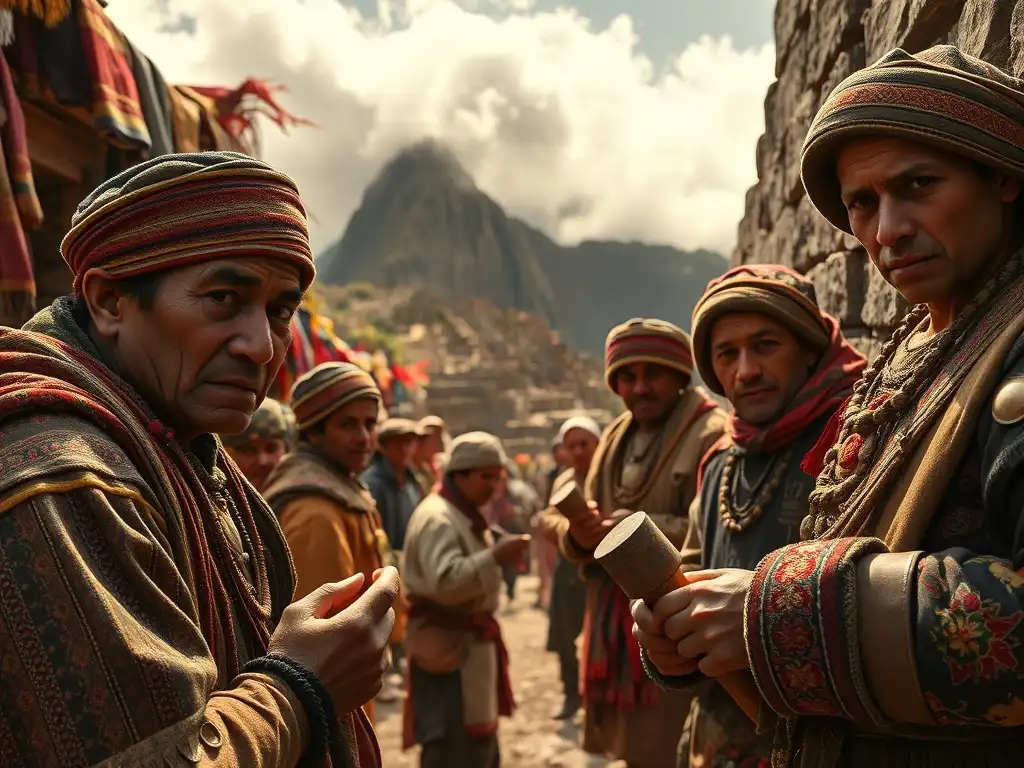
The Inca Mit'a system was inextricably linked to the empire's economic success. It wasn't simply a system of forced labor; it was a fundamental pillar of the Inca's sophisticated redistributive economy. The vast infrastructure projects, from the intricate road networks to the impressive agricultural terraces, wouldn't have been possible without the coordinated labor provided by the Mit'a.
This system ensured the construction and maintenance of these crucial elements, directly impacting the empire's ability to move goods, people, and armies efficiently. The efficient movement of resources, facilitated by the Mit'a-built infrastructure, also played a crucial role in the Inca's ability to manage and distribute goods throughout the empire, ensuring a relatively stable supply of essential resources to even the most remote communities. This economic efficiency contributed significantly to the empire's stability and longevity.
The system's success relied heavily on meticulous organization and planning, reflecting the Inca's advanced administrative capabilities. Without the Mit'a, the Inca empire's economic model would have been severely crippled, hindering its expansion and overall prosperity.
The Role of Mit'a in the Inca Redistributive Economy
The Inca economy wasn't based on individual wealth accumulation in the same way as many other societies. Instead, it operated on a redistributive model where the state controlled the production and allocation of resources. The Mit'a played a crucial role in this system. Labor provided through the Mit'a was not just for grand projects; it also contributed significantly to agricultural production.
Communities provided labor to cultivate state-owned lands, contributing to the vast storehouses of food that the Inca used to support their population, especially during times of hardship or famine. This ensured social stability and prevented widespread hunger. Moreover, the Mit'a facilitated the production of textiles, tools, and other essential goods that were then redistributed throughout the empire, underpinning the Inca’s social welfare system. The system's efficiency in supplying these goods to the population further solidified the Inca's power and legitimacy, strengthening their control over the vast empire.
Mit'a as a Form of Taxation and Tribute
The Mit'a wasn't simply a system of compulsory labor; it also functioned as a form of taxation and tribute. While individuals didn't pay taxes in the form of currency, their obligation to provide labor served as a crucial contribution to the state. This labor "tax" ensured the continued functioning of the empire and the provision of essential services to the population. The amount of labor demanded varied depending on factors such as the individual's age, health, and skillset.
The system was far from arbitrary; it was carefully managed to ensure fairness and efficiency, even if the concept of "fairness" differed significantly from modern understandings. The efficient collection of this "labor tax," through the Mit'a, was a testament to the Inca's advanced bureaucratic capabilities. This system demonstrates the Inca's innovative approach to resource management and governance, far exceeding the simple concept of a tax system in the modern sense.
The Legacy of the Mit'a System
The Mit'a system, despite its coercive nature, left a lasting impact on Andean societies. Its influence can be seen in various aspects of Andean life, even centuries after the fall of the Inca Empire.
Mit'a's Influence on Andean Labor Practices
The organization and structure of the Mit'a system deeply influenced subsequent Andean labor practices. The concept of communal labor, where communities collaborated on large-scale projects, continued to be a significant aspect of Andean life long after the Inca Empire's collapse. While the coercive nature of the Mit'a was diminished, the tradition of collective work for the benefit of the community persisted.
This communal work ethic, rooted in the legacy of the Mit'a, played a crucial role in shaping the social fabric and economic activities of Andean communities for generations. The legacy of the Mit'a is not solely negative; it also highlights the enduring importance of communal cooperation in Andean societies.
The Spanish Colonial Adaptation of the Mit'a
The Spanish colonizers, upon conquering the Inca Empire, recognized the efficiency of the Mit'a system and adapted it to their own purposes. They exploited the existing system, forcing indigenous populations to work in mines and on colonial projects. This adaptation, however, was far more brutal and exploitative than the original Inca system.
The Spanish largely disregarded the Inca's careful management and organization, leading to widespread abuse and suffering among the indigenous population. The Spanish colonial adaptation of the Mit'a stands as a stark example of how a system designed for the benefit of a society can be twisted into an instrument of oppression.
This exploitation contributed significantly to the decimation of the indigenous population during the colonial period, underscoring the devastating consequences of the Spanish alteration of this crucial Inca institution. The legacy of the Spanish adaptation of the Mit'a remains a significant part of the complex history of colonial exploitation in the Andes.
Analysis of the Inca Mit'a System Impact
The Inca Mit'a system, a form of obligatory labor, profoundly impacted Inca society in multifaceted ways. Its influence extended far beyond simple workforce provision; it shaped social structures, economic output, and even the cultural landscape. Understanding its impact requires a nuanced approach, acknowledging both its benefits and its drawbacks. The system's effectiveness hinged on the Inca's ability to organize and manage a vast workforce, distributing labor strategically across the empire to achieve ambitious projects.
This included everything from the construction of monumental structures like Machu Picchu to the cultivation of vast agricultural terraces and the maintenance of extensive road networks. The system's success was also tied to the Inca's sophisticated administrative capabilities, enabling them to effectively allocate resources and monitor labor performance across diverse regions. However, the system's impact wasn't solely positive; it also presented significant challenges and drawbacks.
Positive and Negative Consequences of the Mit'a
The Mit'a system, while demanding, offered certain advantages to the Inca citizenry. Participation provided access to essential goods and services, including food and shelter during periods of service. It also provided opportunities for skill development and exposure to different regions and cultures within the empire. This fostered a sense of shared purpose and collective identity. Furthermore, the infrastructure projects undertaken through the Mit'a directly benefited the population, improving living standards through irrigation systems, roads, and other essential infrastructure.
However, the negative consequences were equally significant. The demands of the Mit'a were often strenuous and time-consuming, pulling individuals away from their families and personal responsibilities for extended periods. This disruption could lead to agricultural neglect, impacting food production and household stability. The system was also prone to abuse, with some individuals facing harsh conditions and unfair treatment.
The potential for exploitation by local officials was a significant concern, leading to resentment and resistance among the population. The system's rigidity and lack of flexibility could also be detrimental, preventing individuals from pursuing their own economic interests or engaging in alternative activities. The potential for forced labor and the lack of compensation beyond basic necessities are also crucial aspects to consider when evaluating the negative consequences.
Comparing the Mit'a with Other Labor Systems
Compared to other ancient labor systems, the Inca Mit'a presents both similarities and differences. Like the corvée system in other pre-industrial societies, the Mit'a involved compulsory labor for public works. However, the Inca system was characterized by a greater degree of organization and centralized control.
Unlike systems based primarily on slavery or serfdom, the Mit'a was not inherently tied to ownership or permanent subordination. It was a cyclical obligation, with individuals returning to their communities after fulfilling their service. While the Mit'a shared similarities with Roman conscription in terms of its compulsory nature and its contribution to large-scale public projects, the Roman system was primarily focused on military service, whereas the Mit'a encompassed a broader range of activities.
The Inca's sophisticated administrative mechanisms for managing the Mit'a were also unique, reflecting their centralized and highly organized empire. This contrasts with more decentralized systems where labor allocation was less controlled and often subject to local variations.
Conclusion: Understanding the Significance of the Mit'a
The Mit'a system was a cornerstone of Inca governance, a complex and multifaceted institution that shaped the empire's development and exerted a profound influence on its society. Understanding its significance requires acknowledging its dual nature: a powerful tool for achieving ambitious state projects and a source of potential hardship and exploitation for its population. The system's success in facilitating large-scale infrastructure projects, agricultural development, and the maintenance of imperial control is undeniable.
However, its impact on individual lives and the potential for abuse cannot be overlooked. The Mit'a's legacy serves as a reminder of the complexities involved in balancing state needs with the well-being of the population.
The Mit'a as a Key Component of Inca Governance
The Mit'a was integral to Inca governance, functioning as a mechanism for resource mobilization, social control, and the maintenance of imperial power. Its efficacy stemmed from the Inca's ability to integrate the system into their broader administrative framework. The system was not merely a means of extracting labor; it was strategically employed to solidify imperial authority, reward loyalty, and integrate diverse populations into the Inca state.
The meticulous organization and record-keeping associated with the Mit'a facilitated efficient resource allocation and ensured the completion of large-scale projects. This sophisticated administrative structure was crucial to the system's success and played a vital role in maintaining the stability and expansion of the Inca empire.
The Mit'a also served as a means of social engineering, providing opportunities for upward mobility and fostering a sense of collective participation in the imperial project. The system's success depended heavily on the complex interplay between central planning and local implementation, a testament to the Inca's sophisticated administrative capabilities.
The Complex Legacy of Inca Obligatory Labor
The legacy of the Inca Mit'a system is complex and multifaceted. While it facilitated the construction of impressive infrastructure and the consolidation of Inca power, it also left a mark of hardship and exploitation on the lives of many. The system's impact continues to resonate in discussions of labor practices, social justice, and the relationship between state power and individual rights.
Historians and social scientists continue to debate its long-term consequences, analyzing its influence on Inca society, economy, and culture. Understanding the Mit'a system’s lasting impact requires a careful examination of both its positive contributions and its negative consequences, providing valuable insights into the dynamics of power, labor, and social organization within the Inca Empire. The debate surrounding its legacy highlights the importance of considering the human cost of large-scale state projects and the ethical implications of compulsory labor systems.
- Introduction to the Inca Mit'a Labor System
- Pre-Inca Origins of Rotational Labor in the Andes
- The Inca Implementation of the Mit'a System
- The Societal Impact of the Inca Mit'a System
- Mit'a and the Inca Economy
- The Legacy of the Mit'a System
- Analysis of the Inca Mit'a System Impact
- Conclusion: Understanding the Significance of the Mit'a
Frequently Asked Questions
What was the Inca Mit'a system?
The Mit'a system was a form of obligatory labor in the Inca Empire. It required able-bodied citizens to contribute a certain amount of time to public works projects, agriculture, or mining. This system was vital to the Inca's infrastructure development.
How did the Mit'a system impact Inca infrastructure?
The Mit'a system was crucial to the construction of Inca roads, temples, and irrigation systems. The vast network of roads and sophisticated agriculture were only possible due to the collective labor provided by the Mit'a. It facilitated the empire's expansion and control.
What were the benefits of the Mit'a system for the Inca Empire?
The Mit'a provided a steady workforce for large-scale projects, enhancing economic productivity and strengthening the empire's infrastructure. It also fostered a sense of community and shared responsibility among citizens.
Did the Mit'a system have any negative consequences?
Yes, the Mit'a could be grueling and demanding, leading to hardship and even death for some workers. The system also potentially disrupted agricultural production in some communities and could be abused by local authorities.
How did the Mit'a system contribute to the Inca Empire's success?
The Mit'a system was a key factor in the Inca Empire's success and expansion. By providing a readily available workforce for essential projects, it enabled the Incas to build a strong infrastructure, manage resources effectively, and maintain control over a vast territory.
Final Reflection: The Enduring Legacy of the Mit'a
The Inca Mit'a system, a cornerstone of Inca imperial power, continues to resonate in contemporary discussions of labor, social justice, and the complexities of state control. Its impact extends far beyond the historical record, serving as a potent reminder of the delicate balance between societal needs and individual rights, a balance that remains a crucial consideration in modern governance and economic systems.
The Mit'a's legacy is not simply a historical footnote; it's a living testament to the enduring power of social structures to shape individual lives and collective destinies. Its influence can be seen in ongoing debates about fair labor practices, equitable resource distribution, and the ethical responsibilities of governments towards their citizens. The past is never dead. It's not even past,
wrote William Faulkner, and the echoes of the Mit'a system, both positive and negative, continue to reverberate in our understanding of societal organization and the human cost of ambitious projects.
Consider the implications of the Mit'a for your own life. How do you perceive the balance between individual freedoms and collective responsibilities? What systems in your own society might benefit from a critical examination through the lens of the Mit'a's successes and failures? Let the story of the Inca Mit'a inspire you to engage in thoughtful reflection on the structures that shape our world, and to advocate for a future where the needs of the many are balanced with the rights of the individual, ensuring a more just and equitable society for all.
Unlock the Secrets of the Mit'a System Today!
Thank you for exploring the fascinating complexities of the Mit'a system and its impact on Inca society. You've gained valuable insights into how this labor system shaped Andean civilization and its communities. Now, let's put that knowledge to use!
Here's how you can delve deeper and make a difference:
- **Engage with Local Histories:** Visit a local museum or cultural center showcasing Andean history to learn how traditional practices continue to influence modern life. For example, explore the ways in which community cooperation, a key element of the Mit'a, is still relevant in contemporary Andean communities.
- **Share Your Thoughts:** Discuss the Mit'a system with friends, family, or online, prompting conversations about the balance between individual responsibility and community well-being in today's society. Consider the ethical implications of mandatory labor versus voluntary community contributions.
- **Join a Discussion Group:** Find or create a forum to connect with others interested in Andean civilizations. Collaborative learning fosters deeper understanding and allows for diverse perspectives on the Mit'a system's legacy.
What aspect of the Mit'a system do you find most surprising or relevant to the modern world? Share your thoughts below!