
The Inca's Understanding of Anatomy: Unveiling the Human Body

Uncover the mysteries of a lost world. Dive into the fascinating realm of Andean civilizations, where intricate artistry meets groundbreaking innovation. From the towering heights of Machu Picchu to the enigmatic Nazca Lines, prepare to be amazed. But our journey begins with a revelation: the Inca understanding of human anatomy—a subject far more advanced than previously imagined. Dare to explore the secrets hidden within the human body, as revealed by one of history's most enigmatic empires. Let's unravel the enigma together.
The Inca Empire, renowned for its sophisticated engineering feats like Machu Picchu and its intricate social structures, also possessed a surprisingly advanced understanding of human anatomy for its time. While not as formalized as the anatomical studies of later European civilizations, the Inca's knowledge of the human body was deeply intertwined with their religious beliefs, agricultural practices, and overall worldview.
This article delves into the fascinating aspects of Inca medical knowledge and their unique perspective on the human body, revealing a level of anatomical understanding that often goes unnoticed in discussions of their impressive achievements. We will explore how their practical understanding of the body influenced their medical practices, surgical techniques, and even their social organization.
Understanding the Inca's understanding of human anatomy provides crucial insight into the holistic nature of their society and their sophisticated approach to health and healing. This exploration will reveal how their knowledge, though different from our modern understanding, was remarkably effective in its context.
Introduction to Inca Medical Knowledge
Inca medicine was a complex system deeply rooted in their cosmology and spiritual beliefs. Unlike the purely empirical approach of some other cultures, Inca medical practices were inextricably linked to their understanding of the cosmos and the supernatural. Their healers, known as curanderos, combined practical knowledge of herbs, medicinal plants, and surgical techniques with ritualistic practices aimed at appeasing the gods and restoring balance within the individual and the community.
This holistic approach emphasized the interconnectedness of the physical and spiritual realms, viewing illness not merely as a physical ailment but as an imbalance that needed to be addressed on multiple levels. Their understanding of the human body was therefore not solely anatomical, but also deeply symbolic and spiritual. Detailed records of their medical practices are scarce, primarily due to the destruction of many Inca texts after the Spanish conquest.
However, archaeological findings, colonial accounts, and ethnographic studies offer valuable glimpses into their medical knowledge and practices. The limited written accounts often intertwine medical practices with religious rituals and beliefs, making the separation of purely anatomical knowledge from the spiritual context challenging, yet crucial for a complete understanding.
The Inca Perspective on the Human Body
The Inca's understanding of the human body was largely functional, focused on the practical aspects of healing and maintaining health. While they lacked the detailed anatomical charts of later civilizations, their surgical practices and treatments indicate a working knowledge of vital organs and bodily systems. Evidence suggests they possessed a good understanding of the circulatory system, evidenced by their surgical techniques for treating head injuries and other traumas.
They were skilled in trepanation, the surgical procedure of drilling holes into the skull, a testament to their understanding of cranial anatomy and their ability to perform complex surgical procedures. The success rate of these procedures, while not precisely known, suggests a level of anatomical knowledge and surgical skill that should not be underestimated. Furthermore, their use of herbal remedies and medicinal plants points to an understanding of the body's physiological responses to different substances, indicating an implicit knowledge of the body's internal workings.
The Inca's perspective on the human body wasn't just about physical structure; it was deeply integrated with their spiritual beliefs, where the body was seen as a microcosm of the universe, reflecting the balance or imbalance of the cosmos. This holistic view shaped their medical practices, highlighting the intricate relationship between their understanding of anatomy and their spiritual world. Further research is needed to fully understand the extent of their anatomical knowledge, but the available evidence paints a picture of a surprisingly sophisticated understanding for its time.
- What was the Inca's level of understanding of human anatomy?
- How did the Inca use their knowledge of human anatomy?
- What evidence supports the Inca's understanding of human anatomy?
- Did the Inca have any written records detailing human anatomy?
- How does the Inca understanding of anatomy compare to other ancient civilizations?
Inca Anatomical Observations
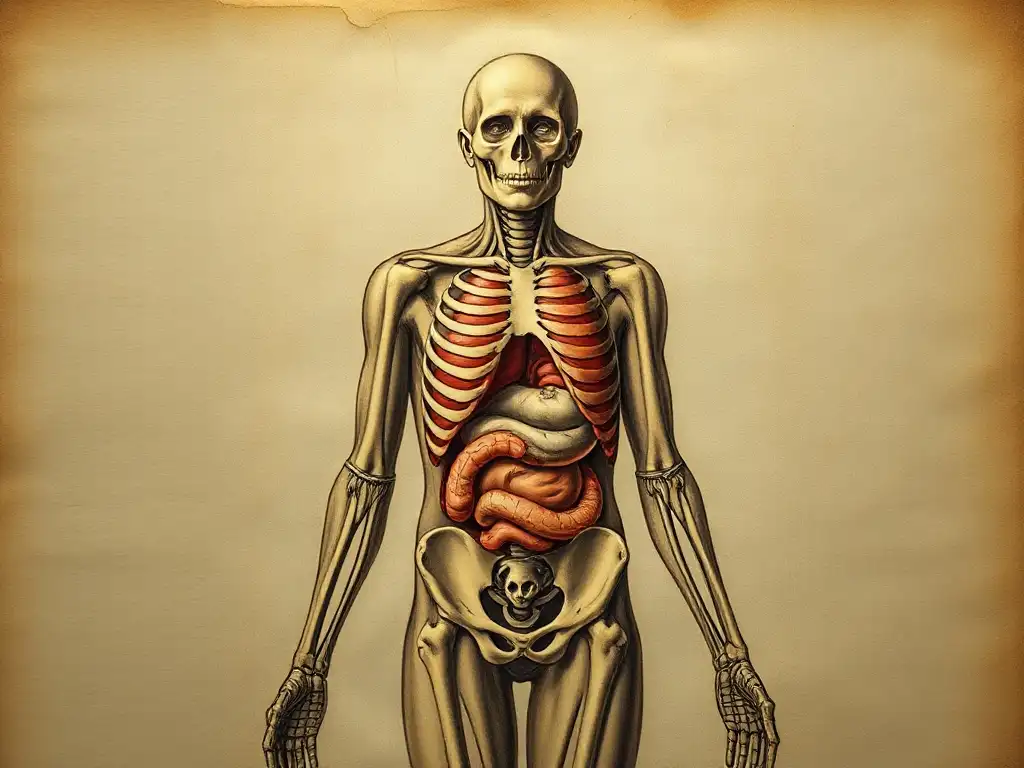
The Inca understanding of human anatomy, while not as developed as later Western medical knowledge, reveals a surprisingly sophisticated awareness of the human body. Their observations, primarily derived from practical experience in surgery and mummification, offer valuable insights into their medical practices and worldview. Unlike purely theoretical approaches, Inca anatomical knowledge was deeply intertwined with their religious beliefs and practical needs, influencing their healing techniques and societal structures.
This section explores the specifics of their anatomical understanding, focusing on skeletal structure, internal organs, and the nervous system. The Inca's deep respect for the human body and their advanced mummification techniques provided unique opportunities for observation and study, influencing their understanding of the body's intricacies.
Understanding of Skeletal Structure in Inca Culture
The Inca's understanding of skeletal structure was largely practical. Their expertise in trepanation—surgical removal of portions of the skull—demonstrates a working knowledge of cranial bones and their relationship to the brain. Evidence suggests that trepanation was performed for various reasons, including therapeutic interventions for head injuries and possibly even ritualistic purposes.
While the precise techniques varied, the success rate of some Inca trepanations, as evidenced by healed skull fragments, indicates a detailed understanding of bone structure and healing processes. Furthermore, the careful positioning of bones during mummification showcases an awareness of the skeletal framework's overall structure and articulation.
Analysis of mummified remains reveals that Inca practitioners understood the general arrangement of major bones, even if their knowledge of specific bone names or functions might have differed from later anatomical terminology. The precision and care taken during mummification—a process that involved removing internal organs, cleaning and drying the body, and carefully repositioning the bones—provides strong evidence of their observational skills and practical knowledge of the human skeleton.
Inca Knowledge of Internal Organs
Inca knowledge of internal organs was largely gained through their mummification practices. The process of evisceration, or removal of internal organs, required a detailed understanding of their location and interconnections. While they didn’t dissect in the same manner as later anatomists, the careful removal and placement of organs within the body cavity during mummification suggests a level of understanding beyond simple observation.
The meticulous nature of their mummification techniques points to a careful study and detailed appreciation of the body's internal organization. Further research into Inca medical texts and archaeological findings is needed to fully understand the extent of their knowledge. This knowledge was likely passed down through generations of paqos (shamans) and healers, forming a crucial part of their medicinal practices.
Inca Recognition of the Heart's Function
The Inca's understanding of the heart's role likely centered around its association with life force and vitality. While they may not have grasped the intricate details of cardiovascular physiology, the heart's central position within the body and its cessation with death would have been observed. The careful removal and placement of the heart during mummification suggests a recognition of its importance. Further research is needed to determine if any specific rituals or beliefs regarding the heart existed within Inca culture. Their understanding was likely interwoven with their spiritual beliefs and possibly informed their understanding of disease and death.
Inca Understanding of the Digestive System
The Inca's understanding of the digestive system is less evident than their knowledge of other body parts. However, their agricultural practices and dietary habits indicate an implicit understanding of the body's process of food intake and utilization. The importance of a balanced diet, evident in their diverse agricultural practices, suggests an awareness of the body's nutritional requirements.
While a detailed anatomical understanding of the digestive tract remains to be fully confirmed, the evidence suggests a practical understanding of the relationship between diet, digestion, and health. Further research into Inca agricultural practices and dietary habits could provide more insights into their understanding of digestion.
Inca Awareness of the Brain and Nervous System
The practice of trepanation provides the most direct evidence of Inca awareness of the brain. Successfully performed trepanations imply an understanding of the brain's location within the skull and its vulnerability to injury. While the extent of their knowledge regarding the nervous system remains unclear, the careful avoidance of critical areas during trepanation suggests a certain level of understanding of the brain's delicate nature and its connection to various bodily functions.
The Inca's understanding of the brain was likely intertwined with their spiritual beliefs, viewing the brain as the seat of consciousness and possibly the location of the soul. Further analysis of trepanned skulls and Inca mythology is needed to provide a more comprehensive understanding of their knowledge of the brain and nervous system.
Inca Surgical Practices and Anatomical Insight
The Inca's sophisticated understanding of human anatomy wasn't solely theoretical; it manifested in remarkably advanced surgical practices for the time. While lacking the tools and antiseptic techniques of modern medicine, Inca surgeons demonstrated a surprising level of skill and knowledge of the body's structure, gleaned from years of observation and practical experience. Their surgical interventions, though rudimentary by today's standards, offer compelling evidence of their anatomical understanding and ingenuity.
This practical application of anatomical knowledge significantly contributed to their overall medical prowess, a facet often overlooked in discussions of Inca civilization. The level of skill demonstrated in some procedures suggests a possible, albeit undocumented, system of apprenticeship or formal training within Inca medical practice. Further research into Inca surgical tools and techniques could reveal even more about their anatomical expertise.
Trepanation: Inca Cranial Surgery
Trepanation, the surgical practice of drilling holes into the skull, was surprisingly common in Inca society. While its exact purpose remains debated, evidence suggests it was performed for various reasons, including the treatment of head injuries, the alleviation of pressure from hematomas, or even as a ritualistic practice. The surviving examples of trepanned skulls showcase differing techniques, suggesting a range of skill levels among Inca surgeons. Some skulls exhibit clean, precisely drilled holes, indicating a high level of surgical precision and a solid understanding of the skull's structure, avoiding vital areas.
This suggests a detailed awareness of the brain's location and the potential consequences of damaging specific regions. Other skulls, however, show signs of less refined techniques, perhaps reflecting the limitations of available tools or variations in surgical training. The high survival rate in some cases points to post-operative care that included herbal remedies and possibly techniques for wound management.
Analyzing the healing patterns on these skulls provides valuable insights into Inca surgical practices and their understanding of bone regeneration. The successful healing observed in numerous cases underscores their understanding of basic anatomical principles and surgical techniques. The Inca's use of trepanation showcases their practical application of anatomical knowledge.
Mummification: Preserving Anatomical Details
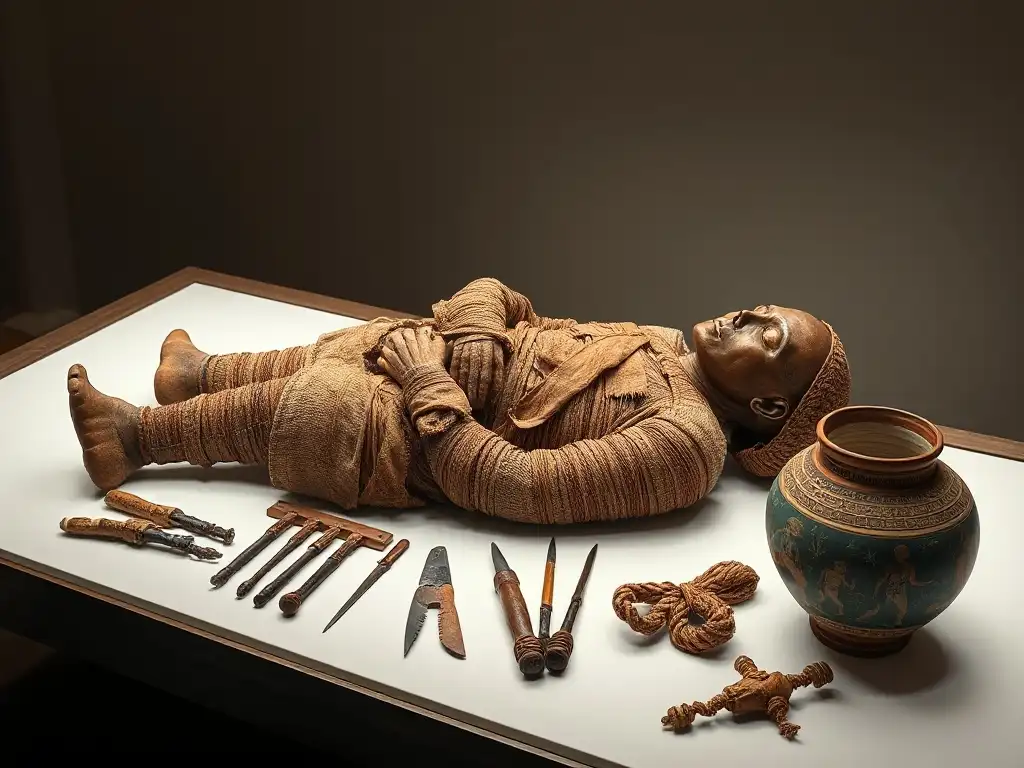
Inca mummification practices, though primarily funerary, offer another window into their understanding of human anatomy. The careful preservation of bodies, often accompanied by elaborate rituals, provides invaluable data for studying Inca anatomy. The meticulous process of evisceration, desiccation, and wrapping reveals a detailed knowledge of internal organs and their relative positions within the body. While not explicitly aimed at studying anatomy, the mummification process inadvertently provided detailed anatomical records.
Examining the preserved remains reveals insights into disease prevalence, nutritional status, and even physical trauma sustained during life. The detailed wrapping techniques, often tailored to specific anatomical features, indicate a deep understanding of the body's form and structure. The careful placement of organs and the preservation of their relative positions within the mummy further highlight the Inca's anatomical awareness.
The study of Inca mummies, therefore, offers a unique perspective on their understanding of human anatomy, supplementing the insights gained from surgical practices. The level of detail in the preservation process suggests a significant level of anatomical knowledge, even if it was not explicitly documented in the same way as modern anatomical studies. This meticulous approach to mummification provides an invaluable source of information for modern researchers studying Inca anatomy.
Inca Use of Herbs and Natural Remedies
The Inca’s extensive knowledge of herbal remedies and natural medicine is intricately linked to their understanding of human anatomy and physiology. The effective use of various plants in treating ailments suggests a level of knowledge about the body's systems and how different parts interact. While specific anatomical diagrams are not yet discovered, the effectiveness of certain treatments implies an understanding of the body's functions and the impact of various ailments. For example, the use of specific herbs for treating wounds and infections suggests an understanding of the inflammatory process and the body's natural healing mechanisms.
The efficacy of some Inca remedies even today continues to be researched and studied for their potential medicinal value. 💊 This indicates a deep-seated knowledge of the human body's responses to various conditions and the use of plant-based medicines to stimulate or modulate these responses. The use of coca leaves for altitude sickness, for instance, points to an understanding of the body's response to low oxygen levels.
Further research into Inca pharmacopoeia could reveal more intricate connections between their botanical knowledge and their understanding of human anatomy and its workings. This holistic approach to medicine, combining botanical knowledge with practical experience, represents a significant aspect of the Inca's understanding of the human body. The careful selection of herbs and their precise application suggest a level of anatomical awareness that went beyond simple observation.
The Role of Inca Healers
The Inca understanding of human anatomy, while not as detailed as modern Western medicine, was surprisingly sophisticated for its time. Their knowledge wasn't solely based on dissection—a practice seemingly absent in Inca culture—but rather derived from careful observation of injuries, illnesses, and the human body's natural processes. This empirical approach, combined with their deeply spiritual worldview, shaped their medical practices and understanding of the human form.
The Inca didn't possess a formal, written anatomical treatise like the Greeks; instead, their knowledge was passed down orally through generations of hampis (healers). This oral tradition, combined with practical experience, resulted in a system of medicine that effectively treated many common ailments and injuries, demonstrating a functional, if not explicitly detailed, understanding of human anatomy.
The effectiveness of their treatments, particularly herbal remedies and surgical techniques, suggests a nuanced understanding of bodily functions and interconnected systems. Further research into Inca archaeological sites and surviving textiles depicting medical practices could shed further light on the extent of their anatomical knowledge.
Inca Medical Specialists and Their Training
Inca medical specialists, the hampis, weren't just healers; they held a respected position within Inca society. Their training was rigorous and involved years of apprenticeship under experienced practitioners. This apprenticeship wasn't simply a matter of memorizing herbal remedies; it involved a deep understanding of the human body's functions, the interconnectedness of physical and spiritual well-being, and the diagnosis and treatment of various ailments.
The training likely encompassed practical experience in treating injuries and illnesses, as well as an understanding of preventative healthcare practices. While the exact curriculum remains unknown, evidence suggests a hierarchical system within the medical profession, with some hampis specializing in particular areas like bone setting or herbal medicine.
The prestige associated with the hampis role is evident in their access to resources and their position within the social hierarchy. Archaeological finds, though limited, offer glimpses into the tools and medicinal plants used by these specialists, suggesting a sophisticated understanding of both surgical and pharmacological interventions.
The Connection Between Inca Beliefs and Medicine
The Inca worldview heavily influenced their understanding of human anatomy and medicine. Their belief system intertwined the physical body with the spiritual realm, viewing illness not merely as a physical malfunction but as an imbalance between the body and the spiritual forces that governed the world. This holistic approach emphasized the importance of maintaining harmony within the individual and with the surrounding environment.
The hampis played a crucial role in restoring this balance, employing both physical and spiritual treatments. For instance, rituals and ceremonies were often integral parts of the healing process, aimed at appeasing the spirits and restoring the patient's spiritual equilibrium. This connection between physical and spiritual health demonstrates a deeper understanding of the human condition than a purely anatomical perspective.
The use of sacred objects and places in healing practices reinforces the profound spiritual dimension of Inca medicine and the inextricable link they perceived between the body and the cosmos. This holistic approach highlights the limitations of viewing Inca medical knowledge solely through a purely anatomical lens. Further studies are needed to fully understand the intricate interplay between Inca beliefs and their medical practices.
Comparison with Other Ancient Medical Knowledge
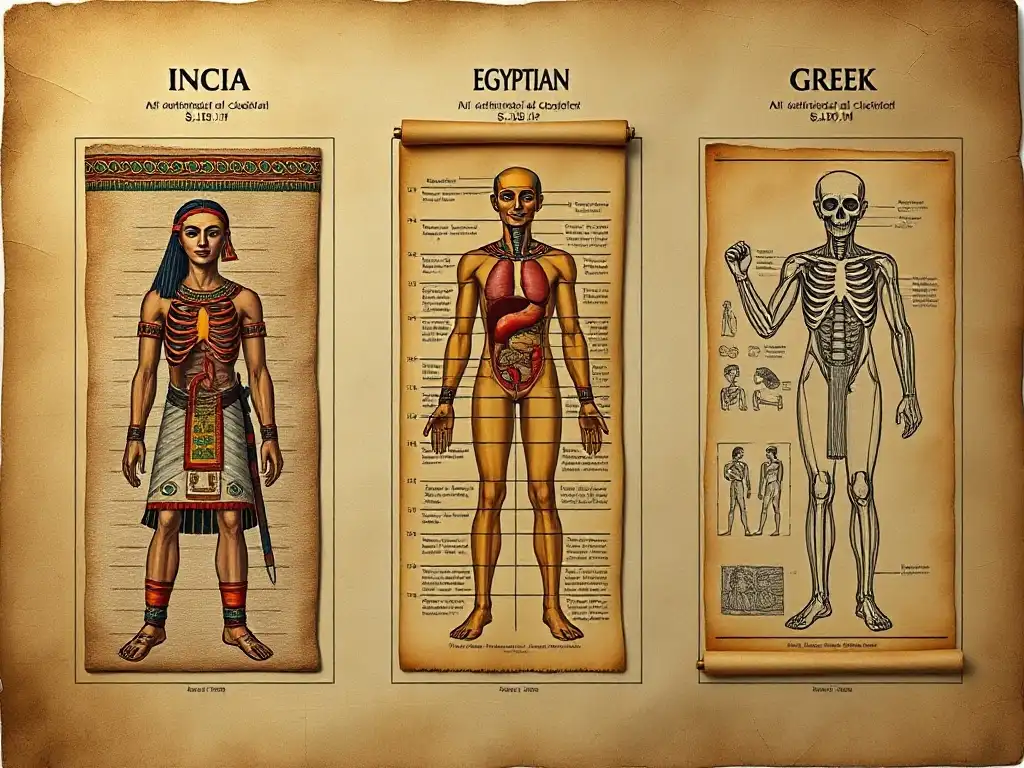
This section delves into a comparative analysis of Inca anatomical knowledge against other prominent ancient civilizations, specifically focusing on the differences and similarities observed in their understanding of the human body. While the Inca's understanding was sophisticated for its time, it differed significantly from other cultures in both methodology and scope. This comparison highlights the unique aspects of Inca medicine within the broader context of ancient medical practices.
Inca Anatomical Knowledge vs. Ancient Egyptian Knowledge
The Inca and ancient Egyptian civilizations, while geographically distant, both developed complex medical systems. However, their approaches to understanding human anatomy differed substantially. Ancient Egyptian medicine, documented extensively through papyri like the Ebers Papyrus, reveals a detailed knowledge of various organs and their functions. They performed mummification, providing a hands-on experience with the human body's internal structure. This allowed for detailed observations and a relatively accurate understanding of organ placement and some physiological processes. Their anatomical knowledge, however, remained largely descriptive, lacking a comprehensive understanding of the interconnectedness of bodily systems.
In contrast, Inca anatomical knowledge, while less extensively documented than the Egyptians', reveals a more holistic approach. While precise anatomical drawings are scarce, evidence suggests a nuanced understanding of the body's interconnectedness, emphasizing the balance of physical and spiritual well-being. Their understanding was likely derived from practical experience in treating injuries and illnesses, along with their profound spiritual beliefs which intertwined with their medical practices.
The Inca focused less on detailed anatomical mapping and more on the overall health and vitality of the individual. This difference highlights the contrasting philosophical underpinnings of their respective medical systems. Further research is needed to fully compare the extent of their respective knowledge, as much of the Inca's medical understanding was passed down orally.
Inca Medicine: Strengths and Limitations
Inca medicine, while impressive for its time, possessed both strengths and limitations. A significant strength was its holistic approach, integrating physical and spiritual healing. Practitioners, known as hampis, considered the patient's overall well-being, encompassing diet, lifestyle, and spiritual balance. They utilized a wide array of natural remedies derived from plants and minerals found within the Andean region, demonstrating a sophisticated understanding of herbal medicine and its therapeutic applications. Their surgical skills, while limited by the absence of advanced tools, were surprisingly advanced for their era, evidenced by cranial surgeries and the successful treatment of fractures.
However, limitations existed. The absence of a written language hindered the detailed documentation and dissemination of medical knowledge. This reliance on oral tradition could have led to inconsistencies and the potential loss of valuable information over time. Furthermore, their understanding of disease etiology was often intertwined with supernatural beliefs, attributing illnesses to spiritual imbalances or divine intervention.
This sometimes overshadowed the importance of identifying and treating the underlying physical causes of disease. Despite these limitations, Inca medicine showcases a remarkable adaptation to the environment and a deep understanding of the human body within the context of their unique cultural beliefs. Further archeological investigation and the analysis of existing anthropological data could provide a more comprehensive understanding of Inca medical practices and their impact on the Inca population's health and well-being.
Legacy of Inca Anatomical Understanding
The Inca understanding of human anatomy, while not reaching the level of detailed dissection practiced in other ancient civilizations like the Greeks, was remarkably sophisticated for its time and context. Their knowledge wasn't driven by purely academic pursuits, but rather by a deeply practical need to heal and maintain the health of their vast empire. This practical approach resulted in a unique system of anatomical knowledge interwoven with their spiritual beliefs and holistic worldview.
Unlike the purely scientific approach of some other cultures, Inca anatomical understanding was intimately linked to their cosmology and understanding of the human body as a microcosm of the universe. This interconnectedness shaped their medical practices and their approach to understanding the human body's functions and ailments. The Inca's emphasis on preventative medicine, combined with their detailed observations of symptoms and responses to treatments, provided a foundation for their anatomical knowledge.
Further research is needed to fully understand the extent of their anatomical knowledge, as much of their practices and understanding was passed down orally and through observation. However, surviving artifacts and accounts from Spanish chroniclers provide valuable insights into their unique perspective on the human body.
Influence on Modern Andean Medicine
The Inca's holistic approach to health and healing continues to influence modern Andean medicine. While modern medical practices incorporate advanced technologies and scientific methodologies, many traditional Andean healers still draw upon ancestral knowledge and practices. This includes the use of medicinal plants, the emphasis on preventative care, and an understanding of the interconnectedness of mind, body, and spirit.
For example, the use of certain plants for specific ailments, documented in colonial-era texts and still used today, reflects a deep understanding of the body's responses to various substances. The Inca's emphasis on balance and harmony within the body, reflecting their cosmological beliefs, continues to be a central tenet in many contemporary Andean healing practices. Studying the Inca's understanding of human anatomy provides valuable context to understanding these practices and appreciating the continuity of Andean medical traditions.
This legacy underscores the importance of preserving and further researching Inca medical knowledge for potential benefits in contemporary healthcare. The unique perspective provided by Inca anatomical understanding offers a valuable counterpoint to the predominantly Western-centric view of medical history.
The Importance of Preserving Inca Medical Heritage
The preservation of Inca medical heritage is crucial not only for understanding the history of Andean civilizations but also for its potential contributions to modern medicine. The Inca's empirical observations and treatments, often involving plant-based remedies, deserve further scientific investigation. Many of these plants may hold valuable medicinal properties yet to be fully explored.
Additionally, the Inca's holistic approach to healthcare, emphasizing preventative measures and the interconnectedness of physical and spiritual well-being, offers valuable insights for modern healthcare systems often focused on treating symptoms rather than addressing underlying causes. Efforts to preserve this knowledge include documenting traditional healing practices, analyzing surviving artifacts, and collaborating with Andean communities to share and interpret their knowledge. This collaborative approach ensures that the preservation of this heritage is respectful and benefits both the academic community and the descendants of the Inca civilization.
The work of preserving and researching Inca medical practices is an ongoing process requiring interdisciplinary collaboration and a commitment to ethical research methods. This work is essential for uncovering potential medical breakthroughs and honoring the rich legacy of Inca medical knowledge.
Conclusion: Inca Contributions to the Study of Human Anatomy
The Inca's understanding of human anatomy, though different from the anatomical knowledge of other ancient civilizations, was a significant achievement in its own right. Their practical approach, deeply intertwined with their spiritual beliefs and holistic worldview, resulted in a unique system of medical knowledge that continues to influence modern Andean medicine. The preservation and further study of Inca medical heritage are crucial, not only for historical reasons but also for their potential contributions to modern healthcare. While the lack of extensive written documentation presents challenges, the combination of archaeological findings, ethnographic research, and the analysis of colonial-era texts offer valuable avenues for understanding their anatomical knowledge. The rich tapestry of Inca understanding of the human body deserves further investigation to fully appreciate its complexity and uncover its potential benefits for future generations. Further research could reveal even more about the sophistication of their anatomical understanding and its lasting impact. The Inca legacy serves as a powerful reminder of the diverse approaches to understanding the human body throughout history.
Frequently Asked Questions
What was the Inca's level of understanding of human anatomy?
The Inca's understanding of human anatomy was surprisingly advanced for its time. While lacking the detailed dissection techniques of later European anatomists, they possessed a practical knowledge based on trepanation and surgical procedures, revealing a functional understanding of the body's systems.
How did the Inca use their knowledge of human anatomy?
Their anatomical knowledge was primarily applied to medicine and surgery. Inca healers performed trepanation (skull surgery), setting bones, and treating wounds, demonstrating a practical, if not fully theoretical, grasp of human anatomy.
What evidence supports the Inca's understanding of human anatomy?
Evidence comes from mummified remains showing healed fractures and trepanation sites. Archaeological findings also include surgical tools, suggesting a level of sophistication in their medical practices that required anatomical knowledge.
Did the Inca have any written records detailing human anatomy?
No, the Inca did not have a written system in the same way as many other ancient civilizations. Their knowledge of anatomy was passed down orally through generations of healers and practitioners.
How does the Inca understanding of anatomy compare to other ancient civilizations?
Compared to other ancient civilizations, the Inca's anatomical knowledge was relatively practical and functional, focusing on surgical applications. While less theoretically developed than some, it was still impressive in its effectiveness and reflected a deep observation of the human body.
Final Reflection: Echoes of the Andes: The Enduring Legacy of Inca Anatomy
The Inca understanding of human body, far from being a relic of the past, offers a crucial lens through which to examine contemporary approaches to medicine and our relationship with the human form. Their sophisticated trepanation techniques, intricate knowledge of herbal remedies, and holistic view of health continue to fascinate and challenge modern medical practices. The precision and success rate of their surgical interventions, considering the available tools, remains astonishing.
The Inca's deep connection to their environment, reflected in their anatomical understanding, serves as a powerful reminder of the interconnectedness of all things. Their worldview, where the physical and spiritual realms intertwined, shaped their medical practices in profound ways. This holistic approach, often overlooked in modern, specialized medicine, offers valuable insights into a more integrated and patient-centered approach to healthcare. The body is a temple, and we must treat it with respect.
While not a direct Inca quote, this sentiment encapsulates the reverence they held for the human body and its intricate workings.
Consider the implications of the Inca's achievements. Their innovative surgical techniques, their detailed knowledge of medicinal plants, and their holistic perspective on health offer a rich tapestry of knowledge that deserves further exploration and integration into modern medical practices. You, the reader, are now equipped with a deeper understanding of this fascinating aspect of Inca civilization. How can you apply this knowledge to your own perspective on health, healing, and the human body? What can we learn from a civilization that prioritized both the physical and spiritual well-being of its people?
Unleash Your Curiosity: Explore Inca Anatomy Today!
Thank you for exploring the fascinating world of Inca understanding of anatomy! You've discovered a wealth of knowledge about this ancient civilization's perspective on the human body and its complexities. Now, let's build on that passion!
Here are some ways to delve deeper into this captivating topic and share your insights:
- Engage with Our Community: Join the discussion on our forum and share your thoughts on the influence of ancient practices on modern medicine.
- Expand Your Knowledge: Explore additional resources and articles on Inca medical practices to further your understanding of their scientific contributions.
- Share Your Findings: Write a blog post or create a social media post about your discoveries; tag us to inspire others interested in ancient civilizations!
Which aspect of Inca anatomical knowledge resonates most with you? Share your thoughts and let's continue this exciting discussion!