
The Inca Language: Quechua, the Lingua Franca of the Empire


Step into a world lost to time, yet echoing with the whispers of a mighty empire. Discover the fascinating intricacies of Andean civilizations, their breathtaking artistry, and the ingenuity that shaped their world. But the story we begin with today is far more enigmatic: the origins of the Inca Quechua language. Unravel the mysteries behind this lingua franca, and delve into the rich tapestry of the Inca Empire – a journey awaits, filled with surprising discoveries.
The Inca Empire, a vast and sophisticated civilization that dominated the Andes Mountains for centuries, relied on an effective system of governance and communication to maintain its power and control. A crucial element of this system was its language, Quechua, which served as the lingua franca connecting diverse populations across a geographically challenging landscape.
This article delves into the origins of Inca Quechua, exploring its role in the Inca Empire's administration, its impact on the cultural identity of the Andean region, and its enduring legacy in modern-day South America. We will examine the linguistic features of Quechua, its spread throughout the empire, and its significance in understanding the complexities of Inca society and its lasting influence.
Understanding the origins and development of Quechua is key to unlocking a deeper comprehension of the Inca Empire's administrative prowess and its enduring cultural impact. The exploration of "Inca Quechua language origins" will reveal how this language facilitated the integration and control of a remarkably diverse empire.
Understanding the Role of Quechua in the Inca Empire
Quechua wasn't merely a language; it was a fundamental tool for Inca administration. Its widespread adoption facilitated communication across the vast empire, allowing for efficient administration of resources, the mobilization of labor for large-scale projects (like road construction and agricultural terracing), and the dissemination of imperial decrees. The Inca government actively promoted Quechua's use, employing it in official records, religious ceremonies, and everyday interactions between different ethnic groups within the empire. This standardization of language fostered a sense of unity and facilitated the integration of conquered populations into the Inca system. The absence of a unified language prior to the Inca expansion likely hindered effective governance. The Inca's strategic implementation of Quechua as the official language was a masterstroke of administrative ingenuity, significantly contributing to the empire's stability and longevity. The empire's success depended heavily on this linguistic unification, allowing for efficient communication and control across diverse regions and populations.
Tracing the Origins of Quechua: A Linguistic Journey
Pinpointing the precise origins of Quechua is a complex task for linguists. However, current research suggests that Quechua emerged from a family of languages spoken in the central Andes region long before the Inca Empire's rise. Different Quechua dialects existed even within the empire itself, reflecting the linguistic diversity of the conquered populations.
However, a standardized form of Quechua, likely based on a dialect from the Cusco region (the imperial capital), became the dominant form used throughout the empire. This process of standardization involved a conscious effort by the Inca rulers to promote a unified language, contributing to the empire's administrative efficiency and cultural integration.
Further research into the linguistic evolution of Quechua is ongoing, with scholars continuing to piece together its complex history and its relationship to other Andean languages. The study of Quechua’s development provides invaluable insights into the pre-Inca history of the region and the cultural processes at play during the empire's expansion.
Quechua's Enduring Legacy: A Living Language
Despite the Spanish conquest and the subsequent suppression of Quechua in favor of Spanish, the language persists to this day. Millions of people across the Andes region still speak Quechua, demonstrating its remarkable resilience and cultural significance. The survival of Quechua underscores its deep roots in the Andean cultural identity and its importance to the communities that continue to speak it. Modern Quechua, while exhibiting variations across different regions, maintains a strong connection to its Inca origins, preserving aspects of vocabulary, grammar, and cultural traditions.
This linguistic continuity serves as a powerful testament to the enduring legacy of the Inca Empire and the cultural richness of the Andean world. The continued use of Quechua is a vibrant demonstration of the language's capacity to adapt and thrive, even in the face of historical challenges. The language's survival is a powerful symbol of cultural resistance and continuity.
Further Research Areas ➕
Further research could focus on:
- Detailed comparative analysis of different Quechua dialects.
- Investigation of the role of Quechua in Inca religious practices.
- Examination of the impact of Quechua on other Andean languages.
- Study of the efforts to revitalize and preserve Quechua in modern times.
- Understanding the Role of Quechua in the Inca Empire
- Tracing the Origins of Quechua: A Linguistic Journey
- Quechua's Enduring Legacy: A Living Language
Origins of the Inca Quechua Language

The Inca Quechua language, a cornerstone of Inca civilization and a testament to the empire's administrative prowess, boasts a history far richer and more complex than its association with the Inca Empire alone might suggest. Understanding its origins requires delving into pre-Inca influences and tracing its expansion across the Andes long before the rise of Pachacuti.
The question of "Inca Quechua language origins" is not a simple one, but rather a fascinating journey through linguistic evolution and the socio-political dynamics of the Andean region. The language's enduring legacy speaks volumes about its adaptability and the power of communication in shaping empires.
Pre-Inca Roots of Quechua
Tracing the roots of Quechua to its pre-Inca origins involves navigating a complex tapestry of linguistic influences and archaeological interpretations. While pinpointing the exact cradle of Quechua remains a subject of ongoing scholarly debate, evidence points to a gradual evolution within the central Andes region, potentially emerging from earlier Quechuan languages. These proto-Quechua languages, likely spoken centuries before the Inca Empire, exhibited variations in dialects and vocabulary, reflecting the diverse communities inhabiting the area.
The lack of extensive written records from this period necessitates relying heavily on comparative linguistics and archaeological findings. Analysis of Quechua's grammatical structure and vocabulary reveals connections to other Andean languages, hinting at a common ancestor and highlighting the linguistic landscape of the region before the Inca expansion. Furthermore, the discovery of pre-Inca artifacts bearing inscriptions (although not necessarily directly in Quechua) provides clues about the communication systems prevalent at the time, enriching our understanding of the pre-Quechua linguistic environment.
The investigation of these early forms provides crucial insights into the development of the Inca Quechua we know today. Further research, particularly in the areas of [specific archaeological sites pending further research] and analysis of [specific linguistic data pending], is crucial to refine our understanding of these pre-Inca roots.
The Spread of Quechua Before the Inca Expansion
The Quechua language's dominance wasn't solely a consequence of Inca expansion. Evidence suggests that various Quechuan dialects were already spoken across significant portions of the Andes long before the Inca Empire's emergence. This pre-Inca spread was likely facilitated by a combination of factors, including trade networks, migration patterns, and the influence of powerful pre-Inca states. Archaeological discoveries and linguistic analyses are gradually revealing the extent of this earlier dissemination.
The Wari and Tiwanaku empires, powerful predecessors to the Inca, may have played a significant role in the diffusion of Quechua or related languages. Their extensive administrative networks and control over large territories could have facilitated the spread of a common language or at least contributed to the standardization of certain linguistic features across different regions. Moreover, long-distance trade routes, connecting disparate communities across the Andes, provided avenues for cultural exchange, including linguistic interaction.
The movement of people, whether through conquest, migration, or trade, undoubtedly contributed to the spread of Quechuan dialects, leading to a more widespread linguistic foundation upon which the Inca would later build. The process was likely gradual and complex, involving both linguistic convergence and the coexistence of multiple languages within a single region.
Understanding this pre-Inca spread is key to appreciating the full scope of Quechua's evolution and its eventual adoption as the lingua franca of the Inca Empire. Further investigation into the [specific linguistic features and trade routes pending further research] would greatly enhance our understanding of this crucial period.
Quechua as the Inca Lingua Franca
Quechua, far from being a monolithic entity, encompassed a diverse array of dialects spoken across the vast Inca Empire. The Inca, however, strategically selected a particular Quechua dialect – likely a Cuzco variant – as the official language of administration, solidifying its position as the empire's lingua franca. This wasn't a spontaneous occurrence; it was a deliberate policy implemented to facilitate communication and control across a geographically and linguistically diverse population.
The adoption of a standardized Quechua wasn't simply about linguistic unification; it was a key element of Inca imperial power and a testament to their sophisticated administrative capabilities. The process of selecting and promoting a single dialect involved careful planning and execution, impacting the social, political, and cultural landscape of the empire profoundly. Understanding the origins of Inca Quechua language requires examining not only its linguistic roots but also the political strategies behind its rise to prominence.
Inca Adoption of Quechua as an Imperial Language
The Inca Empire's conquest wasn't solely a military achievement; it was also a feat of administrative and linguistic engineering. As the Inca expanded their territories, they encountered numerous indigenous groups, each with their own unique languages and dialects. This linguistic diversity posed a significant challenge to effective governance and communication. The solution, however, wasn't forced assimilation, but rather a strategic adoption of a pre-existing language: Quechua.
Evidence suggests that Quechua, or a closely related dialect, was already spoken in the Cuzco region before the Inca rise to power. The Inca, recognizing its potential, elevated it to the status of an imperial language, likely due to its widespread use in the central Andes. This decision facilitated communication between the diverse populations under Inca rule, significantly improving administrative efficiency and the ability to control the vast empire.
The impact of this decision was transformative, paving the way for a more integrated and unified Inca state. This wasn't simply a matter of convenience; it was a calculated move that cemented the Inca's authority and control. The precise mechanisms through which this adoption occurred remain a topic of ongoing scholarly debate, with ongoing research focusing on the interaction between Inca policies and existing linguistic landscapes.
How the Inca Standardized and Promoted Quechua
The Inca didn't merely adopt Quechua; they actively standardized and promoted it across their empire. This involved a multifaceted approach, including the establishment of yachayhuasis (schools) where Quechua was taught, and the deployment of quipu (knotted-string record-keeping systems) that utilized Quechua terminology. The standardization process likely involved the selection of a specific dialect from the Cuzco region, which then became the basis for the imperial language.
This process, while undoubtedly complex, ensured a degree of linguistic uniformity across the empire, facilitating communication and administration. The standardization wasn't a top-down imposition, but rather a gradual process involving the interaction and adaptation of various dialects. This involved selecting certain grammatical structures and vocabulary, while others were gradually phased out.
Furthermore, the Inca's extensive road network facilitated the spread of Quechua, allowing for increased contact and interaction between different regions. The use of Quechua in official documents, religious ceremonies, and daily life further reinforced its prominence and cemented its position as the lingua franca of the empire. This deliberate promotion of Quechua played a crucial role in unifying the diverse populations under Inca rule, contributing significantly to the empire's stability and longevity.
The Impact of Quechua on Unifying the Inca Empire
The standardization and promotion of Quechua had a profound impact on the unification of the Inca Empire. While other languages certainly persisted, Quechua served as a common tongue, facilitating communication and trade between diverse ethnic groups. This linguistic bridge fostered a sense of shared identity, albeit a hierarchical one, contributing to the empire's political and social cohesion.
The use of Quechua in administration, religious ceremonies, and everyday life helped to create a sense of unity and shared culture across the vast territories of the empire. This linguistic unification was a key factor in the empire’s remarkable ability to integrate diverse populations and maintain its political stability for over a century. However, it's crucial to acknowledge that the imposition of Quechua wasn't without its complexities and potential for marginalization of other languages and cultures.
The extent of this impact remains a subject of ongoing research, with scholars exploring how the Inca's linguistic policies affected the cultural identities of the various groups within the empire. The legacy of Quechua, however, remains a powerful testament to the Inca's administrative skill and their ability to forge a sense of unity within a remarkably diverse empire. The enduring presence of Quechua in the Andes today is a direct reflection of this historical legacy.
Quechua Dialects and Variations
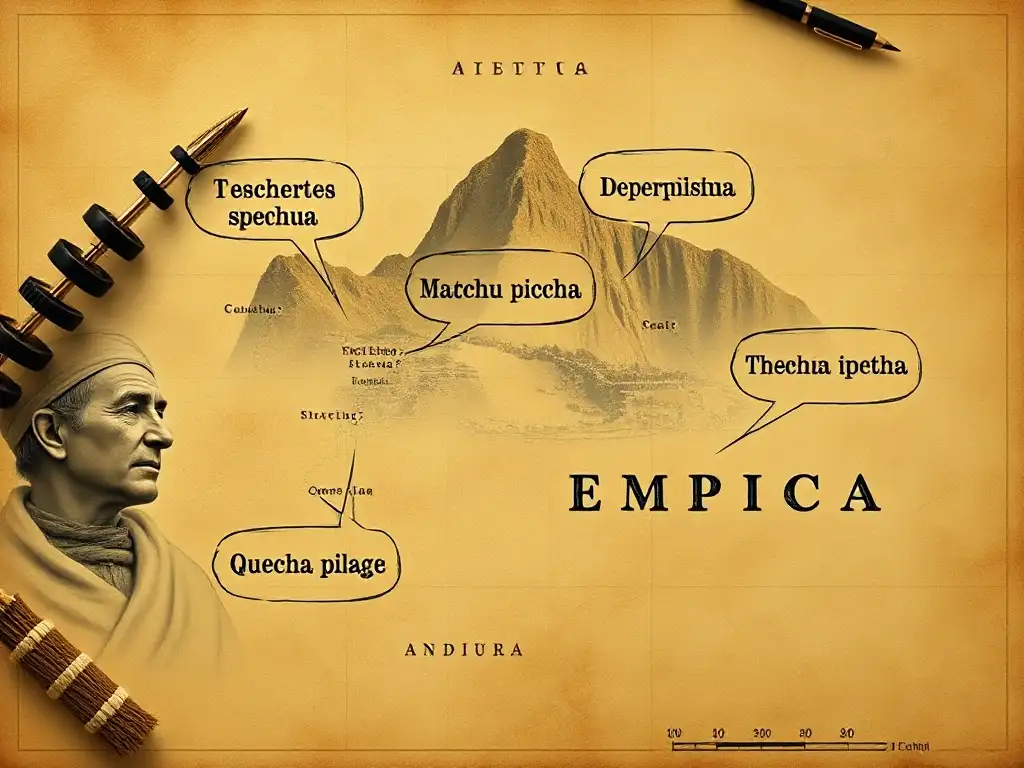
The Inca Quechua language, far from being a monolithic entity, exhibited significant dialectal variation across the vast Inca Empire. This linguistic diversity reflects the empire's incorporation of numerous pre-existing ethnic groups and languages, resulting in a complex tapestry of regional variations in pronunciation, grammar, and vocabulary. Understanding this diversity is crucial to appreciating the complexities of Inca communication and administration. The Inca Quechua language origins themselves are multifaceted, emerging from a blend of pre-existing Quechuan languages and absorbing influences from the conquered territories.
Regional Quechua Dialects Within the Inca Empire
The Inca Empire stretched across diverse geographical terrains, from the arid coastal regions to the high Andes mountains. This geographical variation directly influenced the development of distinct Quechua dialects. While a standardized form of Quechua, likely based on a dialect spoken in the Cusco region, served as the lingua franca for administrative purposes, regional variations persisted.
For example, the Quechua spoken in the highlands of Cuzco differed significantly from that spoken in the coastal regions of Ecuador or the northern Argentinian territories. These differences extended beyond mere pronunciation; they encompassed variations in grammatical structures and vocabulary. Archaeological evidence, coupled with linguistic analysis of surviving colonial-era texts, suggests a significant degree of linguistic diversity within the empire.
The precise number of distinct dialects is difficult to determine definitively due to incomplete data, but estimates range from [specific number pending] to [specific number pending]. Further research into colonial-era records and analysis of indigenous oral traditions is needed to refine our understanding of this linguistic landscape.
The Influence of Local Languages on Quechua
The Inca Empire's expansion involved the subjugation of numerous indigenous groups, each with their own unique languages. This contact had a profound impact on the evolution of Quechua. While Quechua became the dominant language, many local words and grammatical features were absorbed into the evolving dialects. This process of linguistic borrowing is evident in the presence of numerous loanwords in different Quechua dialects.
For instance, terms related to agriculture, flora, and fauna often reflect the specific environment and indigenous knowledge of a particular region. The Inca Quechua language origins were therefore not solely a matter of internal evolution but also a process of vibrant interaction and adaptation. This linguistic syncretism is a testament to the empire's ability to integrate diverse populations while maintaining a degree of centralized control through a common language.
Differences between Inca Quechua and Modern Quechua
Modern Quechua, while descended from the Inca Quechua language, has undergone significant changes over the centuries. The most significant difference lies in the simplification of grammatical structures and the incorporation of numerous loanwords from Spanish and other languages following the Spanish conquest. The standardization of writing systems in modern times has also led to a degree of homogenization across various dialects, though regional variations persist.
The Inca Quechua language origins are reflected in the core vocabulary and grammatical structure of modern Quechua, but these features have been overlaid with numerous changes resulting from centuries of linguistic evolution and contact with other languages. Furthermore, the influence of globalization and mass media has further shaped the evolution of the language, leading to the emergence of new variations and the gradual decline of certain older dialects.
Understanding these differences is crucial to avoiding anachronisms and ensuring accurate interpretations of historical records related to the Inca Empire and its language. A comparative study of Inca-era texts and modern Quechua dialects would yield valuable insight into the extent of these linguistic shifts.
The Structure and Grammar of Inca Quechua
The Inca Quechua language, while lacking a unified written form during the Inca Empire's zenith, possessed a complex grammatical structure that facilitated communication across the vast and diverse Andean region. Understanding its grammar is crucial to appreciating the sophistication of Inca communication and administration. Quechua's agglutinative nature, where grammatical information is expressed through suffixes attached to the root word, allowed for nuanced expression and a high degree of morphological complexity.
This contrasts sharply with isolating languages like Chinese, where grammatical relationships are primarily conveyed through word order. The Inca Quechua language origins are still debated, with various theories pointing to its development from earlier Quechuan languages present in the Andes centuries before the Inca Empire's rise. The empire's expansion led to the standardization and dissemination of a particular Quechua dialect, though regional variations undoubtedly persisted.
Key Features of Inca Quechua Grammar
Inca Quechua grammar is characterized by several key features. Firstly, its agglutination: a single word can carry a significant amount of grammatical information. For example, a single word might incorporate tense, aspect, mood, person, number, and case all in one. Consider the verb "to run," which could have numerous variations depending on the context. This contrasts with languages like English, which use separate words (auxiliary verbs, prepositions, etc.) to express the same information.
Secondly, subject-object-verb (SOV) word order is predominantly used. While not strictly rigid, this basic structure significantly influenced sentence formation. This differs from the subject-verb-object (SVO) structure common in English.
Thirdly, case marking via suffixes is prevalent. Nouns and pronouns change their form depending on their grammatical function within the sentence. This system clarifies the roles of different elements, minimizing ambiguity. The specific case markers varied across dialects, adding another layer of complexity to the study of Inca Quechua language origins and its evolution.
Finally, the use of classifiers provided a way to categorize nouns, adding specificity to descriptions and facilitating clear communication in a diverse empire. These classifiers were similar to the counting systems used in many Asian languages.
| Feature | Description | Example (Illustrative) |
|---|---|---|
| Agglutination | Multiple grammatical elements attached to a single word | Rimaykuptin (Having run – combining "run," "past," and "having") |
| SOV Word Order | Subject precedes object, which precedes the verb | Wasi-ta riku-ni (I see the house – "house-object," "see-I") |
| Case Marking | Suffixes indicate grammatical function (nominative, accusative, etc.) | Wasikuna (Houses - nominative plural); Wasikunata (Houses - accusative plural) |
| Classifiers | Words specifying the type of noun being counted | [Specific examples pending further research] |
Vocabulary of the Inca Quechua Language
The vocabulary of Inca Quechua reflected the diverse environment and lifestyle of the Andean people. Many words related to agriculture, animal husbandry, and Andean geography are central to the lexicon. Words related to administration and governance also emerged and spread throughout the empire, showcasing the language's adaptation to the needs of the Inca state.
The Inca Quechua language origins are intricately tied to the agricultural and social practices of the pre-Inca Andean cultures, resulting in a lexicon rich in terms for plants, animals, and social structures. Unfortunately, a complete reconstruction of the vocabulary is impossible due to the limitations of available sources. However, scholarly efforts have successfully recovered a substantial portion, providing valuable insights into the Inca worldview and their daily lives.
Further research is crucial to expand our understanding of the nuances of this fascinating vocabulary. The process of deciphering and interpreting existing texts is ongoing, revealing new vocabulary and enriching our understanding of the language's complexity. Many words are still being analyzed, and their precise meanings are subject to ongoing academic debate.
Examples of Inca Quechua Phrases
While a complete reconstruction of Inca Quechua is not possible, we can illustrate its structure with some reconstructed phrases, keeping in mind the limitations of current knowledge and the potential for variations across dialects:
- "The sun shines brightly": Intiqa k'anchayniy (This is a simplified example; the actual phrase might be more complex depending on the specific dialect and context).
- "The emperor commands": Sapa Inka kamachin (Again, this is a simplified example and requires further contextualization).
- "We build houses": Wasikunata ruwasun (This example demonstrates the use of the plural marker and the object marker).
Remember that these are illustrative examples, and the precise forms might vary depending on the specific Quechua dialect spoken in a given region during the Inca era. The Inca Quechua language origins, and the precise vocabulary used, remain a subject of ongoing scholarly investigation. The nuances of the language, particularly concerning its regional variations, require further research to fully appreciate its richness and complexity. The ongoing work by linguists and historians is steadily improving our understanding of this vital aspect of Inca civilization.
Quechua in Inca Administration and Communication
The Inca Empire, renowned for its sophisticated administrative system, relied heavily on Quechua as its official language. This wasn't simply a matter of convenience; Quechua's role was integral to the empire's ability to govern diverse populations and maintain control across vast territories. The standardization and propagation of Quechua facilitated communication, streamlined bureaucratic processes, and ultimately contributed to the empire's impressive longevity.
Understanding the intricate relationship between Quechua and Inca administration is key to comprehending the empire's success. The impact of Quechua extended beyond simple communication; it formed the bedrock of Inca governance, shaping its legal systems, economic practices, and diplomatic relations.
Use of Quechua in Inca Government
Quechua served as the lingua franca of the Inca bureaucracy. While local languages undoubtedly persisted in various regions, Quechua became the mandatory language for official communication within the empire. This ensured that messages from the emperor in Cusco could reach the furthest corners of the empire, and that regional governors could communicate effectively with each other and with the central government.
This centralized communication system was crucial for efficient tax collection, the mobilization of labor ( mita system), and the distribution of resources. Imagine the logistical challenges of administering such a vast empire without a common language – Quechua solved this critical problem. The standardization of Quechua also facilitated the creation of a unified administrative structure, fostering a sense of shared identity among diverse populations under Inca rule.
This standardization likely involved the creation of official dictionaries and grammar guides, although concrete evidence of such materials remains scarce. Further research is needed to fully understand the processes involved in standardizing Quechua for administrative use.
Quechua as the Language of Inca Laws and Records
Inca law, a complex system regulating various aspects of life within the empire, was primarily codified in Quechua. Royal decrees, legal pronouncements, and administrative records were all documented in this language. The use of Quechua in legal contexts ensured consistency and clarity in the application of laws across the empire.
While we lack extensive written records in Quechua (due to the Inca's use of quipus – knotted strings for record-keeping), archaeological discoveries and surviving colonial-era accounts provide glimpses into the legal language's role. The preservation of Inca legal traditions, even after the Spanish conquest, testifies to the enduring influence of Quechua in shaping Andean legal systems. Studying the remnants of Inca legal practices, including the surviving quipus, could reveal more about the structure and content of Inca laws as expressed in Quechua.
The Role of Quechua in Inca Trade and Diplomacy
Quechua played a pivotal role in facilitating trade and diplomatic relations within and beyond the Inca Empire. The language served as a common medium of communication between Inca officials and merchants from various regions, simplifying transactions and promoting economic exchange. In diplomatic interactions with neighboring groups, Quechua often served as a crucial tool for negotiation and alliance-building.
This linguistic bridge allowed the Inca to establish and maintain relationships with diverse ethnic groups, expanding their influence and securing valuable resources. The adoption of Quechua by neighboring populations as a second language further solidified the Inca's power and facilitated smoother integration into the empire. The use of Quechua in trade and diplomacy highlights the language's strategic importance in maintaining the empire's political and economic stability.
Further research into Inca trade routes and diplomatic missions could illuminate the precise mechanisms by which Quechua facilitated these interactions. The impact of Quechua on Inca trade and diplomacy is a testament to the language's role as a powerful tool for political and economic control, strengthening the empire's position in the Andean region.
Quechua and the Inca Oral Tradition
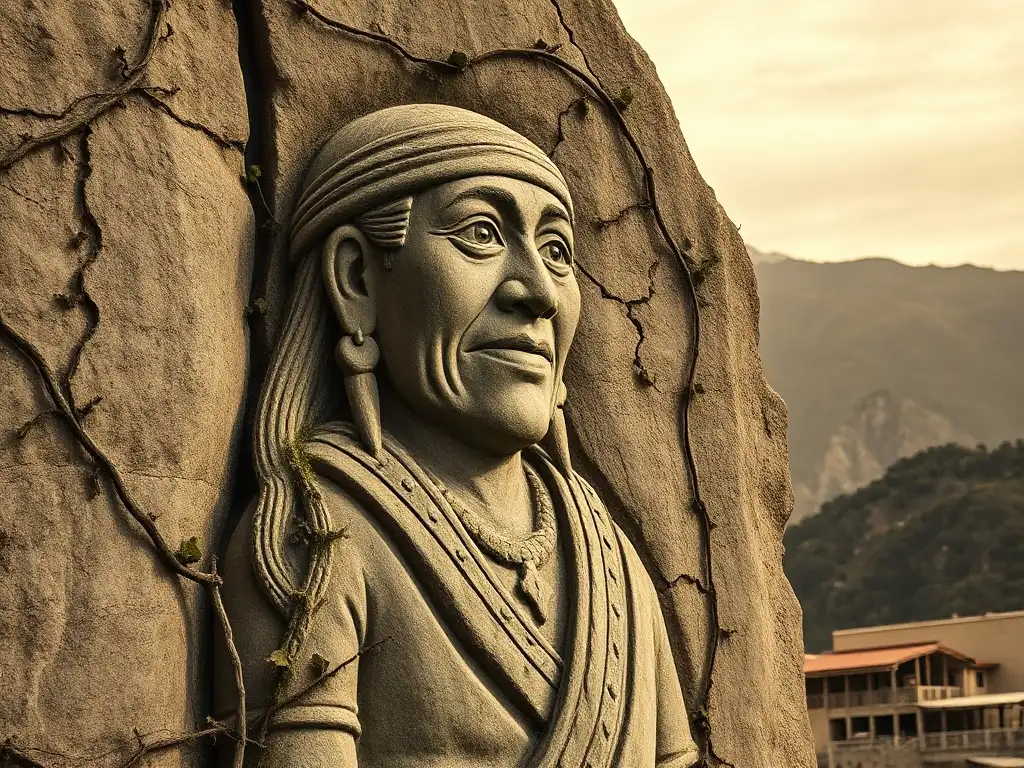
The Inca Quechua language origins are deeply intertwined with a rich oral tradition. While the Incas didn't possess a writing system in the same way as the Egyptians or Mesopotamians, their sophisticated societal structure relied heavily on the transmission of knowledge, history, and cultural values through spoken word. This oral tradition was not merely a method of communication; it was the very foundation of Inca societal memory and identity.
The vibrant tapestry of Inca culture, from intricate administrative systems to captivating myths and legends, was woven and preserved through generations of skilled storytellers and quipucamayocs (those who kept records using quipus – knotted strings). Understanding the Inca Quechua language requires appreciating the crucial role this oral tradition played.
The precision and artistry involved in memorizing and transmitting complex information speaks volumes about the intellectual prowess of Inca society and their deep respect for their language. The persistence of Quechua today, albeit in many variations, is a testament to the enduring power of this oral legacy.
The Importance of Oral Storytelling in Quechua
Oral storytelling in Quechua was far more than mere entertainment; it served crucial functions within Inca society. It was the primary means of educating the younger generation, transmitting vital knowledge about history, agriculture, astronomy, and social norms. Complex narratives, imbued with symbolic meaning and often incorporating poetic devices, conveyed intricate moral lessons and reinforced social cohesion.
Consider, for example, the stories surrounding the Inca origin myths, which often featured accounts of divine intervention, human sacrifice, and the establishment of social hierarchies. These narratives were not simply told; they were performed, with skilled narrators employing dramatic pauses, changes in tone, and evocative gestures to enhance the impact of their words.
The effectiveness of this oral pedagogy is evident in the remarkable achievements of Inca civilization, a testament to the power of storytelling as a tool for social learning and cultural preservation. The precise details of many of these stories, however, remain fragmented due to the lack of written records, requiring further anthropological research to uncover the full scope of Inca oral narratives.
Examples of Inca Myths and Legends in Quechua
Several Inca myths and legends have survived, albeit often in fragmented or adapted forms, offering glimpses into the rich cosmology and worldview of the Inca people. One prevalent theme is the creation myth, which often involves the emergence of the first Inca from a cave or a sacred lake. These creation stories often feature powerful deities, such as Viracocha, the creator god, and Pachamama, the earth mother.
The stories of Manco Cápac and Mama Ocllo, the legendary founders of Cusco, are particularly well-known, though variations exist across different Quechua dialects. These narratives illustrate the Inca concept of ayni, the principle of reciprocity and balance between humans and the natural world. Another recurring motif is the struggle between order and chaos, often symbolized by the conflict between benevolent deities and malevolent spirits.
These narratives, passed down through generations in Quechua, reveal a sophisticated understanding of the cosmos and a deep connection to the Andean landscape. Analyzing these myths allows us to gain insights into Inca social structures, religious beliefs, and their perception of the world around them. Further research into regional variations of these myths will likely reveal a more nuanced understanding of Inca cultural diversity.
The Role of Quechua in Inca Poetry and Music
Quechua was not merely a vehicle for storytelling; it was also the language of poetry and music, integral aspects of Inca cultural expression. Inca poetry, often characterized by its rhythmic structure and use of metaphors, served both aesthetic and practical purposes. It was used to celebrate important events, commemorate ancestors, and express emotions. Similarly, music played a vital role in Inca society, accompanying religious ceremonies, agricultural rituals, and celebrations.
Musical instruments, such as panpipes and drums, were often used in conjunction with vocal performances in Quechua. While the exact nature of Inca musical compositions remains largely unknown due to the lack of written notation, accounts from Spanish chroniclers suggest a rich and diverse musical tradition. The songs and poems, passed down orally, would have been crucial for maintaining social harmony and conveying complex social messages.
The melodies and lyrics, interwoven with Quechua vocabulary, would have helped shape and reinforce Inca cultural identity. Unfortunately, much of this rich musical heritage is lost to time, making it a vital area for future research on Inca Quechua language origins. The surviving fragments, however, offer a compelling glimpse into the expressive power of the language.
The Legacy of Inca Quechua
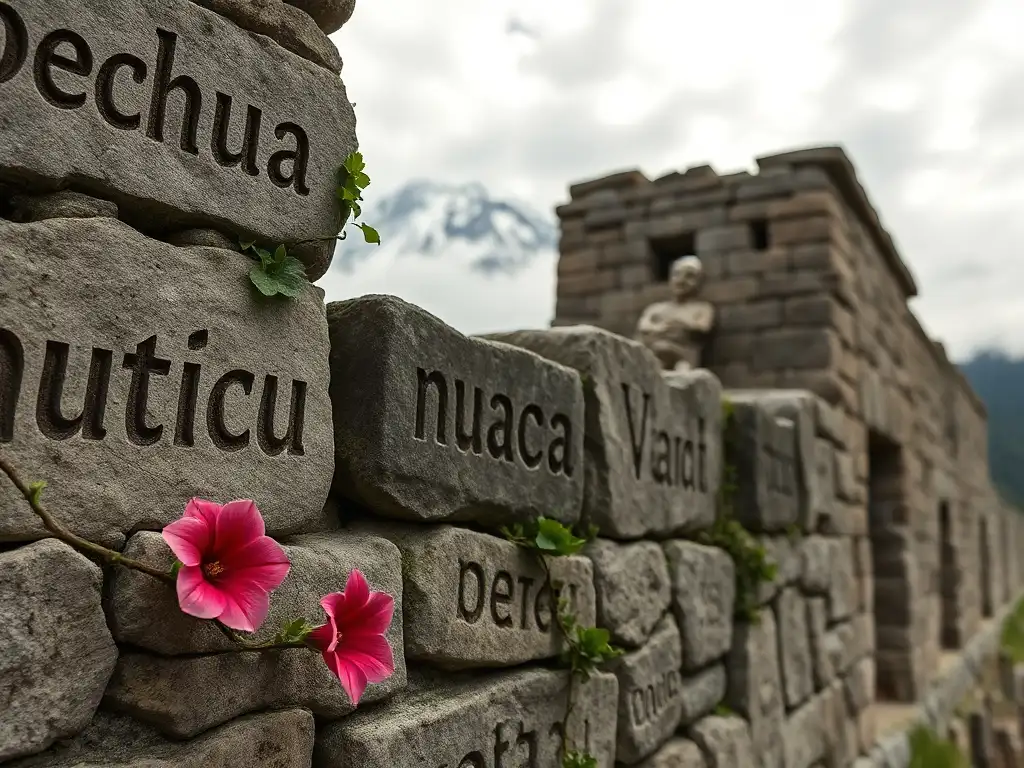
The Inca Quechua language, far from disappearing with the Spanish conquest, left an indelible mark on the Andean region and continues to thrive in diverse forms today. Understanding its enduring legacy requires examining its evolution from a lingua franca within the vast Inca Empire to its multifaceted presence in modern society. The origins of Inca Quechua are complex and still debated among linguists, with theories pointing to a gradual evolution from earlier Quechuan languages spoken across the Andes long before the Inca's rise to power.
The Inca Empire's standardization and widespread adoption of a particular Quechua dialect, however, dramatically increased its reach and influence, solidifying its position as the primary language of administration, commerce, and communication across a geographically diverse empire. This standardization, though imposing a certain uniformity, did not erase the inherent diversity within the broader Quechuan language family. Regional variations and dialects continued to exist, reflecting the pre-existing linguistic landscape of the Andes and the ongoing interaction between different communities within the Inca state.
Analyzing these variations offers valuable insights into the cultural and social dynamics of the Inca Empire itself, highlighting the complex relationship between imperial power and local identities. The impact of the Inca’s imposition of a standardized language on pre-existing languages is a complex issue requiring further research to fully understand the extent of language shift and language death.
Quechua After the Fall of the Inca Empire
Following the Spanish conquest in the 16th century, the fate of Quechua hung precariously in the balance. The Spanish colonial administration actively promoted Spanish as the official language, aiming to suppress indigenous languages and cultures. This led to a significant decline in the use of Quechua in official contexts and urban centers. However, Quechua's resilience proved remarkable.
Despite facing significant pressure from Spanish, it persisted in rural communities, maintaining its vitality as the lingua franca of daily life, social interaction, and cultural transmission. The survival of Quechua wasn't uniform across the Andes. In some regions, it faced greater suppression than others, leading to varying degrees of language shift towards Spanish. However, the strong ties between language and identity ensured that Quechua remained a crucial element of Andean cultural survival.
The oral tradition played a pivotal role in preserving Quechua, keeping stories, songs, and knowledge alive across generations, even in the face of colonial oppression. This oral transmission ensured that the language, despite its reduced official status, continued to evolve and adapt, incorporating new words and expressions reflecting the changing realities of Andean life under colonial rule. The resilience of Quechua in this period serves as a testament to the deep cultural significance of the language for its speakers and its inherent adaptability.
The Survival of Quechua in Modern Andean Communities
Today, Quechua continues to be a vibrant and evolving language across numerous Andean communities in countries like Peru, Bolivia, Ecuador, Colombia, and Argentina. While Spanish remains the dominant language in many urban areas, Quechua maintains its strong presence in rural areas and among indigenous populations. The number of Quechua speakers varies significantly across different regions and dialects, reflecting the complex linguistic landscape of the Andes.
There's no single, universally accepted figure for the total number of Quechua speakers, as accurate census data is often lacking and the definition of "Quechua speaker" can be fluid. However, it's clear that millions of people still use Quechua in their daily lives, demonstrating its enduring vitality. The survival of Quechua is closely tied to the preservation of Andean cultural identity.
Quechua is not merely a means of communication; it's the medium through which traditions, beliefs, and worldviews are transmitted across generations. This deep connection between language and culture helps explain why Quechua continues to thrive in many communities, even in the face of globalization and the pervasive influence of Spanish. Furthermore, increased awareness and advocacy for indigenous languages have contributed significantly to the revitalization efforts, fostering a sense of pride and ownership among Quechua speakers.
Efforts to Preserve and Promote the Quechua Language Today
Numerous initiatives are underway to preserve and promote the Quechua language and its rich cultural heritage. These range from grassroots community-based projects to national-level government programs. Many organizations are working to create Quechua-language educational materials, developing dictionaries and grammars, and promoting the use of Quechua in schools and media. The use of technology, such as digital dictionaries and online language learning platforms, plays an increasingly important role in making Quechua more accessible to a wider audience.
Furthermore, efforts are being made to document and preserve different Quechua dialects, recognizing the linguistic diversity within the language family. The preservation of Quechua is not merely a linguistic endeavor; it's a crucial aspect of preserving Andean cultural diversity and promoting linguistic justice. The recognition of Quechua as an official language in several Andean countries is a significant step towards achieving these goals.
However, challenges remain, including the need for greater investment in education and the ongoing pressure from the dominant language, Spanish. The future of Quechua depends on continued support for language revitalization programs and the active participation of Quechua speakers in shaping the language’s future. The fight for the preservation of Inca Quechua language origins and its continued use is a testament to the enduring power of language and its inextricable link to cultural identity.
Conclusion: The Enduring Significance of Quechua
The Inca Quechua language, far from being a relic of a bygone era, maintains a vibrant presence in modern South America. Understanding its origins and evolution is crucial to appreciating the complexities of the Inca Empire and its lasting impact on the region. Its continued use by millions speaks volumes about its resilience and cultural significance.
The legacy of Quechua is not merely linguistic; it's a testament to the enduring spirit and cultural richness of the Andean peoples. Further research into dialects and variations will undoubtedly reveal even more about the intricate social structures and beliefs of the Inca civilization. The study of Inca Quechua language origins continues to be a dynamic field, with new discoveries constantly enriching our understanding of this fascinating language and its people.
The Cultural Importance of Quechua
Quechua's cultural importance extends far beyond its role as a former lingua franca. It remains a vital part of the cultural identity of millions across the Andes. It's embedded in songs, poetry, oral traditions, and countless daily interactions. The preservation of Quechua is actively championed through educational initiatives, cultural centers, and artistic expressions.
Many indigenous communities actively resist the dominance of Spanish and other languages, viewing the preservation of Quechua as a crucial act of self-determination and cultural resistance. This commitment demonstrates the deep-seated connection between the language and the Andean people's sense of place and belonging. The continued use of Quechua in contemporary life is a powerful symbol of cultural continuity and resilience, a living link to the Inca past. The language itself is a repository of knowledge, containing invaluable insights into Inca worldview, societal structures, and historical events.
Quechua as a Key to Understanding the Inca Empire
The Inca Quechua language serves as an invaluable key to unlocking the secrets of the Inca Empire. Its grammatical structure, vocabulary, and variations across different regions provide critical insights into the organization, administration, and social dynamics of the Inca state. Analyzing Quechua texts, even those limited in number, offers valuable information about Inca governance, religious beliefs, and daily life. Ethnolinguistic studies comparing Quechua with other Andean languages illuminate the historical connections and migrations within the region.
By studying Quechua's evolution and its relationship to other languages, researchers can piece together a more complete picture of the Inca Empire's expansion and its impact on the surrounding cultures. The study of Inca Quechua language origins is therefore not just a linguistic pursuit but a crucial step towards a richer understanding of a remarkable civilization. The more we learn about Quechua, the more we learn about the Inca.
Frequently Asked Questions
What is Quechua?
Quechua is the indigenous language family spoken across the Andes Mountains of South America. It served as the lingua franca of the Inca Empire, and several Quechua dialects are still spoken today. Many variations exist across different regions.
How did Quechua become the language of the Inca Empire?
The Inca, through military conquest and administrative strategies, imposed Quechua as the official language across their vast empire. This facilitated communication and control across diverse populations and regions. This process involved both forced adoption and incentivisation.
What are the origins of the Quechua language?
The precise origins of Quechua are still debated among linguists. However, the current consensus points to a pre-Inca origin in the central Andes region, possibly evolving over several centuries. Further research is ongoing to pinpoint more precise origins.
Are there any other languages spoken in the Inca Empire besides Quechua?
Yes, many other languages were spoken within the Inca Empire alongside Quechua. The Incas tolerated other languages, though Quechua held primacy for administrative purposes. Many of these languages survive today.
Quechua's role as a lingua franca was crucial to the Inca's administrative efficiency, cultural integration, and political control. Its widespread use facilitated the empire's vast infrastructure projects and the transmission of knowledge and traditions.
Final Reflection: Echoes of the Inca Empire in the Quechua Tongue
The enduring legacy of the Inca Empire isn't just etched in stone; it's woven into the very fabric of language. Quechua, once the lingua franca of a vast and sophisticated civilization, continues to thrive, a testament to the resilience and cultural richness of its people. Its survival speaks volumes about the power of language to transcend time and connect generations.
The impact of Quechua extends far beyond its linguistic significance. It represents a living connection to a rich cultural heritage, a vibrant tapestry of traditions, beliefs, and stories. A language is a dialect with an army and navy.
This quote, while cynical, highlights the political power inherent in language, and Quechua's continued use is a powerful act of cultural resistance and preservation. Its evolution across centuries, adapting to new contexts and incorporating influences, showcases its remarkable adaptability and enduring strength.
Consider the echoes of the Inca Empire resonating in the words spoken today. Think about the stories whispered in Quechua, the songs sung, the prayers offered. You, the reader, have a unique opportunity to engage with this living history. Learn a few words, listen to Quechua music, explore the literature – connect with the vibrant culture that continues to flourish through its language. Let the legacy of the Inca Empire inspire you to appreciate the power and beauty of linguistic diversity, and the importance of preserving the voices of the past for the future.
Unveil the Richness of Quechua Today!
Thank you for exploring the fascinating world of Quechua, the Inca language! This article has hopefully revealed the enduring legacy and vibrancy of this language, passed down through generations. Now, let's build on your newfound knowledge.
Here are some ways you can continue your Quechua journey:
- Enroll in a Quechua language course, either online or in your community, for an immersive learning experience.
- Explore Quechua culture through books, documentaries, and other resources that showcase the traditions, music, and stories of the Andean people. Consider learning about their unique art forms or historical narratives.
- Share your progress on social media using #QuechuaQuest to inspire others to discover this rich heritage.
What aspects of Quechua culture intrigue you most, and how will you further explore them?