
The Inca Royal Family: Lineage, Power, and Intrigue

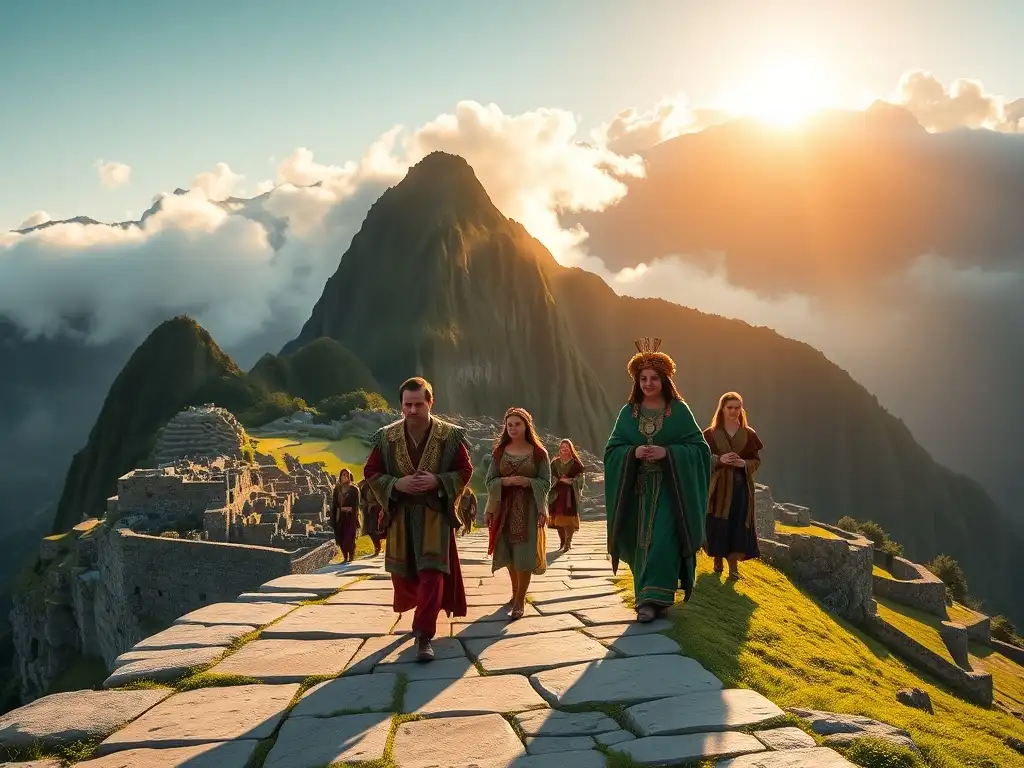
Unravel the mysteries of the Andes! Prepare to be captivated by the breathtaking legacy of ancient Andean civilizations. From the intricate artistry of the Nazca Lines to the sophisticated engineering of the Tiahuanaco, their stories whisper across millennia. But perhaps the most intriguing tale lies within the Inca royal family lineage. Discover the secrets of power, succession, and the complex web of relationships that shaped an empire. Dare to delve deeper and uncover the truth behind the throne of the Incas?
The Inca Empire, a civilization that flourished in the Andes Mountains from the 15th to the 16th century, was characterized by its sophisticated social structure and powerful centralized government. At the heart of this intricate system lay the Inca royal family, a lineage of rulers whose power extended across vast territories and whose lives were intertwined with the very fabric of Inca society. Understanding the Inca royal family's lineage is crucial to grasping the empire's political dynamics, its expansion, and its ultimate fall.
This article delves into the intricacies of Inca royal succession, exploring the complexities of power, the strategic marriages that solidified alliances, and the intrigues that often accompanied the transfer of imperial authority. We will examine key figures, significant events, and the enduring legacy of the Inca royal bloodline, focusing specifically on how their lineage shaped the empire's destiny.
By exploring the intricacies of their family tree, we can better understand the political landscape of the Inca Empire and appreciate the profound impact of this remarkable civilization. The keyword "Inca royal family lineage" will be explored in detail throughout this article, providing a comprehensive understanding of this critical aspect of Inca history.
Tracing the Inca Royal Bloodline: From Manco Cápac to Atahualpa
The precise origins of the Inca royal lineage remain a subject of debate among historians. Traditional accounts often place the founding of the Inca dynasty with Manco Cápac, a legendary figure whose emergence marked the beginning of the Inca Empire's expansion. However, archaeological and historical evidence suggests a more complex and gradual process of consolidation of power.
The early Inca rulers likely consolidated power through strategic alliances and military victories, gradually expanding their influence and solidifying their claim to legitimacy. The succession of rulers, though often following a pattern of primogeniture (inheritance by the eldest son), was not always straightforward. Sibling rivalry, political maneuvering, and challenges to authority were common occurrences, shaping the trajectory of the empire.
The line of succession often involved carefully planned marriages, forging alliances and solidifying power within the ruling elite. This ensured the continuation of the royal bloodline and the stability of the empire, at least in theory. The following table illustrates a simplified version of the Inca royal lineage, highlighting key figures and their relationships:
| Ruler | Reign (Approximate) | Notable Achievements | Successor |
|---|---|---|---|
| Manco Cápac | [Data pending] | Founding of Cusco, Expansion of Inca territory | Sinchi Roca |
| Sinchi Roca | [Data pending] | Continued expansion, establishment of administrative systems | Lloque Yupanqui |
| Lloque Yupanqui | [Data pending] | Military conquests, consolidation of power | Mayta Capac |
| Mayta Capac | [Data pending] | Expansion into new territories, strengthening the empire | Capac Yupanqui |
| Capac Yupanqui | [Data pending] | Extensive military campaigns, significant territorial gains | Túpac Yupanqui |
| Túpac Yupanqui | [Data pending] | Further expansion, administrative reforms | Huayna Capac |
| Huayna Capac | [Data pending] | Reached the peak of Inca power, vast empire | Huáscar and Atahualpa (Civil War ensues) |
| Huáscar | [Data pending] | Ruled briefly before the civil war | Atahualpa (after civil war victory) |
| Atahualpa | [Data pending] | Last Sapa Inca before the Spanish conquest | None (Conquered by Pizarro) |
The Role of Marriage and Political Alliances in Inca Royal Succession
The Inca royal family utilized strategic marriages to consolidate power and maintain control over vast territories. These unions were not merely personal affairs but crucial political instruments. Marriages between members of the royal family and the elites of conquered regions served to integrate these populations into the Inca Empire and secure their loyalty.
Moreover, the Inca system of curacazgos (local chiefdoms) often involved the integration of local rulers into the imperial structure through marriage alliances, thereby creating a network of loyalties that strengthened the empire. The selection of spouses was a carefully considered process involving political calculations and the maintenance of the royal bloodline. Royal women also played a significant role in this process.
Their influence and power within the court were considerable, and their marriages often had far-reaching political implications. The intricate web of alliances forged through marriage significantly contributed to the stability and expansion of the Inca Empire, but also, in some cases, contributed to internal conflicts and struggles for power.
Intrigue and Power Struggles Within the Inca Royal Family
Despite the carefully constructed system of succession, the Inca royal family was not immune to internal conflicts and power struggles. The death of a Sapa Inca (emperor) often triggered a period of instability, as different factions within the royal family vied for control. The most dramatic example of this is the Inca Civil War between Huáscar and Atahualpa, sons of Huayna Capac. This conflict severely weakened the empire, making it vulnerable to the Spanish conquistadors who arrived shortly thereafter.
The struggle for power involved not only the immediate family but also powerful nobles and military leaders who sought to influence the succession and gain advantage. These power struggles involved complex political maneuvering, alliances, and betrayals, often resulting in violence and bloodshed. The internal divisions within the Inca royal family ultimately contributed to the downfall of the empire, highlighting the fragility of even the most powerful dynasties.
The Enduring Legacy of the Inca Royal Family
The Inca royal family's legacy extends far beyond the empire's collapse. Their sophisticated administrative system, advanced agricultural techniques, and remarkable architectural achievements continue to inspire awe and admiration. The impact of their lineage is visible in the cultural traditions, languages, and genetic makeup of the Andean region today.
The stories of their rulers, their triumphs, and their tragedies remain a powerful testament to the resilience and ingenuity of the Inca people. Their sophisticated understanding of lineage and its importance to maintaining power provides valuable insights into the workings of a highly organized and influential ancient civilization.
The study of the Inca royal family lineage continues to be a rich area of research, offering new perspectives on the complexities of power, succession, and the enduring legacy of one of the most fascinating civilizations in history. Further research into specific aspects of the Inca royal family's lineage, such as the role of women or the genetic studies of their descendants, could yield even more insights into this fascinating topic.
- Tracing the Inca Royal Bloodline: From Manco Cápac to Atahualpa
- The Role of Marriage and Political Alliances in Inca Royal Succession
- Intrigue and Power Struggles Within the Inca Royal Family
- The Enduring Legacy of the Inca Royal Family
Tracing the Origins of the Inca Royal Lineage
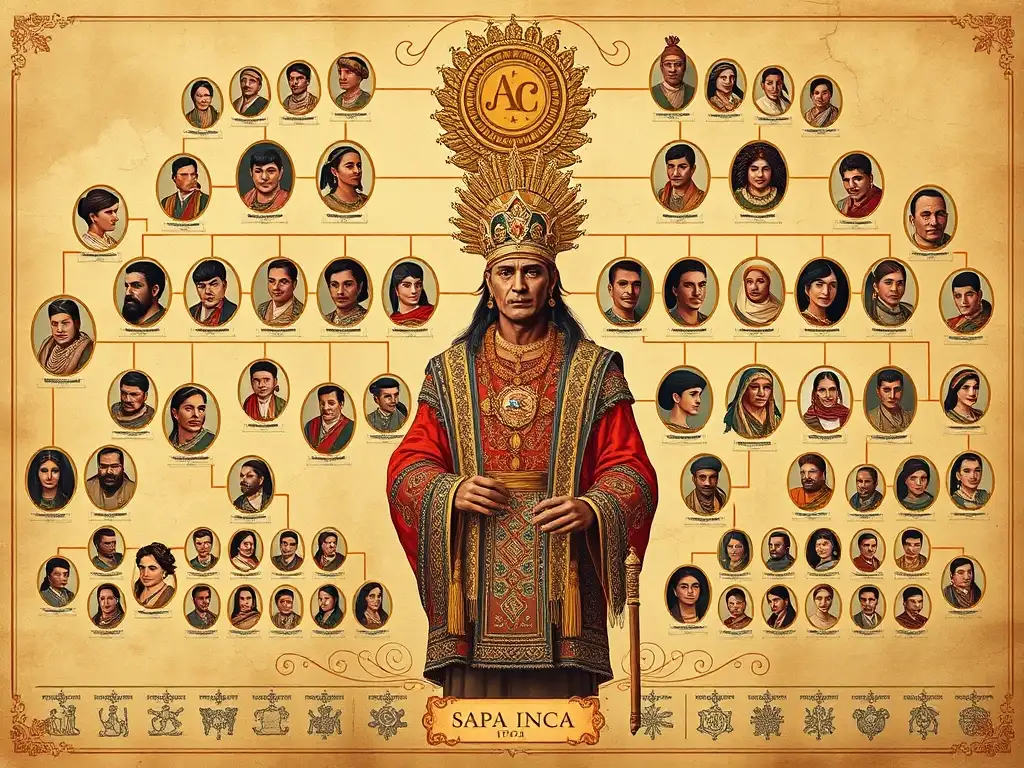
The Inca royal family lineage, a subject of both historical record and enduring legend, holds a pivotal position in understanding the Inca Empire's rise to power and its complex social structure. Tracing this lineage reveals not only a succession of rulers but also a carefully constructed narrative of legitimacy and divine right. Understanding the Inca royal family's ancestry is crucial to grasping the intricacies of Inca politics, alliances, and the very fabric of their society.
The intricate web of kinship and marriage alliances within the royal family played a significant role in maintaining control and expanding the empire's influence. This section delves into the origins of this powerful lineage, blending historical accounts with the mythical narratives that shaped Inca identity.
The Mythical Foundation of Inca Ancestry
Inca mythology plays a crucial role in establishing the legitimacy of the royal lineage. The story of Manco Cápac and Mama Ocllo, emerging from Lake Titicaca, is foundational. These mythical founders, often depicted as children of the sun god Inti, are credited with establishing Cusco, the Inca capital, and laying the groundwork for the empire.
This origin story, passed down through generations, served as a powerful symbol of divine authority, reinforcing the Inca rulers' claim to power. The narrative wasn't merely a tale; it was a carefully constructed ideology that legitimized their rule and unified the diverse populations under their control. The Inca's carefully cultivated image as descendants of the sun god profoundly impacted their relationship with their subjects, fostering reverence and obedience.
Think of it as a sophisticated form of propaganda, subtly embedded within the cultural fabric. The constant reinforcement of this narrative, through ceremonies, art, and oral traditions, ensured its enduring influence on Inca society. The sun god Inti wasn't just a deity; he was a key element in the construction of the Inca royal family's identity and power structure.
The First Inca Rulers and Their Legacy
Following the mythical founders, the early Inca rulers, while less shrouded in myth, remain figures of significant historical debate. Their actions laid the foundation for the empire's future expansion and centralized governance. The precise details surrounding the succession of these early rulers are often fragmented, with varying accounts from different sources. However, certain key figures emerge consistently in the historical record. For instance, while specific dates are often debated, the reign of Pachacuti Inca Yupanqui is widely acknowledged as a turning point.
His military prowess and strategic acumen transformed a small Cusco-based kingdom into a formidable empire. He implemented sweeping reforms, standardizing administration, agriculture, and military organization. His successors, notably Túpac Inca Yupanqui and Huayna Capac, continued this expansionist policy, stretching the Inca Empire's reach across vast territories. Their reigns saw the construction of impressive infrastructure projects, including roads, agricultural terraces, and monumental architecture, testaments to the empire's power and ingenuity.
Analyzing their legacies provides invaluable insights into the evolution of Inca governance, military strategies, and the consolidation of royal power. The early Inca rulers were not just conquerors; they were architects of a complex and sophisticated state. Their contributions shaped the Inca Empire's trajectory and laid the groundwork for the dynasty that followed. The careful study of their reigns offers a clearer picture of the Inca royal family lineage's impact on Andean history.
The Structure of Inca Royal Power
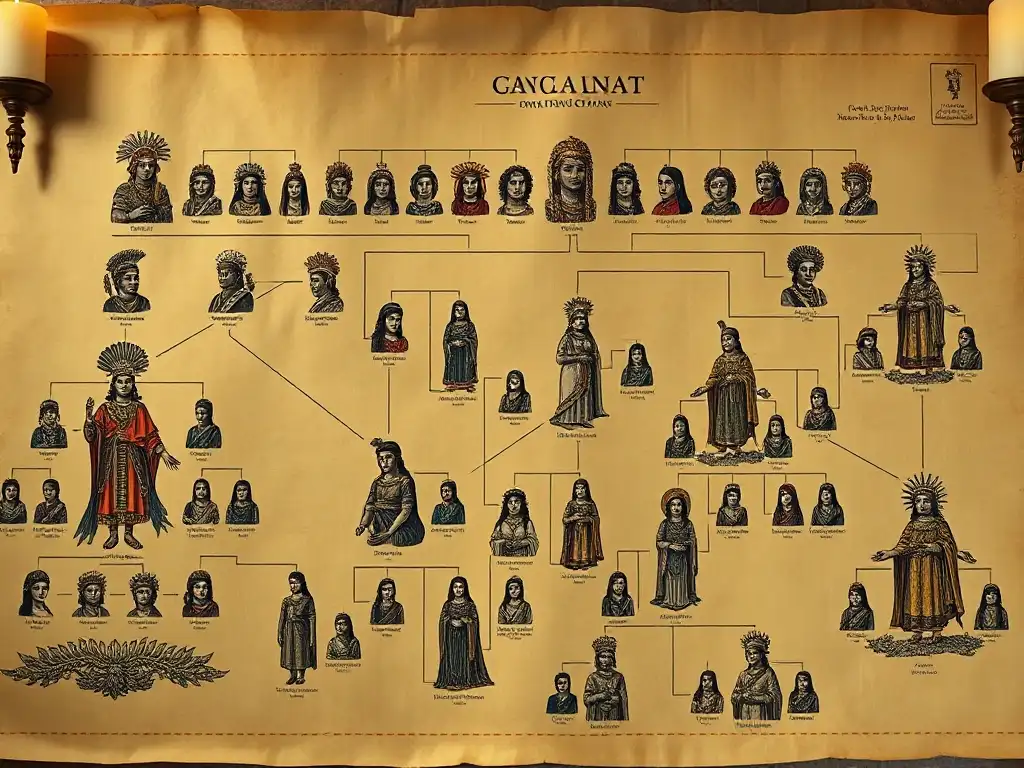
The Inca Empire, a vast and sophisticated civilization, relied on a meticulously structured royal family to maintain its power and legitimacy. The Inca royal family's lineage wasn't simply a matter of birth; it was a complex web of political maneuvering, religious significance, and carefully cultivated succession plans. Understanding this structure is key to comprehending the empire's impressive organizational capabilities and its enduring legacy.
The Inca royal family lineage directly impacted every aspect of imperial life, from military campaigns to agricultural production, and the intricate details of this family tree hold clues to the empire's rise and fall. This section delves into the key roles within the Inca royal family, exploring the power dynamics and the intricate interplay between family members.
The Sapa Inca, meaning "only Inca," stood at the apex of the Inca power structure. He wasn't merely a king; he was considered a divine figure, a descendant of the sun god Inti. This divine mandate legitimized his absolute authority, allowing him to command the vast resources of the empire and direct its policies. The Sapa Inca controlled all aspects of the state, including the military, the economy, and religious affairs.
His word was law, and his decisions shaped the lives of millions of subjects. Succession to the Sapa Inca's position was a delicate process, often involving intense competition among eligible royal family members. While primogeniture was generally favored, political alliances and military prowess frequently played a crucial role in determining the next heir.
Evidence suggests that potential successors underwent rigorous training and were carefully assessed for their capabilities to rule. The selection of a Sapa Inca was a significant event, impacting the stability and direction of the empire for decades to come. The death of a Sapa Inca often led to periods of uncertainty and potential power struggles, highlighting the critical importance of a clear and accepted succession plan within the Inca royal family lineage.
The Role of the Coya: The Inca Queen and Her Influence
The Coya, the Sapa Inca's wife, held a position of significant power and influence, though not explicitly political. She was not merely a consort; her lineage and status were carefully considered. The Coya often came from a noble family, strengthening political alliances and bolstering the Sapa Inca's legitimacy. Her role extended beyond ceremonial duties.
She played a vital part in religious ceremonies, acting as a mediator between the divine and the earthly realms. Moreover, the Coya held considerable sway within the royal court, advising the Sapa Inca on matters of state and exerting influence over appointments and policies. While her power was indirect, compared to the Sapa Inca's absolute authority, the Coya's influence should not be underestimated.
Her opinions and counsel were highly valued, particularly in matters concerning the royal family and the empire's social fabric. Furthermore, the Coya often played a critical role in the education and upbringing of the royal children, shaping the future leaders of the Inca Empire. The selection of a Coya was thus a significant political decision, as it had profound implications for the stability and continuity of the imperial dynasty.
The Inca Royal Council and its Function
The Inca royal council, comprised of high-ranking officials, nobles, and advisors, played a crucial role in assisting the Sapa Inca in governing the empire. This council wasn’t a legislative body in the Western sense; its function was primarily advisory. Members of the royal family often held prominent positions within this council, lending their expertise and influence to the Sapa Inca's decision-making process.
The council's responsibilities included reviewing laws, managing resources, and overseeing various aspects of the administration. The council's composition could shift over time, reflecting the changing political landscape and the Sapa Inca's preferences. While the Sapa Inca retained ultimate authority, the council served as a vital check and balance, providing diverse perspectives and ensuring that decisions considered a wider range of viewpoints.
The council's existence highlights the complexity of the Inca government, showcasing the collaborative nature of imperial rule. A detailed understanding of the Inca royal council's functions is essential for a thorough analysis of the Inca royal family lineage and its impact on the empire's governance. The council's composition and its role in decision-making offer valuable insights into the dynamics of power within the Inca imperial court.
The Inca Royal Family: A Hierarchy of Kinship
The Inca royal family, far from being a monolithic entity, was a complex web of kinship ties, power dynamics, and strategic marriages that shaped the empire's destiny. Understanding the Inca royal family lineage is crucial to grasping the intricacies of Inca governance and the stability (or instability) of their vast realm. The Sapa Inca, the emperor, held absolute power, but his authority was intrinsically linked to his lineage and the strength of his supporting panacas.
The legitimacy of his rule stemmed directly from his ancestry, connecting him to the divine founder of the Inca civilization, Manco Cápac. This divine connection wasn't simply a matter of belief; it was a powerful political tool used to justify the emperor's authority and solidify his control over the empire. The Inca royal family's lineage was meticulously documented, with quipus (knotted cords) likely used to record genealogical information crucial for maintaining the legitimacy of the ruling dynasty.
This meticulous record-keeping ensured the continuity of power and helped prevent challenges to the throne based on questionable lineage. The precise methods of recording this information remain a subject of ongoing research, but the importance of lineage is undeniable.
The Panacas: Royal Clans and Their Significance
The panacas were crucial to understanding the Inca royal family lineage and the distribution of power. These were not merely extended families; they were powerful political factions, each associated with a specific branch of the imperial lineage. Each panaca controlled significant landholdings and resources, and their support was vital for the Sapa Inca to maintain his authority.
The influence of a particular panaca could fluctuate based on the emperor's favor and the political maneuvering within the royal family. Think of them as powerful, influential clans within the broader royal family, each vying for influence and power. The most powerful panacas often had significant sway over imperial policy and appointments, which could lead to intense rivalries and power struggles.
For example, the panaca of Huáscar held considerable influence before the devastating civil war that ultimately led to the Spanish conquest. The precise number of panacas and their exact composition remain debated by scholars, highlighting the complexity and the incomplete nature of our understanding of the Inca social structure. Further research is necessary to fully elucidate the roles and relationships between these powerful groups.
Succession Practices and Power Struggles within the Inca Royal Lineage
Inca succession was not always a smooth process. While ideally, the throne passed to the eldest son of the deceased Sapa Inca, this wasn't always the case. Ambition, political maneuvering, and the inherent power imbalances within the panacas frequently led to conflicts. The Sapa Inca’s choice of successor was influenced by several factors, including the candidate's perceived competence, the support they received from powerful panacas, and their perceived ability to maintain the empire's stability and prosperity.
This often resulted in power struggles between rival claimants, sometimes erupting into open warfare. The selection process was not entirely transparent, and the influence of powerful individuals and factions within the court could significantly impact the outcome. This uncertainty surrounding succession created an environment ripe for intrigue and conflict, as various factions competed for control.
The case of Huáscar and Atahualpa, discussed below, perfectly exemplifies the volatility of this system and its devastating consequences. The detailed records of these succession disputes are often fragmented or lost, leaving scholars with an incomplete picture of the intricate political dynamics. 👑
The War of the Two Brothers: Huáscar and Atahualpa
The conflict between Huáscar and Atahualpa, the sons of Huayna Capac, is a prime example of the intense power struggles that could erupt within the Inca royal family lineage. Following Huayna Capac's death (the exact cause remains uncertain, possibly smallpox), a power vacuum emerged, triggering a brutal civil war. Huáscar, initially designated heir, ruled the central and southern regions of the empire, while Atahualpa controlled the northern territories.
This division weakened the Inca Empire, making it vulnerable to the Spanish conquistadors. The conflict wasn't simply a clash between two brothers; it was a proxy war between competing panacas and regional factions vying for dominance. Atahualpa's victory, ultimately short-lived due to the Spanish conquest, highlights the fragility of Inca power structures when challenged by internal strife.
The war showcased the devastating consequences of unchecked ambition and the inherent instability within a system where succession was not clearly defined and subject to intense political maneuvering. The legacy of this conflict continues to shape our understanding of Inca history and the fall of their once-mighty empire. ⚔️
Daily Life within the Inca Royal Court
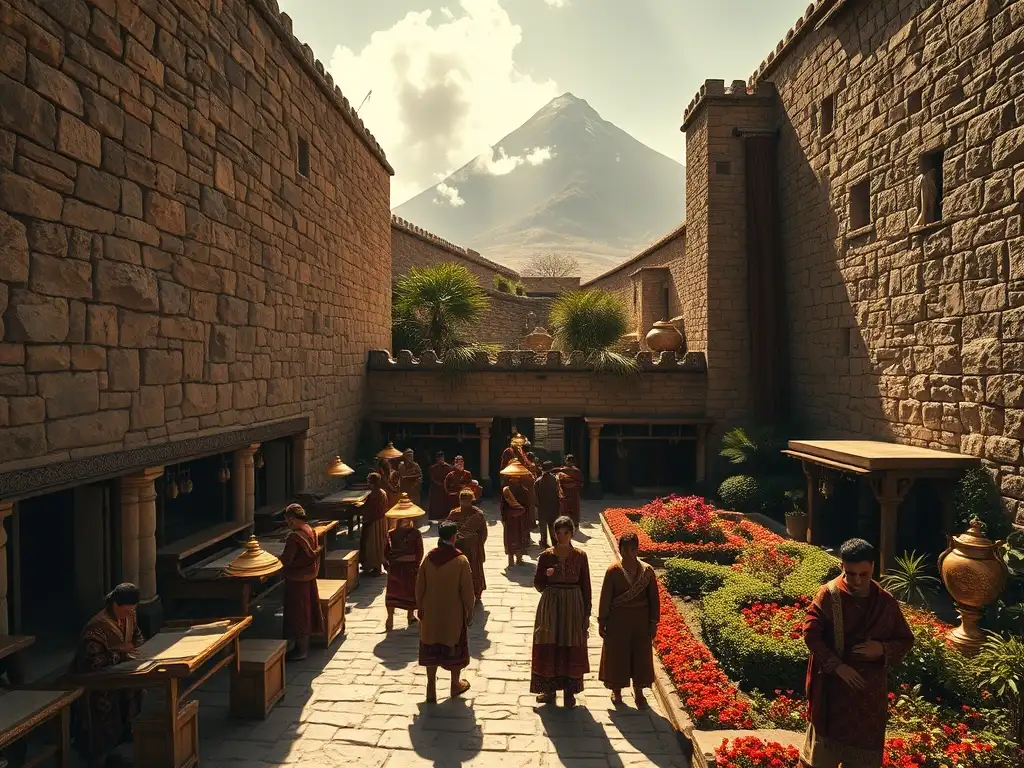
The daily life of the Inca royal family was a carefully orchestrated blend of ritual, ceremony, and practical governance. Residing primarily in Cusco, the imperial capital, the Sapa Inca and his family occupied a position of unparalleled privilege and power. Their lives were far removed from the everyday experiences of the common Inca subjects, reflecting their divine status and the immense weight of their responsibilities. Understanding this daily life provides crucial insight into the complex dynamics of Inca power and the meticulous control exerted by the ruling elite.
The Inca royal family lineage, meticulously documented through quipus (knotted cords) and oral traditions, was central to the legitimacy of their rule. This meticulously maintained record ensured the continuation of their divine right to govern. Every aspect of their lives, from their diet to their leisure activities, was designed to reinforce this divinely ordained authority.
Rituals and Ceremonies of the Inca Nobility
The Inca nobility, including the royal family, participated in an elaborate system of rituals and ceremonies that permeated every aspect of their lives. These weren't mere symbolic displays; they were integral to maintaining Ayni, the principle of reciprocity and social balance, considered crucial to the well-being of the empire. Daily rituals included offerings to the sun god, Inti, and other deities, often involving specific foods, textiles, and precious metals.
Larger ceremonies, sometimes lasting for days, marked significant events like solstices, harvests, and the coronation of a new Sapa Inca. These events involved elaborate processions, sacrifices (often of llamas or other animals), and the participation of thousands of people. The Inca royal family lineage was symbolically reinforced through these ceremonies, with specific rituals emphasizing their ancestry and connection to the divine.
For example, the Capacocha sacrifice, while controversial, was believed to be an honor bestowed upon chosen individuals, often children from noble families, who were seen as offerings to appease the gods and ensure the prosperity of the empire. The selection process for these sacrifices, while shrouded in mystery, undoubtedly involved considerations of the Inca royal family lineage and the importance of maintaining a strong connection between the ruling family and the supernatural world.
These rituals were not merely religious; they were deeply political, reinforcing the authority of the Sapa Inca and the legitimacy of his rule. The elaborate nature of these ceremonies highlighted the vast resources and manpower at the disposal of the Inca empire, further cementing the power of the royal family.
The Education and Training of Royal Children
The education and training of Inca royal children were far from casual. From a young age, they underwent rigorous instruction in a variety of subjects designed to prepare them for their future roles in government and religious affairs. This education was not solely focused on academic learning; it also emphasized physical fitness, military training, and the development of leadership qualities. The Inca royal family lineage demanded that future rulers were capable administrators, skilled warriors, and devout religious leaders. This comprehensive training involved both formal instruction from tutors and practical experience through observation and participation in court life.
Boys and girls received separate but equally rigorous training. Girls learned about household management, textile production (a highly valued skill), and the complexities of court etiquette. They were also trained in religious practices and expected to be knowledgeable in Inca traditions and mythology. Boys, in addition to the subjects mentioned above, received military training, learning to use weapons and participate in strategic planning.
Their education also included instruction in quipucamayoc (the art of interpreting quipus), essential for understanding the administrative records of the empire. The goal was to produce well-rounded individuals capable of assuming the responsibilities of leadership, maintaining the Inca royal family lineage, and ensuring the continuation of the empire's prosperity. The rigorous nature of this education underscores the importance placed on maintaining a strong and capable ruling class.
The Coronation of the Sapa Inca
The coronation of the Sapa Inca was a momentous event, a complex ceremony that combined religious ritual with political affirmation. The process wasn't always a seamless succession; power struggles and internal conflicts were not uncommon within the Inca royal family. However, the coronation itself was designed to project an image of stability and divine right.
The new Sapa Inca, identified through a combination of lineage and political maneuvering, underwent a series of rituals to officially assume his role. This involved symbolic acts, such as the presentation of royal regalia (including the mascapaycha, the distinctive headdress) and the performance of sacred ceremonies.
The intricate details of the coronation varied over time, but the core elements remained consistent: public affirmation of the new ruler's legitimacy, often involving the participation of nobles and representatives from across the empire. The event served as a powerful display of the Inca empire's strength and unity, reinforcing the authority of the new Sapa Inca and the continuity of the Inca royal family lineage. The coronation was not merely a symbolic event; it was a crucial moment in the political life of the empire, shaping alliances, resolving disputes, and setting the stage for the next phase of the empire's governance.
The careful orchestration of the coronation reflected the importance placed upon maintaining order and stability within the Inca state. The meticulous planning and execution of this elaborate ritual served as a powerful demonstration of the Inca's sophisticated understanding of power and its effective application.
The Impact of the Inca Royal Family on Society
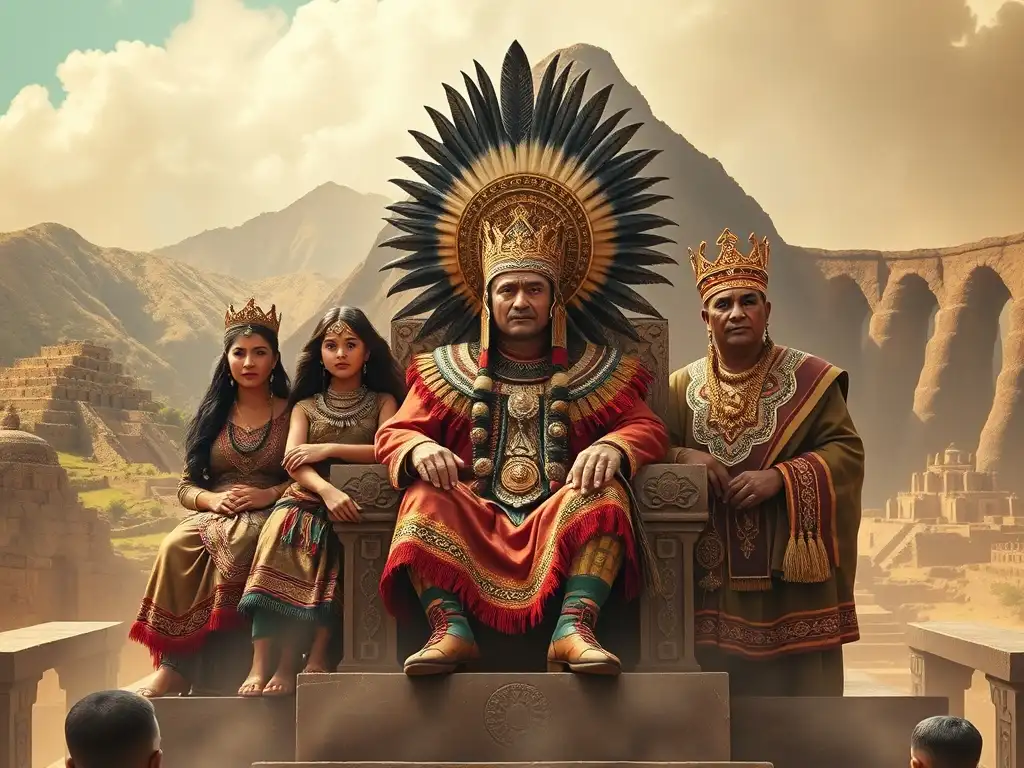
The Inca royal family's influence permeated every facet of Inca society, shaping its structure, governance, and cultural expressions. Their lineage, directly tied to the divine, legitimized their absolute authority and dictated social hierarchy. Understanding the Inca royal family's impact requires examining their role not just as rulers, but as the embodiment of Inca ideology and the driving force behind the empire's remarkable achievements.
The Inca royal family lineage was meticulously documented, ensuring the continuation of power and the preservation of their sacred status. This meticulous record-keeping allowed for the smooth transfer of power and maintained social order, a crucial element in the stability and longevity of the Inca Empire.
The very fabric of Inca society was woven around the concept of ayni, reciprocal obligation, and the royal family stood at the apex of this intricate system, receiving tributes and services in return for providing leadership and protection. The weight of their influence is undeniable, shaping everything from daily life to grand architectural projects.
The Inca royal family's lineage directly determined social stratification. The Sapa Inca, the emperor, held the highest position, considered a direct descendant of the sun god Inti. His family, including his wives, children, and close relatives, formed the elite stratum of society, enjoying privileges unavailable to the common people.
This wasn't merely a matter of prestige; it was a system of power deeply ingrained in Inca cosmology. The Inca worldview saw the emperor as a divine intermediary, a link between the earthly and spiritual realms. This divine connection justified the vast power wielded by the Inca royal family and cemented their position at the top of the social pyramid.
The system wasn't rigidly static, however. Merit and loyalty could lead to upward mobility, but even those who rose through the ranks remained firmly subordinate to the royal bloodline. The curacas, local leaders, often from noble families, held considerable regional authority, but their power ultimately stemmed from their allegiance to the Sapa Inca.
This complex interplay between hereditary privilege and meritocratic advancement shaped the social dynamics of the Inca Empire, ensuring both stability and adaptability. Records suggest that meticulous genealogical charts were maintained, constantly verifying and reinforcing the legitimacy of the royal lineage and the social order it underpinned. This emphasis on lineage was not simply a social construct; it was a powerful tool for maintaining control and stability throughout the vast Inca Empire.
The Role of the Inca Nobility in Provincial Governance
The Inca nobility, comprised of the extended royal family and loyal curacas, played a crucial role in provincial governance. They served as administrators, overseeing the collection of tributes, the organization of labor ( mita), and the maintenance of infrastructure. Their presence ensured the effective implementation of imperial policies in distant regions.
The Inca's sophisticated administrative system relied heavily on this network of loyal nobles, who acted as the emperor's eyes and ears throughout the empire. The nobility's authority was derived from their kinship ties to the Sapa Inca and their proven loyalty. This structure helped maintain control and minimize rebellion, allowing the Inca empire to effectively govern its vast territory.
This system of provincial governance wasn't without its complexities. Balancing the needs of the central government with the concerns of local populations required diplomacy and skillful administration. The curacas, while loyal to the emperor, also had to consider the well-being of their communities. This delicate balance between imperial control and local autonomy was a key factor in the empire’s success. Evidence suggests that the Inca nobility often played a mediating role, resolving conflicts and ensuring smooth communication between the central government and the various provinces. Their role was vital in maintaining the stability and prosperity of the Inca Empire.
The Influence of the Inca Royal Family on Art and Architecture
The Inca royal family's influence is profoundly evident in Inca art and architecture. Grand projects like Machu Picchu and Sacsayhuamán, along with intricate textiles and goldwork, served not only as expressions of power but also as tangible representations of their divine lineage. These magnificent structures and exquisite artifacts were not merely aesthetic achievements; they were powerful symbols of imperial authority and religious belief.
The Inca royal family's patronage of the arts ensured that artistic production served to reinforce their power and legitimacy. The scale and quality of these projects reflect the immense resources at the disposal of the imperial family. The use of specific motifs, such as the sun and condor, frequently found in royal textiles and architecture, served as visual reminders of the Inca's divine connection and their supreme power.
The meticulous craftsmanship and sophisticated techniques employed in Inca art and architecture are testament to the high level of skill and organization within the empire. This artistic production was not simply a matter of aesthetics but a powerful tool for reinforcing the Inca royal family's authority and the ideology of the empire. The sheer magnitude of these projects, their precision, and their symbolic significance, clearly demonstrate the profound influence of the Inca royal family on the cultural landscape of the Andes. The legacy of their patronage continues to inspire awe and wonder. 👑
The Decline and Fall of the Inca Royal Family
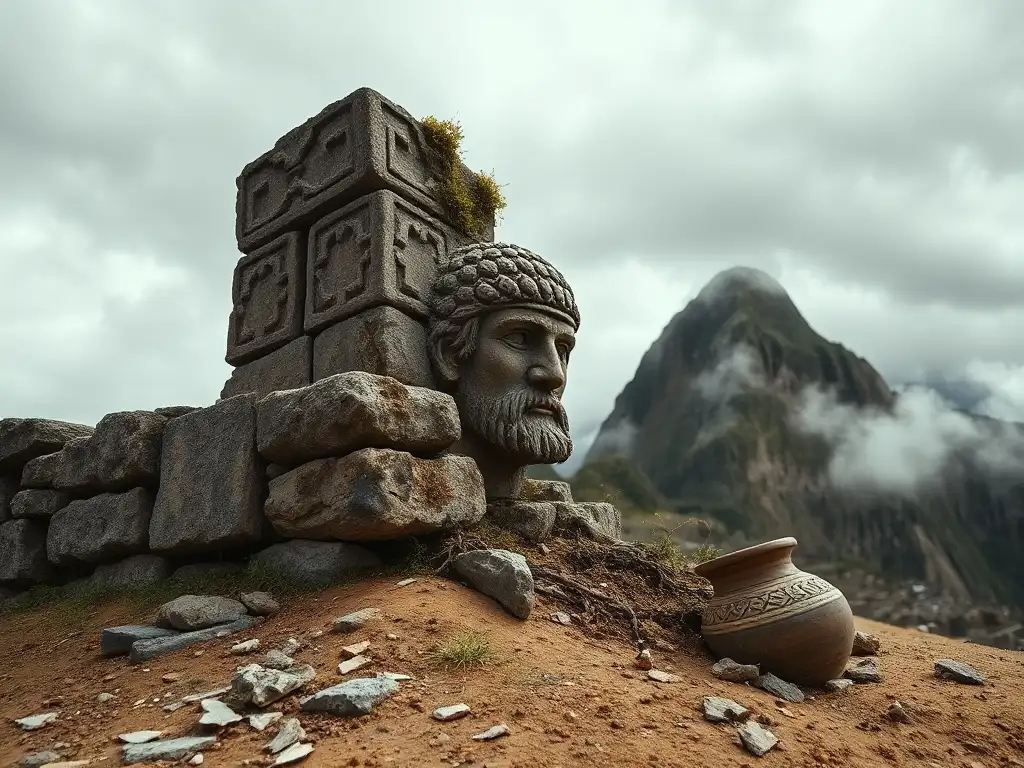
The Inca royal family, a lineage tracing back to the legendary Manco Cápac, ruled over a vast and sophisticated empire for centuries. Their power stemmed not only from military might and effective administration but also from a carefully cultivated religious authority and intricate system of kinship. However, this seemingly unbreakable dynasty faced internal strife and external pressures that ultimately led to its downfall.
Understanding the decline of the Inca royal family requires examining the complex interplay of factors that weakened their power and paved the way for the conquest. The Inca royal family lineage, once a symbol of stability and prosperity, became a source of contention and ultimately, extinction as a ruling power.
The Arrival of the Spanish and the End of Inca Rule
The arrival of Francisco Pizarro and his conquistadors in 1532 marked a turning point in Inca history. The Inca Empire, already weakened by internal conflicts – including a civil war between Huáscar and Atahualpa for the throne – proved vulnerable to the technologically superior Spanish forces. Pizarro’s exploitation of these internal divisions, coupled with the devastating impact of European diseases, swiftly dismantled the Inca’s military and political structures.
The capture and execution of Atahualpa in 1533 effectively decapitated the Inca royal family's leadership, leaving a power vacuum that the Spanish readily filled. The systematic dismantling of the Inca government, the destruction of temples and palaces, and the imposition of Spanish rule brought about the end of the Inca Empire and the traditional Inca royal family lineage.
The sophisticated system of governance, meticulously built over generations, crumbled under the weight of the conquest. The Inca royal family's influence, once absolute, was reduced to nothing.
The Fate of the Inca Royal Lineage After the Conquest
The conquest did not entirely erase the Inca royal lineage. While Atahualpa's execution marked a significant blow, other members of the royal family attempted to resist Spanish rule and maintain some semblance of Inca power. Manco Inca Yupanqui, a brother of Atahualpa, initially collaborated with the Spanish but later led a rebellion, establishing the Neo-Inca State in Vilcabamba.
This resistance lasted for decades, with various Inca leaders emerging to challenge Spanish authority. However, the Spanish relentlessly pursued the remaining members of the royal family, eventually capturing and executing Túpac Amaru I in 1572, effectively ending the Neo-Inca State and the last significant attempt to revive the Inca royal family's power. The systematic elimination of the Inca royal lineage was a deliberate strategy by the Spanish to solidify their control over the former empire.
The lingering resistance, however, demonstrated the enduring strength of Inca identity and loyalty to their former rulers. The story of the Inca royal family lineage after the conquest is one of both resilience and ultimate defeat.
The Execution of Túpac Amaru I
The execution of Túpac Amaru I in 1572 symbolized the complete dismantling of the Inca royal family's power. He was the last Inca ruler to openly challenge Spanish rule, leading a prolonged resistance from the Neo-Inca State in Vilcabamba. His capture and subsequent execution in Cusco, a public spectacle designed to intimidate the indigenous population, marked the final chapter in the Inca royal family's struggle for independence.
The brutality of his execution – he was quartered and his body parts displayed throughout the region – underscored the Spanish determination to eliminate any vestiges of Inca power and authority. Túpac Amaru I's death served as a stark reminder of the irreversible shift in power, permanently ending the Inca royal family lineage's reign and leaving an enduring legacy of resistance and oppression. The event profoundly impacted the Inca people and remains a significant symbol in Peruvian history.
The execution cemented Spanish dominance and marked the end of an era. The legacy of Túpac Amaru I, however, continues to inspire discussions about resistance and indigenous rights.
The Enduring Legacy of the Inca Royal Family
The Inca royal family's legacy extends far beyond the collapse of the empire in the 16th century. Their sophisticated political system, impressive infrastructure projects, and unique cultural practices continue to fascinate and inspire researchers and the public alike. Understanding the Inca royal family lineage is crucial to comprehending the empire's remarkable achievements and its lasting impact on the Andean region.
The intricate web of kinship and power dynamics within the royal family directly influenced the empire's expansion, its internal stability (or lack thereof), and ultimately, its demise. Their influence can still be seen today in the cultural practices, languages, and even the genetic makeup of many Andean communities.
The Inca's sophisticated agricultural techniques, their mastery of stonework evident in sites like Machu Picchu, and their complex system of record-keeping using quipus all testify to the ingenuity and organizational prowess fostered by the ruling dynasty. The legacy of the Inca royal family serves as a powerful reminder of a civilization that, despite its relatively brief reign, left an indelible mark on history.
Reinterpreting the Inca Royal Lineage in Modern Times
Modern scholarship is continually refining our understanding of the Inca royal family lineage. Early interpretations often relied heavily on colonial accounts, which, understandably, presented a biased perspective. Recent research, however, incorporates a more nuanced approach, drawing upon archaeological evidence, linguistic analysis, and a critical examination of indigenous oral traditions.
This multidisciplinary approach allows for a more complete and accurate picture of the Inca royal family's complex history, challenging previously held assumptions and uncovering new insights. For example, recent genetic studies are beginning to shed light on the biological relationships within the royal family, confirming or challenging existing genealogical charts based on historical documents. The use of advanced dating techniques on artifacts associated with specific rulers is also refining our understanding of chronological sequences and succession patterns.
This ongoing reassessment ensures that our understanding of the Inca royal family lineage remains dynamic and reflects the most up-to-date scholarly findings. The quest for a more accurate and comprehensive understanding of the Inca royal family's lineage is a testament to the enduring fascination with this remarkable civilization.
The Importance of Studying Inca Royal Family History
Studying the Inca royal family's history offers invaluable insights into several key aspects of the Inca Empire. Firstly, it provides a window into the political structures and power dynamics that governed the empire. The intricate system of succession, involving complex rituals and potentially fierce competition, reveals much about the empire's internal workings and its capacity for both stability and upheaval.
Secondly, the study of the royal family illuminates the cultural beliefs and practices of the Inca. Royal rituals, marriage alliances, and funerary customs offer critical clues to understanding the Inca worldview and their relationship with the supernatural. Thirdly, analyzing the royal family's interactions with conquered populations reveals how the Inca integrated diverse groups into their empire and managed potential resistance.
Understanding how the Inca royal family negotiated power, maintained control, and fostered (or suppressed) dissent is crucial to understanding the empire's success and eventual downfall. Finally, studying the Inca royal family lineage helps us understand broader themes of power, legitimacy, and cultural identity, themes that resonate across time and cultures. The study of the Inca royal family is not merely a historical exercise; it offers valuable lessons for understanding the complexities of power and governance.
Preserving the Memory of the Inca Royal Family
Preserving the memory of the Inca royal family is crucial for several reasons. Firstly, it ensures the continuity of a rich cultural heritage. The Inca civilization left behind a legacy of remarkable achievements that should be celebrated and understood. Secondly, it fosters a deeper appreciation for the diversity of human experience and the ingenuity of past civilizations.
The Inca royal family's story is a testament to human resilience, adaptability, and the capacity for both great achievements and tragic downfall. Thirdly, preserving this memory contributes to the empowerment of indigenous communities in the Andes, allowing them to connect with their ancestral heritage and reclaim their narratives. This preservation takes many forms, including the meticulous documentation of archaeological findings, the careful study and interpretation of historical records, and the promotion of educational initiatives that celebrate Inca history and culture.
The ongoing efforts to protect and interpret Inca sites, such as Machu Picchu, are vital for preserving this legacy for future generations. Furthermore, supporting research and scholarship on the Inca royal family ensures that their story continues to be told accurately and respectfully. The preservation of their memory is a responsibility we share, ensuring that the rich tapestry of Inca history remains vibrant and accessible.
Frequently Asked Questions
How did the Inca royal family maintain its power?
The Inca maintained power through a complex system of kinship, religious authority, and absolute control over resources and labor. Their legitimacy stemmed from their divine connection to the sun god, Inti.
What was the importance of lineage in Inca society?
Lineage was paramount in Inca society. Royal bloodlines determined access to power, privilege, and high-ranking positions within the empire. This ensured the continuation of the ruling dynasty.
Who were some key figures in the Inca royal family lineage?
Key figures include Pachacuti, the founder of the Inca Empire, and his successors, Topa Inca Yupanqui and Huayna Capac. Their reigns witnessed significant expansion and consolidation of Inca power.
How did the Inca royal family ensure the succession of power?
Succession often involved complex political maneuvering and strategic marriages. The Inca ruler, Sapa Inca, would choose his successor, often a son, though this wasn't always straightforward.
How did the Spanish conquest impact the Inca royal family lineage?
The Spanish conquest severely disrupted the Inca royal family lineage and ultimately destroyed the Inca Empire. The Spanish executed or imprisoned many members of the royal family, effectively ending their rule.
Final Reflection: Echoes of the Inca Empire in Our Modern World
The intricate web of lineage, power, and intrigue that defined the Inca royal family continues to resonate in our modern understanding of governance, social structures, and the enduring legacy of empires. The meticulous record-keeping and sophisticated administrative systems employed by the Inca, even without a written language, stand as a testament to their organizational prowess and offer valuable lessons for contemporary societies grappling with issues of governance and resource management.
The Inca's emphasis on kinship and lineage profoundly shaped their society, impacting everything from succession disputes to the distribution of resources and responsibilities. Their system, while undeniably hierarchical, also fostered a sense of shared identity and purpose within the vast empire. This resonates deeply with our own understanding of the power of collective identity and the importance of strong leadership, even as we strive for more equitable and inclusive societies. The Inca were masters of organization and control, but their success also depended on the loyalty and cooperation of their subjects.
This quote highlights the delicate balance between power and social cohesion, a balance that continues to challenge societies today.
Consider the complexities of power dynamics, the delicate dance between tradition and innovation, and the enduring impact of leadership on the trajectory of a civilization. The Inca royal family's story is not just a historical account; it's a mirror reflecting our own ongoing struggles with governance, social justice, and the legacy we leave behind. You, the reader, are now invited to reflect on the parallels between the Inca's world and our own. How can we learn from their successes and failures to build a more just and sustainable future?
**Unravel the Mysteries of the Inca Royal Family! **
Thank you for exploring the fascinating world of the Inca royal family with us! We hope you've gained valuable insights into their lineage, power struggles, and the intrigue that surrounded their lives. To further your exploration, consider these suggestions:
- **Delve deeper into Inca history** using our **interactive timeline** of the Inca Empire on our website. Discover the pivotal events that shaped their reign and legacy.
- Share your favorite Inca story in the comments below—let's build a community of history enthusiasts and learn from one another!
- **Plan a visit** to a local museum or exhibit focusing on Andean civilizations. See firsthand the artifacts that bring this incredible culture to life!
Which aspect of the Inca royal family intrigues you most? Let's discuss it in the comments!