
Inca Resistance: Uprising and Struggles for Independence

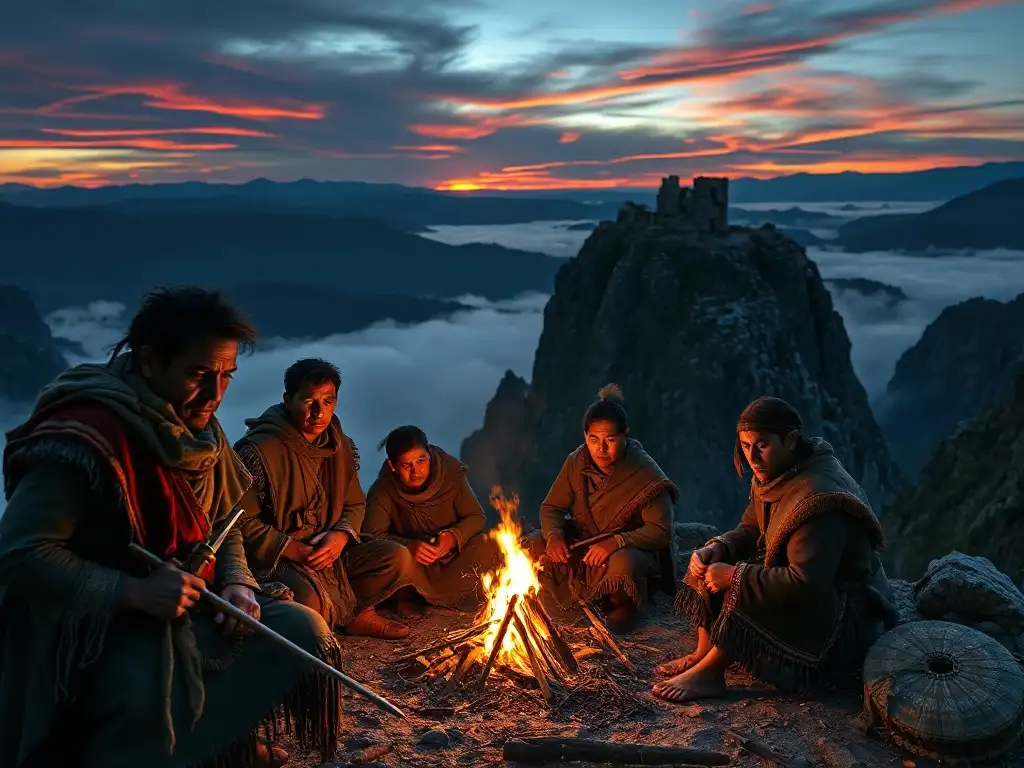
Dive into the enigmatic world of the Andes! Prepare to uncover the secrets of a civilization that thrived for centuries, mastering intricate technologies and leaving behind a legacy of breathtaking artistry. But beyond the majestic Machu Picchu lies a story of fierce resistance. Discover the ingenious Inca rebellion strategies that challenged the Spanish conquest – a struggle for independence that continues to fascinate and inspire. Unravel the mysteries and explore the untold stories of Andean resilience.
The Inca Empire, a marvel of pre-Columbian engineering and societal organization, wasn't simply conquered and subdued. The Spanish invasion, while ultimately successful in dismantling the empire, faced fierce and protracted resistance from Inca populations across the vast Andean landscape.
This article delves into the various strategies employed by the Inca people in their struggle for independence, exploring the underlying tensions that fueled rebellion and examining key figures and events that shaped the resistance. Understanding these "Inca rebellion strategies" is crucial to a complete understanding of the complex history of the Inca Empire's fall and the enduring legacy of its people.
We will analyze the diverse tactics used, from open warfare to subtle acts of defiance, showcasing the ingenuity and resilience of the Inca in the face of overwhelming odds. The narrative will move from the simmering discontent before the conquest to the organized uprisings that followed, highlighting the pivotal role of leadership and the enduring spirit of a people fighting to preserve their culture and independence.
The Seeds of Inca Rebellion: Pre-Columbian Tensions
Even before the arrival of the Spanish conquistadors, the Inca Empire wasn't a monolith of unquestioning obedience. Internal tensions existed within the vast and diverse empire. While the Inca system of mita (labor tribute) and centralized control provided a degree of stability and prosperity, it also fostered resentment in certain regions.
Different ethnic groups within the empire maintained their own distinct identities and traditions, often clashing with the Inca's attempts at cultural homogenization. These pre-existing fault lines, coupled with the inherent inequalities within the social structure, created a fertile ground for rebellion, even before the Spanish introduced a new layer of oppression. The Inca's expansionist policies, while successful in building a vast empire, also led to subjugation and resistance from conquered populations who chafed under Inca rule.
The seeds of future rebellion were sown in these pre-existing societal fractures and simmering discontent. Specific examples of pre-conquest rebellions, though scarce in detail, point to a pattern of resistance against the Inca central authority, indicating a capacity for organized opposition that would later be directed against the Spanish.
Early Inca Resistance After the Spanish Conquest
The Spanish conquest did not lead to immediate and complete subjugation of the Inca. Instead, it sparked a series of uprisings and rebellions that lasted for decades. The initial years after the capture of Atahualpa saw pockets of resistance, fueled by the brutal treatment of the Inca population and the disruption of their traditional way of life. The Spanish, despite their military superiority, struggled to maintain control over such a vast and geographically challenging territory.
This initial resistance, often localized and fragmented, laid the groundwork for larger, more organized movements later on. The Inca utilized their knowledge of the terrain, their familiarity with guerrilla warfare tactics, and their strong social networks to launch effective counter-attacks against the Spanish forces. They employed a variety of strategies, ranging from ambushes and hit-and-run attacks to the strategic destruction of infrastructure to hinder Spanish advancement.
Initial Inca Uprisings and Rebellions
The early years following the conquest were marked by numerous, often independent, Inca uprisings. These rebellions, though ultimately unsuccessful in driving out the Spanish, demonstrated the Inca's unwavering determination to resist foreign rule. These early struggles, while lacking the centralized organization of later rebellions, were crucial in demonstrating the continued strength of Inca resistance and in highlighting the vulnerabilities of the Spanish occupation.
The early uprisings often involved smaller groups of warriors, utilizing hit-and-run tactics and exploiting their knowledge of the Andean terrain to inflict casualties on the larger but less agile Spanish forces. These actions, while not achieving lasting territorial gains, served to deplete Spanish resources and maintain a constant threat, preventing the consolidation of Spanish power. [Specific details on the scale and location of these early uprisings pending].
The Role of Manco Inca in the Early Resistance
Manco Inca Yupanqui, a key figure in the Inca resistance, played a crucial role in consolidating and coordinating the early rebellions. Initially cooperating with the Spanish, Manco Inca later led a major uprising, highlighting the strategic use of deception and manipulation as an effective resistance strategy. His rebellion, while ultimately unsuccessful in regaining complete Inca independence, significantly prolonged the Spanish struggle for control and inflicted considerable casualties. Manco Inca's leadership demonstrated the importance of strong leadership in galvanizing Inca resistance, uniting disparate groups under a common banner of defiance. His strategic use of guerrilla warfare tactics, leveraging the Andean terrain to his advantage, showcased the Inca's adaptive military capabilities. The length and intensity of Manco Inca's rebellion underscore the resilience and determination of the Inca people in the face of Spanish oppression. The details of his strategies and the scale of his rebellion highlight the sophistication of Inca resistance movements.
Inca Rebellion Strategies: Adapting to Colonial Rule
The Spanish conquest of the Inca Empire didn't mark the end of Inca resistance. Instead, it ushered in a period of protracted struggle, characterized by innovative rebellion strategies adapted to the changing political landscape. The Inca, facing a technologically superior force, shifted from traditional open warfare to more nuanced tactics that leveraged their intimate knowledge of the terrain and their ability to mobilize support among the conquered populations.
This adaptability, crucial for survival, is evident in the diverse strategies employed across different regions and time periods. The sheer tenacity of the resistance highlights the resilience of Inca identity and their unwillingness to surrender their cultural and political autonomy. Understanding these strategies provides crucial insight into the complex dynamics of colonial resistance and the enduring legacy of the Inca people.
Guerrilla Warfare Tactics in the Andean Highlands
The rugged Andean terrain became a crucial asset in the Inca resistance. Guerrilla warfare, characterized by small, mobile units engaging in hit-and-run attacks, proved highly effective against the larger, less maneuverable Spanish forces. Inca fighters utilized their knowledge of mountain passes, hidden trails, and treacherous landscapes to ambush Spanish patrols and supply lines.
This tactic allowed smaller groups of rebels to inflict significant casualties on the Spanish, disrupting their operations and maintaining a sense of defiance despite their numerical inferiority. The effectiveness of this decentralized approach is underscored by its persistence throughout the colonial period, highlighting its adaptability and resilience in the face of changing Spanish military strategies. This form of resistance, deeply rooted in the Andean environment, proved to be a significant challenge to Spanish control.
The Use of Alliances and Regional Support
The Inca resistance wasn't solely a military undertaking; it was a complex political and social movement. Successful rebellions relied heavily on forging alliances with other indigenous groups who also resented Spanish rule. This involved leveraging existing networks of kinship and inter-regional relationships to build a broad coalition against the colonizers.
By uniting diverse groups under a common banner of resistance, the Inca rebels amplified their strength and expanded their operational reach. These alliances weren't always stable, as regional rivalries and competing interests sometimes played a role, but their formation demonstrated the importance of political maneuvering in the struggle for independence. The success or failure of these alliances often hinged on the ability of Inca leaders to negotiate and maintain trust among diverse groups with varying levels of investment in the rebellion.
Inca Military Strategies and Weaponry
While facing a technologically superior enemy, the Inca rebels didn't abandon their traditional military strategies and weaponry altogether. They continued to utilize slings, spears, and clubs, weapons effective at close range and in the challenging Andean terrain. Their knowledge of the land, combined with their familiarity with these weapons, allowed them to exploit the weaknesses of Spanish tactics and technology.
While cannons and firearms held a clear advantage in open battle, the Inca's guerilla tactics minimized the effectiveness of these weapons. Furthermore, the Inca's deep understanding of siege warfare, honed during their pre-colonial conquests, allowed them to effectively defend fortified positions against the Spanish. This blend of traditional warfare techniques and adapted strategies showcases the Inca's remarkable ability to innovate and resist even in the face of overwhelming odds.
Key Figures in the Inca Resistance Movement
The Inca rebellion wasn't a monolithic movement; it was driven by various leaders and figures who played crucial roles in shaping its course and legacy. These individuals, often descendants of the Inca royal lineage or influential leaders within their communities, provided essential leadership and inspiration to the resistance efforts. Their actions, strategies, and personal narratives contribute significantly to our understanding of the complexities of the Inca struggle for independence.
Tupac Amaru I: The Legacy of Resistance
Tupac Amaru I, a descendant of the Inca royal family, stands as a pivotal figure in the Inca resistance. His rebellion, beginning in 1780, was a significant uprising that challenged Spanish authority in a large part of the Andes. His rebellion, though ultimately unsuccessful, ignited a wave of resistance across the region and is remembered as a powerful symbol of Inca defiance.
His tactics, including the strategic use of alliances with other indigenous groups and the mobilization of peasant communities, contributed to the widespread nature of his rebellion. Tupac Amaru I's legacy extends beyond his military actions; his rebellion became a powerful symbol of resistance that inspired future generations of Andean activists and continues to resonate today. The brutality of his execution, however, only served to further galvanize the movement against colonial rule.
Sayri Túpac and the Negotiations with the Spanish
Sayri Túpac, another Inca descendant, adopted a different approach to resisting Spanish rule. Instead of armed rebellion, he engaged in negotiations with the Spanish crown, aiming to secure some level of autonomy and recognition for Inca claims. His actions highlight the diversity of strategies employed in the resistance movement and the complexities of navigating the political landscape under colonial rule.
While his approach differed significantly from that of Tupac Amaru I, his efforts underscore the multifaceted nature of the Inca resistance and the various strategies employed in the struggle against colonial domination. The outcome of his negotiations offers a valuable case study in the limitations and potential pitfalls of political compromise in the face of overwhelming colonial power. His story, though less dramatic than armed rebellions, provides crucial insights into the complexities of Inca resistance.
The Great Andean Rebellion: A Turning Point
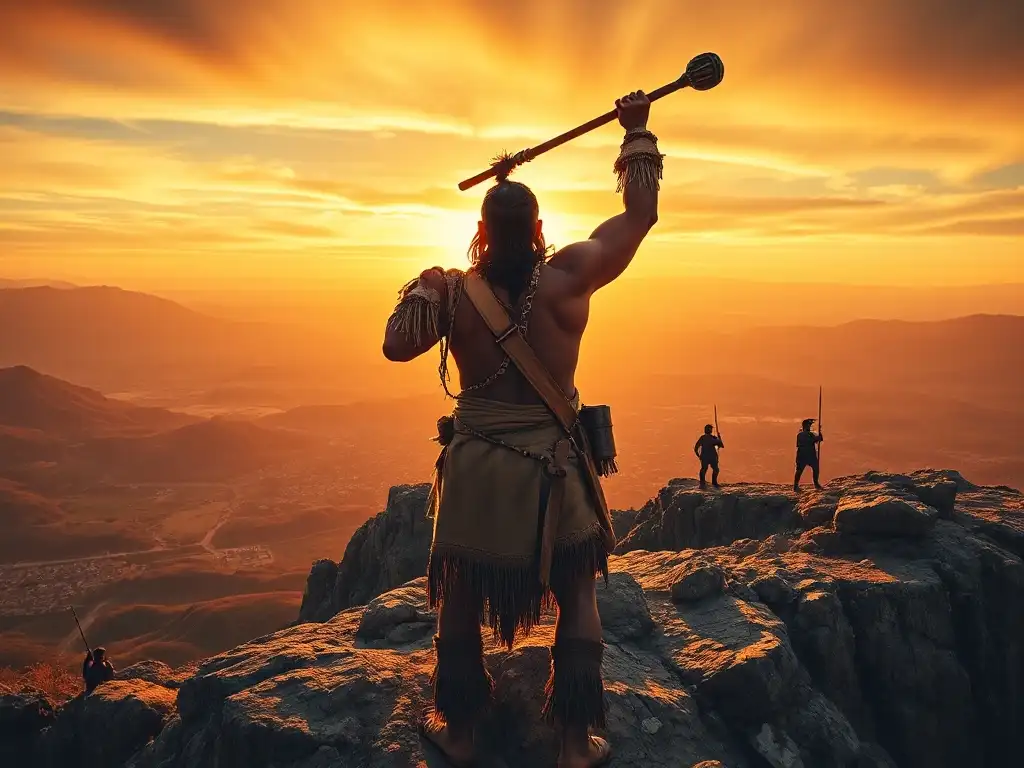
The Great Andean Rebellion, while not a single unified event, represents a crucial turning point in the struggle against Spanish colonial rule. It wasn't simply a series of isolated uprisings, but rather a complex web of interconnected revolts fueled by decades of oppression, economic exploitation, and cultural suppression. The indigenous populations, having witnessed the systematic dismantling of their social structures and religious practices, actively sought to reclaim their autonomy and ancestral ways of life.
This period saw a surge in resistance movements across the Andes, from the high altitudes of the Andes Mountains to the coastal regions. The sheer scale and duration of these rebellions highlight the deep-seated resentment and determination of the Inca people to resist Spanish domination. The sheer number of participants, often involving entire communities working in concert, shows a sophisticated level of organization and planning far beyond simple peasant uprisings.
This period marks a significant shift in the power dynamic, demonstrating the enduring strength and resilience of Inca resistance despite facing a technologically superior enemy. The sheer tenacity of these rebellions, despite their ultimate failure, left an indelible mark on Andean history.
The Tupac Amaru II Rebellion: Causes and Impact
The Tupac Amaru II Rebellion (1780-1783), led by José Gabriel Condorcanqui, is arguably the most well-known of the late colonial Andean uprisings. Its causes were multifaceted, rooted in the exploitative repartimiento system, which forced indigenous communities into unpaid labor for the Spanish crown. The system, already oppressive, was exacerbated by increasing demands for labor in the silver mines and on colonial estates.
This economic exploitation was coupled with cultural suppression, as the Spanish sought to eradicate Inca traditions and impose Catholicism. Condorcanqui, a descendant of the Inca nobility, leveraged his lineage and charisma to unite diverse indigenous groups under a banner of resistance. The rebellion spread rapidly across large swathes of the Andes, posing a serious threat to Spanish control.
While ultimately unsuccessful, its impact was profound. The rebellion demonstrated the continued strength of Inca identity and resistance, inspiring future uprisings and leaving a lasting legacy of defiance against colonial power. The sheer scale and brutality of the Spanish response, however, served as a stark reminder of the imbalance of power.
The Spread of Resistance Across the Andes
The resistance wasn't confined to a single region; it was a widespread phenomenon across the Andean landscape. Different groups, motivated by similar grievances, adopted diverse strategies. Some rebellions focused on localized uprisings, targeting specific colonial authorities or institutions. Others involved larger-scale coordinated actions, aiming to disrupt Spanish control over vital resources or communication routes.
The mountainous terrain of the Andes provided a natural advantage for guerrilla warfare, allowing indigenous fighters to evade Spanish forces and launch surprise attacks. Messages and plans were often communicated through intricate networks of messengers and couriers, utilizing established Inca communication systems adapted to the circumstances. The diverse strategies employed highlight the adaptability and resilience of the indigenous communities facing colonial oppression. The coordinated nature of some of these movements suggests a sophisticated understanding of military strategy and communication, challenging the simplistic narrative of disorganized peasant uprisings.
The Aftermath of the Inca Uprisings
The suppression of the various Inca uprisings resulted in widespread devastation and lasting consequences for the Andean populations. The Spanish response was often brutal, characterized by mass executions, enslavement, and the destruction of indigenous communities. This period saw the systematic dismantling of remaining Inca power structures and the further consolidation of Spanish colonial control.
The rebellions, though unsuccessful in achieving complete independence, nevertheless left a lasting impact on the social, political, and economic landscape of the Andes. The uprisings forced the Spanish to reassess their colonial strategies, leading to some policy adjustments, albeit insufficient to address the fundamental issues of inequality and oppression. The legacy of these struggles lives on in Andean culture and continues to shape narratives of resistance and identity.
The Brutal Repression and its Consequences
Spanish repression following the Inca uprisings was characterized by extreme violence and brutality. Mass executions became commonplace, with entire villages facing collective punishment for suspected involvement in rebellions. The destruction of Inca infrastructure, including temples, irrigation systems, and agricultural lands, further weakened the indigenous communities’ ability to sustain themselves.
The implementation of harsher labor regimes and increased taxation further exacerbated the existing economic hardships. The long-term consequences of this brutal repression were devastating, leading to significant population decline, the disintegration of traditional social structures, and the erosion of Inca cultural practices. This period witnessed a profound shift in the power dynamics, solidifying Spanish dominance and leaving a deep scar on Andean society.
Long-Term Effects on Inca Communities
The aftermath of the Inca uprisings had profound and long-lasting effects on Inca communities. The loss of life, the destruction of infrastructure, and the continued oppression resulted in a weakened social fabric and a diminished capacity for self-governance. The Spanish colonial system, despite facing resistance, fundamentally altered the Andean social and economic landscape. However, despite the devastating impact of colonial rule, Inca culture and identity persisted.
The legacy of resistance, passed down through generations, continued to inspire future struggles for social justice and self-determination. The memory of these uprisings continues to shape Andean identity and informs present-day discussions about social justice and decolonization. The resilient spirit of the Inca people, evident in their continued resistance despite overwhelming odds, remains a powerful symbol of perseverance in the face of adversity.
Legacy of Inca Resistance: A Symbol of Indigenous Struggle
The Inca resistance against the Spanish conquistadors, though ultimately unsuccessful in preventing the fall of the empire, left a powerful and enduring legacy. It serves as a potent symbol of indigenous struggle against colonial oppression, inspiring future generations to fight for self-determination and cultural preservation.
The tenacity and ingenuity displayed by the Inca warriors and leaders in the face of overwhelming odds continue to resonate today, reminding us of the human spirit's capacity for resilience. Their actions weren't just about reclaiming lost territory; they represented a profound defense of their worldview, social structure, and spiritual beliefs.
The echoes of this resistance can be heard in subsequent indigenous uprisings throughout the Americas, demonstrating the lasting impact of the Inca fight for freedom. The very act of resistance, even in the face of defeat, became a foundational narrative in the construction of indigenous identities and a powerful tool in the ongoing struggle for justice.
The Continued Fight for Indigenous Rights
The legacy of Inca resistance directly informs contemporary movements for indigenous rights and self-determination. The struggles faced by the Inca against Spanish encroachment – the systematic dismantling of their social structures, the imposition of foreign religions, and the exploitation of their resources – mirror many of the challenges faced by indigenous communities today.
The fight for land rights, cultural recognition, and political autonomy continues to be a central theme in the ongoing struggle for indigenous rights globally. Many contemporary indigenous activists draw inspiration from the examples of Inca resistance, adopting similar strategies of community mobilization, cultural assertion, and legal challenges to oppressive systems.
Their efforts to reclaim ancestral lands, protect sacred sites, and revitalize traditional languages and practices are direct descendants of the Inca's fight for their cultural survival. The Inca example serves as a powerful reminder of the importance of collective action and persistent resistance in the face of injustice.
Cultural Preservation and Historical Memory
The Inca resistance also played a crucial role in the preservation of Inca culture and historical memory. Despite the efforts of the Spanish to suppress Inca traditions and beliefs, elements of Inca culture survived and continue to thrive in modern Andean communities. The oral histories passed down through generations, the continued practice of traditional ceremonies and rituals, and the preservation of Inca artistic styles all owe a debt to the legacy of resistance.
The act of resisting assimilation, of clinging to one's cultural identity in the face of overwhelming pressure, ensured the survival of essential aspects of Inca culture. This cultural preservation is not merely a matter of nostalgia; it is a vital component of indigenous identity and a source of strength and resilience for contemporary Andean communities. The ongoing effort to recover, document, and interpret Inca history is directly connected to the legacy of this resistance.
The Siege of Cusco and its Significance
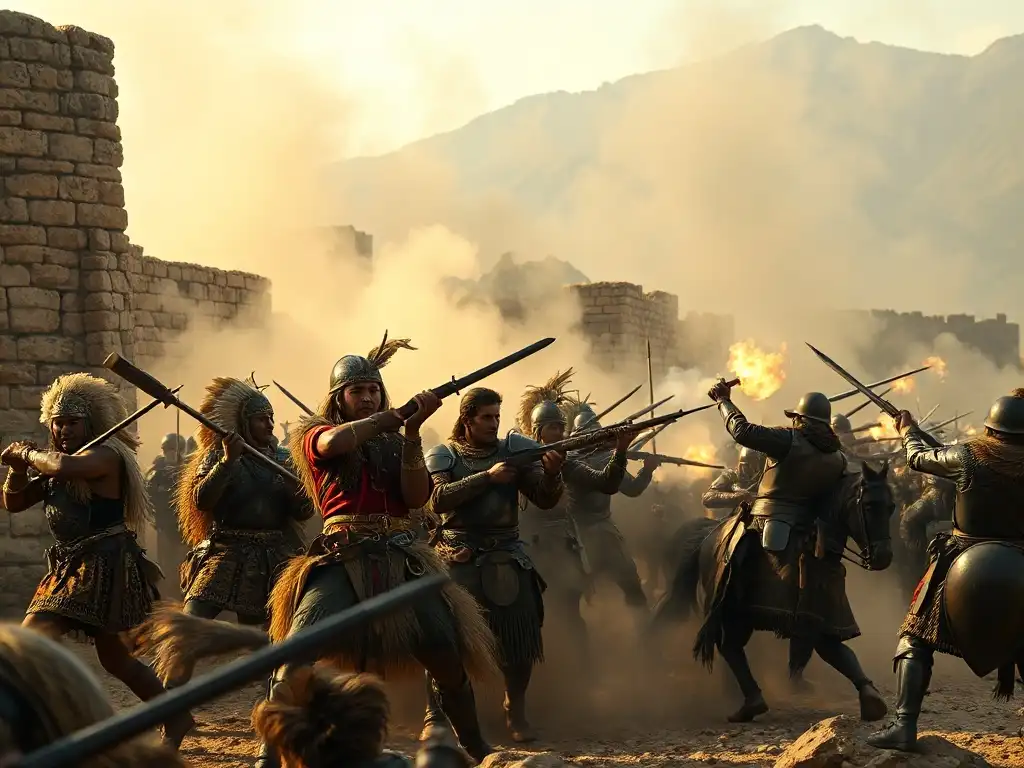
The siege of Cusco, the Inca capital, represents a pivotal moment in the resistance against the Spanish. While the exact timelines and details vary depending on the source, the siege epitomizes the Inca's determination and strategic capabilities. The Inca forces, despite being vastly outnumbered and outgunned, employed guerilla warfare tactics, utilizing the mountainous terrain to their advantage and inflicting significant casualties on the Spanish.
The siege was not a single, continuous event but rather a series of skirmishes and ambushes that prolonged the Spanish conquest and demonstrated the Inca's ability to adapt to changing circumstances. The prolonged resistance in Cusco, though ultimately unsuccessful in preventing the city's fall, significantly delayed the Spanish consolidation of power and allowed for the spread of resistance to other parts of the empire. The siege serves as a powerful testament to the Inca's military prowess and their unwavering commitment to defending their homeland.
The strategic use of the terrain and the protracted nature of the conflict highlight the sophisticated military strategies employed by the Inca in their fight for survival. The impact of the siege extended beyond the immediate military conflict, influencing the broader narrative of Inca resistance and shaping the cultural memory of the struggle.
Micaela Bastidas and Her Role in the Rebellion
Micaela Bastidas, a Quechua woman from the Andes, stands as a pivotal figure in the Inca resistance against Spanish colonial rule. While Túpac Amaru II is often cited as the leader of the major rebellion, Bastidas's contributions were essential to its organization and success, showcasing the crucial role women played in Andean resistance movements. She wasn't merely a supportive figure; her intelligence, strategic thinking, and unwavering commitment to the cause significantly shaped the rebellion's trajectory.
Bastidas managed the logistical aspects of the uprising, coordinating supplies, communication networks, and troop movements across vast and challenging Andean terrain. Her understanding of local politics and social structures proved invaluable in garnering support from diverse communities, uniting them under a common banner of resistance against the Spanish. Her influence extended beyond military strategy; she actively engaged in diplomatic efforts, negotiating with various groups and solidifying alliances crucial to the rebellion's early successes.
Unfortunately, her capture and subsequent execution in 1781 marked a significant blow to the rebellion, highlighting the brutal suppression faced by those challenging Spanish authority. However, her legacy continues to inspire, demonstrating the strength and leadership of Andean women in the face of oppression and their significant contributions to the fight for independence. Her story underscores the need to consider the full spectrum of participants in historical events, moving beyond solely focusing on male leadership and recognizing the critical contributions of women like Bastidas.
The Enduring Impact on Andean Cultural Identity
The Inca rebellions, while ultimately unsuccessful in achieving complete independence from Spanish rule, left an indelible mark on Andean cultural identity. The struggles against colonial oppression fostered a resilient spirit and a deep sense of collective identity among the indigenous populations. The memory of these uprisings served as a powerful symbol of resistance, passed down through generations in oral traditions, songs, and stories. These narratives often emphasized the injustices faced by the indigenous people and celebrated the acts of defiance against the colonial powers.
This collective memory played a crucial role in shaping Andean identity, fostering a sense of shared history and cultural pride amidst the challenges of colonization. Furthermore, the rebellions spurred the development of new forms of cultural expression, as indigenous communities adapted and reinterpreted their traditions in the face of colonial pressures. Art, music, and literature became powerful mediums for expressing resistance and preserving cultural heritage. Even today, the legacy of Inca rebellions continues to resonate in Andean societies.
The struggles for autonomy and self-determination are reflected in contemporary movements advocating for indigenous rights and cultural preservation. The ongoing fight for land rights, cultural recognition, and social justice in the Andes is directly linked to the historical legacy of resistance exemplified by the Inca rebellions and figures like Túpac Amaru II and Micaela Bastidas. The enduring impact is visible in the continued assertion of Andean cultural identity and the ongoing struggle for self-determination—a testament to the power of resistance and its lasting influence on a people's identity.
- The Seeds of Inca Rebellion: Pre-Columbian Tensions
- Early Inca Resistance After the Spanish Conquest
- Inca Rebellion Strategies: Adapting to Colonial Rule
- Key Figures in the Inca Resistance Movement
- The Great Andean Rebellion: A Turning Point
- The Aftermath of the Inca Uprisings
- Legacy of Inca Resistance: A Symbol of Indigenous Struggle
- The Siege of Cusco and its Significance
- Micaela Bastidas and Her Role in the Rebellion
- The Enduring Impact on Andean Cultural Identity
- What were some common Inca rebellion strategies?
- How did the Inca utilize their knowledge of the Andes to resist the Spanish?
- Were there any significant Inca leaders who spearheaded rebellions against the Spanish?
- What role did Inca religion and beliefs play in their rebellion strategies?
- What were the ultimate outcomes of these Inca rebellions?
Frequently Asked Questions
What were some common Inca rebellion strategies?
Inca rebellions often employed guerrilla warfare tactics, utilizing the Andean terrain to their advantage. They also relied on ambushes and hit-and-run attacks against the Spanish forces.
How did the Inca utilize their knowledge of the Andes to resist the Spanish?
The Incas' intimate knowledge of the mountain passes, hidden valleys, and treacherous terrain proved invaluable in their resistance. This allowed them to effectively evade and ambush Spanish troops.
Were there any significant Inca leaders who spearheaded rebellions against the Spanish?
Yes, figures like Tupac Amaru I and Tupac Amaru II led major uprisings against Spanish rule. Their leadership significantly impacted the course of the Inca resistance.
What role did Inca religion and beliefs play in their rebellion strategies?
Religious beliefs and spiritual leaders played a significant role, often inspiring resistance and providing ideological justification for the fight against the Spanish.
What were the ultimate outcomes of these Inca rebellions?
While many rebellions displayed remarkable courage and tactical skill, they were ultimately unsuccessful in fully restoring Inca independence. The Spanish conquistadors ultimately prevailed, albeit after facing significant resistance.
Final Reflection: Echoes of Resistance: The Enduring Legacy of Inca Rebellion Strategies
The strategic brilliance of Inca resistance against the Spanish conquest remains a potent reminder of the enduring human spirit in the face of overwhelming odds. Their innovative tactics, from guerilla warfare in the Andes' treacherous terrain to the calculated use of misinformation and alliances, continue to fascinate and inform military and political strategists even today. The echoes of their struggles resonate in contemporary movements for self-determination and social justice worldwide.
The Inca's fight for independence wasn't just a military campaign; it was a cultural and spiritual battle. Their resistance shaped the very fabric of Andean identity, leaving an indelible mark on the region's art, literature, and social structures. The legacy of their defiance continues to inspire indigenous communities and activists fighting for land rights, cultural preservation, and self-governance. The struggle for liberation is a long and arduous process, but the spirit of resistance lives on in the hearts of the oppressed.
This sentiment, though not directly from an Inca source, perfectly encapsulates the enduring power of their rebellion.
Consider the ingenuity of their strategies, the unwavering courage of their warriors, and the profound impact of their struggle. You, the reader, are now equipped with a deeper understanding of Inca resistance. Let this knowledge inspire you to examine your own capacity for resilience and to champion the causes you believe in with the same unwavering determination. The fight for justice and self-determination, just like the Inca rebellion, requires strategic thinking, unwavering courage, and a deep commitment to the cause. Let the echoes of their resistance guide your own path toward a more just and equitable world.
Unleash Your Curiosity: Dive Deeper into Inca Resilience!
Thank you for exploring the rich history of Inca resistance and their struggle for independence. Your interest helps preserve the legacy of this remarkable civilization and allows you to become part of its ongoing story. What's next?
Here are some ways to keep learning:
- **Expand your knowledge:** Discover more about Inca history through books, documentaries, and museums. You'll uncover fascinating insights into their culture and achievements.
- **Share your passion:** Discuss this incredible history with friends and family, sparking conversations about Andean culture and its enduring relevance.
- **Support preservation efforts:** Consider supporting organizations dedicated to preserving and promoting Andean cultural heritage. Your contribution helps ensure these stories continue to be told.
What aspect of Inca resilience resonates most with you, and how will you share that inspiration with others?