
The Inca Priests: Interpreting the Divine and Guiding the State

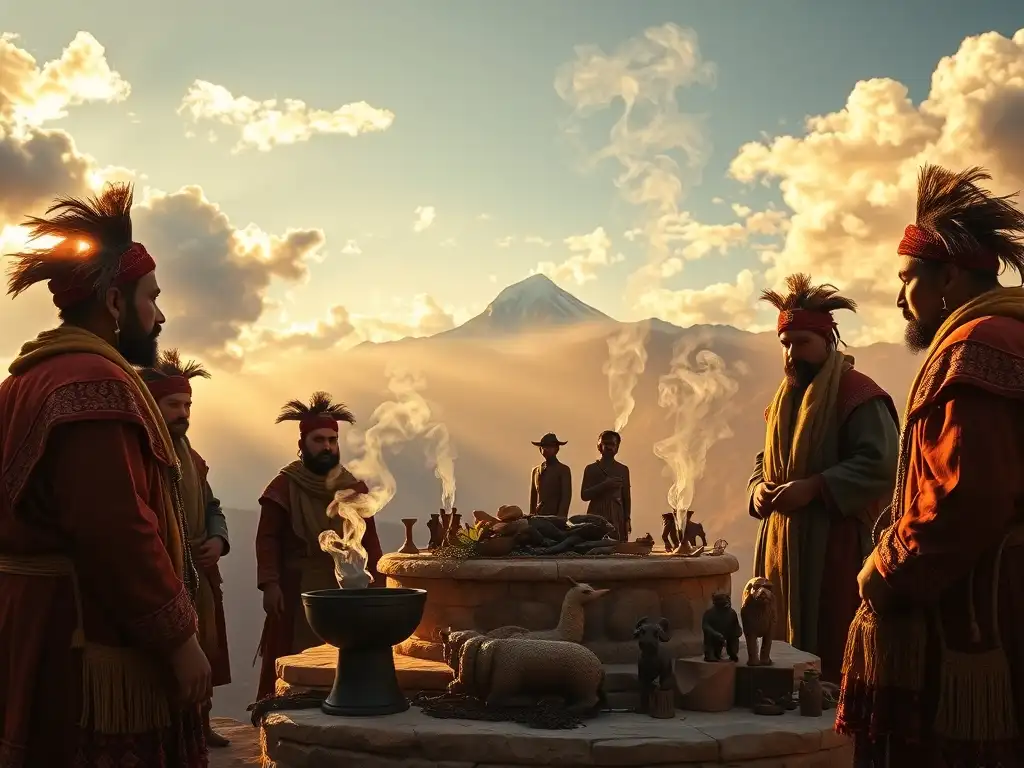
Unravel the mysteries of the Andes! Journey through millennia of breathtaking artistry, ingenious engineering, and deeply spiritual beliefs. Prepare to be captivated by the intricate world of the ancient Andean civilizations, from the towering achievements of the Incas to the enigmatic artistry of the Nazca. But first, delve into the fascinating realm of Inca priests and their religious practices, a key to understanding the power and influence that shaped this remarkable empire. Discover how their rituals and beliefs intertwined with the very fabric of Inca society – a story waiting to be unveiled.
The Inca Empire, a vast and sophisticated civilization that flourished in the Andes Mountains, was not only a marvel of engineering and administration but also a society deeply intertwined with religious beliefs and practices. At the heart of this intricate religious system lay the amautas, or Inca priests, who held immense power and influence, acting as intermediaries between the divine and the earthly realm.
Their role extended far beyond simple religious rituals; they were key figures in the Inca government, shaping policy, interpreting prophecies, and guiding the emperor's decisions. This article delves into the fascinating world of Inca priests, exploring their religious practices and their crucial role in the administration of the Inca state.
We will examine their diverse functions, their social standing, and the impact their beliefs had on the daily lives of the Inca people, providing a comprehensive overview of their influence on the Inca Empire's political and social landscape. Understanding the Inca priests is key to understanding the very fabric of Inca society and the longevity of their remarkable empire.
The Hierarchical Structure of the Inca Priesthood
The Inca priesthood wasn't a monolithic entity; it was a complex hierarchical structure mirroring the empire's administrative organization. At its apex stood the Willaq Uma, the high priest, who directly advised the Sapa Inca, the emperor. Below him were various levels of priests, each with specific responsibilities and areas of expertise. Some specialized in astronomy and calendar calculations, crucial for agricultural planning and religious festivals. Others focused on divination, interpreting signs and omens to guide the emperor's actions. Still others were responsible for managing the vast network of temples and shrines across the empire. This intricate organization ensured the smooth functioning of religious practices and their integration into the political sphere. The hierarchy was strictly maintained, with advancement based on merit, demonstrated knowledge of religious traditions, and loyalty to the Inca state. The system ensured a continuity of religious practices and a consistent interpretation of Inca beliefs across the empire.
Religious Practices and Rituals of the Inca Priests
Inca religious practices were diverse and elaborate, involving a complex system of rituals, sacrifices, and festivals. The amautas played a central role in these practices, conducting ceremonies, interpreting prophecies, and ensuring the proper observance of religious traditions. Their rituals often involved intricate dances, music, and offerings to the various deities of the Inca pantheon, including the sun god Inti, the moon goddess Mama Killa, and the creator god Viracocha.
Human sacrifice, while not a commonplace practice, was performed on significant occasions, particularly during times of crisis or to appease the gods. The priests were responsible for selecting the individuals for sacrifice and carrying out the ritual according to established protocols.
The timing and nature of these sacrifices were carefully planned and executed under the priests' direct supervision, demonstrating their profound influence on the Inca worldview. Furthermore, the amautas held expertise in various forms of divination, including interpreting the flight of birds or the patterns of coca leaves, providing guidance to the emperor and the nobility.
The Inca Priests' Influence on Inca Government and Society
The Inca priests' influence extended far beyond the realm of religious ceremonies. They were deeply involved in the political and social life of the empire. Their advice was highly valued by the Sapa Inca, influencing decisions on matters of state, war, and agricultural production.
The priests also played a crucial role in maintaining social order, interpreting divine will to justify the emperor’s actions and legitimize his authority. Their pronouncements carried significant weight, shaping public opinion and influencing the behaviour of the Inca populace. The close relationship between the religious and political spheres demonstrates the profound interconnectedness of these aspects of Inca society.
This influence is further evidenced by the priests' involvement in the administration of the mit'a system, the Inca's labor tax, ensuring that religious obligations were met alongside the demands of state projects. The priests' influence permeated all aspects of Inca life, making them not merely religious figures but also key players in the political and social fabric of the empire.
The Legacy of the Inca Priests
The legacy of the Inca priests continues to resonate today, their influence still visible in the surviving religious sites, intricate textiles, and enduring myths and legends of the Andean region. Their sophisticated understanding of astronomy, agriculture, and social organization contributed significantly to the Inca Empire's success and longevity.
The integration of religious beliefs into the political system highlights the complex and interwoven nature of Inca society, where the divine and the earthly were inextricably linked. Studying the amautas provides invaluable insights not only into the religious practices of the Inca but also into the workings of their sophisticated government and the worldview that shaped their civilization.
The meticulous organization of the priesthood, their profound influence on the emperor, and their multifaceted role in Inca society underscore their importance as key figures in the history of the Inca Empire. Further research into their practices and social standing could reveal even more about the intricate workings of this remarkable civilization.
- The Hierarchical Structure of the Inca Priesthood
- Religious Practices and Rituals of the Inca Priests
- The Inca Priests' Influence on Inca Government and Society
- The Legacy of the Inca Priests
The Crucial Role of Inca Priests in Andean Society
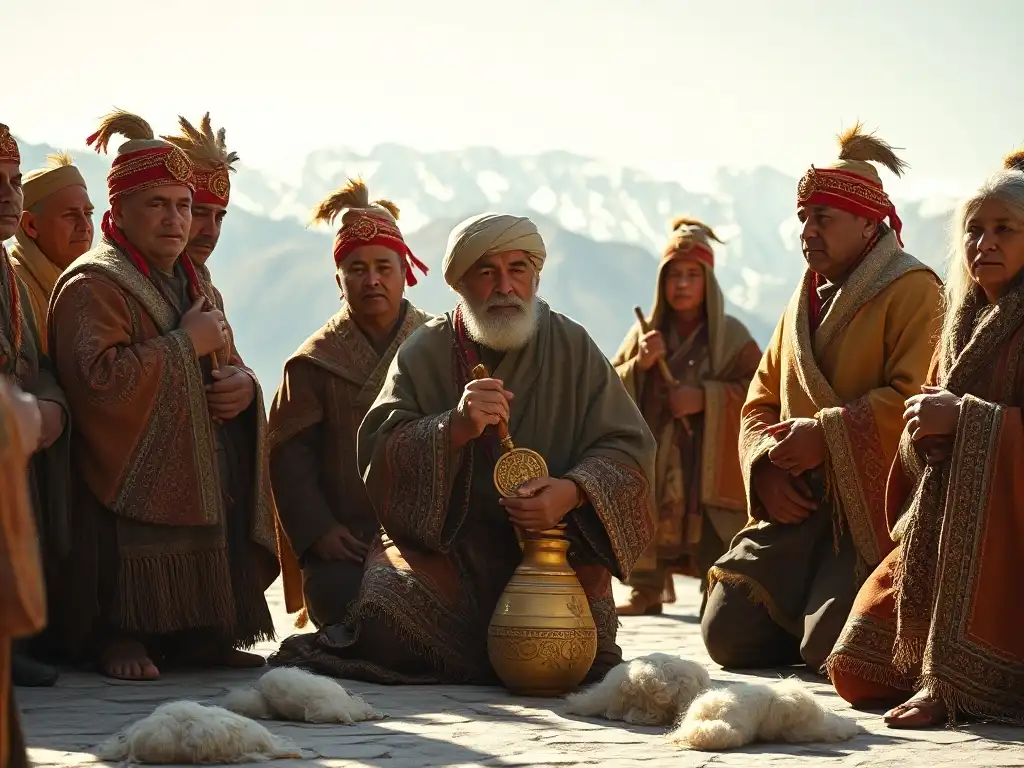
The Inca Empire, renowned for its sophisticated infrastructure and administrative prowess, was fundamentally shaped by its deeply ingrained religious beliefs. Inca priests, far from being mere intermediaries between the people and the gods, played a crucial role in maintaining social order, legitimizing Inca rule, and guiding the empire's vast resources. Their influence permeated every aspect of Andean life, from agricultural practices to warfare, demonstrating a complex interplay between the sacred and the secular.
Understanding the Inca priests' religious practices is key to unlocking the secrets of this remarkable civilization. The intricate web of religious rituals, prophecies, and astronomical observations performed by these religious leaders provided the ideological bedrock upon which the Inca state was built. This section will delve into the specific roles and practices of these influential figures, exploring their impact on both the spiritual and political landscape of the Inca Empire.
Understanding the Religious Hierarchy in the Inca Empire
The Inca religious system wasn't a monolithic structure; instead, it comprised a complex hierarchy of priests and priestesses, each with specialized roles and responsibilities. At the apex stood the Willaq Uma, the high priest, who directly advised the Sapa Inca, the emperor. This individual held immense power, interpreting divine will and influencing imperial decisions.
Below the Willaq Uma were various levels of priesthood, each dedicated to specific deities or aspects of Inca religion. For instance, some priests specialized in interpreting celestial events, while others focused on agricultural rituals or healing practices. This specialization ensured a comprehensive approach to religious matters, reflecting the intricate nature of Inca beliefs.
The training of Inca priests was rigorous and extensive, often starting at a young age. Aspirants were selected based on their lineage, intelligence, and perceived spiritual aptitude. They underwent years of intensive study, mastering complex religious texts, astronomical calculations, and intricate ritual procedures. This rigorous training ensured a high level of expertise within the priestly class, reinforcing their authority and influence within the empire.
The Inca priesthood wasn't limited to men; women also held prominent positions within the religious hierarchy. Mamaconas, chosen for their beauty and perceived purity, served as priestesses in the temples, often playing important roles in rituals and ceremonies. Their involvement highlights the significant role of women in Inca religious life, challenging the often-male-centric narratives surrounding Andean religious practices. The precise number of priests and priestesses within the empire remains uncertain, requiring further research to fully understand the scope of this complex religious system.
The Influence of Inca Religious Leaders on Governance
The Inca priests' influence extended far beyond the confines of the temples. Their religious authority was inextricably linked to political power, shaping the very fabric of Inca governance. The Sapa Inca, considered a divine ruler, relied heavily on the advice of the Willaq Uma and other high-ranking priests when making important decisions. Religious pronouncements often served as justification for imperial policies, from territorial expansion to the implementation of new laws.
The annual agricultural cycle was central to Inca life, and priests played a vital role in ensuring successful harvests. They performed elaborate rituals, consulted oracles, and made predictions about weather patterns, guiding agricultural practices and resource allocation. Failed harvests were often attributed to divine displeasure, leading to increased religious activity and potential adjustments to imperial policies. This intimate connection between religion and agriculture highlights the profound influence of Inca priests on the empire's economic stability.
Furthermore, Inca priests were involved in the administration of justice. They were consulted in cases of disputes, and their pronouncements often carried significant weight in resolving conflicts. This involvement in legal matters underscores the priests' broader influence on the social and political fabric of Inca society.
Their pronouncements, often shrouded in the language of prophecy and divine will, served to maintain social order and reinforce the legitimacy of Inca rule. The intertwining of religious and political authority within the Inca Empire demonstrates a sophisticated system where spiritual leadership directly impacted the governance of a vast and complex state. Further research into the specific cases where religious rulings influenced state policy would greatly enhance our understanding of this dynamic relationship.
Inca Priests and Their Religious Practices
The Inca priests, known as wilaq uma, held a position of immense power and influence within the Inca Empire. Their religious practices, deeply intertwined with the political and social fabric of the society, shaped the lives of millions. Understanding their role requires delving into the intricacies of their rituals, the significance of sacrifices, and their expertise in divination and prophecy. The power wielded by these religious figures wasn't solely spiritual; it extended to the very governance of the empire, making them key players in the Inca political landscape and a vital aspect of understanding "Inca priests religious practices".
Rituals and Ceremonies Led by Inca Religious Figures
Inca religious rituals were elaborate affairs, meticulously planned and executed by the wilaq uma. These ceremonies, often involving large numbers of participants, served various purposes, from ensuring a bountiful harvest to appeasing powerful deities. The Capac Apu, the highest-ranking priest, oversaw the most significant ceremonies, frequently involving the emperor himself. Smaller-scale rituals were conducted by local priests in communities across the vast empire.
Specific rituals included the Capacocha, a form of human sacrifice, often involving children chosen for their perceived purity. While gruesome to modern sensibilities, this practice was viewed as a supreme honor, an offering to ensure the well-being of the empire. Other ceremonies focused on agricultural cycles, with prayers and offerings made to ensure successful harvests of maize, potatoes, and other crucial crops. Festivals celebrating the sun god, Inti, were also major events, marked by elaborate processions, music, and dancing.
The precise details of many rituals remain shrouded in mystery, with archaeological findings gradually revealing more information about these complex practices. The frequency and specific nature of these ceremonies varied regionally and seasonally, reflecting the diverse agricultural cycles and local beliefs within the empire. For example, coastal communities might have focused on rituals linked to fishing and marine life, while highland communities emphasized agricultural fertility.
The Significance of Sacrifices in Inca Religious Practices
Sacrifice played a central role in Inca religious practices, representing a profound connection between the human and divine realms. While Capacocha involved human sacrifice, animal sacrifices were far more common. Llamas, particularly, held significant religious importance. Their wool was used in religious garments, and their meat was consumed during ceremonies. The act of sacrifice wasn't simply a matter of killing an animal; it was a ritualistic act imbued with deep symbolic meaning. The blood of the sacrificed animal was believed to nourish the gods and maintain cosmic balance.
The location of sacrifices was also significant. Certain mountains, considered sacred, served as sites for important offerings. These locations were chosen for their perceived connection to the spiritual world, reflecting the Inca belief in the sacredness of nature. Archaeological evidence, such as findings at sites like Machu Picchu, continues to shed light on the scale and significance of sacrificial practices, although the full extent of these practices is still being uncovered.
The interpretation of sacrificial practices must consider the multifaceted nature of Inca religion and avoid simplistic interpretations. It’s crucial to understand the sacrifices within the broader context of Inca cosmology and worldview. The study of Inca sacrifices offers a fascinating glimpse into the complex interplay between religion, politics, and society in the Inca Empire.
Divination and Prophecy: The Priests' Role in Interpretation
Inca priests were highly skilled in divination and prophecy, using various methods to interpret the will of the gods and predict future events. They played a crucial role in advising the emperor and other officials on important matters of state. Their interpretations influenced decisions regarding warfare, agriculture, and even royal succession. Among the methods employed were observing the flight of birds, analyzing the entrails of sacrificed animals, and interpreting dreams.
The wilaq uma were also skilled in interpreting natural phenomena, such as earthquakes, eclipses, and unusual weather patterns, which were often seen as signs from the gods. Their ability to interpret these events gave them considerable influence, as their pronouncements could shape the actions of the entire empire. This skill in divination and prophecy highlights the intricate connection between the religious and political spheres of Inca society, solidifying the priests' influence beyond the purely spiritual realm.
The priests’ expertise in interpreting omens and predicting the future was considered essential for the well-being and stability of the Inca Empire. Their interpretations were not simply abstract pronouncements; they had tangible consequences on the lives of the Inca people.
The study of Inca divination techniques reveals the sophisticated understanding of the natural world and the cosmos held by these Andean religious figures. Further research into Inca divination practices could provide a more complete understanding of "Inca priests religious practices".
Inca Priests: Interpreters of the Divine Will
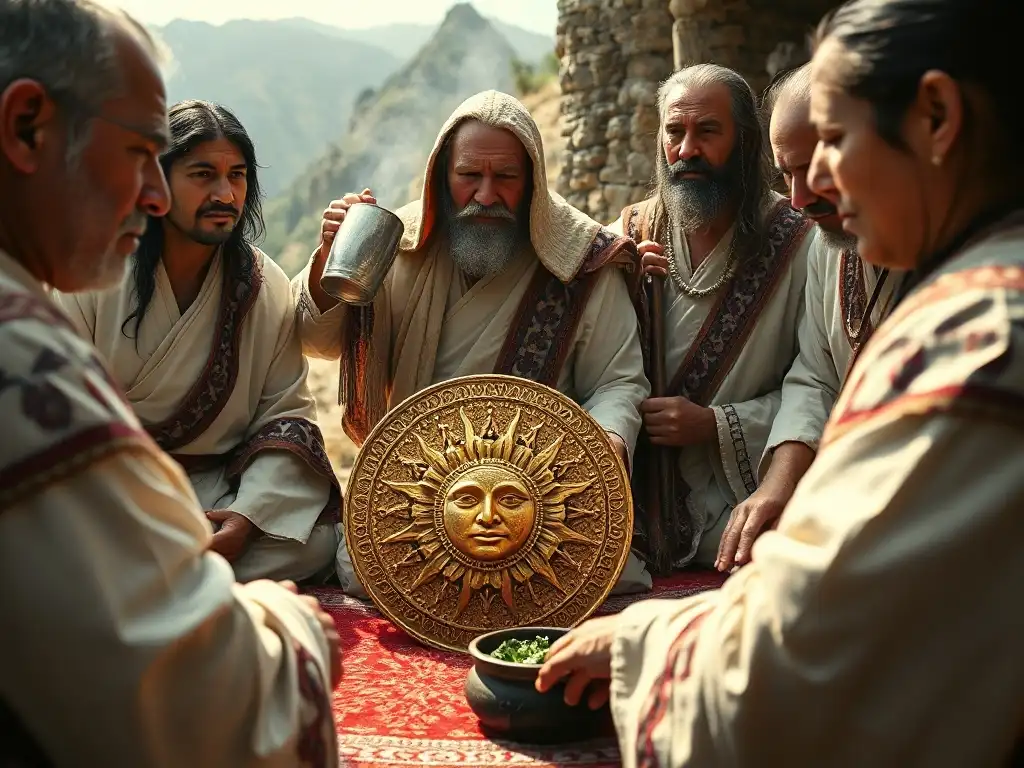
This section delves into the crucial role of Inca priests in interpreting divine will and guiding the Inca state. Their influence extended far beyond religious ceremonies; they were key advisors to the Sapa Inca, shaping policy and influencing daily life. Understanding their religious practices is vital to comprehending the complexities of Inca governance. The Inca worldview was deeply intertwined with the natural world and the celestial bodies, and the priests acted as intermediaries between the human and divine realms.
Their interpretations of omens and celestial events directly impacted decisions regarding agriculture, warfare, and even the succession of the Sapa Inca. The power wielded by these religious figures underscores the significant role of religion in the Inca Empire's political structure. This influence was carefully cultivated and maintained through elaborate rituals, sophisticated astronomical observations, and a carefully constructed social hierarchy that placed priests at the apex of religious authority.
Deciphering Omens and Signs for the Inca State
Inca priests, known as wilaq'uma, weren't simply ritual performers; they were skilled interpreters of omens and signs. Their expertise in reading the natural world—from the flight of birds to the patterns of coca leaves—directly influenced the actions of the Inca state. For example, an unusual weather pattern might be interpreted as a divine warning, leading to adjustments in agricultural practices or even military campaigns.
The interpretation of these signs wasn't arbitrary; it was based on a complex system of beliefs and traditions passed down through generations. This system involved careful observation, meticulous record-keeping (often through quipus), and a deep understanding of the interconnectedness of the cosmos and human affairs.
The wilaq'uma employed various methods for deciphering omens. One common practice was coca leaf divination. A priest would spread a handful of coca leaves on a cloth and interpret their arrangement to predict future events or gain insight into a particular situation. The interpretation wasn't standardized; it relied heavily on the priest's experience and intuition.
Another important method involved observing the behavior of animals, particularly birds. Specific bird species and their flight patterns were associated with different meanings, offering clues about the divine will. This intricate system of interpreting omens demonstrates the sophisticated level of religious knowledge and its profound impact on Inca governance. Evidence suggests that even seemingly mundane aspects of daily life were subject to careful scrutiny by the priests, ensuring the Inca state remained attuned to the perceived desires of the gods.
The Inca Priests' Connection to the Sun God Inti
The Inca religion centered around the Sun God Inti, considered the most powerful deity and the ancestor of the Sapa Inca. The priests played a vital role in maintaining Inti's favor, conducting elaborate rituals and ceremonies to ensure the sun's continued brilliance and the prosperity of the empire. These rituals involved offerings of gold, silver, coca leaves, and other precious items. The priests' connection to Inti wasn't merely symbolic; they were seen as intermediaries between the divine and the human world, responsible for communicating the sun god's wishes to the Inca ruler and the people.
The Coricancha, or Temple of the Sun, in Cusco served as the central location for Inti worship and housed an impressive golden representation of the sun god. The priests, residing within the temple complex, held immense power and prestige, directly influencing the Sapa Inca through their interpretations of divine omens and guidance on matters of state. Their influence was reinforced by the elaborate ceremonies they conducted, which often involved human sacrifice, further solidifying their position as the most influential religious figures in the Inca Empire.
The priests' relationship with Inti wasn't solely about appeasement; it was a complex symbiotic relationship where the priests' actions were believed to directly influence the sun's power and, consequently, the prosperity of the empire. This created a powerful incentive for the Sapa Inca and the elite to maintain the priests’ favor.
The Significance of the Moon Goddess Mama Quilla
While Inti held the highest position in the Inca pantheon, the moon goddess Mama Quilla also held significant importance. Associated with fertility, cycles of life and death, and the female principle, Mama Quilla's influence was deeply intertwined with agricultural practices and the well-being of the Inca people. The priests dedicated specific rituals and ceremonies to her, reflecting her importance in the Inca cosmology. Their understanding of the lunar cycle was crucial for agricultural planning, influencing the timing of planting and harvesting.
The priests' knowledge of Mama Quilla's phases was not only essential for agriculture but also played a significant role in the Inca calendar. This calendar, intricately linked to the movements of both the sun and the moon, dictated the timing of religious festivals and ceremonies, further highlighting the importance of celestial observations in Inca society.
The priests' ability to accurately predict lunar cycles demonstrated their astronomical expertise and solidified their role as interpreters of the divine will. Evidence suggests that the priests' interpretations of Mama Quilla’s phases also impacted decisions related to social organization, community events, and even aspects of Inca law.
Their knowledge of the moon's influence extended beyond practical matters; it was deeply integrated into the Inca worldview, emphasizing the interconnectedness of the celestial and earthly realms. The reverence for Mama Quilla further demonstrates the complexity of Inca religious practices and the profound influence of the priests in shaping Inca society and governance.
The Training and Selection of Inca Priests
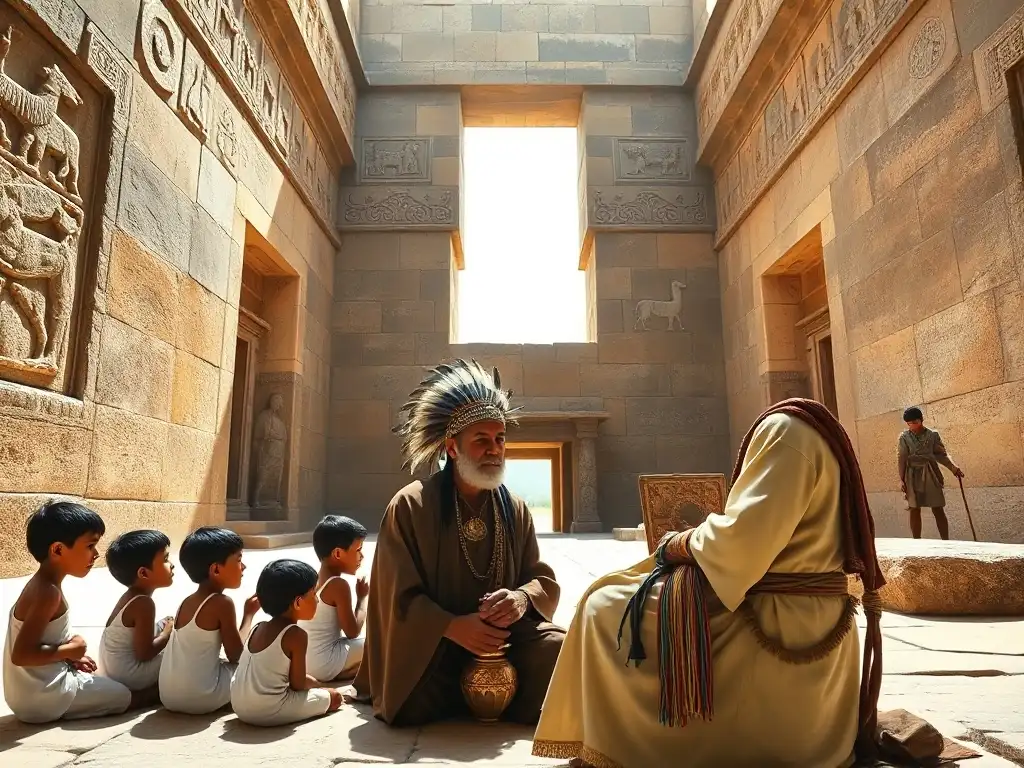
The Inca priestly class, far from being a haphazard assembly of religious figures, was a meticulously structured hierarchy, with entry based on a combination of rigorous training and careful selection. This process ensured that those interpreting the divine will possessed the necessary knowledge and social standing to effectively guide the Inca state. Understanding the methods of selection and the nature of priestly education is key to grasping the power and influence wielded by these religious officials. The term "Inca priests religious practices" itself highlights the sophisticated and formalized nature of their roles.
The Education and Initiation Process for Inca Religious Officials
Aspiring Inca priests underwent a demanding educational process, often beginning in childhood. Selection frequently favored individuals from noble families, although exceptional individuals from lower social strata could also be chosen. The curriculum emphasized a deep understanding of Inca mythology, cosmology, and ritual practices. This involved memorizing lengthy texts, mastering complex astronomical observations, and learning intricate details of religious ceremonies. The training was not solely theoretical; it also involved practical experience assisting senior priests in conducting rituals and interpreting omens.
The initiation process, a crucial aspect of becoming a priest, involved a series of rites and ceremonies designed to spiritually cleanse and prepare the candidate. These rituals often took place in secluded temples or sacred sites, far removed from the bustle of daily life. The duration and intensity of the initiation varied depending on the individual's future role within the priestly hierarchy.
For example, those destined for higher positions underwent more extensive and prolonged initiations. Furthermore, the education included rigorous training in medicine, herbalism, and other practical skills relevant to their religious duties, enriching their understanding of the interconnectedness of the spiritual and physical realms. This holistic approach ensured that Inca priests were not simply religious figures but also vital members of the state apparatus, capable of providing crucial advice on both spiritual and temporal matters.
Inca priests occupied a position of significant social prestige and wielded considerable power within the empire. Their high social standing stemmed from their direct connection to the divine and their crucial role in maintaining cosmic order. This status translated into various privileges, including exemption from labor obligations, access to the best lands and resources, and the right to wear distinctive clothing and adornments. The level of privilege often correlated with the priest's rank within the hierarchy, with the highest-ranking priests enjoying the greatest privileges.
These privileges weren't merely symbolic; they were instrumental in maintaining the effectiveness of the priestly class. The exemption from labor allowed them to dedicate themselves fully to their religious duties, while access to resources ensured that they could perform elaborate ceremonies and maintain the temples and sacred sites. The distinctive clothing and adornments served to visually reinforce their authority and sacred status, further enhancing their influence within Inca society.
The social stratification within the priestly class itself mirrored that of the wider Inca society, reflecting the hierarchical nature of the empire's religious and political structures. The distribution of privileges among the different ranks reinforced this structure. Accurate data on the precise privileges afforded to each rank remains incomplete, however, highlighting an area requiring further research into "Inca priests religious practices".
The Role of the Willaq Umu, the High Priest
At the apex of the Inca priestly hierarchy stood the Willaq Umu, the supreme religious authority. He was not merely the chief priest; he was a powerful figure with significant political influence, advising the Sapa Inca on matters of state and acting as a crucial intermediary between the divine and the earthly realms. The Willaq Umu held considerable power, overseeing all aspects of Inca religious life and controlling the vast resources dedicated to religious activities. His influence extended far beyond religious matters; his pronouncements on matters of state carried significant weight, shaping policy and impacting the lives of millions.
The selection of the Willaq Umu was a highly significant event, often involving elaborate ceremonies and consultations with other high-ranking priests and officials. His role demanded not only a deep understanding of religious doctrine but also exceptional political acumen and diplomatic skills. The Willaq Umu was often responsible for interpreting omens, advising on matters of war and peace, and mediating disputes.
His pronouncements were considered sacrosanct, adding another layer of complexity to the already intricate tapestry of "Inca priests religious practices". The precise methods of succession for the Willaq Umu remain a subject of ongoing scholarly debate, underscoring the need for further research into this pivotal role within the Inca Empire.
Inca Priests and Their Impact on Inca Political Power
The Inca Empire, renowned for its sophisticated infrastructure and expansive territory, was fundamentally shaped by the intricate interplay between religious belief and political power. Inca priests, far from being mere religious figures, held significant sway over the empire's governance, wielding influence that extended beyond spiritual matters into the realms of politics, military strategy, and even agricultural practices. Understanding the role of Inca priests is crucial to grasping the true nature of Inca power and the mechanisms that sustained their impressive civilization.
The keyword "Inca priests religious practices" is central to this understanding, as their ritualistic actions directly impacted the everyday lives of the Inca people and the decisions made by the ruling elite. This section will explore the multifaceted influence these priests exerted.
The Inca worldview was deeply intertwined with the concept of ayllu, the kinship-based community system that formed the bedrock of Inca society. The priests, often drawn from the highest ayllu lineages, acted as intermediaries between the divine realm and the human world. This position endowed them with immense authority. The Inca ruler, the Sapa Inca, was considered a divine figure, a descendant of the sun god Inti.
The priests, through their rituals and interpretations of omens, legitimized the Sapa Inca's rule and reinforced his divine status. Their pronouncements carried significant weight, influencing everything from the selection of successors to the implementation of major state projects. For example, decisions regarding agricultural cycles, crucial for the survival of the empire, were often guided by priestly interpretations of celestial events and agricultural rituals.
The priests' influence wasn't merely symbolic; it was a tangible force shaping the political landscape. They were not simply advisors; their religious authority directly translated into political influence. This close relationship between religious and political power ensured the stability and longevity of the Inca state, at least until the arrival of the Spanish conquistadors.
Inca Priests as Advisors to the Inca Ruler
The Sapa Inca, despite his divine status, relied on the expertise of the priests for guidance on various matters of state. Priests served as advisors, offering counsel on issues ranging from diplomacy and warfare to infrastructure development and resource allocation. Their knowledge of Inca traditions, prophecies, and ancestral wisdom provided valuable insights that informed the Sapa Inca's decisions.
This advisory role extended beyond simple consultation; priests often played an active part in shaping policy, influencing the Sapa Inca's choices through their interpretations of religious signs and their understanding of the social and political dynamics within the empire. Consider the intricate system of mit'a, the labor tax system. The priests, with their deep understanding of community structures and resource management, likely played a significant role in its administration and optimization.
Their advice wasn't always readily accepted, but their expertise and perceived connection to the divine ensured their voices were heard and considered seriously. Further research into specific historical accounts could illuminate the exact extent of their influence in these areas. [Specific information pending on documented cases of priestly influence on Inca policy decisions].
The Influence of Priests on Military Campaigns
Military campaigns in the Inca Empire were not solely strategic endeavors; they were also deeply imbued with religious significance. Inca priests played a vital role in preparing for and conducting military campaigns. Before any military action, priests performed elaborate rituals to appease the gods and ensure victory. They interpreted omens, offering predictions that influenced the timing and strategy of campaigns.
Furthermore, they often accompanied the army, providing spiritual support and performing rituals to boost morale and maintain order. The priests' presence on the battlefield served not only a religious purpose but also a psychological one, bolstering the soldiers' confidence and reinforcing the belief in the divine right of the Inca Empire to conquer. Their involvement wasn't limited to pre-battle rituals; they also played a role in post-battle ceremonies, offering prayers of thanks and participating in the distribution of spoils.
The success of Inca military campaigns was, therefore, partially attributed to the efficacy of the priests' religious practices, underscoring their influence even in the seemingly secular realm of warfare. The symbolic power of the priests’ rituals likely had a significant impact on the morale and cohesion of the Inca army. The integration of religious beliefs and military strategies highlights the holistic nature of Inca power, where the spiritual and the temporal were inextricably linked.
Inca Priests and the Management of Sacred Sites
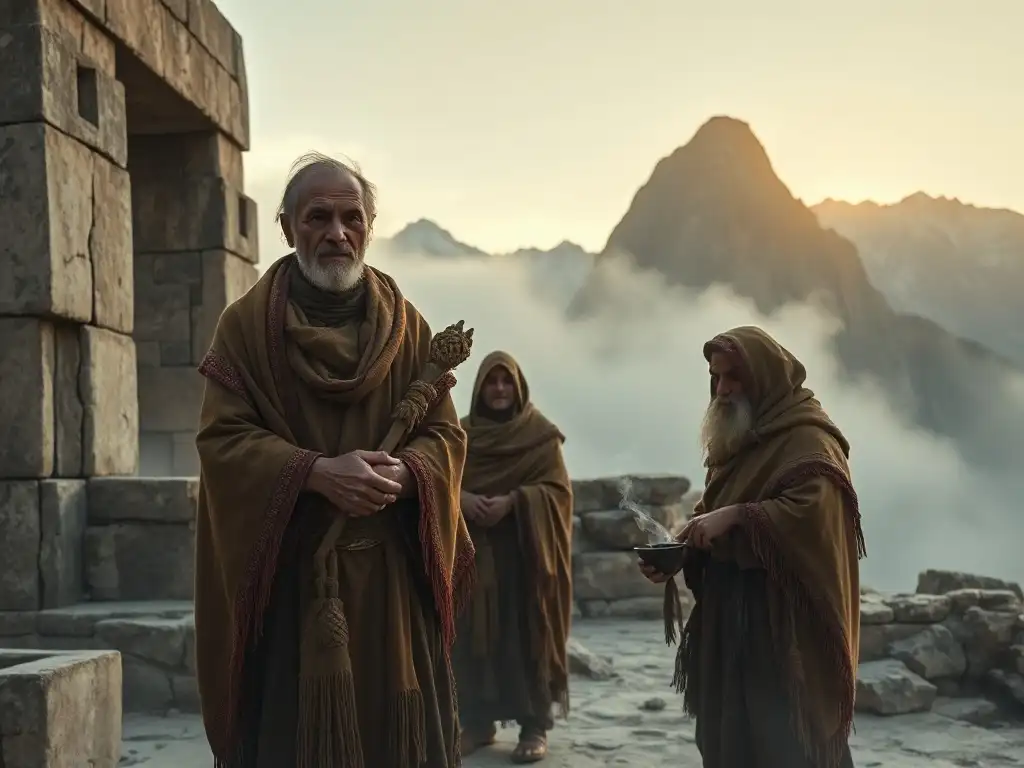
Inca priests, or willaq uma, held a position of immense power and influence within the Inca Empire, extending far beyond mere religious duties. Their responsibilities encompassed the meticulous management and upkeep of sacred sites, a crucial aspect of Inca religious practices and state administration.
These sites, ranging from grand temples like Coricancha in Cusco to smaller, localized shrines scattered throughout the empire, were not merely places of worship; they were vital components of the Inca worldview, reflecting the cosmos and the intricate relationship between the human and divine realms. The willaq uma were responsible for ensuring the sanctity and functionality of these spaces, overseeing rituals, maintaining structures, and managing the resources dedicated to their upkeep.
Their expertise wasn't limited to theology; they also possessed practical knowledge of architecture, engineering, and agriculture, necessary for the preservation and continued flourishing of these sacred places. The efficient management of these sites, under the watchful eyes of the priests, contributed significantly to the empire's social stability and political legitimacy.
The Role of Priests in Maintaining Inca Temples
The Inca temples, often built with meticulous precision using massive stones fitted together without mortar, were not simply buildings; they represented the physical manifestation of the divine. The willaq uma played a central role in their maintenance, a task requiring significant resources and expertise. This involved regular inspections for structural damage, repairs using traditional techniques, and the constant replenishment of offerings and decorations.
Evidence suggests a hierarchical system within temple management, with senior priests overseeing teams of specialists – stonemasons, carpenters, and artisans – who were responsible for the upkeep of different aspects of the temple complex. The priests themselves actively participated in these tasks, both to ensure the quality of the work and to reinforce their connection to the sacred space. Moreover, they oversaw the intricate system of storage and management of temple supplies, including food, textiles, and precious metals offered to the deities.
These offerings, meticulously recorded, provided a crucial economic and administrative function, reflecting the integration of religious and secular aspects of Inca life. The meticulous nature of this maintenance underscores the importance placed on preserving the sanctity and integrity of these religious centers, reflecting the Inca worldview and their understanding of the relationship between the earthly and spiritual realms.
Pilgrimages and Sacred Journeys in the Inca World
Pilgrimages formed a significant aspect of Inca religious practices, with individuals and groups undertaking arduous journeys to venerate specific deities or sacred sites. These journeys, often traversing vast distances along the extensive Inca road network, were not merely acts of devotion; they served a crucial social and political function. The willaq uma played a vital role in facilitating these pilgrimages, providing guidance, ensuring the safety of travelers, and organizing ceremonies at the destination sites.
This involved establishing rest stops along the routes, providing provisions, and offering spiritual support to the pilgrims. The organization of these pilgrimages required sophisticated logistical planning and coordination, highlighting the administrative capabilities of the Inca priesthood. Specific pilgrimage routes were associated with particular deities and featured significant landmarks, further emphasizing the priests’ role in interpreting and managing the sacred geography of the empire.
The careful management of these journeys, ensuring their safety and spiritual significance, contributed to the cohesion and stability of the Inca state. Furthermore, the pilgrimages themselves served as opportunities for social interaction and the reinforcement of Inca ideology.
The Importance of Cusco as a Religious Center
Cusco, the capital of the Inca Empire, held paramount religious significance, serving as the central hub of Inca religious life. The city was meticulously planned, with temples and sacred sites strategically positioned to reflect the Inca cosmological worldview. The willaq uma residing in Cusco held a position of unparalleled authority, overseeing the most important temples and rituals within the empire.
Coricancha, the Temple of the Sun, located in Cusco, stands as a prime example of the priests’ influence. This magnificent temple, adorned with gold and precious stones, was not only a place of worship but also a center of astronomical observation and ritualistic practices. The Cusco-based priests managed the complex rituals associated with the Sun god, Inti, and other important deities, influencing the agricultural cycle, state ceremonies, and the overall political life of the empire.
Their influence extended to the management of vast resources dedicated to religious activities, further solidifying their position as key players in the Inca political and economic structure. The concentration of religious power in Cusco, overseen by the elite priests, reinforced the legitimacy of the Inca ruler and the empire as a whole. The city's religious significance, carefully cultivated by the willaq uma, was fundamental to the social and political fabric of the Inca world.
The Legacy of Inca Priests and Religious Traditions
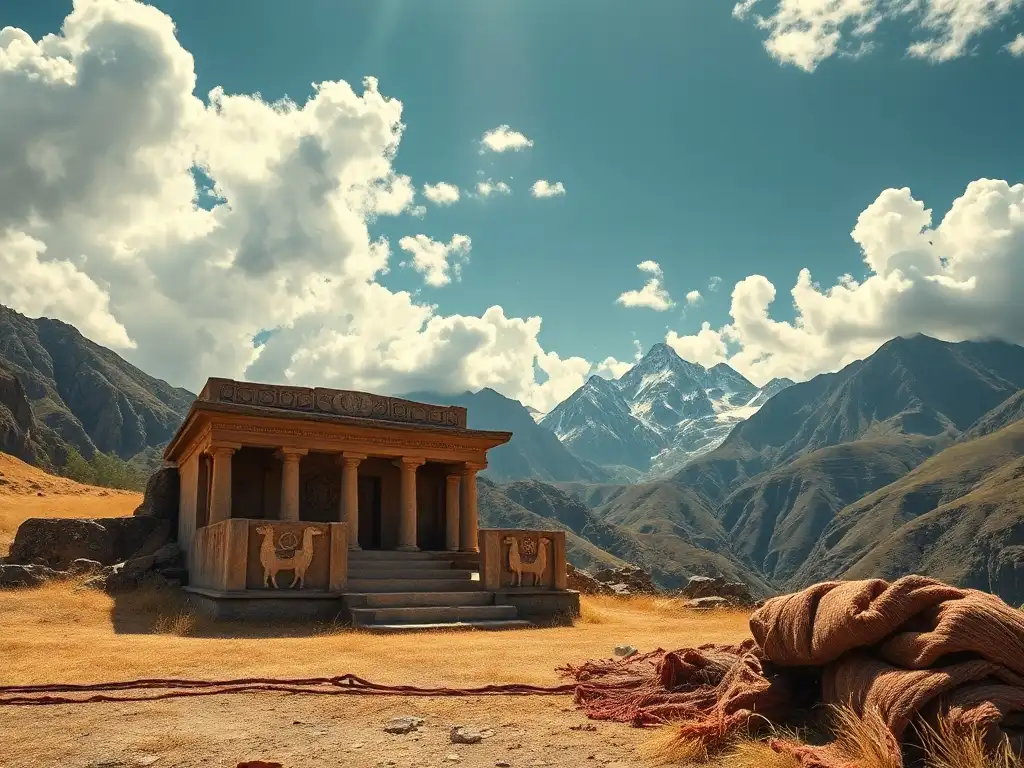
The Inca priestly class, known as yachaq, held immense power and influence within the Inca Empire. Their role extended far beyond simple religious rituals; they were key advisors to the Sapa Inca, interpreters of the divine will, and vital components of the intricate Inca state machinery. Understanding their legacy requires examining their multifaceted roles and the enduring impact of their religious beliefs on Andean culture.
The intricate web of Inca religious practices, deeply intertwined with the political and social fabric of the empire, continues to resonate even today. This section will explore the enduring influence of Inca religious beliefs, the devastating impact of the Spanish conquest on the priesthood, and the modern interpretations of their practices. Keywords like "Inca priests religious practices," "Inca religious beliefs," and "Inca priesthood" are central to this understanding.
The Enduring Influence of Inca Religious Beliefs
Inca religious beliefs were profoundly animistic, viewing the natural world as imbued with spiritual power. Mountains, rivers, and even rocks were considered sacred, inhabited by spirits that needed to be appeased through offerings and rituals. This deep connection to the natural world is reflected in the Inca's sophisticated agricultural practices, their reverence for the sun (Inti), and their intricate system of huacas, or sacred places.
The yachaq were crucial in maintaining this connection, interpreting natural phenomena as messages from the gods and guiding the Sapa Inca in his duties. Their knowledge of astronomy, agriculture, and medicine was intertwined with their religious practices, demonstrating the holistic nature of Inca worldview. Even after the Spanish conquest, many elements of Inca religious beliefs persisted, subtly influencing syncretic practices and shaping the cultural landscape of the Andes.
The resilience of these beliefs underscores their profound impact on Andean identity and cultural continuity. The legacy of the Inca priests' religious practices continues to be felt in modern Andean spirituality.
The Impact of Spanish Conquest on Inca Priesthood
The Spanish conquest dealt a devastating blow to the Inca priesthood. The arrival of the conquistadors marked the beginning of a systematic dismantling of the Inca religious system. Temples were destroyed, huacas desecrated, and the yachaq were persecuted, their knowledge and traditions suppressed. The Spanish imposed Catholicism, actively seeking to eradicate Inca religious practices and replace them with Christian beliefs.
This process of religious suppression was brutal and far-reaching, leading to the loss of countless invaluable texts, artifacts, and oral traditions. While some Inca religious practices survived, often integrated into syncretic forms of worship, the systematic destruction undertaken by the Spanish significantly altered the course of Andean religious history. The impact on the Inca priesthood was profound, leading to the near-total eradication of a sophisticated and complex religious system. The loss of this knowledge represents a significant gap in our understanding of pre-Columbian Andean culture.
The Modern Understanding of Inca Religious Practices
Modern understanding of Inca religious practices relies on a combination of archaeological evidence, surviving colonial accounts (often biased), and the persistence of Andean traditions. Archaeological excavations continue to unearth new insights into Inca religious rituals and beliefs, providing valuable data to complement historical records. Ethnohistorical studies, analyzing the evolution of Andean cultures post-conquest, also offer valuable clues about the survival and adaptation of Inca religious elements.
However, it is crucial to approach these sources critically, acknowledging the limitations and biases inherent in each. The interpretation of Inca religious practices remains an ongoing process, requiring careful consideration of diverse perspectives and sources.
The challenge lies in reconstructing a holistic picture of a complex system that was systematically destroyed, while acknowledging the ongoing impact of Inca religious beliefs on modern Andean cultures. Further research and interdisciplinary collaboration are crucial to achieve a more complete and nuanced understanding of "Inca priests religious practices" and the Inca religious world.
Frequently Asked Questions
What was the role of Inca priests in society?
Inca priests held immense power, acting as intermediaries between the divine and the human world. They were responsible for interpreting omens, performing rituals, and ensuring the cosmic order. Their influence extended to all aspects of life.
What religious practices did Inca priests perform?
Inca priests conducted a wide variety of rituals, including human sacrifice, ceremonial feasts, and mummification. They also oversaw the construction and maintenance of temples and other sacred sites. These practices reinforced the Inca's power and connected them to their ancestors.
How did Inca priests influence Inca society?
Inca priests played a critical role in maintaining social order and legitimizing the Inca's rule. They advised the emperor on important decisions, predicted the future, and managed the distribution of resources. Their influence was pervasive throughout daily life.
What were some of the key beliefs of the Inca religion that the priests upheld?
The Inca religion centered around the worship of powerful deities such as Inti (the sun god) and Viracocha (the creator god). Priests emphasized the importance of maintaining balance in the cosmos and the reverence for ancestors. These beliefs shaped every aspect of Inca life.
How did Inca priests interact with the Inca emperor?
Inca priests acted as spiritual advisors to the emperor, providing guidance on critical matters of state. The emperor, considered a divine figure himself, relied heavily on the priests' interpretations of religious omens to make crucial decisions concerning war, agriculture, and governance.
Final Reflection: Echoes of the Andes: The Enduring Legacy of Inca Priests
The intricate religious practices of the Inca priests remain profoundly relevant today, offering a powerful lens through which to understand the complex interplay between spirituality, power, and societal structure. Their sophisticated understanding of astronomy, agriculture, and the natural world continues to inspire awe and admiration, reminding us of the ingenuity and deep connection to the earth that characterized their civilization.
The influence of Inca priestly practices extends far beyond the crumbling ruins of Machu Picchu; their legacy resonates in the vibrant Andean cultures that persist to this day. The deep reverence for the mountains, the sun, and the interconnectedness of all living things remains a powerful force shaping Andean identities and beliefs. The Inca religion was not merely a set of beliefs; it was the very fabric of their society, weaving together the cosmos, the state, and the individual.
This quote encapsulates the profound impact of the priestly class on all aspects of Inca life, an impact whose echoes continue to reverberate.
Consider the ways in which your own understanding of spirituality and community is shaped by your environment and beliefs. How can we learn from the Inca priests' dedication to understanding and interpreting the natural world? Embrace the opportunity to connect with the wisdom of the past, to find inspiration in the ingenuity and spiritual depth of the Inca civilization, and to build a future where reverence for the earth and a strong sense of community are paramount.
Unveil the Mysteries of the Inca Priests!
Thank you for exploring the fascinating world of Inca priests! You've discovered how these influential figures interpreted the divine and guided their empire. Now, let's delve even deeper into this rich history.
Here are some ways to further connect with Inca civilization and share your newfound knowledge:
- Expand your knowledge: Explore other articles on Andean civilizations to broaden your understanding of these ancient cultures and their lasting impact.
- Join the discussion: Share your thoughts and insights in the comments below! We value your perspective and would love to hear your thoughts on the role of spirituality in Inca governance.
- Connect with fellow enthusiasts: Follow our social media pages to connect with other history buffs and stay updated on our latest discoveries.
What aspect of the Inca priests' influence most intrigues you—their spirituality, their role in governance, or their impact on cultural practices? Let's discuss!