
Inca Agriculture: Advanced Techniques to Feed the Empire


Unravel the mysteries of a lost world! Prepare to be amazed by the ingenuity of the Andean civilizations, whose mastery of their environment shaped the course of history. From the breathtaking artistry of the Nazca Lines to the sophisticated urban planning of the Tiahuanaco, this journey into the past will leave you captivated. But first, delve into the secrets of Inca agricultural techniques, the backbone of their vast empire, and discover how they managed to feed millions in a seemingly impossible landscape. Their innovations were far ahead of their time – are you ready to uncover their secrets?
The Inca Empire, a vast and powerful civilization that dominated the Andes Mountains from the 15th to the 16th century, achieved remarkable feats of engineering and social organization. Its success hinged, in large part, on sophisticated agricultural practices that allowed it to sustain a population estimated to be between 6 and 12 million people across a challenging and diverse landscape. This article delves into the ingenious Inca agricultural techniques, examining how they transformed the Andes into a productive food bowl capable of supporting the empire's immense needs.
We will explore the crucial role agriculture played in Inca society, the innovative methods employed to cultivate the land, and the lasting impact these techniques had on the region. Understanding Inca agricultural techniques provides invaluable insight into the empire's power, resilience, and lasting legacy.
The ingenuity displayed in their farming practices serves as a testament to their adaptability and organizational prowess, offering valuable lessons even today. This exploration of Inca agricultural techniques is vital for understanding not only their agricultural achievements but also their broader societal structures and political power.
The Importance of Agriculture in the Inca Empire
Agriculture formed the bedrock of Inca society, deeply intertwined with its religious beliefs, social structure, and political power. The Inca state controlled agricultural production, ensuring food security for its vast population. This control wasn't merely about sustenance; it was a powerful tool for maintaining social order and consolidating political authority. The Inca government implemented a complex system of land distribution and labor organization, known as the mita, which required citizens to dedicate a portion of their time to working on state-owned lands.
This system not only produced food for the empire but also served as a form of taxation, ensuring loyalty and obedience. The surplus generated through these agricultural practices fueled the empire's growth and allowed for the construction of monumental structures, the support of a large army, and the maintenance of a complex bureaucracy. Failure of the agricultural system would have had catastrophic consequences for the entire empire.
The Inca worldview heavily emphasized agriculture, viewing the land as a sacred entity and imbuing farming practices with religious significance. Rituals and ceremonies accompanied the agricultural cycle, reflecting the profound importance of agriculture in their spiritual life. The successful cultivation of crops was seen as a divine blessing, ensuring the well-being of the empire and its people. This close relationship between religion and agriculture further cemented the importance of farming within the Inca social fabric. The agricultural success was not merely a practical matter; it was deeply interwoven with the spiritual and political life of the Inca.
Inca Agricultural Innovations: Transforming the Andes
The Andes Mountains present a formidable challenge to agriculture. Steep slopes, varying altitudes, and unpredictable weather patterns required innovative solutions. The Inca responded with a remarkable array of agricultural techniques, transforming the harsh terrain into productive farmland. Their ingenuity is evident in several key innovations:
- Terracing: Perhaps the most iconic Inca agricultural innovation, terracing involved carving flat platforms into the steep mountain slopes. This created level fields that maximized arable land and prevented soil erosion. The terraces were often meticulously constructed with retaining walls made of stone, demonstrating impressive engineering skills. The size and scale of these terracing projects were monumental, a testament to the Inca's organizational capabilities and workforce.
- Irrigation Systems: The Inca developed sophisticated irrigation systems to channel water from rivers and streams to their terraced fields. Canals, aqueducts, and reservoirs were strategically built to ensure a reliable water supply, even in dry seasons. These systems often involved intricate engineering feats, showcasing a deep understanding of hydrology and water management. The effectiveness of the Inca irrigation systems allowed for year-round cultivation in many areas.
- Waru Waru Agriculture: This unique technique involved creating raised beds surrounded by canals. This system improved drainage, regulated temperature, and increased soil fertility. Waru Waru agriculture was particularly effective in areas prone to flooding or drought. The resilience of this method highlights the Inca's adaptability to diverse environmental conditions.
- Crop Diversification: The Inca cultivated a wide variety of crops, including potatoes, maize, quinoa, beans, and squash, to ensure food security and nutritional diversity. This approach minimized the risk of crop failure and provided a balanced diet for the population. The knowledge and management of diverse crops demonstrated a deep understanding of agricultural principles.
The Inca agricultural innovations weren't just about increasing food production; they also demonstrated a deep understanding of ecological principles and sustainable practices. Their methods minimized environmental impact and ensured long-term productivity. These techniques, refined over centuries, are still studied and applied today, showcasing their enduring relevance and effectiveness. The legacy of Inca agricultural practices continues to inspire modern approaches to sustainable agriculture in challenging environments.
- The Importance of Agriculture in the Inca Empire
- Inca Agricultural Innovations: Transforming the Andes
Terracing: Engineering the Mountain Slopes for Farming
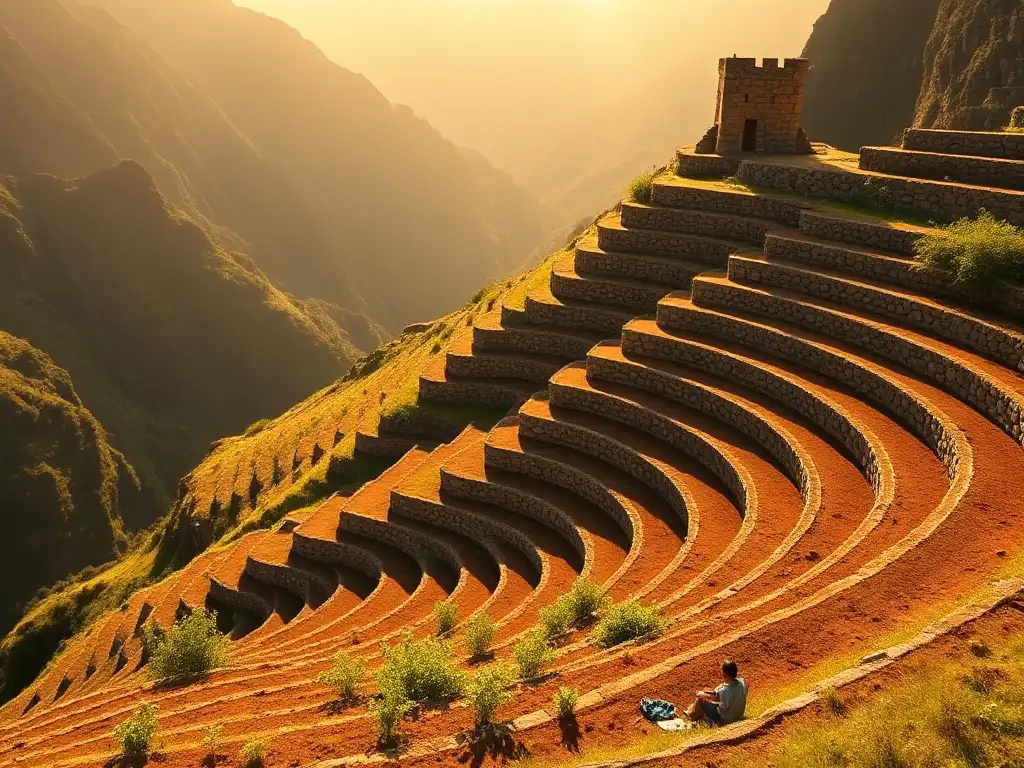
The Inca Empire, renowned for its sophisticated societal structures, also possessed remarkably advanced agricultural techniques. Central to their success was their mastery of terracing, a method of carving flat platforms into steep hillsides to create arable land. This ingenious system allowed the Incas to maximize agricultural output in a challenging, mountainous environment, ensuring food security for their vast empire.
Understanding Inca agricultural techniques requires a deep dive into their terracing methods, which were not just about creating farmland, but also about managing water resources and mitigating soil erosion. The sheer scale and precision of Inca terraces remain a testament to their engineering prowess and their profound understanding of their environment. The strategic use of these terraces, combined with other innovative farming practices, allowed the Inca to support a population estimated in the millions.
This impressive feat, achieved with minimal technology, showcases the ingenuity and adaptability of Inca agricultural practices. The legacy of Inca agricultural techniques, particularly terracing, continues to inspire modern agricultural practices in the Andes and beyond.
Construction of Inca Terraces: A Detailed Look
Inca terrace construction was a monumental undertaking, requiring meticulous planning and execution. Workers, often mobilized through the mita system (a form of mandatory labor), painstakingly carved and shaped the slopes, using stone tools and their intimate knowledge of the terrain. The terraces were typically built in a series of steps, each level supported by retaining walls made of precisely fitted stones, sometimes reaching impressive heights. These walls weren't simply stacked; they were carefully constructed to withstand the pressure of the soil and the forces of erosion.
Drainage systems, cleverly integrated into the design, channeled excess water away, preventing soil saturation and damage to crops. The construction materials varied depending on the local geology, with some terraces utilizing locally sourced stone, while others incorporated clay and other materials for reinforcement. The precision of the stonework is astonishing; many terraces remain remarkably intact centuries after their construction, a testament to the skill and dedication of the Inca builders.
Archaeological evidence suggests a complex system of planning and management overseen by specialized engineers and supervisors. The construction of these terraces wasn't a haphazard process; it was a highly organized and efficient operation that reflects the Inca's sophisticated understanding of engineering principles. Analyzing the precise construction methods reveals a deep understanding of hydrology, soil science, and structural engineering, far beyond what many might expect from a pre-Columbian civilization.
Benefits of Terraced Farming in the Andes
The benefits of Inca terracing extended far beyond simply increasing arable land. The flat surfaces created by the terraces provided optimal conditions for cultivating a wide variety of crops, including potatoes, maize, quinoa, and beans. The terraces also effectively controlled water runoff, preventing soil erosion and reducing the risk of landslides, especially crucial in the steep Andean slopes.
By creating level platforms, the Incas were able to improve irrigation efficiency, allowing them to direct water to precisely where it was needed, maximizing crop yields. The terraced fields also helped regulate temperature and humidity, providing a more stable microclimate for crop growth. The creation of these microclimates allowed for the cultivation of a wider range of crops than would be possible on the uneven slopes.
Furthermore, the controlled water flow within the terraces allowed for efficient water management, reducing water waste and optimizing irrigation across vast areas. The overall impact of these benefits was a significant increase in agricultural productivity, supporting the large population of the Inca Empire and contributing to its economic and political stability. The enduring legacy of these techniques underscores their effectiveness in maximizing agricultural output in challenging environments.
Impact of Terraces on Inca Food Production
The impact of Inca terracing on food production was profound, directly contributing to the empire's success and longevity. The increased arable land provided by the terraces allowed the Incas to cultivate a greater diversity of crops, ensuring food security and resilience against crop failure. The improved irrigation and soil management techniques led to significantly higher yields compared to traditional farming methods.
This surplus food production was crucial in supporting the large population centers, the vast army, and the extensive bureaucracy of the Inca Empire. The efficient food production system also contributed to the empire's ability to store food reserves, ensuring the population's survival during periods of drought or other natural disasters. The ability to store surplus food was a critical factor in the Inca's ability to withstand environmental challenges and maintain social stability.
The sophisticated agricultural techniques, including terracing, were instrumental in the Inca's ability to create a robust and resilient food system that supported the growth and prosperity of their empire. The evidence suggests a direct correlation between the development of Inca agricultural techniques and the empire's impressive expansion and stability. The legacy of these techniques continues to be studied and adapted in modern agriculture, highlighting their enduring value and importance.
Irrigation Systems: Mastering Water Management
The Inca Empire's success hinged on its ability to feed a vast population spread across diverse and challenging terrains. A crucial element of their agricultural prowess was their sophisticated irrigation systems, a testament to their engineering skills and understanding of hydrology. These weren't simply ditches; they were meticulously planned networks designed to capture, store, and distribute water efficiently, even in arid or mountainous regions. The Inca agricultural techniques surrounding water management were pivotal to their empire's longevity and prosperity.
The scale and complexity of these systems are still impressive today, showcasing a deep understanding of water flow, topography, and soil conditions. The effectiveness of Inca irrigation can be seen in the high agricultural yields obtained, even in challenging environments. Their mastery of water management allowed them to cultivate crops where others might have failed, contributing significantly to their economic and political strength.
Inca Irrigation Canals: Design and Function
Inca irrigation canals were marvels of engineering. They were often built along contours, minimizing the need for significant earthworks and maximizing the use of gravity to move water. Canals were constructed using stone, carefully fitted together without mortar, demonstrating advanced stonemasonry techniques. The size and shape of the canals varied depending on the terrain and the water flow required.
Some were narrow channels carved into rock faces, while others were wider, more substantial structures capable of carrying larger volumes of water. Careful planning ensured that water flowed evenly across the fields, preventing erosion and ensuring adequate irrigation. The canals were also regularly maintained, with teams of workers responsible for cleaning and repairing any damage.
Evidence suggests that they employed sophisticated techniques to control water flow, including weirs, spillways, and diversion channels, allowing them to adjust the water supply according to the needs of different crops and changing weather conditions. Detailed records, though scarce, indicate a highly organized system of canal maintenance and repair. Their longevity is a testament to the quality of their construction and maintenance.
Water Distribution Techniques in Inca Agriculture
Beyond the main canals, the Inca employed a variety of ingenious techniques to distribute water to individual fields. These included smaller channels, ditches, and even underground conduits, allowing for precise control of water flow. They often utilized a system of terraces, creating level platforms on steep slopes to maximize arable land and facilitate even water distribution.
The terraces themselves acted as reservoirs, retaining water and preventing runoff. Different crops received water based on their requirements; some crops needed more consistent watering than others. The intricate network of channels and terraces worked in harmony, demonstrating a deep understanding of hydraulic engineering and crop needs.
Archaeological evidence reveals the presence of sophisticated water management structures, including reservoirs and storage tanks, used to supplement water supplies during dry periods. The Inca also developed techniques to minimize water loss through evaporation, such as lining canals with clay or other materials. This sophisticated approach to water distribution ensured optimal conditions for crop growth throughout the year.
Ensuring Water Supply for Crops in the Inca Empire
The Inca Empire spanned diverse climates, from arid coastal deserts to high-altitude Andean valleys. To ensure a reliable water supply for their crops, the Inca developed a range of strategies beyond the irrigation canals. They understood the importance of water conservation and developed techniques to collect and store rainwater. This included building reservoirs and cisterns, which helped to ensure that water was available even during periods of drought.
They also developed sophisticated techniques for managing snowmelt, channeling water from melting snowpack to irrigate fields in the lower elevations. This integrated approach to water management ensured that the Inca had a dependable water supply for their crops, regardless of the climate or season. The success of their agricultural techniques, particularly in water management, allowed the Inca to create a stable food supply capable of sustaining a large and growing population.
The ingenuity and effectiveness of their systems stand as a remarkable example of ancient engineering and resource management. Further research is needed to fully understand the nuances of their water management practices in various regions of the empire. [Specific information pending: detailed regional variations in water management techniques].
Crop Diversity and Adaptation
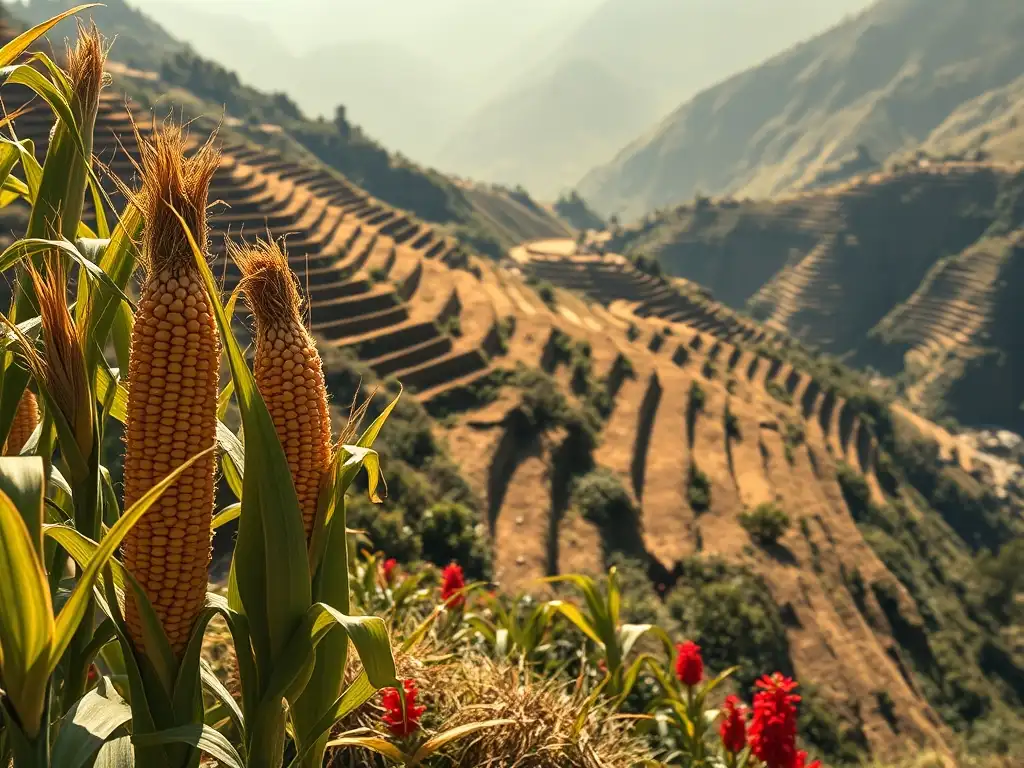
The Inca Empire's success was inextricably linked to its sophisticated agricultural practices. Their ability to feed a vast population across diverse and challenging terrains—from coastal deserts to high-altitude Andean slopes—was a testament to their ingenuity and understanding of agroecology. This wasn't simply a matter of cultivating a few staple crops; the Incas demonstrated a remarkable mastery of crop diversification and adaptation, maximizing yields and ensuring food security even in the face of environmental variability.
This intricate system involved not only the selection of appropriate crops for specific ecological zones but also the development of innovative techniques to enhance productivity. The intricate interplay between these factors allowed the Inca agricultural techniques to thrive and support the empire's growth.
The resilience of their agricultural system is a key element in understanding the longevity and power of the Inca Empire. Their agricultural prowess wasn't just about sheer production; it was a sophisticated strategy for managing risk and ensuring the empire's stability.
Key Crops Cultivated by the Incas
The Inca diet was remarkably varied, reflecting the empire's diverse geography and the ingenuity of its agricultural practices. While potatoes and maize are often highlighted as the cornerstones of Inca agriculture, the reality was far richer. The Incas cultivated a wide array of crops, each strategically placed based on its altitude and climate requirements. This included:
- Potatoes ( Solanum tuberosum): Numerous varieties were grown, adapted to different altitudes and soil conditions. This remarkable diversity provided insurance against crop failure. The Incas understood the importance of genetic diversity in ensuring food security.
- Maize (Zea mays): A staple crop, maize was cultivated in warmer, lower-altitude regions. Different varieties were selected for specific uses, some for consumption, others for brewing chicha (a fermented maize beverage).
- Quinoa (Chenopodium quinoa): A highly nutritious pseudocereal, quinoa was particularly important in higher altitudes where other crops struggled. Its resilience to harsh conditions made it a crucial element of the Inca diet.
- Beans (Phaseolus): Several types of beans were cultivated, providing essential protein and nutrients to the Inca population. They were often intercropped with maize and other crops.
- Squash (Cucurbita): Various types of squash were grown, providing additional carbohydrates and vitamins.
- Tomatoes (Solanum lycopersicum): An important ingredient in Inca cuisine, tomatoes were cultivated in warmer regions.
- Peppers (Capsicum): Used for flavoring and medicinal purposes, peppers were a significant part of the Inca diet.
The Inca's careful selection and cultivation of this diverse range of crops significantly contributed to their ability to support a large and dense population. This wasn't a haphazard process; it involved a deep understanding of plant genetics and environmental factors, reflecting a sophisticated level of agricultural knowledge.
Understanding Inca Crop Adaptation to Different Altitudes
The Inca Empire spanned a vast range of altitudes, from sea level to over 4,000 meters (13,000 feet). This presented significant challenges for agriculture, as different crops have vastly different altitude tolerances. The Incas responded by developing a system of vertical agriculture, known as agroecological zonation, strategically planting different crops at altitudes best suited to their needs. This involved:
- Waru Waru agriculture: This technique involved creating raised beds, or warus, in swampy areas. This improved drainage, soil aeration, and water retention, allowing for increased crop yields, even in challenging environments.
- Terracing: On steep slopes, the Incas constructed intricate terrace systems to create level planting surfaces. This reduced soil erosion, conserved water, and maximized arable land.
- Irrigation systems: To supplement rainfall, especially in drier regions, the Incas developed sophisticated irrigation canals and channels. These systems often involved diverting water from high-altitude sources to lower-lying fields.
This carefully planned approach to crop placement and environmental management allowed the Incas to maximize agricultural productivity across diverse ecological zones. The precise knowledge of the environmental needs of each crop, combined with their engineering prowess, is a testament to the sophistication of Inca agricultural techniques. Their success in adapting to such varied environments is a compelling example of sustainable agricultural practices.
The Role of Potatoes and Maize in Inca Agriculture
Potatoes and maize were undoubtedly the cornerstones of Inca agriculture, forming the basis of their diet and economy. However, their importance extended beyond mere sustenance.
- Potatoes: The sheer variety of potato cultivars grown by the Incas is astonishing. Their adaptation to different altitudes and soil conditions ensured a consistent food supply, even in the face of climatic variations. Potatoes were not just a staple food; they were also used in various ways, including for brewing chicha and creating other processed foods. Their nutritional value contributed significantly to the health and well-being of the Inca population.
- Maize: Maize, primarily grown in lower altitudes, played a significant role in Inca society. It was not only a source of food but also a crucial ingredient in the production of chicha, a fermented beverage of significant cultural and religious importance. The surplus of maize was also used for trade and tribute.
The strategic cultivation of potatoes and maize, combined with other crops, ensured food security and economic stability within the Inca Empire. The Incas' understanding of these crops' cultivation requirements, along with their sophisticated agricultural techniques, contributed significantly to the empire's success and longevity. The importance of these two crops in the Inca diet and economy cannot be overstated; they were far more than just food sources—they were fundamental to the empire's social, economic, and religious structures.
Soil Management and Fertilization Practices

The Inca Empire's remarkable success hinged significantly on its sophisticated agricultural techniques, a testament to their deep understanding of environmental management and resource optimization. Their ability to feed a vast population in challenging Andean terrains relied heavily on innovative soil management and fertilization practices, ensuring consistent crop yields and resilience against environmental fluctuations. This section delves into the specific methods employed by Inca farmers to achieve these impressive results, focusing on their mastery of soil enrichment, fertilizer utilization, and sustainable agricultural practices.
Understanding these techniques provides crucial insight into the ingenuity and foresight of Inca agricultural practices, enhancing our appreciation of their advanced civilization. The keyword "Inca agricultural techniques" is central to understanding their societal success.
Inca Techniques for Soil Enrichment
Inca farmers developed a range of ingenious techniques to enrich their often-challenging soils. Terracing, a hallmark of Andean agriculture, was not merely a method of creating level farmland; it also served a crucial role in soil improvement. By creating level platforms on steep slopes, they prevented erosion and minimized nutrient runoff.
Furthermore, the construction of terraces itself involved the careful layering of different soil types, enhancing drainage and creating a more fertile microenvironment for crops. Evidence suggests that Inca farmers also employed techniques like crop rotation and intercropping to improve soil health. This involved planting different crops in sequence or in close proximity, leveraging the beneficial effects of each plant on the soil's nutrient profile and reducing the risk of soil depletion.
For example, legumes, known for their nitrogen-fixing properties, were strategically integrated into the cropping systems to naturally replenish nitrogen levels in the soil, minimizing the need for external inputs. This holistic approach to soil management demonstrates a deep understanding of ecological principles and the interconnectedness of plants and soil.
Use of Guano and Other Natural Fertilizers
The strategic use of natural fertilizers, particularly guano, played a pivotal role in Inca agricultural productivity. Guano, the excrement of seabirds, is exceptionally rich in nitrogen, phosphorus, and other essential nutrients. Inca farmers harvested guano from coastal islands, carefully transporting it to their agricultural fields in the highlands. This arduous process underscores the importance they placed on soil fertility.
The precise methods of application, including the timing and quantities used, remain areas of ongoing research, but evidence suggests that guano was applied judiciously, according to the specific needs of different crops and soil types. Beyond guano, Inca farmers also utilized other organic fertilizers, such as compost and animal manure. These materials were carefully composted and aged to maximize their nutrient content and effectiveness. The integrated use of diverse organic fertilizers exemplifies a sustainable and environmentally conscious approach to agriculture, a testament to their ecological awareness.
Maintaining Soil Fertility for Sustainable Agriculture
The Inca’s commitment to sustainable agriculture is evident in their holistic approach to soil management. Their practices weren't merely about maximizing immediate yields; they were designed to maintain soil fertility over the long term. This long-term perspective is crucial to understanding the success of Inca agriculture.
The careful planning and implementation of terracing, crop rotation, and the use of natural fertilizers were all interconnected elements of a larger strategy aimed at preserving and enhancing soil health. This approach ensured the continued productivity of their agricultural lands, providing a stable food supply for the empire for generations. The sustainability of Inca agricultural practices serves as a valuable lesson for contemporary agriculture, particularly in the face of growing concerns about soil degradation and environmental sustainability.
Their methods demonstrate that high productivity and environmental stewardship are not mutually exclusive goals. The legacy of Inca agricultural techniques continues to inspire innovative approaches to sustainable food production.
Agricultural Tools and Technology
The Inca Empire's remarkable success, in part, stemmed from its mastery of agricultural techniques. Feeding a vast and densely populated empire required sophisticated tools, innovative methods, and a deep understanding of Andean ecology. This section delves into the ingenious tools and technologies employed by the Inca to cultivate their land, ensuring bountiful harvests that sustained their civilization. Understanding Inca agricultural techniques reveals a level of technological sophistication often overlooked in discussions of pre-Columbian societies. The ingenuity of their tools and methods directly reflects their profound knowledge of the environment and their ability to adapt to challenging terrains.
Inca Farming Implements: Design and Use
Inca farmers relied on a variety of tools, many crafted from readily available materials like wood, stone, and bone. The most common implement was the chaquitaclla, a foot-operated plow. This uniquely Andean tool, unlike the wheeled plows of the Old World, allowed for efficient tilling of the often-steep and rocky Andean slopes.
Its design minimized soil disturbance while effectively aerating the ground and preparing it for planting. The chaquitaclla's effectiveness stemmed from its simple yet ingenious design: a flat, wooden base with a sharp, pointed digging end. By pressing down with the foot, farmers could easily break up the soil without requiring the significant labor associated with manual digging.
Another vital tool was the taklla, a hand-held hoe used for weeding, planting, and harvesting. Variations in size and shape catered to specific tasks and soil conditions. The taklla's efficiency contributed to the Inca's ability to maintain high crop yields despite the challenges of the Andean environment.
The materials used in the construction of these tools – often locally sourced wood and stone – demonstrated a sustainable approach to resource management. Archaeological evidence suggests a high level of standardization in the production of these tools, hinting at possible centralized workshops or regional specialization in toolmaking. The durability and effectiveness of these simple yet sophisticated tools are testaments to Inca engineering prowess.
Specialized Tools for Planting and Harvesting
Beyond basic tilling and weeding, the Inca developed specialized tools for specific agricultural tasks. For planting, they may have employed pointed sticks or sharpened implements to create holes for seeds. The precise nature of these tools remains somewhat unclear due to limited surviving artifacts, but their existence is implied by the sophistication of their planting techniques. Evidence of terracing and irrigation systems suggests a high degree of precision in placement and spacing of crops. This precision planting likely required specialized tools for creating consistent planting holes and ensuring proper seed depth.
Harvesting tools were equally important. Sickles, likely made from sharpened stone or obsidian, were probably used to cut grains and other crops. The design of these sickles would have been adapted to the specific crops being harvested, reflecting an understanding of the unique characteristics of different plants. The methods for processing harvested crops, such as threshing and winnowing, also involved specialized techniques and tools, although the specifics are still areas of ongoing research. Further investigation into the tools used for post-harvest processing is needed to fully understand the Inca's sophisticated agricultural system.
Technological Advancements in Inca Agriculture
The Inca's agricultural success wasn't solely due to their tools; their technological advancements were equally critical. Their mastery of irrigation, terracing, and crop rotation techniques allowed them to maximize yields in a challenging environment. Irrigation systems, often involving complex networks of canals and aqueducts, diverted water from rivers and streams to fields, ensuring consistent water supply even in dry periods. The construction of these systems required considerable engineering skill and labor coordination, showcasing a high level of societal organization.
Terracing transformed steep slopes into cultivatable land, significantly increasing the amount of arable land available. These terraces, meticulously built with stone retaining walls, prevented soil erosion and created level platforms for planting. The precise engineering of these terraces, often remarkably well-preserved even today, demonstrates the Inca's deep understanding of soil mechanics and hydrology.
Finally, the practice of crop rotation helped to maintain soil fertility and prevent depletion, contributing to long-term agricultural sustainability. The integration of these technological advancements with their simple yet effective tools allowed the Inca to feed their vast empire and establish a remarkably stable and productive agricultural system. Further research into Inca agricultural practices could reveal even more about their sophisticated understanding of sustainable agriculture and their ability to adapt to a challenging environment.
Storage and Preservation of Agricultural Products
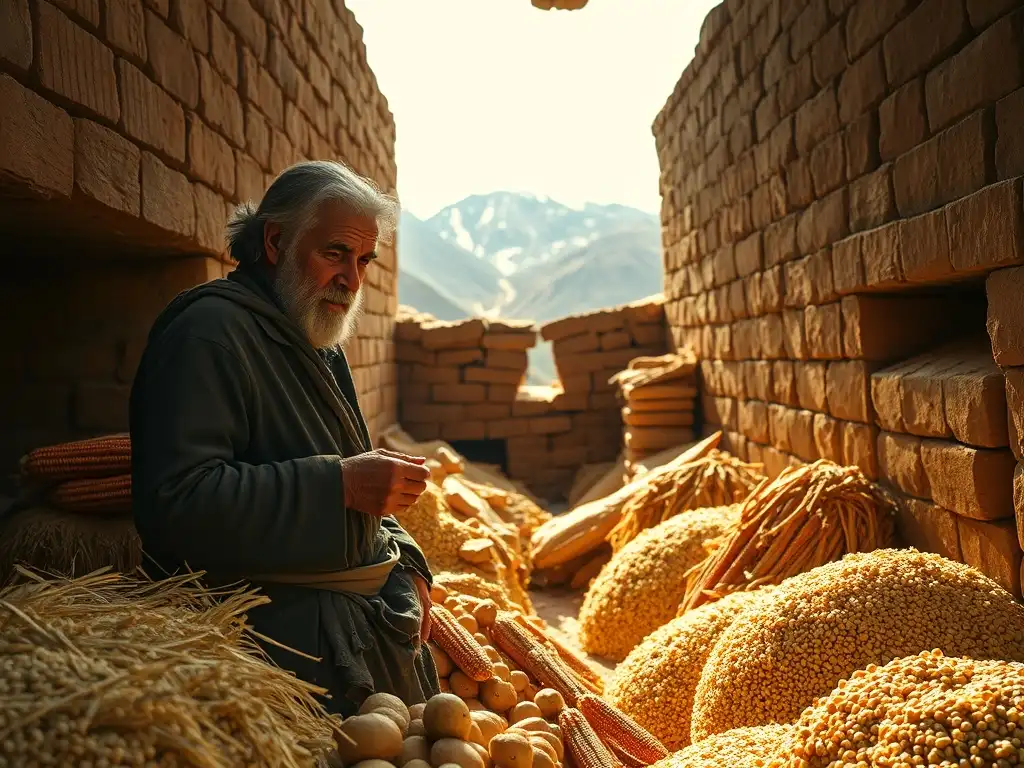
The success of the Inca Empire's expansive agricultural system hinged not only on efficient production but also on sophisticated methods of storing and preserving the harvested goods. The sheer scale of the Inca population, coupled with the challenges of a varied and often unpredictable Andean climate, necessitated advanced techniques to ensure food security year-round.
This section delves into the ingenious strategies employed by the Inca to safeguard their agricultural bounty, examining the design of their granaries and the various preservation methods they utilized. Understanding these techniques provides critical insight into the logistical prowess and organizational capabilities that underpinned Inca societal stability and imperial expansion.
The effective management of food resources was, in essence, a vital component of Inca governance and a key factor contributing to the empire's longevity. Analyzing Inca agricultural techniques reveals a deep understanding of resource management and a sophisticated approach to food security, far surpassing many contemporary practices.
Inca Granaries: Design and Functionality
Inca granaries, known as qollqas, were far from simple storage structures. They represented a marvel of engineering and logistical planning, strategically located throughout the empire to ensure efficient distribution of food supplies. These structures were typically built from stone, carefully fitted together without mortar, demonstrating a mastery of dry-stone construction techniques. Their design varied depending on the region and the specific needs of the community, but several common features ensured optimal storage conditions.
Many qollqas were built into hillsides or cliffs, taking advantage of natural insulation and protection from the elements. The interiors were often divided into multiple compartments, allowing for the segregation of different crops and preventing cross-contamination. Ventilation systems, sometimes incorporated through cleverly designed openings, helped to regulate humidity and prevent spoilage. The size and number of qollqas in a given location often reflected the population density and agricultural productivity of the surrounding area. Larger settlements naturally possessed more extensive storage facilities, capable of holding substantial quantities of grain, potatoes, and other staples. The strategic placement of these granaries, coupled with their robust construction, played a critical role in mitigating the risks associated with crop failures and ensuring a consistent food supply for the Inca population. Records, though limited, suggest a highly organized system for tracking and managing the contents of these granaries, further highlighting the sophistication of Inca agricultural administration.
Methods of Food Preservation in the Inca Empire
Beyond the design of the qollqas, the Inca also employed a range of preservation methods to extend the shelf life of their agricultural products. These techniques, passed down through generations, demonstrated a deep understanding of food science and the principles of preventing spoilage. Drying was a prevalent method, particularly for grains, fruits, and vegetables. The high altitude and dry climate of many Andean regions provided ideal conditions for sun-drying, but more sophisticated techniques were also employed. Some crops were likely freeze-dried in high-altitude areas, taking advantage of the natural freezing temperatures.
Another crucial method was fermentation, used to preserve a variety of foods, including meats and vegetables. This process not only extended shelf life but also enhanced the flavor and nutritional value of certain foods. The Inca likely used various fermentation techniques, potentially involving specific microorganisms or starter cultures. [Specific details on Inca fermentation techniques pending].
Furthermore, the Inca likely utilized techniques like salting and smoking to preserve meats and fish, common preservation methods found in many cultures throughout history. These diverse approaches reflected an adaptive strategy to preserve a wide array of agricultural products, ensuring a year-round supply of food for the empire's population. The ingenuity and effectiveness of these preservation methods are a testament to the Inca's practical understanding of food science and their ability to adapt their techniques to the diverse conditions of the Andean environment.
Ensuring Food Security Through Storage Techniques
The combination of meticulously designed qollqas and diverse preservation methods formed the bedrock of Inca food security. This wasn't simply a matter of preventing spoilage; it was a strategic initiative that underpinned the empire's stability and its ability to withstand periods of drought, crop failure, or other challenges. The centralized control over food storage and distribution, overseen by the Inca government, allowed for the efficient redistribution of resources during times of need. This system allowed the Inca to maintain social order and prevent widespread famine, even in the face of adversity.
The effectiveness of these strategies is evidenced by the empire's longevity and the relatively high standard of living enjoyed by many of its inhabitants. The sophisticated organization and planning involved in managing the empire's agricultural resources stand as a testament to the administrative capabilities of the Inca state. The Inca agricultural techniques, encompassing both production and preservation, represent a remarkable case study in sustainable resource management and a clear demonstration of the critical role of efficient agricultural practices in supporting a large and complex empire.
The meticulous attention to detail in every aspect of the system, from planting to preservation, underscores the Inca's commitment to food security and its vital role in maintaining the stability and prosperity of their vast empire. The legacy of these techniques continues to inspire modern agricultural practices, highlighting the enduring relevance of Inca ingenuity.
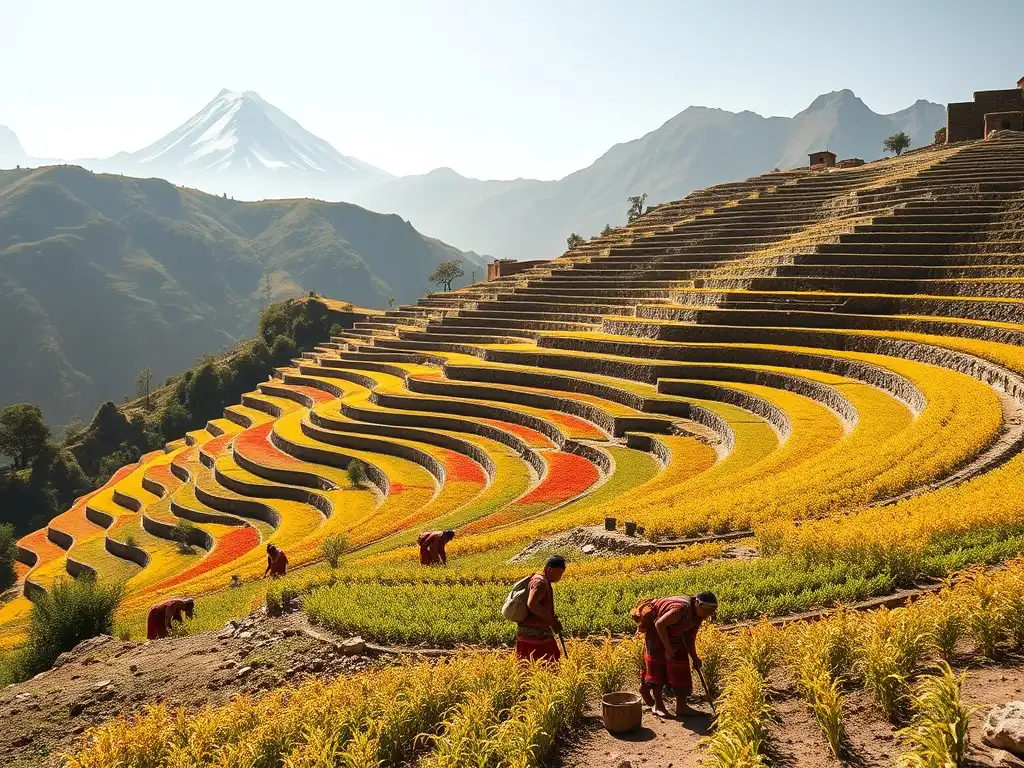
The success of Inca agricultural techniques wasn't solely reliant on innovative methods; it was fundamentally intertwined with a sophisticated social structure. The empire's agricultural prowess stemmed from a carefully planned system that integrated the population into the production process, ensuring food security for the vast Inca Empire. This system, while centralized under the Inca leadership, relied heavily on pre-existing social structures and adapted them to the needs of the empire. Understanding this social framework is crucial to fully grasping the effectiveness of Inca agricultural practices.
The efficiency of Inca agricultural techniques was directly linked to the organization of its people. This intricate system ensured that resources were distributed effectively, and that labor was efficiently allocated to maximize agricultural output. The Inca's ability to feed such a large population is a testament to their understanding of both agricultural science and social engineering.
The Role of the Ayllu in Agricultural Production
The ayllu, a kinship-based community, formed the bedrock of Inca agricultural production. These communities, which existed before the Inca conquest, were incorporated into the imperial system and continued to play a vital role in farming. Each ayllu was responsible for cultivating a designated area of land, with responsibilities distributed amongst its members based on factors like age, gender, and ability.
This communal approach fostered a sense of shared responsibility and collective effort, crucial for tackling large-scale agricultural projects such as terracing and irrigation. The ayllu system ensured that everyone contributed to food production, creating a self-sufficient and resilient agricultural network across the empire. The system minimized individual risk and promoted social cohesion—a key factor in the Inca's success in maintaining a stable food supply.
Furthermore, the ayllu structure allowed for efficient redistribution of resources, ensuring that even during times of scarcity, everyone within the community had access to the necessities for survival. This inherent safety net was a significant advantage in mitigating the risks associated with agriculture in a challenging Andean environment.
Labor Organization and Agricultural Tasks
Inca agricultural tasks were meticulously organized, dividing labor based on both social standing and the specific demands of different agricultural activities. While the ayllu formed the base unit of labor, the Inca state also mobilized large-scale labor forces for major projects. The mita system, a form of mandatory labor service, played a key role in constructing irrigation canals, terracing hillsides, and building storage facilities.
This system, while demanding, ensured the completion of large-scale infrastructure projects that were essential for expanding agricultural capacity. The mita system, however, was not solely focused on large-scale projects; it was also used for smaller, day-to-day agricultural tasks during peak seasons, thus ensuring a constant supply of labor for planting and harvesting.
This efficient allocation of labor, coupled with the communal efforts of the ayllu, showcases the Inca's mastery in organizing their workforce to maximize agricultural output. The integration of the mita and ayllu systems demonstrates the Inca's ability to efficiently manage labor, ensuring that even during times of need, agricultural production was not compromised.
Inca Agricultural Calendar and Rituals
The Inca agricultural calendar was deeply intertwined with religious rituals and beliefs, reflecting a holistic approach to farming that combined practical knowledge with spiritual practices. The calendar dictated planting and harvesting times, reflecting detailed observation of weather patterns and seasonal changes. This knowledge, passed down through generations, allowed the Inca to optimize their agricultural practices, maximizing yields and ensuring food security.
Religious festivals and ceremonies were integral components of the agricultural cycle. These rituals, often involving offerings to agricultural deities, aimed to ensure a successful harvest and appease the spirits that controlled the land and its fertility. These religious practices were not simply superstitious; they played an important role in maintaining social cohesion and reinforcing the communal aspects of Inca agriculture.
The combination of meticulous observation, practical knowledge, and religious belief demonstrates a sophisticated understanding of the relationship between humans and nature, showcasing the Inca's holistic approach to agriculture. This integrated system of knowledge and practice contributed significantly to the empire's ability to sustain its vast population through efficient and reliable food production. The precision and integration of the Inca agricultural calendar and rituals underscore the sophisticated and interconnected nature of Inca society and its management of resources.
Legacy of Inca Agricultural Techniques
The Inca Empire, renowned for its sophisticated social and political structures, also possessed remarkably advanced agricultural techniques that allowed it to sustain a vast population across diverse and challenging Andean terrains. Their ingenuity in harnessing the environment for food production left an indelible mark, influencing agricultural practices in the region for centuries and continuing to inspire sustainable farming methods today. Understanding the Inca approach to agriculture provides valuable insights into resource management, environmental adaptation, and food security—all critical concerns in the modern world.
The keyword "Inca agricultural techniques" perfectly encapsulates the core of this legacy. This section will delve into the lasting impact of these techniques, examining their influence on modern farming and offering lessons for sustainable agricultural practices.
Influence of Inca Agriculture on Modern Andean Farming
Inca agricultural innovations continue to resonate in modern Andean farming practices. Terracing, a hallmark of Inca engineering, remains a crucial technique for cultivating steep slopes, preventing soil erosion, and maximizing arable land. Many Andean farmers still utilize waru waru, raised beds with irrigation channels, a method that retains moisture, improves drainage, and enhances crop yields, mirroring the Inca's mastery of water management.
The Inca's understanding of microclimates and their ability to adapt crops to specific altitudes and conditions are also directly observable in contemporary farming strategies. Farmers still employ diverse cropping systems, mimicking the Inca's polyculture approach which reduced the risk of crop failure and maximized resource utilization. For example, the integration of quinoa, potatoes, and other Andean staples in diverse combinations reflects the enduring legacy of Inca agricultural knowledge.
The use of native, drought-resistant crops, a key aspect of Inca agricultural resilience, continues to be a vital strategy for farmers facing climate change challenges. This direct lineage demonstrates the enduring practical value of Inca agricultural techniques in maintaining food security in the Andean region.
Lessons from Inca Agricultural Practices for Sustainable Agriculture
The Inca's emphasis on sustainability provides invaluable lessons for modern agriculture. Their sophisticated water management systems, including canals, aqueducts, and reservoirs, offer models for efficient irrigation and water conservation. Their understanding of soil health, evident in their terracing and raised-bed techniques, highlights the importance of soil conservation and fertility management.
The Inca's ingenious approach to crop diversification, minimizing reliance on monocultures, serves as a powerful example for bolstering resilience against pests, diseases, and climate variability. The Inca's integrated approach to farming, combining agriculture with animal husbandry and other land uses, demonstrates the benefits of holistic land management. For instance, the use of llama manure as fertilizer showcases a closed-loop system that minimizes environmental impact.
By studying and adapting these sustainable practices, modern agriculture can enhance its environmental performance and long-term viability. This approach is crucial for addressing contemporary challenges such as climate change and food security, underscoring the timelessness of Inca agricultural wisdom.
The Enduring Impact of Inca Agricultural Ingenuity
The Inca legacy in agriculture extends far beyond simply influencing contemporary farming practices. It represents a powerful example of human adaptation and innovation in the face of environmental challenges. Their agricultural techniques were not merely practical; they were integral to the social and political fabric of the empire, contributing to its stability and prosperity.
The sophisticated organization and management required to implement these techniques highlight the Inca's advanced social and engineering capabilities. The enduring impact of Inca agricultural ingenuity is not just about the continuation of specific techniques but also about the underlying principles of sustainability, resource management, and adaptive innovation. These principles remain as relevant today as they were centuries ago, offering valuable guidance for addressing the pressing agricultural challenges of our time.
The study of Inca agricultural techniques continues to inspire research and innovation in sustainable agriculture, highlighting the enduring relevance of this ancient civilization's remarkable achievements. The understanding and application of these techniques are crucial for building resilient and sustainable food systems for future generations. The ingenuity displayed in Inca agricultural practices serves as a powerful testament to human capabilities and offers a wealth of knowledge for modern agricultural practices.
Frequently Asked Questions
What were the key features of Inca agricultural techniques?
The Inca employed several advanced techniques including terracing, irrigation systems, and the use of fertilizers. These methods allowed them to cultivate diverse crops across varied terrains.
How did terracing benefit Inca agriculture?
Terracing transformed steep slopes into cultivable land, maximizing arable space in mountainous regions. This also helped control erosion and water runoff.
What role did irrigation play in Inca farming practices?
Sophisticated irrigation systems, including canals and aqueducts, channeled water to fields, allowing for reliable crop production even in arid areas. This was crucial for their large population.
What types of crops did the Inca cultivate?
The Inca cultivated a variety of crops, including potatoes, maize (corn), quinoa, beans, and squash. Their diversified agriculture ensured food security.
How did Inca agricultural techniques contribute to the empire's success?
Inca agricultural techniques were essential to the empire's growth and stability. Their ability to feed a large population fueled economic prosperity and supported a complex social structure.
Final Reflection: The Enduring Legacy of Inca Ingenuity
The ingenious agricultural techniques of the Inca remain a powerful testament to human adaptability and a crucial lesson for our increasingly food-insecure world. Their innovative solutions to challenging terrains offer a compelling model for sustainable agriculture in the face of climate change and growing populations, proving that even in the harshest environments, thriving civilizations can be built on the foundation of careful land management.
The Inca's profound understanding of their environment, their meticulous terracing, and their sophisticated water management systems continue to inspire awe and serve as a potent reminder of the interconnectedness between human society and the natural world. Their achievements underscore the importance of respecting ecological balance and the long-term consequences of unsustainable practices. Civilization exists by geological consent, subject to change without notice.
– Will Durant. This quote, while not directly about the Inca, perfectly encapsulates the fragility of our relationship with the environment and the need to learn from past successes and failures.
Consider the ingenuity of the waru waru system, the raised fields that maximized water retention and soil fertility. Imagine the meticulous planning and community effort required to construct such intricate agricultural landscapes. Now, consider how these principles can be applied to modern challenges. You can be part of a movement towards more sustainable agricultural practices, advocating for responsible land use and supporting initiatives that promote food security and environmental stewardship. Let the legacy of Inca ingenuity inspire you to cultivate a more sustainable future.
Unlock the Secrets of Inca Farming Techniques!
Thank you for exploring the fascinating world of Inca agriculture! Understanding their sophisticated techniques reveals a wealth of sustainable practices still relevant today. Let's put this knowledge to work!
- Create a home garden using raised beds or terraced designs inspired by the Incas to maximize space and yield.
- Experiment with traditional Andean crops like quinoa and potatoes, incorporating them into your diet for a nutritious and flavorful experience.
- Connect with a local gardening group or online community focused on sustainable practices to share your experiences and learn from others.
Ready to cultivate your own blend of history and sustainability? Which ingenious Inca farming method will you try next?