
Inca Law and Justice: Restoring Order through a Unique System


Step into a world lost to time, yet echoing with the whispers of a sophisticated empire. Imagine a society where justice wasn't just about punishment, but about restoring balance and harmony. This is the intriguing world of the Andean civilizations, and we invite you to uncover its mysteries. Prepare to be amazed by the intricacies of the Inca legal system, a complex framework that governed the lives of millions. Dare to delve deeper and unravel the secrets of this remarkable civilization – your journey into the heart of Andean history begins now.
The Inca Empire, a vast and sophisticated civilization that thrived in the Andes Mountains for centuries, possessed a surprisingly intricate legal and justice system. Unlike many other ancient societies, the Inca didn't rely on written laws codified in stone tablets or scrolls. Instead, their system was based on a complex interplay of customary practices, oral traditions, and the authority of the Sapa Inca and his appointed officials.
This article delves into the fascinating intricacies of the Inca legal system, exploring its unique characteristics, methods of dispute resolution, and the role it played in maintaining order and stability across a diverse and geographically challenging empire. Understanding the Inca approach to law offers valuable insight into their societal values, governance structures, and the remarkable administrative capabilities that underpinned their success.
We'll examine how this system, despite its apparent informality, ensured a level of social cohesion rarely seen in comparable pre-Columbian societies. This exploration of the Inca legal system will reveal a sophisticated and effective method of social control that relied heavily on community participation and the power of tradition.
The Role of the Sapa Inca and the Bureaucracy
The Sapa Inca, the emperor, was considered a divine ruler and the ultimate source of legal authority. However, the sheer size of the empire meant that he couldn't personally adjudicate every dispute. Therefore, a complex bureaucracy, composed of officials at various levels, played a crucial role in the administration of justice. These officials, often appointed based on merit and loyalty, were responsible for enforcing laws and resolving conflicts within their designated regions.
Their decisions were guided by tapu, the Inca code of conduct, which encompassed a broad range of social norms and expectations. The system emphasized communal responsibility, with communities often playing a significant role in mediating disputes and ensuring compliance with tapu. Enforcement was not solely punitive; it frequently involved restorative justice practices aimed at repairing harm and restoring social harmony.
Dispute Resolution and Methods of Punishment
Dispute resolution within the Inca Empire varied depending on the nature and severity of the offense. Minor disputes were often handled at the local level, perhaps by community elders or appointed officials. More serious crimes, such as theft or assault, might be brought before higher authorities. Evidence was gathered through witness testimony and sometimes through ordeals, although the specific details of these ordeals remain debated by scholars.
Punishments ranged from fines and community service to more severe penalties, including exile or, in rare cases, death. The Inca system prioritized rehabilitation and reintegration into society wherever possible. The focus was less on retribution and more on restoring balance within the community. This approach reflected a strong emphasis on collective well-being and the maintenance of social order.
The Concept of Ayni and its Legal Implications
The principle of ayni, reciprocal exchange and mutual support, was central to Inca society and had significant legal implications. Ayni fostered strong social bonds and encouraged cooperation, which in turn helped to prevent conflicts. The expectation of mutual assistance meant that individuals had a responsibility to contribute to the well-being of their community.
Breaches of ayni, such as failure to fulfill obligations, could lead to social sanctions and even formal legal action. The concept of ayni highlights the interconnectedness of individuals within Inca society and demonstrates how their legal system was deeply intertwined with their social and economic structures. It reflects the emphasis on collective responsibility and mutual support, which were key to the empire's stability and longevity.
The Absence of Written Law: Oral Tradition and Custom
The Inca legal system's reliance on oral tradition and customary practices is a striking feature. The absence of written laws meant that legal knowledge was transmitted through generations, ensuring continuity and adaptability. This oral tradition, however, also presented challenges, as interpretations could vary depending on the context and the individuals involved.
The system's flexibility, however, allowed for adjustments based on specific circumstances, and it promoted a more fluid and responsive approach to conflict resolution. While the lack of written records makes reconstruction challenging, archaeological and ethnohistorical evidence reveals a surprisingly sophisticated system that effectively maintained order across a vast and diverse empire. This unique approach to law offers valuable insights into the ways in which societies can organize themselves and maintain social order without relying on formal, written legal codes.
Further Research Areas for the Inca Legal System 1
While much progress has been made, several areas remain open for further research, including a deeper exploration of Inca judicial processes, a more comprehensive understanding of the role of religion in legal matters, and comparative studies with other Andean legal systems.
1 Further investigation is needed to fully understand the nuances of the Inca legal system.
- The Role of the Sapa Inca and the Bureaucracy
- Dispute Resolution and Methods of Punishment
- The Concept of Ayni and its Legal Implications
- The Absence of Written Law: Oral Tradition and Custom
The Foundations of Inca Legal System

The Inca legal system, a cornerstone of their vast empire, wasn't codified in the way we understand modern legal systems. Instead, it was a complex interplay of customary practices, imperial decrees, and the authority of the Sapa Inca (emperor). This organic approach, deeply rooted in Andean cosmology and social structures, ensured the smooth functioning of Inca society and maintained a relatively stable order across a diverse and geographically challenging empire.
Understanding the Inca legal system requires moving beyond a Western lens and appreciating its unique characteristics. The system prioritized community harmony and the well-being of the ayllu (extended family unit), reflecting a fundamentally different approach to justice compared to many other ancient civilizations. The Inca concept of justice wasn't solely about punishment; it was interwoven with the spiritual and social fabric of their world, emphasizing restorative justice and community involvement in conflict resolution.
This focus on societal equilibrium shaped the entire legal framework and its application. The intricacies of this system, though not fully documented, are slowly being revealed through archaeological evidence and analysis of colonial-era chronicles, offering valuable insights into Inca governance and social organization.
The Inca Empire, spanning vast territories and encompassing diverse populations, relied heavily on a robust legal system to maintain social stability and prevent widespread conflict. The Sapa Inca, considered a divine ruler, held ultimate authority, but the system wasn't solely reliant on his pronouncements. Instead, it operated on a multi-layered structure, with local leaders and community elders playing crucial roles in resolving disputes and enforcing norms.
This decentralized approach ensured that justice was accessible to all citizens, regardless of their geographic location. Maintaining social harmony was paramount; the Inca believed that societal disruptions could upset the cosmic balance, leading to negative consequences. Therefore, the legal system was not merely about punishing offenders but also about restoring equilibrium and reinforcing social cohesion within the ayllu and the broader empire.
This preventative approach, coupled with the strong emphasis on community responsibility, contributed significantly to the empire's longevity and stability. The efficient resolution of disputes, coupled with the clear definition of roles and responsibilities, prevented the escalation of minor conflicts into larger societal problems. The system's success is evidenced by the empire's relatively peaceful and organized nature, considering its size and complexity.
Sources of Inca Law: Customary Practices and Imperial Edicts
Inca law drew its authority from two primary sources: deeply ingrained customary practices and imperial edicts issued by the Sapa Inca. Customary law, passed down through generations, governed many aspects of daily life within the ayllu. These traditions, often reflecting Andean cosmology and spiritual beliefs, regulated land use, resource allocation, marriage, inheritance, and social responsibilities. These customs were not written down but were meticulously preserved through oral tradition and ritual practices.
Imperial edicts, on the other hand, addressed matters of broader imperial concern. These decrees, often communicated through official messengers or inscribed on quipus (knotted cords used for record-keeping), dealt with issues like taxation, infrastructure projects, military mobilization, and the regulation of trade. The interplay between these two sources of law created a dynamic system that adapted to changing circumstances while maintaining its core principles. The balance between local customs and imperial directives ensured that the legal system remained relevant and responsive to the needs of both individual communities and the empire as a whole.
The absence of a single written legal code doesn't diminish the system's effectiveness; rather, it highlights its adaptability and its deep integration into the cultural fabric of Inca society. The system was fluid, capable of evolving to meet the challenges of a growing and complex empire. Further research into the quipus and other archaeological findings could shed more light on the specifics of imperial legislation and its impact on Inca society.
Key Principles of Inca Justice

The Inca legal system, a cornerstone of their expansive empire, wasn't based on codified laws like many modern systems. Instead, it relied on a complex interplay of customs, traditions, and principles aimed at maintaining social harmony and order within their unique societal structure. Understanding the Inca legal system requires appreciating its emphasis on community, reciprocity, and the authority of the ruling elite.
This system, far from being arbitrary, was deeply ingrained in the Inca worldview and effectively addressed a wide range of disputes, from minor infractions to serious crimes. The efficiency and widespread acceptance of this system are testaments to its carefully constructed framework. The Inca legal system's success can be attributed to its strong emphasis on community accountability, the hierarchical structure of governance, and the pervasive principle of ayni.
Emphasis on Community Accountability
One of the most striking features of the Inca legal system was its profound emphasis on community accountability. Justice wasn't solely dispensed by a centralized authority; rather, it was a collective responsibility. Communities, through their local leaders and elders, played a crucial role in resolving conflicts and maintaining order. This decentralized approach ensured that disputes were addressed promptly and within the context of local customs and social dynamics.
The system fostered a sense of shared responsibility, encouraging individuals to act in ways that benefited the entire community. For example, theft wasn't just a crime against an individual; it was a violation of the community's trust and well-being. Consequently, punishments often involved community service or restitution to repair the harm done.
This focus on restoring balance within the community, rather than simply punishing the offender, was a key element of the Inca approach to justice. The community's collective responsibility extended beyond simple disputes; it also played a vital role in identifying and addressing potential sources of conflict before they escalated. This proactive approach to conflict resolution is a significant aspect of understanding the effectiveness of the Inca legal system.
The Role of the Sapa Inca and Local Governors in Legal Rulings
While community accountability was central, the Inca legal system also featured a hierarchical structure reflecting the empire's centralized political organization. At the apex was the Sapa Inca, the emperor, whose authority was absolute. He served as the ultimate arbiter of justice, especially in cases involving high-ranking officials or matters of state.
However, the Sapa Inca rarely dealt with everyday disputes. Instead, a complex network of governors and local officials, known as kurakas, handled most legal matters. These officials, appointed by the central government, were responsible for administering justice within their respective provinces and enforcing the Inca's decrees.
Their rulings were expected to align with Inca principles and customs, ensuring consistency throughout the empire. The system of hierarchical authority ensured that justice was applied fairly and consistently across the vast expanse of the Inca Empire, minimizing inconsistencies and promoting a sense of order. Decisions made by local officials could be appealed to higher authorities, ultimately to the Sapa Inca, providing a mechanism for redress and ensuring accountability within the system.
The Principle of Ayni (Reciprocity) in Legal Settlements
The principle of ayni, meaning reciprocity or mutual obligation, permeated all aspects of Inca society, including their legal system. Ayni wasn't simply a social norm; it was a fundamental principle that governed interactions and shaped legal outcomes. In legal settlements, ayni often manifested as restitution or community service.
For instance, someone found guilty of theft might be required to compensate the victim and perform labor for the community to repay their debt. This approach aimed to restore balance and harmony, emphasizing the interconnectedness of individuals within the community. The concept of ayni extended beyond material compensation; it also encompassed social obligations and mutual support.
This deeply ingrained principle fostered a strong sense of community and collective responsibility, contributing to the overall stability and effectiveness of the Inca legal system. The application of ayni in legal settlements highlights the unique cultural context of the Inca legal system and its emphasis on restorative justice, rather than solely punitive measures. This focus on restoring equilibrium within the community through reciprocity remains a fascinating and important aspect of the Inca legal system.
The Structure of the Inca Judicial System

The Inca legal system, a sophisticated structure for its time, wasn't codified in a written legal code like many modern systems. Instead, it relied on a hierarchical structure mirroring the empire's administrative organization. Justice was dispensed through a series of courts and officials, reflecting the importance of community participation and the Sapa Inca's ultimate authority.
This organic approach, deeply embedded within the social fabric of the Inca Empire, ensured a level of order and stability across vast territories. Understanding the Inca legal system requires recognizing its decentralized yet centralized nature, a balance achieved through carefully defined roles and responsibilities at various levels. The system's effectiveness stemmed from its integration with the social and religious life of the Inca people, intertwining law with custom and belief.
This blend of customary law and centralized control is a key feature differentiating the Inca legal system from those of other ancient civilizations. The efficient functioning of this system contributed significantly to the Inca Empire's longevity and expansion.
Levels of Jurisdiction: From Ayllu Leaders to the Sapa Inca's Tribunal
The Inca judicial system operated on a multi-tiered structure. At the base were the ayllus, the fundamental social and economic units. Disputes within an ayllu were initially addressed by local leaders, often the curaca or other respected elders. These individuals acted as mediators, aiming for reconciliation rather than strict punishment.
Their decisions were based on customary law and the principles of community harmony. More serious offenses or disputes that couldn't be resolved at the ayllu level were escalated to the next tier, the provincial level, overseen by higher officials appointed by the Inca government. These officials had greater authority and could impose more significant penalties.
Finally, cases of extreme importance, such as treason or major crimes affecting the entire empire, were brought before the Sapa Inca's court in Cuzco. This apex court, presided over by the emperor himself or his designated representatives, represented the ultimate authority in the Inca legal system. The journey of a case through these levels highlights the system's hierarchical nature and its capacity to handle a wide range of offenses.
| Level of Jurisdiction | Authority Figure(s) | Type of Cases Handled | Typical Penalties |
|---|---|---|---|
| Ayllu Level | Curaca and Elders | Minor disputes, property disagreements, minor offenses | Mediation, fines, community service |
| Provincial Level | Appointed Officials | More serious crimes, inter-ayllu disputes | Fines, corporal punishment, exile |
| Sapa Inca's Tribunal | Sapa Inca or Representatives | Major crimes, treason, matters of state | Death penalty, confiscation of property, severe corporal punishment |
The Role of Tukuy Rikuq and Hucha Camayu in Legal Processes
The effectiveness of the Inca legal system was significantly enhanced by the roles of two key officials: the tukuy rikuq and the hucha camayu. The tukuy rikuq, meaning "he who sees everything," acted as a kind of inspector general, overseeing the implementation of Inca laws and policies throughout the empire. They investigated alleged crimes, gathered evidence, and ensured that justice was administered fairly.
Their presence served as a deterrent against wrongdoing and helped maintain order. In contrast, the hucha camayu, "the one who corrects mistakes," focused primarily on investigating complaints and resolving disputes. They acted as investigators and mediators, working to resolve conflicts peacefully before they escalated into major legal proceedings.
The combined efforts of these officials ensured that the Inca legal system was both responsive and effective in maintaining order across the vast and diverse empire. Their distinct roles demonstrate the Inca's sophisticated approach to law enforcement and dispute resolution. The interplay between these two roles created a system of checks and balances, crucial for preventing abuse of power and ensuring fair proceedings.
Methods of Conflict Resolution: Mediation and Community Councils
The Inca legal system prioritized restorative justice and community involvement in conflict resolution. Mediation played a central role, with emphasis placed on restoring harmony and repairing relationships rather than solely on punishment. Community councils, consisting of local leaders and respected members of the ayllu, actively participated in mediating disputes. These councils aimed to reach consensus-based solutions that satisfied all parties involved.
This approach prioritized the social fabric of the community over strict adherence to codified laws. The focus was on maintaining social cohesion and preventing future conflicts. While punishments existed, they were often tailored to the specific offense and aimed at rehabilitation rather than solely retribution.
This emphasis on community involvement and restorative justice is a hallmark of the Inca legal system, distinguishing it from more punitive systems in other ancient civilizations. The system’s success lay in its ability to weave together legal processes with the social and cultural norms of the Inca people. This holistic approach ensured the enduring stability and order within the Inca Empire.
Types of Crimes and Punishments in the Inca World
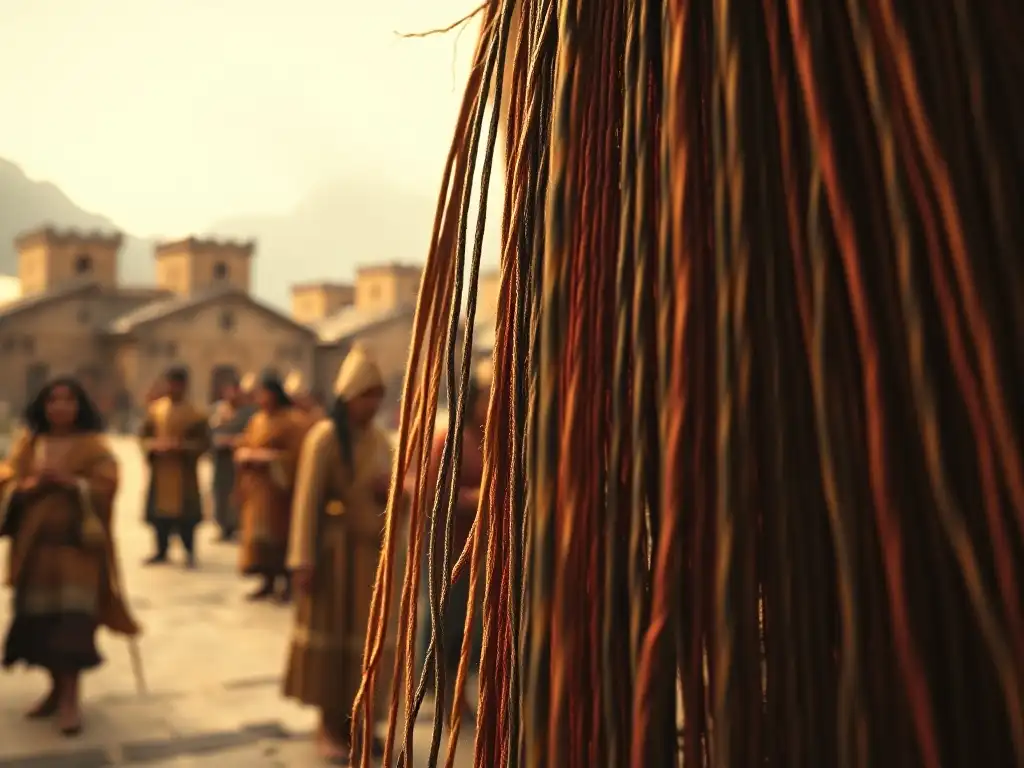
The Inca legal system, a fascinating blend of customary law and centralized authority, defined a wide spectrum of crimes and corresponding punishments. Unlike many modern systems, the Inca approach prioritized community harmony and restoration over solely retributive justice. The severity of punishment often depended on the perceived impact on the social fabric and the status of both the offender and the victim.
Understanding the nuances of Inca justice requires examining the types of offenses and the mechanisms used to address them. The Inca legal system wasn't codified in a single written document as we understand legal codes today; rather, it was a complex interplay of traditions, oral laws, and the interpretations of local and imperial officials. This makes accurate reconstruction challenging, relying heavily on archaeological findings, Spanish chronicles, and anthropological interpretations.
Offenses Against the State and Their Punishments
Crimes against the state, or Sapa Inca, were considered the most serious. These included treason, rebellion, and undermining the authority of the emperor. Such actions threatened the very foundation of Inca society, and punishments were correspondingly severe. Treason, for instance, often resulted in immediate execution, sometimes through ritual sacrifice.
The specific method varied depending on the perceived gravity of the offense and the Inca ruler's disposition. Rebellion, often involving organized uprisings against appointed officials or the Inca army, led to the execution of leaders and the forceful subjugation of rebellious communities. Punishments could extend to entire families, with individuals facing exile, enslavement, or death depending on their role in the rebellion.
Evidence from archaeological sites, particularly those showing signs of large-scale conflict, suggests that the Inca state maintained a strong military presence to suppress internal rebellion. The control exerted over resources, such as agricultural lands and labor, was a crucial element in maintaining the empire's stability. Any attempt to disrupt this control was viewed as a severe offense, and those found guilty faced harsh consequences.
The severity of the punishment for offenses against the state also depended on the perceived intent and the social standing of the accused. A noble's rebellion, for example, would likely receive a more severe punishment than a commoner's act of defiance.
Punishments: From Public Shaming to Forced Labor
The Inca justice system employed a variety of punishments, ranging from relatively mild forms of public shaming to severe physical penalties and death. Public shaming, a common practice, involved parading the offender through the community, often with humiliating attire or forced participation in degrading rituals. This served not only as punishment but also as a warning to others.
Less severe crimes, such as theft or minor assault, might result in forced labor— mita—for a specified period. This involved working on public projects, such as road construction or agricultural tasks, benefiting the community as a form of restitution. The duration and intensity of the mita punishment were adjusted according to the crime's severity and the offender's social standing.
More serious crimes, such as murder or serious assault, could lead to more severe physical punishments, including flogging or even death. The death penalty, however, was not routinely applied; it was reserved for the most egregious offenses that directly threatened the social order. The methods of execution varied and might involve stoning, decapitation, or sacrifice, reflecting the religious and societal beliefs of the time.
It is important to note that our understanding of Inca punishments is incomplete, and further research is needed to clarify the exact nature and frequency of certain penalties. Spanish accounts, while providing valuable insights, may also contain biases and inaccuracies.
Restitution Through Labor and Goods
A significant aspect of the Inca legal system was the emphasis on restitution. The goal wasn't just punishment but also the restoration of balance within the community. For many offenses, particularly property crimes, restitution through labor or goods was a central component of the punishment. If someone stole livestock, for example, they might be required to work for the victim until the value of the stolen animals was compensated.
This system promoted reconciliation and aimed to minimize lasting animosity between the offender and the victim. The concept of collective responsibility also played a role, meaning that sometimes an entire community might be held accountable for the actions of one of its members. This collective responsibility could manifest as a collective punishment, such as increased mita obligations for the entire community.
This emphasis on restitution and community repair contrasts sharply with purely punitive systems. The Inca system aimed to reintegrate the offender into society rather than simply isolating or permanently removing them. This approach highlights the Inca's focus on maintaining social harmony and the importance of collective responsibility within their society. The system's effectiveness, however, is a matter of ongoing discussion among scholars, considering the limited information available and the challenges of interpreting historical sources. Further archaeological research and careful analysis of existing historical accounts are crucial for a more comprehensive understanding of the Inca legal system's intricacies.
Unique Aspects of the Inca Legal System

The Inca legal system, while lacking a codified written law like many contemporary systems, possessed a sophisticated structure for maintaining order and resolving disputes. Its uniqueness stemmed from a complex interplay of oral tradition, community involvement, and a hierarchical justice system reflecting the empire's social organization. Understanding the Inca approach to law requires moving beyond Western legal paradigms and appreciating its deeply ingrained connection to Andean cosmology and social values.
This system, often described as "customary law," prioritized the restoration of balance and harmony within the community rather than solely focusing on punishment. The Inca legal system aimed to prevent conflict rather than simply react to it. This preventative approach was crucial to the stability of the vast Inca Empire.
The Reliance on Oral Tradition and Memory
The Inca Empire lacked a written alphabet. This absence profoundly impacted their legal system, fostering a strong reliance on oral tradition and exceptional mnemonic skills. Laws, precedents, and customs were meticulously transmitted through generations via skilled storytellers and amautas (wise men). This oral tradition wasn't simply rote memorization; it involved a deep understanding of the underlying principles and their application to specific circumstances.
The amautas were not just repositories of legal knowledge; they were interpreters, applying established principles to novel situations. Their expertise was crucial in adjudicating disputes and ensuring consistency in legal judgments across the empire. The accuracy and consistency of this oral transmission system was remarkable, considering the vast geographic expanse of the Inca Empire and the complexity of its legal practices.
Further research could illuminate the specific techniques employed to maintain the integrity of this oral legal tradition. Perhaps mnemonic devices, songs, or dramatic performances played a role in ensuring accurate transmission of legal knowledge. The longevity and effectiveness of this system stand as a testament to the sophistication of Inca memory and oral communication techniques.
The Importance of Precedence in Legal Judgments
In the absence of written statutes, precedent played a pivotal role in Inca legal decisions. Past rulings and customary practices served as guiding principles for resolving present disputes. This emphasis on precedence, combined with the oral tradition, created a system of evolving legal interpretation. While not strictly stare decisis as in common law systems, the weight given to past judgments ensured a degree of consistency and predictability.
This meant that similar cases were likely to receive similar judgments, promoting fairness and reducing arbitrary decisions. However, the application of precedent wasn't rigid. Judges, often local authorities or curacas, considered the specific circumstances of each case, demonstrating a degree of flexibility within the system.
This approach allowed for nuanced judgments that considered the unique social and contextual factors involved. The absence of written records makes the precise mechanisms for tracking and applying precedents challenging to determine, though the influence of precedent is undeniable based on ethnohistorical accounts. [Specific examples of documented cases and their precedents pending].
The Potential Use of Quipus for Record-Keeping in Legal Contexts
While the Inca did not use a written alphabet in the conventional sense, the quipus, complex knotted cords, offer a fascinating potential avenue for legal record-keeping. Although the exact purpose and extent of quipu use remain subjects of ongoing scholarly debate, some researchers suggest their potential role in documenting legal matters. It is hypothesized that quipus might have been used to record details of cases, verdicts, or even aspects of customary law.
The intricate knotting system could have encoded information about parties involved, the nature of the dispute, the judgment rendered, and potentially even the rationale behind the decision. However, deciphering the information contained within quipus remains a significant challenge, hindering a definitive understanding of their role in the Inca legal system. Further research and advancements in quipu interpretation are crucial to clarifying the extent to which these devices served legal functions.
The potential for quipus to have served as a supplementary record-keeping system alongside oral tradition warrants further investigation. The complexity of the quipu system suggests a capacity for detailed record-keeping exceeding simple numerical data. [Further research on quipu interpretation and its potential legal applications pending].
The Legacy of the Inca Legal System
The Inca legal system, while not codified in the way familiar to modern legal systems, exerted a profound and lasting influence on Andean societies. Its principles of community justice, social harmony, and balance permeated daily life, shaping social structures and conflict resolution for centuries after the fall of the Inca Empire. Understanding this system reveals a sophisticated approach to governance that prioritized social stability and the well-being of the community over purely punitive measures.
The absence of written laws doesn't diminish its impact; rather, it highlights the importance of oral traditions, customary practices, and the role of community leaders in maintaining order. This system, rooted in Inca worldview and deeply connected to their cosmology, provides valuable insights into indigenous legal traditions and their enduring relevance. The Inca legal system's impact can be seen in the legal structures and customary practices of modern Andean communities.
Influence on Andean Legal Traditions
The principles of the Inca legal system weren't simply abandoned after the Spanish conquest. Many aspects were subtly integrated into the legal and social structures imposed by the colonizers, and even more survived within the indigenous communities themselves, often evolving and adapting to new circumstances. For example, the emphasis on community involvement in conflict resolution, a hallmark of the Inca system, persisted, albeit often alongside Spanish legal processes.
The concept of ayllu, the traditional Andean community structure, continued to play a crucial role in dispute settlement, reflecting the Inca emphasis on collective responsibility and social harmony. Even today, many Andean communities maintain forms of traditional justice systems that incorporate elements of the Inca legal traditions, demonstrating its enduring influence on the legal landscape of the region. Studies on contemporary Andean legal practices reveal how principles of reciprocity, social balance, and community participation, central to the Inca system, continue to shape legal processes.
This highlights the resilience and adaptability of indigenous legal traditions. Further research into specific Andean communities could yield a richer understanding of the exact mechanisms of this transmission and adaptation.
The Inca system prioritized restorative justice, focusing on repairing harm caused by offenses and restoring social harmony within the community. This contrasted sharply with purely punitive approaches common in many other societies. Punishments, while existing, were often tailored to the specific offense and aimed at reintegrating the offender back into the community.
For instance, minor offenses might be addressed through community service or fines, while more serious crimes could involve exile or, in rare cases, death. The emphasis was on restoring balance within the ayllu and preventing future conflicts. This approach, emphasizing reconciliation and community healing, offers valuable lessons for contemporary justice systems grappling with issues of crime, recidivism, and community engagement.
The Inca approach suggests that investing in community-based solutions and focusing on rehabilitation may yield more sustainable and equitable outcomes than solely relying on punitive measures. Further analysis could compare the Inca system’s effectiveness with modern restorative justice practices.
The Enduring Significance of Inca Concepts of Balance
The Inca worldview was deeply intertwined with the concept of balance – a balance between nature and humanity, between the individual and the community, and between the spiritual and the material realms. This concept permeated all aspects of Inca life, including their legal system. Justice was seen as a means of restoring this balance whenever it was disrupted by conflict or wrongdoing.
The emphasis on reciprocity, where acts of kindness or harm were expected to be met with similar responses, was crucial to maintaining social equilibrium. This principle underscored the interconnectedness of individuals within the community and the importance of upholding social harmony. The Inca's understanding of balance offers a compelling framework for considering issues of social justice and equity in contemporary contexts.
Their approach suggests that achieving sustainable social order requires a holistic perspective that acknowledges the interconnectedness of individuals and communities, and the importance of restoring balance when it's disrupted. Further research could explore the applications of this concept of balance to contemporary social and environmental challenges.
Frequently Asked Questions
What was the basis of the Inca legal system?
The Inca legal system was based on customary law and the authority of the Sapa Inca, who was considered a divine ruler. Justice aimed to maintain social harmony and order, rather than solely punishment.
How did the Inca handle disputes and crimes?
Disputes were often settled through community mediation and negotiation. Serious crimes, like theft or rebellion, were punished with corporal punishment, exile, or even death, depending on the severity.
Did the Inca have written laws?
No, the Inca did not have a written legal code in the way many other civilizations did. Laws were transmitted orally through tradition and the decisions of local and regional authorities.
What role did religion play in the Inca legal system?
Religion played a significant role. The Inca believed that the Sapa Inca's authority was divinely ordained, and their laws were seen as upholding the cosmic order. Religious rituals often played a part in legal proceedings.
How effective was the Inca legal system in maintaining order?
The Inca legal system was generally effective in maintaining social order across their vast empire. Its emphasis on community and the divine authority of the ruler helped ensure compliance with its principles.
Final Reflection: Echoes of the Inca Justice System in a Modern World
The principles of Inca law, emphasizing community harmony and restorative justice, offer a compelling counterpoint to our often adversarial legal systems. While seemingly distant in time and geography, the Inca approach to conflict resolution remains strikingly relevant in a world grappling with inequality and social fragmentation. The enduring wisdom of their system challenges us to reconsider our own approaches to justice and societal well-being.
The Inca's focus on community responsibility and rehabilitation, rather than solely punishment, resonates deeply with contemporary discussions surrounding restorative justice and its potential to heal societal wounds. Their emphasis on consensus-building and the active participation of all parties involved in a dispute offers a powerful alternative to the often impersonal and adversarial nature of modern legal processes. Justice is not merely the punishment of the guilty, but the restoration of harmony.
This sentiment, though not directly from an Inca source, encapsulates the spirit of their legal system and its enduring appeal.
Consider the implications of the Inca system for your own life. How might the principles of community responsibility and restorative justice inform your interactions with others? Can we learn from their emphasis on consensus and reconciliation to build stronger, more equitable communities? Let the legacy of Inca law inspire you to seek justice not just through retribution, but through understanding, empathy, and a commitment to restoring balance and harmony in your own sphere of influence.
Uncover the Secrets of Inca Justice Today!
Thank you for exploring the fascinating world of Inca law and justice! Understanding their legal systems offers valuable insights into ancient civilizations and can even inform modern approaches to fairness and order. Let's delve deeper!
- Discuss the parallels between Inca justice and contemporary legal practices with friends or fellow history enthusiasts. Consider the similarities and differences in their approaches to conflict resolution and social harmony.
- Expand your knowledge by researching Andean civilizations and their enduring cultural impact. Numerous resources are available to enrich your understanding of their complex societal structures and legal frameworks.
- Share your discoveries on social media using the hashtag #IncaJustice to inspire others to learn about this compelling topic. Engage in discussions and contribute to a wider understanding of Inca legal practices.
What aspects of Inca law, such as their community-based dispute resolution or emphasis on restorative justice, might offer valuable lessons for improving fairness and order in our current justice systems?