
Inca Stone Masonry: Precision and Artistry in Construction

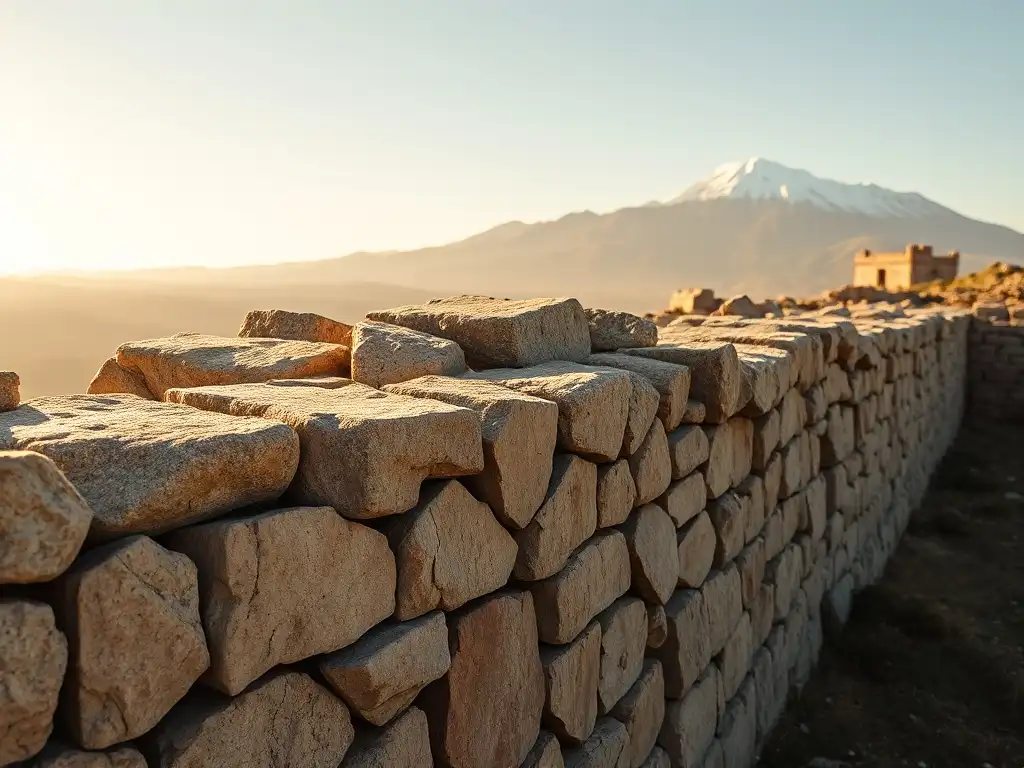
Dive into the enigmatic world of the Andean civilizations! From the breathtaking artistry of the Nazca lines to the sophisticated engineering of the Tiahuanaco, prepare to be amazed. But our journey begins with the Incas, and their mastery of Inca stonework techniques. How did they achieve such impossible precision? Discover the secrets behind their unparalleled architectural feats and unlock the mysteries of their incredibly advanced construction methods – a legacy that continues to baffle and inspire. Explore the wonders that await, and unravel the story of the Inca Empire's astonishing ingenuity.
The Inca Empire, renowned for its sophisticated political organization and vast infrastructure, left behind a legacy of breathtaking architectural achievements. Nowhere is this more evident than in their mastery of stone masonry. This article delves into the remarkable Inca stonework techniques, exploring the precision, artistry, and ingenuity that went into constructing their iconic structures, from the imposing walls of Sacsayhuamán to the intricate terraces of Machu Picchu.
Understanding their construction methods offers crucial insight into Inca engineering prowess and their profound understanding of both architecture and the Andean landscape. This exploration of Inca stonework techniques will reveal not only the technical aspects of their building practices but also the cultural significance embedded within these monumental works. We will examine the unique challenges posed by the Andean terrain and how the Inca overcame them, showcasing their impressive adaptability and advanced knowledge of materials and construction.
The Challenges of Andean Construction
The Andes Mountains present a formidable challenge to any construction project. Steep slopes, seismic activity, and varied geological formations demanded innovative solutions. The Inca, however, didn't shy away from these obstacles. Instead, they developed sophisticated techniques to overcome them.
Their mastery of stonework was crucial to their success, allowing them to build structures that not only withstood the test of time but also integrated seamlessly with the surrounding environment. Consider the sheer scale of projects like Ollantaytambo, a testament to their ability to move and precisely place massive stones in incredibly difficult terrain. The precision involved in fitting these stones together, without the use of mortar, is truly astonishing.
Inca Quarrying and Stone Selection
The Inca's skill extended beyond simply placing stones; it began with the careful selection and quarrying of the material itself. They chose stones based on their properties – strength, durability, and aesthetic appeal. Evidence suggests they used various tools, including copper and bronze implements, to extract and shape the stones.
The process was meticulous, ensuring that each stone was precisely cut and shaped to fit perfectly within the overall structure. The choice of stone also varied depending on the intended use and location of the structure, reflecting a deep understanding of both geology and engineering principles. Furthermore, the transportation of these massive stones across challenging terrain remains a subject of ongoing investigation and fascination, highlighting the logistical prowess of the Inca civilization.
Dry-Stone Masonry: The Art of Precision Fitting
The hallmark of Inca stonework is their mastery of dry-stone masonry, a technique that involves fitting stones together without the use of mortar. This required an exceptional level of precision and a deep understanding of geometry and engineering. The stones were often shaped to interlock perfectly, creating structures of incredible strength and stability.
The precision is so remarkable that even a knife blade cannot be inserted between many of the stones. This technique, far from being a simple construction method, showcases a sophisticated understanding of structural engineering principles, ensuring the stability and longevity of their monumental structures. The absence of mortar further underscores the ingenuity and skill of the Inca masons, who relied entirely on the precision of their cuts and the natural fit of the stones to ensure structural integrity.
Beyond Functionality: The Artistic and Symbolic Significance
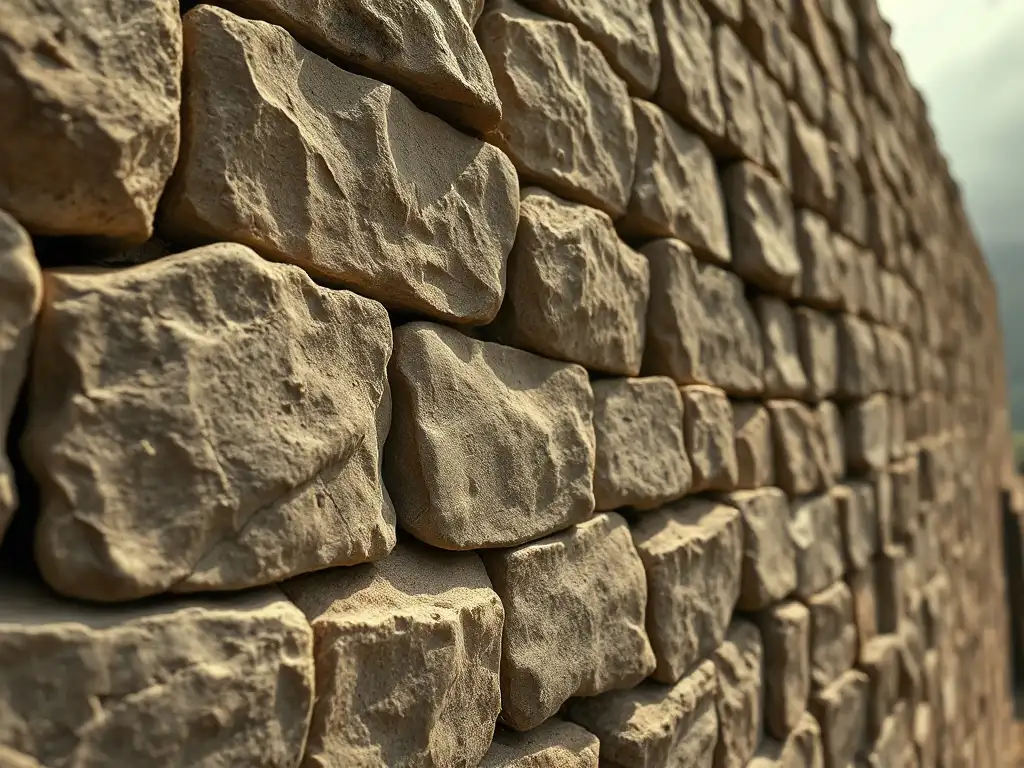
Inca stonework was not merely functional; it also held significant artistic and symbolic meaning. The intricate designs and precise placement of stones reflect a profound aesthetic sensibility and a deep connection to the Andean worldview. Many structures incorporated symbolic elements, reflecting cosmological beliefs and the importance of specific deities or ancestral figures. The artistry embedded within the construction itself further demonstrates the Inca’s remarkable ability to blend functionality with aesthetic beauty, creating structures that are both impressive and culturally rich. The precision and artistry of Inca stonework, therefore, represent a unique blend of engineering and spiritual expression.
Enduring Legacy and Modern Interpretations
The Inca legacy of stone masonry continues to inspire awe and admiration. Their innovative techniques and artistic achievements have stood the test of time, serving as a testament to their engineering prowess and cultural sophistication. Even today, researchers and architects study Inca stonework techniques to understand their principles and potentially apply them to modern construction.
The precision and durability of Inca structures serve as a powerful reminder of the ingenuity and skill of this remarkable civilization and its enduring impact on the world. The study of Inca stonework continues to reveal new insights into their culture, technology, and understanding of the world around them. The legacy of the Inca continues to resonate, inspiring both wonder and a renewed appreciation for the intricacies of their remarkable civilization.
- The Challenges of Andean Construction
- Inca Quarrying and Stone Selection
- Dry-Stone Masonry: The Art of Precision Fitting
- Beyond Functionality: The Artistic and Symbolic Significance
- Enduring Legacy and Modern Interpretations
The Marvel of Inca Stonework
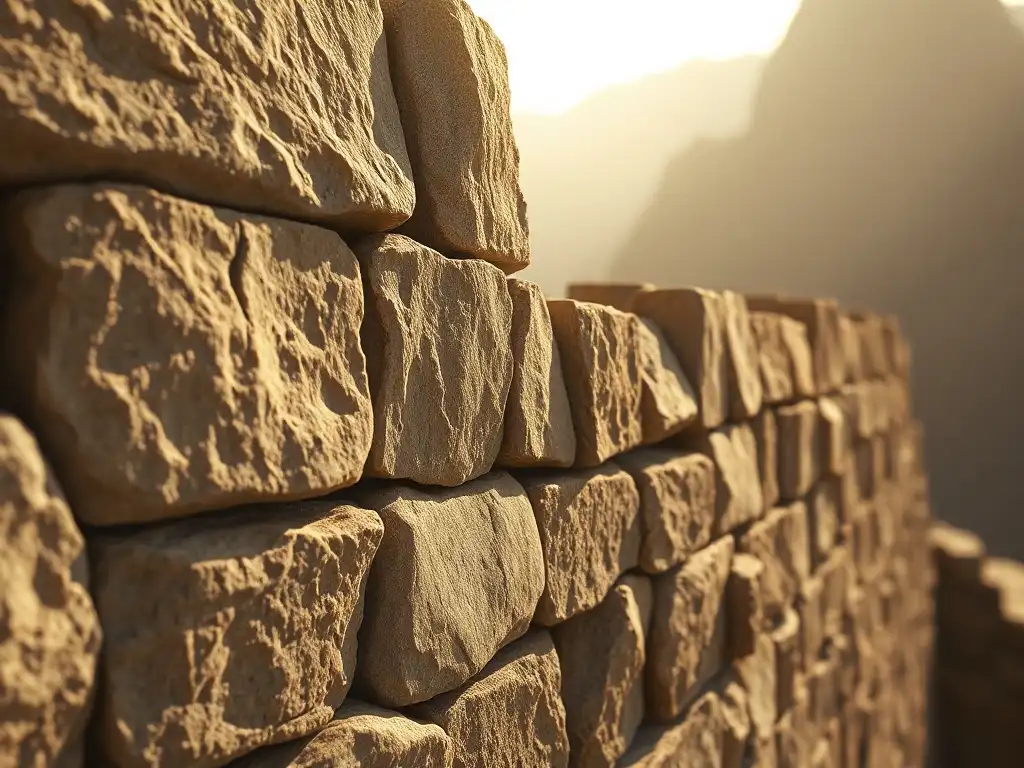
This section delves into the intricacies of Inca stonework techniques, revealing the mastery and precision that characterized their architectural achievements. The Inca Empire, renowned for its sophisticated governmental structure and administrative prowess, also left an indelible mark on the world through its unparalleled building expertise. Understanding their stonework is key to understanding their power and societal organization. Their skill wasn't simply about building structures; it was a testament to their advanced engineering knowledge, deep cultural beliefs, and sophisticated societal organization.
Defining Inca Architectural Mastery
Inca stonework is celebrated for its astonishing precision and artistry. Unlike many other ancient civilizations that relied on mortar to bind stones, the Inca perfected a technique of fitting stones together so precisely that even a knife blade couldn't be inserted between them. This "dry-stone masonry," as it's known, showcases an unparalleled level of craftsmanship.
The stones, often massive and irregularly shaped, were meticulously cut and fitted together to create walls, buildings, and terraces that have withstood the test of time. This wasn't just about aesthetics; the precision ensured structural integrity and resistance to earthquakes, a frequent occurrence in the Andean region.
The level of planning and coordination required for such large-scale projects demonstrates a highly organized and efficient work force, a testament to the Inca's advanced administrative capabilities. Consider the impressive walls of Sacsayhuamán, near Cusco, where enormous stones are interlocked with such accuracy that it remains a marvel of engineering even today.
The Importance of Stone in Inca Culture
Stone held deep cultural significance for the Inca. It wasn't merely a building material; it was a symbol of permanence, strength, and connection to the earth and their ancestors. The meticulous care taken in selecting, shaping, and placing each stone reflects a profound respect for the material and its symbolic meaning.
Inca cosmology viewed mountains as sacred entities, and the precision of their stonework could be seen as a reflection of this reverence for nature and the power of the earth. Moreover, the use of specific types of stone in different contexts suggests a sophisticated understanding of material properties and their appropriate applications. Further research is needed to fully elucidate the symbolic meaning imbued in the choice of stone type for specific structures, however the existing evidence points to a deep cultural and spiritual connection.
Types of Stones Used in Inca Construction
The Inca utilized a variety of stones in their construction projects, selecting the material based on its availability, durability, and aesthetic qualities. Common types included andesite, granite, basalt, and limestone. Andesite, a volcanic rock, was particularly favored for its strength and resistance to weathering.
The choice of stone often varied regionally, reflecting both the available resources and potentially local cultural preferences. For instance, [specific information pending] on the regional variations in stone type used across the Inca Empire. The selection process, quarrying techniques, transportation methods, and cutting processes all demonstrate a sophisticated understanding of engineering principles and logistical management that underscore the remarkable organizational capabilities of the Inca government.
The variety of stone types, their distribution across different sites, and the precision of their use in Inca stonework techniques collectively contribute to the unique and enduring legacy of Inca architecture. The careful selection and skillful application of these varied stones highlight not only the technical prowess of Inca builders but also their deep understanding of the natural world and its resources.
Inca Stonework Techniques: The Foundation of Their Engineering
The remarkable achievements of the Inca Empire are undeniably linked to their mastery of stonework. Their sophisticated techniques, passed down through generations, allowed them to construct monumental structures that continue to inspire awe and wonder centuries later. Understanding these "Inca stonework techniques" provides crucial insight into their engineering prowess and societal organization. The precision and artistry displayed in Inca constructions weren't merely aesthetic choices; they were integral to the empire's stability and power, reflecting a deep understanding of engineering principles and a highly organized workforce. The following sections will delve into the key aspects of their impressive building methods.
Quarrying Techniques: Extracting the Building Blocks
The Inca's ability to build with such precision began long before the first stone was laid. Their quarrying techniques were as impressive as their construction methods. Instead of relying on brute force, they employed sophisticated tools and strategies to extract massive blocks of stone with minimal damage.
Evidence suggests they used copper and bronze chisels, alongside wooden mallets and wedges, to carefully separate stones from the bedrock. Water may have been used to soften the rock, facilitating easier extraction. The selection of the quarry itself was crucial; the Incas carefully chose locations that provided stone of the desired quality and color, often sourcing material from significant distances.
This careful planning and resource management is a testament to their advanced logistical capabilities and understanding of materials science. The efficiency of their quarrying is evident in the remarkable size and quality of the stones used in their constructions, many weighing several tons. Furthermore, the strategic location of quarries near major construction sites minimized transport challenges.
Shaping and Cutting Stones: The Art of Precision
Once extracted, the raw stones underwent a meticulous shaping and cutting process. While the exact tools used remain a subject of ongoing research, it's clear the Incas possessed advanced skills in stone manipulation. Archaeological findings suggest the use of abrasives like sand and water to smooth and refine the stone surfaces.
Intricate designs and precise cuts were achieved through the use of specialized tools, likely including chisels and hammers made of hard materials such as obsidian or bronze. The level of precision is astounding; many stones interlock with such accuracy that even a thin blade cannot be inserted between them. This level of craftsmanship wasn't just about aesthetics; it contributed significantly to the structural integrity of the buildings.
The precise shaping allowed for a near-perfect fit, distributing weight evenly and minimizing the need for mortar. This efficient technique significantly improved the strength and durability of the structures, enabling them to withstand earthquakes and other natural disasters. The legacy of this precise stone cutting is seen in the remarkably preserved ruins across the Andes.
Inca Stone Fitting Methods: Achieving Seamless Joints
The hallmark of Inca stonework is the incredibly precise fitting of stones. The technique, often described as "polygonal masonry," involved creating stones of irregular shapes that interlocked perfectly without the use of mortar. This wasn't simply a matter of chance; it required a deep understanding of geometry and an exceptional level of skill. The stones were carefully shaped and fitted together, creating a strong and stable structure that could withstand considerable stress.
The absence of mortar further enhanced the seismic resistance of the buildings. The close fitting also contributed to the aesthetic appeal of the structures, creating visually stunning walls with intricate patterns and textures. Some theories suggest that the Incas may have used a form of dry-stone construction, whereby stones were carefully placed and adjusted until a perfect fit was achieved.
Other theories suggest the use of sophisticated tools and techniques to achieve such an exceptional level of precision. Regardless of the exact methods, the result was a remarkable feat of engineering and artistry, a testament to the Inca's exceptional understanding of construction principles and their dedication to craftsmanship. This masterful "Inca stonework techniques" continues to challenge modern engineers and architects.
The Use of Ramps and Levers: Moving Massive Stones
The sheer scale of Inca stonework, particularly in structures like Machu Picchu and Sacsayhuamán, begs the question: how did they move such massive stones? While the exact methods remain a subject of ongoing archaeological debate, the prevailing theory points to a sophisticated system of ramps and levers. Archaeological evidence suggests the Incas were masterful engineers, constructing intricate ramps of earth and possibly even wood, which allowed them to gradually elevate colossal stones to their desired positions.
These ramps weren't necessarily straight inclines; they likely incorporated switchbacks and gentler slopes to manage the immense weight. The construction of these ramps themselves would have been a significant undertaking, requiring careful planning and a considerable workforce. We can imagine teams of workers, perhaps organized according to a complex system of mita, the Inca system of mandatory labor, collaborating on this crucial aspect of the building process.
The use of levers, in conjunction with ramps, would have amplified the Incas' ability to manipulate the stones. By employing levers strategically positioned against the stones, workers could have exerted significant leverage, reducing the necessary force required to move them. This is supported by the precision with which the stones were placed; a system of ramps and levers would have allowed for fine adjustments in positioning, crucial for the intricate fitting of stones without the use of mortar. The skill and coordination required to effectively utilize this system highlight the advanced engineering knowledge possessed by the Inca civilization.
Furthermore, the meticulous planning required – surveying the terrain, calculating the ramp's gradient, and coordinating the placement of levers – demonstrates a remarkable level of organizational ability and foresight. Imagine the logistical challenges involved in coordinating the movement of hundreds, perhaps thousands, of workers to move a single enormous stone! This speaks volumes about the Inca empire's organizational strength and its capacity to mobilize its workforce for large-scale construction projects.
The effective use of ramps and levers is a testament to the Inca's practical understanding of physics and engineering principles. Their ingenuity in overcoming the logistical challenges of moving such massive stones remains a source of fascination and admiration for engineers and archaeologists alike. The precision and efficiency of their methods continue to inspire awe and underscore the advanced nature of Inca stonework techniques.
Key Features of Inca Stonework

The Inca Empire's legacy is indelibly linked to its mastery of stonework. Inca stonework techniques, representing a pinnacle of pre-Columbian engineering and artistry, are characterized by several key features that continue to fascinate and inspire awe. Their precision and artistry are evident in the remarkably fitted stones, often without the use of mortar, creating structures that have withstood the test of time. This section will explore some of the defining characteristics of Inca stone masonry, revealing the ingenuity and skill of the Inca builders.
Understanding these techniques offers crucial insight into the Inca civilization's sophisticated understanding of engineering, architecture, and cultural expression. The sheer scale and complexity of their projects, coupled with the precision of their workmanship, highlights the advanced level of organization and planning within the Inca empire. The enduring quality of their constructions is a testament to the effectiveness of their methods and materials.
Polished Surfaces and Intricate Details
One of the most striking aspects of Inca stonework is the meticulous polishing of the stone surfaces. This wasn't merely a decorative flourish; the smooth surfaces facilitated the incredibly tight fitting of the stones, minimizing gaps and maximizing structural integrity. The level of precision achieved is astonishing; many stones fit together so seamlessly that a knife blade cannot be inserted between them.
This level of precision is particularly evident in structures such as Sacsayhuamán, where massive stones are fitted together with remarkable accuracy. Furthermore, the Inca masons frequently incorporated intricate details into their work, such as carved designs and geometric patterns. These details, often subtly integrated into the stone surfaces, add another layer of complexity and artistry to their constructions.
Examples include the beautifully carved niches and doorways found throughout Inca structures. The combination of polished surfaces and intricate details showcases the Inca's dedication to both functionality and aesthetic beauty. The effort expended on achieving such fine detail speaks volumes about the value placed on craftsmanship within Inca society.
The Use of Cyclopean Masonry
The Inca extensively employed cyclopean masonry, a technique involving the use of exceptionally large stones. These massive blocks, some weighing several tons, were skillfully cut, transported, and fitted together with minimal use of mortar. The sheer scale of these stones, coupled with their precise placement, demonstrates a remarkable understanding of engineering and logistics. Sacsayhuamán, again, provides a prime example, showcasing massive, irregularly shaped stones fitted together with breathtaking precision.
The transportation of these colossal stones across challenging terrain remains a subject of ongoing investigation, highlighting the sophisticated organizational capabilities of the Inca Empire. The challenges involved in quarrying, transporting, and assembling these immense blocks underscore the significant investment of labor and resources dedicated to Inca construction projects. The use of cyclopean masonry not only served a structural purpose but also conveyed a sense of power and authority, reflecting the Inca's imperial ambitions.
Trapezoidal Doorways and Niches
A distinctive feature of Inca architecture is the prevalent use of trapezoidal doorways and niches. These geometric shapes are not merely decorative; they are integral to the structural design and aesthetic of Inca buildings. The trapezoidal shape, subtly tapering towards the top, may have provided structural benefits, distributing weight effectively and enhancing stability.
Moreover, the consistent use of this shape across various Inca structures suggests a standardized approach to construction and design, indicative of a highly organized and centralized building process. The niches, often incorporated into walls, served various purposes, possibly for storage, ritualistic offerings, or decorative elements. The precision with which these trapezoidal elements were carved and fitted further underscores the Inca's mastery of stonework.
The consistent application of this unique architectural feature across diverse Inca sites points to the influence of a unified architectural style and a standardized approach to construction within the Empire. The precise execution of these features reinforces the idea of a highly skilled and organized workforce.
The Earthquake-Resistant Design
The Inca's mastery of stonework wasn't merely aesthetic; it was also remarkably practical, demonstrating a deep understanding of engineering principles, particularly concerning seismic activity. The Andes are a highly seismic region, prone to frequent and powerful earthquakes. The Inca's building techniques, therefore, prioritized stability and resilience in the face of these natural disasters. Their structures stand as testament to this ingenuity, with many surviving centuries of tremors that have toppled less sophisticated constructions.
One key element of their earthquake-resistant design was the meticulous fitting of stones. Instead of using mortar, the Inca employed a technique known as ashlar masonry, where stones were shaped and fitted together with such precision that they interlocked perfectly, creating a strong, monolithic structure. This incredibly tight fit minimized the movement between stones during seismic events, preventing the building from collapsing. The absence of mortar also allowed the structure to flex slightly during an earthquake, absorbing some of the energy and reducing the impact on the building's integrity. This is a principle still employed in modern earthquake-resistant construction.
Furthermore, the Inca often incorporated techniques such as stepped foundations and staggered courses of stones. Stepped foundations, wider at the base than at the top, provided increased stability and resistance to lateral forces generated by earthquakes. The staggered arrangement of stones, where the joints between stones in one layer did not align with those in the layer above, further distributed the stress across the entire structure, preventing localized weaknesses from becoming points of failure. This intricate arrangement, combined with the precise fitting of the stones, resulted in structures that could withstand significant seismic forces.
Analyzing surviving Inca structures reveals a sophisticated understanding of load distribution and stress management, far beyond the capabilities of many contemporaneous societies. The legacy of this innovative approach continues to inspire modern engineering solutions for seismic design. The Inca's ability to anticipate and mitigate seismic risks remains a remarkable achievement in ancient engineering.
Examples of Inca Stonework Masterpieces
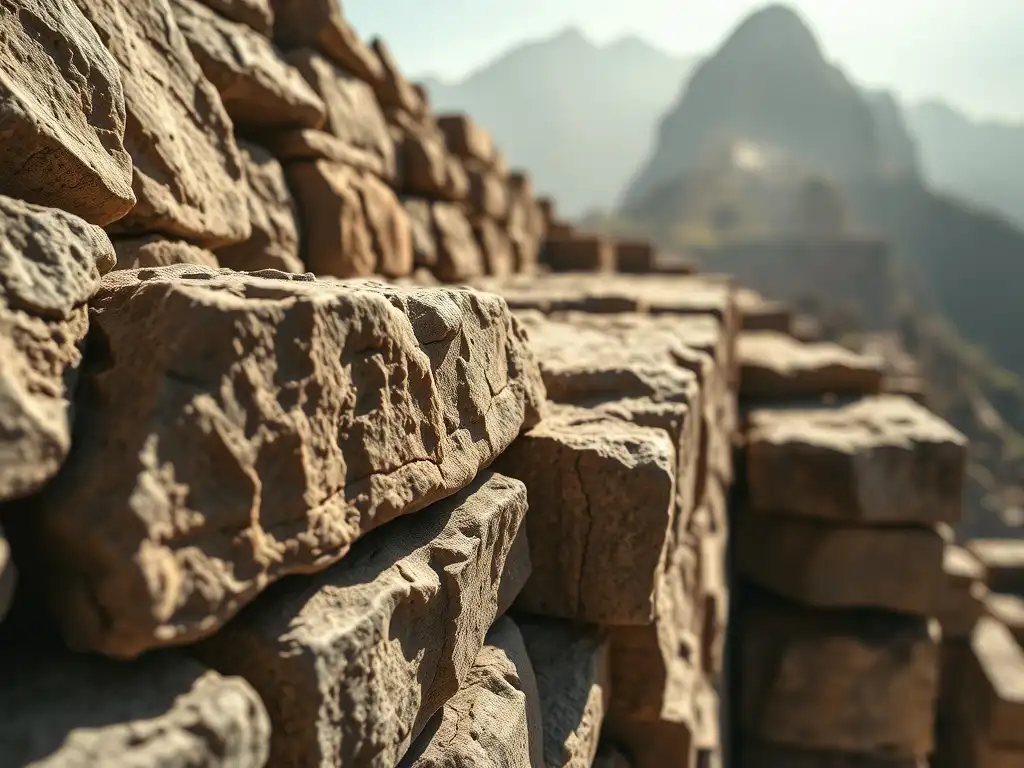
The Inca Empire's legacy is indelibly etched in stone, showcasing unparalleled mastery of construction techniques. Their stonework, renowned for its precision and artistry, is a testament to their advanced engineering and architectural prowess. Understanding these techniques provides insight into the Inca's sophisticated understanding of engineering principles, resource management, and their profound connection to their environment. The Inca's skill in "Inca stonework techniques" wasn't just about building; it was about creating structures that reflected their worldview and power. This section will explore some iconic examples that highlight the impressive scale and precision of Inca stone masonry.
Sacsayhuaman: A Fortress of Immense Stones
Sacsayhuaman, located near Cusco, Peru, stands as a breathtaking example of Inca stonework. This imposing fortress, built primarily from massive, precisely fitted stones, is a testament to the Inca's engineering capabilities. Some stones weigh over 100 tons, defying modern understanding of how they were transported and manipulated without advanced machinery. The sheer scale of the project, coupled with the intricate fitting of the stones, points to a highly organized and skilled workforce.
The stones themselves exhibit remarkable precision; many are so tightly fitted that even a knife blade cannot be inserted between them. This incredible level of accuracy is further amplified by the fact that the stones are not uniformly shaped, demanding exceptional craftsmanship and planning. The dry-stone technique employed, without mortar, showcases the Inca's deep understanding of structural mechanics and their ability to create stable structures using only the natural forces of gravity and friction. The complex arrangement of the stones, including their varying sizes and shapes, suggests a sophisticated understanding of load-bearing and structural integrity, far beyond simple stacking.
Sacsayhuaman's enduring strength, even after centuries of weathering, is a testament to the ingenuity and skill of the Inca builders. Analyzing the techniques used at Sacsayhuaman offers valuable insights into the Inca's advanced knowledge of engineering and their ability to overcome significant logistical challenges. The impressive feat of construction continues to puzzle and inspire awe in modern observers, showcasing a level of precision rarely seen in ancient architecture.
Machu Picchu: The Lost City of the Andes
Machu Picchu, the iconic "Lost City of the Andes," exemplifies the Inca's mastery of stonework in a different context. Unlike the massive, imposing stones of Sacsayhuaman, Machu Picchu showcases a more refined and intricate approach. While large stones were certainly used, the emphasis here is on the precise fitting and delicate carving of smaller stones, creating a sense of elegance and harmony with the surrounding landscape. The integration of the structures into the mountainside is remarkable, demonstrating a deep understanding of both engineering and environmental considerations.
The walls, terraces, and buildings seamlessly blend with the natural contours of the mountain, showcasing a sophisticated approach to site selection and construction. The intricate stonework of Machu Picchu's temples, palaces, and residential areas demonstrates a high level of craftsmanship and artistic expression. The precision fitting of the stones, often with complex shapes and angles, suggests a highly skilled workforce with a keen eye for detail.
The use of various types of stone, chosen for their specific properties and aesthetic qualities, further underscores the Inca's advanced knowledge of materials and construction techniques. The enduring legacy of Machu Picchu highlights not only the Inca's engineering skills but also their artistic sensibilities and their ability to create structures that were both functional and aesthetically pleasing. The city's survival through centuries of weathering is a direct result of the exceptional quality of the Inca stonework.
Ollantaytambo: A Temple and Fortress Complex
Ollantaytambo, another significant site, exhibits a diverse range of Inca stonework techniques. This impressive complex, combining a temple and a fortress, showcases both the massive scale of Sacsayhuaman and the refined artistry of Machu Picchu. The site features enormous stones, some as large as those found at Sacsayhuaman, alongside more delicately carved and fitted smaller stones.
The integration of the structures into the surrounding landscape is also evident here, with terraces and walls that conform to the natural contours of the land. The use of different stone types and construction techniques within the same complex suggests a flexible and adaptable approach to building, showcasing the Inca's ability to adapt their techniques to specific contexts and challenges. Furthermore, Ollantaytambo's intricate water management systems, integrated into the stonework, demonstrate the Inca's sophisticated understanding of hydraulic engineering.
The precision and artistry displayed in the construction of Ollantaytambo's walls, temples, and water channels underscore the Inca's remarkable skills in stone masonry and their ability to create functional and aesthetically pleasing structures that have endured for centuries. The site provides a comprehensive view of Inca ingenuity, encompassing both impressive feats of engineering and artistic expressions of their culture. The detailed analysis of the stonework at Ollantaytambo offers crucial insights into the evolution and diversity of Inca building practices.
Coricancha: The Temple of the Sun
The Coricancha, or Qorikancha (Quechua for "Golden Enclosure"), stands as a testament to Inca architectural prowess and their reverence for the sun god, Inti. Located in present-day Cusco, Peru, this temple was the most important religious site within the Inca empire. Its construction showcases the pinnacle of Inca stonework techniques, employing massive, precisely cut stones fitted together without mortar. The walls, originally plated with gold, were renowned for their intricate designs and flawless joins, so precise that a knife blade couldn't be inserted between many of the stones. Even today, the remaining structure, partially incorporated into a colonial church, evokes a sense of awe and wonder at the sophistication of Inca engineering.
The surviving sections display the masterful application of Inca stonework techniques, particularly in their ability to create perfectly fitted, polygonal stones of varying sizes, forming incredibly smooth and continuous surfaces. This level of precision required advanced tools, a deep understanding of geometry, and exceptional craftsmanship, reflecting the Inca’s sophisticated understanding of engineering and their meticulous attention to detail. The meticulous planning and execution evident in the Coricancha’s construction underscore the significance of the site and the Inca's commitment to honoring their sun god. The surviving structures serve as a powerful reminder of the empire's technological and artistic achievements. The sheer scale of the project, combined with the precision of the stonework, firmly establishes the Coricancha as a prime example of the mastery of Inca stonework techniques.
Scholars continue to study the Coricancha to further understand the techniques employed and the organization necessary to execute such a monumental undertaking. The site's enduring legacy speaks volumes about the Inca's advanced civilization and their profound connection to their environment and religious beliefs. The intricate details and the sheer scale of the remaining structure continue to amaze and inspire, showcasing the ingenuity and skill of Inca artisans. Understanding the Coricancha’s construction helps illuminate the broader context of Inca stonework techniques and their significance within the empire’s social and religious structures.
The Legacy of Inca Stonework
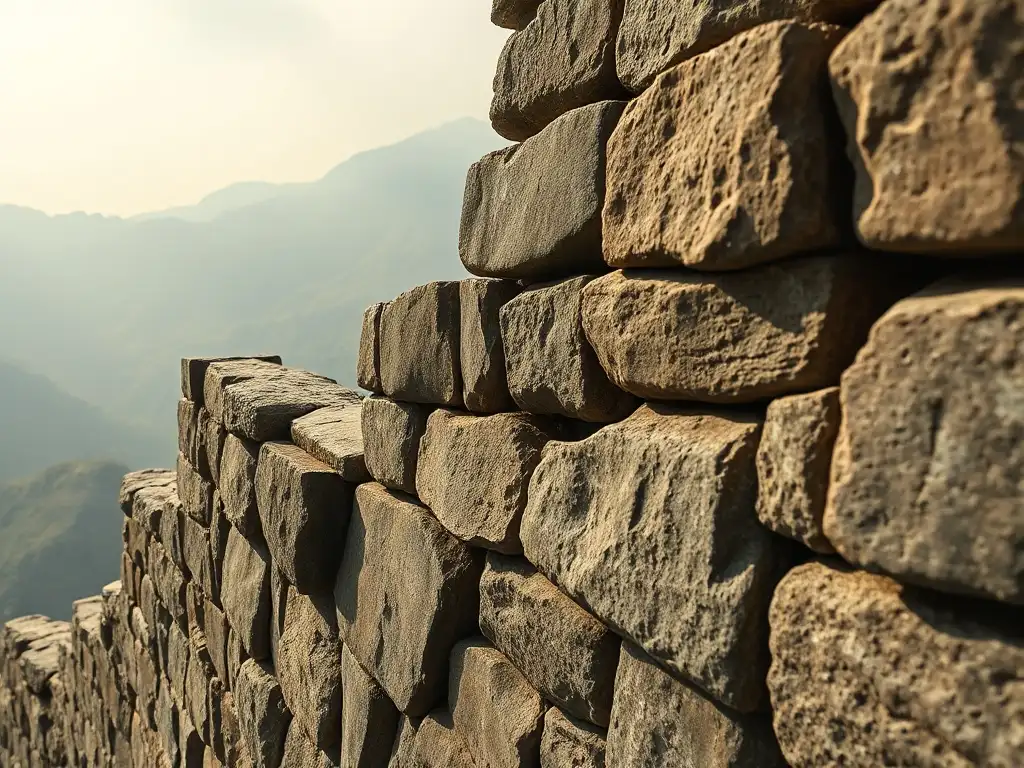
The legacy of Inca stonework extends far beyond the impressive ruins that still stand today. Their mastery of stone manipulation, a testament to their advanced understanding of engineering and artistry, continues to inspire awe and fascination. The precision and artistry displayed in Inca constructions, particularly their ability to create structures that seamlessly integrate with their environment, represent a pinnacle of pre-Columbian engineering.
This section will delve into the enduring impact of Inca stonework techniques on modern architecture and the ongoing efforts to preserve these remarkable achievements. Understanding the Inca's approach to stonework provides valuable insight into their societal organization, resource management, and overall technological prowess.
The sophisticated techniques employed, including the fitting of stones without mortar, highlight a level of skill and planning rarely seen in other ancient civilizations. The sheer scale of some projects, such as Machu Picchu and Sacsayhuamán, underscores the Inca's impressive organizational capabilities and their ability to mobilize vast numbers of workers.
Influence on Modern Architecture
Inca stonework techniques, characterized by their precision fitting and intricate designs, continue to inspire architects and engineers today. The principles of dry-stone construction, where stones are meticulously fitted together without mortar, are being re-examined and applied in modern sustainable building practices. The inherent strength and stability of these structures, achieved through careful selection and placement of stones, offer valuable lessons in earthquake-resistant construction.
Modern architects are drawing inspiration from the Inca's understanding of structural integrity and their ability to create aesthetically pleasing and functional buildings that blend seamlessly with their surroundings. For example, the use of locally sourced materials and the integration of natural elements are directly influenced by Inca construction methods.
The Inca's emphasis on functionality and harmony with the landscape provides a valuable counterpoint to modern trends that prioritize speed and cost-effectiveness over environmental considerations and long-term structural integrity. A deeper study of Inca stonework techniques could lead to innovations in sustainable building practices, promoting environmentally responsible and resilient architecture.
Preservation Efforts of Inca Sites
The preservation of Inca sites is a complex undertaking, requiring a delicate balance between protecting these invaluable historical treasures and allowing access for research and tourism. Efforts to preserve Inca stonework involve various strategies, including careful documentation of existing structures, the implementation of preventative conservation measures, and the development of sustainable tourism practices. The challenges include the effects of weathering, seismic activity, and human impact. Ongoing research into the materials and techniques used in Inca construction provides crucial information for developing effective preservation strategies.
This includes analyzing the types of stone used, the methods of cutting and shaping the stones, and the techniques employed for joining them together. Understanding the processes of deterioration is essential for developing appropriate conservation measures. Detailed mapping and monitoring of sites are crucial for tracking changes and guiding preservation efforts.
This involves using advanced technologies, such as laser scanning and photogrammetry, to create precise three-dimensional models of structures and monitor their condition over time. The delicate balance between conservation and accessibility necessitates careful planning and collaboration among archaeologists, engineers, and tourism authorities. Sustainable tourism practices, such as limiting visitor numbers and implementing strict guidelines for site behavior, are essential for minimizing damage to these fragile sites.
The Enduring Mystery of Inca Construction
Despite significant advancements in archaeological research, some aspects of Inca stonework techniques remain shrouded in mystery. The precision with which stones were cut and fitted, often without the use of mortar, continues to puzzle researchers. The methods employed to transport massive stones across challenging terrain, and the tools used for shaping and fitting them, are still not fully understood. The lack of written records from the Inca themselves adds to the challenge of reconstructing their construction processes.
The absence of detailed accounts leaves much to the imagination and necessitates relying on observational analysis of the structures themselves. Ongoing research focuses on understanding the tools and techniques employed, with particular attention to the precision achieved in shaping and fitting the stones. The development of new technologies and analytical methods may help unravel some of these enduring mysteries. For example, advanced imaging techniques could reveal details of the stone surfaces that are invisible to the naked eye, providing insights into the processes involved in shaping and fitting the stones.
The mystery surrounding Inca stonework techniques serves as a reminder of the ingenuity and advanced understanding of this remarkable civilization. The continued investigation into these techniques will undoubtedly reveal further insights into their remarkable accomplishments. The enduring mystery only adds to the fascination surrounding this aspect of Inca culture.
The Impact of Inca Stonework on Andean Identity
Inca stonework wasn't merely a practical feat of engineering; it profoundly shaped Andean identity and continues to resonate today. The meticulous craftsmanship and monumental scale of Inca structures fostered a sense of collective achievement and pride among the population. The very act of constructing these impressive buildings, from the intricate stone fitting of Sacsayhuamán to the precise alignments of Machu Picchu, instilled a powerful sense of communal purpose and shared cultural heritage. This collective effort solidified social bonds and reinforced the Inca's authority, linking the people to their rulers through a shared sense of accomplishment.
The enduring legacy of Inca stonework is visible in the continued reverence for these sites. Many Inca ruins remain places of pilgrimage and cultural significance for modern-day Peruvians and other Andean communities. The impressive structures serve as powerful reminders of the Inca's sophisticated understanding of engineering and architecture, inspiring a sense of national pride and cultural continuity.
This connection to the past fuels ongoing efforts to preserve and study these remarkable achievements, ensuring that the legacy of Inca stonework continues to inform and inspire future generations. The skill and artistry involved in Inca stonework techniques remain a source of inspiration for contemporary Andean artists and architects, demonstrating the lasting influence of this ancient tradition on modern-day creative endeavors. The aesthetic principles evident in Inca stonework continue to influence Andean artistic expression, reflecting the enduring impact of this cultural heritage on contemporary Andean identity.
The Enduring Influence of Inca Stonework Techniques
The precision and artistry of Inca stonework continue to fascinate and inspire architects, engineers, and researchers centuries later. The techniques employed by Inca master builders, such as the use of precisely cut stones with minimal mortar, remain a testament to their advanced understanding of engineering principles and their dedication to aesthetic perfection. Modern engineers are still striving to understand the secrets behind the incredible strength and durability of Inca structures, often employing advanced technology like 3D scanning and digital modeling to analyze the intricacies of their construction.
The influence of Inca stonework is also evident in contemporary architecture. While direct replication is rarely feasible due to the scale and resources involved, the principles of precise stone fitting, harmonious integration with the landscape, and the use of locally sourced materials continue to inspire innovative designs. Modern architects often draw inspiration from Inca stonework's aesthetic qualities, such as its elegant simplicity and harmonious proportions.
This enduring influence underscores the timeless appeal and enduring relevance of Inca stonework techniques in the context of contemporary architectural practice. The study of Inca stonework techniques continues to provide valuable insights into sustainable construction practices, given the Inca's emphasis on using readily available materials and minimizing environmental impact. This focus on sustainability resonates strongly with modern concerns about environmental stewardship and resource management.
Inca Stonework and Modern Tourism
The remarkable Inca stonework has become a major draw for tourism in the Andes, generating significant economic benefits for the region. Sites like Machu Picchu, Ollantaytambo, and Sacsayhuamán attract millions of visitors annually, boosting local economies through employment opportunities in the tourism sector, supporting local businesses, and contributing to infrastructure development. However, the influx of tourists also presents challenges related to the preservation of these fragile historical sites.
Careful management strategies are essential to balance the economic benefits of tourism with the need to protect these invaluable cultural heritage sites from damage caused by overuse and environmental degradation. Sustainable tourism practices, such as limiting visitor numbers, implementing strict preservation guidelines, and investing in infrastructure that minimizes environmental impact, are crucial for ensuring that the legacy of Inca stonework remains accessible to future generations while protecting the sites themselves.
The economic impact of Inca stonework-related tourism is multifaceted, influencing not only local economies but also national economies through revenue generation and job creation in the tourism and related industries. This economic contribution highlights the importance of responsible tourism management to ensure the long-term sustainability of this vital sector.
Frequently Asked Questions
What makes Inca stonework so unique?
Inca stonework is renowned for its exceptional precision and interlocking fit, often without the use of mortar. The precise cutting and placement of stones created incredibly strong and durable structures.
What tools did the Inca use for their stonework?
While the exact tools are debated, archaeologists believe the Inca used copper and bronze chisels, stone hammers, and possibly wooden mallets to shape and place the stones. Simple yet effective techniques were employed.
How did the Inca achieve such precise cuts in their stones?
The Inca likely used a combination of abrasive materials, water, and skilled labor to achieve the incredibly precise cuts seen in their stonework. Careful planning and meticulous craftsmanship were crucial.
Did the Inca use any type of mortar in their stone constructions?
While some mortar was used in later Inca constructions, many of the most famous examples, like those at Machu Picchu, were built using dry-stone techniques, relying on the precise fit of stones for stability.
What is the significance of Inca stonework techniques today?
Inca stonework techniques continue to fascinate and inspire engineers and architects today. Their durability and artistry serve as a testament to the advanced skills of the Inca civilization.
Final Reflection: The Enduring Legacy of Inca Stone Masonry
The precision and artistry of Inca stonework remain a testament to human ingenuity, a feat of engineering that continues to inspire awe and challenge modern understanding. Their mastery of stone manipulation, evident in the seamless fit of massive blocks without mortar, speaks to a level of skill and societal organization rarely seen in ancient civilizations. This sophisticated technique, far from being a relic of the past, offers valuable lessons in sustainable construction and resource management that are increasingly relevant in our modern world grappling with environmental concerns.
The impact of Inca stonework extends far beyond the impressive ruins that still stand today. It represents a profound understanding of both the natural world and the potential of human collaboration. The sheer scale of their projects, accomplished with relatively simple tools, speaks volumes about their societal structure and the dedication of their workforce. The stones fit together so perfectly that you can't even slip a knife blade between them.
This simple observation, often repeated by visitors to Machu Picchu, encapsulates the enduring mystery and wonder surrounding Inca construction techniques. Their legacy challenges us to reconsider our own approaches to building and design, prompting us to strive for greater efficiency and harmony with the environment.
Consider the implications of this ancient knowledge. How can we, in the 21st century, learn from the resourcefulness and precision of the Inca? You have the power to explore sustainable building practices, to appreciate the artistry of craftsmanship, and to advocate for projects that prioritize both functionality and environmental responsibility. Let the enduring legacy of Inca stone masonry inspire you to build a more sustainable and beautiful future, one where ingenuity and respect for our planet go hand in hand.
Unveil the Mastery of Inca Stone Masonry Today!
Thank you for exploring the fascinating world of Inca stone masonry! Discovering the incredible precision and artistry of these ancient builders is not only enriching but also helps preserve their remarkable legacy. Let's continue your journey of discovery!
- **Try a simple stone-laying project:** Gather some stones and experiment with basic construction techniques; it's a tangible way to connect with the ingenuity of our ancestors.
- **Join a local history group or online forum:** Share your newfound knowledge and connect with others who share your passion for Andean civilizations. You'll discover even more fascinating details!
- **Deepen your knowledge:** Explore books, documentaries, or online courses that delve into the intricacies of Inca architecture and engineering.
What specifically captivated you about Inca stone masonry, and how will you integrate this inspiration into your life or future projects?