
Hydration on the Go: Smart Solutions for Staying Refreshed in the Andes

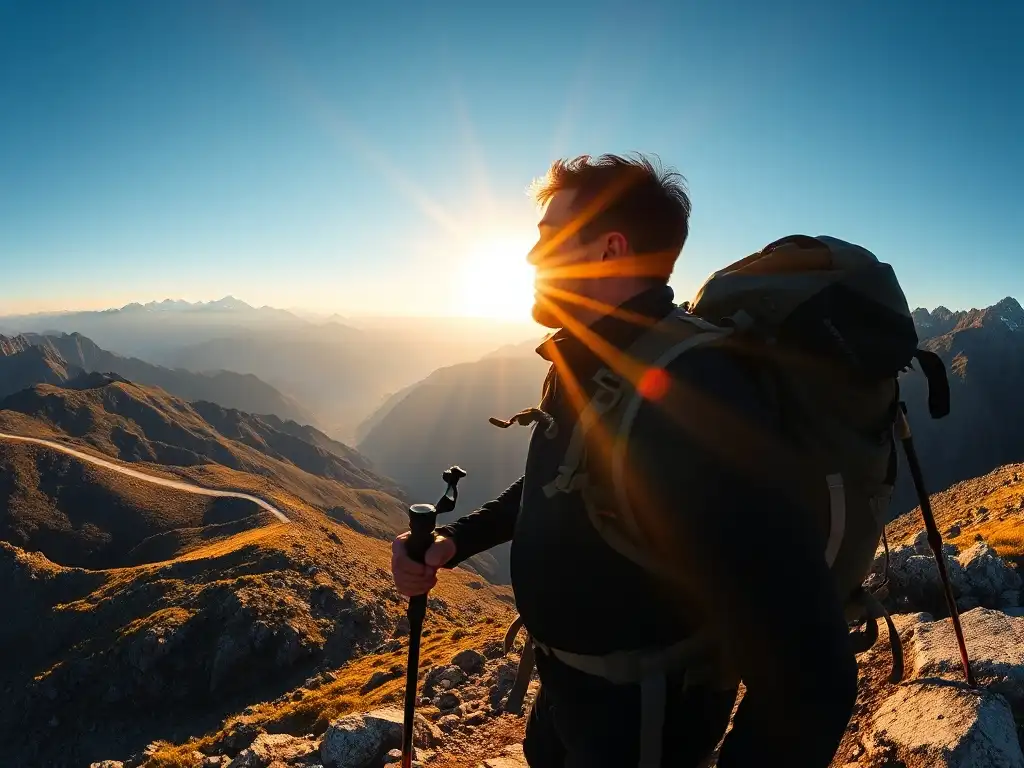
Uncover the secrets of the Andes—a land steeped in ancient mysteries and breathtaking landscapes. From the towering heights of Machu Picchu to the enigmatic Nazca Lines, the Andes have captivated explorers for centuries. But before you embark on your own Andean adventure, discover the crucial element often overlooked: hydration. Our guide to Andean hiking hydration solutions reveals the smart strategies and essential gear you need to conquer the challenging terrain and fully immerse yourself in the wonders of this incredible region. Prepare for an unforgettable journey – your exploration starts now.
Exploring the breathtaking landscapes of the Andes Mountains presents a unique set of challenges, and understanding how to stay properly hydrated is paramount for a safe and enjoyable journey. This article delves into the specifics of hydration strategies for Andean hiking, focusing on the unique physiological effects of altitude and the smart solutions available to ensure you remain refreshed and energized throughout your adventure. We'll explore the challenges posed by the Andean environment and offer practical advice for maintaining optimal hydration levels, crucial for tackling strenuous hikes and appreciating the stunning beauty of these ancient lands.
From understanding the impact of altitude on your body to selecting the right hydration equipment, we'll equip you with the knowledge to conquer the Andes with confidence and comfort. This guide is essential for anyone planning an Andean hiking expedition, whether you're a seasoned trekker or a first-time explorer.
Understanding the Importance of Proper Hydration in the Andes
Proper hydration is not merely a suggestion when hiking in the Andes; it's a necessity. The high altitude, arid climate, and intense physical exertion combine to create a situation where dehydration can quickly become a serious problem. Dehydration can lead to a range of symptoms, from headaches and fatigue to more severe conditions like altitude sickness and heatstroke. Maintaining adequate hydration levels is crucial for optimizing physical performance, preventing illness, and ensuring you can fully appreciate the stunning scenery and rich cultural heritage of the Andes.
Even mild dehydration can significantly impact your energy levels and enjoyment, turning a potentially amazing experience into a challenging struggle. Therefore, understanding your body's hydration needs and planning accordingly is essential before embarking on any Andean hike. Think of it as another crucial layer of preparation, similar to packing appropriate clothing or researching trail conditions.
The importance of hydration is amplified by the fact that the Andean region encompasses diverse climates and altitudes. What works for a trek in one area might not suffice in another. Understanding these variations is key to adapting your hydration strategy effectively. For example, a high-altitude trek in the dry Puna region will demand a different approach than a lower-altitude hike in a more humid area. This necessitates a flexible and adaptable approach to hydration management.
The Challenges of Andean Hiking and Hydration
Andean hiking presents unique challenges to hydration management. The thin air at high altitudes means your body loses water more rapidly through respiration. This increased respiratory water loss is often overlooked, but it can significantly contribute to dehydration, especially during strenuous activity. The intense sun and often dry, windy conditions further exacerbate water loss through perspiration. This creates a perfect storm where your body is constantly working to maintain hydration, even at rest.
Furthermore, the terrain itself can be challenging. Many Andean trails involve steep ascents and descents, demanding increased physical exertion and accelerating fluid loss. The unpredictable weather patterns, including sudden temperature drops and unexpected precipitation, add another layer of complexity to managing hydration effectively. Carrying sufficient water, especially on multi-day treks, can become a significant burden. This is where smart hydration solutions and careful planning become indispensable.
Why Andean Altitude Affects Hydration Needs
Altitude significantly impacts your body's hydration needs. At higher altitudes, the partial pressure of oxygen is lower, meaning your body has to work harder to absorb oxygen. This increased respiratory rate leads to increased water loss through breathing. Additionally, the lower air pressure contributes to faster dehydration. Your body naturally produces more urine at altitude to compensate for the reduced oxygen levels, leading to further fluid loss.
Moreover, altitude sickness, a common ailment among hikers in the Andes, is often exacerbated by dehydration. Symptoms like headaches, nausea, and fatigue are worsened by a lack of fluids. Staying properly hydrated is crucial for preventing or mitigating altitude sickness. It's not just about drinking enough water; it's also about choosing the right fluids and electrolytes to support your body's physiological adjustments to altitude. Therefore, understanding the specific physiological effects of altitude on hydration is crucial for planning a safe and successful Andean hiking expedition. Ignoring these factors can have serious consequences.
- Understanding the Importance of Proper Hydration in the Andes
- The Challenges of Andean Hiking and Hydration
- Why Andean Altitude Affects Hydration Needs
- What are the biggest hydration challenges when hiking in the Andes?
- What are some smart hydration solutions for Andean hikes?
- How much water should I drink while hiking in the Andes?
- Are there any specific health risks related to dehydration in the Andes?
- What types of hydration packs are best suited for Andean hiking?
Choosing the Right Andean Hiking Hydration Solutions

Planning a trek through the Andes requires meticulous preparation, and hydration is paramount. The high altitude, unpredictable weather, and strenuous activity demand a robust and reliable hydration strategy. Choosing the right Andean hiking hydration solutions isn't just about carrying enough water; it's about selecting equipment that's durable, lightweight, and suitable for the unique challenges of the Andean environment. This section explores key considerations for selecting the ideal hydration system for your Andean adventure, focusing on factors like capacity, weight, durability, and ease of use.
Understanding these factors will significantly impact your comfort and safety throughout your journey. The right gear can mean the difference between a successful, invigorating hike and a debilitating struggle. This guide helps you choose wisely for a safe and enjoyable Andean experience.
Water Bottles: The Foundation of Your Hydration System
Water bottles form the bedrock of any effective Andean hiking hydration system. However, not all water bottles are created equal. For Andean treks, you need bottles that are durable enough to withstand the rigors of the trail, lightweight to minimize pack weight, and ideally, insulated to maintain water temperature. Consider these points when selecting your water bottles:
- Material: Stainless steel is a popular choice due to its durability, resistance to breakage, and lack of plastic leaching. However, it can be heavier than other options. Lightweight plastic bottles are readily available, but their durability is a concern, especially at higher altitudes where impacts are more frequent. Consider BPA-free plastics to minimize potential health risks.
- Capacity: The appropriate capacity depends on the length and intensity of your hike. For day hikes, a 1-liter bottle might suffice. However, for multi-day treks, you'll need significantly more capacity, potentially using multiple bottles or a hydration reservoir. Always overestimate your water needs, especially at higher altitudes where dehydration sets in more rapidly.
- Insulation: Insulated bottles help keep your water cool in warmer weather and prevent it from freezing in colder conditions. This is especially important in the Andes, where temperatures can fluctuate dramatically. Consider the temperature ranges you'll encounter when making your selection.
- Ease of Cleaning: Proper hygiene is crucial when hiking in remote areas. Choose bottles that are easy to clean and sterilize to prevent waterborne illnesses. Wide-mouth bottles are generally easier to clean than narrow-mouth bottles.
A well-chosen water bottle is a simple yet essential element for a successful Andean hike. The right balance of durability, weight, capacity, and insulation can make a significant difference in your overall comfort and safety. Remember to always carry more water than you think you'll need.
Water Purification: Essential for Safe Andean Water Sources
While bottled water is an option, accessing and carrying sufficient bottled water for extended treks in the Andes can be impractical and environmentally unfriendly. Reliable water purification is therefore crucial for safe and sustainable Andean hiking. Several methods exist, each with its advantages and disadvantages:
- Water Filters: These physically remove bacteria, protozoa, and some sediment from water. They are generally lightweight and easy to use, but their effectiveness against viruses can vary. Ceramic filters are highly effective but can be relatively slow.
- Water Purifiers: These use chemical or ultraviolet (UV) light to kill bacteria and viruses. Chemical purifiers, such as iodine tablets or chlorine dioxide, are lightweight and compact but can alter the taste of water. UV purifiers are effective but require batteries or sunlight.
- Boiling: Boiling water for at least one minute at a rolling boil is a highly effective method to kill most harmful microorganisms. However, it requires a heat source and fuel, adding weight and complexity to your pack. This method is most practical for longer treks where a stove is already being carried for other purposes.
Choosing the right purification method depends on factors such as the length of your trek, the availability of fuel, and your personal preferences. Always prioritize water safety, as consuming contaminated water can lead to serious health problems. Regardless of your chosen method, familiarizing yourself with water purification techniques before your trip is essential for a safe and enjoyable Andean hiking experience. Remember to always test your water purification method before relying on it during your trek. A reliable water purification system is an investment in your health and safety.
Hydration Packs: Hands-Free Hydration for Andean Trails

Staying hydrated during Andean hikes is paramount. The high altitude, intense sun, and strenuous activity can quickly lead to dehydration, impacting your energy levels and overall well-being. A hydration pack offers a superior solution compared to carrying multiple water bottles, providing hands-free convenience and ample water storage capacity for long treks across challenging Andean terrains. This section explores the advantages of using a hydration pack specifically tailored for Andean hiking conditions and highlights essential features to consider when making your selection.
The Benefits of Using a Hydration Pack in the Andes
Several key advantages make hydration packs ideal for Andean hiking. Firstly, the hands-free design allows for greater mobility and stability on uneven trails. You can navigate rocky paths and steep inclines without the cumbersome weight of bottles hindering your progress.
This is especially crucial in the Andes where trails can be unpredictable and demanding. Secondly, hydration packs typically offer significantly higher water capacity than individual bottles, crucial for extended excursions where resupply points may be scarce. A well-chosen pack can hold enough water to last an entire day, eliminating the need for frequent stops to refill.
Thirdly, the integrated reservoir system allows for easy and quick access to water, allowing for constant sipping throughout your hike, preventing dehydration before it becomes a serious concern. This is vital considering the unpredictable weather patterns common in the Andean region. Finally, the design often incorporates features like pockets for snacks and other essentials, further enhancing their practicality for Andean hiking.
Key Features to Look for in a Hydration Pack for Hiking
Choosing the right hydration pack for Andean expeditions requires careful consideration of specific features. The pack's capacity is a primary concern; a minimum of 2 liters is recommended for day hikes, while longer treks might necessitate 3 liters or more. Consider the pack's weight – a lighter pack is preferable for long distances, reducing overall fatigue. Look for durable, water-resistant materials capable of withstanding the harsh Andean climate and rugged terrain.
Proper ventilation is essential to prevent overheating and discomfort, especially during strenuous climbs. Adjustable straps and a comfortable fit are also crucial for ensuring a secure and comfortable carry throughout the hike. Finally, features like external pockets for storing snacks, maps, or a first-aid kit add to the pack's overall functionality and convenience for Andean hiking. Don't forget to check for compatibility with hydration reservoir cleaning solutions for optimal hygiene.
Recommended Hydration Packs for Andean Expeditions
Selecting a specific hydration pack depends on individual needs and preferences; however, several brands consistently provide high-quality products suitable for Andean hiking. Some factors to consider include the pack's volume (liters), weight, material, and features. Features such as adjustable straps, multiple compartments, and sternum straps are highly beneficial for Andean hiking, offering better stability and comfort on uneven terrain.
For instance, packs constructed from durable ripstop nylon are known for their resistance to wear and tear, a crucial factor for Andean trails. Also, consider the ease of cleaning the reservoir; some packs offer reservoirs that are easily removed for thorough cleaning, which is important for maintaining hygiene during extended trips. Remember to carefully consider the factors mentioned above when choosing a hydration pack, prioritizing features that best suit your specific needs and the challenges of Andean hiking.
Ultimately, the best hydration pack for Andean expeditions is one that prioritizes comfortable carrying and sufficient water capacity for the duration and intensity of your chosen routes. Remember to always test your pack before a major expedition to ensure a comfortable and secure fit.
Electrolyte Replenishment: Beyond Just Water for Andean Treks

The thin air and strenuous activity of Andean hiking demand more than just plain water for optimal hydration. While water is essential, losing electrolytes through sweat at high altitude significantly impacts performance and well-being. Understanding electrolyte replenishment is crucial for a successful and safe Andean trek, forming a key part of any robust Andean hiking hydration solution. Ignoring this aspect can lead to debilitating symptoms like muscle cramps, fatigue, and even altitude sickness. This section focuses on the importance of electrolytes, convenient ways to replenish them, and natural sources available during your adventure.
Why Electrolytes are Critical at High Altitude
At high altitudes, the reduced partial pressure of oxygen increases respiratory rate and consequently, sweat production. This increased perspiration leads to a greater loss of electrolytes – sodium, potassium, magnesium, and calcium – vital for muscle function, nerve transmission, and fluid balance. The body works harder to maintain oxygen levels, accelerating the depletion of these essential minerals. The effects are amplified by the physical exertion of hiking, particularly in the challenging Andean terrain. Dehydration coupled with electrolyte imbalance can lead to symptoms like:
- Muscle cramps: A common and painful consequence of electrolyte depletion.
- Fatigue and weakness: Reduced energy levels significantly impair hiking performance.
- Headaches and dizziness: Further compounding the challenges of altitude.
- Nausea and vomiting: Potentially serious symptoms that can disrupt your trek.
- Increased susceptibility to altitude sickness: Electrolyte imbalance can worsen the symptoms of altitude sickness.
Ignoring electrolyte replenishment during Andean treks is a recipe for discomfort and potential health risks. A proactive approach to electrolyte management is a critical component of any effective Andean hiking hydration solution.
Electrolyte Powders and Tablets: Convenient Hydration Boosters
For convenient electrolyte replenishment during Andean treks, electrolyte powders and tablets offer a lightweight and readily available solution. These products are specifically formulated to replace lost electrolytes, often containing a balanced blend of sodium, potassium, and other essential minerals. They are easy to carry, requiring only the addition of water to your hydration reservoir or bottle. Many options cater to different tastes and preferences, from unflavored powders easily mixed with water to fruit-flavored tablets that add a refreshing zing to your hydration.
Choosing the right product involves considering factors like:
- Electrolyte concentration: Select a product with a concentration appropriate to your activity level and sweat rate. More strenuous activities will necessitate higher concentrations.
- Ingredients: Check for added sugars or artificial sweeteners, opting for natural alternatives whenever possible.
- Portability: Powders generally offer greater flexibility in terms of dosage, while tablets provide pre-measured servings.
- Taste: Choose a flavor that you find palatable to encourage regular consumption.
Remember, always follow the manufacturer's instructions for mixing and consumption, ensuring proper hydration throughout your trek. This approach makes electrolyte replenishment a seamless part of your overall Andean hiking hydration solution.
Natural Electrolyte Sources for Andean Treks
While electrolyte powders and tablets offer convenience, exploring natural sources adds another dimension to your Andean hiking hydration solution. Certain foods readily available (or packable) can help replenish electrolytes naturally. These include:
| Food Source | Electrolyte(s) Provided | Notes |
|---|---|---|
| Bananas | Potassium | A good source of potassium, crucial for muscle function. |
| Dried Fruits (Apricots, Dates) | Potassium, Magnesium | High in energy and electrolytes, excellent for sustained energy. |
| Coconut Water | Potassium, Sodium, Magnesium | A naturally hydrating beverage, albeit potentially heavy to carry. |
| Salty Snacks (Trail Mix with Nuts & Seeds) | Sodium | Provides a source of sodium crucial for fluid balance, but watch sodium intake. |
It’s important to note that relying solely on natural sources might not always provide sufficient electrolyte replacement, particularly during strenuous activity. Combining natural sources with electrolyte supplements can provide a balanced and effective approach. Planning your meals and snacks strategically, incorporating these natural electrolyte sources, enhances your overall Andean hiking hydration solution. This holistic approach supports a healthy and enjoyable trekking experience in the majestic Andes.
Practical Tips for Staying Hydrated While Exploring the Andes

This section delves into practical strategies for maintaining optimal hydration during your Andean adventures. Successfully navigating the high altitudes and demanding trails requires careful planning and execution of your hydration strategy. Remember, proper hydration is crucial not only for comfort but also for preventing altitude sickness and ensuring a safe and enjoyable experience. We'll explore pre-trek preparation, maintaining consistent fluid intake, and recognizing the early warning signs of dehydration. This information will help you confidently tackle any Andean hiking challenge.
Pre-Hydration: Preparing Your Body Before the Trek
Pre-hydration is often overlooked, yet it's a cornerstone of successful Andean hiking. Starting your trek already well-hydrated significantly reduces your risk of dehydration during the challenging ascent. Don't wait until the day of your hike to begin drinking plenty of fluids. Begin increasing your water intake at least 24 hours before your trek. Aim for a gradual increase, avoiding sudden surges that could strain your system.
Consider adding electrolytes to your water intake. Electrolytes, such as sodium and potassium, are lost through sweat, and replenishing them is vital, especially at higher altitudes where exertion is amplified. You can achieve this through electrolyte-enhanced drinks or by adding a pinch of sea salt to your water. Furthermore, consuming hydrating foods like fruits and vegetables rich in water content can contribute to your overall hydration levels. Think watermelons, cucumbers, and leafy greens. These foods provide not only water but also essential vitamins and minerals.
The amount of water you should drink before the trek depends on several factors, including your body weight, the duration of your hike, and the expected weather conditions. However, a good starting point is to drink at least half a gallon (approximately 2 liters) of water in the 24 hours preceding your hike. Listen to your body; if you feel thirsty, drink more.
Consistent Hydration Throughout the Day
Maintaining consistent hydration throughout your Andean hike is paramount. The high altitude, strenuous activity, and often dry air will quickly deplete your body's water reserves. Carrying a sufficient quantity of water is essential. We recommend bringing at least 3 liters of water per person for a day hike, adjusting this amount based on the length and intensity of your trek. Consider using a hydration reservoir or multiple water bottles to distribute the weight evenly.
Regularly sip water, rather than gulping it down intermittently. This approach helps your body absorb the fluid more efficiently and prevents digestive discomfort. Don't wait until you feel thirsty to drink; thirst is already a sign of mild dehydration. Set reminders on your watch or phone to drink water every 15-20 minutes, particularly during periods of intense activity.
Monitoring your urine output is a useful indicator of your hydration status. Light yellow or clear urine suggests adequate hydration, while dark yellow urine indicates dehydration. Pay close attention to this signal, adjusting your water intake accordingly. Consider packing hydrating snacks such as fruits and energy bars to supplement your water intake and maintain energy levels.
Recognizing the Signs of Dehydration
Recognizing the signs of dehydration is crucial for preventing serious health complications, especially at high altitudes. Early detection allows for prompt intervention and helps you avoid potential problems. Mild dehydration often presents with symptoms like thirst, dry mouth, and decreased urine output. However, as dehydration worsens, more severe symptoms can develop. These include dizziness, headache, fatigue, muscle cramps, and confusion. In severe cases, dehydration can lead to more serious health issues.
Pay attention to your body's signals. If you experience any of these symptoms, immediately stop your activity, find a shaded area to rest, and begin rehydrating. Sip water slowly to avoid upsetting your stomach. Electrolyte drinks can be particularly helpful in replacing lost salts and minerals. If symptoms persist or worsen, seek medical attention.
Remember, prevention is always better than cure. By staying vigilant and adhering to a proactive hydration strategy, you can significantly reduce your risk of dehydration and enjoy a safe and fulfilling Andean hiking experience. Proper hydration is your key to a successful Andean hiking adventure. ⛰️
Adjusting Hydration Based on Activity Level and Weather Conditions
Staying hydrated in the Andes is crucial, and your fluid intake should be adjusted based on several key factors. The intensity of your physical activity significantly impacts your body's water needs. A strenuous hike at high altitude will demand far more water than a leisurely stroll through a lower-altitude town.
For instance, during a challenging day of Andean trekking involving significant elevation gain, you might need to consume upwards of 4-5 liters of water, compared to perhaps 2-3 liters on a less demanding day. Remember that sweating increases exponentially with exertion, leading to faster dehydration. Always monitor your urine color; dark yellow indicates dehydration, while pale yellow or clear signifies adequate hydration.
Weather conditions also play a crucial role. The high altitude sun can be incredibly intense, leading to increased perspiration even during periods of rest. Cold, windy conditions can also dehydrate you, as the dry air draws moisture from your body. Hiking in freezing temperatures may not feel as though you're sweating, but you will still lose fluids and need to replenish them.
Consider the altitude as well; the thinner air at higher elevations accelerates dehydration. A simple rule of thumb is to increase your water intake by about 1 liter for every 1000 meters of elevation gain you experience during a day's hike. Always pack extra water, especially during unpredictable weather, as unforeseen circumstances can quickly lead to dehydration. Staying alert to the environmental cues and responding by modifying your hydration strategy is key to a safe and enjoyable Andean adventure.
For example, on a particularly sunny and windy day at 4000 meters, you might need to consume 6 liters or more of water to stay properly hydrated. Planning ahead and understanding these variables will help you avoid the dangers of altitude sickness, exacerbated by dehydration. Think of it as a preventative measure against potential health risks.
Where to Purchase Your Andean Hiking Hydration Gear
Finding the right hydration gear for your Andean adventure is crucial for a safe and enjoyable experience. The high altitude and variable weather conditions demand careful consideration of your hydration strategy. Luckily, there are many places to source high-quality, reliable equipment, whether you prefer the convenience of online shopping or the personal touch of a local store. This section will guide you through the best options for acquiring your Andean hiking hydration solutions.
Recommended Online Retailers for Hiking Equipment
Many reputable online retailers specialize in outdoor gear, offering a wide selection of hydration packs, water bottles, and purification systems suitable for Andean hiking. These retailers often provide detailed product descriptions, customer reviews, and comparative features, allowing you to make an informed decision. When choosing an online retailer, prioritize those with a strong reputation for customer service, secure payment processing, and reliable shipping, especially to more remote areas.
Look for retailers that explicitly cater to high-altitude trekking needs, as this ensures they offer products designed to withstand the harsh Andean conditions. Consider factors such as durability, lightweight design, and ease of cleaning when making your selection. For example, a hydration bladder with a wide mouth opening is easier to clean and refill than one with a narrow opening, minimizing the risk of bacterial growth.
Local Shops in Andean Regions
Purchasing your hydration gear locally offers several advantages. You can physically inspect the products, ask questions to knowledgeable staff familiar with the local conditions, and potentially support local businesses. Many towns and cities near popular trekking routes in the Andes have outdoor gear shops stocking essential hydration equipment. However, availability may vary depending on the location and season.
It's always a good idea to check availability beforehand, especially if you require specialized equipment or have specific preferences. Local shops can also provide valuable advice on the best hydration strategies for your chosen trail, considering factors like the trail's length, altitude, and water sources along the way. This personalized advice can significantly improve your hiking experience and ensure you stay well-hydrated throughout your adventure. Don't hesitate to ask about local water purification methods too – this information can prove invaluable.
Ensuring You Have the Right Gear Before Your Andean Adventure
Before embarking on your Andean hiking expedition, meticulously check your hydration equipment to ensure everything is in perfect working order. This includes inspecting your hydration pack for any tears or leaks, testing the functionality of water filters or purification tablets, and confirming the condition of your water bottles or bladders. A pre-trip checklist can be incredibly helpful in avoiding unexpected problems on the trail. Consider creating a checklist that covers all aspects of your hydration setup:
- [ ] Hydration pack: Check for leaks and proper functioning of all straps and zippers.
- [ ] Water bottles/bladders: Inspect for cracks, damage, or leaks. Clean thoroughly before your trip.
- [ ] Water filter/purification tablets: Verify expiration dates and test functionality if possible.
- [ ] Hydration accessories: Check for any missing or damaged parts, such as straws, bite valves, or cleaning brushes.
A well-prepared hydration system is essential for a successful Andean hiking adventure. By carefully selecting your equipment and thoroughly checking it before you leave, you can significantly reduce the risk of dehydration and maximize your enjoyment of the breathtaking Andean landscapes. Remember, proper hydration is paramount for acclimatization at altitude, preventing altitude sickness, and maintaining your energy levels throughout your trek. Don't underestimate the importance of planning and preparation when it comes to your Andean hiking hydration solutions.
Frequently Asked Questions
What are the biggest hydration challenges when hiking in the Andes?
The high altitude significantly impacts hydration, leading to increased fluid loss through respiration and perspiration. Extreme weather conditions, ranging from intense sun to freezing temperatures, further exacerbate this challenge. Finding reliable clean water sources can also be difficult.
What are some smart hydration solutions for Andean hikes?
Carry a high-capacity hydration reservoir or multiple water bottles. Use electrolyte tablets or powder to replenish lost salts. Consider a water filter or purification tablets for treating questionable water sources.
How much water should I drink while hiking in the Andes?
Drink proactively; don't wait until you're thirsty. Aim for 2-3 liters of water per day, but adjust this based on the intensity of your hike, altitude, and weather conditions. Listen to your body and drink more if needed.
Altitude sickness is significantly worsened by dehydration. Dehydration can also lead to heat exhaustion or hypothermia, depending on the weather. Severe dehydration can be life-threatening.
What types of hydration packs are best suited for Andean hiking?
Choose a backpack with a dedicated hydration reservoir compartment for easy access. Look for durable, lightweight packs with features like adjustable straps and ample storage for other essentials. Consider the pack's capacity based on your trip length.
Final Reflection: The Quenching Spirit of the Andes
The challenges of hydration at high altitude are not merely inconveniences; they are critical factors determining the success and safety of any Andean adventure. Ignoring proper hydration strategies in this unforgiving environment can quickly lead to serious health complications, undermining the very joy of exploring these majestic mountains. This is a reality that every aspiring hiker must confront.
The impact of proper hydration extends far beyond physical well-being; it shapes the entire experience of traversing the Andes. It influences our energy levels, our ability to appreciate the breathtaking scenery, and even our interactions with the local communities. As the renowned mountaineer Reinhold Messner once said, The mountain is not a playground; it is a place of respect and humility.
Respecting the demands of the Andean environment, including the crucial need for proper hydration, is integral to experiencing its grandeur responsibly and safely.
Consider the lessons learned within this article – from choosing the right hydration pack to understanding the nuances of electrolyte balance at altitude – and apply them to your own adventures, whether they be in the towering peaks of the Andes or the everyday challenges of life. You hold the power to transform your journey, to make each step lighter, each breath deeper, and each vista more breathtaking, simply by prioritizing hydration. Embrace the challenge, prepare wisely, and experience the transformative power of the Andes with a quenched spirit.
Refresh Your Journey: Stay Hydrated in the Andes!
Thank you for exploring hydration strategies for your Andean adventures! We hope you've gained valuable insights to stay refreshed and energized in this stunning environment. Now, let's put that knowledge to work!
Here are some simple steps you can take:
- Invest in a high-quality water bottle: A durable, insulated, reusable bottle will keep your water cold for hours, reducing your environmental impact and proving practical on long treks.
- Use a hydration tracking app: Many helpful apps remind you to drink regularly, a particularly useful feature at high altitudes.
- Connect with local hiking groups: Sharing experiences and tips with fellow adventurers is a great way to discover the best trails and hydration practices in the region.
How will you prioritize hydration on your next Andean adventure? Share your thoughts and tips below!