
The Perfect Daypack: Choosing the Right Companion for Your Andean Excursions

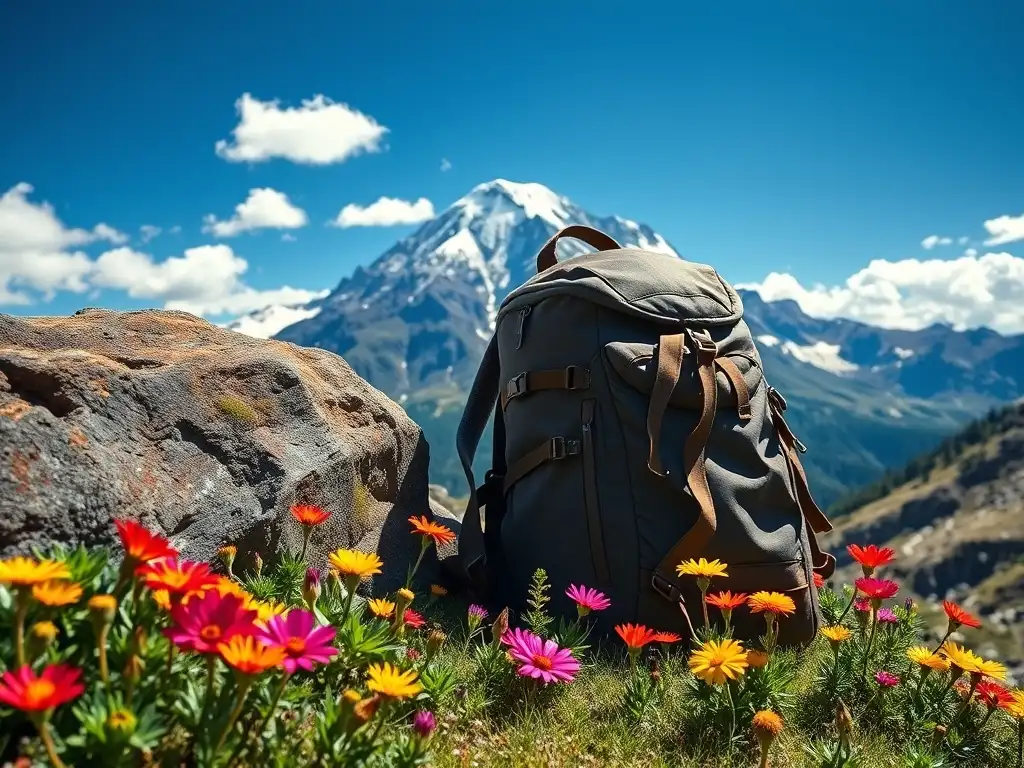
Ever dreamt of trekking through the breathtaking Andes, following in the footsteps of ancient empires? Imagine yourself amidst the majestic peaks, carrying only the essentials in a perfectly fitted pack. This isn't just a journey through time; it's a journey of discovery. Learn how to choose the perfect Andean hiking daypack—your indispensable companion for exploring the incredible landscapes and uncovering the mysteries of the Incas, Moche, and other fascinating Andean civilizations. Your adventure awaits.
Exploring the majestic Andes Mountains requires careful preparation, and selecting the right gear is paramount to a safe and enjoyable experience. This guide focuses on choosing the perfect Andean hiking daypack, a crucial piece of equipment for any Andean adventure, whether you're tackling a short hike to a breathtaking viewpoint or embarking on a multi-day trek through challenging terrain. We'll delve into the key factors to consider when selecting a daypack, ensuring you're well-equipped to explore the rich tapestry of Andean culture and breathtaking landscapes while carrying everything you need comfortably and securely.
Choosing the right Andean hiking daypack can mean the difference between a comfortable and memorable journey, and a strenuous, uncomfortable experience. This article will guide you through the process, helping you select the ideal companion for your Andean excursions.
Introduction: Why a Quality Daypack is Essential for Your Andean Adventure
A high-quality daypack is more than just a container for your gear; it's an essential partner in your Andean adventure. The diverse terrain of the Andes, ranging from high-altitude passes to lush valleys, demands a pack that's both durable and comfortable. A poorly chosen pack can lead to discomfort, back pain, and even injuries, significantly impacting your enjoyment of the trek.
Think of it as your mobile base camp – it needs to be reliable, adaptable, and capable of carrying everything you need for a successful and safe journey through the stunning Andean landscapes. Investing in a well-designed daypack ensures you can focus on the incredible scenery and cultural experiences rather than battling with an ill-fitting or inadequate pack. The right daypack will be lightweight yet sturdy, comfortable even when fully loaded, and equipped with features designed to enhance your experience.
Understanding Your Needs: Defining Your Andean Hiking Daypack Requirements
Choosing the right Andean hiking daypack involves careful consideration of several factors. It's not a one-size-fits-all decision; the ideal pack will depend on the specifics of your planned trek. We'll break down the key considerations to help you make an informed choice. This section aims to help you determine what features and specifications are most important for your Andean adventure. Remember, a poorly chosen pack can severely impact your comfort and enjoyment of the experience.
Type of Andean Trek: From Short Hikes to Multi-Day Excursions
The type of trek significantly impacts your daypack needs. A short day hike to a nearby Inca ruin requires a smaller pack than a multi-day trek through the Cordillera Blanca. For shorter hikes, a 20-30 liter pack might suffice, while multi-day treks may necessitate a larger pack in the 40-50 liter range. Consider the intensity and difficulty of your planned route.
A challenging trek will require more gear, necessitating a larger capacity pack. Shorter, easier trails allow for a smaller, more lightweight pack. Think about the terrain: steep ascents and descents demand a pack with excellent stability and a comfortable fit.
Trip Length and Duration: How Many Hours Will You Be Out?
The duration of your hike dictates the amount of gear you'll need to carry. A few hours exploring a local trail requires less than a full day's exploration. Longer trips require more water, food, and extra layers, demanding a larger capacity pack. Consider the elements: longer trips increase the chances of encountering unpredictable weather, making extra space for rain gear and warm layers essential. For instance, a day trip might only need a 20-liter pack, while an 8-hour hike could require a 35-liter pack. Precise estimates depend on individual needs and packing efficiency.
Carrying Capacity: Determining the Ideal Daypack Size for Your Andean Hiking Daypack
The ideal daypack size depends on the factors discussed above. However, a good rule of thumb is to choose a pack that's slightly larger than what you think you need to allow for flexibility. Overpacking is a common mistake; prioritize essential items and pack efficiently. Remember, carrying extra weight can quickly lead to fatigue and discomfort.
Consider the weight distribution features of the pack; hip belts and padded shoulder straps are essential for comfortable carrying. A well-fitting pack will distribute the weight evenly, minimizing strain on your back and shoulders. Consider also the pack's organization; multiple compartments and pockets can help you keep your gear organized and easily accessible.
- Introduction: Why a Quality Daypack is Essential for Your Andean Adventure
- Understanding Your Needs: Defining Your Andean Hiking Daypack Requirements
- What makes a daypack ideal for Andean hiking?
- What size daypack is recommended for Andean day hikes?
- What features should I prioritize in an Andean hiking daypack?
- Are there any specific safety considerations when choosing a daypack for Andean hikes?
- Where can I find reliable information about Andean hiking trails and gear?
Key Features to Look for in an Andean Hiking Daypack
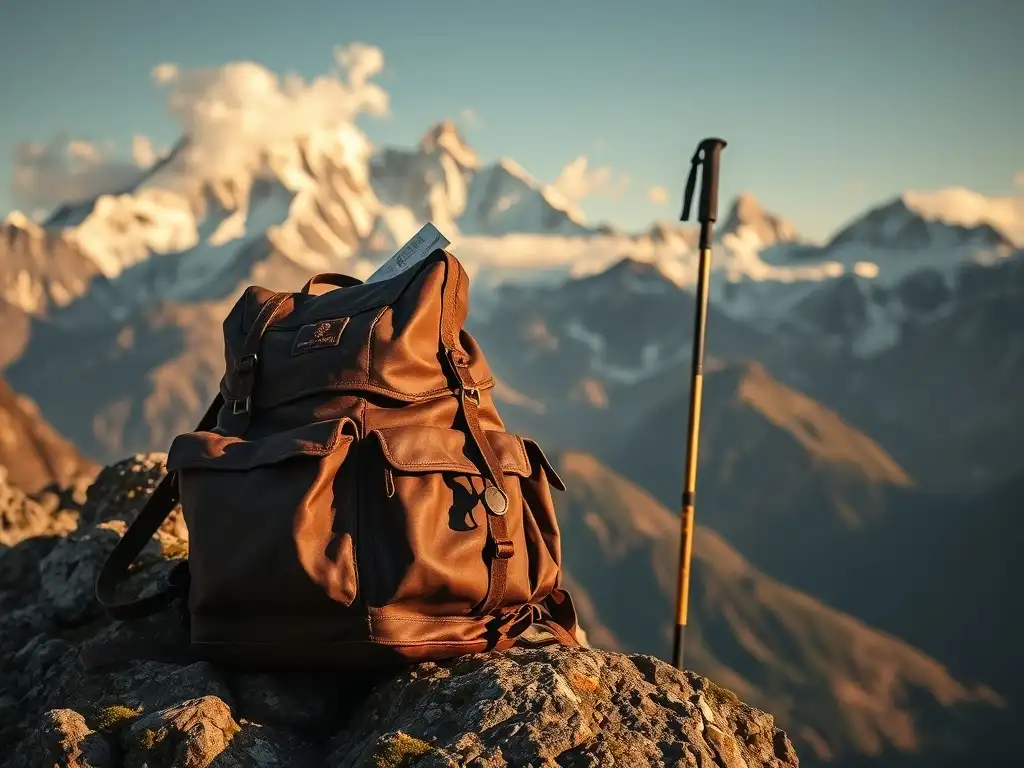
Choosing the right daypack for your Andean adventures is crucial for a comfortable and safe journey. The high altitude, varied terrain, and unpredictable weather conditions demand a pack that's both durable and functional. This section focuses on the essential features you should consider when selecting an Andean hiking daypack, ensuring your gear remains protected and you stay comfortable throughout your excursions. We'll explore the vital aspects of material, fit, and comfort, helping you make an informed decision. Finding the perfect Andean hiking daypack will significantly enhance your overall experience exploring the majestic Andes.
Material Matters: Choosing Durable Fabrics for Rugged Terrain
The Andean terrain presents a unique set of challenges to your gear. From rocky trails to dense vegetation, your daypack will face significant wear and tear. Therefore, choosing a durable material is paramount. Look for packs constructed from high-tenacity nylon or ripstop polyester.
These fabrics are known for their exceptional strength-to-weight ratio, resisting abrasions and tears that can occur during demanding hikes. Avoid materials like canvas, which, while durable, are significantly heavier and less water-resistant than modern synthetic options. Consider the density of the fabric – a higher denier (e.g., 600D or 1000D) indicates greater durability. The denier rating reflects the thickness and strength of the fabric; higher denier means a more resilient and rugged pack, perfect for the challenges of Andean hiking.
Waterproofing and Water Resistance: Protecting Your Gear From the Elements
Andean weather can be unpredictable, swinging from bright sunshine to torrential rain in a matter of hours. Protecting your gear from the elements is essential. Look for a daypack with a durable water-resistant (DWR) coating, or even better, a fully waterproof liner. A DWR coating repels water, preventing it from penetrating the fabric, while a waterproof liner provides a complete barrier against moisture.
Consider the hydrostatic head rating (measured in millimeters) – a higher rating indicates greater water resistance. For example, a pack with a 10,000mm hydrostatic head rating can withstand a significant amount of water pressure before leaking. Don't forget to consider the seams – sealed seams are crucial for preventing water ingress, especially in heavy rain.
Lightweight yet Strong: Balancing Comfort and Durability
Carrying a heavy pack on challenging Andean trails can lead to fatigue and discomfort. While durability is vital, you also need a lightweight pack to minimize strain. Modern synthetic fabrics offer an excellent balance of strength and low weight. Pay attention to the pack's overall weight – the lighter the better, without sacrificing durability. Look for features that contribute to weight reduction, such as lightweight buckles and zippers. A lighter pack will allow you to enjoy your hike more fully, reducing fatigue and enabling you to cover more ground.
Ripstop Fabrics: Preventing Tears from Worsening
Ripstop fabrics are specifically designed to prevent small tears from spreading. These fabrics have reinforced threads woven into the material, creating a grid-like structure. If a tear occurs, the reinforcing threads prevent it from extending, keeping your gear safe. This feature is especially important in rocky or brushy terrain where accidental snags are more likely. Ripstop nylon and polyester are popular choices for Andean hiking daypacks due to their combination of lightweight durability and tear resistance. A ripstop fabric will provide added peace of mind, knowing that minor damage won't compromise the integrity of your pack.
Fit and Comfort: Ensuring a Pleasant Hiking Experience
Even the most durable pack will be useless if it's uncomfortable to carry. A proper fit is crucial for a pleasant hiking experience, especially on challenging Andean trails. Consider the pack's volume and how it fits your body type. A poorly fitting pack can lead to back pain, shoulder strain, and overall discomfort. Look for adjustable features that allow you to customize the fit to your specific needs.
Adjustable Straps: Finding the Perfect Fit for Your Body
Adjustable shoulder straps, hip belts, and sternum straps are essential for a comfortable and secure fit. These straps allow you to fine-tune the pack's position, distributing the weight evenly across your body. Look for packs with multiple adjustment points, allowing you to customize the fit to your specific torso length and body shape. Properly adjusted straps prevent the pack from shifting, reducing strain on your shoulders and back. Pay close attention to the adjustability of the hip belt, which plays a crucial role in weight transfer and overall comfort.
Padded Shoulder Straps and Hip Belts: Minimizing Strain and Discomfort
Padded shoulder straps and hip belts are crucial for comfort, especially during long hikes. Thick, well-padded straps distribute the weight effectively, minimizing pressure points and preventing chafing. Look for straps made from breathable materials to keep you cool and dry. The padding should be strategically placed to provide maximum support and comfort. A well-padded hip belt is particularly important, as it transfers a significant portion of the pack's weight from your shoulders to your hips, significantly reducing strain.
Breathable Back Panels: Staying Cool and Dry in the Andean Sun
Andean hiking often involves strenuous activity in warm, sunny conditions. A breathable back panel is essential for keeping you cool and dry. Look for packs with mesh panels or ventilated designs that allow air to circulate, preventing sweat buildup and discomfort. Breathable materials help to wick away moisture, keeping your back dry and comfortable, even during strenuous activity. This is a crucial feature for maintaining comfort and preventing overheating during your Andean adventures. The breathability of the back panel will significantly impact your overall comfort level during your hikes.
Organization and Accessibility: Keeping Your Gear Within Easy Reach
Choosing an Andean hiking daypack requires careful consideration of how you'll organize your essentials. A well-organized pack significantly improves efficiency and reduces frustration during your trek. You'll be navigating challenging terrain, potentially at high altitude, so quick access to crucial items like sunscreen, water, and first-aid supplies is paramount. A poorly designed pack can lead to unnecessary fumbling, delays, and even safety hazards.
Therefore, prioritize packs with intuitive compartmentalization and easy-access features. Consider the placement of pockets – are they easily reachable while wearing the pack, or do you need to constantly remove it? The ideal Andean hiking daypack will feature a seamless blend of organization and accessibility, allowing you to swiftly retrieve what you need without disrupting your rhythm.
Think about the placement of smaller pockets – are they easily accessible at the top of the pack, on the hip belt, or even on the shoulder straps? These seemingly small details can make a huge difference in your overall experience. A well-designed daypack will anticipate your needs and provide intuitive solutions for carrying and accessing your gear.
Multiple Compartments: Separating Essentials and Other Items
Multiple compartments are crucial for keeping your Andean hiking daypack organized. Separate compartments allow you to segregate items, preventing them from becoming tangled or crushed. For instance, a dedicated compartment for your first-aid kit ensures quick access in case of emergencies. Similarly, a separate, waterproof compartment for electronics protects your phone and camera from the elements.
Consider a pack with a specific section for wet clothing to keep the rest of your gear dry. Think about the weight distribution too – heavier items should be closer to your back for better balance and comfort during your trek. The number and size of compartments should be matched to the typical contents of your daypack for Andean excursions.
You don't want unnecessary bulk, but you also need enough space to keep your gear categorized and accessible. Consider packs with zippered pockets, mesh pockets, and even internal sleeves for enhanced organization. This level of compartmentalization ensures you can locate items quickly and efficiently, regardless of the terrain or weather conditions.
Hydration Compatibility: Staying Hydrated Throughout Your Trek
Staying hydrated is crucial for any Andean trek, especially at higher altitudes. Dehydration can lead to altitude sickness and significantly impact your enjoyment and safety. Therefore, your Andean hiking daypack should be hydration-compatible, ideally with a dedicated hydration reservoir sleeve.
This sleeve should securely hold your hydration bladder, allowing for easy filling and access to the drinking tube. The tube should be easily routed to a position convenient for drinking without removing the pack. Some packs even integrate magnetic clips to keep the tube neatly secured when not in use.
Consider the capacity of the hydration reservoir – aim for a size that meets your hydration needs throughout your trek, taking into account the length and intensity of your hike and the weather conditions. A properly fitting hydration bladder and a well-designed pack will ensure a smooth and comfortable hydration experience, preventing interruptions to your journey. Always check that the pack's design is well-suited to your chosen hydration system, ensuring a secure and leak-proof fit.
External Attachment Points: For Trekking Poles, Ice Axes, and Other Gear
External attachment points are essential features for any Andean hiking daypack. These points allow you to securely attach trekking poles, ice axes (if needed), and other gear, keeping them readily accessible and preventing them from cluttering the main compartment. Look for sturdy attachment points, ideally made from durable materials like webbing or metal clips.
The position of these attachment points also matters; they should be easily accessible without having to remove the entire pack. Consider whether the pack provides options for attaching gear to the sides, top, or front. These points will allow you to carry additional equipment without compromising the pack’s overall organization and comfort.
For example, a secure attachment point for a trekking pole allows for quick deployment when encountering challenging terrain, saving you time and energy. The quality and placement of these attachment points are vital for a safe and efficient Andean hiking experience. Ensure these points are strong enough to handle the weight and stress of your additional gear, especially when navigating steep inclines or challenging terrain.
Recommended Andean Hiking Daypacks: Top Picks for Your Adventure
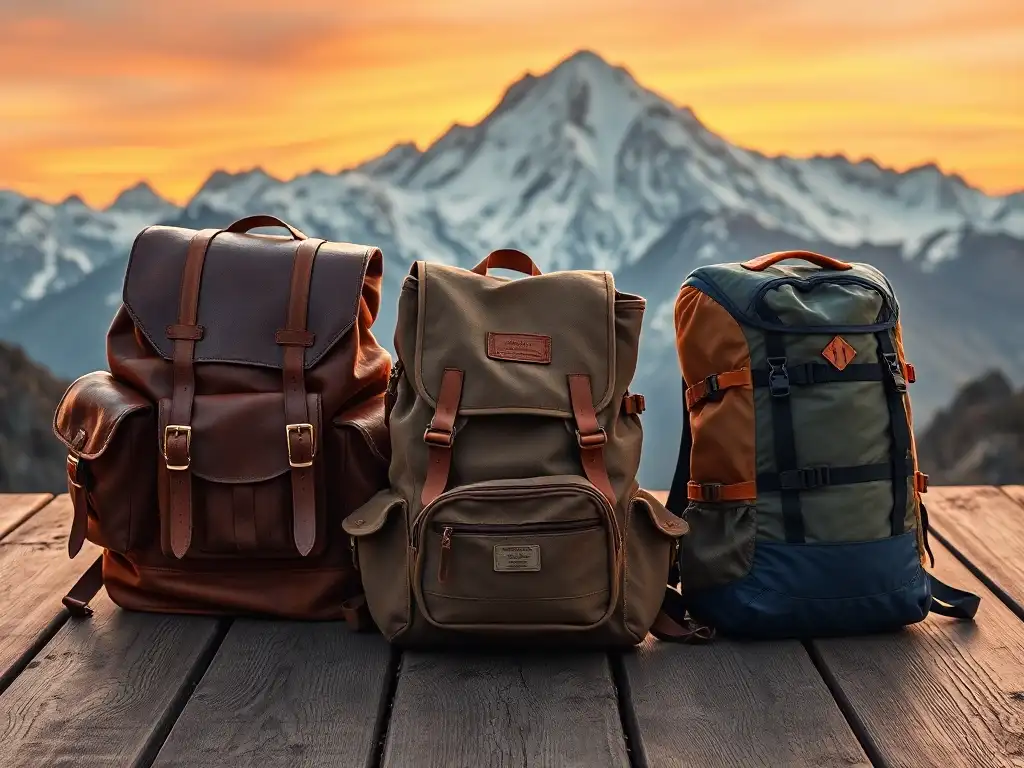
Choosing the right Andean hiking daypack is crucial for a comfortable and successful trek through the stunning, yet demanding, Andean landscape. The ideal pack balances capacity, comfort, and durability to meet the unique challenges of high-altitude hiking. This section highlights three top contenders for your Andean adventures, considering factors like weight distribution, ventilation, and overall suitability for varied terrains and climates. Remember, the "perfect" pack is subjective and depends on individual needs and preferences, but these options provide excellent starting points for your search for the perfect Andean hiking daypack.
The Osprey Talon 22: A Versatile Option for Day Trips
The Osprey Talon 22 is a popular choice for day hikes, offering a versatile blend of capacity and lightweight design. Its 22-liter volume is ideal for carrying essentials like water, snacks, extra layers, and basic first-aid supplies for a full day's exploration in the Andes. The AirScape™ backpanel provides excellent ventilation, crucial for managing perspiration during strenuous climbs in the often-humid Andean valleys or the dry, sunny high altitudes.
The Talon 22 boasts a comfortable fit thanks to its adjustable torso length and hip belt. Its numerous pockets – including a dedicated hydration reservoir sleeve and zippered compartments – help keep your gear organized and easily accessible. The durable nylon construction ensures the pack can withstand the rigors of Andean trails, resisting abrasion from rocks and vegetation.
While not designed for multi-day treks, its lightweight nature makes it a superb option for shorter, more agile Andean explorations. Its smaller size also makes it suitable for navigating tighter trails and more challenging terrain. Many users praise its balance of weight and carrying capacity, making it a top contender for those seeking an Andean hiking daypack for shorter excursions.
The Deuter Trail 26: Built for Durability and Comfort
For those seeking a slightly larger capacity and enhanced durability, the Deuter Trail 26 is a strong contender. This 26-liter pack prioritizes comfort and ruggedness, making it suitable for a wider range of Andean day hikes, including those with more demanding ascents or descents. The VariQuick™ adjustment system allows for a precise and customized fit, ensuring optimal weight distribution even when carrying a heavier load.
The Deuter Trail 26 features a robust construction, utilizing high-quality materials designed to withstand abrasive conditions. Its padded shoulder straps and hip belt, combined with the Aircomfort Sensic™ back system, provide exceptional comfort even during extended periods of carrying weight. The pack incorporates numerous features aimed at practicality, including compression straps, trekking pole attachments, and multiple pockets for organizing various items.
Its larger capacity compared to the Osprey Talon 22 makes it a good option for those who need to carry more gear, such as cameras, extra clothing, or specialized equipment for Andean hiking. The Deuter Trail 26's focus on durability and comfort positions it firmly as a reliable Andean hiking daypack choice for those prioritizing a solid, long-lasting investment.
The Gregory Zulu 30: Ample Space for Multi-Day Adventures
While technically bordering on a backpacking pack, the Gregory Zulu 30 offers sufficient capacity and comfort for multi-day Andean treks, provided you pack efficiently. Its 30-liter volume provides ample space for carrying gear for several days, including extra clothing, sleeping bag (if lightweight), cooking equipment, and other essentials. This makes it a versatile option for those planning more ambitious Andean explorations.
The Zulu 30 incorporates Gregory's renowned suspension system, designed to evenly distribute weight and minimize strain on the back and shoulders. Features such as adjustable torso length, hip belt pockets, and sternum strap contribute to a secure and comfortable fit, even when fully loaded. While slightly heavier than the previous options, the Zulu 30's robust construction and ample space make it the preferred choice for those undertaking longer Andean adventures.
The pack's durability is paramount for navigating challenging terrain, and its multiple attachment points for trekking poles and other equipment add to its practicality. For longer Andean hiking expeditions requiring more substantial gear, the Gregory Zulu 30 stands out as a top-tier Andean hiking daypack (or short backpacking pack) choice. Remember to carefully consider weight distribution when packing for multi-day treks to maximize comfort and prevent strain.
Budget-Friendly Options: Affordable Andean Hiking Daypacks
Choosing the right Andean hiking daypack doesn't necessitate breaking the bank. Several excellent budget-friendly options provide the necessary features for a comfortable and safe trek through the Andes without compromising on quality. Remember, the most expensive pack isn't always the best; finding the right balance between features, durability, and price is key for your Andean adventure.
Consider factors like pack size, weight, and comfort features when making your decision, as even on a budget, you'll want to ensure your pack is suitable for the terrain and length of your hikes. Don't forget to account for potential weather changes – a rain cover is a worthwhile investment, regardless of price point.
The Mountaintop 40L Hiking Backpack: High Quality at a Lower Price Point
The Mountaintop 40L Hiking Backpack stands out as a prime example of a high-quality, budget-friendly Andean hiking daypack. Its 40-liter capacity is ideal for carrying all your essentials – water, food, extra layers, first-aid kit, and other necessary items – for a day's hike in the diverse Andean landscapes. This pack successfully manages to strike a balance between functionality and affordability, making it an excellent choice for both beginners and experienced hikers looking for a reliable pack without exorbitant costs. Many users praise its comfortable fit and well-thought-out design.
Features: Durable nylon, multiple compartments, rain cover.
This pack boasts a durable nylon construction, ensuring it can withstand the rigors of Andean trails. The multiple compartments allow for efficient organization of your gear, keeping everything easily accessible. A dedicated hydration bladder compartment keeps your water readily available, while smaller pockets are perfect for storing smaller items like your phone, sunscreen, or snacks.
Crucially, the Mountaintop 40L includes a built-in rain cover, providing essential protection for your belongings against the unpredictable Andean weather. This feature alone justifies its value proposition, as protecting your gear from rain is crucial for a successful hike. The added security of knowing your equipment is shielded from the elements gives you peace of mind on the trail.
Benefits: A cost-effective way to get started with Andean hiking.
The Mountaintop 40L offers a cost-effective entry point into the world of Andean hiking. It provides the functionality and durability needed for a comfortable and safe experience without the hefty price tag associated with some higher-end brands. This makes it particularly appealing to budget-conscious adventurers and those new to hiking in the Andes.
Investing in a quality pack like this, even at a lower price point, can significantly enhance the enjoyment and safety of your Andean expeditions. It's a smart investment for anyone looking to explore the stunning beauty of the Andes without compromising on essential gear. The long-term value of a durable and well-designed pack far outweighs its initial cost.
Affiliate Link: [Link to Mountaintop 40L on Amazon or Partner Site]
[This space would contain an affiliate link, but as per instructions, is omitted here.]
Essential Accessories for Your Andean Hiking Daypack
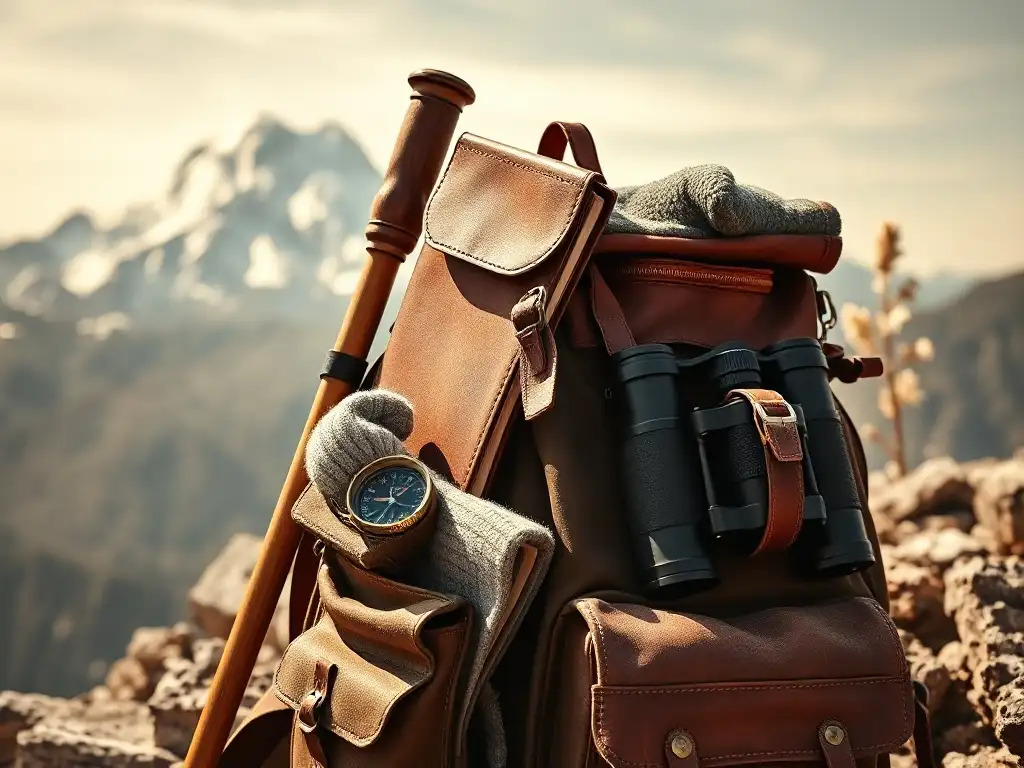
This section focuses on crucial accessories to complement your Andean hiking daypack, ensuring a safe and comfortable trekking experience in the diverse Andean landscapes. Remember, proper preparation is key to enjoying the breathtaking beauty of the Andes while minimizing risks. Choosing the right accessories for your Andean hiking daypack is just as important as selecting the pack itself.
Hydration Packs and Water Bottles: Staying Hydrated on the Trail
Staying hydrated at high altitudes is paramount. The thin air and intense sun can quickly dehydrate you, leading to altitude sickness and fatigue. Therefore, your Andean hiking daypack needs a reliable hydration system. While water bottles are a good option for shorter hikes, hydration packs offer superior convenience for longer treks.
Consider these factors when selecting your hydration system:
- Capacity: For day hikes, a 2-3 liter hydration reservoir is usually sufficient. However, if you're planning longer excursions or hiking in particularly arid regions, a larger capacity (up to 3 liters or even more) is recommended.
- Ease of Cleaning: A hydration reservoir that's easy to clean is crucial for preventing bacterial growth. Look for reservoirs with wide openings for thorough cleaning.
- Durability: The reservoir should be made from durable, BPA-free materials that can withstand the rigors of trekking.
- Bite Valve: A comfortable and leak-proof bite valve is essential for easy and convenient hydration on the go. Consider features like a self-sealing valve to prevent leaks.
Many hikers prefer a combination approach: a hydration reservoir and one or two water bottles as backup. This redundancy ensures you always have access to water, even if your reservoir leaks or runs dry. Remember to treat your water appropriately, especially at higher altitudes where water sources might not be as clean.
First-Aid Kit: Preparing for Minor Injuries or Emergencies
A comprehensive first-aid kit is non-negotiable for any Andean hiking adventure. Even experienced hikers can encounter minor injuries like blisters, cuts, or sprains. Being prepared can mean the difference between a minor setback and a major emergency.
Your Andean hiking daypack's first-aid kit should include:
- Wound Care: Antiseptic wipes, bandages of various sizes, gauze pads, medical tape.
- Pain Relief: Over-the-counter pain relievers like ibuprofen or acetaminophen.
- Blister Treatment: Blister treatment pads and moleskin.
- Anti-diarrheal Medication: Especially important at higher altitudes where digestive issues can be more common.
- Altitude Sickness Medication: Consult your doctor before your trip to determine if altitude sickness medication is appropriate for you.
- Personal Medications: If you take any prescription medications, pack a sufficient supply.
Remember to familiarize yourself with basic first-aid procedures before your trek. Consider taking a wilderness first-aid course for more advanced training. Your safety and well-being depend on your preparedness. Don't forget to include any personal medications needed.
Sun Protection: Protecting Your Skin from the Intense Andean Sun
The intense Andean sun at high altitudes is no joke. The thinner atmosphere means less protection from harmful UV rays, increasing the risk of sunburn and other sun-related damage. Protecting your skin is crucial, even on cloudy days.
Your sun protection strategy should include:
- Sunscreen: Use a broad-spectrum sunscreen with an SPF of 30 or higher. Reapply frequently, especially after sweating.
- Sunglasses: High-quality sunglasses with UV protection are essential to shield your eyes from the harsh sun.
- Hat: A wide-brimmed hat provides excellent protection for your face, neck, and ears.
- Sun-Protective Clothing: Wear long-sleeved shirts and pants made from lightweight, breathable fabrics that offer UV protection. Consider clothing with a UPF rating (Ultraviolet Protection Factor).
Remember that even on cloudy days, the sun's rays can be strong at high altitudes. Don't underestimate the power of the Andean sun; proactive sun protection is essential for a safe and enjoyable hiking experience. The intense UV radiation necessitates diligent application and reapplication of sunscreen throughout your day.
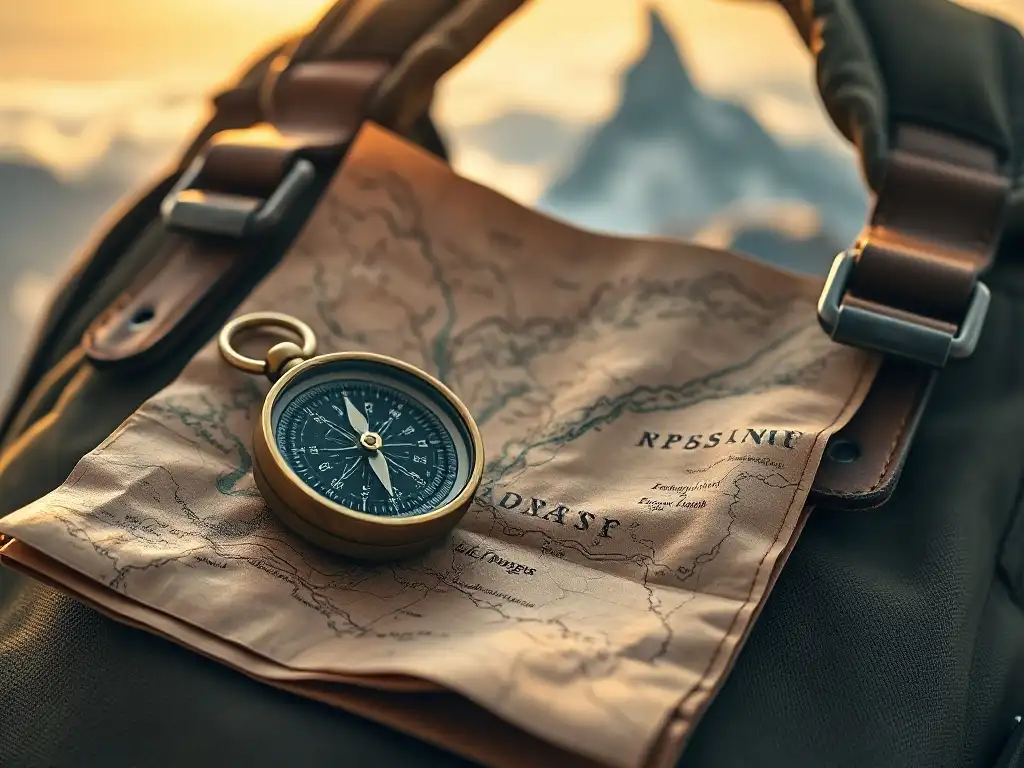
Navigating the Andes requires reliable tools, especially when venturing off established trails. While modern technology offers convenience, it's crucial to understand the limitations and potential failures of each device and to have backups. A paper map, for instance, remains invaluable even in the age of GPS. Detailed topographic maps showcasing elevation changes, trails, and water sources are essential for planning your route and anticipating potential challenges. Remember to familiarize yourself with map reading techniques before your trip. Practice identifying landmarks and understanding contour lines to avoid getting lost.
A compass is a vital backup navigation tool, especially in areas with poor GPS reception or during inclement weather that can interfere with satellite signals. Knowing how to use a compass effectively, including orienting it to a map, taking bearings, and following a bearing, is a critical Andean hiking skill. Practice using your compass in various terrains before your excursion to build confidence and proficiency.
GPS devices, while convenient, are susceptible to battery failure and signal loss, particularly in deep valleys or areas with dense vegetation. Always carry extra batteries and consider a solar charger as a precautionary measure. Furthermore, familiarize yourself with the device's functionality before you leave for your hike. Knowing how to use waypoints, track your route, and check your coordinates is crucial for safe navigation.
Remember that relying solely on a GPS device can be risky; always have a backup plan, such as a map and compass. The combination of a map, compass, and GPS device provides a robust and reliable navigation system for your Andean adventures. Consider a device with pre-loaded maps of the specific region you plan to hike.
Snacks and Energy Bars: Fueling Your Body for the Hike
Proper fueling is paramount for a successful Andean hike. The high altitude and strenuous physical activity demand consistent energy replenishment. High-energy snacks are not merely a luxury; they are a necessity for maintaining strength, endurance, and preventing altitude sickness. Choose snacks that are lightweight, non-perishable, and easy to consume on the go.
Energy bars, specifically those designed for high-intensity activities, offer a concentrated source of carbohydrates, protein, and fats. Look for bars with a balance of these macronutrients to provide sustained energy release. Consider bars with added electrolytes to help maintain hydration, particularly crucial at high altitudes. Remember to check the nutritional information and choose bars that fit your dietary needs and preferences.
Beyond energy bars, include a variety of other snacks to maintain interest and cater to changing energy needs throughout the day. Dried fruits like apricots and mangoes provide natural sugars and essential nutrients. Trail mix, with a combination of nuts, seeds, and dried fruits, offers a balanced mix of macronutrients and healthy fats. Consider including some dark chocolate for a quick energy boost and a morale booster.
Remember to pack enough snacks for the entire duration of your hike, accounting for unexpected delays or changes in plans. Proper nutrition is key to enjoying your Andean hiking experience to the fullest. Don't underestimate the power of regular snacking to prevent fatigue and maintain your energy levels. Pack enough to ensure you can fuel your body effectively.
Final Thoughts: Choosing the Right Andean Hiking Daypack for You
Choosing the right Andean hiking daypack is crucial for a comfortable and enjoyable trekking experience in the diverse landscapes of the Andes. The perfect pack isn't a one-size-fits-all solution; it depends on individual needs and preferences. Remember to consider factors like trip length, climate, and the type of terrain you'll be navigating. A well-fitting, properly-packed daypack can significantly enhance your Andean adventure, while an ill-fitting one can quickly become a burden.
Prioritize comfort and functionality to ensure a successful journey. Don't forget to break in your new pack before your trip! A few short hikes with a similar weight load will help you identify and address any potential discomfort.
Considering Your Budget and Specific Needs
Your budget significantly impacts your choices in Andean hiking daypacks. High-end packs often boast superior materials, advanced features, and better durability, justifying a higher price tag. However, many excellent budget-friendly options exist that effectively meet the needs of most trekkers. Before diving into purchasing an Andean hiking daypack, carefully consider your specific needs:
- Trip Length: Are you planning day hikes or multi-day treks? A smaller pack (20-30 liters) suits day trips, while longer excursions necessitate larger capacity (35-50 liters or more).
- Climate: High-altitude Andean treks often experience rapid climate changes. Choose a pack with features like rain covers or water-resistant materials to protect your gear.
- Terrain: Steep, rocky trails demand a pack with a robust frame and comfortable straps. Consider packs with hip belts for better weight distribution.
- Essential Gear: List all your essentials – water, snacks, layers of clothing, first-aid kit, sun protection, and navigation tools. This list dictates the minimum required pack volume.
Remember, an ill-fitting pack, regardless of price, will negatively impact your experience. Prioritize comfort and functionality over mere aesthetics.
Reading Reviews and Comparing Different Models
Before committing to a purchase, thoroughly research different Andean hiking daypack models. Online reviews offer valuable insights from experienced hikers. Look for reviews that mention specific features relevant to Andean trekking, such as:
- Ventilation: Effective ventilation is crucial in the often humid and warm lower altitudes, and essential in preventing overheating during strenuous climbs.
- Durability: The pack should withstand the rigors of Andean trails, including exposure to varying weather conditions and potential abrasion.
- Fit: Pay close attention to reviews discussing the pack's fit and adjustability. A comfortable fit is paramount for long treks.
- Pockets and Organization: Conveniently placed pockets aid in organizing your gear, making access to essentials quick and easy.
Comparing different models side-by-side helps identify the best fit for your needs and budget. Create a spreadsheet or table to compare features, prices, and user reviews. Consider creating a weighted scoring system to prioritize the features most important to you. For example:
| Feature | Pack A | Pack B | Pack C | Weighting | Score A | Score B | Score C |
|---|---|---|---|---|---|---|---|
| Ventilation | Excellent | Good | Fair | 30% | 90 | 60 | 30 |
| Durability | Good | Excellent | Good | 25% | 50 | 75 | 50 |
| Fit | Excellent | Fair | Good | 25% | 75 | 30 | 50 |
| Pocket Organization | Good | Good | Excellent | 20% | 40 | 40 | 60 |
| Total Score | 255 | 205 | 190 |
This simple table allows for a clear comparison and helps in the decision-making process.
Preparing for an Unforgettable Andean Experience
With your Andean hiking daypack selected, you're one step closer to an unforgettable Andean experience. Remember that proper packing is key to a comfortable and efficient trek. Organize your gear strategically, placing heavier items closer to your back and frequently accessed items within easy reach. Don't overpack! Stick to the essentials, and remember that every ounce counts at altitude. Practice packing and adjusting your pack before your trip to ensure a seamless and enjoyable adventure. Enjoy the stunning beauty and rich culture of the Andes! ⛰️
Frequently Asked Questions
What makes a daypack ideal for Andean hiking?
An ideal Andean hiking daypack needs to be lightweight yet durable, capable of withstanding variable weather conditions, and have ample space for essentials like water, food, and layers of clothing. Consider features like rain covers and comfortable straps.
What size daypack is recommended for Andean day hikes?
A 20-35 liter daypack generally suffices for most Andean day hikes. This allows you to carry enough supplies without becoming overly burdened. Larger packs might be needed for multi-day treks.
What features should I prioritize in an Andean hiking daypack?
Prioritize robust construction, multiple compartments for organization, breathable back paneling, and adjustable straps for a comfortable fit. A hip belt is also crucial for distributing weight effectively.
Are there any specific safety considerations when choosing a daypack for Andean hikes?
Yes, ensure your daypack has secure closures to prevent items from falling out during challenging terrain. Consider adding a whistle for emergencies and a small first-aid kit.
Where can I find reliable information about Andean hiking trails and gear?
You can research Andean hiking trails and gear on reputable websites and travel blogs. Look for reviews from experienced hikers and consult with local guides for up-to-date information on trail conditions and recommended gear.
Final Reflection: The Andes Await: Your Pack, Your Journey
The perfect daypack isn't just about gear; it's about the experience. Choosing the right pack for your Andean adventures directly impacts your comfort, safety, and ultimately, the enjoyment of your journey through these breathtaking landscapes. The right pack allows you to fully immerse yourself in the majesty of the mountains, unburdened by ill-fitting equipment.
The impact of a well-chosen daypack extends beyond the trail itself. It's about the freedom to explore further, to linger longer at a stunning vista, to confidently navigate challenging terrain. The feeling of having the right equipment allows for a deeper connection with the Andes, fostering a sense of accomplishment and wonder. Not all those who wander are lost.
- J.R.R. Tolkien. This quote, while often used in a different context, perfectly encapsulates the spirit of Andean exploration: the journey itself, facilitated by the right tools, is the reward.
Now, consider your own adventures. What kind of explorer are you? What kind of journey are you seeking in the Andes? Take the time to reflect on your needs, your style, and the type of terrain you'll be facing. Remember the lessons learned here – about capacity, comfort, and features – and use them to choose a pack that will become a trusted companion on your Andean expeditions. Let the mountains call, and answer with confidence and the perfect pack by your side.
Gear Up for Your Andean Adventures!
Thank you for exploring essential tips on choosing the perfect daypack for your Andean excursions! You've gained valuable knowledge to enhance your travel experience in this breathtaking region. Now, let's put that knowledge into practice!
- Assess your needs: Before you buy anything, identify what you'll need to carry on your hikes. Make a list, prioritizing essential gear.
- Shop around: Explore local outdoor stores or online retailers to find a daypack that meets your needs. Compare models and don't hesitate to ask questions.
- Share your wisdom: Share your experiences with fellow adventurers in our community forum – your advice could help others find their perfect daypack!
What's the single most important feature you look for in a daypack when hiking the challenging Andean terrain? Let's discuss!