
The Responsible Traveler: Ethical Considerations for Visiting Andean Communities

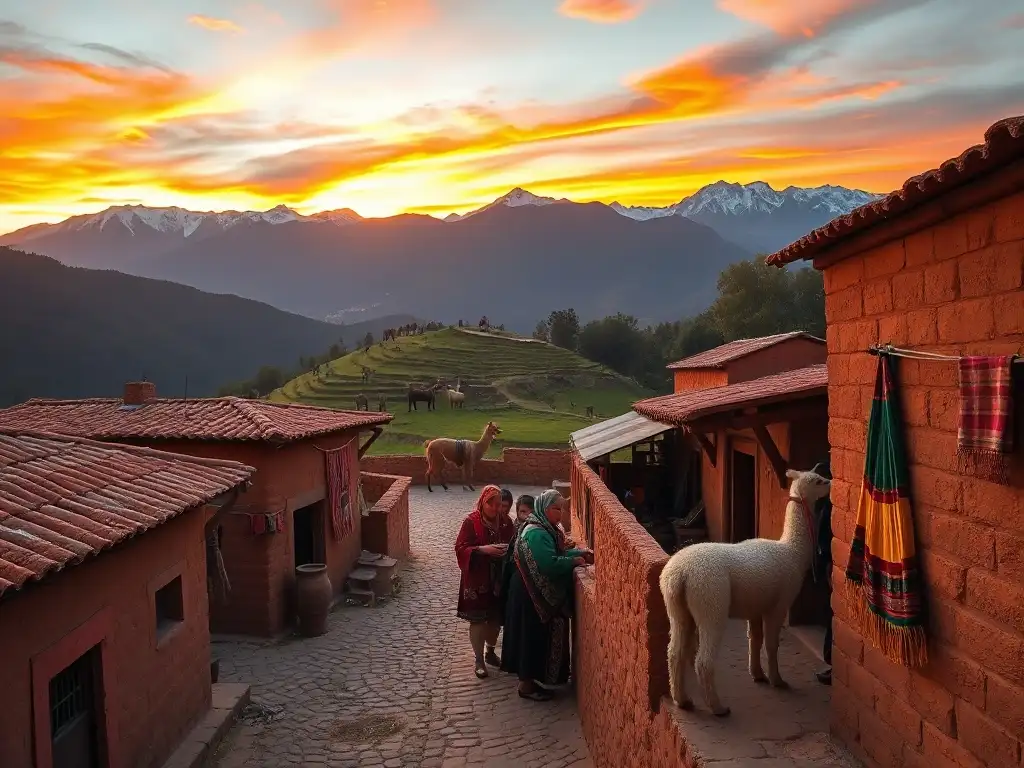
Step into a world lost in time, yet vibrantly alive. Imagine towering mountain citadels, intricate textiles whispering ancient secrets, and landscapes that shaped empires. Andean Civilizations unveils the captivating story of these remarkable cultures, from the Incas to the Nazca. But the legacy of the Andes extends beyond history. This journey begins with a crucial question: how can we explore these wonders responsibly? Discover the importance of ethical tourism in Andean communities and learn how to be a truly responsible traveler. Explore the Andes today, and leave a positive impact for generations to come.
Exploring the majestic Andes Mountains offers an unparalleled journey through time, immersing travelers in the rich tapestry of ancient civilizations and breathtaking landscapes. However, the increasing popularity of Andean tourism presents both opportunities and challenges. This article delves into the crucial aspects of responsible travel, focusing specifically on ethical considerations for visitors interacting with Andean communities.
We will examine the impact of tourism, both positive and negative, and explore practical strategies for minimizing harm and maximizing positive contributions to the preservation of Andean culture and the well-being of its people. Understanding the ethical implications of your travels is paramount to ensuring a sustainable future for these incredible communities and the unique heritage they represent.
This guide aims to equip you with the knowledge and tools to become a responsible and ethical traveler in the Andes, contributing positively to the preservation of this remarkable region. Let's embark on this journey together, learning how to tread lightly while deeply experiencing the wonders of the Andes.
Understanding the Challenges of Tourism in the Andes
The Impact of Mass Tourism on Andean Culture
Mass tourism, while bringing economic benefits, can inadvertently erode the very cultural fabric it seeks to showcase. The influx of visitors can lead to the commodification of traditions, with authentic cultural practices being simplified or distorted to cater to tourist expectations. This can result in a loss of cultural integrity and a sense of alienation among local communities. For example, the performance of traditional dances or ceremonies might become rote performances rather than genuine expressions of cultural identity, diminishing their spiritual significance.
Furthermore, the constant exposure to foreign influences can lead to cultural homogenization, threatening the unique character of Andean communities. This necessitates a critical examination of how tourism impacts cultural preservation and authenticity. The challenge lies in finding a balance between sharing cultural experiences and safeguarding their inherent value.
Economic Disparities and the Tourism Industry
The economic benefits of tourism in the Andes are often unevenly distributed. While some communities experience significant economic growth, others may see minimal benefits, leading to increased economic disparity. Large hotel chains and tour operators often capture the lion's share of the profits, leaving local communities with limited economic empowerment.
This creates a system where the very people whose culture and land attract tourists may not directly benefit from the industry's success. Moreover, the demand for specific goods and services to cater to tourists can lead to price inflation, making essential commodities unaffordable for local residents. Addressing these economic disparities requires a conscious effort to ensure that tourism benefits directly reach the communities hosting visitors.
Preservation of Cultural Heritage in the Face of Modernization
The rapid pace of modernization poses a significant threat to the preservation of Andean cultural heritage. Traditional ways of life, agricultural practices, and artistic expressions are constantly challenged by the pressures of globalization. Tourism, while potentially a force for preservation, can also inadvertently accelerate cultural change if not managed responsibly. The construction of infrastructure to accommodate tourists can lead to the destruction of historical sites and landscapes.
The introduction of foreign technologies and consumption patterns can further erode traditional practices and values. Therefore, striking a balance between modernization and cultural preservation is crucial for the sustainable development of Andean communities. This requires careful planning and collaboration between local communities, government agencies, and tourism operators.
Ethical Tourism: A Solution for Sustainable Travel in the Andes
Defining Ethical Tourism Practices in Andean Regions
Ethical tourism in the Andes centers on respecting the environment, supporting local economies, and preserving cultural heritage. It involves actively engaging with local communities, learning about their traditions, and contributing to their well-being. This goes beyond simply visiting tourist attractions; it's about fostering genuine cultural exchange and understanding.
Ethical tourism prioritizes the long-term sustainability of both the environment and the local communities, ensuring that tourism benefits outweigh its negative impacts. Key principles include minimizing your environmental footprint, supporting locally-owned businesses, and respecting local customs and traditions. This approach ensures that the benefits of tourism are shared equitably and contribute to the long-term well-being of the region.
How to Minimize Negative Impacts on Local Communities
Minimizing negative impacts requires conscious choices and responsible behavior from travelers. This includes choosing locally-owned accommodations and tour operators, respecting local customs and traditions, and avoiding activities that exploit or commodify cultural practices. Supporting local artisans and businesses ensures that economic benefits directly reach the communities. Learning a few basic phrases in the local language shows respect and facilitates meaningful interactions.
Respecting the privacy and space of local residents is equally important. By being mindful of our actions and choices, we can contribute to a more sustainable and equitable tourism model that benefits both visitors and hosts. Remember, responsible travel is not just about avoiding harm; it's about actively contributing to the well-being of the communities we visit.
Supporting Local Economies through Conscious Choices
Conscious consumer choices play a vital role in supporting local economies. By choosing to stay in locally-owned hotels, eat at local restaurants, and purchase handicrafts directly from artisans, travelers directly contribute to the economic well-being of the communities they visit. This approach ensures that the economic benefits of tourism are not concentrated in the hands of large corporations but are distributed more equitably among local people.
It also supports the preservation of traditional crafts and skills, which are often threatened by mass-produced goods. Choosing to support local businesses is a powerful way to demonstrate respect for the community and contribute to its sustainable development. This conscious approach fosters a more equitable and mutually beneficial relationship between tourism and local communities.
Key Ethical Considerations for Your Andean Journey
Ethical tourism in the Andes is paramount. It's about more than just visiting stunning landscapes; it's about contributing positively to the lives and cultures of the Andean communities you encounter. This means actively engaging in responsible travel practices, understanding the impact of your presence, and minimizing any negative consequences. Your trip should leave a positive mark, not just a footprint.
By prioritizing ethical considerations, you'll not only enhance your own travel experience but also contribute to the preservation of Andean heritage and the well-being of its people. The Andean region boasts a rich tapestry of cultures, traditions, and ecosystems, and responsible travel is key to safeguarding this invaluable legacy for future generations. Remember that even small actions can have a significant cumulative effect, shaping the future of Andean communities and their environment.
Respecting Local Customs and Traditions
Understanding and respecting local customs and traditions is fundamental to ethical Andean tourism. This goes beyond simply being polite; it requires active engagement in learning about the unique practices and beliefs of the communities you visit. For example, in many Andean communities, certain gestures or forms of dress might hold deep cultural significance. Taking the time to research these customs before your trip will allow you to navigate interactions with sensitivity and respect.
Consider learning a few basic phrases in the local Quechua dialects, which will demonstrate your willingness to engage with the local culture. Also, be mindful of photography; always ask permission before taking pictures of individuals or sacred sites. This demonstrates respect for their privacy and cultural heritage. Remember, observing local customs and traditions isn't merely a matter of politeness; it's a demonstration of genuine respect for the rich cultural heritage of the Andes.
Choosing Responsible Tour Operators and Guides
Selecting responsible tour operators and guides is a critical aspect of ethical Andean travel. Researching operators with a proven commitment to sustainability and community engagement is crucial. Look for companies that prioritize fair wages for their employees, support local businesses, and actively contribute to conservation efforts. Many ethical tour operators invest in community development projects, such as educational initiatives or infrastructure improvements.
Choosing such an operator ensures that your tourism dollars directly benefit the local communities. Additionally, responsible guides possess in-depth knowledge of the local culture, history, and environment, enriching your travel experience while fostering a deeper understanding and appreciation for the region. By supporting responsible tour operators, you contribute to a more sustainable and equitable tourism industry in the Andes.
Making Informed Decisions About Purchases
When purchasing souvenirs or handicrafts, make informed decisions that support local artisans and businesses. Avoid items made from endangered species or materials harvested unsustainably. Instead, opt for products made from locally sourced, ethically produced materials. Support fair trade initiatives whenever possible.
By making conscious purchases, you directly contribute to the economic well-being of Andean communities while preserving traditional crafts and skills. Take the time to understand the origin and production methods of the items you buy. Engage in conversations with artisans to learn about their craft and appreciate their skills. This not only supports their livelihoods but also fosters a deeper connection with the local culture.
Respecting the Natural Environment
Respecting the natural environment is a cornerstone of ethical tourism in the Andes. This includes practicing responsible waste management, avoiding littering, and staying on marked trails to minimize environmental impact. Support conservation efforts by choosing eco-friendly accommodations and transportation options. Be mindful of water consumption and energy usage.
Protecting the fragile ecosystems of the Andes is crucial for preserving the region's biodiversity and ensuring its sustainability for future generations. Responsible behavior minimizes your ecological footprint and contributes to the long-term preservation of the spectacular landscapes of the Andes. Remember, the beauty of the Andes depends on the preservation of its natural environment.
Monetizing Your Ethical Travel Choices: Supporting Local Businesses
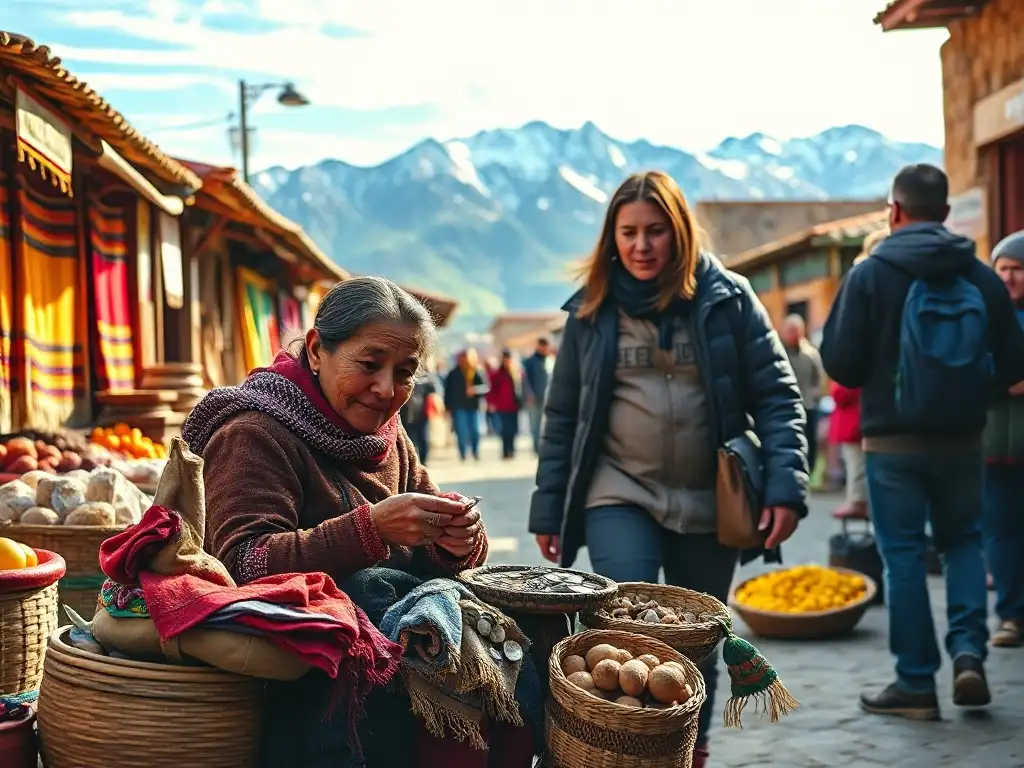
Supporting local businesses is not just an ethical choice; it's a powerful way to directly contribute to the economic well-being of Andean communities. By choosing to eat at local restaurants, purchase handicrafts from local artisans, and stay in locally owned accommodations, you're ensuring that your tourism dollars remain within the community. This fosters economic growth and strengthens the local economy. This direct economic contribution empowers communities, supports traditional skills, and helps preserve cultural heritage. Furthermore, interacting with local businesses allows for authentic cultural exchange and a deeper understanding of the local way of life.
Recommended Fair Trade Andean Products
Many Andean communities produce exquisite handicrafts and goods that are available through fair trade initiatives. These include textiles woven with traditional techniques, ceramics showcasing unique artistry, and jewelry made from locally sourced materials. By purchasing these products, you support the artisans and their families while experiencing the rich cultural heritage of the Andes.
Look for certifications that indicate fair trade practices, ensuring that the artisans receive fair wages and work in safe and ethical conditions. These products often tell a story, reflecting the history, traditions, and creativity of Andean communities. Supporting fair trade helps preserve traditional crafts and ensures the sustainability of these practices.
Ethical Tour Operators and Experiences
Choosing ethical tour operators and experiences is crucial for ensuring that your travel dollars benefit Andean communities directly. Look for operators committed to sustainable tourism practices, fair wages for employees, and community engagement. These operators often partner with local communities to develop tours that provide authentic cultural experiences while ensuring the preservation of the local environment and heritage.
Researching operators beforehand and reading reviews can help identify those with a strong commitment to ethical tourism. By choosing ethically responsible operators, you're not just having a great travel experience; you're actively contributing to the sustainable development of Andean communities. This ensures that the benefits of tourism are shared equitably and sustainably.
Long-Term Impact: The Benefits of Ethical Andean Tourism
Ethical tourism in the Andes offers significant long-term advantages, impacting both the environment and the local populations. By prioritizing responsible travel practices, we can ensure the preservation of this incredible region's unique cultural heritage and natural beauty for generations to come. This isn't simply about avoiding harm; it's about actively contributing to the well-being of Andean communities and the sustainability of their way of life. The positive ripple effects of ethical tourism extend far beyond the immediate interactions between tourists and locals.
Preserving Cultural Identity and Heritage
One of the most crucial aspects of ethical Andean tourism is the preservation of cultural identity and heritage. Ancient traditions, unique artistic expressions, and ancestral knowledge are invaluable assets that are often threatened by unsustainable tourism practices. Ethical tourism actively supports the continuation of these traditions. By choosing tours and experiences that prioritize cultural preservation, travelers directly contribute to the ongoing vitality of Andean cultures.
This can involve supporting local artisans, visiting museums and cultural centers that reinvest profits back into the community, and respectfully observing traditional ceremonies and practices. The preservation of these elements is not merely a historical exercise; it is essential for the self-determination and identity of Andean communities. Their rich cultural heritage is a source of strength and resilience.
Empowering Local Communities and Promoting Economic Growth
Ethical tourism offers a powerful tool for empowering local communities and fostering sustainable economic growth. By supporting locally owned businesses, employing local guides, and engaging in community-based tourism initiatives, travelers directly inject money back into the Andean economy. This revenue can be used to fund essential community projects, improve infrastructure, and create educational opportunities.
It's a direct contrast to mass tourism models where profits often leak out of the local economy. The goal is to ensure that the economic benefits of tourism are equitably distributed, empowering local communities to shape their own futures and maintain control over their resources. This promotes a more just and equitable tourism system.
Creating a More Meaningful Travel Experience for Visitors
Beyond the benefits to the Andean communities, ethical tourism also enhances the travel experience for visitors. By engaging in authentic cultural interactions and supporting sustainable practices, travelers gain a deeper understanding and appreciation of the Andean region. This leads to more meaningful and memorable travel experiences.
These experiences are far richer than simply ticking off tourist attractions; they are transformative encounters that leave a lasting positive impact on both the traveler and the community. The focus shifts from superficial sightseeing to genuine connection and cross-cultural understanding. This approach fosters a sense of responsibility and appreciation for the environment and local cultures.
Your Role as a Responsible Traveler
As a traveler, you have a crucial role to play in promoting ethical tourism in the Andean communities. Your choices, both big and small, can have a significant impact on the long-term sustainability of the region and the well-being of its people. Understanding your responsibilities and actively incorporating ethical considerations into your travel plans is essential for responsible tourism.
Planning Your Trip with Ethical Considerations
Before embarking on your Andean adventure, it's vital to plan your trip with ethical considerations at the forefront. Researching tour operators and choosing those committed to sustainable practices is a crucial first step. Look for operators who prioritize fair wages for employees, support local communities, and minimize environmental impact. Reading reviews and seeking recommendations from other responsible travelers can also be helpful. Planning your itinerary with a focus on community-based tourism initiatives and avoiding over-touristed areas can further contribute to ethical travel. Careful planning ensures a more impactful and sustainable trip.
Engaging with Local Communities and Cultures
Engaging respectfully with local communities and cultures is paramount. Learning basic Quechua phrases, showing respect for local customs and traditions, and seeking permission before taking photographs are all important considerations. It is crucial to remember that you are a guest in their communities and to behave accordingly. Active listening and genuine attempts at intercultural communication are essential. Avoid stereotypes and generalizations, and strive to engage in authentic interactions that foster mutual respect and understanding. This approach allows for a more enriching experience for both the traveler and the community.
Sharing Your Experience and Encouraging Responsible Travel
After your trip, share your experiences and encourage responsible travel among your friends, family, and online communities. Highlighting the positive impacts of ethical tourism and sharing your learnings can inspire others to adopt similar practices. Word-of-mouth recommendations and online reviews can significantly influence the choices of other travelers. By promoting ethical tourism, you contribute to a wider movement of responsible travel that benefits both travelers and the Andean communities they visit. Your voice can make a difference in shaping a more sustainable future for this incredible region.
- Understanding the Challenges of Tourism in the Andes
- Ethical Tourism: A Solution for Sustainable Travel in the Andes
- Key Ethical Considerations for Your Andean Journey
- Monetizing Your Ethical Travel Choices: Supporting Local Businesses
- Long-Term Impact: The Benefits of Ethical Andean Tourism
- Your Role as a Responsible Traveler
Frequently Asked Questions
What is ethical tourism in the Andes?
Ethical tourism in the Andes focuses on respecting and benefiting Andean communities. It means minimizing your environmental impact, supporting local businesses, and learning about the culture respectfully, rather than exploiting it. Fair wages and community involvement are crucial.
How can I ensure my trip is ethically sound?
Research tour operators beforehand, choosing those with a proven commitment to sustainable practices and community support. Engage directly with local guides and communities, ensuring they are fairly compensated. Support locally owned businesses and avoid contributing to exploitative practices.
What are some common pitfalls of unethical tourism in the Andean region?
Unethical tourism can include over-tourism, damaging fragile ecosystems, and supporting businesses that exploit workers. It also involves cultural appropriation, treating local culture as a spectacle rather than respecting its significance. Lack of fair compensation for guides and community members is another major issue.
How can I contribute positively to Andean communities during my visit?
Support local artisans by purchasing their crafts directly. Learn some basic Quechua phrases to show respect. Stay in community-run lodges or homestays. Participate in activities that directly benefit the community, such as volunteering your time or donating to a reputable local charity.
Where can I find reliable information about ethical travel in the Andes?
Look for organizations dedicated to sustainable tourism in the Andean region. Many reputable tour operators highlight their ethical practices on their websites. Research specific communities you plan to visit and seek out information on their preferred forms of engagement with tourists.
Final Reflection: Weaving Respect into the Andean Tapestry
The responsible traveler is not merely a visitor, but a participant in a delicate cultural exchange. The impact of tourism on Andean communities, both positive and negative, is undeniable. Understanding this complex interplay is crucial for ensuring that future interactions foster mutual respect and sustainable development, rather than exploitation and cultural commodification.
The enduring legacy of colonialism continues to shape the relationship between Andean communities and the outside world. The influx of tourism, while offering economic opportunities, also presents the risk of cultural appropriation and environmental degradation. It is imperative that we, as travelers, actively challenge these power dynamics and strive for genuine reciprocity. Travel is fatal to prejudice, bigotry, and narrow-mindedness,
wrote Mark Twain, and this sentiment rings truer than ever when considering our interactions with communities vastly different from our own. We must move beyond simply observing and instead engage in meaningful dialogue and understanding.
Consider the weight of your footsteps, the impact of your choices. Will you be a fleeting shadow, leaving only a trace of disruption, or a thread woven into the rich tapestry of Andean life, contributing to its strength and beauty? Choose consciously, choose respectfully, choose to be a responsible traveler. Let this journey of understanding inspire you to engage with the world, not as a conqueror, but as a respectful guest, committed to leaving a positive and lasting legacy.
Empower Your Travel: Make a Difference Today!
Thank you for exploring responsible travel with us! Your interest in ethically visiting Andean communities is a vital step towards sustainable tourism. Let's turn that interest into action, transforming your trip from an adventure into a meaningful contribution.
Here are some ways you can make a positive impact:
- Plan your trip thoughtfully: Choose locally owned accommodations and authentic experiences that prioritize the well-being of the community. Support businesses that directly benefit the people and environment of the region.
- Engage authentically with the community: Participate in local workshops or volunteer programs to learn firsthand about Andean traditions and culture. Respect local customs and traditions, and remember that you are a guest in their home.
- Share your experience: Inspire others to travel responsibly by sharing your journey and insights with friends, family, and on social media. Highlight the positive impacts of sustainable tourism.
As you plan your travels, consider this: How can you ensure your journey enriches both your life and the lives of the people you meet?