
Beyond the Guidebook: Alternative Resources for Immersive Andean Experiences

Dive into a world lost to time, yet echoing with vibrant life! Forget dusty guidebooks; we unveil the secrets of the Andean civilizations through a lens rarely seen. Discover alternative resources that unlock a deeper understanding of the Incas, Moche, Nazca, and Tiahuanaco—experiences beyond the typical tourist trail. Are you ready to uncover the hidden pathways to a truly immersive Andean journey? Let's explore.
Planning a trip to explore the fascinating world of Andean civilizations? While traditional guidebooks offer a valuable starting point, they often fall short of providing a truly immersive experience. This article delves beyond the typical tourist trail, uncovering alternative resources that will enrich your understanding and appreciation of the Incas, Moche, Nazca, Tiahuanaco, and other remarkable Andean cultures.
We'll explore lesser-known avenues to unlock a deeper connection with this captivating region, moving beyond surface-level tourism and into a realm of genuine cultural immersion. Forget the generic itineraries; let's embark on a journey to discover the hidden gems and authentic experiences that await. This exploration will equip you with the knowledge and resources necessary to plan a truly unforgettable Andean adventure, focusing specifically on finding unique and enriching Andean civilizations alternative resources.
Standard guidebooks, while helpful for logistics, often lack the depth and nuance needed to truly grasp the richness of Andean history and culture. They might mention significant sites, but rarely delve into the intricate details of daily life, social structures, or the fascinating stories behind the artifacts. To truly appreciate the Andean civilizations, we must look beyond the typical tourist hotspots. Instead, consider these alternatives:
- Academic Journals and Articles: These offer in-depth analysis of specific aspects of Andean culture, from agricultural practices to religious beliefs. You'll find detailed information not readily available in popular travel guides. 🔎
- Archaeological Site Reports: Many archaeological digs publish detailed reports, often available online or in university libraries. These reports provide firsthand accounts of discoveries and offer insights into the excavation process itself. This allows for a far more intimate understanding of the process of uncovering and interpreting the past. ⛏️
- Ethnographic Studies: These studies offer valuable insights into the lives and traditions of indigenous communities in the Andes, providing context and perspective often missing from tourist narratives. Understanding the present-day descendants of these ancient cultures provides a powerful link to the past. 🧑🌾
- Documentary Films and Series: High-quality documentaries can bring the history and culture of the Andes to life in a visually engaging way. Look for films made by reputable filmmakers and historians. 🎥
Exploring Andean Civilizations Alternative Resources: A Deeper Dive
Beyond the academic resources, several other avenues can significantly enhance your Andean experience. These Andean civilizations alternative resources offer a more holistic and engaging approach to learning and exploration.
Consider these options for a truly immersive experience:
- Museums with Specialized Andean Collections: Many museums around the world, beyond those located directly in the Andes, house significant collections of Andean artifacts. Research museums near your location or along your planned route to discover hidden treasures. These often feature detailed descriptions and historical context that goes beyond what's found in a typical guidebook. 🏛️
- Local Artisan Workshops and Communities: Engaging directly with Andean artisans provides invaluable insights into traditional crafts and techniques. Witnessing the creation of textiles, pottery, or other crafts offers a tangible connection to the past and the enduring cultural heritage. 🧵
- Community-Based Tourism Initiatives: Supporting community-based tourism helps preserve cultural heritage while providing economic opportunities for local communities. These initiatives often offer authentic and unique experiences that go beyond standard tourist packages. This approach fosters a more respectful and reciprocal relationship between visitors and the local population. 🤝
- Language Learning Resources: Learning some basic Quechua or Aymara can significantly enhance your interactions with local communities and deepen your appreciation for the cultural richness of the region. Even a few basic phrases can go a long way in demonstrating respect and building connections. 🗣️
By utilizing these alternative resources, you can transform your Andean journey from a simple sightseeing trip into a deeply enriching and immersive cultural experience. Remember to approach your exploration with respect and sensitivity, always mindful of the historical significance and cultural sensitivity of the sites and communities you visit. Enjoy your journey! 🎉
- Unearthing Hidden Gems: Moving Past Standard Andean Travel Guides
- Exploring Andean Civilizations Alternative Resources: A Deeper Dive
- Andean Civilization Podcasts: Learning on the Go
- The Inca Trail Podcast: Unraveling the Mysteries of the Incas
- Online Archives and Databases: Accessing Primary Andean Sources
- The British Museum Collection: Researching Moche Pottery Techniques
- Language Learning Apps: Essential for Meaningful Interactions in the Andes
- Duolingo: Mastering Quechua for Authentic Conversations
- Specialized Maps and Navigation Tools: Navigating Remote Andean Regions
- National Geographic Maps: Detailed Topographic Maps of the Sacred Valley
- High-Quality Photography Equipment: Capturing the Essence of Andean Landscapes
- Sony Alpha Series: Documenting the Intricacies of Andean Textiles
- Portable Water Filtration Systems: Ensuring Safe Hydration in the Andes
- Sawyer Squeeze: Staying Healthy During Remote Trekking
- Recommended Books on Andean Culture: Delving Deeper into History & Traditions
- The Spirit of the Andes: Understanding Andean Cosmovision
- Lost City of the Incas: Exploring the Art of the Nazca Lines
- Affiliate Links to Travel Gear: Preparing for Every Eventuality
- Affiliate Link to Hiking Boots
- Affiliate Link to Portable Charger
- What are some alternative resources beyond typical guidebooks for learning about Andean civilizations?
- Where can I find reliable information about Andean art and artifacts outside of museums?
- How can I learn more about the daily lives of people in different Andean civilizations?
- Are there any lesser-known Andean cultures I should explore further, besides the Incas?
- What resources can help me understand the technological advancements of the Andean civilizations?
Immersive Experiences: Beyond the Tourist Trail
This section delves into unique ways to experience Andean civilizations, moving beyond the typical tourist trail and offering truly immersive encounters. We'll explore avenues for deeper engagement, focusing on authentic interactions and enriching perspectives often missed in standard travel itineraries. Discovering the heart of Andean culture requires venturing beyond the well-trodden paths, and the following suggestions will help you achieve that goal, enriching your understanding of these fascinating Andean civilizations alternative resources.
Local Insights: Connecting with Andean Communities Directly
Experiencing Andean culture authentically means connecting with the people who embody it. Instead of relying solely on guided tours, consider seeking out opportunities for direct interaction with Andean communities. This might involve participating in community-based tourism initiatives, which often provide a more intimate and sustainable approach to travel. Many villages offer homestays, allowing you to experience daily life firsthand, learning traditional crafts, cooking techniques, and sharing stories with local families. These interactions offer invaluable insights into the vibrant tapestry of Andean life, far surpassing the superficial observations of a typical tour.
For example, in the Sacred Valley of Peru, numerous communities offer opportunities to participate in weaving workshops, learning the intricate techniques passed down through generations. Similarly, in the highlands of Bolivia, you might find villages where you can learn about traditional agricultural practices and share a meal prepared with locally sourced ingredients. These experiences offer a profound understanding of the connection between Andean people and their environment, a critical element in appreciating their rich history and culture.
Remember, respectful engagement and a willingness to learn are paramount in these interactions. Learning a few basic Quechua phrases can also significantly enhance your experience. These genuine connections offer far more rewarding "Andean civilizations alternative resources" than standard tourist offerings.
Alternative Tour Operators: Crafting Unique Andean Adventures
While larger tour companies provide a convenient option, smaller, independent tour operators often offer more personalized and authentic Andean experiences. These operators frequently collaborate directly with local communities, ensuring that tourism benefits the people and environment directly. They may specialize in specific aspects of Andean culture, such as archaeology, textiles, or gastronomy, providing a deeper dive into areas of particular interest. Researching and choosing these alternative operators is key to finding truly immersive "Andean civilizations alternative resources."
Consider the focus and values of the operator. Do they prioritize sustainability and ethical practices? Do they employ local guides who possess intimate knowledge of the region and its history? Do they offer experiences that go beyond simply visiting sites, encouraging interaction and genuine cultural exchange? These questions will help you identify operators committed to providing authentic and meaningful Andean journeys. Look for testimonials and reviews from previous travelers to gauge the quality and authenticity of their offerings. The extra effort in finding a suitable operator will be richly rewarded with a more fulfilling and meaningful experience.
Pachamama Journeys: Personalized Andean Cultural Experiences
For the truly adventurous traveler seeking a deeply personalized experience, consider crafting a bespoke itinerary focused on specific interests. This might involve connecting with artisans to learn traditional techniques, participating in a ceremonial offering to Pachamama (Mother Earth), or embarking on a trek through remote Andean landscapes. These personalized journeys require more planning and research but offer unparalleled opportunities to connect with the essence of Andean civilization. The ability to tailor the experience to your specific interests allows for a truly unique and memorable journey, a far cry from the standardized itineraries of mass tourism.
For example, a passionate photographer might design a trip focused on capturing the stunning Andean landscapes and the vibrant colors of traditional textiles. A history enthusiast might focus on exploring less-visited archaeological sites and learning about lesser-known Andean cultures. These personalized journeys, while demanding more effort in planning, offer an unmatched level of immersion and personal connection, creating lasting memories and a deeper understanding of the richness and complexity of Andean civilizations. This level of customization provides some of the best "Andean civilizations alternative resources" available.
Volunteer Opportunities: Contributing to Andean Conservation and Research
Engaging in volunteer work provides an unparalleled opportunity to experience the Andes in a deeply meaningful way, moving beyond the typical tourist experience. Many organizations dedicated to Andean conservation and research actively seek volunteers to assist with a variety of tasks. These opportunities offer a unique blend of cultural immersion and hands-on contribution to vital projects. You'll gain firsthand knowledge of the challenges and triumphs of preserving the region's fragile ecosystems and rich cultural heritage.
For instance, some organizations focus on archaeological digs, offering volunteers the chance to participate in uncovering and preserving ancient Andean artifacts. This involves meticulous work, learning archaeological techniques, and contributing directly to our understanding of these fascinating civilizations. The experience extends beyond the physical labor; it's about becoming part of a team dedicated to uncovering history. Volunteers often work alongside experienced archaeologists, gaining valuable insight into their research methods and the complexities of interpreting ancient sites.
Other volunteer programs concentrate on ecological conservation. These programs may involve trail maintenance, reforestation projects, or monitoring biodiversity in the Andean cloud forests or high-altitude páramo ecosystems. Volunteers directly contribute to the preservation of these unique environments, learning about the delicate balance of the Andean ecosystem and the threats it faces. This hands-on experience fosters a deep appreciation for the interconnectedness of the environment and the importance of conservation efforts. Depending on the organization, you might be involved in data collection, assisting with environmental monitoring, or participating in educational initiatives within local communities.
The level of commitment varies considerably, from short-term volunteer programs lasting a few weeks to longer-term engagements spanning several months. Many programs offer accommodation and meals, minimizing the financial burden on volunteers while maximizing the immersive experience. Regardless of the length of your commitment, the experience offers a rewarding way to connect with the Andean landscape and contribute to its preservation. The personal satisfaction derived from active participation in conservation efforts is a priceless addition to any Andean journey.
Remember to research reputable organizations thoroughly to ensure a positive and impactful experience. Finding the right fit depends on your interests, skills, and available time. The Andean region offers a wealth of opportunities for those seeking a truly immersive and impactful experience beyond the typical tourist trail. This is a powerful way to explore "Andean civilizations alternative resources" and contribute meaningfully to their future.
Digital Resources for the Discerning Traveler
This section explores digital resources that offer a deeper dive into Andean civilizations beyond the typical tourist guidebook. These tools provide immersive experiences, allowing you to connect with the rich history and culture of the Andes from the comfort of your home or even on the go. Utilizing these alternative resources will enhance your understanding and appreciation of Andean civilizations before, during, and after your trip. We’ll focus on readily available online options perfect for the modern, curious traveler seeking a more enriching Andean experience.
Andean Civilization Podcasts: Learning on the Go
Podcasts have become a fantastic way to consume information, especially while traveling. Several podcasts offer insightful discussions and narratives on various aspects of Andean civilizations. These auditory journeys can supplement your reading and provide a more engaging learning experience. Think of them as your personal Andean civilization expert, always available at your fingertips. The quality and depth of these podcasts vary widely, so a bit of exploration is recommended to find ones that suit your interests.
For example, some podcasts focus on specific civilizations, like the Inca, while others offer broader overviews of Andean history and culture. Some podcasts utilize interviews with archaeologists and historians, providing firsthand accounts and insights, while others employ dramatizations and storytelling to bring the past to life. Consider searching for podcasts using keywords like "Inca history," "Andean archaeology," or "ancient South America" to uncover hidden gems. Many podcasts are free and easily accessible through popular podcast apps.
The Inca Trail Podcast: Unraveling the Mysteries of the Incas
While many podcasts cover Andean civilizations broadly, some specialize in specific aspects or sites. A podcast dedicated to the Inca Trail, for instance, could offer detailed accounts of the trek itself, alongside historical and cultural context. Imagine listening to captivating stories of Inca engineering feats, ancient rituals, and the challenges faced by those who traversed this iconic path centuries ago. Such podcasts could include interviews with experienced guides, hikers, and researchers, giving you a truly multi-faceted perspective on this significant historical route.
These specialized podcasts often provide a richer, more nuanced understanding of a particular site or event within the larger context of Andean civilizations. Look for podcasts that incorporate high-quality sound design and engaging narration to enhance the listening experience. A well-produced podcast can transport you to the Andes, even before you set foot on the trail.
Online Archives and Databases: Accessing Primary Andean Sources
For those seeking a more scholarly approach, online archives and databases offer unparalleled access to primary sources related to Andean civilizations. These resources often include digitized versions of ancient texts, archaeological reports, ethnographic studies, and colonial documents. While navigating these archives can require some research skills, the rewards are immense. Direct access to primary sources allows for a deeper understanding of the nuances of Andean cultures and avoids relying solely on secondary interpretations.
Many universities and research institutions maintain online archives dedicated to Andean studies. These archives often include high-resolution images of artifacts, detailed descriptions of archaeological excavations, and translations of ancient texts. Some databases even allow for keyword searches, making it easy to find specific information related to your research interests. Remember to critically evaluate the sources you find and consider the biases and limitations inherent in any historical document.
However, this access provides an unparalleled opportunity to engage directly with the evidence that shapes our understanding of Andean civilizations. This direct engagement fosters a more informed and critical appreciation for the subject, enriching your Andean experience significantly. The ability to examine primary source material is invaluable for anyone seriously interested in Andean civilizations alternative resources.
The British Museum Collection: Researching Moche Pottery Techniques
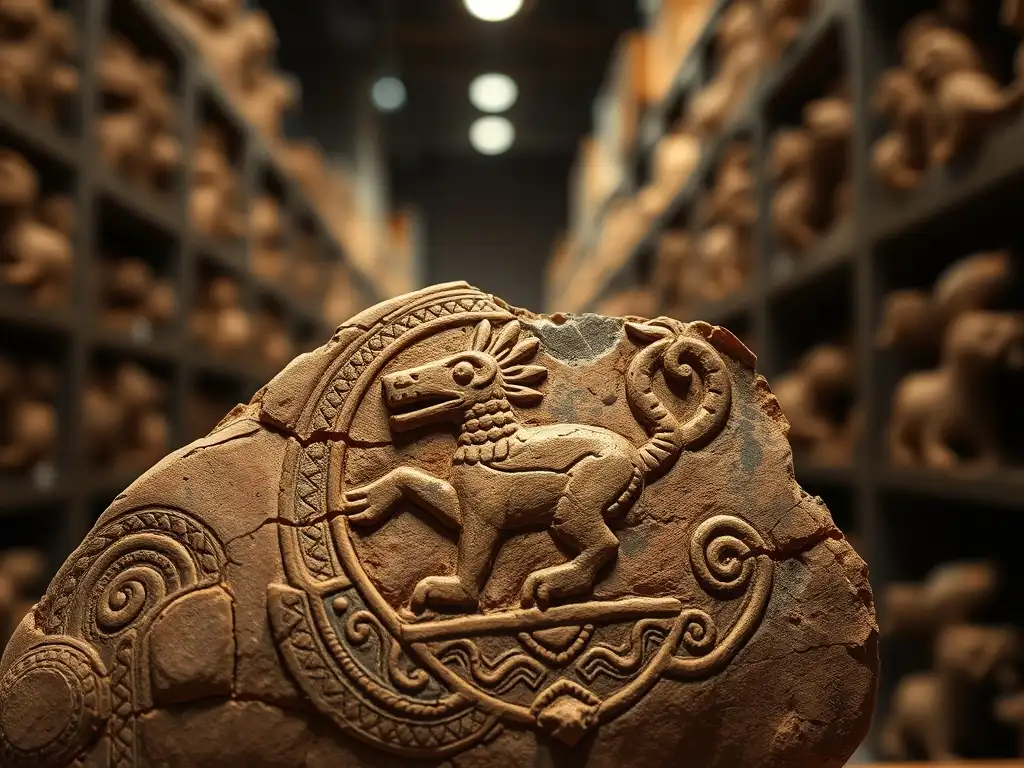
The British Museum boasts an unparalleled collection of Moche pottery, offering a treasure trove of information for those seeking to understand the artistry and techniques of this ancient Andean civilization. Going beyond simple image browsing, the museum's online database allows for in-depth research into specific pieces. Detailed descriptions, high-resolution images, and sometimes even 3D models, provide an unprecedented level of access to these artifacts. For example, you can examine the intricate details of a Moche portrait vessel, analyzing the masterful use of slip and pigment to understand the techniques used to create such lifelike depictions.
By comparing several pieces, you can trace stylistic changes over time and potentially identify the workshops or individual artisans responsible for their creation. This level of detail is invaluable for researchers, students, and anyone with a passion for the Moche. Further enhancing the research potential, the museum often publishes scholarly articles and research papers online, offering further insights into the context and significance of the pottery. This allows for a deeper understanding beyond the visual appeal, exploring the social, religious, and political implications represented in the art.
Exploring the British Museum's digital collection is an essential step in any serious exploration of Moche pottery techniques. Don't just look—analyze. The depth of information available helps unlock the secrets held within these ancient objects.
Language Learning Apps: Essential for Meaningful Interactions in the Andes
Navigating the Andes and truly immersing yourself in the culture requires more than just a guidebook; it necessitates interaction with the local people. While Spanish is widely spoken in many parts of the Andes, understanding Quechua, Aymara, or other indigenous languages can significantly enrich your experience. Language learning apps provide a convenient and accessible tool for acquiring basic conversational skills before your trip. Apps like Memrise, Babbel, and Rosetta Stone offer structured lessons, focusing on vocabulary and grammar relevant to daily life.
This allows you to confidently order food, ask for directions, or engage in simple conversations with locals. Beyond basic phrases, these apps often include cultural insights, further enhancing your understanding of the region. The interactive nature of language learning apps makes the process engaging and fun, allowing you to learn at your own pace and revisit lessons as needed.
Remember that even a few basic phrases in a local language can go a long way in demonstrating respect and building connections with the Andean communities you encounter. This is crucial for experiencing the authenticity of Andean civilizations and fostering meaningful interactions. The ability to communicate, even imperfectly, opens doors to deeper cultural understanding and more rewarding experiences.
Duolingo: Mastering Quechua for Authentic Conversations
Duolingo, with its gamified approach to language learning, stands out as a particularly effective tool for beginners tackling Quechua. The app's structured lessons break down the language into manageable chunks, focusing on practical vocabulary and grammatical structures. The use of repetition and spaced repetition systems ensures that vocabulary sticks, while the interactive exercises provide immediate feedback. This makes the learning process both effective and enjoyable.
While achieving fluency in Quechua through Duolingo alone might be challenging, the app provides a solid foundation for basic communication. This allows you to engage in simple conversations, ask questions, and show respect by using a few phrases in the local language. Moreover, Duolingo often incorporates cultural context within its lessons, providing insights into Quechua-speaking communities and their customs. This contextual learning enhances your understanding of the language and its place within the broader Andean cultural landscape.
Combining Duolingo with other resources, such as phrasebooks and immersion experiences, offers a comprehensive approach to learning Quechua, creating a more authentic and engaging Andean adventure. Remember to supplement your app-based learning with real-world practice whenever possible for the best results. The effort you put into learning Quechua will be richly rewarded with deeper connections and a more meaningful travel experience.
Essential Gear & Resources for Off-the-Beaten-Path Exploration
This section delves into the crucial gear and resources needed for a truly immersive experience exploring the wonders of Andean civilizations beyond the typical tourist trail. Focusing on "Andean civilizations alternative resources," we'll examine tools and equipment that will enhance your journey and allow you to connect with the region's rich history and culture on a deeper level. Forget generic guidebooks; let's equip you for an unforgettable adventure.
Navigating the remote and sometimes challenging terrain of the Andes requires more than just a basic map. For truly off-the-beaten-path exploration of Andean civilizations, specialized mapping and navigation tools are essential. Relying solely on GPS can be risky in areas with unreliable cellular service or dense cloud cover. Therefore, a multi-faceted approach is recommended.
Consider these options:
- Topographic Maps: These maps provide detailed elevation information, crucial for planning treks and understanding the landscape's challenges. Look for maps specifically designed for hiking and trekking in the Andes, indicating trail routes, water sources, and potential hazards. Many excellent topographic maps are available for purchase online or in specialized outdoor shops. Ensure the map is recent to reflect any changes in trails or infrastructure.
- Paper Maps and Compass: A classic combination, but still incredibly relevant. A good quality compass, combined with detailed paper maps, provides a backup navigation system independent of electronic devices. This is particularly important in areas with limited or no cell service, a common occurrence in the remote Andes. Learning basic map and compass navigation skills beforehand is highly recommended.
- GPS Device with Preloaded Maps: A handheld GPS device, preloaded with detailed topographic maps of the region, offers a valuable navigational aid. Ensure the device has sufficient battery life and consider carrying extra batteries. Familiarize yourself with the device's functionality before your trip.
- Offline Mapping Apps: Several smartphone apps offer offline map functionality, allowing you to download maps for specific regions before your trip. This is a valuable supplement to other navigation methods, but remember that battery life is a critical factor.
The best approach often involves combining several of these methods for redundancy and reliability, ensuring a safe and successful exploration of the fascinating sites related to Andean civilizations. Proper planning and preparation are paramount for any adventure in the Andes.
National Geographic Maps: Detailed Topographic Maps of the Sacred Valley
National Geographic maps hold a special place amongst travelers venturing into the Andes. Their reputation for accuracy and detail makes them a prized possession for those seeking to explore the Sacred Valley and beyond. These aren't your average tourist maps; they provide incredibly detailed topographic information, showing elevation changes, trail networks, and even archaeological sites with remarkable precision.
The level of detail offered by these maps allows for a more nuanced understanding of the landscape, facilitating informed decision-making during treks and hikes. For example, identifying ancient Inca terraces or understanding the geographical challenges faced by the ancient civilizations becomes significantly easier. You can better appreciate the ingenuity of the Inca's agricultural practices by studying the intricate terracing systems depicted on these maps.
Furthermore, National Geographic maps often include valuable contextual information, enriching your experience with historical and cultural insights related to the region. This adds another layer to your journey, transforming simple navigation into a learning experience. Consider supplementing your National Geographic maps with other resources for a truly comprehensive understanding of the area's history and geography.
High-Quality Photography Equipment: Capturing the Essence of Andean Landscapes
The breathtaking landscapes and awe-inspiring archaeological sites of the Andes deserve to be captured in high quality. Investing in good photography equipment will allow you to document your journey and share the beauty of these ancient civilizations with others. This is especially important when exploring lesser-known sites, as your photographs might be the only record for many people.
Consider these aspects:
- Camera Body: A DSLR or mirrorless camera with good low-light performance is ideal for capturing stunning images, even in the challenging lighting conditions often encountered in the Andes.
- Lenses: A versatile lens kit, including a wide-angle lens for landscapes and a telephoto lens for capturing details, is highly recommended.
- Tripod: A sturdy tripod is essential for capturing sharp images, especially in low-light conditions or when using longer exposure times.
- Extra Batteries and Memory Cards: The cold Andean climate can significantly drain battery life, and you'll want ample storage for all those incredible photos.
- Drone (with proper permits): For truly breathtaking perspectives, a drone (with all necessary permits and adhering to local regulations) can offer unique angles and capture the vastness of the Andean landscapes. Always check local regulations before flying a drone.
Remember, responsible photography is crucial. Respect the sites and the local communities. Avoid disturbing any artifacts or structures, and always obtain permission before photographing people. High-quality photography can help you not only preserve your memories but also share the wonders of Andean civilizations with the world.
Sony Alpha Series: Documenting the Intricacies of Andean Textiles
The vibrant tapestry of Andean cultures is richly reflected in their textiles. From the intricate designs of the Inca chumpi belts to the symbolic weavings of the Nazca culture, these fabrics tell stories spanning centuries. Capturing the detail and artistry of these textiles requires a camera capable of high-resolution imagery and versatility. The Sony Alpha series, with its renowned image quality and interchangeable lens system, proves ideal for this purpose.
A macro lens, for instance, allows for incredibly detailed close-ups of the individual threads, revealing the techniques and symbolism embedded within each piece. The ability to adjust aperture and shutter speed grants control over depth of field and exposure, crucial for capturing the rich colors and textures of the textiles in varied lighting conditions – from the bright sun of the altiplano to the dimly lit interiors of museums. Furthermore, the Sony Alpha's compact size makes it an ideal companion for navigating crowded markets or remote archaeological sites where larger equipment might be cumbersome.
Photographers can easily capture the context of the textiles, showing them in their cultural setting, adding another layer to the documentary value of the images. Choosing the right Sony Alpha model depends on individual needs and budget, but the image quality across the series ensures stunning results, preserving the legacy of Andean textile artistry for future generations. Consider investing in extra batteries, as the cold Andean climate can impact battery life.
Portable Water Filtration Systems: Ensuring Safe Hydration in the Andes
Hydration is paramount when exploring the Andes, particularly when venturing off the well-trodden tourist trails. Altitude sickness, a common concern at high elevations, is exacerbated by dehydration. Furthermore, access to clean drinking water can be unpredictable in remote areas. Portable water filtration systems offer a reliable solution, ensuring safe hydration throughout your Andean adventure.
These systems, ranging from simple squeeze filters to more complex gravity-fed options, remove harmful bacteria, viruses, and protozoa from water sources, making them safe for consumption. The Sawyer Squeeze, for example, is a popular choice among hikers and travelers due to its lightweight design and ease of use. However, the effectiveness of any filtration system depends on the quality of the water source. Always inspect the water before filtering and avoid sources that appear visibly contaminated.
Carrying water purification tablets as a backup is also a prudent measure, particularly if you anticipate encountering unusually murky water. Remember to regularly clean and maintain your filtration system according to the manufacturer's instructions to ensure its continued effectiveness. Proper hydration is crucial not only for physical well-being but also for enhancing your overall Andean exploration experience, allowing you to fully appreciate the breathtaking landscapes and rich culture without the hindrance of illness. Staying hydrated also combats altitude sickness symptoms and improves your overall energy levels.
Sawyer Squeeze: Staying Healthy During Remote Trekking
The Sawyer Squeeze water filter stands out as a reliable and lightweight option for treks through remote Andean regions. Its compact design and simple operation make it perfect for backpackers and adventurers seeking to minimize weight and maximize efficiency. The filter itself is incredibly effective at removing bacteria and protozoa, significantly reducing the risk of waterborne illnesses. This is particularly important in areas where access to clean water sources is limited or uncertain. Beyond its effectiveness, the Sawyer Squeeze's durability is noteworthy.
It can withstand rough handling and various water conditions, making it a resilient companion for challenging treks. However, it's crucial to understand that the Sawyer Squeeze primarily filters out biological contaminants. It does not remove chemicals or heavy metals. Therefore, choosing your water source carefully remains essential. Avoid water sources near settlements or areas with potential contamination.
Pre-filtering the water through a cloth or using a pre-filter can extend the life of the Sawyer Squeeze and improve its performance in particularly muddy or silty water. Regular cleaning and maintenance, as outlined in the manufacturer’s instructions, are vital for prolonging the filter's lifespan and ensuring its continued effectiveness in keeping you healthy and hydrated throughout your Andean adventure. Remember to always carry a backup water purification method, such as iodine tablets, in case of emergencies or unexpected difficulties with the Sawyer Squeeze. Prioritizing safe water practices is an integral part of responsible and enjoyable Andean exploration.
Monetizing Your Andean Adventure Preparation
This section explores how to leverage your Andean adventure preparation into opportunities for sharing your experiences and potentially generating income. While focusing on enriching your personal journey, we'll also consider ways to monetize your knowledge and passion for Andean civilizations. This isn't about solely focusing on profit; rather, it's about creating sustainable avenues to support your exploration and share the incredible stories of these ancient cultures.
Recommended Books on Andean Culture: Delving Deeper into History & Traditions
Before embarking on your Andean journey, immersing yourself in the rich tapestry of Andean history and traditions is crucial. Going beyond basic guidebooks, consider these resources to deepen your understanding and enhance your experience:
- Academic Texts: Look for scholarly works focusing on specific Andean cultures (Inca, Moche, Nazca, Tiwanaku). These texts often provide detailed analyses of archaeological findings, social structures, and religious beliefs, offering a far richer understanding than tourist-oriented publications. They might be challenging, but the depth of knowledge gained is invaluable.
- Ethnographic Studies: These works provide firsthand accounts of Andean communities, their customs, and their perspectives. This perspective offers a crucial counterpoint to the often-Eurocentric narratives found in more general histories. Look for books that focus on contemporary Andean life and its connection to ancestral traditions.
- Literary Works: Don't underestimate the power of fiction and creative non-fiction. Many novels and short stories are set in the Andes, offering captivating narratives that bring the region and its people to life. These works can provide insights into the human experience within the Andean context, supplementing academic research with emotional depth.
- Specialized Guides: Beyond general travel guides, seek out books specifically focused on archaeological sites, trekking routes, or specific cultural aspects of the Andes. These specialized resources can enhance your appreciation of the sites you visit, providing context and enriching your experience.
For example, a deep dive into the Moche culture could involve studying their intricate ceramics and understanding their complex religious rituals. Similarly, researching the Nazca Lines requires understanding the astronomical and ritualistic interpretations proposed by experts. Thorough preparation through diverse readings will significantly enhance your appreciation of the sites and artifacts you encounter.
The Spirit of the Andes: Understanding Andean Cosmovision
Understanding the Andean cosmovision—the worldview that shaped Andean civilizations—is key to truly appreciating their art, architecture, and social structures. This complex worldview emphasizes the interconnectedness of all living things, the importance of reciprocity, and the spiritual significance of the natural world.
Several books delve into the intricacies of Andean spirituality. These resources can help you grasp the underlying philosophies that informed every aspect of Andean life. Reading about Pachamama (Mother Earth) and the significance of mountains, water sources, and celestial bodies will profoundly impact your understanding of the sites you'll visit. Consider the role of shamans and rituals in Andean society.
This knowledge will provide a deeper context for what you see and experience. For instance, understanding the significance of sacred sites can transform a simple visit into a spiritually enriching experience. The more you prepare, the more meaningful your journey will become.
Lost City of the Incas: Exploring the Art of the Nazca Lines
The Nazca Lines, a series of massive geoglyphs etched into the Peruvian desert, remain one of the world's greatest mysteries. While guidebooks offer basic information, delving deeper into their creation, purpose, and significance requires dedicated research. Exploring the different theories surrounding their creation—from astronomical calendars to ritualistic practices—adds another layer to your understanding.
Consider the logistical challenges of studying and preserving these fragile works of art. The vastness of the desert and the delicate nature of the lines necessitate careful planning and respectful observation. Many researchers propose various interpretations, and familiarizing yourself with these diverse viewpoints will allow you to form your own conclusions during your visit. This preparation will enable you to appreciate the scale and complexity of the lines, fostering a more profound understanding of the Nazca civilization's ingenuity and cultural practices. Don't just see the lines; understand the effort, theories, and mystery surrounding their creation.
Affiliate Links to Travel Gear: Preparing for Every Eventuality
Planning a trip to explore the wonders of Andean civilizations requires meticulous preparation. Beyond the typical guidebook, savvy travelers are increasingly turning to affiliate links for access to high-quality, essential gear. These links not only provide convenient access to necessary items but also offer a potential revenue stream for those who share their passion for Andean exploration.
Consider the diverse range of products you might need: high-altitude clothing, robust backpacks capable of carrying substantial loads across challenging terrain, reliable first-aid kits stocked with essentials for altitude sickness and minor injuries, and versatile rain gear suited to the Andes' unpredictable weather patterns. A well-curated collection of affiliate links offering such products can significantly enhance your preparation and contribute to a more financially sustainable approach to your Andean adventure. Remember to carefully select affiliate partners that align with your values and provide high-quality, durable products that stand up to the rigors of Andean travel.
This meticulous selection process ensures that you're recommending products you genuinely trust, thereby enhancing the credibility of your recommendations and contributing to a positive user experience. A successful affiliate marketing strategy in this context is about sharing your expertise and passion for responsible and prepared Andean exploration.
Affiliate Link to Hiking Boots
The right hiking boots are paramount for any Andean expedition. The terrain is varied and often unforgiving, ranging from rocky trails to muddy inclines. A good pair of boots provides crucial ankle support, protects your feet from injury, and ensures comfort even after many hours of trekking. Promoting affiliate links to high-quality hiking boots specifically designed for rugged terrain is a valuable service to fellow Andean enthusiasts.
When choosing boots for affiliate marketing, consider factors like durability, waterproofing, breathability, and weight. Highlighting boots with features like Vibram soles for superior grip and Gore-Tex lining for waterproof protection can significantly improve your affiliate link's appeal. Consider featuring boots from reputable brands known for their quality and performance in demanding conditions.
Remember to provide detailed reviews and comparisons, highlighting the pros and cons of different boot models to help your audience make informed decisions. By focusing on the practical aspects of choosing the right footwear, you'll build trust and establish yourself as a reliable resource for Andean travel preparation. This approach ensures that your affiliate links serve a genuine purpose beyond simply generating revenue.
Affiliate Link to Portable Charger
Staying connected in the Andes can be challenging, particularly in remote areas. A reliable portable charger is therefore indispensable for travelers who rely on their smartphones for navigation, communication, photography, and access to essential information. Promoting affiliate links to high-capacity portable chargers ensures that your audience can maintain their connectivity throughout their journey.
When selecting chargers for your affiliate program, prioritize capacity, charging speed, and durability. Highlight chargers with multiple USB ports to accommodate multiple devices simultaneously. Consider mentioning features like solar charging capabilities, especially beneficial for extended treks where access to power outlets is limited.
Emphasize the importance of a reliable power source for safety and peace of mind, particularly in emergency situations. By showcasing the value of a portable charger for both convenience and safety, you'll effectively demonstrate the practical benefits of your affiliate links, turning them into a useful resource for your audience, not just a source of revenue. This approach significantly enhances the credibility and usefulness of your affiliate marketing strategy within the context of Andean exploration.
Conclusion: Elevating your Andean Journey with Alternative Resources
This exploration of alternative resources for experiencing Andean civilizations aims to enrich your journey beyond the typical tourist trail. By engaging with these less-traveled paths, you unlock a deeper understanding and appreciation for the intricate tapestry of Andean history, culture, and artistry. Remember, the true magic of exploring Andean civilizations lies in the details – the nuanced perspectives, the hidden stories, and the authentic connections you forge along the way.
These alternative resources are not merely tools; they are keys to unlocking a more immersive and meaningful experience. They allow you to move beyond surface-level observations and delve into the heart of Andean heritage.
Embracing Authenticity: The Value of Going Beyond the Typical Tourist Experience
The allure of the Andes often draws travelers to well-trodden tourist paths. While these offer a glimpse into the region's wonders, they often lack the depth and authenticity achievable through alternative approaches. For example, relying solely on mainstream guidebooks may present a sanitized, generalized view of Andean cultures, potentially overlooking the diversity and complexity inherent within each civilization. By contrast, exploring lesser-known museums, engaging with local artisans directly, or delving into academic research provides a far richer, more nuanced understanding.
This deeper engagement fosters a greater respect for the Andean people and their legacy. The difference is akin to tasting a pre-packaged meal versus experiencing a home-cooked feast prepared with local ingredients and traditional techniques. The latter is undeniably more flavorful, more meaningful, and more representative of the true culinary essence. Similarly, seeking out alternative resources allows you to savor the authentic flavors of Andean civilization.
Consider the impact of direct interaction with local communities. Instead of simply observing from a distance, actively seek out opportunities to participate in traditional ceremonies, learn local crafts, or engage in conversations with community members. These interactions foster genuine connections, providing invaluable insights that are rarely found in commercial tourist settings.
This approach isn't just about seeing the Andes; it's about experiencing them on a human level. It's about building empathy and understanding, transforming a simple trip into a transformative experience. The richness of these interactions is immeasurable, adding a layer of depth and personal meaning that no guidebook can replicate.
Further Exploration: Resources to Continue Your Andean Learning Journey
The journey of discovery doesn't end with your return home. The wealth of information available on Andean civilizations ensures that your learning can continue long after your physical journey concludes. Academic journals, specialized documentaries, and online archives offer a wealth of in-depth knowledge, allowing you to delve deeper into specific aspects that piqued your interest during your travels.
Furthermore, engaging with online communities dedicated to Andean studies can provide opportunities for continued learning and discussion with fellow enthusiasts. This sustained engagement keeps the spirit of exploration alive, fostering a deeper appreciation and understanding of the Andean civilizations long after you've left the region.
This pursuit of knowledge can take many forms. For example, you might choose to focus on a specific Andean civilization, such as the intricate artistry of the Nazca lines or the sophisticated engineering of the Inca empire. You might also explore specific themes, such as the role of religion in Andean society or the impact of Spanish colonization on Andean cultures.
The possibilities are vast and varied, ensuring that your exploration remains engaging and intellectually stimulating. Consider creating a personal library of books, documentaries, and academic articles focusing on topics that particularly resonated with you during your trip. This curated collection will serve as a valuable resource for future learning and allow you to revisit the experiences and insights you gained during your Andean adventure.
The more you learn, the more deeply you will appreciate the incredible legacy of these ancient civilizations. The journey of understanding Andean civilizations is a lifelong pursuit, and these resources provide a roadmap for continued exploration and discovery.
Frequently Asked Questions
What are some alternative resources beyond typical guidebooks for learning about Andean civilizations?
Beyond guidebooks, consider academic journals, online databases like JSTOR or Project MUSE, and documentaries focusing on specific Andean cultures. These offer in-depth information and diverse perspectives.
Where can I find reliable information about Andean art and artifacts outside of museums?
Explore online museum collections, academic publications, and high-quality documentaries. Many museums offer virtual tours and detailed online catalogs of their Andean collections. Reputable websites and scholarly articles provide further context.
How can I learn more about the daily lives of people in different Andean civilizations?
Look for ethnohistorical accounts, archaeological reports, and anthropological studies. These sources offer insights into daily routines, social structures, and beliefs of various Andean groups.
Are there any lesser-known Andean cultures I should explore further, besides the Incas?
Absolutely! Research the Moche, Nazca, Tiahuanaco, and Wari civilizations. These groups developed unique technologies, art styles, and social structures, offering a richer understanding of the Andean region's complexity.
What resources can help me understand the technological advancements of the Andean civilizations?
Explore resources focusing on Andean engineering, metallurgy, and agriculture. Academic articles and specialized books detail their impressive achievements in areas like irrigation systems, textiles, and metalworking.
Final Reflection: Reclaiming the Narrative of Andean Civilizations
Understanding Andean cultures requires moving beyond the typical tourist gaze; it demands a deeper engagement with alternative resources that honor their rich history and vibrant present. The homogenized narratives often presented fail to capture the diversity and complexity of these civilizations, leaving a significant gap in our understanding and appreciation. This necessitates a conscious shift towards more authentic and respectful forms of engagement.
The impact of rediscovering Andean civilizations through alternative resources is profound. It challenges the dominant narratives imposed by colonialism and tourism, allowing for a more nuanced and empowering understanding of their legacy. The past is never dead. It's not even past.
- William Faulkner. This quote perfectly encapsulates the ongoing relevance of Andean history and the importance of actively seeking out diverse perspectives to truly grasp its enduring influence on the world today. By engaging with these alternative resources, we not only learn more about the past, but also contribute to a more just and equitable future for Andean communities.
Now, consider your own journey of discovery. How can you actively seek out alternative resources in your own explorations, whether it's through supporting indigenous-led tourism initiatives, engaging with independent scholars and artists, or simply listening to the stories of those who carry the legacy of these civilizations forward? Let this exploration be a starting point for a deeper, more meaningful connection with the vibrant tapestry of Andean culture, a connection built on respect, understanding, and a commitment to preserving its rich heritage for generations to come.
Thank you for joining us on this journey into the heart of Andean culture! We hope you're inspired to explore beyond the typical tourist trail and discover the rich tapestry of traditions, landscapes, and cultures this incredible region offers. Let's turn that inspiration into action!
- Start planning your next adventure by seeking out local artisans and participating in workshops that showcase traditional Andean crafts and cooking techniques. Learn to weave alpaca wool, create intricate silver jewelry, or prepare a delicious Pachamanca.
- Join our community! Share your thoughts and experiences in the comments below, or connect with fellow travelers on our social media channels. We'd love to hear about your discoveries!
- Document your unique journey – whether through a travel journal, blog, or photo album – and inspire others to explore less-traveled paths in the Andes. Share your stunning photographs of mountain vistas or captivating stories of local encounters.
What aspect of Andean culture excites you most for your next trip? Are you drawn to the ancient ruins, the vibrant textiles, or the delicious cuisine?