
The Andean Cookbook: Essential Resources for Discovering Local Flavors

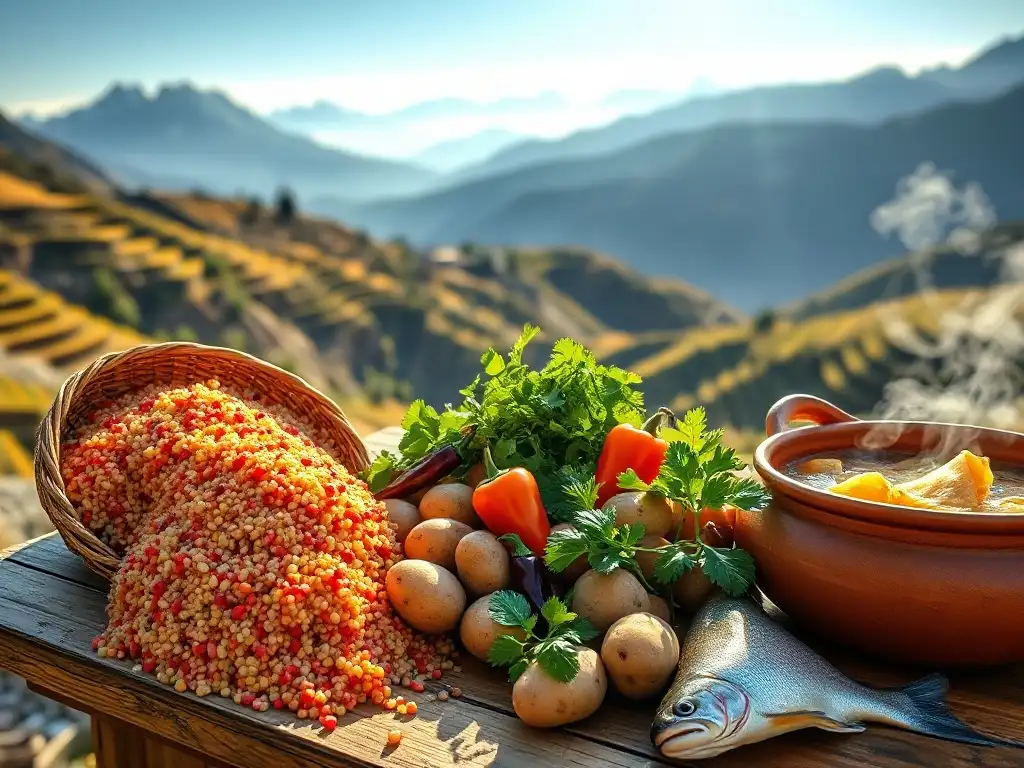
Uncover the secrets whispered on the wind through the Andes Mountains. For centuries, these majestic peaks have witnessed the rise and fall of incredible civilizations, each leaving behind a legacy as rich and varied as the landscape itself. But what if the most captivating stories are told not in stone, but in spice? Dive into the fascinating world of Andean cuisine recipes, a vibrant tapestry woven from ancient traditions and modern innovation. Discover the flavors that fueled empires, and prepare to be amazed by the culinary heritage waiting to be explored in our Exploring the Andes Today section.
Embark on a culinary adventure through the Andes Mountains! This article delves into the vibrant world of Andean cuisine, a fascinating tapestry woven from centuries of tradition and ingenuity. From the towering peaks of the Andes to the fertile valleys below, the region boasts a unique gastronomic landscape shaped by diverse climates, indigenous ingredients, and ingenious cooking techniques. We'll explore the essential resources, particularly cookbooks, that will allow you to recreate the authentic flavors of Andean dishes in your own kitchen.
This guide is perfect for anyone eager to understand the cultural significance of food in Andean societies and, of course, for those seeking to master the art of preparing delicious and authentic Andean cuisine recipes. Get ready to spice up your life with the rich history and exciting flavors of the Andes! 🌶️
Unveiling the Secrets of Andean Cooking: A Culinary Journey
Andean cuisine is far more than just a collection of recipes; it's a reflection of the region's diverse geography and rich cultural heritage. The high altitude, varied climates, and unique ecosystems of the Andes have shaped the culinary traditions for millennia. Imagine the vibrant colors of aji amarillo peppers, the earthy aroma of quinoa, and the satisfying chewiness of potatoes – all staples of Andean cooking.
These ingredients, along with others like corn, beans, and various tubers, form the foundation of countless dishes, each carrying its own story and cultural significance. Mastering Andean cuisine means understanding the interplay of these ingredients and the techniques passed down through generations. It’s a journey of discovery, unlocking the secrets of ancient culinary practices and appreciating the ingenuity of Andean cooks.
This journey will also reveal how Andean cuisine has adapted and evolved over time, incorporating new ingredients and techniques while preserving its core identity. The result is a cuisine that is both deeply rooted in tradition and remarkably versatile.
Why Explore Andean Cuisine Recipes?
Exploring Andean cuisine recipes offers a multitude of rewards beyond simply enjoying delicious food. It's a chance to:
- Connect with a rich cultural heritage: Andean cuisine is intrinsically linked to the history and traditions of the Andean peoples. By cooking these dishes, you're engaging with a vibrant cultural legacy.
- Discover unique and nutritious ingredients: Andean cuisine showcases a wealth of nutritious and unique ingredients often unavailable elsewhere, such as quinoa, amaranth, and diverse varieties of potatoes.
- Expand your culinary skills: Andean cooking techniques, often involving slow cooking and the artful use of spices, will challenge and expand your culinary abilities.
- Impress your friends and family: Sharing authentic Andean dishes with loved ones is a wonderful way to introduce them to a new and exciting cuisine.
- Support sustainable food practices: Many Andean ingredients are cultivated using sustainable agricultural practices, supporting local communities and preserving biodiversity.
Essential Cookbooks for Mastering Andean Cuisine Recipes
Several excellent cookbooks provide detailed guidance and authentic recipes for mastering Andean cuisine. These resources offer a deeper understanding of the techniques and ingredients involved, allowing you to recreate the magic of Andean flavors in your kitchen. Choosing the right cookbook depends on your skill level and specific interests, but several stand out for their comprehensive approach and delicious recipes. [Specific cookbook titles and authors pending].
Consider looking for cookbooks that include detailed historical context, explanations of traditional cooking methods, and beautiful photography to truly immerse yourself in the culinary world of the Andes. Remember to also seek out resources that highlight the regional variations within Andean cuisine, as the culinary traditions vary significantly across different Andean communities. A well-rounded approach to learning about Andean cuisine involves exploring multiple resources and experimenting with different recipes.
Online Resources for Authentic Andean Food Recipes
Finding authentic Andean cuisine recipes online requires careful selection. Many websites offer recipes, but verifying their authenticity is crucial. Look for sources that cite specific Andean regions or indigenous communities as the origin of the recipes. Blogs maintained by Andean chefs or food historians are excellent starting points.
These often include detailed explanations of the cooking methods and cultural significance of the dishes. Be wary of sites that simply present a recipe without context or cultural background; a true reflection of Andean cuisine goes beyond mere ingredients and preparation. Consider the language used; recipes translated directly from Quechua or Aymara (or other indigenous languages) often carry more authenticity than those adapted from secondary sources. The inclusion of historical notes or anecdotes about the dish's origin further enhances the authenticity and provides a richer understanding of the culinary heritage.
Remember to cross-reference information across multiple sources to ensure accuracy and avoid misinterpretations. Using a combination of academic resources and community-based blogs will provide a more well-rounded understanding of Andean food. Finally, don't be afraid to experiment and adapt recipes to your own preferences – but always maintain respect for the original traditions.
Key Ingredients in Traditional Andean Cooking: A Guide
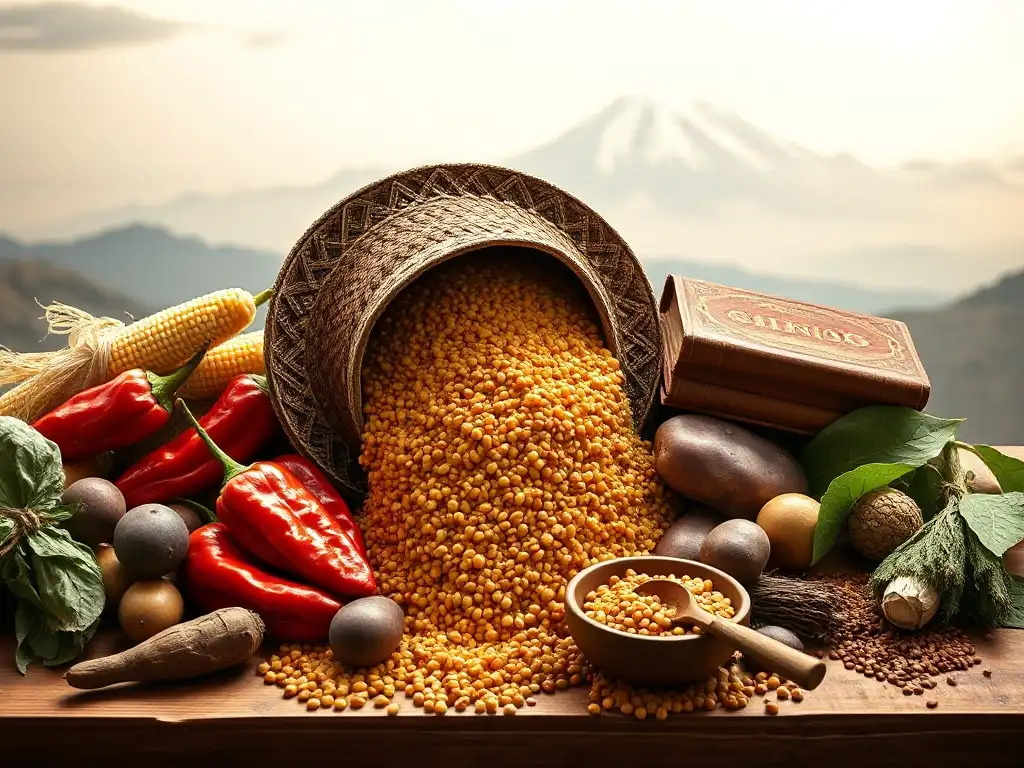
Andean cuisine relies heavily on a variety of locally sourced ingredients. Understanding these key components is essential for recreating authentic dishes. Potatoes, in their countless varieties, are a cornerstone. From the small, intensely flavored papa negra to the larger, mealy papa amarilla, the potato forms the base of many Andean dishes. Another crucial element is quinoa, a complete protein that offers a nutritional powerhouse.
Used in soups, salads, and as a side dish, quinoa is a staple across the Andean region. Corn, another essential grain, appears in various forms, from hominy to dried corn kernels, enriching the flavor profile of numerous recipes. Aji peppers, ranging in heat and flavor, provide the spicy kick characteristic of many Andean dishes. The specific type of aji used often varies by region, leading to a rich diversity in taste. Legumes like beans and lentils are also prevalent, adding protein and texture to meals.
Finally, herbs and spices, unique to the Andes, add distinctive aromatic notes. These include huacatay (black mint), muña (a minty herb), and various types of chili peppers. Understanding the nuances of these core ingredients is paramount to successfully preparing and appreciating the depth and complexity of Andean cuisine. Many of these ingredients are becoming increasingly available globally, allowing for a wider exploration of this unique culinary heritage.
Exploring Andean Drinks: Complementing the Cuisine
Beyond the rich and diverse food, Andean beverages offer a crucial complement to the culinary experience. Chicha, a fermented corn beverage, holds significant cultural and historical importance. Various types of chicha exist, each with its own distinct flavor profile and preparation method. Some are sweet and mildly alcoholic, while others are more potent and tart.
Understanding the regional variations of chicha is key to appreciating its diverse forms. Mates, a traditional South American drink, is also popular in the Andes. This beverage, typically prepared with yerba mate leaves and hot water, is often shared socially, mirroring its cultural significance. Herbal infusions, made from local plants and herbs, offer a refreshing alternative, often incorporating elements like muña or coca leaves.
These drinks are not only delicious but often possess medicinal properties valued for centuries. Additionally, fruit juices, made from locally grown fruits like lucuma and chirimoya, provide a sweet and flavorful counterpoint to spicier dishes. Exploring these diverse Andean drinks enhances the overall culinary journey, providing a deeper understanding of the region’s rich traditions and the integral role beverages play in Andean culture and daily life. These beverages perfectly complement the flavors of the food, offering a complete and authentic sensory experience.
Tips for Cooking Authentic Andean Food at Home
Cooking Andean cuisine at home can be a rewarding experience, connecting you directly to the rich history and culture of the region. However, achieving authentic flavors requires attention to detail and sourcing the right ingredients. One crucial aspect is understanding the foundational elements of Andean cooking: potatoes, corn, and quinoa.
These staples aren't just ingredients; they're the heart of the Andean diet, each boasting numerous varieties with unique textures and tastes. Experimenting with different potato types – from the creamy papa amarilla to the firm papa negra – will drastically impact the final dish. Similarly, the type of corn used, whether it's sweet or more starchy, will significantly alter the flavor profile of a humita or a chicha morada.
Beyond the staples, sourcing authentic spices is key. Aji amarillo, a bright yellow chili pepper, is ubiquitous in Peruvian cuisine, adding a distinctive fruity heat. Similarly, huacatay, a unique herb with a strong, slightly minty and peppery flavor, is essential for many traditional sauces and stews. Finding these ingredients might require visiting specialty stores or online retailers, but the effort is well worth it. Don't be afraid to experiment with substitutions, but remember that achieving the true Andean flavor profile often necessitates using the authentic ingredients.
Finally, embrace the techniques. Andean cooking often involves slow cooking methods, allowing the flavors to meld and deepen. Stews like pachamanca, traditionally cooked underground, are a testament to this. While replicating the underground cooking might be impractical at home, slow-cooking in a pot or using a pressure cooker can achieve similar results.
Mastering these techniques will elevate your Andean cooking from good to exceptional. Remember to be patient and enjoy the process; authentic Andean cooking is as much about the journey as the destination. This mindful approach will allow you to truly appreciate the depth and complexity of Andean flavors.
Conclusion: Embark on Your Andean Culinary Adventure
Exploring Andean cuisine is more than just trying new recipes; it's a journey of discovery, a chance to connect with a vibrant culture through its food. From the hearty stews to the subtly sweet desserts, each dish tells a story, reflecting centuries of tradition and innovation. By incorporating the tips and resources discussed above, you can embark on your own culinary adventure, bringing the rich tastes and aromas of the Andes into your kitchen. Whether you're recreating classic dishes or experimenting with your own unique variations, remember the importance of using high-quality ingredients and embracing the traditional cooking methods.
So, gather your ingredients, consult your cookbook, and let the flavors of the Andes transport you to another world. Enjoy the culinary exploration and savor the authentic taste of Andean cuisine! Buen provecho! 🥂
- Unveiling the Secrets of Andean Cooking: A Culinary Journey
- Why Explore Andean Cuisine Recipes?
- Essential Cookbooks for Mastering Andean Cuisine Recipes
- Online Resources for Authentic Andean Food Recipes
- Key Ingredients in Traditional Andean Cooking: A Guide
- Exploring Andean Drinks: Complementing the Cuisine
- Tips for Cooking Authentic Andean Food at Home
- Conclusion: Embark on Your Andean Culinary Adventure
Frequently Asked Questions
What makes Andean cuisine unique?
Andean cuisine is unique due to its diverse ingredients, influenced by the high-altitude environment and the rich biodiversity of the Andes Mountains. It features potatoes, quinoa, and corn as staples, alongside unique meats and spices.
Where can I find authentic Andean cuisine recipes?
You can find authentic recipes in cookbooks specializing in Andean food, online resources like blogs and websites dedicated to Andean cuisine, and even through local Andean communities and restaurants. Look for sources that emphasize traditional techniques.
Are there any key ingredients I should look for when cooking Andean dishes?
Yes, essential ingredients include potatoes (many varieties!), quinoa, corn, aji peppers, and various local herbs and spices. Also consider llama or alpaca meat for a truly authentic experience.
How does altitude affect Andean cooking methods and ingredients?
Altitude impacts cooking times and ingredient choices; water boils at a lower temperature, requiring adjustments in cooking times. Certain crops thrive at specific altitudes, influencing the availability of ingredients and resulting dishes.
What are some popular Andean dishes I can try making at home?
Popular and relatively accessible dishes include papa a la huancaína (potatoes in a creamy cheese sauce), cuy (guinea pig), and various stews and soups featuring potatoes, quinoa, and beans. Many recipes are readily available online.
Final Reflection: A Taste of the Andes, A Legacy for the Future
The vibrant tapestry of Andean cuisine, far from being a mere collection of recipes, represents a living cultural heritage deeply intertwined with the land and its people. Its flavors, techniques, and ingredients tell a story of resilience, adaptation, and a profound connection to the environment – a story that resonates powerfully in our increasingly globalized world. Understanding this heritage is not just about cooking; it's about appreciating the richness of human experience.
The enduring influence of Andean cooking on global gastronomy is undeniable, a testament to its inherent quality and unique character. Its influence extends beyond simply providing delicious meals; it fosters a deeper understanding of sustainable food systems and the importance of preserving biodiversity. Food is symbolic of love when words are inadequate.
– Alan D. Wolfelt. This quote perfectly encapsulates the emotional depth woven into every Andean dish, a legacy passed down through generations and deserving of our respect and appreciation.
Now, consider your own culinary journey. What new flavors will you explore? Which Andean ingredients will you incorporate into your own kitchen? Perhaps you'll try your hand at a traditional ajiaco or experiment with the unique spices of the region. More importantly, consider the broader implications: How can we, as consumers, support sustainable food practices and celebrate the cultural heritage embedded within the food we eat? Let the flavors of the Andes inspire you to not only cook delicious meals, but also to cultivate a deeper appreciation for the world's diverse culinary traditions and the people who create them.
Unleash Your Inner Chef: Explore Andean Flavors Today!
Thank you for exploring the rich culinary heritage of the Andes with us! You've discovered valuable resources to transform your kitchen into a vibrant center of Andean flavors. Now, let's put your newfound knowledge to work!
Here are some engaging next steps:
- Start Cooking: Choose a recipe from our Andean Cookbook and create an authentic Andean dish tonight!
- Share Your Success: Post a photo or review of your creation on social media and tag us—we'd love to see your culinary journey!
- Connect with Fellow Food Lovers: Join a local Andean cooking class, or gather friends for a cooking group to explore these flavors together.
How will you incorporate these exciting Andean recipes into your weekly meals? Let's discuss your favorite dishes and culinary adventures!