
Altitude Acclimatization: Smart Gear Choices for a Safer Andean Trek

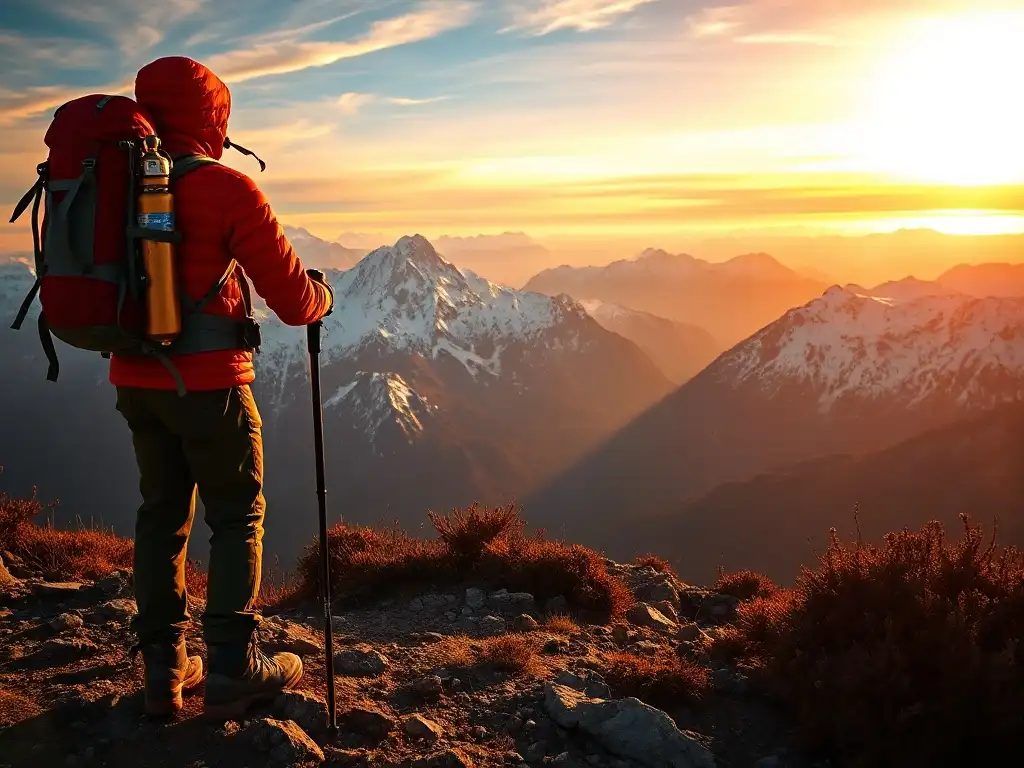
Dare to dream of conquering the Andes? Imagine standing on the heights of a lost Inca city, the wind whispering tales of empires past. But before you embark on your incredible Andean trek, understanding altitude acclimatization is crucial. This website unveils the secrets of the ancient Andean civilizations, and now, we'll equip you with the knowledge and guide you to the smartest gear choices for a safer and more fulfilling journey. Discover the essential elements of Andean trek altitude gear and prepare for an unforgettable adventure. Let's explore!
- Andean Trek Altitude Gear: Your Guide to Safer High-Altitude Hiking
- Essential Gear for Acclimatization on an Andean Trek
- Utilizing Technology for Better Acclimatization
- Preparing for Your Andean Trek: Beyond Gear
-
Frequently Asked Questions
- What is altitude acclimatization, and why is it important for Andean treks?
- What gear is essential for managing altitude on an Andean trek?
- How can I choose the right hiking boots for high-altitude trekking in the Andes?
- What clothing layers are recommended for Andean treks, considering altitude changes?
- Besides gear, what other steps can I take to prepare for an Andean trek at high altitude?
- Final Reflection: Reaching New Heights: Safety and Responsibility on the Andean Trail
- Elevate Your Trekking Experience Today!
Andean Trek Altitude Gear: Your Guide to Safer High-Altitude Hiking
Embarking on an Andean trek is an incredible journey into a world of breathtaking landscapes, ancient ruins, and vibrant cultures. However, the Andes' high altitude presents unique challenges, primarily altitude sickness. This comprehensive guide focuses on the crucial role of proper gear in mitigating the risks associated with altitude acclimatization during your Andean adventure. We'll explore the essential equipment that can significantly enhance your safety and comfort while trekking at high altitudes, ensuring you can fully appreciate the majesty of the Andes without compromising your well-being. This guide is specifically designed to help you choose the best Andean trek altitude gear, equipping you with the knowledge to make informed decisions and prioritize safety throughout your journey. From clothing designed to regulate body temperature to specialized equipment for managing altitude-related symptoms, we will cover it all. Let's delve into the specifics of preparing for a safer and more enjoyable Andean trek.
Understanding Altitude Sickness and Acclimatization for Andean Treks
Altitude sickness, also known as acute mountain sickness (AMS), is a common condition affecting individuals ascending to high altitudes rapidly. Symptoms can range from mild headaches and nausea to more severe conditions like high-altitude pulmonary edema (HAPE) and high-altitude cerebral edema (HACE). These serious complications can be life-threatening.
Acclimatization, the process of your body adapting to lower oxygen levels at higher altitudes, is crucial for preventing altitude sickness. This process takes time, typically several days, and involves gradual ascent, allowing your body to adjust. However, even with gradual ascent, the right gear can significantly aid in acclimatization and reduce the severity of symptoms.
The severity of altitude sickness varies greatly depending on individual factors such as fitness level, prior altitude exposure, and the rate of ascent. Many factors can influence your body's ability to acclimatize. For example, dehydration significantly worsens symptoms, highlighting the importance of proper hydration strategies. Similarly, exertion at high altitudes can exacerbate altitude sickness. Understanding these factors will help you better appreciate the crucial role of proper preparation and equipment selection.
The Importance of Proper Gear for High-Altitude Acclimatization
Choosing the right gear for an Andean trek significantly impacts your ability to acclimatize successfully and safely enjoy your adventure. The Andean climate can be unpredictable, with drastic temperature swings between day and night. Therefore, layering is crucial. Your gear should facilitate effective thermoregulation, managing both heat and cold efficiently. This involves selecting clothing that allows for ventilation during exertion and provides insulation during rest or colder periods.
Furthermore, appropriate footwear is paramount. Sturdy, well-fitting hiking boots with ankle support are essential for navigating uneven terrain. The boots should offer adequate protection from the elements and provide good traction to prevent slips and falls. Finally, carrying a well-stocked first-aid kit specifically designed for altitude sickness is indispensable. This kit should include medication for common altitude sickness symptoms, along with essentials for treating minor injuries. Remember, preparation is key to a safe and rewarding Andean trek.
Essential Gear for Acclimatization on an Andean Trek
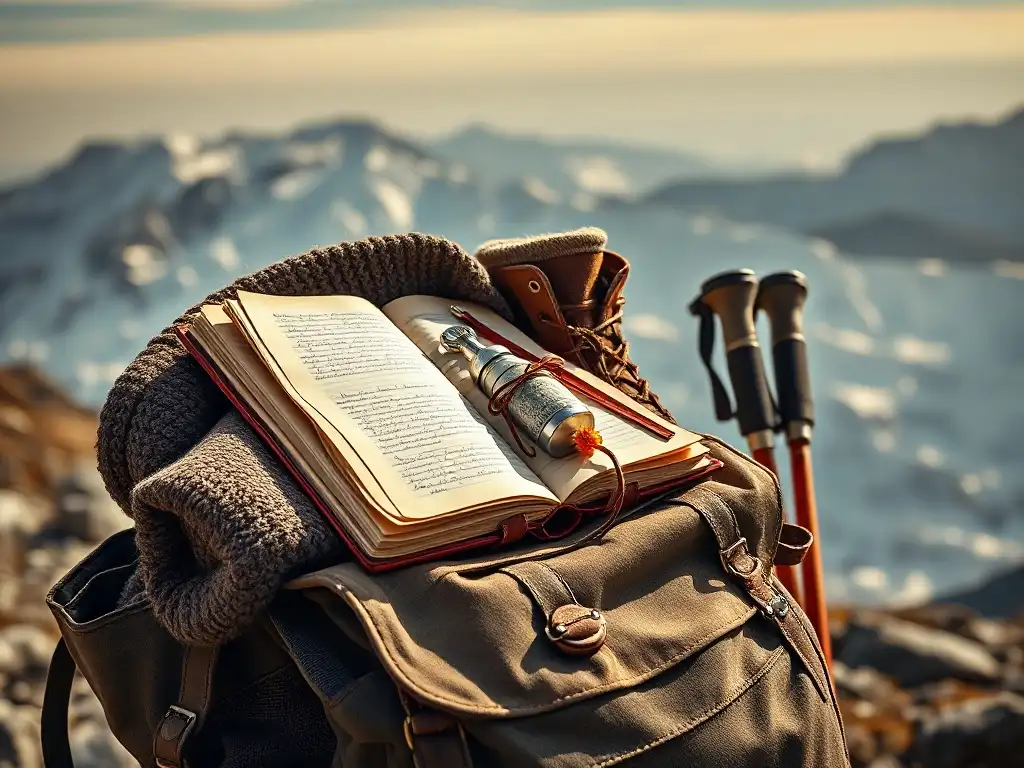
This section focuses on the crucial gear choices that significantly impact your comfort, safety, and success during an Andean trek at high altitude. Proper acclimatization is heavily influenced by your ability to regulate body temperature and maintain dry, comfortable conditions. Choosing the right gear is paramount to achieving this. We'll cover clothing, footwear, and other essential items specifically designed to address the unique challenges of Andean trekking.
Layering System: The Cornerstone of Andean Hiking Clothing
The Andean climate is notoriously unpredictable, fluctuating wildly between scorching sun and freezing temperatures within a single day. A well-planned layering system is therefore the cornerstone of successful altitude acclimatization on an Andean trek. This system allows you to adapt to changing conditions quickly and efficiently, preventing overheating and hypothermia. Your layering system should consist of three main components: base layers, mid-layers, and outer layers.
Base Layers: Moisture-Wicking Fabrics for Comfort
Base layers are your closest-to-skin garments. Their primary function is to wick away moisture (sweat) from your skin, keeping you dry and preventing chills. Avoid cotton, which absorbs moisture and stays wet, leading to discomfort and potential hypothermia. Instead, opt for synthetic materials like polyester or merino wool, which excel at moisture-wicking. Look for lightweight, seamless designs to minimize chafing. Consider bringing multiple base layers to change throughout the day. This is especially important during strenuous activities where sweating is more profuse.
Mid-Layers: Insulation for Variable Temperatures
Mid-layers provide insulation, trapping warm air close to your body and providing an extra layer of warmth when needed. Fleece jackets are a popular choice, offering excellent warmth-to-weight ratios and breathability. Down jackets are another excellent option, providing superior insulation, but they lose their effectiveness when wet. Consider a combination of fleece and down for optimal versatility. The number of mid-layers you need will depend on the time of year and the specific trekking route. Remember to prioritize lightweight, packable options to minimize weight in your backpack.
Outer Layers: Waterproof and Windproof Shells
Outer layers act as a shield against the elements. A waterproof and windproof shell is essential for protecting you from rain, snow, and strong winds, all common occurrences in the Andes. Look for breathable fabrics that allow moisture vapor to escape, preventing sweat buildup and maintaining comfort. Features like a hood and adjustable cuffs will enhance protection. A well-constructed outer shell is crucial for maintaining a comfortable body temperature, even in harsh weather conditions. Remember to regularly check the weather forecast before setting out on your Andean trek and pack accordingly.
Footwear: Choosing the Right Hiking Boots for Altitude
Choosing the right hiking boots is critical for comfort and safety on an Andean trek. The terrain can be challenging, with steep inclines, loose scree, and unpredictable weather conditions. Your boots must provide adequate support, protection, and traction to navigate these challenges effectively.
Ankle Support and Traction: Key Features for Mountain Trails
Ankle support is paramount for stability on uneven terrain. Choose boots with high-cut designs that provide sufficient ankle support to prevent sprains and injuries. The sole of your boots should provide excellent traction, especially on loose or slippery surfaces. Look for boots with deep, aggressive treads designed for mountain trails. Vibram soles are a popular and reliable choice known for their excellent grip. The type of sole you need will depend on the specific terrain you’ll be encountering, so research your trek's planned route beforehand.
Waterproofing: Keeping Your Feet Dry and Warm
Waterproof boots are essential for protecting your feet from rain, snow, and stream crossings. Gore-Tex is a popular and reliable waterproofing membrane, but other options exist. Keeping your feet dry is crucial for preventing blisters and hypothermia, both significant concerns at high altitude. Consider using waterproof gaiters as an additional layer of protection, especially in wet conditions. This is a particularly important layer for Andean treks given the variable weather conditions.
Break-in Period: Preparing Your Boots Before the Trek
Never wear brand-new boots on a multi-day trek. New boots require a break-in period to mold to your feet and prevent blisters. Wear them around the house for several hours each day, gradually increasing the duration. This will help you identify any potential discomfort areas early on and allow you to adjust them before your Andean trek. Ignoring this crucial step can lead to significant discomfort and potentially ruin your trip. It’s better to be prepared and comfortable than to experience pain and blisters during your trek.
Backpacks: Carrying Your Acclimatization Essentials
Choosing the right backpack is paramount for a comfortable and safe Andean trek. Your backpack will carry not only your clothing and camping gear but also crucial acclimatization supplies. The weight you carry significantly impacts your ability to acclimatize effectively, so selecting the appropriate pack is vital. A poorly fitting or overloaded backpack can lead to fatigue, muscle strain, and even altitude sickness. Consider the duration of your trek when selecting your pack; a longer trek will obviously require a larger capacity.
Proper weight distribution is also key, as we will discuss later. Remember, even small details, like adjustable straps and hip belts, can make a huge difference in your overall comfort and trekking efficiency. Prioritize quality over quantity – a durable, well-designed backpack will last for many treks to come. Don't forget to test your chosen pack with your entire load before your Andean adventure begins!
Backpack Size and Fit: Choosing the Right Capacity for Your Trip
The ideal backpack size for an Andean trek depends heavily on the trip's duration. For shorter treks (under a week), a 50-60 liter backpack might suffice. However, for longer expeditions, you'll likely need a larger capacity, perhaps 70-80 liters or even more, especially if you're carrying camping equipment. Beyond size, the fit is crucial.
An ill-fitting backpack can cause significant discomfort and back problems, impeding your acclimatization process. Look for backpacks with adjustable torso lengths, hip belts, and shoulder straps to ensure a snug and personalized fit. Proper adjustment distributes the weight evenly across your hips and shoulders, significantly reducing strain.
Before purchasing, try on several backpacks with a weight similar to what you plan to carry on your trek. Walk around the store for a few minutes to feel how the pack sits and distributes the weight. Remember, a comfortable fit is essential for a successful and enjoyable Andean trek.
Hydration Systems: Staying Hydrated at High Altitude
Maintaining proper hydration is absolutely critical at high altitudes. Dehydration significantly worsens the symptoms of altitude sickness. Therefore, your hydration system is a key component of your acclimatization gear. A hydration reservoir, typically 2-3 liters in capacity, allows for easy access to water throughout your trek. Consider a reservoir with a wide mouth for easy cleaning and filling.
Alternatively, you can carry multiple water bottles, but this can make accessing water more inconvenient, especially during strenuous climbs. A good hydration system should be leak-proof and durable, able to withstand the rigors of trekking in challenging terrain. Many high-quality hydration reservoirs are designed to prevent bacteria growth, which is a vital consideration at higher altitudes where water sources might be less pristine. Remember, your hydration system is an integral part of your safety and well-being on your Andean trek.
Weight Distribution and Comfort: Minimizing Strain on Your Body
Efficient weight distribution is crucial for comfortable trekking and successful acclimatization. An improperly loaded backpack can lead to muscle strain, fatigue, and ultimately, hinder your body's ability to adjust to the altitude. Heavier items should be placed closest to your back and centered around your spine. Lighter items should be placed higher and on the sides, maintaining balance. Use compression straps to secure your load and prevent shifting during movement.
A well-padded hip belt helps distribute weight to your hips, taking the strain off your shoulders. Adjustable shoulder straps allow for a customized fit. Consider using packing cubes to organize your gear and maintain a balanced weight distribution. Remember, a well-packed backpack is a key element in minimizing fatigue and maximizing your comfort during your Andean trek.
Hydration and Nutrition for Altitude Acclimatization

Proper hydration and nutrition are cornerstones of successful altitude acclimatization. Your body works harder at high altitudes, requiring increased fluid and energy intake. Neglecting either can exacerbate the symptoms of altitude sickness, such as headaches, nausea, and fatigue. Planning your hydration and nutrition strategy is as important as choosing the right gear. The specific needs will vary depending on the intensity and duration of your trek. However, some fundamental principles apply to all Andean treks.
Water Purification Methods: Ensuring Safe Drinking Water
Access to safe drinking water is paramount on any Andean trek. Water sources at high altitudes might not always be clean and could contain harmful bacteria or parasites. Therefore, carrying a reliable water purification system is essential. Water purification tablets are lightweight and easy to use, effectively killing harmful microorganisms. A water filter, either a pump or gravity-fed system, removes sediment and larger pathogens.
Some advanced filters even remove viruses. Choose a method that suits your needs and the anticipated water conditions. Always follow the manufacturer's instructions carefully for optimal effectiveness. Remember, staying hydrated with clean water is critical for preventing altitude sickness and maintaining your overall health throughout your Andean adventure.
Electrolyte Supplements: Replenishing Lost Minerals
At high altitudes, your body loses electrolytes more rapidly through sweat and respiration. Electrolyte depletion can lead to muscle cramps, fatigue, and potentially worsen altitude sickness symptoms. Replenishing lost electrolytes is crucial for maintaining energy levels and optimal bodily function. Electrolyte tablets or powders can be easily added to your water throughout your trek, providing a convenient way to replenish essential minerals like sodium, potassium, and magnesium.
Consider choosing supplements tailored to athletes or those involved in strenuous activities, as they typically contain a higher concentration of electrolytes. Always follow the recommended dosage and consult with a healthcare professional if you have any underlying health conditions. Maintaining proper electrolyte balance is a significant factor in enhancing your acclimatization and overall well-being during your Andean trek.
High-Energy Snacks: Fueling Your Body on the Trail
Maintaining energy levels is crucial during an Andean trek, especially at high altitudes where your body requires more energy to function. Carrying high-energy snacks is essential for fueling your body and preventing fatigue. Choose snacks that are lightweight, non-perishable, and easy to consume on the trail. Examples include energy bars, trail mix, dried fruit, and nuts.
These provide sustained energy release, helping you maintain stamina throughout the day. Avoid sugary snacks that provide a quick energy boost followed by a crash. Opt for complex carbohydrates for sustained energy. Regularly consuming high-energy snacks will help you maintain your strength and energy levels, facilitating your acclimatization to the altitude and ensuring a successful and enjoyable Andean trek.
Other Important Gear for Acclimatization
Beyond the core clothing layers, several other pieces of gear significantly impact your acclimatization process and overall safety during an Andean trek. Choosing wisely in these areas can mean the difference between a comfortable and successful journey, and a difficult or even dangerous one. We'll explore some key items below.
Trekking Poles: Reducing Strain on Your Knees
Trekking poles are often overlooked, but they're invaluable for Andean trekking, especially at altitude. The uneven terrain and steep inclines put considerable strain on your knees and legs. Trekking poles distribute this weight, reducing the load on your joints and minimizing fatigue. This is crucial for acclimatization, as fatigue can exacerbate altitude sickness symptoms. Look for lightweight, adjustable poles made from durable materials like carbon fiber or aluminum.
Consider poles with comfortable grips and shock-absorbing mechanisms for extra comfort on long treks. Remember that proper pole technique is essential; learn how to use them effectively before your trip to maximize their benefits. Proper use can significantly reduce the risk of injury and improve your overall trekking experience at altitude. Many experienced Andean trekkers consider them essential equipment, not just a helpful accessory.
Sun Protection: Essential for High-Altitude Exposure
The intense sun at high altitudes in the Andes is a serious concern. The thinner atmosphere means less protection from harmful UV rays. This increased exposure increases the risk of sunburn, sunstroke, and even long-term skin damage. Comprehensive sun protection is therefore paramount. This goes beyond just sunscreen; you'll need a wide-brimmed hat that provides ample shade for your face, neck, and ears.
Choose a hat made of lightweight, breathable material to stay comfortable during strenuous activity. Don't forget sun-protective clothing, ideally with a UPF rating (Ultraviolet Protection Factor) of 50 or higher. This clothing provides an extra layer of defense against harmful UV radiation, helping to prevent sunburn and other sun-related issues. Reapply sunscreen frequently, especially after sweating. A high SPF (Sun Protection Factor) sunscreen is recommended, and it should be specifically formulated for use at high altitudes.
Sunglasses: Protecting Your Eyes from UV Rays
Just as your skin needs protection from the intense sun, so do your eyes. High-altitude sun exposure can lead to snow blindness, a painful and temporary condition that can severely impair your vision. High-quality sunglasses are essential for Andean trekking. Look for sunglasses that offer 100% UV protection and have a wrap-around design to protect your eyes from all angles. Polarized lenses are also beneficial, reducing glare from snow and ice.
Consider sunglasses with shatterproof lenses for added safety. Remember that even on cloudy days, the sun's UV rays can still cause damage. Always wear your sunglasses while trekking at high altitudes, even if the sun isn't directly shining. Protecting your eyes is vital for a safe and enjoyable Andean trekking experience.
Headlamps: For Safety in Low-Light Conditions
Headlamps are crucial for safety, particularly during early morning starts or late-evening arrivals at campsites. The Andes can have unpredictable weather, and a sudden storm could leave you trekking in low-light conditions. A reliable headlamp with extra batteries ensures you can navigate safely even in darkness. Choose a headlamp with adjustable brightness settings, allowing you to conserve battery power when needed.
A headlamp with a red light setting is also beneficial, as red light preserves night vision better than white light. Consider a headlamp with a comfortable and secure head strap for a stable and comfortable fit during long treks. Always carry spare batteries to avoid being caught in the dark without illumination. A dependable headlamp can be a lifesaver in unforeseen circumstances.
First-Aid Kit: Addressing Minor Injuries and Altitude Sickness
A comprehensive first-aid kit is essential for any Andean trek. The remote nature of many trekking routes means that access to medical assistance may be limited or delayed. Your kit should include items to address minor injuries like cuts, blisters, and sprains. It should also include medication for altitude sickness, such as acetazolamide or ibuprofen (always consult your doctor before taking any medication).
Include bandages, antiseptic wipes, pain relievers, and any personal medications you require. Consider including a lightweight emergency blanket for warmth in case of unexpected delays or emergencies. Familiarize yourself with basic first-aid procedures before your trek, and consider taking a wilderness first-aid course for more comprehensive training. A well-stocked and accessible first-aid kit is crucial for addressing minor issues and potentially life-threatening situations.
Utilizing Technology for Better Acclimatization

Navigating the challenging terrain and high altitudes of the Andes requires careful planning and the right equipment. While traditional methods remain crucial, leveraging technology significantly enhances safety and comfort during your Andean trek. Smart gear choices can provide crucial data, improve communication, and ultimately contribute to a more successful and enjoyable experience. This section focuses on leveraging technology to optimize your altitude acclimatization strategy. The correct use of these technological tools can mean the difference between a successful and a potentially dangerous Andean trek.
GPS devices are invaluable for navigating the often-unmarked trails of the Andes. Beyond simple location tracking, many modern GPS units offer features specifically beneficial for high-altitude trekking. Features like pre-loaded maps with trail information, elevation profiles, and the ability to create custom waypoints are extremely helpful for planning your route and monitoring your progress.
This is crucial for managing your ascent rate, a key factor in successful altitude acclimatization. For example, a GPS device can help you identify gentler slopes and avoid sudden, strenuous climbs that can exacerbate altitude sickness symptoms. Furthermore, in case of an emergency, sharing your location with rescue services becomes significantly easier and faster.
Consider GPS devices with long battery life, water resistance, and sufficient memory to store detailed maps for offline use – a necessity in remote Andean regions. Choosing a device with a robust user interface is also important, as you may be navigating while experiencing altitude-related fatigue.
Satellite Communicators: Staying Connected in Remote Areas
Cellular service is often unreliable, if not entirely absent, in many Andean trekking areas. This is where satellite communicators become essential for safety. These devices allow you to send and receive messages even in areas without cellular or terrestrial network coverage. This capability is vital for contacting emergency services, sharing your location with loved ones, or simply checking in with your support team.
Some satellite communicators also offer GPS tracking and two-way communication, providing a comprehensive safety net. Before embarking on your Andean trek, carefully research the coverage areas of different satellite communication providers to ensure reliable service throughout your planned route. Consider factors such as battery life, ease of use, and the subscription costs associated with these devices. Investing in a satellite communicator is a significant step towards mitigating risks associated with remote Andean trekking, directly improving the safety of your Andean trek altitude gear strategy.
Altimeters: Monitoring Your Altitude Gain
Precise altitude monitoring is critical for effective altitude acclimatization. While many GPS devices include altimeters, dedicated altimeters often provide more accurate readings, especially in challenging terrain. Knowing your precise altitude allows you to carefully manage your ascent rate and avoid rapid elevation gains which can significantly increase your risk of altitude sickness. By monitoring your altitude gain, you can plan rest stops, adjust your pace, and ensure you're acclimatizing properly.
Some altimeters also include barometric pressure sensors, which can provide early warnings of impending weather changes – crucial information for planning your daily treks and ensuring safety in the unpredictable Andean weather. Choosing an altimeter with a clear display and easy-to-read interface is paramount. Remember, consistent monitoring of your altitude is a key component of a successful Andean trek, and a reliable altimeter is a valuable tool in your Andean trek altitude gear arsenal.
Preparing for Your Andean Trek: Beyond Gear
This section focuses on the crucial aspects of preparation that extend beyond simply packing the right Andean trek altitude gear. Physical fitness and acclimatization strategies are equally, if not more, important for a safe and enjoyable trek. Neglecting these elements can significantly increase your risk of altitude sickness and compromise your overall experience. We'll explore how to optimize your pre-trek training and implement effective acclimatization strategies to maximize your chances of a successful Andean adventure. Remember, even with the best gear, inadequate preparation can negate its benefits.
Pre-Trek Training: Enhancing Your Fitness Level
Successfully navigating an Andean trek demands a solid level of physical fitness. The high altitude, challenging terrain, and often unpredictable weather conditions require stamina, endurance, and strength. Simply carrying a backpack filled with Andean trek altitude gear won't be enough if you lack the physical capacity to handle the demands of the journey.
Several weeks, ideally months, of dedicated training are recommended before embarking on your trek. This should include:
- Cardiovascular Training: Focus on activities that improve your endurance, such as running, hiking, cycling, or swimming. Gradually increase the intensity and duration of your workouts to build stamina. Aim for at least three sessions per week.
- Strength Training: Build strength in your legs and core to support the weight of your backpack and navigate uneven terrain. Include exercises like squats, lunges, planks, and deadlifts in your routine. Two sessions a week are ideal.
- High-Altitude Simulation (Optional): If access is available, consider training at higher altitudes or using altitude simulation equipment. This can help your body adapt more effectively to the reduced oxygen levels. This is not a substitute for proper acclimatization on the trek itself, however.
- Practice Hiking with a Weighted Backpack: Simulate the conditions of your trek by hiking with a weighted backpack. Gradually increase the weight over time to build strength and endurance. This helps you acclimate to the added strain on your body.
It's crucial to listen to your body and avoid overtraining. Rest and recovery are just as important as the training itself. A well-structured training plan, tailored to your individual fitness level and the specific demands of your chosen trek, is essential for a safe and enjoyable experience. Consult a fitness professional for personalized guidance.
Acclimatization Strategies: Gradual Ascent and Rest Days
Acclimatization is the key to mitigating the risks of altitude sickness during your Andean trek. The most effective strategy is a gradual ascent, allowing your body time to adjust to the decreasing oxygen levels at higher altitudes. Rushing the ascent significantly increases your risk.
Here's a sample acclimatization plan:
| Day | Altitude (m) | Activity | Notes |
|---|---|---|---|
| 1 | 2500 | Arrive at base camp, light activity | Rest and hydrate |
| 2 | 2500 | Moderate hike | Focus on gradual increase in exertion |
| 3 | 3000 | Hike to higher altitude | Observe for symptoms of altitude sickness |
| 4 | 3000 | Rest day | Allow your body to adjust |
| 5 | 3500 | Hike to higher altitude | Maintain a moderate pace |
| 6 | 3500 | Rest day or light activity | Hydrate and monitor symptoms |
| 7 | 4000+ | Continue trek | Proceed cautiously, listen to your body |
Remember that this is just a sample; the ideal acclimatization plan depends on the specific route and your individual tolerance. Incorporating rest days is crucial; they allow your body to adapt to the changing altitude and reduce the risk of altitude sickness. Listen to your body and don't hesitate to adjust the plan if needed. Descending to a lower altitude if symptoms persist is vital.
Understanding Altitude Sickness Symptoms and Treatment
Altitude sickness, also known as acute mountain sickness (AMS), is a common ailment among trekkers in the Andes. Recognizing its symptoms is paramount for timely intervention. Symptoms can range from mild to severe and may include:
- Headache
- Nausea
- Vomiting
- Dizziness
- Fatigue
- Shortness of breath
- Loss of appetite
More severe symptoms can indicate High Altitude Pulmonary Edema (HAPE) or High Altitude Cerebral Edema (HACE), both life-threatening conditions requiring immediate descent and medical attention. These include:
- Severe headache
- Confusion
- Loss of coordination
- Coughing up pink or frothy sputum (HAPE)
- Swelling of the brain (HACE)
If you experience any concerning symptoms, immediately descend to a lower altitude. Hydration is crucial; drink plenty of water and avoid alcohol and caffeine. Over-the-counter medications, such as acetazolamide (Diamox), can help prevent or treat mild AMS, but should only be taken under the guidance of a physician. For severe symptoms, immediate evacuation to a lower altitude and medical attention are essential. Carrying a comprehensive first-aid kit with appropriate medications is vital for your Andean trek altitude gear. Remember, prevention is always better than cure when it comes to altitude sickness.
Frequently Asked Questions
What is altitude acclimatization, and why is it important for Andean treks?
Altitude acclimatization is your body's adjustment to lower oxygen levels at high altitudes. It's crucial for Andean treks to avoid altitude sickness, which can be dangerous. Proper acclimatization reduces your risk significantly.
What gear is essential for managing altitude on an Andean trek?
Appropriate clothing in layers is key, allowing you to adjust to changing temperatures. You'll also need good hiking boots, sun protection, and plenty of water. Consider bringing altitude sickness medication as a precaution, but consult a doctor first.
How can I choose the right hiking boots for high-altitude trekking in the Andes?
Select sturdy, well-broken-in boots that provide ankle support and good traction. Waterproof boots are advisable, especially during the rainy season. Consider boots specifically designed for high-altitude trekking.
What clothing layers are recommended for Andean treks, considering altitude changes?
A base layer of moisture-wicking material, a mid-layer for insulation (fleece or down), and a waterproof and windproof outer shell are essential. Pack extra layers for variable weather conditions, especially at higher altitudes.
Besides gear, what other steps can I take to prepare for an Andean trek at high altitude?
Gradual ascent is crucial to allow your body to acclimatize. Stay well-hydrated before, during, and after your trek. Physical fitness is also important, as trekking at altitude is strenuous. Consult your doctor before embarking on a high-altitude trek.
Final Reflection: Reaching New Heights: Safety and Responsibility on the Andean Trail
The pursuit of breathtaking Andean vistas demands careful preparation, and the right gear is paramount to a safe and successful trek. Ignoring the realities of altitude sickness can transform a dream journey into a dangerous ordeal, highlighting the critical need for informed choices before embarking on such an adventure.
The impact of altitude sickness extends far beyond individual discomfort; it places a strain on rescue services and local communities. The mountains will always be there, but your safety shouldn't be compromised.
This simple truth underscores the responsibility we bear as adventurers to prioritize preparedness. The cultural exchange inherent in trekking through the Andes is enriched when we approach the experience with respect for both the environment and the people who call these majestic landscapes home. My own experiences, both positive and challenging, have deeply reinforced the importance of meticulous planning and the power of sharing knowledge to ensure the safety and well-being of fellow trekkers.
You now possess the knowledge to make informed decisions about your Andean trek gear. Don't just pack a bag; curate a system that prioritizes your safety and respects the environment. Remember the lessons learned here, share them with others, and let your journey be a testament to responsible exploration. Embrace the challenge, but never underestimate the power of preparation. The Andes await – let's ensure we meet them ready.
Elevate Your Trekking Experience Today!
Thank you for exploring the essential aspects of altitude acclimatization and choosing the right gear for trekking in the Andes. We hope you feel confident and prepared to make the most of your adventure!
Now, let's put that knowledge into practice:
- Invest in high-quality gear to support acclimatization. Ensure your clothing and hydration systems are top-notch.
- Connect with experienced trekkers by joining a local group or online forum. You'll find a wealth of valuable advice and shared experiences.
- Share your knowledge by recommending this article to friends or posting it on social media. Help spread awareness of safe trekking practices.
What unique strategies or gear have you found most effective at high altitude? Share your insights in the comments below!