
Powering Your Adventure: Portable Charging Solutions for Remote Andean Locations

Uncover the mysteries of the Andes, a land where ancient civilizations thrived and breathtaking landscapes still beckon. Imagine trekking through the majestic mountains, tracing the footsteps of the Incas, Moche, and Nazca... but with one crucial difference. This isn't just a journey back in time; it's a journey powered by the future. Learn how to conquer the challenges of remote exploration with our essential guide to portable charger Andean trek solutions, and ensure your Andean adventure remains truly unforgettable. Discover the perfect balance of ancient wonder and modern convenience—explore more now!
- The Importance of Reliable Power During Your Andean Trek
- Top Portable Charger Options for Your Andean Trek
- Choosing the Right Portable Charger for Your Andean Journey
- Maximizing Your Portable Charging Efficiency in the Andes
- Where to Buy Your Portable Charging Gear for the Andes
- Final Thoughts: Staying Powered Up on Your Andean Adventure
-
Frequently Asked Questions
- What kind of portable charger is best for an Andean trek?
- How long will a portable charger last on an Andean trek?
- Can I charge my portable charger using solar power in the Andes?
- Are there any safety concerns with using portable chargers at high altitudes?
- Where can I buy a reliable portable charger for my Andean trek?
- Final Reflection: The Unplugged Adventure and the Power Within
- Empower Your Journey: Stay Charged and Connected in the Andes!
The Importance of Reliable Power During Your Andean Trek
Embarking on an Andean trek is an unforgettable journey into a world of breathtaking landscapes, ancient ruins, and vibrant cultures. However, the remoteness of these incredible locations presents a unique challenge: access to reliable power. Your smartphone, GPS device, camera, and other electronics are crucial for navigation, safety, communication, and capturing the memories of a lifetime.
This article explores the vital role of portable charging solutions in ensuring you can power your adventure and stay connected throughout your Andean expedition, addressing the specific needs and challenges of trekking in these high-altitude environments. We'll delve into the practical considerations of choosing and using a portable charger, providing you with the knowledge to confidently tackle any power shortage during your Andean trek, helping you focus on enjoying the majestic beauty surrounding you.
This guide is designed for anyone planning a trek, from seasoned adventurers to first-time explorers, emphasizing the importance of preparedness and responsible travel in the Andes. We will examine the unique challenges posed by the Andean terrain and climate, and offer practical solutions for maintaining power throughout your journey, ensuring a safe and enriching experience.
Why a Portable Charger is Essential for Remote Expeditions
A portable charger is no longer a luxury but a necessity for any Andean trek, especially when venturing into remote areas where access to electricity is limited or nonexistent. Imagine this: you're scaling a breathtaking mountain pass, capturing stunning panoramic views with your camera, only to find your battery depleted. Or, worse, your GPS malfunctions in a remote location, leaving you disoriented and potentially vulnerable. A reliable portable charger safeguards against such scenarios. It provides a backup power source, allowing you to:
- Extend the life of your electronic devices: Capture those once-in-a-lifetime moments without worrying about battery life.
- Maintain communication: Stay connected with loved ones and emergency services, especially in areas with limited cell service.
- Navigate safely: Ensure your GPS device remains operational, preventing you from getting lost in challenging terrain.
- Document your journey: Record your experiences through photos and videos without the constant anxiety of low battery.
Choosing the right portable charger for your Andean trek requires considering factors like capacity (mAh), charging speed, durability, and weight. Opting for a lightweight yet powerful charger is crucial to minimize the added burden during your trek. Remember, a dead battery can significantly impact the enjoyment and safety of your adventure.
Challenges of Charging Electronic Devices in the Andes
The Andes present unique challenges when it comes to charging electronic devices. These include:
- Limited access to electricity: Many trekking routes lack readily available power sources. Reliance on solar panels or generators might not always be feasible.
- Harsh weather conditions: Extreme temperatures, rain, and even snow can affect the performance and lifespan of electronic devices and their charging equipment. A robust and weather-resistant portable charger is essential.
- Altitude: High altitudes can impact battery performance. Batteries may drain faster at higher elevations due to the lower air pressure.
- Carrying capacity: You need to balance the weight and size of your portable charger with the other essential gear you'll be carrying during your trek.
Understanding these challenges allows you to make informed decisions about the type and capacity of the portable charger you choose, ensuring that your equipment meets the demands of your Andean adventure. Careful planning and the right equipment are key to a successful and safe trek.
Staying Connected: Maintaining Communication and Documentation
Maintaining communication and thoroughly documenting your Andean trek are crucial aspects of both safety and creating lasting memories. A portable charger becomes an invaluable tool in achieving these goals. By keeping your devices charged, you can:
- Share your experiences in real-time: Post updates on social media or send messages to loved ones, keeping them informed of your progress.
- Contact emergency services if needed: In case of an accident or emergency, a charged phone is your lifeline.
- Record your journey comprehensively: Capture high-quality photos and videos to document your experiences, creating a lasting record of your Andean adventure. Consider using a power bank that allows you to charge multiple devices simultaneously.
The ability to stay connected and document your journey adds another layer to the richness of your Andean trek. A reliable portable charger ensures you can fully engage with the experience and share it with the world.
Top Portable Charger Options for Your Andean Trek

Choosing the right portable charger for your Andean trek is crucial. Reliable power is essential, not just for capturing those breathtaking mountain vistas with your camera, but also for navigation, communication, and emergency situations. The thin air and unpredictable weather of the Andes demand a robust and versatile power solution.
This section explores some of the top portable charger options specifically designed to handle the challenges of high-altitude adventures, ensuring you stay connected and prepared throughout your journey. This guide focuses on solutions optimized for the keyword "portable charger Andean trek," offering a range of choices to suit different needs and budgets.
The Best Solar Power Banks for High Altitude Treks
Solar power banks are invaluable in remote Andean locations where access to electricity is limited. They harness the abundant sunlight available at high altitudes, offering a sustainable and reliable charging solution. However, it's important to choose a model optimized for efficiency in less-than-ideal conditions. Consider factors like panel efficiency, charging speed, and durability when making your selection. Here are two top contenders:
Goal Zero Nomad 10: Harnessing the Andean Sun for Power
The Goal Zero Nomad 10 is a popular choice among seasoned trekkers. Its durable design withstands the rigors of Andean travel, while its relatively high-efficiency solar panel ensures quick charging even in partially cloudy conditions. The Nomad 10 boasts a robust build quality, making it suitable for the challenging terrains.
Its compact size makes it easy to pack, a significant advantage for multi-day treks. This model provides a reliable power source, even at high altitudes where solar radiation can be intense. The Nomad 10 is a robust investment that delivers dependable power, proving its worth time and again in the unforgiving Andean landscape.
Anker PowerPort Solar Lite: Compact and Powerful Solar Charging Solution
For those prioritizing portability and a lighter pack, the Anker PowerPort Solar Lite is a compelling option. While not as powerful as the Goal Zero Nomad 10, its compact design and impressive efficiency make it a practical choice for shorter treks or as a supplementary power source. Its foldable design makes it extremely space-saving, ideal for backpackers.
The Anker PowerPort Solar Lite offers a balance between power output and portability, making it a versatile option for those prioritizing a lighter load. It’s lightweight but still offers sufficient power for essential devices, perfect for managing power on the go during your Andean adventure.
High-Capacity Power Banks for Extended Andean Adventures
For extended Andean adventures, a high-capacity power bank is essential to ensure you have enough power for multiple devices over several days. These power banks offer significantly more charging cycles than their smaller counterparts, crucial for longer trips where access to charging points is scarce. Consider the charging capacity (mAh), output ports, and overall build quality when selecting your power bank.
Anker PowerCore III Elite 25600: The Workhorse for Multiple Devices
The Anker PowerCore III Elite 25600 is a powerhouse, boasting a massive 25600mAh capacity. This makes it capable of charging multiple devices repeatedly, perfect for longer treks where you need to power cameras, phones, GPS devices, and more. Its multiple charging ports allow for simultaneous charging of various devices, saving you valuable time. The Anker PowerCore III Elite 25600 is a reliable and durable choice for those who need extensive power during their Andean exploration. The high capacity ensures you won't run out of power when you need it most.
Zendure SuperTank Pro: Versatile Power for Cameras and More
The Zendure SuperTank Pro is another high-capacity option that stands out due to its versatile output options and fast charging capabilities. This model is particularly well-suited for travelers who use power-hungry devices like cameras and laptops. Its ability to quickly recharge devices is a significant advantage when time is of the essence.
The Zendure SuperTank Pro is a robust and versatile power solution, ideally suited for those requiring significant power during their Andean explorations. Its advanced features and high capacity ensure you stay connected and prepared throughout your journey. The Zendure SuperTank Pro is a premium choice for those who want the best of both worlds: high capacity and fast charging.
Lightweight and Compact Power Banks for Short Andean Treks
Choosing the right portable charger for your Andean trek depends heavily on the duration of your adventure. For shorter treks, a lightweight and compact power bank is ideal. These devices prioritize portability over sheer capacity, making them perfect for day hikes or multi-day trips where weight is a significant concern.
You'll want a device that easily fits into a backpack or daypack, without adding unnecessary bulk. Consider the total weight and dimensions carefully, balancing power capacity with the need for minimal pack weight. Remember that even a small, lightweight power bank can significantly extend the battery life of your essential electronics, such as your phone, GPS device, and camera, providing peace of mind in remote areas.
The ability to quickly top up your devices during rest stops can mean the difference between a successful and frustrating journey. Consider also the charging speed; a power bank with faster charging capabilities will save you precious time during your trek.
Anker PowerCore 10000: Pocket-Sized Power for Everyday Use
The Anker PowerCore 10000 is a prime example of a lightweight and compact power bank perfect for short Andean treks. Its small size and light weight make it incredibly easy to carry, fitting snugly into even the smallest backpacks. Despite its compact design, it offers a respectable power capacity, sufficient for several charges of a smartphone or other small electronic devices.
The Anker PowerCore 10000 boasts a robust build quality, ensuring it can withstand the rigors of travel, including potential bumps and drops during your trek. User reviews consistently highlight its reliability and efficiency, making it a popular choice for travelers. This power bank is known for its fast charging capabilities, allowing you to quickly replenish your devices and get back to exploring the stunning Andean landscapes.
Its multiple safety features, including overcharging and short-circuit protection, offer added peace of mind. For the casual trekker or those on a short Andean adventure, the Anker PowerCore 10000 provides a reliable and convenient portable charging solution.
Mophie Powerstation Mini: Ultra-Portable Power with Built-in Cables
Another excellent choice for short Andean treks is the Mophie Powerstation Mini. What sets this power bank apart is its integrated cables. This eliminates the need to carry separate charging cables, saving valuable space and weight in your pack. This feature is particularly useful for travelers who want to minimize the number of items they carry.
While its capacity might be slightly smaller than some other options, it still provides sufficient power for multiple charges of most smartphones. The Mophie Powerstation Mini's compact design and lightweight build make it ideal for hikers and climbers who prioritize portability. The built-in cables are a significant advantage, as they are less likely to get lost or tangled compared to carrying separate cables.
The overall sleek and durable design ensures it can withstand the challenges of a trek through the Andes. Its convenient size and integrated functionality make it a compelling option for those seeking an ultra-portable charging solution for short Andean adventures. Users appreciate its ease of use and streamlined design, making it a simple yet effective power solution.
Choosing the Right Portable Charger for Your Andean Journey
Embarking on an Andean trek is an incredible experience, but maintaining charged devices is crucial for safety and enjoyment. Navigating remote areas necessitates reliable portable charging solutions. This section will guide you in selecting the perfect portable charger for your Andean adventure, ensuring you stay connected and prepared throughout your journey. We'll explore the factors influencing your choice, emphasizing practical considerations for a successful "portable charger Andean trek."
Understanding Your Power Needs for a Portable Charger Andean Trek
Before selecting a portable charger, accurately assessing your power needs is paramount. This involves understanding your devices' battery capacities and their projected power consumption during your trek. Failing to do so could leave you with insufficient power, impacting your safety and overall experience.
Assessing Device Battery Capacity
Begin by meticulously noting the milliampere-hour (mAh) rating of each electronic device you'll bring. This information is typically found on the device itself or in its accompanying documentation. For example, a smartphone might have a 3000mAh battery, while a GPS device might have a 1500mAh battery. List each device and its mAh rating in a table for easy reference.
| Device | mAh Rating | Number of Charges Needed | Total mAh Required |
|---|---|---|---|
| Smartphone | 3000 | 3 | 9000 |
| GPS Device | 1500 | 2 | 3000 |
| Headlamp | 500 | 1 | 500 |
| Satellite Phone | 2000 | 1 | 2000 |
| Total | 14500 |
Estimating Power Consumption During Your Trek
Consider how frequently you'll use each device. Will you be constantly using your GPS, or only intermittently? Will you be taking many photos, draining your smartphone's battery faster? Factor in potential extra power usage due to cold temperatures, which can impact battery performance. The more realistic your estimate, the better equipped you'll be. Remember to add a buffer for unexpected circumstances.
Considering Trek Duration and Accessibility to Power Sources
The length of your trek significantly influences your portable charger's required capacity. A shorter trek might only need a smaller capacity charger, while a longer, more remote trek will demand a higher capacity, potentially necessitating multiple charging cycles. Also, consider the availability of power sources along your route. If you anticipate access to charging points, you can opt for a smaller capacity charger.
Key Features to Look for in a Portable Charger
Selecting a portable charger involves more than just considering its mAh rating. Several key features significantly impact its suitability for an Andean trek. Prioritize those that best fit your needs and the specific challenges of your journey.
Battery Capacity (mAh)
The mAh rating directly determines how much power the portable charger can deliver. Based on your earlier calculations, choose a charger with a capacity exceeding your total mAh requirement (ideally with a significant buffer). For example, if your total requirement is 14500 mAh, a 20000 mAh or even a higher capacity charger would provide extra power for unforeseen circumstances.
Charging Speed and Output
Look for a portable charger with multiple USB ports offering different power outputs (e.g., 5V/2.4A, 5V/1A). This allows simultaneous charging of multiple devices at optimal speeds. Faster charging capabilities save valuable time, especially in remote locations.
Portability and Durability
Consider the charger's weight and size. A lightweight and compact charger is preferable for trekking. Durability is crucial; look for a rugged design that can withstand the rigors of the Andean terrain, including potential drops or exposure to the elements.
Solar Charging Capabilities
Solar charging capability is a significant advantage for extended treks in remote areas. A solar panel integrated into the charger or compatible with it provides an alternative power source, extending its lifespan and increasing the reliability of your power supply.
Water and Dust Resistance
The Andean environment presents exposure to dust, rain, and potentially even snow. Opt for a portable charger with an appropriate IP rating (Ingress Protection) indicating its resistance to water and dust. A higher IP rating signifies better protection. Look for at least an IP65 rating for dust and water resistance.
Maximizing Your Portable Charging Efficiency in the Andes
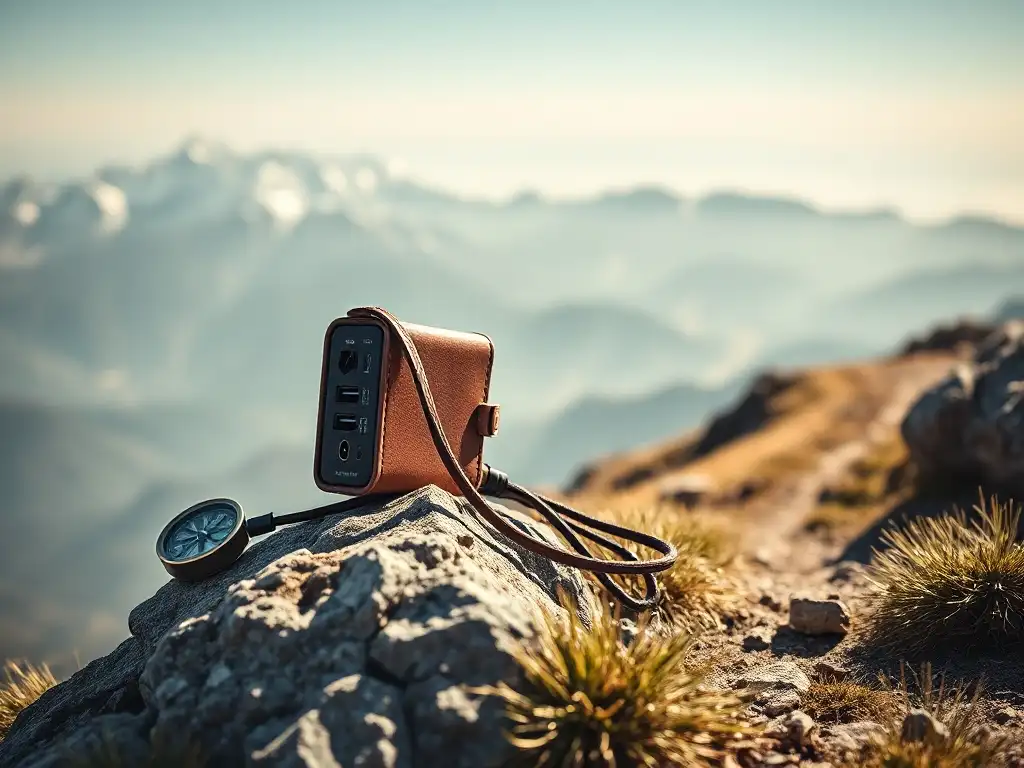
Planning a trek through the Andes necessitates careful consideration of your portable charging strategy. The rugged terrain and remote locations often mean limited access to power sources. Optimizing your charging efficiency isn't just about convenience; it's about safety and ensuring you can stay connected in case of emergencies. This section delves into practical tips and best practices to maximize your power, even in the most challenging Andean environments. This information is crucial for anyone searching for information on "portable charger Andean trek."
Tips for Conserving Battery Power on the Trail
Conserving battery life is paramount on any Andean trek. Even with a powerful portable charger, responsible usage is key to extending its lifespan and ensuring you have power when you need it most.
Using Airplane Mode to Reduce Battery Drain
Activating airplane mode significantly reduces battery consumption. While this disables cellular data and Wi-Fi, it's ideal when you're not actively using communication features. Consider switching to airplane mode during long stretches of hiking or when you're not expecting calls or messages. This simple step can add hours to your device's battery life. Remember to turn it off when you need to reconnect.
Minimizing Screen Brightness and Background Apps
High screen brightness and running background apps are major battery drain culprits. Lowering your screen brightness to a comfortable level and closing unnecessary apps will significantly extend your battery's life. Many smartphones offer power-saving modes that automatically limit background activity and reduce screen brightness. Explore these features to maximize energy conservation.
Carrying an Additional Battery Pack for Emergencies
Carrying a spare portable charger, or even a second device battery, is crucial for emergencies. Unexpected delays, longer treks, or unforeseen circumstances can quickly deplete your power reserves. A backup ensures you have a lifeline for communication, navigation, and photography – all essential aspects of a safe and successful Andean adventure. Consider the capacity you need based on your trip's length and your device's power consumption.
Best Practices for Using Solar Chargers in the Andes
Solar chargers offer a sustainable and environmentally friendly way to recharge your devices in remote Andean locations. However, their effectiveness depends on understanding the nuances of solar energy in this high-altitude environment.
Optimizing Solar Panel Placement for Maximum Sunlight Exposure
The Andes' high altitude and varied weather patterns significantly impact solar energy absorption. To optimize your solar charger's performance, ensure it's positioned to receive direct sunlight, ideally facing south in the southern hemisphere. Clean the solar panel regularly to remove dust and debris, which can significantly reduce energy collection. Consider using a solar panel stand to angle the panel optimally throughout the day, following the sun's trajectory.
Understanding Charging Times Under Different Weather Conditions
Charging times with solar panels fluctuate drastically depending on weather conditions. Cloudy days or periods of shade will drastically lengthen charging times, potentially rendering your solar charger ineffective. Plan accordingly, understanding that charging might take longer than expected, especially during less sunny periods. Always have a backup charging plan, such as a portable charger, in case of prolonged periods of poor weather.
Caring for Your Solar Charger in High Altitude Environments
High altitude environments present unique challenges for electronic devices. The lower air pressure and intense UV radiation can affect the performance and lifespan of your solar charger. Protect your solar charger from extreme temperatures, moisture, and harsh sunlight. Proper storage and careful handling will maximize its longevity and ensure it remains a reliable power source throughout your Andean trek. Consider purchasing a solar charger specifically designed for rugged outdoor conditions.
Where to Buy Your Portable Charging Gear for the Andes
Planning your Andean trek requires meticulous preparation, and securing reliable portable charging solutions is paramount. Losing power in remote locations can significantly impact your safety and enjoyment. Choosing the right portable charger and knowing where to source it are crucial steps in ensuring a smooth and memorable journey. This section details where you can find the best portable chargers for your Andean adventure, focusing on both online and local options. Finding the perfect "portable charger Andean trek" solution is easier than you think!
Trusted Online Retailers for Portable Chargers
Several reputable online retailers offer a wide selection of portable chargers, catering to various needs and budgets. These platforms provide detailed product specifications, user reviews, and often competitive pricing. However, remember to factor in shipping times, particularly when traveling to remote Andean regions. Consider ordering well in advance to avoid delays.
Amazon
Amazon boasts an extensive catalog of portable chargers, ranging from compact power banks to more robust solar-powered options. You'll find numerous brands, models, and capacities to choose from, allowing you to select a charger that perfectly suits your trekking style and electronic devices. Utilize Amazon's filtering options to narrow down your search based on battery capacity (mAh), charging speed (wattage), and other key features.
Remember to check customer reviews to gauge the reliability and performance of different chargers before making a purchase. Pay close attention to reviews mentioning usage in challenging environments, as this can provide valuable insight into a charger's durability and performance in the Andean conditions.
REI
REI (Recreational Equipment, Inc.) specializes in outdoor gear and apparel, making it a trusted source for portable chargers designed for rugged environments. Their selection often emphasizes durability and functionality, making it ideal for Andean treks. REI's website offers detailed product descriptions, including information on water resistance, drop protection, and charging capabilities. Moreover, REI's expert staff can provide valuable advice on choosing the right charger for your specific needs and trekking style. Their customer service reputation is excellent, providing peace of mind for such an important purchase.
Backcountry
Backcountry is another online retailer focusing on outdoor equipment, offering a curated selection of high-quality portable chargers. Their inventory often includes brands known for their reliability and performance in demanding conditions. Similar to REI, Backcountry provides comprehensive product descriptions and customer reviews, allowing you to make an informed decision. They also offer various shipping options, including expedited delivery, which can be beneficial if your departure date is approaching quickly.
Local Andean Supply Stores and Their Benefits
While online retailers offer convenience, purchasing your portable charger from local Andean supply stores presents unique advantages. This approach supports local economies and often provides access to region-specific gear.
Supporting Local Businesses
Purchasing locally contributes directly to the Andean communities, helping sustain their businesses and livelihoods. This is a valuable aspect to consider, especially if you're passionate about responsible and sustainable travel. Many local shops will also be more aware of specific power needs and challenges in the area.
Access to Region-Specific Gear
Local stores may stock portable chargers specifically designed to withstand the harsh Andean conditions, including extreme altitudes and fluctuating temperatures. They might also carry accessories such as solar panels or specialized cables that are particularly useful in remote areas. This local expertise can make a significant difference in your trekking experience.
Real-Time Expert Advice
Local shop owners and staff often possess valuable firsthand knowledge of the region's challenges and can offer personalized recommendations based on your planned itinerary. They can provide insights into power availability in specific trekking areas and advise on the most suitable charger for your needs. This direct interaction with local experts can significantly enhance your preparedness and overall trekking experience. This personalized service is often unavailable through online retailers.
Final Thoughts: Staying Powered Up on Your Andean Adventure
Successfully navigating the breathtaking landscapes of the Andes requires meticulous planning, and that includes ensuring a reliable power source for your electronic devices. A portable charger is no longer a luxury but a necessity for any Andean trek, allowing you to capture memories, stay connected (when possible! ), and navigate using essential apps. This isn't just about convenience; it's about safety. A dead phone in a remote location can quickly escalate a minor inconvenience into a serious situation. Remember, even the most experienced trekkers can encounter unexpected challenges.
Ensuring a Safe and Enjoyable Andean Trek with Reliable Power
Your portable charger is your lifeline in the Andes. Imagine this scenario: You're several days into a challenging trek, the sun is setting, and your GPS suddenly dies. Without a charged backup, navigation becomes significantly more difficult, potentially increasing your risk of getting lost or injured. Similarly, a dead phone means you can't contact emergency services in an unexpected event. Investing in a high-capacity portable charger with multiple charging ports is an investment in your safety and peace of mind. Consider the potential impact of a power failure on:
- Navigation: GPS devices, map apps, and compasses (some digital models require charging) are crucial for safe navigation.
- Communication: Maintaining contact with guides, support teams, or emergency services is paramount.
- Photography and Videography: Capturing the stunning Andean landscapes relies on charged devices. Don't let a dead battery ruin your memories!
- Health Monitoring: Some trekkers use fitness trackers or other health monitoring devices that require regular charging.
Furthermore, planning for power doesn't end with just purchasing a portable charger. Understanding your power consumption needs is crucial. Consider the battery life of your devices and the duration of your trek to determine the appropriate power bank capacity. It's always better to overestimate than underestimate your energy requirements. A well-charged portable charger will contribute significantly to a safe and enjoyable Andean adventure.
Choosing the Best Portable Charger for Your Specific Needs
Selecting the right portable charger for your Andean trek necessitates careful consideration of several key factors. The ideal portable charger will be lightweight, durable, and have sufficient power capacity to meet your needs. Here's a breakdown of crucial aspects to consider:
| Feature | Importance | Considerations |
|---|---|---|
| Capacity (mAh) | Directly correlates with the number of charges you can provide. | Consider the battery life of your devices and the length of your trek. Aim for a capacity that provides multiple full charges. |
| Output Ports | Determines how many devices you can charge simultaneously. | Multiple USB ports are ideal for charging multiple devices at once. |
| Weight and Size | Crucial for portability, especially on multi-day treks. | Prioritize lightweight and compact options to minimize pack weight. |
| Durability | Resistance to shocks, drops, and water/dust ingress is essential in challenging conditions. | Look for ruggedized designs and water-resistant or waterproof ratings (IP ratings). |
| Charging Speed | Faster charging times mean less time spent waiting for your devices to power up. | Prioritize chargers with high amperage output (measured in Amps or A) for faster charging. |
Remember to test your chosen portable charger thoroughly before your trip to ensure it's functioning correctly and meets your expectations. Don't wait until you're in the heart of the Andes to discover a malfunction!
Investing in Quality Equipment for a Memorable Experience
Investing in high-quality equipment for your Andean trek is an investment in your safety, comfort, and the overall enjoyment of your experience. A reliable portable charger is just one piece of the puzzle, but a vital one. Cutting corners on essential gear, like a portable charger, can lead to frustration, inconvenience, and potential safety risks.
While budget-friendly options exist, prioritizing durability and sufficient power capacity is crucial for a successful and memorable Andean adventure. A well-chosen portable charger, combined with careful planning and preparation, will allow you to fully immerse yourself in the breathtaking beauty and cultural richness of the Andes without the worry of power failures. Remember, a reliable power source is an integral part of a well-equipped and safe Andean trek, contributing significantly to a truly unforgettable experience.
Frequently Asked Questions
What kind of portable charger is best for an Andean trek?
A high-capacity power bank with multiple USB ports is ideal. Look for one with solar charging capabilities as a backup, and ensure it's rugged and durable enough to withstand the conditions.
How long will a portable charger last on an Andean trek?
The battery life depends on the power bank's capacity and your device's power consumption. A large capacity power bank can charge your phone several times, but consistent charging is vital, especially on multi-day treks.
Can I charge my portable charger using solar power in the Andes?
Yes, solar power banks are a great option for charging in remote areas with ample sunlight. However, charging times may be longer than with traditional outlets, and weather conditions can affect charging efficiency.
Are there any safety concerns with using portable chargers at high altitudes?
While generally safe, extreme temperatures can affect battery performance. Avoid excessive heat or cold and keep your power bank in a protective case. Properly store the device to prevent damage.
Where can I buy a reliable portable charger for my Andean trek?
Many online retailers sell high-quality portable chargers. Look for reputable brands with good customer reviews. Ensure you purchase the charger well in advance of your trip to allow for shipping and testing.
Final Reflection: The Unplugged Adventure and the Power Within
Reliable power in remote Andean locations isn't just a convenience; it's a lifeline. A dead phone or camera can mean the difference between a successful trek and a potentially dangerous situation. This article has explored the crucial role of portable charging solutions in mitigating these risks and enhancing the overall experience of exploring the breathtaking Andean landscape.
The impact of readily available technology on even the most remote adventures is profound. It allows for seamless communication with loved ones, access to crucial safety information, and the ability to capture and share the awe-inspiring beauty of the Andes. This accessibility, however, shouldn't overshadow the inherent risks and the importance of respecting the environment. The best view comes after the hardest climb,
a sentiment that resonates deeply when considering the effort required to bring reliable power to these challenging environments. We must strive for a balance between technological advancement and environmental stewardship.
Now, consider your own adventures, both big and small. What are the essential tools that empower you to overcome obstacles and fully embrace the experience? Think beyond the physical; what inner resources do you draw upon to navigate challenges and appreciate the journey? I encourage you to reflect on this, to plan your next adventure with both practicality and mindful consideration, ensuring that your journey is powered not only by technology but also by resilience, respect, and a deep appreciation for the natural world.
Empower Your Journey: Stay Charged and Connected in the Andes!
Thank you for exploring essential tools for your Andean adventure! You've discovered invaluable insights on portable charging solutions to keep your devices powered in remote locations. Now, let's put this knowledge into action to enhance your travel experience.
Here’s how to prepare for your Andean adventure:
- Invest in a robust portable charger designed for rugged terrain to keep your devices powered during treks. Consider factors like capacity and durability when making your selection.
- Share this article with fellow travelers planning a trip to the Andes to help them stay connected and informed.
- Connect with online communities of Andean explorers to exchange tips, experiences, and advice on staying powered up while exploring this magnificent region.
What innovative charging solutions have you used on your adventures, and how did they improve your experience? Share your thoughts below!