
Sleeping Under the Stars: Camping Gear Recommendations for Andean Nights

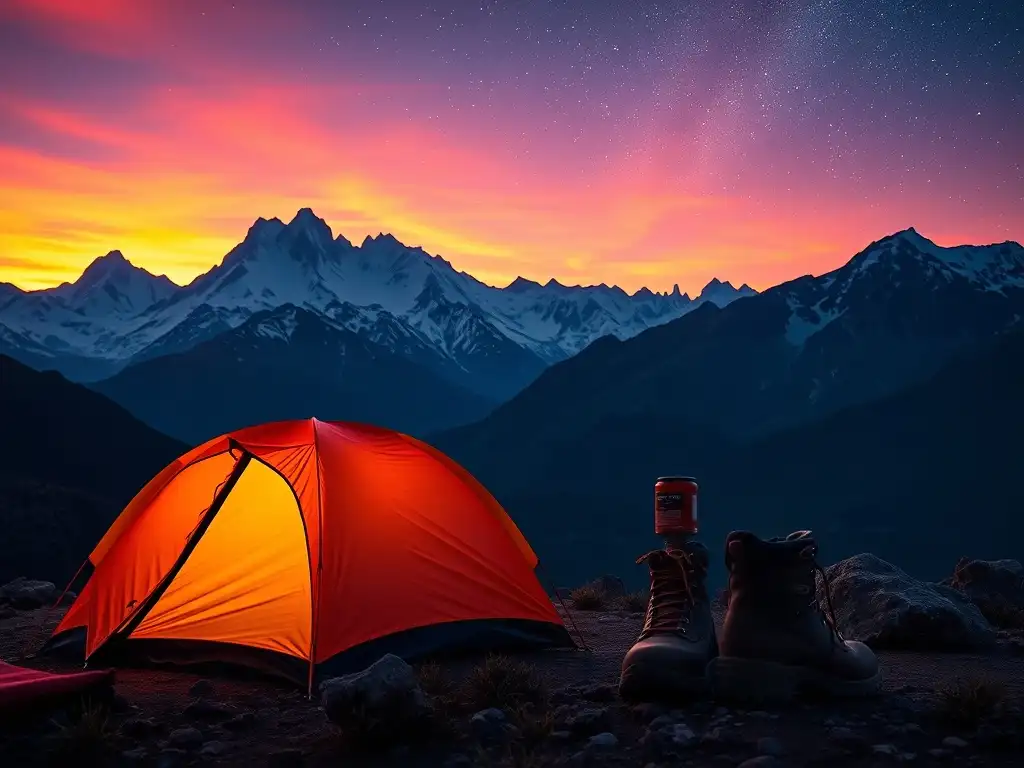
Ever dreamt of sleeping under the breathtaking Andean sky, surrounded by the echoes of ancient empires? Imagine waking to the sun rising over landscapes that inspired the Incas, Moche, and Nazca. This journey begins here, with our expert Andean camping gear recommendations – equipping you for an unforgettable adventure in the heart of a civilization's legacy. Discover how the right gear can transform your exploration of this majestic region into an experience as rich and captivating as its history. Let's begin!
- Andean Camping Gear Recommendations: Sleeping Under the Stars in the Andes
- High-Altitude Sleeping Bags: Staying Warm in the Cold
- Insulated Sleeping Pads: Comfort and Insulation from the Ground
- Tents for Andean Adventures: Weather Protection and Durability
- Cooking and Hydration Solutions for Andean Camping
- Clothing for Andean Camping: Layering for Varying Temperatures
- Navigational Tools for Andean Explorations
- Safety and First Aid for Andean Camping
- Backpacks for Carrying Your Andean Camping Gear
- Headlamps and Lighting for Nighttime Activities
- Maximizing Your Andean Experience with the Right Gear
- Frequently Asked Questions
- Final Reflection: Embracing the Andean Night: A Call to Adventure
- Venture into the Andean Night Sky!
Andean Camping Gear Recommendations: Sleeping Under the Stars in the Andes
The majestic Andes Mountains, home to a rich tapestry of ancient civilizations and breathtaking landscapes, offer unparalleled opportunities for adventure and exploration. However, camping at high altitudes presents unique challenges. This guide provides essential Andean camping gear recommendations, ensuring a safe and comfortable experience as you sleep under the star-studded Andean sky.
We'll delve into the specific considerations for camping in this unique environment, moving beyond generic camping advice to address the specific needs of Andean adventurers. From combating extreme temperature fluctuations to protecting yourself from unpredictable weather, we’ll equip you with the knowledge and gear list to make your Andean camping trip unforgettable—in the best way possible! This comprehensive guide focuses on maximizing your comfort and safety while minimizing your environmental impact, allowing you to fully appreciate the awe-inspiring beauty of the Andes.
Introduction to Andean Nights: Why Proper Gear is Crucial
Camping in the Andes is unlike anywhere else. The high altitude significantly impacts temperature, with dramatic swings between day and night. You can experience scorching sun during the day followed by freezing temperatures at night. Moreover, unpredictable weather patterns, including sudden storms and strong winds, are common.
Therefore, choosing the right camping gear is not just about comfort; it's about safety and survival. Improper gear can lead to hypothermia, altitude sickness exacerbation, or simply an uncomfortable and potentially dangerous experience. This section will lay the groundwork for understanding the specific challenges you'll face and how proper gear can mitigate them. We'll explore the unique environmental factors that necessitate a carefully considered approach to your equipment choices.
Understanding the Challenges of Andean Camping
The Andean environment presents several significant challenges for campers:
- Altitude: The thin air at high altitudes reduces oxygen levels, increasing the risk of altitude sickness. This can exacerbate the effects of cold and fatigue.
- Temperature Fluctuations: Expect extreme temperature variations between day and night, often exceeding 20°C (36°F). You'll need gear that can adapt to these changes.
- Weather: Sudden storms, strong winds, and heavy precipitation are common, requiring waterproof and windproof protection.
- Terrain: The terrain can be rugged and challenging, requiring durable and lightweight gear.
- Wildlife: While generally not aggressive, it is important to be aware of potential encounters with local wildlife and take necessary precautions.
This necessitates a layered approach to clothing and a robust shelter system capable of withstanding harsh conditions. Proper acclimatization is crucial, but even well-acclimatized individuals benefit from superior gear to ensure a safe and enjoyable experience. Failure to adequately prepare can lead to serious complications, highlighting the critical importance of choosing the right equipment. Let's delve into the specifics.
Essential Andean Camping Gear: A Comprehensive Guide
This section details essential gear categories and provides specific recommendations tailored to Andean camping. Remember, quality over quantity is key, prioritizing durable and reliable equipment. We'll break down the gear into manageable categories:
| Gear Category | Specific Recommendations | Considerations |
|---|---|---|
| Tent | Four-season tent with excellent wind and waterproofing, double-wall construction | Consider weight vs. durability, ease of setup in challenging conditions. |
| Sleeping Bag | Down or synthetic sleeping bag rated for temperatures well below freezing (e.g., -10°C / 14°F) | Consider loft, compressibility, and water resistance. |
| Sleeping Pad | Insulated sleeping pad for warmth and comfort. | Consider R-value (insulation rating) and comfort. |
| Clothing | Layered clothing system including base layers (merino wool or synthetic), insulating mid-layers (fleece), and waterproof/windproof outer shell. Warm hat, gloves, and socks are crucial. | Prioritize moisture-wicking fabrics and pack for all weather conditions. |
| Cooking System | Lightweight stove, fuel, cookware, and utensils. | Consider fuel availability at your destination. |
| Headlamp/Flashlight | Reliable headlamp with extra batteries. | Essential for navigation and tasks in low-light conditions. |
| First-aid Kit | Comprehensive first-aid kit including altitude sickness medication and blister treatment. | Consult with a medical professional to ensure appropriate contents. |
| Navigation | Map, compass, GPS device (with extra batteries). | Essential for safe navigation, especially in remote areas. |
| Sun Protection | High SPF sunscreen, sunglasses, and a hat. | The high altitude intensifies UV radiation. |
| Water Purification | Water filter or purification tablets. | Essential for safe drinking water. |
This list provides a strong foundation, but remember to personalize it based on the specific location, time of year, and duration of your trip. Always prioritize safety and preparedness when venturing into the stunning, yet challenging, Andean environment.
High-Altitude Sleeping Bags: Staying Warm in the Cold
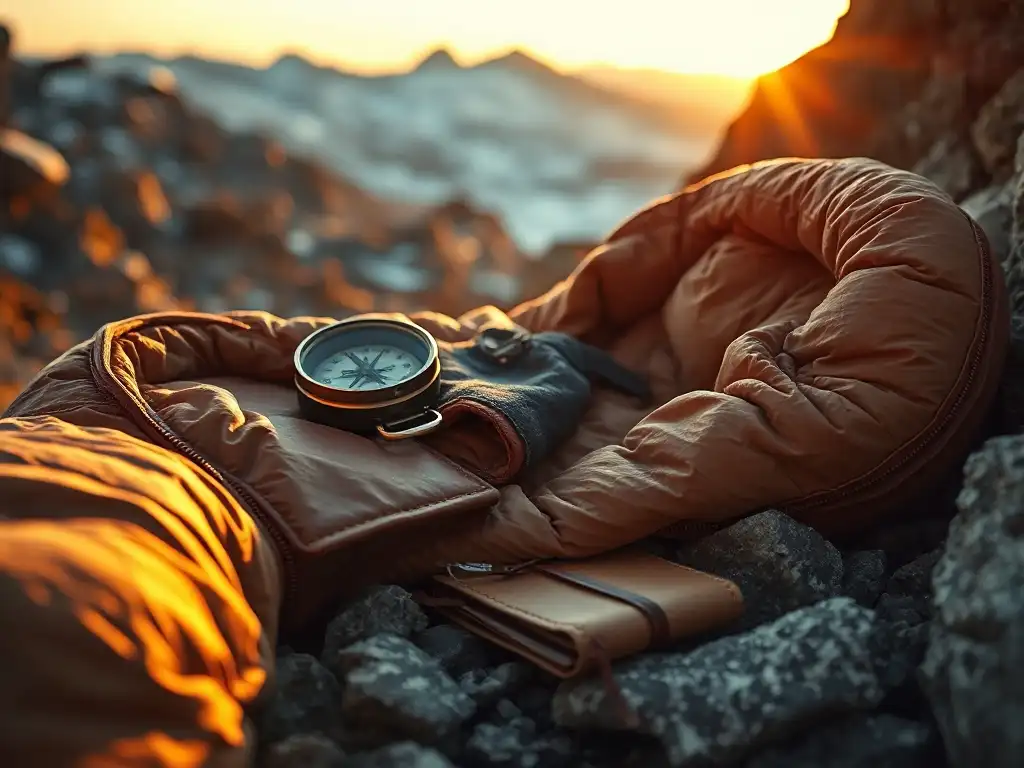
Sleeping comfortably at high altitudes in the Andes requires specialized gear. The thin air and unpredictable weather patterns necessitate a sleeping bag designed to retain heat effectively, even in sub-freezing temperatures. This section focuses on choosing the right sleeping bag for your Andean adventure, emphasizing the importance of temperature rating and fill type. Ignoring these factors can lead to a miserable, potentially dangerous, night's sleep.
Successfully navigating the Andean climate requires meticulous planning, and your sleeping bag is a cornerstone of that planning. The impact of altitude on temperature should not be underestimated. Even on a relatively warm day, nighttime temperatures can plummet significantly in the Andes, especially at higher elevations.
Choosing the Right Temperature Rating for Andean Nights
The most crucial factor when selecting a sleeping bag for Andean camping is its temperature rating. This rating indicates the lowest temperature at which the sleeping bag can keep an average adult male warm and comfortable. However, remember that this is just an average; individual tolerance to cold varies, and female campers often require a bag with a higher temperature rating.
For Andean camping, particularly if you're planning treks above 12,000 feet (3,658 meters), a sleeping bag with a comfort rating of at least 0°F (-18°C) is recommended. If you anticipate extremely cold conditions, or if you're a particularly cold sleeper, consider a bag with a lower temperature rating, perhaps even -20°F (-29°C). Always check the manufacturer's specifications carefully, and consider reading independent reviews before making a purchase.
Remember to factor in potential wind chill, which significantly reduces the effective temperature rating. The unpredictability of Andean weather necessitates being prepared for the worst-case scenario.
Down vs. Synthetic Sleeping Bags for Mountain Camping
The choice between down and synthetic fill for your Andean sleeping bag is a significant one. Down sleeping bags are renowned for their exceptional warmth-to-weight ratio, making them ideal for backpacking. However, down loses its insulating properties when wet, rendering it ineffective in damp or snowy conditions. Synthetic fill, on the other hand, maintains its insulation even when wet, making it a more reliable choice for potentially inclement Andean weather.
The choice depends on your anticipated conditions and priorities. For Andean camping, where unpredictable weather is common, a high-quality synthetic sleeping bag may be the safer option, especially if you anticipate rain or snow. While down offers superior warmth, the risk of getting it wet and losing its insulating power outweighs the benefits in many Andean scenarios. Consider your planned itinerary and potential weather forecasts carefully before making this decision.
Recommended Sleeping Bag: The Feathered Friends Egret YF 20 Sleeping Bag
While individual needs vary, the Feathered Friends Egret YF 20 sleeping bag exemplifies a suitable option for Andean camping. This bag boasts a high-quality 850-fill-power down, offering exceptional warmth, and a comfortable temperature rating down to 20°F (-7°C). Its lightweight design makes it ideal for backpacking, minimizing the strain on your pack weight during challenging treks. However, it's crucial to understand that even this high-quality bag may not suffice in extreme conditions.
Always check the weather forecast before embarking on your Andean adventure and pack accordingly. Consider supplementing with extra layers of clothing, a sleeping bag liner, and potentially even a bivy sack for additional protection from the elements. Choosing the right gear is about risk mitigation and ensuring a safe and enjoyable experience in this stunning but challenging environment. Remember, proper planning is key to a successful Andean expedition.
Remember to always prioritize safety and comfort when choosing your camping gear. The Andes present unique challenges, and preparation is paramount.
Insulated Sleeping Pads: Comfort and Insulation from the Ground
Choosing the right sleeping pad is crucial for a comfortable and safe Andean camping experience. The high altitude, unpredictable weather, and often-rocky terrain demand a pad that provides both excellent insulation and cushioning. Ignoring this aspect can lead to a sleepless night, cold-induced discomfort, and even potential health issues.
This section focuses specifically on insulated sleeping pads, designed to keep you warm and protected from the cold ground. We'll delve into the factors to consider when selecting your Andean camping gear, specifically focusing on sleeping pads. Remember, a good night's sleep is essential for enjoying the breathtaking Andean landscapes and enriching your cultural explorations.
R-Value Explained: How to Choose the Right Sleeping Pad
The most important factor to consider when choosing an insulated sleeping pad for Andean camping is its R-value. This measurement indicates the pad's resistance to heat loss. A higher R-value means better insulation, crucial for withstanding the cold nights at high altitudes. For Andean camping, you should aim for an R-value of at least 4, and ideally 5 or higher, depending on the time of year and specific location. Lower R-values might suffice for warmer months in lower elevations, but the unpredictable nature of Andean weather makes a higher R-value a safer bet.
Consider these examples to illustrate the impact of R-value: A pad with an R-value of 3 might be sufficient for mild spring nights in lower elevations, but could leave you shivering during a cold autumn night at 4,000 meters. Conversely, a pad with an R-value of 5 will provide reliable warmth across a broader range of temperatures and conditions, ensuring a comfortable sleep even during unexpected cold snaps.
Don't underestimate the importance of this seemingly technical detail. Proper insulation is not just about comfort; it directly impacts your physical well-being and ability to enjoy your Andean adventure to the fullest. Choosing a pad with an insufficient R-value can lead to hypothermia, especially at higher altitudes.
Inflatable vs. Foam Sleeping Pads for Andean Terrain
The choice between an inflatable and a foam sleeping pad often comes down to a balance between weight, packability, and durability. Both offer insulation, but their performance in the rugged Andean terrain differs significantly.
- Inflatable Sleeping Pads: These are lightweight and packable, making them ideal for backpacking treks across challenging Andean landscapes. However, their delicate construction makes them susceptible to punctures from sharp rocks or thorns. Repair kits are essential, and careful pad placement is necessary to avoid damage. They also tend to lose some insulation if not fully inflated.
- Foam Sleeping Pads: These are significantly more durable and less prone to punctures. Their robust construction can withstand the rigors of rocky terrain. However, they are heavier and bulkier than inflatable options, making them less suitable for long backpacking trips. They also tend to be less comfortable than inflatable pads.
| Feature | Inflatable Sleeping Pad | Foam Sleeping Pad |
|---|---|---|
| Weight | Lightweight | Heavier |
| Packability | Highly Packable | Less Packable |
| Durability | Less Durable, prone to punctures | Very Durable, resistant to punctures |
| Comfort | Generally More Comfortable | Less Comfortable |
| Insulation | Excellent, when properly inflated | Good, consistent insulation |
| Price | Generally More Expensive | Generally Less Expensive |
| Best Suited For | Backpacking, lighter weight is prioritized | Car camping, base camps, durability key |
Choosing between these two types depends heavily on your specific needs and planned activities. For multi-day treks prioritizing weight and packability, inflatable pads are often preferred despite the risk of punctures. For base camp stays or car camping, where weight is less of a concern, the superior durability of foam pads might be more appealing.
Top Recommendation: The Therm-a-Rest NeoAir XTherm Sleeping Pad
While various brands offer excellent insulated sleeping pads, the Therm-a-Rest NeoAir XTherm stands out for its exceptional combination of warmth, lightweight design, and reasonable durability for Andean conditions. Its high R-value (R-value 5.7) provides excellent insulation against the cold Andean nights, while its lightweight and compact design makes it suitable for backpacking. While punctures are still a possibility, the durable construction minimizes the risk compared to other inflatable options. Its superior comfort makes for restful nights, even on uneven terrain.
Although it's a more expensive option, the enhanced comfort and reliable insulation justify the investment for a comfortable and safe Andean camping experience. This pad represents a strong balance between weight, packability, and performance for Andean adventures. Remember to always check the current R-value rating as manufacturers may adjust their models over time.
Tents for Andean Adventures: Weather Protection and Durability
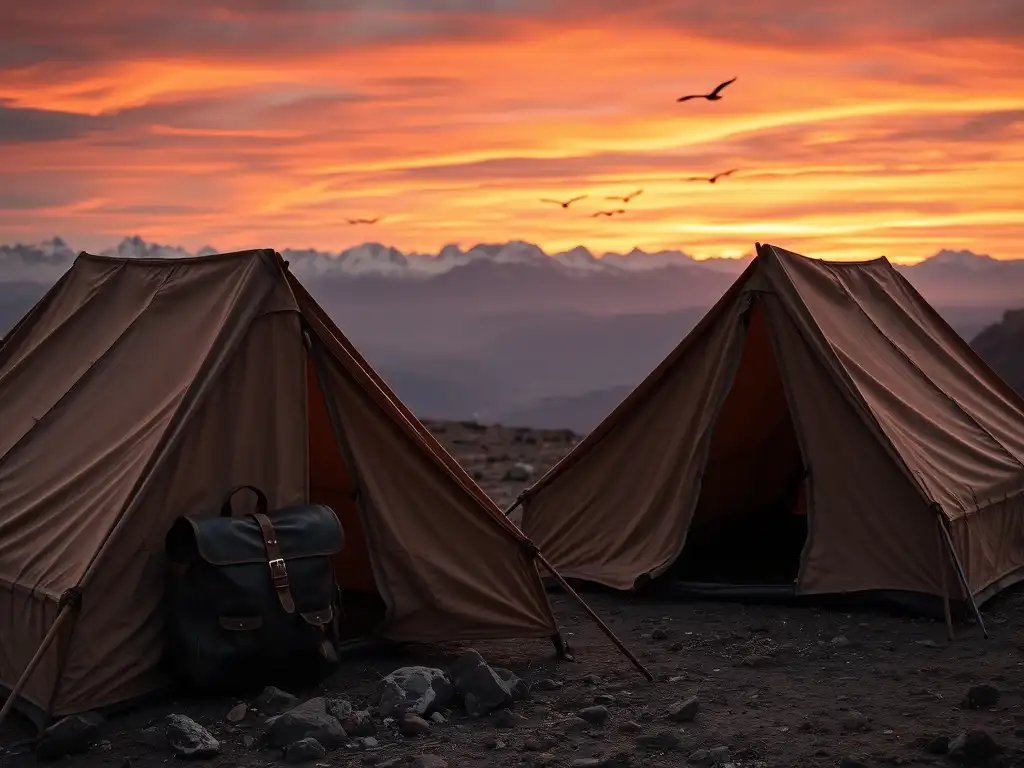
Choosing the right tent is paramount for a comfortable and safe Andean camping experience. The Andes present unique challenges, from high winds and unpredictable weather to varying altitudes and terrains. Therefore, selecting a tent prioritizing weather protection and durability is crucial. Your tent will be your shelter against harsh conditions, so investing in quality is essential for a successful Andean adventure.
This section focuses on key considerations when selecting a tent specifically designed for Andean camping conditions, helping you navigate the options and choose the best fit for your needs. We'll explore factors such as wind resistance, waterproofing, and overall durability to ensure your Andean camping trip is both enjoyable and safe. Remember, the best Andean camping gear recommendations are those that prioritize safety and comfort in challenging environments.
Choosing a Tent for High Winds and Mountain Weather
High winds are a common occurrence in the Andes, particularly at higher altitudes. A tent's ability to withstand strong gusts is therefore a critical factor. Look for tents with a robust pole structure, strong fabric, and a low-profile design to minimize wind catch. Features like reinforced stitching, multiple guy-out points, and sturdy stakes are also vital for anchoring your tent securely.
Consider tents specifically designed for mountaineering or high-altitude camping, as these often incorporate advanced wind-resistant features. For example, a dome tent with a sturdy frame and aerodynamic design will perform better in windy conditions compared to a simpler, lighter-weight backpacking tent. Don't underestimate the power of the wind at altitude; a poorly chosen tent can be a source of significant discomfort and even danger.
Always check reviews focusing on wind performance before making a purchase. Consider the typical wind speeds in the specific Andean region you plan to visit, and choose a tent accordingly. Remember, your safety and comfort depend on it!
Lightweight and Durable Tents for Backpacking the Andes
Backpacking in the Andes often involves carrying your gear over challenging terrain. Therefore, a lightweight tent is essential to minimize fatigue. However, lightweight shouldn't compromise durability. Look for tents constructed from high-quality, ripstop nylon or similar materials that offer a balance of low weight and high tear strength.
Many modern tents utilize advanced materials and designs to achieve both lightweight and durable construction. Pay close attention to the tent's packed size as well, as this significantly impacts your backpacking experience. A smaller packed size means less bulk in your pack, making for a more comfortable hike.
The best Andean camping gear recommendations will always consider the weight and packability alongside the other crucial factors like weather resistance and durability. Think about the total weight you're willing to carry and choose a tent that fits within those limits while still offering adequate protection from the elements. Don't sacrifice durability for weight, however; a tear in your tent at high altitude can be a significant problem.
Recommended Tent: The Big Agnes Copper Spur HV UL2 Tent
The Big Agnes Copper Spur HV UL2 tent represents a strong contender for Andean backpacking adventures. Its hybrid design combines the lightweight benefits of a single-wall tent with the weather protection of a double-wall design. The HV (High Volume) design provides ample interior space, crucial for comfort at higher altitudes. Furthermore, its durable construction and robust pole system make it well-suited to withstand Andean winds.
While not the absolute lightest option available, it strikes an excellent balance between weight, durability, and weather protection. The Big Agnes Copper Spur HV UL2 has received positive reviews for its performance in various challenging conditions, making it a solid choice for many Andean camping trips. However, remember to always check the latest reviews and specifications before purchasing any gear, as designs and materials can change over time.
Consider the specific needs of your trip and your personal preferences when making your final decision. The information provided here should be considered as a starting point for your research. Careful consideration of all factors is crucial for selecting the best Andean camping gear recommendations for your unique adventure.
Cooking and Hydration Solutions for Andean Camping
Camping in the Andes presents unique challenges, especially regarding cooking and hydration. The high altitude affects boiling points, and access to clean water sources isn't always guaranteed. Choosing the right gear can significantly impact your comfort and safety. This section focuses on lightweight, efficient solutions for preparing meals and ensuring safe drinking water during your Andean adventure. We'll explore some top choices for Andean camping gear recommendations, specifically tailored to the demanding conditions of the region.
Lightweight Stoves for High-Altitude Cooking
Cooking at high altitudes requires more time and fuel than at sea level. The lower air pressure means water boils at a lower temperature, making it crucial to choose a stove designed for efficient heat transfer. Several lightweight stoves excel in these conditions.
Look for stoves with high BTU output (British Thermal Units), indicating their heating capacity. Consider features like wind resistance, ease of use, and fuel efficiency. A compact design is also essential for minimizing pack weight – a crucial aspect of Andean camping gear recommendations.
Some popular options include canister stoves, which are convenient but require specific fuel canisters, and liquid fuel stoves, which offer greater fuel versatility but might be slightly heavier and more complex to operate. Choosing between these types depends on personal preference and the specific needs of your trip. Remember, a reliable stove is paramount for preparing warm meals, a vital factor in maintaining body temperature and energy levels at high altitudes.
Water Purification Options for Safe Drinking Water
Access to safe drinking water is paramount in the Andes. Water sources, while often abundant, may contain harmful bacteria or parasites. Therefore, reliable water purification is crucial. Several methods are available, each with pros and cons. Water purification tablets are lightweight and easy to use, but their effectiveness can vary depending on water conditions and contact time.
Water filters, offering mechanical filtration, remove larger particles and some bacteria, while water purifiers utilize UV light or chemical processes to eliminate a wider range of contaminants. For Andean camping gear recommendations, consider a combination approach. A filter can pre-filter the water, removing sediment and larger organisms, followed by purification tablets or a UV purifier to eliminate remaining bacteria and viruses. This layered approach ensures maximum safety and peace of mind. Always check the water source's clarity before purifying it; visibly murky water may require more extensive filtration before purification.
Recommended Cooking System: The MSR PocketRocket 2 Stove
For a complete and efficient cooking system, the MSR PocketRocket 2 stove stands out as a strong contender in Andean camping gear recommendations. Its compact design and high BTU output make it ideal for high-altitude cooking. The stove's robust construction and efficient burner ensure rapid boiling times, conserving fuel and minimizing cooking time. Combined with a lightweight cookware set – ideally, a pot and pan with nested design – this system offers a balance of functionality and weight efficiency.
Remember to always practice safe fuel handling and storage, especially at high altitudes, where temperatures fluctuate significantly. Proper storage prevents leaks and ensures the reliable performance of your stove. For fuel, consider purchasing compatible canisters locally, as this often proves more cost-effective than carrying a large supply from home. This recommended system offers a practical, reliable, and lightweight solution for preparing hot meals and drinks during your Andean camping adventure.
Water Filter Recommendation: The Katadyn BeFree Water Filter
The high altitude and remote nature of Andean camping necessitate reliable water purification. While boiling water is always a safe option, it consumes fuel and time, precious resources in the challenging Andean environment. A lightweight and efficient water filter is therefore a crucial piece of Andean camping gear. For this, we highly recommend the Katadyn BeFree water filter. Its innovative design combines a robust filter with a convenient, collapsible pouch, making it ideal for backpacking and trekking in the Andes.
The BeFree's key advantage lies in its simplicity and speed. Unlike some bulky filter systems, the BeFree is incredibly easy to use. Simply fill the pouch with water from a stream or river, and then drink directly from the attached mouthpiece. The 0.2-micron absolute filter removes bacteria, protozoa, and suspended solids, providing safe drinking water in minutes. This speed is a significant benefit when you're tired and dehydrated after a long day of hiking. The filter's flow rate is impressive, allowing you to quickly replenish your water supply without lengthy waits.
Another crucial aspect for Andean camping is the filter's durability. The BeFree is designed to withstand the rigors of outdoor use. The pouch is made from durable, BPA-free materials, capable of resisting punctures and tears. The filter itself is exceptionally robust, capable of filtering thousands of liters of water before needing replacement.
This longevity makes it a cost-effective choice for multiple Andean expeditions. Furthermore, the BeFree's compact size and lightweight design make it an invaluable asset when packing your backpack. Its collapsible nature allows for easy storage, minimizing the space it occupies. This is particularly important when every ounce counts in the Andes.
The BeFree's ease of cleaning is also a significant plus. A quick rinse after each use ensures optimal performance and extends the filter's lifespan. All in all, the Katadyn BeFree represents a reliable and practical solution to water purification in the demanding Andean environment. It's a must-have for any serious Andean camper prioritizing both safety and convenience.
Clothing for Andean Camping: Layering for Varying Temperatures
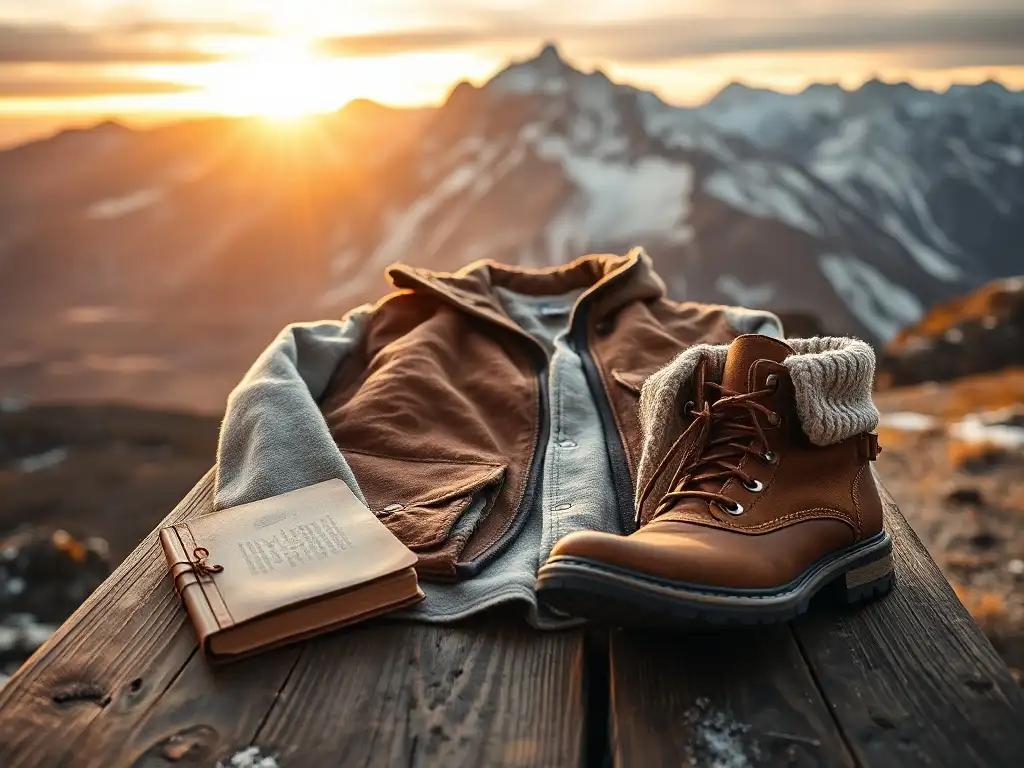
The Andean region presents a unique challenge for campers: dramatic temperature swings. One moment you might be basking in sunshine, the next battling chilling winds at high altitude. Successfully navigating these conditions hinges on mastering the art of layering. Choosing the right Andean camping gear means prioritizing versatility and adaptability. This section focuses specifically on clothing choices designed for comfort and protection in this diverse environment. Proper layering is key to staying warm and dry, no matter the weather thrown your way.
Base Layers: Moisture-Wicking Fabrics for Comfort
Your base layer is your foundation. It's the garment closest to your skin, and its primary role is to wick away moisture. Sweat is your enemy in the Andes; it can lead to hypothermia if allowed to chill against your skin. Avoid cotton at all costs.
Cotton absorbs moisture and retains it, leaving you damp and cold. Instead, opt for synthetic materials like polyester or merino wool. These fabrics excel at pulling perspiration away from your body, keeping you dry and comfortable even during strenuous activity. Look for base layers designed specifically for hiking or outdoor activities.
These often feature flatlock seams to minimize chafing, a crucial factor when you're carrying a backpack. Consider having at least two sets to change into during multi-day trips. This simple strategy minimizes discomfort and prevents the build-up of unpleasant odors. Remember, a comfortable base layer is the cornerstone of a successful Andean camping experience.
Insulating Layers: Fleece and Down for Warmth
Once you have a moisture-wicking base layer, it's time to add insulation. This layer traps warm air close to your body, providing crucial warmth when temperatures plummet, particularly at night or at high altitudes. Fleece jackets and vests are excellent choices for their lightweight warmth and breathability. They pack down easily, making them ideal for backpacking.
For truly frigid conditions, down jackets or insulated vests offer superior insulation. Down is incredibly lightweight and exceptionally warm for its weight, but it loses its insulating properties when wet. Therefore, consider a down jacket with a water-resistant outer shell or a synthetic insulated jacket as an alternative, especially if you anticipate rain or snow.
The choice depends on the specific conditions you expect to encounter. Consider factors like the time of year, your planned altitude, and the weather forecast when selecting your insulating layer. Prioritize versatility – a fleece jacket can be worn alone on milder days, layered under a down jacket for extreme cold.
Outer Layers: Waterproof and Windproof Protection
Your outer layer serves as your shield against the elements. In the Andes, this means protection from wind, rain, and potentially snow. A waterproof and windproof shell jacket is essential. Look for a jacket made from a breathable, waterproof fabric like Gore-Tex or similar technologies. These fabrics allow perspiration to escape while preventing water from entering.
Features like a hood, adjustable cuffs, and a drawcord hem will enhance protection. Remember that even on sunny days, high-altitude winds can be surprisingly fierce, making a windproof layer crucial for maintaining body temperature. A waterproof and windproof pant is also highly recommended, particularly for trekking in wet conditions or snow. Consider a durable, lightweight option that won't restrict movement while providing reliable protection. Choosing the right outer layer means choosing comfort and protection, ensuring a successful and enjoyable Andean camping adventure.
Recommended Brands for Layering Systems: Icebreaker and Outdoor Research
Icebreaker and Outdoor Research are two leading brands renowned for their high-quality, performance-oriented layering systems perfectly suited for the unpredictable Andean climate. Their commitment to using durable, comfortable materials makes them ideal for the rigors of Andean camping. Choosing between the two often comes down to personal preference regarding fabric type and budget.
Icebreaker, known for its merino wool base layers, offers unparalleled comfort and temperature regulation. Merino wool is naturally odor-resistant, breathable, and wicks moisture effectively, crucial features when facing fluctuating temperatures and potential perspiration during strenuous hikes. Their range includes lightweight, midweight, and heavyweight base layers, allowing you to customize your layering system based on the anticipated conditions. Icebreaker's commitment to sustainable sourcing practices also makes them a responsible choice for environmentally conscious adventurers.
They are a premium option, reflecting their commitment to high-quality materials and manufacturing. You can expect to pay more for Icebreaker, but the longevity and performance often justify the cost. Consider their 200 Oasis™ Long Sleeve Crewe for a versatile base layer option, or their 260 Zone™ Leggings for added warmth in colder conditions.
Outdoor Research, on the other hand, offers a broader range of layering options, incorporating both synthetic and natural materials. Their synthetic pieces excel in moisture-wicking and quick-drying capabilities, making them particularly useful in unpredictable weather conditions where you might encounter rain or sweat. They also produce excellent merino wool layers, offering a comparable alternative to Icebreaker at a potentially slightly lower price point. Outdoor Research often focuses on technical features designed to enhance performance in demanding environments.
Their attention to detail in design, such as strategically placed ventilation zones or articulated patterns for enhanced mobility, makes them a popular choice among serious hikers and mountaineers. For example, their Echo base layer provides excellent warmth and moisture management, while their Helium II jacket offers lightweight wind and water protection, ideal for layering. Choosing Outdoor Research often means prioritizing technical features and versatile functionality.
Navigating the Andes requires careful planning and reliable tools. The terrain is challenging, with unpredictable weather and limited infrastructure in many areas. Therefore, choosing the right navigational aids is crucial for a safe and enjoyable Andean camping experience. This section focuses on essential navigational tools for your Andean adventure, ensuring you stay on track and avoid getting lost in the stunning, yet sometimes unforgiving, landscapes.
Understanding your tools and how to use them effectively is paramount for responsible Andean exploration. This is particularly important for those planning multi-day treks or venturing off established trails, where cell service is often non-existent. Selecting appropriate Andean camping gear recommendations, including navigational tools, is key to a successful trip.
GPS Devices and Maps for Trekking in the Andes
GPS devices have become indispensable for Andean trekking. They provide accurate location data, even in areas with poor visibility or challenging terrain. However, relying solely on a GPS is risky. Battery life can be a concern, especially at higher altitudes where temperatures can drain power quickly.
Therefore, combining a GPS with good quality topographic maps is a best practice. These maps offer crucial details about the terrain, including elevation changes, water sources, and potential hazards. Always carry paper maps as a backup, even if you're using a GPS device. Consider maps with waterproof and tear-resistant qualities specifically designed for outdoor use.
For optimal performance, familiarize yourself with your GPS and maps before your trip. Practice navigating with both tools in a familiar environment to build confidence and proficiency. Remember to download offline maps for areas with limited or no internet access. The integration of GPS and maps ensures a robust navigational strategy, crucial for safe Andean camping and exploration.
How to Use a Compass and Map in the Mountains
While GPS technology is advanced, understanding basic map and compass navigation is a vital skill for Andean trekking. This is especially crucial as a backup in case your electronic devices fail. Learning to orient your map using a compass allows you to determine your location precisely, even without GPS assistance. This involves understanding concepts like declination (the difference between magnetic north and true north), bearing (the direction to a specific point), and pacing (estimating distance traveled). Practicing these techniques before your trip is essential. You can find numerous resources online and in guidebooks that provide detailed instructions and practice exercises. The ability to proficiently use a compass and map dramatically increases your chances of finding your way if your primary navigational tools malfunction. It's an invaluable skill for any Andean adventurer, contributing to safer and more confident exploration. This skill is a key component of sound Andean camping gear recommendations.
Recommended GPS Device: The Garmin GPSMAP 66i
The Garmin GPSMAP 66i is a robust and reliable GPS device well-suited for Andean trekking. Its features include a large, sunlight-readable touchscreen, preloaded topographic maps, and satellite imagery. The device boasts excellent battery life, a crucial factor in high-altitude environments. It also offers various navigational functions, such as tracking your route, calculating distances, and providing elevation profiles.
Furthermore, the Garmin GPSMAP 66i incorporates two-way satellite communication, allowing you to send and receive messages even without cellular service—a lifesaver in remote areas. While other GPS devices are available, the Garmin GPSMAP 66i stands out for its durability, functionality, and overall suitability for the demanding conditions of Andean exploration. Its features make it a strong contender in any discussion of Andean camping gear recommendations. Always ensure your device is fully charged before embarking on any trek and carry extra batteries as a precaution.
Safety and First Aid for Andean Camping
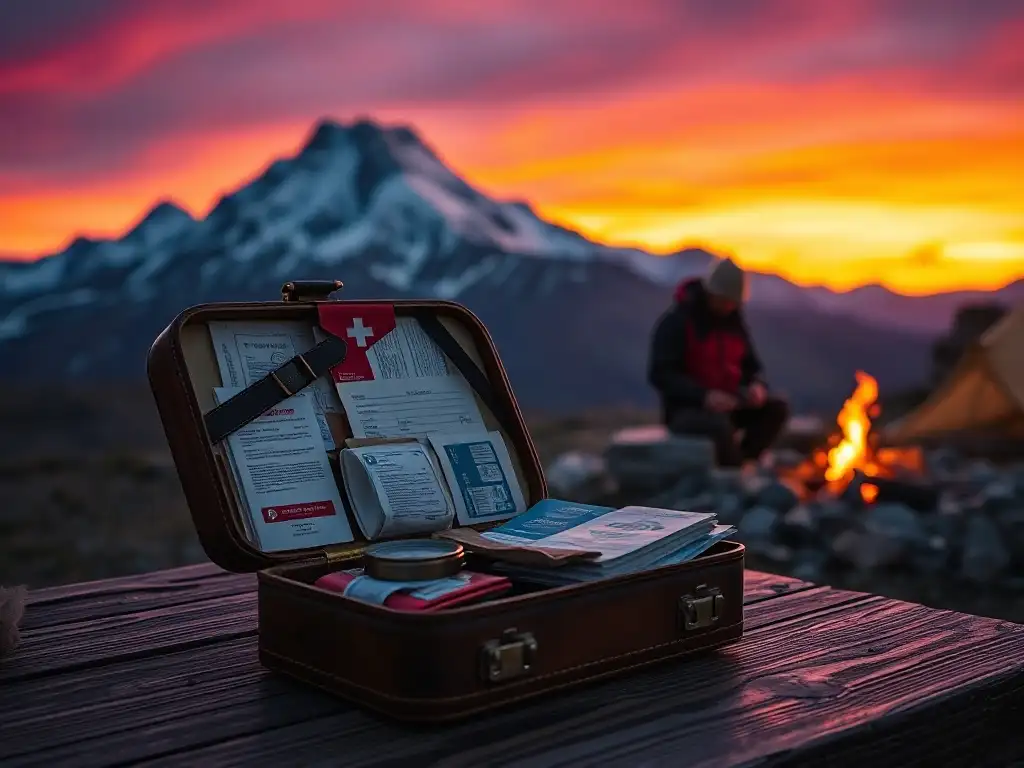
Camping in the Andes presents unique challenges, demanding a higher level of preparedness than lowland camping. The altitude, unpredictable weather, and remote locations necessitate a comprehensive safety plan and a well-stocked first-aid kit. This section focuses on crucial safety considerations and essential first-aid provisions for your Andean adventure. Remember, thorough preparation is key to a safe and enjoyable trip. Prioritizing safety ensures you can fully appreciate the stunning Andean landscapes without compromising your well-being. This is especially critical when considering "Andean camping gear recommendations," as the gear itself plays a crucial role in mitigating risks.
Essential Items for a Camping First-Aid Kit
A well-equipped first-aid kit is paramount for Andean camping. Don't skimp on quality or quantity; the remoteness of many camping locations means self-reliance is crucial. Your kit should include, but not be limited to:
- Wound care: Sterile gauze pads (various sizes), antiseptic wipes, bandages (assorted sizes), adhesive tape, antibiotic ointment, blister treatment, surgical scissors, tweezers.
- Pain relief: Ibuprofen or naproxen (for pain and inflammation), acetaminophen (for fever). Consider altitude sickness medication as well (see below).
- Digestive issues: Anti-diarrheal medication, antacids. Altitude can significantly impact digestion.
- Respiratory issues: Inhaler (if applicable), cough suppressant.
- Other essentials: Sunscreen (high SPF), lip balm with SPF, insect repellent (DEET-based), hand sanitizer, personal medications (with prescriptions if necessary), rehydration salts.
It's vital to consider the specific challenges of the Andes when packing your first-aid kit. For example, the risk of sunburn at high altitude is significantly increased due to thinner atmospheric protection. Similarly, altitude sickness is a serious concern that requires specific preventative measures and treatment options.
Altitude Sickness Prevention and Treatment
Altitude sickness, or acute mountain sickness (AMS), is a common concern when camping at high altitudes in the Andes. Symptoms can range from mild headaches and nausea to more serious conditions like high-altitude pulmonary edema (HAPE) and high-altitude cerebral edema (HACE). Prevention is key:
- Ascend gradually: Avoid rapid ascents. Allow your body time to acclimatize to the changing altitude.
- Stay hydrated: Drink plenty of water throughout the day, even if you don't feel thirsty.
- Avoid alcohol and caffeine: These substances can exacerbate dehydration and worsen symptoms.
- Rest adequately: Give your body ample time to adjust to the altitude. Avoid strenuous activity on the first day at higher altitudes.
- Consider medication: Diamox (acetazolamide) is a prescription medication often used for altitude sickness prevention. Consult your doctor before taking any medication, especially at altitude.
If symptoms of AMS develop, descend immediately to a lower altitude. Mild symptoms can often be managed with rest, hydration, and over-the-counter pain relievers. However, if symptoms worsen or you experience severe headaches, shortness of breath, or confusion, seek medical attention immediately. This may require a challenging evacuation, emphasizing the importance of preparedness and careful planning when considering "Andean camping gear recommendations."
Recommended First-Aid Kit: The Adventure Medical Kits Mountain Series Hiker Medical Kit
While building your own kit offers customization, pre-assembled kits offer convenience and assurance of comprehensive coverage. The Adventure Medical Kits Mountain Series Hiker Medical Kit is a well-regarded option tailored to the needs of hikers and campers in mountainous regions. It includes many of the items listed above, providing a solid foundation for your Andean camping first-aid needs. Remember that this is merely a suggestion, and the optimal kit will depend on trip length, location, and individual needs.
Always double-check the contents and supplement as necessary based on your specific requirements and the potential risks associated with your chosen Andean camping location. Thorough preparation, including a well-stocked and appropriate first-aid kit, is a vital component of responsible and safe Andean camping. This directly impacts the practicality of any "Andean camping gear recommendations" you may receive.
Backpacks for Carrying Your Andean Camping Gear
Choosing the right backpack is paramount for a comfortable and successful Andean camping trip. The terrain can be challenging, ranging from high-altitude trails to dusty plains, and carrying an improperly fitted or insufficiently sized pack can quickly turn your adventure into a miserable ordeal. Therefore, selecting a backpack that perfectly balances comfort, capacity, and durability is crucial. This section focuses on helping you choose the perfect pack for your Andean adventure, considering factors like fit, volume, and features specifically beneficial for high-altitude trekking. Remember, your backpack will be your constant companion; choose wisely!
Choosing a Backpack with Proper Fit and Volume
The ideal backpack volume for Andean camping depends significantly on the length of your trip and the climate. For shorter trips (3-5 days), a 50-60 liter backpack might suffice. However, for longer expeditions or trips involving colder climates requiring more layers of clothing, a 65-75 liter backpack is recommended. Beyond volume, fit is equally critical. An improperly fitted backpack can lead to back pain, shoulder strain, and overall discomfort, hindering your enjoyment and potentially impacting your safety at higher altitudes.
Consider these key factors when assessing backpack fit:
- Torso Length: This is crucial. A backpack that's too long or too short will negatively impact weight distribution and comfort. Most reputable brands offer backpacks in various torso lengths. Measure your torso length carefully before purchasing.
- Hip Belt: The hip belt should sit comfortably on your hips, transferring most of the weight from your shoulders. Look for padded hip belts with adjustable straps for a secure and comfortable fit.
- Shoulder Straps: Ensure the shoulder straps are padded and adjustable, allowing for a snug but not constricting fit.
- Load Lifters: These straps help lift the weight of the pack off your shoulders, distributing it more evenly. This is particularly important when carrying heavier loads at higher altitudes.
Proper fit ensures even weight distribution, preventing strain and maximizing comfort during long hikes. Remember to pack your backpack as you would for your trip and try it on for an extended period before committing to a purchase. This allows you to identify and address any potential discomfort issues early on. Don't underestimate the importance of a proper fit; it's the foundation of a successful Andean camping experience. Choosing the right backpack is an investment in your comfort and safety.
Recommended Backpack: The Gregory Baltoro 65 Backpack
The Gregory Baltoro 65 backpack consistently receives high praise from experienced hikers and adventurers for its exceptional comfort, durability, and features well-suited to Andean conditions. Its 65-liter capacity provides ample space for gear, while its adjustable torso length and padded hip belt ensure a comfortable fit for a wide range of body types.
Key features that make the Gregory Baltoro 65 a strong contender for Andean camping include:
- Durable Construction: Built with high-quality materials designed to withstand the rigors of challenging terrains.
- Excellent Ventilation: Helps keep your back cool and dry, even during strenuous hikes in warmer climates.
- Multiple Compartments and Pockets: Offers organized storage for various gear items, improving accessibility.
- Integrated Rain Cover: Provides protection for your gear in unexpected downpours, common in the Andes.
- Adjustable Suspension System: Allows for customization to achieve optimal weight distribution and comfort.
While the Gregory Baltoro 65 is a premium option, its superior comfort, durability, and features justify the investment for those planning extended Andean camping trips. The long-term benefits of a well-fitting, high-quality backpack far outweigh the initial cost, especially when considering the potential for discomfort and injury with a less suitable option. Investing in a quality backpack like the Gregory Baltoro 65 is investing in a safe and enjoyable Andean adventure. Remember to thoroughly research and compare options before making your final decision. Your comfort and safety are paramount.
Headlamps and Lighting for Nighttime Activities
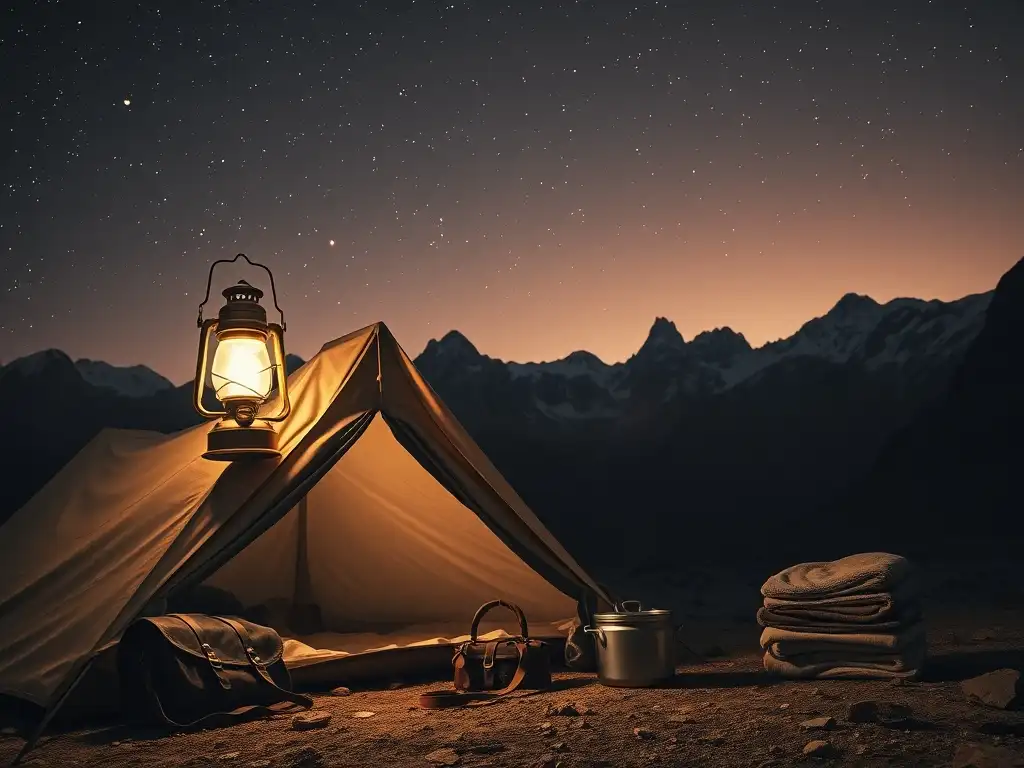
Exploring the Andes at night offers a unique perspective, allowing you to witness the breathtaking star-filled skies and experience the serenity of the mountains under the moonlight. However, navigating the trails and setting up camp in the dark requires reliable illumination. Choosing the right headlamp is crucial for safety and enjoyment during your Andean camping adventure. This section focuses specifically on Andean camping gear recommendations related to headlamps and lighting. The high altitude and often unpredictable weather conditions necessitate careful consideration of your lighting needs.
Choosing a Headlamp with Adequate Lumens and Battery Life
The altitude in the Andes significantly impacts the perceived brightness of light sources. The thinner air reduces the scattering of light, meaning that a headlamp that seems sufficiently bright at sea level might feel dimmer at high altitude. Therefore, choosing a headlamp with a higher lumen output than you might typically use is recommended. Aim for a headlamp with at least 200 lumens for general use, and consider 300 lumens or more if you plan on navigating challenging terrain or engaging in activities like night photography.
Battery life is equally important. Extended camping trips in remote areas may not offer opportunities for recharging. Opt for a headlamp with replaceable batteries, preferably AA or AAA, as these are more readily available than proprietary battery packs.
Look for models that offer multiple brightness settings to conserve battery power when lower illumination is sufficient. Consider the total burn time at different brightness levels – a headlamp that lasts 100 hours on low but only 3 hours on high might not be suitable for all Andean expeditions. Remember, the cold temperatures at high altitudes can also affect battery performance, so factor this into your decision.
The weight of your headlamp is also a factor, especially when backpacking. A lighter headlamp will reduce the overall weight you carry, making your trek more comfortable. However, don't compromise on quality or features for the sake of weight alone.
Recommended Headlamp: The Petzl ACTIK CORE Headlamp
The Petzl ACTIK CORE headlamp stands out as a strong contender for Andean camping. Its compact design and lightweight construction (around 85 grams) make it ideal for backpacking. It boasts a powerful 450-lumen output, providing ample illumination even in challenging conditions.
The rechargeable battery offers a respectable burn time, and the red light mode is perfect for preserving night vision while navigating your campsite. Furthermore, its robust construction ensures durability, crucial for withstanding the rigors of Andean travel. The Petzl ACTIK CORE also features a simple, intuitive interface, making it easy to operate even with cold or gloved hands.
Its relatively high price point is offset by its long-term reliability and performance, making it a worthwhile investment for serious Andean campers. While other excellent options exist, the Petzl ACTIK CORE represents a balance of features, performance, and reliability specifically suited to the demands of Andean camping. Remember to always carry spare batteries as a precaution.
Maximizing Your Andean Experience with the Right Gear
Choosing the right gear for Andean camping is crucial for a safe and enjoyable experience. The high altitude, unpredictable weather, and varied terrain demand careful consideration of your equipment. This section focuses on optimizing your Andean adventure by selecting appropriate and reliable gear, ensuring a comfortable and memorable trip. We'll delve into specific gear recommendations tailored to the unique challenges of the Andes, helping you prepare for the spectacular landscapes and potentially harsh conditions. This is key to successfully experiencing the thrill of sleeping under the breathtaking Andean night sky.
Pre-Trip Gear Checks and Preparations
Before embarking on your Andean camping journey, a thorough gear check is paramount. This isn't just about ensuring everything is present; it's about verifying functionality and condition. Think of it as a pre-flight checklist for your adventure. Neglecting this step could lead to discomfort, delays, or even safety risks.
Here’s a breakdown of essential checks:
- Tent: Inspect seams for tears, zippers for smooth operation, and poles for any damage. Consider practicing setting it up before your trip to familiarize yourself with the process and identify any potential issues. For Andean camping, a sturdy, four-season tent is highly recommended due to potential strong winds and unexpected precipitation.
- Sleeping Bag: Check the temperature rating to ensure it's appropriate for the expected nighttime temperatures in the Andes, which can drop significantly, even in summer. A down sleeping bag is generally a good choice for its warmth-to-weight ratio, but a synthetic alternative offers better moisture resistance if conditions are particularly damp.
- Sleeping Pad: A good sleeping pad is essential for insulation against the cold ground and for comfort. Inflatable pads offer good insulation and packability, while foam pads provide durability and are less susceptible to punctures. Consider the R-value (insulation rating) – a higher R-value is better for colder temperatures.
- Clothing: Layering is key! Pack lightweight base layers (moisture-wicking materials are best), insulating mid-layers (fleece or down), and a waterproof and windproof outer shell. Don't forget warm hats, gloves, and socks—even during warmer months.
- Cooking Equipment: Check your stove, fuel canister, cookware, and utensils. Ensure your stove functions correctly and that you have enough fuel for the duration of your trip. Consider lightweight, durable options designed for backpacking.
- First-Aid Kit: A comprehensive first-aid kit is non-negotiable. Include supplies for altitude sickness (headache medication, etc. ), blisters, cuts, and other minor injuries. Consider adding altitude sickness medication and any personal medications.
This meticulous pre-trip preparation will significantly enhance your Andean camping experience, ensuring you're well-equipped to handle whatever challenges the mountains might throw your way. Remember, preparedness translates directly to a more enjoyable and safer adventure.
Tips for Staying Comfortable and Safe in the Andes
The Andes present unique challenges for campers. High altitude, unpredictable weather, and potential wildlife encounters require specific strategies for staying comfortable and safe. This section provides actionable tips to mitigate risks and maximize enjoyment.
- Altitude Acclimatization: Spend a few days at a lower altitude before ascending to higher elevations to allow your body to adjust to the thinner air. This significantly reduces the risk of altitude sickness. Symptoms such as headache, nausea, and shortness of breath can be minimized with gradual ascent.
- Water Purification: Always purify your water before drinking it. Boiling, using water purification tablets, or a filter are all effective methods. Dehydration can exacerbate altitude sickness, so staying well-hydrated is crucial.
- Sun Protection: The sun's rays are intense at high altitudes. Apply high SPF sunscreen frequently, wear a hat, and sunglasses to protect your skin and eyes. Sunburn can quickly become a significant problem.
- Wildlife Awareness: Be aware of your surroundings and take precautions to avoid encounters with wildlife. Store food properly to avoid attracting animals, and make noise while hiking to avoid surprising them. Knowledge of local fauna is beneficial to avoid dangerous situations.
- Emergency Preparedness: Carry a fully charged satellite phone or personal locator beacon (PLB) in case of emergencies. Share your itinerary with someone who isn't joining you, and let them know when to expect your return. Knowing how to react in an emergency situation is essential.
By following these tips and meticulously planning your Andean camping trip, you’ll be better equipped to navigate the unique challenges of the region, ensuring a safe, comfortable, and unforgettable experience under the stunning Andean night sky. Remember, responsible and prepared Andean camping enhances both your personal safety and the preservation of this remarkable environment.
Frequently Asked Questions
What type of tent is best for Andean camping?
A four-season tent is highly recommended due to the unpredictable weather in the Andes. Look for a tent with excellent wind and waterproofing, and a robust design. Consider a double-walled tent for extra protection.
What sleeping bag temperature rating should I look for?
You'll need a sleeping bag with a very low temperature rating, ideally well below freezing (0°C/32°F). Consider down or synthetic fill depending on your budget and preference for moisture resistance. A liner can add extra warmth.
What clothing is essential for Andean camping?
Pack layers of warm clothing including fleece jackets, down jackets, and thermal underwear. Waterproof and windproof outer layers are crucial. Don't forget warm socks and a hat.
What other gear is important for Andean camping?
Essential items include high-quality hiking boots, trekking poles, a reliable head lamp or flashlight, sunscreen, sunglasses, and a first-aid kit. Don't forget plenty of water bottles or hydration reservoir.
How can I prepare for altitude sickness while camping in the Andes?
Ascend gradually to allow your body to acclimatize. Stay hydrated by drinking plenty of water. Avoid strenuous activity on your first day at higher altitudes. Consult your doctor about altitude sickness medication if needed.
Final Reflection: Embracing the Andean Night: A Call to Adventure
The allure of the Andes, with its breathtaking landscapes and challenging terrain, continues to captivate adventurers worldwide. Successfully navigating these majestic mountains, however, requires careful preparation, and choosing the right camping gear is paramount to a safe and enjoyable experience. This article has highlighted the crucial aspects of selecting appropriate equipment, ensuring comfort and safety amidst the unique conditions of the Andean nights.
The impact of responsible and well-equipped exploration on the preservation of these fragile ecosystems cannot be overstated. The Andes are a treasure trove of biodiversity and cultural heritage, and our interaction with them should always prioritize sustainability and respect. Not all those who wander are lost.
- J.R.R. Tolkien. This quote, while often used in a different context, perfectly encapsulates the spirit of mindful exploration; we must wander responsibly, leaving only footprints and taking only memories.
Now, I invite you to consider your own adventures. What calls to you? What mountains are you yearning to conquer? Remember the lessons learned here – the importance of warmth, the need for durable materials, and the significance of planning meticulously. Let this guide inspire you to embark on your own Andean journey, equipped not only with the right gear, but also with a deep respect for the environment and a spirit of adventure that will last a lifetime.
Venture into the Andean Night Sky!
Thank you for joining us on this journey through the wonders of Andean stargazing! We hope you found our advice on essential camping gear helpful. Now, it's time to put that knowledge into practice and experience the thrill of an Andean adventure firsthand!
Here are a few steps to elevate your camping experience:
- Choose the right gear: Invest in high-quality sleeping bags and tents designed for the unique conditions of the Andean climate. Consider factors like temperature rating and weather resistance.
- Plan your trip: Research campsites in the Andes, considering factors like accessibility, altitude, and proximity to attractions. Then, set a date and book your trip, if necessary.
- Connect with other enthusiasts: Join online forums or social media groups dedicated to Andean camping to exchange tips, advice, and experiences with fellow adventurers.
Which Andean location will be your first destination for a night under the stars? Let us know in the comments below!