
Inca Architecture and the Concept of Harmony: A Balance of Form and Function

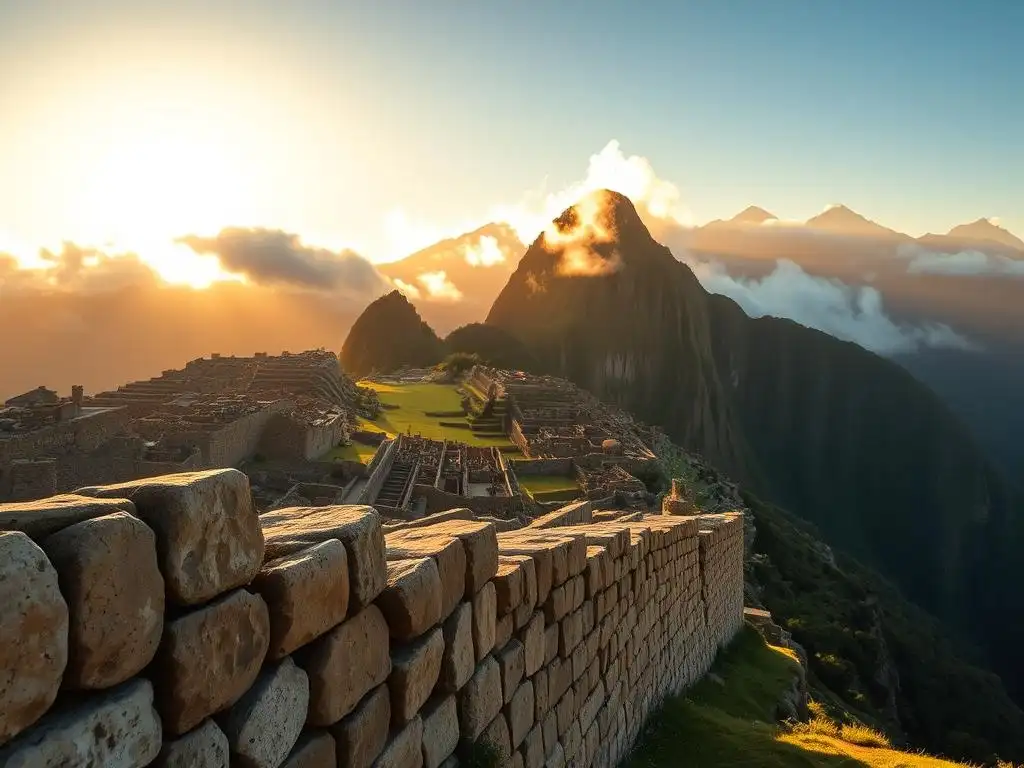
Step into a world lost to time, yet echoing with the whispers of a magnificent empire. Journey with us through the breathtaking landscapes and intricate artistry of the Andean civilizations. Uncover the secrets behind the Inca architecture design principles, a testament to ingenuity and a profound connection with nature. Prepare to be amazed by the harmony between form and function, a legacy that continues to inspire awe centuries later. Discover how the Incas achieved such architectural marvels—their story awaits.
The Inca Empire, renowned for its vast expanse and sophisticated social structures, left behind a legacy of architectural marvels that continue to inspire awe and wonder. This article delves into the design principles underpinning Inca architecture, revealing a sophisticated understanding of engineering, aesthetics, and a profound connection with the natural world. We will explore how the Inca's architectural achievements weren't merely functional structures, but rather a tangible manifestation of their worldview, reflecting a deep-seated belief in harmony and balance between humanity and its environment.
Understanding the Inca's architectural design principles provides crucial insight into their culture, beliefs, and remarkable ability to adapt their building techniques to diverse and challenging landscapes. This exploration will uncover the intricate relationship between form and function in Inca structures, demonstrating how their aesthetic choices were intrinsically linked to practical considerations.
We will analyze specific examples to illustrate the key elements of Inca architectural design, highlighting the ingenuity and sophistication of their approach to building. Prepare to be amazed by the ingenuity and enduring legacy of Inca architectural design principles.
Introduction to Inca Architectural Philosophy
Inca architecture wasn't simply about constructing buildings; it was a deeply symbolic act reflecting their worldview. The Incas believed in a harmonious relationship between the human world and the Pachamama, or Mother Earth. This philosophy permeated every aspect of their lives, significantly influencing their architectural choices.
Their structures, often seamlessly integrated into the landscape, were not just dwellings or temples but integral parts of their spiritual and social fabric. The use of natural materials like stone, carefully selected and precisely fitted, mirrored their respect for the earth and its resources. The precision and artistry involved in Inca construction, evident in the intricate stonework and the monumental scale of some projects, demonstrate a mastery of engineering and a profound understanding of structural principles.
This wasn't achieved through advanced tools or machinery, but rather through meticulous planning, collective effort, and a deep knowledge of the properties of materials. The Inca's understanding of load-bearing, gravity, and seismic activity, demonstrated in their structures' remarkable stability even in earthquake-prone regions, speaks volumes about their architectural prowess. Their architectural philosophy wasn't just aesthetic; it was a practical and spiritual expression of their connection to the land and their belief system.
Key Principles of Inca Architecture Design
Several key principles guided Inca architectural design. These principles, interwoven and mutually reinforcing, contributed to the unique character and enduring strength of their buildings. We can identify several key aspects:
- Integration with the Landscape: Inca structures were often seamlessly integrated into the surrounding terrain, utilizing natural features like hillsides and valleys to minimize disruption to the environment and maximize structural stability. This approach is evident in the impressive terraces carved into hillsides for agriculture and the strategic placement of buildings to take advantage of natural resources and defensible positions.
- Precision and Mastery of Stonework: The Incas were masters of stonework, achieving remarkable precision in fitting stones together without the use of mortar. This "dry-stone masonry" technique, requiring immense skill and planning, resulted in structures that were both aesthetically pleasing and incredibly strong. The precise fitting of stones, often so tight that a blade cannot be inserted between them, is a testament to their craftsmanship.
- Use of Local Materials: The Incas primarily used locally sourced materials, minimizing transportation costs and environmental impact. Stone was the predominant material, chosen for its durability and availability. Other materials, such as wood and thatch, were used strategically for specific purposes, reflecting a practical and sustainable approach to construction.
- Functional and Symbolic Design: Inca structures served both practical and symbolic functions. Temples, palaces, and administrative buildings were carefully designed to reflect social hierarchy and religious beliefs. The size, location, and ornamentation of structures often conveyed social status and religious significance.
Case Studies: Illustrative Examples of Inca Architectural Ingenuity
To further illustrate these design principles, let's examine a few notable examples. The monumental structures at Machu Picchu, Ollantaytambo, and Sacsayhuamán showcase different aspects of Inca architectural brilliance. Machu Picchu's integration into the mountainous terrain is a prime example of their ability to harmonize architecture with the landscape. Ollantaytambo's impressive stonework demonstrates their mastery of dry-stone masonry techniques.
Sacsayhuamán's cyclopean walls, composed of massive stones, represent their incredible engineering skills and symbolic power. Each of these sites embodies the key principles discussed above, demonstrating the complexity and sophistication of Inca architectural design. Further research into specific features of these sites is encouraged to gain a deeper understanding of Inca architectural advancements.
The Enduring Legacy of Inca Architectural Design Principles
The legacy of Inca architecture continues to inspire architects and engineers today. Their innovative techniques, sustainable practices, and profound understanding of harmony between human creation and the natural world serve as a valuable lesson for contemporary design. The resilience and beauty of their structures stand as a testament to their ingenuity and enduring architectural principles.
The study of Inca architecture offers not only insights into their past but also valuable lessons for sustainable and harmonious design in the future. The principles of integration with the landscape, precision in construction, and the use of local materials remain highly relevant in today's world. The Inca's lasting contribution to architectural history is undeniable, and their legacy continues to inspire and challenge modern architectural practices.
- Introduction to Inca Architectural Philosophy
- Key Principles of Inca Architecture Design
- Case Studies: Illustrative Examples of Inca Architectural Ingenuity
- The Enduring Legacy of Inca Architectural Design Principles
- What are the core principles behind Inca architecture design?
- How did the Incas achieve such precise stonework without mortar?
- What role did the environment play in Inca architectural design?
- What are some examples of iconic Inca architecture that showcase these principles?
- How did Inca architecture reflect their worldview and beliefs?
Inca Architecture Design Principles: Foundations of Harmony
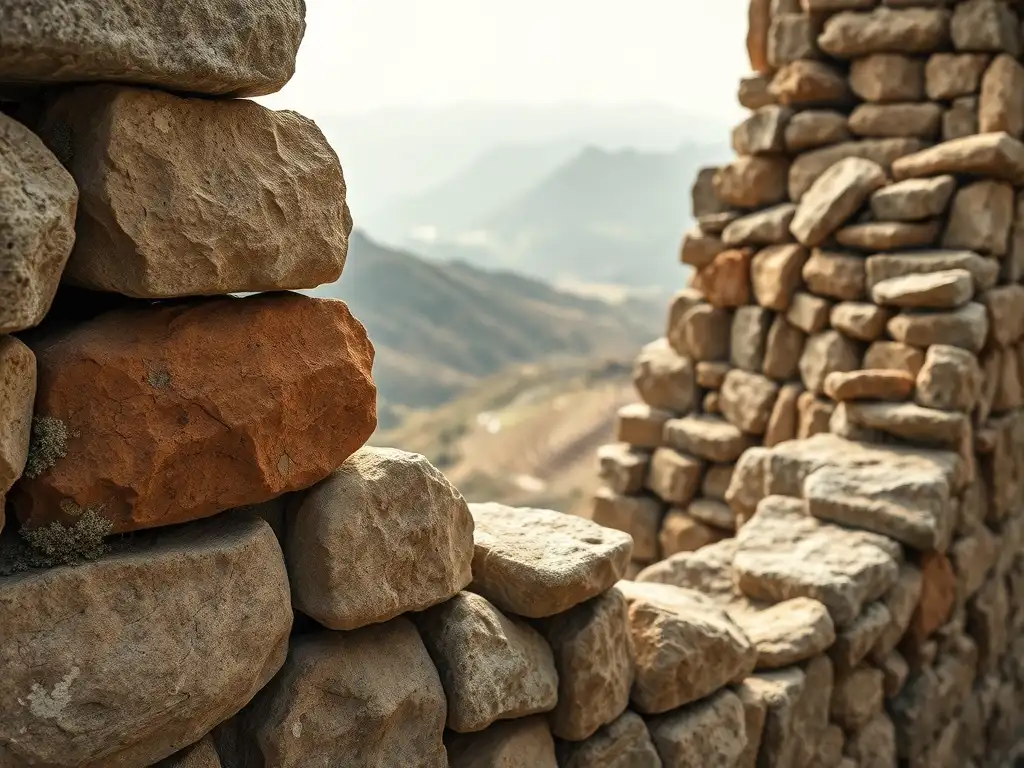
This section delves into the core principles guiding Inca architecture, revealing how their designs transcended mere functionality to embody a profound connection with the Andean cosmology and environment. Understanding these principles is key to appreciating the ingenuity and sophistication of Inca building practices, often overlooked in favor of simply admiring their monumental structures. The Inca's approach to "Inca architecture design principles" wasn't arbitrary; it was a carefully considered system reflecting their worldview and societal values.
The Significance of Andean Cosmology in Inca Design
Inca architecture wasn't simply about creating buildings; it was about creating a harmonious relationship between the human world and the sacred cosmos. Their worldview, deeply rooted in Andean cosmology, saw the universe as a structured, interconnected entity. Mountains, rivers, and celestial bodies were not just geographical features or astronomical events but active participants in a dynamic, spiritual landscape. This cosmological perspective heavily influenced their architectural design choices.
The orientation of structures, for example, often aligned with significant geographical features or celestial movements, reflecting the Inca's belief in the interconnectedness of the earthly and heavenly realms. This is evident in the precise alignment of many Inca sites with solstices and equinoxes, demonstrating a sophisticated understanding of astronomy and its integration into their architectural planning. The use of specific materials, like intricately carved stone, also held symbolic meaning, representing the earth's energy and power.
This wasn't mere decoration; it was a tangible expression of their spiritual beliefs. Further research is needed to fully understand the nuances of symbolic representation within the various Inca architectural styles across the empire. [Specific information pending: Further research on symbolic representation in Inca architecture].
Key Elements of Inca Architectural Harmony
Several key elements contributed to the overall harmony and functionality of Inca architecture. These elements, deeply intertwined with their cosmology, created structures that were not only aesthetically pleasing but also remarkably resilient and practical.
- Integration with the Landscape: Inca structures seamlessly blended with their surroundings. Terraces carved into mountain slopes, for example, not only provided agricultural land but also visually integrated the buildings into the natural landscape. This approach minimized environmental impact and maximized the use of available resources. The mastery of this integration is a hallmark of their design principles.
- Modular Construction: The use of standardized building blocks and a modular approach to construction allowed for efficient construction and easy repair. This system, based on precisely cut stones fitting together without mortar, enabled them to create complex structures with remarkable precision and stability. This system also facilitated the transfer of knowledge and construction techniques across the vast Inca empire.
- Material Selection and Use: The Incas were meticulous in their selection and use of building materials. They utilized locally sourced stones, adapting their designs to the specific properties of the available materials. This approach ensured durability and minimized transportation costs. The quality of stonework varied across regions, reflecting the local availability of resources and the specific needs of each location. This adaptability underscores the practicality and resourcefulness of their building practices.
- Functional Design: Inca architecture was highly functional. Structures were designed to serve specific purposes, whether for religious ceremonies, administrative functions, or residential needs. This functionality was not at odds with aesthetic harmony; rather, it was integral to it. Each element served a purpose, contributing to the overall balance and efficiency of the design.
The Inca's understanding of "Inca architecture design principles" wasn't limited to aesthetics. It encompassed a holistic approach, integrating cosmology, functionality, and environmental considerations to create structures that were both beautiful and enduring. The legacy of this remarkable approach continues to inspire architects and engineers today.
The meticulous planning and execution evident in surviving Inca structures stand as a testament to their sophisticated understanding of engineering and design. Further study of surviving structures and archaeological records could reveal even more intricate details about their innovative building techniques and design philosophies. [Specific information pending: Further research on the specific techniques used in different regions of the Inca Empire].
Inca Stonework Mastery: Precision and Durability
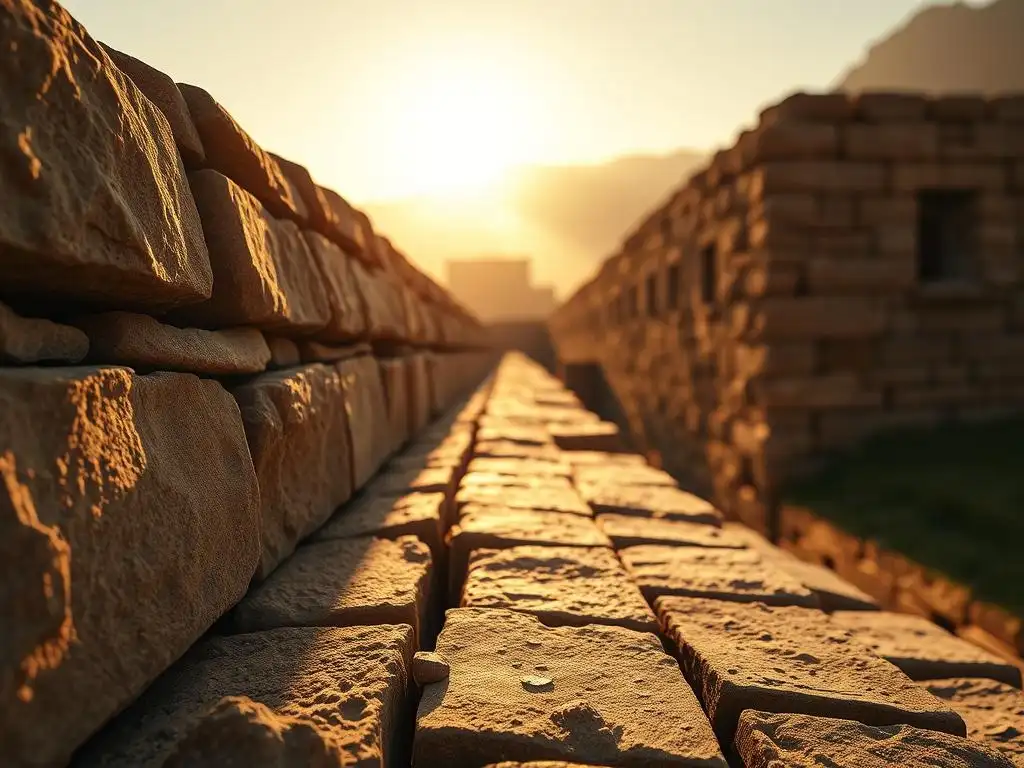
The hallmark of Inca architecture is undoubtedly its masterful stonework. Inca builders achieved an astonishing level of precision, creating structures that have withstood the test of time for centuries. This wasn't simply a matter of aesthetics; the durability of Inca structures was crucial for their function, reflecting a deep understanding of engineering principles and a profound respect for the environment. The Inca's expertise in stonework, exemplified by their innovative techniques and meticulous craftsmanship, is a testament to their advanced civilization.
Understanding their methods helps us appreciate the ingenuity and sophistication behind their architectural achievements. This section will delve into the specifics of their stonework, exploring the techniques employed and the resulting impact on the longevity of their buildings. The principles of Inca architecture design, particularly concerning stonework, are still studied and admired today.
Ashlar Masonry: The Art of Fitting Stones
Ashlar masonry, the technique of using precisely cut and fitted stones, is a cornerstone of Inca architecture. Inca masons achieved an incredible level of accuracy, fitting stones together with minimal mortar. The joints between stones are often so tight that a knife blade cannot be inserted. This level of precision wasn't just for show; it significantly enhanced the structural integrity and seismic resistance of their buildings.
Consider the walls of Sacsayhuamán: the massive stones, some weighing many tons, are interlocked with astonishing accuracy, creating a structure that has resisted earthquakes for centuries. This technique demonstrates a profound understanding of both material science and structural engineering, far surpassing the capabilities of many contemporary societies. The sheer scale of some structures, combined with the precision of the stonework, is truly remarkable.
The selection of stones also played a vital role. Inca builders carefully chose stones based on their properties, selecting those best suited for the specific purpose and location. This careful selection, combined with the precision of the cutting and fitting, contributed to the exceptional durability of their structures. The meticulous attention to detail is evident in every aspect of their stonework, highlighting the skill and dedication of the Inca masons. The use of ashlar masonry showcases the Inca's deep understanding of Inca architecture design principles, prioritizing both aesthetic appeal and structural resilience.
Inca Construction Techniques and Engineering Prowess
Beyond ashlar masonry, Inca builders employed a variety of innovative construction techniques. These techniques, developed over centuries, allowed them to create impressive structures in challenging terrains and environments. Their understanding of load-bearing principles, drainage systems, and seismic engineering was remarkably advanced. For example, their use of interlocking stones, without mortar in many cases, provided exceptional stability and resistance to earthquakes.
This is particularly evident in sites like Ollantaytambo, where massive stones are perfectly fitted together, creating a visually stunning and structurally sound fortress. The ingenious use of ramps and levers allowed them to move and position immense stones, demonstrating their advanced engineering capabilities. We still lack complete understanding of some of their techniques, highlighting the enduring mystery and fascination surrounding Inca engineering.
The Inca's understanding of drainage was equally impressive. Many of their structures incorporated sophisticated drainage systems to prevent water damage and erosion. This careful consideration of environmental factors further demonstrates their commitment to creating sustainable and long-lasting buildings.
Furthermore, the integration of their structures with the surrounding landscape showcases a deep understanding of site planning and environmental harmony. This holistic approach to construction, encompassing engineering, material selection, and environmental awareness, is a key aspect of Inca architecture design principles. Analyzing these techniques offers valuable insights into the ingenuity and foresight of Inca builders, a testament to their advanced understanding of both architecture and engineering.
Further research is needed to fully understand the intricacies of some of these methods, particularly concerning the precise tools and techniques used for cutting and shaping the massive stones. The legacy of Inca engineering continues to inspire modern architects and engineers, reminding us of the power of human ingenuity and the enduring beauty of well-crafted structures.
Inca Architecture and the Landscape: Integration and Respect
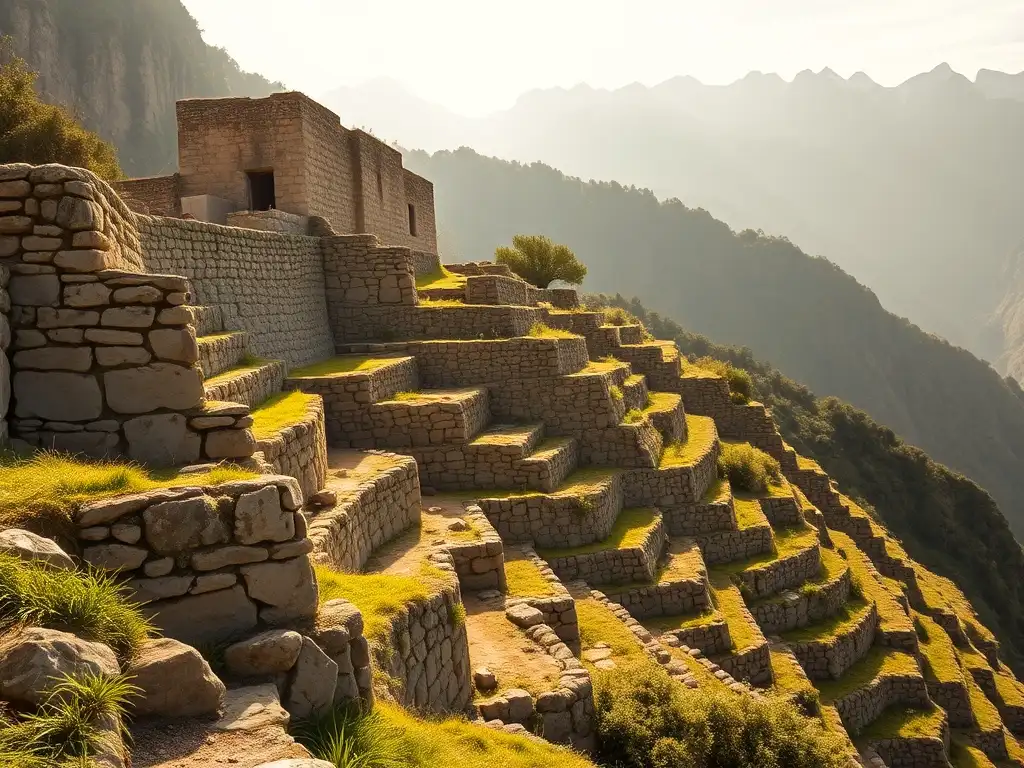
Inca architecture design principles were deeply intertwined with the challenging Andean landscape. Rather than imposing structures onto the environment, Inca builders demonstrated a remarkable ability to integrate their constructions within it. This wasn't merely a practical consideration; it reflected a profound spiritual connection to the land, a belief in the interconnectedness of all things. This philosophy is evident in the careful selection of building sites, the masterful use of natural materials, and the overall harmonious relationship between the structures and their surroundings. Understanding this aspect is crucial to grasping the true genius of Inca architecture.
Adapting to the Andean Terrain
The Andes Mountains present a formidable challenge for construction. Steep slopes, seismic activity, and varying climates demanded innovative solutions. Inca builders didn't shy away from these difficulties; instead, they embraced them, developing techniques that are still admired today. For example, the famous terraced agriculture, not just a farming method but also a significant architectural feat, demonstrates their understanding of controlling erosion and maximizing arable land on steep hillsides. These terraces, meticulously constructed using dry-stone masonry, weren't just functional; they also sculpted the landscape, creating a visually stunning harmony between human intervention and natural contours.
Furthermore, the placement of cities and structures was far from arbitrary. Inca engineers carefully considered factors such as sunlight, water sources, and defensive positions. Machu Picchu, perched high in the Andes, is a prime example of this strategic site selection. Its location offered both breathtaking views and natural protection, seamlessly blending the city with its dramatic surroundings.
The careful orientation of buildings within the city, maximizing sunlight and minimizing wind exposure, further exemplifies their deep understanding of the environment. This meticulous planning underscores the sophisticated level of their architectural and engineering skills. The integration wasn't just aesthetic; it was crucial for the functionality and longevity of their structures.
The Use of Natural Materials in Inca Construction
The Inca's respect for the landscape extended to their choice of building materials. They primarily utilized readily available local resources, minimizing environmental impact and showcasing an impressive mastery of working with natural materials. Stone, of course, was a cornerstone of Inca construction, with different types of stone selected based on their properties and availability. The precision and artistry involved in fitting these stones together without mortar remain a testament to their skill. This dry-stone masonry technique, requiring exceptional precision and understanding of stone properties, resulted in incredibly strong and resilient structures that have withstood the test of time.
Beyond stone, other natural materials played vital roles. Wood, for example, was used extensively in roofing, beams, and other structural elements. Thatch and other plant materials were incorporated into roofing systems, demonstrating a resourceful approach to construction.
This careful selection and integration of natural materials not only minimized the environmental impact but also contributed to the overall aesthetic harmony of the structures. The Inca's approach to material selection exemplifies a sustainable and environmentally conscious building practice far ahead of its time. Their focus on locally sourced, readily available materials stands in stark contrast to many modern construction practices, making their approach even more remarkable and worthy of study.
The use of these materials, combined with their advanced construction techniques, resulted in structures that were not only beautiful but also incredibly durable and well-suited to their environment. The legacy of Inca architecture continues to inspire awe and admiration for its ingenuity and respect for the natural world.
Examples of Inca Architectural Harmony
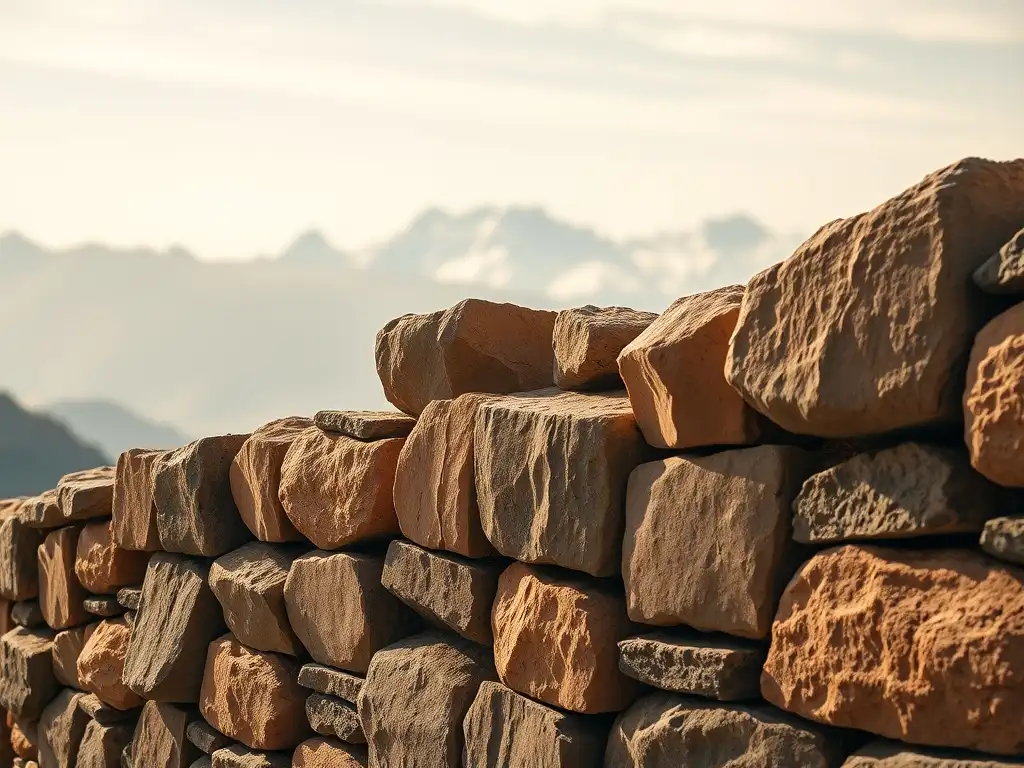
This section delves into specific examples of Inca architecture, showcasing how their design principles manifested in breathtaking structures across their vast empire. The Inca's mastery of stonework, their understanding of the landscape, and their deeply held beliefs about harmony with nature are all evident in these iconic sites. Analyzing these examples reveals the sophisticated techniques and philosophical underpinnings of Inca architecture design principles.
Machu Picchu: A Masterpiece of Inca Design
Machu Picchu, the famed "Lost City of the Incas," stands as a prime example of the harmonious integration of architecture and environment. Its construction, perched high in the Andes Mountains, demonstrates an unparalleled understanding of topography and engineering. The city's layout, with its meticulously placed structures cascading down the mountainside, reflects a deep respect for the natural landscape. The buildings themselves, crafted from precisely fitted stones without mortar, showcase the Inca's unparalleled skill in Inca architecture design principles.
The agricultural terraces, carved into the mountain slopes, are a testament to their ingenuity. These terraces not only provided fertile land for cultivation but also served to stabilize the mountainside, preventing erosion and landslides. This practical functionality is interwoven with an aesthetic beauty, demonstrating the Inca's ability to blend form and function seamlessly. The intricate network of pathways connecting the various structures further emphasizes the organic, harmonious nature of the design. The choice of materials, predominantly granite, reflects a deep understanding of local resources and their durability, showcasing sustainable Inca architecture design principles.
Sacsayhuaman: Fortress and Ceremonial Center
Sacsayhuaman, located near Cusco, is a monumental complex showcasing the Inca's impressive engineering feats and their sophisticated understanding of Inca architecture design principles. This massive fortress, built from enormous, precisely cut stones, is a testament to their organizational prowess and advanced stone-cutting techniques. The cyclopean walls, constructed from stones weighing many tons, are a marvel of engineering, defying gravity and withstanding the test of time.
The arrangement of the stones is not merely functional; it also embodies a sense of harmony and balance. The impressive size of the stones, perfectly fitted together without mortar, suggests a symbolic representation of the Inca's power and control over the natural world. Furthermore, the strategic placement of the fortress, overlooking the city of Cusco, highlights the integration of Inca architecture design principles with military strategy and ceremonial significance.
The complex's design reflects a sophisticated understanding of astronomy and its alignment with celestial events. The integration of astronomical knowledge into the design further underscores the deep connection between the Inca's worldview and their architectural achievements.
Ollantaytambo: A Living Inca Town
Ollantaytambo, unlike Machu Picchu or Sacsayhuaman, is a living town, still inhabited today. This speaks volumes about the resilience and practicality of Inca architecture design principles. The town's layout, with its intricate network of streets and canals, demonstrates a sophisticated urban planning system. The agricultural terraces surrounding the town, similar to those at Machu Picchu, showcase the Inca's commitment to sustainable agriculture and their ability to adapt their Inca architecture design principles to varied terrains.
The impressive stonework, though perhaps less monumental than at Sacsayhuaman, is equally impressive in its precision and craftsmanship. The use of locally sourced materials and the careful consideration of the natural environment are hallmarks of the Inca's architectural approach. Ollantaytambo offers a glimpse into the daily life of the Inca, revealing how their architectural achievements were not merely grand monuments but also integral to their way of life.
The enduring presence of Ollantaytambo serves as a powerful testament to the longevity and practicality of Inca architecture design principles. The town's continued use, even centuries after the fall of the Inca Empire, is a testament to the sophisticated and sustainable nature of their designs. It perfectly illustrates how their understanding of functionality and harmony with the environment created structures that could withstand the passage of time.
Inca Architecture and Functionality

Inca architecture design principles weren't solely about aesthetics; functionality played a crucial role. The Incas were master builders, creating structures that were not only visually stunning but also incredibly practical and well-suited to their environment and needs. Their understanding of engineering and materials science allowed them to build impressive structures that withstood the test of time and harsh Andean climates. This section delves into the practical aspects of Inca architecture, highlighting the ingenious solutions they employed to overcome geographical challenges and societal needs.
Designing for Practical Needs
The Inca's architectural prowess is evident in their ability to adapt their building techniques to diverse terrains. From the steep slopes of the Andes to the coastal plains, they constructed impressive structures that integrated seamlessly with the landscape. Consider, for example, the intricate network of roads and qhapaq ñan (Royal Road) which connected the vast Inca Empire.
These weren't simply paths; they were meticulously engineered to accommodate the varied topography, utilizing bridges, tunnels, and strategically placed resting places. The design incorporated drainage systems to prevent erosion and landslides, showcasing a deep understanding of hydrology. This practical approach ensured efficient transportation and communication across the empire, crucial for governance and trade.
Furthermore, Inca buildings were designed with climate control in mind. Thick walls, strategically placed windows, and ingenious ventilation systems regulated internal temperatures, creating comfortable living spaces despite the extreme temperature fluctuations in the Andes. The use of materials like stone, which absorbs and releases heat slowly, further aided in temperature regulation. The effectiveness of these design choices is demonstrated by the well-preserved ruins that still stand today, a testament to their enduring functionality.
The construction of canchas, or residential compounds, also exemplifies the Inca's focus on practical design. These compounds were not just housing units; they were carefully planned communities designed to maximize space and resource utilization. Shared courtyards, water channels, and integrated storage spaces show a sophisticated understanding of communal living and resource management. The precise arrangement of buildings within a cancha often reflected social hierarchy and family structures, demonstrating how practical considerations were intertwined with social organization.
The integration of agriculture into the design of Inca cities is another key aspect of their functional approach. Terraced farming, a hallmark of Inca engineering, allowed them to cultivate crops on steep slopes, maximizing arable land and ensuring food security. These terraces were not merely agricultural plots; they were integral components of the urban landscape, demonstrating a holistic approach to urban planning that prioritized both food production and aesthetic harmony.
The Role of Inca Architecture in Society
Inca architecture wasn't merely about constructing buildings; it was a powerful tool for shaping society and expressing power. The grandeur of Inca structures, such as Machu Picchu and Sacsayhuamán, served to reinforce the authority of the Inca emperor and the legitimacy of the empire. The impressive scale of these structures, combined with their sophisticated design, conveyed a message of power and control, solidifying the Inca's dominance over their vast territory.
The meticulous craftsmanship evident in Inca architecture also reflected the high social status of the builders and artisans. The intricate stonework, precise fitting of stones without mortar, and sophisticated techniques employed demonstrate a high level of skill and training. This level of craftsmanship wasn't just a matter of technical proficiency; it was a way to showcase the Inca's mastery of technology and their advanced understanding of engineering principles. The production of these architectural marvels directly supported a significant portion of the population, creating employment opportunities and contributing to the overall economic prosperity of the Inca Empire.
Moreover, Inca architecture played a vital role in religious and ceremonial practices. Temples, shrines, and other sacred structures were strategically placed within urban centers and served as focal points for religious rituals and ceremonies. Their design often incorporated astronomical alignments and symbolic elements, reflecting the Inca's deep understanding of cosmology and their reverence for the natural world. The construction and maintenance of these structures were significant communal events, reinforcing social cohesion and religious beliefs.
The architecture itself served as a tangible representation of their spiritual beliefs and strengthened the social fabric of the Inca Empire. The integration of religious and practical elements in their design showcases the holistic nature of Inca society and their deep connection to their environment. The Inca architecture design principles reflected a sophisticated understanding of engineering, societal needs, and spiritual beliefs, resulting in remarkable structures that continue to inspire awe and admiration.
Legacy of Inca Architectural Principles
The Inca Empire, despite its relatively short lifespan compared to other ancient civilizations, left an undeniable mark on architectural history. Their design principles, born from a deep understanding of their environment and a sophisticated social structure, continue to inspire awe and intrigue. The Inca's mastery wasn't simply about constructing impressive structures; it was about creating spaces that reflected their worldview – a harmonious blend of nature and human ingenuity.
This section delves into the core principles that underpinned Inca architecture, exploring the ingenuity behind their construction techniques and the lasting impact on subsequent architectural movements. Understanding these principles is key to appreciating the true genius of Inca architecture design principles.
Influence on Contemporary Design
The echoes of Inca architectural design principles resonate even today. While not directly copied, many modern architects draw inspiration from the Inca’s masterful use of local materials, their understanding of structural integrity within challenging terrains, and their emphasis on creating spaces that integrate seamlessly with the natural landscape. The Inca's preference for dry-stone masonry, for example, a technique requiring incredible precision and skill, has influenced contemporary sustainable building practices.
The focus on minimizing environmental impact and utilizing readily available resources is a direct parallel to modern green building initiatives. Consider the use of rammed earth techniques in modern eco-friendly construction; this echoes the Inca's resourcefulness and appreciation for the environment. Furthermore, the emphasis on community spaces and the integration of architecture with the surrounding environment – a hallmark of Inca design – is increasingly reflected in contemporary urban planning and architectural trends that prioritize community cohesion and sustainable development.
The Inca's legacy isn't just about the ruins we see today; it's about the enduring values that inform modern architectural thinking. These values, emphasizing sustainability, community, and harmony with nature, are more relevant than ever in our contemporary world. Analyzing the Inca's masterful use of space and materials offers valuable lessons for modern architects seeking to create environmentally responsible and socially conscious designs.
The Enduring Relevance of Inca Design
The enduring relevance of Inca design principles stems from their inherent adaptability and sustainability. The Inca Empire thrived in a diverse and challenging Andean landscape, requiring ingenious solutions to overcome geographical obstacles and utilize available resources effectively. Their mastery of dry-stone masonry, for instance, allowed them to construct stable structures in earthquake-prone regions without the need for mortar.
This technique, requiring exceptional craftsmanship and an intimate understanding of the properties of stone, highlights their profound knowledge of engineering principles and their ability to adapt to challenging environmental conditions. Moreover, their architectural achievements weren't solely driven by aesthetic considerations; they were deeply intertwined with their social and spiritual beliefs. The integration of architectural elements with the natural landscape, the creation of communal spaces, and the emphasis on functionality all underscore the holistic approach to design that characterized Inca civilization.
This holistic approach, emphasizing the interconnectedness of human activity and the natural world, is increasingly valued in contemporary architectural discourse, making Inca design principles a valuable source of inspiration for architects and urban planners seeking to create sustainable and community-focused environments. The Inca's legacy serves as a potent reminder of the enduring power of sustainable design and the importance of integrating architecture with its surrounding environment. Their achievements are not merely historical relics but rather a rich source of inspiration for future generations of builders and designers.
Frequently Asked Questions
What are the core principles behind Inca architecture design?
Inca architecture prioritized harmony and balance between form and function. Key principles included integration with the landscape, precise stonework, and the use of locally sourced materials. This created structures that were both aesthetically pleasing and practical.
How did the Incas achieve such precise stonework without mortar?
The Incas achieved incredibly precise fits by carefully shaping stones to interlock perfectly. This technique, combined with their understanding of geology and skilled craftsmanship, resulted in structures that have withstood the test of time.
What role did the environment play in Inca architectural design?
The environment profoundly influenced Inca architecture. Structures were integrated seamlessly into the landscape, using natural features like mountains and valleys to their advantage. Terracing was a common technique to adapt to mountainous terrain.
What are some examples of iconic Inca architecture that showcase these principles?
Iconic examples include Machu Picchu, with its intricate stonework and stunning mountaintop location, and Sacsayhuamán, known for its massive, precisely fitted stones. These sites perfectly demonstrate the Inca's mastery of architectural design and engineering.
How did Inca architecture reflect their worldview and beliefs?
Inca architecture reflected their deep connection to nature and their belief in the power of the cosmos. The orientation of buildings, the use of specific materials, and the symbolic meaning of designs all contributed to a holistic worldview integrated into the built environment.
Final Reflection: Echoes of the Andes: Inca Architecture's Enduring Legacy
The ingenious design principles of Inca architecture remain remarkably relevant today, offering a powerful testament to the enduring human need for sustainable and harmonious living. Their mastery of integrating structures with their environment serves as a potent counterpoint to the often unsustainable practices of modern construction, prompting us to reconsider our relationship with the natural world.
The Inca's profound understanding of their environment, reflected in their architectural achievements, continues to resonate deeply. Their ability to create structures that were both aesthetically pleasing and functionally efficient speaks to a holistic approach to design that is sadly lacking in much of contemporary architecture. The Inca built not just buildings, but a way of life, woven into the very fabric of the landscape.
This quote encapsulates the profound interconnectedness between their architecture and their culture, a lesson we can all benefit from learning.
Consider the ingenuity of their stonework, the precision of their terracing, and the breathtaking integration of their cities into the mountainous terrain. These are not merely historical artifacts; they are blueprints for a more sustainable and harmonious future. You, the reader, are now equipped with a deeper understanding of Inca architectural principles. I urge you to reflect on how these principles might inspire your own approach to design, construction, and even your daily life. Let the echoes of the Andes guide you towards a more balanced and sustainable existence.
Embrace the Harmony of Inca Architecture Today!
Thank you for exploring the captivating world of Inca architecture with us! We hope you've gained valuable insights into the profound balance between form and function that defined this remarkable civilization. Now, it's your turn to **embrace** and **celebrate** this harmony in your own life. Here are some ways you can apply these principles:
- **Visit a local historical site:** Immerse yourself in the architectural wonders of your region, observing how structures designed with harmony and purpose fostered a sense of community. The thoughtful integration of design and function in these buildings offers valuable lessons for us today.
- **Embark on a creative project:** Whether you're designing a garden, renovating a room, or even just rearranging your furniture, consider the Inca principles of balance and functionality. Think about how each element contributes to the overall harmony of the space.
- **Share your newfound appreciation:** Connect with others by discussing Inca architecture on social media, in community groups, or even by starting a blog to document your journey of discovery. Sharing your insights can inspire others to appreciate the beauty and functionality of this architectural style.
Reflect on which aspects of Inca architecture resonate most with you and how you might integrate those principles into your own life and surroundings. What elements of their design could you adapt to create a more harmonious and functional space for yourself?