
The Inca's Use of Ritual Spaces: Ceremonial Centers

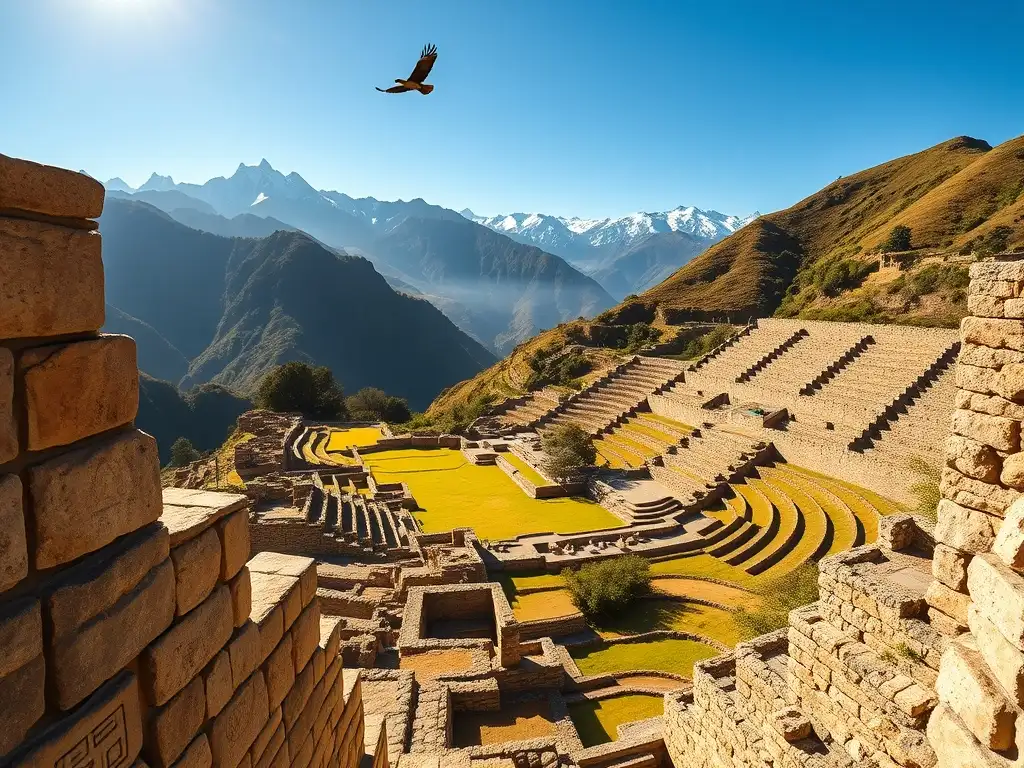
Step into a world lost to time, yet echoing with the whispers of a magnificent empire. Discover the secrets hidden within the sacred stones of the Andes, where ancient civilizations flourished and left behind a legacy of breathtaking artistry and complex societal structures. Prepare to be captivated by the intricate details of Inca ceremonial center rituals, a window into the spiritual heart of the Inca Empire. Uncover the mysteries surrounding these powerful ceremonies and the profound impact they had on Andean life – your journey into this fascinating world begins now.
- Inca Ceremonial Centers: Ritual Spaces of the Andes
- Understanding Inca Ritual Practices and Sacred Spaces
- Defining Inca Ceremonial Centers: Purpose and Function
- Key Features of Inca Ritual Spaces
- Exploring Specific Inca Ceremonial Centers
- Inca Ritual Activities in Ceremonial Centers
- The Legacy of Inca Ceremonial Centers
- Frequently Asked Questions
- Final Reflection: Echoes of the Andes: The Enduring Legacy of Inca Ritual
- Unveil the Mysteries of Inca Rituals!
Inca Ceremonial Centers: Ritual Spaces of the Andes
The Inca Empire, renowned for its sophisticated engineering and intricate social structures, also possessed a deeply spiritual worldview reflected in its meticulously designed ceremonial centers. These weren't merely architectural feats; they were vibrant hubs of ritual activity, integral to the Inca worldview and the maintenance of their vast empire. This article delves into the fascinating world of Inca ceremonial centers, exploring their design, purpose, and the rituals performed within them, providing insights into the religious beliefs and practices that shaped this remarkable civilization.
Understanding these sacred spaces is key to grasping the complexity and enduring legacy of the Inca Empire. We will examine specific examples of ceremonial centers, analyzing their layout, the types of rituals conducted there, and their significance within the broader Inca cosmology.
This exploration will reveal how the Inca skillfully integrated their spiritual beliefs into their urban planning and architectural designs, creating spaces that served both practical and deeply symbolic purposes. The keyword "Inca ceremonial center rituals" will be explored throughout this detailed analysis.
Sacsayhuamán: A Fortress and Ceremonial Center
Sacsayhuamán, located overlooking Cusco, is perhaps the most iconic example of an Inca ceremonial center. Its massive, precisely fitted stone walls are a testament to Inca engineering prowess, but beyond the impressive architecture lies a complex network of plazas, temples, and ritual spaces. Archaeological evidence suggests that Sacsayhuamán hosted significant religious festivals and ceremonies, likely involving human sacrifice, although the exact nature of these rituals remains a subject of ongoing research.
The strategic placement of the site, overlooking Cusco, hints at its importance as a symbolic center of Inca power and religious authority. The sheer scale of Sacsayhuamán, coupled with its intricate design, suggests a profound investment in its religious significance, reflecting the central role of ritual in Inca society.
Researchers continue to uncover new evidence about its use, adding more layers to our understanding of this monumental complex. Detailed analysis of the stonework itself reveals intricate carvings and patterns, possibly imbued with symbolic meaning related to Inca cosmology and mythology.
Coricancha: The Temple of the Sun
Coricancha, or the Temple of the Sun, located in Cusco, served as the most important religious center within the Inca capital. This temple, dedicated to the sun god Inti, was lavishly decorated with gold and silver, reflecting the Inca's reverence for the sun and its role in their agricultural-based economy.
The temple's design, though largely destroyed during the Spanish conquest, reveals a sophisticated understanding of astronomical principles, with its orientation aligning with the solstices and equinoxes. Rituals performed at Coricancha likely involved elaborate processions, offerings, and possibly human sacrifice, all aimed at ensuring the continued favor of the sun god and maintaining the prosperity of the empire.
The temple's destruction significantly limits our understanding of its exact layout and the specifics of its rituals, but surviving accounts and archaeological findings provide valuable glimpses into its importance. The remaining foundations and surrounding structures still offer clues about the temple's overall design and its role as the heart of Inca religious life.
Other Notable Inca Ceremonial Centers and Their Ritual Practices
Beyond Sacsayhuamán and Coricancha, numerous other sites throughout the Inca Empire served as important ceremonial centers. These included smaller, regional centers like Ollantaytambo and Pisac, which likely hosted rituals specific to the local communities. While the specifics of these rituals often remain unclear due to limited surviving evidence, archaeological findings suggest a diversity of practices reflecting regional variations and local beliefs within the broader framework of Inca cosmology.
Many of these sites feature similar architectural features, such as plazas for gatherings, temples for offerings, and water features with likely ritual significance. The common thread linking these diverse sites is their function as spaces where the Inca engaged in ritual activities that reinforced their social order, celebrated their deities, and ensured the well-being of their empire.
Further research is needed to fully understand the unique characteristics and rituals associated with each of these diverse ceremonial centers. The diversity of these sites highlights the richness and complexity of Inca religious practices across their vast empire.
Understanding Inca Ritual Practices and Sacred Spaces
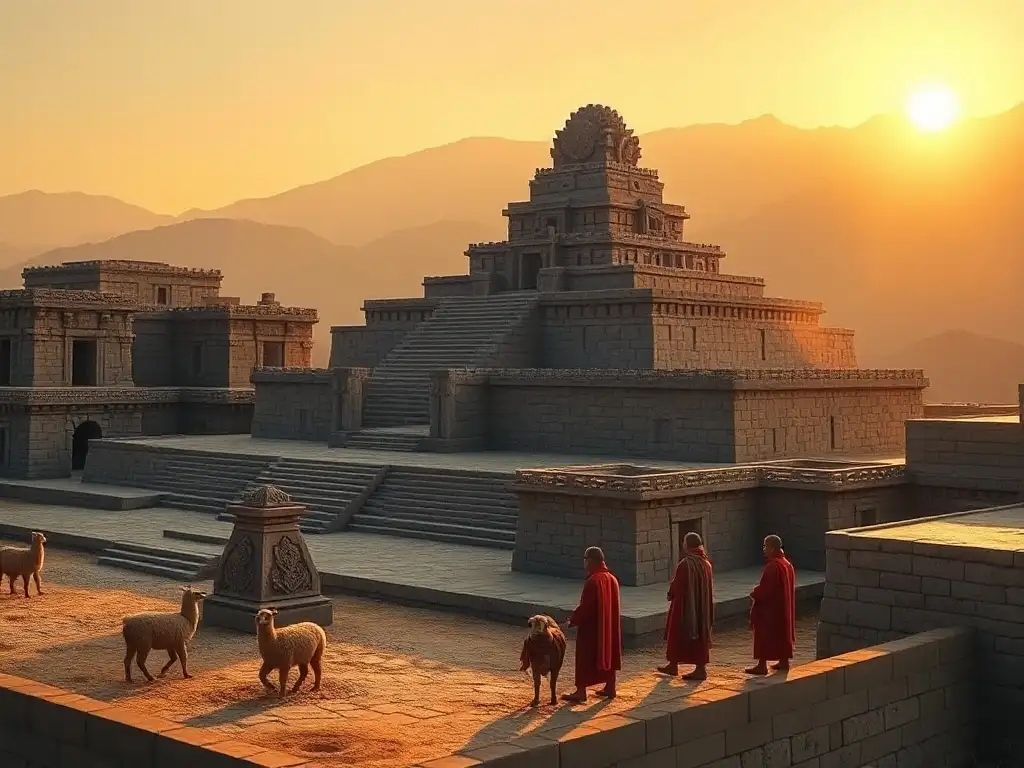
The Inca Empire, renowned for its sophisticated engineering and intricate social structure, placed immense importance on ritual practices and sacred spaces. These weren't merely decorative elements; they were integral to the functioning of the empire, reflecting its cosmology, political power, and social organization. Understanding Inca ceremonial centers requires acknowledging the deep-seated religious beliefs that shaped their design, construction, and use.
The Inca worldview was profoundly interconnected – the physical world was believed to be inextricably linked to the spiritual realm, and rituals served as the primary means of maintaining this balance and ensuring the continued prosperity of the empire. This intricate relationship between the physical and spiritual is clearly manifested in the design and purpose of their ceremonial centers. The meticulous planning and execution of these sites, often incorporating astronomical alignments and symbolic elements, underscore the significance they held within Inca society.
The sheer scale and complexity of many of these centers, such as Sacsayhuamán near Cusco, further emphasizes their paramount importance within the Inca worldview. Detailed studies of these sites continue to reveal new insights into Inca religious beliefs and practices. Further research is needed to fully understand the nuances of regional variations in ritual practices and the specific roles of different ceremonial centers within the vast Inca Empire.
The Significance of Rituals in Inca Society
Inca society was deeply rooted in a complex system of rituals that permeated all aspects of life. These rituals, often involving elaborate ceremonies and offerings, served multiple purposes. They were used to:
- Maintain cosmic order: Inca beliefs centered on maintaining a harmonious balance between the human world and the supernatural realm. Rituals were crucial in appeasing deities and ensuring the continued flow of resources, such as water and fertile land.
- Strengthen political power: The Inca emperor, considered a divine intermediary, presided over many important ceremonies. These events reinforced his authority and legitimized his rule by demonstrating his connection to the gods. The scale and grandeur of these rituals served as potent displays of power, impressing both the Inca populace and any conquered groups.
- Reinforce social cohesion: Rituals provided opportunities for community gatherings, strengthening social bonds and reinforcing shared values. Participation in these ceremonies fostered a sense of collective identity and loyalty to the empire.
- Ensure agricultural success: Agriculture was the backbone of the Inca economy. Rituals associated with planting, harvesting, and other agricultural activities were crucial for ensuring bountiful harvests, vital for the survival and prosperity of the empire. These rituals often involved offerings to agricultural deities and the performance of specific ceremonies aimed at ensuring the fertility of the land.
The frequency and importance of these rituals varied depending on the specific occasion and location. However, their pervasiveness in Inca life underscores their critical role in shaping the social, political, and religious fabric of the empire. Further research into specific rituals and their associated artifacts would provide a richer understanding of their significance.
Defining Inca Ceremonial Centers: Purpose and Function
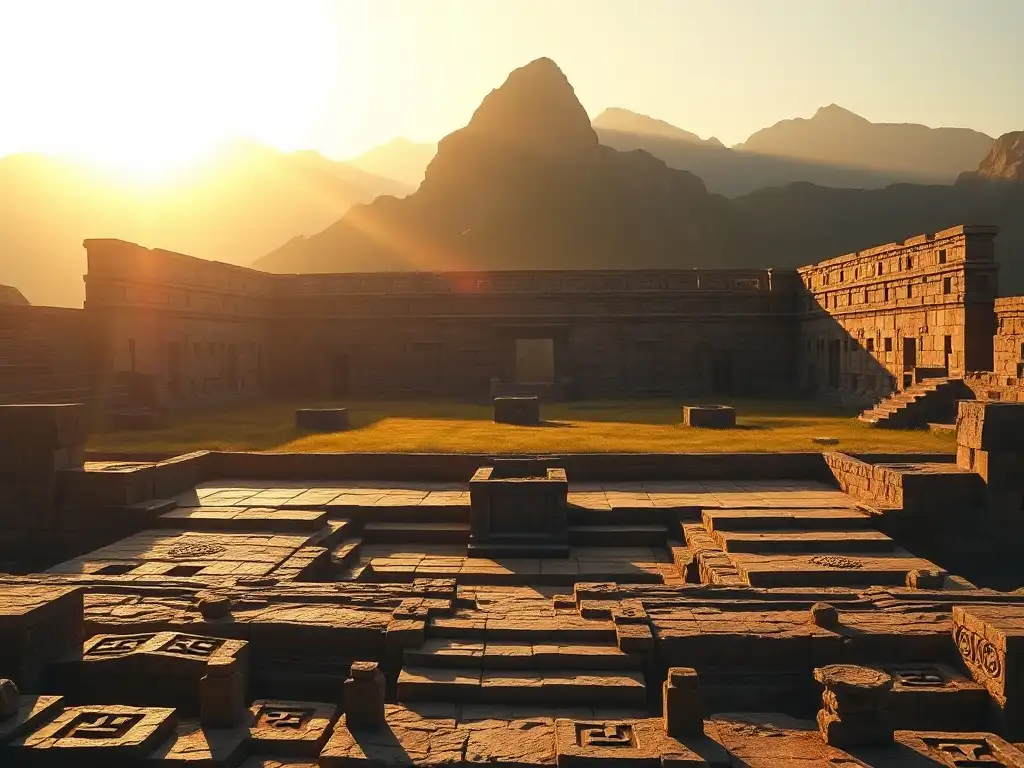
Inca ceremonial centers were not simply places of worship; they were multifaceted complexes serving a range of religious, political, and social functions. These centers, often located in strategically significant locations, such as mountaintops or near sources of water, were meticulously planned and constructed, reflecting the sophisticated engineering capabilities of the Inca. The design and layout of these centers often incorporated astronomical alignments, further highlighting their importance in maintaining cosmic order.
Defining Inca Ceremonial Centers: Purpose and Function
The primary purpose of Inca ceremonial centers was to facilitate communication with the supernatural world. This involved the performance of various rituals, including sacrifices, offerings, and processions. The centers often included:
- Temples: Dedicated to specific deities or ancestor veneration. These structures often featured intricate stonework and were frequently located in prominent positions within the complex.
- Platforms and plazas: Used for large-scale ceremonies and gatherings. These spaces often provided ample room for processions and the participation of large numbers of people.
- Fountains and water features: Water played a significant role in Inca cosmology, symbolizing life and fertility. Fountains and other water features were often incorporated into the design of ceremonial centers, reflecting their importance in Inca religious beliefs.
- Observatories: Some centers incorporated structures designed for astronomical observations, suggesting a close relationship between religion and astronomy in Inca culture. These structures allowed Inca priests to track celestial events, which were believed to have significant religious implications.
The precise function of each element within a ceremonial center varied depending on the specific site and its context within the broader Inca landscape. However, the overall purpose of these centers was to serve as focal points for religious activity and to reinforce the power and legitimacy of the Inca state. Detailed archaeological investigations are still uncovering new information about the diverse functions of these remarkable sites. The complexity and sophistication of these structures continues to amaze researchers, and new discoveries frequently challenge existing interpretations of Inca ritual practices.
Key Features of Inca Ritual Spaces
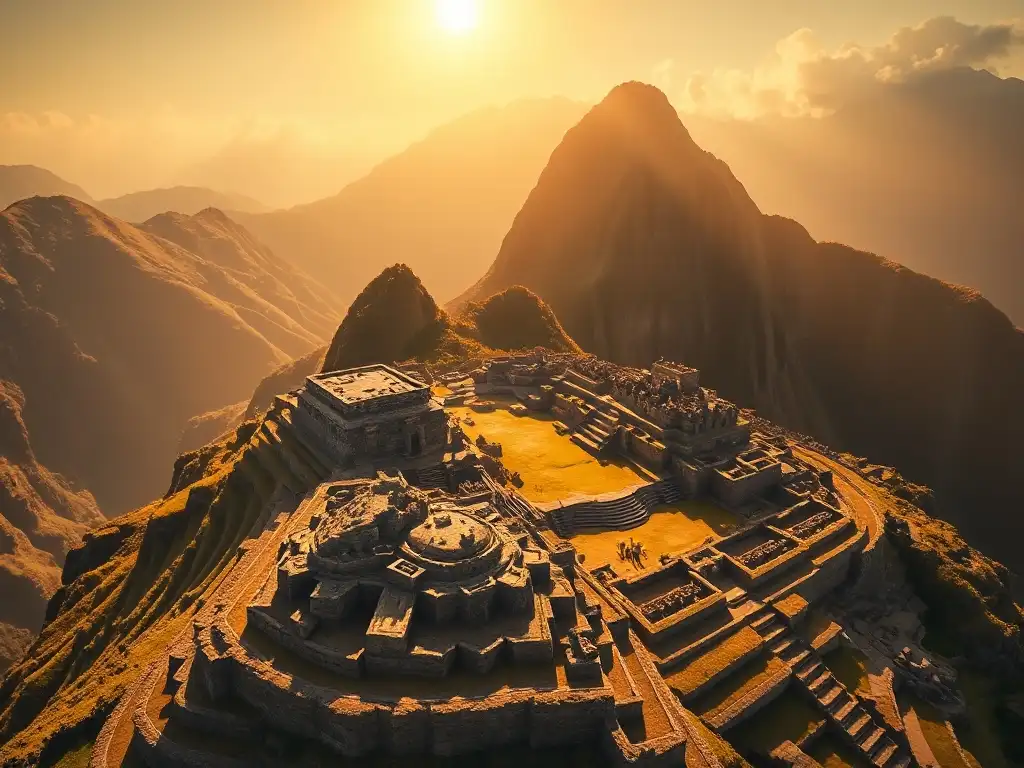
The Inca Empire, renowned for its sophisticated engineering and intricate social structures, also possessed a deeply spiritual worldview reflected in its ceremonial centers. Understanding the design and function of these spaces is crucial to grasping the Inca worldview and their complex relationship with the cosmos and the Andean landscape. Inca ceremonial center rituals were not simply isolated events; they were integral to the empire's political and social fabric, reinforcing power structures and shaping communal identity.
The meticulous planning and execution evident in these sites underscore the profound importance the Inca placed on ritual and religious practice. This section delves into the key architectural elements and spatial arrangements that defined these sacred places, highlighting the sophisticated integration of astronomy, geography, and religious beliefs.
Architectural Elements of Inca Sacred Sites
The architectural elements of Inca ceremonial centers weren't merely aesthetic; they were imbued with symbolic meaning and served specific ritualistic purposes. The Inca masterfully employed local materials and techniques, creating structures that were both functional and deeply spiritual.
The Role of Stone in Inca Ceremonial Architecture
Stone, particularly finely-cut and precisely fitted blocks, was the primary building material. The meticulous craftsmanship evident in sites like Machu Picchu and Sacsayhuamán speaks to the Inca's advanced understanding of stonework. The precision of the cuts, the absence of mortar in many instances, and the sheer scale of some structures demonstrate a level of technical skill unmatched in the region.
The choice of specific stone types, often reflecting local geology, may have held further symbolic significance, possibly representing specific deities or geographic locations. Further research is needed to definitively correlate specific stone types with specific ritual meanings [specific information pending]. However, the sheer effort and precision involved suggest a profound reverence for the material itself.
Terraces and Platforms in Inca Ritual Centers
Terraces and platforms were ubiquitous features of Inca ceremonial centers, serving both practical and symbolic functions. Terraced agriculture was essential to Inca subsistence, but terraces within ceremonial sites often held additional symbolic weight. These elevated platforms served as bases for temples, altars, and other ritual structures, creating a hierarchical arrangement that reflected the Inca social structure.
The careful grading and leveling of these platforms, often on challenging terrain, demonstrates remarkable engineering prowess. The creation of these platforms also transformed the landscape itself, imposing order and control over the natural environment, a key aspect of Inca ideology. The size and arrangement of terraces varied significantly between sites, suggesting regional differences in ritual practices or beliefs [specific information pending].
Specific Structures: Temples, Ushnus, and Kallankas
Inca ceremonial centers featured a variety of structures dedicated to specific ritual functions. Temples, often located on elevated platforms, were likely used for the veneration of deities and the performance of sacred ceremonies. Ushnus, distinctive pyramidal structures, are thought to have played a central role in important rituals, potentially involving human sacrifice or offerings.
Their unique shape and placement suggest a significant role in Inca cosmology. Finally, Kallankas, large, multi-room structures, may have served as assembly halls or meeting places for important gatherings, possibly linked to religious festivals or political events. The size and complexity of these structures vary considerably across different sites, indicating regional variations and the unique needs of different communities.
The Layout and Orientation of Inca Ritual Spaces
The spatial organization of Inca ceremonial centers was far from arbitrary; it reflected a sophisticated understanding of astronomy and the Andean landscape. The meticulous planning and alignment of structures reveal a deep connection between the physical world and the spiritual realm.
Alignment with Celestial Events and the Andes Landscape
Many Inca ceremonial centers exhibit a clear alignment with celestial events, particularly the solstices and equinoxes. The precise orientation of structures, such as windows and doorways, suggests an intentional connection to the sun's path across the sky. This alignment wasn't merely coincidental; it likely played a crucial role in Inca religious practices, allowing for the precise timing of ceremonies and the observation of astronomical phenomena.
Furthermore, the integration of ceremonial centers into the surrounding landscape, often utilizing natural features like mountains and rivers, highlights the Inca's deep respect for the environment. The Inca clearly viewed their ritual spaces as integral parts of a larger cosmological order, connecting the human world to the divine through careful observation and meticulous planning.
The precise methods used for these alignments are still being investigated, but the results strongly suggest a sophisticated understanding of both astronomy and engineering. The interplay between astronomical events and the natural environment within the design of Inca ceremonial centers offers compelling evidence of a complex and nuanced spiritual worldview.
Exploring Specific Inca Ceremonial Centers
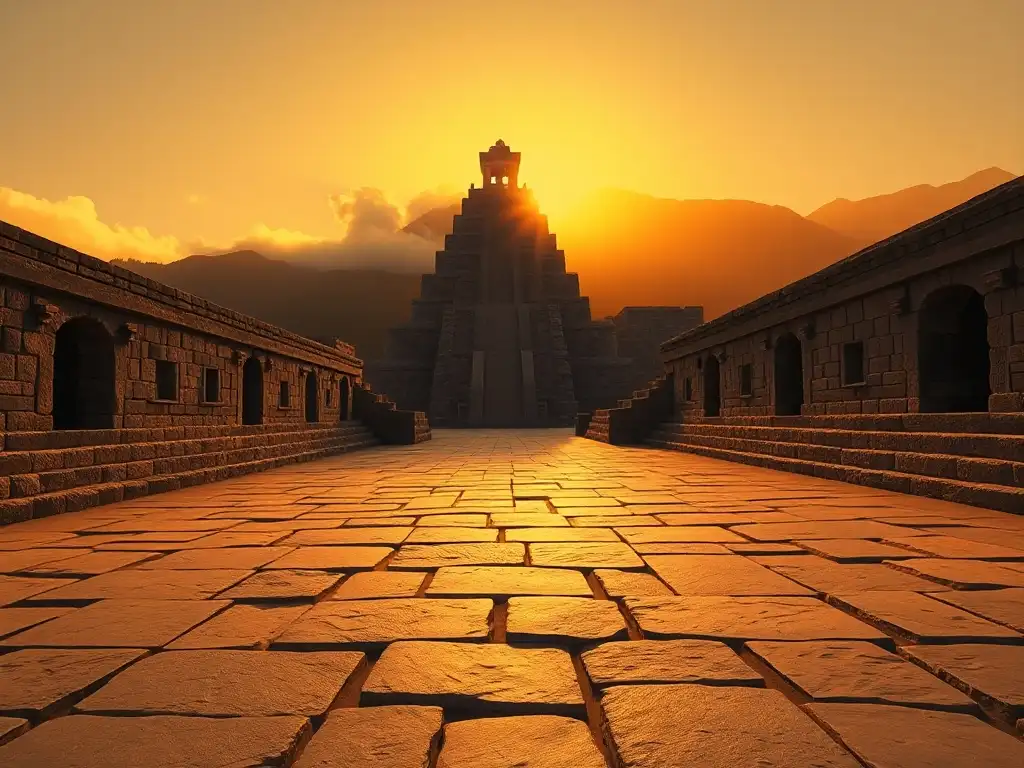
This section delves into the intricacies of specific Inca ceremonial centers, examining their architectural features and the rituals performed within them. Understanding these spaces is crucial to grasping the profound religious and political significance of Inca society. The Inca's sophisticated understanding of astronomy, agriculture, and social organization is reflected in the design and function of these sites, making them invaluable sources for interpreting their worldview.
We will explore two prominent examples: Coricancha and Sacsayhuamán, highlighting the unique characteristics of each and analyzing their roles in Inca ritual life. The careful study of these Inca ceremonial center rituals provides crucial insight into the complexities of their belief system.
Coricancha: The Golden Temple in Cusco
Coricancha, meaning "Golden Enclosure," was the most important temple in the Inca empire, located in the heart of Cusco. Its significance stemmed not only from its opulent decoration, famously adorned with gold and silver, but also from its central role in the Inca religious calendar and cosmology. The temple was dedicated to the sun god, Inti, the most revered deity in the Inca pantheon. Its design, a rectangular structure built from finely cut stone, reflects Inca architectural mastery and their deep connection to the natural world.
Rituals Performed at Coricancha
The rituals performed at Coricancha were elaborate and highly structured, reflecting the hierarchical nature of Inca society. Priests, chosen for their lineage and expertise, conducted ceremonies involving offerings of gold, silver, food, and coca leaves. These offerings were not merely symbolic gestures; they were believed to maintain the cosmic balance and ensure the prosperity of the empire.
- Daily Offerings: Daily rituals involved the meticulous cleaning and adornment of the temple, followed by offerings to the sun god at dawn and dusk. These practices were intended to maintain the sun's power and ensure its continued benevolence.
- Seasonal Festivals: Major festivals, aligned with the agricultural cycle and celestial events, involved large-scale processions and sacrifices. These festivals, like the Inti Raymi (Festival of the Sun), drew participants from across the empire. The precise rituals varied depending on the season, but all involved elaborate performances and offerings aimed at ensuring bountiful harvests and the empire's continued success.
- Royal Rituals: Coricancha also served as a location for royal rituals, including those related to the Inca ruler's accession and death. These ceremonies reinforced the emperor's divine legitimacy and his role as intermediary between the human and divine realms. The Inca ceremonial center rituals linked the ruler’s power to the cosmos.
The precise details of many Coricancha rituals remain shrouded in mystery, lost to time and the destruction of the Spanish conquest. However, surviving accounts and archaeological evidence offer valuable glimpses into the rich religious life of the Inca empire. The meticulous craftsmanship and the strategic placement of the temple itself underscore the religious significance of this space.
Sacsayhuamán: A Fortress or Ceremonial Complex?
Sacsayhuamán, located overlooking Cusco, is a massive complex of cyclopean stonework. While often described as a fortress, its function likely extended beyond military defense. Its unique architectural features, including massive stone blocks precisely fitted together, suggest a significant ceremonial role. The astronomical alignments of some structures within the complex further support this hypothesis. The monumental scale of Sacsayhuamán and its strategic location indicate a profound symbolic importance. The debate regarding its primary function continues, with many scholars arguing for a dual purpose – both defensive and ceremonial.
Analyzing the Ritual Significance of Sacsayhuamán
The immense scale of Sacsayhuamán, its precise stonework, and its strategic location suggest a deep symbolic meaning within Inca cosmology. Several lines of evidence point to its significance as a ceremonial center:
- Astronomical Alignments: Some structures within Sacsayhuamán appear to be aligned with significant astronomical events, suggesting a connection to Inca cosmology and the worship of celestial bodies. Further research is needed to fully understand these alignments and their significance. [Specific astronomical alignments pending]
- Ritual Spaces: While the exact nature of many rituals performed at Sacsayhuamán remains unclear, the presence of various structures and platforms suggests the site was used for a variety of ceremonies. The layout of the complex itself may have reflected a specific cosmological order.
- Human Sacrifice: Evidence suggests that human sacrifice may have played a role in certain rituals performed at Sacsayhuamán. This practice, though grim, was considered essential for maintaining cosmic balance and ensuring the prosperity of the empire. [Further evidence needed on specific sacrificial practices at Sacsayhuamán]
The study of Sacsayhuamán and its relationship to Inca Inca ceremonial center rituals continues to reveal new insights into the complexity of Inca religious beliefs and practices. Its imposing presence continues to inspire awe and wonder, serving as a testament to the ingenuity and spiritual depth of the Inca civilization. The combination of defensive and ceremonial features suggests a sophisticated understanding of the relationship between power, religion, and the landscape.
Ollantaytambo: A Ceremonial Center and Inca Estate
Ollantaytambo, nestled in the Sacred Valley of the Incas, transcends its classification as merely a fortress. It stands as a testament to Inca ingenuity and religious fervor, functioning simultaneously as a significant ceremonial center and a sprawling royal estate. The sheer scale of the complex, with its intricate agricultural terraces carved into the mountainside and its massive stone structures, speaks volumes about the Inca's mastery of engineering and their deep connection to the Andean landscape.
The location itself, strategically positioned within a fertile valley and overlooking a crucial pass, underscores its importance as both a defensive stronghold and a sacred site. The complex’s layout suggests a deliberate integration of practical and spiritual needs, reflecting the Inca worldview where the mundane and the sacred were inextricably intertwined.
Detailed studies of the site reveal evidence of sophisticated water management systems, further highlighting the meticulous planning and execution involved in its construction and use. The presence of numerous temples and ceremonial platforms within the complex underscores its importance as a place of ritual and worship.
The Role of Ollantaytambo in Inca Religious Practices
The religious significance of Ollantaytambo is evident in the presence of several structures dedicated to Inca deities and rituals. The main ceremonial plaza, for example, likely hosted large-scale religious festivals and processions, while smaller, more secluded spaces may have been reserved for private ceremonies or rituals involving select individuals or priests. Archaeological evidence suggests the use of specific structures for particular rites, though the exact nature of many of these rituals remains a topic of ongoing research.
However, we do know that the sun played a central role in Inca religion, and the orientation of several buildings at Ollantaytambo strongly suggests a deliberate alignment with the sun's path across the sky, indicating the importance of solar observations and related rituals. Furthermore, the intricate carvings and designs found throughout the site may have held symbolic meaning, representing specific deities, cosmological concepts, or important events in Inca history.
The presence of numerous water features further reinforces the importance of water in Inca religious practices, symbolizing fertility and life itself. The meticulous integration of these elements within the architectural design demonstrates the profound connection between the Inca's religious beliefs and their physical environment.
Machu Picchu: A Royal Estate and Sacred Site
Machu Picchu, often referred to as the "Lost City of the Incas," is renowned for its breathtaking setting and remarkable architecture. While its exact function remains debated, it is clear that Machu Picchu served as both a royal estate and a significant sacred site.
The presence of sophisticated residential structures alongside temples and ceremonial platforms indicates a complex interplay between royal power and religious practice. The meticulous planning and execution of the city's layout, including its integration with the surrounding landscape, further underscores the city's importance as a carefully planned and purposefully designed space.
The stunning mountain backdrop, the carefully cultivated agricultural terraces, and the strategic placement of buildings all reflect a sophisticated understanding of the relationship between humans and the natural world. The city's location, perched high in the Andes, also suggests a deliberate attempt to create a space that was both isolated and connected to the wider Inca empire.
The Ritualistic Aspects of Machu Picchu
The ritualistic aspects of Machu Picchu are evident in several key structures within the city. The Main Temple, for instance, is believed to have played a crucial role in religious ceremonies, possibly dedicated to specific Inca deities. The Intihuatana stone, a significant astronomical marker, likely played a crucial role in solar observations and rituals related to the sun.
The presence of numerous smaller shrines and altars throughout the city further suggests that religious practices were integrated into the daily life of its inhabitants. The meticulous arrangement of buildings and terraces, the carefully chosen materials, and the intricate carvings all point to a deep concern with religious symbolism and meaning. Recent archaeological research has also uncovered evidence of human sacrifice at the site, further highlighting the importance of religious practices at Machu Picchu.
The city's design and layout, therefore, cannot be understood without considering its complex religious dimension. The integration of sacred and secular elements within the city’s architecture reflects the deeply spiritual nature of Inca society and the importance of maintaining a harmonious relationship between the human and divine realms.
Inca Ritual Activities in Ceremonial Centers
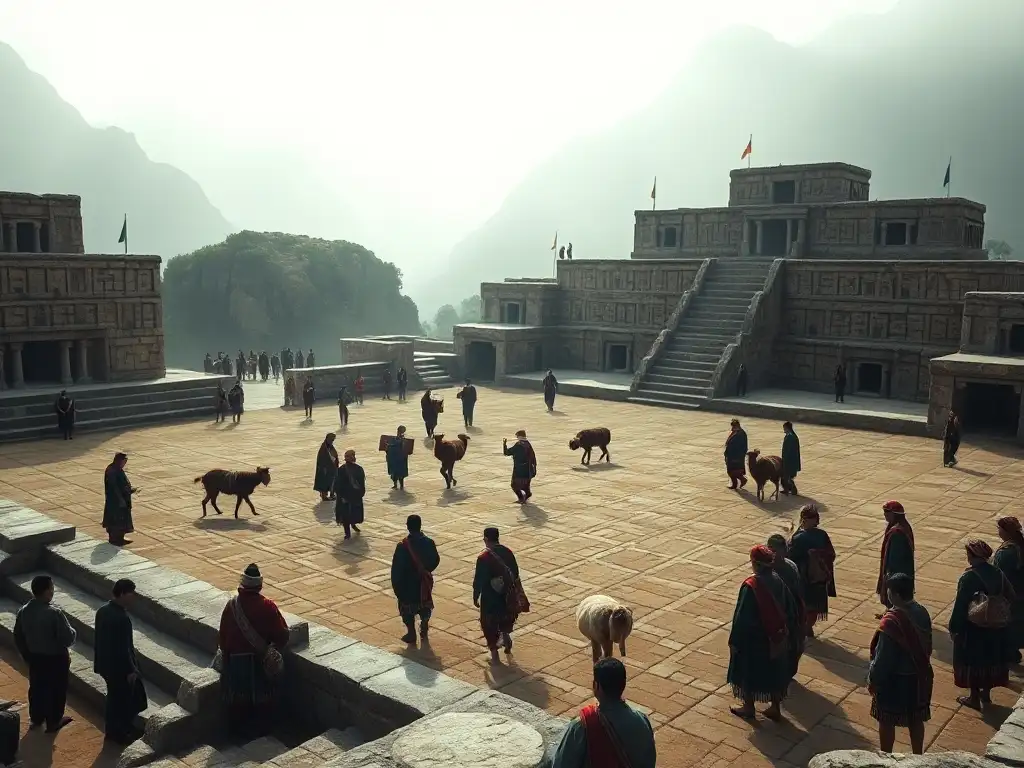
This section delves into the diverse ritual activities performed by the Inca within their meticulously designed ceremonial centers. These weren't simply architectural feats; they were living, breathing spaces imbued with deep spiritual significance, reflecting the Inca worldview and their intricate relationship with the cosmos, ancestors, and the natural world. The Inca ceremonial center rituals were complex and varied, encompassing a wide range of practices aimed at maintaining cosmic balance and ensuring prosperity. Understanding these rituals provides crucial insight into the Inca’s sophisticated religious beliefs and social structures.
Sun Worship and Offerings in Inca Religious Practices
The Inca religion revolved around the veneration of Inti, the Sun God, considered the supreme deity. Ceremonial centers served as focal points for sun worship, often featuring strategically positioned structures aligned with the sun's movements throughout the year. The Intihuatana, a significant feature found in many ceremonial centers like Machu Picchu, is a prime example. Its purpose remains debated, but it is widely believed to have played a crucial role in solar observations and rituals related to the agricultural cycle.
The Inca performed elaborate ceremonies involving offerings to Inti. These offerings varied, ranging from precious metals like gold and silver, to coca leaves, llama sacrifices, and finely crafted textiles. The quantity and type of offering reflected the significance of the occasion and the social status of the individual or group making the offering.
Archaeological evidence, including the discovery of numerous artifacts within ceremonial centers, supports the prevalence of these offerings. For example, the discovery of gold and silver figurines in the Temple of the Sun at Cusco provides tangible evidence of the scale and richness of the offerings made to Inti. These lavish offerings underscore the profound importance of sun worship within Inca religious practices and the role of ceremonial centers as key locations for these rituals.
The Importance of Water Rituals in Inca Ceremonies
Water held immense symbolic importance for the Inca, representing life, fertility, and purity. Many ceremonial centers were strategically located near water sources, such as springs, rivers, or lakes. Water rituals played a vital role in Inca ceremonies, often associated with agricultural cycles and the appeasement of water deities. These rituals likely involved libations, purification rites, and possibly even ceremonial bathing.
The integration of water features into the design of ceremonial centers, such as fountains, canals, and carefully constructed water channels, further emphasizes the significance of water in Inca religious practices. The intricate hydraulic systems found in some Inca cities, like Cusco, demonstrate their sophisticated understanding of water management and its ritualistic importance. Further research is needed to fully understand the specific rituals performed in relation to water within these ceremonial centers, but the architectural evidence strongly suggests their significant role in Inca religious life.
Inca Ancestor Veneration and Rituals
Ancestor veneration was a cornerstone of Inca religious beliefs. The Inca believed that their ancestors continued to exert influence over the living, acting as intermediaries between the human world and the divine realm. Ceremonial centers served as repositories of ancestral power, with tombs and mausoleums often integrated into the architectural complex.
Rituals aimed at honoring and appeasing ancestors were frequently performed within these spaces. These might have involved offerings of food, drink, and other precious goods, alongside prayers and chanting. The mummification of important Inca figures and their placement within ceremonial centers suggests the profound respect and reverence given to their ancestors.
The elaborate tombs found at sites like Pachacamac, which housed the remains of elite individuals, are powerful testaments to the importance of ancestor veneration in the Inca worldview and the significant role played by ceremonial centers in these practices. The precise details of these rituals remain partially shrouded in mystery, but archaeological discoveries continue to reveal fascinating insights into this crucial aspect of Inca religious life.
Music and Dance in Inca Ceremonial Life
Music and dance were integral parts of Inca ceremonial life, deeply interwoven with religious beliefs and social structures. These weren't merely forms of entertainment; they were powerful tools used to communicate with the gods, honor ancestors, and reinforce social hierarchies. The rhythmic sounds of panpipes, drums, and conch shells filled the air during important ceremonies, creating an atmosphere of reverence and awe within the ceremonial centers. These instruments, often crafted from precious materials like gold or silver, further underscored the sacred nature of the events.
The dances themselves were highly stylized and often involved elaborate costumes and masks. Specific dances were associated with particular deities or agricultural cycles, reflecting the close relationship between the Inca worldview and the natural world. For instance, dances celebrating the harvest might depict the fertility of the land and the abundance provided by the sun god, Inti.
These performances weren't spontaneous expressions; they were meticulously choreographed and practiced, requiring years of training from specialized groups of dancers. The movements and gestures were symbolic, conveying complex narratives and messages understood by those initiated into Inca traditions. The precision and coordination of the dancers, moving in unison, mirrored the Inca ideal of order and harmony within society.
Evidence suggests that music and dance played a crucial role in solidifying social order. Elite dancers, often trained from a young age within the royal court, participated in ceremonies that reinforced the authority of the Sapa Inca and the nobility. These performances served as a visual display of power and prestige, reinforcing the social hierarchy and the Inca's divine right to rule.
The common people, too, participated in community-based dances and musical celebrations, further contributing to social cohesion and reinforcing a sense of shared identity within the empire. These communal rituals helped maintain the stability and unity of Inca society, highlighting the importance of music and dance in both religious and secular life within the Inca ceremonial centers.
The legacy of Inca music and dance continues to influence Andean cultures today, a testament to their enduring power and significance within the Inca worldview. Further research into specific ceremonial dances and the instruments used would illuminate the nuances of these vital aspects of Inca culture.
The Legacy of Inca Ceremonial Centers
The Inca Empire, renowned for its sophisticated infrastructure and intricate social organization, left behind a remarkable legacy of ceremonial centers. These weren't merely places of worship; they were integral to the Inca worldview, reflecting their cosmology, social structure, and political power. Their influence resonates even today, shaping our understanding of Andean culture and inspiring ongoing research and preservation efforts. The meticulous planning and execution evident in these sites speak volumes about Inca engineering prowess and their profound spiritual beliefs.
The sheer scale of some of these centers, combined with the artistry and precision of their construction, continues to amaze archaeologists and historians alike. Understanding these spaces is crucial to understanding the Inca's complex relationship with their environment and the divine. The legacy of these centers extends far beyond their physical remains; it's a living testament to the enduring power of Inca beliefs and traditions.
The Impact of Inca Rituals on Andean Culture
Inca ceremonial center rituals profoundly impacted Andean culture, shaping social norms, political structures, and artistic expression. These rituals served multiple purposes, from reinforcing the emperor's authority and legitimizing his rule to ensuring agricultural abundance and maintaining cosmic balance. The capac hucha, the sacred bundle containing objects representing Inca ancestors and deities, played a central role in many ceremonies.
These rituals were often elaborate affairs, involving processions, sacrifices (both human and animal), and the consumption of chicha, a fermented corn beverage. The locations themselves, often perched high in the Andes with breathtaking views, were carefully chosen to enhance the spiritual significance of the events.
The impact of these rituals extended beyond the immediate participants. The construction and maintenance of ceremonial centers provided employment for a significant portion of the population, bolstering the Inca economy. Furthermore, the ceremonies themselves fostered a sense of community and shared identity, reinforcing the Inca's collective worldview. The artistic representations found in these centers, such as intricate textiles, ceramics, and goldwork, reflect the deep spiritual beliefs and artistic talent of the Inca people.
The legacy of these rituals continues to be felt today in the surviving traditions and beliefs of Andean communities. Many modern Andean practices still incorporate elements of ancient Inca rituals, demonstrating the enduring cultural influence of these ceremonial spaces. For example, [Specific examples of modern Andean practices influenced by Inca rituals pending].
Preservation and Study of Inca Ceremonial Sites
Preservation and the ongoing study of Inca ceremonial sites are crucial for understanding the Inca civilization and its rich cultural heritage. The challenge lies in balancing the need to protect these fragile historical locations with the desire to allow access for research and tourism. Many sites face threats from natural erosion, looting, and the impact of climate change.
Archaeologists employ various techniques, including non-invasive surveying methods like LiDAR (Light Detection and Ranging) and ground-penetrating radar, to map sites, document their features, and understand their layout without causing damage. Careful excavation, when necessary, provides invaluable insights into the materials and construction techniques used by the Inca. The analysis of artifacts unearthed at these sites offers further clues about ritual practices and the beliefs of the Inca people.
Furthermore, international collaborations and partnerships between researchers, government agencies, and local communities are essential for effective preservation. These collaborations ensure that preservation efforts are sustainable and culturally sensitive. Education and public awareness campaigns play a vital role in promoting responsible tourism and preventing further damage to these irreplaceable sites.
The long-term preservation of Inca ceremonial centers requires a multi-faceted approach that addresses the diverse challenges they face. Ongoing research and technological advancements continue to improve our ability to study and protect these remarkable sites, allowing future generations to appreciate the legacy of the Inca Empire. Careful documentation, through photography, 3D modeling, and detailed records, is crucial for future research and understanding.
Modern Interpretations of Inca Sacred Spaces
Modern interpretations of Inca sacred spaces are diverse and often reflect contemporary perspectives on spirituality, history, and cultural identity. Some view these sites purely through an archaeological lens, focusing on their material remains and architectural features. Others integrate indigenous Andean perspectives, recognizing the continued spiritual significance of these places for contemporary communities.
The interpretation of Inca rituals, particularly human sacrifice, remains a subject of ongoing debate and scholarly discussion. Some researchers emphasize the ritual’s political and social functions, while others focus on its religious aspects. The ongoing study of these sites continues to challenge and refine our understanding of Inca beliefs and practices.
The growing interest in Inca ceremonial centers has led to a rise in tourism, presenting both opportunities and challenges. Responsible tourism can generate revenue for local communities and support preservation efforts, but it also risks causing damage to the sites themselves. Balancing the economic benefits of tourism with the need to protect these fragile historical locations is a critical ongoing challenge.
Furthermore, the increasing accessibility of information about Inca ceremonial centers through digital platforms and virtual tours allows for a wider audience to engage with this rich cultural heritage. However, it's important to ensure that this information is accurate, culturally sensitive, and avoids perpetuating stereotypes or misconceptions about Inca culture. The ongoing engagement with and interpretation of Inca sacred spaces will continue to evolve as new research emerges and as our understanding of Inca civilization deepens.
Frequently Asked Questions
What were Inca ceremonial centers?
Inca ceremonial centers were sacred spaces used for religious rituals, festivals, and political gatherings. They often featured temples, plazas, and other structures designed to reflect Inca cosmology and beliefs. These centers played a vital role in Inca society.
What types of rituals took place in Inca ceremonial centers?
A wide range of rituals occurred, including human sacrifices, ancestor veneration, and ceremonies related to agriculture and the cosmos. These rituals aimed to ensure the well-being of the Inca empire and its people. Specific rituals varied by location and time.
How important were these ceremonial centers to Inca society?
Ceremonial centers were central to Inca social and political life. They served as focal points for religious practices, reinforcing the authority of the Sapa Inca and fostering social cohesion. These sites were also vital for economic activity.
What are some examples of well-known Inca ceremonial centers?
Sacsayhuamán near Cusco, Machu Picchu, and Ollantaytambo are famous examples. These sites showcase the impressive architecture and engineering skills of the Inca civilization, along with evidence of significant ritual activity.
How did the Inca's use of ritual space reflect their beliefs?
The Inca's careful planning and construction of ceremonial centers reflected their deep-seated beliefs in the power of the cosmos and their ancestors. The placement of structures, use of specific materials, and orientation towards celestial events all demonstrate a complex relationship between the physical and spiritual worlds.
Final Reflection: Echoes of the Andes: The Enduring Legacy of Inca Ritual
The intricate network of Inca ceremonial centers, far from being relics of a bygone era, continues to resonate powerfully in contemporary discussions of spirituality, community, and the relationship between humanity and the natural world. Their sophisticated understanding of sacred geography and the symbolic power of ritual offers a compelling counterpoint to our increasingly fragmented and technology-driven society. The echoes of their practices still whisper across the mountains, reminding us of the enduring human need for connection and meaning.
The Inca's profound reverence for their environment, evident in the careful placement and design of their ceremonial centers, serves as a potent reminder of our own responsibility to protect and respect the planet. Their understanding of the interconnectedness of all things – the celestial, the terrestrial, and the human – offers a valuable lesson for a world grappling with environmental challenges. The mountains are our mother, the rivers our veins; we are all connected.
This sentiment, though not a direct Inca quote, encapsulates the spirit of their deep-rooted connection to the land, a connection we must strive to rekindle.
Consider the enduring power of ritual in your own life. How do you create spaces for connection, reflection, and celebration? What elements of the Inca's approach to sacred space – their emphasis on community, their respect for nature, their integration of art and architecture – might inspire you to cultivate a more meaningful and purposeful existence? Let the legacy of these magnificent ceremonial centers serve as a catalyst for your own journey toward a richer, more connected life.
Unveil the Mysteries of Inca Rituals!
Thank you for exploring the fascinating world of Inca ceremonial centers! You've gained valuable insights into how these spaces shaped Inca culture and spirituality. Now, let's delve deeper into the vibrant legacy of the Andean civilizations. Here's how you can further enrich your understanding and share your knowledge:
- **Visit** your local museum or cultural center to explore exhibits on Andean history and rituals. Attend lectures or workshops focusing on Inca ceremonial practices.
- **Join** a discussion group dedicated to ancient cultures. Share your insights on the impact of ritual spaces and learn from fellow enthusiasts.
- **Share your passion** by starting a blog or journal to document your learning. Engage with friends and others on social media, spreading awareness of the Inca civilization's wonders.
As you continue your exploration, consider this: **How can we apply the insights gained from Inca ceremonial spaces to enrich modern rituals and practices? **