
Inca Architecture and the Concept of Transformation: Shaping the Landscape

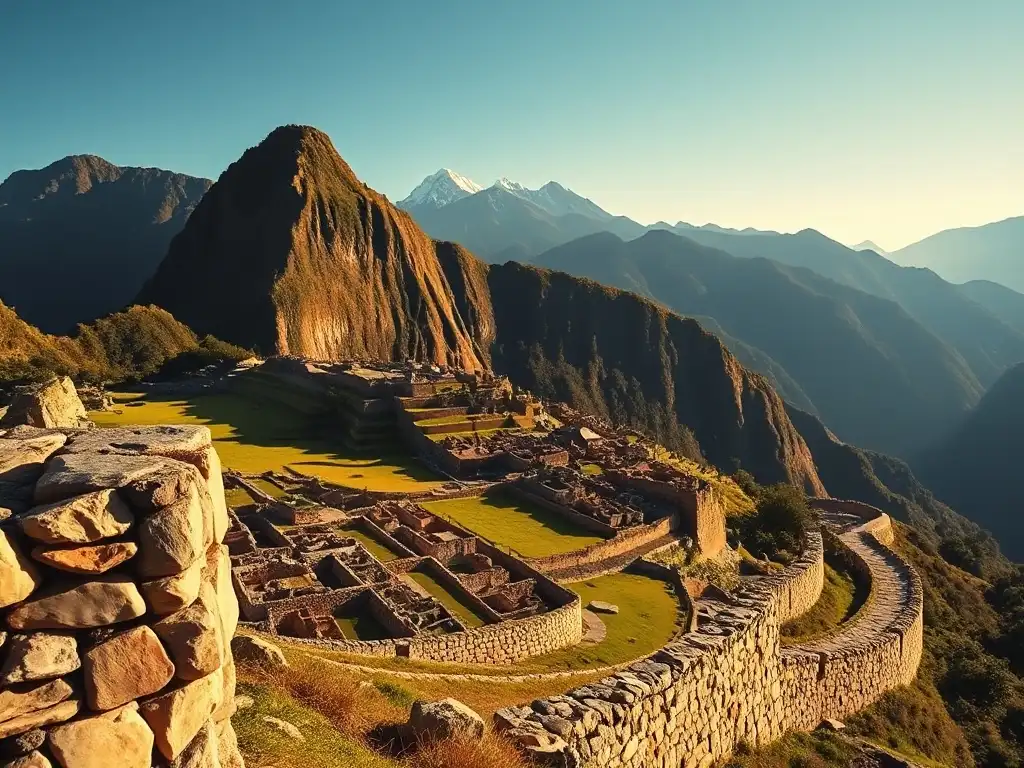
Step into a world lost to time, yet echoing with the ingenuity of a vanished empire. Prepare to be amazed by the breathtaking legacy of the Andean civilizations, where towering mountains met masterful artistry. This journey begins with the Inca Empire, and specifically, the incredible story of Inca architecture landscape transformation. How did they reshape their world? Discover the answers – and far more – within.
The Inca Empire, renowned for its sophisticated social structures and administrative prowess, left an indelible mark on the Andean landscape through its monumental architecture. This wasn't simply about constructing buildings; it was a profound act of transformation, a deliberate reshaping of the environment to reflect Inca ideology, power, and control.
This article delves into the intricate relationship between Inca architecture and landscape modification, exploring how the Incas integrated their structures seamlessly into the natural world, simultaneously asserting their dominance and adapting to the challenging Andean terrain. We will examine specific examples of Inca engineering feats and their impact on the surrounding environment, revealing the profound significance of their architectural achievements as a testament to both ingenuity and imperial ambition.
Understanding the Inca's approach to architecture provides crucial insight into their worldview and their enduring legacy on the landscape of the Andes. The keyword "Inca architecture landscape transformation" will be explored in detail throughout this article, demonstrating the interconnectedness of these concepts.
The Inca Vision: Architecture as Landscape Integration
The Incas didn't see architecture as separate from the landscape; rather, they viewed buildings as integral components of a larger, interconnected system. Their structures, from humble dwellings to majestic temples, were meticulously placed to harmonize with the natural surroundings. This integration wasn't merely aesthetic; it was functional and symbolic.
For example, the strategic placement of buildings often took advantage of natural features like terraces and water sources, optimizing resource management and reflecting a deep understanding of the environment. The utilization of local materials, such as stone, minimized environmental impact and reinforced the connection between architecture and its context. This holistic approach is evident in the design of many Inca sites, where buildings blend seamlessly with the contours of the land, creating a harmonious fusion of nature and human creation.
The Inca's understanding of environmental balance is reflected in the careful selection of building materials and the integration of structures into the pre-existing landscape. This approach extended beyond simply adapting to the landscape; it actively shaped it to serve Inca needs and ideology. This symbiotic relationship between architecture and environment was not merely practical; it was fundamental to their worldview.
Inca Engineering and Territorial Control
Inca engineering achievements are closely tied to their ambitions of territorial control and resource management. The construction of extensive road networks, sophisticated irrigation systems, and impressive agricultural terraces dramatically altered the Andean landscape, demonstrating both the Incas' engineering prowess and their desire to control and exploit the environment for their benefit. These feats weren't just about practicality; they were powerful statements of imperial authority.
The scale of these projects—such as the extensive road system connecting disparate parts of the empire—serves as a testament to the Inca's organizational capabilities and their ability to mobilize vast amounts of labor. The construction of these projects not only facilitated trade and communication but also demonstrated the empire's power and control over the land. Furthermore, the creation of intricate agricultural terraces on steep slopes increased arable land and secured food production, contributing to the empire's stability and growth.
This mastery of engineering allowed the Inca to transform marginal lands into productive agricultural areas, strengthening their control over resources and bolstering the empire's economic and political power. The impact of these projects on the Andean landscape is undeniable, leaving a lasting legacy that is still visible today. The strategic placement and impressive scale of these engineering works underscore the profound relationship between Inca architecture, landscape transformation, and the assertion of imperial dominance.
Key Elements of Inca Architectural Landscape Design
Inca architectural landscape design wasn't merely about constructing buildings; it was about fundamentally altering and enhancing the natural environment to meet their societal and spiritual needs. This involved a deep understanding of the Andean landscape, its challenges, and its potential. The Incas masterfully integrated architecture with the environment, creating a harmonious blend of human ingenuity and natural beauty. This approach wasn't accidental; it was a deliberate strategy reflecting their worldview and sophisticated engineering capabilities.
Their designs prioritized functionality, sustainability, and a profound respect for the land, resulting in structures that not only served their purpose but also aesthetically enhanced their surroundings. The Inca's understanding of water management, for instance, was crucial in their landscape transformations, allowing them to create fertile agricultural terraces even on steep slopes. This integrated approach to architecture and landscape design is a key element in understanding the Inca's lasting legacy.
The Use of Terraces: Agricultural and Architectural Transformation
The use of terraces in Inca architecture represents a stunning example of landscape transformation. These weren't simply agricultural plots; they were carefully constructed architectural feats that reshaped mountainsides into productive farmland. The construction involved meticulously cutting and fitting stones to create retaining walls, often on incredibly steep inclines. This wasn't just about increasing arable land; it was about creating a visually striking and functional landscape. The terraces themselves were often arranged in a cascading pattern, enhancing the aesthetic appeal while optimizing water management.
Each terrace was carefully designed to capture and retain rainwater, preventing erosion and ensuring consistent irrigation. The scale of these terrace projects was immense, demonstrating the Incas' organizational prowess and their commitment to agricultural sustainability. The impact on the landscape was profound, turning previously unusable slopes into thriving agricultural centers. This is a crucial element of the “Inca architecture landscape transformation” keyword.
The Significance of Stone in Inca Constructions
Stone was more than just a building material for the Incas; it was a fundamental element of their architectural and spiritual worldview. Their mastery of stonework is legendary, evidenced by the precision and artistry displayed in their constructions. The Incas utilized various types of stone, selecting them based on their properties and availability. They developed sophisticated techniques for cutting, shaping, and fitting stones without using mortar, creating incredibly durable and aesthetically pleasing structures.
The precise joining of stones is a testament to their advanced engineering and architectural skills. Beyond its practical applications, stone held symbolic significance, representing strength, permanence, and connection to the earth. The carefully chosen stones and their meticulous placement reflect not only engineering prowess but also a deep spiritual connection to the Andean landscape, further emphasizing the concept of “Inca architecture landscape transformation”.
Roads and Pathways: Connecting the Inca Empire
The Inca road system was an integral part of their landscape transformation. This extensive network of roads, bridges, and pathways connected the vast Inca Empire, facilitating communication, trade, and military movements. The roads weren't merely paths; they were meticulously engineered structures, often carved into mountainsides or built across challenging terrain. The construction involved sophisticated techniques, including the use of suspension bridges and strategically placed drainage systems.
The roads themselves were a testament to the Inca’s understanding of engineering and their ability to adapt to diverse environments. The impact on the landscape was significant, providing efficient transportation routes and connecting disparate communities. The strategic placement of these roads also reflects the Inca’s understanding of the landscape and their ability to utilize its features to their advantage, contributing significantly to the overall concept of “Inca architecture landscape transformation”.
Examples of Inca Landscape Transformation Through Architecture
The Inca Empire's legacy is indelibly marked by its impressive architectural feats, which dramatically reshaped the Andean landscape. These architectural marvels aren't merely structures; they are testaments to the Incas' sophisticated engineering skills and their ability to harmoniously integrate their constructions with the natural world. The careful selection of building materials, the precise stonework, and the strategic placement of structures all contribute to the overall aesthetic and functional impact on the environment. Let's examine some prime examples.
Machu Picchu: An Architectural Marvel in the Mountains
Machu Picchu, the iconic "Lost City of the Incas," stands as a prime example of Inca landscape transformation. Perched high in the Andes Mountains, this city is a testament to the Incas' ability to seamlessly integrate architecture with a challenging natural environment. The city's terraces, meticulously carved into the mountainside, are not only visually stunning but also served vital agricultural purposes.
The precise stonework, the strategic placement of buildings, and the overall harmony between the city and its surroundings demonstrate a profound understanding of both architecture and environmental integration. Machu Picchu's existence itself is a powerful illustration of how Inca architecture transformed the landscape, turning a seemingly inhospitable mountaintop into a thriving city. The city's integration with its surroundings, emphasizing the concept of "Inca architecture landscape transformation," is a key factor in its enduring appeal.
Sacsayhuamán: A Fortress Reflecting Power and Engineering
Sacsayhuamán, a massive fortress located near Cusco, showcases the Incas' impressive engineering skills and their ability to transform the landscape to create imposing defensive structures. The fortress's cyclopean walls, constructed from enormous, precisely fitted stones, are a testament to their mastery of stonework. The strategic placement of the fortress, overlooking Cusco, reflects the Incas' understanding of topography and their ability to utilize natural features for defensive purposes.
Sacsayhuamán is not just a fortress; it's a statement of power and a significant alteration of the landscape. Its sheer scale and imposing presence dramatically changed the surrounding environment, emphasizing the power of Inca architecture to transform the landscape. The sheer scale of the construction reflects the profound impact of “Inca architecture landscape transformation” on the Andean landscape.
Ollantaytambo: Terraces, Fortresses and Urban Planning
Ollantaytambo, a significant Inca site located in the Sacred Valley, showcases a multifaceted approach to landscape transformation. It combines agricultural terraces, a fortress, and a well-planned urban center, demonstrating the Incas' holistic approach to integrating architecture with the natural environment. The terraces, carved into the mountainside, provided fertile farmland, while the fortress offered protection and strategic control.
The urban planning is evident in the layout of the city, which is carefully integrated with the surrounding landscape. Ollantaytambo exemplifies the integrated approach of Inca architecture, showing how they transformed the landscape to create a thriving community and defensive position. The combination of agricultural, defensive and urban elements within a single site highlights the multifaceted nature of “Inca architecture landscape transformation”.
The Impact of Inca Architecture on the Andean Landscape
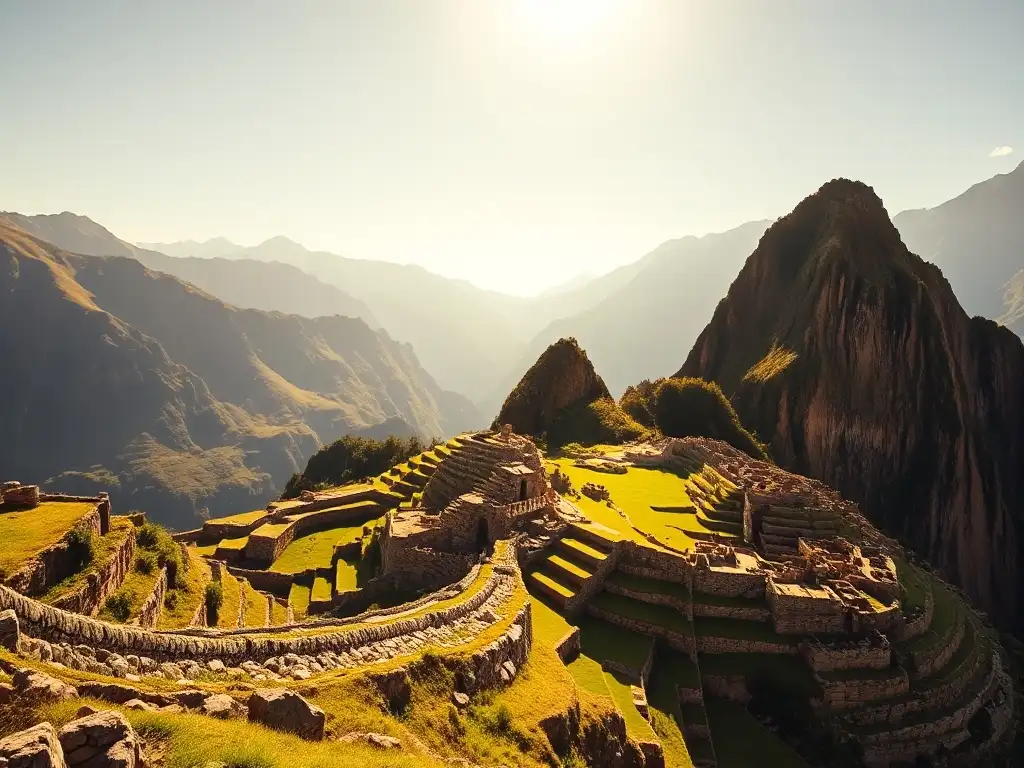
The Inca Empire's impact on the Andean landscape is undeniable, a testament to their sophisticated architectural practices and their deep understanding of their environment. Their structures weren't simply buildings; they were integral parts of a carefully planned and managed ecosystem. From the towering walls of Sacsayhuamán to the intricate agricultural terraces clinging to steep slopes, Inca architecture fundamentally altered and improved the usability of the landscape.
This transformation wasn't random; it was strategic, driven by a need to optimize resource use and enhance the livability of their settlements. The careful integration of architecture with the natural environment showcases a level of environmental awareness and engineering skill rarely seen in other ancient civilizations. The Inca's ability to seamlessly blend their constructions with the existing topography demonstrates a profound respect for, and understanding of, the land itself.
Reshaping the Environment for Agriculture and Living
The Inca's architectural ingenuity is perhaps most strikingly evident in their agricultural innovations. The challenging terrain of the Andes, characterized by steep slopes and limited arable land, demanded creative solutions. The Inca responded with the construction of extensive terrace systems, carving into hillsides to create level platforms for farming. These terraces weren't simply stacked platforms; they incorporated sophisticated irrigation systems, channeling water from higher elevations to irrigate the crops.
This allowed for increased agricultural production, supporting a larger population density than would have been possible otherwise. Beyond agriculture, their urban planning integrated architecture with the natural environment. Settlements were strategically placed to maximize access to resources and minimize environmental impact, demonstrating a holistic approach to land management. The integration of housing, storage facilities, and religious structures within the overall landscape showcases a deep understanding of sustainable living.
The Lasting Legacy of Inca Land Management
The legacy of Inca land management practices continues to resonate today. Many of the agricultural terraces they built remain in use, a testament to their enduring functionality and the ingenuity of their design. The Inca's understanding of water management, particularly their ability to create efficient irrigation systems in challenging terrain, remains a valuable lesson for modern-day agricultural practices.
Their approach to integrating architecture with the environment serves as an example of sustainable development, highlighting the importance of balancing human needs with environmental considerations. Studying Inca land management offers valuable insights into sustainable practices, particularly relevant in the face of modern environmental challenges.
Understanding their techniques can inform the development of more sustainable agricultural and urban planning strategies in similar challenging environments around the world. The enduring presence of Inca architecture in the landscape serves as a constant reminder of their profound impact and the importance of respecting and understanding the environment.
Inca Architectural Techniques and the Concept of Transformation
Inca architecture wasn't just about building structures; it was about transforming the landscape to meet their needs. This transformation was achieved through a combination of sophisticated techniques and a deep understanding of the environment. Their mastery of stonework, their innovative use of materials, and their ability to adapt to diverse terrains all contributed to their success in shaping the Andean landscape.
The resulting architecture is not only visually stunning but also remarkably functional and sustainable. The Inca's ability to blend their structures seamlessly with the natural world showcases a deep understanding of environmental harmony and a commitment to sustainable practices.
Adapting to the Topography: Building with the Land
The Inca's architectural prowess is particularly evident in their ability to adapt their building techniques to the diverse topography of the Andes. They weren't afraid to build on steep slopes or uneven terrain; instead, they used the natural contours of the land to their advantage.
This is evident in the construction of their terraces, which followed the contours of the hillsides, and in the placement of their cities, which were often integrated into existing natural features. Their mastery of dry-stone construction, which involved fitting stones together without the use of mortar, allowed them to create structures that were both strong and aesthetically pleasing.
This technique, combined with their understanding of the local geology, allowed them to build structures that were remarkably resistant to earthquakes and other natural disasters. The precision and artistry involved are impressive, showcasing a deep knowledge of engineering principles and an appreciation for the natural beauty of their surroundings.
The Role of Labor and Organization in Construction
The monumental scale of Inca architecture highlights the importance of labor and organization in their construction projects. The construction of massive structures like Sacsayhuamán required a highly organized workforce and sophisticated logistical systems. The Inca employed a system of mita, a form of mandatory labor service, which mobilized large numbers of people for construction projects.
This system, combined with their advanced understanding of engineering and project management, allowed them to complete ambitious projects on a scale that was unprecedented for their time. The organization and coordination necessary for these projects speak to the strength of the Inca Empire's social and political structures. The precise fitting of stones, the intricate designs, and the vast scale of their projects showcase a level of collective effort and societal organization that remains remarkable.
The efficiency and effectiveness of their labor systems are a testament to their societal structures and their ability to mobilize resources for large-scale projects. Their achievements serve as a powerful example of what can be accomplished through collective effort and careful planning.
Inca Architecture and its Symbolic Meaning
Inca architecture wasn't merely a practical endeavor; it held profound symbolic meaning, deeply intertwined with their complex worldview. The Incas believed in a harmonious relationship between the earthly and spiritual realms, and their buildings reflected this cosmology. Careful consideration was given to the orientation of structures, often aligning them with celestial bodies like the sun and stars.
This alignment wasn't arbitrary; it was a deliberate attempt to connect the physical world with the sacred, mirroring the Inca understanding of the universe's order. The use of specific materials, like finely-cut stone, also carried symbolic weight, representing the precision and permanence they sought to achieve in their constructions and their society. The intricate carvings and designs found on many structures further emphasized this symbolic richness, often depicting deities, mythical creatures, or scenes from Inca mythology.
These weren't mere decorations; they were powerful visual representations of their beliefs and values. Understanding Inca architecture requires acknowledging this symbolic layer, which reveals a deeper understanding of their culture and spiritual life. This symbolic meaning permeates every aspect of Inca construction, from the grand temples to the humblest dwellings.
Sacred Spaces and the Inca Cosmovision
The Inca cosmovision, a complex system of beliefs about the universe, heavily influenced the design and purpose of their sacred spaces. Temples, such as the Coricancha in Cusco (the Temple of the Sun), served as central points for religious rituals and ceremonies. Their location and orientation were meticulously chosen, often on sites with significant geographical or astronomical importance.
The Coricancha, for instance, was not only a temple but also a symbolic representation of the Inca worldview, with its golden ornamentation mirroring the sun's power and the importance of gold in Inca culture. Other sacred sites, such as those found at Machu Picchu, integrated seamlessly with the surrounding landscape, highlighting the Incas' deep respect for nature and its spiritual significance. The precise placement of stones, the careful arrangement of water features, and the overall design of these spaces all contributed to their sacred character.
These sacred spaces weren't isolated; they were integral parts of the Inca social and religious fabric, playing a crucial role in maintaining cosmic balance and social order. The meticulous construction of these sites reflects the importance the Incas placed on their spiritual beliefs and their connection to the cosmos.
The Integration of Architecture with Natural Elements
Inca architecture demonstrates a remarkable integration with the natural environment. Rather than imposing structures onto the landscape, the Incas skillfully adapted their designs to the terrain, using natural features to their advantage. The famous terraces of Machu Picchu, for example, are not just impressive feats of engineering; they are a testament to the Incas' ability to harmonize their constructions with the surrounding hillsides.
These terraces served multiple purposes, from agriculture to controlling erosion, demonstrating a deep understanding of both engineering and environmental sustainability. Similarly, the use of local stone in construction ensured that buildings blended seamlessly with their surroundings, minimizing visual impact while maximizing structural integrity. This approach wasn't limited to grand projects; it was a fundamental principle applied across various scales of construction.
The Incas' respect for nature is evident in their architectural choices, showcasing a sustainable approach that prioritized harmony with the environment. This integration wasn't merely aesthetic; it was functional and reflected a holistic worldview where humans and nature coexisted in balance.
Inca Legacy: Enduring Impact on Landscape and Culture
The Inca legacy extends far beyond the ruins we see today. Their architectural achievements continue to shape the landscape and cultural identity of the Andean region. The terraces, still visible in many areas, remain testament to their agricultural ingenuity and their ability to transform challenging terrains into productive farmland. These terraces not only provided sustenance but also helped prevent soil erosion and maintain biodiversity.
The Inca's approach to sustainable land management provides valuable lessons for modern agricultural practices. Moreover, Inca architectural styles and techniques have influenced subsequent Andean cultures, leaving a lasting mark on building traditions and aesthetic preferences. Their mastery of stonework, their understanding of structural principles, and their innovative use of materials continue to inspire architects and engineers today.
The enduring presence of Inca architecture in the landscape serves as a powerful reminder of their sophisticated civilization and their profound impact on the region. Their legacy is not just about physical structures; it's about a sustainable approach to living in harmony with nature, a lesson that remains relevant in our modern world. The study of Inca architecture offers valuable insights into their culture and provides a model for sustainable development.
- The Inca Vision: Architecture as Landscape Integration
- Inca Engineering and Territorial Control
- Key Elements of Inca Architectural Landscape Design
- Examples of Inca Landscape Transformation Through Architecture
- The Impact of Inca Architecture on the Andean Landscape
- Inca Architectural Techniques and the Concept of Transformation
- Inca Architecture and its Symbolic Meaning
- Inca Legacy: Enduring Impact on Landscape and Culture
Frequently Asked Questions
What is the main focus of Inca architecture?
Inca architecture focused on integrating structures seamlessly with the landscape, using available materials and adapting to the terrain. This created a harmonious relationship between built environment and nature.
How did the Incas transform the landscape?
The Incas dramatically reshaped the landscape through terracing, irrigation systems, and road construction. These projects facilitated agriculture, communication, and efficient resource management across the vast empire.
What materials did the Incas primarily use in their architecture?
The Incas primarily used stone, adobe, and wood in their constructions. They were masters of stonework, creating precisely fitted structures that are remarkably durable.
How did Inca architecture reflect their worldview?
Inca architecture reflected a deep connection to the natural world and a belief in the power of the landscape. Their structures were often aligned with astronomical events and incorporated sacred sites into their designs.
What is the significance of Inca architecture in understanding landscape transformation?
Inca architecture provides crucial insights into their sophisticated engineering techniques and their ability to adapt and modify the landscape for both practical and symbolic purposes. Studying it helps us understand sustainable approaches to environmental management.
Final Reflection: Echoes of the Andes: Legacy of Inca Architectural Transformation
The ingenuity of Inca architecture continues to resonate today, not merely as historical relics, but as potent symbols of human adaptation and the profound impact we can have on the landscape. Their mastery of stonework, their integration with the environment, and their ability to transform challenging terrain into thriving settlements stand as a testament to human potential and a powerful counterpoint to the often destructive relationship modern societies have with their surroundings.
The Inca's understanding of their environment, their deep respect for the land, and their ability to create structures that harmonized with, rather than dominated, nature, offers a valuable lesson for contemporary society. The mountains are our mother, the rivers are our veins.
This ancient wisdom speaks to a holistic relationship with the environment that we are only beginning to rediscover in the face of climate change and environmental degradation. Their legacy challenges us to reconsider our own impact and strive for a more sustainable future.
Consider the enduring power of Machu Picchu, a testament to Inca ingenuity and a symbol of resilience. What can we learn from their approach to construction, their resourcefulness, and their profound connection to the land? Let the echoes of the Andes inspire you to contemplate your own relationship with the environment and to envision a future where human innovation and environmental stewardship go hand in hand. Let us build, not just structures, but a legacy of responsible transformation.
**Transform Your Perspective on Inca Architecture! **
Thank you for exploring the fascinating world of Inca architecture and its profound impact on the Andean landscape. We hope you've gained valuable insights into how these remarkable structures reflect a deep connection to both culture and the environment. Now, let's put that knowledge to good use!
- **Visit a local museum or historical society** to see Inca artifacts and learn more about their heritage.
- **Share your newfound knowledge:** Discuss this fascinating culture with friends, family, or online communities to spark engaging conversations about architectural achievements throughout history.
- Consider taking **an online course or attending a lecture** on Andean history to further explore the innovations of the Inca civilization.
How has this exploration of Inca architecture influenced your understanding of the relationship between architecture and cultural identity in your own community?