
Inca Architecture and the Concept of Place: Creating Sacred Landscapes

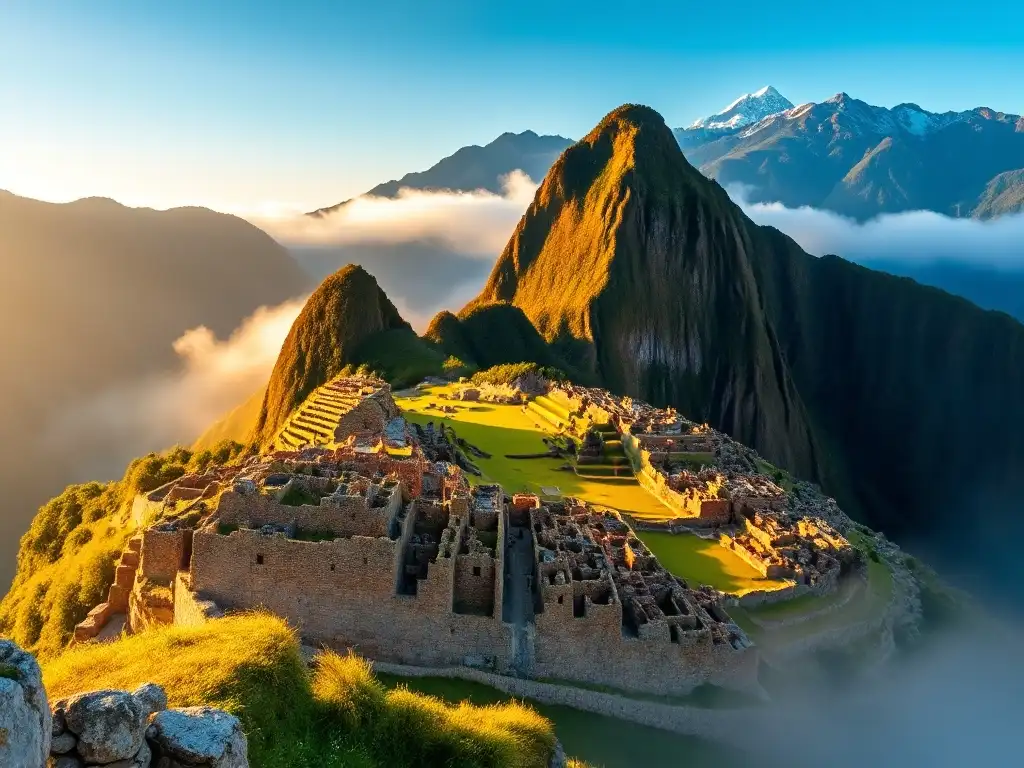
Step into a world lost to time, yet echoing with the whispers of a magnificent empire. Imagine landscapes sculpted not just by nature, but by a civilization that saw the very earth as a sacred canvas. Here, on Andean Civilizations, we unravel the mysteries of the Incas, Moche, Nazca, and Tiahuanaco. But our journey begins with the awe-inspiring Inca architecture and its sacred landscape design, a testament to ingenuity and a profound connection to the spiritual realm. Dare to uncover the secrets hidden within the stones… Are you ready to explore?
The Inca Empire, renowned for its sophisticated engineering feats and intricate social structures, left behind a legacy deeply intertwined with its understanding of the natural world. This article delves into the fascinating relationship between Inca architecture and the concept of place, exploring how the Incas meticulously designed sacred landscapes that reflected their cosmology and worldview. We will uncover the principles underpinning their architectural achievements, revealing how they seamlessly integrated buildings into the surrounding environment to create spaces imbued with spiritual significance.
Understanding this connection between Inca architecture and sacred landscape design provides crucial insight into the empire's ideology, its social organization, and its enduring impact on the Andean region. This exploration will focus specifically on how the Incas utilized their architectural skills to not just build structures, but to actively shape their relationship with the sacred, transforming the landscape itself into a tangible expression of their beliefs.
The strategic placement of buildings, the careful manipulation of water features, and the symbolic use of materials all contributed to the creation of a profoundly meaningful and interconnected environment. By examining these aspects, we aim to unravel the complex interplay between the built environment and the spiritual landscape within the Inca world, highlighting the ingenuity and deep spiritual connection at the heart of Inca sacred landscape design.
Understanding Inca Sacred Landscape Design
Inca sacred landscape design wasn't merely about aesthetics; it was a fundamental expression of their worldview. The Incas believed in a deeply interconnected cosmos, where the physical world mirrored the spiritual realm. Their cities, temples, and agricultural terraces weren't isolated structures but carefully integrated components of a larger, sacred ecosystem. This holistic approach extended beyond the immediate vicinity of buildings, encompassing the surrounding mountains, rivers, and agricultural fields.
The design process involved a sophisticated understanding of astronomy, hydrology, and geomancy, ensuring that structures were positioned to optimize their relationship with celestial bodies and natural resources. This wasn't a haphazard process; meticulous planning and execution were paramount, reflecting the high level of organization and centralized power within the Inca state. For example, the precise alignment of many structures with solstices and equinoxes underscores the importance of astronomical observations in their sacred landscape design.
The integration of water features, such as fountains and canals, further emphasizes the symbolic importance of water in their cosmology. The strategic placement of agricultural terraces not only maximized food production but also visually integrated the agricultural landscape into the broader sacred design. The result was a meticulously crafted environment that served both practical and spiritual purposes.
The Inca Worldview and Architectural Principles
The Inca worldview was deeply influenced by their environment, particularly the Andes mountains and the intricate river systems that crisscrossed the landscape. Their architectural principles reflected this profound connection, emphasizing harmony and balance between the human and natural worlds. The concept of ayllu, the kinship-based community structure, also played a vital role in shaping architectural design.
Many structures were built collectively, reflecting the communal nature of Inca society and reinforcing social bonds. The use of locally sourced materials, such as stone, adobe, and wood, demonstrates a commitment to sustainability and integration with the local environment. Moreover, the use of specific materials often held symbolic significance, further enriching the spiritual meaning embedded within the architecture.
The precise craftsmanship evident in Inca stonework, with its famously tight-fitting blocks, is not only a testament to their engineering skills but also a reflection of their meticulous attention to detail and their reverence for precision. This attention to detail extended to every aspect of the design, from the selection of materials to the orientation of structures, creating a unified and harmonious whole. The absence of mortar in many structures highlights their mastery of dry-stone construction, a technique that allowed them to seamlessly integrate their buildings into the natural landscape.
The Role of Mountains and Water in Inca Cosmology
Mountains and water occupied central positions in Inca cosmology, representing powerful forces that shaped their lives and beliefs. Mountains were considered sacred entities, dwelling places of deities and ancestral spirits. Many important Inca settlements were strategically located near mountain peaks, reflecting this reverence. The orientation of structures towards specific mountains further emphasizes their importance in the Inca worldview.
Water, too, held profound symbolic meaning, representing life, fertility, and purity. The meticulous construction of irrigation canals and fountains demonstrates their mastery of water management and their understanding of its vital role in sustaining their agricultural systems and shaping their sacred landscapes. The integration of water features into architectural designs not only provided practical benefits but also enhanced the spiritual significance of the spaces.
The careful channeling of water, its controlled flow, and its symbolic presence in plazas and temples all contributed to creating a sacred environment that reflected their reverence for this life-giving resource. The harmonious integration of mountains and water into the Inca landscape demonstrates their deep understanding of the natural world and its profound influence on their spiritual beliefs and architectural practices. The careful planning and execution of these elements demonstrate a sophisticated understanding of both the practical and symbolic power of the natural world.
Inca Architecture as a Reflection of Power and Spirituality
Inca architecture wasn't merely a practical endeavor; it was a powerful statement of both political dominance and deeply held spiritual beliefs. The monumental structures, meticulously crafted stonework, and strategic placement of buildings within the landscape all served to reinforce the Inca's authority and their connection to the divine.
The sheer scale of projects like Machu Picchu, with its intricate network of terraces, temples, and residential areas carved into the mountainside, speaks volumes about the Inca's ability to mobilize vast resources and command the labor of their subjects. This wasn't simply construction; it was a carefully orchestrated display of power, meant to awe and inspire reverence.
The integration of religious elements within the architecture further underscores its spiritual significance. Temples were strategically positioned to align with celestial events, demonstrating a sophisticated understanding of astronomy and its role in Inca cosmology. The use of specific stones, often imbued with symbolic meaning, and the incorporation of intricate carvings and motifs further reinforced the sacred nature of these spaces.
For example, the intricate stonework found in the Ollantaytambo ruins, with its massive stones perfectly fitted together without mortar, represents not only remarkable engineering prowess but also a deep connection to the earth and the sacred energy believed to flow through it. The precision and artistry involved are a testament to the spiritual devotion embedded within the construction process itself. This careful attention to detail, far exceeding mere functional requirements, highlights the sacred nature of Inca architecture and its role in maintaining the Inca worldview.
The very act of building these structures was a ritual in itself, a collective effort that strengthened social bonds and reinforced the Inca's ideological control. The use of mita, a system of mandatory labor, channeled vast human resources into the creation of these magnificent structures, solidifying the Inca's power and reinforcing their control over the population. The impressive scale of these projects served as a constant reminder of the Inca's authority and the power of their state religion, ensuring the Inca's continued dominance and shaping the spiritual landscape of their empire.
The seamless blend of power and spirituality in Inca architecture is a key element in understanding the empire's remarkable longevity and its lasting impact on the Andean region. The legacy of Inca architecture continues to resonate today, a testament to the enduring power of their vision and their deep connection to the sacred landscape they inhabited.
- Understanding Inca Sacred Landscape Design
- The Inca Worldview and Architectural Principles
- The Role of Mountains and Water in Inca Cosmology
- Inca Architecture as a Reflection of Power and Spirituality
- What is the relationship between Inca architecture and sacred landscape design?
- How did the Incas integrate their architecture with the natural environment?
- What are some examples of Inca architecture that demonstrate this relationship with the landscape?
- What role did religious beliefs play in Inca architecture and landscape design?
- How did Inca sacred landscape design influence later civilizations?
Key Elements of Inca Sacred Architecture
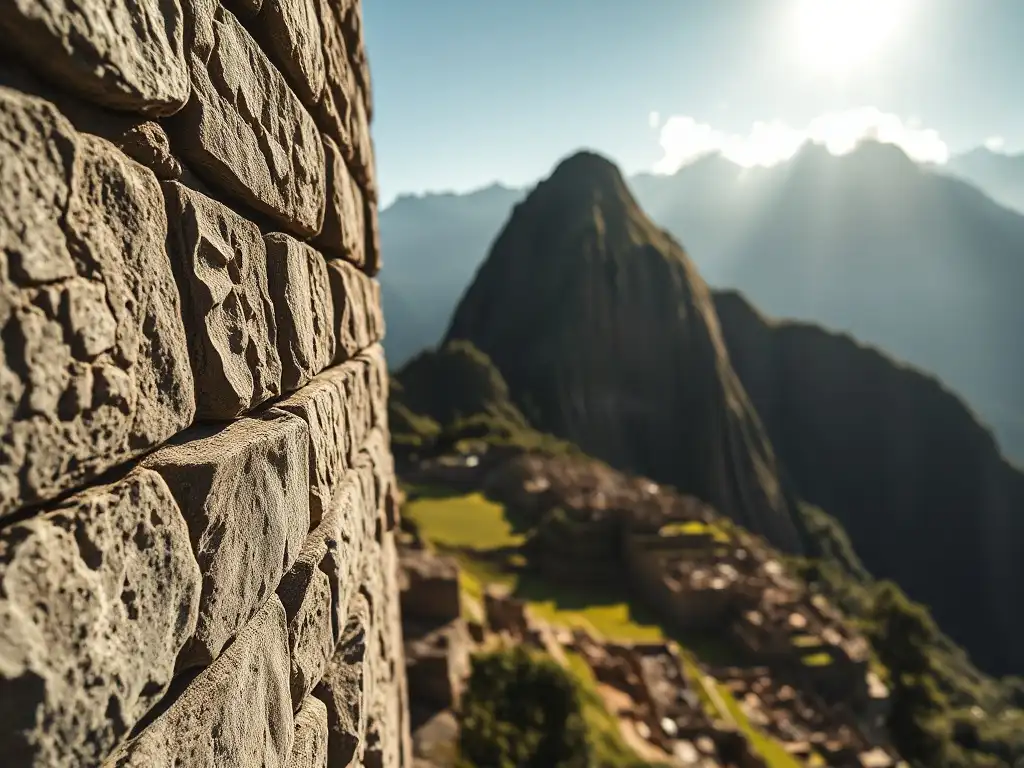
This section delves into the core components that defined Inca sacred architecture, exploring how these elements contributed to the creation of a deeply symbolic and interconnected landscape. We will examine the meticulous use of stone, the ingenious integration of agricultural terraces, and the profound significance of Intihuatana stones and astronomical observatories. Understanding these elements is crucial to appreciating the Inca concept of place – a holistic view where the physical environment was inextricably linked to spiritual beliefs and social organization.
This intricate interplay is central to understanding the unique character of Inca architecture and its lasting legacy. The careful design choices reflect a profound understanding of both the physical and spiritual worlds, resulting in a sacred landscape that continues to inspire awe and wonder. The keyword phrase "Inca architecture sacred landscape design" is directly addressed in this exploration of the Inca's masterful integration of architecture and spirituality.
The Use of Stone in Inca Construction: Precision and Meaning
Inca stonework is renowned for its unparalleled precision and artistry. Far from being merely functional, the selection, shaping, and placement of stones held profound symbolic meaning. Inca masons, using only rudimentary tools, achieved an astonishing level of accuracy, fitting stones together with such precision that even a knife blade couldn't fit between them.
This technique, known as ashlar masonry, is evident in structures throughout the empire, from the imposing walls of Sacsayhuamán to the intricate details of smaller buildings. The choice of stone itself was also significant; specific types of stone were associated with particular deities or sacred sites. For example, reddish stones might be used in locations associated with the sun god, Inti, while other colors held different symbolic weight.
The meticulous nature of Inca stonework extended beyond simple construction. The careful arrangement of stones often incorporated geometric patterns and symbolic motifs, further enhancing the sacred nature of the buildings. The very act of constructing these structures was a ritual in itself, reflecting a deep connection between the physical world and the spiritual realm. This intricate process, far from being merely practical, is integral to understanding the "Inca architecture sacred landscape design" philosophy.
Analyzing the precise techniques and the symbolic meanings embedded within the stonework provides key insights into the Inca worldview. Further research is needed to fully understand the regional variations in stone selection and techniques across the vast Inca Empire. [Specific information pending: detailed regional analysis of stone types and their symbolic significance].
Inca Terraces: Integrating Agriculture and Ritual
Inca agricultural terraces are a testament to their ingenuity and deep understanding of their environment. These terraced fields, carved into hillsides across mountainous terrain, weren't simply a means of increasing agricultural production; they were integral to the sacred landscape. The terraces themselves were carefully designed, often following the contours of the land with remarkable precision. Their construction involved significant labor, requiring the coordinated effort of large workforces. But the effort was clearly considered worthwhile, given the scale and sophistication of the terrace systems that still exist today.
The terraces weren't just practical; they were also aesthetically pleasing, creating a visually stunning landscape that integrated seamlessly with the surrounding environment. The careful arrangement of the terraces, often in geometric patterns, contributed to the overall sense of order and harmony that was central to Inca cosmology. Moreover, the agricultural cycles themselves were deeply intertwined with ritual and religious practices. Harvest festivals and other ceremonies were held in connection with the agricultural calendar, further reinforcing the sacred nature of the terraced fields.
This integration of agriculture and ritual is a vital component of understanding "Inca architecture sacred landscape design," highlighting the holistic approach to life and the environment characteristic of Inca civilization. The efficient water management systems often incorporated into these terraces also underscore the sophisticated engineering capabilities of the Inca. [Specific information pending: a detailed analysis of the water management systems used in Inca terraces].
The Significance of Intihuatana Stones and Observatories
Intihuatana stones, often found at the highest points of sacred sites, are among the most enigmatic elements of Inca architecture. These monolithic structures, typically carved with intricate designs, are believed to have been used for astronomical observations and ritual ceremonies. The name itself, "Intihuatana," translates roughly to "where the sun is tied," suggesting a connection to the sun god Inti and the cyclical nature of time. These stones weren't simply astronomical tools; they were integral to the Inca worldview, representing the interplay between the celestial and terrestrial realms.
Inca observatories, often integrated into larger architectural complexes, further demonstrate their advanced understanding of astronomy. These sites, carefully aligned with celestial events, allowed the Inca to track the movement of the sun, moon, and stars, using this knowledge to regulate agricultural cycles and religious practices. The precision of these astronomical observations is remarkable, demonstrating a sophisticated understanding of celestial mechanics.
The combination of Intihuatana stones and observatories created a powerful connection between the earthly and heavenly realms, reinforcing the sacred nature of the Inca landscape. This sophisticated understanding of astronomy and its integration into their architecture is a critical aspect of "Inca architecture sacred landscape design," highlighting the Inca's holistic and deeply spiritual approach to their world. [Specific information pending: A detailed analysis of the astronomical alignments of specific Inca observatories and the precision of their measurements].
Sacred Spaces: Temples, Palaces, and Ritual Sites
Inca architecture wasn't merely about constructing buildings; it was about creating sacred landscapes imbued with spiritual significance. Temples, palaces, and ritual sites weren't isolated structures but integral components of a carefully planned, interconnected system reflecting the Inca worldview. The placement of these buildings, their orientation relative to celestial bodies, and their intricate design all contributed to their sacred function.
For example, the Coricancha, or Temple of the Sun in Cusco, was not just a place of worship but the very center of the Inca universe, its walls meticulously crafted from massive stones, adorned with gold and silver, and aligned with the solstices. Its strategic location in the heart of the capital city reinforced its importance as a focal point of Inca religious and political power.
The design of Inca palaces, such as the impressive structures at Ollantaytambo, also reflected this sacred purpose. While serving as administrative centers and residences for the elite, these palaces incorporated elements of ritual and cosmology. Their intricate stonework, often featuring perfectly fitted blocks without mortar, symbolized the precision and order of the Inca empire and their connection to the cosmos.
The use of specific stones, their colors, and their arrangement all held symbolic meanings, contributing to the overall sacred atmosphere. The integration of water features, such as fountains and canals, further enhanced the spiritual significance of these sites, mirroring the life-giving force of water in the Andean worldview. This wasn't simply about aesthetics; it was about creating spaces where the spiritual and physical worlds intertwined.
Ritual sites, often located in remote, elevated locations, played a crucial role in Inca religious practices. These sites, frequently characterized by impressive stone structures, served as locations for ceremonies, sacrifices, and astronomical observations. Their placement often corresponded to significant geographical features or astronomical alignments, reinforcing their connection to the broader landscape and the divine. The precision with which these sites were constructed, often involving complex engineering feats, highlighted the Inca's advanced understanding of astronomy and their deep reverence for the natural world.
These sites were not merely functional spaces; they were powerful conduits for communication with the supernatural, integral parts of the Inca's sacred landscape design. The careful consideration of their placement and design underscores the importance of the Inca's belief in the interconnectedness of the physical and spiritual realms. The meticulous planning involved in these sacred spaces exemplifies the Inca's profound understanding of Inca architecture sacred landscape design.
Case Studies of Inca Sacred Landscapes
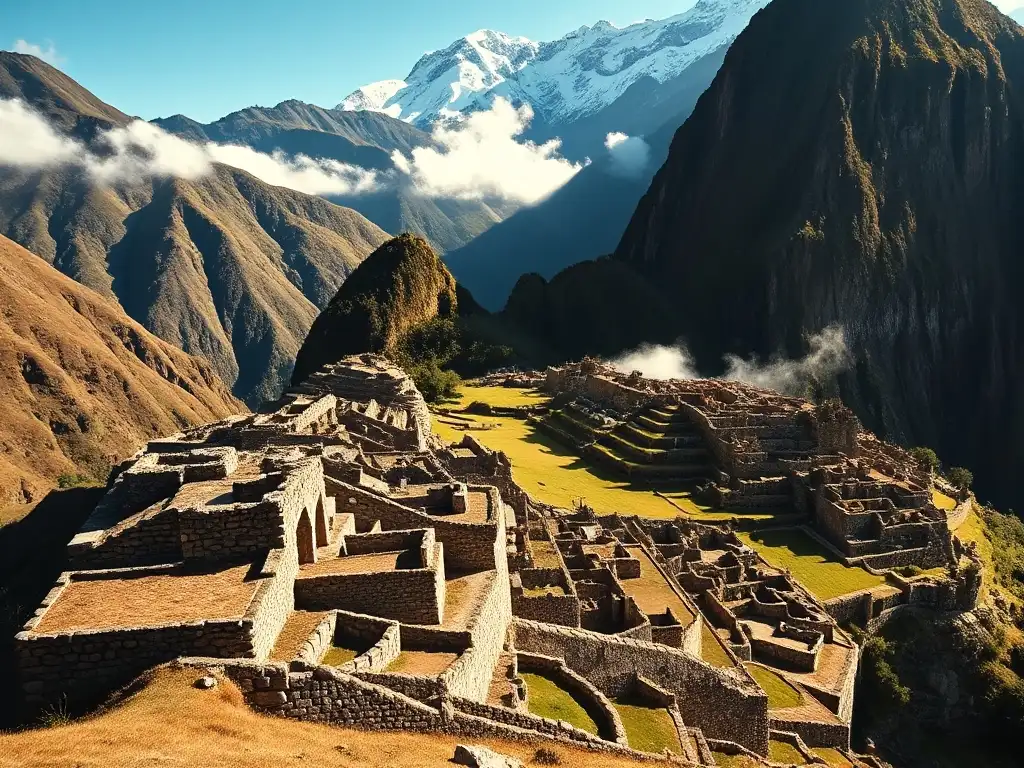
This section delves into specific examples of Inca sacred landscape design, showcasing the intricate relationship between architecture, geography, and cosmology in the Inca Empire. We will examine how the Incas masterfully integrated their built environment with the natural world to create powerful and enduring sacred spaces. Understanding these case studies provides crucial insight into the Inca concept of place and its significance in their worldview.
The analysis will focus on the interplay of architectural elements, astronomical alignments, and agricultural practices to reveal the ingenuity of Inca sacred landscape design. Keywords like Inca architecture sacred landscape design, sacred sites, and Inca urban planning will be naturally woven into the discussion.
Machu Picchu: A Masterpiece of Inca Architectural Design
Machu Picchu, often called the "Lost City of the Incas," exemplifies the pinnacle of Inca architectural and landscape design. Its location, high in the Andes Mountains, wasn't arbitrary. The site's strategic placement, nestled amongst towering peaks and cloud forests, suggests a deliberate attempt to connect the human realm with the sacred energies of the mountains. The meticulous integration of buildings with the terrain showcases a profound understanding of the landscape's contours. Terraces, meticulously carved into the mountainside, not only served agricultural purposes but also visually framed the sacred structures.
The urban layout itself is deeply symbolic. The placement of the main temples and palaces, their orientation relative to the sun's path, and the intricate network of pathways all suggest a deliberate cosmological design. Evidence suggests that specific architectural features were aligned with significant astronomical events, further reinforcing the sacred nature of the site.
The precision with which the stones were cut and fitted, without mortar, speaks to the sophistication of Inca masonry techniques and their dedication to creating a lasting monument. Machu Picchu wasn't just a city; it was a carefully crafted sacred landscape, a microcosm of the Inca worldview. The meticulous integration of architecture and nature exemplifies the core concept of Inca architecture sacred landscape design.
Cusco, the ancient capital of the Inca Empire, stands as a testament to the Inca's ability to transform a landscape into a powerful symbolic expression of their worldview. Often referred to as the "navel of the world," Cusco's urban plan reflects a complex interplay of sacred geography and architectural design. The city's layout, centered around the Plaza de Armas, was carefully planned to align with the cardinal directions and significant celestial events. The placement of temples, palaces, and other important structures within this framework reinforced their symbolic significance.
The Inca's use of kanchas (residential compounds) demonstrates their integration of domestic life with the sacred. These compounds, with their intricate internal layouts and carefully positioned courtyards, were not merely places of dwelling but also microcosms of the broader cosmological order. The integration of water channels, fountains, and other water features further highlights the importance of water in Inca cosmology and their meticulous attention to detail in creating a harmonious sacred landscape. Cusco’s design reflects a deeply ingrained understanding of Inca architecture sacred landscape design, illustrating how the entire urban environment served as a sacred space.
Ollantaytambo: Fortified City and Agricultural Marvel
Ollantaytambo, a remarkably well-preserved Inca site in the Sacred Valley, showcases the Inca’s ability to combine defensive architecture with agricultural ingenuity within a sacred landscape. Its location, strategically positioned on a hillside overlooking a fertile valley, provided both protection and access to agricultural resources. The massive stone terraces, carved into the mountainside, were not only essential for farming but also integral to the site's overall design. These terraces created a layered landscape, visually reinforcing the connection between the human and the divine realms.
The impressive stonework at Ollantaytambo, particularly the massive monoliths used in the construction of the main structures, highlights the advanced engineering skills of the Inca. The intricate system of irrigation channels, which provided water to the terraces, demonstrates their mastery of hydraulic engineering and their respect for water as a sacred element.
The combination of defensive structures, agricultural terraces, and carefully planned water management systems demonstrates a holistic approach to Inca architecture sacred landscape design, where functionality and sacred meaning were intricately interwoven. Ollantaytambo’s design provides compelling evidence of the sophisticated understanding and implementation of the principles of Inca sacred landscape design.
Sacsayhuaman: The Monumental Fortress and its Spiritual Significance
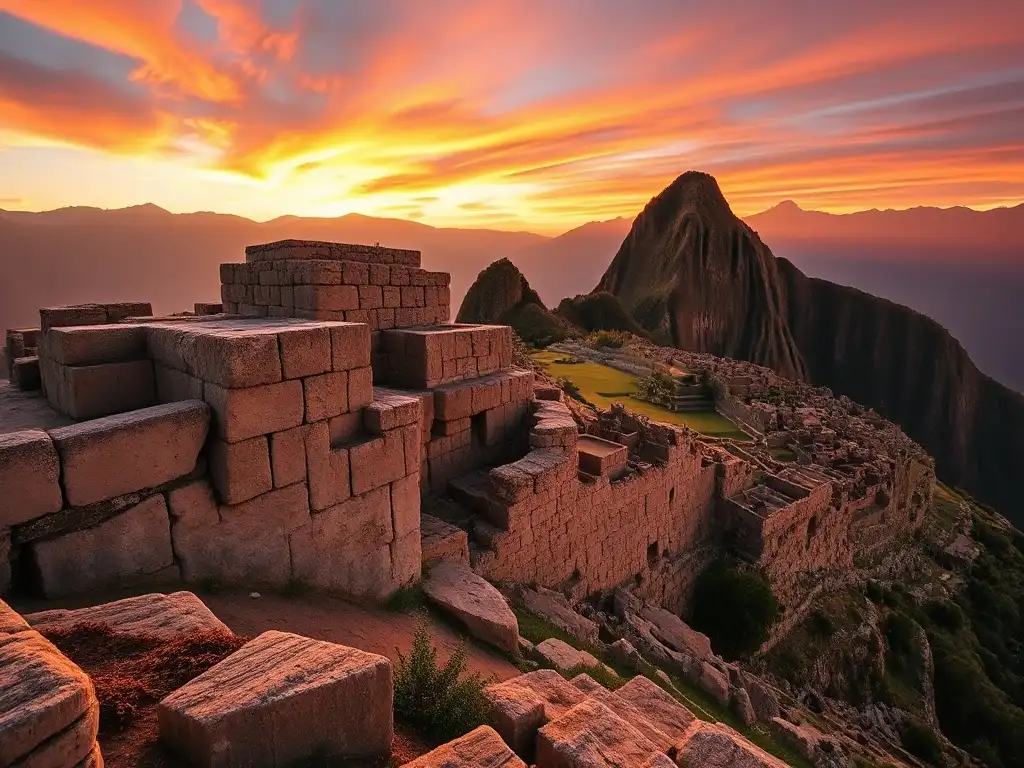
Sacsayhuaman, located overlooking Cusco, is arguably the most iconic example of Inca architecture and its integration into a sacred landscape. Its cyclopean walls, constructed from massive, precisely fitted stones, defy easy explanation even with modern engineering knowledge. The sheer scale of the structure, combined with its strategic location, speaks volumes about Inca power and their sophisticated understanding of both defense and cosmology.
The irregular shapes of the stones, far from being haphazard, were carefully chosen and placed to create a harmonious and awe-inspiring effect. This wasn't simply a military fortress; it was a place of immense spiritual power, deeply connected to the surrounding landscape.
The orientation of Sacsayhuaman itself, aligned with significant celestial events, points towards a profound understanding of astronomy and its role in Inca religion. Researchers have identified alignments with solstices and equinoxes, suggesting that the fortress played a crucial role in the Inca calendar and ritual practices. Furthermore, the three main terraces of Sacsayhuaman are thought to represent the three levels of the Andean world: the hanan pacha (upper world), kay pacha (middle world), and ukhu pacha (lower world).
This tripartite structure mirrored the Inca worldview and reinforced the sacred nature of the site. The intricate water channels and other features further enhanced the site's symbolic and practical significance, creating a complex interplay between the built environment and the natural world. The spiritual significance of Sacsayhuaman extended beyond its physical structure.
The surrounding area, with its stunning views and unique geological formations, was an integral part of its sacred character, highlighting the Inca concept of integrating architecture seamlessly within the broader landscape to create a holistic and powerful sacred space. The imposing presence of Sacsayhuaman continues to inspire awe and wonder, demonstrating the incredible ingenuity and spiritual depth of Inca architecture and its relationship to sacred landscape design.
Pisac: Agricultural Terraces and Ceremonial Center
Pisac, nestled high in the Urubamba Valley, exemplifies the Inca's mastery of both agricultural engineering and sacred landscape design. The iconic agricultural terraces, carved into the steep mountain slopes, are a testament to their sophisticated understanding of water management and soil conservation. These weren't simply practical solutions to food production; they were also integral parts of a larger ceremonial and spiritual complex.
The terraces themselves, meticulously constructed and arranged, created a visually stunning landscape that was deeply interwoven with Inca cosmology and beliefs. The precision of the terraces, their alignment with the landscape, and their connection to water sources all suggest a carefully planned and highly symbolic design.
Beyond the agricultural terraces, Pisac boasts a significant ceremonial center with temples, plazas, and other structures. These elements, integrated seamlessly into the terraced landscape, further enhanced the site's spiritual significance. The careful placement of buildings and the use of specific materials suggest a deliberate attempt to create a space that reflected the Inca worldview and reinforced the connection between humans and the cosmos.
The interplay between the practical function of the agricultural terraces and the ceremonial aspects of the complex highlights the holistic approach of Inca sacred landscape design. The site wasn't just a place for farming; it was a living, breathing landscape imbued with spiritual power, where the act of cultivation itself was interwoven with religious practice.
The enduring legacy of Pisac demonstrates the sophisticated integration of architecture, agriculture, and spirituality in Inca sacred landscape design, showcasing their ability to create spaces that were both functional and profoundly meaningful. The careful planning and execution evident at Pisac underscore the Inca's profound respect for their environment and their ability to harmoniously blend human activity with the natural world, creating a lasting testament to their advanced understanding of "Inca architecture sacred landscape design".
Inca Engineering and Landscape Modification
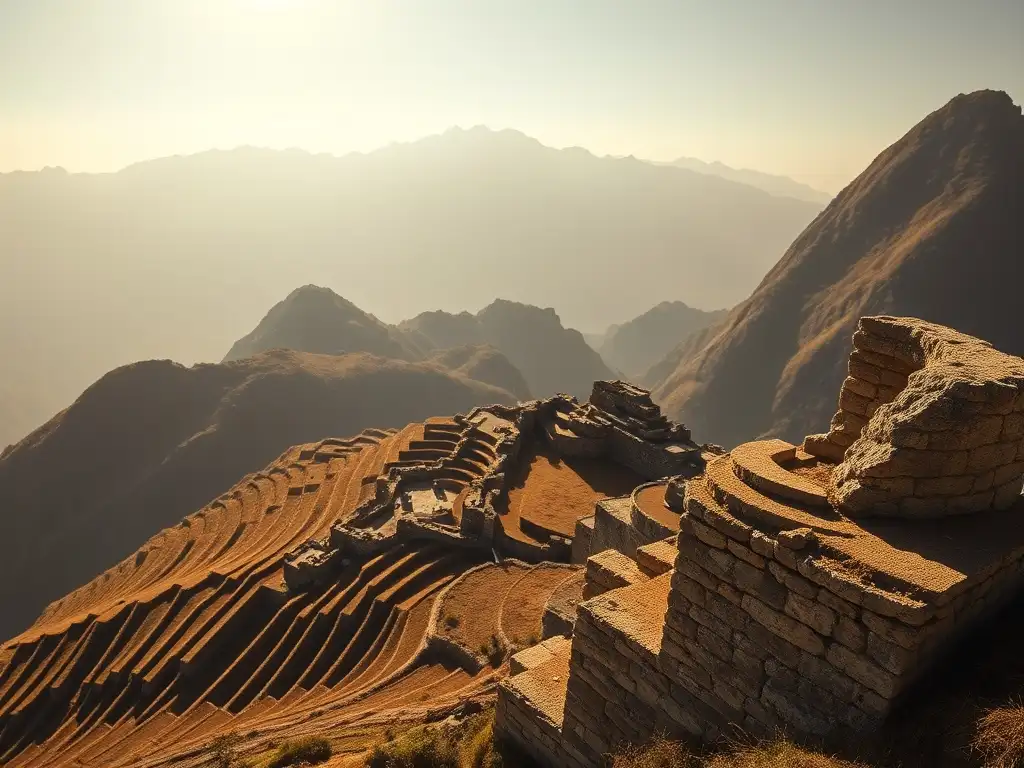
The Inca Empire's mastery extended far beyond impressive stonework; it encompassed a sophisticated understanding of engineering and landscape modification, integral to their concept of a sacred landscape. Their architectural achievements weren't isolated structures but elements within a meticulously planned and interconnected system designed to reflect their cosmology and worldview. This section delves into the key engineering feats that shaped the Inca sacred landscape, demonstrating their profound impact on the relationship between humans and their environment. The Inca's approach to Inca architecture sacred landscape design was holistic, integrating practical needs with spiritual significance.
Inca Road System: Connecting Sacred Sites and Territories
The Inca road system, Qhapaq Ñan, is a testament to their remarkable engineering prowess and their vision of a unified empire. This extensive network of roads, stretching over 40,000 kilometers, wasn't merely a logistical achievement; it served a crucial role in connecting sacred sites, facilitating pilgrimage, and reinforcing imperial control. The roads themselves were carefully planned, traversing challenging terrains with innovative solutions such as suspension bridges and carefully engineered pathways along mountain slopes.
The placement of tambos (roadside inns) along the routes further highlights the importance of these pathways as spaces for both physical and spiritual journeys. These strategically located tambos provided rest and supplies for travelers, but they also served as important ceremonial and administrative centers, reflecting the integration of practical and spiritual functions within the Inca infrastructure.
The design of the road system itself reflects a deep understanding of the Andean landscape. The routes were not randomly placed; they followed existing trails and natural features, often incorporating them into the design. This approach ensured both efficiency and a harmonious integration with the existing environment, minimizing disruption to the natural landscape while maximizing functionality.
The network's strategic placement also facilitated access to important agricultural areas and resource-rich regions, ensuring the empire's economic stability and the continued flourishing of its sacred sites. Detailed records of the road system are scarce, leaving much to the imagination, but archeological evidence clearly points to a highly organized and sophisticated system of communication and transport, vital to the functioning and spiritual cohesion of the empire.
Water Management: Canals, Fountains, and Ritual Baths
Water played a central role in Inca cosmology, representing life, fertility, and spiritual purity. Their sophisticated water management systems were therefore not just practical solutions but also integral components of their sacred landscape design. The Inca's ability to harness and control water resources is evident in the intricate networks of canals, aqueducts, and fountains that irrigated agricultural lands and supplied water to urban centers. These systems were remarkably efficient, utilizing gravity and carefully engineered slopes to transport water over long distances. The construction of these systems required extensive planning and precise execution, demonstrating a deep understanding of hydraulic engineering.
Beyond irrigation, water was also incorporated into ritual practices. Elaborately designed fountains and ritual baths, often associated with temples and palaces, were used in ceremonies and purification rites. The carefully sculpted stones, intricate designs, and strategic placement of these water features highlight their importance in the Inca worldview.
The integration of water management systems with sacred architecture underscores the profound connection between the physical and spiritual realms in Inca culture. The precise details of many of these systems remain to be fully unearthed, but ongoing research continues to reveal the complexity and sophistication of Inca water management techniques. Further study is needed to fully understand the symbolic and ritual significance of specific water features within the broader Inca architecture sacred landscape design.
The Art of Inca Landscaping: Shaping the Natural Environment
Inca landscaping wasn't merely about clearing land for agriculture; it involved a conscious and deliberate shaping of the natural environment to create sacred spaces. Terraces carved into hillsides, for example, were not only effective agricultural features but also visually striking and symbolically significant. The creation of these terraces transformed the landscape, creating a sense of order and harmony. These terraced fields, andenes, are a stunning example of how the Inca integrated their agricultural needs with their aesthetic and spiritual sensibilities.
Beyond terraces, the Inca employed various landscaping techniques to enhance the beauty and symbolic meaning of their sacred sites. The careful placement of trees, the cultivation of specific plants, and the creation of pathways and plazas all contributed to the overall design of the sacred landscape. For example, certain plants might have been strategically placed to enhance the spiritual power of a particular site.
The careful sculpting of natural features, such as rocks and boulders, into symbolic forms further illustrates their artistic and spiritual approach to landscape design. The meticulous attention to detail in Inca landscaping demonstrates a deep understanding of the relationship between humans and the natural world, where the physical environment actively participated in the spiritual life of the community.
Understanding the full extent of Inca landscaping techniques requires further archeological investigation and the careful analysis of existing evidence, however, the available data clearly points to a sophisticated and intentional approach to shaping the natural environment to reflect their cosmological beliefs. This is a crucial aspect of understanding Inca architecture sacred landscape design.
Inca Adaptation to Diverse Topographies
The Inca Empire's breathtaking architecture is a testament to their mastery of adapting to incredibly diverse topographies. Their empire spanned a vast area encompassing the Andes Mountains, from arid coastal deserts to high-altitude plains and lush cloud forests. This geographical diversity presented significant engineering challenges, demanding innovative solutions for construction and infrastructure. The Incas weren't simply building in the landscape; they were actively shaping and modifying it to suit their needs and beliefs.
One striking example of this adaptation is their use of terracing. Across steep mountain slopes, they carved intricate terraces, creating level agricultural plots where crops could thrive. These terraces weren't merely stacked; they incorporated sophisticated drainage systems to manage water effectively, preventing erosion and maximizing yields.
The scale of this undertaking is staggering, with some terraced areas extending for kilometers, showcasing an impressive understanding of hydrology and soil management. The terraces themselves also contributed to the visual impact of the landscape, creating a harmonious integration of human intervention and natural beauty. The careful placement of these terraces, often following the contours of the mountain, minimized disruption to the natural environment while maximizing usable land.
Another key adaptation was their skillful use of stonework. The Incas were renowned for their precise stone cutting and fitting techniques, enabling them to build structures that seamlessly integrated with the surrounding environment. Their mastery of this technique allowed them to construct buildings and roads even on the most challenging terrain.
They utilized locally sourced stones, often fitting them together so tightly that even a knife blade couldn't be inserted between them – a feat of engineering that speaks to their advanced understanding of materials and construction. This precise stonework was not just functional; it also played a significant role in creating visually stunning and spiritually significant landscapes. The carefully chosen stones and their precise placement contributed to the overall aesthetic and symbolic meaning of Inca structures.
Furthermore, their road network is a testament to their adaptability. The Qhapaq Ñan, or Inca Road system, was an extensive network of roads that connected all parts of the empire, traversing mountains, valleys, and deserts. The construction of these roads necessitated the creation of bridges, tunnels, and other ingenious structures to overcome the obstacles presented by the varied terrain.
These routes weren't simply pathways; they were carefully planned and engineered to facilitate trade, communication, and military movement, further enhancing the connectivity and integration of the diverse regions within the empire. The integration of these roads into the overall landscape, often following natural contours, demonstrates a deep understanding of environmental factors and a commitment to minimizing environmental impact. The roads themselves became integral parts of the sacred landscape, facilitating movement and pilgrimage.
The Inca's ability to adapt to diverse topographies wasn't merely a matter of practical engineering; it was deeply intertwined with their worldview. Their understanding of the landscape was not simply utilitarian but spiritual, with mountains, rivers, and other natural features holding significant religious and symbolic meaning.
Their architectural achievements were therefore not only feats of engineering but also expressions of their spiritual beliefs and their relationship with the natural world, making their architecture an integral part of their sacred landscape design. The integration of their built environment with the natural world reflects their profound respect for and understanding of the power of nature, a key component of their worldview and a core element of their "Inca architecture sacred landscape design."
The Legacy of Inca Sacred Landscape Design
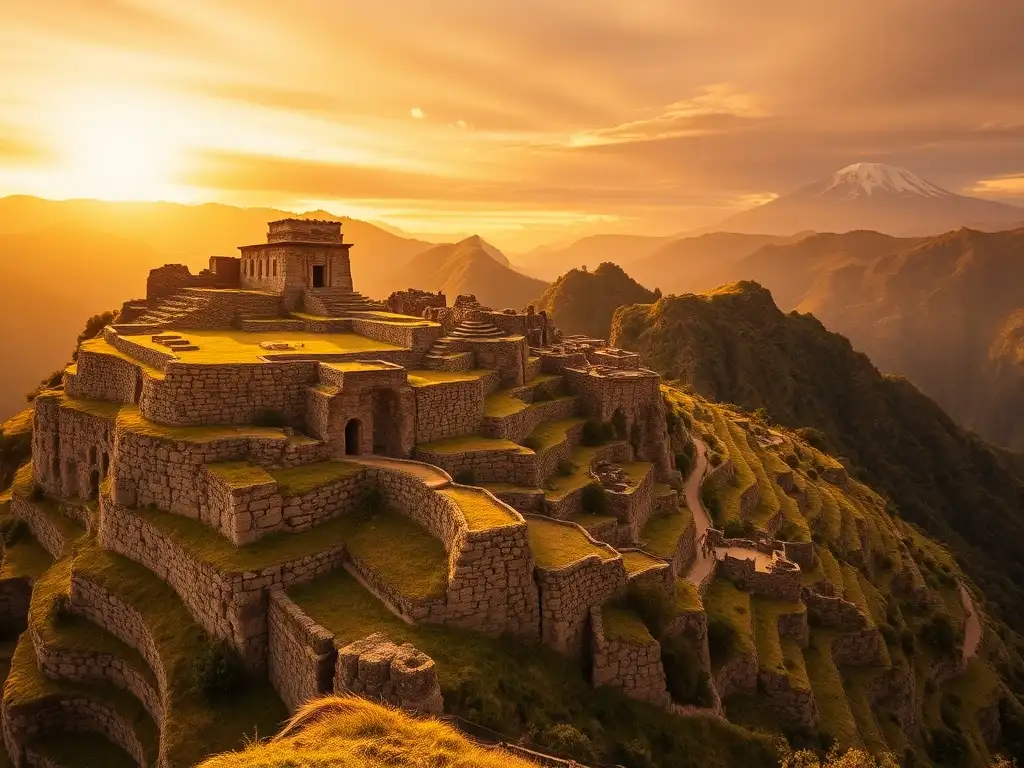
The Inca Empire's sophisticated understanding of sacred landscape design profoundly impacted their architecture and continues to resonate in modern Andean culture. Their approach wasn't merely about constructing buildings; it was about integrating structures seamlessly into the natural environment, creating a holistic and spiritually significant experience. This involved careful consideration of topography, water sources, agricultural terraces, and the placement of religious structures to maximize their symbolic power and connection to the cosmos.
The legacy of this approach is visible in the enduring impact on subsequent Andean societies and the ongoing efforts to preserve and understand these remarkable achievements. This section will delve into the enduring influences of Inca sacred landscape design and its implications for contemporary society.
Inca Architectural Influences in Modern Andean Culture
Inca architectural principles, deeply rooted in their sacred landscape design, continue to subtly, and sometimes overtly, influence Andean culture today. Many contemporary Andean communities maintain traditional building techniques, reflecting the Inca emphasis on using locally sourced materials like stone and adobe. The integration of buildings into the natural environment, a hallmark of Inca architecture, is still evident in rural settlements.
For example, the construction of houses nestled into hillsides, mirroring the terraced agriculture of the Inca, is a common sight. The use of specific stone types and construction methods, passed down through generations, demonstrates a direct lineage to Inca building practices. Moreover, the spiritual significance of certain geographical features, identified and utilized by the Inca, persists in modern Andean beliefs and rituals.
This enduring connection highlights the lasting impact of Inca sacred landscape design on cultural identity and practices. The preservation of traditional building styles also plays a crucial role in maintaining cultural heritage and tourism. The intricate interplay of culture and landscape continues to inform the development of sustainable tourism practices in the Andes.
The Conservation and Preservation of Inca Heritage Sites
The conservation of Inca heritage sites, crucial for understanding their sacred landscape design, faces numerous challenges. These range from the effects of natural erosion and seismic activity to the pressures of tourism and urbanization. Many sites require ongoing monitoring and maintenance to prevent deterioration and further damage.
For example, Machu Picchu, a globally recognized Inca site, requires constant upkeep to preserve its stone structures and surrounding environment. The implementation of sustainable tourism practices is paramount to mitigating the negative impacts of visitor traffic. This includes controlled access, improved infrastructure, and educational programs aimed at raising awareness about the importance of preserving these sites for future generations.
Furthermore, ongoing research and collaboration between archaeologists, conservationists, and local communities are essential for developing effective and culturally sensitive preservation strategies. The preservation of Inca heritage sites is not merely about protecting physical structures; it's about safeguarding a tangible link to a rich and complex cultural past, including the spiritual values embedded in their sacred landscape design. Understanding and protecting these sites is fundamental to preserving a unique and invaluable part of human history.
The Ongoing Study and Appreciation of Inca Sacred Spaces
The study of Inca sacred spaces continues to evolve, with new discoveries and interpretations constantly reshaping our understanding of their beliefs and practices. Archaeological investigations, coupled with the analysis of historical records and ethnohistorical accounts, provide valuable insights into the social, religious, and political significance of Inca sacred landscape design. Researchers are increasingly employing advanced technologies, such as GIS and remote sensing, to map and analyze these landscapes in greater detail.
This allows for a more comprehensive understanding of the spatial relationships between different structures and their environmental context. Furthermore, ongoing efforts to document and interpret Inca cosmology and religious beliefs are crucial for contextualizing the significance of their sacred spaces. Interpretative centers and museums play a vital role in educating the public and fostering appreciation for the ingenuity and cultural significance of Inca architecture and their approach to sacred landscape design.
The ongoing research and public engagement are essential for ensuring that the legacy of Inca sacred spaces is not only preserved but also understood and appreciated by future generations. The Inca's sophisticated approach to integrating architecture and nature offers a valuable lesson in sustainable design and harmonious coexistence with the environment.
Future Directions in Inca Architectural Research
Research into Inca architecture and its relationship to sacred landscape design continues to evolve, driven by new technologies and interdisciplinary collaborations. Several key areas promise exciting discoveries and a deeper understanding of Inca worldview and practices. One crucial area is the application of advanced geophysical techniques like ground-penetrating radar (GPR) and LiDAR (Light Detection and Ranging).
These non-invasive methods allow archaeologists to map subsurface structures and features, revealing previously unknown elements of Inca urban planning and agricultural systems that were intricately linked to their sacred landscape. For example, recent GPR surveys in Cusco have uncovered extensive networks of canals and underground structures, suggesting a far more complex water management system than previously imagined, integral to their agricultural practices and spiritual beliefs. This directly impacts our understanding of "Inca architecture sacred landscape design," showing how their built environment was intimately connected to the natural world.
Further advancements in Geographic Information Systems (GIS) are also crucial. GIS allows researchers to integrate diverse datasets – archaeological maps, satellite imagery, environmental data – to create comprehensive models of Inca settlements and their surrounding landscapes.
This holistic approach can illuminate the spatial relationships between ceremonial centers, agricultural terraces, and natural features like mountains and rivers, providing valuable insights into the Inca concept of sacha huasi (house in the forest) and the integration of the built environment with the natural world. This integrated approach is essential to fully grasp the intricate planning and design that underpins the "Inca architecture sacred landscape design" concept.
Another promising area lies in the interdisciplinary collaboration between archaeologists, anthropologists, ethnobotanists, and other specialists. Understanding the symbolic significance of plants, animals, and natural features in Inca cosmology requires expertise beyond traditional archaeology.
Ethnobotanical studies, for example, can help decipher the meaning of specific plant species found in Inca temples and palaces, revealing their role in religious rituals and their connection to the broader sacred landscape. The integration of these diverse perspectives will be vital in moving beyond descriptive accounts of Inca architecture to a more nuanced understanding of its cultural and spiritual significance, thus enhancing our understanding of "Inca architecture sacred landscape design".
Finally, the ethical considerations surrounding the preservation and interpretation of Inca sites demand increasing attention. Balancing the needs of tourism with the protection of these fragile heritage sites requires careful planning and community engagement. Future research must incorporate strategies for sustainable tourism and community-based heritage management, ensuring the long-term preservation of these invaluable sites and the dissemination of knowledge about "Inca architecture sacred landscape design" to a wider audience. This will guarantee the legacy of Inca architectural achievements and their profound impact on the Andean landscape for generations to come.
Inca Architectural Techniques and Materiality
The awe-inspiring structures of the Inca Empire stand as testaments to their advanced architectural knowledge and mastery of engineering. Their success wasn't solely reliant on grand designs, but also on sophisticated techniques in quarrying, transporting, and assembling materials. The Inca's understanding of the properties of local stone and their innovative construction methods resulted in structures that not only served practical purposes but also deeply integrated with the sacred landscape, reflecting a profound connection between the built environment and the spiritual world.
This section delves into the specific techniques employed by Inca builders, highlighting their ingenuity and skill in creating the enduring legacy we see today. Understanding these techniques is crucial to appreciating the full scope of Inca architecture sacred landscape design.
Quarrying and Transportation of Massive Stones
The Inca's ability to quarry and transport enormous stones across challenging terrain is a remarkable feat of engineering. Sites like Sacsayhuamán, near Cusco, showcase blocks weighing many tons, precisely cut and fitted together. The process began with the selection of suitable stone, often andesite or granite, from quarries located sometimes significant distances from the construction site. Evidence suggests that Inca quarry workers employed sophisticated tools, including copper chisels and mallets, to extract blocks with impressive accuracy. Initial shaping likely occurred at the quarry itself, reducing the weight and facilitating transport.
The transportation of these massive stones remains a subject of ongoing research and debate. While the exact methods are unclear, theories suggest a combination of techniques, including rollers, ramps, levers, and possibly even human and animal power. The Inca's deep understanding of their environment, including the use of natural inclines and strategically placed pathways, likely played a critical role.
The precise organization and logistical planning required for these massive undertakings underscore the sophisticated level of Inca societal organization and engineering expertise vital to their sacred landscape design. Further research is needed to fully understand the intricacies of this process, particularly concerning the exact methods used for moving the largest stones. [Specific details on the use of rollers and ramps pending further archaeological research].
The Use of Mortarless Construction and its Durability
One of the most striking aspects of Inca architecture is the use of mortarless construction. Instead of relying on mortar to bind stones together, Inca masons achieved incredible precision in shaping and fitting the blocks, creating incredibly strong and stable structures. This technique, often referred to as ashlar masonry, required an exceptional level of skill and precision. Blocks were meticulously shaped to interlock perfectly, creating a strong, almost seamless wall. The precise fitting of stones minimized the need for binding agents, and the weight of the stones themselves provided significant structural integrity.
The remarkable durability of these mortarless structures is evident in their survival over centuries, often withstanding earthquakes and other environmental challenges. The tight fit of the stones, along with their inherent strength, contributed to their longevity. The absence of mortar also helped to prevent cracking and deterioration, as the expansion and contraction of mortar due to temperature changes can cause damage over time.
This sustainable building practice, an integral part of Inca architecture sacred landscape design, highlights their deep understanding of both engineering principles and the long-term effects of material selection and construction methods. The longevity of these structures is a testament to the effectiveness of this technique.
Inca Masonry Techniques: Assembling Polygons and Rectangles
Inca masonry is characterized by its use of both polygonal and rectangular stones, often within the same structure. Polygonal masonry, where irregularly shaped stones are fitted together, is particularly impressive, showcasing the masons' skill in creating intricate and aesthetically pleasing patterns. This technique was particularly common in structures considered sacred or of significant importance, such as the walls of Sacsayhuamán. The precise fitting of these irregular stones, without mortar, is a testament to the Inca's mastery of stonework.
Rectangular masonry, on the other hand, was used more widely in various structures, demonstrating a different approach to construction. While not as visually striking as polygonal masonry, rectangular blocks offered a more efficient and potentially faster method of construction. The choice between polygonal and rectangular masonry likely depended on the function and symbolic significance of the structure, as well as the availability of suitable stones.
The skillful blending of both techniques, often seen within a single structure, reinforces the versatility and sophistication of Inca architecture sacred landscape design. The diversity in techniques reflects not only practical considerations but also the symbolic and spiritual significance imbued in the construction process. The careful placement and selection of stones, whether polygonal or rectangular, played a significant role in creating the sacred landscapes characteristic of Inca civilization.
Specific Examples of Ashlar and Polygonal Masonry
The Inca's mastery of stonework is perhaps best exemplified by their use of ashlar and polygonal masonry. Ashlar masonry, characterized by precisely cut, rectangular blocks, showcases the Inca's ability to create flawlessly fitted walls. These blocks, often made from granite, andesite, or diorite, were meticulously shaped and placed without the use of mortar, relying instead on the precision of the cuts and the weight of the stones to maintain structural integrity.
The sheer scale of some ashlar constructions, like sections of the Sacsayhuamán fortress near Cusco, is breathtaking. The massive blocks, some weighing several tons, fit together with such accuracy that a knife blade cannot be inserted between them – a testament to the Inca's advanced engineering and understanding of stone manipulation. This technique wasn't merely functional; it also contributed to the monumental and awe-inspiring quality of Inca architecture, enhancing the sacred nature of the sites.
The perfectly aligned surfaces reflected the Inca worldview, emphasizing order, harmony, and the connection between the human and divine realms. The precision of the ashlar work is particularly impressive considering the tools available to the Inca builders; their skill and dedication are truly remarkable. Furthermore, the selection of stone types – often chosen for their durability and aesthetic qualities – demonstrates a sophisticated understanding of material properties and their suitability for different architectural contexts.
Polygonal masonry, a more complex technique, involved fitting together irregularly shaped stones of varying sizes to create perfectly smooth walls. This method required even greater skill and planning than ashlar masonry. The Sacsayhuamán fortress again serves as a prime example, displaying a stunning array of polygonal stones seamlessly integrated to form imposing structures.
The challenge of fitting together stones of such irregular shapes without mortar speaks volumes about the Inca stonemasons' expertise in geometry and spatial reasoning. The irregular shapes themselves were not random; they were carefully selected and fitted to create a harmonious and aesthetically pleasing whole. This careful arrangement reflects an understanding of structural principles beyond mere functionality.
The aesthetic impact of the polygonal walls is undeniable, creating a sense of both power and mystery, further reinforcing the sacred nature of these sites. The sheer complexity of the polygonal masonry, especially in structures like Sacsayhuamán, underscores the advanced technological capabilities and sophisticated design principles of Inca architects, underscoring the deeply spiritual significance of the Inca concept of "sacred landscape design". This architectural approach is intrinsically linked to their worldview, where the built environment was an integral part of their cosmological understanding.
Frequently Asked Questions
What is the relationship between Inca architecture and sacred landscape design?
Inca architecture wasn't just about buildings; it was intrinsically linked to sacred landscape design. Structures were carefully positioned within the landscape to reflect cosmological beliefs and harness natural energies. This created powerful and meaningful places.
How did the Incas integrate their architecture with the natural environment?
The Incas were masters of environmental integration, skillfully adapting their architecture to the challenging Andean terrain. They used local materials like stone and earth, and their buildings often blended seamlessly with the surrounding mountains and valleys.
What are some examples of Inca architecture that demonstrate this relationship with the landscape?
Machu Picchu, with its precise placement and integration into the mountainside, is a prime example. Other sites like Sacsayhuamán and Ollantaytambo, with their impressive stonework and strategic locations, also showcase this connection.
What role did religious beliefs play in Inca architecture and landscape design?
Religious beliefs were central. The Inca worldview saw the landscape as sacred, imbued with spiritual power. Architectural designs and placement aimed to connect the human and spiritual realms, reflecting their cosmology and relationship with the gods.
How did Inca sacred landscape design influence later civilizations?
The sophisticated techniques and spiritual significance embedded in Inca landscape design left a lasting impact. Later Andean cultures continued to incorporate elements of this tradition, demonstrating the enduring legacy of Inca ingenuity and worldview.
Final Reflection: Echoes of the Andes: Inca Architecture's Enduring Legacy
The ingenious architecture of the Inca, far from being a relic of the past, offers a potent blueprint for sustainable and spiritually resonant design in the 21st century. Their mastery of landscape integration, their profound understanding of the relationship between humans and nature, and their ability to imbue structures with profound meaning continue to resonate with contemporary architects and urban planners grappling with issues of environmental responsibility and community building.
The Inca's ability to create sacred landscapes wasn't simply about aesthetics; it was about fostering a deep sense of belonging and connection to the land, a connection that modern society often lacks. The land is not merely soil; it is a sacred space, a living entity that nourishes and sustains us.
This sentiment, though not directly from an Inca source, perfectly encapsulates the spirit of their architectural philosophy, a philosophy that prioritized harmony with the natural world and the creation of spaces that fostered spiritual well-being. Their legacy challenges us to reconsider our own relationship with the environment and the spaces we inhabit.
Consider the enduring power of Machu Picchu, a testament to the Inca's vision. It's not just a collection of stones; it's a living embodiment of their values and a powerful reminder of the profound impact architecture can have on the human spirit. You, the reader, are now invited to reflect on your own relationship with the built environment.
How can we, inspired by the Inca's example, create spaces that are not only functional and beautiful but also foster a sense of community, connection to nature, and spiritual enrichment? Let the echoes of the Andes inspire you to build a more meaningful and sustainable future.
Unveil the Sacred Landscapes of the Incas!
Thank you for exploring the fascinating world of Inca architecture and their profound understanding of sacred space. Your interest in these ancient civilizations demonstrates a commitment to expanding your historical and cultural knowledge.
Let's now delve deeper into this captivating topic:
- Immerse yourself in Inca sites: Plan a visit or virtual tour of iconic locations such as Machu Picchu or Sacsayhuamán to experience their magnificence firsthand.
- Connect with a community of enthusiasts: Join online forums or social media groups dedicated to Andean civilizations to share insights and learn from others who share your passion.
- Expand your knowledge: Read articles and books on Andean art, history, and cultural practices to further enrich your understanding and appreciation.
What aspect of Inca architecture most captivates you, and how do you believe it informs our understanding of their culture today?