
Inca Engineering and Hydraulic Systems: The Flow of Water

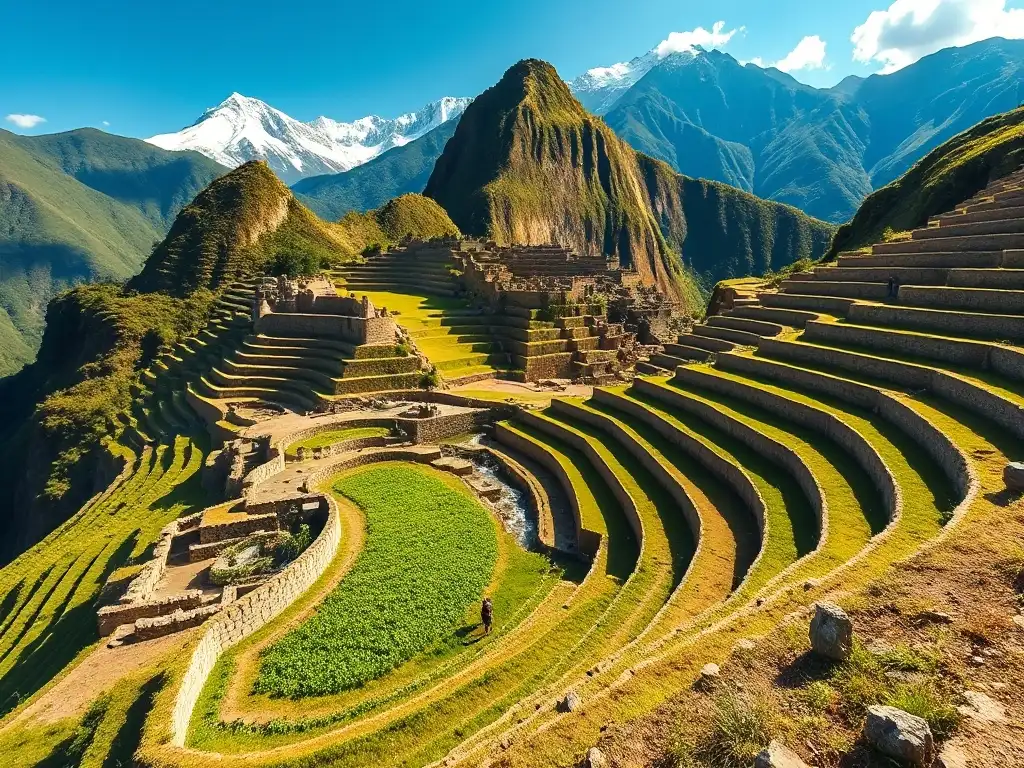
Step into a world lost to time, yet echoing with the ingenuity of a vanished empire. Prepare to be amazed by the breathtaking sophistication of Andean civilizations, where innovation thrived amidst towering peaks and challenging landscapes. Our journey begins with the remarkable Inca water management systems – a testament to their advanced engineering prowess. Discover how these intricate networks shaped their society and learn the secrets behind their unparalleled mastery of hydraulics. Unravel the mysteries of their ingenuity and prepare to be captivated.
The Inca Empire, renowned for its sophisticated social structures and impressive architectural feats, also possessed a mastery of hydraulic engineering that allowed it to thrive in diverse and often challenging Andean environments. This article delves into the intricacies of Inca water management systems, exploring their ingenious techniques for harnessing, storing, and distributing water—a crucial resource that underpinned their agricultural success, urban development, and overall societal stability.
We will examine the various components of their hydraulic infrastructure, from intricate canal systems to sophisticated irrigation techniques, highlighting the ingenuity and precision that characterized their approach to water management. Understanding these systems provides invaluable insight into the advanced technological capabilities and organizational prowess of the Inca civilization, solidifying their place as masters of adaptation and innovation within the harsh landscapes of the Andes.
The effective management of water resources was not merely a practical necessity; it was integral to their social, economic, and spiritual well-being, reflecting a deep understanding of the environment and its vital role in their existence. This exploration will reveal how the Inca's understanding of "Inca water management systems" shaped their empire and its enduring legacy.
Canals and Aqueducts: The Arteries of the Inca Empire
The Inca's mastery of water management is perhaps most strikingly evident in their extensive network of canals and aqueducts. These weren't simply ditches; they were carefully engineered structures, often carved into rock faces or constructed from meticulously fitted stone blocks. The precision and scale of these projects are astonishing.
Consider, for example, the aqueducts that supplied water to the capital city of Cusco. These systems often incorporated ingenious techniques, such as siphons and underground channels, to navigate challenging terrain and ensure a consistent flow of water, even across valleys and significant elevation changes. The Inca utilized a sophisticated understanding of gravity and topography to guide the water, minimizing the need for pumps or other mechanical devices.
This demonstrates a deep understanding of hydraulic principles and a remarkable ability to translate that knowledge into practical, large-scale projects. The construction itself was a testament to their organizational skills, requiring coordinated labor and precise measurements to ensure the longevity and efficiency of these vital water arteries. The durability of many of these structures, some of which remain in use today, speaks volumes about the quality of Inca engineering.
Irrigation Techniques: Cultivating the Andes
The Inca’s agricultural success was directly linked to their sophisticated irrigation systems. These weren't simply scattered fields; they were meticulously planned and managed agricultural landscapes. Terracing, a technique used to create level fields on steep slopes, was crucial to maximizing arable land and conserving water.
These terraces weren't just stacked level platforms; they incorporated intricate drainage systems to prevent erosion and efficiently manage water flow. Furthermore, the Inca employed various irrigation techniques, including canals, ditches, and check dams, to direct water to specific fields as needed. The ingenuity of their design allowed them to cultivate a wide range of crops, adapting their techniques to the varying conditions found across the vast Inca Empire.
The precise control over water distribution ensured optimal crop yields, contributing significantly to the empire's food security and overall prosperity. This demonstrates not only engineering prowess but also a deep understanding of agricultural principles and the ecological needs of different crops.
Water Storage and Management: Reservoirs and Cisterns
Beyond canals and irrigation, the Inca also developed sophisticated systems for storing and managing water. Reservoirs of varying sizes were constructed to collect rainwater and meltwater from the Andes. These weren't merely open pits; many were lined with carefully placed stones to prevent leakage and maintain water quality. In addition to larger reservoirs, the Inca also utilized smaller cisterns for domestic use and to supplement irrigation systems during dry periods. These structures, often integrated into buildings and agricultural terraces, showcased their adaptability and resourcefulness in managing water across different scales. The strategic placement of these storage facilities, often in conjunction with their canal systems, allowed for a consistent supply of water throughout the year, mitigating the risks associated with seasonal variations in rainfall and ensuring the resilience of their agricultural practices. This demonstrates a holistic approach to water management, encompassing both large-scale infrastructure and smaller-scale solutions tailored to specific needs.
The Legacy of Inca Water Management
The Inca's legacy in water management extends far beyond the ruins of their empire. Many of their techniques and structures continue to inspire modern engineering practices. Their understanding of sustainable water management, their mastery of hydraulic principles, and their ability to integrate these systems into their broader social and economic structures offer valuable lessons for contemporary societies facing increasing challenges related to water scarcity and environmental sustainability.
The enduring effectiveness of many of their water management systems stands as a testament to their foresight, ingenuity, and deep connection to the Andean environment. Studying and understanding their systems offers valuable insight into sustainable practices and provides a rich source of inspiration for modern-day water resource management strategies. The impact of their "Inca water management systems" continues to resonate today, shaping our understanding of ancient engineering and sustainable resource management.
- Canals and Aqueducts: The Arteries of the Inca Empire
- Irrigation Techniques: Cultivating the Andes
- Water Storage and Management: Reservoirs and Cisterns
- The Legacy of Inca Water Management
The Ingenuity of Inca Water Management Systems
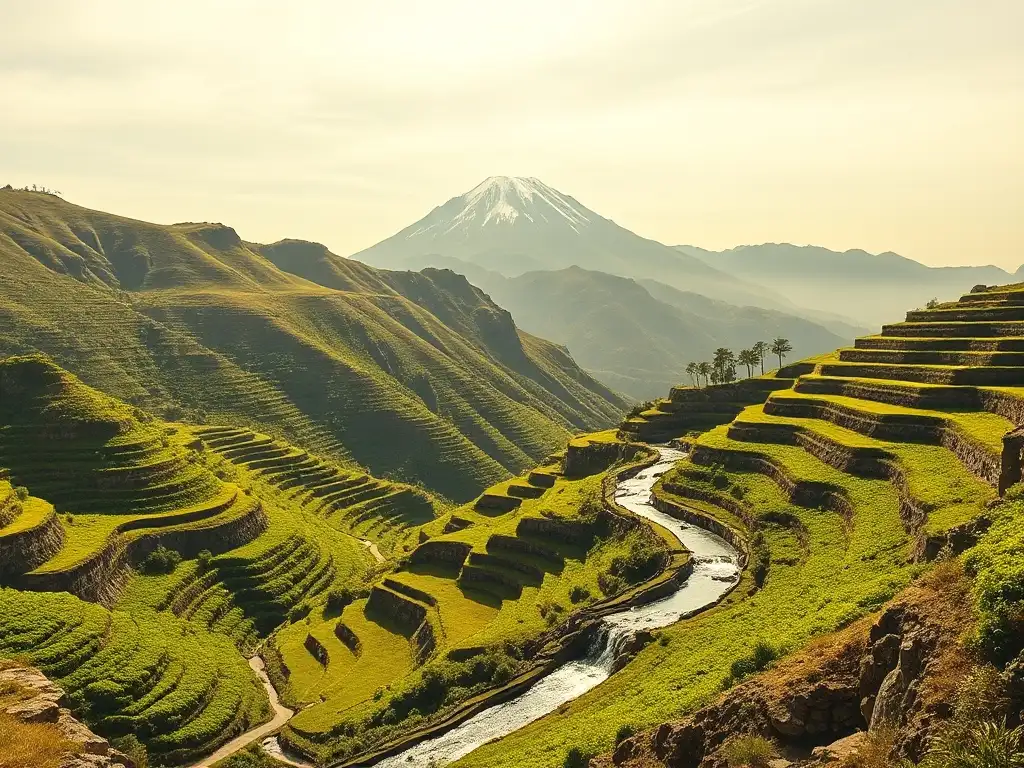
The Inca Empire, renowned for its architectural prowess and sophisticated social structures, also possessed remarkably advanced water management systems. These weren't merely rudimentary irrigation channels; they represented a sophisticated understanding of hydraulic engineering, crucial for sustaining a large, densely populated empire in a challenging Andean environment.
The Inca's mastery of water control is evident in their ability to harness diverse water sources, from glacial meltwater high in the Andes to rivers traversing lower altitudes, consistently providing water for agriculture, urban centers, and religious practices. Their success stemmed from a combination of practical knowledge, innovative techniques, and a deeply ingrained respect for water as a sacred resource.
Understanding their methods offers valuable insights into their societal organization and engineering capabilities, highlighting the ingenuity and resilience that allowed them to flourish in a geographically demanding landscape. This section will delve into the specifics of their engineering achievements and the significance of water within their culture.
Understanding Inca Hydraulic Engineering
Inca hydraulic engineering wasn't simply about digging ditches. It involved a complex interplay of surveying, construction, and maintenance, demanding a high level of skill and coordination. They employed sophisticated techniques to channel water, including:
- Canals and Aqueducts: These were meticulously constructed using stone, often precisely fitted without mortar, demonstrating an impressive understanding of gravity and water flow. The canals were designed to follow the contours of the land, minimizing the need for significant earthworks and maximizing efficiency. Some aqueducts even crossed valleys using ingenious bridge-like structures.
- Reservoirs and Storage Systems: To ensure a consistent water supply, especially during dry seasons, the Inca built reservoirs of varying sizes. These were often integrated into the landscape, utilizing natural depressions and carefully shaping the terrain to create effective storage areas. The construction of these reservoirs required careful planning and precise execution to prevent leaks and ensure structural integrity.
- Irrigation Techniques: The Inca implemented sophisticated irrigation techniques tailored to the specific needs of different agricultural zones. They utilized a network of channels and ditches to distribute water evenly across terraced fields, maximizing crop yields in the challenging Andean terrain. This involved an understanding of water pressure, soil types, and crop requirements.
- Water Management Infrastructure: Beyond the physical structures, the Inca also developed a robust system for managing their water resources. This likely involved a hierarchical structure, with officials responsible for overseeing the construction, maintenance, and distribution of water. Evidence suggests that water rights were carefully regulated, reflecting the importance of equitable access to this vital resource.
The Importance of Water in the Inca Empire
Water wasn't merely a practical necessity for the Inca; it held profound cultural and religious significance. It was viewed as a sacred element, essential for life and prosperity. This reverence is reflected in their meticulous water management practices and the integration of water features into their religious rituals and urban planning.
The Inca's deep respect for water is evident in their careful management of water resources. They didn't just utilize water for agriculture; it also played a vital role in their urban centers, providing water for drinking, sanitation, and religious ceremonies. The careful planning and construction of their water systems were not merely engineering feats but also a testament to their spiritual beliefs and societal values.
The integration of water features, such as fountains and ritual baths, into their urban design further underscores the importance of water in Inca culture. The Inca's sophisticated water management systems were not only a testament to their engineering prowess but also a reflection of their deep-seated respect for this life-giving resource. Their ability to harness and manage water effectively was fundamental to their economic prosperity and social stability, showcasing a remarkable synergy between practical engineering and spiritual beliefs.
The legacy of the Inca's water management systems continues to inspire awe and admiration, offering valuable lessons in sustainable resource management and the importance of integrating ecological considerations into societal structures. The phrase "Inca water management systems" itself encapsulates the sophisticated nature of their approach.
Key Components of Inca Water Infrastructure
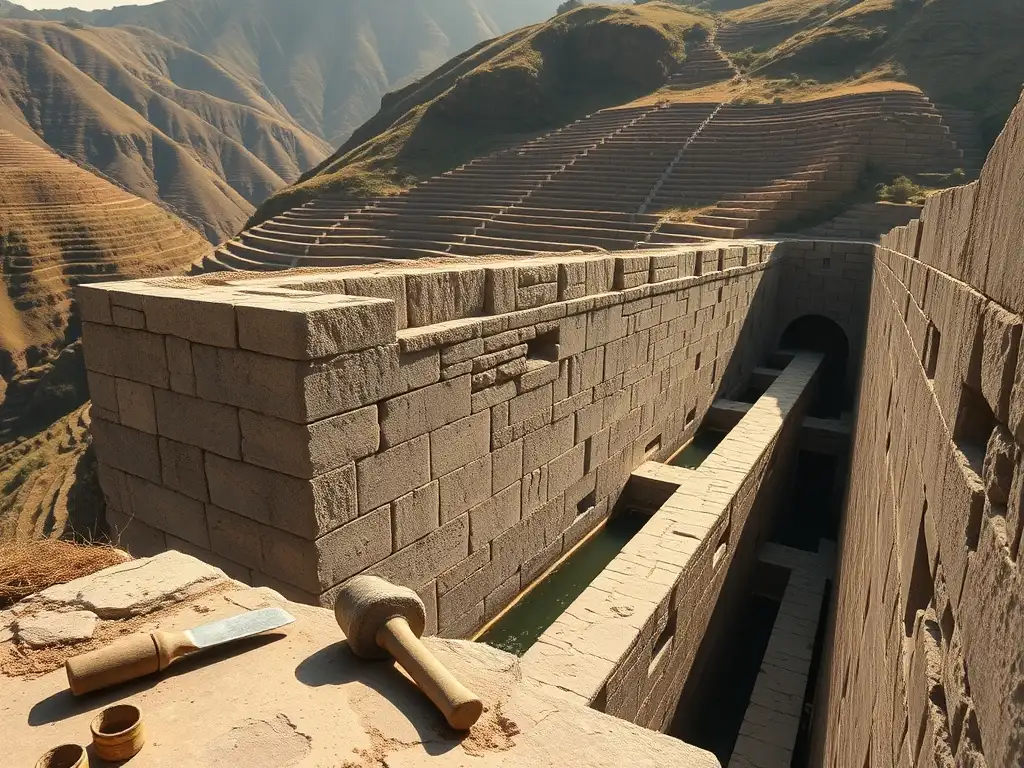
The Inca Empire's mastery of water management is a testament to their sophisticated engineering skills and profound understanding of their environment. Their success in cultivating vast agricultural lands in diverse and challenging terrains relied heavily on a complex network of meticulously designed and constructed hydraulic systems. The effective management of water resources was not merely a logistical feat; it was crucial for maintaining social order, economic stability, and the very survival of the empire.
The term "Inca water management systems" doesn't fully capture the ingenuity of their approach, which integrated canals, aqueducts, reservoirs, and sophisticated irrigation techniques to ensure a reliable water supply for agriculture and urban centers. This section delves into the key components of this remarkable infrastructure, highlighting their design, construction, and lasting impact.
Inca Canals: The Lifelines of Agriculture
Inca canals, often carved into hillsides or constructed from meticulously fitted stone, served as the backbone of their agricultural system. These weren't simply ditches; they were engineered marvels, demonstrating a precise understanding of topography, water flow, and erosion control. Many canals were remarkably straight, suggesting the use of advanced surveying techniques – perhaps employing sophisticated sighting tools or even rudimentary forms of triangulation. The canals' gradients were carefully calculated to ensure a consistent, manageable flow of water, minimizing both flooding and water loss.
The construction of Inca canals involved significant labor, often employing thousands of workers mobilized through the mita system – a form of mandatory labor service. The skill of the stonemasons is evident in the precision with which the stones were cut and fitted together, creating durable and leak-proof channels. Evidence suggests that some canals were lined with clay or other materials to improve their water-holding capacity and reduce seepage.
These canals were not just for irrigation; they also played a role in transporting water to urban centers and providing water for domestic use. Their strategic placement facilitated the cultivation of crops on terraces, allowing the Incas to maximize arable land in mountainous regions. The ingenuity of the Inca canal system continues to inspire modern irrigation techniques.
Aqueducts: Transporting Water Across Distances
Inca aqueducts represent a pinnacle of Andean engineering. These structures, often built from carefully cut and fitted stone blocks, were designed to transport water across valleys and other geographical obstacles. Unlike Roman aqueducts, which frequently relied on arches and elevated channels, Inca aqueducts sometimes incorporated ingenious systems of siphons and pressure tunnels to convey water over significant distances. This required a deep understanding of hydraulic principles, including water pressure and flow dynamics.
The construction of aqueducts involved overcoming significant engineering challenges. The precise alignment of channels, the management of water pressure, and the sealing of joints all demanded exceptional skill and precision. Some aqueducts were integrated into the landscape, seamlessly blending with the surrounding environment. Others were more prominent, serving as a visible demonstration of Inca power and engineering prowess.
The use of aqueducts allowed the Incas to extend their agricultural lands and provide water to settlements located far from natural water sources. The design and construction of these aqueducts reveal a remarkable level of sophistication and planning, far surpassing the capabilities of many contemporary societies. The longevity of some of these aqueducts is a testament to their robust construction.
Inca Reservoirs: Storing Water for Dry Seasons
Inca reservoirs, strategically located throughout the empire, played a vital role in ensuring a reliable water supply during the dry seasons. These reservoirs, often constructed by excavating natural depressions or building earthen dams, served as crucial storage facilities, collecting rainwater and runoff for later use. Their design varied depending on the location and available resources, ranging from small, localized reservoirs to large-scale systems capable of storing vast quantities of water.
The construction of Inca reservoirs involved careful consideration of the surrounding topography and geology. The selection of suitable sites, the construction of dams and embankments, and the management of water inflow and outflow all required considerable skill and expertise. Many reservoirs incorporated overflow channels to prevent damage during periods of heavy rainfall.
The effective management of these reservoirs allowed the Incas to mitigate the impact of droughts and ensure the continued productivity of their agricultural lands. These reservoirs were an integral part of the empire's overall water management strategy, demonstrating a sophisticated understanding of hydrology and water resource management. The ingenuity of their design and construction continues to be a source of fascination and study for engineers and historians alike.
The precise capacity of many reservoirs remains to be determined, requiring further archeological investigation. Analysis of sediment layers within these reservoirs could also provide valuable insights into past climate conditions and agricultural practices.
Fountains and Baths: Ritual and Practical Uses of Water
The Inca understanding of water transcended mere practicality; it was deeply intertwined with their spiritual beliefs and daily rituals. Fountains and baths, integral components of Inca water management systems, served both practical and ritualistic purposes. These weren't simply decorative elements; they were carefully designed and strategically placed within urban landscapes, reflecting the Inca worldview.
The construction of fountains, often crafted from intricately carved stone, showcased the Inca mastery of hydraulic engineering. Water, channeled from distant sources through sophisticated aqueducts and canals, was meticulously controlled to create a continuous flow. These fountains weren't just sources of fresh drinking water; they also served as focal points for community gatherings and religious ceremonies. The rhythmic sound of water cascading down the stonework likely contributed to a sense of tranquility and spiritual connection, reinforcing the sacred nature of water within Inca society.
Baths, another significant aspect of Inca water infrastructure, were similarly imbued with both practical and ritualistic significance. While providing essential sanitation facilities for the population, they also played a role in cleansing rituals and healing practices. The use of thermal springs, where available, enhanced their therapeutic value, further highlighting the interconnectedness of water, health, and spirituality in Inca culture. Evidence suggests that certain baths were reserved for elite members of society, while others served the broader population, reflecting a hierarchical structure even in the provision of essential services.
The meticulous design and construction of both fountains and baths exemplify the Inca's dedication to integrating water management with their social and spiritual fabric. Careful consideration was given to the placement of these structures, ensuring accessibility and maximizing their functional and symbolic impact on the community. The enduring legacy of these structures testifies to the sophisticated understanding of hydraulic engineering and the profound cultural significance of water in the Inca Empire.
Further research into the specific locations and designs of these features would provide a more complete picture of their role in Inca society. For example, detailed analysis of the architectural styles and materials used in different regions could reveal variations in design influenced by local conditions and cultural practices. The meticulous organization and distribution of water resources, as evidenced by these features, highlights the advanced level of planning and social organization within the Inca Empire.
Techniques and Materials in Inca Hydraulic Engineering
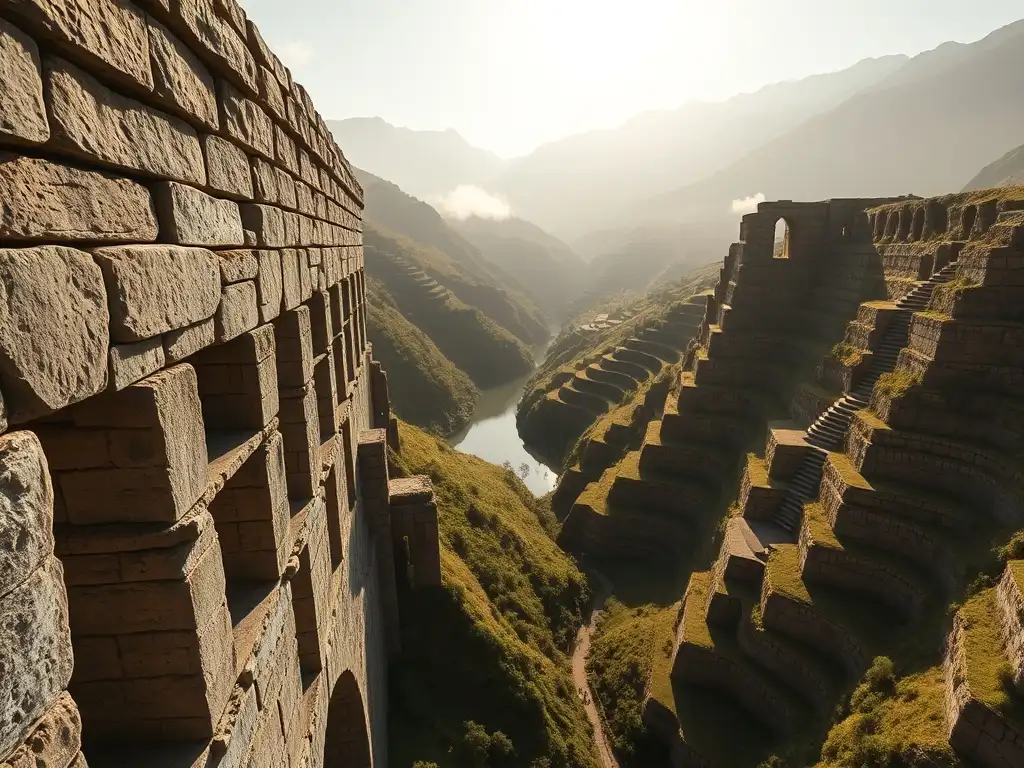
The Inca Empire's mastery of hydraulic engineering is a testament to their advanced understanding of water management and their impressive building skills. Their success wasn't solely reliant on grand designs, but also on the meticulous application of refined techniques and readily available materials, expertly adapted to the challenging Andean environment. Understanding these techniques and materials is key to appreciating the ingenuity behind the Inca water management systems. The effectiveness of their systems, even today, speaks volumes about their engineering prowess.
Inca Masonry Techniques for Water Structures
Inca masons were unparalleled in their ability to create incredibly precise and durable stonework. This expertise was crucial for their water infrastructure. They didn't use mortar in the traditional sense; instead, they employed a sophisticated dry-stone technique, meticulously fitting stones together with such precision that a knife blade couldn't be inserted between them.
This technique, combined with their understanding of Andean geology, allowed them to build water channels, aqueducts, and reservoirs that were remarkably resistant to earthquakes and erosion. The quality of the stonework ensured minimal water leakage and maintained the structural integrity of the systems for centuries. Specific examples, such as the intricate channels found in Machu Picchu, showcase the incredible precision and skill involved.
Analysis of these structures reveals a deep understanding of stress distribution and load-bearing capabilities, allowing them to create systems capable of withstanding significant water pressure and environmental pressures. The Inca's ability to shape and fit stones of varying sizes and shapes perfectly exemplifies their advanced engineering capabilities. This meticulous attention to detail is a hallmark of Inca water management systems and a crucial factor in their longevity.
The Use of Gravity in Inca Water Systems
A cornerstone of Inca hydraulic engineering was the masterful utilization of gravity. Their systems were primarily gravity-fed, minimizing the need for pumps or other mechanical devices. Water was channeled from higher elevations to lower elevations via a network of carefully constructed canals and aqueducts, often traversing challenging terrain. This ingenious approach not only reduced the need for complex machinery but also ensured a consistent and reliable flow of water.
The precise gradients of the channels were carefully calculated to ensure a steady, controlled flow, preventing erosion and maximizing water delivery. The efficiency of this system is remarkable, demonstrating a deep understanding of fluid dynamics and the principles of gravity. Furthermore, the use of gravity ensured a sustainable and environmentally friendly approach to water management, minimizing energy consumption and environmental impact. This reliance on gravity is a key factor differentiating Inca water management systems from other ancient civilizations.
Adapting to the Andean Terrain
The Andean region presents unique challenges for any civilization, with its steep slopes, rugged terrain, and variable water availability. The Inca's success in water management is largely attributable to their remarkable ability to adapt their techniques to this challenging environment. They skillfully navigated steep inclines using terraced systems and carefully engineered canals that followed the contours of the land.
They built tunnels and bridges to overcome obstacles, demonstrating a remarkable level of ingenuity and problem-solving skills. The construction of these systems involved a significant understanding of the local geology and hydrology. Careful observation and adaptation allowed them to create systems that were both effective and resilient, capable of withstanding the harsh conditions of the Andes.
The successful integration of their water systems into the landscape is a testament to their deep understanding of the environment and their ability to work harmoniously with it. The ingenuity shown in adapting to the unique challenges of the Andes is a compelling aspect of Inca water management systems and a testament to their resilience and adaptability.
Examples of Remarkable Inca Water Management Systems
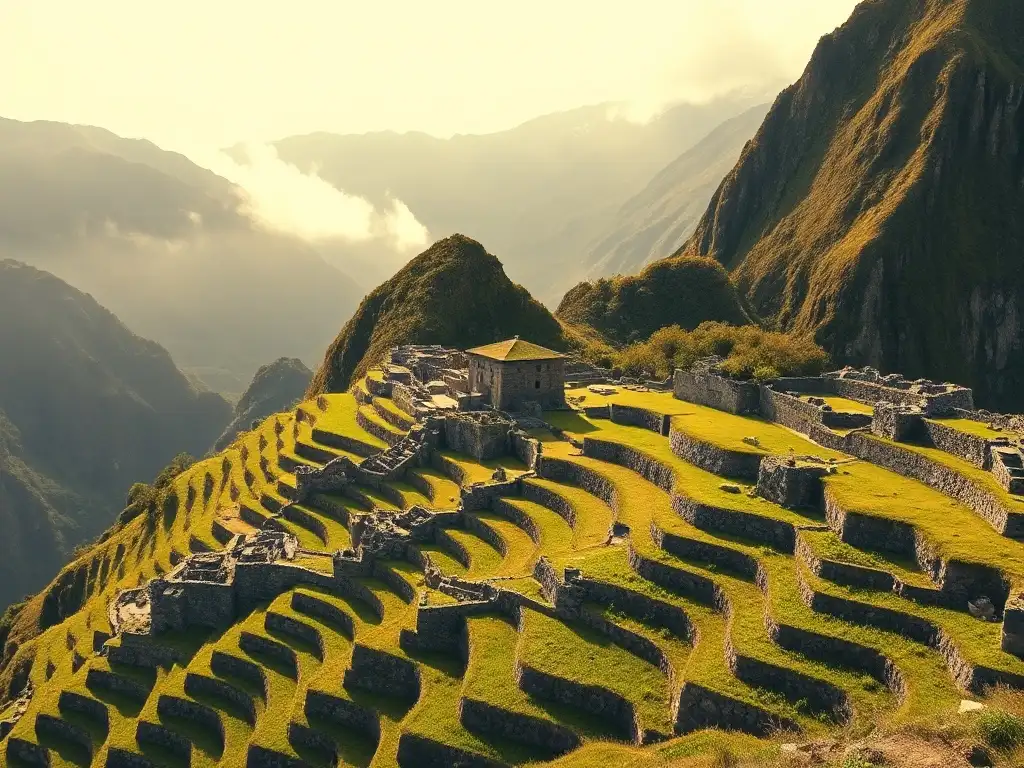
The Inca Empire, renowned for its sophisticated architecture and intricate social structures, also possessed an unparalleled mastery of water management. Their ingenuity in harnessing and distributing water resources allowed them to flourish in diverse and often challenging Andean environments. This section will explore several key examples showcasing the impressive scale and technical prowess of Inca water management systems, highlighting their impact on agriculture, urban planning, and overall societal well-being.
Understanding these systems offers crucial insight into the advanced engineering capabilities and resourcefulness of the Inca civilization, solidifying their position as masters of "Inca water management systems". The effectiveness of their techniques is still studied and admired today.
Machu Picchu's Water System: A Case Study
Machu Picchu, the iconic "Lost City of the Incas," stands as a testament to their remarkable engineering capabilities. Its water management system, integrated seamlessly into the city's design, is a particularly striking example. Rather than relying on a single source, Machu Picchu utilized a complex network of canals, aqueducts, and fountains, drawing water from various springs and streams located both within and outside the city walls.
The system's ingenuity lies in its ability to efficiently distribute water throughout the urban center, supplying both domestic and agricultural needs. Water was channeled through meticulously carved stone channels, some running along the mountainside, others integrated into the very fabric of the buildings. These channels were carefully graded to ensure a constant, gentle flow, minimizing erosion and maximizing efficiency.
The precision and durability of the stonework are astonishing, a testament to the Inca's mastery of stone construction techniques. Furthermore, the system incorporated ingenious features like settling basins and overflow channels to prevent contamination and manage excess water during periods of heavy rainfall.
The Machu Picchu water system exemplifies the Inca's holistic approach to urban planning, where water management was not merely a utilitarian function but an integral part of the city's overall design and functionality. The intricate network is a marvel of "Inca water management systems" and a testament to the Inca's understanding of hydraulics.
Tipón: A Masterpiece of Inca Irrigation
Located near Cusco, Tipón represents a pinnacle of Inca irrigation engineering. Unlike the more urban-focused system at Machu Picchu, Tipón focuses on large-scale agricultural production. The site features a series of cascading terraces fed by a sophisticated network of canals and aqueducts that draw water from a high-altitude spring.
The water, channeled down through a series of intricately carved stone channels, irrigates a vast network of agricultural terraces. These terraces, built on steep slopes, are remarkably stable and efficient, maximizing arable land in a challenging terrain. The system's clever design included reservoirs and distribution points, enabling precise control over water flow and ensuring equitable distribution to different sections of the agricultural area.
The scale of Tipón's irrigation system is truly impressive, demonstrating the Inca's capacity to undertake ambitious infrastructure projects that transformed the landscape and significantly boosted agricultural productivity. The precision and efficiency of this system solidify Tipón's reputation as a masterpiece of "Inca water management systems". Evidence suggests this system was a marvel of engineering for its time, providing a reliable water source for a large agricultural area.
Ollantaytambo: Terraces and Waterworks
Ollantaytambo, a significant Inca archaeological site located in the Sacred Valley, showcases another impressive example of integrated water management. Here, the water systems are closely linked to the extensive agricultural terraces that characterize the site's landscape.
The terraces themselves, carved into the mountainside, are a marvel of engineering. However, the water management system that supports them is equally impressive. Water is channeled from sources high in the mountains, traversing considerable distances through a network of canals and aqueducts. These channels, constructed with meticulous precision, are routed along the terraces, providing a reliable source of irrigation for the crops grown within them.
The system's design ensures that water is distributed evenly across the terraces, minimizing runoff and maximizing agricultural yields. The Ollantaytambo waterworks, integrated seamlessly with the terraced agricultural landscape, provides a clear illustration of the Inca's ability to adapt their water management strategies to diverse geographical settings. This integrated approach to "Inca water management systems" showcases a sophisticated understanding of both agriculture and hydraulic engineering. The system's longevity is a testament to the quality of Inca construction and planning.
The Legacy of Inca Water Engineering
The Inca Empire, renowned for its sophisticated societal structure and impressive architectural feats, also possessed a remarkable understanding of hydraulic engineering. Their mastery of water management systems, crucial for survival in the diverse Andean landscapes, left a lasting legacy that continues to fascinate and inspire. This section explores the ingenuity and impact of Inca water management, focusing on its agricultural significance, modern applications, and preservation efforts. Understanding the Inca approach to "Inca water management systems" provides valuable insights into sustainable resource management and resilient infrastructure design.
The Impact of Inca Hydraulic Systems on Agriculture
Inca agricultural practices were inextricably linked to their advanced hydraulic systems. The challenging terrain of the Andes, characterized by steep slopes, arid valleys, and fluctuating water availability, necessitated innovative solutions for irrigation and water distribution. The Incas didn't simply rely on rainfall; they developed a complex network of canals, aqueducts, and reservoirs to harness water resources effectively. These systems allowed for the cultivation of crops at various altitudes, maximizing agricultural output and supporting a large population.
For instance, the intricate canal systems in the Sacred Valley near Cusco, Peru, demonstrate the Incas' ability to channel water across significant distances and varying elevations. These canals, often carved into rock faces with remarkable precision, transported water to terraced agricultural fields, ensuring a consistent water supply even during dry seasons. The effectiveness of these systems is evidenced by the abundance of agricultural production achieved in what would otherwise be challenging environments.
The ingenuity of their design, including features like strategically placed spillways and sediment traps, showcases their deep understanding of hydrology and engineering principles. Furthermore, the integration of these systems into the broader landscape reveals a holistic approach to resource management, emphasizing sustainability and environmental harmony. The success of Inca agriculture is a testament to the power of sophisticated water management in enhancing food security and supporting population growth.
Lessons from the Incas for Modern Water Management
The ingenuity of Inca water management systems offers valuable lessons for contemporary water resource management. Facing challenges such as climate change, population growth, and increasing water scarcity, modern societies can learn from the Incas' sustainable practices. Their emphasis on water conservation, equitable distribution, and integrated water resource management provides a framework for addressing current water challenges.
The Incas' understanding of water as a shared resource, reflected in their community-based management structures, is particularly relevant today. Their systems prioritized equitable distribution, ensuring that water reached all parts of the empire. This contrasts with modern systems that often prioritize economic or political interests, leading to inequitable access to water. Modern water management could benefit from emulating the Inca approach by emphasizing community participation and equitable distribution.
Furthermore, the Incas' use of locally sourced materials and labor-intensive construction methods minimized environmental impact, showcasing a sustainable approach to infrastructure development. This contrasts with modern infrastructure projects that often rely on unsustainable materials and technologies. Learning from the Incas' sustainable practices can help create more environmentally friendly and resilient water management systems. Analyzing their systems allows for the development of more sustainable, resilient, and equitable water management approaches.
Preserving Inca Water Management Sites
Preserving the remaining Inca water management sites is crucial for understanding their engineering achievements and applying their lessons to modern challenges. These sites are not only historical landmarks but also valuable resources for learning about sustainable water management. Unfortunately, many of these sites are threatened by neglect, vandalism, and the impacts of climate change.
Effective preservation efforts require a multi-faceted approach. This includes careful documentation of existing sites, using techniques such as 3D modeling and detailed surveys to create comprehensive records. Moreover, implementing conservation strategies is essential, including measures to protect sites from erosion, pollution, and other threats. Community involvement is also crucial, engaging local populations in preservation efforts to foster a sense of ownership and responsibility.
Finally, promoting research and education about Inca water management can help raise awareness of its importance and encourage support for preservation initiatives. Continued research and investment in preservation efforts are critical to ensure the long-term survival of these remarkable sites and the knowledge they hold. The preservation of these sites is not merely about preserving history; it is about safeguarding valuable knowledge that can contribute to solving modern water challenges.
Frequently Asked Questions
How advanced was Inca water management?
The Inca's water management systems were incredibly sophisticated for their time. They employed complex irrigation canals, aqueducts, and reservoirs to support agriculture in diverse terrains. This allowed them to cultivate vast areas.
What were some key features of Inca irrigation systems?
Key features included terracing, which created level fields on slopes, and canals that transported water over long distances. They also built reservoirs to store water for dry seasons and aqueducts to carry water across valleys.
How did the Inca manage water in different environments?
The Inca adapted their techniques to different environments. In arid regions, they focused on water harvesting and storage. In mountainous areas, they used terracing and canals to manage water flow effectively.
What materials did the Incas use for their water systems?
The Incas primarily used stone for their constructions, demonstrating remarkable masonry skills. They carefully fitted stones together to create watertight channels and structures.
What was the impact of Inca water management on their civilization?
Their efficient water management was crucial to their success. It allowed for increased agricultural productivity, supporting a large and densely populated empire. This reliable water supply underpinned their societal stability.
Final Reflection: The Enduring Legacy of Inca Water Wisdom
The ingenuity of Inca water management systems continues to resonate today, a testament to their profound understanding of both engineering and environmental stewardship. Their sophisticated techniques, developed centuries ago without modern tools, offer invaluable lessons for contemporary societies grappling with water scarcity and sustainable resource management. The challenges we face in the 21st century—climate change, population growth, and the increasing demand for water—demand innovative solutions, and the Inca's achievements provide a powerful blueprint for addressing these issues.
The Inca's approach to water wasn't merely practical; it was deeply intertwined with their spiritual and social fabric. Their intricate canals, terraced fields, and aqueducts weren't just feats of engineering; they were expressions of a harmonious relationship with nature. This holistic perspective, which prioritized community well-being and environmental sustainability, is a crucial element often missing in modern approaches. Water is life, and without it, there is no life.
This simple truth, understood so profoundly by the Inca, holds even greater weight in our increasingly water-stressed world.
Consider the ingenuity of the Inca's systems, their resilience in the face of harsh environmental conditions, and the enduring legacy they left behind. You, too, can contribute to a more sustainable future by embracing a mindful approach to water consumption and advocating for responsible water management practices in your community. Let the legacy of Inca engineering inspire you to act, to innovate, and to build a world where water is cherished and protected for generations to come.
**Dive Deeper into Inca Ingenuity! **
Thank you for exploring the incredible world of Inca engineering and their sophisticated water systems! We hope you've gained a new appreciation for how this ancient civilization mastered water flow to enrich their society. Now, let's delve even further!
Here are some engaging next steps to continue your exploration:
- **Explore the ruins firsthand:** Plan a visit to an archaeological site showcasing Inca water management, such as Moray or Ollantaytambo, to witness their ingenuity up close.
- **Share your newfound knowledge:** Discuss what you've learned about Inca engineering with friends, family, or on social media. You might inspire others to appreciate this remarkable achievement!
- **Join a community of enthusiasts:** Connect with online forums or local history groups focused on ancient civilizations. Sharing knowledge with others can deepen your understanding and build valuable connections.
What aspect of Inca water systems most captivates you, and how do you believe their innovative solutions can inform modern engineering practices?