
Inca Architecture and the Concept of Integration: Blending with Nature

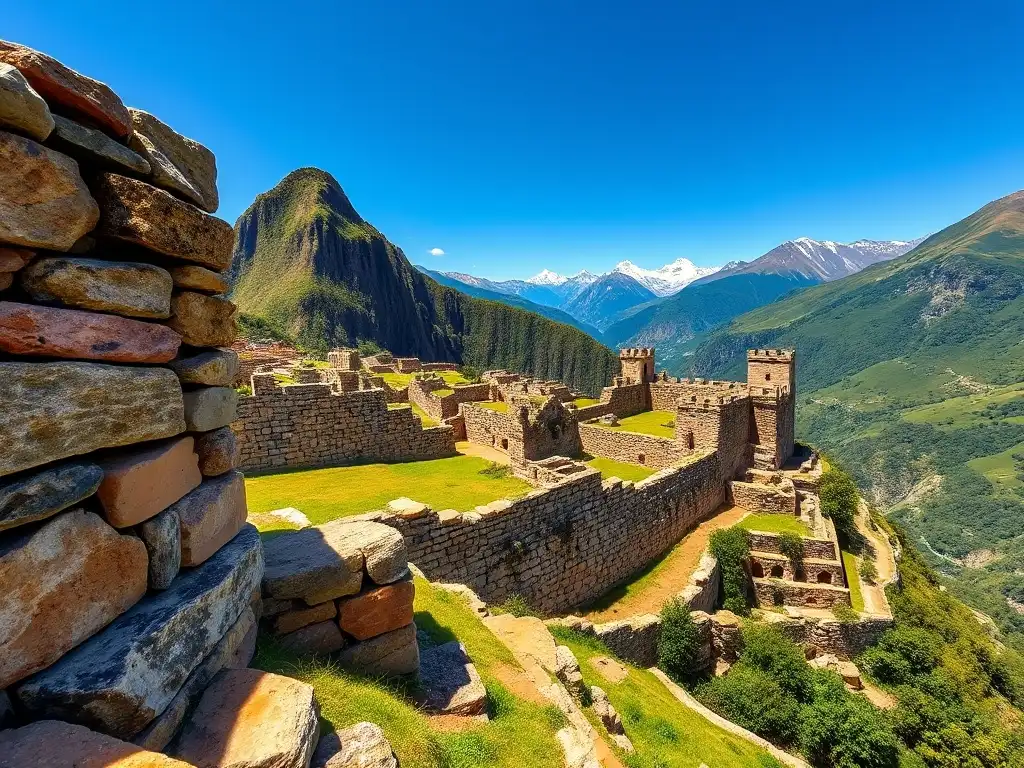
Step into a world lost to time, yet echoing with the ingenuity of a vanished empire. Imagine cities sculpted into mountainsides, intricate road systems spanning unforgiving landscapes, and architectural marvels defying gravity itself. This is the legacy of the Andean civilizations, and we invite you to uncover their secrets. Prepare to be amazed by the Inca architecture integration techniques, a testament to their unparalleled understanding of nature and construction – a story waiting to be explored. Dive in and discover how the Incas seamlessly blended their architecture with the Andean environment.
The Inca Empire, renowned for its sophisticated social structures and administrative prowess, left behind a legacy of architectural marvels that stand as a testament to their profound understanding of engineering and their deep connection to the natural world. This article delves into the fascinating world of Inca architecture, exploring how their building techniques seamlessly integrated with the surrounding landscapes, reflecting a holistic philosophy that prioritized harmony between human construction and the environment.
We will examine the core principles guiding Inca architectural design, focusing on their innovative strategies for adapting to diverse terrains and utilizing readily available materials. This exploration will reveal not only the impressive technical skills of Inca builders but also the underlying cultural values that shaped their architectural achievements.
Understanding these integration techniques provides invaluable insights into the ingenuity and sophisticated worldview of one of the most remarkable civilizations of pre-Columbian South America. The keyword phrase "Inca architecture integration techniques" will be explored throughout, examining its various facets and providing concrete examples.
Understanding Inca Architectural Philosophy
Inca architectural philosophy wasn't simply about erecting structures; it was about creating a harmonious relationship between the built environment and the natural world. This philosophy manifested in several key aspects:
- Adaptability: Inca builders were masters of adapting their designs to the varied topography of the Andes Mountains. They skillfully incorporated natural features like hillsides and rocky outcrops into their structures, minimizing environmental impact and maximizing stability. This wasn't just a practical approach; it was a reflection of their deep respect for the land.
- Sustainability: The Incas prioritized the use of locally sourced materials, such as stone, wood, and adobe. This minimized transportation costs and environmental disruption, demonstrating a sustainable approach to construction that resonates even today. They also employed techniques that minimized waste and maximized the longevity of their buildings.
- Integration: The most striking aspect of Inca architecture is its seamless integration with the landscape. Buildings were not simply placed in the environment; they became part of it. Terraces carved into hillsides, pathways winding through mountains, and buildings harmoniously nestled into rocky outcrops all exemplify this principle of integration.
- Functionality: Inca architecture was highly functional. Structures were designed to serve specific purposes, from religious sites and palaces to storage facilities and residential areas. However, functionality was always balanced with aesthetics and environmental sensitivity.
The Significance of Natural Landscapes in Inca Culture
The Inca worldview was deeply intertwined with the natural world. Mountains were considered sacred, and the landscape itself was seen as a source of life and power. This reverence for nature profoundly influenced their architectural practices:
- Sacred Sites: Many Inca structures were built on sites considered sacred, often incorporating existing natural formations into their designs. This reflected a belief that human constructions should complement and enhance, rather than dominate, the natural environment. The choice of location was not arbitrary; it was carefully considered based on spiritual and practical factors.
- Agricultural Terraces: The iconic terraced agricultural systems of the Inca are a prime example of their architectural integration techniques. These terraces, carved into steep hillsides, not only increased arable land but also prevented soil erosion and controlled water flow. They demonstrate a remarkable understanding of both engineering and environmental stewardship. The precision and scale of these projects are truly astonishing.
- Pathways and Roads: The extensive network of roads and pathways constructed by the Incas further illustrates their commitment to integration. These routes were meticulously planned to traverse challenging terrain, often utilizing existing trails and natural features to minimize disruption and maximize efficiency. Their design facilitated trade, communication, and the movement of people and goods across the vast empire.
The Inca's ability to seamlessly integrate their architecture with the natural landscape is a testament to their advanced engineering skills and their deep respect for the environment. Their legacy continues to inspire architects and engineers today, serving as a reminder of the potential for harmonious coexistence between human creations and the natural world. Further research into specific Inca sites and their construction methods will undoubtedly reveal even more fascinating examples of their mastery of "Inca architecture integration techniques."
Inca Architecture Integration Techniques: A Deep Dive
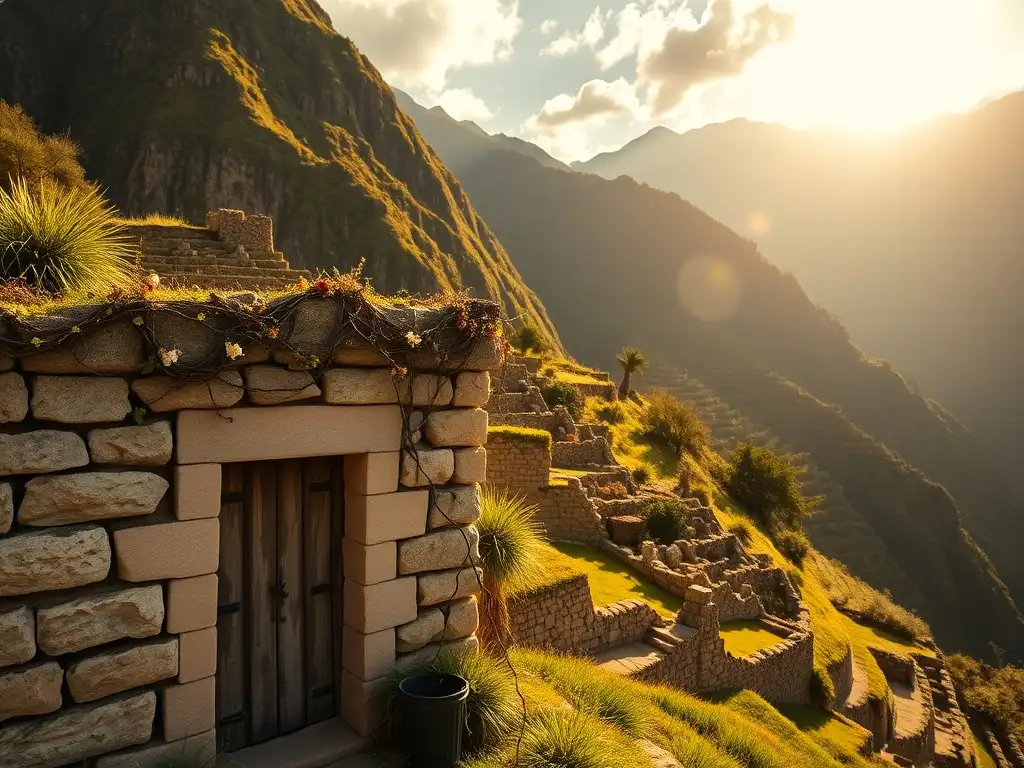
The Inca Empire's architectural prowess wasn't merely about constructing impressive structures; it was about seamlessly integrating those structures into the challenging Andean landscape. This mastery of Inca architecture integration techniques allowed them to create sustainable and visually stunning settlements that thrived in diverse and often unforgiving environments. This section will delve into the key strategies employed by Inca builders to achieve this remarkable feat.
Adapting to the Andean Terrain: Terracing and Land Shaping
The steep slopes and uneven terrain of the Andes presented a significant challenge to construction. The Incas overcame this by developing sophisticated terracing and land-shaping techniques. Terraces, created using stone retaining walls, transformed steep hillsides into cultivatable land, dramatically increasing agricultural output. These weren't simply flat platforms; they were carefully designed to optimize sunlight exposure and water drainage. The precise orientation of each terrace, often aligned with the sun's path, maximized crop yields. Moreover, the terraces themselves became integrated elements of the landscape, often blending seamlessly with the surrounding environment.
Consider the breathtaking agricultural terraces of Moray, near Cusco. These concentric circular terraces, descending in a spiral pattern, are a testament to the Incas' understanding of microclimates. Each terrace's altitude and orientation created distinct temperature zones, allowing for the cultivation of a wide variety of crops. This sophisticated system showcases not just engineering skill but a deep understanding of environmental factors and their impact on agriculture.
The integration wasn't merely structural; it was ecological, demonstrating a profound connection between the Incas and their environment. The meticulous planning and execution, evident in the precise stonework and the overall design, underscore the importance of adaptation and integration in Inca agricultural practices. This innovative approach to land management allowed for sustainable food production in a challenging environment, showcasing the ingenuity of Inca agricultural engineers.
Material Selection: Stone as a Living Element
The Incas' choice of materials was crucial to their integration strategies. Stone, readily available in the Andes, became their primary building material. However, their use of stone transcended mere practicality; it reflected a deep understanding of the material's properties and its relationship to the environment. Instead of imposing structures onto the landscape, the Incas carefully selected stones that harmonized with their surroundings. They often used local stone types, minimizing environmental impact and creating a visual continuity between structures and their context.
The precise fitting of stones, without mortar, is another key aspect of Inca masonry. This technique, known as ashlar masonry, required exceptional skill and precision. The stones were meticulously shaped and fitted together to create incredibly strong and durable structures that blended seamlessly with the natural contours of the landscape.
This wasn't just about structural integrity; the careful selection and placement of stones contributed to the visual harmony between the built environment and the natural world. The resulting structures appeared as if they had grown organically from the earth itself, a testament to the Incas' deep understanding of both material science and aesthetic integration. The integration of the stone into the environment extended beyond mere visual harmony; the inherent durability of the material ensured the longevity of the structures, further minimizing their impact on the landscape over time.
Camouflage and Visual Harmony: Integrating Structures into the Environment
The Incas weren't just concerned with practical integration; they also sought to create a visual harmony between their structures and the surrounding environment. Their buildings weren't stark, imposing structures; they were designed to blend subtly into the landscape. This was achieved through a combination of techniques, including the use of natural earth tones in the stonework, the careful placement of structures within existing geological features, and the incorporation of natural elements into the building designs.
For example, many Inca structures were built into existing rock formations, using the natural contours of the land to shape and define the building's form. This technique minimized the visual impact of the structure while enhancing its stability. The use of earth tones in the stonework further camouflaged the buildings, allowing them to blend seamlessly with the surrounding hills and mountains.
This approach, combined with the careful placement of windows and doorways, created a sense of visual continuity between the built environment and the natural world. The result was a landscape where structures appeared to emerge organically from the environment, a testament to the Incas' sophisticated understanding of visual integration and their ability to create a harmonious relationship between the built and natural worlds.
This subtle integration reflects not only an architectural achievement but also a profound philosophical understanding of the interconnectedness of humanity and nature. The Inca's commitment to visual harmony ensured that their architectural legacy remains a stunning example of sustainable and aesthetically pleasing integration with the environment.
The Use of Local Materials for Sustainable Construction
The Incas' mastery of sustainable building practices is profoundly evident in their strategic use of local materials. This wasn't merely a matter of convenience; it was a deeply ingrained philosophy reflecting their profound respect for the environment and their intimate understanding of the Andean landscape. Instead of transporting materials over vast distances – a costly and environmentally damaging undertaking – they meticulously selected materials readily available in the immediate vicinity of each construction project. This approach minimized their carbon footprint and ensured the longevity of their structures.
For example, in regions abundant in stone, like Cusco and Machu Picchu, they expertly utilized granite, andesite, and other igneous rocks. These stones, varying in size and shape, were carefully fitted together without mortar, demonstrating an astonishing level of precision and craftsmanship. The precise fitting reduced the need for binding agents, further minimizing environmental impact.
The choice of stone wasn't arbitrary; the Incas understood the structural properties of different rock types and selected those best suited to the specific environmental conditions and the intended function of the building. This is a clear example of Inca architecture integration techniques that prioritize sustainability.
In areas where stone was less prevalent, the Incas cleverly incorporated adobe bricks, which are made from sun-dried earth and organic materials like straw or dung. This technique reduced reliance on energy-intensive fired bricks and utilized readily available resources. The construction methods for adobe structures were adapted to the local climate, ensuring both durability and thermal efficiency.
These buildings provided excellent insulation, keeping interiors cool in the summer and warm in the winter. This adaptability highlights the Incas' deep understanding of their environment and their ability to harmoniously integrate their building techniques with the surrounding ecosystem. The use of adobe bricks represents another compelling illustration of Inca architecture integration techniques centered around resource efficiency and environmental sensitivity.
The Inca's understanding extended beyond just the primary building materials. They also incorporated local vegetation in their construction. For example, timber from local forests was used for roofing, beams, and scaffolding, while various plants were utilized for binding agents or insulation. This holistic approach to construction ensured that the buildings were not only structurally sound but also aesthetically pleasing and environmentally responsible. This integrated approach minimized the impact on the surrounding environment, showcasing a sustainable building practice far ahead of its time and demonstrating sophisticated Inca architecture integration techniques.
Examples of Inca Integration in Architecture
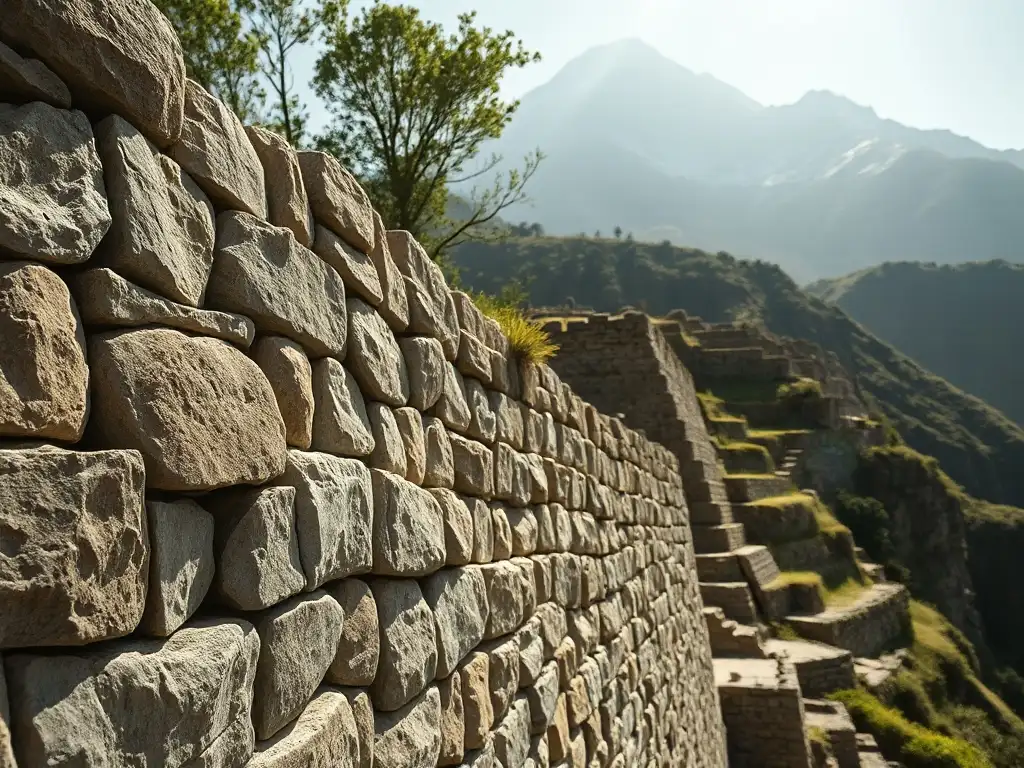
The Inca Empire's architectural prowess wasn't merely about constructing impressive structures; it was about seamlessly integrating those structures into the existing landscape. This philosophy of harmonious coexistence with nature is evident in numerous Inca sites, showcasing sophisticated integration techniques that remain remarkable even today. Their mastery of Inca architecture integration techniques is a testament to their advanced understanding of engineering, environmental adaptation, and symbolic representation. This section will explore specific examples that highlight this unique approach.
Machu Picchu: A Masterpiece of Harmonious Design
Machu Picchu, often referred to as the "Lost City of the Incas," stands as a prime example of the Inca's ability to blend architecture with the natural environment. The city's design is not superimposed on the landscape but rather grows out of it, utilizing the existing topography to its full advantage. The integration is so complete that the structures appear almost organically connected to the mountain itself.
This wasn't simply a matter of convenience; it was a deliberate design choice reflecting their deep spiritual connection to the Andes. The integration techniques employed here represent the pinnacle of Inca architectural ingenuity.
The Strategic Placement of Structures at Machu Picchu
The strategic placement of buildings at Machu Picchu is a testament to the Inca's understanding of both engineering and aesthetics. Structures were positioned to maximize views, utilize natural sunlight, and minimize environmental impact. Terraces were carved into the mountainside, creating level platforms for agriculture and housing, while retaining walls stabilized the slopes and prevented erosion.
This careful consideration of the terrain is evident in the seemingly effortless way the city fits into its surroundings. The integration was not merely visual; it was functional, ensuring the city's stability and sustainability. The intricate network of pathways further exemplifies this, connecting various sections of the city in a fluid and natural manner.
The Use of Natural Rock Formations in the Construction
The Incas masterfully incorporated existing rock formations into their constructions at Machu Picchu. Instead of demolishing natural features, they adapted their designs to work around and with them. Many structures are built directly into the rock face, using the natural stone as a base or even as part of the walls themselves.
This technique not only saved resources but also contributed to the city's remarkable stability and aesthetic harmony. The utilization of natural rock formations in Machu Picchu epitomizes the Inca's philosophy of working with nature rather than against it. This approach significantly reduced the environmental impact of the construction process and resulted in structures that are both visually stunning and remarkably durable.
Sacsayhuamán: Megalithic Architecture and Landscape Integration
Sacsayhuamán, located near Cusco, showcases a different facet of Inca integration techniques. While Machu Picchu emphasizes a harmonious blending with the landscape, Sacsayhuamán demonstrates a more assertive yet equally impressive integration—the monumental cyclopean walls seemingly rising from the very earth itself. The massive stones, some weighing over 100 tons, are fitted together with astonishing precision, creating a structure that is both awe-inspiring and deeply connected to the surrounding terrain. The sheer scale of Sacsayhuamán further highlights the advanced engineering skills and immense workforce of the Inca Empire.
The Cyclopean Walls and their Relationship with the Terrain
The cyclopean walls of Sacsayhuamán are not just impressive feats of engineering; they are a testament to the Incas' intimate knowledge of the terrain. The walls follow the contours of the hill, adapting to its natural slopes and undulations. The massive stones were not only precisely cut and fitted but also strategically placed to maximize stability and resist seismic activity.
This understanding of geology and structural mechanics allowed the Incas to create a structure that has withstood the test of time, demonstrating the effectiveness of their integration techniques. The seemingly haphazard placement of the stones is, in fact, a meticulously planned system designed to blend with the existing landscape while offering significant defensive capabilities.
The Symbolic Significance of Sacsayhuamán’s Location
The location of Sacsayhuamán itself holds symbolic significance, further emphasizing the Inca's holistic approach to architectural integration. Its commanding position overlooking Cusco highlights its role as a ceremonial center and a symbol of Inca power. The integration of the architecture into the landscape not only served practical purposes but also reinforced the Inca's cosmological beliefs and their connection to the sacred mountains of the Andes.
The strategic placement of the site, combined with the impressive architecture, created a powerful symbol of Inca dominance and spiritual connection to the surrounding environment. The very location of Sacsayhuamán is an integral part of its design, demonstrating the Incas' deep understanding of the relationship between architecture, landscape, and spirituality.
Ollantaytambo: A Living Example of Inca Urban Planning
Ollantaytambo, a remarkably preserved Inca site nestled in the Sacred Valley of Peru, stands as a testament to the Inca's mastery of architectural integration. More than just a fortress, Ollantaytambo showcases a sophisticated urban plan seamlessly interwoven with its natural environment. The city's layout, carved into the mountainside, demonstrates an intimate understanding of the terrain, utilizing existing rock formations and slopes to create functional and aesthetically pleasing spaces.
Buildings are not simply placed; they are sculpted from the landscape, resulting in a harmonious blend of human ingenuity and natural beauty. The agricultural terraces, for example, aren't just separate elements; they are integral parts of the urban fabric, providing food and defining the city's contours. This holistic approach, where architecture becomes indistinguishable from its surroundings, is a key characteristic of Inca integration techniques.
The strategic placement of buildings ensured optimal sunlight exposure and ventilation, further highlighting the Inca's deep understanding of environmental factors and their impact on urban design. The city's layout, with its interconnected streets and plazas, facilitated social interaction and community life, creating a vibrant and functional urban center deeply connected to its natural setting. The enduring legacy of Ollantaytambo serves as a powerful illustration of how the Inca integrated their architecture with nature, creating a sustainable and aesthetically pleasing environment.
Integrating Water Systems into the Architectural Design
Water management was crucial to Inca civilization, and its integration into architecture at Ollantaytambo is particularly striking. The ingenious system of canals and aqueducts, carved directly into the stone, efficiently channeled water from mountain springs throughout the city. These weren't merely functional additions; they were integrated into the very fabric of the buildings, often running along walls or beneath plazas.
This integration wasn't just for practicality; it also enhanced the aesthetic appeal, transforming utilitarian elements into artistic features. The precision with which these water systems were designed and constructed is remarkable, showcasing a deep understanding of hydraulic engineering and its role in sustainable urban development. The channels weren't simply open ditches; they were carefully graded and lined to minimize water loss and ensure a consistent flow.
Furthermore, the system was designed to serve multiple purposes, providing drinking water, irrigation for agricultural terraces, and even contributing to the city's defense mechanisms by potentially flooding sections in times of siege. This multifaceted approach to water management demonstrates the sophisticated integration of engineering and urban planning within Inca architecture. The seamless integration of water systems not only facilitated daily life but also contributed to the overall beauty and functionality of the city, underscoring the Inca's holistic approach to design.
The Use of Slopes and Terraces for Functional Spaces
The dramatic slopes of the Ollantaytambo landscape, far from being obstacles, were cleverly transformed into functional spaces by the Inca. They utilized sophisticated terracing techniques to create level platforms for residential areas, agricultural fields, and religious structures. These terraces weren't just stacked horizontally; they were carefully designed to follow the contours of the mountainside, creating a visually stunning and structurally sound arrangement.
The terraces served multiple purposes, maximizing usable land for agriculture and creating a visually stunning cityscape. The retaining walls, constructed from precisely fitted stones, are not only structurally impressive but also aesthetically pleasing, demonstrating the Inca’s ability to combine functionality with artistic expression. The use of retaining walls wasn't just for supporting the terraces; they also served as foundations for buildings, further integrating the architectural elements with the natural landscape.
The integration of slopes and terraces wasn't merely a pragmatic solution to a challenging terrain; it was a fundamental aspect of the Inca's architectural philosophy, showcasing their ability to harmoniously blend human intervention with the natural environment. This approach, which transformed a seemingly inhospitable landscape into a thriving urban center, continues to inspire awe and admiration for the Inca's ingenuity and skill. The precision and scale of these terracing projects are a testament to their advanced understanding of engineering principles and their commitment to sustainable urban development.
The Legacy of Inca Architecture Integration
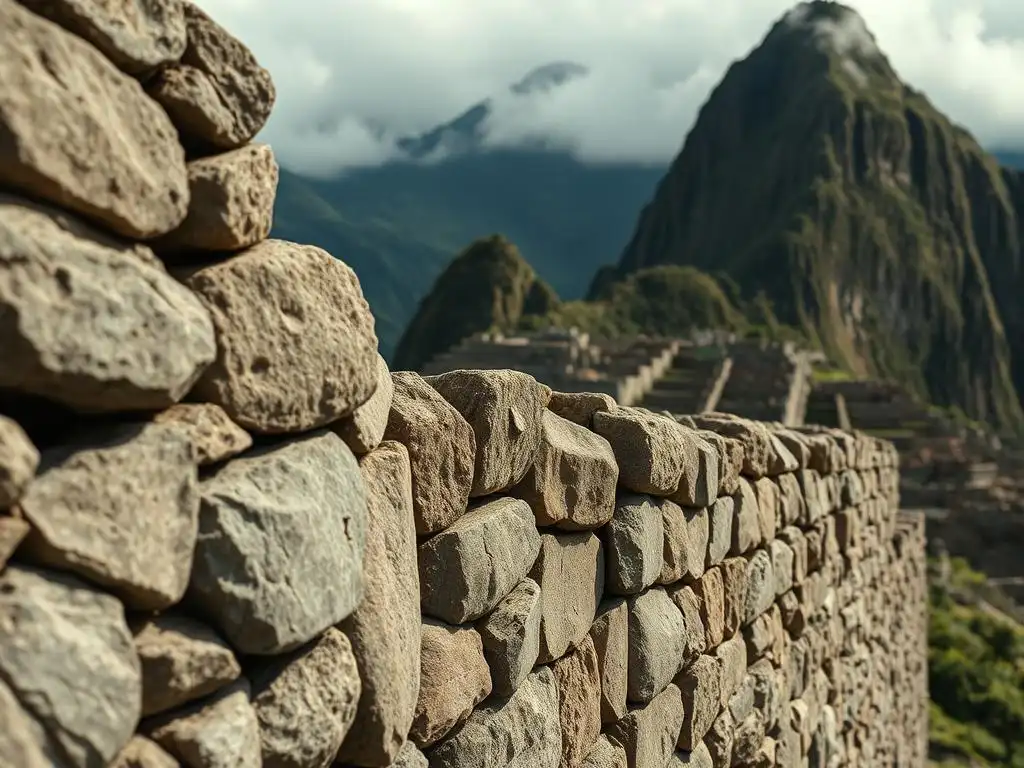
The Inca Empire's architectural achievements stand as a testament to their sophisticated understanding of environmental integration. Inca architecture integration techniques weren't merely aesthetic choices; they were crucial for structural stability, resource efficiency, and harmonious coexistence with the challenging Andean landscape. This legacy continues to inspire modern architects and engineers seeking sustainable and environmentally conscious building practices.
The Incas' mastery of stonework, their utilization of local materials, and their innovative adaptation to diverse terrains showcase a profound connection with nature rarely seen in other ancient civilizations. Their buildings weren't simply erected on the landscape; they were intrinsically part of it. This holistic approach to construction is a crucial aspect of understanding Inca architectural prowess and its lasting significance.
Influence on Modern Sustainable Building Practices
Modern sustainable building practices are increasingly drawing inspiration from the Inca's ingenious methods. The Inca's emphasis on using locally sourced materials significantly reduced their carbon footprint – a concept gaining traction in contemporary green building. Their precise stone fitting, minimizing the need for mortar, is analogous to today's focus on reducing waste and optimizing material usage.
Furthermore, the Inca's skillful integration of their structures into the landscape, minimizing environmental disruption, resonates with the current emphasis on minimizing a building's ecological impact. Consider, for example, the terrace farming techniques employed by the Incas, which efficiently managed water resources and prevented soil erosion – principles actively incorporated into modern sustainable agricultural and land management practices. The Incas' understanding of passive solar design, evident in their building orientations and ventilation systems, is also being revisited by architects seeking to reduce energy consumption in modern buildings.
This echoes in the current interest in bioclimatic architecture. The study of Inca architecture integration techniques offers valuable insights for developing more sustainable and environmentally responsible building solutions for the 21st century. Analyzing their methods provides a wealth of knowledge applicable to modern challenges.
Lessons from the Incas: A Model for Environmental Harmony
The Inca's approach to architecture offers a powerful lesson in environmental harmony. Their buildings weren't just functional structures; they were integral components of the surrounding ecosystem. The Inca's profound respect for their environment is reflected in their careful selection of materials, their meticulous construction techniques, and their adaptive design strategies. Their mastery of stonework, for example, allowed them to create structures that seamlessly blended with the natural landscape, minimizing visual and environmental disruption.
This contrasts sharply with many modern construction practices that often prioritize aesthetics over environmental considerations. The Inca's innovative approach to water management, evident in their sophisticated irrigation systems and terraced agriculture, serves as a model for sustainable water resource management. Their understanding of the Andean climate and their ability to adapt their building designs to the specific conditions of each location demonstrate a level of environmental awareness that remains remarkably relevant today.
The Inca civilization's legacy underscores the importance of considering the environmental impact of construction and striving for a harmonious relationship between human settlements and the natural world. This holistic perspective offers valuable insights for achieving sustainable development in today's world. The Inca example highlights the long-term benefits of prioritizing environmental harmony in design and construction.
Preserving Inca Architectural Heritage and its Teachings
Preserving Inca architectural heritage is crucial not only for historical reasons but also for accessing the valuable knowledge embedded within these structures. The Inca's remarkable architectural achievements represent a wealth of knowledge about sustainable building practices, resource management, and environmental integration. The ongoing study and preservation of Inca sites are essential for understanding and replicating these techniques.
Careful documentation, conservation efforts, and the application of advanced technologies are necessary to safeguard these invaluable resources. Furthermore, educational initiatives that promote awareness of Inca architectural heritage and its significance are crucial for inspiring future generations of architects and engineers to adopt sustainable and environmentally conscious building practices. The preservation of Inca sites provides a unique opportunity to learn from the past and apply these lessons to address contemporary challenges.
Proper conservation ensures the longevity of these architectural marvels and the preservation of the invaluable knowledge they embody. Moreover, the preservation of Inca architecture integration techniques contributes to the understanding of sustainable development and its global importance. The continued study and conservation of these sites are vital for ensuring the long-term preservation of this rich cultural and architectural heritage, and its associated lessons in sustainable building.
Frequently Asked Questions
What makes Inca architecture unique?
Inca architecture is renowned for its masterful integration with the natural landscape. They seamlessly blended structures into mountainsides and utilized locally sourced materials, creating a harmonious relationship between building and environment. This is evident in their impressive stonework.
How did the Incas achieve such precise stonework?
The Incas employed sophisticated dry-stone masonry techniques, fitting stones together without mortar. Their precise cutting and placement resulted in incredibly strong and durable structures that have withstood the test of time. This skill demonstrates advanced engineering and planning.
What role did integration play in Inca city planning?
Integration was central to Inca city planning. Cities like Machu Picchu were strategically built into the mountains, utilizing natural features for defense and incorporating terracing and irrigation systems to support agriculture. This demonstrates a holistic approach to urban design.
What materials did the Incas primarily use in their construction?
The Incas primarily used stone, often granite, andesite, and basalt, readily available in the Andes. They also utilized wood, adobe, and thatch for certain structures, always selecting materials appropriate to the environment and intended function of the building.
How did Inca architecture reflect their worldview?
Inca architecture reflects a deep connection to nature and a spiritual worldview. Their structures were not just functional but also symbolic, often aligning with cosmological beliefs and astronomical observations. The integration of buildings with their surroundings was a fundamental aspect of this philosophy.
Final Reflection: Echoes of the Andes: A Legacy of Integration
The Inca's masterful integration of architecture and environment remains a potent symbol of sustainable design, a stark contrast to our often exploitative relationship with the natural world. Their ingenuity, evident in the seamless blending of stone and landscape, offers a powerful lesson for contemporary architects and urban planners grappling with the challenges of climate change and resource depletion. This sophisticated understanding of harmony between built and natural environments serves as a crucial reminder of the possibilities inherent in a more symbiotic relationship with our planet.
The enduring influence of Inca architectural principles is undeniable, shaping not only our understanding of ancient civilizations but also informing contemporary discussions on sustainable building practices. Their ability to create structures that were both aesthetically pleasing and functionally integrated with their surroundings continues to inspire awe and wonder. The Inca built not just structures, but a way of life, woven into the very fabric of the Andes.
This quote encapsulates the profound interconnectedness between their architecture and their existence, a lesson we must heed as we navigate the complexities of modern life.
Consider the implications of the Inca's approach. Imagine a future where our cities are not concrete jungles, but vibrant ecosystems, where buildings breathe with the landscape, and where sustainability is not an afterthought, but the very foundation of our built environment. You, the reader, hold the power to champion this vision. By embracing principles of integration and mindful design, we can build a future that echoes the enduring wisdom of the Inca, a future where human ingenuity and the beauty of nature coexist in harmonious balance.
Embrace the Beauty of Inca Wisdom and Nature!
Thank you for exploring the fascinating world of Inca architecture and its incredible connection to nature! You've uncovered the profound principles of integration mastered by these ancient civilizations. Now, let's apply these insights to your life.
Here are some impactful ways you can honor and incorporate these lessons of harmony and sustainability:
- Visit a local historical site or nature reserve that demonstrates the successful integration of architecture and the environment. This will allow you to appreciate the beauty of harmonious design firsthand.
- Contribute to a sustainable community project. This could involve anything from creating a community garden to participating in a park cleanup or conservation initiative, fostering a stronger connection between people and nature.
- Share your newfound knowledge and appreciation! Discuss what you've learned about Inca architecture with friends and family, inspiring them to appreciate the beautiful synergy between human-made structures and the natural world.
How will you integrate the principles of Inca architecture into your own life? Share your thoughts below!