
Inca Quarrying: How They Extracted and Transported Massive Stones

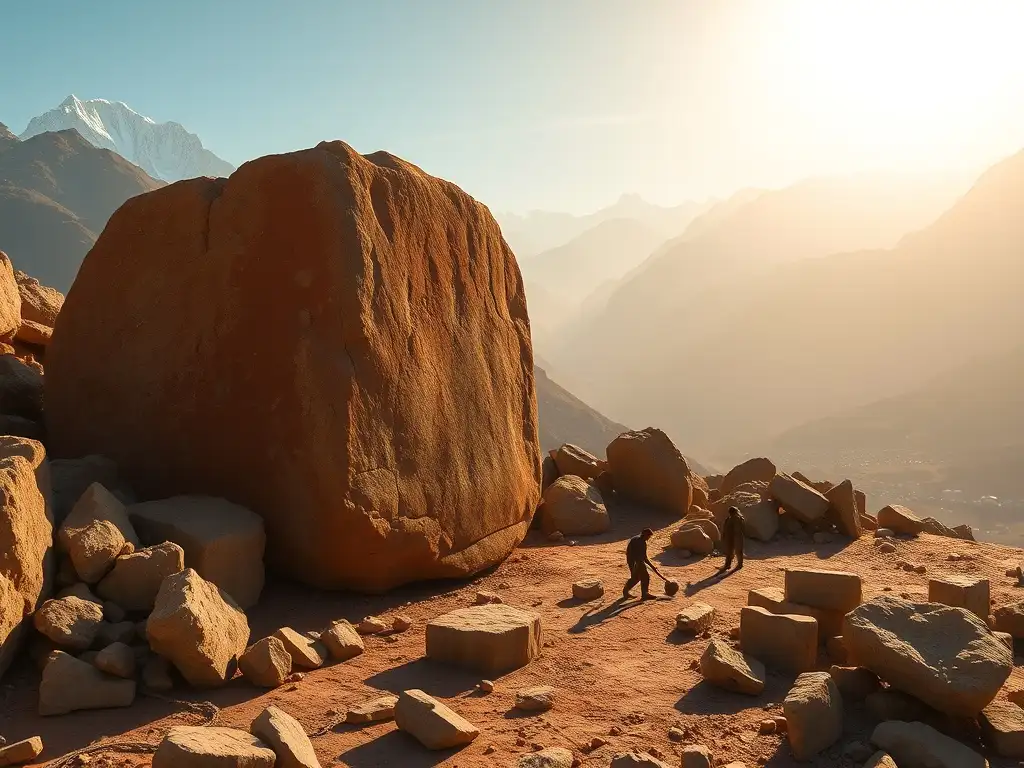
Step into a world lost to time, where majestic mountains cradled empires of breathtaking ingenuity. Discover the secrets of the Andean Civilizations, from the intricate artistry of the Nazca lines to the awe-inspiring architecture of the Incas. But prepare to be amazed: What techniques allowed the Incas to extract and transport the colossal stones used in their legendary cities? Unravel the mystery of Inca stone quarrying techniques and journey with us into the heart of this remarkable civilization.
-
Inca Stone Quarrying Techniques: Extracting Massive Stones for Andean Marvels
- Introduction to Inca Quarrying and Construction
- The Importance of Stone in Inca Architecture
- Locating and Selecting Quarry Sites
- Inca Quarrying Methods: A Detailed Look
- Transporting Massive Stones: An Engineering Feat
- Case Studies: Notable Inca Quarries
- The Legacy of Inca Stone Quarrying
- Conclusion: Reflecting on Inca Extraction and Transport
- Frequently Asked Questions
- Final Reflection: Echoes of the Andes: Legacy of Inca Stone Mastery
- Unlock the Secrets of Inca Engineering!
Inca Stone Quarrying Techniques: Extracting Massive Stones for Andean Marvels
The Inca Empire, renowned for its breathtaking architectural achievements, relied heavily on the skillful extraction and transportation of massive stones. This article delves into the fascinating world of Inca stone quarrying techniques, exploring the methods employed to acquire and move these colossal blocks, which formed the foundation of iconic structures like Machu Picchu and Sacsayhuamán. Understanding these techniques reveals not only the impressive engineering prowess of the Inca but also their deep connection to the Andean landscape and their sophisticated understanding of materials science.
We will examine the tools, strategies, and logistical challenges overcome by Inca engineers and laborers, shedding light on a critical aspect of their remarkable civilization and its lasting legacy. This exploration will provide a deeper understanding of the "Inca stone quarrying techniques" and the ingenuity behind their monumental constructions.
Introduction to Inca Quarrying and Construction
Inca construction is synonymous with precision and scale. The sheer size and meticulous placement of stones in Inca structures continue to amaze and inspire. But the creation of these architectural marvels began long before the final placement of the stones—it began in the quarries themselves.
The Incas didn't simply stumble upon suitable stones; they actively sought out specific types of rock, often granite and andesite, known for their durability and aesthetic qualities. The selection process itself demonstrates a high level of understanding of geological properties and the long-term implications for their construction projects. Evidence suggests they employed a combination of techniques, including:
- Fire-setting: This involved heating the rock face with large fires, followed by rapid cooling with water. This process created stress fractures, weakening the rock and making it easier to break apart.
- Stone hammers and chisels: While the exact composition of these tools remains a subject of ongoing research, evidence indicates the use of hard stone tools, possibly made from diorite or other durable materials, for shaping and detaching blocks.
- Wooden wedges: Wooden wedges, possibly soaked in water to expand and further fracture the rock, were likely used to split large blocks into more manageable sizes.
The process was undoubtedly labor-intensive, requiring a significant workforce organized through the mita system, a form of tribute labor. Archaeological findings reveal evidence of sophisticated planning and organization within the quarries themselves, suggesting a highly structured and efficient operation.
The Importance of Stone in Inca Architecture
Stone was not merely a building material for the Inca; it held significant symbolic and spiritual value. The precise shaping and placement of stones reflected a deep understanding of cosmology and their relationship with the Andean environment. The choice of stone type, its color, and its texture all contributed to the overall aesthetic and symbolic meaning of a structure. For example, the red granite used in some structures might have held a specific ritual or spiritual significance, reflecting the importance of this material beyond its purely functional role.
The meticulous craftsmanship evident in Inca stonework is truly remarkable. The stones are often fitted together with such precision that even a knife blade cannot be inserted between them. This level of accuracy was achieved without the use of mortar or cement, highlighting the advanced understanding of stone-cutting and fitting techniques employed by Inca artisans.
This mastery of stonework is a testament to the Inca's dedication to their craft and their profound connection to the natural world. Furthermore, the enduring nature of these structures is a testament to the quality of their materials and the skill of their construction. The Inca's legacy lives on, not only in their impressive ruins but also in the enduring techniques they developed for working with stone.
Locating and Selecting Quarry Sites
The Incas were meticulous in their selection of quarry sites. Their choices weren't arbitrary; instead, they prioritized locations offering stone with desirable qualities like durability, workability, and aesthetic appeal. Proximity to construction sites was also a critical factor, minimizing transport challenges and costs.
Geological surveys, though not documented in the same way as modern practices, were implicitly part of their process. Evidence suggests the Incas possessed a keen understanding of local geology, selecting sites with rock formations that facilitated efficient extraction. They favored specific types of stone, such as andesite, known for its strength and resistance to weathering, for major construction projects.
The selection process likely involved a combination of practical considerations and potentially spiritual or symbolic beliefs associated with specific locations and stone types. For example, the choice of a particular quarry might have been influenced by its proximity to a sacred site or its perceived association with powerful deities. Further research is needed to fully understand the interplay between practical needs and cultural beliefs in their site selection.
Inca Quarrying Methods: A Detailed Look
Inca quarrying methods were remarkably sophisticated for their time, demonstrating an advanced understanding of stone properties and engineering principles. Their techniques were not brute force; instead, they employed a combination of precision and ingenuity to extract massive stone blocks with minimal waste. The process involved several key stages, each requiring specialized knowledge and tools. The sheer scale of some of the extracted blocks, weighing many tons, highlights the effectiveness of their methods.
Detailed analysis of Inca quarries reveals a systematic approach to stone extraction, indicating careful planning and execution. The absence of widespread damage to surrounding areas suggests a controlled and environmentally conscious approach, minimizing disruption to the landscape. This contrasts sharply with some modern quarrying practices that often leave significant environmental scars.
Identifying Suitable Stone Formations
Identifying suitable stone formations was the first critical step. The Incas weren't simply extracting any stone; they carefully selected formations with specific characteristics. This involved assessing the rock's quality, its geological structure, and its suitability for the intended purpose. They likely used a combination of visual inspection and potentially rudimentary testing methods to determine the stone's strength and durability.
The identification process wasn't solely based on physical properties; the cultural significance of the stone might have also played a role. Certain types of stone may have been associated with specific deities or considered more auspicious for particular constructions. This careful selection ensured that the final structures possessed both strength and symbolic meaning. Archaeological evidence reveals that the Incas preferred specific types of igneous rocks, such as andesite and diorite, for their exceptional durability.
Tools Used in Inca Stone Extraction
The tools used in Inca stone extraction were relatively simple but effective. While they lacked the heavy machinery of modern quarrying, their tools were well-suited to their techniques. These included stone hammers, chisels, wedges, and mallets, all made from hard, durable materials like stone itself or possibly certain types of tough wood. The precision with which they worked suggests a high level of skill and craftsmanship among the quarry workers.
The use of fire may have played a crucial role in facilitating the extraction process. By heating the stone, the Incas could create thermal stress, weakening the rock and making it easier to break along desired lines. The sophistication of their tools and techniques is evident in the remarkably precise cuts and shapes of the extracted stone blocks. Further research into the metallurgy of their tools could provide further insights into their technological capabilities.
Techniques for Detaching Large Stone Blocks
Detaching large stone blocks required a combination of skill, patience, and precision. The Incas didn't rely on brute force; instead, they employed techniques that minimized damage and waste. One common method involved carefully drilling a series of holes along the intended fracture line.
Wedges were then inserted into these holes and repeatedly struck with mallets, gradually forcing the stone block apart. This process required considerable skill and coordination, ensuring the block separated cleanly without shattering. The use of fire, as mentioned earlier, likely enhanced the effectiveness of this wedging technique by creating thermal stress along the fracture line.
The precision of their work is remarkable, suggesting a deep understanding of both the stone's properties and the mechanics of fracture. The overall process was likely a combination of careful planning, precise execution, and a deep understanding of the material they were working with. The result was the extraction of massive, precisely shaped blocks of stone, ready for transport and use in their monumental constructions.
Transporting Massive Stones: An Engineering Feat
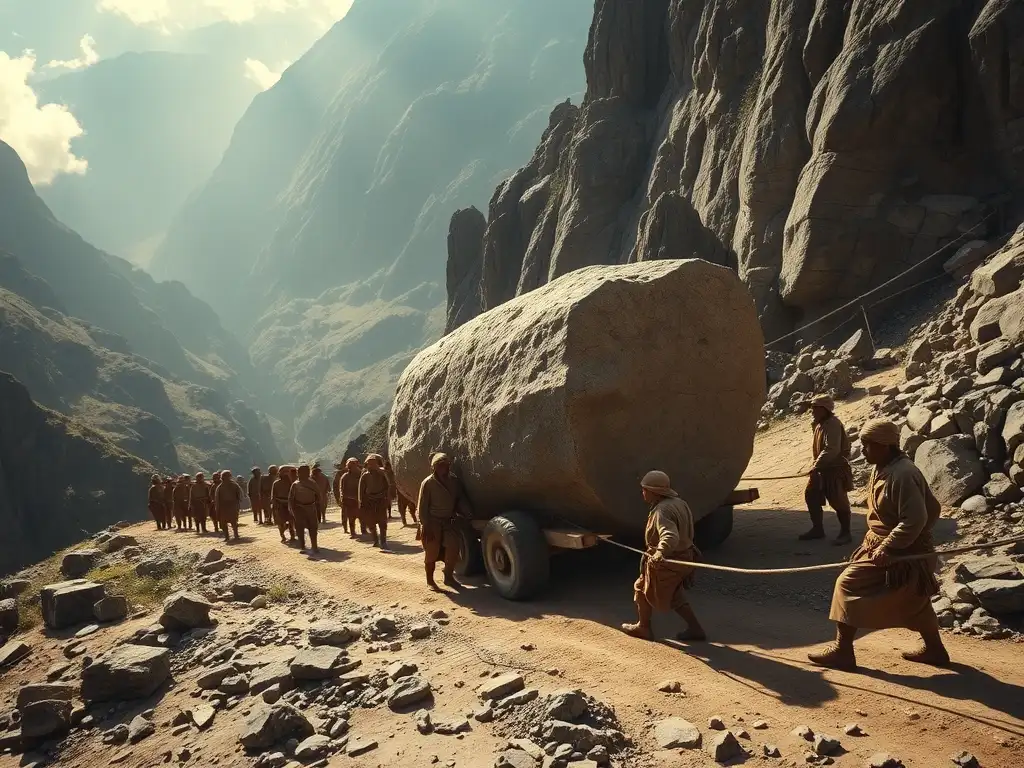
Moving the colossal stones used in Inca constructions was a monumental task, requiring ingenuity and meticulous planning. The sheer weight and size of some blocks, weighing many tons and measuring several meters in length, presented significant logistical hurdles. The Inca lacked the benefit of modern machinery, relying instead on their advanced understanding of physics, manpower, and innovative techniques. The process involved not only the extraction of the stones but also their precise transport across challenging terrains, often over significant distances.
This feat of engineering remains a testament to the Inca's organizational skills and their ability to mobilize large-scale labor forces efficiently. The precise methods employed are still debated by researchers, but evidence strongly suggests a sophisticated system involving ramps, rollers, levers, and potentially even sledges. The success of this intricate transportation system is directly linked to the empire's impressive architectural achievements.
Challenges of Moving Large Stones
The transportation of massive stones presented a multitude of challenges to the Inca. The rugged Andean terrain, characterized by steep slopes, narrow passes, and unpredictable weather, added considerable difficulty. The sheer weight of the stones, some exceeding 100 tons, demanded innovative solutions. Furthermore, the lack of wheeled vehicles and draft animals common in other ancient civilizations forced the Inca to develop unique methods.
Maintaining the integrity of the stones during transport was crucial, as damage could render them unusable. The Inca had to carefully consider the route, the available manpower, and the potential environmental obstacles to ensure the safe and efficient movement of these enormous building blocks. The logistical planning involved was remarkable, considering the resources and technology available at the time.
Inca Methods of Stone Transportation
While the precise details remain elusive, evidence suggests the Inca employed a combination of techniques to transport their massive stones. Ramps, carefully constructed using earth and stone, likely played a crucial role in reducing the steepness of inclines. Rollers, possibly made of wood or stone, may have been used to facilitate movement along relatively flat surfaces. Levers and ropes, skillfully manipulated by teams of workers, provided additional leverage for maneuvering the stones.
Some scholars propose the use of sledges, although concrete evidence is still limited. It's likely that the Inca adapted their techniques based on the specific terrain and the size of the stones being moved. The intricate system involved careful coordination, a deep understanding of mechanics, and a highly organized workforce. This multifaceted approach underscores the Inca's advanced engineering capabilities.
Evidence of Transportation Routes
The existence of well-preserved Inca roads and pathways provides strong evidence of their sophisticated transportation networks. These routes, meticulously constructed to withstand the harsh Andean climate, often followed strategic paths, minimizing elevation changes and utilizing natural features to aid transport. Researchers have identified numerous trails and ramps near major Inca quarries and construction sites, providing compelling evidence of the routes used for moving the massive stones.
These routes often incorporated ingenious engineering solutions, such as switchbacks and strategically placed retaining walls, to facilitate the movement of heavy loads. The very existence of these paths is a testament to the Inca's foresight and organizational prowess in planning and executing large-scale projects. Further investigation and archaeological research continue to uncover new details about these remarkable transportation networks.
Case Studies: Notable Inca Quarries
Several Inca quarries stand out as prime examples of their impressive quarrying and transportation capabilities. These sites offer valuable insights into the techniques employed, the scale of operations, and the logistical challenges overcome. Studying these quarries allows us to better understand the Inca's mastery of stonework and their ability to mobilize vast resources for monumental construction projects. The meticulous planning and execution involved in these operations highlight the sophisticated organization and engineering skills of the Inca civilization.
Ollantaytambo Quarry: A Prime Example
The Ollantaytambo quarry, located near the impressive Ollantaytambo fortress, is renowned for its massive, precisely cut stones. The quarry itself reveals evidence of careful planning and execution, with clear signs of how the Inca extracted and shaped these enormous blocks. Many of the stones bear markings indicating the methods used for cutting and shaping them.
The sheer size and precision of these stones testify to the Inca's advanced knowledge of stone-cutting techniques and their ability to manage large-scale quarrying operations. The proximity of the quarry to the fortress further highlights the logistical efficiency of the Inca's transportation system. Ollantaytambo serves as a compelling case study of Inca quarrying and its integral role in their architectural achievements.
The Quarry at Sacsayhuaman: A Closer Look
The Sacsayhuaman quarry, situated near the imposing Sacsayhuaman fortress in Cusco, is another significant site that offers valuable insight into Inca quarrying techniques. The massive stones used in the construction of Sacsayhuaman, some weighing over 100 tons, were extracted from this quarry and transported a considerable distance. The precision with which these stones were cut and fitted together is remarkable, showcasing the Inca's advanced understanding of stonework and their ability to create flawlessly integrated structures.
The challenge of transporting these colossal blocks across varied terrain further underscores the impressive engineering feats accomplished by the Inca. Studies of the Sacsayhuaman quarry continue to provide valuable data on Inca stone-cutting and transportation methods.
Other Significant Inca Quarries
Beyond Ollantaytambo and Sacsayhuaman, numerous other Inca quarries across the empire provide further evidence of their advanced quarrying techniques. Sites in Pisac, Tambomachay, and other locations offer valuable insights into variations in Inca methods, adapting to the specific geological characteristics of each region. These quarries showcase the widespread nature of Inca quarrying operations and the impressive scale of their construction projects.
Continued archaeological research is crucial to uncovering more details about these lesser-known but equally important sites, expanding our understanding of Inca engineering and the development of their impressive architectural marvels. The study of these diverse quarries provides a more complete picture of the Inca's mastery of stonework and their logistical capabilities.
The Legacy of Inca Stone Quarrying
The legacy of Inca stone quarrying is profoundly intertwined with the breathtaking architectural achievements of the empire. Their mastery of stone extraction and transport facilitated the creation of iconic structures like Machu Picchu, Sacsayhuamán, and Ollantaytambo, each showcasing an unparalleled level of precision and engineering prowess. The sheer scale of these projects, involving the movement of colossal stones across challenging terrain, underscores the sophistication of Inca quarrying techniques.
The impact extends beyond the physical structures themselves; the quarrying practices also reflect a deep understanding of the Andean landscape and its resources, demonstrating a sustainable approach to resource management that's still studied today. The legacy isn't just about the buildings; it's about the ingenuity, organization, and respect for the environment that underpinned the entire process.
This understanding of resource management and the precision of their techniques continue to inspire awe and wonder in modern engineers and archaeologists alike. The techniques themselves, though partially lost to time, provide a valuable case study in sustainable resource management and ancient engineering capabilities.
Impact on Inca Architectural Achievements
The impact of Inca stone quarrying techniques on their architectural achievements is undeniable. The precision with which stones were cut, shaped, and fitted together is a testament to their advanced understanding of both geology and engineering. The ability to extract and transport massive blocks of stone, some weighing many tons, enabled the construction of imposing structures that defied the limitations of the available technology.
Without the sophisticated quarrying methods, the iconic walls of Sacsayhuamán, with their perfectly interlocking stones, would have been impossible to create. Similarly, the intricate stonework of Machu Picchu, nestled high in the Andes, relies heavily on the successful extraction and transportation of the necessary materials.
The precise fitting of stones, some so tightly joined that a knife blade couldn’t fit between them, speaks to the high level of skill and planning involved in every stage of the process, from initial extraction to final placement. The architectural marvels of the Inca Empire stand as a direct result of their advanced stone quarrying capabilities.
The Ingenuity of Inca Engineers
The ingenuity of Inca engineers is clearly evident in their stone quarrying techniques. While the exact methods remain partially shrouded in mystery, archaeological evidence suggests a sophisticated understanding of geology, leverage, and possibly even rudimentary tools utilizing bronze or copper. The selection of quarries themselves demonstrates an understanding of the stone's properties and its suitability for specific architectural purposes.
The ability to extract large, precisely shaped stones from the quarry, and then transport them across sometimes treacherous terrain, showcases remarkable problem-solving skills and organizational capabilities. Evidence suggests the use of ramps, rollers, and possibly even water-based systems to move the heavier stones.
The meticulous planning and execution of these projects required a high degree of coordination and expertise, highlighting the sophisticated engineering skills of the Inca civilization. This ingenuity, combined with their profound knowledge of the Andean environment, allowed them to overcome significant logistical challenges in constructing their magnificent cities and temples.
The Enduring Mystery of Inca Construction
Despite significant advances in archaeological understanding, some aspects of Inca stone quarrying remain shrouded in mystery. The precise tools used for cutting and shaping the stones, for example, are still debated by researchers. While some evidence suggests the use of copper and bronze tools, the exact techniques employed to achieve such precision remain unclear. The methods used to transport the massive stones across challenging terrain, particularly in locations like Machu Picchu, also continue to fascinate and puzzle researchers. The sheer scale of the undertaking, coupled with the lack of written records, leaves significant gaps in our understanding. Ongoing research and new discoveries continue to shed light on these mysteries, but the enduring enigma surrounding Inca construction continues to fuel ongoing fascination and stimulate new research. The precision of the stonework, the logistical challenges, and the lack of written records all contribute to the enduring mystery and intrigue surrounding Inca construction.
Conclusion: Reflecting on Inca Extraction and Transport
Reflecting on Inca stone extraction and transport reveals a civilization possessing remarkable engineering skills, organizational capabilities, and a deep understanding of their environment. Their mastery of quarrying techniques, coupled with their ability to transport colossal stones across challenging terrain, enabled the creation of unparalleled architectural marvels that continue to inspire awe and wonder.
While some aspects of their methods remain shrouded in mystery, the legacy of Inca stone quarrying stands as a testament to their ingenuity and resourcefulness. The precision of their work, the scale of their projects, and the enduring impact of their structures all underscore the sophistication of their civilization.
The study of Inca stone quarrying provides valuable insights not only into their engineering prowess but also into their societal organization, resource management, and deep connection to the Andean landscape. Their achievements continue to inspire engineers and archaeologists alike, prompting ongoing research and a deeper appreciation for the complexities of this remarkable civilization.
Frequently Asked Questions
How did the Inca quarry such massive stones?
The Inca utilized a combination of techniques, including wedging, fire-setting, and stone hammers to extract large blocks of stone. They expertly exploited natural fractures and weaknesses in the rock formations to facilitate the quarrying process.
What tools did the Inca use for stone quarrying?
Inca quarry workers employed a variety of tools, primarily made of stone and copper, including chisels, hammers, and wedges. They also used wooden mallets and possibly rudimentary levers.
How did the Inca transport these enormous stones?
The Inca utilized an ingenious system of inclined ramps, rollers, and human labor to move massive stones across challenging terrain. They also employed advanced rope and sling techniques.
Were all Inca stones quarried locally?
While many stones were sourced locally, some exceptionally large or specialized stones were transported significant distances, showcasing their mastery of logistics and engineering. The source of these stones often involved extensive planning and organization.
What is significant about Inca stone quarrying techniques?
Inca quarrying techniques demonstrate a sophisticated understanding of stone properties and engineering principles. Their precision and efficiency in extracting and transporting massive stones remain impressive feats of engineering to this day.
Final Reflection: Echoes of the Andes: Legacy of Inca Stone Mastery
The precision and scale of Inca quarrying techniques remain astonishing, a testament to their advanced understanding of engineering and societal organization, and a stark reminder of the enduring power of human ingenuity. Their methods, though centuries old, continue to inspire awe and challenge modern engineering practices, prompting us to reconsider our own approaches to resource management and large-scale construction.
The legacy of Inca stonework extends far beyond the impressive ruins that still stand today; it represents a profound connection between a civilization and its environment, a testament to the human capacity for collaborative achievement. Their mastery of quarrying and transportation, achieved without the benefit of modern tools, speaks volumes about their societal structure and resourcefulness. The stones themselves seem to whisper of the dedication and skill of those who shaped them, a legacy etched in stone that transcends time.
This quote encapsulates the enduring power of their achievements and the inspiration they provide for future generations.
Consider the ingenuity of the Inca, their deep understanding of their environment, and their ability to mobilize vast resources for monumental projects. Now, consider your own life: what seemingly insurmountable challenges can you overcome with similar dedication, resourcefulness, and collaborative spirit? Let the echoes of the Andes inspire you to approach your own endeavors with the same unwavering determination and innovative thinking that characterized the Inca civilization. Embrace the challenge, and discover your own capacity for greatness.
Unlock the Secrets of Inca Engineering!
Thank you for exploring the fascinating world of Inca quarrying! You've discovered the remarkable techniques this ancient civilization used to extract and transport massive stones. Now, let's build on that knowledge!
Here are some exciting ways to further your understanding and connect with this incredible history:
- Visit a local museum or historical site showcasing Incan heritage to experience their engineering marvels firsthand. See the precision and scale of their work up close.
- Share your newfound knowledge! Discuss the innovative quarrying methods with friends, family, or online communities, sparking conversations about ancient techniques and their surprising relevance to modern challenges.
- Join a community of enthusiasts dedicated to Andean history and archaeology. Engaging with others who share your passion will deepen your understanding and open up new avenues of exploration.
What aspect of Inca quarrying most surprised you, and how might these ingenious techniques inspire modern construction methods and sustainable practices?