
Inca Architecture and the Concept of Time: Structures That Endured


Step into a world lost to time, yet echoing with the ingenuity of the Andes. Imagine civilizations that sculpted mountains into masterpieces, whose architectural marvels defied the passage of centuries. This is where you'll unravel the mysteries of Inca architecture and the concept of time, exploring structures that continue to whisper tales of a remarkable empire. Prepare to be captivated as we delve into the ingenious designs and enduring legacy of the Incas—a journey that will rewrite your understanding of ancient Andean ingenuity.
The Inca Empire, a civilization that flourished in the Andes Mountains from the 15th to the 16th century, left behind a legacy of breathtaking architecture that continues to fascinate and inspire awe. More than just impressive structures, these buildings reflect a profound understanding of the Andean landscape and a unique perception of time, deeply intertwined with their cosmological beliefs and societal organization.
This article delves into the remarkable ingenuity of Inca architecture, exploring how their construction techniques and architectural choices reveal a sophisticated concept of time, one that prioritized durability, adaptability, and harmony with the natural world. We will examine how this temporal perspective shaped their monumental structures, resulting in buildings that have withstood the test of time, literally and figuratively, offering invaluable insights into their culture and worldview.
Understanding the Inca concept of time is key to appreciating the true significance of their architectural achievements and the enduring legacy they left behind. The keyword "Inca architecture time concept" will be explored in detail throughout this analysis.
Understanding the Inca Perception of Time Through Architecture
The Inca worldview wasn't linear like the Western concept of time. Instead, it was cyclical, deeply connected to the agricultural cycles, the celestial movements, and the rhythms of nature. This cyclical perception is profoundly reflected in their architecture.
The Inca didn't conceive of buildings as isolated entities; rather, they viewed them as integral parts of a larger, interconnected cosmic order. For example, the precise alignment of many structures with astronomical events, such as solstices and equinoxes, suggests a deep understanding of celestial cycles and their influence on agricultural practices and social life. This alignment wasn't merely decorative; it was a fundamental aspect of their architectural design, reflecting their belief in the cyclical nature of time and the importance of maintaining harmony between the human and cosmic realms.
Furthermore, the use of specific materials and construction techniques, discussed in the next section, directly contributed to the longevity of their structures, reinforcing the idea of enduring continuity across generations. The Inca's approach to architecture wasn't merely about building for the present; it was about creating structures that would seamlessly integrate with the landscape and endure through time, reflecting their cyclical concept of time and their respect for their ancestors.
The Enduring Nature of Inca Construction Techniques
Inca architecture is renowned for its remarkable durability. This wasn't accidental; it was the result of sophisticated engineering and construction techniques specifically designed to withstand the harsh Andean environment. The use of precisely cut stone blocks, fitted together without mortar, is a testament to their mastery of stonework. These blocks, often weighing several tons, were meticulously shaped and placed to create incredibly strong and stable structures.
The Inca's understanding of seismic activity is evident in their construction methods; many structures incorporated features that helped them withstand earthquakes, a common occurrence in the Andes. For instance, the use of interlocking stones and strategically placed foundations minimized the impact of seismic waves. Additionally, the Inca utilized a variety of materials, including stone, wood, and adobe, adapting their techniques to the specific environmental conditions of each region. This adaptability, a hallmark of Inca engineering, further contributed to the longevity of their structures.
The meticulous planning, precise execution, and adaptability of their construction techniques are a clear indication of their long-term vision and their deep understanding of the cyclical nature of time, ensuring that their architectural legacy would endure for centuries to come. Examples of this can be seen in the remarkably preserved ruins scattered throughout the Andes Mountains. This sophisticated approach to construction, deeply rooted in their perception of time, showcases the Inca's remarkable engineering prowess and their enduring legacy.
- Understanding the Inca Perception of Time Through Architecture
- The Enduring Nature of Inca Construction Techniques
- What is the unique relationship between Inca architecture and their concept of time?
- How did the Inca's understanding of time influence their building techniques?
- What are some examples of Inca architecture that demonstrate their concept of time?
- How did the Inca's concept of time differ from other Andean civilizations?
- Why is understanding the Inca concept of time important for interpreting their architecture?
Inca Architectural Mastery and its Relationship with Time
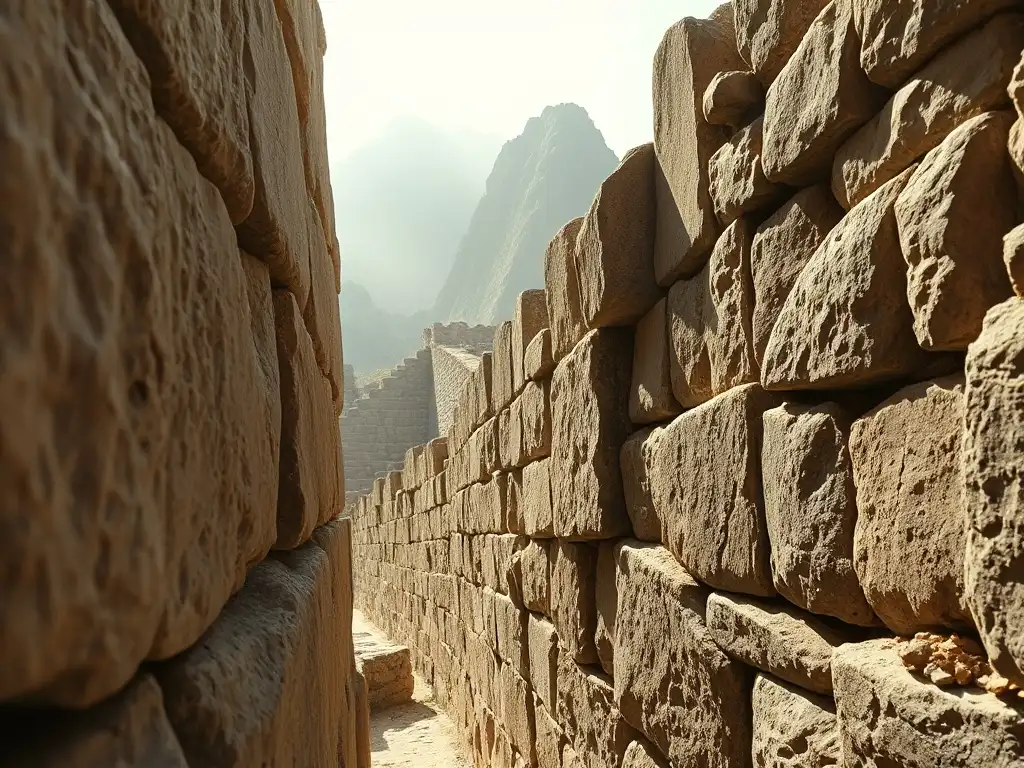
The Inca Empire, despite its relatively short lifespan compared to other ancient civilizations, left behind a legacy of architectural marvels that continue to inspire awe and wonder. Their buildings, designed and constructed with a profound understanding of their environment and a unique concept of time, stand as testaments to their engineering prowess and sophisticated worldview. This section delves into the intricate relationship between Inca architecture and their perception of time, exploring how their building techniques ensured the longevity of their structures, reflecting a vision that transcended generations.
The Inca's relationship with time wasn't solely linear; it was cyclical, interwoven with the rhythms of nature and the spiritual realm. This holistic worldview is profoundly reflected in their architectural achievements. Understanding this connection provides crucial insight into the enduring legacy of Inca architecture.
The Use of Stone in Inca Buildings and its Timeless Quality
The Incas' masterful use of stone is arguably the most significant factor contributing to the enduring nature of their architecture. They weren't simply builders; they were master stonemasons, demonstrating an unparalleled level of precision and artistry. Their selection of stone was meticulous, often choosing granite, andesite, and basalt for their strength and durability.
These stones, sourced from quarries sometimes located considerable distances from the construction sites, were meticulously shaped and fitted together without the use of mortar. This technique, known as ashlar masonry, created incredibly strong and stable structures resistant to earthquakes and the ravages of time.
The precise fitting of stones, often with such accuracy that a knife blade cannot be inserted between them, is a testament to their advanced engineering knowledge and sophisticated tools. This commitment to quality ensured that their buildings would withstand the test of time, a reflection of their long-term vision and understanding of cyclical time, where structures were intended to serve multiple generations.
Precision in Inca Masonry: A Testament to Enduring Craftsmanship
The precision of Inca masonry is truly remarkable. The stones were not only perfectly shaped, but often intricately carved with decorative elements, further demonstrating the high level of skill and artistry involved. This wasn't merely a functional approach; it was an artistic expression reflecting their worldview.
Consider, for example, the walls of Sacsayhuamán, near Cusco. The massive stones, some weighing many tons, are fitted together with such precision that it appears almost impossible to have been achieved without advanced technology. In fact, the exact methods employed by the Incas remain a subject of ongoing research and debate, highlighting the ingenuity of their techniques.
The intricate interlocking of stones not only enhanced the structural integrity but also created a visually stunning effect, demonstrating a harmonious blend of functionality and aesthetic beauty. This attention to detail speaks volumes about their understanding of enduring craftsmanship, a concept deeply intertwined with their perception of time.
Inca Engineering and the Longevity of Structures
Inca engineering went far beyond the impressive stonework. Their understanding of structural mechanics, drainage systems, and seismic activity contributed significantly to the longevity of their buildings. They employed sophisticated techniques to manage water runoff, preventing erosion and damage to the structures.
Furthermore, their understanding of seismic activity – crucial in a region prone to earthquakes – is evident in the design of many structures. The flexibility of the interlocking stonework allowed the buildings to absorb seismic shocks more effectively than structures built with mortar. The integration of these engineering principles into their architectural designs demonstrates a deep understanding of the environment and the passage of time.
The longevity of Inca structures is not merely a matter of chance; it is a direct result of their meticulous planning, innovative techniques, and profound understanding of the natural world, all reflecting their unique concept of cyclical time. Many Inca structures remain standing today, a testament to the enduring power of their architectural vision and its profound connection to their perception of time.
Key Inca Architectural Sites and Their Connection to Time
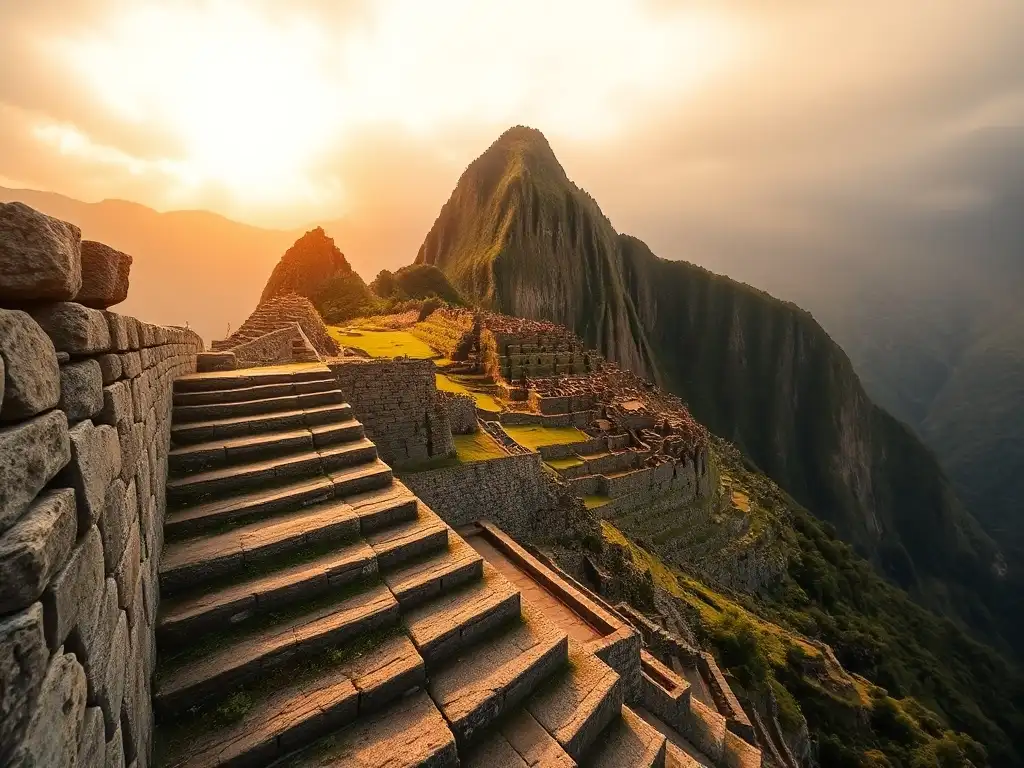
This section delves into the profound relationship between Inca architecture and their perception of time, exploring how specific sites reflect their cyclical worldview and enduring legacy. We will examine key examples, demonstrating how the Incas built not just structures, but tangible representations of their cosmological beliefs and their understanding of the past, present, and future. The Inca concept of time wasn't linear in the Western sense; rather, it was cyclical and deeply intertwined with the agricultural calendar and the celestial movements.
Their architecture reflects this, with structures oriented to astronomical events and designed to withstand the test of time, mirroring the cyclical nature of life itself. Understanding this connection enriches our appreciation for the ingenuity and worldview of the Inca civilization.
Machu Picchu: An Inca City Frozen in Time
Machu Picchu, often called the "Lost City of the Incas," stands as a powerful testament to Inca architectural prowess and their sophisticated understanding of time. Its location, high in the Andes Mountains, suggests a deliberate choice, possibly linked to both astronomical observations and spiritual significance. The city's layout, with its intricate network of terraces, buildings, and water channels, reflects a deep connection to the surrounding environment and the cyclical rhythms of nature.
The precise arrangement of structures, aligned with solstices and equinoxes, points to a highly developed understanding of astronomy and its integration into daily life. Machu Picchu wasn't merely a city; it was a living calendar, a physical manifestation of the Incas' cyclical perception of time. Even the meticulous stonework, with its incredibly precise joins, speaks to a dedication to permanence, reflecting a belief in the enduring nature of their civilization and their legacy.
The city's survival, relatively untouched for centuries, further underscores the resilience of Inca architecture and the enduring power of their time-honored construction techniques. The precision of the stonework, the integration with the landscape, and the astronomical alignments all contribute to the enduring mystique of Machu Picchu and its profound connection to the Inca concept of time.
Sacsayhuaman: Monumental Inca Construction and its Legacy
Sacsayhuaman, located near Cusco, is a breathtaking example of monumental Inca architecture. Its massive, precisely fitted stone blocks, some weighing over 100 tons, defy easy explanation even with modern technology. The sheer scale of the construction speaks to the Inca’s organizational capabilities and their ability to mobilize significant resources.
The site's strategic location and imposing defensive structures reflect the Inca's understanding of both their place in the world and the potential for conflict. While the precise function of Sacsayhuaman remains debated, its astronomical alignments suggest a connection to the celestial cycles, further solidifying its significance within the Inca's temporal worldview. The enduring presence of Sacsayhuaman, despite centuries of weathering and attempts at destruction, underscores the lasting impact of Inca architectural ingenuity and its resilience against the passage of time.
The massive stones, meticulously fitted together without mortar, stand as a testament to the Inca's mastery of engineering and their belief in creating structures meant to last across generations, a testament to their view of time as a continuous cycle. Further research is needed to fully elucidate the astronomical observations made from Sacsayhuaman, and how these relate to the Inca calendar and their agricultural cycles. [Specific astronomical data pending].
Coricancha: The Temple of the Sun and its Architectural Significance
Coricancha, or the Temple of the Sun, located in Cusco, served as the central religious and political hub of the Inca Empire. Its architecture, a blend of intricate stonework and gold ornamentation, reflects the Incas’ reverence for the sun and their belief in its vital role in the cyclical processes of life. The temple's design, with its precise alignment and use of sophisticated techniques, suggests a deep understanding of astronomy and a sophisticated approach to construction. The strategic placement of Coricancha within Cusco, at the heart of the city's layout, also underscores its central role in the Inca worldview.
The temple's destruction by Spanish conquistadors sadly obscures much of its original design and function. However, even the remaining structures reveal the sophistication of Inca architecture and the importance of the sun in their understanding of time. The meticulous craftsmanship and the temple's central location within the city serve as evidence of the Incas' advanced architectural skills and their deep-seated belief in the cyclical nature of time, with the sun as its central driving force.
The surviving remnants of Coricancha, though diminished, continue to evoke the splendor of Inca architecture and its profound connection to the Inca's understanding of time. Further investigation into the surviving foundations and historical accounts could reveal more about the temple's precise astronomical alignments and its role in the Inca calendar. [Further research into Coricancha's original layout and astronomical alignments pending].
Ollantaytambo: Inca Fortress and its Enduring Purpose
Ollantaytambo, nestled in the Sacred Valley of the Urubamba River, stands as a testament to Inca architectural prowess and their profound connection to time. More than just a fortress, Ollantaytambo represents a complex interplay of strategic planning, agricultural ingenuity, and cosmological beliefs, all interwoven to create a site that continues to resonate with visitors centuries later. Its enduring purpose wasn't merely military defense; it served as a vital agricultural center, a religious hub, and a royal estate, showcasing the multifaceted nature of Inca society and their intricate understanding of time's cyclical nature.
The fortress itself, built on a steep hillside, is a marvel of engineering. Massive, precisely cut stones, some weighing several tons, were meticulously fitted together without mortar, a feat of construction that continues to baffle modern engineers. This precision wasn't merely aesthetic; it reflected the Inca worldview, where meticulous planning and execution were integral to their relationship with the cosmos and the passage of time.
The agricultural terraces, carved into the mountainside, exemplify this connection. They weren't just for food production; they were a carefully planned system that harnessed the land's resources, reflecting an understanding of seasonal cycles and the importance of agricultural sustainability for the continuity of their civilization, a testament to their long-term vision.
The layout of Ollantaytambo itself suggests a deep understanding of the movement of the sun and stars. Certain structures are aligned with solstices and equinoxes, suggesting that the Inca astronomers meticulously planned the site's orientation to reflect their cosmological beliefs and mark the passage of time through celestial events. This alignment demonstrates a sophisticated understanding of astronomy and its integration into their architectural designs, underscoring the importance of celestial cycles in shaping their perception of time and their relationship with the natural world.
The enduring presence of Ollantaytambo reflects not only the skill of its builders but also the profound connection between Inca architecture, their understanding of time, and their enduring legacy. The site remains a powerful symbol of the Inca's ability to shape their environment and leave a lasting imprint on the landscape, a legacy that continues to inspire awe and wonder today.
It speaks to a civilization that understood the importance of planning for the future, ensuring the continuity of their culture and their connection to the land across generations. The very stones themselves whisper tales of meticulous planning and a profound understanding of time's relentless, yet cyclical, march.
Inca Architectural Elements and the Passage of Time
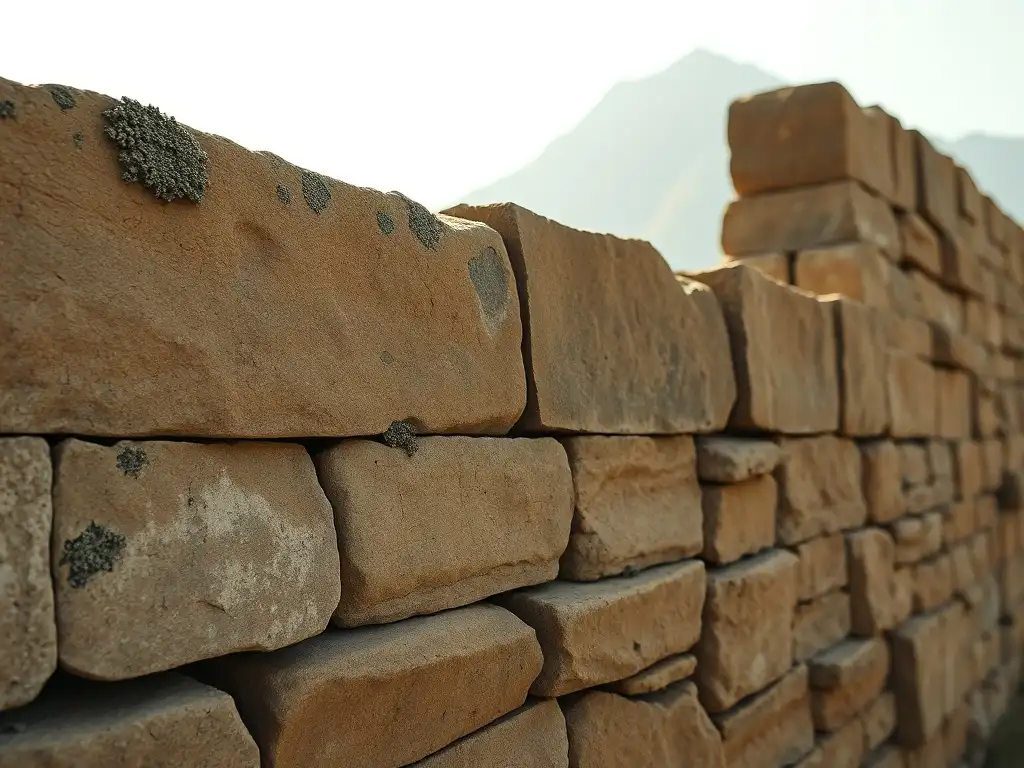
The Inca Empire, renowned for its sophisticated architecture, didn't simply construct buildings; they built a relationship with time itself. Their structures weren't fleeting monuments but rather enduring testaments to their understanding of the landscape and their place within it. This deep connection between Inca architecture and the concept of time is evident in their mastery of engineering, their sustainable practices, and their integration with the natural world.
The Inca worldview, deeply intertwined with the cyclical nature of time and the rhythms of the Andes, is profoundly reflected in their architectural achievements. Their designs incorporated ingenious solutions to address the challenges of a diverse and demanding terrain, ensuring the longevity and functionality of their structures across generations. This section will explore several key elements illustrating this remarkable integration.
Inca Terraces: Adapting to the Land and Enduring Agricultural Practices
Inca terraces, carved into the steep Andean slopes, are perhaps the most striking example of their architectural timelessness. These weren't merely agricultural plots; they were carefully engineered systems designed for long-term sustainability. The construction itself, employing meticulous stonework and precise grading, showcases an understanding of hydrology and soil conservation that remains relevant today. The terraces’ design maximized arable land in mountainous regions, mitigating erosion and optimizing water retention. This wasn't just about feeding the population; it was about creating a resilient agricultural system capable of supporting the empire for centuries.
The precise placement of terraces, often following the contours of the land with astonishing accuracy, speaks to the Inca's deep knowledge of their environment. They understood the subtle variations in sunlight, water flow, and soil composition, utilizing this knowledge to create optimal growing conditions for a variety of crops. Furthermore, the use of retaining walls, often built from meticulously fitted stones without mortar, ensured the stability of the terraces over time, resisting earthquakes and weathering.
Many of these terraces remain functional even today, a testament to the enduring quality of Inca engineering and their long-term vision for sustainable agricultural practices. The Inca concept of time, therefore, wasn't linear; it was cyclical, reflected in the continuous productivity of these agricultural marvels.
Inca Roads and Bridges: Connecting the Empire Through Time
The extensive network of Inca roads and bridges, spanning vast distances across challenging terrain, stands as another testament to their enduring architectural vision. These weren't simply pathways; they were arteries of communication, trade, and military movement, designed to facilitate the functioning of the empire across generations. The roads themselves, often paved with stone and meticulously maintained, demonstrate a remarkable understanding of civil engineering principles. Their construction involved the mobilization of significant labor and resources, highlighting the Inca's capacity for large-scale projects and their commitment to long-term infrastructure development.
The Inca bridges, many constructed using ingenious techniques involving suspension and stonework, further exemplify their architectural prowess. These structures, often built across deep ravines and raging rivers, were not only functional but also visually stunning, showcasing the Inca's artistic sensibilities alongside their engineering skills.
The strategic placement of these bridges facilitated trade, communication, and military movements throughout the empire, underscoring the importance of connectivity in the Inca's concept of time and imperial administration. The longevity of these roads and bridges, some sections of which remain in use even now, speaks to their remarkable durability and the enduring impact of Inca engineering on the landscape.
Inca Water Management Systems: Sustainable Engineering Across Generations
Inca water management systems, including canals, aqueducts, and reservoirs, represent a sophisticated understanding of hydraulic engineering and resource management. These systems, often integrated seamlessly into the landscape, provided water for agriculture, domestic use, and even ceremonial purposes. Their design involved complex calculations and an intricate understanding of water flow and pressure, demonstrating a level of technological sophistication that was far ahead of its time.
The construction of these systems involved meticulous planning and execution, reflecting a deep understanding of the environment and the importance of water conservation. The use of channels, aqueducts, and reservoirs ensured the efficient distribution of water, minimizing waste and maximizing its use for irrigation and other purposes.
The design also incorporated ingenious features, such as drainage systems and spillways, to prevent flooding and ensure the long-term sustainability of the systems. Many of these water management systems continue to function even today, a powerful demonstration of the enduring legacy of Inca engineering and their commitment to sustainable practices.
The Inca concept of time, in this context, emphasizes a harmonious relationship between humans and their environment, where sustainable resource management is essential for the long-term well-being of the community. The careful planning and execution of these water systems reflect a deep understanding of the cyclical nature of water resources and the need for long-term planning and sustainable practices.
The Inca Legacy: Architectural Endurability and its Interpretation
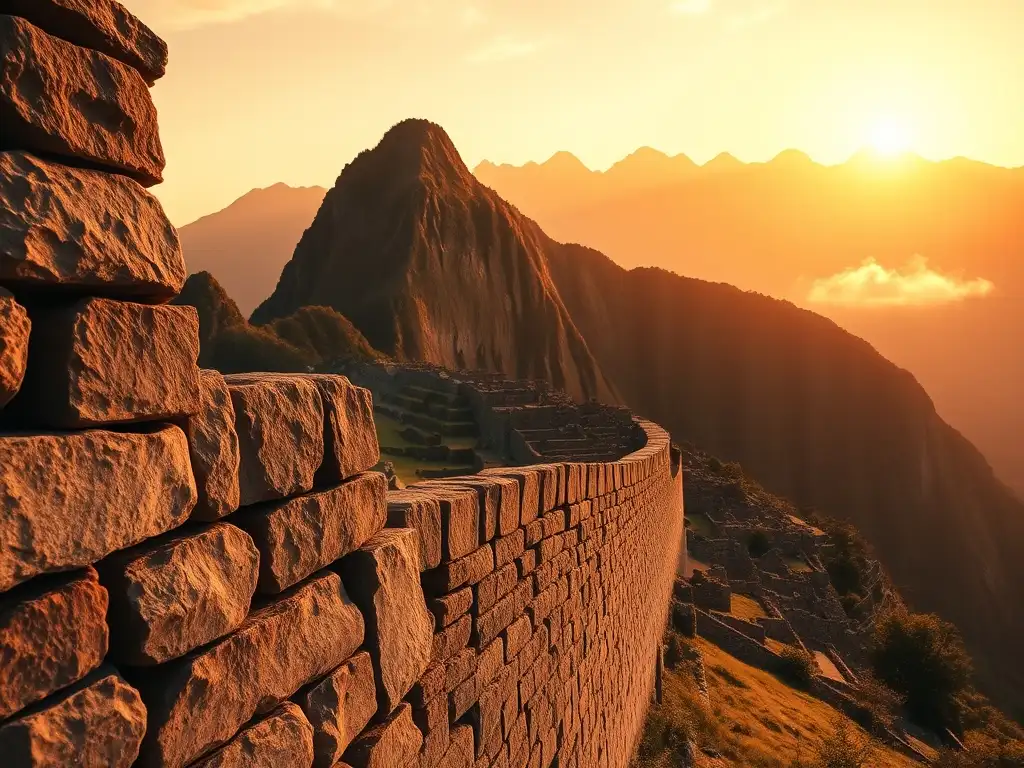
The Inca Empire, despite its relatively short lifespan compared to other ancient civilizations, left behind a monumental architectural legacy. Their structures, built without mortar, not only endured centuries of weathering and seismic activity but also continue to fascinate and inspire awe. This remarkable durability is not merely a testament to Inca engineering prowess, but also a reflection of their sophisticated understanding of time and the cosmos.
The Inca concept of time, deeply intertwined with their worldview, is subtly yet powerfully embedded within their architectural achievements. Understanding this connection provides a richer appreciation for the ingenuity and cultural significance of Inca architecture. This section will explore the relationship between Inca architecture and their unique perception of time, examining how their structures serve as tangible expressions of a cyclical and interconnected cosmos.
The enduring nature of these buildings, therefore, becomes a powerful metaphor for the cyclical nature of time itself, as envisioned by the Inca. Analyzing this relationship allows us to uncover deeper layers of meaning within these seemingly simple stone structures.
Inca Architecture as a Reflection of Cosmic Time
Inca cosmology viewed time as cyclical, not linear. This cyclical view is evident in their agricultural practices, religious rituals, and, most importantly, their architecture. The Inca did not perceive time as a progression from past to future, but rather as a continuous interplay between the earthly and celestial realms.
Their monumental structures, meticulously aligned with celestial events like solstices and equinoxes, served as physical manifestations of this cosmic order. For example, the precise orientation of Machu Picchu, with its buildings carefully positioned to capture the sun's movements throughout the year, exemplifies this deep connection between architecture and the celestial cycle. The placement of windows and doorways, often aligned with significant astronomical events, further underscores the deliberate integration of cosmic time into the design and construction of Inca structures.
This wasn't merely a matter of practical considerations; it was a profound statement about the Inca worldview and their place within the cosmos. The very act of building these structures was a ritualistic engagement with time, reinforcing their cyclical understanding of existence. The precision in their alignment suggests an advanced knowledge of astronomy and a deep understanding of the relationship between the earthly and celestial realms, a relationship inextricably linked to their concept of time.
The Symbolism of Inca Structures and their Timeless Messages
Beyond their astronomical alignments, Inca structures are laden with symbolic meaning that transcends the purely functional. The use of specific stones, the arrangement of buildings, and even the intricate details of carvings all convey deeper messages about Inca beliefs and values. For instance, the use of specific types of stone, often sourced from great distances, might symbolize power, sacredness, or connection to specific ancestral sites.
The carefully constructed terraces, not only serving agricultural purposes, also represent the layering of the cosmos and the cyclical nature of life, death, and rebirth. The intricate stonework, often so precisely fitted that a blade cannot be inserted between the stones, symbolizes the perfection and harmony sought in their relationship with the cosmos. These structures, therefore, are not simply buildings; they are powerful symbols that communicate the Inca's understanding of the world, their beliefs, and their relationship with time.
The enduring nature of these structures further reinforces the timeless quality of the messages they convey, allowing us to connect with their worldviews across millennia. This enduring legacy speaks volumes about the power of architectural symbolism to communicate enduring cultural values.
Preservation Efforts and the Importance of Inca Architectural Heritage
The preservation of Inca architectural heritage is crucial not only for historical reasons but also for understanding the Inca concept of time and their rich cultural legacy. These structures serve as invaluable sources of information about their sophisticated engineering, astronomical knowledge, and spiritual beliefs. Ongoing preservation efforts aim to protect these sites from the ravages of time and environmental factors, ensuring that future generations can appreciate and learn from these remarkable achievements.
However, challenges remain, including the impact of tourism, climate change, and the need for sustainable development strategies. The delicate balance between preservation and accessibility is a constant concern. Effective preservation strategies must incorporate both technological advancements and a deep understanding of the cultural significance of these sites.
Protecting Inca architecture is not merely a matter of preserving stones; it is about preserving a unique and valuable window into a complex and fascinating civilization and their profound relationship with time, a relationship deeply interwoven into the very fabric of their architectural legacy. The continued study and preservation of these structures are essential for a complete understanding of the Inca concept of "Inca architecture time concept".
Inca Architecture Time Concept: A Summary of Enduring Principles
The Inca concept of time, deeply intertwined with their cosmology and worldview, profoundly influenced their architectural achievements. Unlike linear Western conceptions, the Inca perceived time as cyclical, emphasizing continuity and the interconnectedness of past, present, and future. This cyclical understanding is vividly reflected in their architectural designs, which prioritized durability, adaptability, and integration with the natural environment.
The Inca weren't simply building structures; they were creating enduring testaments to their understanding of the cosmos and their place within it. This holistic approach ensured that their buildings not only served their immediate needs but also resonated with a timeless quality, a testament to their sophisticated understanding of engineering and their profound connection to the land.
The Inca architecture time concept, therefore, isn't simply about the longevity of their structures, but also about the enduring principles embedded within their design philosophy. This philosophy prioritized sustainable practices and a deep respect for the environment, lessons that continue to hold relevance today.
How Inca Architecture Embodied the Concept of Time
Inca architecture embodied their cyclical view of time through several key features. Firstly, the use of locally sourced materials, such as stone and adobe, ensured both sustainability and a seamless integration with the landscape. This wasn't simply a pragmatic choice; it reflected a deep spiritual connection to the earth, viewing buildings as extensions of the natural world rather than separate entities. Secondly, the emphasis on functionality and adaptability allowed structures to evolve and be repurposed over generations.
For instance, many Inca buildings were easily modified to serve different functions as the needs of the community changed, reflecting the dynamic and fluid nature of their perception of time. This adaptability is a stark contrast to many modern constructions that are often obsolete within a few decades. Thirdly, the intricate stonework, often perfectly fitted without mortar, demonstrated a commitment to craftsmanship and longevity.
The precision and care involved suggest a belief in the enduring value of their creations, designed to withstand the test of time and serve future generations. The meticulous nature of their construction, with its focus on quality over speed, is a testament to their understanding of the long-term value of their work. Finally, the astronomical alignments of many structures, notably Machu Picchu, suggest a deep understanding of celestial cycles and their influence on daily life, further reinforcing the cyclical nature of their perception of time.
Lessons from Inca Architecture for Modern Construction
The Inca's approach to architecture offers valuable lessons for modern construction practices. Their emphasis on sustainability, using local materials and minimizing environmental impact, provides a compelling model for environmentally conscious building. Their ingenious techniques, such as the use of interlocking stones without mortar, demonstrate the potential for innovative and durable construction methods.
Further research into Inca techniques could lead to advancements in earthquake-resistant building design. The Inca's approach to functionality and adaptability also highlights the importance of designing flexible and versatile structures that can adapt to changing needs over time. Their buildings weren’t static; they evolved alongside the needs of the community, a concept that could inspire more adaptable and resilient building designs today.
Lastly, the Inca's emphasis on craftsmanship and longevity serves as a reminder of the long-term value of investing in quality construction, rather than prioritizing speed and cost-cutting measures. Their commitment to creating enduring structures stands in stark contrast to many modern practices that prioritize short-term gains over long-term sustainability.
The Lasting Impact of Inca Architectural Innovations
The impact of Inca architectural innovations extends far beyond their physical structures. Their sophisticated understanding of engineering, particularly in areas such as stonework, irrigation, and urban planning, continues to inspire awe and admiration. Their mastery of stone construction, for example, is evident in the precision and stability of their structures, many of which have withstood centuries of earthquakes and weathering. The Inca's advanced understanding of hydraulic engineering is reflected in their intricate irrigation systems, which supported intensive agriculture in challenging terrains.
Their ability to manage water resources effectively continues to be studied and admired. Furthermore, their urban planning demonstrated a deep understanding of community needs and environmental considerations. Cities like Cusco were carefully planned to maximize efficiency and functionality, incorporating features such as well-defined pathways, public spaces, and integrated infrastructure.
This holistic approach to urban design offers valuable lessons for modern urban planning practices. The lasting legacy of Inca architecture lies not only in the beauty and majesty of their surviving structures but also in the enduring principles of sustainability, adaptability, and community that underpinned their design philosophy. The Inca architecture time concept, therefore, transcends mere aesthetics; it represents a profound and enduring contribution to human civilization.
Frequently Asked Questions
What is the unique relationship between Inca architecture and their concept of time?
Inca architecture wasn't just about building; it was about reflecting their cyclical view of time. Structures were designed to endure, mirroring their belief in a continuous, interconnected past, present, and future. This is evident in their monumental constructions designed to last for generations.
How did the Inca's understanding of time influence their building techniques?
Their understanding of time directly impacted their building materials and methods. They prioritized durability and precision, using sophisticated techniques to create structures resistant to earthquakes and the passage of time. This ensured the longevity of their buildings.
What are some examples of Inca architecture that demonstrate their concept of time?
Machu Picchu, with its intricate stonework and carefully planned layout, perfectly exemplifies this. Other examples include Sacsayhuamán's massive stone walls and Ollantaytambo's terraced agricultural structures, all built to withstand the test of time.
How did the Inca's concept of time differ from other Andean civilizations?
While other Andean cultures valued longevity, the Inca's concept of time had a more pronounced emphasis on cyclical patterns and the interconnectedness of generations. This is reflected in the scale and monumentality of their architecture, surpassing that of many preceding civilizations.
Why is understanding the Inca concept of time important for interpreting their architecture?
Understanding their time concept is crucial because it provides context. It helps us move beyond simply admiring the aesthetics to appreciating the deep cultural and spiritual significance embedded within their architectural achievements. It reveals the intentional design behind their impressive structures.
Final Reflection: Echoes of the Inca: Time, Stone, and Legacy
The enduring legacy of Inca architecture isn't merely about impressive structures; it's a testament to a sophisticated understanding of time, a perspective that resonates deeply with our own concerns about sustainability and cultural preservation in the face of rapid change. The meticulous planning, innovative engineering, and harmonious integration with the landscape demonstrate a profound connection to the cyclical nature of time, a connection we are only beginning to fully appreciate in our increasingly fragmented world.
The Inca's masterful manipulation of stone and space continues to inspire awe and wonder, prompting us to reconsider our own relationship with the environment and the passage of time. Their achievements challenge our modern, often linear, perception of progress. The past is never dead. It's not even past.
– William Faulkner. This quote speaks volumes about the enduring power of Inca architecture to teach us about the interconnectedness of past, present, and future, a lesson crucial for navigating the complexities of our own time. The echoes of their civilization, etched in stone, remind us that true progress is not solely about technological advancement, but also about respecting the rhythms of nature and the wisdom of our ancestors.
Consider the intricate details, the precise alignments, the sheer scale of Inca constructions. These weren't simply buildings; they were expressions of a worldview, a testament to a society deeply connected to its environment and its history. You, the reader, are now invited to reflect on your own relationship with time and legacy. How can we, in our own lives and communities, build structures – both physical and metaphorical – that are as enduring and meaningful as those created by the Inca? Let the echoes of their civilization inspire you to create a lasting impact on the world around you.
**Embrace the Enduring Legacy of Inca Architecture! **
Thank you for exploring the remarkable world of Inca architecture and its fascinating relationship with time! Your interest in these enduring structures enriches your understanding and connects you to a rich cultural heritage. Let's continue this journey together.
Here are some ways you can delve deeper:
- **Explore** the ancient Inca sites firsthand—plan a trip to Machu Picchu or Ollantaytambo to witness these architectural marvels.
- **Share** your newfound knowledge! Discuss this article with friends or on social media; what aspects of Inca architecture inspire you most?
- **Engage** with our community: Join our forum on Andean Civilizations to connect with fellow history enthusiasts and share your thoughts and questions about these magnificent structures.
Which aspect of Inca architecture most captivates your imagination, and how do you believe it reflects the culture's perception of time?