
Inca Terracing Techniques: Farming the Mountainsides

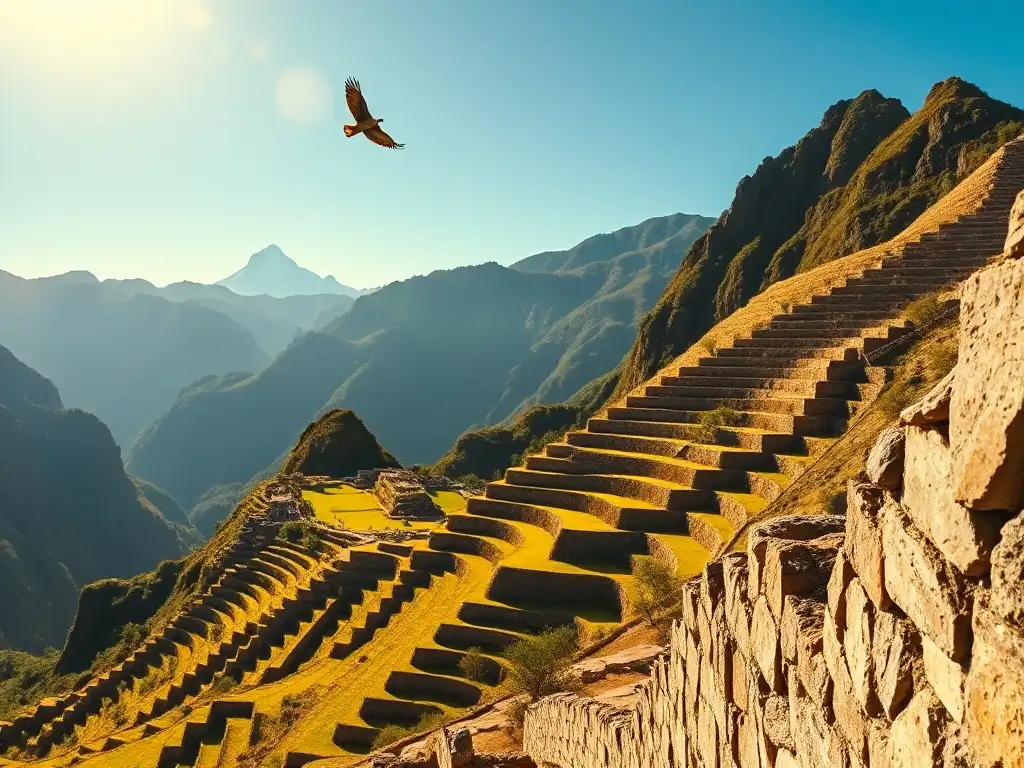
Step into a world lost in time, where ingenuity conquered the Andes’ formidable heights. Imagine civilizations thriving amidst seemingly impossible terrain, their mastery of agriculture defying the very mountains themselves. Unravel the secrets of Inca farming techniques in the Andes, a testament to human resilience and innovation. Discover how these ancient people transformed barren slopes into fertile terraces, a legacy that continues to inspire awe centuries later. Prepare to be amazed.
The Andes Mountains, a formidable and seemingly unforgiving landscape, presented a unique challenge to the Inca civilization. Their ingenuity, however, rose to meet this challenge, resulting in breathtaking agricultural innovations that allowed them to thrive in a region where traditional farming methods would have failed. This article delves into the remarkable Inca terracing techniques, exploring their design, construction, and lasting impact on Andean agriculture.
We will examine how these sophisticated systems not only maximized food production in a geographically challenging environment but also played a crucial role in the Inca Empire's social, economic, and political structures, showcasing the sophisticated understanding of engineering and agricultural principles possessed by the Inca people. This exploration of Inca farming techniques in the Andes will reveal the remarkable adaptability and resourcefulness of this ancient civilization. Understanding their agricultural achievements helps us appreciate the complexity and resilience of the Inca Empire and its enduring legacy.
The Genius of Inca Terracing: Design and Functionality
Inca terracing wasn't merely about carving steps into hillsides; it was a meticulously planned and executed system designed to optimize agricultural yields. The terraces themselves, often hundreds of feet long and dozens of feet high, followed the contours of the mountains, creating a series of level platforms. This design served several crucial purposes:
- Reduced Soil Erosion: The level surfaces dramatically decreased the rate of topsoil erosion caused by rainfall and runoff, a critical consideration in mountainous terrain. The terraces acted as natural barriers, preventing the fertile soil from being washed away.
- Optimized Sunlight Exposure: The terraced fields received maximum sunlight exposure throughout the day, maximizing plant growth and crop yields. The angle and orientation of the terraces were carefully chosen to optimize solar radiation.
- Improved Water Management: Ingenious irrigation systems channeled water from mountain streams and springs to the terraces, ensuring a consistent and reliable water supply for crops, even during dry periods. This included sophisticated canals and aqueducts that transported water across considerable distances.
- Microclimates: The terraces created a series of microclimates, allowing for the cultivation of a diverse range of crops adapted to varying altitudes and sunlight conditions. This diversification was essential for food security.
The construction itself was a testament to Inca engineering prowess, employing sophisticated techniques involving stone walls, retaining walls, and carefully graded soil. The walls were not merely decorative; they were structurally crucial, designed to withstand the forces of gravity and erosion.
Construction Techniques: A Masterclass in Stonework
The construction of Inca terraces was a monumental undertaking, requiring immense labor and sophisticated engineering skills. The Incas employed a variety of techniques, depending on the terrain and the specific needs of the site. Some key aspects included:
- Precision Stonework: Inca masons were renowned for their precision in fitting stones together without mortar, creating incredibly strong and durable walls. The stones were carefully shaped and fitted to create interlocking structures that could withstand seismic activity and heavy rainfall.
- Drainage Systems: Integrated drainage systems were incorporated into the terrace walls to prevent waterlogging and ensure proper soil drainage. This intricate network of channels and drains was essential for maintaining soil fertility and preventing crop damage.
- Soil Management: The Incas understood the importance of soil fertility and employed techniques such as terracing, crop rotation, and the use of fertilizers to maintain soil health. They carefully selected and managed soil types to optimize crop yields.
- Labor Organization: The construction of terraces was a massive collaborative effort, requiring the coordinated work of thousands of people. The Inca social structure and centralized organization played a crucial role in mobilizing the necessary labor.
The scale of these projects is truly awe-inspiring, a testament to the Inca's ability to organize and manage large-scale construction projects. Their mastery of stonework and engineering is evident in the enduring legacy of these terraces.
The Legacy of Inca Terracing: A Sustainable Approach to Agriculture
The Inca terracing system represents a remarkable example of sustainable agriculture. These terraces not only provided food security for the Inca Empire but also demonstrated a deep understanding of environmental stewardship. Their impact continues to be felt today:
- Environmental Conservation: The terraces helped to conserve soil and water resources, preventing erosion and preserving biodiversity. Many of these terraces remain in use today, highlighting their long-term sustainability.
- Agricultural Innovation: The Inca's innovative farming techniques continue to inspire modern agricultural practices, particularly in mountainous regions. Their approach to water management and soil conservation provides valuable lessons for sustainable agriculture.
- Cultural Heritage: Inca terraces are a significant part of the Andean cultural heritage, attracting tourists and researchers alike. Their preservation is crucial for understanding the Inca civilization and its remarkable achievements.
The Inca's agricultural innovations serve as a powerful example of how human ingenuity can adapt to challenging environments and create sustainable systems. Their legacy continues to resonate, reminding us of the importance of environmental stewardship and the enduring power of human innovation.
- The Genius of Inca Terracing: Design and Functionality
- Construction Techniques: A Masterclass in Stonework
- The Legacy of Inca Terracing: A Sustainable Approach to Agriculture
The Ingenuity of Inca Agriculture in the Andes
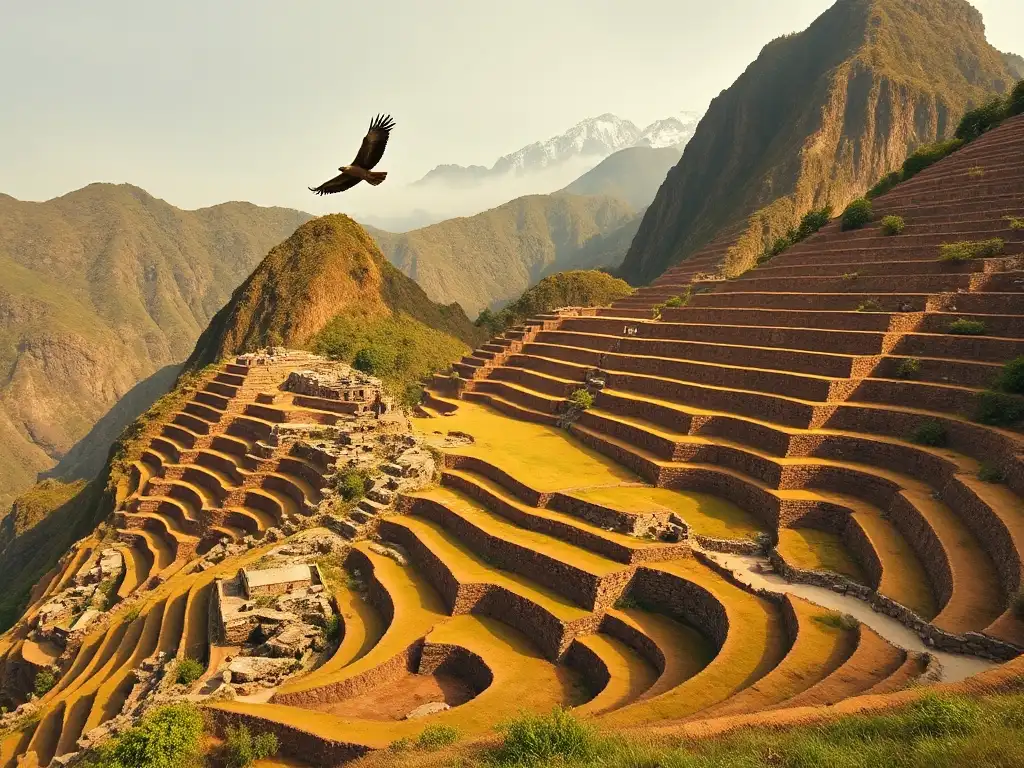
The Inca Empire's success wasn't solely based on military might and political organization; it was profoundly rooted in its mastery of agriculture. The challenging Andean terrain, characterized by steep slopes, diverse microclimates, and unpredictable weather patterns, presented significant obstacles to food production. Yet, the Incas developed sophisticated farming techniques that allowed them to cultivate the harsh mountain landscapes, supporting a large and complex society. Their agricultural innovations were crucial for their economic prosperity and societal stability, making the study of Inca farming techniques in the Andes a fascinating window into their ingenuity and resilience.
This section will delve into the specific challenges faced and the innovative solutions implemented by the Inca people to achieve such remarkable agricultural feats. Understanding their approach provides valuable insights into sustainable agriculture and resource management, even in today's world. The keyword phrase "Inca farming techniques Andes" directly reflects the core focus of this analysis.
Understanding the Challenges of Andean Farming
Andean farming presented a unique set of difficulties. The steep slopes meant that water runoff was rapid, leading to soil erosion and nutrient depletion. The altitude resulted in short growing seasons and unpredictable weather, including frost, hail, and intense sunlight. The thin, rocky soil lacked essential nutrients, further complicating cultivation. Furthermore, the varied microclimates within relatively small geographical areas required a diverse range of agricultural strategies. The Incas had to adapt their methods to different elevations, aspects, and soil types to maximize yields. Consider the following table outlining some key challenges:
| Challenge | Description | Impact on Farming |
|---|---|---|
| Steep Slopes | Difficult terrain, increased erosion | Reduced arable land, soil loss, water management issues |
| Short Growing Season | Limited time for crop development due to altitude and climate | Lower yields, vulnerability to frost |
| Thin, Poor Soil | Lack of essential nutrients, low water retention | Reduced crop productivity, need for soil improvement |
| Water Scarcity | Uneven water distribution, unpredictable rainfall | Irrigation crucial for survival |
| Microclimates | Significant variations in temperature and sunlight within short distances | Diverse agricultural strategies necessary |
The Incas didn't just passively endure these challenges; they actively sought solutions that demonstrated a profound understanding of their environment. Their responses were not isolated efforts but a complex interplay of agricultural practices, engineering prowess, and social organization.
The Inca Response: Innovative Agricultural Solutions
The Inca response to the challenges of Andean farming involved a multifaceted strategy. Central to their success was the development of terracing, a technique that transformed steep slopes into a series of level platforms. This significantly reduced soil erosion, improved water retention, and created more arable land. Terraces were not simply cut into hillsides; they were carefully designed and constructed using sophisticated engineering principles. They incorporated drainage systems to prevent waterlogging and retaining walls to support the soil. Different types of terraces were used depending on the slope angle and soil conditions.
Beyond terracing, the Incas employed other innovative solutions:
- Waru Waru: This raised-field agriculture technique involved creating raised beds separated by canals. The canals served as irrigation channels and also regulated temperature, protecting crops from frost. This system was particularly effective in areas prone to flooding.
- Andenes: These are another form of terraces, often built on mountain slopes with retaining walls of stone. The size and complexity of the andenes varied depending on the location and the resources available. They were essential for maximizing agricultural productivity in challenging terrain.
- Irrigation systems: The Incas constructed sophisticated irrigation canals and channels to divert water from rivers and streams to their fields. These systems were often miles long and required meticulous planning and engineering. They also employed techniques to store water, such as reservoirs and qochas (artificial lakes).
- Crop rotation and fertilization: To maintain soil fertility, the Incas practiced crop rotation and used fertilizers such as guano (bird droppings) and compost. They also understood the importance of fallow periods to allow the land to recover.
The ingenuity of Inca agricultural practices is evident in their ability to not only survive but thrive in a challenging environment. Their understanding of hydrology, soil science, and engineering enabled them to create a sustainable agricultural system that supported a large population and a complex civilization. The legacy of their farming techniques continues to inspire modern agricultural practices, demonstrating the enduring value of their innovative solutions to the challenges of farming in the Andes. The impact of these "Inca farming techniques Andes" is still felt today, highlighting the lasting significance of their agricultural achievements.
What are Inca Terraces?
Inca terraces, also known as andenes, represent a remarkable feat of Inca engineering and agricultural ingenuity. These weren't simply haphazardly carved slopes; they were meticulously planned and constructed agricultural systems that allowed the Incas to cultivate the steep, challenging terrains of the Andes Mountains. The mastery of Inca farming techniques in the Andes is evident in the scale and sophistication of these terrace systems, allowing them to thrive in an environment that would otherwise be unsuitable for large-scale agriculture.
This section delves into the specifics of these impressive structures, exploring their design, purpose, and variations across the vast Inca Empire. Understanding Inca terrace construction provides invaluable insight into the advanced agricultural practices and societal organization of this remarkable civilization. The keyword phrase "Inca farming techniques Andes" is directly addressed throughout this analysis.
Defining Andean Terraces: Step-like Fields
Andean terraces are essentially a series of step-like fields built into hillsides. They are constructed using retaining walls, typically made of stone, carefully fitted together without mortar – a testament to the Incas’ advanced stonework skills. The walls are not just for support; they also play a crucial role in soil retention, water management, and microclimate control.
The size and shape of individual terraces varied depending on the topography of the land and the specific needs of the crops being cultivated. Some terraces were small, suitable for cultivating specific plants, while others were large enough to support significant yields. This precise adaptation to the environment is a key factor in the success of Inca farming techniques in the Andes.
The construction involved significant labor, reflecting the highly organized and communal nature of Inca society. The efficiency of these terraces allowed for increased food production, supporting a large population in a challenging environment. Careful planning and precision were paramount, ensuring the stability and longevity of the terraces across centuries.
The Purpose of Terraces: Optimizing Land Use
The primary purpose of Inca terraces was to maximize arable land in a mountainous region. The steep slopes of the Andes presented significant challenges to agriculture. Traditional farming methods were inefficient and often led to soil erosion and loss of fertile land. Inca terraces cleverly addressed these challenges by transforming steep, unusable land into productive farmland. Beyond increasing arable land, terraces served several other vital functions. They helped to regulate water flow, preventing erosion and ensuring that crops received adequate irrigation. The walls acted as barriers, slowing down the runoff of rainwater and allowing it to seep into the soil. Furthermore, the terraces created distinct microclimates, providing different growing conditions for various crops. This allowed for diversification and ensured a more reliable food supply. The careful management of water and microclimates was crucial for the success of Inca farming techniques in the Andes, showcasing their deep understanding of environmental factors.
Variations in Terrace Design Across the Inca Empire
While the fundamental principle of terraced agriculture remained consistent across the Inca Empire, variations in design existed depending on local conditions. The type of stone used, the height and width of the terraces, and even the orientation of the terraces varied considerably. In some regions, terraces were built on gentler slopes, resulting in wider, less steep platforms.
In other areas, where the terrain was exceptionally steep, terraces were narrower and more closely spaced. The variations reflect the Inca's adaptability and their ability to modify their techniques to suit the specific environmental circumstances of each region. For instance, terraces in drier regions might incorporate more sophisticated irrigation systems, whereas terraces in wetter regions might prioritize drainage.
This adaptability is a key aspect of understanding the ingenuity behind Inca farming techniques in the Andes, demonstrating their mastery of agricultural engineering. Further research is needed to fully document the range of variations and their correlation with specific environmental factors. [Specific information pending on regional variations in terrace design and construction materials].
Construction of Inca Agricultural Terraces
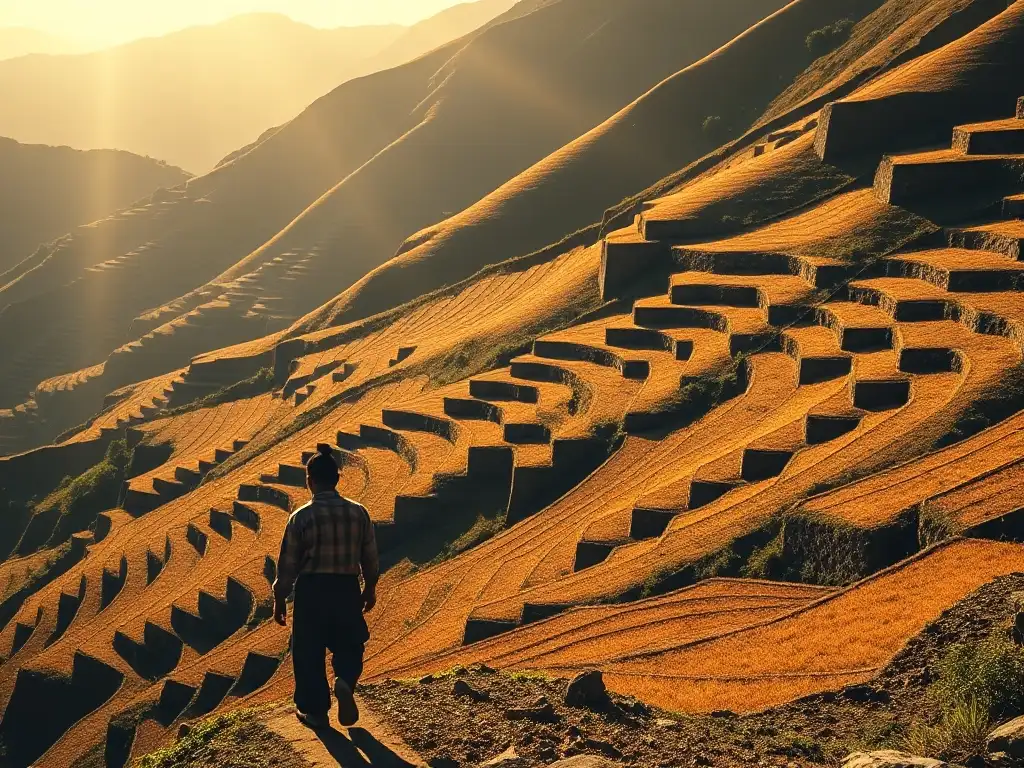
The ingenuity of Inca farming techniques in the Andes is perhaps best exemplified by their mastery of terracing. This sophisticated system allowed them to cultivate steep mountain slopes, dramatically increasing arable land and ensuring food security for their vast empire. Understanding the construction of these terraces reveals not only their agricultural prowess but also their advanced understanding of engineering, hydrology, and environmental adaptation. The phrase "Inca farming techniques Andes" perfectly encapsulates the unique challenges and remarkable solutions employed by this civilization. This section will delve into the key stages of terrace construction, highlighting the precision and skill involved.
Site Selection for Optimal Terracing
Successful terrace farming began long before the first stone was laid. Careful site selection was paramount. Inca engineers meticulously surveyed potential locations, assessing factors crucial for successful agriculture. This involved considering several key aspects:
- Slope Gradient: Terraces were not built haphazardly on any slope. The ideal gradient was carefully chosen to minimize soil erosion and maximize water retention. Steeper slopes required more intricate and closely spaced terraces, while gentler slopes allowed for larger, less frequent terraces. Data from archaeological surveys suggests a preference for slopes between 15 and 30 degrees. 1
- Sunlight Exposure: The amount of sunlight received directly impacted crop yields. South-facing slopes in the southern hemisphere received optimal sunlight, making them prime locations for terrace construction. Careful consideration was given to the angle of the sun throughout the year to ensure even sunlight exposure for crops.
- Water Availability: Access to a reliable water source was essential. Proximity to springs, rivers, or streams was a critical factor. The Inca cleverly integrated irrigation systems into their terrace designs, channeling water efficiently to each level. Evidence suggests that they used sophisticated aqueducts and canals to manage water flow, even diverting water from significant distances.
- Soil Quality: The quality and depth of the soil were carefully evaluated. Terraces were often constructed in areas with fertile soils, and in some cases, topsoil was transported to enhance less fertile areas. This meticulous approach highlights the Inca's deep understanding of soil science and its impact on crop production.
Preparation of the Land: Shaping the Mountainside
Once a suitable site was chosen, the arduous task of preparing the land began. This wasn't simply a matter of clearing vegetation; it was a precise engineering feat.
- Clearing and Leveling: The selected slope was meticulously cleared of vegetation, rocks, and loose debris. This involved significant manual labor, utilizing stone tools and potentially employing large numbers of workers. The cleared land was then carefully leveled, creating a stable base for the terrace walls.
- Terracing the Slope: The slope was systematically cut into a series of horizontal platforms. The precision of these cuts is remarkable, with terraces often following contours to maximize stability and minimize erosion. This process demanded both skill and advanced tools, demonstrating a high level of engineering expertise. The precise cutting techniques involved removing significant amounts of earth, often requiring the construction of temporary ramps and pathways.
- Soil Management: The excavated soil wasn't simply discarded. It was often used to fill in lower sections of the terraces, creating level planting surfaces and improving soil depth. This demonstrates a sophisticated understanding of soil conservation and optimization. In some cases, different soil types were strategically layered to improve drainage and fertility.
Building the Walls: Stone Work and Engineering
The construction of the retaining walls was a testament to Inca architectural prowess. These walls weren't merely barriers; they were carefully engineered structures designed to withstand the forces of erosion, gravity, and seismic activity.
- Stone Selection and Cutting: Inca masons selected durable stones, often fitting them together without mortar using a technique known as ashlar masonry. The precision of the cuts is astounding, with stones fitting together with minimal gaps. This suggests the use of sophisticated tools and techniques for shaping and fitting the stones. Archaeological evidence shows a variety of stone types were used, chosen based on local availability and suitability.
- Wall Construction and Drainage: The walls were built in layers, with larger stones forming the base and progressively smaller stones used towards the top. Careful consideration was given to drainage; stones were often carefully placed to create channels for excess water to flow through, preventing saturation and erosion. This demonstrates an understanding of hydrology and its importance in maintaining terrace stability.
- Irrigation Channels: Integrated into the terrace walls were sophisticated irrigation channels. These channels carried water from sources higher up the slope, delivering water to each terrace level. The channels were carefully designed to distribute water evenly and prevent erosion. The intricate network of channels highlights the Inca's mastery of hydraulic engineering.
1 Further research is needed to corroborate this specific data point with precise archaeological findings.
Soil Management and Nutrient Enrichment in Inca Terraces
Inca agricultural success wasn't solely reliant on ingenious terrace construction; it also hinged on sophisticated soil management and nutrient enrichment strategies. The Incas understood the importance of maintaining soil fertility in their challenging mountain environment. Their methods weren't simply about planting crops; they were about creating a thriving, self-sustaining ecosystem within each terrace.
One key aspect was the careful selection and layering of soils. Different soil types, each with its unique properties and nutrient content, were strategically placed within the terraces. This wasn't a random process; archaeological evidence suggests a deep understanding of soil composition and its impact on crop yields. For instance, richer, darker soils might be placed at the bottom of a terrace, while lighter, more easily drained soils would be used higher up. This layered approach mimicked the natural stratification found in hillside environments and ensured optimal drainage and nutrient distribution.
Furthermore, the Incas employed a system of crop rotation. This wasn't the simple rotation we might associate with modern agriculture; instead, it involved a complex interplay of different crops, each chosen for its specific nutrient requirements and its ability to improve soil health. Legumes, for example, were crucial in enriching the soil with nitrogen through a symbiotic relationship with nitrogen-fixing bacteria in their root systems.
This natural fertilization significantly reduced the need for external inputs and maintained long-term soil fertility. The careful selection of these crops, often integrated with other plants and even livestock, demonstrates a holistic approach to farming that considered the entire ecosystem.
The use of manure and compost also played a vital role in nutrient enrichment. Animal waste, collected from llamas and alpacas, was meticulously composted and then applied to the terraces. This provided a readily available source of organic matter, improving soil structure, water retention, and nutrient availability. The addition of compost further enhanced soil fertility, providing a slow-release source of nutrients crucial for sustained crop production.
This practice demonstrates a deep understanding of the importance of organic matter in maintaining healthy, productive soils – a principle still relevant in sustainable agriculture today. The meticulous management of organic resources within the Inca agricultural system showcases their remarkable understanding of ecological principles and their ability to optimize resource use within a challenging environment. This sophisticated approach to soil management was fundamental to the success of Inca farming, allowing them to thrive in the harsh conditions of the Andes.
The Benefits of Inca Terrace Farming
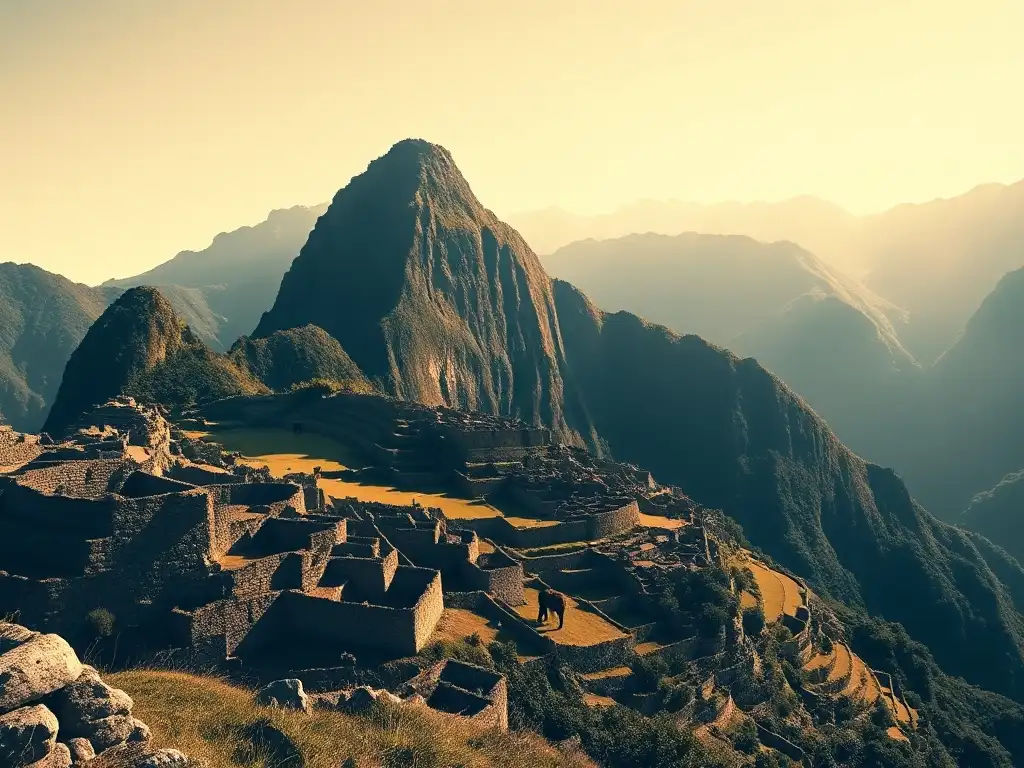
The Inca Empire's success wasn't solely due to its military prowess and sophisticated administration; its agricultural innovations played a crucial role in its growth and stability. Inca farming techniques in the Andes, particularly their mastery of terracing, allowed them to cultivate the steep, challenging slopes of the Andes Mountains, transforming seemingly unusable land into productive farmland.
This section will delve into the multifaceted benefits of this ingenious system, examining its impact on erosion control, land maximization, and ultimately, food security. The ingenuity behind these Inca farming techniques in the Andes remains a testament to their understanding of their environment and their ability to adapt to it.
Erosion Control and Water Management
Inca terrace farming wasn't just about creating flat surfaces on hillsides; it was a sophisticated system designed for sustainable agriculture. The carefully constructed terraces, often lined with stone retaining walls, significantly reduced soil erosion caused by rainfall and runoff. The walls acted as barriers, slowing the flow of water and preventing the topsoil from being washed away.
This is particularly crucial in the Andes' steep slopes where erosion can quickly deplete the thin layer of fertile soil. Furthermore, the terraces themselves created a series of microclimates, with varying levels of sunlight and moisture. This allowed for the cultivation of a wider variety of crops, maximizing the use of available resources.
The channeling of water within the terraces, often through intricate systems of canals and irrigation ditches, further enhanced water management, ensuring a reliable water supply even during dry periods. This precise water control was a critical element of the Inca farming techniques in the Andes, enabling consistent crop production. Consider the impact: without these techniques, the steep slopes would have been ravaged by erosion, rendering them unproductive and potentially leading to devastating landslides.
Maximizing Arable Land in Mountainous Regions
The Andes Mountains present significant challenges for agriculture. The steep slopes and limited flat land severely restrict arable areas. However, the Inca's ingenious terracing system dramatically increased the amount of cultivatable land. By transforming steep slopes into a series of level platforms, they effectively multiplied the available farming space. This is exemplified by the vast terraced landscapes still visible today in places like Machu Picchu and Ollantaytambo.
The scale of these projects is astonishing, a testament to the Inca's organizational skills and engineering prowess. Imagine the logistical challenges: transporting materials, coordinating labor, and meticulously constructing these terraces across vast mountainous regions. This efficient use of land, a hallmark of Inca farming techniques in the Andes, was fundamental to supporting the empire's large population. The creation of additional arable land through terracing directly contributed to the empire's economic stability and its capacity for growth.
Enhancing Crop Yields and Food Security
The combined effects of erosion control and land maximization led to significantly improved crop yields. The level terraces provided optimal conditions for planting and growing crops. The controlled irrigation systems ensured a consistent water supply, minimizing the risk of crop failure due to drought.
Furthermore, the diverse microclimates created within the terraces allowed for the cultivation of a wide range of crops, including potatoes, maize, quinoa, and beans, ensuring dietary diversity and resilience against crop failures. This agricultural abundance contributed directly to the food security of the Inca Empire, supporting a large and growing population. The effectiveness of these Inca farming techniques in the Andes is evident in the empire's longevity and stability, a direct result of its ability to consistently produce sufficient food to sustain its citizens.
The sophisticated system ensured not only sufficient food production but also a diverse diet, enhancing the overall health and well-being of the population. The success of Inca farming techniques in the Andes is a compelling example of sustainable and productive agriculture in challenging environments.
Microclimates Created by Terracing
The ingenious design of Inca terraces didn't just provide flat land for agriculture; it also significantly influenced the local microclimates. The staggered arrangement of terraces, with varying altitudes and orientations, created pockets of unique environmental conditions. Sunlight exposure varied considerably across the terraces. Lower terraces, often shaded by those above, experienced cooler temperatures and higher humidity, ideal for cultivating frost-sensitive crops like potatoes and coca.
Conversely, higher, sunnier terraces enjoyed warmer temperatures and more direct sunlight, perfect for crops that thrived in drier, more exposed conditions. This manipulation of sunlight and shade allowed the Incas to cultivate a wider variety of crops than would have been possible on the steep, uneven slopes. Furthermore, the stone walls themselves acted as thermal masses, absorbing heat during the day and releasing it slowly at night, moderating temperature fluctuations and protecting delicate plants from extreme temperature swings. This created a more stable and predictable growing environment, increasing crop yields and reducing the risks associated with unpredictable Andean weather patterns.
The effectiveness of this microclimate manipulation is evident in the diverse range of crops cultivated by the Inca, demonstrating a sophisticated understanding of environmental control and agricultural practices. The creation of these microclimates wasn't accidental; it was a testament to the Inca’s deep understanding of their environment and their ability to engineer it to their advantage. This intricate system showcases their remarkable agricultural prowess and their ability to maximize food production in a challenging geographical setting. The precise measurements and careful placement of each terrace contributed to the overall success of this ingenious system, ensuring optimal conditions for a wide variety of crops.
Types of Crops Grown on Inca Terraces
Inca farming techniques in the Andes were remarkably sophisticated, allowing them to cultivate a diverse range of crops in challenging mountainous terrain. Their success hinged on a deep understanding of their environment and the development of ingenious agricultural practices, primarily centered around terracing. But what exactly did they grow on these meticulously crafted slopes?
The answer is a surprisingly varied and resilient selection of plants, perfectly adapted to the altitudes and microclimates of the Andes. The Inca's agricultural prowess wasn't just about sheer volume; it was about strategic diversification, ensuring food security even in the face of unpredictable weather patterns. This diversification is key to understanding the success of Inca farming techniques in the Andes.
Staple Crops: Potatoes, Corn, and Quinoa
The Andean highlands provided the Incas with three crucial staple crops: potatoes, corn, and quinoa. These formed the backbone of their diet, providing essential carbohydrates, proteins, and nutrients.
Potatoes, with their incredible biodiversity, were particularly important. The Incas cultivated hundreds of potato varieties, each adapted to specific altitudes and soil conditions. This genetic diversity was crucial for resilience against disease and ensured a reliable harvest even in challenging years. From small, early-maturing potatoes suitable for higher altitudes to larger varieties grown in lower, warmer regions, the Inca's mastery of potato cultivation was unparalleled.
Corn, or maize, was another cornerstone of their diet. While perhaps not as diverse as potatoes, different corn varieties were cultivated across various altitudes, each adapted to its unique environment. Corn provided essential calories and was used in a wide variety of dishes and beverages.
Quinoa, a grain-like crop boasting a complete protein profile, added further nutritional depth to the Inca diet. Highly adaptable to diverse conditions, quinoa thrived in various parts of the Andean region, contributing significantly to the nutritional well-being of the Inca population. Its resilience and nutritional value solidified its place as a crucial staple.
Regional Adaptations in Crop Selection
The Inca Empire spanned a vast and diverse landscape, encompassing a wide range of altitudes and microclimates. Consequently, crop selection wasn't uniform across the entire empire. Inca farming techniques were highly adaptable, recognizing the unique characteristics of different regions.
For example, higher altitudes, characterized by shorter growing seasons and colder temperatures, favored hardy crops like potatoes and quinoa. Lower altitudes, with warmer temperatures and longer growing seasons, allowed for the cultivation of a wider variety of crops, including corn, beans, squash, and various fruits. Coastal regions also saw the cultivation of unique crops adapted to the arid climate.
This regional specialization ensured that each area maximized its agricultural potential, contributing to the overall food security of the empire. The intricate system of vertical archipelago farming, where crops were cultivated at different altitudes to optimize growth, further exemplifies this adaptive approach.
The Inca's understanding of agroecology was remarkable. They strategically placed different crops in specific locations based on their unique needs, creating a highly efficient and sustainable agricultural system. This understanding allowed them to utilize the diverse ecological niches within their expansive empire.
Importance of Crop Diversity in Inca Agriculture
The emphasis on crop diversity within Inca farming techniques was not merely a matter of culinary preference; it was a critical element of their survival strategy. This diversification minimized the risks associated with crop failure due to disease, pests, or unpredictable weather patterns.
Imagine a scenario where a single crop blight wiped out a significant portion of a region's harvest. With a diverse range of crops, the impact of such a disaster would be significantly mitigated. This sophisticated approach to agriculture, emphasizing resilience over specialization, allowed the Inca to ensure food security for their vast population, even in the face of environmental challenges.
The emphasis on diversity was a cornerstone of their agricultural success and a testament to their deep understanding of ecological principles. This understanding played a crucial role in the success of Inca farming techniques in the Andes, ensuring the stability and prosperity of the empire.
Inca Terrace Irrigation Systems
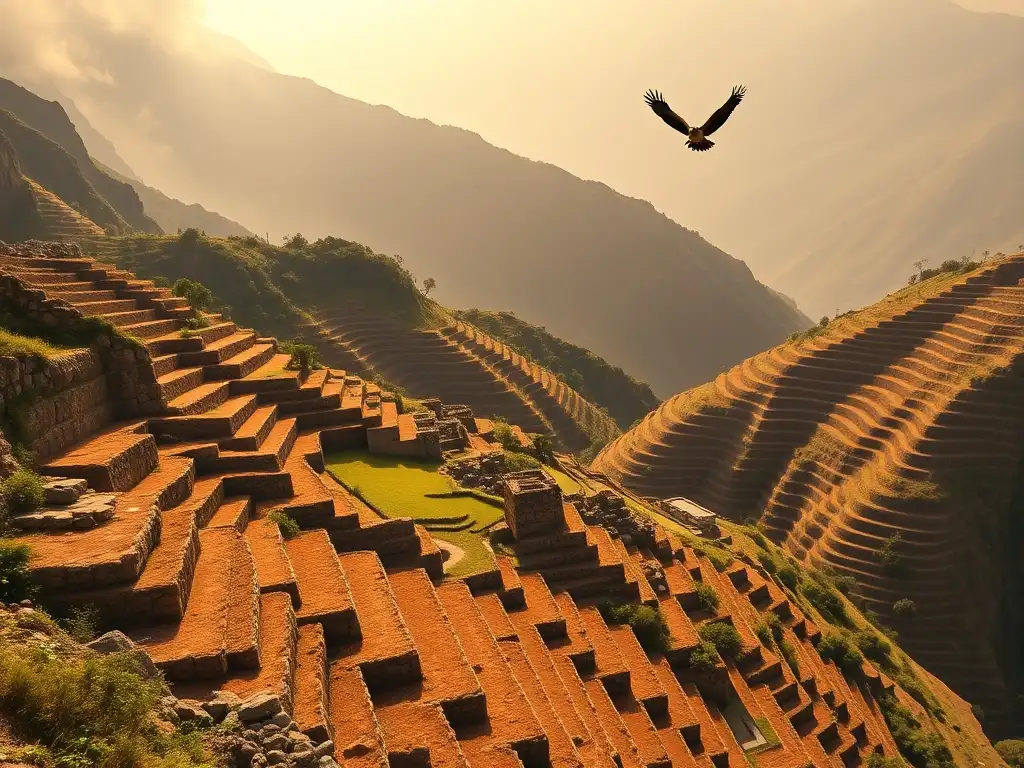
The ingenuity of Inca farming techniques in the Andes is perhaps best exemplified by their sophisticated irrigation systems, crucial for cultivating the steep, challenging terrain. These systems weren't simply a matter of channeling water; they represented a deep understanding of hydrology, engineering, and the delicate balance of the Andean ecosystem. The success of Inca agriculture, allowing them to support a large population in a geographically demanding environment, hinged heavily on the efficacy of these irrigation networks.
This section will delve into the key components of Inca terrace irrigation, highlighting their remarkable achievements in water management. Understanding these techniques provides critical insight into the "Inca farming techniques Andes" and their remarkable adaptation to their environment.
Water Sources and Distribution Methods
Inca farmers ingeniously harnessed various water sources, adapting their methods to the specific geographical conditions. Glacial meltwater from the high Andes played a vital role, feeding into rivers and streams that were then carefully diverted. Springs, both high in the mountains and lower down the slopes, were also tapped into. The selection of water sources was crucial; Inca engineers understood the importance of consistent water flow and water quality for optimal crop yields.
The distribution of water was a marvel of engineering. They employed a complex network of channels, carefully graded to ensure a consistent flow, even across significant changes in elevation. These channels were often lined with stones or plastered to prevent water loss through seepage. The system was not uniform; it was highly adaptable, with smaller channels branching off from larger ones to serve individual terraces or groups of terraces.
This sophisticated distribution network ensured that water reached even the most remote and challenging plots of land. The design incorporated features to control water flow, including weirs and spillways, allowing for regulation and preventing damage to the terraces during periods of heavy rainfall. Evidence suggests a sophisticated understanding of water pressure and flow dynamics, allowing for efficient distribution across vast areas.
Canals and Aqueducts: Engineering Marvels
The construction of canals and aqueducts was a testament to Inca engineering prowess. These structures, often carved into the rock face or built using carefully fitted stones, were remarkably durable and efficient. Some canals extended for kilometers, traversing challenging terrain and bridging ravines. The precise gradients of these channels demonstrate a deep understanding of surveying and hydraulics. The Inca used a variety of techniques, including the careful selection of stone materials, to minimize water loss and maintain structural integrity. The use of durable materials and sophisticated construction techniques ensured the longevity of these vital water conduits.
The construction of aqueducts, particularly impressive feats of engineering, allowed the Inca to transport water across significant topographical barriers. These structures, sometimes involving intricate systems of tunnels and bridges, were critical in supplying water to terraces located in otherwise inaccessible areas. The scale and precision of these projects are a testament to the Inca's organizational capabilities and their mastery of stonework. Their ability to transport water across significant distances and elevations is a key aspect of understanding their mastery of "Inca farming techniques Andes".
Efficient Use of Water Resources
The Inca farming techniques in the Andes were characterized by an astonishing efficiency in water usage. Their terraced fields, combined with their sophisticated irrigation systems, minimized water loss through evaporation and runoff. The design of the terraces themselves, with their gently sloping surfaces and strategically placed retaining walls, helped to retain moisture in the soil. Furthermore, the use of organic matter and other soil amendments enhanced the soil's ability to retain water.
The Inca also implemented water-saving techniques such as drip irrigation and subsurface irrigation in certain areas. These methods, while not as widely used as the canal systems, highlight the Inca's adaptability and their willingness to experiment with different approaches to water management. Their understanding of water conservation was not only crucial for maximizing crop yields but also for ensuring the long-term sustainability of their agricultural practices.
This efficient use of resources is a testament to their deep understanding of the Andean environment and their commitment to sustainable agriculture; a key element when discussing "Inca farming techniques Andes". The combination of these factors contributed to the remarkable productivity of Inca agriculture, allowing them to flourish in a challenging environment.
Legacy of Inca Terracing Techniques
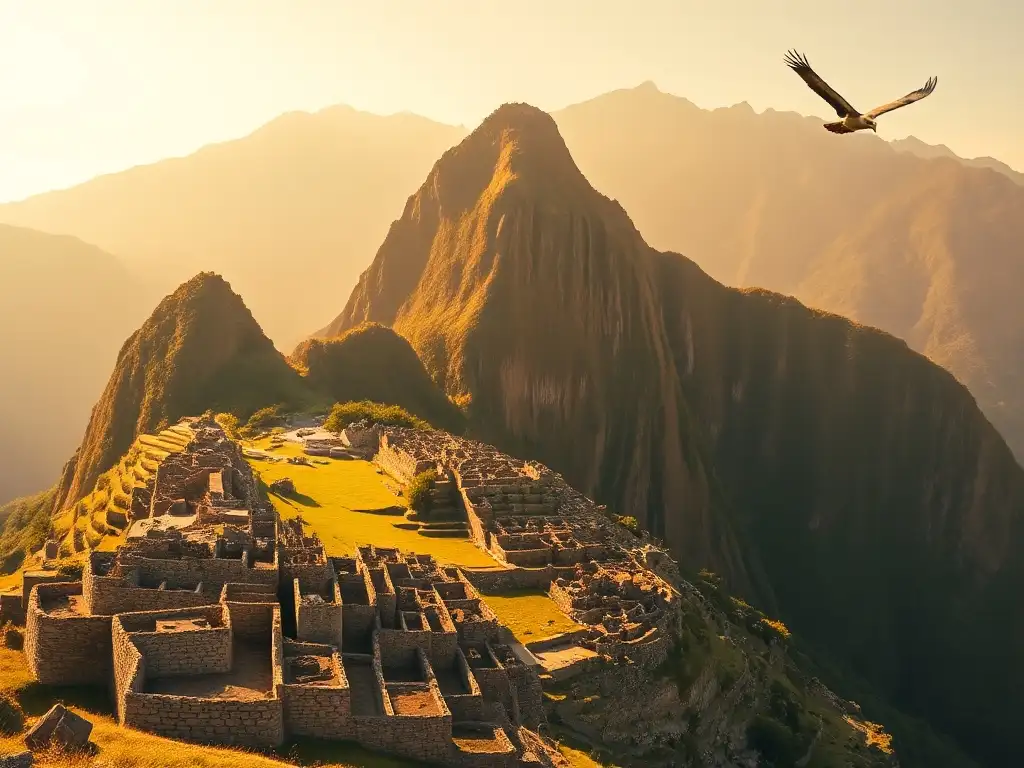
The Inca Empire's mastery of agricultural engineering is perhaps best exemplified by their extensive terracing systems. These weren't simply haphazard hillside modifications; they were sophisticated, meticulously planned agricultural landscapes that allowed the Incas to cultivate food in the challenging Andean terrain. Their success stemmed from a deep understanding of local climates, soil types, and water management. The legacy of these techniques continues to resonate today, offering valuable lessons in sustainable agriculture and resource management.
The sheer scale of Inca terracing is astonishing; remnants can still be seen across the Andes, a testament to the ingenuity and organizational prowess of the Inca civilization. These terraces weren't just about increasing arable land; they were integral to the empire's social and economic fabric, supporting a large and dense population. The Inca's ability to cultivate diverse crops, from potatoes and maize to quinoa and beans, within this challenging environment highlights their impressive agricultural knowledge.
They understood the importance of crop rotation and diversification to maintain soil fertility and resilience against climate variability, a crucial aspect of long-term sustainability. Furthermore, their understanding of water management, including sophisticated irrigation systems and water channels, allowed them to optimize water use in arid conditions, enhancing crop yields significantly. This integrated approach to farming, combining terrace construction with water management, is a key aspect of their enduring legacy.
Modern Relevance of Inca Farming Methods
The Inca farming techniques in the Andes remain remarkably relevant in the 21st century. Facing challenges like climate change, population growth, and land degradation, modern agricultural practices can learn much from the Inca's sustainable approach. Their methods of soil conservation, through terracing and crop rotation, are particularly pertinent in preventing erosion and maintaining soil fertility. In regions with steep slopes, replicating Inca terracing techniques can drastically reduce soil erosion, a significant problem in many parts of the world.
The Inca's understanding of water management, crucial in the Andes' often arid climate, provides valuable insights into efficient irrigation strategies. Their techniques, which emphasized water conservation and efficient distribution, are highly applicable in areas facing water scarcity. Moreover, the Inca's focus on crop diversification and intercropping – planting multiple crops together – can improve resilience against pests, diseases, and climate variability.
This approach mirrors modern agroecological principles, which aim to create more resilient and sustainable farming systems. Studies comparing modern agricultural yields with those achievable using Inca techniques in similar environments often show the surprising productivity of the ancient methods. This underscores the need for a renewed appreciation of traditional knowledge in addressing contemporary agricultural challenges.
Sustainable Agriculture Practices Inspired by the Incas
Many modern sustainable agriculture practices are directly inspired by or analogous to Inca farming techniques. For example, the concept of "agroforestry," integrating trees into farming systems, mirrors the Inca practice of incorporating trees and shrubs into their terraced fields. This not only helps to prevent soil erosion but also provides additional food sources and other ecological benefits. Similarly, the Inca's emphasis on local seed varieties and crop adaptation reflects the modern focus on biodiversity and genetic conservation.
Using locally adapted crops ensures higher yields and greater resilience to local conditions. Precision irrigation, a modern technique focusing on efficient water use, echoes the Inca's meticulous water management systems. Modern water harvesting techniques, aimed at capturing and storing rainwater, are also directly inspired by similar Inca practices. Furthermore, the revival of traditional Andean crops, like quinoa and amaranth, showcases the enduring value of Inca agricultural heritage.
These crops are now recognized globally for their nutritional value and resilience to harsh environments. The resurgence of interest in traditional farming methods is a testament to the enduring wisdom embedded in ancient Andean agricultural practices. By learning from the Incas, we can develop more sustainable and resilient farming systems for the future, addressing challenges like climate change and food security.
Preserving Ancient Andean Agricultural Heritage
Preserving the legacy of Inca farming techniques requires a multifaceted approach. This includes archaeological research to better understand the intricacies of Inca agricultural practices, detailed documentation of existing terrace systems, and the development of educational programs to promote awareness of their significance. Moreover, engaging local communities in the preservation and restoration of ancient terraces is crucial. Their knowledge and connection to the land are invaluable in ensuring the long-term sustainability of these sites.
Supporting initiatives that promote the use of traditional Inca farming methods in modern agriculture can also help preserve this valuable heritage. This might involve providing training and resources to farmers interested in adopting these techniques. Furthermore, promoting research on the ecological benefits of Inca farming practices can highlight their relevance to contemporary environmental challenges.
By integrating traditional knowledge with modern scientific understanding, we can ensure the long-term preservation and application of Inca farming techniques, benefiting both the environment and the communities that depend on agriculture in the Andes region. The preservation of this heritage is not only a matter of historical significance but also a crucial aspect of ensuring sustainable agriculture and food security for future generations. The Inca's legacy offers a powerful example of how humans can sustainably interact with their environment, a lesson that holds immense value in today's world.
The Impact of Inca Terraces on Andean Civilization
The Inca Empire's success wasn't solely due to military might; its sophisticated agricultural practices, particularly its mastery of terracing, played a pivotal role in its rise and longevity. Inca farming techniques in the Andes, specifically the construction and utilization of agricultural terraces, fundamentally reshaped the landscape and the very fabric of Andean society. These weren't simply fields carved into hillsides; they were complex, interconnected systems reflecting a deep understanding of ecology, engineering, and social organization.
The impact reverberates through history, influencing not only the Inca's own development but also the subsequent trajectory of Andean civilizations. Understanding these impacts is crucial to grasping the true scale of Inca achievement and the ingenuity behind their agricultural prowess.
Supporting a Large Population and Complex Society
The Andes Mountains present a formidable challenge to agriculture. Steep slopes, unpredictable rainfall, and thin, rocky soil make cultivating enough food for a large population incredibly difficult. The Inca, however, overcame these challenges through their ingenious terracing systems. These terraces, meticulously carved into mountain slopes, created level platforms for farming, dramatically increasing arable land. This expansion of cultivable land was critical in supporting the Inca Empire's substantial population, estimated to be between 6 to 12 million people at its peak.
The terraces also allowed for intensive agriculture, maximizing crop yields. The creation of level surfaces improved water retention and reduced soil erosion, enhancing fertility. Different crops could be cultivated at varying altitudes, taking advantage of microclimates and extending the growing season.
This agricultural efficiency not only fed the population but also supported a complex social structure, allowing for the development of specialized labor, artisans, and a powerful ruling class. Without the increased food production enabled by the terraces, the Inca Empire's size and complexity would have been drastically limited. The success of Inca farming techniques in the Andes, therefore, is directly linked to the empire's ability to sustain its population and its intricate social organization.
Contributing to Inca Power and Expansion
The agricultural surplus generated by the Inca terraces provided a significant advantage in military and political contexts. A reliable food supply allowed the Inca to maintain a large standing army, crucial for both conquest and defense. The ability to feed conquered populations, and even provide them with improved agricultural practices, facilitated the integration of new territories into the empire. The Inca's control over vital agricultural resources solidified their power and influence, contributing to their impressive expansion across the Andes.
Furthermore, the construction and maintenance of the terraces themselves served as a powerful symbol of Inca authority and control. The scale of these projects required immense coordinated effort, demonstrating the empire's organizational capabilities and its ability to mobilize labor. The terraces, therefore, served not only as agricultural assets but also as powerful tools of social engineering, reinforcing Inca power and legitimacy. The impressive feats of Inca farming techniques in the Andes were not just practical achievements; they were also strategic political tools.
Demonstrating Inca Engineering and Agricultural Expertise
The Inca terraces weren't simply haphazardly carved into hillsides; they represent a sophisticated understanding of engineering, hydrology, and agricultural science. Their construction involved meticulous planning, careful surveying of the terrain, and the use of advanced techniques for stonework, drainage, and irrigation.
The terraces were built using precisely fitted stones, often without mortar, demonstrating remarkable masonry skills. Drainage systems were incorporated to prevent waterlogging and erosion, ensuring optimal soil conditions. Irrigation channels, often ingeniously designed to navigate the contours of the land, provided a reliable water supply, even in areas with limited rainfall.
The integration of these engineering feats with agricultural knowledge showcases the Inca's deep understanding of their environment and their ability to harness its resources. Their advanced Inca farming techniques in the Andes are a testament to their ingenuity and their capacity for large-scale, sustainable agriculture. The terraces stand as enduring symbols of Inca innovation and their ability to transform challenging environments into productive agricultural landscapes.
Frequently Asked Questions
What were the main challenges faced by Inca farmers?
The main challenges were the steep, mountainous terrain of the Andes, limited arable land, and variable climates at different altitudes. These factors made traditional farming methods impractical.
How did Inca terracing overcome these challenges?
Inca terracing involved creating flat platforms on mountain slopes. This increased usable land, reduced soil erosion, and allowed for better water management through irrigation systems.
What materials were used to build Inca terraces?
Terraces were typically built using stone walls to hold the soil in place. These walls were carefully constructed and often incorporated local materials like rocks and earth. Drainage systems were also built into the terraces.
What crops were commonly grown using Inca terrace farming?
Inca farmers cultivated a variety of crops adapted to different altitudes, including potatoes, maize, quinoa, and beans. The terraces allowed for diverse microclimates, facilitating a variety of crops.
How did Inca farming techniques contribute to the empire's success?
Efficient farming techniques, like terracing, were crucial to the Inca Empire's success. They ensured a stable food supply for a large population, supporting population growth and political stability.
Final Reflection: Echoes of the Andes: A Legacy in Stone and Soil
Inca terracing techniques weren't just ingenious solutions to a challenging landscape; they represent a profound understanding of ecological balance and sustainable living, a lesson desperately needed in our modern world grappling with climate change and food security. The ingenuity of these ancient farmers, their ability to coax life from seemingly barren slopes, stands as a powerful testament to human adaptability and resourcefulness. Their methods offer a blueprint for sustainable agriculture that remains remarkably relevant today.
The enduring impact of Inca agricultural practices extends far beyond the Andes themselves. Their sophisticated understanding of water management, soil conservation, and crop diversification continues to inspire contemporary agricultural practices. These techniques, honed over centuries, demonstrate the importance of working with nature, not against it. The land was our mother, and we treated her with respect.
This sentiment, though likely paraphrased, captures the essence of the Inca relationship with their environment, a relationship we would do well to emulate.
Consider the implications of this ancient wisdom for your own life. How can we, in our own contexts, embrace principles of sustainability and resourcefulness? Perhaps it's by supporting local farmers, reducing our environmental footprint, or simply by cultivating a deeper appreciation for the interconnectedness of all living things. Let the echoes of the Andes resonate within you, inspiring a commitment to responsible stewardship of our planet and its resources. The future of our food security, and indeed our planet, may depend on it.
Unveil the Secrets of Inca Farming Today!
Thank you for exploring the fascinating world of Inca terracing techniques with us! You've gained valuable insights into how this ancient civilization ingeniously adapted to its challenging environment. Now, let's explore how you can apply these principles to your own gardening.
Here are a few ways to deepen your understanding and connection with this remarkable topic:
- Create a terraced garden: Channel your inner Inca by building a small terraced garden at home. Use different levels to maximize space and experiment with plants suited to your local climate.
- Attend a sustainable farming workshop: Look for classes or events focusing on sustainable farming practices inspired by ancient techniques. This is a great way to learn and connect with others who share your interest.
- Share your newfound knowledge: Discuss what you've learned about Inca terracing with friends, family, or online. Inspire others to appreciate the wisdom of traditional agricultural methods.
How will you integrate these ancient techniques into your modern gardening? Share your thoughts and ideas in the comments below!