
Inca Fortresses: Defensive Structures of the Andean Empire

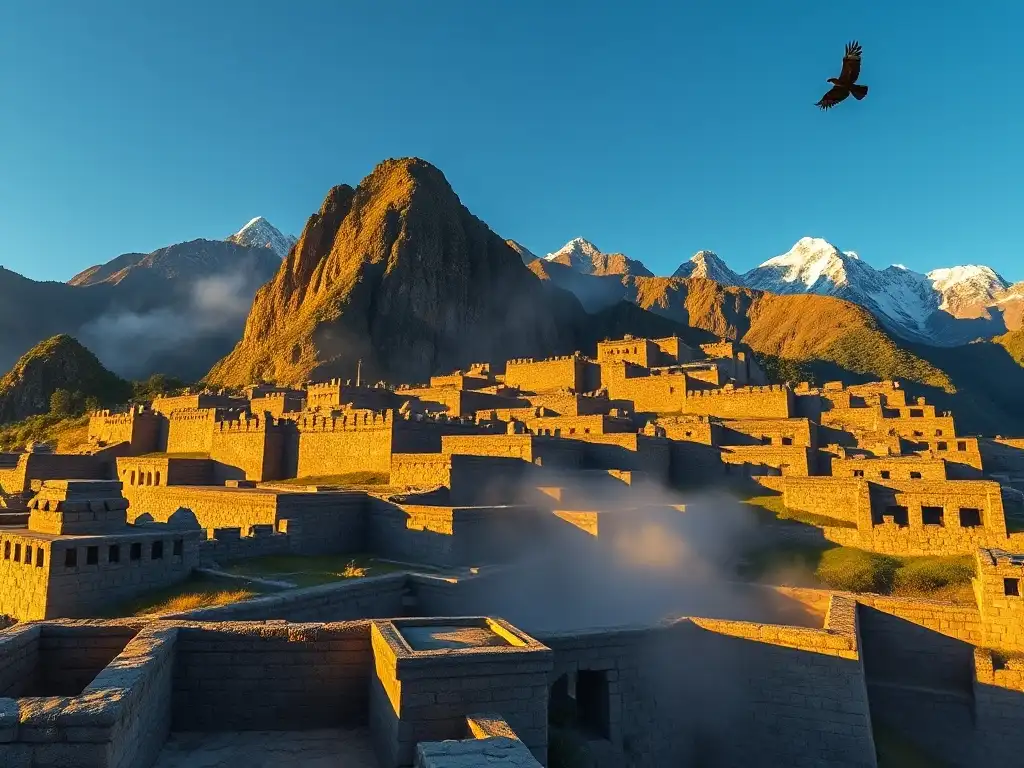
Step into a world lost to time, yet echoing with the ingenuity of a vanished empire. Prepare to be captivated by the enigmatic Andean civilizations, their breathtaking artistry, and awe-inspiring achievements. But first, unlock the secrets behind the Inca fortress design features—a testament to their sophisticated engineering and strategic brilliance. Discover how these majestic structures secured an empire that spanned mountains and defied the elements. Dive in and unravel the mysteries that await you!
The Inca Empire, renowned for its sophisticated infrastructure and intricate societal organization, left behind a remarkable legacy of architectural marvels. Among its most impressive achievements are its strategically positioned fortresses, ingenious structures designed not only for defense but also for control and communication across the vast, challenging Andean terrain.
This article delves into the key design features of Inca fortresses, exploring how these structures reflect the Inca's advanced understanding of engineering, military strategy, and their deep connection to the landscape. Understanding Inca fortress design features provides crucial insight into the power and ingenuity of this remarkable civilization and its enduring impact on Andean history.
We will examine the materials, construction techniques, and strategic placement that made these fortresses effective defensive positions, capable of withstanding both natural elements and enemy attacks. We’ll also explore how these fortresses served as vital nodes within the Inca's extensive road network, facilitating communication and rapid troop deployment.
Materials and Construction Techniques
Inca fortress construction showcased remarkable adaptability to the diverse Andean environment. Builders skillfully utilized readily available local materials, prioritizing durability and functionality. Stone, the predominant material, was meticulously selected and shaped to fit perfectly, creating incredibly strong and stable structures.
The precise stonework, often without mortar, is a testament to the Inca's mastery of dry-stone construction techniques. This technique, requiring exceptional skill and precision, resulted in structures that were not only visually stunning but also remarkably resistant to earthquakes, a common occurrence in the Andes. Different types of stone were employed based on availability and intended function, with harder stones often used for crucial structural elements.
Furthermore, the incorporation of other materials like wood and thatch in certain areas demonstrates a comprehensive approach to construction, tailored to specific needs and environmental conditions. Consider the impressive walls of Sacsayhuamán, for example, where massive stones, some weighing many tons, were intricately fitted together to create an almost impenetrable barrier.
Strategic Location and Placement
The strategic placement of Inca fortresses was a critical factor in their effectiveness. Fortresses were rarely isolated structures; instead, they were carefully integrated into the surrounding landscape, often situated on high vantage points offering panoramic views of the surrounding valleys and passes. This strategic positioning allowed for early detection of approaching enemies and facilitated effective defensive maneuvers. Many fortresses were built along key trade routes and communication pathways, enabling the Inca to control movement and maintain their authority throughout the empire.
The strategic location also served to control access to vital resources and agricultural lands. The placement was not merely about defensive capabilities; it was about asserting control and maintaining the stability of the empire. For instance, the location of Ollantaytambo fortress, nestled in a narrow valley, effectively channeled any potential attack and offered a strong defensive position.
Defensive Features and Architectural Innovations
Inca fortresses incorporated a number of ingenious defensive features. Beyond the sheer strength of their walls, many fortresses featured complex systems of ramps, stairways, and hidden passages, designed to confuse attackers and facilitate rapid troop movements. The use of strategically placed towers and observation points allowed for a wide field of vision, enabling early warning systems and coordinated defenses.
The irregular shapes of many fortress walls, often described as zigzagging or stepped, further enhanced their defensive capabilities by deflecting projectiles and making it difficult for attackers to use siege weapons effectively. The combination of these elements created a formidable defensive system, capable of withstanding prolonged sieges. The integration of sophisticated water management systems within some fortresses also highlights the Inca's holistic approach to design and their understanding of the importance of resources in siege situations.
The Role of Fortresses in Inca Society and Administration
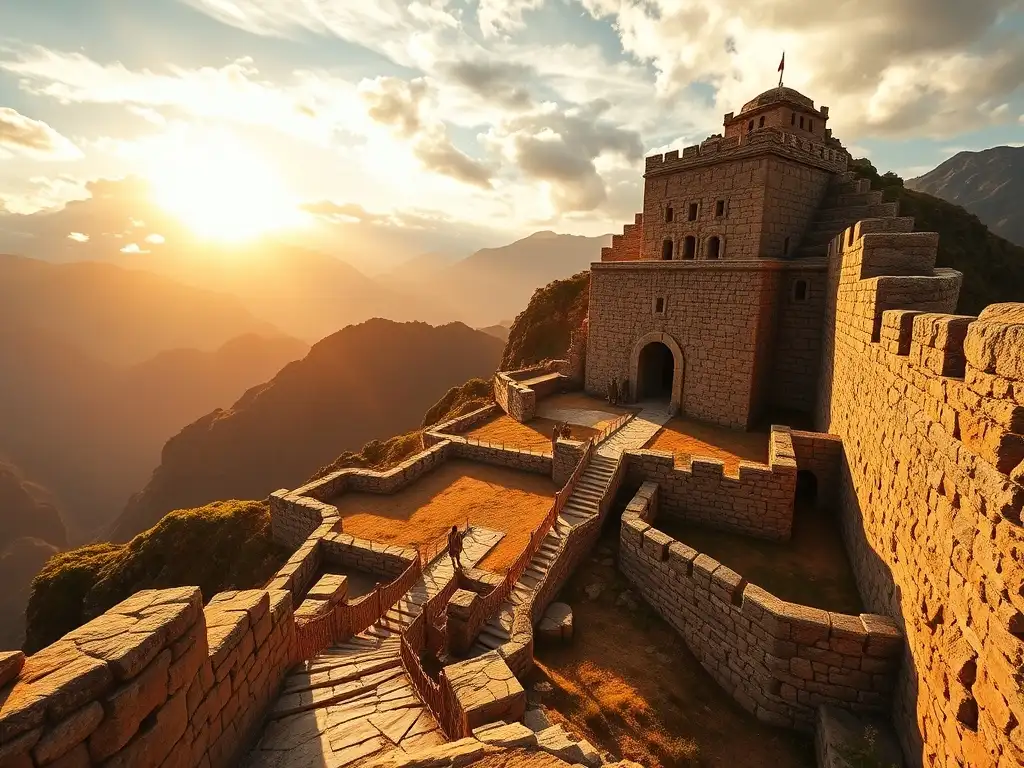
Inca fortresses were not just defensive structures; they served multiple vital functions within Inca society. They acted as administrative centers, housing officials and storing supplies. Their strategic locations facilitated the efficient collection of taxes and tributes, reinforcing the centralized control of the empire. They also played a role in the Inca's religious and ceremonial practices, with some fortresses incorporating sacred sites and temples.
The integration of these diverse functions into a single structure highlights the multifaceted nature of Inca society and the importance of these fortresses in maintaining social order and cohesion. The presence of these structures served as a powerful symbol of Inca power and authority, reinforcing their control over the conquered territories. The combination of military strength, administrative control, and spiritual significance cemented the fortresses' central role in the Inca way of life.
Conclusion: A Legacy of Engineering Excellence
The Inca fortresses stand as a testament to the exceptional engineering skills and strategic thinking of the Inca civilization. Their design features, combining innovative construction techniques with strategic placement and ingenious defensive mechanisms, represent a remarkable achievement in ancient Andean architecture. These structures were not merely defensive strongholds; they were integral components of the Inca's complex social, political, and religious systems.
Studying these fortresses provides invaluable insights into the ingenuity and organizational capabilities of the Inca Empire, leaving a lasting legacy of engineering excellence that continues to fascinate and inspire today. The enduring strength and strategic brilliance of these structures underscore the sophisticated understanding of both architecture and warfare possessed by this remarkable civilization.
- Materials and Construction Techniques
- Strategic Location and Placement
- Defensive Features and Architectural Innovations
- The Role of Fortresses in Inca Society and Administration
- Conclusion: A Legacy of Engineering Excellence
Understanding Inca Military Architecture
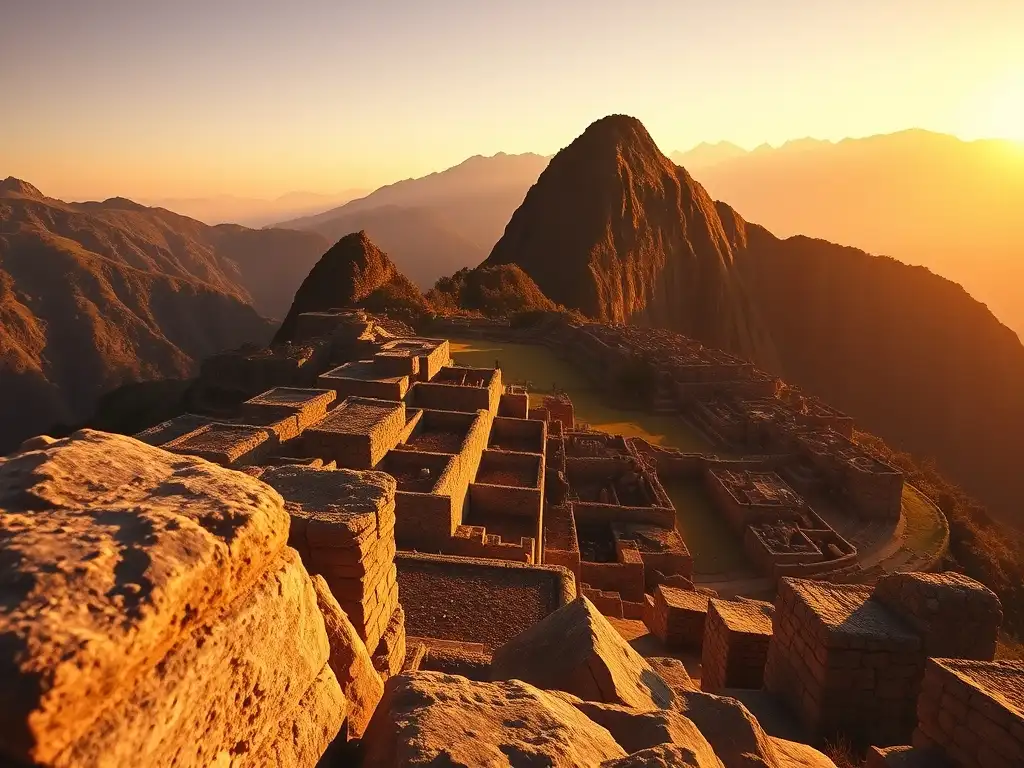
The Strategic Importance of Fortresses in the Inca Empire
The Inca Empire, renowned for its sophisticated road network and impressive agricultural terraces, also possessed a remarkable military architecture. The strategic placement of Inca fortress design features played a crucial role in maintaining control over their vast territory, spanning across challenging Andean terrain. These fortresses weren't merely defensive structures; they served as vital components of a complex system that ensured the empire's stability and longevity. Their strategic locations, often perched atop mountains or commanding narrow passes, allowed for effective surveillance and control of trade routes and potential threats.
The construction itself, reflecting the Inca's mastery of stonework, presented formidable obstacles to any potential invaders. The design wasn't solely focused on defense, however; they also served as administrative centers, storage facilities, and even ceremonial spaces, highlighting their multifaceted importance within Inca society. Consider Sacsayhuamán, near Cusco, a prime example. Its imposing size and strategic location served not only as a formidable defense but also as a symbol of Inca power and dominance.
Data on the number of fortresses constructed across the empire is still being compiled, but archaeological evidence continually reveals the scale of this military-architectural achievement. The effective management of resources and labor required for such ambitious projects underscores the sophisticated organizational capabilities of the Inca state. Further research is needed to fully understand the logistical challenges involved in the construction and maintenance of these widespread fortifications, but the evidence suggests a highly organized and efficient system.
Key Elements of Inca Defensive Systems
The effectiveness of Inca fortresses stemmed from a combination of strategic location and ingenious design. Let's delve into some Inca fortress design features:
- Strategic Placement: Fortresses were rarely isolated structures. They were often part of a larger network, strategically positioned to control key passes, water sources, and communication routes. This interconnected system allowed for rapid response to threats and efficient communication across the empire.
- Masterful Stonework: The Incas were renowned for their precise and durable stonework. Fortresses were built using massive, precisely cut stones fitted together without mortar, creating incredibly strong and resilient structures. This technique, known as ashlar masonry, allowed for the construction of walls that could withstand significant force. The fit of the stones was so precise that even a knife blade couldn't fit between them in many instances.
- Adaptive Terrain Integration: Inca fortress design cleverly incorporated the natural landscape into their defenses. They utilized existing rock formations and cliffs to enhance the defensive capabilities of their structures. This reduced the need for extensive construction and maximized the natural protection offered by the environment.
- Complex Layouts: Many Inca fortresses featured complex layouts, with multiple levels, interconnected walls, and hidden passages. This created a labyrinthine defense system that could confuse and disorient attackers. The intricate design made it difficult for an invading force to gain a foothold and advance effectively. The use of blind spots and unexpected choke points further enhanced the defensive capabilities.
- Defensive Features: Beyond the walls themselves, Inca fortresses often incorporated additional defensive elements such as:
- Watchtowers: Providing excellent vantage points for spotting approaching enemies.
- Hidden passages and tunnels: Allowing for surprise attacks or escape routes.
- Trapdoors and pitfalls: Adding further obstacles for attackers.
The combination of these Inca fortress design features resulted in formidable defensive structures that played a crucial role in the Inca Empire's ability to maintain control and stability over its vast and diverse territory. The ingenuity and effectiveness of their military architecture stand as a testament to their advanced engineering skills and strategic thinking. Further study of these structures promises to reveal even more about the sophisticated military strategies and societal organization of the Inca Empire.
Core Features of Inca Fortress Design
The Inca Empire, renowned for its sophisticated engineering prowess, constructed impressive fortresses strategically placed throughout its vast territory. These weren't merely defensive structures; they were integral components of a complex system designed to control access to vital resources, maintain order, and project imperial power. Understanding the design features of Inca fortresses reveals a deep understanding of Inca ingenuity and their mastery of adaptation to diverse geographical environments.
The key to their success lay in a combination of innovative building techniques, strategic site selection, and a holistic approach to fortification that integrated natural and man-made elements. This section will delve into the core elements of Inca fortress design, focusing on the unique characteristics that made these structures so effective and enduring. We'll explore how the Inca's understanding of "Inca fortress design features" influenced their construction methods and strategic planning.
Inca Stone Masonry Techniques in Fortress Construction
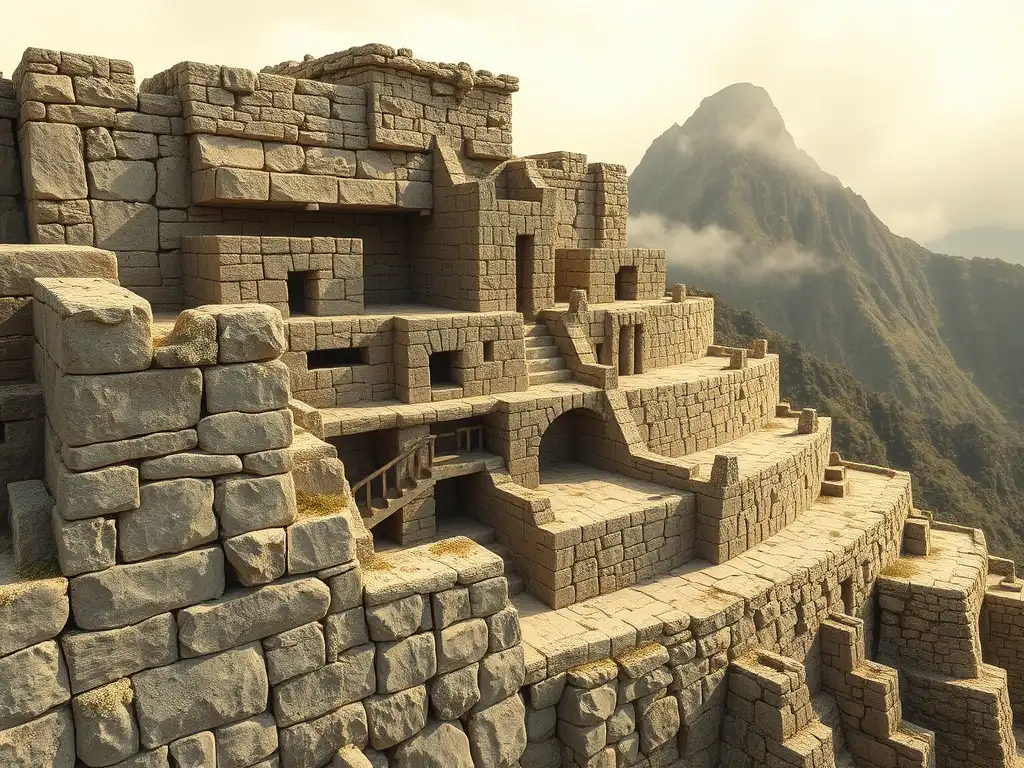
Inca stone masonry represents a pinnacle of pre-Columbian engineering. The precision and artistry involved in fitting stones together without mortar are truly remarkable, particularly considering the scale of their projects. Inca fortress construction showcases this mastery at its finest. The stones, often massive and perfectly shaped, were meticulously fitted together using a technique known as ashlar masonry.
This involved carefully selecting stones of various shapes and sizes, then precisely cutting and shaping them to interlock with minimal gaps. The result was incredibly strong and stable structures that could withstand earthquakes and the test of time. The fit was so precise that even a knife blade couldn't be inserted between many of the stones!
Furthermore, the Inca utilized different types of stone depending on availability and the specific requirements of the structure. Some fortresses feature predominantly granite or andesite, while others incorporate a variety of stones, showcasing an adaptive approach to material sourcing. The use of different stone types also influenced the overall aesthetic of the fortress, contributing to its visual impact and integration within the landscape.
The skill and precision involved in this process are evident in the surviving structures, testifying to the highly skilled workforce and sophisticated organizational capacity of the Inca Empire. This level of craftsmanship, a defining characteristic of Inca fortress design features, was crucial to the effectiveness and longevity of these fortifications.
Location and Topographical Advantages of Inca Fortresses
The strategic placement of Inca fortresses was a crucial aspect of their defensive capabilities. Inca engineers expertly leveraged the natural topography of the Andes Mountains to maximize the defensive potential of their structures. Fortresses were frequently built on high, inaccessible locations offering commanding views of surrounding valleys and passes. This allowed for early detection of approaching enemies and provided a clear advantage in any conflict.
For instance, consider the fortress of Sacsayhuamán near Cusco. Its strategic location on a mountain ridge provided unparalleled views and made it virtually impregnable. The sheer cliffs and difficult terrain surrounding the fortress further enhanced its natural defenses. This careful selection of locations, taking into account factors such as elevation, visibility, and natural obstacles, was a critical aspect of Inca fortress design features.
The Inca understood that the best defense was often a well-chosen location, minimizing the need for extensive artificial fortifications. This approach significantly reduced the resources required for construction while maximizing the effectiveness of the defensive structures. The integration of natural defenses with carefully constructed walls and terraces resulted in remarkably effective and resilient fortifications.
The Role of Walls and Terraces in Inca Fortifications
The walls and terraces of Inca fortresses were not merely standalone elements; they were integrated parts of a sophisticated defensive system. The walls, built using the precise stone masonry techniques described above, were often incredibly thick and high, providing formidable obstacles to attackers. They incorporated strategically placed gaps and openings, allowing for defensive maneuvers such as flanking attacks. Moreover, the walls were often integrated seamlessly into the surrounding landscape, blending with the natural contours of the terrain.
Terraces, commonly found in association with Inca fortresses, played a crucial role in both defense and practicality. They provided level platforms for defensive positions, allowing defenders to maximize their field of fire and control access points. Additionally, terraces served practical purposes, providing space for housing, storage, and agricultural activities within the fortress complex.
This combination of defensive and logistical functionality highlights the holistic approach of Inca fortress design features. The terraces also contributed to the stability of the slopes, preventing erosion and landslides, thus enhancing the overall structural integrity of the fortress. The strategic combination of walls and terraces demonstrates the sophisticated understanding of both defensive strategy and practical engineering that characterized Inca fortress design.
Exploring Notable Inca Fortresses

This section delves into the remarkable design features of Inca fortresses, showcasing the ingenuity and military prowess of the Andean empire. We'll examine specific examples, highlighting the unique characteristics that made these structures formidable defensive positions and lasting testaments to Inca architectural skill. Understanding Inca fortress design features provides crucial insight into their societal organization, military strategies, and mastery of engineering.
Sacsayhuamán: A Masterpiece of Inca Military Engineering
Sacsayhuamán, located overlooking Cusco, is arguably the most iconic example of Inca military architecture. Its imposing presence and strategic location speak volumes about the Inca's understanding of defensive positioning and construction techniques. The sheer scale of the fortress, combined with its innovative design features, solidified its reputation as an impenetrable stronghold. The impressive Inca fortress design features here are unparalleled in the Andes.
The Cyclopean Walls of Sacsayhuamán
The cyclopean walls of Sacsayhuamán are perhaps its most striking feature. These massive walls are constructed from enormous, precisely fitted stones, some weighing many tons. The precision of the cuts and the seemingly impossible fit of these stones have baffled engineers and historians for centuries. The absence of mortar, and the incredibly tight joints, showcase the Inca's exceptional knowledge of stonework and their advanced understanding of structural engineering.
This level of craftsmanship is a testament to the dedication and skill of the Inca builders and speaks to the importance of this particular Inca fortress design feature. Precise measurements of these stones are still being studied today, revealing ever more refined aspects of Inca engineering. Some stones are even shaped to perfectly interlock, creating an incredibly strong and resilient structure.
The Functionality of Sacsayhuamán's Layout
Beyond the awe-inspiring walls, Sacsayhuamán's layout demonstrates a sophisticated understanding of military strategy. The fortress is not a single structure, but a complex network of interconnected walls, towers, and ramps, strategically positioned to maximize defensive capabilities. The multiple levels and zigzagging walls created a maze-like effect, funneling attackers into kill zones and making it incredibly difficult to breach the defenses.
The strategic placement of towers allowed defenders to observe and engage attackers from multiple angles. This complex interplay of defensive Inca fortress design features made Sacsayhuamán a nearly impregnable fortress. Analysis suggests that the layout was also designed to channel water flow, providing a natural defense mechanism against siege tactics.
Ollantaytambo: A Fortress and Ceremonial Center
Ollantaytambo, situated in the Sacred Valley, presents a fascinating blend of military and ceremonial architecture. While serving as a vital defensive position, it also functioned as an important religious and administrative center. The integration of these functions highlights the multifaceted nature of Inca urban planning and the ingenuity reflected in their Inca fortress design features.
The Terraced Slopes of Ollantaytambo
Ollantaytambo's most distinctive feature is its series of incredibly well-preserved terraces that climb the mountainside. These terraces, carved from the mountain itself, served multiple purposes. They not only provided defensive positions, allowing soldiers to control access to the fortress, but also served as agricultural land, providing food for the inhabitants.
This ingenious integration of agricultural and defensive functions demonstrates the Inca's ability to optimize resources and create self-sufficient settlements, even within fortified locations. The scale and precision of these terraces, another key Inca fortress design feature, are a testament to the Inca's mastery of terracing techniques. The terraces are not merely slopes but precisely engineered structures, capable of withstanding the elements and the weight of the soil.
The Temple Hill at Ollantaytambo
At the heart of Ollantaytambo lies the Temple Hill, a large monolithic structure carved from the mountain. This structure, with its intricate stonework and impressive dimensions, was likely used for both religious ceremonies and defensive purposes. Its imposing presence would have served as a powerful symbol of Inca power and authority, while its strategic location would have provided a commanding view of the surrounding area.
The sheer size and complexity of the Temple Hill, combined with its strategic placement, highlight the sophistication of Ollantaytambo's design and the versatility of its Inca fortress design features. The blend of religious and defensive elements underscores the interconnectedness of various aspects of Inca life within their fortified settlements. Further research is needed to fully understand the interplay between these functions, and the specific role the Temple Hill played in the overall defense strategy of Ollantaytambo.
Machu Picchu: A Citadel with Defensive Features
Machu Picchu, arguably the most iconic Inca site, wasn't solely a ceremonial center; it also incorporated sophisticated defensive features. Its design reflects a deep understanding of Inca fortress design principles, seamlessly blending natural defenses with human-engineered fortifications. The site's construction, perched high in the Andes Mountains, leveraged the challenging terrain to its advantage, making it incredibly difficult for invaders to approach undetected.
The combination of natural obstacles and strategically placed structures created a formidable defense system, protecting the inhabitants and their resources. This integration of natural and man-made elements is a hallmark of Inca fortress design and a testament to their engineering prowess. The sheer cliffs and dense jungle surrounding Machu Picchu served as natural barriers, limiting access points and forcing attackers into predictable channels.
This strategic placement significantly enhanced the effectiveness of the more visible defensive structures. The ingenuity demonstrated in Machu Picchu's design solidified its position not just as a significant cultural center, but also as a remarkably effective fortress. Understanding the defensive aspects of Machu Picchu requires examining both its location and its specific architectural elements.
The Strategic Location of Machu Picchu
The strategic location of Machu Picchu is paramount to understanding its defensive capabilities. Situated high in the Andes Mountains, at an altitude of approximately 2,430 meters (7,970 feet), the citadel enjoys breathtaking views and a naturally defensible position. The surrounding terrain is incredibly steep and rugged, making it extremely difficult for large armies to approach.
This natural barrier significantly reduced the number of potential access points, allowing a relatively small number of defenders to control the approaches. Furthermore, the dense cloud forest surrounding the site provided excellent camouflage and concealment, hindering enemy reconnaissance and surprise attacks. The Inca’s selection of this location demonstrates a deep understanding of topography and its strategic implications for defense.
They skillfully exploited the natural features of the landscape, minimizing the need for extensive artificial fortifications. This strategic choice also provided a degree of isolation, making it difficult for enemies to lay siege to the citadel for extended periods.
Identifying Defensive Mechanisms in Machu Picchu
Beyond its strategic location, Machu Picchu incorporates several ingenious defensive mechanisms. The city's walls, constructed from precisely fitted stones, are not merely decorative; they form a strong, continuous defensive perimeter. These walls follow the contours of the mountain, taking advantage of the natural topography to create a formidable barrier. Furthermore, the walls are strategically placed to funnel attackers into narrow passages, where they would be vulnerable to ambushes and attacks from above.
The presence of numerous watchtowers strategically positioned throughout the citadel allowed the defenders to monitor the surrounding area and detect approaching enemies early. These towers provided excellent vantage points, giving defenders a clear view of the approaches and allowing for early warning of any potential threats. Additionally, the intricate network of pathways and stairways within the city could be used to facilitate rapid troop movements and coordinated defensive actions.
The design suggests a sophisticated understanding of siege warfare and a capacity for effective coordinated defense. The ingenuity of these features further highlights the advanced understanding of Inca fortress design and its effectiveness in safeguarding the population and resources of Machu Picchu. The combination of natural barriers and strategically placed structures makes Machu Picchu a prime example of effective Inca fortress design.
Inca Fortress Design Features: A Detailed Analysis
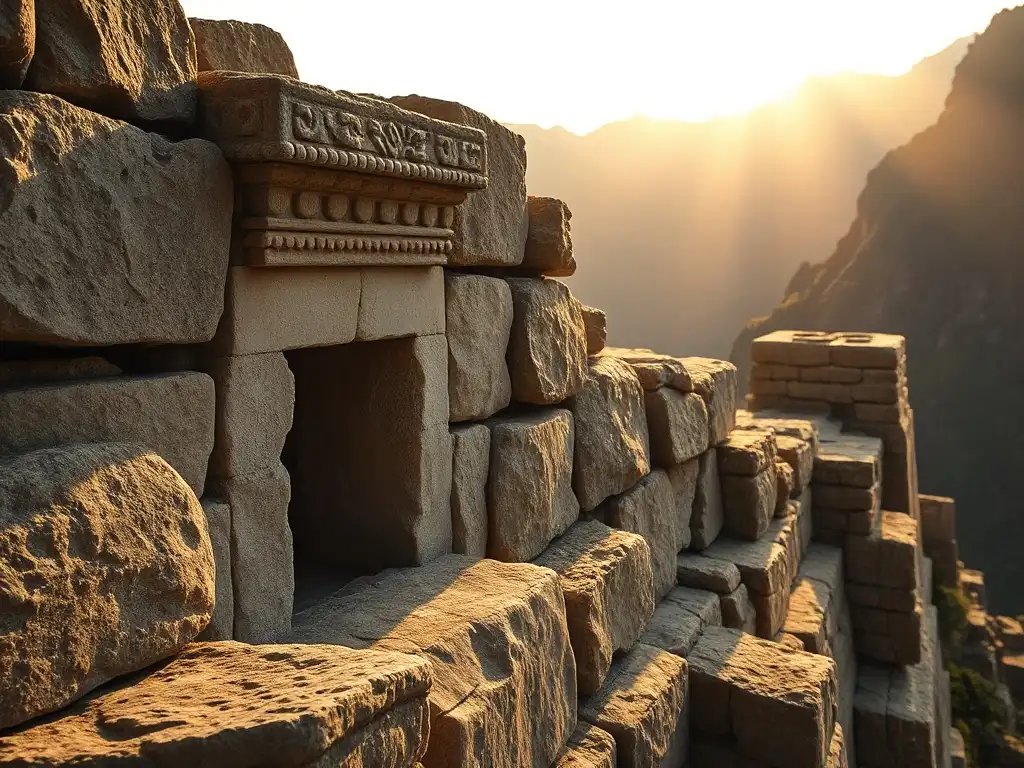
This section delves into the ingenious design features that made Inca fortresses formidable defensive structures, showcasing the empire's mastery of architecture and military strategy. We'll explore the key elements contributing to their effectiveness, focusing on the strategic integration of natural landscapes and the implementation of sophisticated defensive systems. Understanding these Inca fortress design features provides crucial insight into the sophisticated military capabilities of the Inca Empire.
Multi-Tiered Defensive Systems
Inca fortress design prioritized layered defense, creating a series of obstacles to impede attackers and maximize the effectiveness of their defenses. This wasn't simply about building high walls; it was about creating a complex, multi-layered system that exploited the terrain and forced enemies into unfavorable positions. This approach significantly enhanced the defensive capabilities of the fortresses, making them incredibly difficult to breach.
Layered Walls and Defensive Perimeters
The most visible aspect of this layered defense was the construction of multiple concentric walls. These walls, often built from precisely cut and fitted stones, were not uniform in height or thickness. Instead, they varied strategically, creating uneven surfaces that deflected projectiles and made scaling difficult.
The spaces between the walls provided additional defensive positions for Inca soldiers, allowing them to ambush attackers and inflict heavy casualties. Consider Sacsayhuamán, near Cusco, as a prime example of this intricate wall system. The massive stones, some weighing many tons, are a testament to the Inca's engineering prowess and the strength of their fortifications.
The Use of Natural Barriers
Inca engineers skillfully integrated natural features into their fortress designs. They often chose locations that offered natural advantages, such as steep cliffs, narrow passes, or rivers. This reduced the need for extensive artificial fortifications, saving resources and time. The incorporation of natural barriers into the overall design further enhanced the defensive capabilities of the fortresses, creating a formidable combination of natural and man-made obstacles. This strategic use of the environment is a hallmark of Inca military engineering. The integration of natural barriers with the layered wall systems showcases the Inca's deep understanding of both defensive architecture and environmental strategy.
Gateways and Entrances: Controlling Access
Controlling access to the fortress was paramount. Inca fortress gateways were not simply openings; they were carefully designed choke points, intended to funnel attackers into killing zones. This design feature significantly reduced the effectiveness of large-scale assaults.
Narrow Passages and Defensive Choke Points
The entrances to Inca fortresses were often designed as narrow passages, forcing attackers to advance in a single file. This arrangement made them vulnerable to attacks from defenders positioned above and on either side. Many gateways incorporated sharp turns and dead ends, further restricting movement and creating ambush opportunities. These strategically placed choke points significantly reduced the effectiveness of large-scale assaults, forcing attackers to confront the defenders on the defenders' terms.
Guard Posts and Observation Towers
Strategically located guard posts and observation towers were integral to the Inca fortress design. These structures provided vantage points for spotting approaching enemies and coordinating defenses. The towers also served as communication points, allowing defenders to relay information quickly across the fortress.
The placement of these structures was carefully considered, maximizing their visibility and effectiveness in monitoring the surrounding terrain. The combination of observation towers and strategically placed guard posts allowed for a comprehensive defensive system, providing early warning and coordinated responses to potential threats. This level of sophisticated surveillance and communication was crucial to the success of the Inca military strategy.
Storage and Logistics within Inca Fortresses
Inca fortress design prioritized efficient storage and logistics, crucial for sustaining large garrisons and withstanding sieges. The strategic placement of storage facilities within the fortresses themselves, often integrated seamlessly into the architecture, minimized vulnerability during attacks. These weren't mere haphazard piles of supplies; rather, they were carefully planned systems designed to maximize space and preserve goods.
The ingenious use of natural features, such as caves and rock formations, augmented the built-in storage capacity. This meticulous approach to logistics was a hallmark of Inca military strategy, ensuring the long-term viability of their defensive positions. The effectiveness of this system is evidenced by the ability of Inca forces to withstand protracted sieges, demonstrating a sophisticated understanding of supply chain management within a challenging mountainous environment.
Furthermore, the design often incorporated features to protect stores from the elements, including variations in the construction techniques depending on the local climate and environment. The integration of storage into the overall fortress design ensured its functionality and longevity.
Food Storage and Water Management
Food storage within Inca fortresses was a complex system involving a variety of techniques. Dried foods like potatoes, quinoa, and maize were stored in carefully constructed granaries, often built into the fortress walls themselves. These granaries were designed to be airtight and protected from pests and moisture, ensuring the preservation of food supplies for extended periods. The Inca utilized sophisticated ventilation systems and raised platforms within the granaries to optimize air circulation and prevent spoilage.
Water management was equally critical. Fortresses were often situated near reliable water sources, but systems for collecting, storing, and distributing water were also crucial. Cisterns carved into rock or built from stone were employed to collect rainwater and meltwater. The strategic placement of these water reservoirs ensured a constant supply, even during prolonged sieges.
The efficient management of food and water resources contributed significantly to the success of Inca military operations and the resilience of their fortresses. Evidence from archaeological excavations reveals a remarkable level of sophistication in these logistical systems, showcasing the Inca's understanding of preserving vital resources. The design of these systems varied based on the specific location, reflecting an adaptive approach to environmental challenges.
Barracks and Accommodation for Soldiers
The accommodation of soldiers within Inca fortresses was a key aspect of the overall design. Barracks were generally simple but functional structures, often integrated into the fortress walls or carved directly into the rock face. These spaces were designed to house large numbers of soldiers comfortably and securely. The design prioritized practicality and defensibility, reflecting the Inca's understanding of military needs.
While detailed layouts are scarce due to the nature of preservation, evidence suggests that the barracks were organized to facilitate efficient mobilization and defense. The arrangement of living quarters likely took into account factors like rank, unit size, and proximity to defensive positions. Furthermore, consideration would have been given to factors such as ventilation, light, and protection from the elements.
The integration of living quarters within the fortress walls ensured the safety and preparedness of the soldiers. While specific dimensions and layouts remain largely unknown, the existence of these barracks highlights the comprehensive planning that went into Inca fortress design, demonstrating an understanding of the needs of the soldiers who defended these vital strategic locations. The overall design aimed to provide a secure and efficient environment for the soldiers stationed within the fortress.
The Legacy of Inca Fortifications
The Inca Empire's sophisticated fortress design wasn't just a testament to their military prowess; it profoundly impacted Andean architecture and military strategy for centuries afterward. The ingenuity displayed in their construction techniques, material selection, and strategic placement of fortifications served as a blueprint for subsequent Andean societies, influencing their own defensive structures and urban planning. Understanding the legacy of Inca fortifications is crucial to comprehending the broader evolution of Andean architecture and the enduring impact of Inca military engineering.
The impressive scale and strategic placement of these structures, even in challenging terrains, continues to inspire awe and respect. Analyzing their design reveals a deep understanding of topography, materials science, and the principles of defensive warfare.
Influence of Inca Military Architecture on Later Andean Structures
Inca fortress design features, such as the use of precisely cut stone, the integration of natural features into defensive positions, and the creation of complex networks of interconnected fortifications, were adopted and adapted by later Andean cultures. For example, the Spanish colonial era saw the incorporation of certain Inca building techniques into Spanish forts and settlements, demonstrating the enduring influence of Inca architectural principles. However, these adaptations often lacked the sophistication and precision of the original Inca designs.
The Inca emphasis on integrating structures seamlessly into the landscape, minimizing environmental impact while maximizing defensive capabilities, was a notable feature seldom replicated with the same level of artistry. This holistic approach to construction, incorporating both aesthetic and functional considerations, distinguishes Inca military architecture from that of many other civilizations.
Evidence suggests that knowledge of Inca building techniques and defensive strategies was passed down through generations, influencing the construction of smaller-scale fortifications and defensive settlements in the post-Inca period. The strategic placement of settlements, for instance, often mirrored the Inca pattern of utilizing natural barriers and elevated locations to enhance defense.
Lessons from Inca Engineering and Defensive Strategies
The Inca's mastery of engineering and their sophisticated defensive strategies provide valuable lessons for modern engineering and military science. Their understanding of structural mechanics, as evidenced by the stability of their structures even after centuries of weathering, is remarkable. The Inca's ability to build impressive structures in difficult terrain, using relatively simple tools, demonstrates the effectiveness of their construction methods and organizational skills.
Furthermore, their strategic deployment of fortifications, often utilizing natural terrain to their advantage, is a model of effective defensive planning. Studying Inca fortress design features offers insights into sustainable building techniques, efficient resource management, and the importance of integrating architecture with the surrounding environment. Their ability to create a network of interconnected fortresses, allowing for rapid communication and troop movements, is a testament to their advanced logistical capabilities.
This integrated approach to defense, combining engineering prowess with strategic planning, remains a valuable lesson in modern military strategy. Analyzing the precise placement of defensive structures, such as watchtowers and strategically positioned walls, reveals a deep understanding of tactical warfare.
Preserving Inca Fortresses for Future Generations
Preserving Inca fortresses for future generations is crucial for safeguarding a significant part of Andean cultural heritage. These structures are not just historical artifacts; they are living testaments to the ingenuity, resilience, and advanced civilization of the Inca people. However, these invaluable sites face numerous challenges, including the effects of erosion, looting, and unsustainable tourism practices. Effective preservation strategies must incorporate a multi-faceted approach, including careful monitoring of structural integrity, the implementation of sustainable tourism practices, and educational programs to raise awareness about the importance of these sites.
Furthermore, research into Inca building techniques and materials can inform modern conservation efforts. The use of appropriate materials and techniques is essential to ensure the long-term preservation of these fragile structures. The development of comprehensive preservation plans, involving collaboration between archaeologists, engineers, and local communities, is vital to ensure the protection of these irreplaceable cultural treasures.
Investing in research and preservation efforts is not just a matter of historical preservation but also a way to honor the legacy of the Inca Empire and share their remarkable achievements with the world. The continued study and preservation of Inca fortress design features are crucial to understanding and appreciating the rich tapestry of Andean history and culture. 🗺️
Frequently Asked Questions
What makes Inca fortress design unique?
Inca fortresses utilized innovative architectural techniques, such as precisely cut stone blocks fitted without mortar, creating incredibly strong and resilient structures. Their designs also cleverly incorporated the natural landscape for optimal defense.
How did the Incas defend their fortresses?
Defensive strategies included strategic placement on high, inaccessible terrain, along with the use of complex networks of walls, towers, and pathways. They also employed sophisticated military tactics and weaponry.
What materials were primarily used in Inca fortress construction?
The Incas primarily used stone, meticulously cut and fitted together to create incredibly strong and durable structures. They also incorporated local materials, such as mud brick and wood, where appropriate.
What are some examples of famous Inca fortresses?
Famous examples include Sacsayhuamán near Cusco, Ollantaytambo, and Kuelap. These fortresses showcase the engineering prowess and military strength of the Inca Empire.
How did the environment influence Inca fortress design?
Inca fortress design was heavily influenced by the Andean terrain. Fortresses were often built on mountaintops or cliffs, utilizing the natural landscape for defense and incorporating features like terraces and channels to manage water.
Final Reflection: Echoes of Stone: The Enduring Legacy of Inca Fortress Design
The ingenuity of Inca fortress design remains a testament to their advanced understanding of engineering and their profound connection to the Andean landscape. These weren't merely defensive structures; they were sophisticated feats of architecture, seamlessly integrated into their environment and reflecting a deep societal understanding of both practicality and spirituality. Their impact resonates even today, prompting us to reconsider our own approaches to sustainable and resilient building.
The enduring power of Inca fortress design lies not just in its physical strength, but in its symbolic representation of community resilience and adaptation. These structures stand as powerful reminders of a civilization's ability to overcome challenges and thrive in harsh environments. The Inca built not to conquer, but to endure,
a sentiment that speaks volumes about their architectural philosophy and its lasting impact on our understanding of sustainable design. Their mastery of stonework, their integration of natural features, and their understanding of seismic activity continue to inspire modern architects and engineers.
Consider the implications of this legacy. How can we learn from the Inca's innovative use of materials and their understanding of environmental integration to create more sustainable structures in our own time? You, the reader, are now empowered to reflect on the principles of Inca fortress design and consider how these principles might inform your own perspective on architecture, engineering, and the relationship between human societies and their environment. Let the echoes of stone inspire you to build a more resilient and sustainable future.
Unleash the Secrets of the Inca Empire!
Thank you for exploring the fascinating world of Inca fortresses with us! You've discovered the remarkable defensive structures that once protected the Andean Empire. Now, let's build on that knowledge and deepen your understanding!
Here are a few ways to continue your journey into the captivating history of the Inca civilization:
- Take a virtual tour of Sacsayhuamán, a famous Inca fortress, and experience its grandeur from the comfort of your home!
- Share your newfound knowledge! Discuss the unique architectural features of Inca fortresses with friends, family, or online communities to spread appreciation for Andean history.
- Connect with fellow history enthusiasts! Join a local historical society or archaeological group to share your passion and learn from others with similar interests.
As you reflect on this remarkable civilization, consider: How might the Inca's defensive strategies have influenced modern approaches to architecture and security? We'd love to hear your thoughts in the comments below!