
The Intricate Irrigation Systems of the Incas: A Legacy of Water Mastery

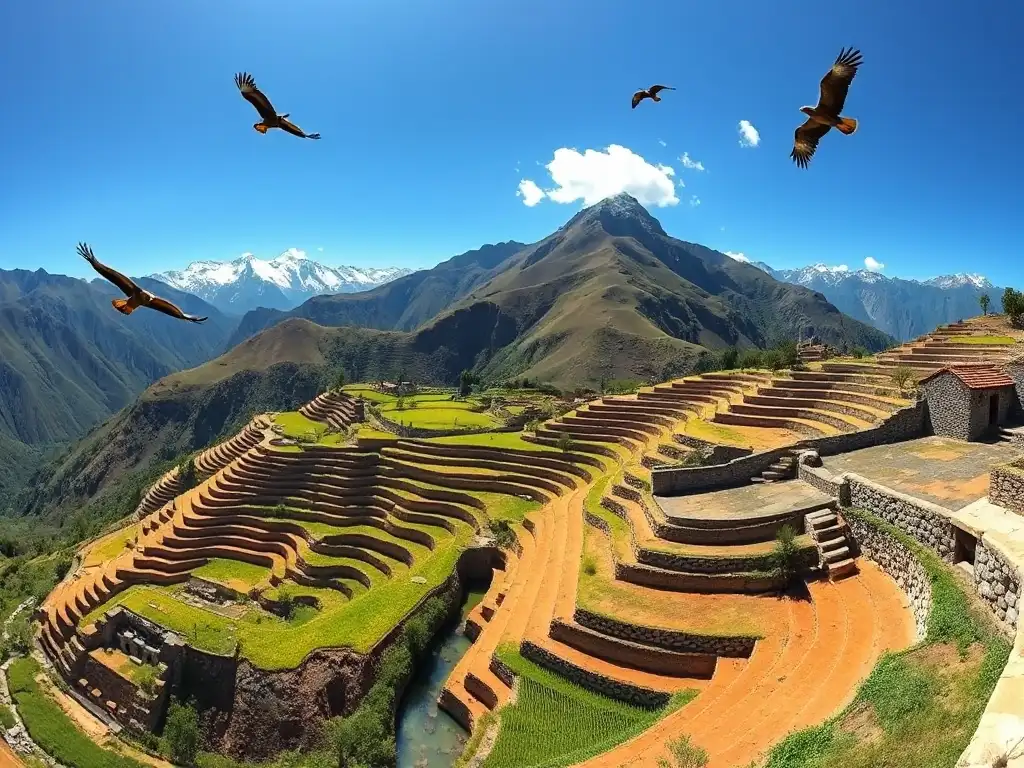
Step into a world lost to time, yet echoing with ingenuity and power. Imagine a civilization that harnessed the very lifeblood of the Andes, transforming arid landscapes into thriving empires. This is the story of the ancient Andean civilizations, and we invite you to uncover their secrets. Prepare to be amazed by the Inca irrigation systems, a testament to their mastery of water management that continues to inspire awe centuries later. Delve into the intricate details and discover how this remarkable feat of engineering shaped the Inca Empire and its enduring legacy.
The Inca Empire, renowned for its sophisticated urban planning and architectural prowess, also possessed a remarkable understanding of hydraulic engineering. Their mastery of water management, particularly their intricate irrigation systems, was crucial to their agricultural success and the sustenance of their vast population. This article delves into the ingenious techniques employed by the Inca, examining the design, construction, and impact of these systems, highlighting their lasting legacy as a testament to Inca ingenuity and resourcefulness.
We will explore how these systems not only facilitated food production but also played a significant role in shaping the Inca social and political landscape. Understanding the Inca irrigation systems provides crucial insight into their advanced civilization and offers valuable lessons for modern water management strategies. The keyword "Inca irrigation systems" will be explored throughout this article, examining various aspects and providing detailed information about their impressive design and functionality.
The ingenuity of Inca canal construction
Inca engineers displayed exceptional skill in constructing canals that traversed challenging terrains, often carved into mountain slopes and across valleys. They utilized a variety of materials, including stone, clay, and even compacted earth, demonstrating adaptability based on the local environment. The canals were meticulously designed with gradients to ensure a consistent flow of water, minimizing erosion and maximizing efficiency.
Their understanding of water pressure and flow dynamics was remarkable, considering the tools and technology available at their disposal. For instance, the canals often incorporated strategically placed spillways and diversion channels to manage excess water during periods of heavy rainfall, preventing damage to the infrastructure and ensuring a consistent water supply for agriculture.
This level of precision and foresight underscores the sophisticated engineering principles that underpinned Inca water management. The construction itself was a massive undertaking, requiring significant coordination of labor and resources, reflecting the centralized and well-organized nature of the Inca state.
The success of Inca irrigation systems was directly linked to increased agricultural productivity. The ability to cultivate crops in previously arid or challenging terrains led to significant surplus food production. This surplus was crucial in supporting the large population centers of the empire, as well as sustaining the extensive Inca road network and the military.
Furthermore, the management and distribution of water resources played a vital role in Inca social organization. Access to water was carefully controlled and allocated, often reflecting social hierarchies and political power structures. Communities were organized around access to irrigation canals, fostering a sense of collective responsibility for maintaining and managing these crucial resources.
[Specific data on crop yields and population density supported by Inca irrigation systems pending]. The impact on food security and social stability was profound, shaping the very fabric of Inca society. This intricate interplay between engineering, agriculture, and social structure demonstrates the holistic approach the Inca took to water management.
Sustainable Practices and Environmental Impact
Despite their impressive scale, the Inca irrigation systems were remarkably sustainable. Their design minimized environmental impact, demonstrating an understanding of ecological balance. Techniques such as terracing and contour plowing helped to prevent soil erosion and maintain soil fertility. The use of natural materials in canal construction minimized the environmental footprint, and the careful management of water resources ensured that the systems were not overused or depleted.
[Specific examples of sustainable practices and their impact on the environment pending]. In contrast to some modern agricultural practices, Inca methods prioritized long-term sustainability over short-term gains, highlighting their forward-thinking approach to resource management. This approach provides valuable lessons for contemporary societies grappling with challenges of water scarcity and environmental degradation. The Inca's achievements in sustainable water management continue to inspire research and innovation in modern hydraulic engineering.
The Legacy of Inca Irrigation Systems
The legacy of Inca irrigation systems extends far beyond their historical significance. Their ingenious designs and sustainable practices continue to influence modern water management strategies. Many of the principles employed by Inca engineers, such as terracing and the construction of efficient canals, are still relevant today.
In fact, some Inca irrigation systems are still functional, a testament to their durability and effectiveness. [Specific examples of modern applications and adaptations of Inca irrigation techniques pending]. The study of Inca irrigation systems offers valuable insights into sustainable water management and provides inspiration for innovative solutions to contemporary water challenges.
The enduring influence of Inca engineering serves as a powerful reminder of the importance of understanding and respecting the relationship between humans and the environment. The legacy of Inca ingenuity in water management continues to inspire awe and serves as a model for sustainable practices worldwide. The study of these systems offers crucial lessons for contemporary societies facing increasing water scarcity.
- The ingenuity of Inca canal construction
- Agricultural Productivity and Social Organization
- Sustainable Practices and Environmental Impact
- The Legacy of Inca Irrigation Systems
Understanding Inca Water Management

The Importance of Water in the Inca Empire
Water was not merely a resource for the Inca Empire; it was the lifeblood of their civilization. Their agricultural success, societal structure, and even religious beliefs were deeply intertwined with their mastery of water management. The arid and mountainous terrain of the Andes presented significant challenges, necessitating sophisticated techniques to harness and distribute this precious commodity.
Without effective irrigation, the Inca's ambitious agricultural projects, which fed a vast population, would have been impossible. Their intricate system of canals, aqueducts, and reservoirs wasn't just a feat of engineering; it was a testament to their understanding of hydrology and their ability to adapt to a demanding environment. The Inca's reverence for water is evident in their mythology and religious practices, where water deities played significant roles.
This deep-seated respect fueled their dedication to developing and maintaining their impressive irrigation networks, ensuring the prosperity and stability of their empire. The success of their water management techniques can be seen in the flourishing agricultural output that sustained millions across diverse and challenging landscapes. Failure to manage water effectively would have had catastrophic consequences, leading to famine and societal collapse.
Inca Engineering Prowess: Beyond Stone Structures
While the Inca are renowned for their monumental stone structures like Machu Picchu, their engineering prowess extended far beyond impressive architecture. Their true genius lies in their sophisticated understanding and application of hydraulic engineering, particularly evident in their Inca irrigation systems. They constructed complex systems of canals and channels that snaked across steep slopes, traversing valleys and mountains to deliver water to agricultural fields. These weren't simply ditches carved into the earth; they were carefully designed and built using advanced techniques to manage water flow, prevent erosion, and ensure even distribution.
This involved intricate terracing, the construction of reservoirs to store water during dry periods, and the implementation of sophisticated drainage systems to prevent waterlogging. The scale of these projects is breathtaking, demonstrating an exceptional organizational capacity and a deep understanding of the natural environment. For example, the network of canals in the Cusco region is a testament to their engineering skill, showcasing their ability to manipulate water across vast distances and varying terrains. The precision and longevity of these systems highlight the Inca's mastery of materials, construction techniques, and their deep understanding of the Andean environment.
Their skills were not merely practical; they were interwoven with a profound respect for nature and a deep understanding of its rhythms. The enduring legacy of these Inca irrigation systems is a powerful testament to their ingenuity and foresight. Their knowledge and techniques continue to inspire modern water management practices.
Types of Inca Irrigation Techniques

The Inca Empire's mastery over water management is a testament to their advanced engineering skills and deep understanding of their environment. Their success in cultivating the challenging Andean terrain relied heavily on sophisticated irrigation systems, allowing them to support a large and complex society. Understanding the Inca irrigation systems requires examining the diverse techniques employed, each tailored to specific geographical conditions and agricultural needs.
These systems weren't simply about moving water; they represented a holistic approach to resource management, reflecting a profound connection between the Inca people and their environment. The ingenuity displayed is even more remarkable considering the tools and materials available to them.
Terraced Agriculture and Water Distribution
Terraced agriculture was a cornerstone of Inca agricultural practices, particularly in mountainous regions. These meticulously constructed terraces, often carved into steep slopes, created level platforms for cultivation. The genius of the system lay not only in the terracing itself, but also in the integrated water management. Each terrace was carefully designed with a slight incline to facilitate controlled water flow.
This prevented erosion and ensured even water distribution across the planting area. The terraces were often linked by a network of small channels, carefully graded to deliver water from higher elevations to lower ones. This intricate system maximized water use efficiency, allowing for cultivation in areas previously considered unsuitable for agriculture. The construction itself involved immense labor, demonstrating the importance placed on agriculture within the Inca social structure.
Evidence suggests that different types of crops were planted on different terraces, based on their water requirements and altitude. This demonstrates a sophisticated understanding of agroecology and resource optimization. For example, higher terraces might have been used for frost-resistant crops, while lower terraces were suitable for water-intensive crops. The precision and scalability of these terraced systems are truly impressive, and they remain a testament to the advanced agricultural practices of the Inca civilization.
Canals and Aqueducts: Transporting Water Effectively
Beyond terraced farming, the Inca also constructed extensive networks of canals and aqueducts to transport water over long distances, often across challenging terrain. These weren't simply dug trenches; they were carefully engineered structures, sometimes lined with stone or other materials to prevent leakage and erosion. The construction required advanced surveying techniques to ensure a consistent gradient, allowing for a reliable flow of water. The scale of some of these projects is breathtaking, with canals stretching for kilometers across valleys and mountains.
These systems were not only crucial for irrigation but also played a vital role in supplying water to urban centers and settlements. Imagine the logistical challenges involved in coordinating the labor, transporting materials, and maintaining these vast networks! The Inca's ability to overcome these challenges is a clear indication of their organizational prowess and sophisticated understanding of hydraulic engineering. Many of these canals were remarkably durable, with some sections surviving for centuries after the fall of the Inca Empire.
This durability highlights the quality of materials and workmanship employed in their construction. Furthermore, the canals’ design often incorporated ingenious features such as siphons and tunnels to navigate obstacles like valleys and hills, showing mastery over water pressure and flow control. The integration of these systems with terraced fields further illustrates the holistic nature of Inca water management.
Reservoirs and Storage: Ensuring Water Availability
To mitigate the challenges of irregular rainfall patterns in the Andes, the Inca developed sophisticated systems for water storage. Reservoirs were constructed to collect excess water during the rainy season, ensuring a reliable water supply during dry periods. These reservoirs varied in size and design, depending on the local topography and water needs. Some were simple earthen basins, while others were more complex structures, lined with stone or other materials to prevent seepage.
The strategic placement of these reservoirs was crucial, often located near agricultural fields or settlements to minimize transport distances. The construction of these reservoirs demonstrates a profound understanding of hydrology and water resource management. By carefully assessing rainfall patterns and water runoff, the Inca could effectively plan the size and location of their reservoirs, ensuring a steady water supply for their crops and communities throughout the year. The effectiveness of these storage systems is evident in the Inca’s ability to sustain high agricultural yields even in areas with unpredictable rainfall.
Many of these reservoirs were integrated into larger irrigation networks, with canals connecting them to fields and settlements. This integrated approach ensured a reliable and sustainable water supply, allowing the Inca to thrive in a challenging environment. The design and construction of these reservoirs, along with the other sophisticated techniques, showcase the ingenuity and foresight of the Inca civilization in managing water resources effectively.
Key Features of Inca Irrigation Systems
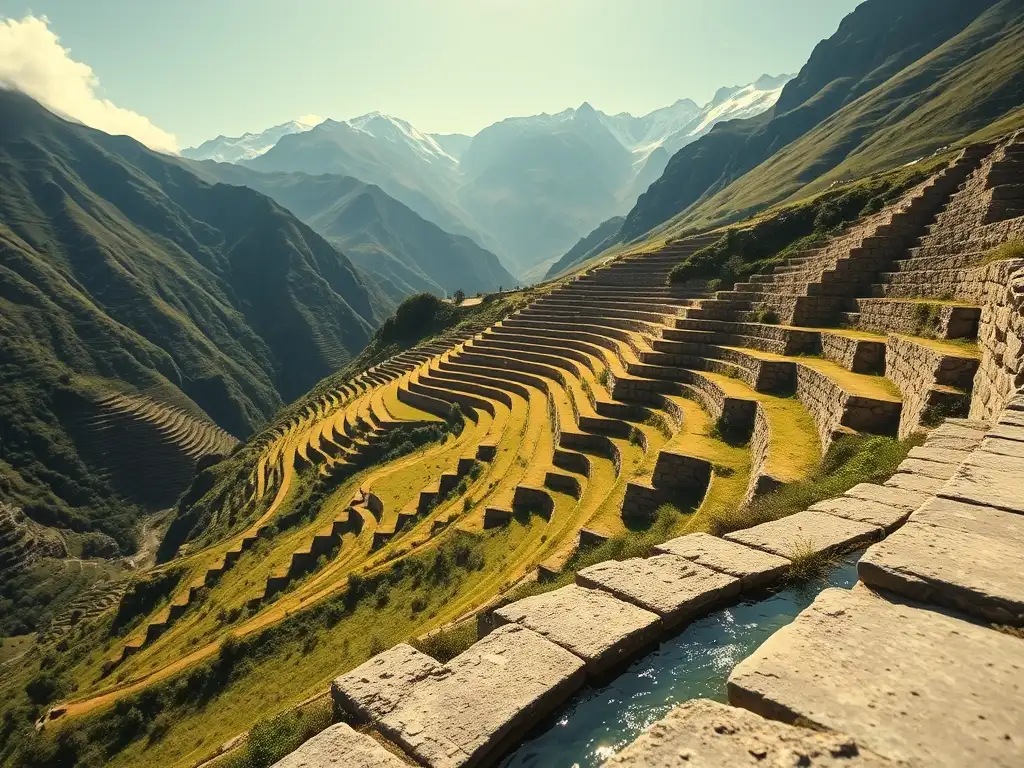
The Inca Empire's success was intrinsically linked to its mastery of water management. Their sophisticated irrigation systems, a testament to their engineering prowess, allowed them to cultivate vast stretches of land in diverse and challenging terrains across the Andes Mountains. These systems weren't merely canals; they were complex networks showcasing ingenuity and a deep understanding of hydrology, significantly impacting agricultural production and societal stability.
The effectiveness of Inca irrigation systems lay in several key features, which we will explore in detail below. Understanding these features provides crucial insights into the Inca's advanced civilization and their remarkable ability to adapt to their environment. The term "Inca irrigation systems" itself encapsulates the ingenuity and scale of their water management achievements.
Slope Adaptation and Water Flow Control
Inca engineers expertly adapted their irrigation systems to the steep slopes and varied topography of the Andes. This wasn't a simple task; it required a profound understanding of gravity, water pressure, and soil erosion. They achieved this through a combination of techniques:
- Terracing: The construction of extensive terraced fields slowed water flow, reducing erosion and maximizing water retention. These terraces, often meticulously carved into hillsides, created level platforms ideal for cultivation, even on the steepest inclines. The size and spacing of these terraces were carefully calculated to optimize water distribution based on the specific slope and soil conditions.
- Canals and Aqueducts: Ingeniously designed canals, some stretching for kilometers, channeled water from rivers and streams to the terraced fields. Aqueducts, often constructed from stone and expertly fitted together without mortar, carried water across valleys and ravines, demonstrating remarkable structural engineering skills. The gradients of these canals were carefully controlled to ensure a consistent and manageable water flow, preventing flooding or inadequate irrigation.
- Check Dams and Reservoirs: To regulate water flow and create reservoirs, Inca engineers built check dams and small reservoirs along the canals. These structures temporarily stored water, ensuring a steady supply even during periods of low rainfall. The construction of these structures required precise calculations to withstand the water pressure and prevent breaches, highlighting their advanced understanding of hydraulics.
Precision Engineering and Construction Methods
The construction of Inca irrigation systems was a remarkable feat of engineering precision. The Incas utilized sophisticated techniques, materials, and labor organization to create durable and efficient systems capable of withstanding the harsh Andean climate and seismic activity.
| Feature | Description | Example |
|---|---|---|
| Stone Masonry | Precisely cut and fitted stones, often without mortar, created strong and durable structures. | Aqueducts spanning valleys, demonstrating exceptional fitting and structural integrity. |
| Canal Lining | Some canals were lined with clay, plaster, or stone to prevent water seepage and erosion. | This ensured efficient water delivery and reduced water loss. |
| Water Diversions | Complex systems of canals and diversions allowed for efficient water distribution to different agricultural areas. | Carefully planned networks directed water to specific terraced fields as needed. |
The precision involved in shaping and fitting the stones, ensuring the correct gradient of canals, and building sturdy structures capable of withstanding the elements showcases a level of engineering expertise rarely seen in other ancient civilizations. The lack of sophisticated tools further underscores the skill and dedication of the Inca workforce.
Community Involvement in Irrigation Management
The Inca irrigation systems weren't solely engineering marvels; they were also a testament to the social organization and community involvement crucial for their successful operation and maintenance. The ayllu, the traditional Inca community system, played a vital role in the management and upkeep of these vital water resources.
- Collective Labor: The construction and maintenance of the irrigation systems were collective efforts, with communities participating in mita, a system of mandatory labor service. This ensured the ongoing upkeep and repair of canals, aqueducts, and other structures. The mita system, while demanding, fostered a sense of shared responsibility for the community's well-being.
- Water Allocation: The ayllu also managed water allocation, ensuring fair distribution among different agricultural plots. This involved intricate systems of water rights and responsibilities, reflecting a sophisticated understanding of resource management and conflict resolution. Rules and regulations governing water usage likely existed, preventing disputes and ensuring equitable access.
- Ritual and Ceremony: Water was not just a resource but also held spiritual significance for the Inca. Rituals and ceremonies were likely associated with the maintenance and management of irrigation systems, reinforcing the importance of water for agricultural success and community cohesion. This spiritual connection underscored the deep societal importance of the irrigation systems. Further research into Inca religious practices could reveal more details about these ceremonies.
The success of the Inca irrigation systems hinged on the combined efforts of skilled engineers and a well-organized community. This collaborative approach demonstrates the Incas' ability to integrate technological innovation with a robust social structure to create a sustainable and productive agricultural system. The legacy of Inca irrigation systems extends beyond their engineering achievements; it highlights the importance of community participation in resource management and sustainable development.
The Impact of Inca Irrigation on Agriculture
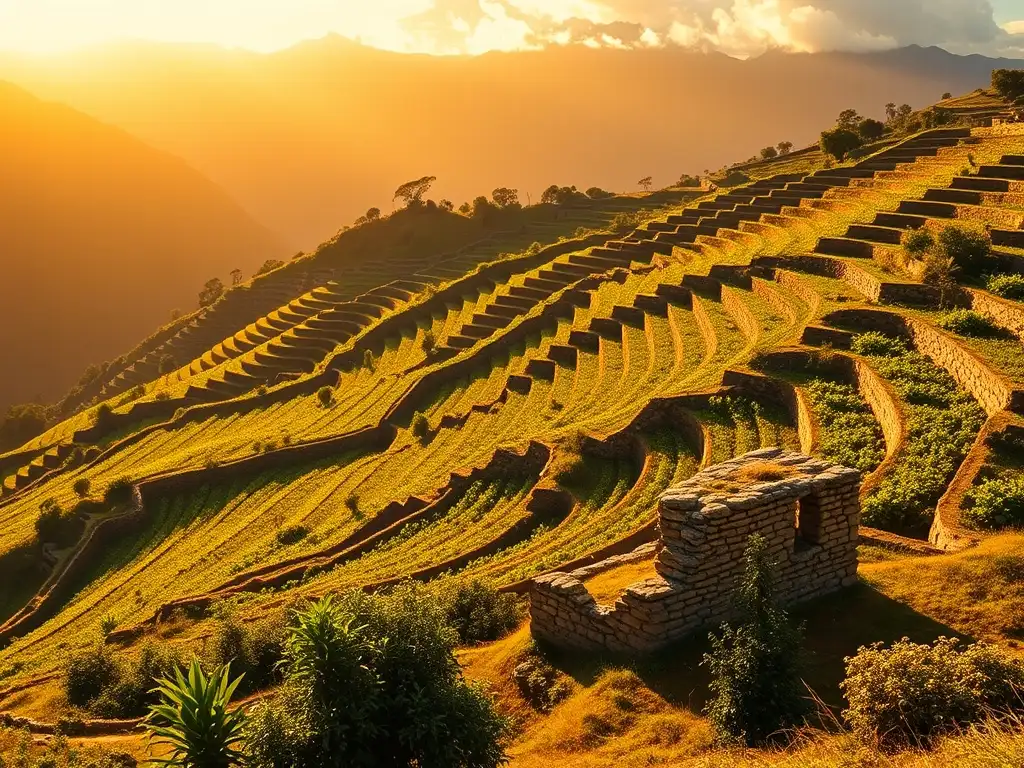
The ingenuity of the Inca irrigation systems profoundly impacted their agricultural practices, leading to significant advancements in food production and societal organization. Their mastery of water management allowed them to cultivate crops in diverse and often challenging environments, ensuring food security for a large and growing population. This section will explore the key ways in which Inca irrigation transformed Andean agriculture.
Increased Crop Yields and Food Security
The carefully designed and meticulously maintained Inca irrigation canals dramatically increased crop yields. By channeling water from rivers and snowmelt to arid and semi-arid regions, the Incas could cultivate a wider variety of crops, including potatoes, maize, quinoa, and beans, throughout the year. This reliable water supply minimized the risk of crop failure due to drought, a significant factor in the success and stability of the Inca Empire.
Historical accounts and archaeological evidence suggest that these systems led to a surplus in food production, contributing to a stable population and allowing for the development of complex social structures. For example, the improved yields allowed for the support of a large workforce involved in construction projects like Machu Picchu, a testament to the effectiveness of their irrigation techniques. The surplus also facilitated trade and the development of specialized crafts, further bolstering the Inca economy.
Analysis of pollen samples from archaeological sites shows a significant increase in cultivated crops following the implementation of these sophisticated irrigation systems, providing concrete evidence of their effectiveness. The impact on food security was paramount; famine, a frequent occurrence in other Andean societies, was largely mitigated by the Inca's mastery of water management.
Expansion of Agricultural Land in Challenging Terrain
Inca ingenuity wasn't limited to improving existing farmland; it extended to the cultivation of previously unusable land. The steep slopes and rugged terrain of the Andes presented significant challenges to agriculture. Yet, the Incas overcame these obstacles by constructing intricate networks of canals, terraces, and aqueducts that adapted to the complex topography.
These systems often involved impressive feats of engineering, including the use of sophisticated techniques like diverting water across valleys using siphons and strategically placed channels. The construction of agricultural terraces on mountain slopes, for instance, dramatically increased the amount of arable land available for cultivation. Each terrace functioned as a small, self-contained farm, with carefully planned drainage systems to prevent erosion and waterlogging.
This expansion of agricultural land was crucial to supporting the growing Inca population and sustaining their complex urban centers. The ability to cultivate in previously inaccessible areas contributed to the empire's remarkable expansion and consolidation of power. Archaeological surveys continue to reveal the extent of these expansive irrigation networks, highlighting the scale of their engineering achievements.
The construction and maintenance of the Inca irrigation systems were not merely engineering feats; they were deeply intertwined with the social and political organization of the Inca Empire. The mita, a system of mandatory labor, played a crucial role in the construction and upkeep of these vital infrastructure projects. Communities were assigned responsibilities for specific sections of canals, ensuring their proper functioning and demonstrating the importance of collective labor in maintaining food security.
This system not only provided essential infrastructure but also reinforced social cohesion and loyalty to the Inca rulers. The distribution of water, a precious resource, was carefully controlled and managed by Inca authorities, reflecting the central role of the state in resource allocation and economic organization. This intricate system of water management reinforced the power and authority of the Inca state, highlighting the close relationship between infrastructure development, social organization, and political control within the empire.
The effective functioning of the irrigation systems directly impacted the stability and prosperity of Inca society, demonstrating the interconnectedness of engineering, agriculture, and governance. Furthermore, religious beliefs and rituals were associated with water sources, emphasizing the sacred nature of water and its vital role in Inca culture and society.
Specific Examples of Inca Irrigation Sites
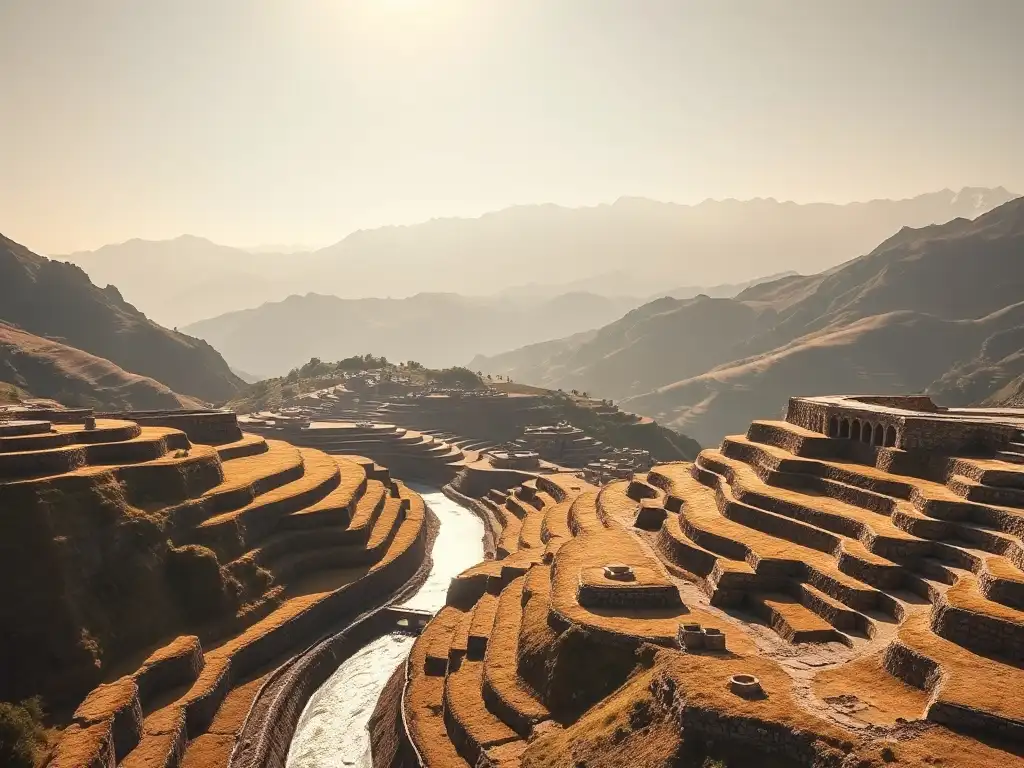
The ingenuity of Inca irrigation systems is best understood by examining specific examples across their vast empire. These weren't simply ditches; they were sophisticated networks demonstrating a deep understanding of hydrology, engineering, and agricultural practices. The scale and complexity of these systems continue to amaze researchers and highlight the advanced knowledge of the Inca civilization. The careful planning and execution of these projects, considering factors like water availability, terrain, and crop requirements, showcase the Inca's remarkable ability to manage resources effectively, particularly water, a precious commodity in the Andes.
This mastery of water management allowed them to cultivate diverse crops at various altitudes, supporting a large and thriving population. The legacy of these systems is visible even today, a testament to the durability and effectiveness of Inca engineering. Understanding these specific sites offers a glimpse into the intricacies of their sophisticated irrigation techniques.
Tipón: A Case Study of Inca Water Engineering
Tipón, located near Cusco, is a prime example of Inca water management prowess. This site features a remarkable system of canals, aqueducts, and terraced fields, all meticulously designed to distribute water efficiently across a significant area. The water originates from springs high in the Andes, channeled through a series of carefully constructed channels and strategically placed reservoirs.
These reservoirs not only stored water but also acted as settling basins, allowing sediment to settle before the water reached the agricultural terraces. This demonstrates a sophisticated understanding of water purification and conservation. The terraces themselves are a marvel of engineering, built on steep slopes with incredible precision to optimize water distribution and minimize soil erosion.
The intricate network of canals at Tipón allowed the Incas to cultivate a wide variety of crops, including potatoes, maize, and quinoa, ensuring food security for the surrounding population. The precision and scale of the Tipón irrigation system stand as a testament to the advanced engineering skills of the Inca civilization. The system's effectiveness is evident in the fertility of the land, even centuries after its construction.
Moray: Demonstrating Advanced Irrigation Techniques
Moray, also near Cusco, presents a unique and fascinating example of Inca agricultural innovation. This site features a series of concentric circular terraces, each at a slightly different elevation. This unique design is believed to have served as an agricultural experimentation center, allowing the Incas to test the growth of various crops under different microclimates.
The temperature variation between the terraces, even slight, was significant enough to allow the cultivation of a variety of crops, further showcasing their mastery of irrigation techniques. The system of canals and channels at Moray was designed to precisely control water flow to each terrace, ensuring optimal conditions for each crop. This sophisticated approach to irrigation allowed the Incas to understand and manipulate their environment to maximize agricultural yields, a crucial factor in supporting their large population.
The remarkable preservation of the Moray terraces, despite the passage of time, highlights the durability and sophistication of the Inca engineering skills. The site continues to be a source of fascination and research, revealing new insights into Inca agricultural practices and their understanding of environmental dynamics.
Ollantaytambo: Examining the Remains of an Inca Canal System
Ollantaytambo, a significant Inca archaeological site located in the Sacred Valley, boasts impressive remnants of an extensive canal system. The canals at Ollantaytambo were not only used for irrigation but also for supplying water to the city itself. The system utilized a combination of open canals and underground channels, demonstrating a sophisticated understanding of hydraulic engineering.
The construction of these canals required significant skill and precision, as they were carved into the rock face and often traversed challenging terrain. The integration of the canal system within the urban fabric of Ollantaytambo highlights the importance of water management to the Inca civilization. The sheer scale of the project is remarkable, reflecting the planning and organization required to manage such a large-scale undertaking.
While some sections of the canal system are still visible today, a significant portion remains buried or obscured, hinting at a much larger and more complex network than currently understood. Further research and excavation are needed to fully uncover the extent and intricacies of the Ollantaytambo canal system, potentially revealing further insights into Inca water management strategies and engineering capabilities. Archaeological investigations continue to unearth new details about this impressive system, slowly revealing the full extent of its complexity and ingenuity.
The Legacy of Inca Irrigation Systems
The Inca Empire, renowned for its sophisticated architecture and engineering prowess, left behind a remarkable legacy in the Andes: an intricate network of irrigation systems that enabled intensive agriculture in challenging terrains. These weren't merely canals; they represented a deep understanding of hydrology, sustainable resource management, and community collaboration. The ingenuity of Inca irrigation systems is still studied and admired today, providing valuable lessons for modern water management and agricultural practices.
The keyword "Inca irrigation systems," while seemingly straightforward, encompasses a rich tapestry of techniques, innovations, and societal implications that continue to fascinate researchers and inspire modern engineers. Understanding these systems requires delving into their construction, functionality, and the cultural context within which they flourished.
Lessons in Sustainable Water Management
Inca irrigation systems stand as a testament to sustainable water management. Their success wasn't solely based on technological innovation; it was intricately woven into the social fabric of the Inca society. The ayllu, the fundamental socio-economic unit, played a crucial role in maintaining and managing these systems. Collective responsibility ensured equitable water distribution and prevented overuse or misuse. This communal approach fostered a sense of shared ownership and stewardship, crucial for long-term sustainability.
Furthermore, the Inca engineers demonstrated a remarkable understanding of water conservation. They employed techniques such as terraced farming, which slowed water runoff and reduced soil erosion. They also built canals and aqueducts with carefully graded slopes to optimize water flow and minimize water loss. The use of diverting water from rivers and streams to irrigate fields was meticulously planned, taking into account seasonal variations in rainfall and water availability.
This forward-thinking approach ensured a consistent water supply for agriculture, even during periods of drought. Evidence suggests that Inca engineers meticulously monitored water levels and flow rates, making adjustments as needed to maximize efficiency and minimize waste. The Inca approach to water management offers invaluable insights for contemporary societies facing challenges of water scarcity and climate change. Their emphasis on community participation, conservation, and adaptability remains highly relevant today.
Modern Applications of Inca Irrigation Principles
The ingenuity of Inca irrigation systems continues to inspire modern engineering and agricultural practices. Many of their techniques are being re-evaluated and adapted to address contemporary challenges in water management. For example, the principles of terraced farming are being applied in modern sustainable agriculture projects around the world, particularly in mountainous regions. These terraces reduce soil erosion, conserve water, and increase crop yields.
Moreover, the Inca's understanding of water diversion and distribution is being applied in the design of modern irrigation systems. Researchers are studying the Inca's methods for constructing canals and aqueducts to improve the efficiency and durability of modern irrigation infrastructure. The use of locally sourced materials and labor-intensive construction techniques, while seemingly less efficient than modern methods, provides valuable insights into sustainable and low-cost infrastructure development.
The Inca approach highlights the importance of considering both technological and social factors when designing and implementing water management solutions. Studying these systems allows for a more holistic and sustainable approach to addressing contemporary water challenges.
The Enduring Impact of Inca Water Mastery
The Inca irrigation systems represent more than just impressive feats of engineering; they symbolize a profound understanding of the relationship between humans and their environment. These systems played a vital role in the Inca Empire's economic prosperity and social stability, supporting a large and densely populated empire in a geographically challenging landscape. Their lasting impact is evident in the continued use of some of these systems, even centuries after the fall of the Inca Empire. Many of the canals and terraces are still visible today, a testament to their robust construction and the ingenuity of their designers.
The legacy of Inca water mastery extends beyond the physical infrastructure. The social and cultural values that underpinned the construction and maintenance of these systems—community participation, resource stewardship, and adaptability—continue to provide valuable lessons for contemporary societies grappling with issues of water scarcity, environmental degradation, and social equity.
The study of Inca irrigation systems offers not only a fascinating glimpse into the past but also a valuable resource for addressing the challenges of the present and future. The ingenuity and sustainability of their water management practices underscore the importance of learning from past civilizations to build a more resilient and equitable future.
Frequently Asked Questions
How did the Inca irrigation systems work?
Inca irrigation relied on a complex network of canals, aqueducts, and terraces. Water was diverted from rivers and streams using sophisticated engineering techniques, often involving stone channels and carefully graded slopes to distribute water efficiently across agricultural lands.
What was the significance of Inca irrigation for their society?
Inca irrigation was crucial for their agricultural success, allowing them to cultivate diverse crops and support a large population in varied terrains. This reliable food supply was fundamental to their social and political stability.
What materials did the Inca use to build their irrigation systems?
The Incas primarily used stone for building their irrigation infrastructure, demonstrating their mastery of stonework. They also utilized clay and other local materials for sealing and maintaining their canals and aqueducts.
How did the Inca manage water distribution in their irrigation systems?
The Incas implemented sophisticated water management techniques, including the use of diversion channels, reservoirs, and control structures to regulate the flow of water and ensure equitable distribution among different agricultural zones.
What is the legacy of Inca irrigation systems today?
The remarkable engineering of Inca irrigation systems continues to inspire modern water management practices. The enduring remnants of these systems serve as a testament to the Inca's advanced understanding of hydraulic engineering and their sustainable approach to agriculture.
Final Reflection: A Legacy Flowing Still
The ingenious Inca irrigation systems, a testament to their profound understanding of water management, remain a powerful symbol of human ingenuity and adaptation, and their relevance echoes strongly in our current era of climate change and resource scarcity. Their sophisticated techniques, from carefully carved canals to intricate terracing, offer invaluable lessons for sustainable water practices in a world increasingly grappling with water stress. The ingenuity of the Inca's approach serves as a potent reminder of our own capacity for innovation and problem-solving when faced with environmental challenges.
The enduring impact of Inca water management extends far beyond the archaeological sites; it continues to shape the cultural landscape of the Andes, influencing agricultural practices and shaping community life. Their mastery of water wasn't merely a technological achievement; it was deeply intertwined with their spiritual beliefs and social structures. Water was not just a resource; it was the lifeblood of the Inca Empire, a sacred element that sustained their civilization and connected them to the spiritual world.
This holistic approach, recognizing the interconnectedness of water, culture, and spirituality, offers a valuable perspective in our modern, often fragmented, approach to resource management.
Consider the ingenuity of the Inca's solutions. Imagine the meticulous planning, the collaborative effort, the deep understanding of their environment that went into creating these remarkable systems. You too possess the capacity for such innovation and foresight. Reflect on how you can apply the principles of sustainable resource management in your own life, whether it's through conscious water conservation, supporting sustainable agriculture, or advocating for responsible environmental policies. Let the legacy of the Inca irrigation systems inspire you to become a steward of our precious resources, ensuring a sustainable future for generations to come.
**Dive Deeper into Inca Innovations! **
Thank you for exploring the remarkable irrigation systems of the Inca civilization with us! We hope you gained a new appreciation for their impressive water management and its crucial role in supporting their society. Now, let's delve even deeper.
Here are some ways to further explore and appreciate Inca ingenuity:
- **Visit ancient sites:** Experience the ingenuity of the Inca firsthand by visiting Andean ruins and witnessing the remarkable remains of their irrigation systems.
- **Share your insights:** Discuss your favorite aspects of Inca innovation with others—perhaps on social media or in the comments section below. What specifically captivated you about their water management techniques?
- **Explore modern applications:** Investigate how contemporary sustainable water management strategies could benefit from Inca practices. Many documentaries and articles explore this fascinating connection.
What lessons can modern societies learn from the Inca's mastery of water management? We'd love to hear your thoughts!