
Inca Architecture and the Concept of Ingenuity: Solving Complex Problems

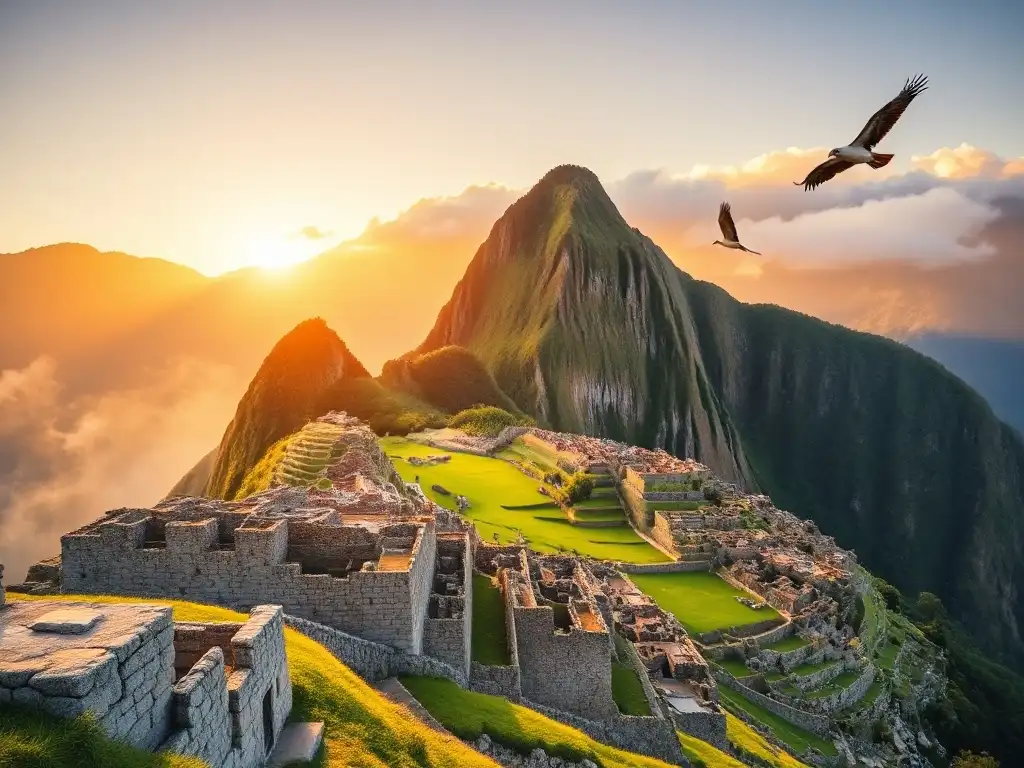
Step into a world lost to time, yet echoing with the ingenuity of a civilization that defied the Andes' harsh landscape. Prepare to be amazed by the architectural marvels of the Inca Empire—structures that continue to inspire awe and wonder centuries later. Discover the secrets behind Inca architecture ingenuity examples, and uncover the innovative solutions that allowed them to build an empire amongst the clouds. Their legacy whispers from the stones; are you ready to listen?
The Inca Empire, renowned for its vast territorial expanse and sophisticated societal structures, left behind a remarkable legacy in the form of its impressive architecture. This architectural achievement wasn't merely aesthetic; it represented a profound understanding of engineering principles and a remarkable capacity for problem-solving, reflecting an ingenuity that continues to fascinate and inspire researchers today.
This article delves into specific examples showcasing the Inca's innovative approaches to construction, demonstrating how they overcame geographical challenges and logistical limitations to create structures that remain awe-inspiring centuries later. We will explore how their ingenuity in architecture is directly linked to their ability to build a vast and powerful empire, examining the key elements that allowed them to achieve such feats of construction.
Understanding the Inca's architectural ingenuity provides crucial insight into their societal organization, technological prowess, and overall mastery of their environment. The keyword "Inca architecture ingenuity examples" will be explored throughout the article, providing concrete illustrations of this remarkable civilization's accomplishments.
Mastering Mountainous Terrain: Adapting Construction to the Andes
The Andes Mountains presented a formidable challenge to Inca builders. The steep slopes, seismic activity, and varied terrains demanded innovative construction techniques. Instead of fighting the landscape, the Inca cleverly adapted their building methods to harmonize with it.
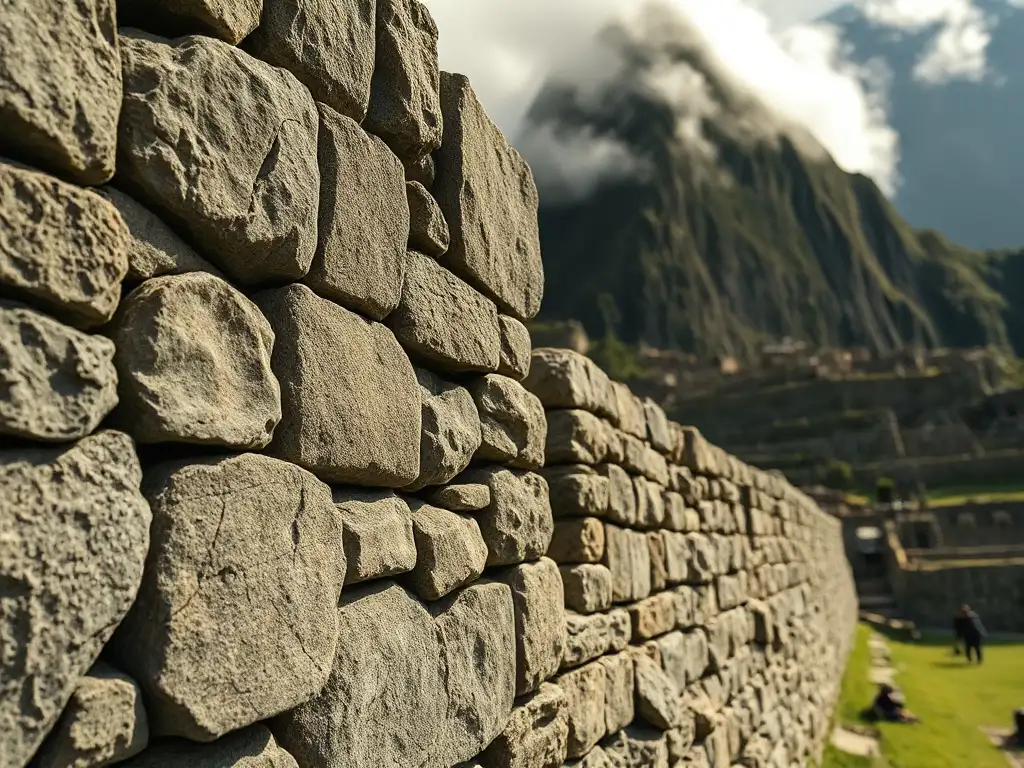
They employed techniques such as dry-stone masonry, where precisely cut stones were fitted together without mortar, creating incredibly strong and stable structures capable of withstanding earthquakes. This intricate process required a deep understanding of geology and engineering principles, showcasing an exceptional level of skill and planning. The precise fitting of stones, often so tight that a knife blade couldn't fit between them, is a testament to their expertise.
Furthermore, the use of locally sourced materials minimized transportation costs and environmental impact, demonstrating a sustainable approach to construction that is surprisingly modern in its philosophy. Examples of this mastery are abundant throughout the surviving Inca sites, from the monumental walls of Sacsayhuamán to the intricate terraces carved into the hillsides.
The Precision of Dry-Stone Masonry: A Feat of Engineering
The Inca's mastery of dry-stone masonry is perhaps their most significant architectural achievement. This technique, which involved fitting stones together without the use of mortar, required an incredibly high level of precision and skill. The stones were meticulously cut and shaped to fit perfectly together, creating walls that were incredibly strong and resistant to earthquakes.
The absence of mortar actually enhanced the structure's seismic resilience, allowing the walls to flex and absorb seismic energy more effectively than mortared constructions. This understanding of structural mechanics was far ahead of its time. The precision of the work is astonishing; many examples show stones fitted together so tightly that a blade cannot be inserted between them.
This level of accuracy demonstrates not only exceptional craftsmanship but also a deep understanding of geometry and engineering principles. The sheer scale of some of these structures, such as the walls of Ollantaytambo, further underscores the organizational capabilities and manpower required to complete such monumental tasks.
Hydraulic Engineering: Managing Water Resources in the Andes
The Inca's ingenuity extended beyond their mastery of stonework. They were also highly skilled in hydraulic engineering, developing sophisticated systems for managing water resources in the challenging Andean environment. Their irrigation systems, often built across steep slopes and rugged terrain, were crucial for agriculture and sustained the empire's population. These systems involved intricate networks of canals, aqueducts, and reservoirs, demonstrating a deep understanding of hydrology and water management.
The construction of these systems required careful planning, precise surveying, and a high level of technical expertise. The ability to channel water across such difficult terrain highlights their problem-solving abilities and their capacity to adapt their engineering skills to overcome environmental obstacles. Specific examples of these impressive water management systems are still visible today, demonstrating the enduring legacy of Inca engineering.
Architectural Innovations and Symbolism: Beyond Practicality
While the practicality and engineering prowess of Inca architecture are undeniable, it's also important to acknowledge the symbolic and ritualistic significance embedded within these structures. The precise placement of stones, the orientation of buildings, and the use of specific materials all carried deeper meaning, reflecting the Inca worldview and their relationship with the cosmos. The integration of astronomical alignments within their architecture suggests a sophisticated understanding of celestial movements and their influence on the Inca calendar and religious practices.
This blend of practical functionality and symbolic representation highlights the holistic approach of Inca architects, who skillfully combined engineering principles with religious and cultural beliefs. Further research is needed to fully uncover the symbolic meanings embedded within many Inca architectural marvels. This aspect adds another layer of complexity and fascination to the study of Inca architecture.
- Mastering Mountainous Terrain: Adapting Construction to the Andes
- The Precision of Dry-Stone Masonry: A Feat of Engineering
- Hydraulic Engineering: Managing Water Resources in the Andes
- Architectural Innovations and Symbolism: Beyond Practicality
The Foundations of Inca Engineering: A Glimpse into Their Problem-Solving Approach
The Inca Empire's architectural achievements weren't merely aesthetic triumphs; they were testaments to a sophisticated understanding of engineering principles and a remarkable capacity for problem-solving. Their ingenuity, evident in Inca architecture examples across the Andes, stemmed from a deep connection with their environment and a pragmatic approach to construction. This wasn't about simply building structures; it was about harmoniously integrating those structures into the challenging Andean landscape. The Inca's success was predicated on a combination of meticulous planning, resourcefulness, and an unwavering dedication to overcoming seemingly insurmountable obstacles.
Analyzing their techniques reveals not only the impressive scale of their projects but also the underlying intellectual framework that enabled their success. This approach, focused on practicality and adaptation, continues to inspire awe and admiration centuries later. Let's delve deeper into the specific challenges they faced and the ingenious solutions they devised.
Understanding the Environmental Challenges Faced by Inca Builders
Inca builders confronted a formidable array of environmental hurdles. The Andes Mountains, with their steep slopes, seismic activity, and varied climates, presented a unique set of engineering problems. The terrain itself dictated construction methods. For instance, the availability of flat land was often limited, forcing Inca engineers to adapt their designs to irregular surfaces.
They mastered techniques for building on slopes, utilizing terraces and retaining walls to create stable building platforms. The unpredictable weather, ranging from intense sun to torrential rains and freezing temperatures, also posed significant challenges. Their buildings had to withstand these extremes, requiring durable materials and innovative construction methods. Furthermore, the vulnerability to earthquakes necessitated the development of flexible, adaptable structures that could withstand seismic activity.
This is where their ingenuity truly shines, as evidenced by the remarkable stability of many surviving Inca structures. The Inca's deep understanding of the local geology and climate played a crucial role in their ability to overcome these environmental obstacles. They meticulously selected building materials and adapted their construction techniques to the specific conditions of each site, demonstrating a profound respect for and understanding of their environment. This intimate knowledge, coupled with their innovative spirit, allowed them to create structures that seamlessly integrated with, and often defied, the harsh realities of the Andean landscape.
The Inca Mindset: Innovation and Adaptation in Construction
The Inca approach to construction wasn't simply reactive; it was proactive and deeply ingrained in their cultural values. Their mindset emphasized practicality, resourcefulness, and a willingness to adapt to the unique challenges presented by each project. They didn't rely on standardized blueprints; instead, they approached each building as a unique response to its specific environment and purpose. This adaptability is strikingly apparent in the diversity of Inca architecture, ranging from the massive stonework of Sacsayhuamán to the intricate irrigation systems of the agricultural terraces.
Their ingenuity extended beyond just the structural aspects. They developed sophisticated techniques for quarrying, transporting, and shaping massive stones with remarkable precision. The precision fitting of stones, without the use of mortar, is a testament to their advanced understanding of geometry and engineering principles. Furthermore, their mastery of stonework wasn't solely focused on aesthetics; it was deeply intertwined with functionality, ensuring the durability and stability of their structures.
The use of interlocking stones, for example, created buildings that were remarkably resistant to earthquakes. This holistic approach, combining artistry with functionality, exemplifies the Inca's innovative problem-solving abilities and their profound understanding of the interconnectedness between engineering, environment, and culture. The Inca legacy is not just about impressive buildings; it's about a holistic approach to construction that prioritized adaptation, precision, and sustainability – a true testament to Inca architecture ingenuity. The Inca's problem-solving skills are a powerful example for modern engineers and architects.
Inca Architectural Ingenuity: Examples of Remarkable Solutions
This section delves into specific examples showcasing the ingenuity of Inca architecture, highlighting their ability to overcome significant engineering challenges using readily available resources and remarkably advanced techniques. The Inca's architectural prowess wasn't just about aesthetics; it was a testament to their deep understanding of engineering principles, resource management, and environmental adaptation. Their solutions to problems of terrain, material sourcing, and construction demonstrate a sophisticated level of planning and execution, solidifying their place as masters of Andean architecture. The examples below illustrate the ingenuity behind their most iconic structures.
Machu Picchu: Demonstrating Advanced Inca Construction Techniques
Machu Picchu, the iconic "Lost City of the Incas," stands as a powerful testament to Inca architectural ingenuity. Its construction, perched high in the Andes Mountains, presented numerous challenges, yet the Incas overcame them with remarkable skill. The city's design and construction reflect a profound understanding of both the environment and sophisticated building practices. The seamless integration of architecture with the landscape exemplifies their innovative approach to construction. The ingenuity is visible in every aspect, from the precise stonework to the clever drainage systems.
Terracing and Drainage Systems at Machu Picchu: A Masterclass in Engineering
The steep slopes of Machu Picchu presented a significant challenge for construction. To create level platforms for buildings and agriculture, the Incas developed an intricate system of terraces. These weren't merely aesthetic features; they were crucial for soil retention and water management. The terraces, built using carefully fitted stones, prevented soil erosion and facilitated effective irrigation.
Furthermore, the city's drainage system, integrated seamlessly into the architecture, efficiently channeled rainwater away from buildings, preventing damage and maintaining sanitation – a remarkable achievement for its time. The sophisticated understanding of hydrology and soil mechanics embedded in these systems underscores the Inca's innovative approach to environmental engineering. The effectiveness of these systems is evident even today, a testament to their enduring design.
The Precision of Stone Cutting and Fitting in Machu Picchu Architecture
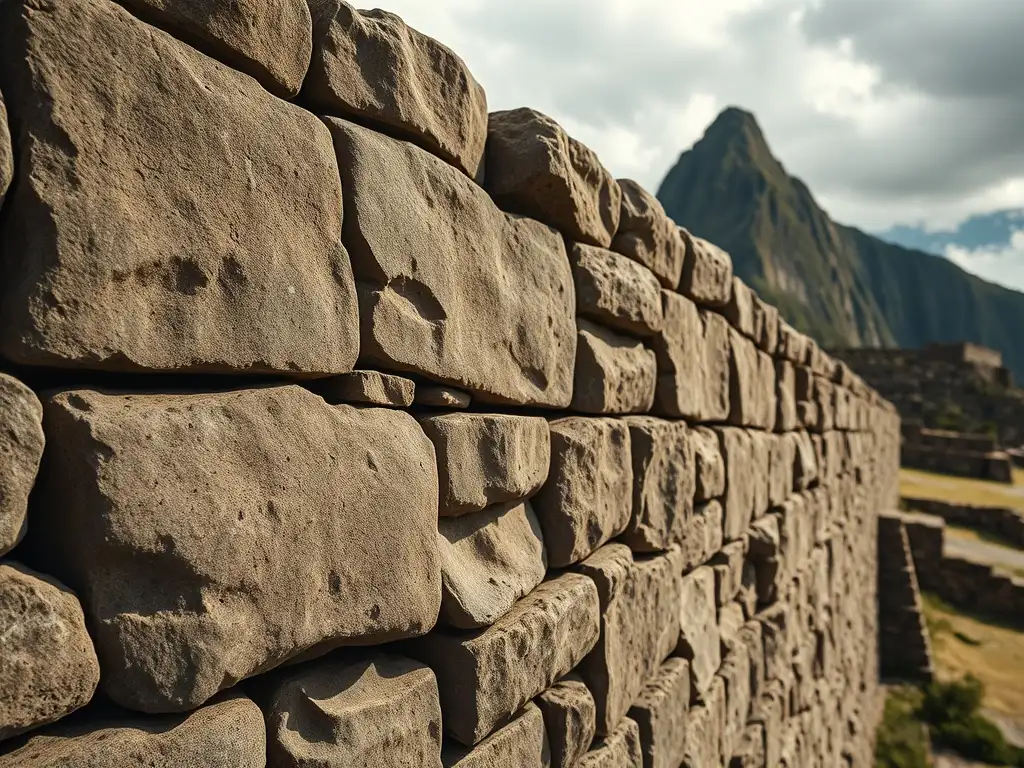
The precision of the stonework at Machu Picchu is legendary. The Incas employed a technique of dry-stone masonry, fitting stones together with such accuracy that no mortar was needed. The stones, often massive in size, interlock perfectly, creating incredibly strong and stable structures. This level of precision wasn't just about aesthetics; it was essential for seismic stability in a region prone to earthquakes.
The intricate fitting of the stones, often with polygonal shapes, demonstrates an advanced understanding of geometry and engineering principles. The absence of mortar further highlights the skill and planning involved, showcasing a remarkable mastery of stonework. This technique, along with their understanding of structural integrity, allowed them to build structures that have withstood the test of time.
Sacsayhuaman: A Fortress Showcasing Monumental Inca Engineering
Sacsayhuaman, located near Cusco, is another striking example of Inca architectural ingenuity. This massive fortress complex presents a breathtaking display of monumental stonework, showcasing the Incas' ability to transport, shape, and assemble incredibly large stones. The sheer scale of the project and the complexity of its construction are astounding, reflecting an advanced level of organizational and engineering skills.
The Scale and Complexity of the Sacsayhuaman Walls
The walls of Sacsayhuaman are composed of enormous stones, some weighing many tons. The sheer scale of these stones and their precise placement are awe-inspiring. The walls are not simply stacked; they are carefully fitted together, creating a structure of immense strength and stability.
The complexity of the construction is evident in the intricate interlocking of the stones, which forms a remarkably strong and resilient structure. The sheer size of the project, requiring immense logistical coordination and manpower, further highlights the remarkable organizational abilities of the Inca civilization. The precision and scale of Sacsayhuaman stand as a testament to their exceptional engineering capabilities.
The Transportation of Massive Stones at Sacsayhuaman
One of the most intriguing aspects of Sacsayhuaman is the question of how the Incas transported the massive stones used in its construction. The precise methods remain a subject of ongoing research and debate, but it's clear that they possessed advanced techniques for moving these colossal blocks across challenging terrain. The logistics involved in transporting these stones, some weighing over 100 tons, across considerable distances and up steep inclines, represent a significant feat of engineering. The ingenuity lies not only in their construction but also in the sophisticated systems they must have developed for transporting such massive materials.
The scale of this logistical challenge underscores the advanced organizational and engineering capabilities of the Inca civilization. Further research is needed to fully understand the precise techniques employed. 🤔
Inca Road System (Qhapaq Ñan): Engineering for Connectivity and Empire
The Qhapaq Ñan, or Great Inca Road, stands as a testament to Inca ingenuity and their mastery of infrastructure. Spanning over 40,000 kilometers, this extensive network of roads connected the vast Inca Empire, facilitating communication, trade, and military movements across diverse and challenging terrains. The sheer scale of the project, coupled with the sophisticated engineering techniques employed, is truly remarkable.
The roads weren't simply paths; they were strategically planned and meticulously constructed to withstand the harsh Andean environment, showcasing a deep understanding of topography and materials. This intricate system played a crucial role in unifying the empire, enabling the efficient flow of resources and information, and ultimately contributing to the empire's longevity and success. The Inca's ability to overcome geographical obstacles, such as steep mountains and deep valleys, is a clear demonstration of their architectural ingenuity.
Building Roads Across Diverse Terrains: Inca Ingenuity in Infrastructure
Constructing roads across the Andes presented immense challenges. The Inca engineers had to navigate steep slopes, treacherous cliffs, and dense jungles. They employed a variety of techniques to overcome these obstacles. For example, they used retaining walls built from stone to stabilize slopes and prevent landslides.
In areas with unstable ground, they carefully layered materials, such as compacted earth and stone, to create a solid roadbed. The roads were not uniformly constructed; instead, their design adapted to the specific geographical conditions. In some areas, the roads were relatively flat and wide, while in other areas, they were narrow and winding, carefully carved into the mountainside.
Their expertise in stonework is evident in the precision with which the stones were cut and fitted together, creating durable and long-lasting roads. The Inca's understanding of drainage was also crucial, ensuring that the roads remained passable even during heavy rainfall. The construction of the Qhapaq Ñan involved a massive workforce, coordinated with remarkable efficiency, reflecting the sophisticated organizational capabilities of the Inca state.
Bridges and Tunnels: Conquering Geographical Obstacles
The Inca road system wasn't simply limited to overland routes. It also included impressive bridges and tunnels that allowed for the crossing of rivers and mountains. These structures weren't just functional; they were often remarkable feats of engineering. Inca bridges, for instance, were sometimes built using suspension techniques, utilizing strong ropes made from natural fibers.
Other bridges were constructed using stone, demonstrating a sophisticated understanding of arch and cantilever principles. The construction of these bridges required not only skilled craftsmanship but also a deep understanding of the local materials and their properties. Similarly, the Inca's construction of tunnels through mountains showcased their ability to overcome significant geographical barriers.
These tunnels were often strategically placed to shorten travel times and improve access to otherwise inaccessible areas. The precision and durability of these tunnels, some of which still stand today, highlight the Inca's remarkable engineering skills. These structures are prime examples of how the Inca cleverly solved complex problems to ensure the connectivity of their vast empire.
Inca Agricultural Innovations: Integrating Engineering with Food Production
Inca agricultural practices were deeply intertwined with their engineering skills. Their ability to cultivate food in the challenging Andean environment is a testament to their ingenuity and understanding of both agriculture and engineering principles. They developed innovative techniques to maximize food production, ensuring the sustenance of their large population. These techniques were essential for the empire's stability and prosperity. The integration of agricultural and engineering practices is a key aspect of their architectural ingenuity.
Andenes (Agricultural Terraces): Optimizing Land Use and Water Management
Andenes, or agricultural terraces, are perhaps the most iconic example of Inca agricultural ingenuity. These terraced fields, carved into hillsides, dramatically increased the amount of arable land available for cultivation. This was particularly crucial in the steep Andean slopes.
The terraces not only provided more space for farming but also helped manage water resources. The carefully constructed terraces captured rainwater, slowing its runoff and preventing soil erosion. This efficient water management was vital in a region characterized by unpredictable rainfall.
The construction of andenes required a high level of precision and coordination, reflecting the Inca's advanced understanding of both agriculture and engineering. The construction of these terraces involved the careful placement of retaining walls made from stone, which not only supported the terraces but also helped to control water flow. The andenes represent a remarkable example of sustainable agriculture, a system that allowed the Incas to support a large population in a challenging environment.
Irrigation Systems: Ensuring Consistent Crop Yields
In addition to andenes, the Inca also developed sophisticated irrigation systems to ensure consistent crop yields. These systems involved canals and channels that diverted water from rivers and streams to agricultural fields. The networks of canals were often extensive, traversing challenging terrain and requiring careful planning and construction.
The Inca demonstrated a profound understanding of water flow and hydraulic engineering. They were able to manage the water supply effectively, even in areas with limited water resources. The precise construction of canals and channels ensured that water was distributed efficiently to the fields, maximizing agricultural output and minimizing water waste.
This sophisticated irrigation system was crucial for the empire's food security and played a significant role in supporting its large population. The ingenuity of the Inca irrigation systems is further demonstrated by their ability to adapt to different terrains and environmental conditions. These systems showcase the Inca's deep understanding of both hydrology and engineering principles.
Key Elements of Inca Ingenuity in Architecture
This section delves into the remarkable ingenuity demonstrated in Inca architecture, showcasing how they overcame significant environmental challenges and developed innovative construction methods. The Inca Empire's architectural achievements weren't simply aesthetically pleasing; they were testaments to a deep understanding of engineering principles, resource management, and adaptation to the harsh Andean terrain. Analyzing their ingenuity reveals fascinating insights into their sophisticated civilization. This exploration will focus on key elements of Inca architectural ingenuity, providing concrete examples of their problem-solving capabilities. The term "Inca architecture ingenuity examples" perfectly encapsulates the focus of this analysis.
Use of Local Materials: Adapting to the Andean Environment
The Incas were masters of adapting their building techniques to the unique characteristics of the Andean environment. Instead of importing materials, they cleverly utilized locally sourced resources, demonstrating a sustainable and ingenious approach to construction. This is a prime example of Inca architecture ingenuity.
Their primary building material was stone, readily available throughout the Andes. However, the type of stone varied dramatically depending on the region. In areas with abundant granite, such as the Sacred Valley, they expertly shaped and fitted massive granite blocks to create imposing structures like Sacsayhuamán. The precision of these cuts, often without mortar, is astonishing. In other regions, where granite was scarce, they employed other materials such as adobe bricks (sun-dried mud bricks) and volcanic rock, adapting their techniques accordingly.
The use of local materials wasn't simply a matter of convenience; it also contributed to the structural integrity and longevity of their buildings. The choice of stone type, for instance, was often dictated by its resistance to weathering and seismic activity. This practical approach reflects a deep understanding of the relationship between materials and environment, a cornerstone of their architectural ingenuity. Furthermore, the integration of local materials into their designs often resulted in structures that blended seamlessly with the surrounding landscape.
Earthquake-Resistant Construction Techniques: Ensuring Stability
The Andes are a seismically active region, prone to powerful earthquakes. The Incas, acutely aware of this risk, developed sophisticated earthquake-resistant construction techniques. Their ingenuity in this area is particularly striking, as it demonstrates a profound understanding of structural engineering principles far ahead of their time. This understanding is a crucial aspect of the "Inca architecture ingenuity examples" narrative.
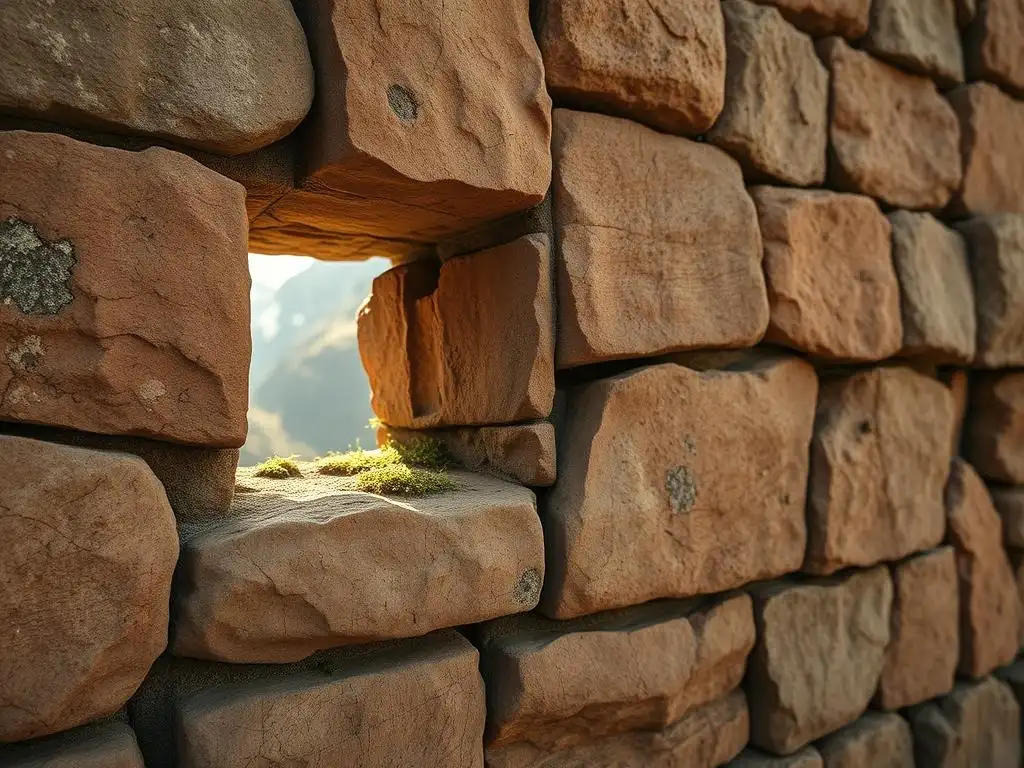
One key element of their approach was the use of interlocking stones, carefully fitted together without mortar. This technique, often employing polygonal stones of varying sizes and shapes, allowed the structures to absorb seismic energy more effectively than buildings constructed with rigid mortar joints. The stones' irregular shapes and interlocking nature created a flexible system, capable of withstanding considerable ground movement.
Another ingenious technique involved the use of sloping foundations and carefully graded terraces. These features helped to redistribute the weight of the structures, reducing the stress on the foundations and minimizing the risk of collapse during an earthquake. The impressive stability of many Inca structures, even after centuries of seismic activity, is a testament to the effectiveness of these techniques. The mastery of these techniques is a compelling example of Inca architecture ingenuity.
Advanced Knowledge of Hydrology: Managing Water Resources
The Incas' architectural ingenuity extended beyond structural engineering; it encompassed a sophisticated understanding of hydrology and water management. Their ability to harness and control water resources was crucial for their agricultural practices and urban development, particularly in arid and mountainous regions. This aspect highlights yet another facet of "Inca architecture ingenuity examples".
The intricate network of canals, aqueducts, and irrigation systems constructed by the Incas is a testament to their advanced hydrological knowledge. These systems not only provided water for agriculture but also served as a vital component of their urban infrastructure. The ingenuity lies in their ability to channel water across challenging terrain, utilizing gravity-fed systems that minimized energy expenditure.
Their understanding of water pressure and flow rates allowed them to create efficient and reliable water distribution networks, even in densely populated urban centers. Examples include the impressive water management systems in Cusco and Machu Picchu, where water was channeled through carefully constructed channels and fountains, providing a constant supply to the inhabitants. The design and implementation of these systems demonstrate a level of engineering expertise rarely seen in other civilizations of the time. The effective management of water resources, a key challenge in the Andean environment, stands as a powerful illustration of Inca architectural ingenuity.
The Legacy of Inca Architectural Ingenuity
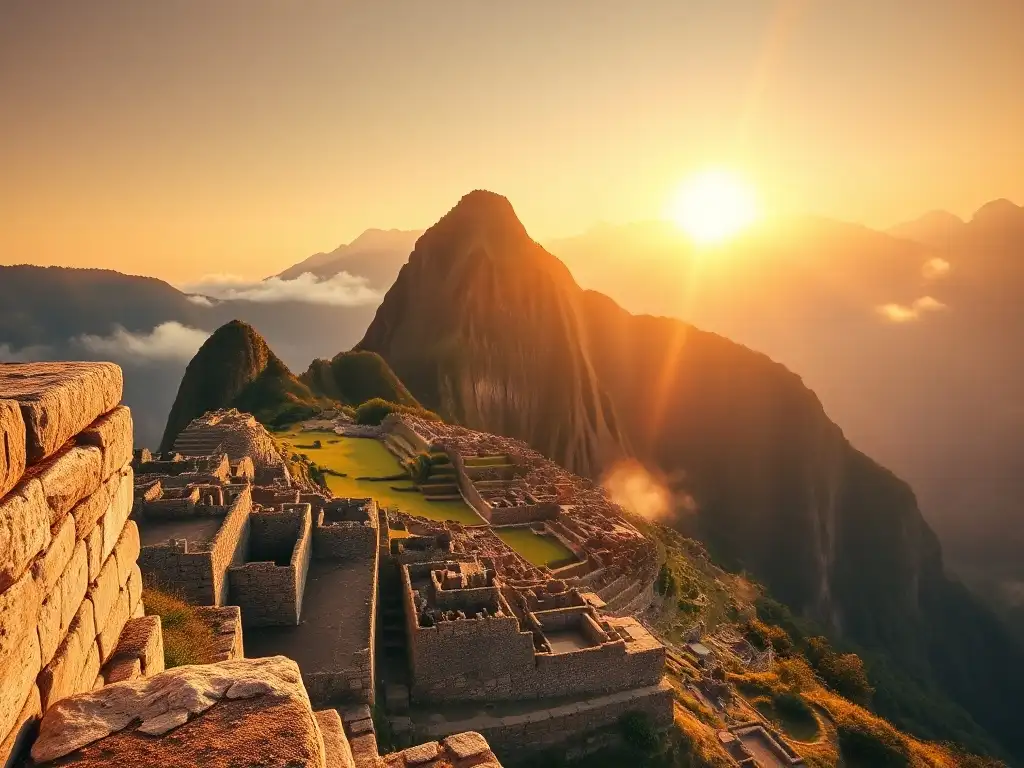
This section delves into the enduring impact of Inca architectural ingenuity, examining its influence on modern constructions and highlighting the sustainable principles embedded within its designs. We'll explore specific examples that showcase the remarkable problem-solving capabilities of Inca builders and analyze how these techniques continue to inspire contemporary architects and engineers. The Inca's mastery of stonework, their understanding of seismic activity, and their ability to adapt to diverse terrains represent a profound legacy that continues to resonate today.
This legacy isn't just about aesthetics; it's about resilience, resourcefulness, and a deep connection with the environment. The keyword "Inca architecture ingenuity examples" is central to understanding this lasting contribution.
Influence on Modern Andean Architecture
The Inca architectural tradition, characterized by its precision, functionality, and harmony with the landscape, continues to influence contemporary Andean architecture. Modern architects often incorporate elements inspired by Inca techniques, such as dry-stone masonry and the use of locally sourced materials. This isn't mere imitation; it's a conscious effort to blend traditional wisdom with modern building practices.
For instance, many contemporary buildings in Cusco and other Andean cities feature stonework techniques reminiscent of Inca constructions, using similar methods of fitting stones together without mortar. This approach not only creates a visually appealing aesthetic that pays homage to the Inca heritage, but also demonstrates a commitment to sustainability by utilizing readily available materials and traditional craftsmanship. The integration of traditional methods with modern engineering ensures the structures are both aesthetically pleasing and structurally sound.
Furthermore, the incorporation of Inca-inspired design elements fosters a sense of cultural continuity and strengthens the connection between the past and the present. This is particularly evident in the design of public buildings, hotels, and even residential complexes, which often incorporate elements like stepped terraces and geometric patterns inspired by Inca architecture.
The ongoing relevance of Inca architectural principles is also seen in the design of earthquake-resistant structures. The Inca's ingenious use of interlocking stones and flexible foundations provided surprising resilience against seismic activity. Modern engineers are increasingly studying Inca techniques to develop more effective earthquake-resistant building methods, particularly in seismically active regions of the Andes. This demonstrates a practical application of the legacy of Inca ingenuity, translating ancient wisdom into solutions for contemporary challenges.
Lessons in Sustainable and Adaptive Design
Inca architecture offers invaluable lessons in sustainable and adaptive design, particularly relevant in the face of modern environmental challenges. Their approach to construction prioritized resource efficiency, minimizing environmental impact and maximizing the use of local materials. This contrasts sharply with many modern building practices that often rely on energy-intensive materials and transportation.
The Inca's mastery of dry-stone masonry, for example, showcases a sustainable approach to construction. By skillfully fitting stones together without the use of mortar, they minimized the need for energy-intensive materials and processes. This technique also resulted in structures that were remarkably well-integrated into the landscape, minimizing their environmental footprint. Their ingenuity extended to water management, with intricate irrigation systems and sophisticated water storage solutions reflecting a deep understanding of the environment and its limitations.
Furthermore, their ability to adapt their building techniques to diverse terrains is a testament to their adaptability and resourcefulness. The construction of monumental structures like Machu Picchu, perched high in the Andes, showcases their ability to overcome logistical challenges and create structures that harmonized with the surrounding environment. This adaptability is a valuable lesson for contemporary architects and engineers facing the challenges of building in challenging environments, whether due to climate change or geographical constraints.
The Inca's success in these areas provides a blueprint for sustainable and resilient building practices, highlighting the enduring relevance of their architectural ingenuity for addressing modern challenges. Their ingenuity is a powerful example of how understanding and working with nature, rather than against it, can lead to remarkable results, a lesson especially pertinent today given growing concerns about climate change and resource depletion.
Conclusion: The Enduring Impact of Inca Engineering Prowess
The ingenuity displayed in Inca architecture continues to inspire awe and wonder centuries after the empire's fall. Their mastery of stonework, their innovative solutions to challenging terrains, and their sophisticated understanding of structural mechanics represent a remarkable achievement in human history. The Inca's ability to adapt their building techniques to diverse environments, from the high Andes to the coastal regions, showcases a deep understanding of both engineering principles and the natural world.
This adaptability, combined with their meticulous craftsmanship, resulted in structures that not only served their practical purposes but also possessed a powerful aesthetic impact. Examining these feats of engineering provides valuable insights into the Inca worldview and their capacity for complex problem-solving.
Their legacy extends beyond the physical structures themselves; it represents a testament to human potential and the enduring power of innovation. Understanding the Inca's achievements allows us to appreciate the ingenuity of a civilization that thrived in a demanding environment, leaving behind a legacy that continues to shape our understanding of ancient civilizations.
The Significance of Inca Architecture Ingenuity Examples for Future Generations
The study of Inca architecture ingenuity offers invaluable lessons for contemporary society. Analyzing techniques like dry-stone masonry, the utilization of local materials, and the integration of structures with their environment provides sustainable building practices for modern architects and engineers. For example, the Incas' understanding of seismic activity and their incorporation of earthquake-resistant techniques into their designs are particularly relevant in today's world, where many regions are prone to seismic events. Their ingenious solutions to water management, exemplified by their intricate irrigation systems, offer valuable insights for addressing modern water scarcity challenges. Moreover, the Inca's ability to mobilize vast resources and coordinate complex construction projects highlights the importance of effective organization and collaboration in large-scale engineering endeavors. By studying these examples, we can learn to build more sustainably, efficiently, and resiliently, addressing the challenges of the 21st century with the wisdom of a civilization that mastered these challenges centuries ago. The Inca's legacy serves as a powerful reminder of the potential for human ingenuity to overcome obstacles and create structures that not only stand the test of time but also inspire future generations. The careful preservation and study of these remarkable sites are crucial for understanding and learning from this remarkable civilization's ingenuity. This enduring legacy of Inca architecture ingenuity provides a rich source of inspiration and practical knowledge, allowing us to build a more sustainable and resilient future. Furthermore, the Inca's sophisticated understanding of environmental engineering provides valuable lessons for modern sustainable development practices.
Applying Inca Architectural Principles in Modern Construction
Inca architectural principles, characterized by their adaptability, sustainability, and resilience, offer practical applications in modern construction. The precision of their dry-stone masonry, achieved without mortar, inspires innovative techniques for constructing earthquake-resistant buildings. The Incas' masterful use of local materials, minimizing transportation costs and environmental impact, provides a model for sustainable building practices. Their integration of structures into the landscape, minimizing disruption to the environment, is a valuable lesson for modern architects.
Their ingenious solutions to water management, such as canals and irrigation systems, offer inspiration for modern water resource management. In essence, the Inca’s approach to construction offers a pathway towards more sustainable and environmentally conscious building practices. By studying their techniques and applying their principles, we can create structures that are not only functional and aesthetically pleasing but also environmentally responsible and resilient to the challenges of a changing climate. The meticulous planning and execution of Inca projects also offer valuable lessons in project management and resource allocation.
These insights can improve efficiency and reduce costs in modern construction projects. The study of Inca architecture provides a wealth of knowledge that can be translated into practical applications in the modern world. This includes techniques for reducing reliance on energy-intensive materials and optimizing the use of natural resources. The legacy of Inca ingenuity can serve as a blueprint for a more sustainable future in construction.
The Inca's Understanding of Seismic Engineering
The Inca's impressive architectural achievements weren't just aesthetically pleasing; they also demonstrated a remarkable understanding of seismic engineering. Their structures, particularly those in earthquake-prone areas, incorporated ingenious features that mitigated the effects of seismic activity. This wasn't simply luck or chance; evidence suggests a sophisticated understanding of the forces at play. For instance, the use of interlocking stones in their masonry reduced the impact of seismic waves, preventing widespread collapse. The incorporation of flexible foundations also allowed structures to absorb seismic energy, minimizing damage.
Furthermore, the use of relatively small stones in some constructions further enhanced the structure's resilience to ground shaking. Their mastery of these techniques is particularly striking considering the lack of advanced tools and materials available to them. The Incas' success in building earthquake-resistant structures demonstrates a remarkable level of empirical knowledge and a keen observation of natural phenomena. This understanding wasn't simply theoretical; it was directly applied in the construction of their cities and temples, ensuring their longevity in a seismically active region.
The study of Inca seismic engineering offers valuable lessons for modern construction, particularly in earthquake-prone regions. Their techniques could inspire innovative approaches to building safer and more resilient structures. The Incas' success underscores the importance of understanding local geological conditions and incorporating appropriate design features to mitigate seismic hazards. Their legacy serves as a testament to the power of observation, experimentation, and ingenuity in overcoming environmental challenges.
Frequently Asked Questions
What makes Inca architecture so ingenious?
Inca architecture is ingenious due to its masterful use of stone, precise fitting without mortar, and adaptation to diverse terrains. Their techniques allowed for incredibly strong and durable structures, even in challenging environments.
What are some examples of Inca architectural ingenuity?
Examples include Machu Picchu's intricate stonework, the massive walls of Sacsayhuamán, and the complex irrigation systems that supported their agriculture. These showcase their advanced understanding of engineering and construction.
How did the Incas cut and transport such massive stones?
The Incas employed sophisticated stone-cutting techniques and likely used systems of ramps and rollers to move enormous blocks. The exact methods remain partially mysterious, adding to the awe surrounding their achievements.
What role did the environment play in Inca architecture?
The environment heavily influenced Inca architecture. They adapted their building techniques to the specific challenges of mountainous terrain, using terracing and strategically placed structures to minimize environmental impact and maximize functionality.
What materials did the Incas primarily use in their construction?
The Incas primarily used locally sourced stone, carefully selecting and shaping it to fit precisely. They also utilized wood, adobe, and thatch for certain structures and features, demonstrating resourcefulness and adaptability.
Final Reflection: The Enduring Legacy of Inca Ingenuity
The breathtaking ingenuity of Inca architecture continues to resonate today, a testament to human potential and a powerful reminder of the remarkable achievements possible when faced with seemingly insurmountable challenges. Their mastery of stonework, their sophisticated understanding of engineering principles, and their ability to adapt to diverse landscapes remain a source of wonder and inspiration, prompting us to reconsider our own approaches to problem-solving in the modern world.
The Inca's legacy extends far beyond the impressive ruins that still stand; it speaks to a deep understanding of community, sustainability, and resourcefulness. Their architectural achievements were not merely feats of engineering, but reflections of a complex social and cultural system. Their ability to create such intricate structures with limited technology underscores the power of human collaboration and innovation. The Inca were not just builders; they were architects of a civilization.
This quote encapsulates the profound impact of their ingenuity, extending beyond the physical structures to encompass their entire societal framework.
Consider the challenges you face, the obstacles that seem insurmountable. The Inca, with their limited tools and resources, overcame incredible hurdles to create a civilization that thrived for centuries. Let their story inspire you to approach your own challenges with the same resourcefulness, ingenuity, and collaborative spirit. Embrace the spirit of innovation, and discover the remarkable potential within yourself and your community to build a better future, one that is both sustainable and awe-inspiring, just like the legacy of the Inca.
**Unveil the Ingenuity of Inca Architecture! **
Thank you for exploring the remarkable world of Inca architecture with us. You've discovered how these master builders ingeniously overcame complex challenges with their innovative designs. Now, let's delve even deeper into their enduring legacy!
Here are some ways to continue your journey:
- **Explore Further:** Visit a local museum or cultural center to see Inca artifacts and exhibitions, gaining a deeper understanding of their architectural achievements.
- **Share Your Knowledge:** Discuss your newfound knowledge with friends, family, or online communities, inspiring others to appreciate the brilliance of Andean civilizations.
- **Engage with the Community:** Connect with fellow enthusiasts by joining an online forum or group dedicated to ancient architecture or Inca civilization. Share your insights and learn from others.
Which aspect of Inca ingenuity most captivates you and inspires further exploration?