
The Inca's Use of the Trapezoidal Shape: Unique Structural Design

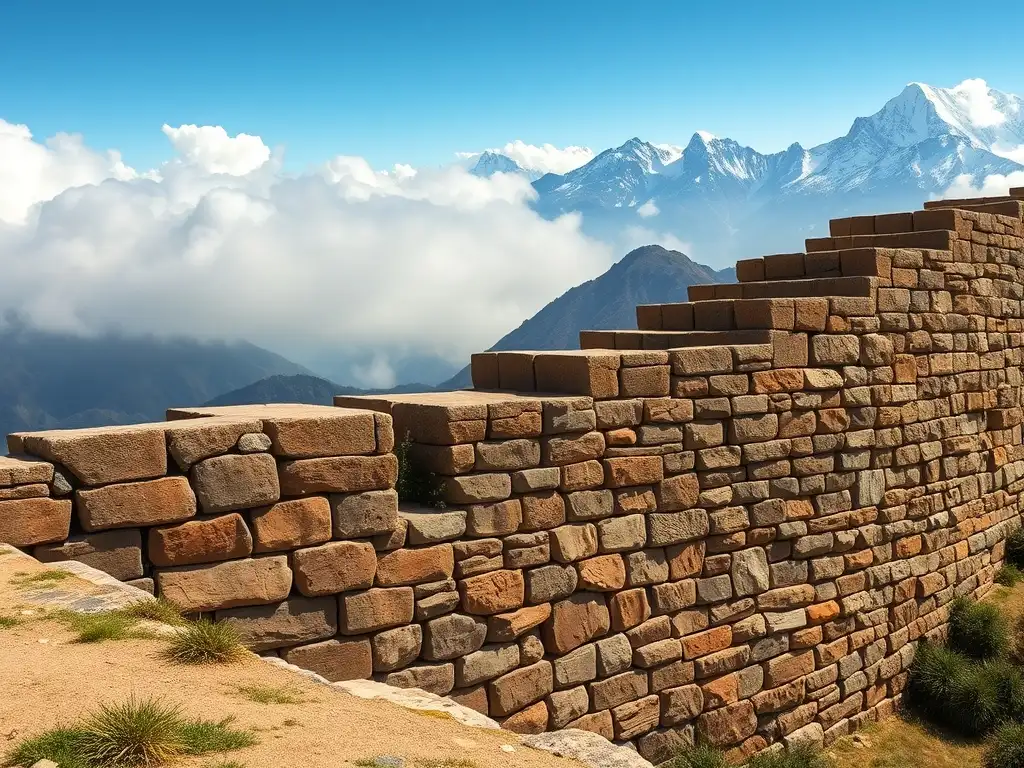
Step into a world lost to time, yet echoing with the ingenuity of a vanished empire. Prepare to be amazed by the Andean Civilizations, a realm of breathtaking artistry, sophisticated technology, and enduring mysteries. But first, unravel the enigma of Inca trapezoidal architecture—a unique structural design that defied gravity and time itself. Discover the secrets behind this astonishing feat of engineering and much more within the pages of our site. Dare to explore…
The Inca Empire, renowned for its sophisticated engineering and architectural prowess, left behind a legacy of breathtaking structures that continue to fascinate and inspire awe. One of the most distinctive features of Inca architecture is the prevalent use of the trapezoidal shape in their constructions, a design choice that wasn't merely aesthetic but deeply ingrained in their understanding of structural stability and symbolic representation.
This article delves into the fascinating world of Inca trapezoidal architecture, exploring its unique characteristics, underlying principles, and enduring significance. We will examine the reasons behind this unique architectural choice, analyzing its impact on the stability and longevity of Inca buildings, and exploring the potential symbolic meanings embedded within this distinctive form.
Understanding the Inca's mastery of trapezoidal architecture provides crucial insights into their advanced engineering skills and their profound connection to the Andean landscape. Prepare to be amazed by the ingenuity and precision of these ancient builders and their enduring legacy.
Understanding Inca Trapezoidal Architecture
Inca trapezoidal architecture is characterized by the consistent use of trapezoidal blocks in walls and structures. Unlike rectangular shapes, trapezoids have two parallel sides of unequal length, creating a visually striking and structurally advantageous design. This wasn't a haphazard choice; the Inca meticulously planned and executed their construction, utilizing this shape in various contexts, from monumental walls to intricate stonework in temples and palaces.
The precision of their stone cutting is astonishing; blocks often fit together so tightly that a knife blade cannot be inserted between them. This level of accuracy ensured both structural integrity and aesthetic perfection. The trapezoidal shape wasn't limited to walls; it is found in doorways, windows, and even niches, demonstrating a consistent design philosophy across different architectural elements.
The Inca’s mastery of this technique allowed them to build structures that withstood the test of time and seismic activity, a testament to their advanced engineering knowledge. This precise construction technique, combined with their understanding of the Andean landscape and its seismic activity, ensured that these structures remained stable for centuries.
The Significance of the Trapezoid in Inca Construction
The use of the trapezoid in Inca construction likely served multiple purposes. From a purely structural perspective, the inward-leaning walls, created by the trapezoidal blocks, provided exceptional stability, particularly important in regions prone to earthquakes. This design effectively distributed weight and absorbed seismic shocks, preventing collapse.
Furthermore, the sloping walls likely helped to shed water, minimizing erosion and damage from rain and snow. Beyond the practical advantages, the trapezoidal shape also held symbolic meaning. Some scholars suggest a connection to the Andean cosmology, with the trapezoid representing the mountains and the earth's powerful forces.
The precision and symmetry of the Inca's trapezoidal constructions could also be interpreted as a reflection of their highly organized social and political structure, demonstrating their dedication to order and precision in all aspects of life. The trapezoid, therefore, wasn't simply a building block; it was a powerful symbol embedded within the fabric of Inca society and its relationship with the natural world. The symbolic and structural significance combined to create a lasting architectural legacy that continues to captivate us today.
Key Features of Inca Trapezoidal Structures
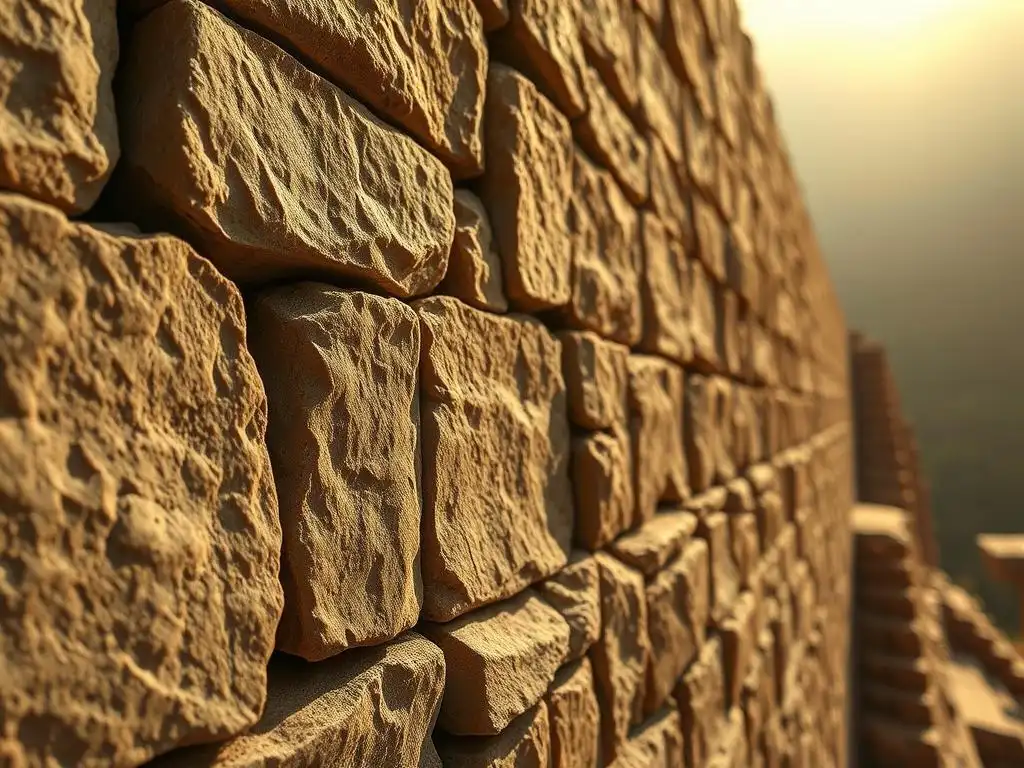
The Inca's mastery of trapezoidal architecture is a hallmark of their sophisticated building techniques. Their use of this unique shape wasn't merely aesthetic; it served crucial structural and symbolic purposes, reflecting a deep understanding of engineering principles and their worldview. The consistent application of trapezoidal shapes across diverse building elements—from doorways and windows to niches and entire walls—demonstrates a deliberate and highly refined architectural style. This section will delve into the key features of Inca trapezoidal structures, examining their functional and aesthetic significance within the broader context of Inca Inca trapezoidal architecture.
Trapezoidal Doors and Windows: Function and Aesthetics
Inca trapezoidal doors and windows are immediately recognizable, characterized by their inward-sloping sides. This design wasn't arbitrary; it provided several significant advantages. Firstly, the converging sides created a stronger, more stable structure, capable of withstanding seismic activity common in the Andes.
The inward slope also minimized the impact of pressure from the massive stone blocks above, ensuring structural integrity. Furthermore, the trapezoidal shape, particularly in doorways, may have had symbolic significance, possibly representing the mountains or other sacred elements within Inca cosmology. The precise dimensions and orientations of these openings likely held specific cultural meanings, although further research is needed to fully decipher their symbolic language.
Analysis of surviving structures shows a remarkable consistency in the degree of trapezoidal inclination, suggesting standardized design principles and a sophisticated understanding of geometry. The precise angles varied slightly depending on the location and function of the structure, hinting at regional variations or specialized techniques. The craftsmanship involved in creating these perfectly fitted, trapezoidal openings is truly remarkable, showcasing the Inca's advanced stone-cutting and masonry skills.
The Inclined Walls: Engineering Advantages of Inca Trapezoids
The most striking feature of Inca Inca trapezoidal architecture is undoubtedly the widespread use of inclined walls in their structures. These trapezoidal walls, with their characteristic inward slope, presented several significant engineering advantages. Firstly, they provided exceptional stability, resisting the immense weight of the massive stone blocks used in construction. The inward slope effectively distributed the weight, minimizing stress on individual stones and the overall structure.
This was particularly crucial in mountainous regions prone to earthquakes. Secondly, the trapezoidal shape facilitated the interlocking of stones, creating incredibly strong and durable walls that could withstand the test of time. The precise fitting of stones, often without mortar, is a testament to Inca ingenuity and precision. Studies have shown that the inclination of the walls also aided in water drainage, preventing water from accumulating and damaging the structures.
This practical aspect is often overlooked but crucial to the longevity of Inca buildings. The precise angle of inclination varied depending on factors like the height of the wall and the surrounding terrain, reflecting an adaptive approach to engineering solutions. The effectiveness of this design is evident in the many well-preserved Inca structures that still stand today.
Trapezoidal Niches: Decorative and Functional Elements
Trapezoidal niches are another prominent feature of Inca Inca trapezoidal architecture. These recessed spaces, often found in walls and building facades, served both decorative and functional purposes. While their aesthetic appeal is undeniable, adding visual interest to otherwise plain walls, their function remains a subject of ongoing debate. Some scholars suggest that these niches were used for storage, while others propose they held religious or ceremonial significance.
The size and placement of the niches varied, suggesting diverse uses. Smaller niches may have been used for storing small objects, while larger ones might have housed larger items or served as altars. The precision with which these niches were carved and the consistency of their trapezoidal shape are remarkable. The intricate details and potential symbolic meanings embedded within these designs further highlight the sophisticated artistry and cultural complexity of the Inca civilization.
Further research, including detailed analysis of the contents found within these niches (where applicable), is needed to fully understand their functional and symbolic roles within Inca society. The study of these niches offers a valuable insight into the daily life and religious practices of the Inca people, enriching our understanding of their rich culture. The precise dimensions and locations of these niches in relation to other architectural elements also require further investigation. This research could reveal intricate patterns and further illuminate the sophisticated design principles employed by Inca architects.
Examples of Inca Trapezoidal Design
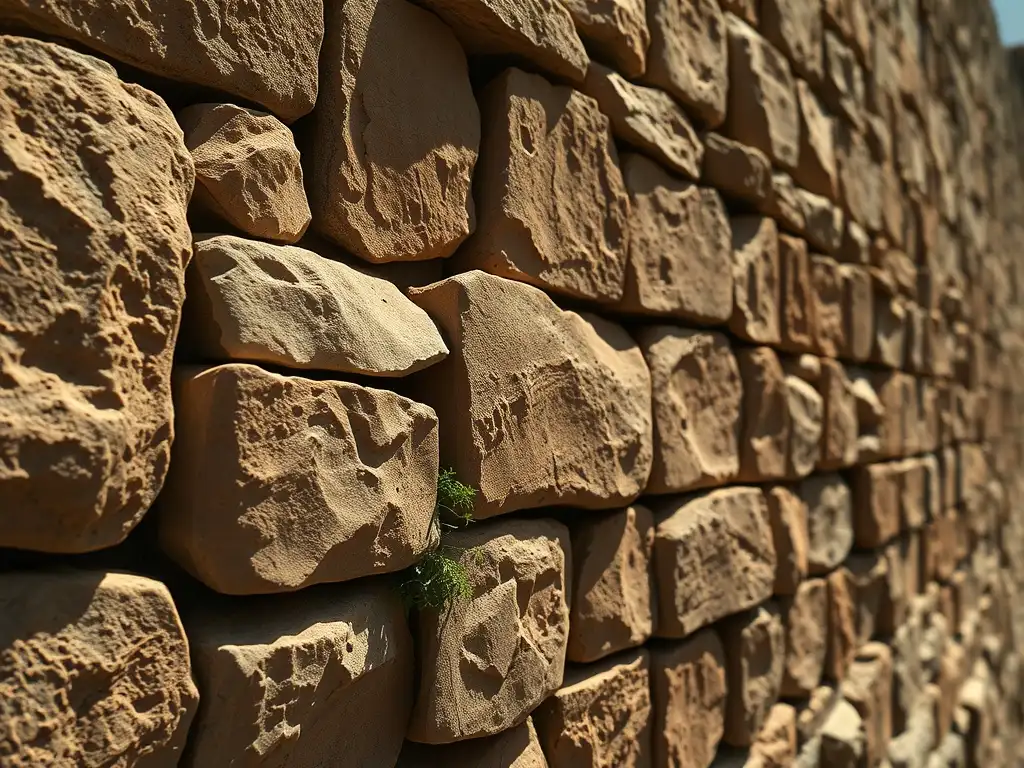
The Inca's mastery of trapezoidal architecture is evident throughout their vast empire. This unique design element, characterized by its non-rectangular shapes with parallel sides that converge at the top, wasn't merely an aesthetic choice; it served crucial structural and symbolic purposes. Its prevalence in various Inca constructions highlights the sophistication of their engineering and understanding of load-bearing principles.
The consistent application of this design across different sites also suggests a standardized approach to construction, indicative of a centralized and well-organized empire. This section will explore specific examples showcasing the diverse applications of Inca trapezoidal architecture, highlighting the precision and functionality of this remarkable design.
Machu Picchu: Demonstrating the Inca Trapezoidal Walls
Machu Picchu, the iconic "Lost City of the Incas," provides numerous examples of trapezoidal architecture. The city's famed walls, terraces, and even individual stone blocks frequently incorporate this distinctive shape. The precise fitting of stones, often without mortar, is a testament to the Inca's advanced stone-cutting techniques and their understanding of structural mechanics.
The trapezoidal design, particularly in the retaining walls of the agricultural terraces, likely served a crucial purpose in distributing weight and preventing erosion. The converging sides of the trapezoids would help to reinforce the structure against the pressure exerted by the earth and the weight of the crops.
Furthermore, the slight inward incline of the trapezoidal walls at Machu Picchu likely aided in seismic stability. The convergence of the walls towards the top helped to absorb and dissipate seismic energy, a feature particularly important considering the region's susceptibility to earthquakes. The precise angle of the trapezoids was likely determined through meticulous observation and experimentation, demonstrating a sophisticated understanding of engineering principles. This careful construction ensured the longevity of the structures, even in the face of natural disasters. The enduring legacy of Machu Picchu stands as a testament to the effectiveness of Inca trapezoidal design.
Ollantaytambo: A Showcase of Inca Trapezoidal Entrances
Ollantaytambo, a significant Inca archaeological site, offers a different perspective on the use of trapezoidal shapes. While the trapezoidal forms are present in the walls, as seen in Machu Picchu, Ollantaytambo showcases the use of trapezoidal entrances and doorways. These entrances are not merely decorative; the shape likely served a functional purpose. The converging sides may have been designed to better support the weight of the lintel (the horizontal stone beam above the entrance) and to help to direct foot traffic.
The precise dimensions and angles of these trapezoidal entrances varied across different structures within Ollantaytambo, suggesting a degree of flexibility in their application. This variation, however, did not compromise the overall structural integrity of the buildings. The consistent use of the trapezoidal shape across the site, from massive walls to smaller doorways, underscores its importance in Inca architecture.
The precision and consistency of the construction at Ollantaytambo, like Machu Picchu, further emphasizes the Inca's sophisticated understanding of engineering and their ability to implement complex designs on a large scale. Analyzing these entrances provides valuable insights into the Inca's approach to both structural and possibly symbolic design.
Sacsayhuamán: Massive Walls and Trapezoidal Forms
Sacsayhuamán, located near Cusco, is perhaps the most impressive demonstration of Inca trapezoidal architecture on a monumental scale. The massive cyclopean walls of Sacsayhuamán, composed of enormous, precisely fitted stones, are predominantly trapezoidal in shape. These colossal stones, some weighing many tons, were expertly carved and assembled without the use of mortar, showcasing an unparalleled level of engineering prowess. The sheer size and precision of these walls are astonishing, reflecting the immense scale of labor and the advanced organizational capabilities of the Inca empire.
The trapezoidal design in Sacsayhuamán's walls likely served multiple purposes. The converging sides would have provided additional stability to the structure, distributing the weight of the massive stones more effectively. The shape may also have been chosen for its symbolic significance, representing the Inca's power and control over their vast territory.
The immense scale of Sacsayhuamán’s walls serves as a compelling testament to the Inca's mastery of stonework and their innovative approach to structural design using trapezoidal forms. The precise fitting of these enormous stones, some weighing over 100 tons, is a feat of engineering that continues to amaze and inspire researchers today. Further research into the precise angles and dimensions of these trapezoids could reveal even more about the Inca's understanding of structural mechanics and their architectural ingenuity.
The Advantages of Inca Trapezoidal Shapes
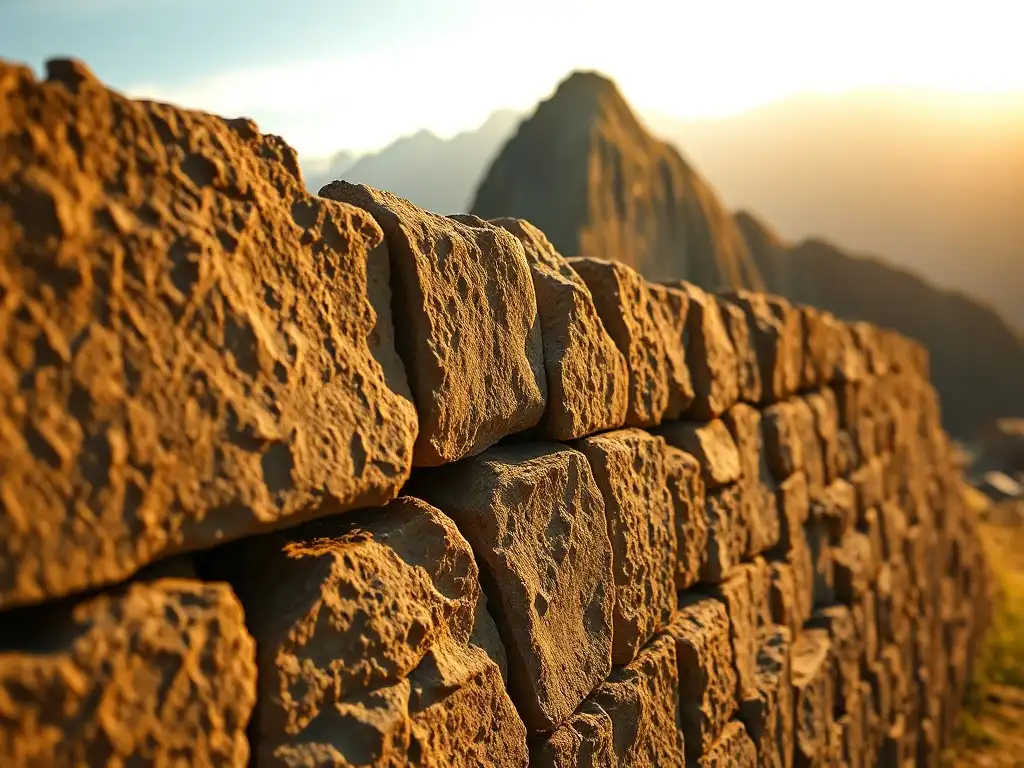
The Inca's masterful use of trapezoidal shapes in their architecture wasn't merely aesthetic; it represented a sophisticated understanding of structural engineering perfectly adapted to their challenging environment. This unique design choice offered several crucial advantages, contributing to the longevity and resilience of their impressive structures, even in the face of seismic activity prevalent in the Andes. Understanding these advantages reveals the ingenuity and practical brilliance behind Inca Inca trapezoidal architecture.
Stability and Earthquake Resistance: Inca Trapezoidal Construction
The trapezoidal shape, wider at the base than at the top, inherently provides exceptional stability. This is particularly crucial in earthquake-prone regions like the Andes. Imagine a rectangular block versus a trapezoidal one; when subjected to lateral forces (like those from an earthquake), the trapezoid's wider base resists overturning far more effectively.
The gradual tapering of the walls further dissipates seismic energy, preventing catastrophic collapse. Inca masons meticulously crafted their stones to fit perfectly, creating interlocking joints that acted as shock absorbers, further enhancing the structures' seismic resilience. This ingenious design minimized the impact of tremors, ensuring the longevity of buildings, walls, and terraces even after centuries of exposure to powerful earthquakes.
Analysis of surviving Inca structures reveals minimal damage from earthquakes, a testament to the effectiveness of their trapezoidal building techniques. The precise fitting of stones, combined with the trapezoidal form, created a remarkably strong and flexible system capable of withstanding significant seismic forces. This wasn't just luck; it was the result of careful planning and sophisticated engineering knowledge.
Load Distribution and Structural Integrity: Inca Engineering
The trapezoidal design also played a key role in efficient load distribution. The weight of the structure is not concentrated on a single point but is gradually dispersed across the wider base. This minimized stress on individual stones and the foundation, preventing cracking and collapse.
Consider a wall built with rectangular stones; the weight is heavily concentrated at the edges, leading to potential weakness. However, the Inca trapezoidal design evenly distributes the load, enhancing the structural integrity of the entire edifice. This principle is evident in the construction of Inca walls, terraces, and even their impressive stone fortifications.
The use of precisely cut stones, fitting together without mortar, further contributed to this even weight distribution, maximizing strength and minimizing the risk of structural failure. The precision of their stonework is astounding, a testament to their advanced understanding of engineering principles and their commitment to building structures that would withstand the test of time.
Adaptability to the Andean Terrain: Inca Trapezoids and Landscapes
The Andean landscape is famously rugged and challenging. Steep slopes, uneven terrain, and seismic instability presented significant obstacles to construction. The Inca trapezoidal design, however, proved remarkably adaptable to this difficult environment. The shape allowed for the creation of stable structures on slopes that would have been impossible to build upon using conventional rectangular designs.
The wider base provided a firm foundation, even on inclines, while the tapering walls followed the contours of the land, seamlessly integrating the structures into the natural environment. This adaptability is strikingly evident in the numerous Inca terraces that cascade down the mountain slopes, creating breathtaking agricultural landscapes. These terraces, built using trapezoidal principles, not only provided valuable farmland but also helped to prevent soil erosion and stabilize the slopes.
The ingenuity of the Inca's use of trapezoidal shapes in their architecture is undeniable, reflecting a deep understanding of both engineering principles and the unique challenges of the Andean environment. Their mastery of this design showcases their remarkable ability to adapt and thrive in a demanding landscape. The resulting structures stand as a testament to their enduring skill and innovative spirit.
The Legacy of Inca Trapezoidal Architecture
The Inca's masterful use of trapezoidal shapes in their architecture remains a testament to their sophisticated understanding of engineering and aesthetics. This unique design element, rarely seen to such a degree in other ancient civilizations, wasn't merely a stylistic choice; it served crucial practical and symbolic purposes. The precise angles and carefully fitted stones ensured structural stability, particularly in earthquake-prone regions of the Andes.
The legacy of this distinctive architectural style continues to resonate today, influencing modern building techniques and inspiring awe in visitors to the remarkable Inca sites. Understanding the significance of Inca trapezoidal architecture requires examining its enduring impact and the ongoing efforts to preserve this remarkable heritage. We'll explore this legacy through its influence on contemporary architecture, its preservation efforts, and its role in modern archaeological tourism.
Influence on Modern Architecture: Contemporary Peruvian Buildings
While not directly copied, the principles behind Inca trapezoidal architecture—precision, stability, and integration with the landscape—continue to inspire contemporary Peruvian architects. Many modern buildings in Peru subtly incorporate trapezoidal elements, particularly in government buildings or structures designed to evoke a sense of national identity. The inherent strength and stability of the trapezoid, proven over centuries in Inca structures, provides a compelling model for sustainable and earthquake-resistant design in a region still vulnerable to seismic activity.
For instance, some modern museums and cultural centers consciously integrate trapezoidal shapes into their designs, paying homage to the Inca heritage while showcasing modern architectural ingenuity. This isn't a direct imitation; rather, it's a sophisticated reinterpretation of fundamental principles. The use of locally sourced materials, echoing the Inca practice of using readily available stones, further reinforces this connection.
This thoughtful incorporation of historical elements into modern designs demonstrates a deep respect for the Inca's architectural achievements and their ongoing relevance. Further research is needed to fully document the extent of this influence, but anecdotal evidence and visual inspection of numerous buildings suggest a significant, albeit subtle, continuation of the trapezoidal aesthetic.
Preserving Inca Architectural Heritage: UNESCO World Heritage Sites
Many Inca sites featuring remarkable trapezoidal architecture are designated as UNESCO World Heritage sites, underscoring their global significance. This designation not only provides international recognition but also facilitates funding and support for preservation efforts. Organizations like UNESCO and local Peruvian authorities collaborate on conservation projects, employing advanced techniques to protect these fragile structures from the ravages of time and environmental factors.
The meticulous restoration work often involves stabilizing crumbling walls, consolidating loose stones, and implementing preventative measures against erosion and weathering. Challenges remain, however, including the impact of tourism and the ongoing threat of natural disasters. Careful monitoring and ongoing maintenance are crucial for ensuring the long-term survival of these invaluable sites.
The preservation of Inca trapezoidal architecture is not just about protecting physical structures; it's about safeguarding a crucial part of human history and cultural heritage for future generations. The ongoing efforts highlight a global commitment to preserving this unique architectural style and the rich history it represents.
Exploring Inca Architectural Marvels: Archaeological Tourism in Peru
Inca trapezoidal architecture is a major draw for archaeological tourism in Peru. Sites like Machu Picchu, Ollantaytambo, and Sacsayhuamán attract millions of visitors annually, eager to witness firsthand the impressive engineering feats of the Inca civilization. The unique trapezoidal shapes, the precise stonework, and the breathtaking integration of the structures with the surrounding landscape create an unforgettable experience for tourists.
The economic benefits of this tourism are significant, supporting local communities and contributing to the preservation efforts mentioned earlier. However, responsible tourism practices are essential to mitigate the negative impacts of large visitor numbers. This includes implementing sustainable infrastructure, managing visitor flow, and educating tourists about the importance of preserving these sites for future generations.
The delicate balance between economic benefits and environmental protection is a constant challenge, requiring careful planning and collaboration between government agencies, local communities, and tourism operators. The future of Inca archaeological tourism hinges on striking this balance to ensure the long-term viability of these remarkable sites while safeguarding their integrity and historical significance. The careful management of this tourism is vital for the continued preservation of Inca trapezoidal architecture and its role in showcasing Peru's rich cultural heritage.
Frequently Asked Questions
What is trapezoidal architecture?
Trapezoidal architecture refers to a building style using trapezoidal shapes, which are four-sided shapes with only two parallel sides. It's a distinctive feature of Inca architecture.
Why did the Inca use trapezoidal shapes in their buildings?
The exact reasons are debated, but theories suggest it provided structural stability in earthquake-prone regions and a unique aesthetic appeal. It also may have had symbolic meaning.
Are all Inca buildings trapezoidal?
No, while trapezoidal shapes are a hallmark of Inca architecture, not all their structures incorporated this design element. Many buildings used rectangular shapes, too.
What are some examples of Inca trapezoidal architecture?
Many Inca sites feature this style, including Machu Picchu, Sacsayhuamán, and Ollantaytambo. These sites showcase the masterful masonry of the Inca.
How did the Inca achieve such precision in their trapezoidal constructions?
The Inca employed incredibly precise stone cutting and fitting techniques, demonstrating advanced engineering skills and an understanding of geometry. Their dry-stone masonry is renowned.
Final Reflection: The Enduring Legacy of Inca Trapezoidal Architecture
The ingenious use of trapezoidal shapes by the Inca remains a testament to their unparalleled mastery of engineering and architectural design, a feat that continues to inspire awe and wonder centuries later. This sophisticated technique, far from being a mere aesthetic choice, speaks volumes about their advanced understanding of structural integrity, seismic resilience, and the harmonious integration of their built environment with the challenging Andean landscape. Its enduring relevance is undeniable.
The impact of Inca trapezoidal architecture extends far beyond the physical structures themselves. It represents a profound connection to the land, a deep understanding of natural forces, and a sophisticated societal organization capable of undertaking such ambitious projects. The precision and artistry involved are breathtaking. The Inca did not build for themselves alone; they built for eternity.
This quote, though not directly about trapezoidal architecture, encapsulates the enduring spirit of their creations and the lasting impact of their ingenuity. Their structures stand as a powerful symbol of cultural resilience and a testament to human potential.
Consider, for a moment, the implications of this architectural marvel. What can we learn from the Inca's meticulous planning and execution? How can we apply their principles of sustainable design and harmonious integration with the environment to our own modern challenges? You, the reader, are now empowered to carry this legacy forward. Let the enduring strength and beauty of Inca trapezoidal architecture inspire you to seek innovative solutions, to appreciate the power of meticulous craftsmanship, and to strive for a future where design and functionality are seamlessly intertwined, reflecting a deep respect for both nature and human ingenuity.
Explore the Wonders of Trapezoidal Design!
Thank you for exploring the fascinating world of Inca architecture! You've discovered how their innovative use of trapezoidal shapes contributed to their architectural brilliance. Now, let's explore how you can apply this knowledge to your own life.
Here are some inspiring ideas:
- Embark on a DIY Project: Design and create a trapezoidal shelf, a piece of art, or other home décor that reflects this unique geometric form. The possibilities are endless!
- Join a Local Workshop: Expand your knowledge by participating in a community class focused on architecture, design, or ancient building techniques. Learn how to translate these historical methods into contemporary applications.
- Share Your Passion: Inspire others by sharing your newfound knowledge on social media or your blog. Start a conversation about the influence of ancient designs on modern architecture.
How will you use the Inca's ingenious trapezoidal designs to inspire your next creative project?