
Inca Roads: A Marvel of Ancient Engineering Across the Andes

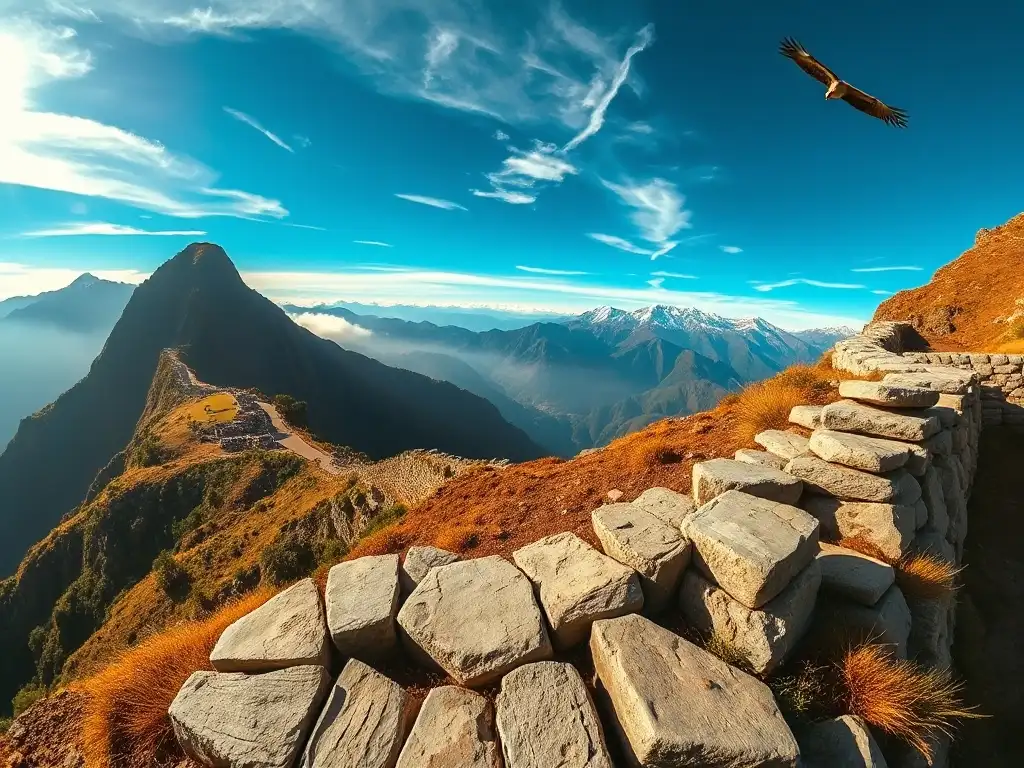
Step into a world lost to time, yet echoing with the ingenuity of a vanished empire. Imagine a civilization that defied treacherous terrain to build a network of roads stretching thousands of miles across the Andes. This is the story of the Inca road system engineering, a marvel of ancient technology that continues to inspire awe. Unravel the mysteries and discover the secrets behind this remarkable achievement – explore the ingenuity and ambition of the Inca Empire and prepare to be amazed.
The Inca Empire, renowned for its sophisticated civilization spanning the Andes Mountains, achieved remarkable feats of engineering, none more impressive than its extensive road network. This intricate system, a testament to Inca ingenuity and organizational prowess, facilitated communication, trade, and military movement across a challenging and diverse landscape. This article delves into the remarkable engineering behind the Inca road system, exploring the construction techniques, logistical challenges overcome, and the lasting impact of this ancient marvel.
We will examine the Inca road system engineering from various perspectives, analyzing its design, materials, and the societal implications of its creation. Understanding the Inca road system provides invaluable insight into the advanced capabilities of this pre-Columbian civilization and its lasting influence on Andean culture. The sheer scale and sophistication of the Inca road network stand as a powerful example of human adaptation and engineering prowess in the face of formidable geographical obstacles.
Construction Techniques and Materials
The construction of the Inca roads was a monumental undertaking, requiring meticulous planning and execution. Inca engineers expertly adapted their techniques to the varied terrain, employing a range of materials depending on the specific location and conditions. In some areas, they utilized massive stone blocks, precisely cut and fitted together without mortar, showcasing a remarkable understanding of stonework.
These sections often involved intricate systems of drainage to prevent erosion and damage from water runoff. In other areas, where stone was less readily available, they employed earthworks, meticulously layering and compacting soil to create stable and durable pathways. The choice of materials and construction methods demonstrates a sophisticated understanding of engineering principles and a deep knowledge of local resources.
The roads weren't simply paths; they were meticulously engineered infrastructure designed to withstand the harsh Andean climate and the heavy traffic they carried. Evidence suggests the use of advanced surveying techniques to ensure the roads followed the most efficient and practical routes, often traversing steep inclines and navigating challenging geographical features.
Logistical Challenges and Solutions
Building and maintaining a road network of such magnitude across the Andes presented significant logistical challenges. The sheer scale of the project required meticulous organization, efficient resource management, and a highly skilled workforce. The transportation of materials to remote construction sites, across treacherous mountain passes and through dense forests, was a considerable feat of logistics. The Inca utilized a complex system of relay runners, chasquis, to transmit information and coordinate efforts across vast distances.
This sophisticated communication system was essential for ensuring the smooth flow of supplies and labor to the various construction sites. Furthermore, the Inca addressed the problem of maintaining the roads in the face of constant wear and tear due to weather and traffic. They developed systems for regular inspection and repair, ensuring the longevity of this critical infrastructure. The organization and logistical mastery required for this project are equally astounding as the engineering itself.
The Societal Impact of the Inca Road System
The Inca road system was not merely a feat of engineering; it was a crucial component of the empire's social and political structure. It facilitated the efficient movement of goods, fostering trade and economic integration across the vast empire. The roads also played a vital role in the empire's military capabilities, allowing for rapid deployment of troops in response to threats or rebellions.
Furthermore, the roads connected distant communities, promoting cultural exchange and strengthening the sense of unity within the empire. The construction and maintenance of the roads themselves provided employment for a large segment of the population, contributing to economic stability and social cohesion.
The impact of the Inca road system extended far beyond its practical functions, shaping the social, political, and economic landscape of the Andean region for centuries to come. Its legacy continues to resonate even today, a testament to the vision and ingenuity of the Inca civilization.
The Inca Road System and Modern Engineering
The Inca road system, despite its ancient origins, offers valuable lessons for modern engineering. The principles of adapting to terrain, utilizing local materials, and prioritizing durability and sustainability are highly relevant to contemporary infrastructure projects. The Inca’s understanding of drainage and erosion control, for example, continues to inform modern road design in challenging environments. Furthermore, the Inca's sophisticated approach to logistics and project management provides a compelling case study for large-scale infrastructure endeavors.
The enduring legacy of the Inca roads serves as a powerful reminder of the importance of thoughtful planning, sustainable practices, and the potential for human ingenuity to overcome seemingly insurmountable obstacles. Studying the Inca road system engineering offers valuable insights for tackling modern engineering challenges, particularly in areas with challenging terrain and limited resources. The Inca's success provides a compelling model for sustainable and effective infrastructure development.
- Construction Techniques and Materials
- Logistical Challenges and Solutions
- The Societal Impact of the Inca Road System
- The Inca Road System and Modern Engineering
- What made the Inca road system so remarkable?
- How did the Incas construct their roads in such difficult terrain?
- What materials were primarily used in the construction of Inca roads?
- What was the purpose of the Inca road system beyond transportation?
- How did the Inca road system impact the development of the Inca Empire?
The Ingenious Design of the Inca Road System
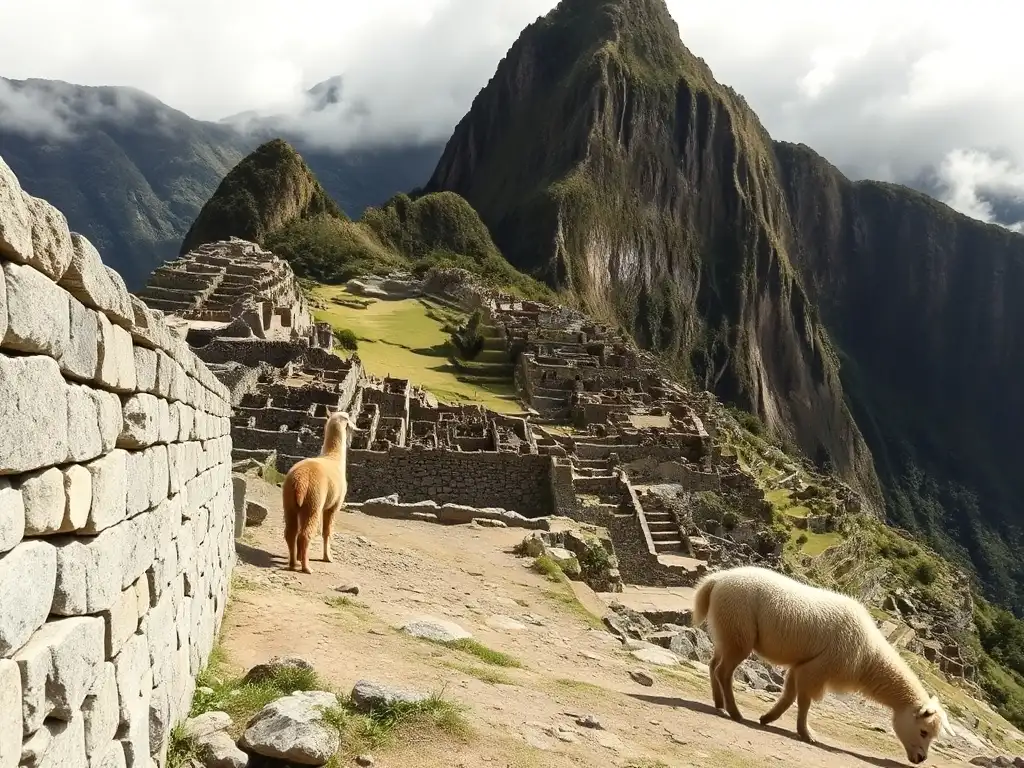
The Inca road system, a testament to the ingenuity of Inca engineering, wasn't merely a network of pathways; it was a meticulously planned infrastructure crucial to the empire's political, economic, and social stability. Understanding its design requires appreciating the challenges posed by the Andes' diverse and often unforgiving terrain. The system's success wasn't solely about connecting disparate regions; it was about adapting to the environment, optimizing resource utilization, and building a resilient system capable of withstanding the harsh Andean climate and seismic activity.
This sophisticated approach to Inca road system engineering is a key factor in its enduring legacy. The strategic placement of roads, the choice of materials, and the innovative construction techniques all contribute to the marvel that was the Qhapaq Ñan.
The sheer scale of the project, considering the tools and technologies available at the time, remains a source of ongoing fascination and study for researchers. We'll delve deeper into these aspects in the following sections.
Understanding the Inca Infrastructure Needs
The Inca Empire's vast territory, sprawling across mountainous terrain, demanded a robust and reliable communication and transportation system. This wasn't just about moving armies; it was about facilitating trade, ensuring the efficient distribution of resources (food, textiles, etc. ), and enabling the swift transmission of information across the empire. The Inca infrastructure needs were multifaceted:
- Military Control: Rapid troop movement was essential for maintaining control over conquered territories and responding to potential threats. The roads facilitated swift military deployments, enhancing the empire's defensive capabilities.
- Economic Stability: The efficient transport of goods, from agricultural products to precious metals, was crucial for the empire's economic prosperity. The road network streamlined trade and ensured the flow of resources to different regions.
- Social Cohesion: The roads connected disparate communities, fostering social interaction and facilitating the integration of diverse populations within the empire. This facilitated cultural exchange and strengthened imperial unity.
- Religious Significance: Certain roads likely held religious importance, connecting sacred sites and facilitating pilgrimages. This adds another layer to the complexity of the Inca road system's purpose.
The Inca understood these interconnected needs and designed their road system to meet them effectively. This holistic approach to infrastructure development is a hallmark of their sophisticated engineering prowess. The system's effectiveness is evident in the empire's longevity and the profound impact it had on Andean societies. Further research is needed to fully understand the precise economic impact of the efficient transport system. [Specific economic data pending]
The Qhapaq Ñan: Backbone of the Inca Empire
The Qhapaq Ñan, meaning "Royal Road" in Quechua, was the primary artery of the Inca road network, extending over 40,000 kilometers and weaving through the Andes Mountains. It wasn't a single, continuous road but a complex network of interconnected pathways, bridges, and tunnels. Its strategic design facilitated efficient communication and transportation across the vast Inca Empire. The Qhapaq Ñan's longevity is a testament to the quality of Inca road system engineering. Many sections of the road remain intact today, highlighting the durability of the Inca's construction methods.
The Qhapaq Ñan wasn't just a practical transportation network; it was a symbol of Inca power and authority. Its construction involved the mobilization of vast numbers of laborers, showcasing the empire's organizational capabilities and the level of control exerted over its workforce. The road also served as a vital communication artery, using a sophisticated relay system for quick message transmission. Runners, known as chasquis, were strategically stationed along the route, ensuring that messages reached their destination swiftly.
This rapid communication system was crucial for managing the empire's vast resources and maintaining political stability. The strategic placement of tambos, or waystations, along the road provided essential services to travelers. These structures offered shelter, food, and rest, making long journeys more manageable. The Qhapaq Ñan's influence extended far beyond its physical infrastructure; it shaped the social, political, and economic landscape of the Andes.
Key Features of the Inca Road Network
Several key features distinguish the Inca road network from other ancient road systems:
| Feature | Description | Impact |
|---|---|---|
| Stone Construction | Roads were primarily built using carefully fitted stones, often without mortar. | Exceptional durability and resistance to earthquakes. |
| Strategic Placement | Roads were carefully planned to traverse challenging terrain, utilizing natural features whenever possible. | Minimized construction time and effort, optimized routes for various purposes. |
| Suspension Bridges | Ingenious suspension bridges spanned deep ravines and rivers, showcasing advanced engineering techniques. | Enabled connectivity across otherwise impassable terrain. |
| Waystations (Tambos) | Regularly spaced waystations provided shelter, food, and supplies for travelers. | Facilitated long-distance travel and communication. |
| Drainage Systems | Effective drainage systems prevented water damage and ensured the road's longevity. | Enhanced road stability and lifespan, even in harsh weather conditions. |
| Stairways and Ramps | Stairways and ramps were built to navigate steep inclines, demonstrating adaptability to diverse landscapes. | Facilitated movement of goods and people across challenging mountainous terrain. |
The Inca road system wasn't just a collection of roads; it was a highly organized and integrated network that played a critical role in the empire's success. The meticulous planning, innovative construction techniques, and effective maintenance ensured that the roads remained functional for centuries. The remarkable resilience of this Inca road system engineering serves as a powerful testament to the ingenuity and organizational capabilities of the Inca civilization. The ongoing archaeological research continues to reveal new aspects of this fascinating network and underscores its importance in Inca history.
Construction Techniques of the Inca Road System
The Inca road system, a testament to Inca ingenuity and organizational prowess, stands as a remarkable feat of ancient engineering. Spanning thousands of kilometers across the challenging Andean terrain, this network facilitated communication, trade, and military movement throughout the vast Inca Empire. Understanding the construction techniques employed reveals a sophisticated knowledge of engineering principles and an impressive mastery of available resources.
The sheer scale of the undertaking, coupled with the precision and durability of the roads, continues to fascinate and inspire researchers and engineers today. This section delves into the specific techniques that allowed the Inca to build and maintain such an extensive and resilient road network, highlighting the remarkable "Inca road system engineering" achievements.
Inca Engineering Skills Applied to Road Building
Inca road construction wasn't simply a matter of laying down a path; it was a complex process demanding meticulous planning, skilled labor, and a deep understanding of the Andean environment. Inca engineers displayed an impressive ability to adapt their techniques to the diverse landscapes they encountered. From the high-altitude passes to the steep mountain slopes and river valleys, the roads were strategically routed to minimize gradients and optimize accessibility. This involved careful surveying of the terrain, often utilizing sophisticated techniques for leveling and alignment that are still being studied today.
The selection of materials, too, demonstrated a keen awareness of local conditions. While stone was frequently used, especially in paved sections, other materials like earth, gravel, and wood were employed strategically depending on the environment and the intended use of the road segment. The Inca also demonstrated a profound understanding of drainage, incorporating sophisticated systems to prevent erosion and maintain road stability.
This included the construction of ditches, culverts, and retaining walls, ensuring the roads remained functional even during the rainy season. The integration of these elements showcased a holistic approach to road building, prioritizing both functionality and longevity. Consider the impressive feat of constructing roads across treacherous mountain passes – a testament to the Inca's problem-solving skills and their ability to overcome seemingly insurmountable obstacles.
Terracing and Retaining Walls in Inca Roads Construction
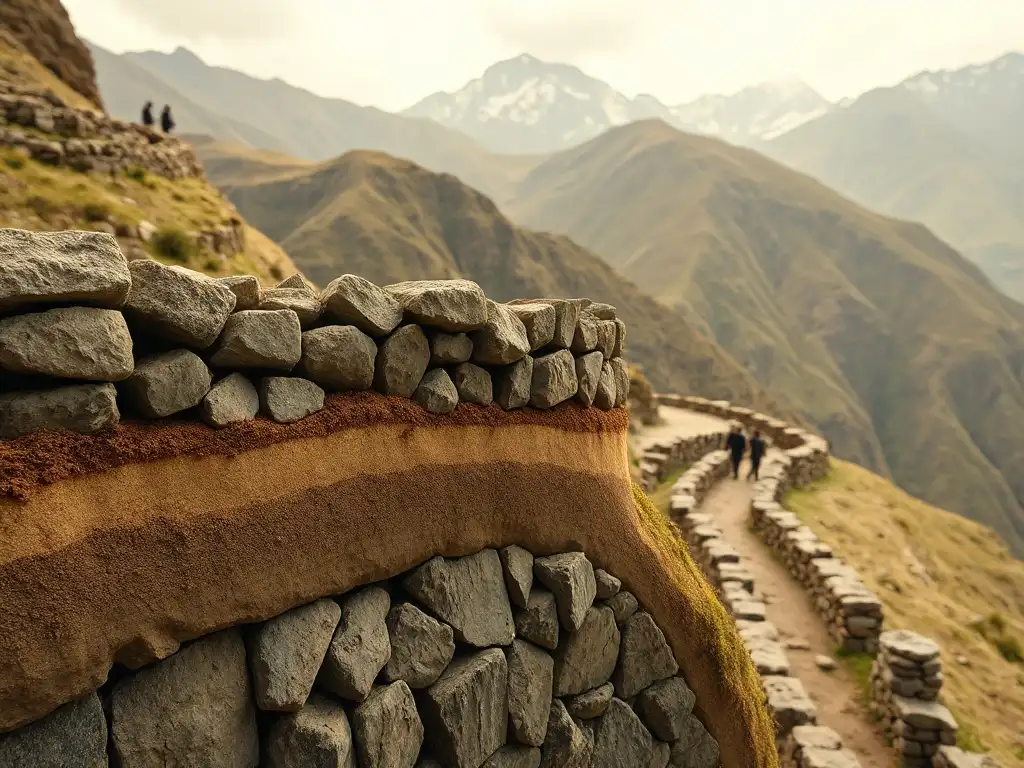
A crucial aspect of Inca road construction, especially in mountainous areas, was the extensive use of terracing and retaining walls. These structures weren't merely aesthetic additions; they were essential for stabilizing slopes, preventing landslides, and creating level surfaces for the road. The Inca were masters of dry-stone masonry, a technique that involved fitting stones together without the use of mortar. This required exceptional precision and skill, ensuring the walls' stability and longevity.
The size and shape of the stones were carefully chosen, often fitting together with remarkable accuracy, minimizing gaps and maximizing stability. Moreover, the construction of terraces often involved significant earthworks, including the careful grading and leveling of slopes. This meticulous work created platforms for the roads, minimizing the need for steep inclines and enhancing accessibility. The construction of retaining walls wasn’t a simple task; it involved careful consideration of the weight distribution and potential forces acting on the structure.
The Inca’s understanding of structural engineering is evident in the remarkable stability of these walls, many of which have survived for centuries. Evidence suggests that the Inca used various techniques to reinforce their retaining walls, including the use of strategically placed larger stones and the incorporation of interlocking systems to distribute the load effectively. The impressive scale and durability of these terraces and retaining walls highlight the Inca's sophisticated understanding of engineering principles and their ability to harness the forces of nature.
Stone Paving Methods and Materials Used
The Inca road system wasn't uniformly paved; the type of paving varied depending on the location and the road's importance. However, where paving was employed, it was done with remarkable precision and skill. In many sections, the roads featured meticulously laid stone pavements, often using polygonal stones fitted together without mortar. The selection of stones was critical; Inca engineers prioritized durability and resistance to weathering.
They often used locally sourced stones, selecting those with appropriate hardness and resistance to erosion. The size and shape of the stones also varied depending on the location and the overall design of the road. Some sections featured relatively small, evenly sized stones, while others incorporated larger, irregularly shaped stones fitted together with remarkable precision. The process of paving itself would have required considerable skill and coordination, involving the careful selection, cutting, and placement of stones.
The precise fit of the stones minimized gaps, creating a smooth and durable surface capable of withstanding heavy traffic and the harsh Andean climate. The durability of these pavements is a testament to the quality of the materials and the skill of the Inca masons. Analysis of surviving sections reveals a remarkable level of precision in the stonework, highlighting the advanced skills and sophisticated techniques used in Inca road construction. The Inca's mastery of stone paving contributed significantly to the longevity and efficiency of their extensive road network.
Suspension Bridges and Tunnels: Overcoming Andean Obstacles
The Inca road system wasn't just about traversing plains; it also involved conquering formidable geographical challenges. The Andes Mountains, with their deep gorges and treacherous terrain, demanded innovative solutions. The Inca engineers masterfully addressed these obstacles using a combination of suspension bridges and tunnels, showcasing their remarkable ingenuity and understanding of materials science.
Suspension bridges, often constructed from ichu grass ropes woven into incredibly strong cables, spanned chasms that would have been otherwise impassable. These weren't simple rope bridges; they were carefully engineered structures capable of supporting significant weight and withstanding the harsh Andean weather. The construction involved intricate knotting techniques and the use of strategically placed support structures along the canyon walls.
Evidence suggests that some bridges incorporated wooden planks for a more stable walkway, offering a surprisingly sophisticated design for their time. The lifespan of these bridges varied, depending on maintenance and the intensity of the elements, but their existence testifies to the Incas' advanced understanding of tensile strength and load distribution. Archaeological studies continue to uncover remnants of these remarkable structures, revealing further details about their construction and functionality.
Tunnels, often carved through solid rock, provided another means of navigating the challenging Andean landscape. These weren't haphazardly dug holes; instead, they were carefully planned and executed projects, often featuring remarkably straight alignments, suggesting the use of advanced surveying techniques. The tools used were primarily stone chisels and hammers, reflecting the Incas' mastery of stonework. The precision of the tunnel construction is astonishing, demonstrating a deep understanding of rock mechanics and the ability to execute complex engineering feats with relatively basic tools.
Some tunnels were relatively short, serving as bypasses around particularly difficult sections of the road, while others extended for considerable lengths, showcasing the scale of Inca engineering projects. The size and shape of the tunnels varied depending on the geological conditions and the specific needs of the road. The existence of these tunnels not only facilitated travel but also provided protection from the elements and potential ambush.
The enduring nature of many of these tunnels is a testament to the quality of Inca workmanship and their understanding of structural integrity. The construction of both suspension bridges and tunnels highlights the resourcefulness and problem-solving skills of Inca engineers, who skillfully adapted their techniques to overcome the unique challenges presented by the Andes. Their innovations are a testament to human ingenuity and a valuable source of information for modern engineering practices.
Types of Inca Roads and Their Functions
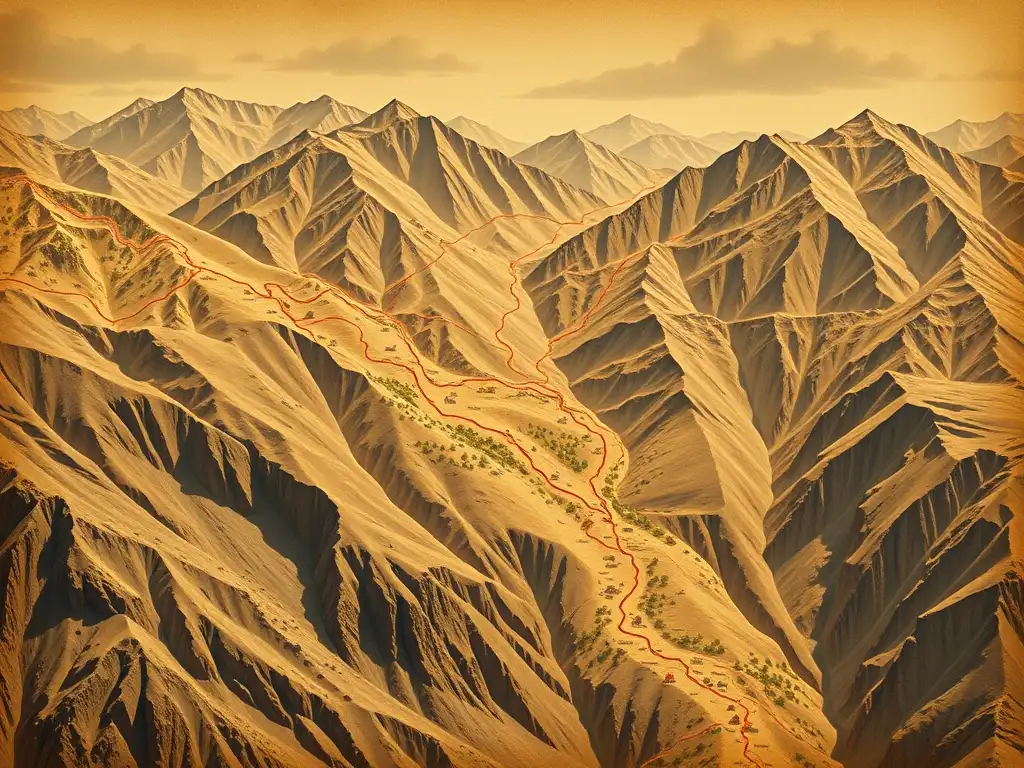
The Inca road system, a testament to their sophisticated engineering prowess, wasn't a monolithic network. Instead, it comprised a complex hierarchy of roads, each designed to serve specific purposes and cater to varying needs across the vast Andean empire. Understanding this tiered system is crucial to appreciating the ingenuity and logistical brilliance behind the Inca road system engineering.
The network's effectiveness stemmed not only from its sheer scale but also from its strategic organization and adaptability to the diverse and challenging Andean geography. This section will delve into the different types of Inca roads and their distinct functions within the empire.
Royal Roads: The Primary Arteries of the Empire
Royal Roads, also known as Qhapaq Ñan, formed the backbone of the Inca communication and transportation network. These were the widest and best-maintained roads, meticulously constructed to facilitate rapid movement of troops, officials, and vital supplies across the empire. They were typically paved with large, carefully fitted stones, demonstrating a high level of precision and craftsmanship.
The construction often involved intricate drainage systems to prevent erosion and maintain road stability, even in mountainous regions. These roads were strategically placed to connect major administrative centers, such as Cusco, the capital, to distant provinces and conquered territories. Their strategic importance is evident in their location, often traversing challenging terrain with impressive feats of engineering, such as bridges and tunnels.
The meticulous maintenance of these roads underscores their paramount importance to the Inca state, showcasing the significant resources dedicated to ensuring their functionality. The Royal Roads weren't just pathways; they were symbols of Inca power and control, projecting the empire's might and facilitating its efficient administration. Evidence suggests that relay runners were used to transmit messages along these roads, enabling near-instantaneous communication across vast distances, a remarkable feat for the time.
Regional Roads: Connecting Local Centers
While Royal Roads served the empire's overarching needs, Regional Roads connected smaller towns, villages, and agricultural areas to the main arteries. These roads were generally narrower and less meticulously constructed than the Royal Roads, often employing local materials and techniques adapted to the specific terrain. Their construction was less standardized, reflecting the decentralized nature of their management compared to the centrally controlled Royal Roads.
However, their importance should not be underestimated. They facilitated trade, local governance, and the movement of goods and people within specific regions. These roads were vital for the economic and social fabric of the Inca Empire, supporting local communities and integrating them into the broader imperial system.
The design of these roads often incorporated local knowledge and resources, highlighting the Inca's ability to adapt their engineering practices to diverse environments. Archaeological evidence suggests a significant variation in the construction materials and techniques used for Regional Roads, reflecting the regional differences in available resources and construction expertise.
Coastal Roads: Adapting to Diverse Terrains
The Inca road system extended beyond the Andes Mountains, reaching the coastal regions. Coastal Roads presented unique challenges to Inca engineers, requiring adaptation to the different topography and environmental conditions. These roads often followed the coastline, navigating cliffs, deserts, and river valleys.
The construction techniques employed in these areas often involved the use of different materials, such as adobe bricks and timber, to address the unique challenges posed by the coastal environment. Unlike the mountain roads, which frequently involved steep inclines and challenging terrain, the coastal roads often dealt with issues like sand erosion and fluctuating sea levels. The ingenuity of the Inca engineers is evident in the solutions they devised to overcome these obstacles, showcasing their adaptability and resourcefulness.
[Specific examples of Coastal Road engineering solutions pending]. The Coastal Roads played a crucial role in connecting the Andean highlands with the coastal regions, facilitating trade, communication, and the exchange of resources between these distinct geographical areas. The integration of these diverse regions into the Inca Empire was greatly facilitated by the robust and adaptable coastal road network.
Mountain Roads: Challenges and Solutions
Constructing roads through the formidable Andes Mountains presented immense challenges to Inca engineers. The steep inclines, unpredictable weather patterns, and treacherous terrain demanded innovative solutions. The sheer scale of the undertaking is staggering, considering the lack of modern tools and machinery. Inca builders faced landslides, rockfalls, and shifting earth constantly threatening their progress. Their success hinged on a deep understanding of the local geology and a remarkable ability to adapt their techniques to the varying conditions.
One significant challenge was the sheer altitude. Working at high altitudes significantly impacted the Inca workforce's physical capabilities and endurance. This required careful planning, including the establishment of staging areas with supplies and resting places along the routes. Evidence suggests the Inca implemented a system of relay runners and strategically placed storage facilities to ensure the continuous flow of materials and provisions. This logistical mastery was crucial to the project's success.
The Inca engineers' responses to these challenges were nothing short of ingenious. They employed sophisticated drainage systems to mitigate the risk of landslides and erosion. These systems, often incorporating carefully constructed channels and terraces, diverted water away from the roadbeds, preserving their structural integrity. They also demonstrated a remarkable skill in rock-cutting and stone-fitting, expertly carving and shaping stones to create stable and durable road surfaces that could withstand the harsh conditions. The precision and craftsmanship evident in the remaining sections of Inca roads are testament to their advanced engineering knowledge.
Furthermore, the Inca utilized a variety of materials depending on the specific terrain. In some areas, they employed cobblestones or packed earth, while in others, they incorporated large, precisely fitted stones to create incredibly strong and stable surfaces. This adaptability and understanding of material properties are key components of the Inca road system's enduring legacy.
The selection of materials wasn't arbitrary; it was a conscious decision based on factors such as durability, availability, and the specific challenges presented by the local environment. This nuanced approach highlights the sophisticated understanding of engineering principles demonstrated by the Inca builders. The integration of these strategies showcases the Inca's remarkable ability to overcome seemingly insurmountable obstacles, leaving behind a testament to their engineering prowess that continues to inspire awe.
The Significance of the Inca Road System
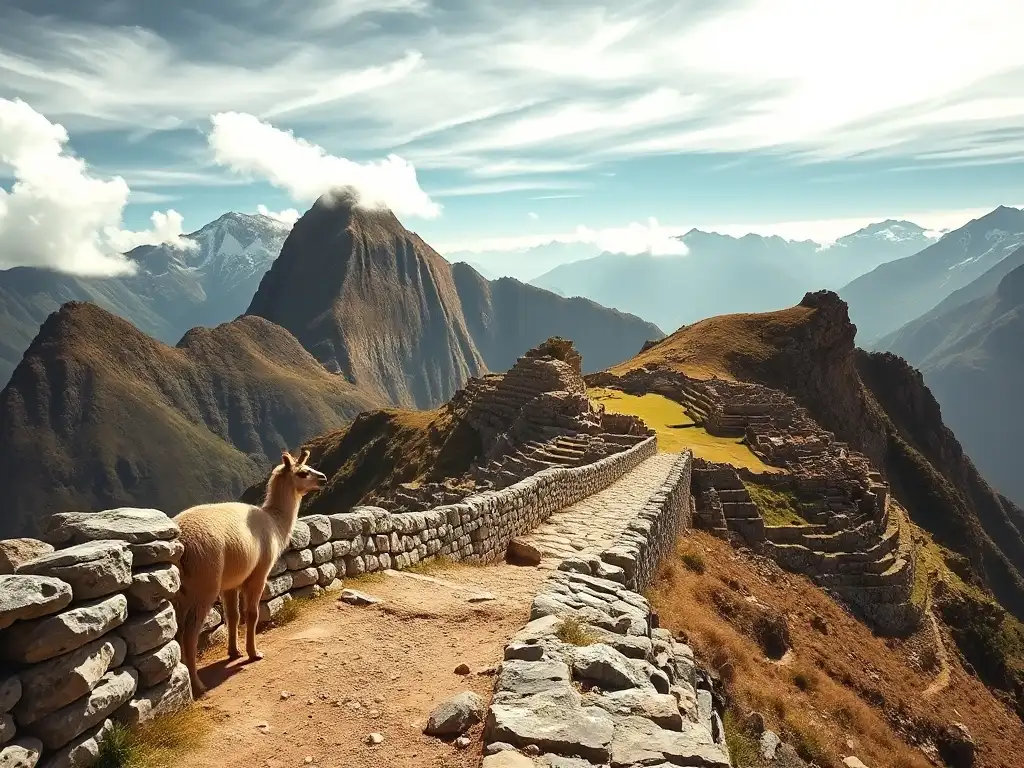
The Inca road system, also known as the Qhapaq Ñan, wasn't merely a network of pathways; it was the very artery of the Inca Empire, a testament to their sophisticated engineering prowess and a crucial element in their political, economic, and military dominance. Its significance extended far beyond simple transportation, impacting every facet of Inca life. The system's strategic planning, innovative construction techniques, and remarkable longevity stand as a powerful example of Inca road system engineering.
Understanding its impact requires examining its multifaceted roles within the empire. The sheer scale of the project—spanning thousands of miles across diverse and challenging terrains—is a feat rarely matched in ancient history.
Facilitating Communication and Trade in the Inca Empire
The Qhapaq Ñan dramatically improved communication across the vast Inca Empire. Before its construction, communication relied heavily on runners, a system that was slow and prone to delays. The roads, however, allowed for significantly faster and more reliable message delivery. Royal decrees, vital information, and news could travel across hundreds of miles in a matter of days, facilitating efficient governance and enabling swift responses to emergencies. This enhanced communication network was instrumental in maintaining control over such a geographically dispersed empire.
Furthermore, the roads significantly boosted trade and economic integration. The standardized road network allowed for the easy transport of goods, such as agricultural products, textiles, and precious metals, across diverse regions. This facilitated economic exchange and reduced regional disparities. The efficient movement of goods contributed to the prosperity and stability of the empire, strengthening its overall power and influence. The Inca road system engineering achievements in facilitating trade are clear in the standardized sizes and quality of the roads themselves, allowing for easier transport of goods regardless of location.
Military Logistics and Control via Inca Roads
The Inca road system played a pivotal role in the military strength and expansion of the empire. The strategic placement of roads, strategically located chasquis (relay runners) posts, and fortified structures along the routes allowed for the rapid deployment of troops to quell rebellions or engage in military campaigns. The ability to move armies quickly and efficiently gave the Incas a significant military advantage over their adversaries.
The roads also facilitated the movement of supplies and provisions to support the army. Food, weapons, and other necessities could be transported swiftly to the front lines, ensuring the troops were well-supplied and capable of sustaining prolonged campaigns. This logistical efficiency was crucial in the Inca's military success and territorial expansion. The efficient Inca road system engineering was a direct factor in the empire's military dominance. Evidence suggests that the road network was designed with military considerations in mind, incorporating strategic features like bridges, tunnels, and defensive positions.
The Impact of the Qhapaq Ñan on Inca Governance
The Qhapaq Ñan was intrinsically linked to the Inca system of governance. The roads provided a physical manifestation of imperial power, connecting distant provinces to the capital and symbolically demonstrating the empire's reach and control. The efficient transportation of resources and information enabled the centralized administration to effectively manage the vast empire.
The roads also facilitated the implementation of mita, the Inca system of mandatory labor. Workers could be easily mobilized to work on various projects across the empire, contributing to infrastructural development and agricultural production. This system of labor mobilization was crucial for the construction and maintenance of the road network itself, creating a positive feedback loop that strengthened the empire's infrastructure and administrative capacity.
The Inca road system engineering innovations, therefore, were deeply intertwined with the broader political and social structures of the Inca Empire. The roads themselves were a symbol of Inca power and control, a tangible representation of their sophisticated governance system. The Qhapaq Ñan stands as a powerful testament to the Inca's organizational prowess and their ability to effectively govern a vast and diverse empire.
Cultural Exchange Along the Inca Road Network
The Inca road system wasn't merely a logistical marvel; it served as a crucial artery for cultural exchange across the vast Andean empire. The seamless movement of people along these pathways facilitated the dissemination of ideas, beliefs, and artistic styles, fostering a remarkable degree of cultural homogeneity despite the diverse environments and pre-existing cultures incorporated into the Inca realm.
This interconnectedness is evident in the similarities observed in pottery styles, textile designs, and religious practices across geographically disparate regions of the empire. For example, while regional variations existed, a unifying thread of Inca iconography and artistic motifs can be traced throughout the empire, showcasing the influence of the imperial center and the simultaneous adaptation and integration of local traditions.
The movement of artisans and specialists along the roads further contributed to this cultural fusion. Highly skilled craftspeople, including metalworkers, potters, and weavers, were often dispatched from the capital, Cusco, to various regions of the empire, not only to create objects for the Inca elite but also to impart their skills to local populations. This exchange of knowledge and techniques led to the development of hybrid artistic styles and the refinement of existing craft traditions.
Evidence suggests that this wasn't a one-way process; local artisans also contributed their unique skills and styles to the broader Inca artistic landscape, enriching the empire's cultural tapestry. The resulting blend of imperial and regional styles reflects the dynamic interplay between centralized control and local autonomy within the Inca state.
Beyond artistic expression, the Inca road network facilitated the exchange of religious beliefs and practices. Pilgrimages to important religious sites, often located at significant geographical points along the road system, were common. These journeys fostered a shared religious identity, reinforced by the standardized religious practices and iconography promoted by the Inca state.
The spread of religious beliefs and rituals helped consolidate the empire's power and further cemented the sense of unity among its diverse population. The impact of this religious unification is still visible today in the enduring legacy of Andean religious traditions. The Inca road system, therefore, wasn't just a network of paths, but a powerful mechanism for cultural integration and the creation of a shared Andean identity.
The efficient movement of people and ideas along the roads played a significant role in shaping the cultural landscape of the Inca empire, resulting in a complex and fascinating interplay between imperial power and regional diversity. This enduring legacy continues to fascinate scholars and the public alike.
Preserving the Inca Road System Today
The Inca road system, a testament to the ingenuity of ancient Andean engineers, faces numerous challenges in the 21st century. While its historical significance is undeniable, the passage of time, environmental factors, and the impact of modern development pose significant threats to its preservation. Understanding these challenges is crucial to developing effective strategies for long-term conservation of this remarkable achievement. The legacy of "Inca road system engineering" demands our attention and proactive measures to ensure its survival for future generations.
Challenges in Maintaining the Ancient Inca Roads
Maintaining the Inca road system presents a complex set of difficulties. The sheer scale of the network, stretching thousands of kilometers across diverse and often treacherous Andean terrain, makes comprehensive upkeep a monumental task. Several key challenges stand out:
- Erosion and Natural Disasters: The Andes are a region prone to earthquakes, landslides, and heavy rainfall. These natural events cause significant damage to the roads, necessitating constant repairs and stabilization efforts. For example, the high-altitude sections are particularly vulnerable to frost weathering, gradually degrading the stonework over time. The impact of glacial melt due to climate change further exacerbates this problem.
- Human Impact: Modern development, including road construction, agriculture, and tourism, often encroaches upon the Inca road network. Uncontrolled tourism can lead to further erosion and damage to the ancient pathways. Furthermore, the use of inappropriate materials in repairs can compromise the structural integrity and historical authenticity of the roads.
- Lack of Funding and Resources: Preserving the Inca road system requires substantial financial investment in research, conservation, and maintenance. Securing adequate funding and allocating resources effectively remain a significant hurdle, particularly in remote areas. This often leads to delayed or insufficient repairs, accelerating the deterioration process.
- Documentation and Research: A comprehensive inventory and detailed documentation of the entire Inca road system are still underway. Without a complete understanding of the road's condition, location, and construction techniques, targeted conservation efforts are hampered. Further research is needed to fully grasp the engineering principles employed by the Inca and apply that knowledge to modern preservation strategies.
UNESCO Recognition and Its Importance
The recognition of the Inca Trail as a World Heritage Site by UNESCO in 1983, and the broader recognition of the Inca road network's significance, provides crucial impetus for conservation efforts. This international acknowledgement elevates the importance of preserving the roads beyond national borders, attracting international collaboration and funding opportunities. UNESCO recognition acts as a powerful catalyst, fostering awareness, promoting sustainable tourism practices, and encouraging governments and organizations to prioritize the preservation of this invaluable cultural heritage.
The designation underlines the global importance of understanding and safeguarding "Inca road system engineering." Without this international recognition, the challenges of preservation would be significantly greater.
Conservation Efforts and Community Involvement
Several organizations and initiatives are actively involved in the preservation of the Inca road system. These efforts range from large-scale projects undertaken by governmental agencies to smaller, community-based initiatives focused on specific sections of the network.
- Community-Based Tourism: Involving local communities in tourism management and conservation efforts is proving to be a highly effective strategy. This approach not only generates income for local populations but also fosters a sense of ownership and responsibility for preserving their cultural heritage. Empowering local communities to actively participate in the maintenance and protection of the roads promotes long-term sustainability.
- Sustainable Tourism Practices: Implementing sustainable tourism practices, such as limiting visitor numbers, establishing designated trails, and educating tourists about responsible behavior, is crucial to minimizing the impact of tourism on the Inca roads. These measures help protect the fragile environment and preserve the historical integrity of the sites.
- Technological Advancements: Modern technologies, such as Geographic Information Systems (GIS) and remote sensing, are increasingly used to map, monitor, and assess the condition of the Inca road system. This provides valuable data for targeted conservation efforts and allows for efficient allocation of resources. The integration of technology into conservation strategies enhances the effectiveness of "Inca road system engineering" preservation.
The preservation of the Inca road system is an ongoing process that requires a multifaceted approach combining scientific expertise, community involvement, and international cooperation. Continuous monitoring, targeted interventions, and a commitment to sustainable practices are essential to ensure that this remarkable feat of ancient engineering endures for generations to come.
The Qhapaq Ñan as a Tourist Attraction
The Qhapaq Ñan, or Inca Road system, is not just a testament to impressive ancient engineering; it's also a burgeoning tourist attraction. Its preservation efforts have successfully transformed significant portions of the network into accessible trails, offering unique opportunities for adventure tourism and cultural immersion. This has led to economic benefits for communities along the routes, with the development of eco-lodges, guided tours, and related services. The Inca trail to Machu Picchu remains the most famous example, attracting hundreds of thousands of visitors annually.
However, efforts are underway to highlight lesser-known sections of the Qhapaq Ñan, showcasing the diversity of Andean landscapes and archaeological sites along the way. This diversification aims to distribute the tourism impact more evenly, supporting sustainable development in more remote communities. The careful management of tourist flow and the implementation of responsible tourism practices are crucial to prevent damage to the fragile environment and historical sites. This includes limiting the number of daily visitors on certain trails, promoting eco-friendly transportation, and educating tourists about the historical and cultural significance of the Qhapaq Ñan.
The goal is to balance the economic benefits of tourism with the preservation of this invaluable heritage for future generations. The success of this delicate balance will depend on collaborative efforts between governments, local communities, and tourism operators. Careful planning and sustainable practices are paramount to ensure the Qhapaq Ñan continues to thrive as both a historical treasure and a viable economic resource for the region. This careful management ensures that the experience remains enriching for visitors while minimizing environmental impact and respecting the cultural heritage of the Andean communities.
The integration of the Qhapaq Ñan into broader tourism strategies for South America is also crucial. Promoting the Inca road system as part of a larger network of historical and natural attractions enhances its appeal to a wider audience. This includes highlighting the connections between the Qhapaq Ñan and other important Inca sites, creating multi-day itineraries that combine cultural and adventure tourism elements.
Such strategies can boost the economic benefits associated with the preservation of the Qhapaq Ñan, further securing its long-term sustainability. The careful management of tourist expectations, ensuring that visitors have a realistic understanding of the challenges and rewards of trekking along these ancient paths, is also vital.
This will ensure that visitors have a positive and respectful experience while contributing to the preservation of this incredible legacy. The success of the Qhapaq Ñan as a tourist attraction will depend upon a continued commitment to responsible tourism practices and a collaborative approach that balances economic development with cultural preservation.
Frequently Asked Questions
What made the Inca road system so remarkable?
The Inca road system was remarkable due to its extensive network spanning thousands of miles across challenging Andean terrain. Its sophisticated engineering, including stone paving and suspension bridges, allowed for efficient communication and trade throughout the empire.
How did the Incas construct their roads in such difficult terrain?
Inca engineers employed innovative techniques to overcome the Andes' steep slopes and rugged landscapes. They used terracing, retaining walls, and strategic placement of roads to minimize the impact of altitude and geography. Local materials were cleverly integrated into the construction.
What materials were primarily used in the construction of Inca roads?
The Incas primarily used stone for paving and earth for the roadbeds. They also utilized local materials like wood and adobe bricks where appropriate, demonstrating adaptability to diverse environments.
What was the purpose of the Inca road system beyond transportation?
Beyond transportation, the Inca road system served crucial administrative and military functions. It facilitated rapid communication and movement of troops, vital for maintaining control over the vast empire. It also played a role in religious practices and trade.
How did the Inca road system impact the development of the Inca Empire?
The Inca road system was essential to the empire's growth and stability. It enabled efficient communication, trade, and military control, unifying diverse populations and fostering economic prosperity across the vast Andean region. Effective transport was key to the empire's success.
Final Reflection: Echoes of the Inca Road: Engineering, Legacy, and the Future
The Inca road system, a testament to ingenuity and resilience, remains a potent symbol of human achievement, its echoes resonating in modern infrastructure and our understanding of sustainable development. Its sophisticated design, adapted to the challenging Andean terrain, continues to inspire awe and serves as a powerful reminder of the capabilities of pre-Columbian civilizations. The intricate network, far from being a relic of the past, offers invaluable lessons for contemporary engineering and urban planning.
The enduring impact of the Inca road system extends far beyond its physical presence. It represents a profound connection between people and their environment, a harmonious integration of engineering with the natural landscape that we are only beginning to fully appreciate. The road is not just a path, but a living organism, breathing with the rhythm of the mountains.
This sentiment, though not a direct quote from an Inca source, encapsulates the deep spiritual and practical significance of the road network for the Inca civilization, a connection that continues to inspire reflection on our own relationship with the environment. Its influence can be seen in contemporary discussions surrounding sustainable infrastructure and the importance of respecting ecological balance in development.
Consider the ingenuity of the Inca engineers, their mastery of materials and their understanding of the landscape. Now, consider your own life, your own journey. What challenges do you face, and how can the spirit of innovation and adaptation demonstrated by the Inca inspire you to overcome them? Let the legacy of the Inca road system be a call to action, a reminder that human ingenuity, when combined with respect for the natural world, can achieve remarkable feats. Embrace the spirit of the Inca road, and build your own path towards a more sustainable and fulfilling future.
**Unveil the Secrets of Inca Engineering Today! **
Thank you for exploring the incredible world of Inca roads and discovering the mastery of ancient engineering! We hope this journey through the Andes has sparked your curiosity about the ingenuity and resilience of the Inca civilization. Now, let's put that newfound knowledge to good use!
Here are a few ways you can further your understanding and appreciation of this remarkable heritage:
- **Deepen your historical knowledge:** Explore books, documentaries, and academic articles on the Inca civilization to expand your understanding.
- **Plan a trip to Peru:** If possible, visit the Inca Trail or other archaeological sites to experience these engineering marvels firsthand. The breathtaking landscapes and well-preserved ruins will leave a lasting impression.
- **Share your discoveries:** Discuss your insights with friends, family, or online communities dedicated to history and archaeology to foster a shared appreciation for ancient cultures and their enduring legacies.
Ready to embark on a deeper exploration of Inca roads? What aspect of Inca engineering captivates you most? Let's begin the discussion!