
Inca Tools and Techniques: The Ingenuity Behind Their Achievements

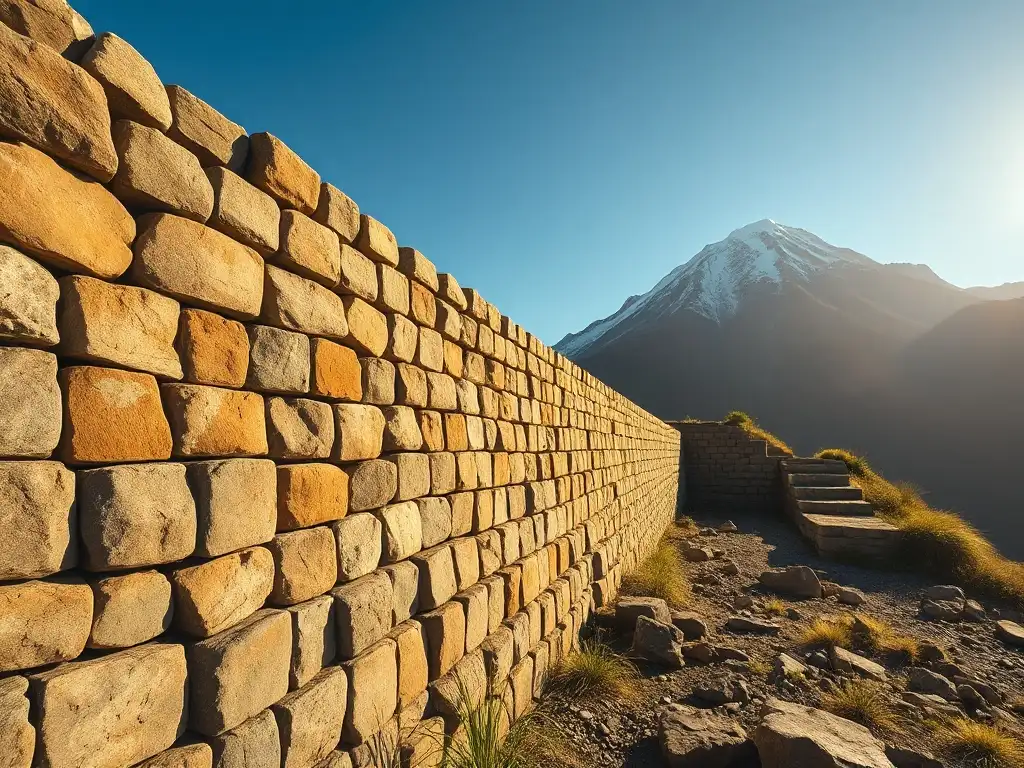
Step into a world lost to time, yet echoing with the ingenuity of a vanished empire. Imagine colossal stone structures rising from the Andes, defying gravity and the passage of centuries. This is the legacy of the Inca, a civilization whose mastery of Inca construction techniques remains a source of wonder and ongoing investigation. Uncover the secrets behind their architectural marvels and prepare to be amazed by the ingenuity of a people who shaped the very landscape they inhabited. Explore the fascinating story of Inca innovation – your journey begins now.
The Inca Empire, a civilization that flourished in the Andes Mountains from the 15th to the 16th century, left behind a legacy of breathtaking architectural and engineering marvels. Their sophisticated cities, intricate road networks, and precisely crafted stonework stand as testaments to their advanced understanding of construction and engineering.
But how did they achieve such impressive feats with seemingly rudimentary tools? This article delves into the ingenious tools and techniques employed by the Inca, exploring the ingenuity behind their remarkable achievements and shedding light on the intricacies of their construction methods, a key aspect of understanding Inca construction techniques.
We will examine the materials they used, the tools they crafted, and the remarkable precision they achieved, revealing the sophisticated knowledge and organizational prowess that underpinned their empire's success. Understanding their methods offers a fascinating glimpse into the ingenuity of this remarkable civilization and provides valuable insights into their societal structure and technological advancements.
Inca Construction Materials: Sourcing and Preparation
Inca builders were masters of utilizing readily available resources. Their primary building material was stone, meticulously selected and quarried from nearby sources. Different types of stone were chosen based on their properties and intended use. For example, harder, more durable stones were favored for foundations and load-bearing walls, while softer stones might be used for less critical structural elements.
The process of sourcing and preparing these materials involved considerable skill and labor. Evidence suggests they used copper and bronze tools, along with ingenious techniques like fire-setting to break apart large rock formations and shape them into manageable blocks. The selection and preparation of materials were crucial steps in ensuring the stability and longevity of their structures. Consider the precision required to fit massive stones together with minimal mortar – a testament to their advanced understanding of material science and engineering.
Tools of the Inca Builders: Simplicity and Effectiveness
Contrary to popular imagination, Inca builders didn't possess sophisticated machinery. Their tools were relatively simple, yet remarkably effective. These included:
- Stone hammers and chisels: Made from hard stone, these tools were used to shape and refine stone blocks with incredible accuracy. The craftsmanship evident in Inca stonework demonstrates a mastery of these seemingly basic tools.
- Copper and bronze tools: These metals, while not as abundant as stone, were used to create more specialized tools, offering greater precision and efficiency in shaping and cutting stone.
- Wooden levers and rollers: These were employed to move and position heavy stone blocks, showcasing an understanding of basic mechanical principles. The scale of some Inca structures implies a sophisticated system for moving massive blocks of stone across challenging terrain.
- Rope and slings: These were essential for lifting and transporting materials, demonstrating ingenuity in leveraging basic materials for complex tasks.
Inca Construction Techniques: Precision and Innovation
The Inca's mastery lay not just in their tools, but in their techniques. Their construction methods were characterized by:
- Precise stone fitting: Inca masons achieved an astonishing level of precision, fitting stones together with minimal mortar. The incredibly tight joins, often without any visible gaps, are a testament to their skill and understanding of stonework. This precision is particularly evident in structures like Machu Picchu.
- Dry-stone construction: The Inca frequently employed dry-stone construction, a technique that involved fitting stones together without the use of mortar. This method required exceptional skill and precision, and the resulting structures are remarkably stable and durable.
- Terracing and earthworks: The Inca were masters of terracing, creating flat agricultural land on steep slopes. This involved extensive earthworks, demonstrating their understanding of soil mechanics and water management. Their terracing techniques not only increased agricultural productivity but also helped to stabilize the landscape.
- Use of sophisticated architectural principles: The Inca incorporated a sophisticated understanding of architectural principles, including weight distribution and load bearing, into their designs. This ensured that their structures were both aesthetically pleasing and structurally sound. The integration of these principles is clearly visible in the impressive stability of their buildings, many of which have withstood the test of time.
The Legacy of Inca Engineering: A Lasting Impact
The Inca's impressive achievements in construction and engineering continue to inspire awe and admiration. Their ingenious tools and techniques, developed and refined over centuries, left an indelible mark on the landscape and continue to influence architectural and engineering practices today. The durability and precision of their structures serve as a testament to their advanced understanding of materials, construction methods, and organizational skills.
Their legacy extends beyond the physical structures they created; it represents a profound understanding of human ingenuity and the power of collective effort. Further research into Inca construction techniques promises to reveal even more about this remarkable civilization and their lasting contributions to the world.
- Inca Construction Materials: Sourcing and Preparation
- Tools of the Inca Builders: Simplicity and Effectiveness
- Inca Construction Techniques: Precision and Innovation
- The Legacy of Inca Engineering: A Lasting Impact
Understanding Inca Construction Methods
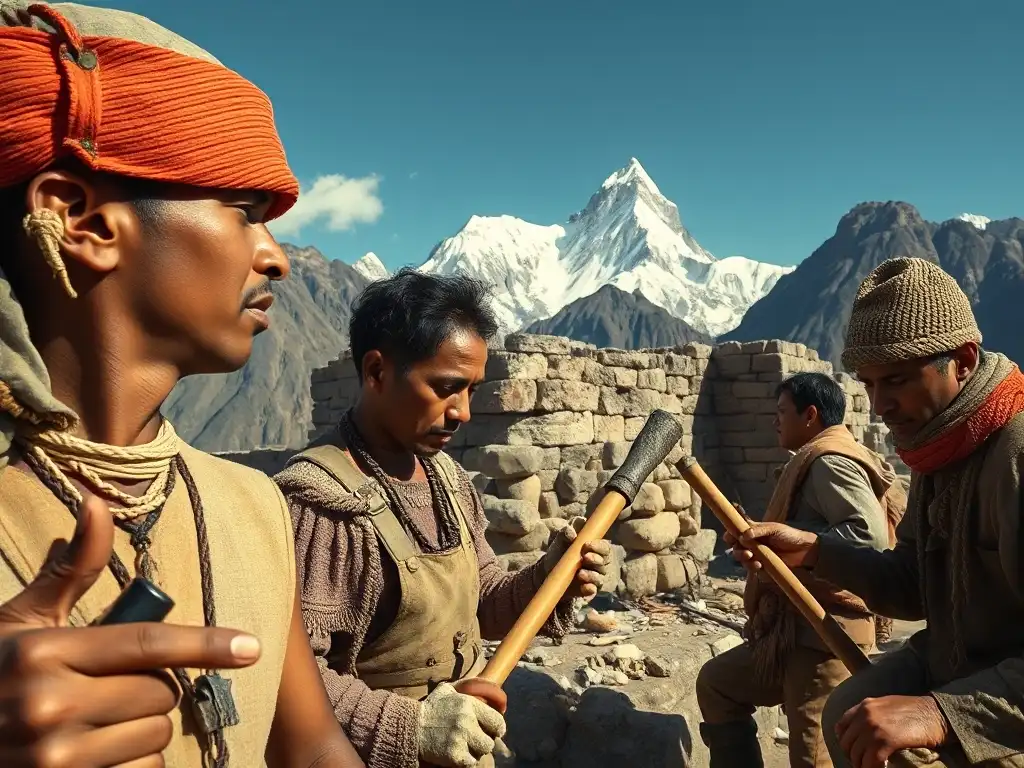
The Inca Empire's remarkable architectural achievements, from Machu Picchu's breathtaking terraces to the intricate stonework of Sacsayhuamán, stand as testaments to their sophisticated construction techniques. Understanding these methods requires moving beyond simplistic notions of "primitive" technology and appreciating the nuanced interplay of tools, materials, and ingenious engineering principles. The Inca's mastery of stonework wasn't born in a vacuum; it built upon centuries of pre-existing Andean traditions and innovations, constantly refined and adapted to meet the empire's ambitious building projects.
Their success wasn't solely about brute force, but rather a sophisticated understanding of leverage, precise measurement, and the properties of the materials they used. This section delves into the core elements of Inca construction methods, highlighting the key tools and techniques that enabled their architectural feats. The term "Inca construction techniques" itself encompasses a vast range of skills and knowledge, reflecting a highly developed and organized society.
The Foundation of Inca Engineering: Pre-Inca Influences
Inca construction techniques didn't emerge in isolation. The Inca Empire inherited and built upon a rich legacy of architectural knowledge from preceding Andean cultures, notably the Wari, Tiwanaku, and Moche civilizations. These earlier cultures had already developed sophisticated stone-working techniques, including the precise cutting and fitting of stones, often using techniques that anticipated later Inca innovations.
For example, the meticulous stonework found in Tiwanaku structures, characterized by their incredibly tight joints, likely influenced the Inca’s own approach to precision. The mastery of dry-stone construction—building with stones without mortar—was a cornerstone of Andean architecture long before the Inca, demonstrating a deep understanding of structural integrity and the properties of stone. Analyzing the stylistic and technical similarities between pre-Inca and Inca structures provides crucial insight into the evolutionary trajectory of Andean building practices and highlights the continuity of knowledge transmission across different cultures.
The Inca, therefore, didn't invent these techniques from scratch; rather, they refined and scaled them to an unprecedented level, creating monumental structures that continue to inspire awe centuries later. The legacy of pre-Inca influence is evident in the fundamental principles underlying Inca construction, demonstrating a long-term process of technological and cultural evolution.
Essential Inca Tools for Stone Work
The Inca's impressive stonework wasn't solely reliant on superior engineering principles; it also depended on a sophisticated set of tools carefully crafted and adapted for their specific needs. While some may imagine crude implements, the reality is far more nuanced. The Inca utilized a range of tools, from simple yet effective hammers and chisels to more specialized instruments, all reflecting a deep understanding of materials science and the properties of different stones.
Their tools were not mass-produced but rather meticulously crafted, often from durable materials like bronze and copper, ensuring both effectiveness and longevity. The precision of their work speaks volumes about the skill and expertise of Inca artisans and the effectiveness of their chosen tools. The following subsections will explore some of these key tools in greater detail.
The Importance of Stone Hammers and Chisels
Stone hammers and chisels formed the backbone of Inca stonework. These seemingly simple tools, however, required considerable skill to wield effectively. Different types of hammers, varying in size and weight, were used depending on the task at hand, from rough shaping to fine finishing.
Similarly, chisels, made from durable materials like hard stone or metal, came in various shapes and sizes, allowing for precise cuts and shaping. The Inca's skill lay not only in the tools themselves but also in their mastery of techniques such as pecking and pounding, which allowed them to achieve an astonishing level of precision in fitting stones together. Evidence suggests that they employed a combination of percussion and abrasion techniques, utilizing sand and water to assist in smoothing and shaping the stone surfaces.
The effectiveness of these techniques, combined with the quality of their tools, is evident in the incredibly tight fits of stones in Inca structures, where minimal mortar or filler materials were necessary. The seemingly simple hammer and chisel were, in fact, instruments of remarkable precision in the hands of skilled artisans.
Leveraging Bronze and Copper Tools in Inca Construction
While some Inca tools were made of stone, the use of bronze and copper significantly enhanced their capabilities. These metals, although not as abundant as stone, allowed for the creation of stronger, more durable, and sharper tools. Bronze chisels, for example, could achieve finer cuts and more intricate shapes than stone chisels.
The use of copper alloys also allowed for greater control and precision during the shaping and fitting of stones. The availability and utilization of these metals reflect the sophisticated metallurgical knowledge within the Inca Empire, showcasing their advanced understanding of material science and its application in construction. The presence of bronze and copper tools in archaeological sites associated with Inca construction projects further underscores their importance in achieving the remarkable precision and scale of their architectural projects.
The strategic use of these metal tools, alongside stone implements, demonstrates a sophisticated understanding of tool selection and optimization for various stages of the construction process. Their impact on the efficiency and quality of Inca construction is undeniable, contributing significantly to their impressive architectural legacy.
Inca Quarrying Techniques: Extracting the Stones
The Incas were masters of stonework, and their impressive structures stand as testament to their advanced quarrying techniques. Their ability to extract massive, precisely shaped stones from quarries across the Andes Mountains is a feat of engineering that continues to fascinate archaeologists and engineers today. The process wasn't simply a matter of brute force; it involved a sophisticated understanding of geology, material properties, and efficient extraction methods.
They carefully selected quarries based on the quality and type of stone, prioritizing durability and aesthetic appeal. Different stone types were utilized depending on the intended structure and its location, reflecting a nuanced approach to material selection. For example, harder stones like andesite were favored for foundations and load-bearing walls, while softer stones might be used for interior walls or decorative elements.
Precision in Inca Stone Extraction
One of the most remarkable aspects of Inca quarrying was the precision with which they extracted stones. They didn't simply break off huge chunks of rock; instead, they employed techniques that allowed them to obtain blocks of the desired size and shape with minimal waste. Evidence suggests they used a combination of methods, including controlled fracturing using wedges and mallets made of hard stone, possibly including copper or bronze tools.
This required a deep understanding of the rock's natural weaknesses and stress points. They likely employed a system of carefully placed channels or grooves to guide the fracturing process, ensuring clean breaks and minimal damage to the surrounding rock. The incredibly tight fits of stones in Inca structures demonstrate their mastery of this precise extraction process.
The minimal tooling marks present on many stones further highlight their refined techniques and the efficiency of their methods. This precision wasn't merely aesthetic; it was crucial for the stability and longevity of their structures.
Transporting Massive Stones: Inca Logistics
Moving massive stone blocks across challenging Andean terrain presented a significant logistical challenge. The Incas, however, developed ingenious solutions to overcome these obstacles. Evidence suggests they utilized a combination of methods, including ramps, rollers, levers, and possibly even sledges.
The construction of these ramps required careful planning and engineering, often involving the creation of temporary structures to facilitate the transport. The sheer scale of some of the stones moved, weighing many tons, suggests a highly organized and coordinated workforce. The routes chosen for transportation were strategically selected to minimize the gradient and exploit natural features like valleys and existing pathways.
The precise alignment of many Inca structures, some located at considerable distances from their quarries, provides compelling evidence of their impressive logistical capabilities. This intricate system of transport required meticulous planning, detailed knowledge of the terrain, and the mobilization of substantial human resources, reflecting a sophisticated understanding of project management and logistics. The efficient movement of these massive stones underscores the Incas' exceptional organizational skills and their ability to overcome immense logistical hurdles in the construction of their monumental structures.
Key Inca Construction Techniques
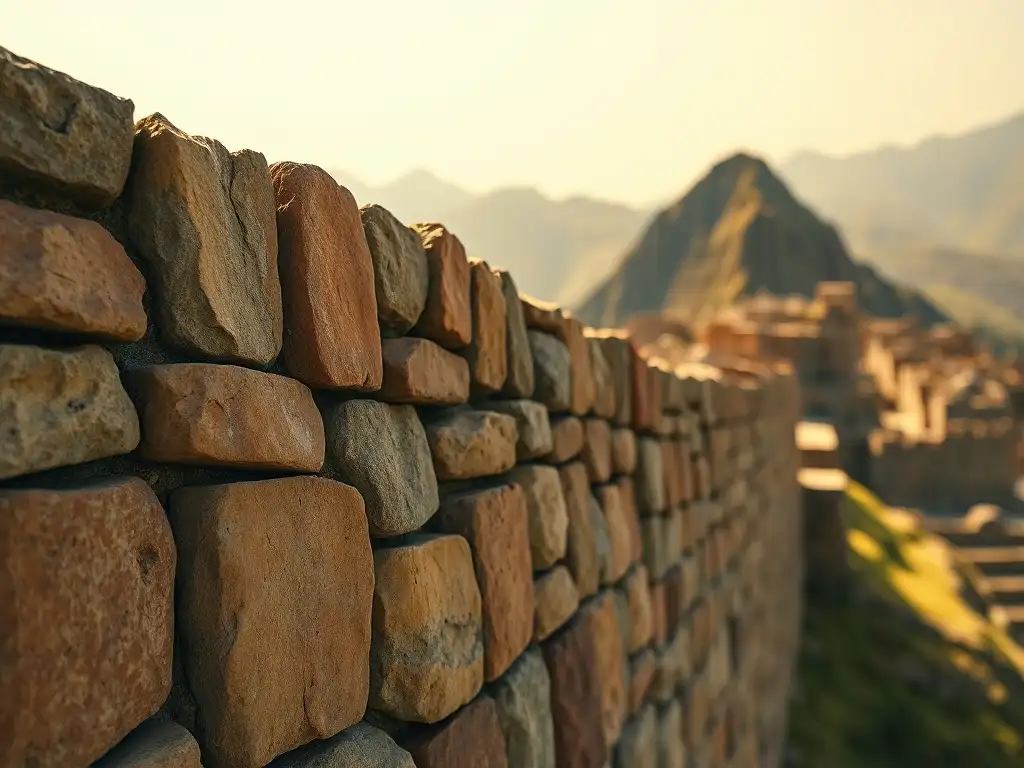
The Inca Empire, renowned for its impressive architectural feats, achieved its remarkable constructions through a sophisticated understanding and application of various construction techniques. Their mastery of stonework, particularly ashlar masonry, coupled with innovative agricultural practices like terracing, allowed them to build monumental structures and sustain a large population in challenging Andean terrains. These techniques, refined over centuries, represent a pinnacle of pre-Columbian engineering skill and demonstrate a deep understanding of both materials and environmental factors. Understanding these Inca construction techniques reveals the ingenuity and resourcefulness of this remarkable civilization.
The Ashlar Masonry Technique: Precision and Fit
The hallmark of Inca architecture is its ashlar masonry, a technique involving the precise cutting and fitting of large, polygonal stones to create incredibly strong and stable walls. The stones, often perfectly fitted without the use of mortar, demonstrate an astonishing level of craftsmanship. The incredible precision involved suggests a sophisticated understanding of geometry and engineering principles, far beyond what was initially assumed by early explorers.
The sheer scale of many Inca structures, built using this method, stands as a testament to the organizational abilities and skilled labor force of the Inca Empire. The seamless integration of the stones, often of varying sizes and shapes, created structures that were both aesthetically pleasing and remarkably resistant to earthquakes.
Inca Stone Cutting Methods: Achieving Perfect Joints
The creation of these perfectly fitting stones was a complex process. Inca stone cutters, highly skilled artisans, employed tools including copper chisels, hammers, and possibly abrasive materials like sand and water to shape the stones. Evidence suggests the use of pre-fabricated blocks, likely cut at quarries and then transported to construction sites.
The process involved a meticulous understanding of the stone's properties and the ability to create incredibly precise cuts and shapes. The joints between stones are often so tight that even a knife blade cannot be inserted, showcasing the accuracy and skill of the Inca masons. Further research is needed to fully understand the exact methods used, but the results speak for themselves – an unmatched level of precision in stonework.
The Absence of Mortar in Inca Walls
A striking feature of Inca ashlar masonry is the near-universal absence of mortar. Unlike many other ancient civilizations, the Inca did not rely on mortar to bind their stones together. Instead, they achieved structural integrity through the precise fitting of stones, exploiting their natural shapes and creating interlocking joints.
This technique, while challenging, resulted in incredibly durable structures capable of withstanding the test of time and seismic activity. The absence of mortar also contributed to the aesthetic appeal of the walls, creating a seamless and visually stunning effect. This innovative approach to stone construction highlights the Inca’s practical understanding of structural engineering and their commitment to achieving both functionality and beauty in their buildings.
Inca Terracing: Engineering for Agriculture and Stability
Inca terracing, a sophisticated system of agricultural engineering, is another testament to their ingenuity. These terraces, carved into hillsides, dramatically increased arable land in the steep Andean slopes. This not only boosted food production but also helped to prevent soil erosion and stabilize the landscape. The construction of terraces was a complex undertaking, requiring careful planning, precise surveying, and considerable labor. The success of the Inca terracing system was crucial to the empire's ability to support its large population and maintain its economic stability. The scale and sophistication of this system are truly remarkable.
Building Retaining Walls for Terraces
The construction of retaining walls for Inca terraces was crucial to the stability of the entire system. These walls, typically built using the same ashlar masonry techniques described above, were designed to hold back tons of soil and prevent landslides. Their construction required significant engineering skill to ensure that the walls could withstand the pressure of the soil and the forces of nature.
The careful placement of stones, often of varying sizes and shapes, created incredibly strong and resilient structures capable of enduring centuries of weathering. The construction of these retaining walls involved a deep understanding of geology, engineering principles, and environmental factors.
Efficient Irrigation Techniques for Terraced Fields
The effectiveness of Inca terracing was further enhanced by sophisticated irrigation systems. Channels and aqueducts were carefully constructed to carry water from sources high in the mountains to the terraced fields below. These systems were designed to distribute water efficiently and evenly across the terraces, maximizing agricultural yields.
The Inca’s mastery of hydraulic engineering is evident in the intricate network of canals and channels that crisscrossed their agricultural landscapes. This combination of terracing and efficient irrigation allowed the Inca to cultivate a wide variety of crops, supporting a large and thriving population in a challenging environment. The ingenuity displayed in their irrigation systems is a key factor in understanding the success of Inca agriculture.
Inca Road Building: Connecting the Empire
The Inca road system, a marvel of ancient engineering, stands as a testament to the Inca's organizational prowess and sophisticated construction techniques. Spanning thousands of miles across treacherous Andean terrain, this network of pathways facilitated communication, trade, and military movement throughout their vast empire.
The strategic placement of roads, often traversing high mountain passes and traversing seemingly impassable landscapes, highlights the Inca's deep understanding of geography and their ability to overcome significant environmental challenges. The construction itself wasn't merely about laying down a path; it was a carefully planned undertaking involving meticulous surveying, precise stonework, and a remarkable logistical operation.
The roads served not only as arteries of the empire but also as a symbol of Inca power and control, demonstrating their ability to unite diverse regions under a single rule. The sheer scale of the project, completed with tools and techniques far simpler than those available today, continues to inspire awe and admiration.
Constructing Durable Inca Roads
The construction of Inca roads was a complex process, requiring specialized knowledge and considerable manpower. The roads themselves varied in width and construction depending on their importance and location. Main thoroughfares were wider and more elaborately constructed than secondary routes. The Inca’s mastery of stonework is evident in the meticulous fitting of stones, often without the use of mortar.
They employed a technique of precisely shaping stones to interlock tightly, creating a remarkably durable surface that could withstand the harsh Andean climate and heavy traffic. This precision, achieved without advanced tools, showcases their exceptional skill and attention to detail. Drainage systems were integrated into the road design, diverting water and preventing erosion. This foresight ensured the longevity of the roads, allowing them to remain functional for centuries.
The use of locally sourced materials, such as stone and earth, ensured sustainability and reduced transportation costs. The Inca’s understanding of engineering principles, particularly in relation to drainage and load-bearing capacity, is evident in the design and construction of these remarkable roads. Their ability to adapt their techniques to the diverse landscapes they encountered further highlights their engineering ingenuity.
Inca Suspension Bridges: Engineering Marvels
Inca suspension bridges represent a pinnacle of Inca engineering, showcasing their innovative approach to bridging challenging geographical obstacles. These bridges, often spanning deep gorges and raging rivers, were constructed using a combination of natural fibers, such as ichu grass or llama wool, and strong, lightweight materials. The construction process involved weaving incredibly strong ropes, often many hundreds of feet long, which were then draped across the chasm and secured to sturdy anchor points on either side.
The bridge deck was then created by weaving more ropes or by using wooden planks laid across the main suspension ropes. These bridges were remarkably durable and capable of supporting significant weight, allowing for the safe passage of people, animals, and even goods across otherwise impassable terrain. The Inca's understanding of tensile strength and their ability to create incredibly durable ropes from natural materials are key to understanding the success of these impressive structures.
The design of the bridges also took into account the dynamic forces of wind and water, demonstrating a sophisticated understanding of structural engineering principles. The construction of these bridges was not only a feat of engineering but also a testament to the Inca's resourcefulness and adaptability. The survival of some of these bridges, albeit in a modified state, further underlines the ingenuity of their construction techniques and their enduring legacy.
Inca Engineering Marvels and Their Techniques
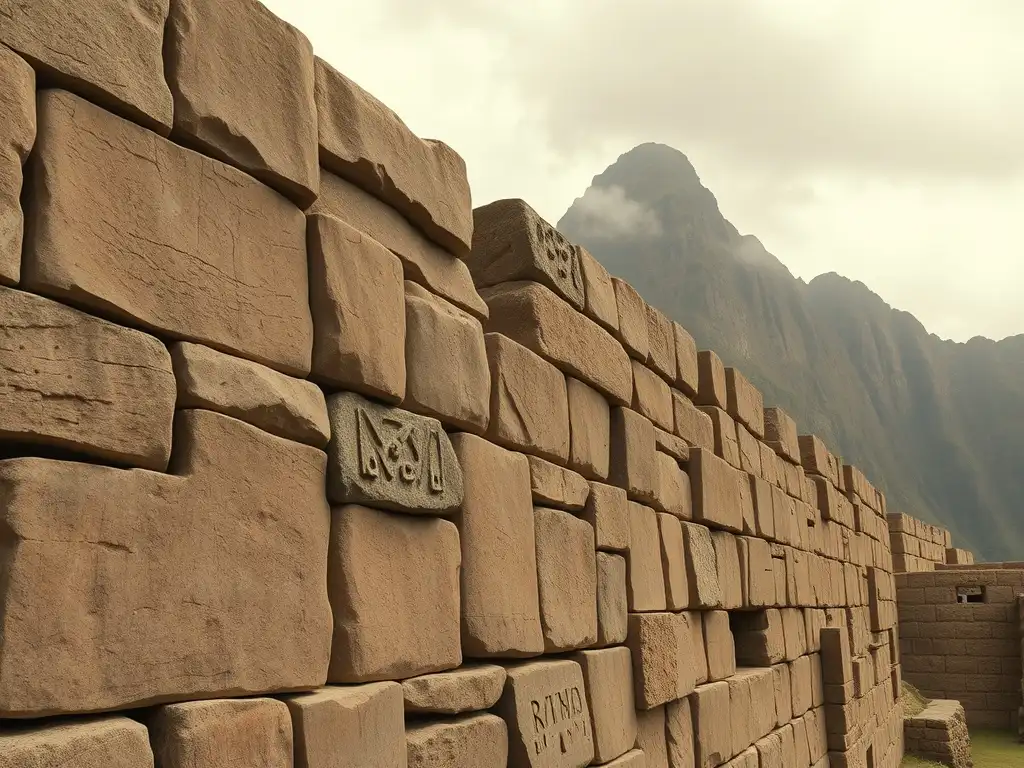
The Inca Empire, renowned for its vast expanse and sophisticated societal organization, left behind a legacy of breathtaking architectural achievements. Their mastery of Inca construction techniques, evident in structures across the Andes, continues to fascinate and inspire awe. This section delves into the ingenuity behind their remarkable accomplishments, focusing on specific examples showcasing their advanced understanding of engineering principles and resource management.
The precision, scale, and durability of their constructions stand as a testament to their exceptional skills and innovative approaches. The key to understanding their success lies in analyzing the specific techniques employed in different projects and understanding the purpose behind their design choices.
Machu Picchu: A Showcase of Inca Construction Skills
Machu Picchu, often referred to as the "Lost City of the Incas," epitomizes the pinnacle of Inca architectural prowess. Perched high in the Andes Mountains, this iconic citadel is a testament to the Inca's ability to integrate their buildings seamlessly with the challenging terrain. The site’s construction demonstrates a sophisticated understanding of structural engineering, utilizing the natural landscape to enhance both stability and aesthetic appeal.
Analyzing the Architectural Techniques of Machu Picchu
The construction of Machu Picchu involved a complex interplay of various Inca construction techniques. Precisely cut stones, often fitting together without mortar, formed the foundation of the buildings. The stones, sourced locally, were expertly shaped and fitted using techniques that remain partially mysterious even today. Evidence suggests the use of sophisticated tools and possibly advanced knowledge of geometry to achieve such precision.
The integration of dry-stone masonry, a technique involving the precise placement of stones without the use of mortar, is a hallmark of Inca construction. This method, requiring exceptional skill and planning, ensured stability and resilience against seismic activity common in the region. Furthermore, the innovative use of interlocking stones minimized the need for additional binding agents, showcasing a deep understanding of structural mechanics.
The impressive terraces carved into the mountainside exemplify their mastery of land management and engineering. These terraces not only provided agricultural space but also stabilized the slopes, preventing erosion and landslides. The entire site exemplifies a masterful blend of engineering and artistry.
Understanding the Purpose of Inca Structures at Machu Picchu
While the precise purpose of Machu Picchu remains a subject of ongoing research and debate, it is widely believed to have served as a royal estate, a religious center, or possibly both. The layout of the structures, the intricate details of the stonework, and the strategic placement of the city within its environment all contribute to its significance.
The presence of residential buildings, religious structures, and agricultural terraces suggests a multifaceted purpose, reflecting the complex social and political structure of the Inca Empire. The precise alignment of certain buildings with astronomical events further suggests a strong connection between their engineering and their spiritual beliefs.
The sophisticated water management system, including intricate channels and fountains, highlights the importance of resource management and the ingenuity of Inca engineers in creating a sustainable environment within a challenging landscape. The meticulous planning and execution of the city’s construction showcase the Inca's profound understanding of their environment and their ability to create a functional and aesthetically pleasing urban center.
Sacsayhuamán: The Fortress of Massive Stones
Sacsayhuamán, located near Cusco, is another remarkable example of Inca engineering prowess. This imposing fortress, constructed from enormous, precisely fitted stones, stands as a powerful symbol of Inca military might and architectural skill. The sheer scale of the stones and the precision of their placement are unparalleled in ancient architecture.
The Precision of Inca Stone Fitting at Sacsayhuamán
The most striking feature of Sacsayhuamán is the incredible precision with which the massive stones are fitted together. Some stones weigh over 100 tons, and their intricate interlocking creates a remarkably strong and stable structure. The level of precision achieved without the use of modern tools remains a subject of much speculation and ongoing research. Several theories attempt to explain how the Incas achieved such feats of engineering, including the possible use of ramps, levers, and rollers, along with a deep understanding of stone properties and geometry.
The sheer size and weight of the stones involved represent a logistical and engineering challenge of immense proportions. The intricate fitting of the stones, often with minimal gaps, demonstrates a high level of skill and craftsmanship. The lack of mortar between the stones further highlights the remarkable precision and engineering skills involved.
Inca Engineering Feats in Monumental Construction
The construction of Sacsayhuamán required significant planning and organization, reflecting the sophisticated social and political structure of the Inca Empire. The mobilization of labor, the transport of massive stones over long distances, and the coordination of skilled craftsmen all point to a highly organized and efficient system. The construction of such monumental structures not only served a practical purpose—defense in the case of Sacsayhuamán—but also held symbolic significance, reinforcing the power and prestige of the Inca rulers.
The sheer scale of the project exemplifies the Inca's ability to mobilize resources and manpower on a grand scale, demonstrating exceptional organizational skills and engineering expertise. The enduring legacy of Sacsayhuamán serves as a powerful reminder of the Inca's remarkable achievements in monumental construction and their mastery of Inca construction techniques.
Inca Canals and Water Management
The Inca's mastery of hydraulic engineering is perhaps best exemplified by their extensive canal systems. These weren't simply ditches; they were sophisticated networks designed to irrigate vast agricultural terraces, supply water to urban centers, and even control flooding. Their construction involved meticulous planning, taking into account the terrain's slope, the water's flow rate, and the needs of the surrounding communities.
The Incas understood the importance of water conservation, a crucial aspect of their agricultural success, especially in the challenging Andean environment. Their canals were not only functional but also aesthetically pleasing, often integrated seamlessly into the landscape. The precision and scale of these projects are a testament to their advanced understanding of hydrology and engineering principles.
The durability of many of these canals, some still in use today, speaks to the quality of their construction and the foresight of their design. This sophisticated water management was essential for sustaining their large population and maintaining their powerful empire. Failure to manage water effectively would have resulted in widespread crop failure and social unrest.
Innovative Inca Water Diversion Systems
One of the most remarkable aspects of Inca canal construction was their ability to divert water from rivers and streams, often over significant distances and challenging terrain. They employed a variety of techniques, including the use of carefully carved stone channels, strategically placed weirs and spillways, and ingenious systems of tunnels and aqueducts. These diversion systems were not simply linear; they often involved complex networks of canals, branching off to serve different agricultural areas or settlements.
The Incas also demonstrated a remarkable understanding of water pressure and flow control, using techniques such as carefully graded slopes and strategically placed regulators to manage water distribution effectively. For example, the impressive canal system near Cusco still exhibits the precision of their work, showcasing their innovative approach to water management.
The system’s ability to adapt to the mountainous terrain highlights their deep understanding of both engineering and the natural environment. Their ability to predict and account for seasonal variations in water availability is another testament to their advanced knowledge and planning.
The Role of Inca Aqueducts in Agriculture
Inca aqueducts played a pivotal role in supporting their intensive agricultural practices. These impressive structures, often built from carefully fitted stone blocks, carried water across valleys and over considerable distances, providing a reliable source of irrigation for terraced fields located on steep slopes. The construction of these aqueducts required a high level of skill and precision, demonstrating a deep understanding of engineering principles, such as gravity and water pressure.
The aqueducts were not merely functional; they were often integrated into the broader landscape, showcasing the Incas' aesthetic sensibilities and their holistic approach to engineering. The integration of aqueducts into the agricultural system significantly increased crop yields, allowing the Incas to support a large and dense population. The careful management of water resources, facilitated by aqueducts, was a key factor in the Inca Empire's economic and political success.
The scale and sophistication of these aqueducts are a testament to the Inca's advanced understanding of both agriculture and engineering. The enduring legacy of these aqueducts, many still visible today, highlights their remarkable achievements in water management and their impact on Inca society.
The Legacy of Inca Construction and Engineering
The Inca Empire, despite lacking metal tools like iron or steel prevalent in other contemporaneous civilizations, achieved remarkable feats of engineering and construction. Their legacy continues to inspire awe and intrigue, prompting ongoing research into their sophisticated techniques and organizational prowess. The ingenuity of their methods, especially considering the available resources, highlights a deep understanding of engineering principles and an exceptional ability to adapt to challenging terrains and environments. Their mastery of stonework, particularly in the Andes' mountainous environment, remains unmatched.
We'll delve into specific examples of their innovative approaches to construction, showcasing the remarkable precision and skill involved. Understanding their methods not only provides insight into their civilization but also offers valuable lessons for modern construction practices, particularly in sustainable and environmentally conscious building. This section will examine the enduring impact of Inca construction and engineering, both on our understanding of their society and on contemporary architectural approaches.
Inca Construction Techniques: A Source of Inspiration
Inca construction techniques, a key element of their impressive architectural achievements, relied heavily on meticulous planning and the skillful use of readily available materials. Their mastery of stonework is particularly striking. Instead of using mortar, they employed a technique known as ashlar masonry, fitting precisely cut stones together with astonishing accuracy.
This technique, combined with their understanding of the Andes' unique geological formations, enabled them to create structures that withstood earthquakes and the test of time. Consider, for example, the impressive walls of Sacsayhuamán: the massive stones, some weighing over 100 tons, are fitted together so tightly that a knife blade cannot be inserted between them. This level of precision is truly remarkable.
Furthermore, the Incas developed sophisticated methods for transporting massive stones across challenging terrains. Evidence suggests the use of ramps, rollers, and possibly even systems of levers and pulleys, although the exact methods remain a topic of ongoing research. Their ability to move such colossal stones over long distances, often across steep inclines, speaks volumes about their organizational skills and engineering capabilities. They also strategically utilized local materials, adapting their construction techniques to the specific geological characteristics of each region.
This efficient and sustainable approach ensured the longevity and stability of their structures. The ingenuity displayed in their construction techniques serves as a continuing source of inspiration for modern engineers and architects seeking innovative and environmentally friendly solutions. Their work stands as a testament to the power of human ingenuity and resourcefulness.
Preserving the Inca Architectural Heritage
Preserving the Inca architectural heritage requires a multifaceted approach combining careful conservation with ongoing research and technological advancements. The fragility of these ancient structures, subjected to the elements and the passage of time, necessitates meticulous preservation efforts. This involves not only repairing damaged sections but also implementing preventative measures to mitigate future deterioration.
Techniques used in preservation include the careful removal of vegetation, stabilization of unstable sections, and the use of environmentally friendly materials in any necessary repairs. Careful monitoring of the sites is also crucial, employing modern surveying technologies to detect early signs of structural instability. This proactive approach allows for timely intervention, preventing further damage and ensuring the longevity of these invaluable sites.
The preservation of Inca architectural heritage is not merely about maintaining historical monuments; it's about safeguarding a vital part of human history and cultural identity. The work is ongoing and requires a continuous commitment to both scientific research and practical conservation efforts.
The challenges are considerable. The harsh Andean climate, including frequent earthquakes and extreme weather conditions, poses a constant threat. Furthermore, the sheer scale of some sites, combined with their remote locations, makes preservation a complex and resource-intensive undertaking. However, the global importance of these sites demands a continued and concerted effort to protect this irreplaceable legacy for future generations. The careful balance between preservation and accessibility is also a crucial consideration, ensuring that these sites can be enjoyed by visitors while protecting their integrity.
Ongoing Research in Inca Engineering
Ongoing research into Inca engineering continues to unveil new insights into their remarkable achievements. Modern technologies, such as ground-penetrating radar (GPR) and 3D laser scanning, are providing detailed information about the internal structures of Inca buildings and the techniques used in their construction. This research is revealing previously unknown details about their methods, such as the precise alignment of stones and the use of sophisticated engineering principles.
Furthermore, studies of the materials used in Inca construction are providing valuable information about their sourcing and processing techniques. This research is not only enriching our understanding of their engineering prowess but also offering valuable lessons for contemporary construction practices. For example, studies of Inca stonework are informing the development of new techniques in earthquake-resistant construction.
The ongoing research also focuses on understanding the social and organizational aspects of Inca construction projects. Archaeological investigations are providing insights into the labor organization, resource management, and logistical challenges involved in these massive undertakings. By combining archaeological evidence with technological advancements, researchers are creating a more comprehensive picture of Inca engineering and its societal context.
This interdisciplinary approach is crucial for a complete understanding of these remarkable achievements. The continued investment in research and the application of new technologies are vital for unlocking the remaining secrets of Inca engineering and ensuring that their legacy continues to inspire and inform future generations. The mysteries surrounding their construction techniques still hold immense potential for discovery, promising many more exciting revelations in the years to come.
Frequently Asked Questions
What tools did the Inca use for construction?
The Inca utilized a variety of tools, including stone hammers, chisels, copper alloys, and wooden mallets. They cleverly adapted their tools to the available materials and the specific challenges of their environment.
How did the Inca cut and shape stones so precisely?
Inca stonemasons employed a combination of stone working techniques, including abrasion, percussion, and potentially water erosion. Their precision is still a source of fascination and debate among researchers.
What were some key Inca construction techniques?
Key techniques included precise stone fitting, dry-stone masonry, and terracing. These methods allowed them to build impressive structures like Machu Picchu, adapting to the challenging Andean terrain.
How did the Inca transport massive stones to their construction sites?
The Inca used a sophisticated system of rope and manpower, along with inclined planes and ramps, to move large stones across challenging landscapes. Their organizational skills were essential to these feats of engineering.
What materials, other than stone, did the Inca use in construction?
In addition to stone, the Inca used wood, adobe, and thatched roofs. These materials were selected based on availability and suitability for specific construction needs and the local environment.
Final Reflection: Echoes of Ingenuity in Stone
The Inca's mastery of construction, evident in their breathtaking cities and intricate infrastructure, remains a testament to human ingenuity and a powerful reminder of sustainable practices. Their innovative techniques, far from being relics of the past, offer valuable lessons for modern engineering and architectural challenges, particularly in the face of climate change and resource scarcity. We can learn much from a civilization that built so effectively with the materials at hand, minimizing environmental impact.
The enduring legacy of Inca construction techniques extends far beyond the impressive ruins that still stand today. Their understanding of seismic activity, their precise stonework, and their resourcefulness in utilizing local materials continue to inspire architects and engineers. The Inca's achievements were not simply feats of engineering; they were expressions of a deep understanding of their environment and a profound respect for the land.
This quote encapsulates the holistic approach the Inca took, a perspective that is urgently needed in our current era of unsustainable development. Their methods remind us that innovation and sustainability can, and should, go hand in hand.
Consider the ingenuity of the Inca for a moment. Imagine the meticulous planning, the collaborative effort, the unwavering dedication required to create structures that have withstood the test of time. Now, consider how you can apply this spirit of innovation and perseverance to your own life.
Whether it's tackling a personal challenge, pursuing a creative endeavor, or simply approaching daily tasks with greater intentionality, the Inca's legacy serves as a powerful reminder of what is possible with skill, determination, and a deep respect for the resources at our disposal. Let their achievements inspire you to build your own legacy, one that is both innovative and sustainable.
Unlock the Secrets of Inca Ingenuity!
Thank you for exploring the remarkable world of Inca tools and techniques with us! We hope you've gained a deeper understanding of the incredible ingenuity behind their achievements. Now, let's delve even further into this captivating history.
Here are some ways to continue your exploration:
- **Visit** local museums or historical sites showcasing Inca artifacts to further your understanding.
- **Share** your newfound knowledge with friends and family, or post about it on social media to inspire others to learn about Andean history.
- **Connect** with fellow enthusiasts by joining an online forum or group dedicated to archaeology and ancient civilizations. This is a great way to exchange ideas and insights.
Has your understanding of ancient technologies ever shifted your perspective on modern innovations? We'd love to hear your thoughts in the comments!