
Inca Architecture and Astronomy: Alignments with the Cosmos

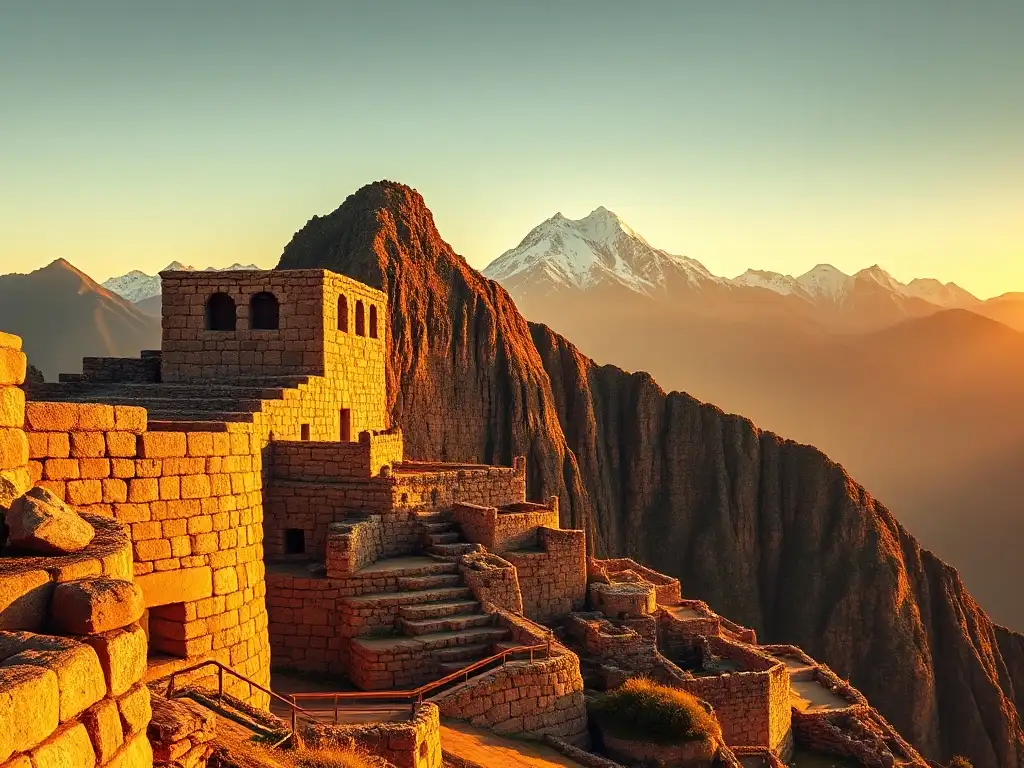
Prepare to be amazed. Journey with us into the breathtaking world of the Andean civilizations, where ingenuity and spirituality intertwined to create wonders that still baffle us today. Discover the secrets hidden within their masterful artistry and advanced technology, beginning with our exploration of Inca astronomical architecture – a testament to their profound understanding of the cosmos. Uncover the celestial alignments and intricate designs that reveal a civilization far more advanced than previously imagined. Are you ready to unlock the mysteries?
-
Inca Astronomical Architecture: Alignments with the Cosmos
- Introduction to Inca Architecture and its Cosmic Significance
- The Importance of Astronomy in Inca Society
- Inca Understanding of Celestial Bodies
- Architectural Manifestations of Inca Astronomy
- Specific Architectural Features Reflecting Astronomical Knowledge
- Inca Calendar and Agricultural Practices
- How the Incas Integrated Astronomy into their Daily Life
- Preserving the Legacy of Inca Astronomical Architecture
- Conclusion: The Enduring Connection Between Inca Architecture and the Cosmos
- Frequently Asked Questions
- Final Reflection: Echoes of the Sun in Stone
- Unveil the Wonders of Inca Architecture and Cosmic Alignment!
Inca Astronomical Architecture: Alignments with the Cosmos
Inca civilization, renowned for its sophisticated engineering and intricate social structures, left behind a legacy of architectural marvels deeply intertwined with astronomical observations. This article delves into the fascinating relationship between Inca architecture and astronomy, exploring how their buildings were meticulously designed and positioned to reflect and interact with the celestial movements.
We will uncover the profound significance of astronomical alignments in Inca society, examining specific examples of Inca structures that demonstrate a sophisticated understanding of the cosmos and its influence on their daily lives and spiritual beliefs. Understanding this intricate connection offers a richer appreciation for the ingenuity and cultural depth of the Inca Empire, revealing a civilization far more advanced than often perceived.
We'll explore how the precise placement of structures, the incorporation of celestial motifs, and the orientation of urban planning all contributed to a unique cosmological worldview deeply embedded within the Inca architectural landscape. This exploration will illuminate the sophisticated astronomical knowledge possessed by the Inca, highlighting its integral role in shaping their society and its enduring legacy.
Introduction to Inca Architecture and its Cosmic Significance
Inca architecture is characterized by its impressive scale, precise stonework, and remarkable adaptability to diverse terrains. From the imposing walls of Machu Picchu to the intricate irrigation systems of the Sacred Valley, Inca constructions demonstrate a mastery of engineering principles. However, a closer examination reveals a deeper, more profound purpose: the integration of architectural design with astronomical phenomena.
The Incas didn't simply build structures; they created a built environment that reflected their cosmological beliefs and served as a tangible representation of their relationship with the cosmos. Many structures were strategically positioned to align with solstices, equinoxes, and other significant celestial events. This wasn't mere coincidence; it was a deliberate act of aligning the earthly realm with the divine, creating sacred spaces for observation, ritual, and spiritual connection.
The precise orientation of buildings, the incorporation of astronomical motifs in stone carvings, and the careful planning of urban layouts all point towards a sophisticated understanding of astronomy and its vital role in Inca society. This deliberate integration of astronomy into their architecture reveals a deep connection between the Incas' understanding of the natural world and their spiritual beliefs. The precision and planning involved suggest a complex system of knowledge transmission and a highly organized society dedicated to maintaining these astronomical alignments across generations.
The Importance of Astronomy in Inca Society
Astronomy was not merely a scientific pursuit for the Inca; it was deeply interwoven into the fabric of their society, influencing their agriculture, religious practices, and social organization. The accurate prediction of solstices and equinoxes was crucial for agricultural planning, determining optimal planting and harvesting times. These celestial events also held profound religious significance, marking important festivals and ceremonies. The Inca calendar, intricately linked to astronomical observations, regulated the agricultural cycle and social life, highlighting the central role of astronomy in their daily lives.
Furthermore, the Inca believed that celestial bodies held immense spiritual power, influencing their world and shaping their destinies. Temples and other sacred sites were often constructed to align with specific celestial events, creating spaces where the earthly and celestial realms intersected. The precise positioning of these structures facilitated astronomical observations, allowing priests and astronomers to track the movements of the sun, moon, and stars, using this knowledge to predict future events and maintain the cosmological balance.
This deep integration of astronomy into their religious and social systems underscores its fundamental importance in Inca society and its profound influence on their worldview. The Inca's sophisticated understanding of astronomy is not only reflected in their architectural achievements but also in their intricate calendar system, which demonstrates their ability to precisely track celestial movements and integrate them into the fabric of their daily lives. This intimate connection between astronomy and daily life is a testament to the Inca’s holistic worldview, where the celestial and terrestrial realms were inextricably linked.
Inca Understanding of Celestial Bodies
The Inca worldview was deeply intertwined with the cosmos. Their understanding of celestial bodies wasn't simply a matter of observation; it was a fundamental aspect of their religious beliefs, agricultural practices, and social organization. The Inca people meticulously tracked the movements of the sun, moon, stars, and constellations, attributing significant meaning to their cycles and positions. Their sophisticated knowledge allowed them to predict seasonal changes, plan agricultural activities, and even incorporate celestial events into their elaborate ceremonies and rituals.
This intimate connection between the terrestrial and celestial realms shaped their architecture, urban planning, and overall societal structure. The Inca's detailed knowledge, passed down through generations of oral tradition and practical observation, demonstrates a remarkable level of astronomical sophistication for a civilization without writing in the conventional sense. Their understanding was not merely theoretical; it was deeply practical, influencing their daily lives and shaping their worldview.
The Sun (Inti) and its Significance
Inti, the sun god, held paramount importance in Inca religion and cosmology. He was considered the supreme deity, the source of life and energy, and the ruler of the celestial realm. The Inca meticulously observed the sun's annual journey across the sky, marking solstices and equinoxes with elaborate ceremonies and feasts. These events were critical for agricultural planning, as they signaled the beginning and end of planting and harvesting seasons.
The Inca's precise knowledge of the sun's movements allowed them to create incredibly accurate calendars, which were essential for coordinating agricultural activities and societal events throughout the empire. The sun's power and influence are reflected in many aspects of Inca culture, from their art and mythology to their architectural designs. The importance of Inti is evident in the numerous temples and structures dedicated to his worship throughout the Inca Empire.
The Moon (Quilla) and its Role
Quilla, the moon goddess, played a significant role in the Inca calendar and agricultural practices. Unlike the sun's relatively predictable movements, the moon’s phases provided a more immediate and dynamic marker of time. The Inca people carefully observed the lunar cycles, using them to regulate agricultural activities and societal rituals. The moon's influence on tides and the growth cycles of certain plants was understood and incorporated into their agricultural practices.
The changing phases of the moon also held symbolic meaning, reflecting cycles of life, death, and rebirth within the Inca worldview. The precision with which the Inca tracked the moon's movements highlights their keen observational skills and their deep understanding of the celestial bodies' influence on their lives. This knowledge was essential for their survival and prosperity.
Constellations and their Interpretations
The Inca people recognized and interpreted various constellations, associating them with animals, deities, and natural phenomena. While their constellations didn't perfectly align with those of the Western tradition, their interpretations were equally rich and meaningful. These celestial patterns served as guides for navigation, agricultural planning, and religious ceremonies. Specific constellations were associated with particular seasons, indicating when to plant and harvest crops.
Others were linked to significant events in the Inca calendar or the lives of their deities. The interpretation of constellations was a deeply ingrained part of Inca culture, passed down through generations of oral tradition. Further research is needed to fully decipher the meaning and significance of all the constellations recognized by the Inca. The limited written records and the complexities of their oral traditions present challenges to modern scholars.
Architectural Manifestations of Inca Astronomy
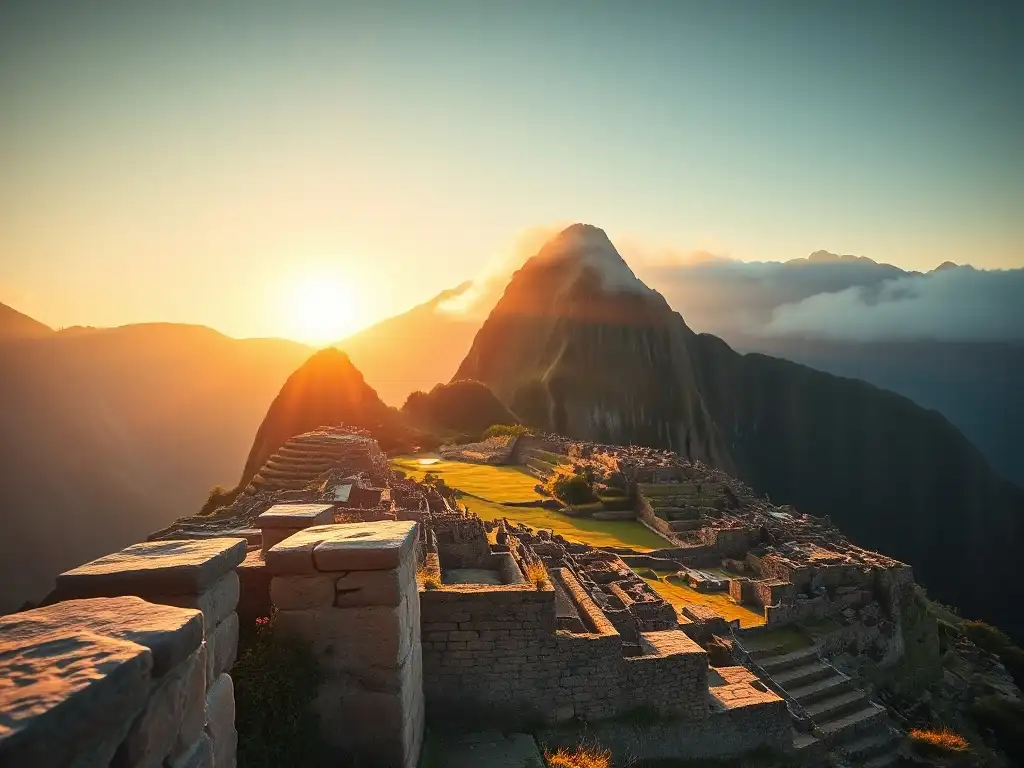
The Inca’s profound understanding of astronomy is strikingly evident in their architecture. Their buildings, cities, and sacred sites were not merely functional structures; they were carefully designed to reflect and interact with the celestial realm. This integration of astronomical principles into architecture demonstrates a sophisticated level of planning and a deep connection between the Inca's worldview and their built environment. The precision and complexity of these alignments suggest a highly organized and knowledgeable society.
Sacred Sites and their Celestial Alignments
Many Inca sacred sites exhibit remarkable alignments with celestial events. For example, [specific examples of sacred sites and their celestial alignments pending]. These alignments were not accidental; they were carefully planned and executed, demonstrating the Inca’s precise understanding of astronomical phenomena. The orientation of temples, platforms, and other structures towards specific points on the horizon, marking solstices or equinoxes, suggests a deliberate attempt to create a physical manifestation of their cosmic worldview. The precise nature of these alignments underscores the advanced knowledge and sophisticated technology employed by the Inca builders.
Inca Urban Planning and Cosmic Order
Inca urban planning also reflected their astronomical knowledge. The layout of cities like Machu Picchu, for instance, appears to have been influenced by astronomical considerations. [Specific examples of urban planning influenced by astronomy pending]. The integration of astronomical principles into urban design created a harmonious relationship between the built environment and the cosmos, reflecting the Inca's belief in a unified and interconnected universe.
The careful positioning of buildings and streets suggests a deliberate attempt to create a microcosm of the celestial order on Earth. This holistic approach to urban planning is a testament to the Inca’s comprehensive understanding of the cosmos and their ability to translate that understanding into their physical world. The precision and complexity of Inca urban planning further highlight their advanced knowledge and sophisticated technology.
Specific Architectural Features Reflecting Astronomical Knowledge
The Inca's profound understanding of astronomy is not merely a theoretical concept; it's woven into the very fabric of their architectural achievements. Their buildings weren't simply erected for shelter or governance; they served as intricate astronomical instruments, reflecting a sophisticated knowledge of celestial movements and their relationship to the earthly realm.
This integration of astronomy and architecture is a testament to the Incas' advanced scientific and engineering capabilities, showcasing their ability to seamlessly blend practical needs with cosmological observations. The precise alignment of structures with solstices and equinoxes, combined with the incorporation of specific architectural features designed to track the sun's path, reveals a deep understanding of celestial cycles and their impact on daily life.
This sophisticated approach to architecture is evident in various sites throughout the Inca Empire, revealing a consistent pattern of astronomical integration across diverse geographical locations and building types. The meticulous planning and construction required for such precise alignments highlight the advanced level of organizational and technical expertise possessed by Inca architects and engineers.
Windows and Doorways as Solar Markers
Many Inca structures feature windows and doorways strategically positioned to act as solar markers. These weren't randomly placed openings; their orientation was carefully calculated to align with the sun's position at specific times of the year, such as the solstices and equinoxes. For example, at certain times of the year, sunlight would stream through specific windows, illuminating particular areas within the structure.
This precise alignment allowed the Incas to track the sun's movement and mark the changing seasons. The meticulous precision involved in the construction of these openings suggests a deep understanding of geometry and solar angles.
The consistency of this feature across various Inca sites further strengthens the argument that this was a deliberate and intentional design choice, not a coincidence. Furthermore, the use of windows and doorways as solar markers reveals a close connection between the Inca worldview and their architecture, demonstrating how they integrated their understanding of the cosmos into their daily lives.
Towers and Pillars as Observation Points
Towers and pillars, prominent features in numerous Inca sites, served not only as architectural elements but also as crucial observation points for astronomical events. Their elevated positions provided unobstructed views of the sky, facilitating detailed observations of the sun, moon, and stars. These vantage points were likely used to track the movements of celestial bodies, predict seasonal changes, and possibly even for religious ceremonies aligned with astronomical occurrences.
The strategic placement of these towers and pillars, often on high ground or within temple complexes, suggests a deliberate intention to maximize their utility for astronomical observation. The construction of these structures, often incorporating precise alignments and sophisticated building techniques, showcases the Inca's dedication to achieving accurate astronomical data. Archaeological evidence suggests that these structures were used for systematic observations, allowing the Inca astronomers to develop a sophisticated understanding of celestial cycles and their influence on agriculture and daily life.
The Use of Shadows and Light in Inca Structures
The manipulation of light and shadow played a significant role in Inca astronomical architecture. Specific features, such as strategically placed windows, niches, and even the overall orientation of buildings, were designed to interact with sunlight in specific ways. The changing patterns of light and shadow throughout the day and across the year served as a natural calendar, providing valuable information about the seasons and the passage of time.
The use of these light and shadow effects was not merely decorative; it was a fundamental aspect of the Inca's astronomical knowledge and its integration into their built environment. For instance, the play of light on certain walls could indicate the arrival of solstices or equinoxes, acting as a visual cue for important agricultural or ceremonial events. The subtle but precise manipulation of light and shadow demonstrates the Incas' sophisticated understanding of architectural design and its relationship to astronomical phenomena.
Inca Calendar and Agricultural Practices
The Inca calendar, deeply intertwined with astronomical observations, played a crucial role in their agricultural practices. The precise knowledge of the seasons, derived from careful monitoring of the sun's movements and the constellations, allowed the Inca to plan their planting and harvesting cycles with remarkable accuracy. This intricate understanding of the cosmos and its impact on agricultural production was essential to sustaining their large population and complex social structure.
The Inca calendar was not simply a system of dates; it was a practical tool that enabled them to optimize agricultural yields and ensure food security. Their mastery of astronomical observation and its application to agriculture demonstrates a profound connection between their cosmological beliefs and their practical needs. This sophisticated agricultural system, based on a precise understanding of the celestial cycles, highlights the Incas' ability to harness their astronomical knowledge for the benefit of their society.
The Role of Astronomy in the Inca Agricultural Cycle
Astronomy was fundamental to the Inca agricultural cycle. The precise timing of planting and harvesting was dictated by astronomical observations, ensuring optimal yields. The solstices and equinoxes, carefully tracked through observations of the sun's position, marked crucial points in the agricultural calendar. The Inca's understanding of these celestial events allowed them to anticipate seasonal changes and to plan their agricultural activities accordingly.
This sophisticated understanding is evidenced by the precise timing of their agricultural practices, which were often synchronized with specific astronomical events. The integration of astronomy into agriculture highlights the importance of celestial knowledge to the Inca's way of life and their ability to maintain a stable food supply for their vast empire. This close relationship between astronomy and agriculture demonstrates a deep understanding of the natural world and the ability to harness its cycles for practical purposes.
Inca Observatories and Timekeeping
While not as monumental as some other structures, the Incas developed various observatories and timekeeping systems. These sites, often integrated into existing buildings or located on high ground, facilitated detailed astronomical observations. These were not necessarily dedicated structures, but rather carefully chosen locations or incorporated features that served the purpose of tracking celestial movements. The precise alignments of certain structures, combined with the use of tools such as gnomons (simple shadow-casting devices), enabled the Inca to track the sun's movement and measure time.
These systems provided a basis for their calendar and played a vital role in regulating agricultural practices and religious ceremonies. The integration of these observational and timekeeping systems into the Inca's daily life demonstrates the profound impact of astronomy on their society. The evidence suggests a sophisticated system of timekeeping and astronomical observation, reflecting a deep understanding of celestial mechanics.
How the Incas Integrated Astronomy into their Daily Life
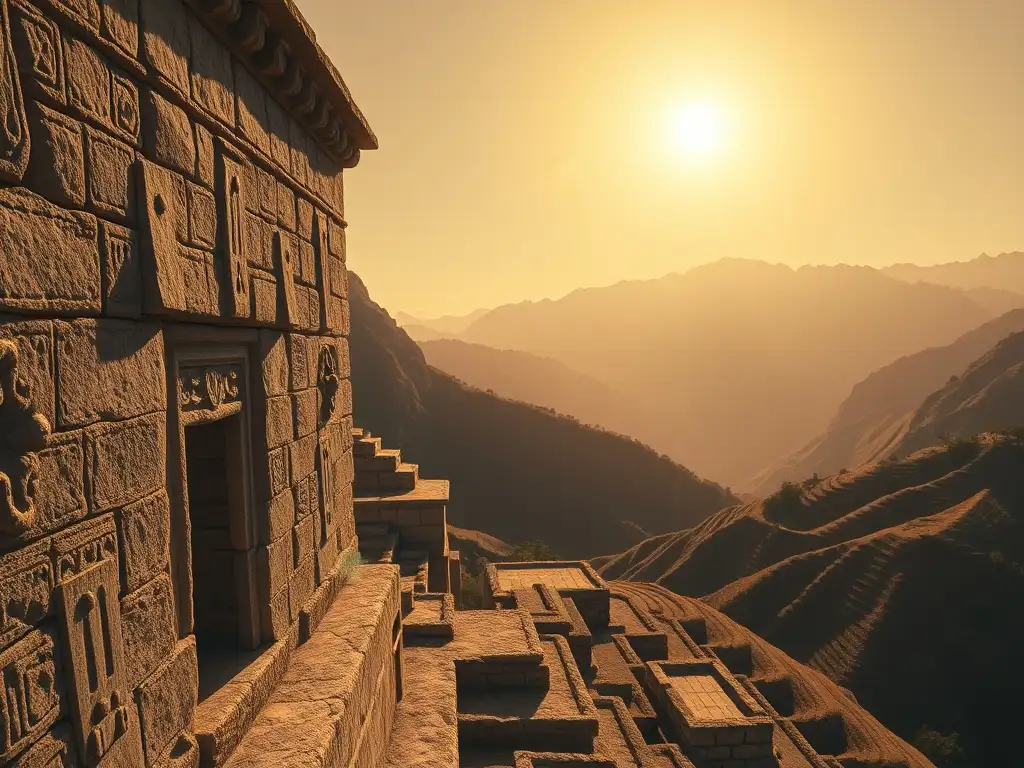
The Incas' deep understanding of astronomy wasn't confined to grand structures; it permeated their daily lives. Their agricultural practices were intimately linked to the celestial cycles. Farmers meticulously observed the stars to determine the optimal times for planting and harvesting, ensuring bountiful crops.
The precise timing of these activities, dictated by the movements of constellations and the sun, was crucial for their survival in the challenging Andean environment. This intimate connection between agricultural cycles and astronomical observations is evident in the sophisticated irrigation systems they developed, perfectly timed to utilize the seasonal rains and meltwater from the Andes. Moreover, the Incas' calendar system, intricately woven with astronomical events, guided their daily routines, marking significant festivals and ceremonies.
The movement of the sun, moon, and stars was not merely a celestial spectacle; it was a vital element in their societal organization and daily life. This close relationship between the cosmos and daily life showcases the Incas' holistic worldview, where the natural world and the heavens were inextricably linked. Their ability to predict weather patterns using astronomical knowledge, for instance, was critical for planning and adapting to the highly variable Andean weather.
Religious Ceremonies and Astronomical Events
Inca religious ceremonies were profoundly influenced by astronomical events. The solstices and equinoxes, marking the changing seasons, were especially significant. These events were celebrated with elaborate rituals, often involving processions, sacrifices, and feasts.
The precise alignment of structures like Machu Picchu with these celestial occurrences suggests that the architectural design itself played a role in these ceremonies. For example, the Inti Raymi, the festival dedicated to the sun god Inti, coincided with the winter solstice, reflecting the importance of the sun's cyclical journey in their cosmology. The positioning of certain buildings and temples, aligned with specific points in the sky, likely served as focal points for these rituals.
The precise astronomical observations and their incorporation into religious practices underscore the profound spiritual significance the Incas attributed to the cosmos. Detailed records, though limited due to the absence of a written language, suggest that specific astronomical events were linked to specific deities and rituals, creating a complex tapestry of astronomical and religious practices.
Inca Rituals and the Cosmos
Inca rituals weren't merely performed; they were enacted within a cosmic framework. The positioning of sacred sites, often atop mountains or overlooking valleys, was carefully chosen to align with significant celestial events. These locations weren't randomly selected; they were meticulously planned to maximize the impact of astronomical phenomena on religious ceremonies. The alignment of the sun's rays with specific architectural features at precise times of the year likely played a crucial role in enhancing the spiritual significance of these events.
This careful integration of astronomy and ritual underscores the Incas' belief in the interconnectedness of the earthly and celestial realms. The cosmos wasn't just observed; it was actively engaged with, shaping their religious practices and worldview. The very act of performing a ritual at a specific location and time, aligned with a particular celestial event, reinforced the sacredness of both the ritual and the cosmic order.
Preserving the Legacy of Inca Astronomical Architecture
The preservation of Inca astronomical architecture is crucial for understanding their advanced knowledge of astronomy and their unique worldview. These sites, meticulously designed and aligned with the cosmos, provide invaluable insights into their sophisticated understanding of celestial mechanics and their profound connection to the natural world. Their remarkable achievements in architecture and astronomy are a testament to their ingenuity and cultural richness. However, the passage of time, environmental factors, and human activity pose significant threats to these fragile historical sites. Therefore, concerted efforts are needed to protect these structures and the knowledge they embody.
Current Research and Discoveries
Ongoing research continues to uncover new details about Inca astronomical architecture. Modern technology, such as laser scanning and advanced astronomical software, allows researchers to analyze the precise alignments of structures with greater accuracy than ever before. These studies reveal more nuanced relationships between the architecture and the celestial movements, providing a deeper understanding of Inca astronomical knowledge. New discoveries are constantly being made, challenging existing interpretations and enriching our understanding of this fascinating civilization. For example, recent studies have revealed more subtle alignments, indicating a more sophisticated understanding of the celestial movements than previously assumed.
The Importance of Conservation
The conservation of Inca astronomical architecture is not merely a matter of preserving physical structures; it's about safeguarding a vital part of human history and cultural heritage. These sites represent a unique blend of architectural ingenuity and astronomical knowledge, offering invaluable insights into the worldview and societal structure of the Inca civilization. Their preservation ensures that future generations can appreciate and learn from the achievements of this remarkable civilization.
The loss of these sites would represent an irreplaceable loss of knowledge and cultural heritage. Therefore, continued investment in preservation efforts, including site management, research, and public education, is essential to ensure the long-term survival of this invaluable legacy. Failure to conserve these sites risks losing a significant portion of our understanding of Inca culture and its sophisticated relationship with the cosmos.
Conclusion: The Enduring Connection Between Inca Architecture and the Cosmos
The intricate relationship between Inca architecture and celestial events reveals a sophisticated understanding of astronomy far surpassing previous assumptions. Their mastery wasn't merely about practical building; it was a deeply spiritual endeavor, reflecting a worldview inextricably linked to the cosmos. The precise alignments of structures like Machu Picchu and Sacsayhuamán, coupled with the incorporation of solar and lunar cycles into their urban planning, demonstrate a profound connection to the natural world and a remarkable ability to integrate astronomical knowledge into their daily lives and religious practices. This wasn't simply a matter of chance; meticulous planning and sophisticated observation techniques were clearly employed.
The enduring legacy of Inca astronomical architecture lies not only in the impressive structures themselves but also in the testament to their advanced understanding of astronomy and its integration into their society. The precision and complexity of these alignments continue to fascinate and inspire researchers today, prompting ongoing investigation and a deeper appreciation for the Inca civilization's intellectual achievements. Further research, potentially involving advanced technologies like satellite imagery and 3D modeling, could reveal even more subtle astronomical alignments and deepen our understanding of Inca cosmology. The enduring mystery and precision of Inca astronomical architecture serve as a powerful reminder of the ingenuity and profound connection to the cosmos that characterized this remarkable civilization.
The legacy of their astronomical prowess continues to resonate, highlighting the profound interplay between their architectural achievements and their deep understanding of the celestial realm. The Inca's legacy reminds us that architecture can be more than just shelter; it can be a powerful expression of a culture's worldview and a testament to human ingenuity. Their masterful integration of astronomy into their architectural designs stands as a remarkable achievement, connecting the earthly and the celestial in a way that continues to inspire awe and wonder.
Frequently Asked Questions
What is the connection between Inca architecture and astronomy?
Inca architecture shows a strong connection to astronomy. Many structures, such as temples and observatories, were deliberately aligned with celestial events, like solstices and equinoxes. This suggests a sophisticated understanding of the cosmos.
How did the Incas use astronomy in their daily lives?
Astronomy played a vital role in Inca daily life, influencing agriculture, religious practices, and social organization. The precise tracking of the sun and stars helped them determine planting and harvesting times.
Are there specific examples of Inca astronomical architecture?
Yes, Sacsayhuamán near Cusco is a prime example, with its precisely placed stones possibly reflecting astronomical alignments. Other sites, like Machu Picchu, also exhibit potential astronomical orientations in their construction.
What tools did the Incas use for astronomical observations?
While the Incas didn't use telescopes, they employed sophisticated observational techniques and likely used simple instruments like gnomons (shadow-casting devices) to track the sun's movement and other celestial bodies.
How accurate were the Inca's astronomical observations?
The Incas possessed a remarkably accurate understanding of the celestial cycles. Their architectural alignments demonstrate a keen ability to track the movement of the sun and stars, demonstrating advanced knowledge for the time.
Final Reflection: Echoes of the Sun in Stone
The intricate relationship between Inca architecture and celestial events remains a powerful testament to human ingenuity and our enduring fascination with the cosmos. Understanding this connection not only illuminates the advanced knowledge of the Inca civilization but also highlights our own ongoing quest to comprehend the universe and our place within it. The precision and sophistication of their astronomical alignments continue to inspire awe and wonder, prompting us to reconsider our own relationship with the natural world.
The legacy of Inca astronomical architecture extends far beyond the ruins themselves; it speaks to a deep-seated human need to understand and connect with the rhythms of the universe. This inherent desire to map the heavens and integrate them into our built environment is a constant throughout history, reflecting a fundamental human impulse. As Carl Sagan eloquently stated, The cosmos is within us. We are made of star-stuff. We are a way for the universe to know itself.
This sentiment resonates deeply with the Inca's profound understanding and integration of astronomy into their daily lives and architectural designs.
Consider the implications of this knowledge. How can we, in our modern world, recapture a sense of wonder and connection with the natural world? How might we integrate a deeper understanding of the cosmos into our own lives and creations?
I urge you to look up at the night sky, to marvel at the celestial dance, and to reflect on the enduring legacy of the Inca, a civilization that demonstrated the power of human ingenuity and the profound beauty of aligning ourselves with the rhythms of the universe. Let their achievements inspire you to seek your own connections with the cosmos, both within and without.
Unveil the Wonders of Inca Architecture and Cosmic Alignment!
Thank you for exploring the fascinating connections between Inca architecture and astronomy with us! You've discovered how the ancient Incas skillfully integrated their buildings with the cosmos in ways that remain both inspiring and astonishing. Let's delve deeper into this captivating subject.
Here are some ways to further enhance your understanding and appreciation:
- Embark on a local adventure: Visit a nearby museum or cultural center showcasing Andean artifacts or exhibits on ancient astronomy. Witness the exquisite artistry of Inca craftsmanship firsthand!
- Join our community: Share your thoughts and insights on Inca architecture and its astronomical alignments in the comments below, or connect with fellow enthusiasts on our forums.
- Explore further resources: Expand your knowledge and perspective by reading books or watching documentaries focused on Andean civilizations.
What aspect of Inca architecture most captivates your imagination? Is it their ingenious alignment with the stars, or the sheer artistry of their structures? We eagerly await your thoughts!