
Inca Architecture and the Concept of Legacy: Leaving a Lasting Impact

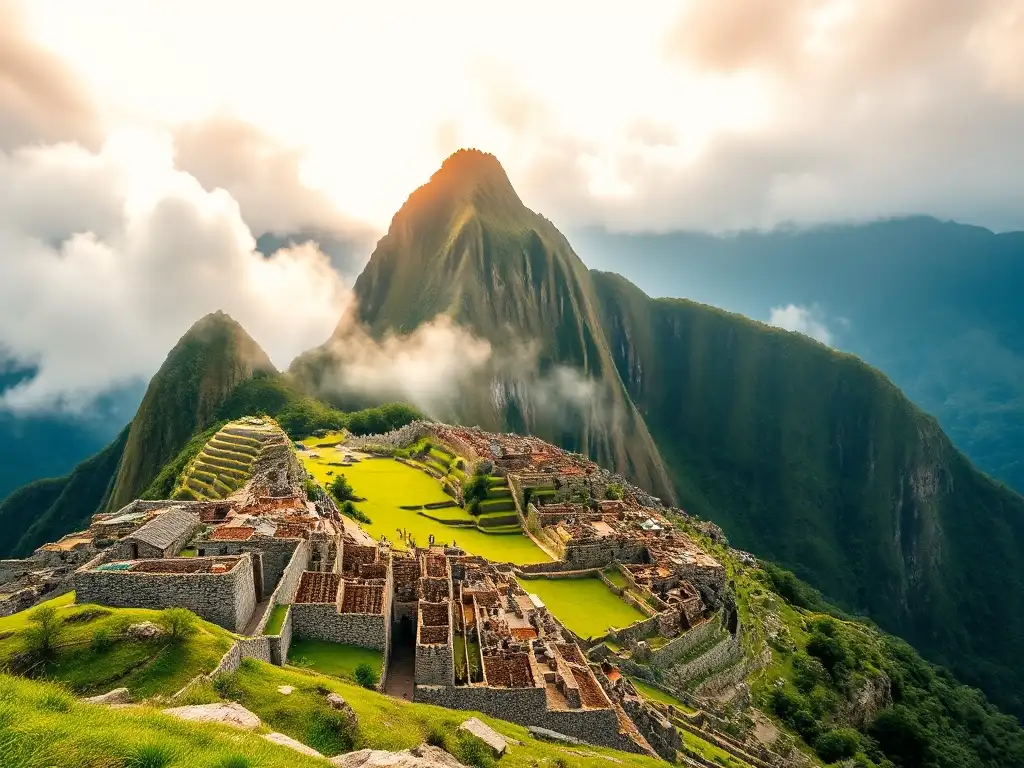
Step into a world lost to time, yet echoing with the grandeur of the Andes. Discover the breathtaking ingenuity and enduring legacy of the Inca, a civilization whose mastery of architecture continues to astound. From towering citadels to intricate stonework, their impact resonates even today. Uncover the secrets behind the Inca architecture legacy impact and delve into a fascinating exploration of their remarkable achievements. Prepare to be amazed.
The Inca Empire, a civilization that flourished in the Andes Mountains from the 15th to the 16th century, left an indelible mark on history, not just through its sophisticated social structures and intricate political systems, but also through its remarkable architectural achievements. This article delves into the fascinating world of Inca architecture, exploring how their building techniques, city planning, and monumental structures reflect a deeply ingrained concept of legacy – a conscious effort to leave a lasting impact on the world they inhabited and on generations to come.
We will examine how their architectural prowess served not only practical purposes but also played a crucial role in shaping their identity, reinforcing social hierarchies, and ultimately, ensuring the endurance of their cultural memory. The enduring impact of Inca architecture is evident even today, captivating researchers, inspiring architects, and attracting millions of tourists worldwide.
This exploration will focus on the key elements that contributed to the lasting legacy of Inca architectural ingenuity, examining its impact on our understanding of ancient civilizations and its continued relevance in modern times.
The Masterful Use of Stone and its Symbolic Significance
Inca architecture is renowned for its masterful use of stone. Unlike many other ancient civilizations that relied heavily on mortar, the Incas perfected the technique of fitting stones together with such precision that they created structures of incredible strength and stability. This technique, known as ashlar masonry, involved carefully shaping and placing massive stones without the use of mortar, creating seamless walls that could withstand earthquakes and the test of time.
The precision and artistry involved went beyond mere functionality; the carefully fitted stones also held symbolic meaning, representing the Inca worldview and their connection to the natural world. The meticulous craftsmanship speaks volumes about the Inca's deep respect for their environment and their commitment to creating structures that would endure for centuries.
The choice of stone itself also held symbolic value, with different types of stone being used for different purposes depending on their perceived properties and spiritual significance. For instance, certain stones might have been associated with specific deities or with the strength and endurance desired for a particular structure.
City Planning and the Integration of Architecture with the Landscape
Inca city planning was remarkably sophisticated, demonstrating a deep understanding of both practical needs and the symbolic importance of spatial organization. Cities like Machu Picchu and Cusco were not just haphazard collections of buildings; they were carefully planned and integrated seamlessly into the surrounding landscape.
Terraces carved into mountainsides maximized arable land, while strategically placed buildings and pathways reflected a deep understanding of the terrain and its resources. This integration of architecture with the landscape was not merely a practical solution to the challenges of the Andean terrain; it also represented a profound connection between the Inca civilization and the natural world.
The placement of significant structures, such as temples and palaces, in relation to geographical features like mountains and rivers, further underscores the symbolic importance of their city planning. This holistic approach to urban design ensured the enduring harmony between human settlements and the environment, creating a legacy of sustainable urban development which continues to inspire contemporary urban planners.
Monumental Structures: Temples, Palaces, and Fortifications as Expressions of Power and Identity
The impressive scale and grandeur of Inca monumental structures, such as the Temple of the Sun in Cusco and the Sacsayhuamán fortress, served as powerful symbols of the Inca Empire's power and identity. These structures were not merely functional buildings; they were also powerful statements of imperial authority and cultural prestige. The sheer size and complexity of these projects showcased the Inca's organizational capabilities and their ability to mobilize vast numbers of people and resources.
The intricate carvings and decorations further emphasized the Inca's artistic sophistication and their commitment to creating buildings that would inspire awe and reverence in future generations. The strategic placement of these monumental structures, often on significant geographical locations, also served to reinforce the Inca's control over their territory and to solidify their political and spiritual dominance.
The enduring presence of these structures continues to evoke a sense of wonder and to highlight the remarkable achievements of the Inca civilization. Their monumental scale transcends their mere physical presence and continues to resonate with a sense of awe and respect even centuries later.
The Enduring Legacy: Inca Architecture's Influence on Modern Society
The legacy of Inca architecture extends far beyond the physical remains of their cities and structures. Their innovative building techniques, their profound understanding of engineering principles, and their holistic approach to city planning continue to inspire architects and engineers today. The resilience of Inca structures in the face of earthquakes and other natural disasters serves as a testament to their advanced understanding of structural mechanics.
Furthermore, their integration of architecture with the landscape provides a valuable lesson in sustainable design and the importance of harmonious coexistence between human settlements and the environment. The study of Inca architecture offers valuable insights into ancient construction techniques, urban planning principles, and the cultural values of a remarkable civilization.
The ongoing research and preservation efforts dedicated to Inca architectural sites ensure the continuation of this rich legacy for future generations, ensuring that the impact of Inca architecture will continue to be felt for many years to come. The enduring fascination with Inca architecture demonstrates its continued relevance and its enduring power to inspire and inform.
- The Masterful Use of Stone and its Symbolic Significance
- City Planning and the Integration of Architecture with the Landscape
- Monumental Structures: Temples, Palaces, and Fortifications as Expressions of Power and Identity
- The Enduring Legacy: Inca Architecture's Influence on Modern Society
- What is the most significant aspect of Inca architecture's legacy?
- How did Inca architectural techniques influence later civilizations?
- What specific examples highlight the lasting impact of Inca architecture?
- How did the Inca's understanding of their environment shape their architecture?
- What is the modern relevance of studying Inca architecture and its legacy?
The Enduring Legacy of Inca Architecture
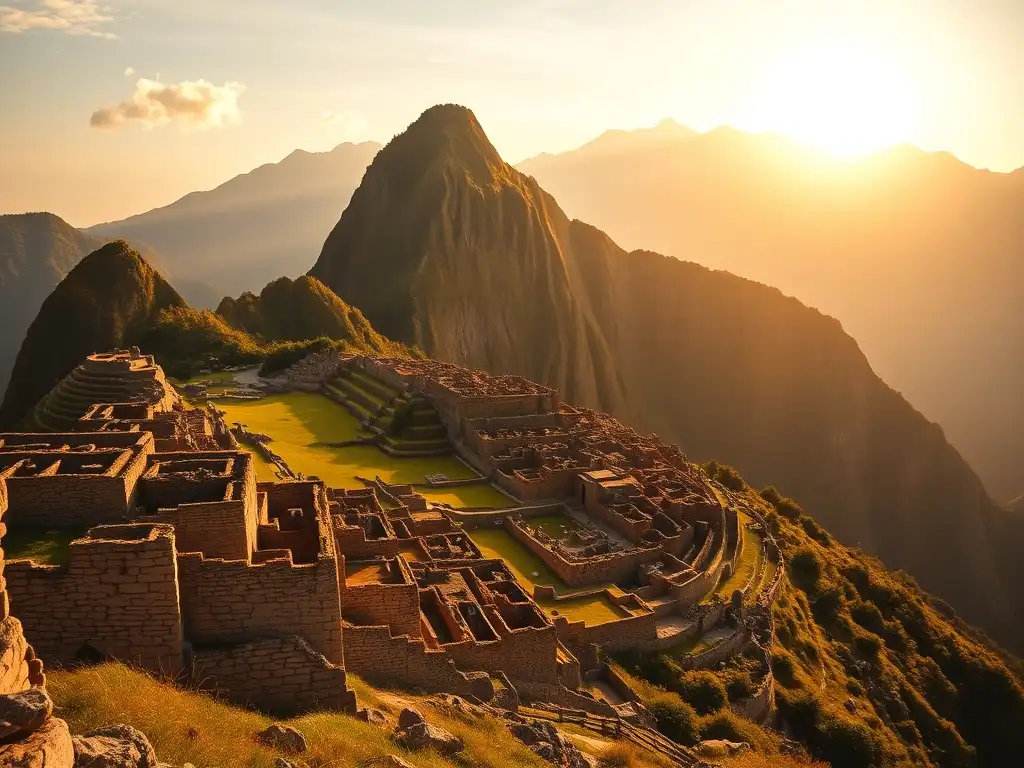
The Inca Empire, despite its relatively short lifespan compared to other ancient civilizations, left an indelible mark on the world through its remarkable architectural achievements. The legacy of Inca architecture extends far beyond the impressive ruins that still stand today; it represents a sophisticated understanding of engineering, a deep connection to the environment, and a powerful expression of imperial ideology. This legacy continues to inspire awe, fuel research, and inform contemporary architectural practices. The enduring impact of Inca architecture is multifaceted, encompassing its aesthetic appeal, its technological ingenuity, and its profound influence on subsequent cultures. Understanding this legacy requires examining both the principles behind Inca construction and the lasting effects of their building techniques on the landscape and the human imagination. The keyword "Inca architecture legacy impact" encapsulates this enduring significance. We will explore this impactful legacy in detail, examining both the "how" and the "why" of Inca architectural prowess.
Understanding Inca Architectural Principles
Inca architecture wasn't simply about building structures; it was about creating a cohesive and symbolic landscape that reflected their worldview and social organization. Several key principles guided their construction:
- Integration with the Environment: Inca builders masterfully adapted their designs to the challenging Andean terrain. They utilized local materials like stone, wood, and adobe, seamlessly integrating their structures into the surrounding landscape. This approach minimized environmental impact and maximized the use of available resources. The precise fitting of stones, without mortar, in many structures exemplifies this harmonious integration.
- Symbolic Representation: Inca architecture served a powerful symbolic function. Temples, palaces, and other significant buildings were meticulously planned and constructed to reflect the Inca worldview and their relationship with the gods and the cosmos. The orientation of structures, the use of specific materials, and the intricate designs all conveyed symbolic meaning. For example, the precise astronomical alignments found in some sites suggest a deep understanding of celestial movements and their importance in Inca cosmology.
- Social Organization and Hierarchy: The scale and complexity of Inca architecture also reflected the hierarchical structure of their society. The impressive size and grandeur of imperial centers like Machu Picchu contrasted sharply with the smaller, more modest dwellings of commoners, clearly illustrating the social stratification within the empire. Even the arrangement of buildings within a complex conveyed social status and function.
- Functionality and Durability: Beyond symbolic meaning, Inca architecture prioritized functionality and durability. Structures were designed to withstand earthquakes and other natural disasters common in the Andes. The ingenious use of interlocking stones and sophisticated drainage systems ensured the longevity of their buildings. Many structures, despite centuries of weathering and neglect, still stand as testament to their exceptional construction techniques.
The Significance of Inca Construction Techniques
The Inca's innovative construction techniques were crucial to their architectural legacy. These techniques, honed over generations, allowed them to create structures of remarkable strength and beauty:
- Dry-Stone Masonry: The hallmark of Inca architecture is their mastery of dry-stone masonry—the construction of walls using precisely fitted stones without mortar. This technique required exceptional skill and precision, resulting in structures that are remarkably stable and resistant to earthquakes. The intricate fitting of stones, often without visible seams, is a testament to their engineering expertise and continues to puzzle and inspire modern engineers.
- Terracing: The Incas extensively used terracing to transform steep slopes into cultivable land. These terraced fields, often built on incredibly steep inclines, not only increased agricultural production but also served as impressive displays of engineering prowess. Terracing also played a crucial role in preventing soil erosion and controlling water flow.
- Road Networks: The extensive network of roads built by the Incas facilitated communication, trade, and military movement throughout the empire. These roads, often traversing treacherous mountain passes, were marvels of engineering, demonstrating the Inca's ability to overcome significant geographical challenges. The strategic placement of these roads and their remarkable durability contributed greatly to the empire's power and longevity.
- Irrigation Systems: The Incas developed sophisticated irrigation systems to manage water resources in the arid Andean highlands. These systems, often involving canals, aqueducts, and reservoirs, played a critical role in supporting agriculture and sustaining the empire's population. The ingenuity of these systems continues to inspire modern water management practices.
The Inca's architectural legacy is not merely a collection of impressive ruins; it represents a remarkable achievement in engineering, a testament to their deep understanding of their environment, and a powerful expression of their cultural identity. The impact of their innovative techniques and architectural principles continues to resonate today, inspiring architects, engineers, and researchers alike. The enduring legacy of Inca architecture serves as a powerful reminder of the ingenuity and resilience of this remarkable civilization, ensuring that the keyword "Inca architecture legacy impact" remains relevant for generations to come.
Inca Architectural Marvels: Examples of Lasting Impact
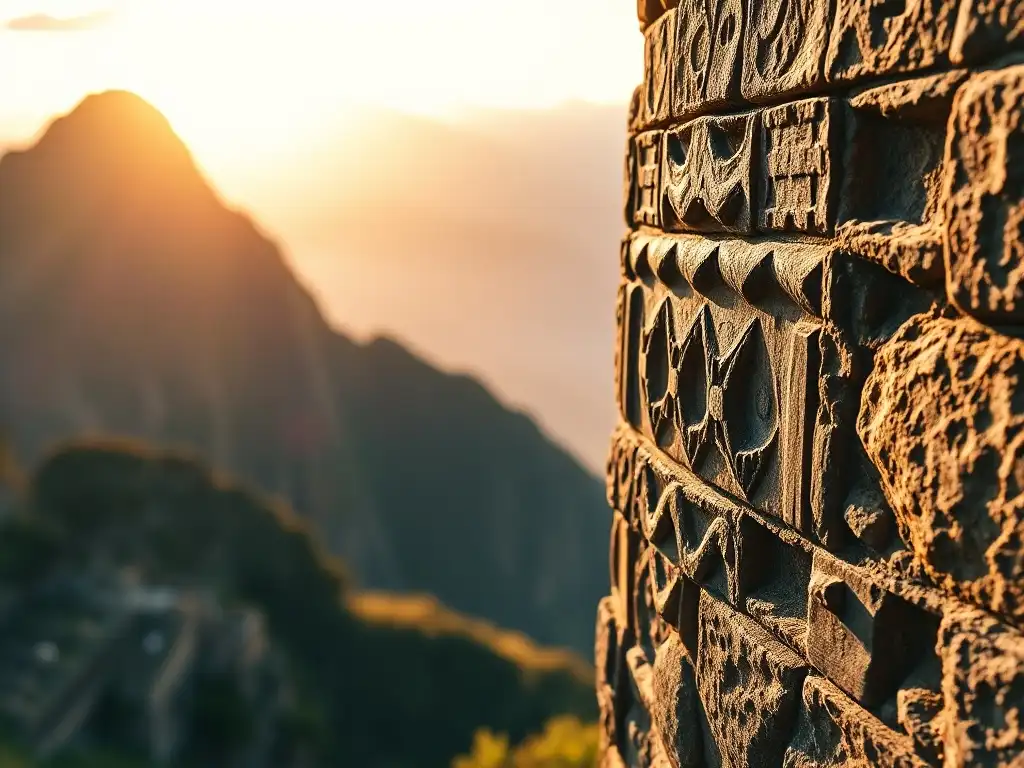
The Inca Empire's architectural legacy is undeniable, a testament to their sophisticated engineering skills and profound understanding of their environment. Their structures, built with meticulous precision and utilizing innovative techniques, continue to inspire awe and wonder centuries later. The impact of Inca architecture extends beyond mere aesthetics; it reflects their societal values, their mastery of resource management, and their enduring connection to the Andean landscape. This impact resonates even today, influencing modern architectural design and inspiring ongoing research into their remarkable building practices.
The enduring strength and beauty of their creations are a powerful reminder of the Inca's lasting contribution to the world. Analyzing specific examples helps to fully grasp the depth and breadth of this significant legacy. The keyword phrase "Inca architecture legacy impact" is central to understanding this profound contribution.
Machu Picchu: An Icon of Inca Engineering
Machu Picchu, the "Lost City of the Incas," stands as a prime example of the Inca's architectural prowess and their profound connection with the natural world. Nestled high in the Andes Mountains, this breathtaking citadel showcases intricate stonework, perfectly integrated terraces, and a sophisticated water management system. The precise fitting of stones, without the use of mortar, demonstrates an advanced understanding of engineering principles and an unparalleled level of craftsmanship.
The impact of Machu Picchu's design is evident in its functionality: the terraces supported agriculture in the challenging mountain environment, while the strategically placed structures provided protection and facilitated social interaction. The enduring allure of Machu Picchu speaks volumes about the Inca's ability to create structures that are both functional and aesthetically stunning, influencing architectural aesthetics and tourism even in the modern era.
The legacy of Machu Picchu's design continues to inspire architects and engineers to create sustainable and breathtaking structures. This site perfectly encapsulates the "Inca architecture legacy impact" through its undeniable beauty and functional brilliance.
Sacsayhuaman: Demonstrating Inca Stonework Mastery
Sacsayhuaman, a massive fortress located near Cusco, showcases the Inca's unparalleled skill in stonework. The colossal, precisely cut stones, some weighing over 100 tons, are fitted together with such accuracy that even a knife blade cannot be inserted between them. The sheer scale and precision of the construction are astonishing.
The strategic placement of the walls, following the contours of the hill, exemplifies their understanding of topography and defensive architecture. The impact of Sacsayhuaman's construction lies not only in its impressive scale but also in the testament it provides to the organizational capacity and engineering expertise of the Inca civilization. The site's enduring strength and resilience are also a testament to the quality of their materials and construction methods.
The legacy of Sacsayhuaman's mastery of stonework continues to inspire awe and research into Inca building techniques. The "Inca architecture legacy impact" at Sacsayhuaman is clearly visible in the enduring mystery and magnificence of this architectural marvel.
Ollantaytambo: A Fortress and Agricultural Center
Ollantaytambo, a remarkable site in the Sacred Valley, serves as a powerful illustration of the multifaceted nature of Inca architecture. It functions simultaneously as a formidable fortress and a sophisticated agricultural center. The massive stone walls of the fortress, similar to those at Sacsayhuaman, demonstrate a mastery of stonework.
However, Ollantaytambo also features intricate agricultural terraces that efficiently utilized the steep slopes of the valley. These terraces, carved into the mountainside, allowed for intensive agriculture, supporting a large population. The impact of Ollantaytambo's integrated design lies in its demonstration of the Inca's holistic approach to architecture and urban planning.
The site's ability to serve both defensive and agricultural needs showcases their ability to create sustainable and resilient communities, even in challenging terrains. This "Inca architecture legacy impact" is evident in the harmonious integration of defense and agriculture, demonstrating a sophisticated understanding of both engineering and societal needs. The site's lasting impact is seen in its continued relevance as a symbol of Inca ingenuity and resilience.
Coricancha: The Temple of the Sun and its Architectural Significance
The Coricancha, or Qorikancha (Quechua for "Golden Enclosure"), stands as a prime example of Inca architectural prowess and its enduring legacy. Located in present-day Cusco, Peru, this temple was the most important religious site in the Inca Empire, dedicated to the sun god Inti. Its significance extends beyond its religious function; the Coricancha's architecture embodies the Inca's mastery of stonework, their sophisticated understanding of astronomy, and their profound connection to their environment.
The meticulous precision in the construction, the integration of astronomical alignments, and the use of gold and other precious materials all speak to the immense power and wealth of the Inca Empire. The temple's design, with its perfectly fitted stones and its incorporation of agricultural terraces into its structure, reflects a deep understanding of the surrounding landscape and a harmonious relationship with nature. This architectural marvel served not only as a place of worship but also as a symbol of the Inca's power and their ability to shape the world around them.
The very act of constructing such a grand structure served as a powerful statement of their lasting legacy, aiming to impress upon future generations the might and influence of the Inca civilization. The enduring impact of the Coricancha is palpable even in its ruined state, a testament to the quality of Inca construction and its ability to withstand the passage of time. Even today, the surviving walls whisper tales of a sophisticated civilization and their extraordinary architectural achievements, influencing the “Inca architecture legacy impact” for centuries.
The Coricancha's construction showcases the Inca's unparalleled skill in stonework. The massive stones, some weighing many tons, were fitted together with such precision that even a knife blade could not be inserted between them. This technique, known as ashlar masonry, is a testament to their advanced engineering capabilities and their profound understanding of structural integrity.
The walls, built without mortar, remain remarkably stable even after centuries of earthquakes and weathering, a testament to the Inca's understanding of seismic forces and their ability to build structures that could withstand the rigors of the Andean environment. This mastery of stonework extended beyond the Coricancha to other Inca structures throughout the empire, solidifying their reputation as master builders. The precise placement of the stones wasn't merely a matter of technical skill; it also reflected a deeper spiritual significance, aligning the building with the cosmos and reinforcing the Inca worldview.
Furthermore, the Coricancha’s architectural design is deeply intertwined with astronomical observations. The orientation of the temple, the placement of windows and doorways, and even the layout of the surrounding plazas are believed to have been carefully aligned with the movements of the sun and other celestial bodies. This suggests a sophisticated understanding of astronomy and its integration into religious practices.
The Inca calendar, intimately connected to agricultural cycles, likely informed the architectural design, ensuring the temple functioned not only as a religious center but also as a vital component of the Inca social and agricultural systems, thus further contributing to the long-lasting impact of Inca architecture. The precise astronomical alignments within the Coricancha highlight the Inca's deep knowledge of the natural world and their ability to integrate this knowledge into their architectural creations, reinforcing the Inca architecture legacy impact.
The Inca Architectural Legacy: Impact on Andean Culture
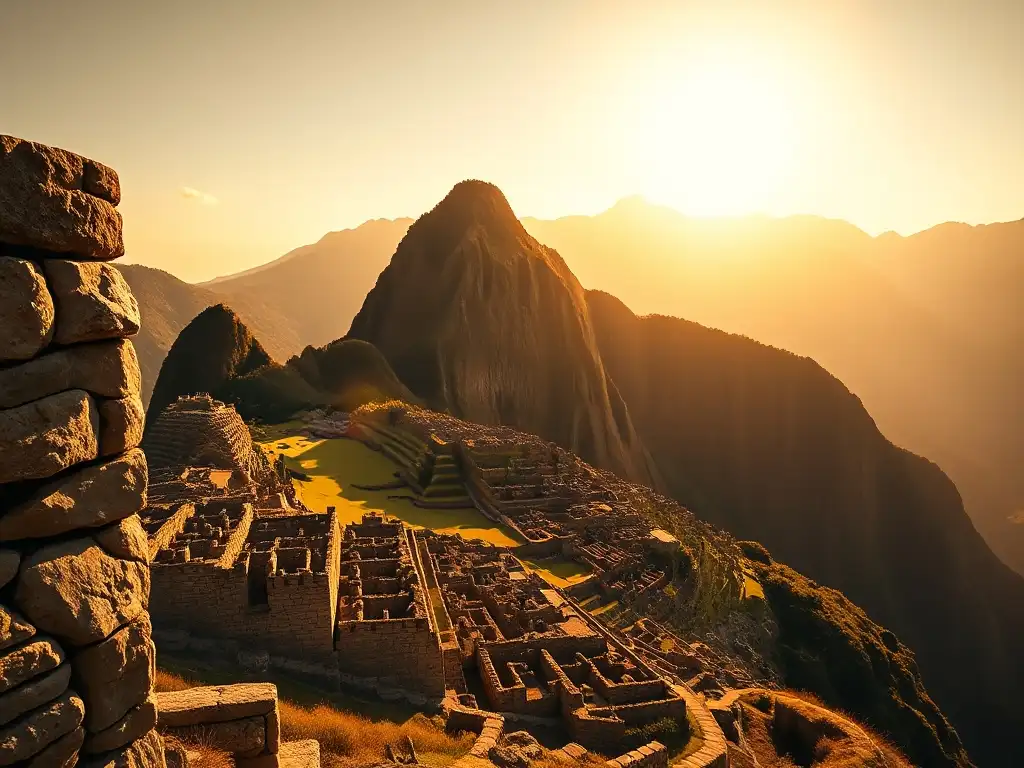
The Inca architectural legacy extends far beyond the impressive ruins visible today. Its impact resonates deeply within Andean culture, influencing everything from construction techniques to spiritual beliefs and urban planning. The Inca's masterful use of stone, their understanding of seismic activity, and their sophisticated approach to design continue to inspire and inform modern Andean societies. The very concept of "legacy" – the enduring influence of past generations – is powerfully embodied in the continued relevance of Inca architectural principles.
Analyzing this legacy reveals not just impressive feats of engineering but a sophisticated worldview deeply connected to the land and its people. The enduring strength and beauty of Inca structures serve as a testament to their ingenuity and foresight, a legacy that continues to shape the Andes today. Understanding this legacy requires exploring its multifaceted influence on various aspects of Andean life.
Inca Influence on Modern Andean Construction
Even today, Andean builders draw inspiration from Inca techniques. The precise stonework, using techniques like ashlar masonry, where stones are fitted together without mortar, is still admired and sometimes emulated in modern construction projects, though rarely with the same level of precision. The Inca's understanding of local materials and their ability to adapt construction methods to varied terrains remain relevant.
For example, the use of locally sourced stone, minimizing environmental impact, is a principle echoed in contemporary sustainable building practices. Modern Andean communities often incorporate traditional Inca design elements into their homes and public buildings, demonstrating a continued appreciation for the aesthetics and practicality of Inca architecture. The use of adobe bricks, a material extensively used by the Inca, persists in many rural areas.
This continuity showcases the enduring influence of Inca building practices on the practical aspects of construction in the Andes. While modern technology has introduced new materials and methods, the fundamental principles of functionality, durability, and harmony with the environment, deeply rooted in Inca architecture, remain highly valued.
How Inca Architecture Shaped Urban Planning in the Andes
Inca urban planning demonstrates a sophisticated understanding of city design, significantly influencing modern Andean urban development. The Inca's carefully planned cities, like Machu Picchu and Cusco, featured intricate networks of roads, strategically placed buildings, and efficient water management systems. These urban designs prioritized accessibility, functionality, and integration with the surrounding landscape.
The concept of cancha, a courtyard-style residential unit, is a common feature in many Andean towns and villages even today, demonstrating a direct lineage to Inca urban planning. Moreover, the Inca emphasis on terraces for agricultural purposes, which also served as a means of controlling erosion and maximizing arable land, continues to be relevant in Andean agricultural practices.
Modern urban planners in the Andes often consider the legacy of Inca urban design when developing new infrastructure, striving to create functional, sustainable, and aesthetically pleasing urban environments that respect the historical context of the region. The Inca's ability to integrate urban spaces with natural surroundings serves as a model for contemporary sustainable urban planning.
The Spiritual and Symbolic Meaning Embedded in Inca Structures
Inca architecture was not merely functional; it held profound spiritual and symbolic meaning. Temples, palaces, and other significant structures were often aligned with astronomical events, reflecting the Inca's deep connection to the cosmos. The use of specific stones, colors, and shapes carried symbolic weight, reflecting Inca cosmology and religious beliefs.
For example, the intricate carvings found on many Inca structures are believed to represent deities, celestial bodies, or significant events. This symbolic dimension of Inca architecture continues to fascinate and inspire scholars and visitors alike. The integration of spirituality into the built environment is a key aspect of the Inca legacy, representing a holistic worldview that connected human life with the natural and spiritual realms.
Even today, many Andean communities maintain a strong connection to the spiritual significance of Inca ruins, preserving them not only as historical sites but also as sacred places. This preservation underscores the enduring impact of Inca architecture on the spiritual landscape of the Andes. The enduring spiritual power of these sites showcases how Inca architecture serves as a powerful link between the past and the present, shaping both the physical and spiritual identities of Andean communities.
Inca Engineering and its Lasting Influence
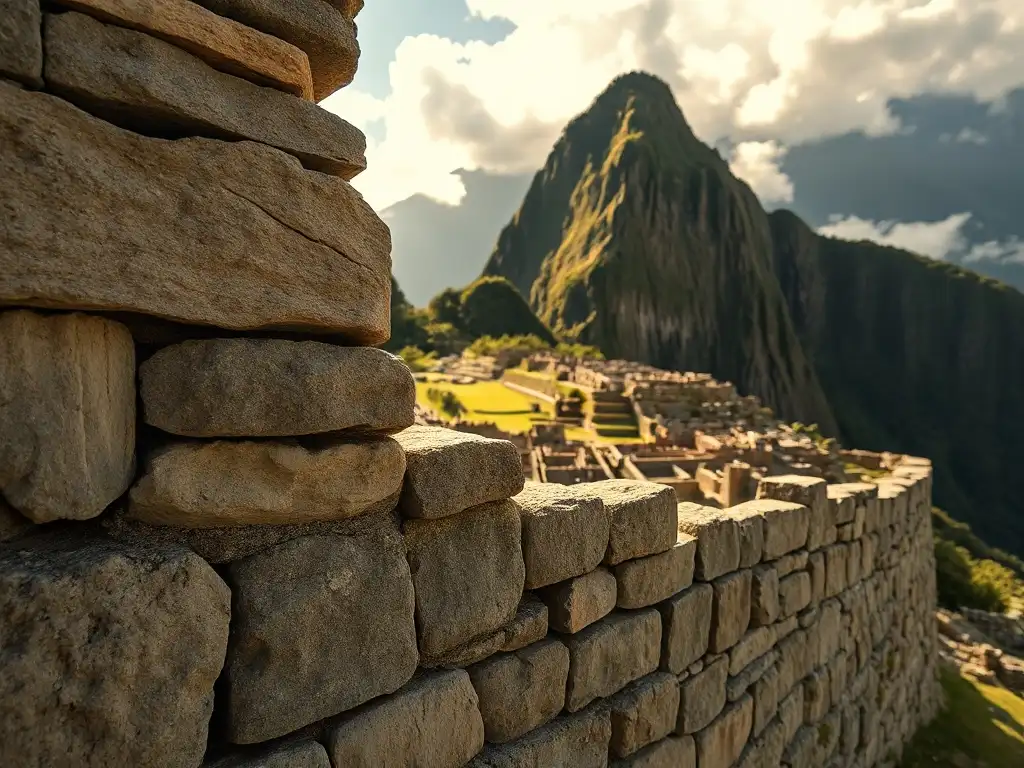
The Inca Empire's remarkable achievements weren't solely confined to their political and social structures; their sophisticated engineering prowess left an indelible mark on the Andean landscape and continues to inspire awe and admiration. The Inca's legacy in engineering is multifaceted, encompassing advanced stone masonry techniques, ingenious hydraulic systems, and an extensive network of roads that facilitated communication and trade across vast, challenging terrain. Understanding their engineering achievements is key to grasping the full impact of their architectural legacy. The keyword phrase "Inca architecture legacy impact" is central to understanding the profound and enduring influence of this civilization.
Advanced Inca Techniques in Stone Masonry
Inca stone masonry represents a pinnacle of pre-Columbian engineering. Their mastery of stone cutting and fitting was unparalleled, resulting in structures that have withstood centuries of earthquakes and weathering. Instead of using mortar, Inca masons achieved incredibly precise joints, often fitting stones so tightly that a knife blade couldn't be inserted between them.
This technique, known as ashlar masonry, showcases an exceptional understanding of geometry and engineering principles. Consider the impressive walls of Sacsayhuamán near Cusco: the perfectly fitted stones, some weighing many tons, demonstrate the Inca's ability to move and manipulate massive blocks with remarkable precision. The precision wasn't just aesthetic; it was crucial for the structural integrity of their buildings, ensuring stability in a seismically active region.
This level of precision and the sheer scale of their projects underscore the sophisticated organizational and technological capabilities of the Inca civilization, contributing significantly to the enduring Inca architecture legacy impact. The impact is also seen in the longevity of these structures; many still stand today, a testament to the ingenuity of their construction.
Inca Hydraulic Engineering: Water Management Systems
Beyond their mastery of stone, the Inca were also brilliant hydraulic engineers. Their sophisticated water management systems, including canals, aqueducts, and irrigation networks, were essential for supporting their large population and intensive agriculture in diverse environments, from arid coastal plains to high-altitude valleys. These systems weren't merely functional; they were integrated into the landscape, reflecting a deep understanding of hydrology and environmental sustainability.
The ingenuity of the Inca's water management is evident in their ability to channel water across steep slopes and varying terrains using intricate systems of channels and reservoirs. For example, the intricate network of canals at Moray, a unique agricultural experimental center, demonstrates their advanced understanding of microclimates and water control.
The efficient distribution of water contributed not only to agricultural productivity, but also to the overall prosperity and stability of the empire, further enhancing the long-term Inca architecture legacy impact. The enduring impact is visible in the continued use and adaptation of some of these systems even today.
The Impact of Inca Road Networks on Connectivity
The Inca road system, known as the Qhapaq Ñan, is a testament to the empire's organizational power and engineering skill. This extensive network of roads, stretching thousands of kilometers across the Andes, connected distant regions, facilitating trade, communication, and the movement of troops. The roads weren't just simple paths; they were meticulously constructed, incorporating bridges, tunnels, and resting places, reflecting careful planning and engineering expertise.
The strategic placement of tambos (roadside inns) along the Qhapaq Ñan provided essential services for travelers and ensured the smooth flow of goods and information. The impact of this sophisticated road network extended far beyond simple transportation; it played a vital role in unifying the empire, fostering cultural exchange, and promoting economic growth.
The Inca architecture legacy impact of the Qhapaq Ñan is undeniable, reflecting a sophisticated understanding of logistics and infrastructure that facilitated the empire's expansion and long-term stability. The remnants of this remarkable network continue to fascinate and inspire, serving as a powerful reminder of the Inca's engineering prowess and its lasting effects on the region.
The Concept of Legacy in Inca Construction
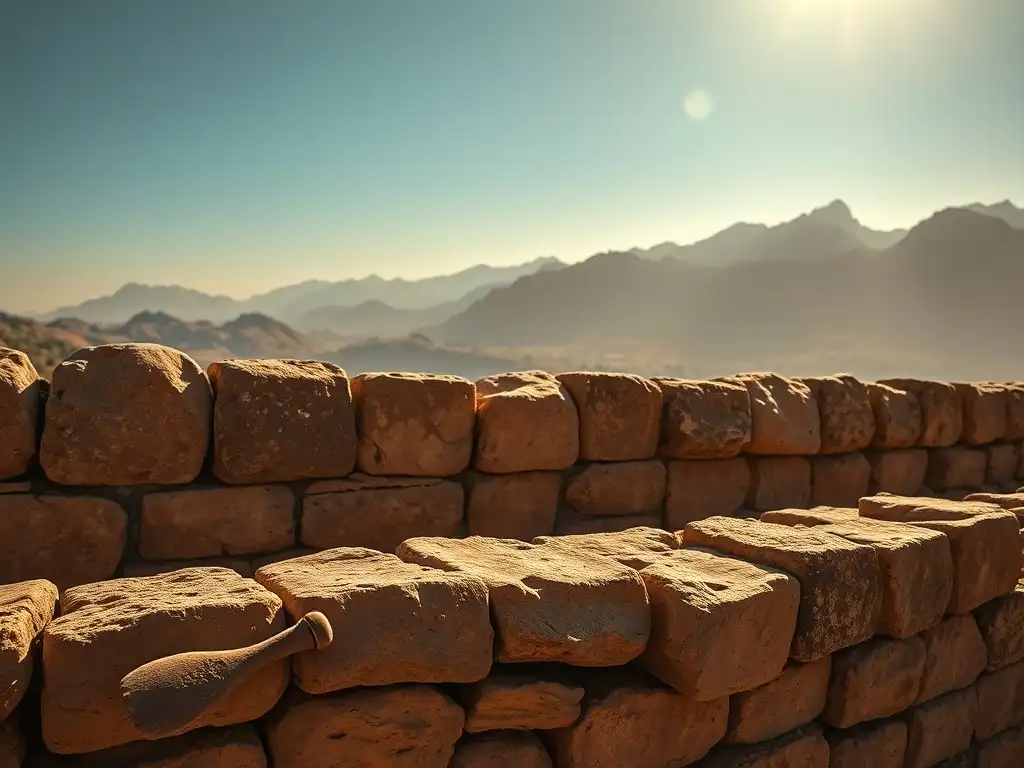
The Inca Empire, renowned for its sophisticated engineering and architectural prowess, didn't simply build structures; they meticulously crafted legacies. Their approach to construction transcended mere functionality, embodying a profound understanding of societal continuity and the enduring impact of their civilization. This wasn't about individual glory, but about establishing a tangible and lasting testament to their culture, beliefs, and power for future generations.
The very act of building, therefore, was an act of creating a legacy – a conscious effort to shape the future through the physical environment. This inherent focus on Inca architecture legacy impact is visible in every meticulously placed stone, every strategically designed terrace, and every carefully planned city.
The scale of their projects, coupled with the durability of their construction techniques, speaks volumes about their commitment to leaving a lasting mark on the world. Understanding this concept is key to appreciating the true depth and meaning behind Inca architecture.
Building for the Future: Inca Intentions
Inca builders weren't merely reacting to immediate needs; they were actively shaping the future. Their construction projects were driven by a long-term vision, reflecting a deep-seated belief in the continuity of their empire and the importance of preserving their cultural heritage. This forward-thinking approach is evident in several aspects of their architectural practices:
- Strategic Resource Management: The Incas demonstrated remarkable foresight in their resource management. They carefully selected building materials based on their durability and availability, minimizing environmental impact and ensuring the longevity of their structures. Quarrying techniques were refined to maximize efficiency and minimize waste.
- Adaptability and Resilience: Inca architecture is characterized by its remarkable adaptability to diverse terrains and climates. From the mountainous regions of the Andes to the coastal plains, their structures were designed to withstand earthquakes, floods, and other natural disasters. This resilience ensured the survival of their cities and infrastructure for centuries to come.
- Community Involvement: Construction projects were not solely the domain of specialized builders; they involved entire communities, fostering a sense of collective ownership and responsibility. This participatory approach strengthened social bonds and ensured the long-term maintenance and preservation of their built environment. The legacy wasn't just about the physical structures but also about the social fabric they created.
Preserving Inca Architecture for Generations to Come
The enduring nature of Inca architecture is a testament to their mastery of construction techniques and their commitment to building for the future. However, preserving these incredible structures for future generations requires ongoing effort and careful planning. Challenges include:
- Natural Degradation: Exposure to the elements, earthquakes, and other natural disasters continue to pose significant threats to the preservation of Inca sites.
- Human Intervention: Tourism, urban development, and looting all contribute to the deterioration of these invaluable historical sites.
- Lack of Resources: Adequate funding and resources are often lacking for proper conservation and restoration efforts.
Addressing these challenges requires a multi-faceted approach involving international cooperation, sustainable tourism practices, and robust conservation policies. The preservation of Inca architecture is not merely an archaeological endeavor; it is a crucial responsibility to protect a vital part of human history and ensure the continuation of its Inca architecture legacy impact. Careful planning and ongoing maintenance are essential to ensure that these marvels continue to stand as testaments to the ingenuity and foresight of the Inca civilization.
The Contemporary Relevance of Inca Architectural Principles
The principles underlying Inca architecture possess surprising contemporary relevance. Their innovative techniques, sustainable practices, and community-focused approach offer valuable lessons for modern architects and urban planners:
- Sustainable Building Practices: The Inca's emphasis on locally sourced materials, minimal environmental impact, and adaptable designs provides a blueprint for sustainable construction in the 21st century. Their ingenuity in adapting to varied terrains offers valuable insights for designing structures that integrate harmoniously with their environments.
- Community-Centric Design: The Inca's emphasis on community involvement in construction projects highlights the importance of participatory design processes in creating buildings that truly serve the needs of their inhabitants. This model encourages social cohesion and ensures the long-term success of architectural projects.
- Resilient Infrastructure: The remarkable resilience of Inca structures in the face of natural disasters underscores the need for designing buildings that can withstand extreme weather events and other hazards. This is especially crucial in an era of increasing climate change.
By studying and applying the principles of Inca architecture, we can create more sustainable, resilient, and socially responsible built environments. The Inca architecture legacy impact extends beyond the physical structures themselves; it inspires us to build a future that is both environmentally conscious and socially equitable. The Inca legacy serves as a powerful reminder that architecture is not simply about constructing buildings, but about shaping a sustainable and enduring future.
Exploring the Long-term Impact of Inca Architecture
The Inca Empire, despite its relatively short lifespan compared to other ancient civilizations, left an indelible mark on the world through its impressive architectural achievements. The legacy of Inca architecture extends far beyond the impressive ruins that still stand today; it continues to shape our understanding of engineering, cultural identity, and sustainable design. This enduring impact is multifaceted, encompassing cultural tourism, ongoing academic research, and even modern architectural inspiration.
Analyzing this legacy requires understanding the intricate interplay of ingenuity, resourcefulness, and a profound connection to the Andean landscape. The strategic placement of structures, the mastery of stonework, and the ingenious adaptation to diverse terrains all contribute to the enduring power of Inca architecture and its lasting influence. Understanding the Inca's legacy is understanding their enduring impact on the world.
The Cultural Significance of Inca Ruins Today
Inca ruins are not mere historical sites; they are vibrant centers of cultural identity and tourism. Machu Picchu, for instance, attracts millions of visitors annually, generating significant revenue for Peru and fostering a sense of national pride. The preservation and interpretation of these sites are crucial for maintaining cultural heritage and promoting historical understanding.
Beyond Machu Picchu, countless smaller sites across the Andes continue to hold deep significance for local communities, often serving as focal points for ceremonies and celebrations. These sites are not simply stones and mortar; they are living embodiments of a rich and complex past, connecting contemporary communities to their ancestors. The ongoing impact of Inca architecture is clearly visible in the sustained cultural significance of these sites.
Furthermore, the careful restoration and management of these ruins are essential for preserving this legacy for future generations. The economic benefits, coupled with the preservation of cultural identity, highlight the enduring power of Inca architectural impact.
Inca Architecture as a Source of Inspiration and Study
Inca architectural techniques continue to fascinate and inspire engineers, architects, and researchers worldwide. The precision of the stonework, the innovative use of local materials, and the sophisticated understanding of seismic engineering are subjects of ongoing investigation. The Inca's mastery of dry-stone construction, requiring no mortar, remains a testament to their skill and ingenuity. Modern architects are studying these techniques to develop more sustainable and resilient building methods.
The integration of architecture with the natural environment, a hallmark of Inca design, offers valuable lessons for contemporary sustainable building practices. The study of Inca architecture provides invaluable insights into engineering principles and sustainable design, demonstrating its lasting impact and ensuring the continuation of its legacy. This ongoing research and application represent a significant aspect of the Inca architectural legacy's continued impact.
Current Research and Preservation Efforts
Numerous organizations and research institutions are dedicated to preserving and studying Inca architecture. These efforts involve meticulous documentation, careful restoration, and ongoing archaeological investigation. Technological advancements, such as 3D scanning and digital modeling, are playing an increasingly important role in preserving and understanding these fragile structures. Furthermore, the development of sustainable tourism practices is crucial to mitigating the environmental impact of visitor traffic.
These efforts are not only preserving the physical remains but also furthering our understanding of Inca culture, engineering, and society. The dedicated work to preserve and study Inca architecture showcases the enduring impact of its legacy, ensuring the knowledge and appreciation of this extraordinary achievement are passed down for many generations to come. The ongoing research and preservation efforts are a testament to the lasting impact of the Inca architectural legacy.
Frequently Asked Questions
What is the most significant aspect of Inca architecture's legacy?
The most significant aspect is the remarkable adaptation to diverse terrains, showcasing innovative engineering and a deep understanding of their environment. This impacted later constructions and continues to inspire modern builders.
How did Inca architectural techniques influence later civilizations?
Inca techniques like stone fitting and terracing influenced subsequent Andean cultures and even impacted colonial Spanish architecture. Their mastery of construction materials and water management left a lasting impression.
What specific examples highlight the lasting impact of Inca architecture?
Machu Picchu, Sacsayhuamán, and Ollantaytambo stand as iconic examples. These sites showcase the scale and sophistication of Inca engineering and continue to attract millions of visitors, demonstrating their enduring cultural impact.
How did the Inca's understanding of their environment shape their architecture?
Inca architecture was profoundly shaped by their understanding of the environment; they expertly integrated their structures with the natural landscape. This is evident in their terracing, which prevented erosion and maximized agricultural land.
What is the modern relevance of studying Inca architecture and its legacy?
Studying Inca architecture offers valuable insights into sustainable building practices, innovative engineering solutions, and the relationship between culture and environment. These lessons are highly relevant in addressing contemporary challenges.
Final Reflection: Echoes of the Andes: A Legacy in Stone
The ingenuity of Inca architecture continues to resonate today, a testament to human resilience and a powerful reminder of the enduring impact of a civilization's vision. From the breathtaking precision of Machu Picchu to the intricate network of roads spanning the Andes, the Inca legacy transcends mere structures; it represents a profound understanding of engineering, societal organization, and the power of collective human endeavor. This enduring legacy challenges us to consider the lasting impact of our own actions and creations.
The Inca's commitment to building for future generations, evident in their meticulous craftsmanship and sustainable practices, offers a compelling model for our own time. Their achievements force us to confront our own relationship with the environment and the responsibility we bear in shaping the world for those who will follow. The past is never dead. It's not even past.
- William Faulkner. This quote rings particularly true when considering the persistent influence of Inca architecture, which continues to inspire awe, research, and a deeper understanding of human potential. Its impact extends beyond the physical structures themselves, shaping our understanding of history, engineering, and the very concept of legacy.
Consider the stones themselves, carefully fitted together without mortar, a testament to human skill and collaboration. Now, consider your own life's work. What enduring mark do you wish to leave? What structures, both literal and metaphorical, are you building that will withstand the test of time? Let the legacy of the Inca inspire you to create something meaningful, something lasting, something that will echo through the generations to come. Let us build a future worthy of such an impressive past.
Unveil Your Legacy Through Inca Inspiration!
Thank you for exploring the fascinating world of Inca architecture and the enduring power of legacy with us! We hope this article has inspired you to create a lasting impact on the world. Now, let's translate that inspiration into action.
Here are a few steps to help you begin crafting your own meaningful legacy:
- Reflect on Your Vision: Take some time to consider the kind of legacy you want to leave behind. Write down your aspirations and keep them visible as a daily reminder to stay focused on your goals.
- Share Your Insights: Connect with your community by sharing this article on social media or discussing its key themes with friends and family. Let the wisdom of the Incas inspire others!
- Start a Project: Begin a small initiative, such as volunteering at a local charity or organizing a community event, that embodies the enduring spirit of Inca ingenuity and community building. Your actions can create positive change!
What unique and lasting contribution will you make, inspired by the lessons of the Inca civilization?