
The Inca's Use of Sacred Geometry: The Golden Ratio and More

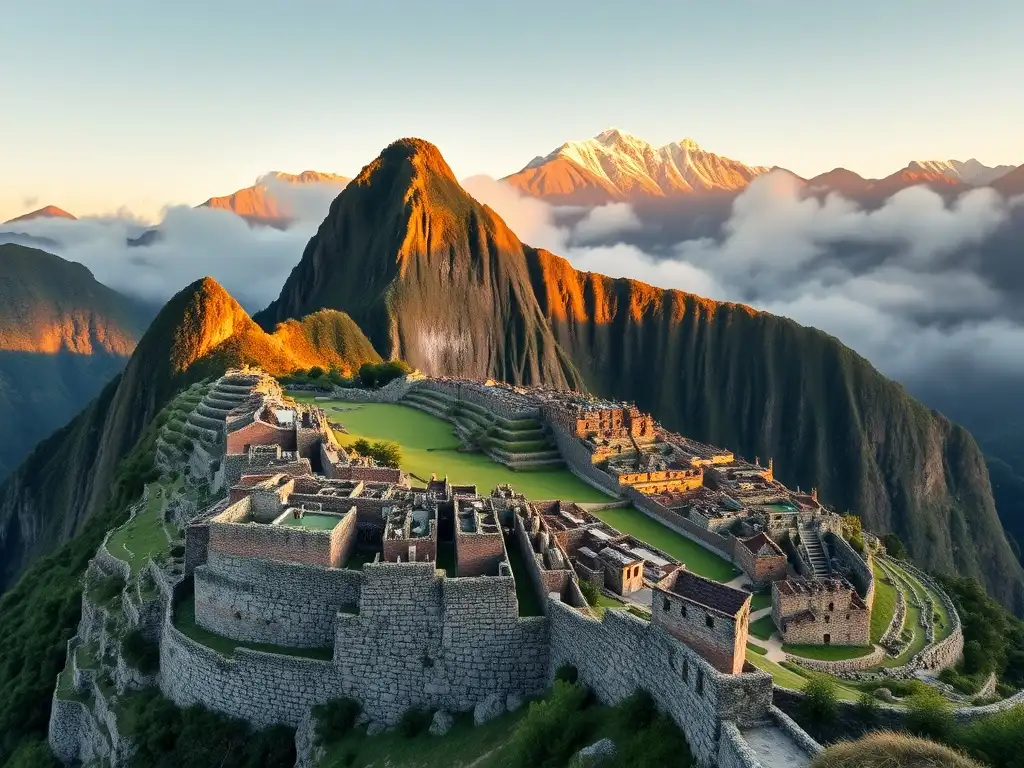
Step into a world lost to time, yet echoing with the whispers of a magnificent civilization. Dive into the mysteries of the Andes, where towering mountains held secrets and breathtaking ingenuity thrived. Discover how the Inca Empire, masters of engineering and spirituality, harnessed the power of Inca sacred geometry and the golden ratio to build a legacy that continues to astound us. Uncover the intricate details and hidden meanings behind their architectural marvels – a journey awaits that will rewrite your understanding of ancient Andean ingenuity. Prepare to be amazed.
The Inca Empire, renowned for its breathtaking architectural achievements and sophisticated engineering prowess, left behind a legacy that continues to fascinate and inspire. Beyond the impressive scale of their constructions, a deeper layer of understanding reveals a sophisticated use of sacred geometry, particularly the Golden Ratio, woven into the very fabric of their cities, temples, and agricultural systems.
This article delves into the evidence suggesting the Inca's deliberate incorporation of mathematical principles, exploring how the Golden Ratio and other geometrical concepts contributed to their architectural and spiritual worldview. We will examine specific examples, analyzing how these principles are reflected in the design and layout of iconic Inca structures, shedding light on the intricate relationship between mathematics, spirituality, and Inca civilization.
Understanding this application of sacred geometry provides a richer appreciation for the ingenuity and cultural depth of the Inca Empire, moving beyond mere descriptions of their impressive feats to uncover the underlying philosophies that shaped their remarkable achievements. The integration of the Golden Ratio, in particular, speaks to a sophisticated understanding of proportion and harmony, reflecting a deep connection between the Incas and the natural world.
Evidence of the Golden Ratio in Inca Architecture
Numerous scholars and researchers have pointed towards the presence of the Golden Ratio (approximately 1.618) in various Inca structures. While definitive proof remains elusive due to the nature of surviving structures and the challenges of interpreting ancient construction techniques, compelling evidence suggests its intentional use.
Detailed measurements of sites like Machu Picchu, for example, reveal proportions that closely approximate the Golden Ratio in the dimensions of certain buildings, plazas, and even the placement of agricultural terraces. This wasn't just a matter of chance; the precision and consistency observed across different sites point to a deliberate application of this mathematical principle.
Furthermore, the integration of the Golden Ratio wasn't limited to individual structures; it seems to have been applied to the overall layout and organization of entire urban centers, creating a harmonious and balanced environment that reflects a profound understanding of mathematical harmony. Further research and analysis, including the application of advanced digital modeling techniques, are needed to fully uncover the extent of the Inca's mastery of sacred geometry.
Beyond the Golden Ratio: Other Geometrical Principles
While the Golden Ratio is perhaps the most discussed geometrical principle in relation to Inca architecture, evidence suggests the use of other geometrical concepts as well. Analysis of Inca textiles, pottery, and stonework reveals recurring patterns and motifs that reflect a sophisticated understanding of geometry and symmetry.
The intricate designs found in their textiles, for example, often incorporate geometric patterns based on squares, triangles, and other shapes, demonstrating a highly developed sense of spatial organization and aesthetic harmony. Similarly, the precise stonework found in many Inca structures showcases an advanced understanding of geometric principles, enabling the construction of incredibly precise and stable buildings.
This mastery of geometric principles wasn't limited to aesthetics; it likely played a crucial role in the structural integrity and functionality of their buildings, demonstrating a seamless integration of art, engineering, and spirituality. Further investigation into these diverse geometrical applications is crucial to fully comprehend the Inca's sophisticated approach to design and construction.
The Spiritual Significance of Sacred Geometry in Inca Culture
The use of sacred geometry within Inca architecture and design wasn't merely a technical achievement; it held deep spiritual significance. The Incas viewed the world as a carefully ordered and interconnected system, reflecting a cosmic harmony expressed through mathematical principles. The Golden Ratio, in particular, was likely seen as a manifestation of this cosmic order, representing the balance and harmony that permeated the universe.
By incorporating this ratio into their constructions, the Incas aimed to create spaces that reflected and embodied this sacred order, fostering a sense of connection between the human world and the divine. This integration of mathematics and spirituality is a hallmark of Inca culture, demonstrating the profound influence of their worldview on their artistic and architectural endeavors.
The precise placement of temples, agricultural terraces, and urban centers wasn’t accidental but rather a deliberate attempt to harmonize human settlements with the natural and spiritual world. Understanding this spiritual dimension adds another layer of complexity and meaning to the Inca's remarkable achievements.
Further Research and Ongoing Discoveries
The study of Inca sacred geometry is an ongoing field of research. New discoveries and analyses continually refine our understanding of the Inca's sophisticated use of mathematical principles in their architecture and design. The application of modern technologies, such as 3D modeling and digital image analysis, promises to reveal further insights into the hidden geometries embedded within Inca structures.
Furthermore, ongoing archaeological excavations and the continued study of Inca artifacts will undoubtedly uncover additional evidence, expanding our knowledge of this fascinating aspect of Inca culture. The integration of interdisciplinary approaches, combining archaeological findings with mathematical analysis and anthropological interpretations, is essential for a comprehensive understanding of the significance of sacred geometry within the Inca world. The more we learn, the more we appreciate the depth and complexity of this ancient civilization's achievements.
- Evidence of the Golden Ratio in Inca Architecture
- Beyond the Golden Ratio: Other Geometrical Principles
- The Spiritual Significance of Sacred Geometry in Inca Culture
- Further Research and Ongoing Discoveries
- What is sacred geometry, and how did the Incas use it?
- How is the golden ratio evident in Inca architecture?
- Did the Incas only use the golden ratio in their designs?
- What is the significance of the golden ratio in Inca culture?
- Where can I learn more about Inca sacred geometry and the golden ratio?
Unveiling Inca Sacred Geometry
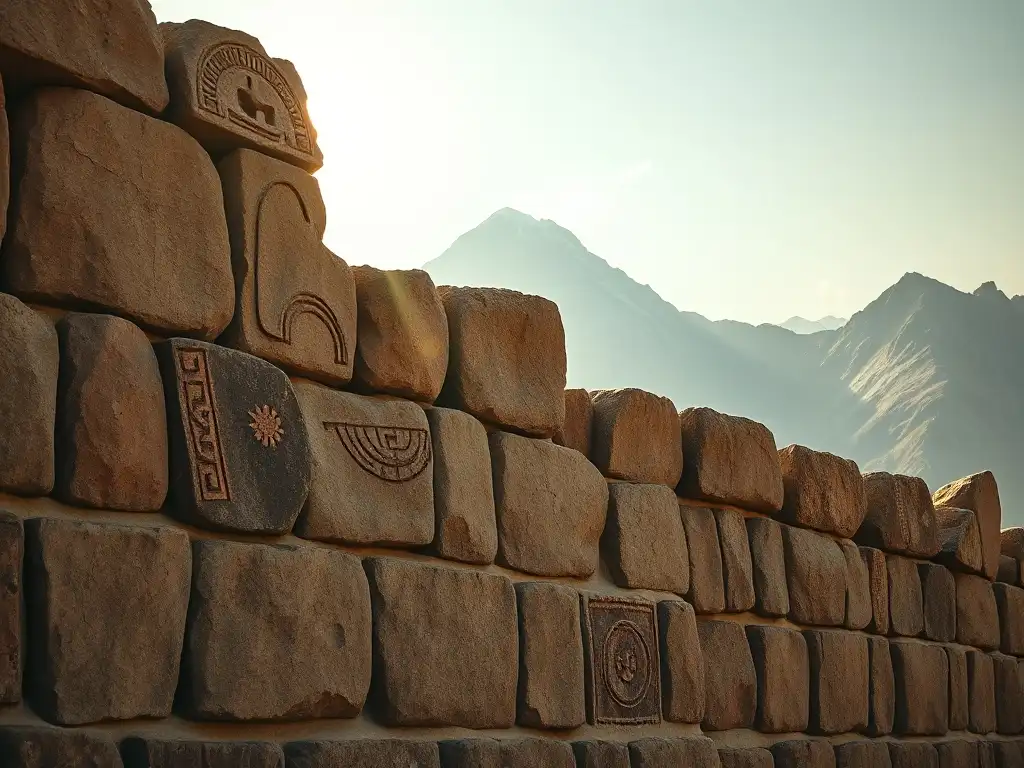
This section delves into the fascinating world of Inca sacred geometry, exploring how mathematical principles and cosmological beliefs intertwined to shape their architectural and artistic masterpieces. We'll move beyond the well-known Golden Ratio to uncover other geometric patterns and their profound significance within Inca culture. The Inca's profound understanding and application of sacred geometry wasn't merely decorative; it was a fundamental expression of their worldview, connecting the earthly realm with the celestial.
Their mastery of these principles is evident in the precise construction of their monumental sites, intricate textiles, and sophisticated agricultural systems. Understanding this intricate relationship between geometry and cosmology allows us to appreciate the depth and complexity of Inca civilization. The integration of "Inca sacred geometry golden ratio" principles into their designs reveals a sophisticated understanding of mathematics and their connection to the cosmos.
The Significance of Sacred Geometry in Inca Culture
Sacred geometry, for the Inca, was far more than just aesthetics; it was a deeply spiritual practice reflecting their beliefs about the cosmos and their place within it. They perceived the universe as a structured and harmonious entity, governed by mathematical ratios and geometric patterns. These patterns, believed to be divinely ordained, were incorporated into every aspect of Inca life, from city planning and temple construction to textile design and agricultural practices.
The precise alignment of structures with celestial events, such as solstices and equinoxes, further underscores the profound importance they placed on this cosmic connection. The use of specific geometric shapes, such as squares, rectangles, and triangles, weren't arbitrary choices but symbolic representations of the underlying order of the universe. For example, the square often symbolized the earth, while the circle represented the sun and the cosmos.
This intricate system of symbolic representation created a powerful and unified worldview. The Inca's keen observation of nature and their ability to translate these observations into precise geometric forms is a testament to their intellectual and spiritual sophistication. The meticulous application of "Inca sacred geometry golden ratio" principles served as a powerful tool for expressing their deep-seated spiritual beliefs.
Understanding the Inca Perspective on Cosmic Order
The Inca worldview was deeply rooted in a cyclical understanding of time and the cosmos. Their understanding of the cosmos wasn't merely based on astronomical observations but also on a sophisticated understanding of the interconnectedness of all things. This interconnectedness is vividly reflected in their application of sacred geometry. The precise measurements and alignments found in Inca structures suggest a deep understanding of astronomical cycles and their relationship to agricultural practices.
For example, the orientation of certain structures towards specific celestial bodies allowed for precise calendar calculations, crucial for planning agricultural activities and religious ceremonies. The Inca's mastery of "Inca sacred geometry golden ratio" principles is further evidenced in their ability to create incredibly accurate and durable structures, reflecting a deep understanding of engineering and construction. This meticulous approach to construction wasn't simply functional; it was a way of physically manifesting their cosmological beliefs, creating a built environment that mirrored the perceived harmony of the universe.
The precision and accuracy involved suggest a sophisticated level of mathematical understanding far beyond what is often attributed to pre-Columbian societies. Further research is needed to fully elucidate the subtleties of the Inca's cosmic model and its relationship to their sacred geometry. [Specific information pending: detailed analysis of Inca astronomical observations and their correlation with geometric patterns in architecture].
The Golden Ratio and Inca Architecture
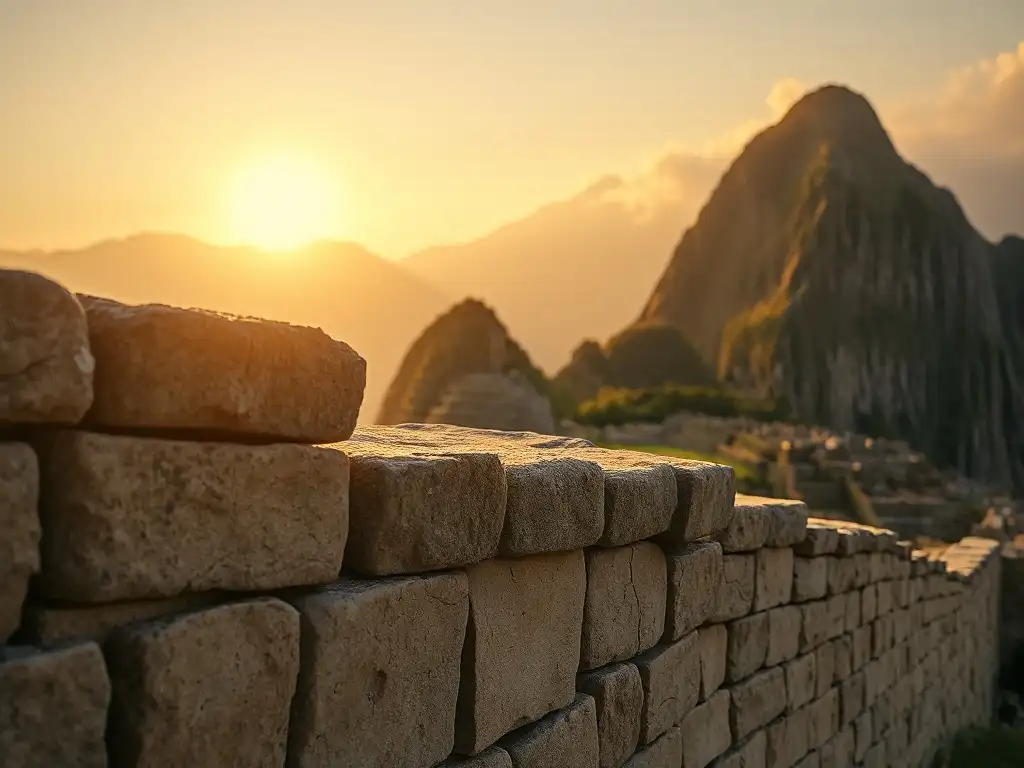
The Inca Empire, renowned for its sophisticated engineering and architectural prowess, incorporated mathematical principles, particularly the Golden Ratio, into their city planning and building designs. This wasn't merely a matter of chance; evidence suggests a deliberate integration of sacred geometry, reflecting a deep understanding of mathematical harmony and its spiritual significance. The Golden Ratio, approximately 1.618, represented a fundamental element in their worldview, influencing the proportions of structures ranging from temples and palaces to agricultural terraces.
This section will delve into specific examples and explore how this mathematical constant reveals itself in the Inca architectural landscape. The prevalence of the Golden Ratio in Inca structures speaks volumes about their advanced mathematical knowledge and their connection between the natural world and sacred principles.
Understanding this integration provides a deeper appreciation for the complexity and artistry of Inca civilization. Further research is needed to fully quantify the extent of Golden Ratio application across all Inca sites, however existing evidence strongly suggests its intentional use.
The Golden Ratio's Presence in Inca Structures
The Golden Ratio, often represented by the Greek letter phi (Φ), is found in many aspects of nature, from the spiral arrangement of sunflower seeds to the proportions of the human body. The Incas, acutely aware of their environment and its natural rhythms, seem to have incorporated this mathematical constant into their architecture as a reflection of this cosmic order. Its presence isn't always immediately obvious, requiring careful measurement and analysis of building dimensions, distances between structures, and the overall layout of Inca cities.
For instance, the ratio of the length to the width of certain walls and doorways in Machu Picchu closely approximates the Golden Ratio. Similarly, the spacing between significant structures within the city might also reflect this proportion. Analysis of these proportions often requires advanced techniques and specialized software to accurately determine the presence of the Golden Ratio, and further study is needed to fully understand the extent of its use across various Inca sites.
The subtle integration of this ratio adds a layer of complexity and sophistication to Inca design, hinting at a profound understanding of mathematical principles beyond simple construction techniques. This deliberate incorporation, rather than accidental occurrence, strongly suggests a symbolic and spiritual significance.
Inca Architectural Proportions and the Golden Spiral
Beyond the simple ratio itself, the Golden Ratio generates a fascinating geometric pattern: the Golden Spiral. This logarithmic spiral expands outwards, maintaining the Golden Ratio between successive segments. While direct evidence of the Golden Spiral's conscious application in Inca architecture is still under investigation, the arrangement of terraces, pathways, and even the placement of buildings in some sites suggests a possible connection.
The organic, flowing nature of the Golden Spiral aligns with the Incas' skillful adaptation to the mountainous terrain. The seemingly haphazard placement of structures might, upon closer examination, reveal a deeper underlying structure echoing the Golden Spiral's dynamic growth. The curved lines of some Inca walls, and the overall layout of certain agricultural terraces, could be interpreted as approximations of this spiral.
However, further research using advanced geometric modeling and comparative analysis with other known examples of Golden Spiral use in architecture is required to confirm this hypothesis. The potential presence of the Golden Spiral further enhances the complexity of Inca geometry and its possible connection to broader cosmological beliefs.
Examples of Golden Ratio Application in Machu Picchu's Layout
Machu Picchu, perhaps the most iconic Inca site, offers several potential examples of the Golden Ratio's application. While definitive proof requires extensive and meticulous measurements, preliminary studies suggest that the proportions of certain buildings and the distances between key structures within the city may approximate the Golden Ratio or its related geometric forms. For example, the ratio of the length to width of the main temple or the spacing between important plazas could potentially reveal this mathematical constant.
The intricate network of terraces, carefully carved into the mountainside, also warrants further investigation. The distribution of agricultural plots and their relationship to the surrounding landscape could potentially reveal patterns reflecting the Golden Ratio.
The analysis of Machu Picchu’s layout presents a significant challenge due to the site’s complexity and the incomplete nature of its remaining structures. However, the potential presence of the Golden Ratio in this remarkable city adds another layer of fascination to its already awe-inspiring design. Continued research, utilizing advanced surveying techniques and digital modeling, is crucial for a more comprehensive understanding of the mathematical principles underlying Inca architecture and city planning.
The possibility of uncovering further examples of the Golden Ratio's application in Machu Picchu and other Inca sites offers exciting prospects for future research. This detailed analysis will not only shed light on the Incas' mathematical expertise but also deepen our understanding of their worldview and cultural significance.
Beyond the Golden Ratio: Other Geometric Principles
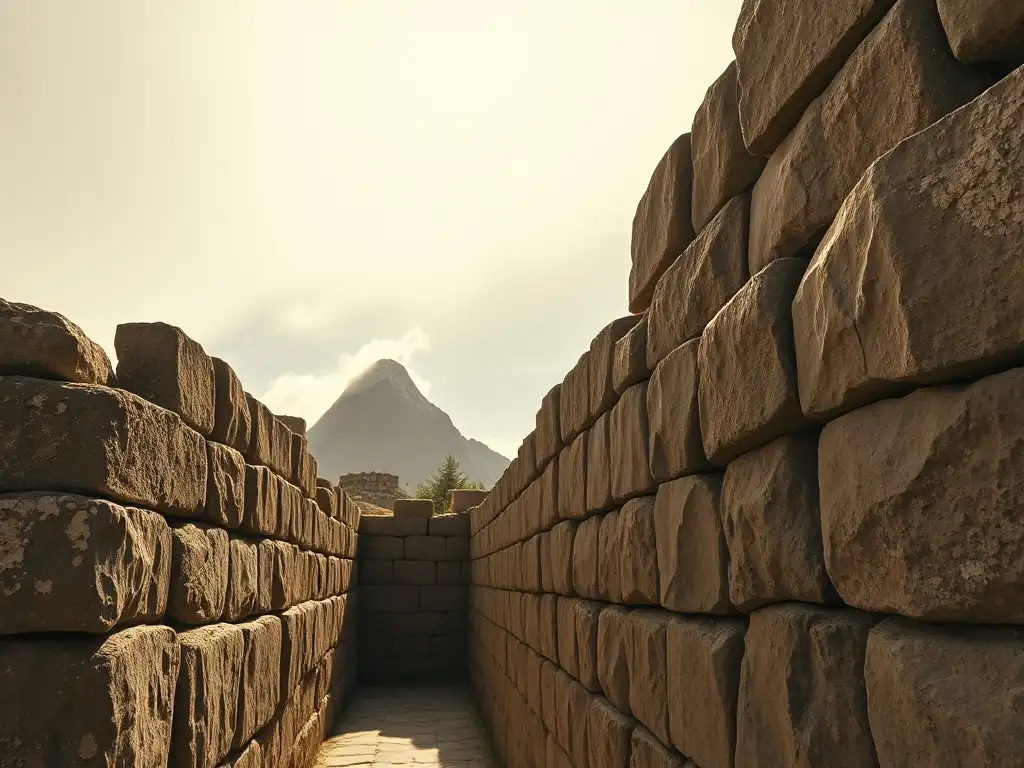
The Inca's mastery of sacred geometry extended far beyond the application of the golden ratio. While the φ (phi) ratio undoubtedly played a significant role in their architectural designs, a deeper investigation reveals a sophisticated understanding and implementation of other geometric principles, reflecting a profound connection between their worldview and the physical world they inhabited. Their constructions demonstrate a keen awareness of symmetry, the power of specific shapes, and the spiritual significance of concentric circles.
This intricate interplay of geometric elements contributed to the awe-inspiring precision and aesthetic harmony observed in Inca structures, showcasing a level of mathematical and artistic sophistication rarely seen in other ancient cultures. The integration of these principles into their architecture wasn't merely decorative; it was deeply symbolic, representing a cosmic order and reflecting their profound understanding of the natural world.
The Role of Symmetry in Inca Construction
Symmetry, a fundamental concept in geometry, is readily apparent in Inca constructions. From the meticulously planned layouts of their cities to the precise arrangement of stones in their buildings, symmetry served both practical and symbolic purposes. The symmetrical arrangement of buildings around central plazas, for example, facilitated efficient urban planning and created a sense of order and balance.
This is strikingly evident in the urban design of Cusco, the Inca capital, where streets and buildings were strategically positioned to mirror each other, often reflecting the surrounding mountain topography. Furthermore, the symmetrical arrangement of agricultural terraces demonstrated an understanding of optimal sunlight exposure and water management, showcasing a practical application of symmetry enhancing agricultural yields. Beyond the practical, the symmetrical designs likely held deep spiritual significance, representing the balance and harmony present in the Inca worldview – a reflection of the cosmos itself.
The meticulous precision in achieving this symmetry, considering the tools available to the Inca builders, speaks to their exceptional skill and dedication to their architectural vision. Analysis of surviving structures reveals minimal deviations from perfect symmetry, highlighting their advanced understanding of geometric principles and their ability to execute them with remarkable accuracy.
Use of Geometric Shapes in Inca Urban Planning
Inca urban planning wasn't merely a matter of haphazard construction; it was a carefully orchestrated endeavor employing various geometric shapes. Squares and rectangles, for example, were frequently used in the layout of urban spaces, creating a structured and organized environment. The use of these shapes wasn't arbitrary; the square, in particular, held symbolic significance, representing stability and the earth itself.
Rectangles, on the other hand, often served as practical building blocks for housing and administrative structures. The precise dimensions of these shapes varied, but their consistent application across different sites suggests a standardized approach to urban planning, indicative of a centralized administrative system. Further research into Inca urban planning could uncover more nuanced relationships between specific geometric shapes and their social, religious, and political functions.
The integration of these forms demonstrates a keen awareness of both practical considerations and symbolic representation. The consistency in utilizing these shapes, despite geographic variations, suggests a unified architectural philosophy across the vast Inca empire. Detailed studies of Inca city layouts, such as Machu Picchu and Ollantaytambo, continue to reveal the complexity and sophistication of their geometric approach to urban design.
The Significance of Concentric Circles in Inca Ritual Sites
Concentric circles, a recurring motif in Inca ritual sites, hold profound symbolic significance. These circles, often found in plazas and ceremonial centers, are believed to represent the cyclical nature of time and the cosmos. The concentric arrangement symbolizes the interconnectedness of different levels of reality, from the earthly realm to the celestial sphere.
The central point of the circles often served as a focal point for rituals and ceremonies, representing the axis mundi – a connection between the heavens and the earth. Examples of this can be found in various Inca sites, where the arrangement of stones and structures clearly reflects this concentric design. While further research is needed to fully understand the specific rituals performed within these circular spaces, the consistent use of this geometric pattern strongly suggests its importance in Inca religious practices.
The size and number of concentric circles may have varied based on the specific ritual or ceremony, offering a potential avenue for future research to explore the nuanced meanings associated with differing designs. The use of concentric circles in Inca sacred spaces underscores the deep spiritual and cosmological beliefs that underpinned their architectural and urban planning practices, solidifying their understanding of Inca sacred geometry.
Inca Engineering and Geometric Precision
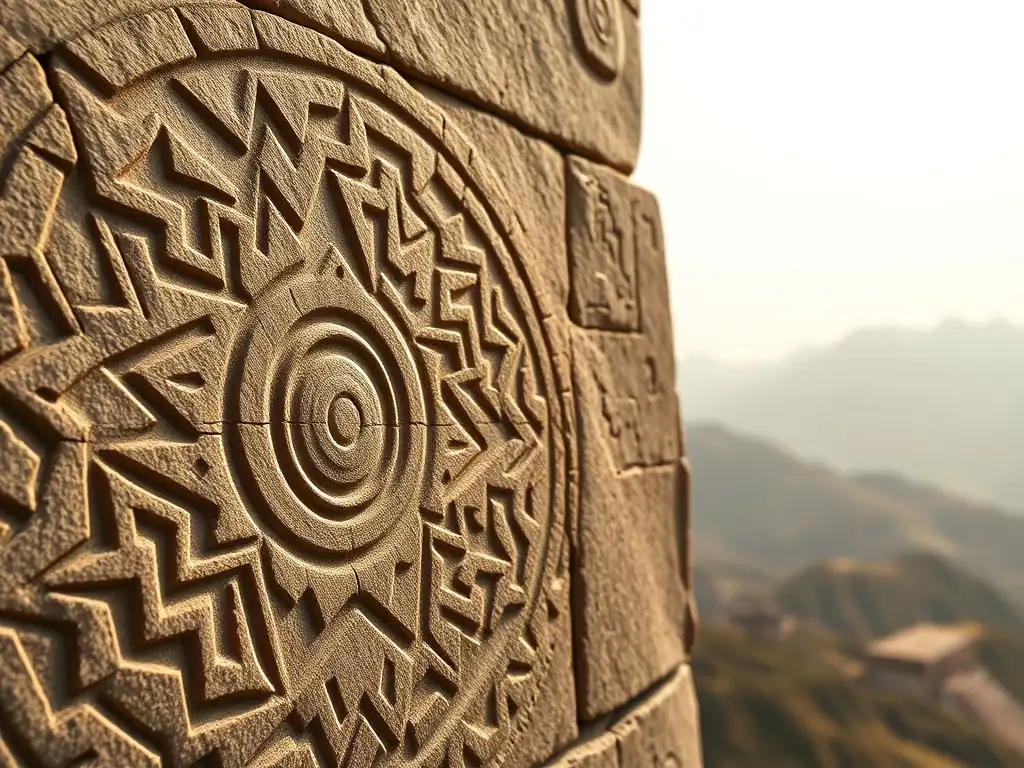
The Inca Empire, renowned for its breathtaking architectural achievements, demonstrates a profound understanding and application of geometric principles. Their mastery wasn't simply about aesthetics; precision in geometry was integral to the structural integrity and symbolic meaning embedded within their constructions. This section will explore how the Incas leveraged geometric knowledge, exceeding the capabilities of many contemporary societies, to create structures that stand as testaments to their ingenuity and cultural significance.
The Inca's use of sacred geometry, particularly the golden ratio, is a captivating area of study, revealing a sophisticated understanding of mathematics and its relationship to the cosmos. Analyzing their engineering feats through a geometric lens unveils a level of sophistication that continues to fascinate and inspire researchers today. The integration of geometric principles wasn't a superficial design choice; it was deeply intertwined with their worldview and spiritual beliefs.
Inca Masonry and the Accuracy of Geometric Cuts
Inca masonry is celebrated for its incredibly precise stonework. The fit between blocks is so seamless that even a knife blade often cannot be inserted between them. This precision wasn't achieved through brute force; rather, it was the result of meticulous planning and execution based on geometric principles.
Consider the walls at Ollantaytambo: the massive stones, some weighing many tons, are interlocked with such accuracy that it challenges our modern understanding of construction techniques. This level of accuracy suggests a sophisticated understanding of geometric shapes, angles, and proportions, facilitating the creation of incredibly strong and stable structures. The Inca masons didn't just cut and place stones; they meticulously shaped them to fit perfectly within a larger geometric plan.
Evidence suggests they used various tools, possibly including bronze chisels and hammers, along with a deep understanding of geometry to achieve this level of precision. Further research is needed to fully understand the exact methods employed, but the results are undeniable: a testament to the Inca's engineering prowess and their mastery of geometric principles.
The Relationship Between Geometry and Inca Engineering Feats
The relationship between geometry and Inca engineering extends beyond mere aesthetics. The precise angles and proportions found in Inca structures were crucial for their stability and functionality. For instance, the use of trapezoidal shapes in many buildings wasn't arbitrary; it contributed to the overall strength and resistance to seismic activity. The Incas, inhabiting a seismically active region, clearly understood the importance of structural integrity and employed geometric principles to achieve it.
Their understanding of weight distribution and stress points, reflected in their geometric designs, allowed them to construct impressive structures that have withstood the test of time and numerous earthquakes. The precise alignment of structures with astronomical events further underscores the deep connection between their geometry and cosmology. This wasn't simply about building; it was about creating structures that were both physically sound and symbolically resonant with their spiritual beliefs.
The Precise Stonework at Sacsayhuaman and its Geometric Underpinnings
Sacsayhuaman, located near Cusco, is perhaps the most striking example of Inca mastery of geometric principles in construction. The massive, precisely fitted stones, some reaching incredible heights and weights, defy easy explanation. The intricate interlocking of these stones, with their varied shapes and sizes, perfectly illustrates the Inca's advanced understanding of geometry and engineering.
The walls at Sacsayhuaman are not simply stacked; they are meticulously arranged, creating a complex and remarkably stable structure. The use of different geometric shapes, including polygons and curves, contributes to the overall strength and aesthetic appeal of the site. While the exact methods used by the Inca masons remain a subject of ongoing research and debate, the evidence points towards an advanced understanding of geometry, engineering, and possibly even advanced surveying techniques.
The precision and scale of the construction at Sacsayhuaman continue to inspire awe and wonder, serving as a powerful testament to the Inca civilization's technological and cultural achievements. The geometric principles embedded within Sacsayhuaman are not merely decorative; they are fundamental to its structural integrity and symbolic significance within the Inca worldview.
The Spiritual Meaning of Inca Geometric Forms
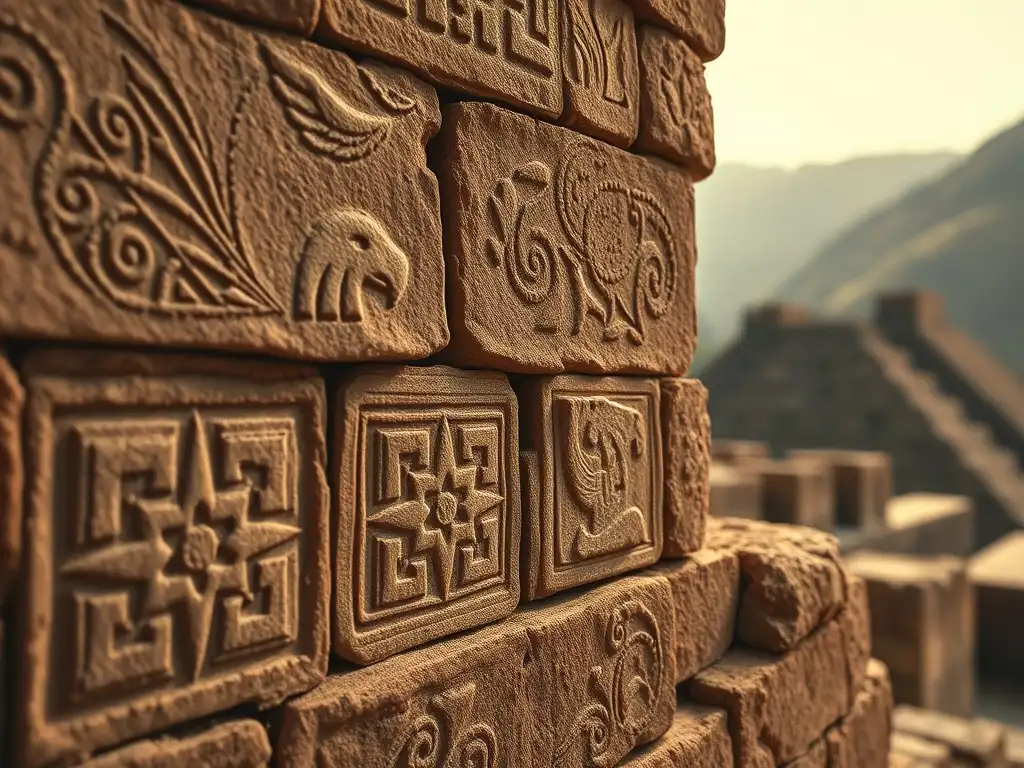
The Inca civilization, renowned for its architectural prowess and sophisticated understanding of engineering, imbued its structures with deep spiritual significance. Geometry wasn't merely a practical tool for construction; it served as a powerful language expressing their cosmology, beliefs, and relationship with the divine. The Inca's mastery of sacred geometry, notably the golden ratio, is evident in their meticulously planned cities, temples, and agricultural terraces.
This wasn't arbitrary design; it reflected a profound connection between the earthly realm and the spiritual world, reinforcing the Inca worldview and social order. Understanding this spiritual dimension is crucial to appreciating the true artistry and ingenuity behind Inca architecture. The precision and deliberate use of geometric patterns suggest a highly developed system of symbolic representation, far beyond mere functionality.
Geometry as a Language of the Gods in Inca Beliefs
Inca beliefs centered around a complex pantheon of gods and spirits, with the sun god, Inti, holding paramount importance. Geometric forms, particularly those incorporating the golden ratio and other mathematical relationships, were believed to embody the divine order and harmony of the cosmos. The precise alignment of structures with celestial bodies, such as the sun and stars, further cemented this connection.
The Inca saw these geometric patterns not just as aesthetically pleasing, but as tangible manifestations of divine power, reflecting the intricate balance of nature and the spiritual realm. For example, the perfectly symmetrical layout of many Inca cities, like Cusco, is not accidental.
Each building, plaza, and street was carefully placed to reinforce the sacred geometry and its inherent symbolic meaning, reflecting the Inca's belief in a divinely ordained world order. This symbolic language was understood by the elite and the common people alike, unifying them under a shared spiritual vision.
The Connection Between Geometric Patterns and Inca Cosmology
Inca cosmology viewed the universe as a structured and interconnected system. The Andes mountains, with their towering peaks and intricate valleys, played a vital role in their worldview, often depicted in their art and architecture using geometric representations. The use of geometric patterns in textiles, ceramics, and stonework directly mirrors this cosmological understanding.
For instance, the repeating motifs found in Inca textiles often represent celestial bodies, agricultural cycles, or even mythological creatures, all linked through specific geometric arrangements. The precise angles and proportions observed in Inca structures reflect their deep understanding of astronomical cycles and their impact on agriculture and daily life.
This connection between the earthly and celestial realms is further emphasized by the alignment of many Inca sites with solstices and equinoxes, highlighting the importance of astronomical observations in their society. The Inca’s sophisticated knowledge of astronomy and mathematics allowed them to translate their cosmological understanding into tangible, geometric forms.
Inca Rituals Involving Sun Worship and Geometrically Aligned Structures
The Inca's sun worship was deeply intertwined with their use of sacred geometry. Many rituals involved geometrically aligned structures, often positioned to capture specific sun rays during solstices or equinoxes. These alignments were not coincidental; they were meticulously planned to enhance the spiritual significance of these events.
The precise positioning of structures, such as the Temple of the Sun in Cusco, allowed for dramatic displays of light and shadow, further emphasizing the power and importance of the sun god, Inti. These carefully orchestrated rituals served to reinforce the Inca's belief system and strengthen the bond between the ruler, the people, and the divine.
The use of geometric patterns in these rituals also served a practical purpose; it created a sense of order and predictability within the seemingly chaotic natural world, providing comfort and reassurance to the Inca people. The precise measurements and alignments served as a visual representation of the cosmic order, reinforcing the Inca's belief in a structured and harmonious universe.
The Legacy of Inca Sacred Geometry
The Inca's masterful application of sacred geometry, particularly the golden ratio, continues to fascinate and inspire researchers and architects alike. Its influence extends far beyond the physical structures themselves, impacting our understanding of Inca culture, beliefs, and technological prowess. The precise implementation of geometric principles in Inca constructions reveals a sophisticated understanding of mathematics and astronomy, far surpassing previous assumptions about their capabilities. The legacy of Inca sacred geometry isn't merely aesthetic; it represents a profound connection between the Inca worldview and their built environment.
Evidence suggests a deliberate and systematic approach to integrating these principles, reflecting a deep-seated cosmological understanding. This wasn't simply haphazard application, but a carefully considered process that imbued their structures with symbolic meaning and spiritual significance. The enduring mystery surrounding the precision of these constructions fuels ongoing research and inspires new interpretations of Inca civilization.
Influence on Contemporary Understanding of Inca Design
The rediscovery and analysis of Inca sacred geometry has profoundly altered our understanding of Inca design principles. Initially, interpretations often overlooked the mathematical sophistication embedded within their architecture. However, modern studies using advanced surveying techniques and digital modeling have revealed the intricate geometric relationships within Inca structures.
For example, the application of the golden ratio (approximately 1.618), a mathematical ratio found throughout nature and art, is evident in the proportions of many Inca buildings, including the monumental structures at Machu Picchu. This suggests a deliberate integration of mathematical principles into their design, reflecting a sophisticated understanding of geometry and its symbolic significance. Furthermore, the consistent use of geometric patterns in textiles, pottery, and metalwork reinforces the idea that geometry was a fundamental element of Inca aesthetics and cosmology.
The discovery of these intricate geometric relationships has enriched our understanding of Inca art, architecture, and their worldview, challenging earlier, more simplistic interpretations. Further research is needed to fully uncover the extent of their knowledge and the underlying principles governing their use of sacred geometry.
Preserving and Studying Inca Geometry for Future Generations
The preservation of Inca sites and the continued study of their sacred geometry are crucial for understanding this remarkable civilization. The delicate nature of these ancient structures, combined with the challenges of environmental factors and human interference, necessitates careful preservation efforts. This involves not only physical conservation but also the meticulous documentation of existing structures using advanced technologies such as 3D laser scanning and photogrammetry.
This digital documentation allows for detailed analysis of geometric relationships, which can be shared and studied by researchers worldwide. Furthermore, educational initiatives are needed to raise awareness about the importance of preserving these invaluable historical and cultural treasures. Engaging local communities in preservation efforts is essential, ensuring that the knowledge and appreciation of Inca heritage are passed down through generations.
The development of sustainable tourism practices is also crucial to minimize the impact of visitors on these fragile sites. Ultimately, preserving Inca geometry involves a multi-faceted approach combining scientific research, cultural sensitivity, and community engagement. This collaborative effort will ensure that the legacy of Inca sacred geometry continues to inspire and educate future generations.
Advanced Surveying Techniques and Analysis of Inca Geometric Precision
Modern surveying techniques are vital in revealing the astonishing precision of Inca geometry. Traditional methods often fell short in capturing the subtle nuances of Inca construction. However, the advent of technologies such as GPS, LiDAR (Light Detection and Ranging), and 3D scanning provides unprecedented accuracy in measuring Inca structures.
These tools allow researchers to meticulously document the dimensions, angles, and relationships between different elements of a building, revealing intricate geometric patterns previously undetectable. The analysis of this data reveals an astonishing level of precision in Inca construction, suggesting a sophisticated understanding of geometry and engineering. For instance, the alignment of structures with astronomical events, combined with the precise application of geometric ratios like the golden ratio, points towards a highly developed system of knowledge and measurement.
The application of these advanced surveying techniques has not only confirmed the existence of Inca sacred geometry but has also challenged prior assumptions about their technological capabilities. Further research using these advanced tools will undoubtedly uncover even more remarkable examples of Inca geometric precision, deepening our understanding of their mathematical and astronomical expertise. The integration of this data with other historical and archaeological evidence will paint a more comprehensive picture of Inca culture and its remarkable achievements.
Frequently Asked Questions
What is sacred geometry, and how did the Incas use it?
Sacred geometry refers to the symbolic and spiritual meanings attributed to geometric shapes and patterns. The Incas incorporated sacred geometry into their architecture, textiles, and art, believing it reflected cosmic order and divine harmony. This is evident in their use of the golden ratio.
How is the golden ratio evident in Inca architecture?
The golden ratio, approximately 1.618, appears in various Inca structures. Proportions of buildings and sites, such as Machu Picchu, often reflect this ratio, suggesting a deliberate application of mathematical principles in their design. This demonstrates a sophisticated understanding of geometry.
Did the Incas only use the golden ratio in their designs?
While the golden ratio is a prominent example, the Incas employed other sacred geometric principles. They utilized various shapes and patterns, including spirals, squares, and triangles, each carrying symbolic significance within their culture and cosmology.
What is the significance of the golden ratio in Inca culture?
The presence of the golden ratio in Inca structures suggests a belief in its connection to the cosmos and divine forces. It likely symbolized balance, harmony, and the interconnectedness of the universe, reflecting their spiritual worldview.
Where can I learn more about Inca sacred geometry and the golden ratio?
Further research into Inca architecture, art, and spirituality will reveal more about their use of sacred geometry. Explore academic articles and books on Inca civilization and Andean studies, and visit sites like Machu Picchu to observe these principles firsthand.
Final Reflection: Echoes of the Andes: A Legacy in Sacred Geometry
The Inca's masterful application of sacred geometry, particularly the Golden Ratio, wasn't merely an aesthetic choice; it was a profound expression of their worldview, a testament to their sophisticated understanding of mathematics and cosmology, and a legacy that continues to resonate today. The precision and harmony found in their architecture and city planning stand as a powerful reminder of human ingenuity and the enduring search for balance and beauty.
The enduring influence of Inca sacred geometry extends far beyond the breathtaking ruins of Machu Picchu. It speaks to a deeper human need to connect with something larger than ourselves, to find order and meaning in the seemingly chaotic universe. The geometry of nature is the language of God.
- This sentiment, though not directly from Inca sources, encapsulates the spiritual significance they imbued in their geometric designs, reflecting a universal human desire to understand and harmonize with the natural world. Their legacy challenges us to consider the profound relationship between mathematics, art, and spirituality.
Consider the intricate patterns, the precise alignments, the harmonious proportions – these are not simply elements of a bygone civilization; they are echoes that still speak to us. You, the reader, are now invited to look at the world around you with new eyes. Seek out the hidden geometries in nature, in art, and even in your own life. Embrace the power of balance and harmony, inspired by the enduring wisdom of the Inca, and find your own path to a more meaningful and beautiful existence.
Unlock the Power of Sacred Geometry Today!
Thank you for exploring the fascinating world of sacred geometry in Inca culture! You've discovered how this ancient civilization masterfully used the Golden Ratio and other geometric principles to enrich their lives and surroundings. Now, let's put that knowledge into practice.
Here are some ways to explore and apply the wisdom of sacred geometry:
- Create geometric art: Unleash your creativity with a new art or craft project based on sacred geometry principles. Let the patterns inspire you!
- Share your knowledge: Teach others about sacred geometry by volunteering at a local art class, history workshop, or community event.
- Connect with others: Join a club or group focused on Andean history or geometry. Sharing your insights and experiences with like-minded individuals will deepen your understanding.
What new insights do you believe sacred geometry can offer your daily life? Share your thoughts below!