
The Role of Labor in Inca Construction: A System of Shared Effort

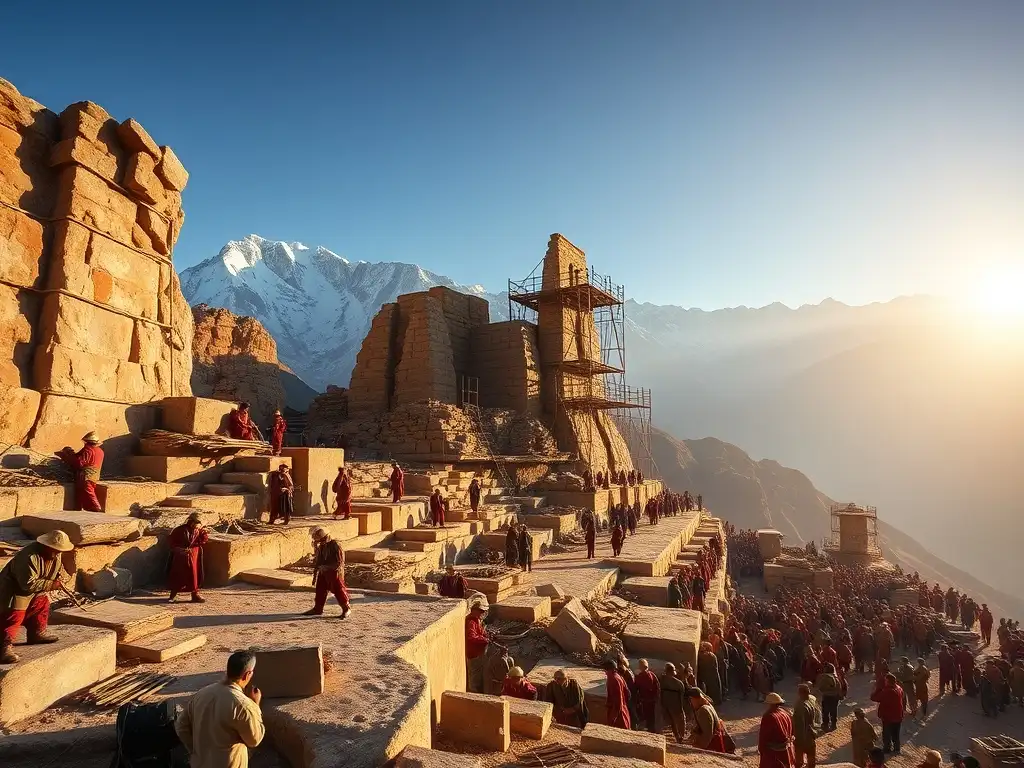
Uncover the secrets of a vanished world! Journey with us through the breathtaking landscapes and captivating cultures of the Andes, from the intricate artistry of the Nazca lines to the monumental architecture of the Incas. But how exactly did they achieve such feats of engineering? Delve into the fascinating world of the Inca construction labor system, a testament to ingenuity and shared purpose, and discover the surprising truth behind their awe-inspiring achievements. Prepare to be amazed!
The Inca Empire, renowned for its breathtaking architectural achievements like Machu Picchu and Sacsayhuamán, relied on a sophisticated and highly organized labor system to accomplish these monumental feats of engineering. This system, far from being based solely on forced labor, incorporated a complex interplay of community obligation, religious duty, and strategic resource management. Understanding the Inca construction labor system is crucial to appreciating the scale and ingenuity of their accomplishments.
This article will delve into the intricacies of this system, exploring its foundations, organization, and the crucial role it played in shaping the Inca Empire's impressive legacy. We will examine how the Inca construction labor system, a testament to their social and political structures, enabled the creation of cities, temples, roads, and agricultural terraces that continue to amaze and inspire us centuries later.
The effectiveness of this system is a key factor in understanding the rapid expansion and enduring impact of the Inca civilization. The keyword "Inca construction labor system" is central to this exploration, providing a lens through which to analyze the social, economic, and religious elements that defined Inca society.
Understanding the Inca Construction Labor System
The Inca construction labor system wasn't a monolithic entity; rather, it was a dynamic and adaptable system that varied depending on the scale and nature of the project. While some projects undoubtedly involved conscripted labor, the dominant model emphasized communal participation and reciprocity. The system was deeply intertwined with the Inca worldview, where collective effort was viewed as a sacred duty, contributing to the well-being of the entire empire.
This wasn't simply about building structures; it was about reinforcing social bonds and strengthening the community's identity. The organization of labor was incredibly efficient, with specialized work crews assigned specific tasks, from quarrying stone to precisely fitting massive blocks. Evidence suggests a high level of technical skill and planning, with intricate systems for transporting materials and coordinating large numbers of workers.
The precision and complexity of Inca masonry are a direct result of this well-organized and highly skilled workforce. Furthermore, the system allowed for the rapid mobilization of labor for large-scale projects, demonstrating the power of the Inca state's centralized control and its ability to harness the collective resources of its vast empire.
The Foundation of Inca Labor: The Mita System
The mita system formed a cornerstone of Inca labor organization. While often described as a form of forced labor, it's crucial to understand its nuances. The mita wasn't simply forced servitude; it was a system of reciprocal obligation, where citizens contributed a portion of their time to public works in exchange for the benefits provided by the empire, such as protection, infrastructure, and social security. This included agricultural labor, construction projects, and military service.
The duration and intensity of mita service varied depending on several factors, including the individual's skills, the nature of the project, and the overall needs of the empire. The system was carefully managed by officials who ensured fair distribution of labor demands and prevented exploitation. While the mita undoubtedly imposed burdens on individuals, its integration within a broader system of social support and reciprocal exchange distinguished it from purely exploitative forms of forced labor.
It was a key element in the Inca's ability to mobilize large-scale labor forces for monumental construction projects, highlighting the intricate relationship between the state, its citizens, and the collective undertaking of building the Inca empire. The effectiveness of the mita system, despite its inherent complexities, is a testament to the Inca's administrative capabilities and their ability to balance the needs of the state with the well-being of its citizens. The system's success is reflected in the enduring legacy of Inca architecture and infrastructure.
Mita Labor: Obligations and Responsibilities
The Inca Empire's monumental construction projects, from sprawling cities like Machu Picchu to intricate road networks spanning thousands of miles, relied heavily on a system of mandatory labor known as mita. This wasn't simply forced labor; it was a complex societal obligation interwoven with the Inca's intricate social and religious structures. Every able-bodied subject, except for the nobility and priests, was expected to contribute a certain amount of their time to public works. The duration and intensity of mita service varied depending on factors such as the individual's age, health, and geographic location.
While demanding, the mita system also provided a crucial social safety net. In times of scarcity, the state provided food and resources to those fulfilling their mita obligations, ensuring a level of social security. This reciprocal relationship between the state and its subjects was vital to the system's effectiveness and longevity.
The mita wasn't solely about physical labor; it also fostered a sense of community and shared responsibility, contributing to the social cohesion of the empire. Failure to fulfill mita obligations, however, could result in severe penalties, demonstrating the system's authority and its crucial role in Inca society. The system's success lay in its integration into the fabric of Inca life, not merely as a form of forced labor, but as a fundamental aspect of civic duty.
Types of Mita Labor in Inca Society
The Inca mita system wasn't a monolithic entity; it encompassed diverse forms of labor tailored to specific needs. Agricultural mita, for example, involved cultivating state-owned lands, ensuring food supplies for the empire. This was crucial, as the Inca state controlled a significant portion of agricultural production. Another critical type was mita dedicated to mining, extracting essential resources like copper and silver.
These mines, often located in challenging terrains, demanded skilled labor and significant physical endurance. Construction mita, the focus of this article, involved the building of roads, temples, irrigation systems, and other infrastructure projects. This type of mita often required specialized skills, and workers might be selected based on their aptitude for specific tasks. Finally, military mita was a significant component, where individuals served in the Inca army for a set period.
This multifaceted nature of the mita demonstrates the system's adaptability and its capacity to address the various needs of the vast and complex Inca empire. The integration of these different mita forms ensured the empire's economic stability, infrastructure development, and military strength, showcasing its comprehensive and effective approach to labor management. The flexibility of the mita system was key to its success in managing the diverse demands of the empire.
Organizing Inca Construction Projects: From Planning to Execution
The Inca's ability to undertake massive construction projects wasn't solely a matter of manpower; it was a testament to their sophisticated organizational skills. Planning was meticulous, involving detailed surveys of terrain, resource assessment, and logistical considerations. The Inca utilized advanced techniques, such as sophisticated surveying methods and detailed record-keeping using quipus (knotted cords), to manage these projects effectively. This meticulous planning ensured the availability of necessary resources, including stone, timber, and food, at the construction sites.
The distribution of labor was carefully organized, with different groups assigned specific tasks based on their skills and experience. This specialized division of labor facilitated efficiency and productivity. Transportation of materials across vast distances was another crucial aspect, requiring the coordination of human porters and animal transport, demonstrating an impressive grasp of logistics.
Moreover, the construction process itself was highly organized, with clearly defined roles and responsibilities for each worker. This structured approach ensured that work progressed smoothly and efficiently, enabling the Inca to complete their ambitious building projects on time and within budget. The effectiveness of their organization is evident in the impressive scale and quality of their surviving structures.
Inca Engineering and the Role of Specialized Workers
Inca construction wasn't just about brute force; it required a high level of engineering skill and specialized labor. Master builders, stonemasons, and other skilled artisans played crucial roles in the design and execution of projects. These specialists possessed advanced knowledge of engineering principles, such as precise stone cutting and fitting, and the construction of intricate irrigation systems.
The precision evident in Inca stonework, with stones fitted together without mortar, is a testament to their mastery of these techniques. Specialized workers were often organized into teams, each responsible for a specific aspect of the construction process. This division of labor allowed for greater efficiency and allowed for the development of specialized knowledge and expertise within the workforce.
The use of advanced tools and techniques, like copper chisels and sophisticated quarrying methods, further enhanced the efficiency and precision of their work. This combination of skilled labor, advanced engineering knowledge, and sophisticated tools allowed the Inca to create structures that have stood the test of time and continue to amaze us today. Their engineering ingenuity, coupled with the effective organization of their workforce, remains a testament to their advanced civilization.
The Societal Impact of the Inca Labor System
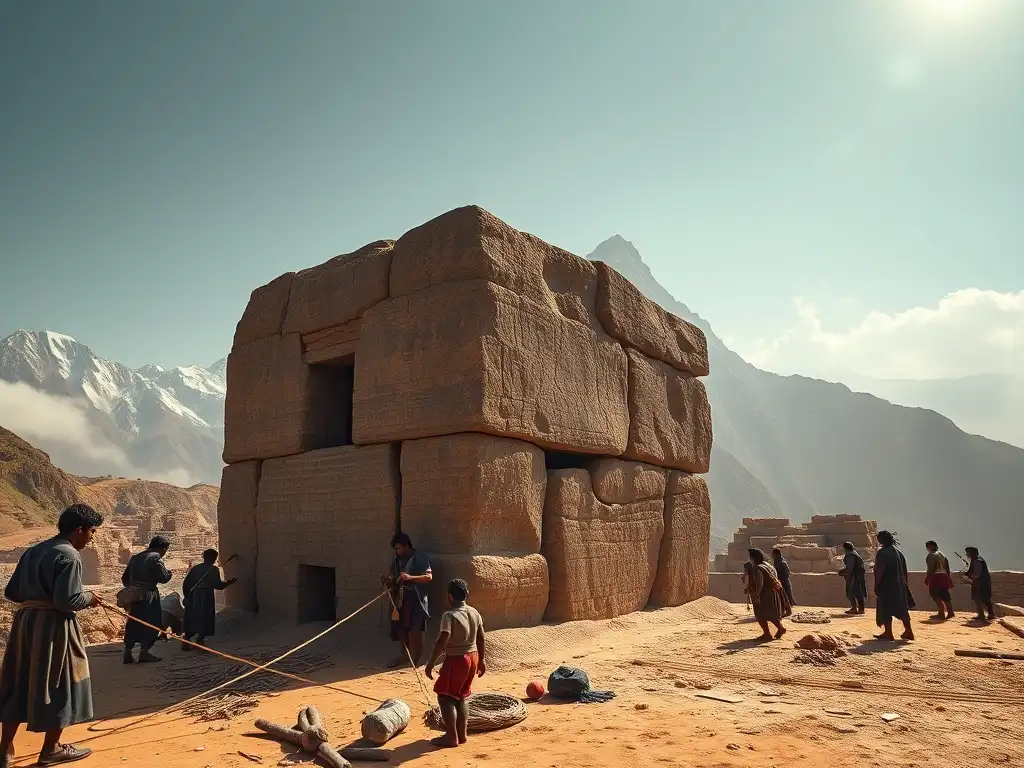
The Inca mita system, while demanding, profoundly shaped Andean society. Its impact extended far beyond the immediate construction projects. The system fostered a sense of collective responsibility and shared purpose, binding communities together in a vast, interconnected network. Successful completion of mita obligations contributed to social standing and prestige within one's ayllu, the fundamental social and economic unit.
Conversely, failure to fulfill mita duties could result in penalties, impacting an individual's social standing and even leading to punishment. This system, therefore, acted as a powerful social control mechanism, ensuring compliance and maintaining order across the vast Inca Empire. The constant movement of people for mita also facilitated cultural exchange and the dissemination of ideas and technologies across the empire.
This cross-pollination enriched various aspects of Inca life, from agricultural practices to artistic expression. Furthermore, the infrastructure projects undertaken through mita—roads, irrigation canals, and monumental architecture—directly improved the lives of the populace, providing better access to resources and enhancing overall quality of life. The system, however complex and demanding, played a critical role in creating the social cohesion and infrastructure that characterized the Inca Empire.
How Inca Labor Practices Shaped Communities
Inca labor practices, particularly the mita system, significantly impacted the social fabric of Andean communities. The cyclical nature of mita assignments meant that individuals would periodically leave their home communities to work on state projects. This created a dynamic exchange of knowledge, skills, and perspectives between different regions. For example, skilled artisans from Cuzco might be sent to work on a project in a distant province, sharing their expertise and contributing to the development of local crafts.
Similarly, individuals from various regions worked side-by-side, fostering a sense of unity and shared identity within the larger Inca Empire. The construction of monumental projects like Machu Picchu not only involved the movement of vast quantities of stone but also the movement of people, shaping social interactions and relationships across the empire. The mita system also influenced the organization and structure of communities themselves.
The ayllu, with its intricate system of reciprocal obligations and collective responsibility, became even more vital in managing the demands of mita participation and supporting those who were away working. This reinforced existing social structures while simultaneously adapting them to the needs of the imperial state. The impact on community life was multifaceted, influencing social interactions, economic activity, and the very organization of Andean society.
Beyond Mita: Other Forms of Inca Labor
While the mita system was the cornerstone of Inca labor mobilization, it wasn't the only form of labor employed in construction projects. The Inca Empire also utilized other forms of labor, each with its own characteristics and implications. For instance, specialized craftsmen and artisans, often working on intricate details within buildings or creating decorative elements, were not typically subject to the mita system. Their skills were highly valued, and they often enjoyed a higher social status and better working conditions.
Furthermore, the Inca state employed a significant number of full-time laborers who worked directly for the government on a permanent basis. These individuals were responsible for maintaining infrastructure, overseeing construction projects, and performing various administrative tasks. The precise nature of their employment and their relationship to the mita system requires further research, but their contribution to Inca construction was undoubtedly significant.
Additionally, the use of conscripted labor during periods of war or emergency, while not a regular form of labor, also played a role in undertaking large-scale construction projects. Understanding the different forms of labor employed by the Inca Empire provides a more complete picture of their sophisticated and multifaceted construction system. This nuanced approach allows for a richer appreciation of the organization and management of Inca labor practices.
Yanacona Labor: Permanent Service and Skilled Craftsmanship
Yanaconas formed a significant segment of the Inca workforce, representing a distinct category of laborers. Unlike mita workers who served for a set period, yanaconas were permanently attached to the Inca state or to specific estates belonging to the elite. This permanent service often involved highly skilled craftsmanship. Yanaconas were frequently employed in specialized roles requiring advanced technical skills, such as stone carving, metalworking, weaving, and pottery making.
Their expertise was crucial in the construction of intricate architectural elements and the production of high-quality goods for the Inca elite. Unlike mita workers who often rotated through various tasks, yanaconas developed specialized skills and knowledge over time, contributing to the high level of craftsmanship observed in Inca architecture and artifacts. The status of yanaconas varied, with some possibly enjoying better living conditions and social standing than others.
However, their lives were fundamentally tied to the Inca state, and their labor was essential to the empire's functioning and the construction of its monumental buildings. Studying yanacona labor provides valuable insight into the specialized skills and knowledge that underpinned Inca construction and reveals a more complex picture of Inca social organization than often presented. Further investigation into the lives and experiences of yanaconas is crucial for a more complete understanding of Inca labor practices.
The Legacy of Inca Construction Labor: Lessons for Today
The Inca construction labor system, a marvel of organization and collective effort, offers valuable lessons for contemporary society. Its emphasis on community participation and sustainable resource management stands in stark contrast to many modern approaches that prioritize individual gain over collective well-being. The Inca system demonstrates the remarkable achievements possible when a society prioritizes shared goals and equitable distribution of resources.
Analyzing this system allows us to re-evaluate our own approaches to large-scale projects and infrastructure development, prompting us to consider how we can better integrate community involvement and prioritize sustainable practices. The Inca model challenges us to move beyond purely profit-driven initiatives and consider the long-term social and environmental impact of our actions. Understanding the Inca approach provides a powerful framework for creating more equitable and sustainable communities today.
Their success hinges on a lesson often forgotten in our modern world: the strength found in unity and shared purpose. The integration of local knowledge and resources, combined with a clear understanding of collective responsibility, created an enduring legacy that continues to inspire awe and wonder.
Community-Based Development and Resource Management
The Inca system’s success stemmed from its deeply ingrained community-based approach. Projects weren't simply imposed from the top down; rather, they were collaborative endeavors involving the entire community. This fostered a sense of ownership and responsibility, ensuring the project's success and longevity. Resource management was also highly efficient. Materials like stone were sourced locally, minimizing transportation costs and environmental impact.
This localized approach not only reduced the carbon footprint of construction but also strengthened local economies and fostered a deeper connection between the community and the built environment. Furthermore, the system incorporated cyclical resource management, ensuring sustainability and avoiding depletion. This contrasts sharply with many contemporary projects which often prioritize speed and profit over long-term environmental considerations. The Inca model, therefore, highlights the importance of integrating local knowledge and community participation in development projects for achieving both efficiency and sustainability.
The Ingenuity Behind Inca Construction: A Collaborative Effort
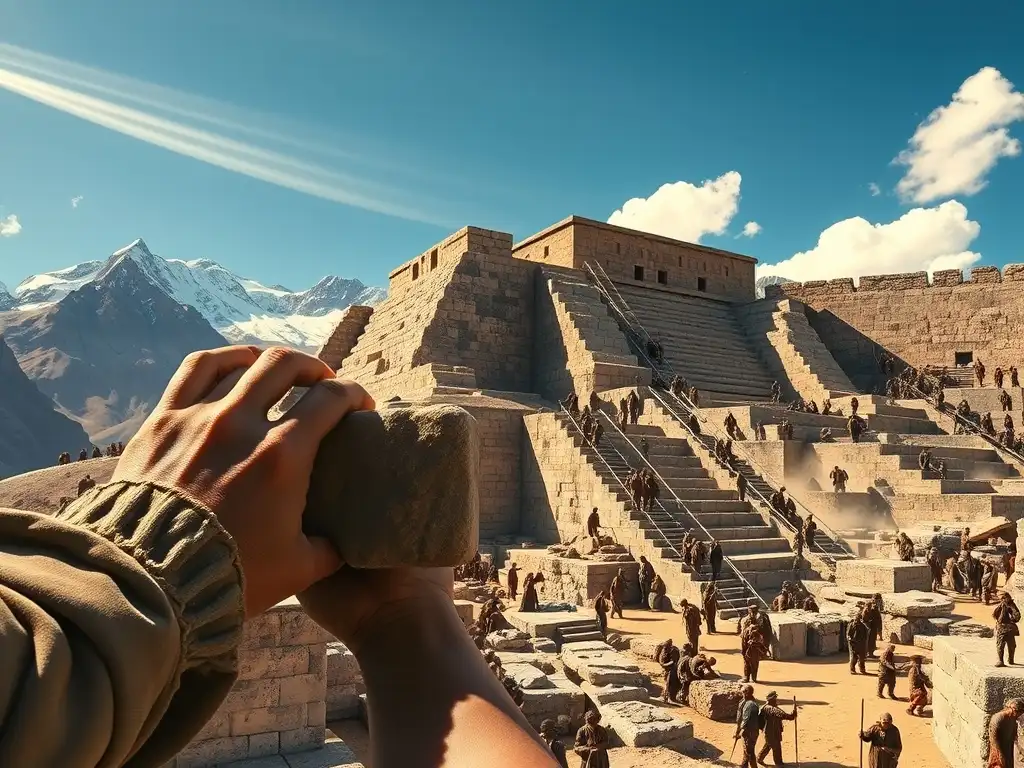
The sheer scale and precision of Inca construction projects remain astonishing. The intricate stonework of Machu Picchu, the extensive road network spanning the Andes, and the impressive irrigation systems are testaments to the ingenuity and collaborative spirit of the Inca people. Their achievements weren't solely the result of advanced engineering techniques but also relied heavily on a highly organized and efficient labor system.
This system, based on the mita system—a form of mandatory labor service—was not simply about forced work, but rather a structured approach to mobilizing the workforce effectively. The mita system, while demanding, was also integrated into the social fabric, ensuring that individuals contributed to the collective good. The careful planning, meticulous execution, and remarkable precision evident in Inca structures highlight the power of collective intelligence and coordinated effort.
This collaborative approach fostered innovation and problem-solving, leading to remarkable engineering feats. The intricate stone fitting, without the use of mortar, is a prime example of this collaborative skill and ingenuity.
The Importance of Collective Work in Inca Achievements
The Inca construction achievements underscore the critical role of collective work in achieving ambitious goals. Individual skills and talents were undoubtedly important, but the success of Inca projects depended on the coordinated efforts of thousands of workers. The ayllu, the basic social and economic unit of Inca society, played a central role in organizing and mobilizing labor.
This system fostered a strong sense of community and mutual support, motivating individuals to work together for the common good. The construction of large-scale projects, such as the impressive terraces carved into the Andes mountainsides, required not only skilled masons and engineers but also the combined efforts of farmers, carriers, and other specialists. The seamless integration of diverse skills and labor created a powerful synergy, maximizing efficiency and minimizing waste.
This emphasizes the importance of recognizing and valuing the contributions of every member of a team, regardless of their specific role. The Inca legacy serves as a powerful reminder that great achievements are rarely the work of individuals alone, but rather the result of collective effort and shared vision.
Inca Construction Workforce: The Backbone of the Empire
The Inca Empire's awe-inspiring architectural achievements, from Machu Picchu's breathtaking terraces to the intricate stonework of Sacsayhuamán, were not the product of magic or superhuman strength, but rather a highly organized and efficient labor system. The backbone of this system was the mita, a form of mandatory public service that obligated all able-bodied subjects to contribute a set amount of labor to state projects. This wasn't simply forced labor; it was a fundamental aspect of Inca society, a system that bound the empire together through shared responsibility and collective achievement. The mita wasn't limited to construction; it encompassed agricultural work, mining, and textile production, but its impact on Inca construction was undeniable.
The sheer scale of projects like the extensive road network, sophisticated irrigation systems, and monumental buildings speaks volumes about the vast human resources mobilized through the mita. The system ensured a constant supply of workers, allowing for the continuous progress of construction projects, regardless of seasonal fluctuations in agricultural activities. Specialized workers, such as stonemasons, carpenters, and metalworkers, also played crucial roles, demonstrating a level of technical skill and organization rarely seen in other pre-industrial societies. Their mastery of stone cutting and fitting, for instance, is evident in the precision and seamless integration of massive stones in Inca structures.
The organization of this workforce, categorized by skill and experience, allowed for efficient task allocation and project management, maximizing productivity and minimizing delays. The Inca's success in construction was inextricably linked to their ability to effectively harness and manage their vast human resources through the mita system. This system, while demanding, fostered a sense of community and collective pride in the accomplishments of the empire.
Challenges and Limitations of the Inca Labor System
While the Inca mita system was remarkably effective in mobilizing labor for large-scale construction projects, it wasn't without its challenges and limitations. The demands placed on individuals could be significant, requiring them to leave their families and communities for extended periods. This separation, often for months at a time, could strain family structures and disrupt agricultural cycles, potentially leading to food shortages in their absence. The system's effectiveness also depended heavily on the efficient organization and fair distribution of tasks.
Inefficiencies or mismanagement could lead to worker discontent and reduced productivity. Furthermore, the mita system relied on a healthy and robust population. Disease outbreaks or periods of famine could significantly reduce the available workforce, impacting the progress of construction projects and potentially straining the empire's resources.
The logistical challenges of transporting workers and materials to remote construction sites were also considerable. The Inca road network, while impressive, couldn't always easily cope with the demands of major construction projects, leading to delays and potential inefficiencies. Successfully managing the mita and mitigating its inherent challenges required skillful administration, meticulous planning, and a deep understanding of both the capabilities and limitations of the workforce and the available resources.
Potential Drawbacks of the Mita System: Social Disruptions and Regional Imbalances
One of the potential drawbacks of the mita system was its potential to cause social disruptions and regional imbalances. While the system aimed for equitable distribution of labor demands, the reality was often more complex. Certain regions might bear a disproportionate burden of construction projects, leading to resentment and potential unrest.
This imbalance could be exacerbated by factors such as proximity to construction sites or the availability of skilled labor in specific areas. The prolonged absence of able-bodied men from their communities to work on state projects could also negatively impact local economies and social structures, potentially leading to a decline in agricultural output and other essential activities. Additionally, the mita system could be exploited by local officials, who might favor certain individuals or communities, leading to further inequalities and social tensions.
While the Inca state attempted to mitigate these issues through oversight and regulations, the sheer scale of the empire and the complexities of managing such a vast labor system made it difficult to prevent all forms of abuse or imbalance. The potential for social disruption and regional imbalances highlights the inherent complexities of managing a large-scale, centralized labor system, even one as well-organized and sophisticated as the Inca mita. Careful consideration of these potential drawbacks is crucial for a complete understanding of the Inca construction labor system and its impact on Inca society.
Inca Labor in Specific Architectural Projects
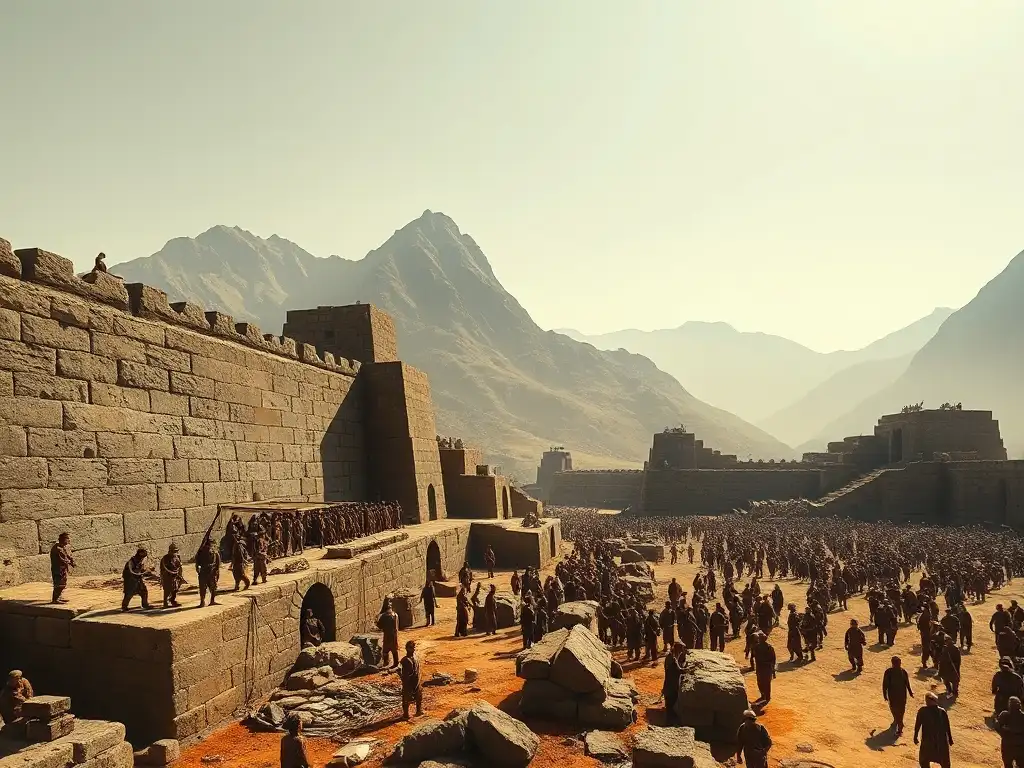
The Inca mita system, a form of mandatory public service, was the backbone of Inca construction projects. This wasn't simply forced labor; it was a deeply ingrained societal obligation viewed as a contribution to the collective good and the empire's prosperity. The scale of Inca architecture demands an understanding of the sheer manpower involved.
Projects like Machu Picchu, with its intricate stonework and complex agricultural terraces, required a massive, coordinated workforce. The precision and scale of these projects speak volumes about the effectiveness of Inca labor organization and management. Consider, for instance, the precise fitting of massive stones in structures like Sacsayhuaman – a feat requiring not just brute strength, but also sophisticated engineering knowledge and meticulous craftsmanship.
The system ensured that a large, constantly replenished workforce was available for projects of varying scales and durations, adapting to seasonal demands and the needs of the empire. This adaptability was crucial for the successful completion of numerous projects throughout the vast Inca empire. We can see this adaptability in the differing labor requirements for projects like the construction of extensive road networks versus the more specialized skills needed for monumental buildings.
Labor Application in Inca Sites: Sacsayhuaman and Ollantaytambo
Sacsayhuaman, near Cusco, stands as a testament to the Inca's organizational prowess. The massive, precisely fitted stones, some weighing many tons, were transported from distant quarries using ingenious techniques and a vast workforce. The sheer logistical challenge of moving such enormous stones over difficult terrain highlights the sophisticated planning and execution of the Inca labor system.
Ollantaytambo, another impressive example, showcases the integration of agricultural terraces with monumental architecture. The construction of these terraces required extensive earthmoving and irrigation systems, demonstrating the diverse skills employed within the Inca mita system. Archaeological evidence suggests a highly organized system of task allocation, with specialized teams responsible for different aspects of construction, from quarrying and transportation to stone cutting and placement.
The integration of skilled artisans alongside the broader workforce ensured the high quality of workmanship seen in these sites. The precision and scale of these projects continue to challenge modern engineering understanding, highlighting the efficiency and effectiveness of the Inca labor management.
The Importance of Inca Labor Management and Logistics
The success of Inca construction wasn't solely dependent on the sheer number of laborers, but also on the sophisticated management and logistics involved. The mita system was not simply a random allocation of tasks; it involved meticulous planning and organization. Records, likely kept using quipus (knotted cords), would have tracked the allocation of workers, the resources needed, and the progress of projects. The system also involved the efficient management of resources, including food, tools, and materials.
Transportation networks, including extensive road systems, played a critical role in moving materials and workers to construction sites, often across challenging geographical terrains. The ability to mobilize and support such a large workforce over vast distances is a testament to the sophisticated logistical capabilities of the Inca empire. The integration of the mita system with the overall administrative structure of the empire ensured that labor resources were effectively channeled towards the needs of the state and the continuation of monumental building projects.
The effectiveness of this system is further demonstrated by the longevity and impressive scale of Inca architectural achievements. The intricate organization and planning involved in the Inca labor system remain a topic of ongoing fascination and research. Understanding this system is crucial to appreciating the true scale and complexity of Inca construction achievements.
Analyzing the Efficiency of the Inca Construction Labor Model
The Inca construction labor model, while seemingly reliant on a massive, mobilized workforce, was surprisingly efficient. Its success stemmed not solely from sheer numbers, but from a sophisticated system of organization, planning, and resource management. This efficiency is evident in the speed and scale of projects like Machu Picchu, Ollantaytambo, and Sacsayhuamán, all completed within relatively short timeframes considering the available technology.
Archaeological evidence suggests meticulous planning, with precise stone cutting and fitting done far from the construction site, demonstrating a high level of prefabrication. This reduced on-site labor time and maximized efficiency. Furthermore, the standardization of stone sizes and shapes allowed for faster assembly, akin to a modern prefabricated building system.
The system's efficiency wasn't merely about speed; it also minimized waste and maximized the use of available resources, showcasing a remarkable understanding of logistics and project management. This is particularly impressive given the lack of advanced tools and the challenging Andean terrain. Studies comparing the Inca construction methods to modern practices often highlight the surprising effectiveness of their techniques, demonstrating a sophisticated understanding of workforce allocation and task management.
The efficiency of the Inca system is further highlighted by the integration of labor with other aspects of Inca society. The mita system, while often viewed as a form of forced labor, provided a structured framework for allocating manpower to construction projects. This wasn't a random assignment; it was carefully planned to ensure a steady supply of workers with necessary skills, thereby optimizing project timelines.
The system also incorporated periods of rest and rotation, preventing worker burnout and maintaining productivity. While the mita system undoubtedly had its drawbacks, its integration within the wider Inca social and economic structure contributed to the overall efficiency of their construction projects. The organization of labor, coupled with the efficient use of resources and materials, enabled the Incas to achieve remarkable feats of engineering and architecture.
This model serves as a compelling case study in efficient project management, even by today's standards. Further research into the logistical aspects of Inca construction projects, such as transportation of materials and food supplies for the workforce, would provide a more complete understanding of this remarkable system.
- Understanding the Inca Construction Labor System
- The Foundation of Inca Labor: The Mita System
- Mita Labor: Obligations and Responsibilities
- Organizing Inca Construction Projects: From Planning to Execution
- The Societal Impact of the Inca Labor System
- Beyond Mita: Other Forms of Inca Labor
- The Legacy of Inca Construction Labor: Lessons for Today
- The Ingenuity Behind Inca Construction: A Collaborative Effort
- Inca Construction Workforce: The Backbone of the Empire
- Challenges and Limitations of the Inca Labor System
- Inca Labor in Specific Architectural Projects
- The Importance of Inca Labor Management and Logistics
- Analyzing the Efficiency of the Inca Construction Labor Model
- How did the Inca Empire manage such large-scale construction projects?
- What was the mita system?
- Were workers paid for their labor in Inca construction projects?
- What types of infrastructure did the Inca labor system build?
- How did the Inca ensure the quality of construction despite using a large workforce?
Frequently Asked Questions
How did the Inca Empire manage such large-scale construction projects?
The Inca employed a highly organized labor system, known as mita, which required citizens to contribute a set amount of time to public works. This system of shared effort allowed for the mobilization of a vast workforce for projects like Machu Picchu.
What was the mita system?
Mita was a form of mandatory labor imposed by the Inca government. It wasn't slavery, but rather a civic duty that rotated among able-bodied citizens. It was crucial for large-scale construction projects and agricultural endeavors.
Were workers paid for their labor in Inca construction projects?
While not paid in the traditional sense with money, workers received food, lodging, and clothing during their service under the mita system. This ensured their well-being and supported their participation in these projects.
What types of infrastructure did the Inca labor system build?
The Inca mita system was responsible for a wide array of impressive structures, including temples, palaces, roads, irrigation systems, and of course, the iconic stonework of Machu Picchu and other cities.
How did the Inca ensure the quality of construction despite using a large workforce?
The Inca had a sophisticated system of skilled foremen and supervisors who oversaw the construction process. This ensured high standards and the efficient use of the available labor force, resulting in the durability of their structures.
Final Reflection: Echoes of the Inca's Collective Strength
The intricate stonework of Machu Picchu and the vast network of Inca roads stand as testaments not only to architectural brilliance but also to the power of collective human endeavor. These monumental achievements, often viewed through a lens of imperial power, reveal a sophisticated labor system that prioritized community and shared responsibility, a system whose echoes resonate even in our modern world grappling with issues of equitable resource distribution and collaborative problem-solving.
The Inca's approach to labor, far from being solely exploitative, fostered a sense of communal ownership and pride in the projects undertaken. This system, built on the ayllu community structure, created a powerful sense of shared identity and purpose. The Inca state was not simply a political entity but a vast, integrated social organism, where every individual had a defined role and responsibility.
This quote highlights the interconnectedness of the Inca system, a concept we can learn from as we strive for more sustainable and inclusive societies. The legacy of this system continues to inspire discussions on equitable work practices and the importance of community involvement in large-scale projects.
Consider the implications of this ancient system for your own life. How can you contribute to a more collaborative and equitable environment in your workplace, your community, or even your own personal projects? Embrace the spirit of ayni, the principle of reciprocity that underpinned Inca society, and find ways to contribute your skills and talents to build something larger than yourself. The enduring legacy of Inca construction is not just in the stones themselves, but in the enduring power of collective human effort – a power that remains available to us all.
Thank you for exploring the fascinating world of Inca construction and the vital role of collective labor in their remarkable achievements! You've discovered how teamwork and collaboration shaped one of history's most advanced civilizations. Now, let's put this knowledge into practice.
Here are some ways you can connect with this enriching theme:
- **Volunteer in your community** to experience firsthand the power of collaborative work. Many local organizations need help with construction, restoration projects, or environmental initiatives.
- **Share your newfound knowledge! ** Discuss the importance of collaboration in both daily life and historical contexts with friends, family, or on social media—let's keep the conversation going!
- **Deepen your understanding of Inca achievements** by visiting a museum or historical site, or by reading about indigenous cultures that prioritize collective effort.
How does the concept of shared labor resonate with your own community? I'd love to hear your perspectives!