
The Inca's Legacy in Modern Architecture: Inspiration and Influence

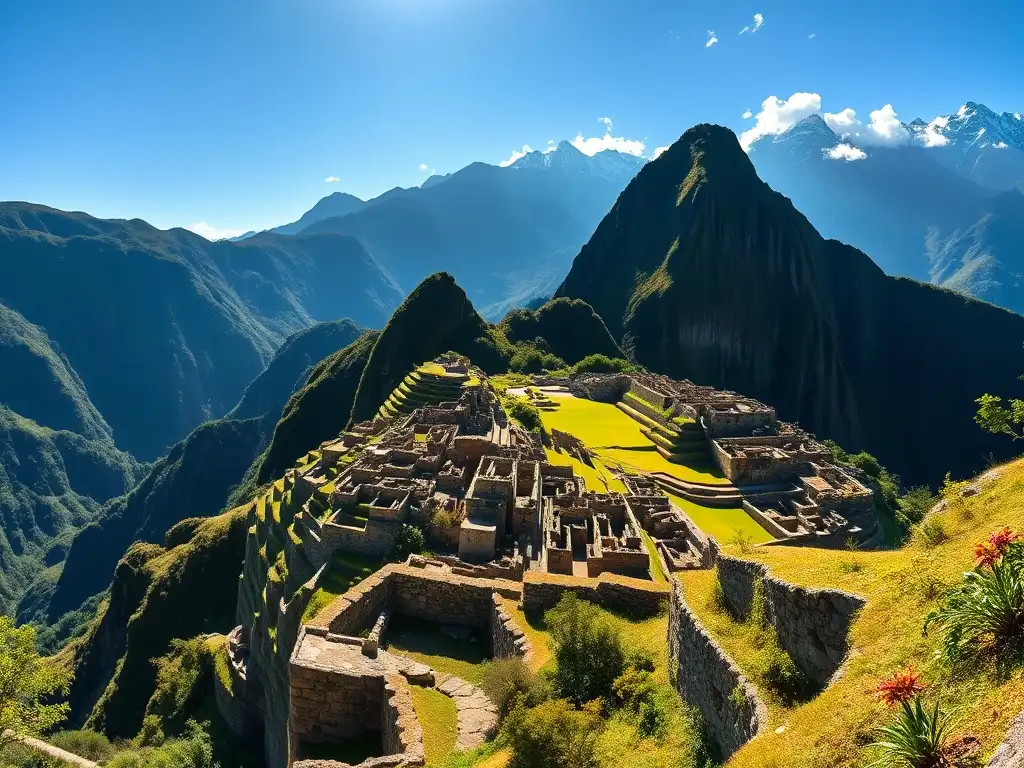
Uncover the secrets woven into the very fabric of our modern world. For centuries, the ingenuity of the Andean civilizations has captivated the imagination, leaving an enduring legacy. But did you know the breathtaking Inca architecture continues to profoundly influence modern design? Journey with us as we explore this fascinating connection – a testament to the enduring power of a lost empire. Prepare to be amazed by the intricate details and surprising parallels in our exploration of " Inca architecture influence modern design".
The Inca Empire, a civilization that flourished in the Andes Mountains for centuries, left behind a remarkable architectural legacy. Their mastery of stonework, innovative construction techniques, and profound understanding of their environment continue to inspire architects and designers today.
This article delves into the fascinating ways in which Inca architectural principles and aesthetics have influenced modern design, exploring specific examples and analyzing the enduring impact of this ancient civilization on contemporary buildings and urban planning. We'll examine how the principles of sustainability, adaptability to diverse terrains, and the integration of natural elements found in Inca structures are being reinterpreted and applied in modern contexts, showcasing the timeless relevance of Inca architectural ingenuity.
The exploration of this rich interplay between past and present offers a compelling narrative of how ancient wisdom can inform and enhance contemporary design. We will explore the specific ways Inca architecture continues to impact modern design, focusing on the keyword "Inca architecture influence modern design" and its various semantic variations.
Introduction: Unveiling the Enduring Impact of Inca Design
The ingenuity of Inca architecture is undeniable. Their ability to construct massive stone structures, seamlessly fitted together without mortar, on challenging mountain terrain is a testament to their advanced understanding of engineering and construction. This mastery wasn't just about technical skill; it was deeply intertwined with their cosmology, social structure, and relationship with the natural world.
The precise stonework, the strategic placement of buildings, and the harmonious integration with the landscape all reflect a holistic design philosophy that continues to resonate with modern architects seeking sustainable and aesthetically pleasing solutions. From the majestic Machu Picchu to the intricate urban planning of Cusco, the Inca legacy provides a rich source of inspiration for contemporary design.
The use of local materials, the adaptation to the environment, and the emphasis on functionality and durability are just some of the key elements that continue to inform modern architectural practices. We will delve deeper into specific examples to illustrate this enduring influence.
Sustainable Design Principles: Echoes of Inca Ingenuity
Inca architecture prioritized sustainability in a way that resonates powerfully with modern concerns. Their buildings were designed to minimize environmental impact, using locally sourced materials and techniques that adapted to the unique challenges of the Andean landscape. For example, the use of stone, readily available in the region, reduced the carbon footprint associated with transportation and manufacturing.
The integration of natural ventilation and the strategic orientation of buildings to maximize sunlight and minimize wind exposure demonstrate a sophisticated understanding of passive design principles. Modern architects are increasingly looking to these ancient techniques to create more sustainable and environmentally friendly buildings, reimagining traditional methods in the context of contemporary materials and technologies. The study of Inca sustainable building practices offers valuable lessons for creating a more environmentally responsible built environment.
Adaptability and Integration with the Landscape: Modern Interpretations
The Inca's ability to adapt their architecture to the challenging Andean terrain is another remarkable aspect of their legacy. Their structures were seamlessly integrated into the landscape, often utilizing natural features like cliffs and hillsides to create visually stunning and structurally sound buildings. This approach contrasts sharply with the often disruptive impact of modern construction.
However, contemporary architects are increasingly embracing biomimicry and seeking to integrate buildings more harmoniously with their surroundings, drawing inspiration from the Inca's sensitive approach to site planning and construction. The concept of "organic architecture," with its emphasis on natural forms and the integration of buildings into the environment, finds a clear precedent in Inca design.
The Use of Stone and Masonry: A Timeless Aesthetic
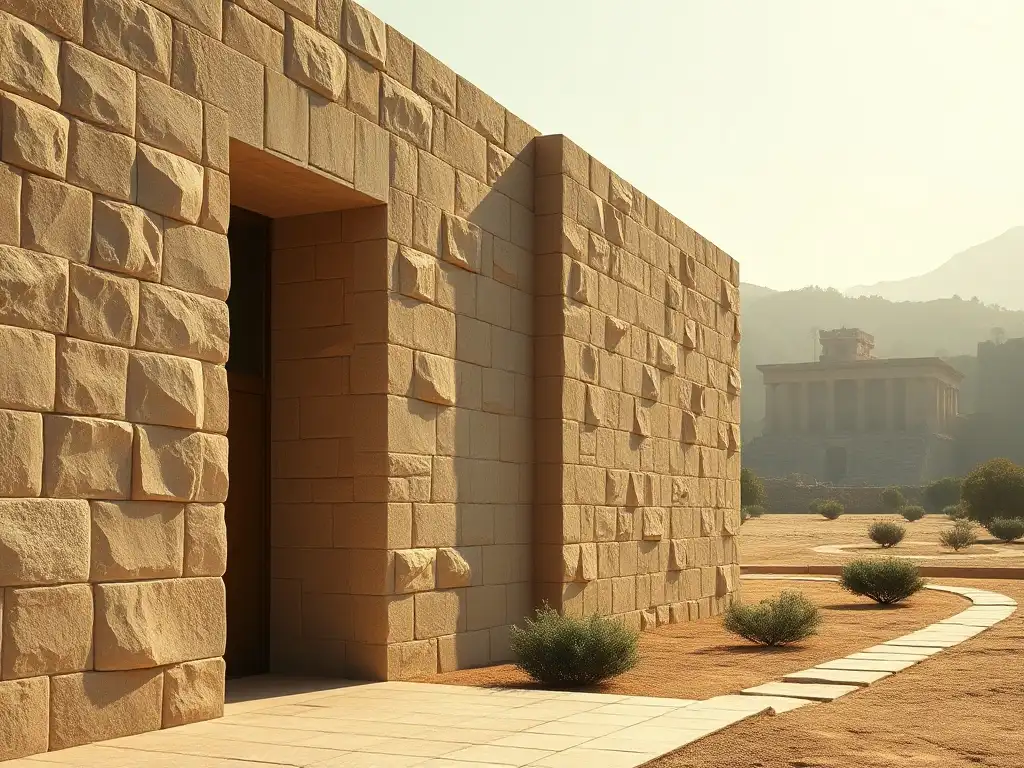
The precise stonework of Inca structures is arguably their most striking characteristic. The seamless fit of massive stones, achieved without the use of mortar, is a testament to their engineering prowess and artistic skill. This meticulous craftsmanship has inspired generations of architects and continues to influence contemporary design.
The simple yet elegant aesthetic of Inca stonework, characterized by its clean lines and harmonious proportions, is often emulated in modern buildings seeking a sense of timeless elegance and durability. The enduring appeal of Inca stonework showcases the lasting power of simple, well-executed design. The meticulous attention to detail in Inca masonry serves as a powerful reminder of the importance of craftsmanship in architecture.
Conclusion: A Continuing Dialogue Between Past and Present
The Inca's architectural legacy extends far beyond mere historical significance. Their innovative designs, sustainable practices, and deep understanding of their environment continue to inform and inspire modern architects and designers. By studying and reinterpreting Inca architectural principles, we can create more sustainable, aesthetically pleasing, and culturally relevant buildings for the future.
The enduring influence of Inca architecture on modern design is a testament to the timeless wisdom embedded within these ancient structures, proving that the past can indeed illuminate the path forward. The continued exploration of Inca architecture will undoubtedly yield further insights and inspire new innovations in modern design.
- Introduction: Unveiling the Enduring Impact of Inca Design
- Sustainable Design Principles: Echoes of Inca Ingenuity
- Adaptability and Integration with the Landscape: Modern Interpretations
- The Use of Stone and Masonry: A Timeless Aesthetic
- Conclusion: A Continuing Dialogue Between Past and Present
- Case Study 1: The Pachacamac Site Museum - A Modern Interpretation of Inca Walls
- Case Study 2: The Biohabitat Project in Cusco - Inca Engineering Principles in Modern Construction
- Case Study 3: Various Hotels in the Sacred Valley - Integrating Inca Design Elements into Contemporary Structures
- Analysis of Common Elements in Inca-Inspired Modern Architecture
- What is the most significant influence of Inca architecture on modern design?
- How did the Incas' use of stone influence contemporary building practices?
- Are there any specific modern architectural examples showcasing Inca influence?
- What aspects of Inca city planning are relevant to modern urban design?
- How does the Inca's understanding of engineering influence modern architecture?
Inca Architectural Principles and Their Relevance Today
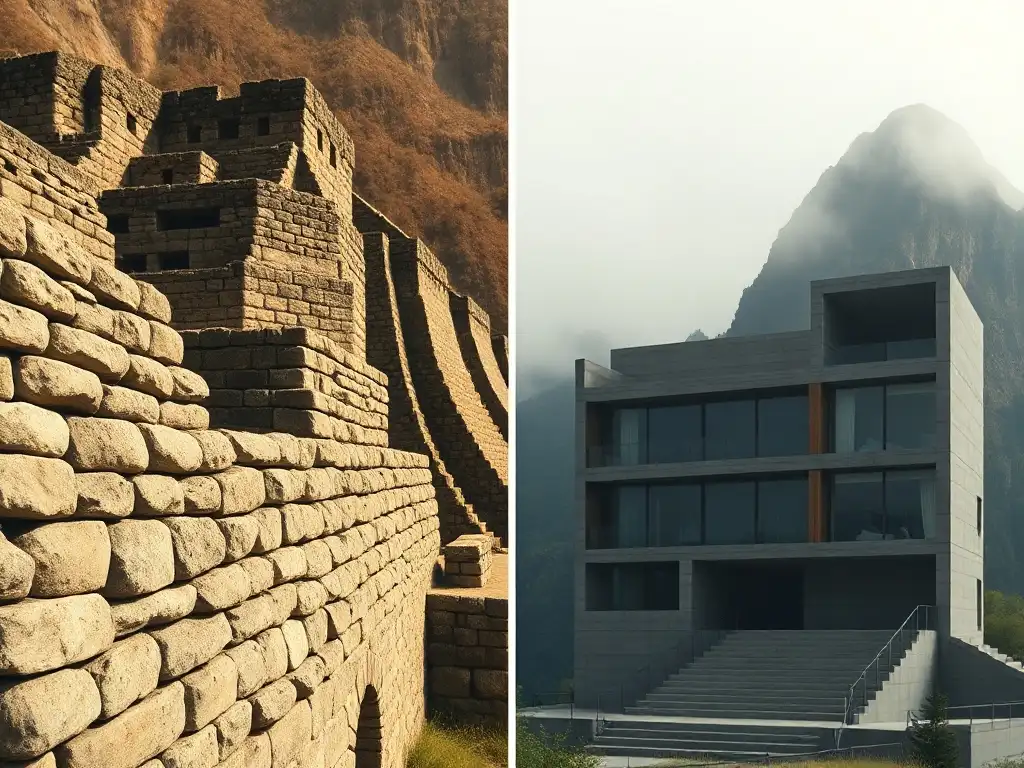
The Inca Empire, renowned for its sophisticated civilization, left behind a remarkable architectural legacy that continues to inspire and influence modern design. Their mastery of stonework, innovative sustainable practices, and deep respect for the natural environment offer valuable lessons for contemporary architects and engineers striving for both aesthetic excellence and environmental responsibility. The enduring appeal of Inca architecture lies not only in its visual impact but also in its underlying principles of functionality, resilience, and harmony with the surrounding landscape.
Understanding these principles allows us to appreciate the ingenuity of Inca builders and explore how their methods can inform modern design solutions. The keyword "Inca architecture influence modern design" is central to this exploration, highlighting the ongoing relevance of their techniques and philosophies.
Mastery of Stone: Inca Construction Techniques as a Model
Inca stonework represents a pinnacle of precision and artistry. Their ability to shape and fit stones with such accuracy that no mortar was needed remains a testament to their advanced engineering skills. This "dry-stone" construction, characterized by incredibly tight-fitting stones, created incredibly strong and durable structures. Consider the impressive walls of Machu Picchu, where stones are so precisely interlocked that a knife blade cannot be inserted between them. This level of precision wasn't just aesthetic; it significantly enhanced the seismic resilience of their buildings, allowing them to withstand earthquakes that would crumble less skillfully constructed structures.
Modern architects are increasingly looking to Inca techniques for inspiration in creating earthquake-resistant buildings. The use of interlocking stones, combined with modern materials and engineering principles, offers a potentially more sustainable and resilient alternative to conventional construction methods. The inherent stability of dry-stone walls reduces reliance on concrete and steel, lowering the overall environmental impact.
Moreover, the meticulous craftsmanship of Inca stonework serves as a reminder of the importance of quality and durability in construction, countering the often-disposable nature of modern building practices. The beauty and longevity of Inca stone structures stand as a powerful example of building for the ages.
Adapting to the Environment: Sustainable Design Lessons from the Incas
The Inca civilization thrived by harmoniously integrating their architecture with the challenging Andean environment. Their buildings were meticulously adapted to the steep slopes, varied climates, and seismic activity of the region. Clever techniques such as terracing, for example, not only created agricultural land but also stabilized hillsides, preventing erosion and landslides. This demonstrates a profound understanding of the importance of working with nature, rather than against it.
Furthermore, Inca architects strategically utilized local materials, minimizing transportation costs and environmental impact. The use of readily available stone and timber reduced the carbon footprint of their construction projects. Their designs also incorporated natural ventilation and passive solar heating, optimizing energy efficiency without the need for advanced mechanical systems.
These sustainable practices, developed centuries ago, offer valuable insights for modern architects seeking to create environmentally responsible buildings. The Inca approach to sustainable design provides a powerful counterpoint to the often resource-intensive methods prevalent in contemporary construction, prompting us to rethink our relationship with the environment in the design process. The influence of Inca sustainable architecture on contemporary design is a growing trend as we seek to build more environmentally friendly structures.
The Importance of Harmony: Incorporating Natural Elements into Structures
Inca architecture is characterized by a deep respect for the natural world. Their buildings were not merely structures but integral parts of the landscape, seamlessly blending with their surroundings. The use of natural materials like stone and wood created a sense of continuity between the built environment and the natural world. Furthermore, the integration of natural elements, such as water features and carefully planned landscaping, enhanced the aesthetic appeal and functionality of their structures.
Modern architects are increasingly emphasizing biophilic design, which incorporates natural elements into buildings to improve the well-being of occupants. The Inca emphasis on harmony between built and natural environments serves as a powerful example of this principle. By incorporating natural light, ventilation, and views of nature, architects can create more comfortable, healthy, and aesthetically pleasing spaces.
The Inca legacy reminds us that architecture is not just about functionality and structural integrity but also about creating spaces that foster a connection with the natural world and promote human well-being. The integration of natural elements, a hallmark of Inca architecture, continues to resonate in contemporary design, reflecting a growing awareness of the importance of nature in our built environments. It's a testament to the enduring influence of Inca architectural principles on modern design sensibilities.
Functional Design: Inca Structures and Their Practical Applications
Inca architecture wasn't merely aesthetically pleasing; it was profoundly functional, reflecting a deep understanding of the Andean environment and the needs of its people. Their structures were meticulously designed to withstand earthquakes, utilize available resources efficiently, and serve specific purposes within their complex social organization. The integration of functionality and aesthetics is a key principle that continues to resonate in modern design.
Consider, for instance, the ingenious use of stone in Inca construction. The precise fitting of stones without mortar—a testament to their advanced engineering skills—created incredibly strong and stable structures. This technique, known as ashlar masonry, minimized the need for additional materials and allowed for flexibility in adapting to the uneven terrain of the Andes.
Modern architects still admire and draw inspiration from this method, seeking to replicate its durability and efficiency in contemporary buildings, particularly in earthquake-prone regions. The inherent strength of these structures, even without the use of concrete, exemplifies a sustainable approach to construction that is increasingly valued today.
Furthermore, the functional design of Inca buildings extended beyond their structural integrity. The layout and orientation of structures were carefully planned to maximize sunlight and ventilation, creating comfortable living and working environments. This understanding of passive solar design and natural airflow is being rediscovered and implemented in modern green building practices. We see this reflected in the design of buildings that prioritize natural light and ventilation to reduce energy consumption and environmental impact. The Inca’s masterful use of natural resources to create comfortable and energy-efficient buildings is a significant lesson for contemporary architects striving for sustainable design.
The intricate network of roads and pathways constructed by the Inca also demonstrates their focus on functional design. These roads, carved into mountainsides and spanning vast distances, facilitated communication, trade, and the movement of people and goods across their empire. The strategic placement of these pathways, often following natural contours and utilizing existing geographical features, showcases a sophisticated understanding of infrastructure planning.
This concept of integrating infrastructure with the natural landscape is a key aspect of modern sustainable urban planning, where minimizing environmental impact and maximizing efficiency are paramount. The Inca's sophisticated road system serves as a powerful example of how infrastructure can both support a society and respect its environment. The enduring functionality of their design continues to inspire modern engineers and urban planners.
How Inca Architecture Influences Contemporary Design
The Inca Empire, renowned for its sophisticated engineering and breathtaking architecture, continues to inspire modern designers worldwide. The ingenuity displayed in Inca constructions, particularly their mastery of stonework, terracing, and the integration of their structures with the natural landscape, offers a wealth of design principles that resonate even today. This enduring legacy is evident in various aspects of contemporary architecture, landscaping, and interior design, demonstrating the timeless appeal and practicality of Inca architectural techniques.
The keyword phrase "Inca architecture influence modern design" perfectly encapsulates this lasting impact, highlighting the continuing relevance of Inca building practices in shaping the built environment of the 21st century. We will explore some specific examples below, showcasing the breadth and depth of this influence.
Modern Buildings Inspired by Inca Stonework: The Museo Larco, Lima
The Museo Larco in Lima, Peru, serves as a prime example of how Inca stonework inspires modern design. While not a direct replica, the museum's architecture subtly echoes the precision and artistry of Inca masonry. The museum's use of local stone, carefully fitted and arranged, evokes the meticulous craftsmanship characteristic of Inca buildings.
The seamless integration of the building with the surrounding landscape, mirroring the Inca's approach to harmonizing structures with their environment, further strengthens this connection. The museum's design successfully blends contemporary aesthetics with a respectful nod to the Inca legacy, demonstrating how modern architects can draw inspiration from the past without resorting to mere imitation. The building's understated elegance and functionality showcase the enduring relevance of Inca principles of construction and design.
The intricate detailing, though modern in execution, subtly reflects the refined patterns and textures found in Inca stonework, creating a visually appealing and historically resonant structure. This careful balance between tradition and innovation is a hallmark of successful modern interpretations of Inca architecture.
The Use of Terraces in Modern Landscaping and Architecture
Inca terracing, a remarkable feat of engineering, is another significant aspect of their legacy that continues to influence contemporary design. The ingenious system of terraced agriculture, adapted to the challenging Andean terrain, provides a model for sustainable and aesthetically pleasing landscaping solutions. Modern architects and landscape designers are increasingly incorporating terraced elements into their projects, replicating the Inca's ability to create functional and visually stunning landscapes on sloped sites.
This technique not only maximizes usable space but also minimizes soil erosion and enhances the visual appeal of the landscape. The cascading effect of terraces creates a sense of dynamism and verticality, adding depth and visual interest to both residential and commercial projects.
Furthermore, the integration of terraces with green spaces promotes biodiversity and contributes to a more sustainable built environment. Examples can be found in contemporary residential complexes and public parks, where terraces are used to create tiered gardens, seating areas, and even outdoor living spaces, showcasing the versatility and enduring value of Inca terracing techniques.
Incorporating Andean Motifs and Patterns in Contemporary Design
Beyond structural elements, Inca motifs and patterns continue to inspire modern designers. The intricate geometric designs found in Inca textiles, pottery, and stone carvings are being reinterpreted and adapted in various contemporary contexts. These patterns, often characterized by their symmetry, repetition, and use of bold colors, add a unique visual dimension to modern interiors and exteriors.
Modern designers frequently incorporate Andean-inspired textiles in furniture, wall coverings, and other decorative elements. The use of these patterns in contemporary architecture can range from subtle accents to prominent features, adding a touch of cultural richness and visual interest. The geometric precision and symbolic meaning embedded in these motifs offer designers a rich source of inspiration, allowing them to create unique and culturally relevant designs.
The enduring appeal of these patterns demonstrates the timeless aesthetic value of Inca artistic traditions and their continued influence on contemporary design sensibilities. The integration of these elements successfully blends cultural heritage with modern design aesthetics, creating a harmonious and visually engaging outcome. This adaptation showcases the versatility and enduring relevance of Inca artistic motifs in the 21st century.
The Influence of Inca Engineering on Modern Infrastructure: Hydroelectric Dams
The Inca's mastery of water management is a testament to their advanced understanding of engineering principles. Their sophisticated irrigation systems, which crisscrossed the Andes, provided a reliable water supply for agriculture and sustained their vast empire. This intricate network of canals, aqueducts, and reservoirs wasn't just about farming; it demonstrated a deep understanding of hydrology and hydraulics. This knowledge directly informs modern infrastructure projects, particularly in the construction of hydroelectric dams.
The Inca's ability to channel water across challenging terrain, often using ingenious techniques like terracing and diverting natural waterways, is strikingly similar to the challenges faced in building modern hydroelectric dams. The precise calculations needed to manage water pressure, flow rates, and the overall structural integrity of their systems are mirrored in the complex engineering required for today's dams. While the materials and technologies differ drastically, the underlying principles of water management and control remain remarkably consistent.
Consider the intricate network of canals that fed Cusco, the Inca capital; the precision and scale of this system rival many modern irrigation projects. The Inca's ability to predict and mitigate risks associated with water flow, even during periods of heavy rainfall or drought, offers valuable lessons for modern dam construction, contributing to improved safety and efficiency. The focus on sustainability, a key aspect of Inca water management, is also increasingly important in modern hydroelectric dam design, as engineers strive to minimize environmental impact.
The legacy of Inca engineering continues to inspire innovative solutions in sustainable water resource management. Their approach serves as a powerful example of how ancient knowledge can inform and improve contemporary practices. Studying their techniques offers insights into optimizing dam design for both effectiveness and environmental responsibility.
Case Studies: Modern Architectural Projects Inspired by the Inca
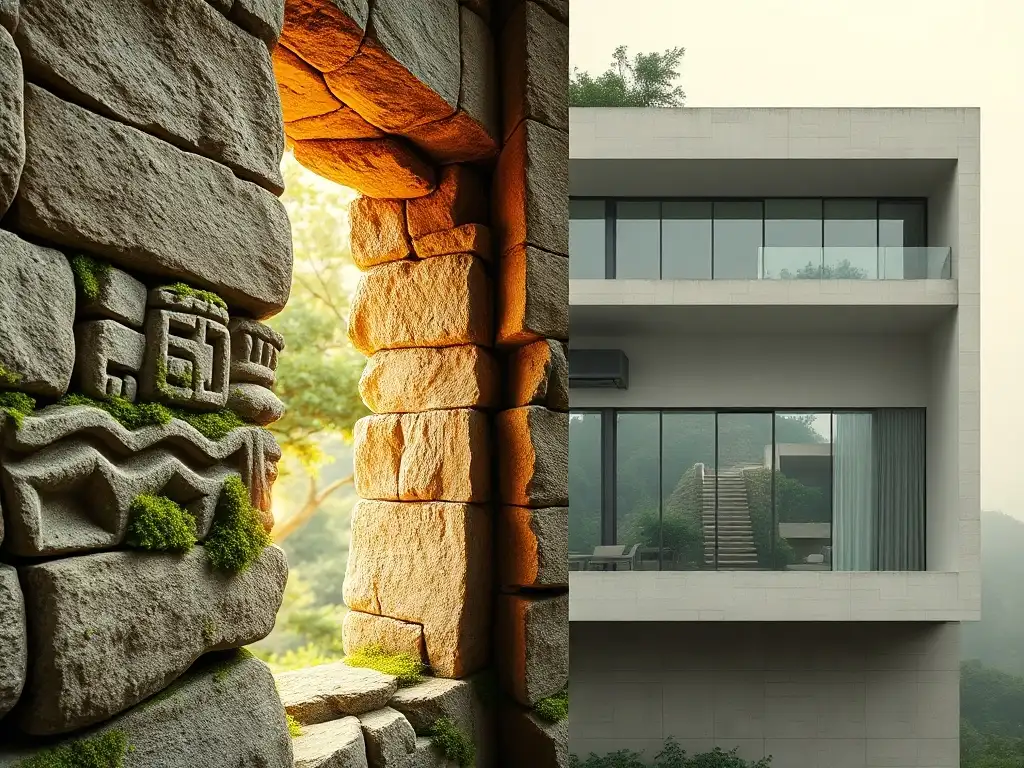
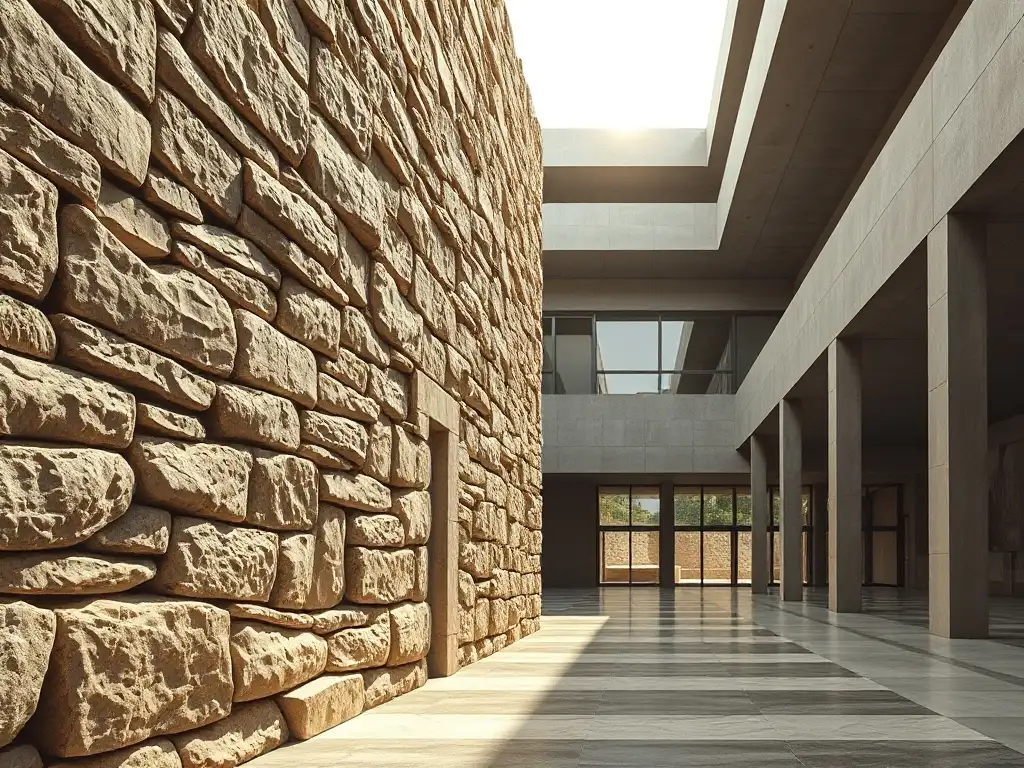
This section delves into specific examples of modern architectural projects that draw inspiration and incorporate elements from Inca architectural principles and aesthetics. The Inca's legacy is not just confined to history books; it continues to shape and inspire contemporary design, demonstrating the enduring power and relevance of their sophisticated building techniques and aesthetic sensibilities. The influence of Inca architecture on modern design is undeniable, as seen in the thoughtful integration of traditional elements into innovative contemporary structures. This enduring influence speaks to the timeless beauty and practicality inherent in Inca design.
Case Study 1: The Pachacamac Site Museum - A Modern Interpretation of Inca Walls
The Pachacamac Site Museum, located near Lima, Peru, provides a compelling example of how modern architects can pay homage to Inca architectural heritage. The museum's design cleverly incorporates elements reminiscent of traditional Inca stonework, particularly in its wall construction. Instead of directly mimicking Inca styles, the architects have abstracted key features, such as the precise stone fitting and the use of natural materials, creating a contemporary structure that subtly evokes the spirit of Inca building.
The museum's muted color palette, the use of locally-sourced stone, and the overall sense of solidity and permanence all echo the characteristics of Inca architecture. The building's design successfully blends seamlessly with the surrounding landscape, a clear demonstration of sustainable and respectful architectural practices, further enhancing the Inca architecture influence modern design theme.
The museum's design demonstrates a sophisticated understanding of how to integrate historical references into a modern context without resorting to mere imitation. This approach showcases a respectful and innovative interpretation of Inca architectural heritage.
Case Study 2: The Biohabitat Project in Cusco - Inca Engineering Principles in Modern Construction
The Biohabitat project in Cusco exemplifies how Inca engineering principles can inform sustainable modern construction. This project, focused on creating environmentally conscious housing, takes inspiration from the Inca's mastery of adapting to the Andean terrain and their use of locally sourced, durable materials. The project utilizes techniques such as dry-stone wall construction, a hallmark of Inca engineering, combined with contemporary materials and technologies.
This fusion creates buildings that are both aesthetically pleasing and environmentally responsible, reflecting the Inca's understanding of harmony between built environment and natural surroundings. The project's emphasis on energy efficiency and minimal environmental impact directly relates to Inca architectural practices, which prioritized sustainability and resourcefulness.
The Biohabitat project showcases how Inca architectural knowledge can inspire modern solutions to contemporary challenges, particularly in sustainable design and construction. The project’s success highlights the enduring relevance of Inca engineering principles in the context of modern sustainable architecture, further emphasizing the Inca architecture influence modern design.
Case Study 3: Various Hotels in the Sacred Valley - Integrating Inca Design Elements into Contemporary Structures
Numerous hotels in the Sacred Valley of the Incas demonstrate the integration of Inca design elements into contemporary hospitality structures. These hotels often incorporate traditional Inca motifs, such as geometric patterns and Andean colors, into their facades and interiors. The use of local stone, similar to the material used in Inca constructions, contributes to a sense of place and authenticity.
However, unlike mere imitation, these hotels often blend these elements with modern architectural styles, resulting in unique and sophisticated designs. For example, some hotels might feature modern glass structures framed by walls featuring Inca-inspired stonework, creating a juxtaposition that is both visually striking and respectful of the region's heritage. The success of these hotels demonstrates the commercial viability of integrating Inca design elements into contemporary buildings, proving the strong influence and appeal of Inca architecture on modern design.
The careful balance between tradition and modernity demonstrates a successful commercial application of Inca architectural inspiration. This trend showcases a broader understanding of how Inca design can enhance modern spaces, making the Inca architecture influence modern design more apparent and widespread.
Analysis of Common Elements in Inca-Inspired Modern Architecture
The Inca Empire's architectural prowess continues to resonate in contemporary design, inspiring architects worldwide. A careful examination reveals several recurring elements that bridge the gap between ancient Andean ingenuity and modern aesthetics. These elements aren't simply superficial imitations; rather, they represent a deeper understanding and appreciation of Inca principles of construction, functionality, and harmony with the environment.
One prominent feature is the use of terraced structures. While not always directly replicating the dramatic scale of Inca terraces carved into hillsides, modern architects frequently employ terraced designs to create visually striking buildings that integrate seamlessly into varied terrains. This technique is particularly effective in mountainous or hilly regions, echoing the Inca's mastery of adapting their architecture to challenging landscapes.
The cascading effect of terraces not only adds aesthetic appeal but also optimizes natural light and ventilation, reflecting the Inca's practical approach to design. We can see this principle applied in numerous modern residential and commercial buildings, particularly in regions with similar geographical features to the Andes.
Another common element is the incorporation of natural materials. The Inca’s extensive use of stone, wood, and adobe heavily influences modern architects seeking sustainable and environmentally conscious designs. The preference for locally sourced materials reduces the carbon footprint and creates a stronger connection to the local context.
Modern interpretations often feature exposed stone walls, wooden beams, and earth-toned palettes, mimicking the earthy tones and textures prevalent in Inca architecture. This commitment to natural materials not only enhances the aesthetic appeal but also contributes to creating healthier and more sustainable environments. This trend is particularly evident in eco-friendly building projects globally.
Furthermore, the Inca's emphasis on symmetry and geometric patterns finds its echo in contemporary designs. While not always strictly adhering to the precise geometric layouts of Inca structures, modern architects often incorporate balanced compositions and repeating motifs to create a sense of order and harmony. This can manifest in the arrangement of windows, the repetition of architectural features, or the use of geometric patterns in facades and interior spaces.
The resulting effect is a design that is both visually appealing and structurally sound, reflecting the Inca's sophisticated understanding of engineering principles. Examples of this can be found in various modern buildings that utilize repetitive patterns to create a unique architectural identity.
Finally, the Inca's profound understanding of integrating architecture with its surroundings remains a powerful inspiration for modern architects. The careful consideration of climate, topography, and the surrounding environment is a key element in many contemporary projects inspired by Inca architecture. Modern architects strive to minimize the environmental impact of their designs by employing passive solar heating and cooling strategies, optimizing natural light and ventilation, and selecting materials that blend harmoniously with the existing landscape.
This holistic approach to design reflects the Inca's deep connection to their environment and their ability to create structures that were both functional and aesthetically pleasing within their context. The integration of green spaces and sustainable materials in modern buildings is a testament to this enduring principle.
Inca Architectural Influence on Different Architectural Styles
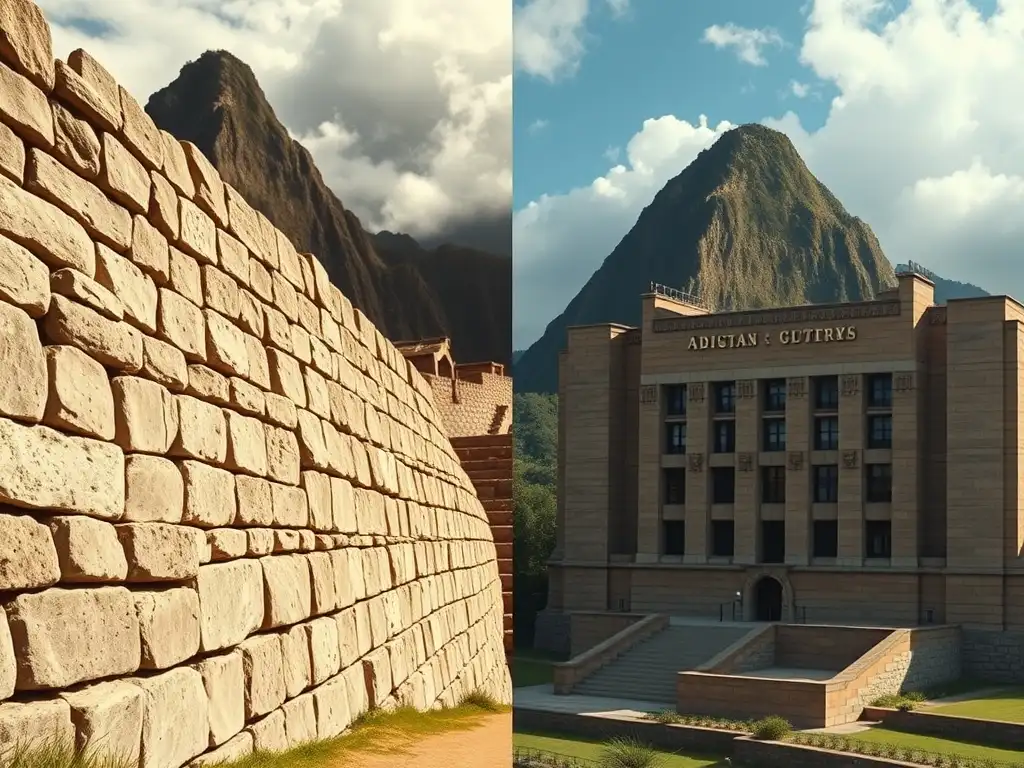
The Inca Empire's architectural prowess continues to resonate in modern design, leaving an indelible mark on various architectural styles globally. Their mastery of stonework, innovative construction techniques, and harmonious integration with the landscape serve as a powerful source of inspiration for contemporary architects and designers seeking sustainable and aesthetically pleasing solutions. The enduring legacy of Inca architecture is evident in its influence on sustainable building practices, landscape architecture, and even interior design.
Understanding this influence requires examining specific examples and analyzing the core principles that underpin Inca architectural design. The keyword phrase "Inca architecture influence modern design" accurately captures the essence of this enduring impact.
Inca Influence on Sustainable Architecture
Inca architecture stands as a testament to sustainable building practices. Their ingenious use of locally sourced materials, such as stone and adobe, minimized environmental impact. The precise fitting of stones, requiring minimal mortar, showcases their understanding of structural integrity and resource efficiency.
This approach directly contrasts with modern construction's often wasteful practices. For example, the meticulous planning and construction of Machu Picchu, perfectly integrated into its mountainous surroundings, demonstrates a deep respect for the environment and a commitment to minimizing disruption to the natural landscape. This resonates strongly with the contemporary emphasis on green building and sustainable design.
Modern architects are increasingly looking to the Inca's example to create buildings that are not only aesthetically pleasing but also environmentally responsible, minimizing their carbon footprint and promoting harmony with their surroundings. The Inca's commitment to resourcefulness and minimizing waste provides a powerful model for contemporary sustainable architecture. This can be seen in the increased use of natural materials and the focus on creating buildings that are energy-efficient and environmentally friendly.
The Inca Legacy in Contemporary Landscape Architecture
The Inca's profound understanding of topography and their ability to seamlessly integrate structures into the landscape continue to inspire contemporary landscape architects. Their terracing techniques, used to create agricultural lands on steep slopes, are now being adapted for erosion control and creating aesthetically pleasing outdoor spaces. The Inca's mastery of water management, evident in their intricate irrigation systems, informs modern water-sensitive design.
Modern landscape designers are increasingly incorporating principles of water conservation and sustainable drainage inspired by Inca practices. Moreover, the Inca's emphasis on creating spaces that fostered a connection between humans and nature is a powerful influence in contemporary landscape design. The careful placement of buildings within their environment, maximizing views and creating harmonious relationships with the natural landscape, is a key element in many modern landscape projects.
This approach promotes a sense of place and enhances the overall experience of the built environment. The use of native plants and the creation of biodiverse landscapes are also influenced by the Inca's approach to landscape management.
Inca Design Elements in Interior Design and Decoration
The Inca's sophisticated craftsmanship and artistic sensibilities are also influencing modern interior design and decoration. The intricate stone carvings, geometric patterns, and use of natural materials are being incorporated into contemporary interiors, adding a touch of ancient Andean elegance. The use of warm earth tones, inspired by the natural palette of the Andes, creates a welcoming and calming atmosphere.
The Inca's emphasis on symmetry and balance in their architecture is reflected in the design of modern furniture and spaces, promoting a sense of harmony and order. Furthermore, the use of textiles, such as intricate weavings and tapestries, inspired by traditional Inca designs, adds texture and visual interest to contemporary interiors. These design elements, borrowed from Inca heritage, inject a sense of authenticity and history into modern living spaces.
The incorporation of these elements demonstrates a growing appreciation for the richness and sophistication of Inca design principles. The careful consideration of light and shadow, evident in Inca architecture, also influences modern lighting design. The use of natural light and strategically placed artificial lighting creates a warm and inviting atmosphere, echoing the Inca's emphasis on creating comfortable and functional spaces.
The Evolution of Inca Architectural Concepts in the 21st Century
The enduring legacy of Inca architecture continues to inspire contemporary design, albeit with a modern twist. While directly replicating Inca structures isn't always feasible or desirable, the core principles—sustainability, adaptability to the environment, and a masterful use of available materials—are experiencing a renaissance. We see this reflected in a growing interest in bioclimatic design, a field that focuses on minimizing a building's environmental impact through passive strategies such as natural ventilation and solar orientation.
These are concepts deeply rooted in Inca architectural practices, which prioritized harmony with the natural world. The Inca's ingenious use of stone, adapting their building techniques to the challenging Andean terrain, also finds echoes in modern sustainable construction. The emphasis on locally sourced materials, reducing transportation costs and environmental impact, is a direct parallel to the Inca's reliance on readily available resources like stone and wood.
The application of these principles isn't limited to a single architectural style. Modern architects are finding ways to integrate Inca-inspired elements into diverse designs, from minimalist homes to large-scale public projects. For instance, the incorporation of natural light and ventilation, key features of Inca architecture designed to regulate temperature and create comfortable living spaces, is becoming increasingly common in modern buildings seeking energy efficiency.
The use of dry-stone construction techniques, though adapted to modern materials and engineering, is also being explored in contemporary projects aiming for seismic resilience and longevity. This careful consideration of environmental factors and material choices reflects a renewed appreciation for the ingenuity and foresight embedded in Inca architectural design. The integration of traditional Andean patterns and motifs into modern facades and interior design is another testament to the enduring visual appeal of Inca aesthetics.
These elements add a unique cultural layer, showcasing the continuing relevance of Inca heritage in contemporary society. The evolution is not just about mimicking the past; it's about reinterpreting and reimagining Inca principles within the context of modern needs and technological advancements. The result is a fascinating blend of ancient wisdom and modern innovation, creating sustainable and aesthetically pleasing structures.
The Future of Inca-Inspired Design: Trends and Predictions
The enduring appeal of Inca architecture continues to inspire contemporary designers, leading to exciting predictions for the future of Inca-inspired design. This isn't simply a nostalgic trend; it's a reflection of a growing appreciation for sustainable, community-focused, and aesthetically stunning design principles. We can expect to see a significant expansion and evolution of Inca-influenced aesthetics in the coming years, driven by several key factors.
The inherent adaptability of Inca design principles – emphasizing functionality, resourcefulness, and harmony with the environment – allows for seamless integration with modern materials and technologies. This fusion promises innovative and visually striking results. The increasing interest in sustainable building practices further fuels this trend, as Inca architecture offers a wealth of knowledge on environmentally conscious construction techniques.
New Materials and Technologies Applied to Inca Design Principles
Inca architecture's strength lies in its masterful integration of available resources. Modern designers are now exploring how to apply this ingenuity using contemporary materials and technologies. For instance, the intricate stonework of Machu Picchu, achieved through precise cutting and fitting, could be reinterpreted using advanced 3D printing techniques to create complex, yet sustainable, structures. Imagine buildings with walls mimicking the carefully fitted stones of Sacsayhuamán, but constructed from bio-concrete or recycled materials.
The use of solar panels integrated into roof designs, echoing the tiered terraces of Inca agricultural systems, is another exciting possibility. Furthermore, advancements in structural engineering allow for the creation of expansive, open spaces reminiscent of Inca plazas, while incorporating modern safety and accessibility standards. This innovative approach will be key in pushing the boundaries of Inca-inspired modern design. The possibilities are truly limitless, marrying ancient wisdom with cutting-edge technology.
The Growing Interest in Inca Culture and Its Impact on Architecture
The resurgence of interest in Inca culture is significantly impacting modern architecture. Documentaries, travel blogs, and academic research are bringing the sophistication and ingenuity of Inca civilization to a global audience. This increased awareness translates directly into design inspiration. We are seeing a rise in architectural projects that consciously incorporate Inca motifs, color palettes, and spatial arrangements.
This is not about mere imitation, but rather a thoughtful reinterpretation of Inca design principles within a contemporary context. For example, the use of warm earthy tones reminiscent of Andean landscapes, or the incorporation of geometric patterns inspired by Inca textiles, are becoming increasingly common in both residential and commercial buildings. This trend is particularly evident in regions with a strong connection to Andean heritage, but its influence is spreading globally. The growing appreciation for cultural diversity and the desire to celebrate indigenous knowledge are key drivers behind this expanding influence.
The Importance of Preserving and Promoting Inca Architectural Heritage
The future of Inca-inspired design is intrinsically linked to the preservation and promotion of existing Inca architectural heritage. Protecting these invaluable sites not only safeguards our historical past but also provides a vital source of inspiration for future generations of designers and architects. This involves a multifaceted approach, including careful conservation efforts, responsible tourism practices, and educational initiatives aimed at raising awareness about the significance of Inca architecture.
Moreover, supporting local communities involved in the preservation of Inca sites fosters a sense of ownership and pride, ensuring the long-term sustainability of these projects. By promoting the value of Inca architectural heritage, we are not only preserving a tangible link to the past but also nurturing a creative resource that will continue to inspire innovative and sustainable design solutions for years to come.
The preservation of these sites is crucial not only for historical reasons, but also to maintain a living source of inspiration for future architectural endeavors. This symbiotic relationship between preservation and innovation is key to ensuring the continued legacy of Inca architecture in the modern world.
The Role of Inca Architecture in Shaping a More Sustainable Future
The ingenuity of Inca architecture, deeply rooted in its harmonious relationship with the environment, offers invaluable lessons for modern sustainable design. Their mastery of resource management, evident in their use of locally sourced materials and adaptable building techniques, presents a compelling model for contemporary architects striving for eco-consciousness. The Incas' understanding of natural forces, such as earthquakes and varying climates, is reflected in their resilient structures, capable of withstanding the test of time and extreme conditions. This resilience translates directly into the need for durable, long-lasting buildings that minimize environmental impact throughout their lifecycle – from construction to demolition.
Consider, for example, the Incas' masterful use of stone. Their precise stonework, minimizing mortar use and creating interlocking structures, demonstrates an understanding of material efficiency and structural integrity unmatched by many modern building methods. This approach significantly reduced waste and maximized the longevity of their constructions.
Modern architects are increasingly exploring similar techniques, using locally sourced stone and other sustainable materials to reduce carbon footprints and promote regional economies. The emphasis on natural ventilation and light in Inca structures further exemplifies their commitment to sustainable practices. These design elements minimized the need for energy-intensive climate control systems, a crucial factor in modern sustainable building design.
The concept of ayni, the principle of reciprocity and mutual support integral to Inca society, also holds relevance for contemporary sustainable development. This philosophy emphasizes community engagement and collaborative resource management, mirroring the collaborative approach needed for successful sustainable projects. By embracing principles of ayni, modern architects can foster a sense of community ownership and responsibility in building sustainable communities, ensuring the long-term viability of eco-conscious designs.
The integration of traditional Inca knowledge with contemporary sustainable building practices represents a powerful pathway towards creating environmentally responsible and culturally sensitive architecture. The future of sustainable architecture may well lie in revisiting and reinterpreting the timeless wisdom embedded within Inca building traditions.
The incorporation of these principles into modern design not only reduces environmental impact but also fosters a deeper connection between buildings and their surroundings, enriching the human experience. This holistic approach to design, informed by Inca ingenuity, promises a more sustainable and harmonious built environment for generations to come.
Frequently Asked Questions
What is the most significant influence of Inca architecture on modern design?
The most significant influence is the integration of natural materials and surroundings into the design. Modern architects draw inspiration from the Incas' mastery of stonework and adaptation to terrain, creating structures that blend seamlessly with their environment.
How did the Incas' use of stone influence contemporary building practices?
Inca precision stonework, characterized by its tight fitting without mortar, inspires modern architects to pursue innovative techniques in sustainable and durable construction. This emphasis on precision and efficiency continues to be relevant today.
Are there any specific modern architectural examples showcasing Inca influence?
Yes, many contemporary buildings subtly or directly incorporate Inca elements. Examples include designs that utilize terraced structures or incorporate natural materials like stone and wood in a way reminiscent of Inca buildings.
What aspects of Inca city planning are relevant to modern urban design?
Inca city planning, particularly their focus on adapting to varied terrain and creating functional and interconnected spaces, provides valuable insights for modern urban development. The concept of organic growth and integration of nature within urban spaces is increasingly relevant.
How does the Inca's understanding of engineering influence modern architecture?
The Incas' remarkable engineering feats, such as intricate irrigation systems and sophisticated building techniques, continue to inspire modern architects to develop sustainable and resilient structures. Their methods of earthquake-resistant construction are particularly noteworthy.
Final Reflection: Echoes of the Andes in Modern Design
The ingenuity of Inca architecture continues to resonate in contemporary design, a testament to the enduring power of sustainable and innovative building practices. From the breathtaking terraces carved into the Andes mountainsides to the intricate stonework of Machu Picchu, the Incas left behind a legacy that transcends time and geography, influencing architects and designers even today. Their mastery of structural engineering and their harmonious integration with the natural environment offer invaluable lessons for a world grappling with climate change and the need for sustainable solutions.
The impact of Inca architectural principles on modern design is undeniable, extending beyond mere aesthetic inspiration. Their understanding of seismic activity, reflected in their ingenious building techniques, remains a source of fascination and study for modern engineers. Their ability to create structures that blended seamlessly with their surroundings serves as a powerful counterpoint to the often jarring dissonance between modern buildings and their environments. The best architecture is that which harmonizes with its environment, creating a sense of unity and belonging.
– This timeless sentiment perfectly encapsulates the enduring relevance of Inca architectural philosophy.
Consider the implications of this legacy. How can we, as architects, designers, and citizens, learn from the Incas' deep respect for nature and their commitment to creating functional and beautiful structures that withstand the test of time? Embrace the challenge of integrating sustainable practices and innovative design solutions into your own lives and work. Let the echoes of the Andes inspire you to build a future where architecture not only serves human needs but also celebrates the beauty and resilience of the natural world.
Unveil the Inca's Architectural Wisdom Today!
Thank you for exploring the fascinating world of Inca architecture! You've discovered how this ancient civilization continues to inspire modern design and construction. Now, let's put that inspiration into action!
Here are some exciting ways to engage further:
- Visit a local museum or historical site showcasing Inca architecture to deepen your understanding and appreciation. Consider exploring exhibits that highlight the innovative techniques and sustainable practices employed by Inca builders.
- Participate in a community project focused on sustainable building practices. Learning how modern architects draw inspiration from ancient techniques like those of the Inca can be incredibly rewarding.
- Share your newfound knowledge! Post a picture of a building that exemplifies Inca design principles on social media, using hashtags like #IncaInfluence or #AncientWisdomModernDesign.
What specific Inca architectural features would you like to see reinterpreted in contemporary buildings?